


This case study explores the impact of a structured functional nutrition intervention on a middle-aged male patient with obesity, hypertension, and obstructive sleep apnea. These conditions were part of a broader cardiometabolic profile characterized by systemic inflammation, insulin resistance, and metabolic dysregulation. Obstructive sleep apnea was highlighted not only as a sleep disorder but also as a metabolic and inflammatory condition, driven by intermittent hypoxia, oxidative stress, and hormonal imbalance. The study emphasizes how mitochondrial dysfunction and chronic inflammation can contribute to worsening metabolic health and cardiovascular risk.
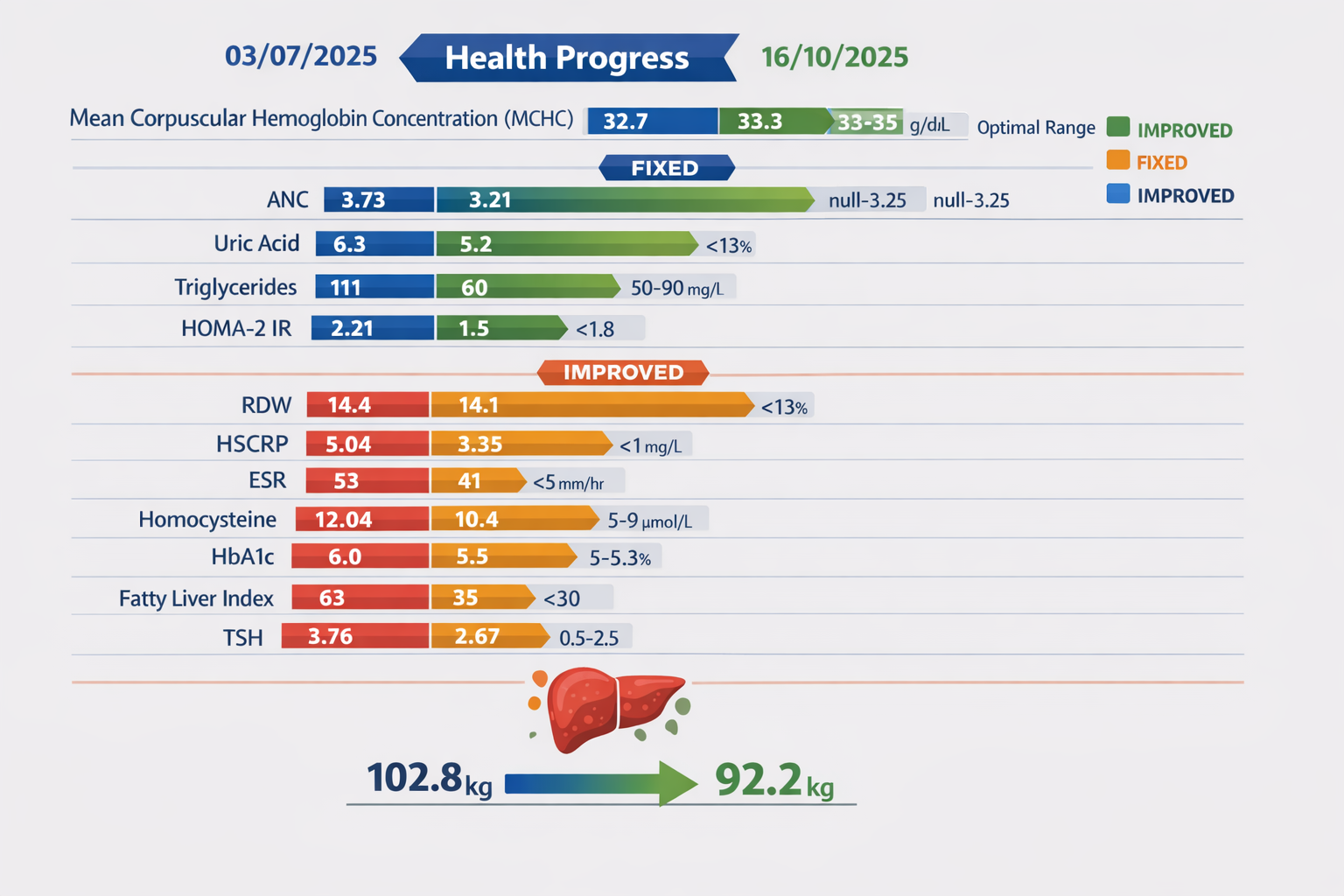
The therapeutic approach focused on addressing the root causes of disease through an integrative functional nutrition model. The intervention combined dietary modification, circadian rhythm optimization, detoxification strategies, targeted supplementation, and lifestyle restructuring. Dietary changes formed the core of the protocol, involving the elimination of inflammatory foods such as gluten, dairy, refined sugars, and processed products, while emphasizing whole, nutrient-dense foods, healthy fats, lean proteins, and low-glycemic carbohydrates. Supplements such as magnesium, omega-3 fatty acids, CoQ10, probiotics, and micronutrients were used to support metabolic function, reduce inflammation, and improve cardiovascular and mitochondrial health.
Following the intervention, significant improvements were observed across multiple biochemical and clinical parameters. The patient experienced notable weight loss, reduced inflammatory markers, improved insulin sensitivity, better liver function, and enhanced metabolic stability. These changes suggest that a comprehensive functional nutrition strategy can positively influence interconnected conditions such as obesity, hypertension, and sleep apnea. Overall, the case supports the potential role of integrative nutrition and lifestyle interventions in addressing complex chronic diseases by targeting underlying physiological imbalances rather than focusing solely on symptom management.


