




Benefits of Zinc Supplementation
Table Of Content

Benefits of Zinc Supplementation

iThrive Team
Nov 4, 2022

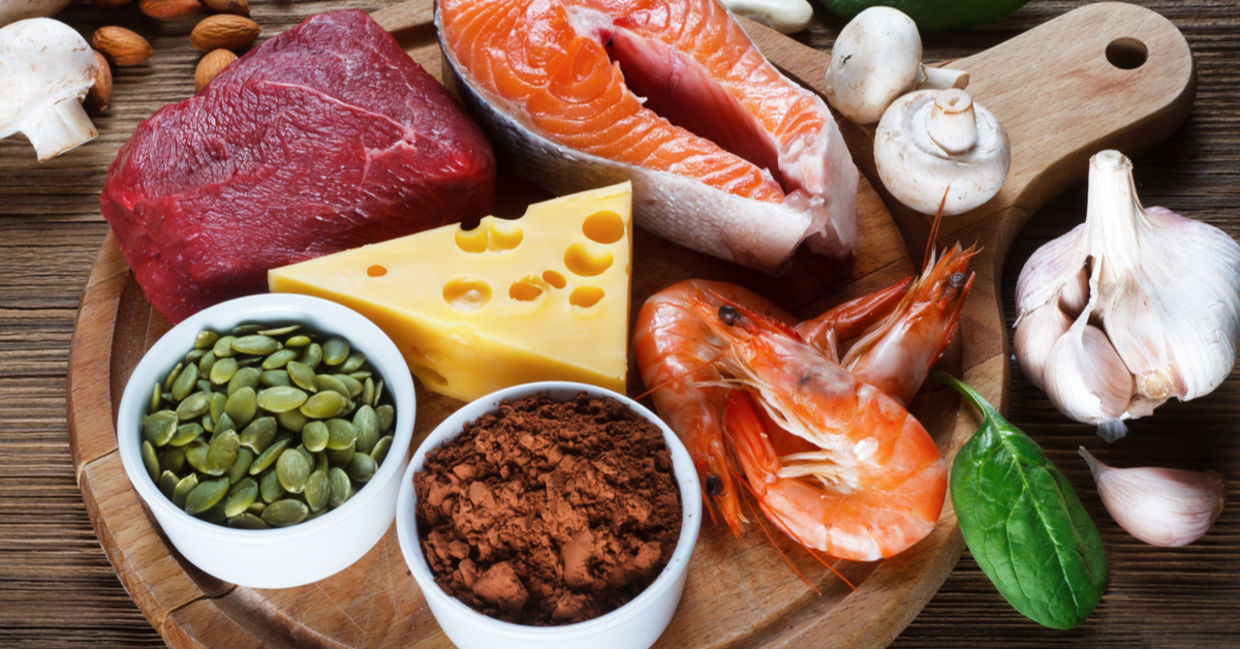
Zinc is one of the most crucial elements found in the human body. It is a micronutrient that is required for the body’s healthy functioning. For example, Zinc gets absorbed in the small intestine and is essential for a variety of metabolic processes, including DNA and protein synthesis. It is necessary for cell growth as well as for supporting the body's immune system. And is found in several meals, including cereals, chicken, meat and seafood 1

Zinc deficiency has no distinct symptoms; however, it can cause growth retardation, diarrhoea, baldness, glossitis, nail dystrophy (thin and brittle nails), impaired immunity, and hypogonadism in males. Zinc deficiency is more common in people who suffer from malabsorption, malnutrition, alcoholism, and inflammatory bowel disease (IBD). 

Supplements are often used to treat zinc deficiency. These supplements are also prescribed to help treat diarrhoea, age-related macular degeneration, upper respiratory infection (URI), wound healing, and human immunodeficiency virus (HIV) 2.

Loss of appetite, and reduced immunological function are symptoms of zinc deficiency. Hair loss, diarrhoea, delayed sexual maturation, impotence, hypogonadism in men, and eye and skin diseases are also symptoms of zinc deficiency in more severe cases. Lack of zinc can also result in loss of immunity, poor sense of smell and taste, increased stress reactions, reduction in protein synthesis, incomplete digestion, leaky gut, impaired fertility, stressed adrenal glands and also low thyroid function 9.

Thus it is recommended to supplement Zinc on a daily basis.

Benefits of Zinc Supplements:

To understand the nature of zinc and how it helps, a number of studies have been undertaken. These studies also tried to answer the question of whether zinc supplementation can actually aid with diseases. Here are the conclusions of myriad studies undertaken: 

1. Diarrhoea:

Randomized controlled trials using zinc supplementation in children with diarrhoea reported an 18% reduction in diarrhoea symptoms as compared to individuals who did not take the supplement 3

2. Respiratory Illness: 

Zinc supplementation significantly reduced the severity of respiratory illnesses 4

3. Skin Issues:

Zinc is a common element in skin care treatments that cure ulcers, diaper rash, and haemorrhoids. Vitamins A and E, as well as carotenes and zinc, are deficient in patients with chronic leg ulcers. In these patients, increased dietary intake may have an effect on the time required for wound healing 5. Zinc supplementation has also been shown to aid in wound healing in a few trials.

4. Oxidative stress disorders:

Having antioxidant properties, Zinc has also been known to work effectively against oxidative-stress disorders 6. Both zinc and antioxidants may help to slow the progression of age-related macular degeneration (AMD) and vision loss, presumably by reducing cellular damage in the retina, according to research 7. Zinc may lower the severity and length of cold symptoms by directly reducing rhinovirus growth in the nasal mucosa and suppressing inflammation 8.

Why are Zinc Supplements Necessary?

While food sources of zinc abound, sometimes the gut can’t properly digest or break down the mineral and absorb it. This is why someone who eats a zinc-rich diet might still show signs of deficiency and need additional supplementation. In this case, improving digestive function & supplementing with Zinc may be needed. Additional support for Zinc can be beneficial to correct & prevent its deficiency. 

Typical doses range from 10 to 15 mg of Zinc daily with Copper to balance it 10.  Zinc reduces the amount of copper your body absorbs, for that reason it is recommended to have copper along with zinc supplements 11.

Speciality of iTHRIVE Essentials Zinc Defense:

iThrive Essentials Zinc Defense makes it easy to get your daily dose of zinc. It provides 15 mg of Zinc Methionine Sulfate with copper to balance it. It is unnecessary to take an additional supplement to maintain copper levels in the body because iThrive Essentials Zinc Defense is already fortified with copper. Our supplement is bioavailable and hence can be absorbed easily. This is a gentle, chelated, and well-tolerated form of zinc. 

References: 

  1. https://books.google.co.in/books?hl=en&lr=&id=ja8KAAAAQBAJ&oi=fnd&pg=PP1&ots=UlArCbvuEq&sig=d6GUC2RfewftCpS4pj-b4ALmNaw&redir_esc=y#v=onepage&q&f=false 
  2. https://www.ncbi.nlm.nih.gov/pmc/articles/PMC2820120/#:~:text=Zinc%20is%20an%20essential%20micronutrient,increased%20risk%20of%20zinc%20deficiency
  3. https://pubmed.ncbi.nlm.nih.gov/18245424/
  4. https://pubmed.ncbi.nlm.nih.gov/17545379/
  5. https://pubmed.ncbi.nlm.nih.gov/10491041/ 
  6. https://pubmed.ncbi.nlm.nih.gov/32828910/ 
  7. https://pubmed.ncbi.nlm.nih.gov/16625532/ 
  8. https://pubmed.ncbi.nlm.nih.gov/15496046/ 
  9. https://pubmed.ncbi.nlm.nih.gov/16632171/ 
  10. https://ods.od.nih.gov/factsheets/Zinc-HealthProfessional/#en74 
  11. https://pubmed.ncbi.nlm.nih.gov/26085547/ 

A
Ask your doubts
Thank you! Your submission has been received!
Oops! Something went wrong while submitting the form.

Related Blogs

Quit The Guesswork With Advanced Tests - Part 1: GI-MAP and Array 12
read count
read time
Sep 13, 2023

Quit The Guesswork With Advanced Tests - Part 1: GI-MAP and Array 12

Despite multiple health interventions, most people are stuck with guesswork for their symptoms with basic blood tests. But advanced tests are here to the rescue, giving us a deep dive into the root cause of underlying dysfunctions!

The human body works like a domino effect. If one domino falls, they all fall. This concept is a little lost in today’s world, where people have normalised various health issues due to their rampancy. We see every other person suffering from bloating, acne, lethargy, weak immune system and a wave of such symptoms. These dysfunctions indicate things going off in the body on a cellular level. It is important to fix them, lest one may also suffer in the long-term. 

Despite multiple health interventions, most people are stuck with guesswork for their symptoms with basic blood tests. But advanced tests are here to the rescue, giving us a deep dive into the root cause of underlying dysfunctions! In today’s world, gastrointestinal and autoimmune disorders are on the rise. As a healthcare practitioner it is inevitable to be aware of the best tests available to heal your clients, and more importantly how to choose between them.

This is a four-part blog series: In the first part we cover GI-MAP by Diagnostic Solutions and Array 12 by Cyrex. The rest of the series will cover the Functional Genome Analysis test, OMX and the Dutch Plus hormone panel. 

Magnifying the gut with GI-MAP

We know that troubles with the gut can give rise to a lot of dysfunctions through the gut’s connection with the brain, immune system, metabolism, thyroid, skin, hormones, heart, and bone! There are trillions of microbes - good and bad - living in our gut that play a vital role in our overall health. This is called the gut microbiome. The gene set of these microbes is 150 times greater than that of the human genome! Analysing this ecosystem with advanced tests like GI-MAP (Gastrointestinal Microbial Assay Plus) has become quite popular today.

GI-MAP gives us invaluable insight into the DNA of the microbes living in the gut. It uses advanced qPCR (quantitative polymerase chain reaction) technology to amplify specific regions of the DNA present in a stool sample — it can detect even the smallest amounts of genetic material.

Some conditions that warrant testing are autoimmune diseases, IBS (Irritable bowel syndrome), digestive complaints, IBD (irritable bowel disease),  brain fog, skin problems like acne and psoriasis, depression, anxiety, diabetes, weight loss issues, and hormone imbalance. Since the health of your gut plays a key role in every organ system and practically every disease condition, this test is a potentially useful tool for almost all cases.

How is GI-MAP different from other gut tests?

  • It amplifies and detects pathogens that are often missed in techniques like culturing and microscopy.
  • Since it uses quantitative PCR, it not only identifies the presence of microbes but also gives a precise measure of their abundance: How high or low the population of a pathogen is and whether it needs to be treated. 
  • The quantitative analysis helps to assess the severity of an infection or imbalance in the gut microbiome. 
  • It can also test for antibiotic resistance by analysing the genes of pathogenic bacteria in your gut.

GI-Map assesses the following: 

  • GI-MAP looks for various pathogenic bacteria, parasites, viruses and worms wreaking havoc in your gut. 
  • It also looks at friendly bacteria like commensal bacteria that extract nutrients and energy from our diets, maintain gut barrier function, produce vitamins like biotin and vitamin K, and protect against colonization by potential pathogens.
  • It gives us an idea of the general health of the gut microflora and measures the levels of good bacteria against the bad. 
  • It assesses fungi/yeast in the gut that may be culprits for dandruff, joint pains and itchy scalp. It also looks for non-pathogenic parasites that don’t cause diseases but lead to issues like gas and bloating. 
  • It can benefit people with autoimmune diseases as some pathogens are associated with autoimmune conditions. 
  • It is also a good measure of gallbladder health and checks if the stomach is secreting enough gastric juices. It has markers that indicate pancreatic functions and the amount of fat present in stools. 
  • The gut controls 70-80% of our immunity so the test can tell us where one’s immunity lies on a spectrum. 
  • It detects your gut’s reaction to gluten.
  • It can be used to test for leaky gut if the optional zonulin marker is included.

Keep in mind that the results of GI-MAP reflect the different strains of pathogens carrying toxic genes, not the level of toxins that may be produced by them. A practitioner has to couple the findings from the test with the patient’s health, volatile nature of some pathogens and the expression of virulence factors in the form of symptoms. 

The Array 12 - Pathogen-Associated Immune Reactivity Screening from Cyrex Laboratories

A lot of factors influence the human microbiome such as genetic makeup, diet, environmental stressors, stress, sleep and activity. Often, your immune system can get overwhelmed with excess environmental stressors like heavy metals, chemicals and drugs. This can create an imbalance in your gut microbiome and make it a breeding ground for pathogens, infections and colonisation by non-beneficial bacteria, viruses, yeasts and parasites.

While trying to restore the balance, your immune system may start attacking its own cells, tissues and organs that have been contaminated – this might progress to autoimmunity. 

Decode your dysfunctions with Array 12

Array 12 by Cyrex can help assess the presence of these pathogens triggering autoimmunity. Array 12 analyses the immune load from 29 viral, bacterial, fungal, parasitic and stealth pathogens that may be dormant in the body. It uses blood samples to look for IgG (Immunoglobulin G) antibodies against pathogens that show immune reactivity long after exposure. 

For example, it can detect gingivitis bacteria that contribute to tooth decay, penicillium used in antibiotics, acinetobacter that plays a role in multiple sclerosis due to cross-reactivity with neurological tissues, not-so-well-known pathogens such as borrelia bacteria from ticks that cause lupus.

If interventions such as detoxification, diet and lifestyle changes are not working then this test can be used to dig deeper. Array 12 is recommended for patients with chronic conditions such as gastrointestinal distress, fatigue, body aches, unexplained inflammation and neuroinflammation. 

GI-MAP v/s Cyrex Array tests

Most autoimmune conditions are idiopathic, that means their causes are unknown and can only be deciphered to a certain extent. So, advanced tests like GI-MAP and Array are your best bet.

While Array 12 is useful to trace existing pathogens causing auto-immune diseases, GI-MAP can go the extra mile to spot infections that could potentially develop into auto-immune conditions in the future. It must be clear till now that GI-MAP is much more detailed, however here are some cases where Array 12 may be more useful than GI-MAP: 

  • GI-MAP may miss out on infections that have passed on from the gut to other organs in the body, this is where Array 12 can be helpful. For instance, in cases where Candida is too extreme it might not show up in the gut and be traceable in other organs. 
  • Array 12 is helpful to spot Epstein-Barr virus (EBV)  and tick-borne diseases that GI-MAP may miss out on because they are found in the blood and not in the stool. 
  • In addition to positive and negative ranges, Array 12 also shows equivocal ranges to detect infections that may have existed in the body in the past. 

However, if we really have to choose then GI-MAP is the most elaborate advanced test available. Even for people with autoimmune conditions, we recommend that they first go for GI-MAP and get a comprehensive snapshot of their gut. Array 12 can complement GI-MAP to probe further into the autoimmune condition. 

People also often compare GI-MAP with Array 2 by Cyrex for gut issues. If one wants a detailed analysis of the gut then GI-MAP is the way to go. Whereas Array 2 can be used as a complementary test to check the integrity of the intestinal barrier and gut permeability, food sensitivities and allergies.

The results from advanced tests are helpful to get to the bottom of dysfunctions. It is important that you sign up with a good functional medicine practitioner to get an accurate interpretation of your results. So, if your disease has taken over your life, get going with these advanced tests and target your health issues with utmost precision!

References:

Health Benefits of Probiotics
read count
read time
Feb 13, 2023

Health Benefits of Probiotics

Probiotics are beneficial bacteria that can promote a healthy gut and improve overall health. Learn about the different types of probiotics and the numerous health benefits they can offer, including improved digestion, a stronger immune system, and better mental health. Explore the latest research and tips for incorporating probiotics into your diet for maximum health benefits.

The natural and predominant components of the gut microbiota are different species of bacteria. Among the many intestinal microbes, those thought to have the ability to improve the host's health by altering the intestinal microbiota are frequently chosen as probiotics. 

Probiotics are living organisms that provide health benefits when consumed in adequate amounts. These organisms are naturally present in fermented and dairy products. The two most common probiotics are Lactobacillus and Bifidobacterium 1. Probiotics are used to boost the immune system, prevent gastrointestinal illnesses, modulate the effect of hypocholesterolemia, and promote oral and dermal health. Probiotics may also be used to help with sadness and anxiety 2.

These bacteria provide various health benefits, such as preventing bowel diseases, improving the immune system, maintaining intestinal microbial balance, reducing traveler’s diarrhea, etc. Initially, probiotics were marketed in the form of fermented foods and dairy products. In recent years, probiotics are now available from non-dairy sources because lactose intolerance has increased 3

Non-dairy probiotic products consist of patented probiotic formulations in the form of a powder that contains the strains, i.e., the subclasses of Lactobacillus, Bifidobacterium, and other probiotic strains. Bacteria produce spores to defend themselves from harsh conditions like temperature, salinity, acidity, etc. Spore-based probiotics are unique in that they can survive the acidic conditions of the gut while still performing their intended functions.

Spore-based probiotic strains:

Endotoxins are the compounds present in the blood as a result of eating foods with high fat and calorie contents. that can stimulate inflammatory action in the body. It stimulates the inflammatory reaction in the body. It can cause intestinal inflammation and damage cell-to-cell connections in the intestine. Increased serum endotoxins are the hallmark of the condition known as endotoxemia (presence of endotoxins in the blood). Studies on spore-based oral probiotics show that they are crucial in lowering intestinal permeability, in which cell-to-cell connection in the gut is lost 4. Several studies have suggested that Bacillus clausii may be a safe and effective treatment option for acute infantile diarrhoea 5.

Similarly, B. coagulans LBSC proved effective in reducing the pathophysiological symptoms of IBS overall while remaining safe for human ingestion 6.

Lactobacilli strains: 

In human therapeutic trials, Lactobacilli strains including Lactobacillus plantarum and Lactobacillus rhamnosus have been used to improve immunological function, treat intestinal problems, and lower the risk of cardiovascular disease. According to scientific evidence, it may be able to protect kids from developing acute gastroenteritis (AGE), antibiotic- or healthcare-associated diarrhoea (AAD and HAD, respectively), and other conditions 7. It has been demonstrated that Lactobacillus gasseri strain LG21 improves Helicobacter pylori eradication and lessens adverse antibiotic effects. A promising mouse pilot study revealed that Lactobacillus gasseri OLL2716 suppressed the growth of antibiotic-resistant H. pylori and decreased inflammatory cytokines 8. It will take more study to confirm the clinical applicability of this discovery.

Bifidobacterium strains:

Due to the related health advantages, bifidobacteria have been used commercially as probiotic agents. Bifidobacterium species, such as Bifidobacterium breve, Bifidobacterium longum, Bifidobacterium bifidum, etc., have been shown to play a significant role in the prevention or treatment of ulcerative colitis, diarrhoea, inflammatory bowel disorders (IBD), etc 9

Yeast:

A yeast called Saccharomyces boulardii is used as a probiotic because it works well to cure bacterially-induced diarrhoea. According to a meta-analysis of research,  S. boulardii is protective against diarrhoea brought on by antibiotic use, Clostridium difficile infection, enteral nutrition-related diarrhoea, traveler's diarrhoea, and Helicobacter pylori infection. Irritable bowel syndrome (IBS), Crohn's disease, ulcerative colitis, and other chronic disorders have all been evaluated for using S. boulardii 10. Numerous S. thermophilus species have demonstrated that it has immunomodulatory effects and a variety of anti-inflammatory immune-modulatory capabilities 11.

With the current major research advancements, there is no question that the application of probiotics for human health will increase.

  1. https://www.researchgate.net/publication/5668137_Regulation_of_Probiotic_Substances_as_Ingredients_in_Foods_Premarket_Approval_or_Generally_Recognized_as_Safe_Notification#:~:text=Probiotics%20have%20been%20safely%20used,(FDA)%20%5B78%5D%20.
  2. https://www.ncbi.nlm.nih.gov/pmc/articles/PMC5031164/#:~:text=Some%20of%20the%20major%20health,as%20improvement%20of%20lactose%20metabolism%20 
  3. https://www.sciencedirect.com/science/article/abs/pii/S2214799315001411 
  4. https://www.ncbi.nlm.nih.gov/pmc/articles/PMC5561432/ 
  5. https://www.ncbi.nlm.nih.gov/pmc/articles/PMC6116021/#__ffn_sectitle
  6. https://www.ncbi.nlm.nih.gov/pmc/articles/PMC7837859/#:~:text=The%20therapeutic%20activity%20of%20B,necrotizing%20enterocolitis%2C%20and%20other%20FGID's.
  7. https://pubmed.ncbi.nlm.nih.gov/32059116/ 
  8. https://www.ncbi.nlm.nih.gov/pmc/articles/PMC6788455/
  9. https://www.ncbi.nlm.nih.gov/pmc/articles/PMC4908950/ 
  10. https://www.ncbi.nlm.nih.gov/pmc/articles/PMC3296087/ 
  11. https://www.ncbi.nlm.nih.gov/pmc/articles/PMC7012395/
Vitamin D and Depression
read count
read time
Dec 27, 2022

Vitamin D and Depression

Vitamins are essential nutrients that help maintain mental and physical health. Research has shown that certain vitamins, such as B-vitamins, can help reduce symptoms of depression and improve overall well-being. Visit our blog to learn more about how vitamins can help with depression and other mental health conditions.

According to estimates, 50% of people worldwide have low vitamin D levels, with the highest prevalence among adults over 60, those with a dark complexion, and those who are obese (1). 

Vitamin D deficiency has also been linked in recent studies to psychological conditions like sadness, anxiety and seasonal affective disorder. It has also been suggested that low levels of Vitamin D may be linked to depressive symptoms. It is so since it functions as a steroid in many brain processes, such as neuroprotection, regulation of neurotrophic factors, neuroplasticity, brain development, and neuroimmunomodulation (3). The correlation, not the causation, between the two conditions, maybe because many individuals at risk for depression are also at risk for vitamin D deficiency.

Depression can cause various symptoms, including decreased productivity, trouble concentrating, irritability, weariness, appetite loss, low self-esteem, feelings of worthlessness, suicidal thoughts, and changes in body weight (4). 

Not all, but some cross-sectional clinical and epidemiologic studies have discovered a substantial correlation between low Vitamin D levels and greater levels of depressive symptoms or a depression diagnosis. There is evidence that patients with depression have low Vitamin D levels. The relationship between the brain's 1-alpha-hydroxylase enzymes and Vitamin D receptors may indicate that Vitamin D plays a specific role in the central nervous system (5). 

SEASONAL DEPRESSION AND VITAMIN D  

Sunlight is the main source of vitamin D, which is why it is sometimes known as the ‘sunshine vitamin’ (2).

Climate and weather fluctuations are linked to seasonal depression. Changes in solar exposure affect the body's vital hormone levels, including serotonin and melatonin. The level of serotonin depends on the availability of Vitamin D, which is required for synthesising the hormone. As a result, as exposure to sunshine declines, so do Vitamin D levels and, subsequently, serotonin levels. This signifies the relationship between Vitamin D and seasonal depression (6). 

Vitamin D can also be obtained from various dietary sources like red meat, liver, egg yolks, and oily fish like sardines, mackerel, and salmon.

Contrary to popular belief, When people say sunlight provides vitamin D, they are actually talking about the UV rays you receive from the sunlight. Our skin naturally contains a precursor to vitamin D. When exposed to UV rays, the precursor is transformed into a molecule called vitamin D3 (7). 

Vitamin D's fundamental function is maintaining proper amounts of calcium and phosphorus for several metabolic processes, regulating bone and muscular strength, healthy immune system operation, and neuroprotection (8). People with depression receive relatively little sunlight because they spend most of their time indoors. 

To meet your body's Vitamin D needs, spend at least 10-15 minutes outside three days a week (9). 

RECOMMENDED DOSAGE OF VITAMIN D

The recommended daily allowance (RDA) for individuals is 600 IU of Vitamin D, increasing intake to 800 IU for those over 70. Studies have shown that Vitamin D supplements up to 2000 IU significantly reduce depression in pregnant women (10). According to the National Institutes of Health, it is safe to take up to 4000 IU of Vitamin D for depression (8).

Check your Vitamin D levels if any of these depression-like symptoms apply to you. Your doctor will do a test to find out how much of the Vitamin is in your blood. Getting in touch with a reputable healthcare provider if you're displaying signs of depression is crucial. Fortunately, it's simple to obtain Vitamin D by either taking supplements, getting more sunlight, or including foods high in Vitamin D in your diet.

References:

  1. https://link.springer.com/article/10.1007/s40263-019-00640-4
  2. https://www.nhs.uk/conditions/vitamins-and-minerals/vitamin-d/
  3. https://pubmed.ncbi.nlm.nih.gov/19545951/
  4. https://www.usnews.com/wellness/mind/articles/vitamin-d-for-depression
  5. https://journals.healio.com/doi/10.3928/02793695-20110111-02
  6. https://www.ncbi.nlm.nih.gov/books/NBK568745/
  7. https://www.tandfonline.com/doi/full/10.4161/derm.24494
  8. https://ods.od.nih.gov/factsheets/VitaminD-HealthProfessional/
  9. https://www.medicalnewstoday.com/articles/vitamin-d-supplementation
  10. https://www.mayoclinic.org/healthy-lifestyle/nutrition-and-healthy-eating/expert-answers/vitamin-d-deficiency/

Talk to our team

Thank you! Your submission has been received!
Oops! Something went wrong while submitting the form.

Talk to our team

Thank you! Your submission has been received!
Oops! Something went wrong while submitting the form.

Download Now

Thank you! Your submission has been received!
Oops! Something went wrong while submitting the form.
Select your Location
Agra
Ahilyanagar
Ahmadnagar
Ahmedabad
Ahmednagar
Akola
Aligarh
Allahabad
Almora
Alwar
Ambala
Ambedkar Nagar
Amravati
Amritsar
Amroha
Anand
Aurangabad
Ayodhya
Azamgarh
Baghpat
Bahadurgarh
Bahraich
Banda
Barabanki
Baraut
Bardhaman
Bareilly
Begusarai
Belgaum
Bengaluru
Bharatpur
Bhatinda
Bhilai Durg
Bhilwara
Bhiwani
Bhopal
Bhubaneswar
Bijnor
Bikaner
Bilaspur
Bokaro
Budhana
Bulandshahar
Chandigarh
Chennai
Chhatrapati Sambhajinagar
Chhindwara
Chomu
Darbhanga
Dehradun
Delhi
Deoband
Deulpur
Dhampur
Dhanbad
Durgapur
Eah
Etah
Etawah
Faizabad
Faridabad
Firozabad
Gadarpur
Gandhinagar
Ganganagar
Gaya
Ghaziabad
Ghazipur
Gonda
Gorakhpur
Greater Noida
Greater Noida Pc
Guntur
Gurgaon
Guwahati
Gwalior
Hajipur
Haldwani
Hapur
Hardoi
Haridwar
Hathras
Hazaribagh
Hisar
Hoshiarpur
Howrah
Hyderabad
Indore
Jabalpur
Jaipur
Jalandhar
Jalgaon
Jalna
Jamnagar
Jamshedpur
Jaunpur
Jhansi
Jhunjhunu
Jind
Jodhpur
Sorry, currently we are not serving this city.
Please try searching for another city or put your city here.
My Location not in the list
Your Location is 'Location'
Book a Test

City

Thank you! Your submission has been received!
Oops! Something went wrong while submitting the form.