





Fighting HMPV? Here Are the Best Ways to Recover Faster
Table Of Content

Fighting HMPV? Here Are the Best Ways to Recover Faster

iThrive Team
Jan 27, 2025

Are you concerned by a lot of news about HMPV on social media and news channels? It's quite natural to feel so, but here is a reassuring reminder: your body is a remarkable machine, designed to heal and bounce back when given the right support. Let's shift our focus from the cycle of fear and worry to what really matters: SOLUTIONS.

In this blog, we'll explore actionable, science-backed strategies for recovering from HMPV with confidence. From immune-boosting foods and supplements to simple lifestyle changes that can accelerate healing, we will provide you with the best strategies for regaining your strength and feeling your best. Also check out our recent blog on HMPV Worries? Here’s What You Need To Know and get a better understanding about HMPV.

Solutions for HMPV Apart From Medicines
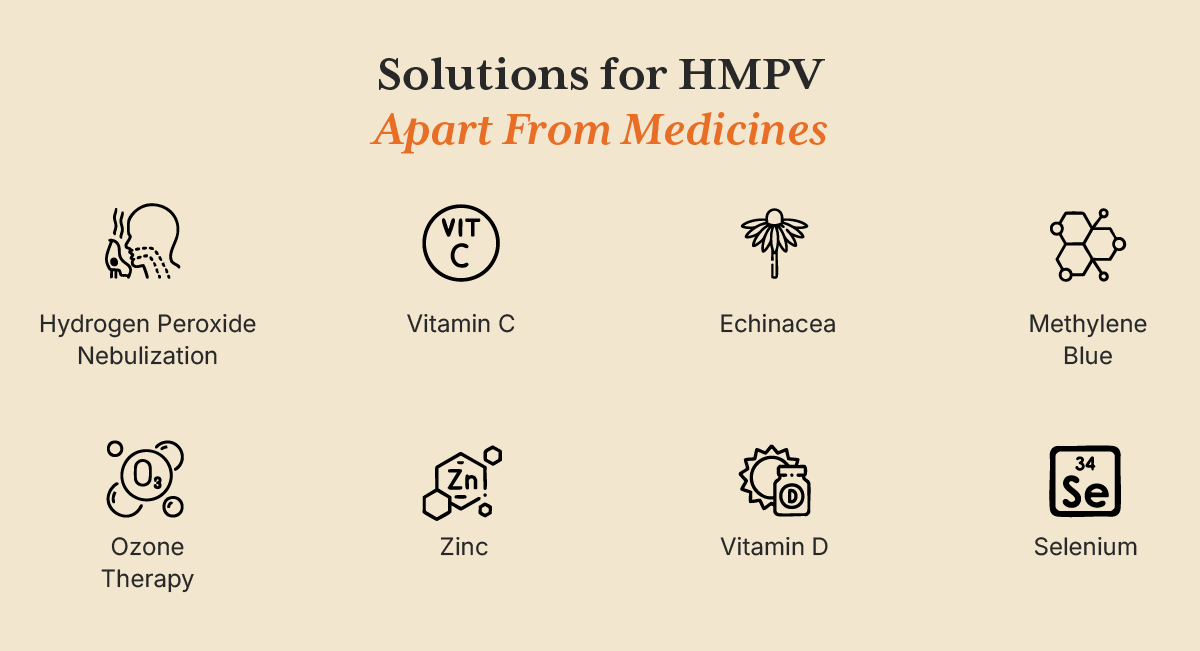
1. Hydrogen Peroxide Nebulization

Hydrogen peroxide nebulization is a treatment that involves inhaling a diluted solution of hydrogen peroxide to clear the respiratory tract, cut down mucus, and kill viruses within the nasal and throat passages. The effect of hydrogen peroxide as a natural disinfectant may also prevent the virus from multiplying in the body's respiratory system.

2. Vitamin C

Vitamin C is a powerful antioxidant that plays a critical role in strengthening the immune system and reducing inflammation which can fight viruses in the body. During such infections like HMPV, Vitamin C dosage has been shown to provide a shortening of the duration of illness and improvement in respiratory health.

You can find Vitamin C in a variety of fresh fruits and vegetables. Citrus fruits like oranges, lemons, and grapefruits are some of the richest sources. Other great options include strawberries, kiwis, guavas, and papayas. For those who struggle to meet their daily Vitamin C needs through diet, high-quality supplements can be an effective option to ensure proper intake during illness.

3. Echinacea

Echinacea is a well-known herb that enhances one's immune system and fights any respiratory infection, and its antiviral properties become more effective especially when used on the early phases of HMPV. Capsules, tinctures, or teas make up the popular forms of available Echinacea, and their recommended dosages can be easily found on a product label; hence, making it easy for you to have echinacea into your routine during the first signs of symptoms to fight off the severity of the disease.

  • Teas: Brew Echinacea tea by steeping the herb in hot water for a soothing drink. It’s an excellent way to stay hydrated while supporting your immune system.
  • Capsules/Tablets: These are a convenient option for consistent dosing. Simply follow the recommended dosage on the label.
  • Powders: Echinacea powders can be mixed into smoothies, soups, or even herbal lattes for a functional health boost.

4. Methylene Blue

Methylene Blue is an antiviral and anti-inflammatory treatment. It acts by enhancing the delivery of oxygen to cells, thus reducing oxidative damage that will help the body recover faster from respiratory infections.

5. Ozone Therapy

Ozone therapy is a holistic treatment of medicine that introduces ozone gas into the body to enhance the utilization of oxygen and boost an immune response. It can help neutralize viruses and reduce inflammation, making it especially useful for the treatment of respiratory infections such as HMPV.  This includes inhalation of medical-grade ozone or intravenous administration. This therapy has to be provided by professionals only to ensure proper safety and efficacy.

6. Zinc

Zinc is a mineral that enhances the immune system through viral replication inhibition and reducing inflammation. Taking zinc supplements during an HMPV infection may reduce the severity of symptoms and shorten the recovery period. Be careful not to overdose since excessive intake can cause nausea, headaches, or even copper deficiency when taken for a long time. Try iThrive Essentials Zinc Defense supplement to boost your immunity and reduce inflammation.

7. Vitamin D

Vitamin D is essential for immune health, as it increases your body's power to combat infections and reduce inflammation. Researchers say that patients with adequate Vitamin D levels recover quickly from respiratory infections. Get a blood test to check your blood Vitamin D status. Otherwise, supplement with 2,000 to 5,000 IU of Vitamin D per day based on the requirements of your body. Another easy and free way to increase vitamin D levels is by spending some time outdoors in the sun. Also, make sure your magnesium & K2 levels are up to the mark as they help absorb vitamin D efficiently. Try iThrive Essentials Vitamin D3 K2 and iThrive Essentials Magnesium Bisglycinate

8. Selenium

Selenium is another trace mineral, which benefits your immune system through inhibition of viral replication and protection of cells against oxidative damage. Below levels can increase susceptibility to infections. However, too much selenium is poisonous, so it is advisable to test your selenium level before supplementing. 50–200 mcg of selenium a day may be taken if necessary. You can also take natural sources such as brazil nuts, fish, and eggs rich in selenium into your diet.

Why These Solutions Work

These treatments support your immune system, diminish inflammation, and heal your body naturally. Viruses such as HMPV are best treated by arming your body with what it needs to heal itself. By emphasizing therapies that decrease viral load, increase oxygen availability, and improve cellular health, you will recover faster without unnecessary medication use.

Further Recovery Tips:

Hydration: Drink plenty of fluids such as water, herbal teas, and broths to keep your respiratory system hydrated and help flush out toxins.

Rest: Your body needs energy to fight the infection, so sleep is important and avoid overexertion.

Nutrient-Dense Foods: Fresh fruits, vegetables, lean protein, and healthy fats support overall recovery.

Conclusion

Dealing with HMPV or any viral infection can be challenging, but with the right approach, recovery is within your control. From boosting your immune system with essential nutrients to incorporating natural remedies, these solutions can make a significant difference in shortening the duration of illness and improving your overall health.

However, if you’re someone who’s been struggling with a viral infection that just won’t seem to go away, whether it’s a persistent sore throat, runny nose, or fatigue, you might be missing a deeper underlying cause. Many people are facing these lingering symptoms without understanding why they’re stuck in this cycle.

At iThrive, we believe in addressing the root causes of your symptoms. We look beyond just treating the infection and focus on the areas that need healing, offering personalized support and customized plans that include diet, supplementation guidance, and lifestyle interventions. Our goal is to help you restore balance and get back to feeling your best.

If you're ready to find out what's really going on with your health, Book a Free Consultation with iThrive today. Let us support you on your path to recovery and optimal wellness.

A
Ask your doubts
Thank you! Your submission has been received!
Oops! Something went wrong while submitting the form.

FAQs

What is HMPV, and how does it affect the body?
faq arrow

HMPV is a respiratory virus that can cause symptoms from mild cold-like issues to severe respiratory infections like bronchitis or pneumonia. This virus primarily affects the respiratory system causing coughing, runny nose, fever, and fatigue. This virus is not deadly and can be managed with few effective strategies listed in the blog.

How does HMPV spread?
faq arrow

It spreads primarily through respiratory droplets, surface contamination, and close contact.

Can HMPV infections become severe?
faq arrow

Most of the cases are mild and this infection can also be said a normal viral infection but in some cases HMPV can become severe in individuals with underlying health conditions, weak immunity, or the very young and elderly. Severe conditions may lead to pneumonia and bronchitis.

What are the most effective ways to recover from HMPV?
faq arrow

If you are infected with HMPV, you should first focus on supporting your immune system. Some of the effective solutions are hydrogen peroxide nebulization, increasing vitamin c, echinacea, methylene blue, ozone therapy, zinc, vitamin D, and selenium.

Can I prevent viral infections with personalised nutrition and lifestyle support?
faq arrow

Yes absolutely. A strong immune system is your best defense against infections. Therefore by addressing nutrient deficiencies, supporting the immune system, taking proper rest, eating whole foods, managing stress, and following a balanced lifestyle can help reduce your risk of infection.

Related Blogs

Why We’re Aging Faster: 12 Daily Habits to Reverse It
read count
read time
Nov 26, 2025

Why We’re Aging Faster: 12 Daily Habits to Reverse It

Discover why we’re aging faster today and learn simple daily habits that boost energy, improve health, and help you live longer and healthier.

Everyone wants to live a long life, but what most of us truly want is to stay healthy, energetic, and active as we age. Longevity isn’t just about adding more years to your life. It’s about adding more life to your years, waking up fresh, moving without pain, staying mentally sharp, and enjoying every stage of life without feeling held back by your body.

But the reality is even though we’re living in a modern world, our bodies are aging faster than ever. Many people in their late 20s and early 30s already feel constant fatigue, hormonal issues, bloating, hair fall, stress and low energy problems that were once considered normal after 50. This is happening because the way we’re living today is putting a lot of pressure on our cells, our hormones and our overall health. And without even realising it, we are speeding up our own aging process.

In this blog, we’ll break down what longevity really means, why our bodies are getting older at such a young age, and the simple lifestyle changes that can help us live longer and live better.

What Is Longevity, Really?

Longevity isn’t just about living for many years, it’s about living those years in good health. It means waking up every day with enough energy to enjoy life, staying mentally sharp as you grow older, and keeping your body strong and active for as long as possible. In simple words, longevity is the art of living longer and living better.

To understand longevity, it helps to look at two ideas: lifespan and healthspan. Lifespan is the total number of years you live, while healthspan is the number of years you live without major illnesses, heavy medications, fatigue or constant discomfort. Most people don’t just want a long life, they want a long, healthy life where they can move freely, think clearly and feel happy in their bodies.

The science of longevity shows us that aging is not only about time passing. It’s also about what’s happening inside our cells, how well they repair themselves, how much stress they’re exposed to, how inflamed the body is and how balanced our hormones are. The interesting part is that many of these factors are influenced not by genetics, but by our daily habits.

This means that a big part of longevity is actually in our hands. The food we eat, the sleep we get, the stress we carry, how much we move, all these small choices add up and shape how long and how well we live.

Why Are Our Bodies Aging Faster Today?

1. Constant Stress

Most of us live with nonstop pressure, work, responsibilities, and daily worries. This keeps the body in a continuous stress mode that leads to increased cortisol levels. When cortisol stays high, it affects sleep, digestion, hormones and the body’s ability to repair itself. Over time, this leads to early aging.

2. Poor Diet and Low Nutrition

We eat a lot but we don’t always eat well. Processed foods, sugar and restaurant meals lack essential vitamins and minerals. Without proper nutrition, the body cannot heal, fight inflammation or maintain healthy cells and this speeds up aging.

3. Sedentary Lifestyle

Most people spend hours sitting at desks, in cars or on the couch. When the body doesn’t move enough, metabolism slows, muscles weaken and circulation drops. This makes the body age faster and reduces overall energy.

4. Not Sleeping Well

Late nights, screens, and stress disturb sleep quality. Since the body repairs itself during sleep, poor sleep means poor recovery. This shows up as fatigue, dull skin, low mood and faster aging. 

Explore how sleep is interlinked with obesity and inflammation: Click here

5. Exposure to Toxins

Pollution, plastics, chemical-based products and even daily household items expose us to toxins constantly. These create oxidative stress which is a major trigger for cellular damage and early aging.

Read more on how toxins can impact your health

6. Excess Screen Time

Continuous screen use strains the eyes, tires the brain and keeps the mind overstimulated. This mental fatigue increases stress hormones and drains energy, contributing to early aging.

How excess screen time can affect human health: Learn more

7. Hormonal Imbalances

Stress, poor sleep, unhealthy food and lack of movement disrupt important hormones like insulin, cortisol and thyroid hormones. When hormones go out of balance, it affects metabolism, skin, mood and overall health, all of which influence how quickly we age.

Longevity Hacks: Simple Habits to Help You Live Longer and Healthier

1. Eat Real, Whole Foods

Your body thrives on nutrients, not on packaged or processed foods. Whole foods like vegetables, fruits, lean proteins, healthy fats, and whole grains provide vitamins, minerals, and antioxidants that repair cells and reduce inflammation. When you reduce sugar and processed food, you slow down cellular damage that is one of the biggest causes of early aging.

2. Move Every Day

Movement is one of the easiest and most powerful longevity tools. You don’t need an intense gym routine; even walking 7,000-10,000 steps, stretching or doing light home workouts makes a big difference. Regular movement boosts blood flow, improves energy, strengthens muscles, and supports a healthy metabolism. Sitting less and moving more keeps your body younger for longer.

3. Sleep Like Your Health Depends on It

Sleep is your body’s natural repair system. During deep sleep, the body heals tissues, balances hormones, clears toxins from the brain and resets your energy. Without 7-9 hours of quality sleep, these processes are disrupted, leading to fatigue, poor skin, hormonal imbalance and faster aging. Good sleep is one of the strongest predictors of longevity.

4. Manage Your Stress Levels

Chronic stress accelerates aging faster than almost anything else. It increases cortisol, which affects hormones, digestion, immunity and sleep. Simple habits like deep breathing, meditation, journaling, prayer, yoga or spending time in nature help lower stress and calm the nervous system. A relaxed mind supports healthier cells and a longer life.

5. Stay Hydrated

Water helps every system in your body work smoothly. It carries nutrients to cells, flushes toxins out, supports digestion, improves skin and keeps your brain sharp. Even mild dehydration can make you feel tired, foggy or older than you are. Aim to drink throughout the day, not just when you feel thirsty.

6. Get Morning Sunlight for Vitamin D

Sunlight is essential for your circadian rhythm (your body clock) and for Vitamin D production. Just 10-20 minutes of morning sunlight can boost your mood, improve sleep quality, strengthen bones, and support immunity. Low Vitamin D is linked to fatigue, poor immunity, and faster aging. If you are not getting enough vitamin D you can go for other options like supplementation. 

7. Strength Train for Strong Muscles

Losing muscle is one of the biggest reasons people feel weak and old with time. Strength training even with light dumbbells or bodyweight exercises helps you maintain muscle mass, keep your bones strong, and boost your metabolism. Just 2-3 sessions a week can slow down age-related decline.

8. Reduce Toxins Where You Can

You can’t control every environmental toxin, but you can reduce many by making simple switches: using natural skincare, avoiding plastic containers, choosing cleaner household products, and ventilating your home. Lower toxin exposure reduces oxidative stress, helping your cells stay younger and healthier.

9. Support Your Gut Health

A healthy gut supports digestion, hormones, immunity, and even your mood. Eating fiber-rich foods, fermented foods, and staying hydrated keeps your gut bacteria balanced. When your gut is healthy, inflammation stays low, and low inflammation is key to longevity.

10. Keep Your Mind Active

Your brain also needs exercise. Reading, learning new skills, solving puzzles, practicing hobbies, or even engaging in meaningful conversations keeps your mind sharp. Staying mentally active reduces the risk of cognitive decline and helps maintain strong brain health as you age.

11. Build Strong Relationships

Humans are wired for connection. Good relationships reduce stress, increase happiness, and support emotional and mental well-being. Studies show that people with strong social bonds live longer and handle life’s challenges better. Even simple interactions like talking to a friend, spending time with family, connecting with your community improve longevity.

12. Understand What’s Happening Inside Your Body

One of the smartest ways to protect your health is to monitor it. A detailed check-up or a Root Cause Analysis (RCA) helps you understand your nutrient levels, inflammation markers, gut health, metabolic health, and hormones. When you know what’s going on inside, you can make better choices and prevent problems before they become serious. This is a major step toward long-term health and longevity.

Is BMI an accurate measurement of your health?
read count
read time
Nov 14, 2025

Is BMI an accurate measurement of your health?

Did you check your BMI? Learn what your BMI indicates about your health, the ranges and what they mean, and the next steps after analysis.

BMI, or Body Mass Index, is a basic calculation that compares your weight to your height. It gives you an idea of whether your current weight is in a healthy range or not. Knowing your BMI is important because it helps you understand if you are underweight, overweight, or at a balanced weight. These numbers are not just about appearance. They are closely linked to your risk of lifestyle disorders, hormonal imbalances, fatigue, weak immunity, and metabolic issues.

A lot of people guess their ideal weight based on what looks good or what others say, but assumptions can be misleading. Your BMI (Body Mass Index) can tell you whether your weight is in a healthy range for your height, but it doesn’t show the full picture of your health. You might have a normal BMI and still struggle with fatigue, bloating, or hormonal issues. That’s because BMI only measures weight, not what’s actually happening inside your body. At iThrive, we look beyond numbers through our Root Cause Analysis (RCA), which studies your blood markers, nutrition, and lifestyle to find what your body truly needs. So, while BMI is a good starting point, real health comes from understanding your root causes. Check your weight status with iThrive’s free BMI calculator.

About iThrive’s BMI Calculator and How to Use It

iThrive’s BMI calculator online is designed to help you understand your current weight status in a quick and accurate way. Unlike random online tools, this BMI calculator India is part of a functional health approach. It gives you a clear idea of where you stand so you can take the next right steps.

You do not need any medical knowledge to use it. The process is simple and takes less than a minute.

How to use iThrive’s BMI calculator:

  1. Enter your height in centimeters or feet and inches
  2. Enter your current weight in kilograms
  3. Click on the calculate button

You will instantly see your BMI number along with the category it falls under. This quick calculation gives you a snapshot of your health status. Once you know your result, it becomes easier to understand what your body needs next. Interpret your BMI results.

BMI Categories and Ranges

Once you calculate your BMI using our Body Mass Index calculator, the next step is understanding what your number actually means. Here is a clear breakdown of the BMI categories along with what each range may indicate:

Underweight: < 18.5 

If your BMI is below 18.5, it means your body weight may be lower than what is considered healthy for your height. This can be a sign of low muscle mass, nutritional deficiencies, poor absorption, weak immunity, or an underlying health condition. Book your RCA to find out why your BMI is low.

Normal: 18.5 - 24.9

This range is considered a healthy and balanced zone for most adults. It usually indicates that your weight is proportionate to your height and that your body is not under stress because of being too light or too heavy. However, even within this range, lifestyle and internal health still play a major role in how you feel. Even if your BMI falls within the normal range, it doesn’t always mean you’re completely healthy. Many people with a normal BMI still struggle with issues like fatigue, poor gut health, hormonal imbalances, or nutrient deficiencies. So while it’s a good sign that your weight is balanced, true health goes beyond numbers. Book your RCA (Root Cause Analysis) to know the full picture of your health.

Overweight: 25 - 29.9

A BMI in this range shows that your weight is higher than what is ideal for your height. Many people in this category do not notice changes immediately, but this stage often acts as a warning sign. It increases the risk of inflammation, insulin resistance, joint issues, energy fluctuations, and metabolic stress if not addressed on time. Book your RCA to understand the causes behind weight gain.

Obese: ≥ 30

A BMI of 30 or above means your body is carrying excess weight that can start affecting multiple functions. This range is linked to a higher risk of chronic conditions like diabetes, PCOS, hypertension, heart disease, fatty liver, hormonal imbalances and reduced mobility. Obesity is not just about eating more. It can also be driven by deeper issues in the body. Check your weight status with our BMI calculator for men, women, or kids and teens.

These categories help you understand where you currently stand, but BMI alone cannot explain why your number is higher, lower, or normal. The real insights come when you look deeper into the causes behind your weight. 

If Your BMI Isn’t Ideal - Time for Root Cause Analysis

Your BMI is more than a number. It is a signal from your body telling you that something may need attention. Whether it is higher or lower than the healthy range, it is important not to just follow random diets or workout fads. Instead, understanding the root causes behind your BMI can guide you to long-term health and sustainable results.

Reasons You May Be Overweight

Many people think weight gain is always caused by eating too much, but it is rarely that simple. Several internal and external factors can contribute:

  • Hormonal Imbalances: Hormones act like your body’s control system for weight. Thyroid issues, insulin resistance, PCOS, or high cortisol from stress can cause your body to store fat instead of burning it efficiently. For example, someone may follow a strict diet but still gain weight because their hormones are not balanced.
  • Chronic Inflammation: Inflammation may sound like something you feel physically, like pain or swelling, but hidden inflammation in the body can slow down metabolism, make fat harder to burn, and cause fluid retention. Chronic inflammation often results from processed foods, stress, infections, or environmental toxins.
  • Gut Health Issues: A healthy gut is crucial for proper digestion and nutrient absorption. Problems such as gut dysbiosis, slow digestion, or infections like H. pylori can disrupt metabolism and even cause your body to store extra fat.
  • Nutrient Deficiencies: Deficiencies in vitamins and minerals like vitamin D, vitamin B12, magnesium, or zinc can interfere with energy production, fat metabolism, and appetite regulation. This can make it harder to lose weight even with exercise.
  • Lifestyle Factors: Sedentary habits, irregular sleep, high stress, and emotional eating can all contribute to weight gain. Even if your diet looks healthy, these factors may keep your weight higher than desired.
  • Toxin Accumulation: Your liver and other organs help process toxins, but exposure to pollutants, chemicals, or a diet high in processed foods can interfere with fat metabolism and hormone balance.

Understanding these causes allows you to approach weight management effectively. It shifts the focus from just losing weight to improving your overall health.

Book your RCA to identify why your BMI is low and improve your health.

Reasons You May Be Underweight

Being underweight is also more complex than it seems. Simply eating more may not solve the problem because underlying issues could be preventing your body from gaining healthy weight:

  • Malabsorption and Gut Issues: Even if you eat enough food, your body may not absorb nutrients properly due to digestive disorders, gut inflammation or infections. This can lead to low energy, weakness and difficulty gaining weight.
  • Hormonal Problems: Conditions like hyperthyroidism or adrenal imbalances can increase metabolism too much, causing your body to burn calories faster than it can replace them.
  • Chronic Inflammation or Stress: High stress and inflammation can suppress appetite and prevent your body from gaining muscle or fat in a healthy way.
  • Nutrient Deficiencies: Low intake or poor absorption of protein, essential fats, vitamins, and minerals can prevent muscle building and healthy weight gain.
  • Underlying Medical Conditions: Chronic illnesses or metabolic disorders may contribute to being underweight despite following a healthy lifestyle.

Finding the real reasons for being underweight helps you improve energy levels, immunity, mental clarity and overall vitality, instead of just focusing on eating more calories.

Book your RCA to identify why your BMI is low and improve your health.

How RCA Gives Deeper Insights Beyond BMI

At iThrive, we believe your BMI calculator result is just the first step. Whether your BMI is low, high, or even within the normal range, it doesn’t show what’s happening inside your body. If you want to check your health status in detail, iThrive’s Root Cause Analysis (RCA) is the next step. Our approach is based on functional nutrition, meaning we don’t just focus on symptoms, we look at how your body functions as a whole.

What is Root Cause Analysis (RCA)?

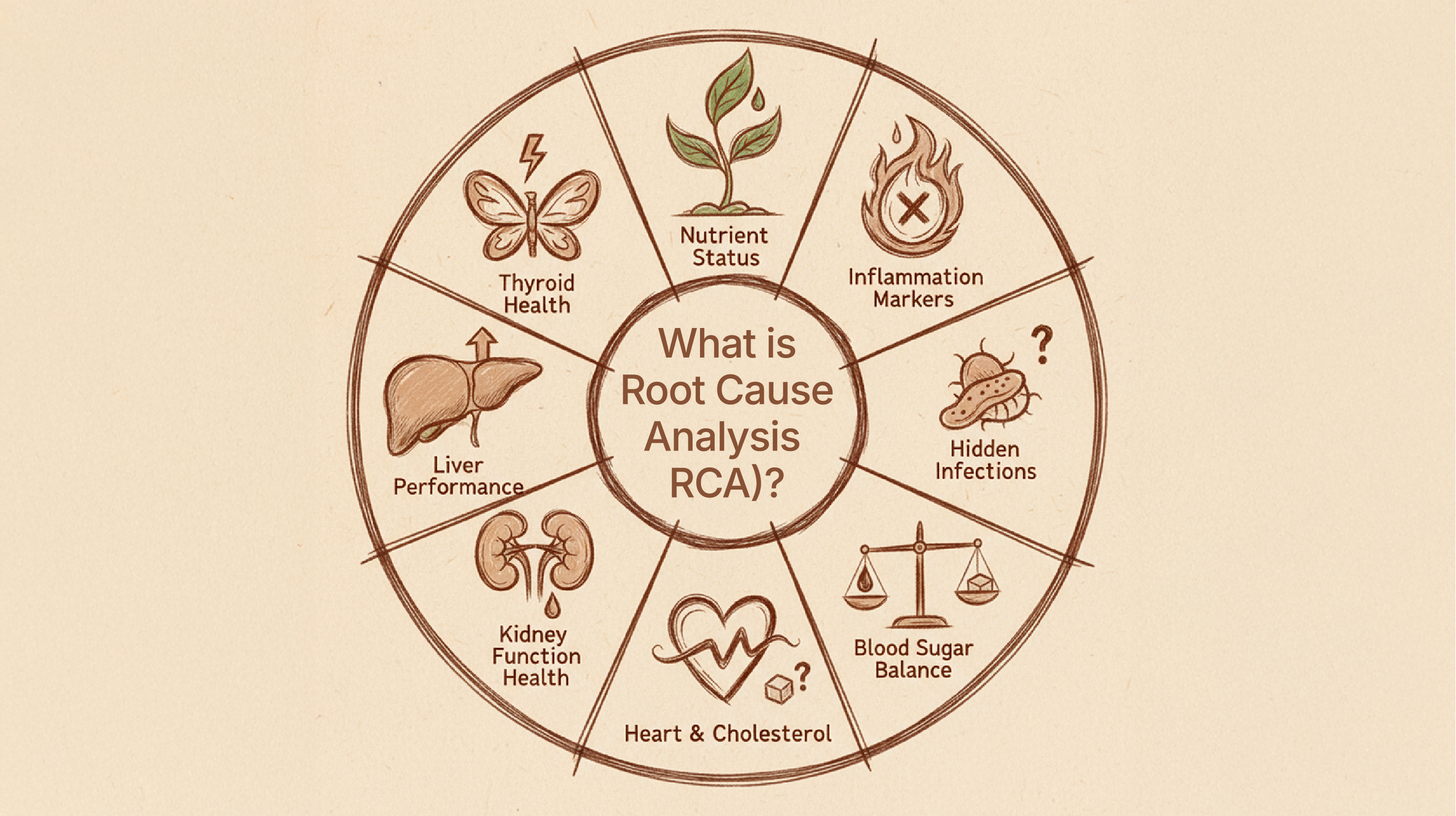
RCA is a comprehensive health assessment where more than 55+ blood parameters are analysed. Based on these, your full health status is evaluated, helping you understand why your body behaves the way it does, including weight management, energy levels, immunity, digestion, and hormone balance.

Here’s what RCA at iThrive analyses and why it matters:

1. Nutrient Status

Checks vitamins and minerals like B12, Vitamin D, iron, magnesium, folate, and zinc.
Even mild deficiencies can affect metabolism, energy, muscle building, appetite, immunity, and fat storage. Identifying them early helps you take corrective action before health issues develop.

2. Inflammation Markers

Assesses CRP, ESR, and uric acid to detect hidden chronic inflammation.
Chronic inflammation can silently affect weight, cause insulin resistance, fatigue, joint pain, or increase the risk of long-term conditions. Early detection allows preventive measures.

3. Hidden Infections

Undiagnosed infections can impact digestion, immunity, energy, skin health, and even weight. RCA uncovers these hidden causes.

4. Blood Sugar Balance

Analyses insulin, HbA1c, and early signs of insulin resistance. Even with normal fasting glucose, your body may struggle with sugar balance. Detecting imbalances early can prevent weight fluctuations, cravings, energy crashes, or future diabetes.

5. Heart & Cholesterol Health

Goes beyond HDL and LDL to check triglycerides, ApoB, oxidized cholesterol, and inflammation markers. Provides a real picture of cardiovascular risk, especially for people with high BMI, overweight tendencies, or metabolic concerns.

6. Kidney Function

Examines BUN, creatinine, eGFR, uric acid, and electrolytes. Detects early kidney stress, toxin buildup, and mineral imbalances that may not appear in basic tests.

7. Liver Performance

Tests SGOT, SGPT, GGT, and bilirubin. The liver regulates fat metabolism, hormone balance, and detox. Early detection of fatty liver or sluggish detox helps optimize metabolism and weight management.

8. Thyroid Health

Analyses TSH, Free T3, Free T4, reverse T3, and antibodies. Detects early thyroid issues or autoimmunity that can impact weight, energy, mood, and metabolism which is often missed in routine tests.

Conclusion

A BMI calculator is a powerful starting point. It helps you understand where you stand — whether you're underweight, in the healthy range, overweight, or obese. But BMI alone does not explain why your body is in that range.

If your result isn’t ideal, do not panic or jump into random diets. Focus on understanding what’s really happening inside your body. Root Cause Analysis helps you go beyond the number on the screen to uncover real reasons behind weight changes.

Start by checking your BMI with iThrive’s free BMI calculator.
If your BMI is too high or too low, take the smarter route. book your RCA, check your weight status, and book a free consultation

iThrive’s BMI calculator India is suitable for men, women, kids, and teens. Find out what is my BMI in under a minute and start your journey to better health today.

RCA vs Regular Checkups: What’s the Difference?
read count
read time
Nov 7, 2025

RCA vs Regular Checkups: What’s the Difference?

Have you ever gone for a regular health checkup, received the reports, and been told everything is “normal,” yet you still feel tired, bloated, or unwell? Many people face this confusion. Their symptoms are real, but conventional reports do not reveal the underlying issues.

Have you ever gone for a regular health checkup, received the reports, and been told everything is “normal,” yet you still feel tired, bloated, or unwell? Many people face this confusion. Their symptoms are real, but conventional reports do not reveal the underlying issues.

This happens because regular health checkups are designed to detect diseases, not to explore why your body is struggling. To truly understand your health and prevent problems before they become serious, you need a deeper approach. This is where Root Cause Analysis (RCA) comes in. RCA identifies the underlying reasons for your symptoms and helps restore balance in your body.

Let’s explore the differences between RCA and regular checkups in a simple way.

1. Understanding the Goal

When it comes to understanding your health, both regular health checkups and Root Cause Analysis (RCA) serve important purposes, but their goals are very different.

A regular health checkup focuses mainly on detecting diseases or obvious abnormalities. It checks your vital parameters, basic blood markers, and organ functions to see if anything has already gone wrong. However, it doesn’t go deeper to find why certain symptoms are appearing or what is causing those changes in your body. In short, it tells you what’s wrong, but not why it’s happening.

An RCA health assessment, on the other hand, goes much further. It takes a preventive and investigative approach by looking at how different systems in your body are working together. RCA in healthcare doesn’t just look for disease, it looks for imbalances and early warning signs that can lead to disease later. It helps you understand the root cause of your health issues before they become serious.

For instance, if your blood sugar is slightly high, a regular checkup might simply mark it as “normal” since it hasn’t crossed the diabetic range. But an RCA health check will dig deeper to understand why it’s rising, whether it’s due to stress hormones, infection and inflammatory markers, or nutrient deficiencies, and help you correct it before it becomes a chronic problem.

That’s the key difference between RCA and regular checkups. While a regular health screening provides a surface-level snapshot of your current state, a root cause health check gives you a detailed map of what’s happening beneath the surface.

2. What Is Analysed in Regular Checkups vs RCA

Regular Health Checkups Analysis

When you visit a doctor with a symptom, for example, stomach pain, a regular health checkup usually focuses only on that one problem area. The doctor might ask what you ate last night, prescribe some medicines for acidity or gas, and send you home.

In most cases, only the immediate symptom is addressed, not the reason behind it. The pain may go away temporarily after taking medicines, but once you stop them, it often returns. This happens because regular health checkups do not go deep enough to find the root cause of your discomfort.

Typically, a regular health screening will measure:

  • Your body temperature
  • Blood pressure
  • Heart rate
  • Weight
  • And maybe a few basic blood parameters like hemoglobin, thyroid , cholesterol fasting and hba1c sugar

While these are important, they only show a small part of your health story. You might still feel unwell even if everything looks “normal” on paper.

What Is Analysed in RCA

An RCA health assessment goes much deeper. It analyses 55+ parameters to understand how your body is functioning as a whole. Instead of just focusing on symptoms, it uncovers the root cause of why those symptoms are happening.

Here’s what is analysed in RCA:

1. Nutrient Status

Regular health checkups only focus on whether your vitamin and mineral levels fall within a broad “normal” range. RCA digs deeper into key nutrients like Vitamin D, B12, iron, magnesium, zinc and folate to understand how your body is actually functioning. Even slight deficiencies can lead to fatigue, hair fall, low mood, weak immunity or hormonal imbalance before they show up as a disease. RCA helps catch these imbalances early so you can correct them before they affect your health.

2. Inflammation Markers

In a routine checkup, inflammation is usually not tested unless you're in visible pain or have an active condition. RCA checks markers like HS-CRP and ESR to detect hidden, chronic inflammation that may be silently damaging your body. This type of inflammation is often linked to weight gain, insulin resistance, joint pain, heart risk and autoimmune issues. Catching it early helps prevent long-term disease.

3. Hidden Infections

If you go to a doctor with stomach pain or fatigue, you're often given medicines without checking what’s actually causing it. RCA looks beyond symptoms and identifies patterns linked to underlying infections such as H. pylori, candida, EBV, parasites or UTIs. These infections don’t always show up in basic tests but can cause acidity, bloating, low energy, acne or poor immunity for years if not addressed.

4. Blood Sugar Balance

A regular checkup usually stops at fasting or random blood sugar levels. RCA evaluates parameters like insulin, HbA1c and signs of insulin resistance to understand how your body is managing sugar over time. You may not be diabetic, but you could already be experiencing early imbalance leading to weight gain, cravings, brain fog or energy crashes. RCA helps you correct it before it becomes a bigger issue like diabetes.

5. Heart & Cholesterol Health

Instead of only checking HDL and LDL like a normal test, RCA examines a complete heart health picture. Many people are told their cholesterol is “okay” when deeper markers show hidden stress. RCA gives a more accurate idea of heart health so you can take preventive steps.

6. Kidney Function

Basic tests only look at creatinine, which changes when damage has already started. RCA goes further by analyzing BUN, eGFR, uric acid and electrolyte balance to detect early kidney stress. This helps catch toxin buildup, mineral imbalance and dehydration-related strain before it turns into a chronic kidney issue.

7. Liver Performance

The liver doesn’t just process food, but it also regulates hormones, detoxifies the body and supports digestion. Regular checkups rarely interpret liver function deeply. RCA examines markers like SGOT, SGPT, GGT and bilirubin to detect toxin overload or sluggish detox. Early detection can prevent fatigue, acne, migraines, skin issues and metabolic slowdown.

8. Thyroid Health

Most doctors only test TSH and assume everything is fine if it falls within the range. RCA analyses the full thyroid panel, including Free T3, Free T4, and antibodies to uncover conversion issues, autoimmunity or early thyroid decline. This gives answers to symptoms like weight gain, hair loss, mood swings and low energy that regular tests often ignore.

3. How Results Are Interpreted

One of the biggest differences between Root Cause Analysis (RCA) and regular health checkups is how your reports are understood.

In Regular Health Checkups

In regular health checkups, your reports are compared to reference ranges. These ranges are based on the average population, not on what is truly healthy. The problem is that a large part of this “normal” population already has hidden health issues. So even if you feel tired, bloated, low on energy, moody, or unwell, your reports may still be considered “fine.” This approach mainly focuses on detecting disease after it develops, not on finding the root cause of why your body is struggling.

In Root Cause Analysis (RCA)

In Root Cause Analysis (RCA), your results are interpreted using optimal ranges, not just basic normal ranges. These ranges are narrower and based on what supports real health, energy, and prevention and not just the absence of disease. Even slight imbalances are taken seriously because they can explain symptoms like fatigue, hair fall, weight gain, brain fog, poor digestion, or mood changes. Instead of waiting for a condition to worsen, RCA focuses on early detection and addressing the root cause before it turns into a long-term problem.

When You Should Do RCA (Root Cause Analysis)

Root Cause Analysis is not only for people with a diagnosed disease. It is for anyone who wants deeper answers and long-term solutions instead of temporary symptom relief. Even if you don’t have any health issues, you can get it done to understand your overall health status and prevent future imbalances.

If you relate to any of these situations, an RCA health assessment can give you the clarity and direction that regular checkups often miss.

Conclusion

At iThrive, we specialise in Root Cause Analysis to help you finally understand what your body is trying to tell you. If you're dealing with symptoms, feeling stuck despite normal reports, or simply want to take preventive action, this is the right time to begin.

If you're struggling with chronic conditions like IBS, thyroid disorders, PCOS, diabetes, fatty liver, autoimmune issues, hormonal imbalance, skin problems, anxiety, or constant fatigue, a regular checkup may not give you the answers you need. At iThrive, we use a personalised approach to understand what’s really happening inside your body and create customised plans through nutrition, lifestyle changes, supplementation, and targeted healing strategies. You don’t have to live with recurring symptoms or temporary fixes.

Talk to our team

Thank you! Your submission has been received!
Oops! Something went wrong while submitting the form.

Talk to our team

Thank you! Your submission has been received!
Oops! Something went wrong while submitting the form.

Download Now

Thank you! Your submission has been received!
Oops! Something went wrong while submitting the form.
Select your Location
Agra
Ahilyanagar
Ahmadnagar
Ahmedabad
Ahmednagar
Akola
Aligarh
Allahabad
Almora
Alwar
Ambala
Ambedkar Nagar
Amravati
Amritsar
Amroha
Anand
Aurangabad
Ayodhya
Azamgarh
Baghpat
Bahadurgarh
Bahraich
Banda
Barabanki
Baraut
Bardhaman
Bareilly
Begusarai
Belgaum
Bengaluru
Bharatpur
Bhatinda
Bhilai Durg
Bhilwara
Bhiwani
Bhopal
Bhubaneswar
Bijnor
Bikaner
Bilaspur
Bokaro
Budhana
Bulandshahar
Chandigarh
Chennai
Chhatrapati Sambhajinagar
Chhindwara
Chomu
Darbhanga
Dehradun
Delhi
Deoband
Deulpur
Dhampur
Dhanbad
Durgapur
Eah
Etah
Etawah
Faizabad
Faridabad
Firozabad
Gadarpur
Gandhinagar
Ganganagar
Gaya
Ghaziabad
Ghazipur
Gonda
Gorakhpur
Greater Noida
Greater Noida Pc
Guntur
Gurgaon
Guwahati
Gwalior
Hajipur
Haldwani
Hapur
Hardoi
Haridwar
Hathras
Hazaribagh
Hisar
Hoshiarpur
Howrah
Hyderabad
Indore
Jabalpur
Jaipur
Jalandhar
Jalgaon
Jalna
Jamnagar
Jamshedpur
Jaunpur
Jhansi
Jhunjhunu
Jind
Jodhpur
Sorry, currently we are not serving this city.
Please try searching for another city or put your city here.
My Location not in the list
Your Location is 'Location'
Book a Test

City

Thank you! Your submission has been received!
Oops! Something went wrong while submitting the form.