Superfoods are foods that have special health benefits, like lowering cholesterol, preventing cancer, or improving performance. This is what you have been reading about, right? Let me burst your bubble. The superfood is a myth. There is no agreed-upon definition for "superfood." It is definitely not a scientific term; rather, it is a marketing term that has become a popular buzzword among the general public. So, what makes these foods so special? Nothing.
There has been no change to the fundamentals of a healthy diet. Having a varied and well-balanced diet that provides us with all of the necessary nutrients from a wide range of sources is essential to good nutrition. One food would be a true "superfood" if it contained all of the nutrients. However, these foods do not exist. For instance, kale is regarded as a superfood despite the fact that it can cause gas and other digestive issues when consumed regularly.
This is due to the high concentration of tough, insoluble fiber, indigestible plant material, and anti-nutrients found in kale, as well as the fact that it passes through your digestive system virtually unchanged. Anti-nutrients in food hinder the absorption of nutrients in your body, additionally, this "superfood" loses its "super" quality when cooked. If consumed in large quantities, it may affect thyroid function. Progoitrin, a substance in it, has the potential to hinder the synthesis of thyroid hormones and essentially prevent your thyroid from getting the iodine it needs to function. Blood sugar levels and weight can fluctuate as a result.
Why is it considered a superfood?
The fact that any whole, minimally processed food could be considered a "superfood" due to one or more of its properties, nutrients, or ingredients is one of the biggest issues with the term "superfood." Eat a wide range of foods, including animal meat, fruits, and vegetables, to improve health and athletic performance instead of focusing on a few potential superfoods.
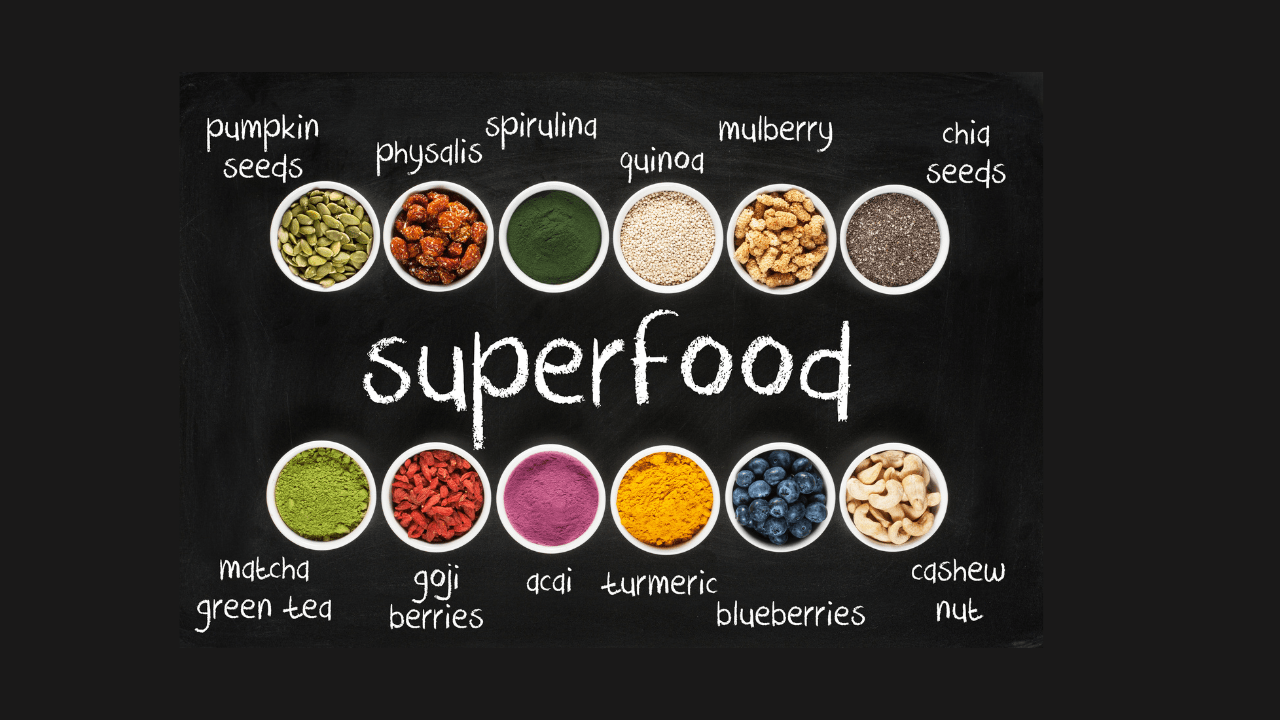
Superfood Chart
Regardless of whether a food is referred to as a superfood or not, the truth is that you cannot survive solely on it. There is no such thing as a superfood from a dietary point of view, it's just food. Even though some foods are thought to be better for you than others (like fresh fruit compared to juice that has sugar in it), the food or diet industry has only labeled those foods for marketing purposes and all this comes down to modern marketing. Instead of focusing on "superfoods" for specific nutrients, the key to improving overall nutrition and health is to eat a wide variety of fresh, unprocessed foods, organ and animal meat.
A
Ask your doubts
Thank you! Your submission has been received!
Oops! Something went wrong while submitting the form.
Related Blogs
read count
read time
Trending Post
Jul 3, 2026
Still Sick Despite Normal Test Results. Could It Be Lyme Disease?
Normal blood tests don’t always explain persistent fatigue, brain fog, joint pain, or recurring flare-ups. Learn why Lyme disease is often overlooked, how it affects the body, and what a root cause approach to recovery can look like.
Introduction
When a well-known supermodel Bella hadid broke down on Instagram recently, describing years of fatigue, brain fog, flare-ups, anxiety, and a body that felt like it was working against her, the internet searched for one thing immediately that is Lyme disease. Honestly, that search matters. Not because of who was talking, but because of how many people read her words and quietly thought…wait, that sounds like me.
This is the reality of Lyme disease. It doesn't always announce itself dramatically. It creeps in slowly, wearing a hundred different masks, and for millions of people around the world, it takes years, sometimes over a decade before they even have a name for what they're experiencing.
Here at iThrive, we've seen this pattern too many times to not talk about it.
What lyme disease actually is?
Lyme disease is a tick-borne illness caused by a bacterium called Borrelia burgdorferi. It spreads through the bite of infected black-legged ticks, sometimes called deer ticks. The tick has to be attached for at least 36 to 48 hours for the bacteria to be transmitted, which means a timely tick check after outdoor exposure genuinely matters.
What makes Borrelia unique and particularly difficult is its structure. It's a spirochete, a corkscrew-shaped bacterium that can drill through dense tissue, cross the blood-brain barrier, and hide inside joints, nerves, and even the heart. It has evolved to evade standard immune responses. In some cases, it forms biofilm-like clusters that are almost impossible for the immune system alone to break through. This is precisely why Lyme disease can go from just a tick bite to a full neurological, cardiac, or musculoskeletal condition if left unaddressed.
Why does it get missed for years?
Here's the thing that frustrates us, and should frustrate you too.
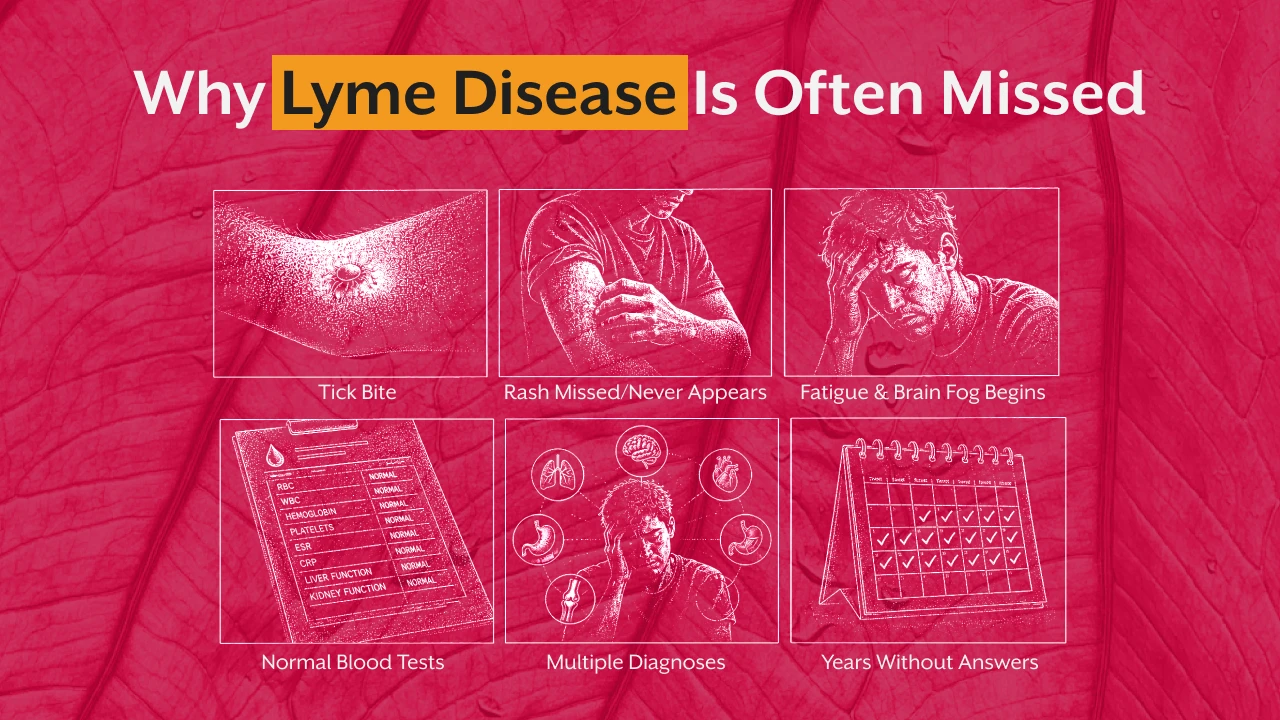
Lyme disease progresses in stages. In the early stage, right after the bite, a characteristic bull's-eye rash called erythema migrans appears in roughly 70-80% of cases. That rash is actually diagnostic on its own in which no further testing is needed. If a doctor sees it, treatment should begin immediately.
But here's the problem. Not everyone gets that rash or at times it also appears somewhere you can't easily see like your back, your scalp, behind the knee. Even when it does appear, not everyone connects it to a tick bite they may barely remember.
So people move through the early stage without even catching it. Weeks pass, months pass and by the time symptoms escalate in the form of joint pain, neurological issues, chronic fatigue, or heart palpitations, the window for straightforward treatment has narrowed considerably.
Standard blood tests then add much more to the confusion. The most commonly used tests check for your immune response to the bacteria. If your immune system hasn't mounted a strong enough antibody response yet, you can test negative while being actively infected. This is particularly common in early-stage Lyme.
A negative test does not mean you don't have Lyme disease. This is something our nutritionist Saloni, Chief of Client Services and functional nutritionist with over 4 years of experience, keeps mentioning constantly. Clinical evaluation and a thorough history have to necessarily be a part of proper assessment.
What does lyme disease feel like when it’s not caught early?
We want to be honest about this, because the vague nature of these symptoms is exactly why people dismiss them or get dismissed by others.
Chronic or late-stage Lyme disease, sometimes called Post-Treatment Lyme Disease Syndrome, presents differently in different people. At the same time, the patterns we see come up again and again.
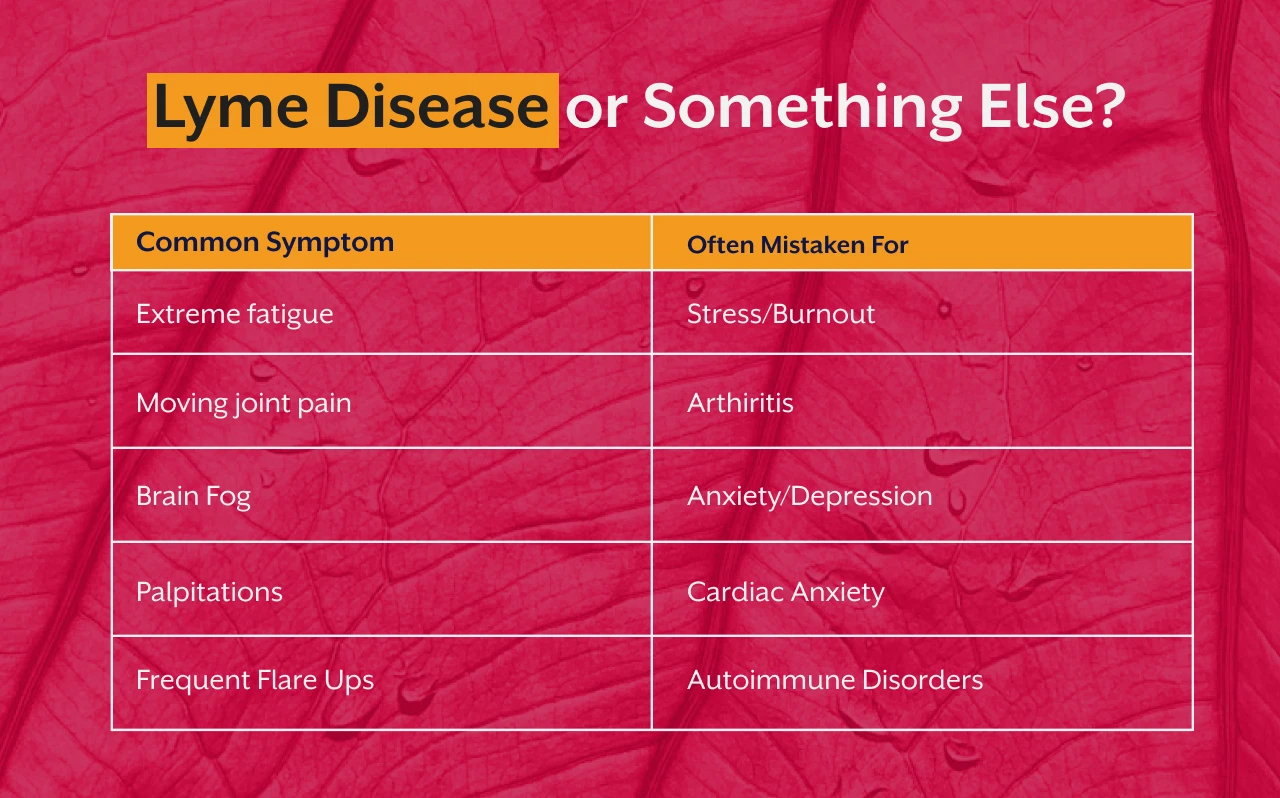
Fatigue that doesn't respond to sleep. Not "I'm a bit tired" fatigue. The kind where you have been sleeping straight for 9 hours and wake up exhausted. The kind where getting through the afternoon feels like climbing a hill.
Joint pain that moves around. Today it's the knees, the next day it’s the wrists, then hips. Migratory joint pain with no clear cause is one of the most consistent features of late Lyme.
Neurological symptoms. Brain fog is so thick that even the basic decisions feel difficult. Conditions such as word retrieval problems, memory gaps, numbness or tingling in the hands and feet. In more advanced cases, facial palsy, nerve pain, or sensitivity to light as well as sound.
Mood and mental health changes. Anxiety that appears out of nowhere, bouts of depression that don't match your life circumstances, and emotional dysregulation. No, this is not psychological weakness, Borrelia can cross the blood-brain barrier and directly affect neurotransmitter function.
Heart involvement such as palpitations, irregular heartbeat, or a condition called Lyme carditis wherein the bacteria disrupts the electrical system of the web.
Immune dysregulation like getting sick constantly, feeling like the body is always fighting something but never winning. Histamine intolerance, food sensitivities, and inflammatory flare-ups that seem random but in reality they aren’t.
What all of these have in common is that they look, on paper, like a dozen other conditions. Fibromyalgia, chronic fatigue syndrome, multiple sclerosis, autoimmune conditions, and anxiety disorders. People get sent from specialist to specialist, collecting diagnoses that treat the symptoms but never explain the origin.
Why does the body struggle so hard to clear it?
This is where the functional nutrition lens becomes really important and where we at iThrive spend a lot of our time thinking.
Borrelia doesn't just infect passively, it also actively disrupts the immune response. It suppresses the very cells that are supposed to identify and eliminate it. It depletes key nutrients the immune system depends on and it then creates a state of chronic inflammation that, over time, starts damaging tissues that the bacteria itself isn't even directly attacking.
Three things compound this significantly.
Mitochondrial dysfunction like infection and inflammation drain cellular energy at the mitochondrial level. This is why Lyme fatigue is so severe, and it's not muscular tiredness, it's all about the cellular energy failure. So when the mitochondria can't produce adequate ATP, every system in the body slows down.
Gut disruption. Borrelia, antibiotics used to treat it, and the chronic stress of illness, all take a toll on the gut microbiome. A damaged gut means compromised nutrient absorption, worsened immune function, and increased intestinal permeability which then drives more systemic inflammation. You can read more about how gut dysfunction fuels chronic symptoms in our SIBO and brain fog blog.
Nutrient depletion like magnesium , zinc, B vitamins, Vitamin D, and glutathione are all depleted significantly in chronic infection states. These are core nutrients to immune function, neurological health, detoxification, and energy production. Addressing deficiencies isn't a nice-to-have, it's utterly quite foundational.
What recovery actually requires?
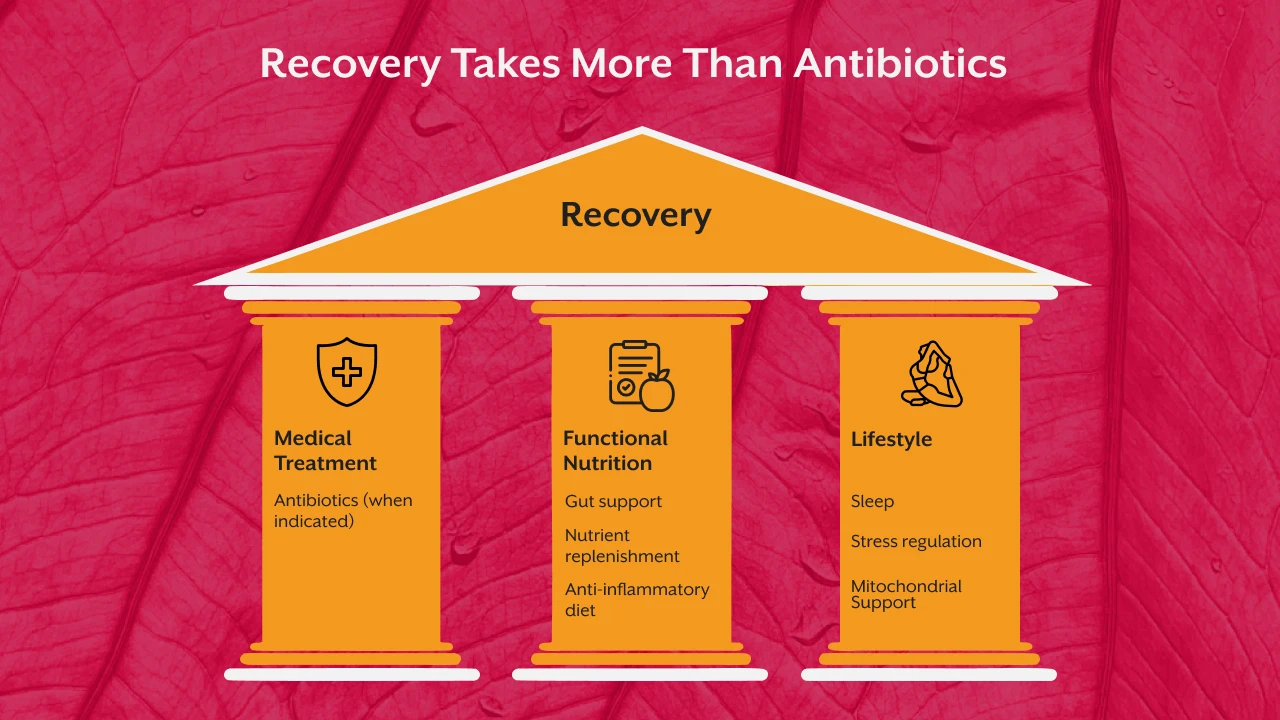
This is the part that mainstream conversations about Lyme often skip, and it's the most important part. Antibiotics are the standard first-line treatment for Lyme disease, and in early-stage cases, they are highly effective. Doxycycline, amoxicillin, or cefuroxime for 2 to 4 weeks clears the infection well when caught in time.
As far as the case of late-stage or chronic Lyme matters, the cases where symptoms have persisted for months or years, antibiotics alone don't always resolve everything. The inflammation, the immune dysregulation, the mitochondrial damage, and the nutritional depletion, none of these get addressed by antibiotics. And yet they're often what's driving the ongoing symptoms even after the bacterial load has been reduced.
This is exactly why we keep emphasising 3 things in every chronic illness case we work with here at iThrive, whether it's Lyme-related or not.
Lifestyle interventions because sleep is non-negotiable. A dysregulated nervous system cannot heal. Circadian rhythm, stress reduction, and pacing have to be actively managed.
Personalised diet protocol as anti-inflammatory, nutrient-dense, and tailored to the individual's current state of gut health. For someone in a Lyme flare, what works nutritionally is very different from what works in a stable period. Generic healthy eating isn't enough here.
Smart supplementation and not a handful of random capsules. Targeted support like magnesium for mitochondrial and nervous system function, B-complex for neurological support, Vitamin D for immune modulation, glutathione precursors for detoxification, and omega-3s to manage the inflammatory load. Each and every choice has a reason behind it.
This three-pronged approach doesn't replace medical treatment for Lyme. It works alongside it to give the body the resources it actually needs to heal.
What do we think about this at iThrive?
We're a functional nutrition based organization, and we've been in this space since 2019. But chronic, unexplained symptom presentations involving fatigue, brain fog, joint pain, immune fragility are exactly what functional nutrition is designed to address at the root.
When someone comes to us who's been told their labs are "normal" but they feel anything but, our very first job is to look at the whole picture. What's happening in the gut? What are the mitochondria doing? Where are the nutritional gaps? What does the inflammatory load look like? How is the nervous system responding to daily stressors?
Saloni and the rest of our team go through this carefully with every client, because the same symptom in 2 different people can have completely different underlying drivers. The protocol has to match the individual's requirement, health history, and deficiencies.
If you've been dealing with symptoms that don't seem to resolve regardless of what you try and especially if there's any history of tick exposure, time spent outdoors, or a pattern of unexplained flare-ups, then this is genuinely worth looking into properly.
Key Takeaway
The biggest mistake we see people make with complex, chronic illness is waiting. Waiting for a definitive test result, waiting to feel bad enough to take action, and lastly waiting to be believed.
Your body is telling you something. Whether or not Lyme disease is ultimately the answer, the underlying patterns like the inflammation, the immune fragility, or the nutritional depletion deserve to be taken seriously and addressed now.
Why We’re Aging Faster: 12 Daily Habits to Reverse It
Discover why we’re aging faster today and learn simple daily habits that boost energy, improve health, and help you live longer and healthier.
Everyone wants to live a long life, but what most of us truly want is to stay healthy, energetic, and active as we age. Longevity isn’t just about adding more years to your life. It’s about adding more life to your years, waking up fresh, moving without pain, staying mentally sharp, and enjoying every stage of life without feeling held back by your body.
But the reality is even though we’re living in a modern world, our bodies are aging faster than ever. Many people in their late 20s and early 30s already feel constant fatigue, hormonal issues, bloating, hair fall, stress and low energy problems that were once considered normal after 50. This is happening because the way we’re living today is putting a lot of pressure on our cells, our hormones and our overall health. And without even realising it, we are speeding up our own aging process.
In this blog, we’ll break down what longevity really means, why our bodies are getting older at such a young age, and the simple lifestyle changes that can help us live longer and live better.
What Is Longevity, Really?
Longevity isn’t just about living for many years, it’s about living those years in good health. It means waking up every day with enough energy to enjoy life, staying mentally sharp as you grow older, and keeping your body strong and active for as long as possible. In simple words, longevity is the art of living longer and living better.
To understand longevity, it helps to look at two ideas: lifespan and healthspan. Lifespan is the total number of years you live, while healthspan is the number of years you live without major illnesses, heavy medications, fatigue or constant discomfort. Most people don’t just want a long life, they want a long, healthy life where they can move freely, think clearly and feel happy in their bodies.
The science of longevity shows us that aging is not only about time passing. It’s also about what’s happening inside our cells, how well they repair themselves, how much stress they’re exposed to, how inflamed the body is and how balanced our hormones are. The interesting part is that many of these factors are influenced not by genetics, but by our daily habits.
This means that a big part of longevity is actually in our hands. The food we eat, the sleep we get, the stress we carry, how much we move, all these small choices add up and shape how long and how well we live.
Why Are Our Bodies Aging Faster Today?
1. Constant Stress
Most of us live with nonstop pressure, work, responsibilities, and daily worries. This keeps the body in a continuous stress mode that leads to increased cortisol levels. When cortisol stays high, it affects sleep, digestion, hormones and the body’s ability to repair itself. Over time, this leads to early aging.
2. Poor Diet and Low Nutrition
We eat a lot but we don’t always eat well. Processed foods, sugar and restaurant meals lack essential vitamins and minerals. Without proper nutrition, the body cannot heal, fight inflammation or maintain healthy cells and this speeds up aging.
3. Sedentary Lifestyle
Most people spend hours sitting at desks, in cars or on the couch. When the body doesn’t move enough, metabolism slows, muscles weaken and circulation drops. This makes the body age faster and reduces overall energy.
4. Not Sleeping Well
Late nights, screens, and stress disturb sleep quality. Since the body repairs itself during sleep, poor sleep means poor recovery. This shows up as fatigue, dull skin, low mood and faster aging.
Explore how sleep is interlinked with obesity and inflammation: Click here
5. Exposure to Toxins
Pollution, plastics, chemical-based products and even daily household items expose us to toxins constantly. These create oxidative stress which is a major trigger for cellular damage and early aging.
Continuous screen use strains the eyes, tires the brain and keeps the mind overstimulated. This mental fatigue increases stress hormones and drains energy, contributing to early aging.
How excess screen time can affect human health: Learn more
7. Hormonal Imbalances
Stress, poor sleep, unhealthy food and lack of movement disrupt important hormones like insulin, cortisol and thyroid hormones. When hormones go out of balance, it affects metabolism, skin, mood and overall health, all of which influence how quickly we age.
Longevity Hacks: Simple Habits to Help You Live Longer and Healthier
1. Eat Real, Whole Foods
Your body thrives on nutrients, not on packaged or processed foods. Whole foods like vegetables, fruits, lean proteins, healthy fats, and whole grains provide vitamins, minerals, and antioxidants that repair cells and reduce inflammation. When you reduce sugar and processed food, you slow down cellular damage that is one of the biggest causes of early aging.
2. Move Every Day
Movement is one of the easiest and most powerful longevity tools. You don’t need an intense gym routine; even walking 7,000-10,000 steps, stretching or doing light home workouts makes a big difference. Regular movement boosts blood flow, improves energy, strengthens muscles, and supports a healthy metabolism. Sitting less and moving more keeps your body younger for longer.
3. Sleep Like Your Health Depends on It
Sleep is your body’s natural repair system. During deep sleep, the body heals tissues, balances hormones, clears toxins from the brain and resets your energy. Without 7-9 hours of quality sleep, these processes are disrupted, leading to fatigue, poor skin, hormonal imbalance and faster aging. Good sleep is one of the strongest predictors of longevity.
4. Manage Your Stress Levels
Chronic stress accelerates aging faster than almost anything else. It increases cortisol, which affects hormones, digestion, immunity and sleep. Simple habits like deep breathing, meditation, journaling, prayer, yoga or spending time in nature help lower stress and calm the nervous system. A relaxed mind supports healthier cells and a longer life.
5. Stay Hydrated
Water helps every system in your body work smoothly. It carries nutrients to cells, flushes toxins out, supports digestion, improves skin and keeps your brain sharp. Even mild dehydration can make you feel tired, foggy or older than you are. Aim to drink throughout the day, not just when you feel thirsty.
6. Get Morning Sunlight for Vitamin D
Sunlight is essential for your circadian rhythm (your body clock) and for Vitamin D production. Just 10-20 minutes of morning sunlight can boost your mood, improve sleep quality, strengthen bones, and support immunity. Low Vitamin D is linked to fatigue, poor immunity, and faster aging. If you are not getting enough vitamin D you can go for other options like supplementation.
7. Strength Train for Strong Muscles
Losing muscle is one of the biggest reasons people feel weak and old with time. Strength training even with light dumbbells or bodyweight exercises helps you maintain muscle mass, keep your bones strong, and boost your metabolism. Just 2-3 sessions a week can slow down age-related decline.
8. Reduce Toxins Where You Can
You can’t control every environmental toxin, but you can reduce many by making simple switches: using natural skincare, avoiding plastic containers, choosing cleaner household products, and ventilating your home. Lower toxin exposure reduces oxidative stress, helping your cells stay younger and healthier.
9. Support Your Gut Health
A healthy gut supports digestion, hormones, immunity, and even your mood. Eating fiber-rich foods, fermented foods, and staying hydrated keeps your gut bacteria balanced. When your gut is healthy, inflammation stays low, and low inflammation is key to longevity.
10. Keep Your Mind Active
Your brain also needs exercise. Reading, learning new skills, solving puzzles, practicing hobbies, or even engaging in meaningful conversations keeps your mind sharp. Staying mentally active reduces the risk of cognitive decline and helps maintain strong brain health as you age.
11. Build Strong Relationships
Humans are wired for connection. Good relationships reduce stress, increase happiness, and support emotional and mental well-being. Studies show that people with strong social bonds live longer and handle life’s challenges better. Even simple interactions like talking to a friend, spending time with family, connecting with your community improve longevity.
12. Understand What’s Happening Inside Your Body
One of the smartest ways to protect your health is to monitor it. A detailed check-up or a Root Cause Analysis (RCA) helps you understand your nutrient levels, inflammation markers, gut health, metabolic health, and hormones. When you know what’s going on inside, you can make better choices and prevent problems before they become serious. This is a major step toward long-term health and longevity.
read count
read time
Trending Post
Nov 14, 2025
Is BMI an accurate measurement of your health?
Did you check your BMI? Learn what your BMI indicates about your health, the ranges and what they mean, and the next steps after analysis.
BMI, or Body Mass Index, is a basic calculation that compares your weight to your height. It gives you an idea of whether your current weight is in a healthy range or not. Knowing your BMI is important because it helps you understand if you are underweight, overweight, or at a balanced weight. These numbers are not just about appearance. They are closely linked to your risk of lifestyle disorders, hormonal imbalances, fatigue, weak immunity, and metabolic issues.
A lot of people guess their ideal weight based on what looks good or what others say, but assumptions can be misleading. Your BMI (Body Mass Index) can tell you whether your weight is in a healthy range for your height, but it doesn’t show the full picture of your health. You might have a normal BMI and still struggle with fatigue, bloating, or hormonal issues. That’s because BMI only measures weight, not what’s actually happening inside your body. At iThrive, we look beyond numbers through our Root Cause Analysis (RCA), which studies your blood markers, nutrition, and lifestyle to find what your body truly needs. So, while BMI is a good starting point, real health comes from understanding your root causes. Check your weight status with iThrive’s free BMI calculator.
About iThrive’s BMI Calculator and How to Use It
iThrive’s BMI calculator online is designed to help you understand your current weight status in a quick and accurate way. Unlike random online tools, this BMI calculator India is part of a functional health approach. It gives you a clear idea of where you stand so you can take the next right steps.
You do not need any medical knowledge to use it. The process is simple and takes less than a minute.
Enter your height in centimeters or feet and inches
Enter your current weight in kilograms
Click on the calculate button
You will instantly see your BMI number along with the category it falls under. This quick calculation gives you a snapshot of your health status. Once you know your result, it becomes easier to understand what your body needs next. Interpret your BMI results.
BMI Categories and Ranges
Once you calculate your BMI using our Body Mass Index calculator, the next step is understanding what your number actually means. Here is a clear breakdown of the BMI categories along with what each range may indicate:
Underweight: < 18.5
If your BMI is below 18.5, it means your body weight may be lower than what is considered healthy for your height. This can be a sign of low muscle mass, nutritional deficiencies, poor absorption, weak immunity, or an underlying health condition. Book your RCA to find out why your BMI is low.
Normal: 18.5 - 24.9
This range is considered a healthy and balanced zone for most adults. It usually indicates that your weight is proportionate to your height and that your body is not under stress because of being too light or too heavy. However, even within this range, lifestyle and internal health still play a major role in how you feel. Even if your BMI falls within the normal range, it doesn’t always mean you’re completely healthy. Many people with a normal BMI still struggle with issues like fatigue, poor gut health, hormonal imbalances, or nutrient deficiencies. So while it’s a good sign that your weight is balanced, true health goes beyond numbers. Book your RCA (Root Cause Analysis) to know the full picture of your health.
Overweight: 25 - 29.9
A BMI in this range shows that your weight is higher than what is ideal for your height. Many people in this category do not notice changes immediately, but this stage often acts as a warning sign. It increases the risk of inflammation, insulin resistance, joint issues, energy fluctuations, and metabolic stress if not addressed on time. Book your RCA to understand the causes behind weight gain.
Obese: ≥ 30
A BMI of 30 or above means your body is carrying excess weight that can start affecting multiple functions. This range is linked to a higher risk of chronic conditions like diabetes, PCOS, hypertension, heart disease, fatty liver, hormonal imbalances and reduced mobility. Obesity is not just about eating more. It can also be driven by deeper issues in the body. Check your weight status with our BMI calculator for men, women, or kids and teens.
These categories help you understand where you currently stand, but BMI alone cannot explain why your number is higher, lower, or normal. The real insights come when you look deeper into the causes behind your weight.
If Your BMI Isn’t Ideal - Time for Root Cause Analysis
Your BMI is more than a number. It is a signal from your body telling you that something may need attention. Whether it is higher or lower than the healthy range, it is important not to just follow random diets or workout fads. Instead, understanding the root causes behind your BMI can guide you to long-term health and sustainable results.
Reasons You May Be Overweight
Many people think weight gain is always caused by eating too much, but it is rarely that simple. Several internal and external factors can contribute:
Hormonal Imbalances: Hormones act like your body’s control system for weight. Thyroid issues, insulin resistance, PCOS, or high cortisol from stress can cause your body to store fat instead of burning it efficiently. For example, someone may follow a strict diet but still gain weight because their hormones are not balanced.
Chronic Inflammation: Inflammation may sound like something you feel physically, like pain or swelling, but hidden inflammation in the body can slow down metabolism, make fat harder to burn, and cause fluid retention. Chronic inflammation often results from processed foods, stress, infections, or environmental toxins.
Gut Health Issues: A healthy gut is crucial for proper digestion and nutrient absorption. Problems such as gut dysbiosis, slow digestion, or infections like H. pylori can disrupt metabolism and even cause your body to store extra fat.
Nutrient Deficiencies: Deficiencies in vitamins and minerals like vitamin D, vitamin B12, magnesium, or zinc can interfere with energy production, fat metabolism, and appetite regulation. This can make it harder to lose weight even with exercise.
Lifestyle Factors: Sedentary habits, irregular sleep, high stress, and emotional eating can all contribute to weight gain. Even if your diet looks healthy, these factors may keep your weight higher than desired.
Toxin Accumulation: Your liver and other organs help process toxins, but exposure to pollutants, chemicals, or a diet high in processed foods can interfere with fat metabolism and hormone balance.
Understanding these causes allows you to approach weight management effectively. It shifts the focus from just losing weight to improving your overall health.
Being underweight is also more complex than it seems. Simply eating more may not solve the problem because underlying issues could be preventing your body from gaining healthy weight:
Malabsorption and Gut Issues: Even if you eat enough food, your body may not absorb nutrients properly due to digestive disorders, gut inflammation or infections. This can lead to low energy, weakness and difficulty gaining weight.
Hormonal Problems: Conditions like hyperthyroidism or adrenal imbalances can increase metabolism too much, causing your body to burn calories faster than it can replace them.
Chronic Inflammation or Stress: High stress and inflammation can suppress appetite and prevent your body from gaining muscle or fat in a healthy way.
Nutrient Deficiencies: Low intake or poor absorption of protein, essential fats, vitamins, and minerals can prevent muscle building and healthy weight gain.
Underlying Medical Conditions: Chronic illnesses or metabolic disorders may contribute to being underweight despite following a healthy lifestyle.
Finding the real reasons for being underweight helps you improve energy levels, immunity, mental clarity and overall vitality, instead of just focusing on eating more calories.
At iThrive, we believe your BMI calculator result is just the first step. Whether your BMI is low, high, or even within the normal range, it doesn’t show what’s happening inside your body. If you want to check your health status in detail, iThrive’s Root Cause Analysis (RCA) is the next step. Our approach is based on functional nutrition, meaning we don’t just focus on symptoms, we look at how your body functions as a whole.
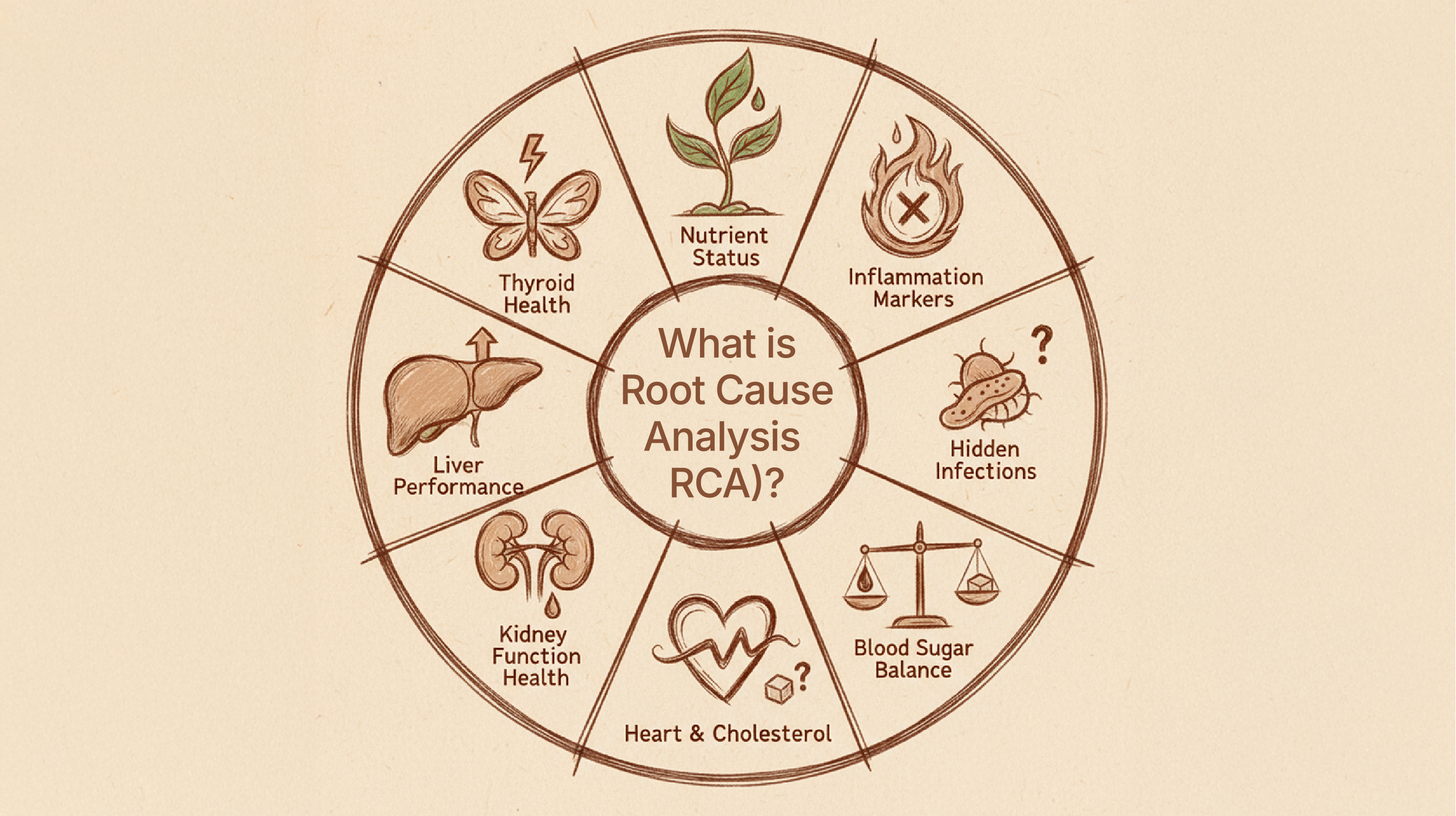
What is Root Cause Analysis (RCA)?
RCA is a comprehensive health assessment where more than 55+ blood parameters are analysed. Based on these, your full health status is evaluated, helping you understand why your body behaves the way it does, including weight management, energy levels, immunity, digestion, and hormone balance.
Here’s what RCA at iThrive analyses and why it matters:
1. Nutrient Status
Checks vitamins and minerals like B12, Vitamin D, iron, magnesium, folate, and zinc. Even mild deficiencies can affect metabolism, energy, muscle building, appetite, immunity, and fat storage. Identifying them early helps you take corrective action before health issues develop.
2. Inflammation Markers
Assesses CRP, ESR, and uric acid to detect hidden chronic inflammation. Chronic inflammation can silently affect weight, cause insulin resistance, fatigue, joint pain, or increase the risk of long-term conditions. Early detection allows preventive measures.
3. Hidden Infections
Undiagnosed infections can impact digestion, immunity, energy, skin health, and even weight. RCA uncovers these hidden causes.
4. Blood Sugar Balance
Analyses insulin, HbA1c, and early signs of insulin resistance. Even with normal fasting glucose, your body may struggle with sugar balance. Detecting imbalances early can prevent weight fluctuations, cravings, energy crashes, or future diabetes.
5. Heart & Cholesterol Health
Goes beyond HDL and LDL to check triglycerides, ApoB, oxidized cholesterol, and inflammation markers. Provides a real picture of cardiovascular risk, especially for people with high BMI, overweight tendencies, or metabolic concerns.
6. Kidney Function
Examines BUN, creatinine, eGFR, uric acid, and electrolytes. Detects early kidney stress, toxin buildup, and mineral imbalances that may not appear in basic tests.
7. Liver Performance
Tests SGOT, SGPT, GGT, and bilirubin. The liver regulates fat metabolism, hormone balance, and detox. Early detection of fatty liver or sluggish detox helps optimize metabolism and weight management.
8. Thyroid Health
Analyses TSH, Free T3, Free T4, reverse T3, and antibodies. Detects early thyroid issues or autoimmunity that can impact weight, energy, mood, and metabolism which is often missed in routine tests.
Conclusion
A BMI calculator is a powerful starting point. It helps you understand where you stand — whether you're underweight, in the healthy range, overweight, or obese. But BMI alone does not explain why your body is in that range.
If your result isn’t ideal, do not panic or jump into random diets. Focus on understanding what’s really happening inside your body. Root Cause Analysis helps you go beyond the number on the screen to uncover real reasons behind weight changes.
iThrive’s BMI calculator India is suitable for men, women, kids, and teens. Find out what is my BMI in under a minute and start your journey to better health today.
Star Your Root Cause Analysis
Includes home blood sample collection + 1-hour expert consultation to understand your health findings. 12-week Alive Program available separately at an additional cost.



.svg)
.svg)























.svg)