


.svg)
.svg)







Introduction
A few years ago, weight loss injections were considered to be very extreme. But here we are today, where peptides have become completely normal and are everywhere. The celebrities are talking about them, the biohackers are experimenting with them, clinics are prescribing without knowing health history, and of course social media like usual is flooded with dramatic transformation reels from medications like Mounjaro and Ozempic.
But honestly I feel somewhere between the fear and the hype, the real conversation completely got lost. The truth remains that the peptides are neither magic nor any random dangerous shortcuts, they are the tools and in fact the most powerful ones. When used appropriately, they help in regulating the biology that makes weight loss feel almost impossible for the majority of people in the first place.
At iThrive, we’ve worked with our clients struggling with obesity, insulin resistance, emotional eating, chronic stress, inflammation, hormonal dysfunction, as well as metabolic burnout since 2019. Many of them also came to us feeling ashamed because they believed their weight gain was purely a lack of discipline.
But the deeper we looked, the clearer it became for us.
- Chronic stress alters hunger signalling
- Trauma changes the behaviour of eating
- Poor sleep slowly alters insulin sensitivity
- Inflammation slows down the metabolism
- Emotional overwhelm dysregulates appetite.
These are the reasons why modern peptide therapy is changing obesity medicine completely. But here’s the part nobody will talk about enough: the goal should never be to become skinny at the cost of your metabolism. I repeat NEVER.
The real goal is metabolic healing while:
- Losing fat while necessarily preserving muscle
- Improving insulin sensitivity
- Reducing visceral fat
- Calming cravings,
- Helping the body feel safe enough to regulate weight again.
And this particular distinction changes everything.
What Are Peptides?

Peptides Meaning Explained Simply
Peptides are basically the short chains of amino acids, the very same molecules that form proteins in our human body. So your body naturally produces peptides all the time and then they act as signalling messengers that help regulate factors such as hunger, blood sugar, healing, hormones, metabolism, inflammation, sleep, as well as recovery. In simple terms, peptides tell different parts of the body how they should respond. And certain therapeutic peptides are now being utilized in medicine to target very specific pathways related to obesity as well as metabolic health.
This is where weight loss injections come in.
Why Losing Weight Is Harder Than “Eat Less, Move More”
Your Biology Fights Weight Loss
Most of the people think fat loss is completely mathematical like eating less calories and burning more calories. But the body is far more complex than that.
When people aggressively diet their hunger hormones increases, cravings intensifies, metabolic health slows down, energy crashes, stress hormones rises and the brain becomes obsessed with food. This is one reason why so many people regain the weight they lose and when emotional stress enters the picture, things get even harder.
At iThrive, we’ve seen clients gain significant weight during their grief, burnout, caregiving stress or emotional trauma. Because during these times food becomes the comfort, and eating therefore becomes regulation further taking the body into a metabolically stuck situation.
Which is why sustainable fat loss requires far more than willpower.
The Rise of Weight Loss Peptides

Why Everyone Is Suddenly Talking About Them
Modern weight loss injections work primarily through pathways related to GLP-1, GIP, as well as glucagon signalling.
The most identified names include:
- Semaglutide
- Tirzepatide
- Retatrutide injection therapy
These peptides help in regulating appetite, insulin response, calorie expenditure, satiety, as well as blood sugar stability. Unlike crash dieting, they work by influencing the body's hunger and their metabolic systems.
For many of the people, this is the very first time in years that they stop thinking about food constantly. And that alone can feel life-changing.
Retatrutide Peptide: Why Researchers Are So Excited
The Triple-Pathway Approach
Among all the emerging peptides, retatrutide peptide therapy is generating massive attention. You might be wondering, why? Because it targets three major metabolic pathways simultaneously that are GLP-1 receptors, glucagon receptors, as well as GIP receptors. This function makes it far more advanced than earlier generations of peptide therapy.
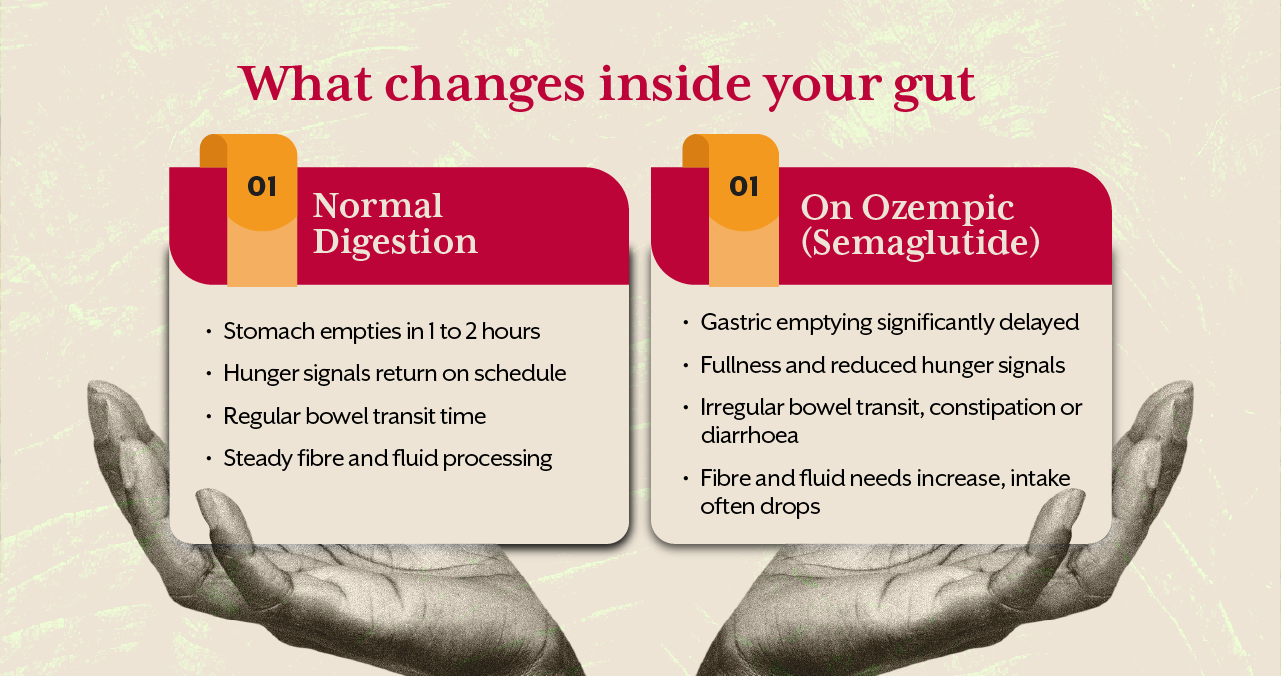
GLP-1 activation helps in reducing the appetite, increases the feeling of fullness, slows down gastric emptying, and also reduces overeating. On the other hand GIP activation supports insulin sensitivity, better regulation of blood sugar, and metabolic efficiency. And lastly, glucagon activation encourages maximised burning of calories, higher energy expenditure and drastically improved fat utilisation. And this triple-action mechanism is exactly why retatrutide injections are now being called one of the biggest breakthroughs in obesity medicine.
But Here’s the Problem: Most People Are Using Peptides Wrong
Weight Loss Should Not Cost You Your Muscle
One of the major mistakes people often make on peptides is under-eating. Because when appetite decreases so aggressively, people barely consume any protein, they stop résistance training to a great extent, become nutrient deficient and most importantly also lose muscle rapidly. This then creates the deflated look that many of you associate with peptide weight loss. But healthy fat loss should be the one that destroys metabolic health.
At iThrive, preserving lean muscle is one of the first priorities that we’ve set during peptide therapy because muscle directly impacts factors involving metabolism, aging, insulin sensitivity, long-term maintenance as well as hormonal health. And this is truly where guided therapy makes all the difference.
What Healthy Peptide Progress Actually Looks Like
A Real Example of Body Recomposition
One of our strongest examples of this come straight from our own CEO, Mugdha Pradhan. What makes her transformation is not weight loss but rather how the weight was lost.
Over the span of 9 months, her body composition changed dramatically:
This is exactly what intelligent metabolic transformation looks like. Yes, she lost over 20.4 kgs. But that’s not the whole point, the point is her body fat and visceral fat decreased massively, but her muscle percentage increased and metabolic quality improved drastically. And this is what matters.

Because many people are capable of losing weight while simultaneously becoming metabolically weaker. Mugdha’s journey became one of the biggest internal proofs for us that peptide therapy works best when paired with adequate protein, strength training, nervous system regulation, sleep optimisation, emotional healing, proper micronutrient support and most importantly hydration.
Why Emotional Health Matters in Weight Loss
The Part Nobody Talks About
One reason Mugdha’s story resonated so deeply internally at iThrive was because the weight gain itself was never random. Like many of you, her body changed during an extremely stressful phase of her life. Years of emotional pressure, chronic stress, legal battles, organisational strain, and nervous system overload altered her relationship with food entirely. And this is something we see constantly. People often blame themselves for emotional eating while completely ignoring the biology behind it that is cortisol deregulation, poor sleep, chronic inflammation, dopamine seeking, nervous system exhaustion and blood sugar instability.
Peptides can definitely help you reduce cravings. But long-term transformation still requires emotional healing. Otherwise people simply replace one coping mechanism with another and the loop goes on and on.

What Is Bacteriostatic Water?
Why It’s Mentioned in Peptide Therapy
If you’ve researched peptides online, you’ve likely come across the term bacteriostatic water multiple times. So basically bacteriostatic water is sterile water containing a small amount of benzyl alcohol that helps in preventing bacterial growth. It’s commonly used to reconstitute certain peptides before injection.
Once mixed, peptides are generally refrigerated and used according to professional guidance. This is why peptide therapy should never be approached casually through random online advice or doctor prescription on the basis of nothing.
Proper dosing, storage, progression, and monitoring matter enormously.
Why Root Cause Analysis Still Matters
This is one of the major differences in how we approach metabolic health here at iThrive. Most clinics just prescribe the peptide and stop there. But we always focus on deeper set of questions like:-
- Why is metabolism dysregulated?
- Is inflammation present?
- Is insulin resistance worsening cravings?
- Is stress driving cortisol dysfunction?
- Is nutrient deficiency impairing fat loss?
- Is sleep disruption affecting blood sugar control?
- Is the nervous system stuck in survival mode?
Because peptides can surely assist fat loss but sustainable healing still requires understanding the system underneath it. That’s why we always integrate Root Cause Analysis as our first step into metabolic transformation plans instead of completely relying on injections alone.
How to Start Peptides Safely
What Actually Creates Sustainable Results
The best peptide outcomes usually happen when people simultaneously focus on a list of things:-
- protein intake
- resistance training
- hydration
- nervous system regulation
- emotional health
- sleep quality
- nutrient optimisation.
At iThrive, after healing hundreds of lives we have consistently found that people do best when the goal shifts from just getting smaller to becoming metabolically healthier. Because that changes the entire approach.
Conclusion
Peptides are wonderfully transforming the future of obesity and metabolic medicine. From semaglutide to tirzepatide to retatrutide injection therapy, these compounds are helping people finally regulate appetite, reduce visceral fat, improve insulin sensitivity, and lose weight more sustainably than ever before.
But the most important lesson is this healthy weight loss is not about starving yourself into a smaller body. It’s about improving metabolic function while preserving strength, energy, muscle, and long-term health. That’s why the best peptide journeys are never just about injections, they involve a lot of factors. If you’re not sure how to get started we are right here to help you with the same.
Because by the end of the day real transformation isn’t just about losing kilograms. It’s about finally helping the body feel safe enough to heal.















.svg)