




Seasonal and Sensible - Your Guide To Eating Seasonally
Table Of Content

Seasonal and Sensible - Your Guide To Eating Seasonally

iThrive Team
May 25, 2023

Season. A period of the year based on defined characteristics such as the intensity of sunlight, humidity, rain, and other changes in ecology, and weather of the environment. The modern Gregorian calendar that we use today divides the year into 4 broad seasons – spring, summer, autumn, and winter. The number of seasons you may witness varies from four to six depending on where you live on Earth.  In addition to the four seasons of the Gregorian calendar, there is also the monsoon season and the dry season. Different cultures have very interesting ways of dividing the year into seasons – the Indian calendar divides a year into 6 seasons, the Chinese calendar has 24 seasonal points, and the Japanese calendar has 72 micro seasons. Regardless of how many seasons a year was divided into, our ancestors used this division of seasons to eat better and eat in response to the change in climatic conditions. In this article, let us delve deeper into why we need to eat seasonally, and how we can do that today.

Seasons and Gut Microbiome

As they say, change is the only constant. The world around us changes every day, and more specifically with every season. We see various ecological changes around us with every shift in seasons including but not limited to – the flowering and fruiting of flora, falling of leaves, hibernation of animals, etc. Human beings as part of this changing ecosystem, also experience changes in the body as the external environment around them changes. 

Our bodies appear to have evolved to naturally adapt to seasonal changes. Research has shown that people who live in regions with colder climatic conditions have different gut microbiome compositions than those who live in warmer climatic conditions. Other studies show that exposure to cold on a seasonal basis changes the makeup of your gut microbiome in replicable, specific ways. While there is more research to be done in this space, it looks like our bodies are meant to slow down and focus on fattening up in response to cold so that we can survive the winter. Exposure to cold can lead to shifts in your metabolism, your body tends to absorb calories faster, and your gut composition trends towards microbes that digest heavier, starchier foods better. [1], [2]

Seasons and Circadian Rhythm

The biological processes in our body relate to one another, and they have a phase relationship with one another. Changes in the external environment also aggravate specific stressors in the body. If this stress is not dealt with by adapting to the external environment, via food and lifestyle changes specific to that season, then homeostasis is disrupted and this makes way for lifestyle diseases. 

Similarly, the natural circadian rhythm also changes with the seasons. Several studies on sleep and circadian rhythms have indicated significant effects of ecological factors on the overall circadian rhythm. To explain it simply, the shift in the intensity of sunlight, and the earth’s axial rotation affecting the length of the day causes shifts in the timing of sleep, the mean body temperature, the phases of circadian temperature and melatonin rhythms, and the phase relation between sleep and the rectal temperature rhythm. [3],[4],[5]

Thus, in order to remain one with nature, and move in the same direction as nature, it is important to look into eating seasonally. In addition to optimizing the health of your body, eating seasonally also has some macro effects on the environment in itself – promoting sustainability, impacting the environment, health, society, and economy, but that’s for another day. 

Seasonal Eating & Nutrition

Eating seasonally, literally means that you eat produce specific to that season – those that are harvested and ripe for consumption in that season. You also eat foods that are easier to digest in that season, as your body’s ability to digest different foods vary across seasons. The health benefits apart, eating seasonally also means eating foods that taste better. Produce grown and consumed in their appropriate seasons taste a whole lot better, and they are also nutrient dense. Produce that is grown out of their appropriate seasons cannot follow their natural growing and ripening rhythms. They also have higher levels of harmful substances like lectin, which damages the walls of your intestines and makes it easier for your gut microbiome to become unbalanced. For certain fruits and vegetables to be available throughout the year, ripening agents and post-harvest treatments are used. These processes enable the production of vegetables and fruits in larger quantities by means of slowing down the maturation and ripening process. While this process ensures year-round availability, it also gives way to produce of poor nutrition. Many fruits and vegetables lose phenolics, vitamin C, and anthocyanins — which are antioxidants that fight free radical damage and oxidative stress in the body — after 15 days of cold storage. [6]

Eating Seasonally Helps The Environment

Eating seasonally is also a great way to lower the carbon footprint. Sourcing seasonal food means produce spending less time on the truck and the lack of need to hold them in cold storage, leading to lower Green House Gas (GHG) emissions. 

woman-farming-organically

How to eat seasonally?

Shop at the local farmers’ market

A very good way to start eating seasonally is to go to your local farmers’ market and start observing the different produce that is being sold. Go as often as you can. Talk to the farmers and produce sellers about what is in season. You will notice that local, seasonal produce is usually available in large volumes in season, and cheaper as well. Other places that you can check are the local co-op society gardens and local farms. 

Growing your own food

Another great way to incorporate seasonal eating is to grow your own seasonal produce as much as possible. This is also a great way to understand the cycles and patterns of the microcosm around you and adapt yourself better to the very microenvironment you live in. As you grow your own food, you also develop a closer relationship with your food, as your produce becomes the labour of your love.

Listening to your body

The third, and my personal favorite way of eating seasonally is by listening to your body. In addition to eating what is in season, eating what your body needs the most will work wonders. Look at parameters such as – hunger patterns – are you feeling intense hunger or mild hunger, how often are you feeling hungry, sleep quality, energy levels, bowel movements, and digestion patterns, and then opt for the right foods. For example, if it is a warmer season, and your hunger is mild, you feel less hungry for the most part of the day, and your sleep quality and bowel movements are fine, you can opt for nourishing and warming soups or light to digest meals with plenty of herbs like ginger, oregano, etc. with a good portion of lean protein. This enables you to have more holistic control over your body as the seasons shift. 

References

  1. https://pubmed.ncbi.nlm.nih.gov/24522631/
  2. https://pubmed.ncbi.nlm.nih.gov/26638070/
  3. https://pubmed.ncbi.nlm.nih.gov/1590482/
  4. https://www.sciencedirect.com/science/article/pii/S0960982216315226
  5. https://www.nature.com/articles/s41746-021-00435-2 
  6. https://pubmed.ncbi.nlm.nih.gov/17852499/

A
Ask your doubts
Thank you! Your submission has been received!
Oops! Something went wrong while submitting the form.

Related Blogs

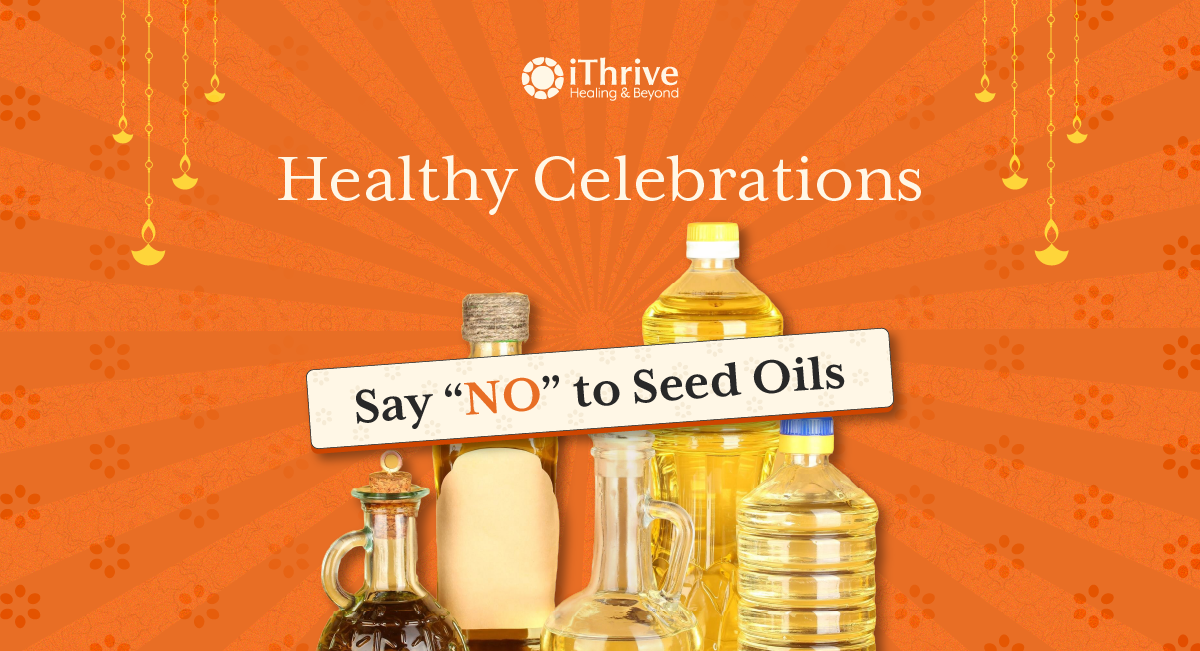
Healthy Celebrations: Say “NO” to Seed Oils
read count
read time
Oct 22, 2024

Healthy Celebrations: Say “NO” to Seed Oils

It’s high time to say No to seed oils. Learn about their hidden health risks, how they contribute to inflammation, and better alternatives for your well-being.

The festive season comes up with joy, lights, and most importantly, delicious food. Indian festive celebrations are synonymous with preparing a variety of sweets, snacks, and other tempting dishes. A staple on the grocery list during this time is seed oil, as festive foods and seed oil go hand in hand.


We know oily foods taste great, but have you ever wondered if they're good for your health? With today’s generation becoming increasingly health-conscious, it’s crucial to understand the impact of seed oil on our bodies. This blog aims to provide insight on why seed oils are not good for your health and this festive season why you should try to avoid them. So don’t let these festive times affect your well-being.

Toxic seed oils to avoid

The oils that are extracted from the seeds of certain plants, generally also called industrial seed oils, are very harmful to health. It is said anything natural is good to consume; however, industrial seed oils are heavily processed and refined, which makes them highly unhealthy fats such as omega-6 fatty acids and trans-fats. Also, the beneficial nutrients in their natural state are high, but as the seeds get processed, they start losing the beneficial nutrients and antioxidants. 

  1. Soybean oil 

According to the research, the most common industrial seed oil used in food products is soybean oil. During the festive season, it is mostly used to make chips, margarine, and other fried foods. Unfortunately, it contains a high amount of omega-6 fatty acids that are responsible for increasing inflammation within the body. Based on the studies carried out, excessive amounts of omega-6 fatty acids can cause genetic changes in the brain.

  1. Corn oil

Corn oil is a popular industrial seed oil that is excessively refined and processed to vanish its natural flavor and color. Taking advantage of its no color and flavor, many business owners use it as a great option for frying foods. However, talking about the nutrition aspect, it is not worth it. Corn oil contains a high amount of unhealthy trans fats, which can raise bad cholesterol levels if consumed in excess. 

  1. Sunflower oil & Peanut oil

This name sounds familiar to the oils you use in your kitchen. Am I right? But do you know that sunflower oil and peanut oil contains very little nutritional value as they are highly refined during processing. It is highly recommended to replace your seed oil today with the best substitute.

  1. Safflower oil 

Safflower oil is the other common industrial seed oil that is widely used in food manufacturing plants. Although this seed oil is termed a slightly healthier option compared to other industrial seed oils, it contains a higher amount of PUFAs, which can be one of the reasons for increased inflammation in your body.

  1. Palm oil:

Palm oil has a high saturated fat content, which makes it one of the worst choices for consumption-especially its effects in the long run. Palm oil is also sold at lower costs compared to other oils, therefore, the local food industries use palm oil to optimize their production costs.

From Kitchen to Chaos: How Are Seed Oils Affecting Your Health?

It is suggested to stay away from toxicity in your life, then why to let seed oils stay with you? Yes, they are the toxins, and they are the culprits in your life, and here is how they are going to make your health conditions worse. Let’s learn the seed oil health risks:

  1. Inflammation: 

Seed oils are rich in omega-6 fatty acids. You may wonder if they are essential for health, but if consumed in excess, they can promote inflammation in your body. This inflammation can lead to certain heart diseases, arthritis, certain cancers, and many more. 

  1. Heart Health

Heart health and seed oils have a complex relationship. On one hand, it is found that polyunsaturated fats in seed oils can lower bad cholesterol levels, which is very vital for good heart health. However, on the other side, high omega-6 fatty acids in seed oils can increase inflammation and oxidative stress. This can contribute to the development of heart disease by promoting the buildup of fatty deposits in arteries that lead to atherosclerosis. 

  1. Weight gain and obesity:

Seed oils have high calories and are often used in processed foods, which is linked with obesity and weight gain. The processed foods that we eat are generally low in nutrients and very high in unhealthy fats, sugars, and salt. Therefore, a combination of these can accelerate weight gain and metabolic issues in the body. 

  1. Metabolic Health

Our body’s metabolism depends on the food we eat. High consumption of seed oils can negatively impact metabolic health. As mentioned earlier, seed oils are rich in omega-6 fatty acids, which can contribute to insulin resistance. Also, consuming large amounts of processed foods and unhealthy fats can lead to non-alcoholic fatty liver disease, which affects liver function and overall metabolic health.

The Smart Switch for Better Health

Your celebrations should be joyful, and so should your health. 

Industrial seed oils have a lot of fat and are very bad for your health. From our childhood, we have learned about healthy nutrients, carbohydrates, fats, and proteins that our body needs for energy, to absorb the vitamins, and to protect our metabolism. 

Let’s learn about what types of fats are good for you.

1. Ghee

According to Ayurveda, ghee is a healthy source of edible fat. It is found that ghee has medium-chain fatty acids that can be utilized by our body quickly, and they get absorbed faster compared to seed oils. 

Ghee has a lot of nutritional benefits and contains vitamins A, E, and K. Ghee is also known to enhance digestion by stimulating the secretion of stomach acids and aiding in the absorption of nutrients. Ghee is also very good for the skin and is used to treat burns, and moisturize skin due to its healing properties. Therefore, remember one thing: if you want to make your celebrations really healthy and happy, opt for ghee and say NO to seed oils. 

2. Coconut oil: 

Coconut oil is the oil that is extracted from the mature coconuts. Researchers say coconut oil contains medium-chain triglycerides (MCT’s), which can be metabolized differently. Also, these medium-chain triglycerides are a quick source of energy and help in fat burning. Also, using coconut oil helps reduce calorie intake and control weight. Coconut oil also boosts brain functions, as the ketones are produced from MCTs in coconut oil.

Festive Healthy Recipes—Made with love by Team iThrive:

Besan Ladoo

Ingredients

  • Organic Besan: 100gm
  • Honey: 2-3 tbsp
  • Ghee: 1 tbsp
  • Nutmeg powder: 1 pinch
  • Cardamom Powder: 1 pinch or as per taste 
  • Raisins (6-8 for garnishing)

Procedure

  1. In a wok, add ghee and roast the besan on a low flame until it turns golden brown with a slight aroma.
  2. Add honey to it.
  3. Mix nutmeg powder and cardamom powder as per taste and give it a good mix.
  4. Take small portions of the mixture to prepare laddoos.
  5. Add raisins on top of each and serve.

Recipe link: click here

Jowar Flakes Chiwda

Ingredients

  • Jowar flakes: 200 gm
  • Curry leaves: 2-3 stalks
  • Chana Dal: 20 gm
  • Green chillies: 4-5 chillies
  • Mustard seeds: 1 tsp
  • Coconut oil: 50 ml spoon 

Procedure

  1. In a pan, add 50 ml of coconut oil. Once hot, add 1 teaspoon mustard seeds and let it splutter. Now, add chopped green chillies, washed curry leaves, and chana dal, followed by sautéing on a medium flame for 2-3 minutes.
  2. Add turmeric, salt, red chili powder, and jowar flakes. Mix well and cook on a medium flame for 2-3 minutes while stirring constantly. Keep aside to cool completely.
  3. Store the chiwda in an airtight container and use as required.

Recipe Video: Click here

Diabetes and Diwali 2024: Top 14 Tips to Keep Blood Sugar Levels Stable
read count
read time
Oct 22, 2024

Diabetes and Diwali 2024: Top 14 Tips to Keep Blood Sugar Levels Stable

Keep your diabetes in check this Diwali with our top 15 tips! Enjoy healthier desserts, plan meals, monitor blood sugar, and choose baked over fried foods with best recipes.

Diwali is all about delicious sweets, rich snacks, and festive feasts. But for people with diabetes, it can be a tricky time. The temptation of sugary treats and high-calorie foods can lead to uncontrolled blood sugar levels, which is risky for long-term health. Studies show that many people experience up to a 20% increase in blood sugar levels during Diwali!

For diabetics, the challenge is to enjoy the Diwali without compromising their health. This blog is here to help you with just that! We’ll cover top tips on how to stay healthy during Diwali- from making smarter food choices to keeping your blood sugar in check, so you can control diabetes and Diwali without worry. 

Best 14 Diwali 2024 Tips to Maintain Your Diabetes

1. Opt for Healthier Desserts

When cravings hit, opt for healthier desserts. Instead of regular sweets which are high in sugar, consider alternatives like Banana Muffins, Gulab Jamun, and Karanji/ Gujja. These options not only taste great but also provide essential nutrients. According to Harvard Health, substituting healthier options can significantly reduce calorie intake while satisfying cravings. By making small changes to your dessert choices, you can enjoy the festivities without thinking much about your health for the future.

2. Plan Your Meals

If you have type 1 diabetes, planning meals can help you to choose nutritious ingredients and avoid the temptation of unhealthy snacks. You can start dedicating a day each week to plan your meals and create a shopping list focused on whole foods, such as fruits, vegetables, lean proteins, and whole grains. A study published in the International Journal of Behavioral Nutrition and Physical Activity found that meal planning is associated with better diet quality and weight management

3. Monitor Your Blood Sugar Levels Daily

Monitoring your blood sugar levels is essential for maintaining overall health, especially for those with type 2 diabetes or insulin resistance. Regularly taking blood sugar tests to check your glucose levels can help you understand how different foods and activities affect your body. This can reduce the risk of complications, including heart disease, kidney damage, and nerve damage. Incorporate a balanced diet that is high in good quality proteins, rich in fiber, whole grains, and healthy fats to help manage your blood sugar. Use apps or devices like Glucometer that can provide sugar tests easily.

4. Eat Low-Carb Meals

Eating low-carb meals can be a beneficial strategy for weight management and blood sugar control. Reducing your intake of refined carbohydrates and sugars can stabilize your energy levels and restrain hunger. Include more lean proteins, and healthy fats in your meals. Foods like chicken, fish, vegetables, and avocados are great options.

5. Use Coconut Oil for Healthier Cooking

Coconut oil is a fantastic addition to your Diwali menu, offering a unique flavor and numerous health benefits. Rich in medium-chain triglycerides (MCTs) may help improve metabolism and support weight loss. It’s also great for high-heat cooking due to its high smoke point, making it a more nutritious option than other oils.

6. Skip Packaged Foods for Real Nutrition

Packaged items are loaded with preservatives, artificial ingredients, and added sugars, which can negatively impact your health. Instead, focus on whole, unprocessed foods like whole fruits, vegetables, and lean proteins.

7. Choose Baked Food Over Fried

Baking typically requires less oil, reducing unnecessary calories and unhealthy fats. Baking also preserves the nutrients in your food better than frying, which can lead to nutrient loss. Experiment with baked versions of your favorite dishes on festivities- think baked puris, roasted vegetables, and homemade baked goods like baked sev.

8. Practice Portion Control

It's easy to overeat, especially with large serving sizes and delicious foods during Diwali 2024. To avoid this, try using smaller plates and bowls, which can help trick your brain into feeling satisfied with less food. Studies show that smaller portions can lead to lower calorie intake without compromising satisfaction (Source: Nutrition Journal). Additionally, take your time while eating- savor each bite to recognize when you're full.

9. Increase Physical Activity

Regular exercise can help manage weight, reduce stress, and improve cardiovascular health. Aim for at least 150 minutes of moderate aerobic activity or 75 minutes of vigorous activity each week. Simple changes, like taking the stairs instead of the elevator or going for a brisk walk before lunch, can make a significant difference. Find activities you enjoy, whether dancing, biking, or yoga to keep you motivated. 

10. No Alcohol Intake

Excessive drinking can lead to various health issues, including liver disease and weight gain. When your liver processes alcohol, it stops glucose release, which can lead to a rapid drop in blood sugar (hypoglycemia). If you're on insulin or diabetes medication, this can cause dangerously low blood sugar levels. Opt for alcohol-free days or choose healthier options like sparkling water or herbal teas when socializing. By limiting aware of your alcohol consumption, you can improve your overall health, enhance your mood, and support your wellness journey.

11. Don’t Be Tempted to Stay Up Late

Lack of sleep directly impacts blood sugar levels in various ways, particularly for those with diabetes. Sleep deprivation disrupts hormone balance, leading to increased cortisol levels, which affects insulin functions and can trigger overeating or weight gain. Additionally, staying up late disturbs your circadian rhythm, making cells more resistant to insulin. Sleep deprivation can also impair decision-making around food and drink choices, often leading to unhealthy late-night snacking. For people with diabetes, consuming food at night when the body is less prepared to handle a blood sugar spike can make it harder to regulate insulin. Moreover, irregular sleep patterns, like staying up late, can affect glucose levels the following morning, further complicating blood sugar management.

12. Eat High-Fiber Foods for Maintaining Diabetes

Fiber helps regulate bowel movements, prevent constipation, and can lower cholesterol levels. Aim for at least 25 grams of fiber per day for women and 38 grams for men, as recommended by the Institute of Medicine. Incorporate foods like beans, lentils, whole grains, fruits, and vegetables into your meals. Fiber improves insulin sensitivity, making it easier for the body to use insulin effectively. Additionally, high-fiber foods promote satiety, reduce overeating, and help with weight management- both important factors in diabetes control.

13. Stay Hydrated for Optimal Health

Water is essential in digestion, temperature regulation, and nutrient transport. The National Academies of Sciences recommends about 3.7 liters for men and 2.7 liters for women daily. When the body is dehydrated, the glucose concentration in the bloodstream can rise, leading to higher blood sugar levels. Adequate water intake supports the kidneys in flushing out excess sugar through the urine, stabilizing glucose levels. Hydration improves insulin sensitivity, allowing the body to use insulin more effectively. For people with diabetes, staying hydrated is important for maintaining overall metabolic health and preventing complications.

14. Make Your Sweets at Home for Healthier Treats

Instead of store-bought candies filled with additives and excess sugars, try recipes using natural sweeteners like honey or maple syrup. Homemade desserts like coconut cookies, raspberry cakes, and Besan Laddoos can satisfy your sweet tooth while providing nutritional benefits. If you are searching for the best sugar alternative sweets, here's the list of top sugar-free sweets to make this Diwali. Check it Now.

This Diwali, do not give up on your food, instead make smart choices. For those struggling to manage diabetes or aiming to reverse it, iThrive offers a personalized, holistic diabetes reversal program that targets the root cause of your condition. The expert Functional Nutritionists create tailored plans that help you normalize blood sugar levels, eliminate medications, and improve your overall well-being. Ready to start your journey? Book a consultation with iThrive today and plan for your reverse diabetes!

Diabetic-Friendly Diwali: 4 Sweet Recipes to Light Up Your Festivities
read count
read time
Oct 14, 2024

Diabetic-Friendly Diwali: 4 Sweet Recipes to Light Up Your Festivities

Discover the best 4 delicious diabetic-friendly Diwali sweet recipes that satisfy your cravings without spiking blood sugar. Celebrate your health this festive season.

Diwali is the festival of joy, fun, celebrations, and most importantly, the Diwali sweets and snacks. Diwali is just a few days away, and the super moms in the house might have started making the grocery lists for the same. It would sound like lots of sugar, whole wheat flour (maida), seed oils, etc. You might have already started thinking about the sweets and snacks now, as sweets are the key part of these celebrations that symbolize the joy of sharing and the spirit of giving.

However, for those who are diabetic, managing diabetes this festive season can often feel bittersweet. Visiting markets full of colorful treats, the thought of having traditional sweets might evoke feelings of sadness. But iThrive understands what you will be going through. Popular Diwali treats like sugary laddoos, rich barfis, and halwa are loaded with high sugar, which makes it challenging for diabetic people.

But what if we say, “we have a solution for your cravings.” This Diwali we are here to embrace your festivities with a collection of diabetic-friendly sweet recipes that are just designed for you. 

But these recipes are not just for diabetic people; they are for all of us. Why? According to the Economic Times, sugar consumption during Diwali 2023 hit an all-time high, soaring by 32%. The excess sugar consumption and lack of exercise caused men to gain an average weight of 1.7 kg, while women gained 1.28 kg in just one week. High sugar consumption can cause a lot of health issues, and at iThrive we know how serious these health concerns can impact your body and your overall health. So it is high time to change your grocery shopping list and opt for healthy options this Diwali.


4 Diabetes-Friendly Sweets Recipes

  1. Baked Gluten-free Karanji

Our baked gluten-free karanji recipe is the healthier option for the traditional festive sweet. Karanji is normally made with refined wheat flour and deep-fried. But in our recipe, we have used gluten-free flours and natural sweeteners like dates to make it nutrient-dense and diabetes-friendly.

Ingredients

  • 50 grams of organic oats flour
  • 50 grams of organic quinoa flour
  • 15 grams tapioca flour
  • 1 pinch salt
  • Water (to make dough)

For filling

  • 20 grams of freshly grated coconut
  • 10 Kimia dates
  • ½  tsp cardamom and nutmeg powder
  • 1 pinch salt

Procedure: Check out the full recipe and fulfill your cravings.

Benefits

  • Using kimia dates as a natural sweetener helps in managing blood sugar levels more effectively as they have a high fiber content.
  • Oats flour and quinoa flour are rich in fiber, which helps in stabilizing blood sugar levels and slowing down the absorption of carbohydrates. They also help prevent insulin spikes.
  • Karanji is baked instead of deep-fried, which potentially reduces the amount of fat and calories. The traditional method of making karanji includes frying, which increases the risk of insulin resistance and obesity.
  • Kimia dates are a good source of iron, which is important for blood health. They also contain antioxidants that fight inflammation and oxidative stress.

  1. Ragi laddoos

Ragi laddoo is a nutritious dessert option made for Diwali. We have used ragi flour, which is an excellent source of fiber, calcium, and protein, along with dates, which is a natural sweetener. This recipe is not only quick to prepare but also a healthy alternative to traditional sweets, which makes it suitable for diabetics as well as small children who seek nutrient-packed snacks. 

Ingredients

  • 50 grams organic ragi flour
  • 5 Kimia dates

Procedure: Check out the full recipe and fulfill your cravings.

Benefits

  • For the moms out there, ragi laddoos are highly nutritious, which makes them an ideal go to snack for children as well as adults.
  • Ragi is one of the best source of plant-based calcium, essential for bone health. It also supports bone health, aids in weight management, and helps regulate blood sugar levels. 
  • The sweetener used in this recipe is dates, which is considered to be the best healthy natural sweetener and alternative to refined sugar.

  1. Sweet Shakkarpara

Sweet Shakkarpara is a popular festive treat that is traditionally made with refined flour and sugar. In our diabetic-friendly recipe, we have created a healthier version that includes organic oats flour, quinoa flour, and date paste, which offers a nutritious alternative to traditional sweets.

Ingredients

  • 50 grams organic oats flour
  • 50 grams organic quinoa flour
  • 15 grams tapioca starch
  • 10 kimia dates (made into a paste)
  • 1 pinch of cardamom powder
  • 1 pinch nutmeg powder
  • 1 pinch salt
  • Water (to make dough)

Procedure: Check out the full recipe and fulfill your cravings.

Benefits

  • Traditional Shakkarpara is deep-fried, which adds excess unhealthy fats and leads to insulin resistance. Baking Shakkarpara helps reduce the fat content and makes it a diabetes-friendly snack.
  • Oats and quinoa flour have a low glycemic index and are rich in fiber, which helps in preventing blood sugar spikes and is an ideal snack for diabetes patients.
  • Dates act as a natural alternative to sugar and provide sweetness without the harmful effects of refined sugar.

  1. Gulab Jamun

Our Gulab Jamun recipe is a healthier version of an Indian beloved dessert. We have used sweet potatoes, oats flour, and dates to create a delicious, yummy, and nutrient-packed treat for the festive season. Regular gulab jamuns are made with refined wheat flour and are soaked in sugar syrup. But we have used honey for syrup instead of white sugar. All the alternatives used in this recipe offer more nutrients and make this dish a better choice for people with diabetes.

Ingredients

  • 100 grams sweet potato
  • 10 grams oats flour
  • 50 grams Kimia dates
  • 1 pinch nutmeg
  • 1 pinch cardamom
  • 50 ml raw organic honey
  • 1 pinch agar agar

Procedure: Check out the full recipe and fulfill your cravings.

Benefits

  • The use of sweet potatoes and dates provides natural sweetness. Oats flour and dates are also rich in fiber, helping in slowing down digestion.
  • Honey contains a lower glycemic index compared to refined sugar.
  • Sweet potatoes are packed with vitamins, minerals, and fiber. They help in stabilising blood sugar and make them a better alternative to refined flours. 
  • Agar agar is a plant-based gelatin alternative that is rich in fiber and promotes gut health. Using agar agar in this recipe helps in providing satisfying consistency to the syrup.

This Diwali, gift the sweetness of the festival without guilt, knowing these sweet recipes are not only delicious but also supportive of your blood sugar management. 

This Diwali, celebrate your health, tradition, and taste all in one. #GrowupHealthy

Talk to our team

Thank you! Your submission has been received!
Oops! Something went wrong while submitting the form.

Talk to our team

Thank you! Your submission has been received!
Oops! Something went wrong while submitting the form.

Download Now

Thank you! Your submission has been received!
Oops! Something went wrong while submitting the form.
Select your Location
Agra
Ahilyanagar
Ahmadnagar
Ahmedabad
Ahmednagar
Akola
Aligarh
Allahabad
Almora
Alwar
Ambala
Ambedkar Nagar
Amravati
Amritsar
Amroha
Anand
Aurangabad
Ayodhya
Azamgarh
Baghpat
Bahadurgarh
Bahraich
Banda
Barabanki
Baraut
Bardhaman
Bareilly
Begusarai
Belgaum
Bengaluru
Bharatpur
Bhatinda
Bhilai Durg
Bhilwara
Bhiwani
Bhopal
Bhubaneswar
Bijnor
Bikaner
Bilaspur
Bokaro
Budhana
Bulandshahar
Chandigarh
Chennai
Chhatrapati Sambhajinagar
Chhindwara
Chomu
Darbhanga
Dehradun
Delhi
Deoband
Deulpur
Dhampur
Dhanbad
Durgapur
Eah
Etah
Etawah
Faizabad
Faridabad
Firozabad
Gadarpur
Gandhinagar
Ganganagar
Gaya
Ghaziabad
Ghazipur
Gonda
Gorakhpur
Greater Noida
Greater Noida Pc
Guntur
Gurgaon
Guwahati
Gwalior
Hajipur
Haldwani
Hapur
Hardoi
Haridwar
Hathras
Hazaribagh
Hisar
Hoshiarpur
Howrah
Hyderabad
Indore
Jabalpur
Jaipur
Jalandhar
Jalgaon
Jalna
Jamnagar
Jamshedpur
Jaunpur
Jhansi
Jhunjhunu
Jind
Jodhpur
Sorry, currently we are not serving this city.
Please try searching for another city or put your city here.
My Location not in the list
Your Location is 'Location'
Book a Test

City

Thank you! Your submission has been received!
Oops! Something went wrong while submitting the form.