
Ulcerative Colitis Affects Millions Worldwide. Most Are Managing It but You Have the Key to Reverse It.
Book Your Root Cause Analysis
If You See Yourself Here, Don't Ignore It
Ulcerative Colitis doesn't look the same in every person. Severity, extent of colon involvement, and symptom pattern all vary. But if several of these feel familiar, your body has been signalling something deeper for a long time.

Abdominal Pain

Weight Loss

Loss of Appetite

Fever

Diarrhea

Joint Pain

Fatigue

Urgent bowel movement
Ulcerative Colitis Isn't What You Think It Is
What is Ulcerative Colitis?

What are the types of Ulcerative Colitis?
Why is UC incidence rising in India?
The key connection most doctors miss.
Why does UC keep escalating despite medication?

The Difference Between Managing UC and Addressing Its Drivers
CONVENTIONAL MEDICINE
- Diagnosis via colonoscopy, biopsy, and inflammatory markers
- Aminosalicylates as first line treatment for mild to moderate disease
- Corticosteroids for active flares
- Immunomodulators including azathioprine for maintenance
- Biologic therapies for moderate to severe disease
- Colectomy when medical management fails
FUNCTIONAL NUTRITION
- Root Cause Analysis with 60+ functional markers
- Comprehensive microbiome assessment and intestinal permeability markers
- Full inflammatory panel and mucosal health indicators
- Food sensitivity and immune reactivity panel
- Nutrient status including B12, iron, zinc, vitamin D, and fat soluble vitamins
- Cortisol rhythm and adrenal function markers
- A dedicated functional nutritionist guides every step
Ulcerative Colitis Isn't One Problem. It's Multiple Root Causes Working Together.
Every one of these can be identified. Every one of them can be addressed. This is what your Root Cause Analysis will look for.

Intestinal permeability ("leaky gut")
Chronic psychological stress
Food immune reactivity
Short chain fatty acid deficiency
Impaired mucosal repair
HPA axis dysregulation
…and many more, because root causes don't stay static. They evolve with your lifestyle, stress, and environment over time.
Three steps to finally understanding your body

Book your Root Cause Analysis
Pay ₹2,500 online. Your full-body blood panel is included, no hidden charges, no extras. Within the hour, our team reaches out to you personally.

Get your blood work done at Home
A phlebotomist visits your doorstep to collect blood samples. Within 4-5 working days your reports of 60+ markers will be emailed to you and then your functional nutritionist reviews them.

Sit down with your nutritionist
In a 30 minute call, your nutritionist explains your markers and shows you the real root causes behind your condition.
What Starts as Ulcerative Colitis Doesn't End There
Left unaddressed or managed only with immunosuppression, UC doesn't plateau. Its underlying drivers quietly progress and the consequences compound over time.
Now

Urgency, bleeding, cramping, and fatigue. A life structured around proximity to bathrooms and managing the unpredictability of flares.
Next

Mucosal damage accumulates between flares. Nutritional absorption deteriorates. Microbiome diversity continues to decline. Medication requirements escalate as response weakens and the extent of colon involvement increases.
Later

Higher risk of toxic megacolon, colorectal cancer particularly in pancolitis, serious nutritional deficiencies affecting bone density and neurological function, surgical colectomy, and serious infection from long term immunosuppression.
Ulcerative Colitis is not a condition you outgrow. It is a condition that evolves in whichever direction you point it. The earlier the root cause is addressed, the wider your window for sustained remission and reversal.
The Results in Our Ulcerative Colitis Clients
70% of clients with Ulcerative Colitis reported measurable reduction in flare frequency, bowel urgency, and fatigue within the first 60 days of their personalised protocol alongside their existing medical management.

What Real Ulcerative Colitis Reversal Looks Like
Every person below had tried doctors, diets, and prescriptions. Nothing worked - until they understood why they were actually sick.
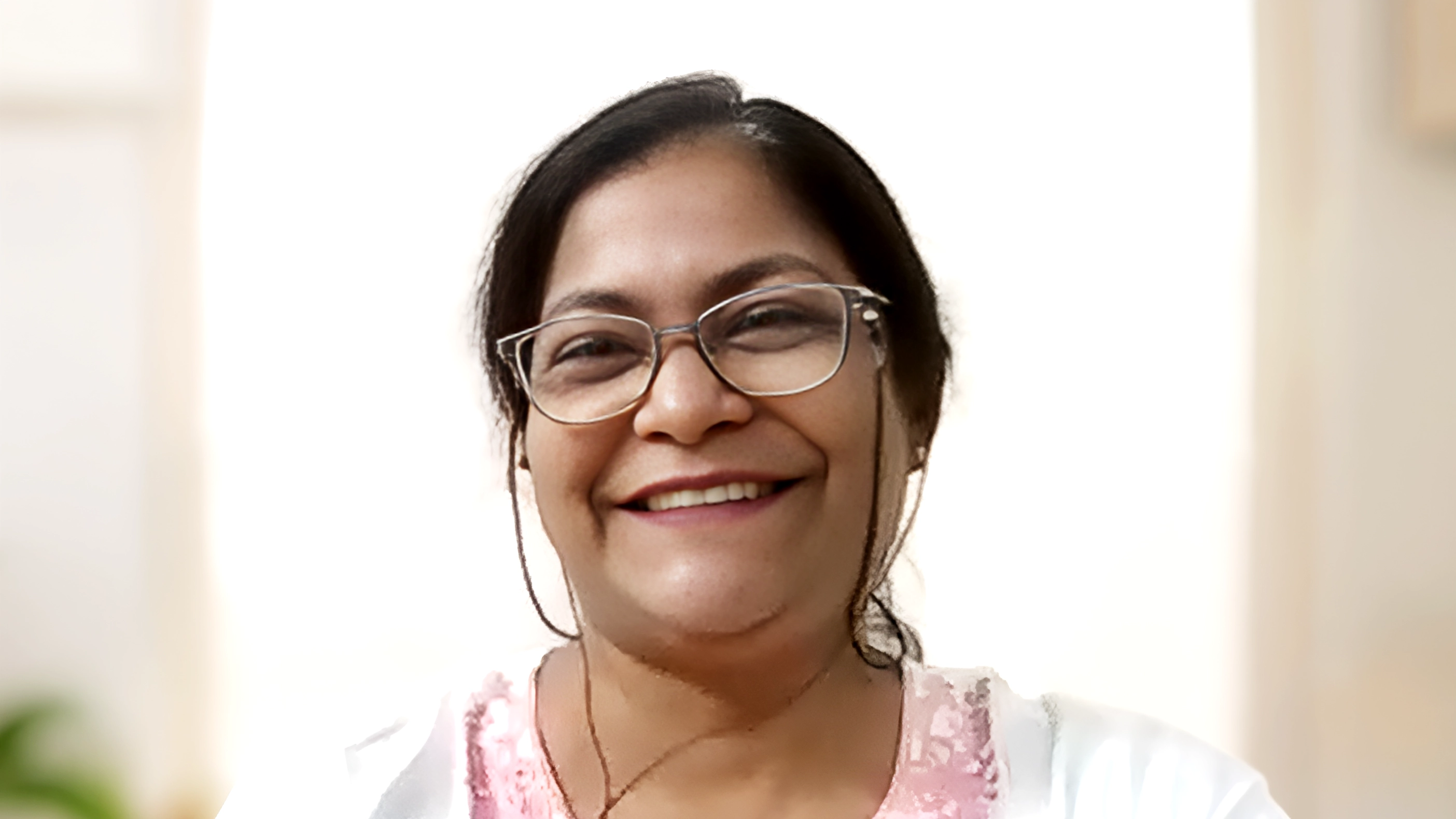
Lia Fernandes
Hashimoto's / Thyroid
49
Mumbai
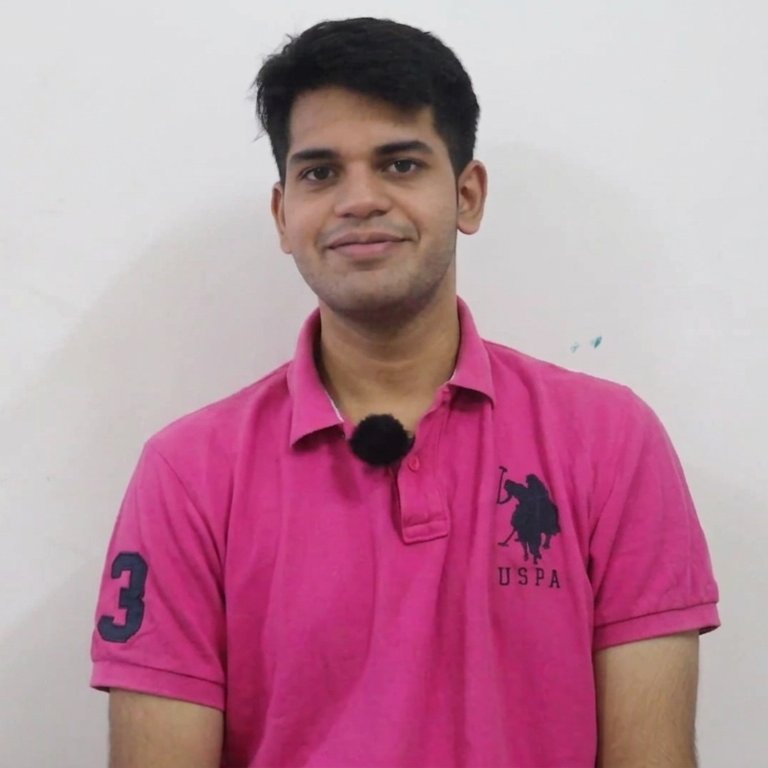
Aman Deshmukh
Weight Loss / Obesity
21
Mumbai
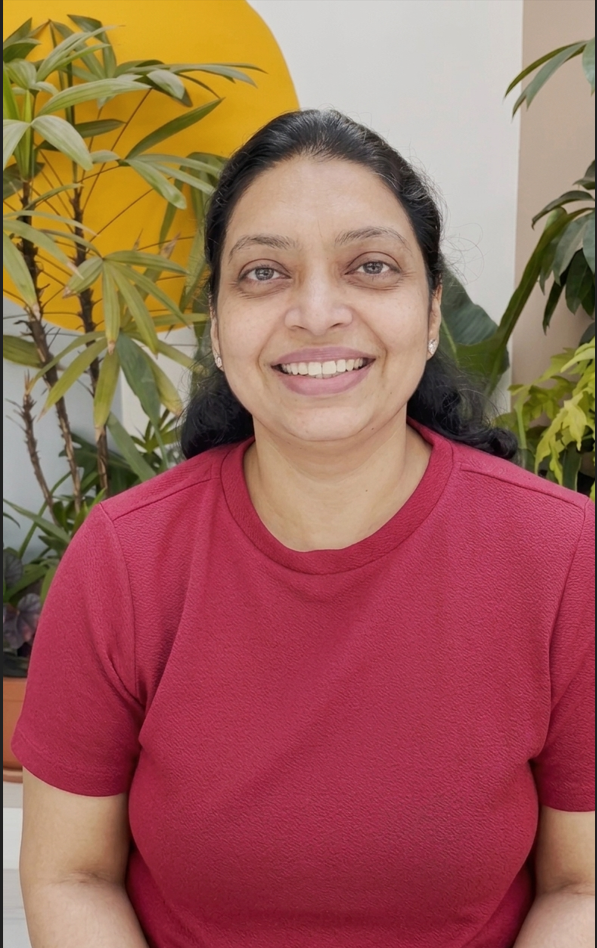
Gauri Nerlekar
Insulin Resistance
39
Pune

Swarna Kamal
Skin Conditions
21
Kolkata
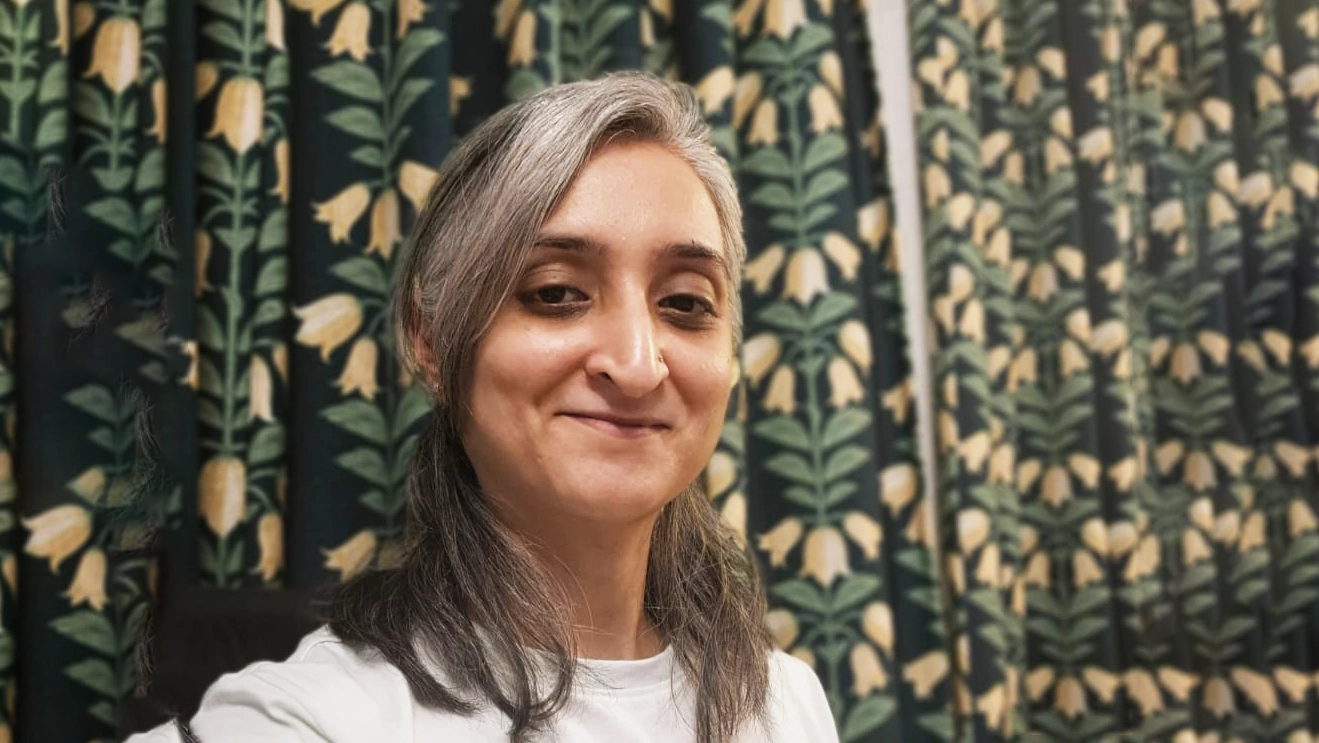
Bhavika Bhanushali
Migraines
39
Mumbai
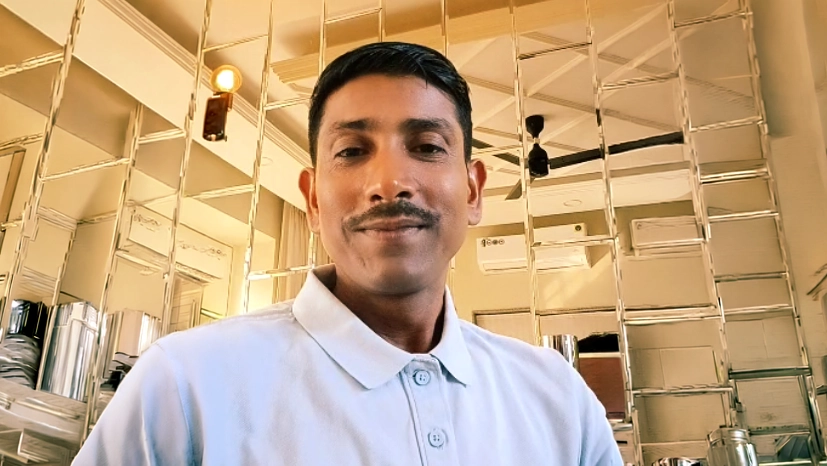
Sunil Kumavat
Acid Reflux / GERD
38
Goa
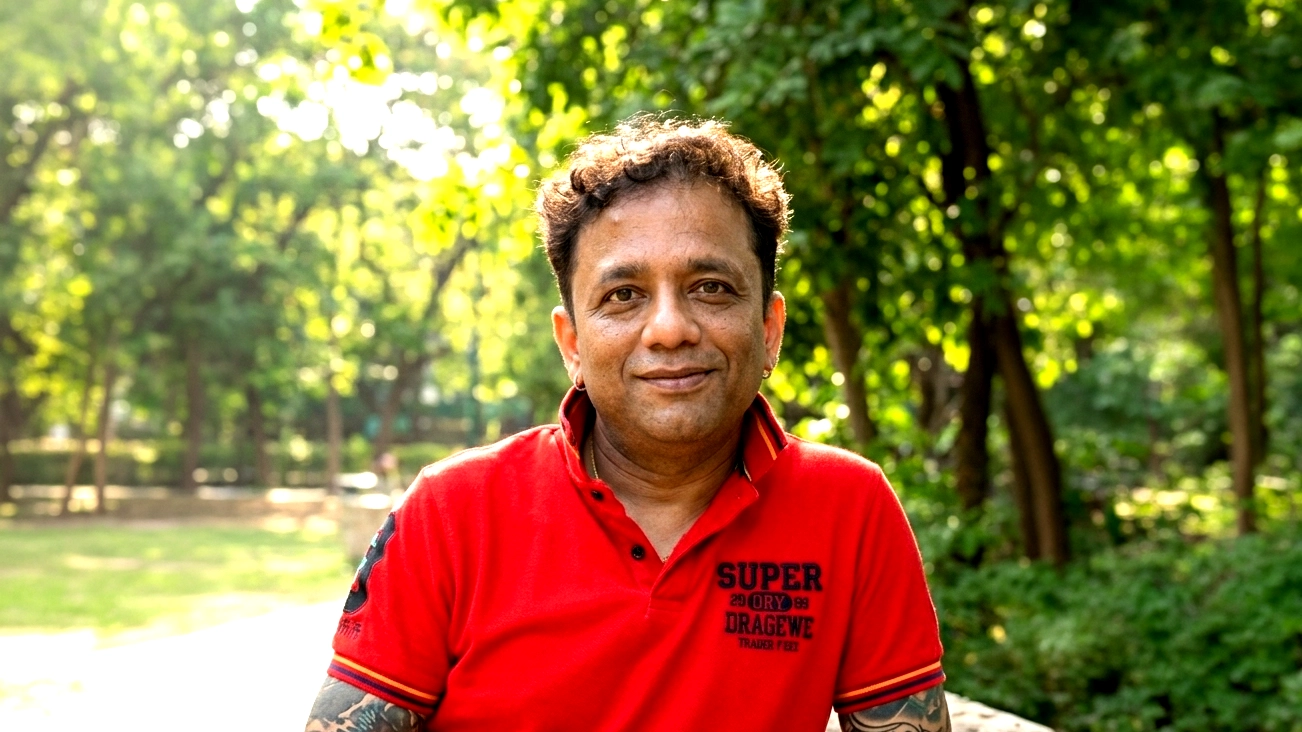
Prakarsh Bhat
High Cholesterol
49
Pune

Maani Lal
Anxiety & Depression
24
Lucknow

Imma Catherine
Hormonal Imbalance
46
Delhi
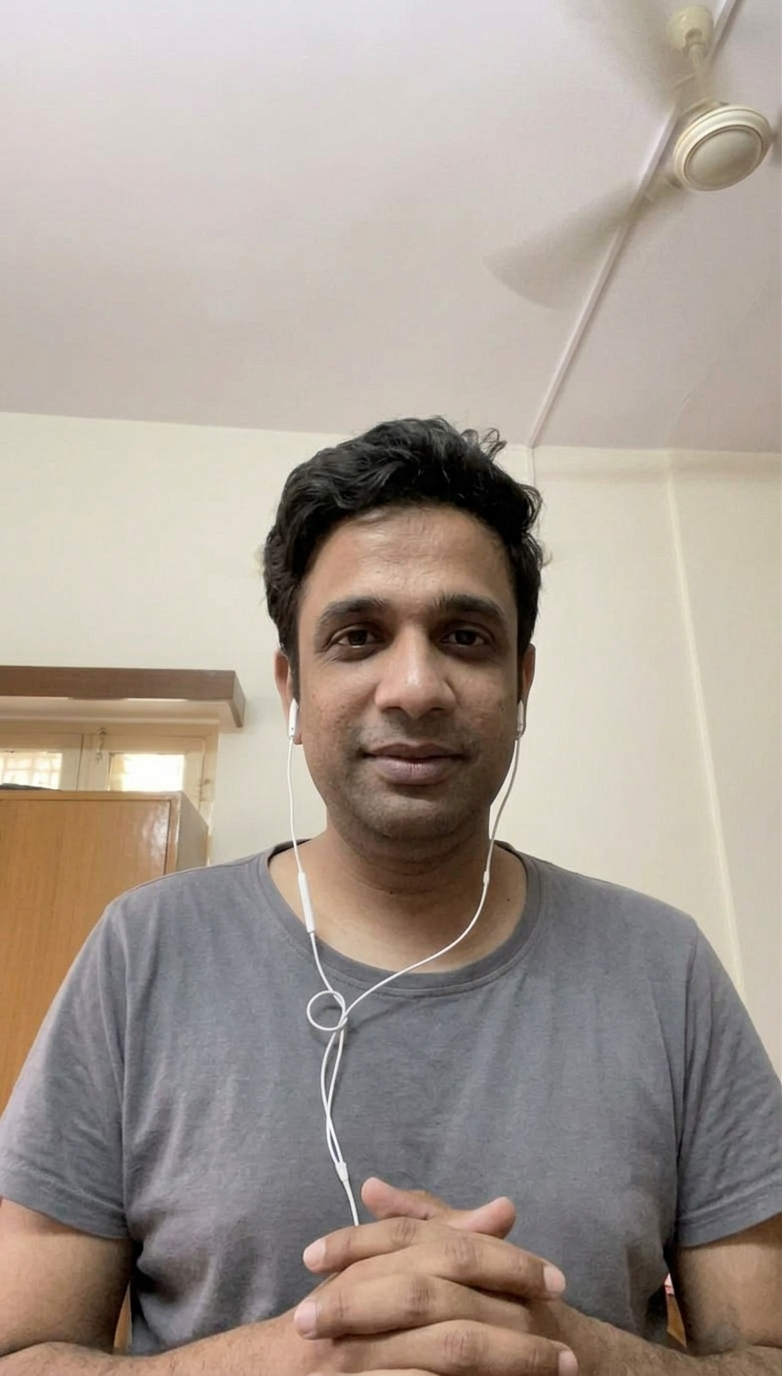
Siddharta Pandey
Autoimmune Conditions
39
Hyderabad
Vishesh Jain
Chronic Fatigue
35
Ireland
.png)
Abhilasha Srivastava Jha
IBS / Gut Issues
41
Mumbai
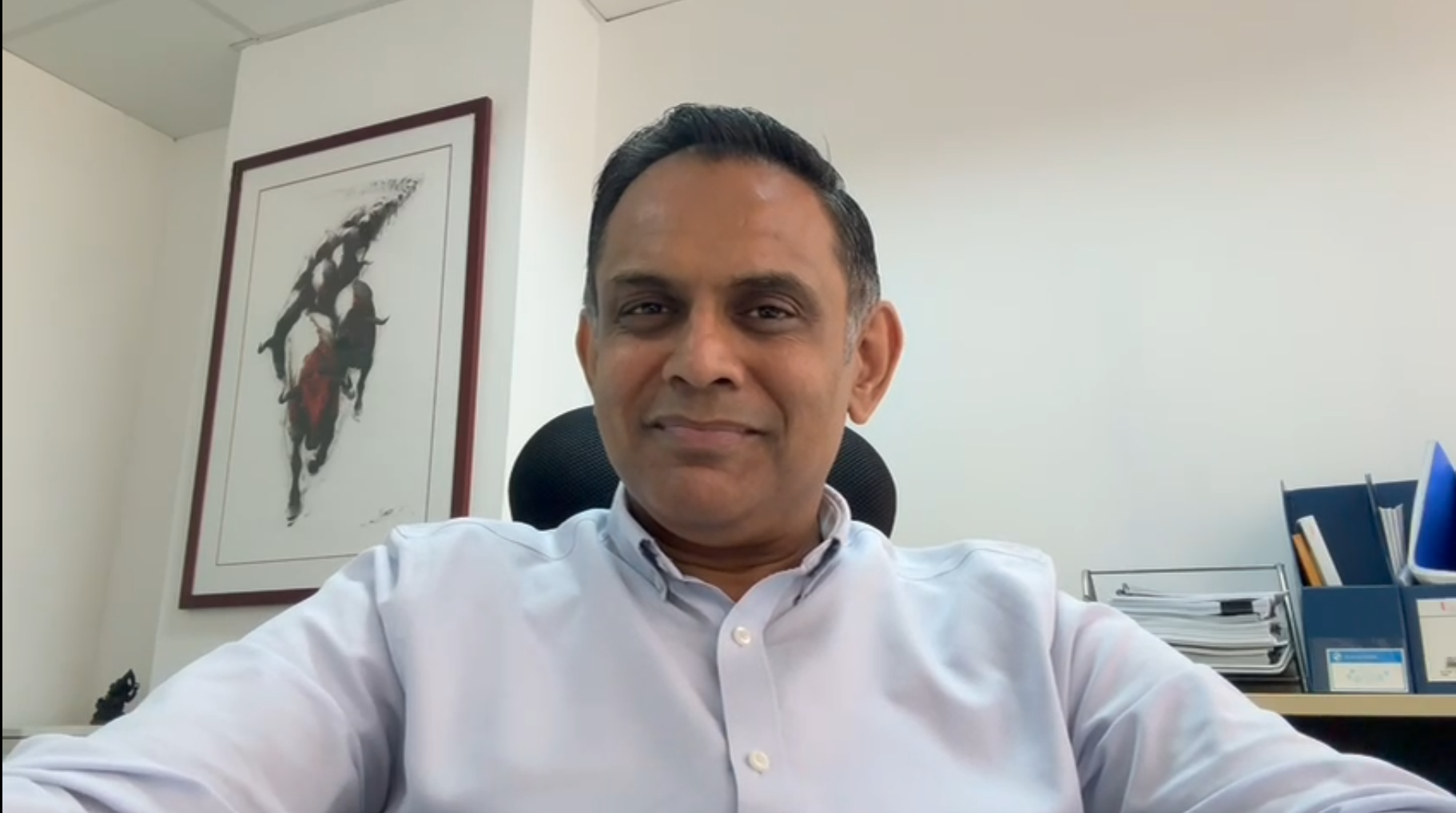
Sameer Deorukhkar
Type 2 Diabetes
53
Singapore

Surashree Rahane
PCOS / PCOD
29
Pune

Lia Fernandes
Hashimoto's / Thyroid
49
Mumbai


Before
For years, Lia managed hypothyroid, high cholesterol, fatty liver, and persistent fatigue with medications that kept changing but never fully worked. At 47, she was determined to find the root cause - not just another prescription.
After
In 6 months, Lia lost 7.5 kg, reversed her fatty liver index from 78 to 31, dropped triglycerides from 265 to 158, normalized liver enzymes, and significantly reduced thyroid antibodies - all confirmed by blood tests.
Aman Deshmukh
Weight Loss / Obesity
21
Mumbai
Before
At 21, Aman weighed 123 kg and was grossly overweight for his 6'1" frame. He was scared to look in the mirror, riddled with insecurities, and avoided the weighing scale entirely. Years of junk food cravings and an unhealthy lifestyle left him feeling stuck - convinced this was just who he was meant to be.
After
Aman lost 32 kg, dropping from 123 kg to 91 kg, and is still going. With the support of iThrive's personalised magnesium and nutrition protocol, his family, and a positive community, he overcame sugar cravings, rebalanced his electrolytes, and transformed his mindset - the scale that was once his enemy became his greatest motivator.
Gauri Nerlekar
Insulin Resistance
39
Pune
Before
At 39, Gauri was pre-diabetic, thyroid-compromised, bloated, and exhausted - searching for a nutritionist who would look beyond symptoms and actually find the root cause of what was holding her body back.
After
In just 3 months, Gauri lost 12.5 kg, normalized her fasting blood sugar, HbA1c, and insulin levels, fixed her TSH, resolved her fatty liver, and eliminated bloating entirely - all confirmed by post-protocol blood tests.
Swarna Kamal
Skin Conditions
21
Kolkata
Before
Swarna, 21, arrived at iThrive with alopecia areata causing 30–40% hair loss, seborrhoeic dermatitis, severe brain fog, chronic bloating, insulin resistance, liver dysfunction, and systemic inflammation - all happening simultaneously in a young man who should have been at his healthiest.
After
The results spoke clearly - eyebrow regrowth where hair had been absent, psoriasis itching resolved, and the brain fog, bloating, and fatigue that had defined his daily life steadily clearing as his body finally got what it was missing.
Bhavika Bhanushali
Migraines
39
Mumbai
Before
Bhavika, 39, had suffered acidity-induced migraines since childhood, was pre-diabetic, breathless on exertion, battling high triglycerides, recurring kidney stones, and chronic fatigue - managing her symptoms with multiple medications but never addressing the root cause.
After
In 3 months, Bhavika lost 5.65 kg, dramatically improved her triglycerides and lipid markers, resolved insulin resistance and infection, restored thyroid health, and saw her migraines, acidity, cravings, and fatigue all reduce - confirmed by post-protocol blood tests.
Sunil Kumavat
Acid Reflux / GERD
38
Goa
Before
At 38, Sunil had persistent acidity, bloating, bitter taste, irregular digestion, pre-diabetes, and inflammation that wouldn't budge - even after antibiotics. He was a carpenter exposed to toxins daily, running on a body that had never fully healed from the inside.
After
Sunil lost 7.2 kg, achieved 60–80% resolution of gastric burning, acidity, and reflux, normalised his sleep, improved his lipid profile, and is now transitioning into a muscle-building phase - all through a personalised Low FODMAP, anti-infective, and metabolic protocol.
Prakarsh Bhat
High Cholesterol
49
Pune
Before
Prakarsh, 48, came to iThrive before returning to sea duty with elevated HbA1c, triglycerides at 233, fatty liver, low thyroid function, chronic bloating, and a lipid profile serious enough to require rosuvastatin - knowing his health had to change before he went back offshore.
After
In 3 months, Prakarsh dropped HbA1c from 6.1 to 5.5, triglycerides from 233 to 128, reversed his fatty liver index from 69 to 22, normalised liver enzymes, reduced his rosuvastatin dosage, and eliminated bloating entirely - all confirmed by repeat blood tests.
Maani Lal
Anxiety & Depression
24
Lucknow
Before
At just 24, Maani was exhausted, anxious, unable to sleep without lights on, and reliant on thyroid medication - knowing that something deeper was wrong but not yet knowing that anemia, infection, insulin resistance, and nutrient deficiencies were all quietly driving it.
After
In 3 months, Maani's anaemia, infection markers, homocysteine, blood sugar, insulin, and kidney panel all improved - her anxiety reduced, sleep normalised, brain fog lifted, and she began the transition off thyroid medication onto a natural desiccated thyroid supplement.
Imma Catherine
Hormonal Imbalance
46
Delhi
Before
At 46, Imma was struggling with persistent knee and muscle pain, especially in her lower body, despite staying active through walking, running, and regular exercise. Her pain worsened with movement, disrupting her sleep and leaving her constantly fatigued alongside long working hours. Despite being on thyroid medication and having undergone multiple surgeries for fibroids, she continued to feel restricted in her daily activities, She even had miscarriage due to fibroids. She had frequent migraines and reliance on routine habits like high sugar and gluten intake further added to her challenges, knowing something wasn’t right but not having a clear, sustainable path forward.
After
In a few months, Imma experienced a complete turnaround in all the concerns mentioned earlier, her knee pain became completely pain-free, migraines significantly reduced, sleep improved, and her energy levels increased. She successfully transitioned to a largely gluten-free, low-sugar lifestyle, built strength through consistent training, and now feels more resilient, active, and in control of her health, supported by clear improvements in her data and overall well-being.
Siddharta Pandey
Autoimmune Conditions
39
Hyderabad
Before
At 36, Siddhartha was waking up stiff, working through chronic back pain and headaches, running on low energy, and carrying a thyroid condition he had quietly stopped treating - not knowing that insulin resistance, fatty liver, and systemic inflammation were making everything worse.
After
In 3 months, Siddhartha's HbA1c dropped from 6.1 to 5.7, fasting insulin halved from 25.48 to 12.4, triglycerides fell from 150 to 116, fatty liver index improved from 84 to 68, and liver enzymes normalised - alongside significant relief from ankylosing spondylitis symptoms.
Vishesh Jain
Chronic Fatigue
35
Ireland
Before
Vishesh was struggling with multiple health issues like acid reflux, vertigo, obesity, and constant urinary pressure. His daily life was also affected by low energy and laziness. Despite trying several diet plans in the past, he never found a suitable approach or the right guidance to truly understand his body. He lacked consistency, discipline, and awareness, often overeating, skipping healthy habits like post-meal walks, and not recognizing how certain foods (like gluten) were negatively impacting him.
After
Vishesh has begun to experience a noticeable shift in both his physical and mental well-being. He feels more balanced, aware, and in control of his habits. He has developed discipline, improved his consistency (tracking at 70–80%), and started understanding how his body responds to different foods. He has already unlocked 40–50% of his potential and built a strong foundation for long-term change. With renewed motivation, he is now committed to giving his 200% and transforming these learnings into a sustainable lifestyle.
Abhilasha Srivastava Jha
IBS / Gut Issues
41
Mumbai
Before
Abhilasha came to us after trying everything allopathy, homeopathy & ayurveda which gave her temporary relief but didnt resolved her Digestive issues from the root cause: Constipation, Acid Reflux, Indigestion, Burps/Heartburn, Bloating and Gas.
After
Abhilasha experienced major shift in her holistic wellness not only her symtoms but a evolution in consciousness. She consider year 2021 as a year of awakening. Her digestive symptoms were improved & she is recommending iThrive to her friends and family who are stuck in their vicious cycle.
Sameer Deorukhkar
Type 2 Diabetes
53
Singapore
Before
Sameer, 53, had been battling Type 2 Diabetes and worsening cholesterol markers for years despite medication. Living in Singapore, he had access to good healthcare — but his numbers kept deteriorating, and no one could tell him why his condition wasn't improving.
After
Through iThrive's Root Cause Analysis and personalised protocol, Sameer understood the real drivers behind his diabetes and cholesterol. His markers improved significantly as the underlying metabolic dysfunction was addressed at its source — not just managed on the surface.
Surashree Rahane
PCOS / PCOD
29
Pune
Before
At 32, Surashree was an entrepreneur managing PCOD, persistent weight gain, hair loss, acne, bloating, and anxiety - carrying a body that felt increasingly out of her control, even as she worked harder to take care of it.
After
In 3 months, Surashree lost 3.9 kg, fixed her iron markers, homocysteine, and electrolyte imbalance, improved her HbA1c, lipid profile, liver enzymes, thyroid T4, and inflammation panel - with every major health marker either fixed or significantly improved on post-protocol blood tests.
The Solution Always Includes

Personalised Diet Protocol
Built around insulin sensitivity, deficiencies, gut health, and what your body needs.

Smart Supplementation
Targeted to your specific markers at therapeutic doses.

Lifestyle Interventions
Sleep, movement, and stress management structured into your daily routine.
FAQs
I'm already on aminosalicylates or biologics. Can functional nutrition still help?
Can Ulcerative Colitis actually be reversed or is remission the best I can aim for?
Is my UC connected to my diet?
I've been told stress makes my UC worse. Is that a real connection?
I've been told I may eventually need surgery. Can addressing root causes change that trajectory?

Thank you! Your submission has been received!
Oops! Something went wrong while submitting the form.
© 2026. Thrive Tribe Wellness Solutions Pvt. Ltd.






.svg)
Oops! Something went wrong while submitting the form.
Talk to our team
Thank you! Your submission has been received!
Oops! Something went wrong while submitting the form.

Talk to our team
Thank you! Your submission has been received!
Oops! Something went wrong while submitting the form.
Download Now
Thank you! Your submission has been received!
Oops! Something went wrong while submitting the form.
Select your Location

Agra
Ahilyanagar
Ahmadnagar
Ahmedabad
Ahmednagar
Akola
Aligarh
Allahabad
Almora
Alwar
Ambala
Ambedkar Nagar
Amravati
Amritsar
Amroha
Anand
Aurangabad
Ayodhya
Azamgarh
Baghpat
Bahadurgarh
Bahraich
Banda
Barabanki
Baraut
Bardhaman
Bareilly
Begusarai
Belgaum
Bengaluru
Bharatpur
Bhatinda
Bhilai Durg
Bhilwara
Bhiwani
Bhopal
Bhubaneswar
Bijnor
Bikaner
Bilaspur
Bokaro
Budhana
Bulandshahar
Chandigarh
Chennai
Chhatrapati Sambhajinagar
Chhindwara
Chomu
Darbhanga
Dehradun
Delhi
Deoband
Deulpur
Dhampur
Dhanbad
Durgapur
Eah
Etah
Etawah
Faizabad
Faridabad
Firozabad
Gadarpur
Gandhinagar
Ganganagar
Gaya
Ghaziabad
Ghazipur
Gonda
Gorakhpur
Greater Noida
Greater Noida Pc
Guntur
Gurgaon
Guwahati
Gwalior
Hajipur
Haldwani
Hapur
Hardoi
Haridwar
Hathras
Hazaribagh
Hisar
Hoshiarpur
Howrah
Hyderabad
Indore
Jabalpur
Jaipur
Jalandhar
Jalgaon
Jalna
Jamnagar
Jamshedpur
Jaunpur
Jhansi
Jhunjhunu
Jind
Jodhpur
Sorry, currently we are not serving this city.
Please try searching for another city or put your city here.
My Location not in the list
Your Location is 'Location'
Book a TestCity
Thank you! Your submission has been received!
Oops! Something went wrong while submitting the form.