


read count

read time

Peptide & Bioregulator
.svg)
Sep 10, 2026
Ozempic works. And for some people, the side effects are the first sign of just how much it is changing digestion. Nausea, bloating, constipation, diarrhoea, feeling full after a few bites. These symptoms aren’t random and they are closely tied to how semaglutide works, and understanding that can make them a lot easier to anticipate and manage.
Ozempic is the brand name for semaglutide, a GLP 1 receptor agonist used to manage blood sugar in people with type 2 diabetes. It mimics one of the hormones your body naturally produces after you eat, helping regulate blood sugar, reduce appetite and slow gastric emptying. And that last part matters a lot when we start talking about the gut.
The appetite effect is a big part of why semaglutide leads to weight loss. You tend to feel fuller for longer, eat less and experience fewer hunger signals. Semaglutide is also marketed specifically for chronic weight management under the brand name Wegovy. Ozempic itself is approved for type 2 diabetes, although it is sometimes prescribed off label for weight loss.
The most common side effects are gastrointestinal: nausea, vomiting, diarrhoea, constipation and abdominal discomfort. They are particularly common when starting treatment or increasing the dose. For many people, these symptoms become less noticeable as the body adjusts. For others, they can continue to come and go throughout treatment.
Not every side effect is coming from the gut. Some people experience redness, itching or irritation at the injection site. Rotating between approved injection sites can help reduce repeated irritation in the same area.
The intensity of side effects is more closely related to the dose and how quickly it is increased than to whether the medication is being used for diabetes or weight management. That is why gastrointestinal symptoms often become more noticeable around dose increases. The body may need time to adjust to each new level of semaglutide.
Most side effects are uncomfortable rather than dangerous, but there are a few symptoms that should not simply be waited out. Severe or persistent abdominal pain, repeated vomiting, signs of dehydration, or symptoms suggesting gallbladder or pancreatic problems warrant medical attention. Semaglutide also carries a boxed warning about thyroid C cell tumours based on findings from studies, and it is contraindicated in people with certain personal or family histories of medullary thyroid carcinoma or MEN 2.
These serious risks are uncommon, but are surely worth knowing simply so you can tell the difference between a rough week of nausea and something that genuinely needs medical care.
If you’re dealing with persistent bloating, constipation, reflux, fatigue or other symptoms even after adjusting your food and routine, it may be worth looking beyond the medication itself. Ozempic may be contributing to the symptoms, but it doesn’t necessarily explain everything happening in your body. An iThrive Root Cause Analysis looks at 60+ blood markers together, along with your symptoms, lifestyle and health history, to identify patterns that may be contributing to what you’re experiencing. It includes home blood collection and a one-on-one consultation with a functional nutritionist.
Semaglutide has a half life of roughly one week. That means the drug doesn’t disappear from your body overnight after your last injection. It can take several weeks for most of it to leave your system, which is one reason some effects may continue for a while after stopping treatment.
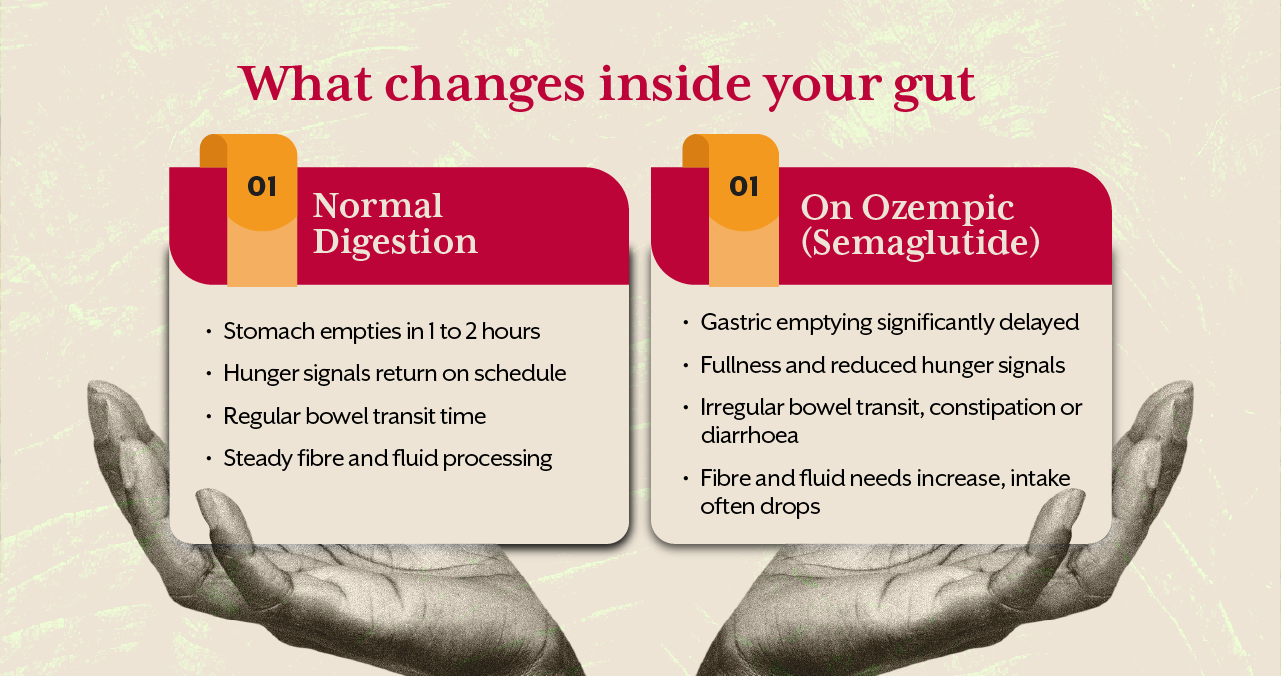
Semaglutide can slow gastric emptying, which eventually means that food moves through the stomach more slowly. That can help you feel fuller for longer, but it can also leave you feeling unusually full, nauseous or bloated. And when food intake, fluid intake and bowel movements all change at the same time, constipation or diarrhoea follows.
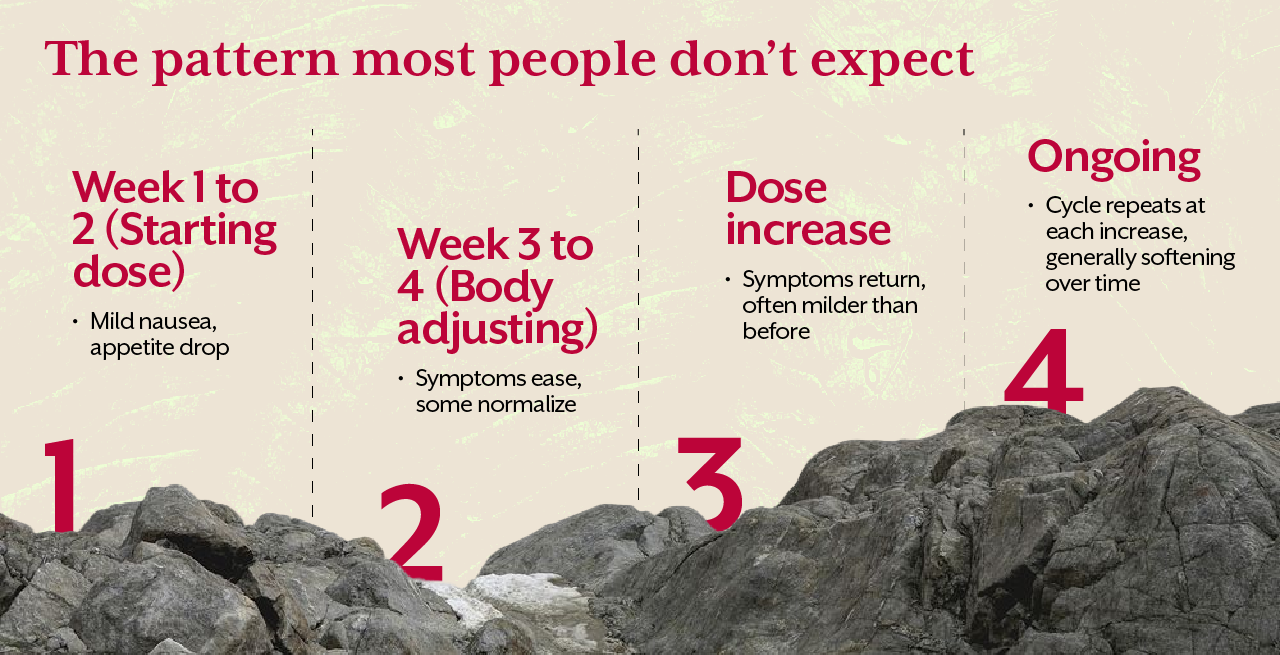
For many people, symptoms are most noticeable when they first start semaglutide or after a dose increase. They may settle as the body adjusts, only to become noticeable again after the next increase. This doesn’t necessarily mean something has gone wrong. It can simply reflect the way the body is responding to a new dose.
Smaller meals, eating slowly, avoiding very heavy or fatty meals if they worsen your symptoms, and staying adequately hydrated can make these periods easier to get through. If constipation is an issue, fibre may help too, but increasing it suddenly without enough fluid can make things even worse.
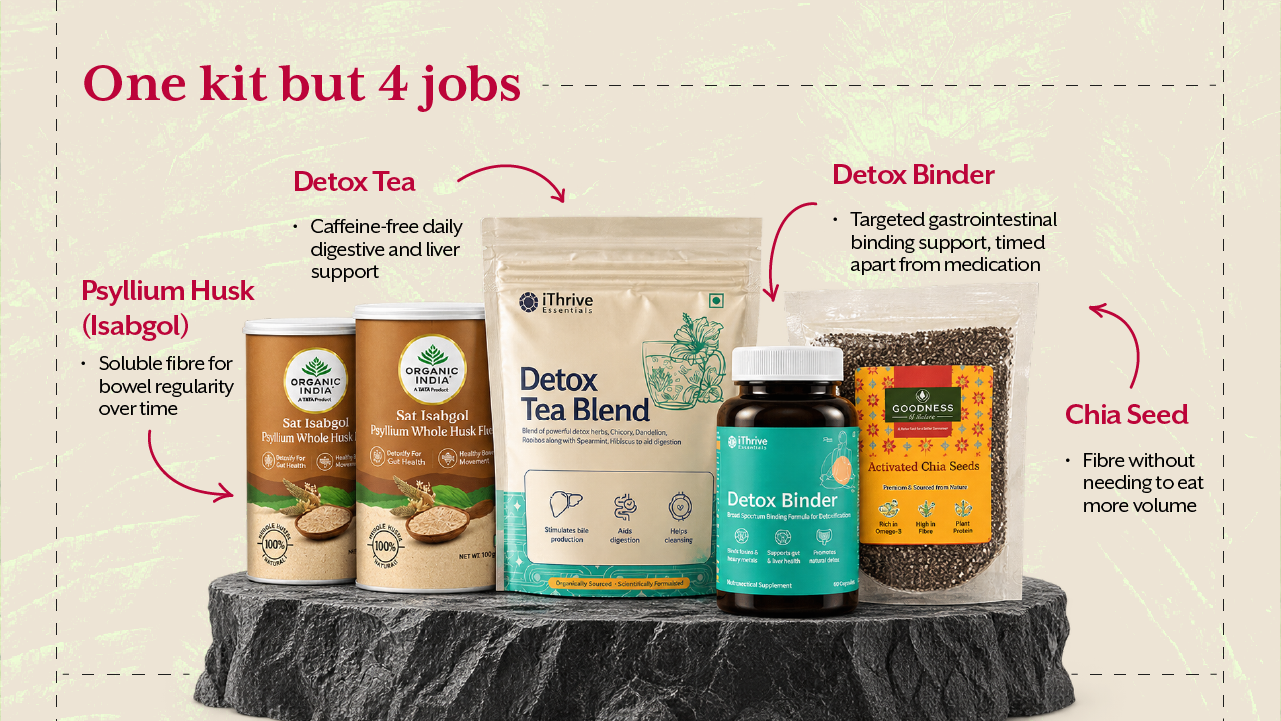
If you’re taking a GLP 1 medication and finding that eating less has also meant getting less fibre, less fluid and less regular with your bowel movements, iThrive’s GLP1 Support Kit brings these pieces together in one routine. It combines psyllium husk and chia for daily fibre support with iThrive Detox Tea and Detox Binder for additional digestive and gastrointestinal support, without trying to interfere with how the medication works.
You don’t have to simply accept digestive discomfort as the price of taking Ozempic. But the answer isn’t to throw every gut supplement at it either.
Start with the basics: smaller meals, enough fluids, adequate fibre and regular movement. If your appetite has dropped significantly, pay attention to whether you’re still getting enough fibre and fluids through the day. Fibre should be increased gradually, because adding too much too quickly can make bloating worse.
If constipation is the main issue, psyllium husk or isabgol can is a useful source of soluble fibre. Chia seeds can also contribute fibre without requiring you to eat a large volume of food, which can be useful when semaglutide has already reduced your appetite.
The important part is to take fibre with enough fluid. Otherwise, you can end up making constipation worse rather than better.
If you’re already focusing on hydration and want a caffeine free daily digestive ritual, iThrive Essentials Detox Tea has to be an addition.
The blend combines chicory root, dandelion root, hibiscus, rooibos and spearmint. Chicory provides inulin, a prebiotic fibre, while the other botanicals are included for broader digestive, antioxidant and liver and kidney support.
Detox Binder serves a very different purpose from a tea or fibre supplement.
iThrive Detox Binder contains activated charcoal, citrus pectin, chlorella, cilantro, aloe vera and bamboo extract. Its formulation is designed to work within the gastrointestinal tract, where the binding ingredients can adsorb certain compounds present in the gut.
That makes it a different kind of support from Detox Tea because the tea is a daily herbal drink, while the binder is intended as targeted gastrointestinal binding support.
It should not be thought of as something that “cleans Ozempic out of your system.” Semaglutide itself is not something you need to detox from.
And because activated charcoal can also bind medications and supplements, timing matters. It should be separated from medicines and other supplements rather than taken alongside them.
If nausea is your main problem:
Keep meals smaller, eat slowly and avoid foods that consistently trigger nausea. Don’t force large meals simply because it’s mealtime.
If constipation is your main problem:
Start with fluids, regular movement and gradually increasing fibre. Psyllium or chia can be considered if appropriate for you.
If you want a daily digestive ritual:
iThrive Detox Tea can be used as a caffeine free herbal drink alongside your normal diet and hydration routine.
If you’re using a binder as part of a broader gut or clearance protocol:
iThrive Detox Binder can provide additional gastrointestinal binding support, but it should be timed away from medications and supplements because activated charcoal can reduce their absorption.
And if symptoms are severe or persistent:
Don’t keep adding supplements. Speak to your prescribing doctor. Severe gastrointestinal reactions can occur with Ozempic, and the medication is not recommended in people with severe gastroparesis.
First things first, more support isn’t always better.
If you’re already taking prescription medication, especially multiple oral medicines, check the timing of any fibre, herbal product or binder with your doctor or pharmacist. This is particularly important with activated charcoal because it can interfere with the absorption of other medicines and supplements. And don’t try to manage severe or worsening symptoms with supplements.
Ozempic changes how you eat and how quickly food moves through your digestive system. That can be a big part of why the gut symptoms show up.
The answer is never to fight the medication, it is always to support the basics it can disrupt like hydration, fibre, food intake and bowel regularity.
And if you choose to add supplements, know what each one is actually doing. Fibre supports bowel regularity. Detox Tea is a daily herbal support. Detox Binder works differently, through gastrointestinal binding. They aren’t interchangeable, and none of them should replace medical care when symptoms are severe.
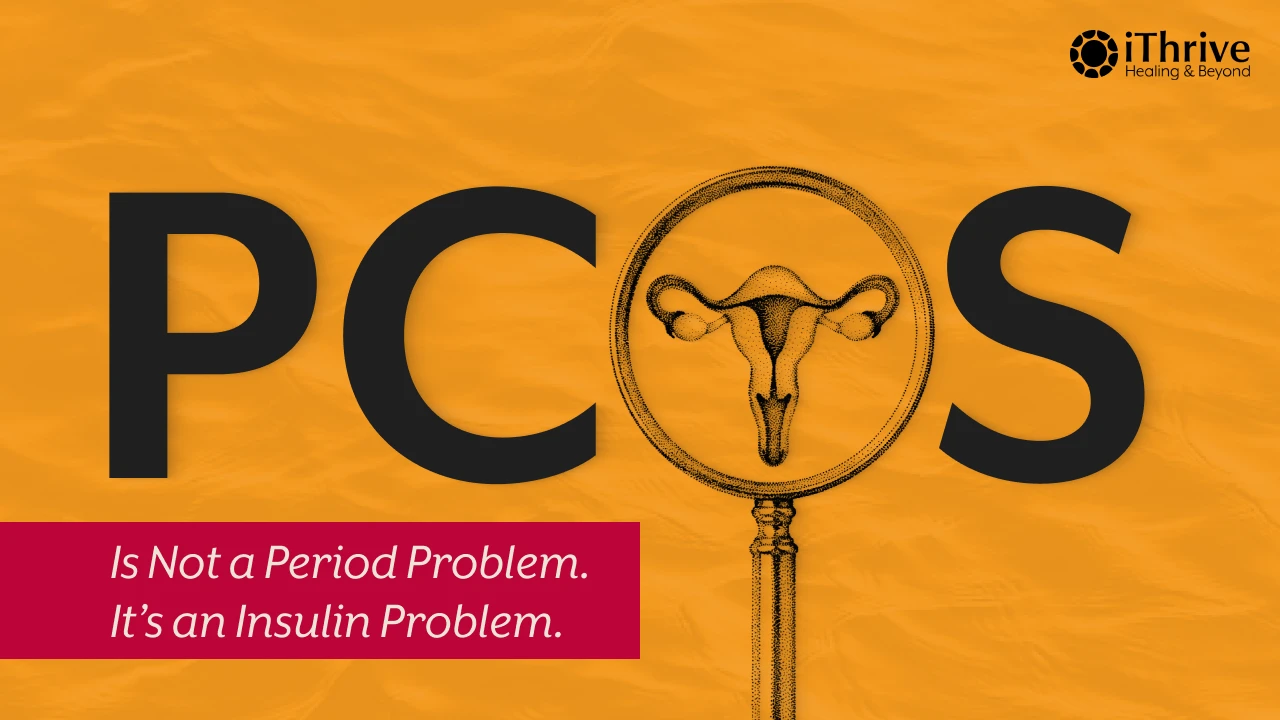
Irregular periods often get blamed on "PCOS" like it's the disease itself, it isn't. PCOS full form is Polycystic Ovary Syndrome, but periods are just the symptom for most women, the real driver is actually insulin.
PCOS full form in medical terms is Polycystic Ovary Syndrome. It means a woman's metabolism and hormones have gone out of balance, raising androgen levels. This further affects periods, skin, hair, mood, weight, and fertility.
For most women, the PCOS root cause is insulin resistance. When insulin stays high for too long, the ovaries get pushed to produce more testosterone. Then that excess testosterone drives irregular cycles, acne, hair loss, and weight gain.
Weight that concentrates around the belly, sugar cravings right after meals, skin tags, dark patches on the neck or underarms, and fatigue that hits after eating are common signs. Of course not every woman with PCOS shows all of these, but if several feel familiar, insulin is most likely playing a central role.
The name "polycystic" is misleading. The so-called cysts are actually small, immature follicles that never fully developed because ovulation didn't happen properly. Not every woman with PCOS has these follicles, and again like not every woman with these follicles has PCOS, diagnosis can't rely on ultrasound alone.
High rates of insulin resistance, diets high in refined carbs as well as seed oils, sedentary lifestyles, chronic stress, and widespread Vitamin D deficiency create near-perfect conditions for PCOS. India has one of the highest prevalence rates in the world, yet the awareness stays quite low.
Standard PCOS symptoms and treatment usually means the pill for cycles and metformin for insulin. Both manage symptoms and neither explains why insulin went high in the very first place. Symptoms typically return the very moment the treatment stops.
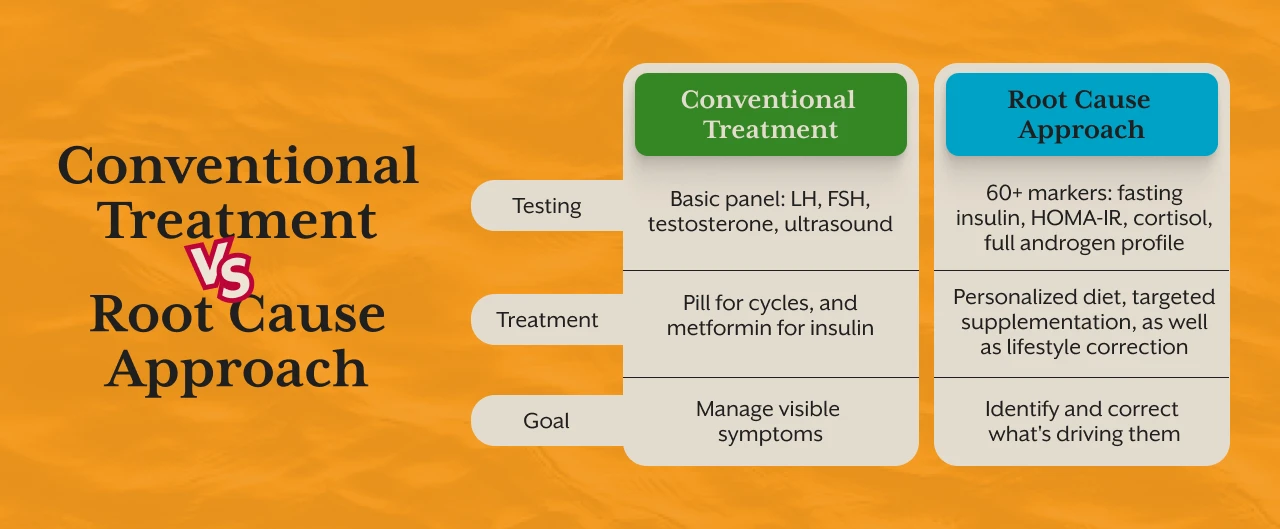
Yes, when the root cause is identified and treated. To reverse PCOS naturally in India means correcting insulin resistance, inflammation, gut health, as well as nutrient deficiencies together, not chasing one marker like testosterone alone.
A useful PCOS diet chart has never been about cutting carbs blindly. It's always about eating in a way that keeps insulin stable like protein and fiber with every meal, minimal refined sugar and seed oils, along with consistent meal timing. The exact ratios depend on your own blood work.
A sample structure is like protein and healthy fat within an hour of waking, fiber-rich meals every 3-4 hours, and carbs paired with good quality protein rather than eaten alone. This alone won't completely reverse PCOS, but it rather stabilizes the insulin spikes that keep the symptoms active.
No single PCOS supplement fixes everything, because PCOS has multiple root causes working together. Myo-inositol is one of the most researched nutrients for improving insulin sensitivity and restoring ovulation.
Active B-Complex combines Myo-Inositol with active folate (Quatrefolic®) and methylated B12 to support insulin signalling, ovarian function, and methylation pathways together instead of one nutrient at a time.

PCOS is one of the most common causes of ovulatory infertility, but it's often reversible. When hormonal and metabolic imbalances are corrected, insulin sensitivity improves, androgen levels drop, and ovulation can resume naturally, further improving the chances of conception without always needing assisted methods.
This is why treating PCOS as purely a "fertility issue" and jumping straight to fertility drugs can miss the point. If insulin resistance is still driving the hormonal imbalance underneath, ovulation support alone often works only temporarily.
Yes, directly. Hormonal imbalances, insulin resistance, and chronic inflammation all affect brain chemistry as well as mood regulation. Many women with PCOS describe anxiety, low mood, and brain fog that no one connects back to their diagnosis.
This isn't "just stress." When the underlying insulin and inflammation issues are addressed, many women notice real, and significant improvements in anxiety, sleep, and mental clarity.
Left unmanaged beyond the pill and metformin, PCOS doesn't plateau. Cycles stay irregular, fertility gets affected, and the risk of Type 2 Diabetes, cardiovascular disease, and fatty liver rises over time. The earlier the root cause is addressed, the wider the window for reversal.
Guessing at supplements or following a generic PCOS diet chart rarely works, because everyone's underlying drivers differ. iThrive's PCOS Root Cause Analysis tests 60+ markers including fasting insulin, HOMA-IR, cortisol, thyroid, and full androgen profile to show exactly what's driving your PCOS.
The process is very simple: book your Root Cause Analysis, get your blood work done at home, and sit down with a functional nutritionist who explains what your markers actually mean.
PCOS full form is Polycystic Ovary Syndrome, but it's a metabolic and hormonal condition, not just a reproductive one. The PCOS root cause is usually insulin resistance, which drives up androgen levels and causes most visible symptoms. The pill and Metformin just manage the symptoms, they never fix the insulin resistance or inflammation underneath. A proper PCOS diet chart and PCOS supplement plan should always be built around your own blood work. PCOS can affect fertility and mental health too, both often improve once the root cause is treated. Reverse PCOS naturally in India by identifying and correcting the actual drivers, not just suppressing the symptoms.
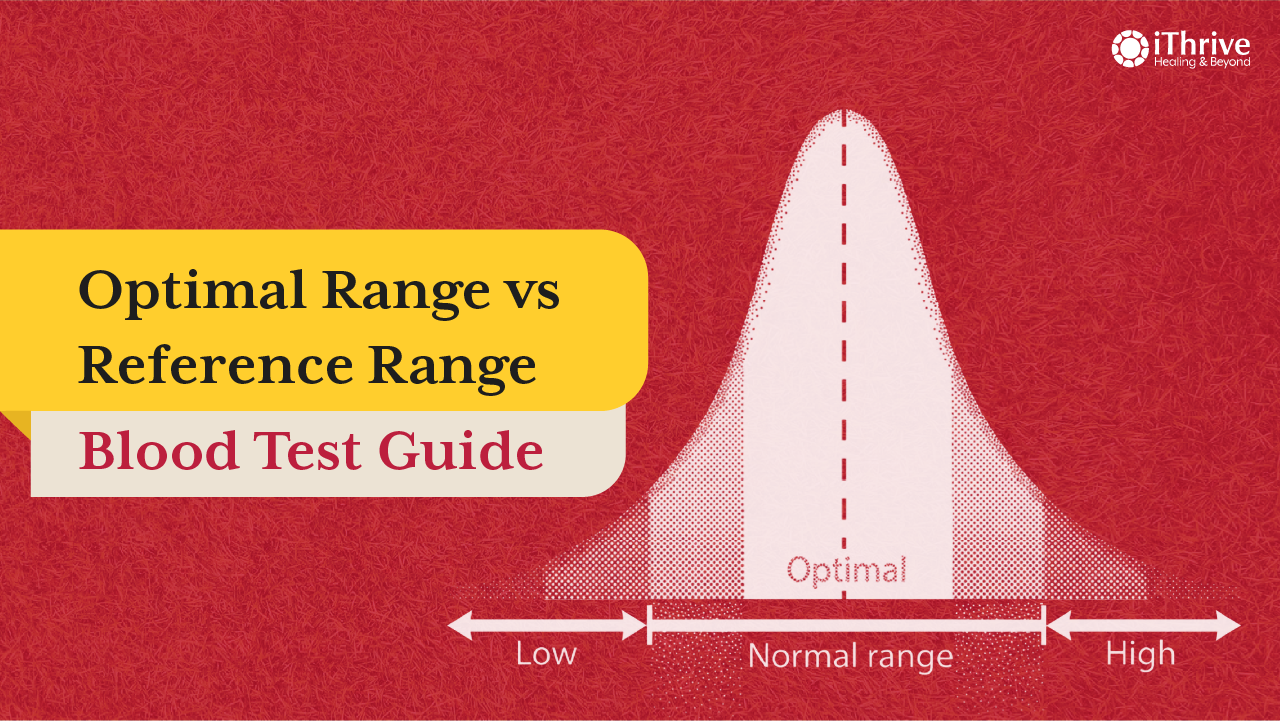
Your blood report says "normal." But if you still feel tired, foggy, or off, the gap between how you feel and what your report says usually comes down to one thing which is optimal range vs reference range blood test results and most doctors never explain the difference.
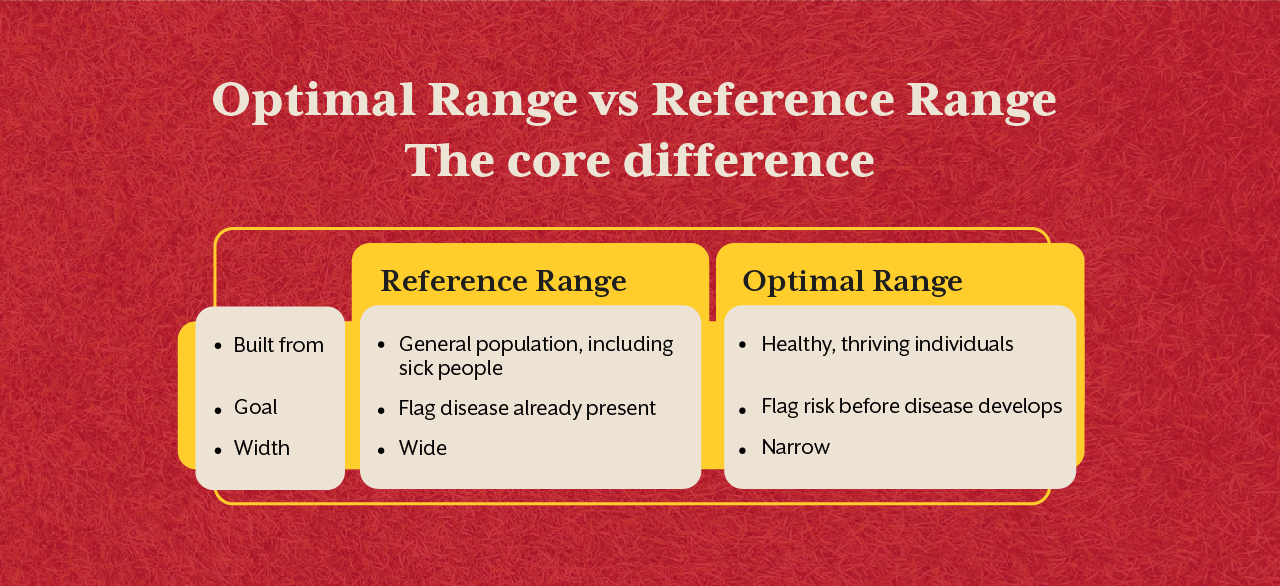
A reference range is the standard "normal" window that is printed next to your result. Labs build it by testing thousands of people, including undiagnosed or mildly sick ones then take the statistical middle 95%. It tells you if you're average but it never conveys that you're healthy.
Optimal meaning, in this context is the narrower band linked to the lowest disease risk and best long-term function in research. It's built from thriving, healthy individuals, and not the general population. Sitting inside your reference range doesn't mean you're inside this optimal window.
A reference range always asks are you average? An optimal range asks, are you thriving? Like a marker can sit safely inside the reference range for years while quietly drifting towards a dysfunction, simply because the reference range is too wide to even notice.
Here's what the gap actually looks like on common markers. This is why two people can both be told "normal" while only one of them is actually well.
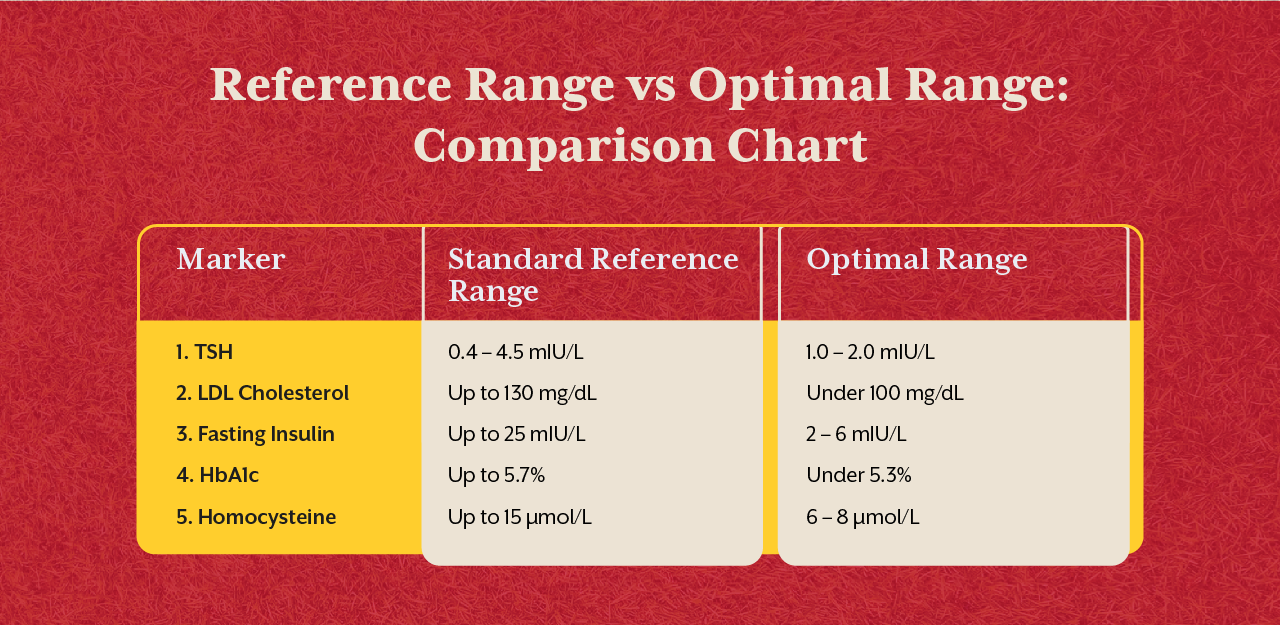
Values are approximate and vary slightly by lab. The pattern stays the same across almost every marker: the reference range is wide enough to hide dysfunction the optimal range is designed to catch.
Yes. "Normal range" and "reference range" mean the same thing, both of them describe the wide, population-based window printed on your lab report. Neither term implies optimal health, they only show where you stand compared to everyone tested, sick or well.
A reference range doesn't detect slow, early dysfunction. It ignores your age, symptoms, and personal history, and it can't distinguish early-stage disease from a lucky test day. Two very different people can both read "normal" on paper.
The standard TSH normal range on most lab reports runs roughly 0.4 to 4.5 mIU/L. Optimal ranges used by thyroid specialists sit closer to 1 to 2 mIU/L. Someone at 4.2 is normal on paper but is often already fatigued, foggy, and gaining weight all the way.
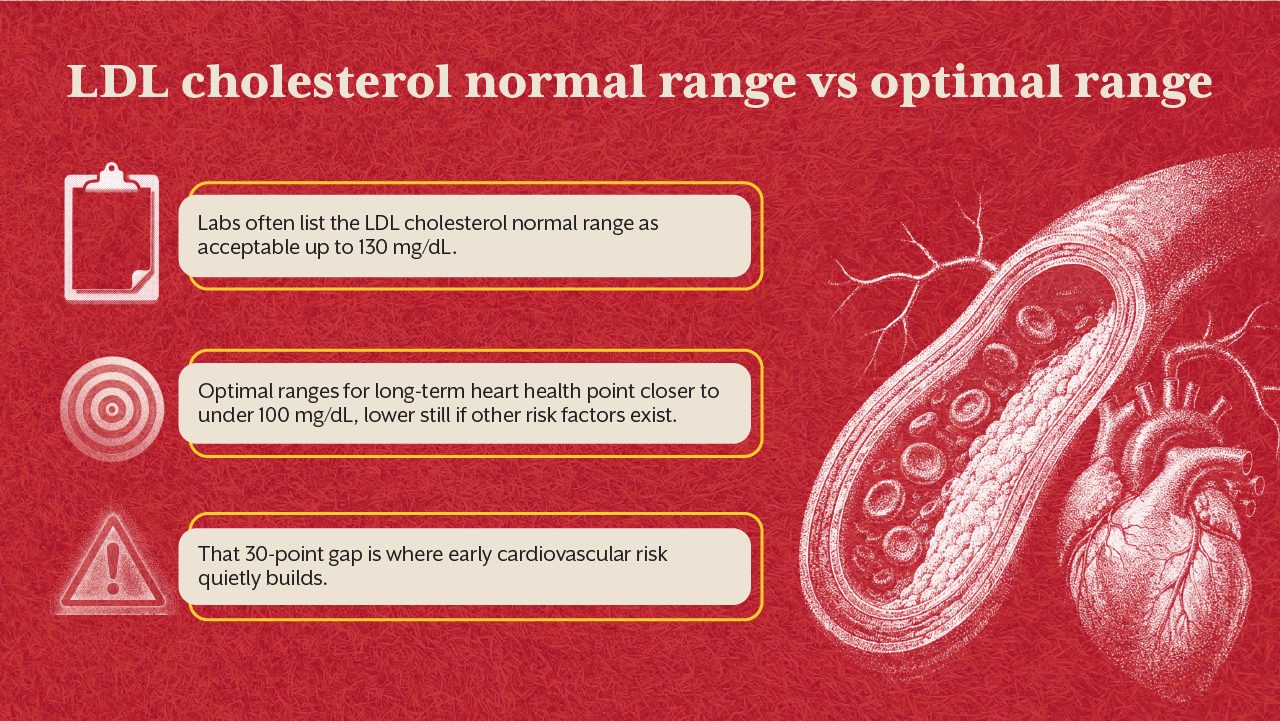
Labs often list the LDL cholesterol normal range as acceptable up to 130 mg/dL. Optimal ranges for long-term heart health point closer to under 100 mg/dL, lower still if other risk factors exist. That 30-point gap is where early cardiovascular risk quietly builds.
Dysfunction builds slowly, like one small shift at a time. Reference ranges are wide enough to hide that entire process. By the time a marker actually crosses into "abnormal," the underlying issue has usually been developing for years already.
Reading one marker at a time against a wide range is why reports keep saying "fine" while you don't feel fine. What matters is reading 60+ markers together, against optimal ranges, alongside your symptoms and history.
This is exactly what iThrive's Root Cause Analysis does. It uses the ranges your doctor doesn't, so it catches what standard testing is built to miss, and connects the dots between markers instead of scoring each one alone.
A normal lab result only confirms you're inside the wide reference window, it says nothing about whether your levels support real vitality. An optimal result means your markers sit in the range tied to peak function and the lowest disease risk. Chasing normal keeps you stable but chasing optimal keeps you well.
Most chronic disease doesn't appear overnight, it always accumulates for years while every report says normal. Someone with a TSH of 4.0, LDL of 125, and fasting insulin of 20 can walk out of 3 straight check-ups with a clean report. None of those numbers cross a line on their own.
But together, they paint a different picture, like one drifting toward hypothyroidism, insulin resistance, or heart disease, quietly, one report at a time. This is the real cost of relying only on reference ranges.
The years when a small shift in diet, sleep, or supplementation could have reversed the trend get spent believing nothing is wrong. By the time a marker finally tips into "abnormal," the fix usually takes longer and costs more than it would have earlier.
Optimal ranges close this gap. They flag the drift while it's still reversible, not after it becomes a diagnosis. That's the real value of testing against a narrower, evidence-based window instead of a wide population average.
This is exactly where a structured Root Cause Analysis matters most. Instead of waiting for one marker to cross a line, it tracks how your markers move together over time, against optimal ranges so the drift gets caught while it's still a pattern, and not a disease.
Reference range and normal range are the same thing, a wide, population-based window, not a marker of true health. Optimal range is narrower and tied to the lowest disease risk, not just statistical averages. Common markers like TSH, LDL, and homocysteine often read "normal" while sitting well outside the optimal window. Reference ranges can't detect slow dysfunction, symptoms, or personal trends. A Root Cause Analysis reads markers together against optimal ranges, catching drift a standard report misses entirely.

Growth hormone peptides are among the most popular classes of supplements in both the longevity and performance worlds. CJC-1295 is one such peptide that is available in two different forms- one has a chemical addition called DAC (Drug Affinity Complex), while the other does not. Modified peptides without DAC are typically referred to as CJC-1295 without DAC or, most accurately, Mod GRF 1-29.
Both of these peptides might still sound very similar, but they act very differently once they are inside the body. One of them causes a prolonged, steady increase in growth hormone levels, and the other creates a short, sharp pulse that closely resembles the body’s natural growth hormone release pattern. This difference between these peptides is quite huge.
This leads to the question- why would CJC-1295 without DAC, with its shorter half-life and more frequent dosing schedule, be viewed as the more physiologically favourable option by many researchers and clinicians? To understand that, a deep dive into how growth hormone is actually released in the body is needed.
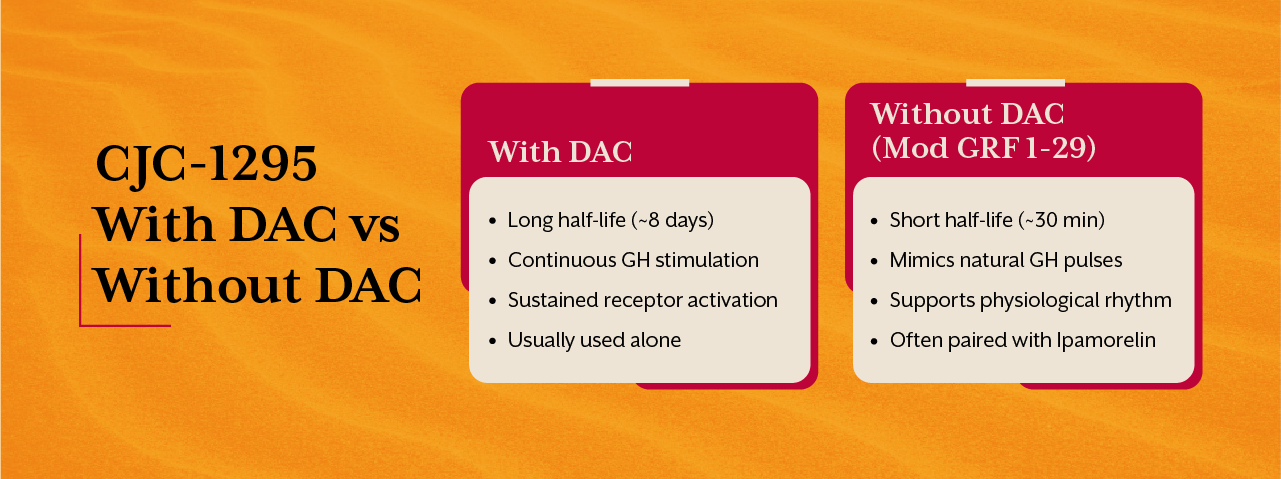
CJC-1295 without DAC (also known as Mod GRF 1-29) is a modified, stabilized fragment of growth hormone-releasing hormone (GHRH) that increases pulsatile growth hormone (GH) release, supporting muscle growth, fat metabolism, and recovery. GHRH is the hormone that the hypothalamus naturally produces to signal the pituitary gland to release growth hormone. The “Mod” denotes a few amino acid modifications that help the peptide resist enzymatic breakdown. The 1-29 refers to this peptide using only the first 29 amino acids of the complete GHRH molecule. The rest of the molecule has been removed because the truncated form maintains 100% biological activity.
Unlike the DAC version, Mod GRF 1-29 lacks the binding agent DAC, which greatly extends a peptide’s half-life. As a result, Mod GRF 1-29 clears from the bloodstream within approximately 30 minutes. That is not a downside. On the contrary, it is the entire reason to take Mod GRF 1-29.
New to peptide therapy? Explore our complete Peptide & Bioregulator series to understand how different peptides support longevity, metabolism, recovery, and healthy aging.
GH is not released continuously throughout the day. It is released in pulses, mostly during deep sleep, with smaller pulses occurring around exercise and during fasting. This pulsatile pattern exists for a biological reason. The pituitary gland and its downstream systems only like to be stimulated in short bursts followed by periods of rest.
Mod GRF 1-29 binds to GHRH receptors on the pituitary gland, which triggers an immediate release of GH from the pituitary gland. Since the peptide clears out quickly, there is a sharp and short GH pulse that mimics the natural signaling of a healthy hypothalamus.
CJC-1295 with DAC is completely opposite. The DAC modification binds to albumin in the blood, which increases the half-life of the peptide to about eight days. Instead of one short pulse, there is a continuous stimulation of the GHRH receptors over an extended period. This creates a sustained elevation of GH (and more specifically insulin-like growth factor 1 or IGF-1) rather than a distinct pulse.
Continuous stimulation might sound more effective on paper. More stimulation, more growth hormone, more benefit. However, the endocrine system does not always work that way. Pulsatility, as mentioned, carries a biological meaning.
GHRH-responsive somatotroph cells in the pituitary gland require receptor sensitivity in order to respond appropriately to GHRH signals. Continuous stimulation of GHRH receptors (as opposed to intermittent pulses) can cause receptor desensitization to occur. Over a period of time, cells that are exposed to continuous signaling can downregulate their receptors as a protective mechanism. This may further blunt the pituitary gland’s natural response.
Then there is feedback regulation to consider. GH release is governed by a negative feedback loop that involves the hormone somatostatin, which inhibits GH release. In a healthy pulsatile system, GH rises sharply, IGF-1 responds, and somatostatin steps in to bring the system back to normal before the next natural pulse. When GH and IGF-1 remain elevated for days at a time, as happens with the DAC version, this feedback loop is disrupted in a way that does not reflect normal physiology.
Mod GRF 1-29 avoids this problem structurally. As it clears out of the body quickly, it allows the pituitary gland to reset between doses, preserving the natural rhythm of the hypothalamic-pituitary axis instead of overriding it.
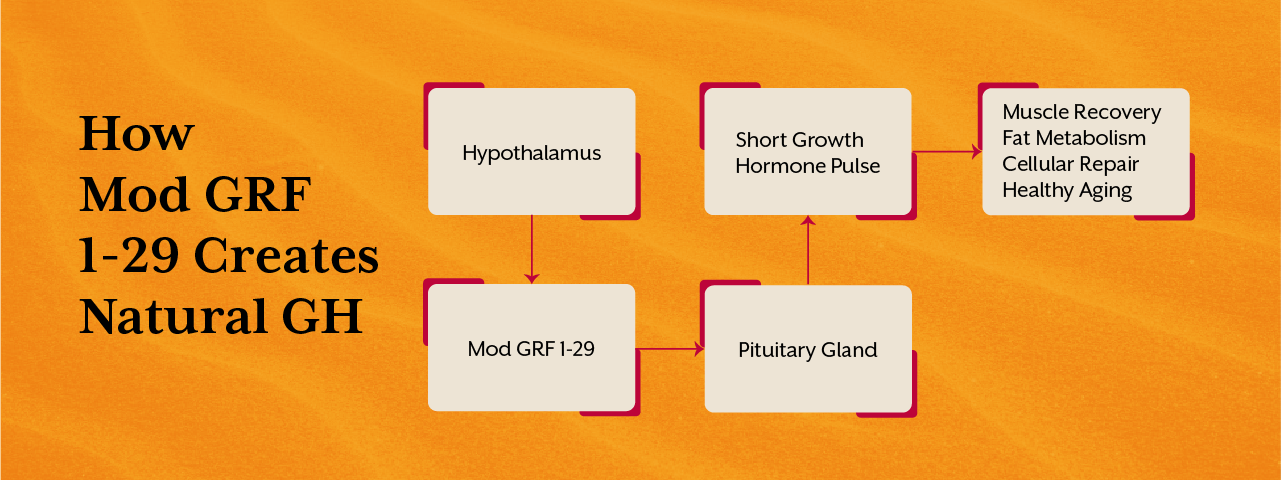
Mod GRF 1-29 is often co-administered with a growth hormone-releasing peptide (GHRP) like ipamorelin or GHRP-2. GHRH and GHRPs bind to completely different receptors. GHRH analogs, including Mod GRF 1-29, bind directly to the GHRH receptor. GHRPs bind to the ghrelin receptor and also inhibit the release of somatostatin, which normally limits GH release.
Stimulation of both these pathways leads to a much greater GH pulse than either of these compounds producing alone, yet it is still only one single, time-limited pulse rather than a sustained elevation. This synergy is one of the main reasons why the no-DAC version is preferred over the DAC version in most research and clinical protocols that aim to maintain natural signaling patterns.
Since Mod GRF 1-29 has a short half-life of about 30 minutes, it is usually administered multiple times per week, often once or twice daily. It comes in lyophilized form that needs to be reconstituted with bacteriostatic water before use. The peptide is administered via subcutaneous route 5 days a week followed by 2 days off, for 8-12 weeks. As previously stated, due to its extended half-life, the DAC version of the peptide is commonly given only once or twice per week.
The frequent dosing schedule required with the no-DAC version may seem undesirable when compared to once-weekly injections, but it is necessary in order to achieve the physiologically natural result. Matching the dosing pattern to the body’s natural pulse timing is part of the mechanism, not a drawback of it.
Side effects of GHRH analogs are usually mild and include temporary flushing, mild irritation at the injection site, and sometimes dizziness shortly after injection. Mod GRF 1-29 does not keep GH and IGF-1 levels constantly elevated for an extended period, so the theoretical concerns linked to prolonged GH and IGF-1 elevation, including insulin sensitivity changes, are generally considered lower with the no-DAC version than the DAC version. However, this has not been studied long-term with either of these peptide versions, which is why it is important to only use peptides under the care of a professional who can monitor you for unwanted side effects.
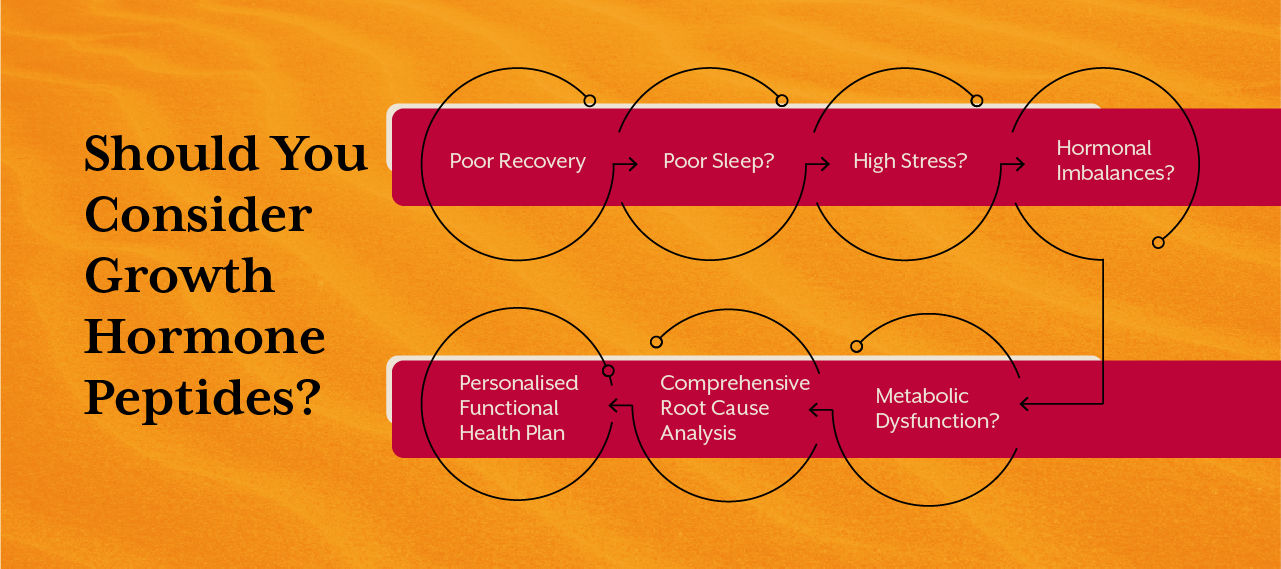
Before considering any peptide protocol, understanding your hormones, metabolism, sleep quality, stress levels, and nutrient status is essential. Book your Root Cause Analysis to discover whether growth hormone support is appropriate for your biology.
Constantly flooding the body with GH is not how it is supposed to function. GH release is designed to pulsate in bursts that quickly rise and fall. When used continuously, most hormones cause receptor sensitivity to that hormone to diminish over time. Your body is accustomed to the pulsatile release of GH, so when you blunt that pulse, you force your body to operate under unfamiliar terms. CJC-1295 without DAC, or Mod GRF 1-29, honours the body’s natural blueprint. By mimicking the pulse that your body is already built around, rather than forcing it to rely on artificial means of release, you are working within your biology, not against it. If maintaining that natural pulse is your priority and you would like to preserve long-term receptor sensitivity, then the shorter-acting peptide variant is right for you, even if it means more frequent injections.

Ipamorelin is a synthetic growth hormone-releasing peptide that selectively binds to and activates Growth Hormone Secretagogue Receptor (GHS-R1a). Endogenous ghrelin, primarily secreted by the stomach in response to fasting, exerts its growth hormone (GH)-stimulating effects by activating this same receptor located in the hypothalamus and pituitary gland. By directly stimulating GH secretion through the GHS-R1a, Ipamorelin increases endogenous GH levels without directly supplementing growth hormone.
Human growth hormone, also referred to as somatotropin, is a protein produced by the anterior pituitary gland. Growth hormone plays an important role in human growth and development by regulating protein synthesis, fat metabolism, muscle growth, body composition, exercise performance, tissue repair, and much more. Since growth hormone affects so many physiological processes throughout the body, deficiency or low levels of GH can have a significant impact on overall health.
Natural growth hormone secretion begins to slowly decline throughout life starting as early as age 30. Supplementing with GH itself is often ineffective for promoting overall health due to risks associated with chronically elevated hormone levels. High concentrations of GH and subsequent insulin-like growth factor-1 (IGF-1) can adversely affect insulin sensitivity and stimulate unwanted pathways associated with cell proliferation.
Ipamorelin, on the other hand, has shown great promise as a natural method of restoring optimal GH levels. Studies show Ipamorelin supports physiological growth hormone release, increases recovery, reduces body fat while helping maintain lean muscle mass, and much more.
Ipamorelin is currently being used in many areas of research to further understand the therapeutic applications of stimulating GH release in a physiological manner. Some of the main reasons Ipamorelin has become one of the most popular GHRPs is due to its high receptor selectivity.
Unlike other growth hormone- releasing peptides that preceded it, Ipamorelin was designed to bind to and activate only the GHS-R1a. Many of the initial GH releasing peptides were found to significantly stimulate the release of cortisol and/or prolactin from the pituitary gland. High levels of cortisol are not ideal for recovery and can blunt many of the therapeutic effects of GH. Increases in prolactin are also associated with heightened appetite. By carefully designing Ipamorelin to only stimulate the release of GH, many of these unwanted side effects are avoided.
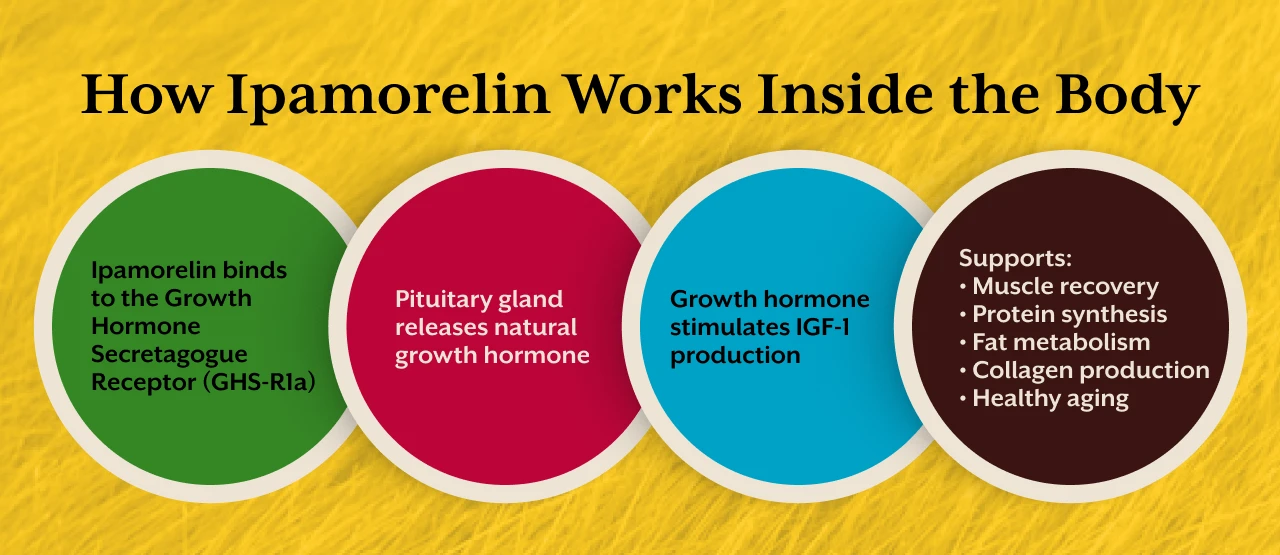
Ipamorelin promotes a pulsatile release of growth hormone by binding to GHS-R1a receptors. While in the bloodstream, ghrelin also binds to these receptors with high affinity. However, ghrelin levels fluctuate throughout the day in response to metabolic demands. Therefore, Ipamorelin may be thought of as a solution to supplement your body's natural ghrelin production.
By supplementing with Ipamorelin, you can effectively trick your body into thinking you are in a state of fasting which leads to an increase in growth hormone release. Elevated GH subsequently stimulates IGF-1 production from the liver and peripheral tissues. The anabolic and recovery benefits associated with Ipamorelin are mainly mediated by growth hormone and IGF-1.
If you’d like to understand another peptide that works by supporting natural growth hormone pulses, read our blog on CJC-1295 Without DAC (Mod GRF 1-29): Why the No-DAC Version May Be Superior for Natural GH Pulsing.
Growth hormone directly mediates many of the physiological processes needed for the growth, maintenance, and repair of muscle, bone, and connective tissue. By supplementing with Ipamorelin, you can effectively trick your body into releasing natural growth hormones resulting in an increase in the production of IGF-1. Both growth hormone and IGF-1 have shown to have many beneficial effects on the human body.

There have been many positive findings associated with Ipamorelin supplementation. For starters, Ipamorelin has been shown to effectively increase natural GH production. Growth hormone is one of the most anabolic hormones in the body and increases the rate of protein synthesis. Therefore, by increasing levels of GH, you can support muscle protein synthesis.
Research has shown that Ipamorelin may help support recovery from exercise. Resistance exercise causes damage to muscle fibers throughout the body. When GH and IGF-1 levels are increased, recovery from muscle damage is greatly enhanced.

Since Ipamorelin effectively increases GH and IGF-1 levels, all of the associated physiological benefits related to growth hormone apply. Below you will find a list of health benefits that are either known or being studied in relation to Ipamorelin.
Some of the main benefits associated with Ipamorelin administration revolve around its ability to increase growth hormone secretion. Growth hormone directly affects metabolism by increasing fat oxidation and stimulating insulin sensitivity. By maintaining optimal levels of GH, you can help promote a lean physique by improving body composition.
Other benefits include enhanced feelings of well being, improved immune function, and better sleep quality. Exercise performance can also be enhanced with Ipamorelin supplementation due to its ability to improve recovery time.
One very interesting application for Ipamorelin is research into healthy aging. Because Ipamorelin increases levels of GH and IGF-1, it could help maintain muscle mass and prevent muscle wasting as you age.
Ipamorelin could also potentially be used as part of a rehabilitation program to speed up recovery from strenuous activity or injury. More specifically, collagen production is increased when GH levels are elevated. Collagen is the main protein that makes up connective tissue throughout the body. Increasing collagen production can help support connective tissue repair.
Healthy aging involves far more than optimizing one hormone. At iThrive, we begin every longevity journey with a Root Cause Analysis that evaluates nutrition, metabolism, hormones, gut health, inflammation, and lifestyle before considering advanced interventions. Book your Root Cause Analysis to discover what’s driving your health from the inside out.
Ipamorelin has been found to be relatively safe when administered correctly. Most side effects associated with Ipamorelin are mild to none and include headache, water retention, and some irritation at the injection site. Because Ipamorelin does not directly supply you with GH, it is considered safer than using GH itself. Dosage and duration of use have not been established. So far, research appears to be promising, but we still have a lot to learn about Ipamorelin.
Interested in how peptides influence metabolism and longevity? You may also enjoy reading our blog on MOTS-c Explained: How This Peptide Supports Energy, Metabolism, and Healthy Aging, which explores one of the most promising mitochondrial peptides in longevity science.
Ipamorelin is a growth hormone secretagogue that selectively binds to and activates the Growth Hormone Secretagogue Receptor (GHS-R1a). When ghrelin binds to GHS-R1a receptors it causes your pituitary gland to release GH into the bloodstream. Ipamorelin functions in a similar way by binding to GHS-R1a causing a release of GH. The goal of Ipamorelin is to increase GH levels in a physiological manner.

If you have spent any time browsing performance enhancement articles, muscle growth research, or anything peptide-related, you have likely encountered the term “IGF-1 LR3.” You will see it plastered all over bodybuilding forums, and even scientific journals, but what is it, and why is everyone talking about it? This blog will cover the fundamentals of this peptide and explain the basics.
Before we get into IGF-1 LR3, let us first discuss IGF-1. IGF-1 stands for Insulin-like Growth Factor-1 and is a hormone that our body produces naturally. It is released primarily by the liver in response to growth hormone (GH). IGF-1 promotes growth in children and continues to influence tissue repair, cell growth, and metabolism in adults.
IGF-1 has its name because its molecular structure is similar to that of insulin. IGF-1 binds to cell receptors which initiates various processes such as protein synthesis and cell proliferation. For that reason, IGF-1 has been of interest to both the scientific community studying growth abnormalities, aging, and tissue regeneration as well as athletes/bodybuilders looking to enhance muscle growth.
However, one problem with natural IGF-1 is that it does not stay in our body very long. When introduced into the bloodstream, it has a half-life of only a few minutes. Our body’s binding proteins attach themselves to IGF-1 and help clear it out of our system very quickly. This short window is one of the driving factors for researchers to start playing with modified forms of the molecule.
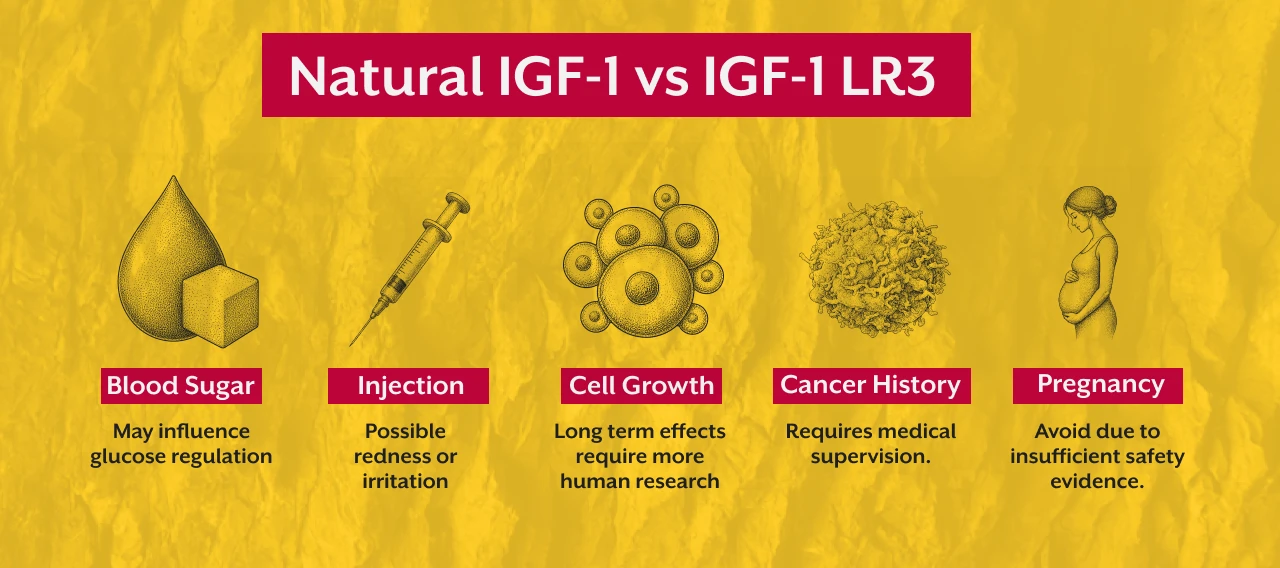
IGF-1 LR3 (Long Arginine 3-IGF-1) is a synthetic 83-amino- acid peptide derivative of IGF-1 developed originally as a research tool, rather than as a therapeutic drug. The modifications that distinguish LR3 from natural IGF-1 are the addition of 13 amino acids to the N-terminal end of the molecule (termed the “Long R3” tag), and the replacement of glutamic acid with arginine at position 3. These alterations greatly decrease its ability to bind to IGF-binding proteins, and it is this property that allows LR3 to stay active in the bloodstream longer than native IGF-1.
IGF-1 LR3 works like natural IGF-1 binding to the IGF-1 receptor. The IGF-1 receptor is present on most cells in the human body, particularly in muscle, cartilage, and connective tissues. The easiest way to understand how this works is to envision the IGF-1 receptor as a lock and IGF-1 LR3 as the key. Fortunately, IGF-1 LR3 fits that lock almost as well as the body’s natural key. Upon activation of the IGF-1 receptor, a signaling cascade is initiated within the cell.
This signaling cascade occurs primarily through the PI3K/AKT/mTOR pathway. If you have read any article on muscle growth, you have likely heard of mTOR. mTOR is responsible for protein synthesis. When mTOR is activated, it instructs our cells to produce more protein, absorb more nutrients like amino acids and glucose from the blood, and enter a growth-oriented state.
Since IGF-1 LR3 has a low affinity for binding proteins, a greater amount of it stays “free” and active for longer. Essentially, it can exert its effect longer after a single dose when compared to natural IGF-1.
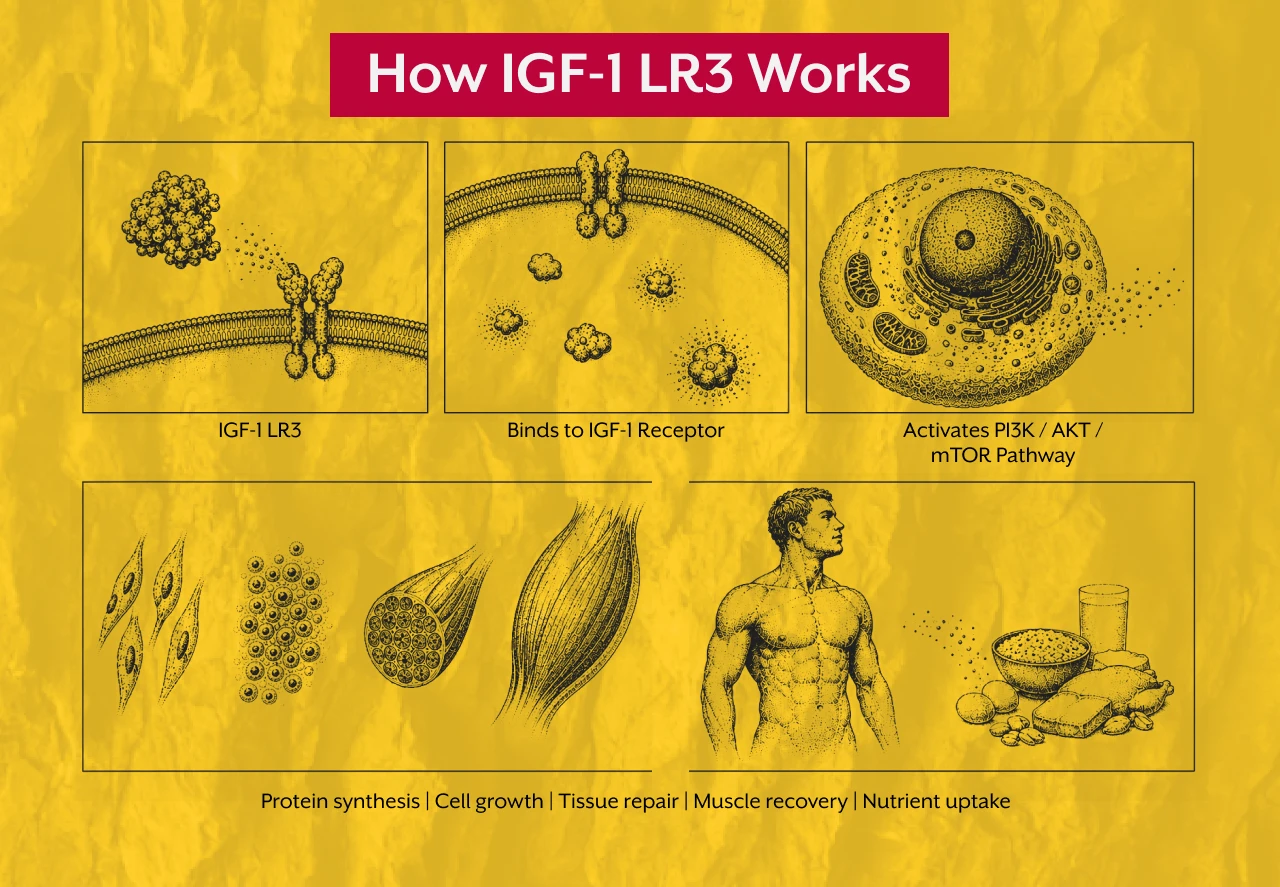
Based on current studies and reported use, the areas most often linked to IGF-1 LR3 applications are:
It is important to note that the majority of evidence for IGF-1 LR3 specifically comes from in vitro (cell) studies and older laboratory research rather than robust, controlled human clinical trials. Much of what is understood about its mechanism is extrapolated from research on natural IGF-1 and growth hormone physiology, rather than dedicated trials on the LR3 analog itself.
IGF-1 LR3 has been most commonly referenced as being administered via subcutaneous injection. It is typically provided as a lyophilized powder that must be reconstituted with bacteriostatic water before administration. Due to its extended half-life compared to native IGF-1, it is generally used less frequently than shorter-acting peptides, although protocols used in scientific and anecdotal discussions vary widely.
A lot of attention needs to be given to IGF-1 LR3 as it is a powerful molecule and has more warnings associated with it than most other peptides:
Like we said, peptides are just one piece of a larger puzzle in regards to muscle growth, recovery, and overall metabolic health. Before even thinking about adding a peptide into the mix, consider getting some baseline numbers pulled. Book your Root Cause Analysis with iThrive, and we can get you on the path to building a plan specific to your body’s needs.
IGF-1 LR3 is a modified version of a peptide our body produces naturally. It was designed to have a much longer half-life in circulation compared to natural IGF-1. It can activate many of the same growth and repair pathways that are recruited during muscle protein synthesis and recovery. For this reason, it has gained considerable popularity in strength and aesthetics circles. However, much of the evidence supporting IGF-1 LR3 is from in vitro and animal studies. Clinical trials on humans are limited. Its potency brings certain risks, particularly around blood sugar regulation and uncontrolled tissue growth. As with any peptide, understanding the mechanism is only the first step; understanding your own body’s baseline health is what makes any intervention meaningful and safer to consider.

You have tried the biotin, switched the shampoo, and you’ve maybe even sat in a dermatologist's office and walked out with a prescription for minoxidil that made your scalp itch and your expectations quietly deflated. Yet here you are, still watching your hair thin, still looking for something that actually makes sense.
We hear this every single day at iThrive.
Since 2019, we have been working in the space of functional nutrition and disease reversal, helping clients understand and address the root causes of over 174 conditions including chronic hair loss. One thing that we have learned in this time is that hair loss is one of the most misunderstood and undertreated conditions out there. The reason is because the conversation on hair loss has been stuck in the wrong place for too long.
GHK-Cu is a part of changing that conversation, and if you have not heard of it yet, you are about to understand why it matters.
GHK-Cu is a naturally occurring copper peptide found in the human body. The full name is Glycine-Histidine-Lysine-Copper. It is a small protein molecule that your body produces on its own to repair tissue, regulate inflammation, and signal healthy cell activity.
The reason GHK-Cu has started getting serious attention in the world of hair health is simple. Research shows it plays a direct role in follicle activity, hair growth cycles, and scalp health at a biological level.
For a long time, the hair loss conversation stayed in the same lane. Minoxidil, Finasteride, and PRP. These have been the standard options for decades and for many people, they work partially, temporarily, or not at all. What was always missing from the conversation was a deeper look at what the follicle actually needs to function well.
GHK-Cu, also known as a copper peptide, has been studied in research settings for years and years. But it is only recently that functional health practitioners and nutritionists started bringing it into real client work in a meaningful way. At iThrive, that shift happened when the results started speaking for themselves.

Priya was 31 when she first reached out to iThrive. She had been losing hair for almost 2 years. The slow, quiet kind of loss that shows up in a widening parting, in the hairbrush, in the shower drain. She had been to a dermatologist who told her her thyroid was fine. She had also tried biotin for 6 months, and off course like anyone would she had switched shampoos 4 times.
Nothing had changed.
When she came to iThrive, Shayonika, our senior functional nutritionist, and Saloni, our head of client services, sat with her history carefully. Not just her hair, but her sleep, stress, gut health, periods, and her diet for the last 3 years. Her markers that had never been looked at together in the same room.
What they found was not one problem. It was several things compounding each other. Her ferritin was low, gut was not absorbing nutrients efficiently, and her cortisol had been chronically elevated for over a year. Her body? Under that kind of sustained stress and deficiency, body had stopped prioritising hair follicle health because it was too busy managing everything else.
GHK-Cu became one part of her protocol. A smart, targeted part but it worked because the foundation was being addressed at the same time.
By the time Priya completed her journey with the iThrive Alive program, her shedding had reduced significantly. New growth had started appearing at her hairline, and more than anything, she finally understood what had actually been happening in her body and why.

GHK-Cu works at the level of the hair follicle itself. It does not just sit on the scalp surface or coat the hair shaft. It signals follicle cells to stay in the active growth phase longer. It inhibits the molecule called TGF-beta that pushes follicles into early regression. It then stimulates the dermal papilla cells at the base of each follicle, which are essentially the control centre for whether hair grows or not.
Basically, GHK-Cu tells your follicles to keep going when everything else is telling them to slow down or stop.
This is the question almost everyone asks and it deserves an honest answer.
The first thing most people notice is reduced shedding. That usually happens around the 4 to 6 week mark with consistent use. Around 8 to 12 weeks, fine new growth begins to appear, particularly at the hairline or where the parting has widened. Real, visible density changes that show up in photographs or that other people notice typically take 3 to 6 months.
It is a process, and the results that come from that process are genuine follicle recovery, not a surface-level cosmetic change that disappears the moment you stop.
No, and this is the most important thing we will keep saying in this entire blog.
GHK-Cu is a powerful piece of a larger picture. But hair loss almost never has a single cause. It is downstream of something or several things happening in the body. Low iron stores a thyroid that is technically in range but not functioning optimally. Chronic stress driving cortisol up. A gut that is not absorbing the nutrients your follicles need. Hormonal shifts that nobody has mapped properly yet.
If those underlying drivers are not addressed, no peptide, no supplement, and no treatment will ever deliver what it is capable of delivering. You will get partial results at best.
This is why at iThrive, every journey begins with a Root Cause Analysis. A thorough look at markers, gut health, hormonal patterns, health history, lifestyle, and diet. Just because before anything is recommended, the actual cause needs to be identified. You can read more about how GHK-Cu works as a peptide in our in-depth guide on GHK-Cu peptide benefits, dosage, side effects and uses.
What does a real hair recovery protocol look like at iThrive?
At iThrive, recovery from hair loss is built on 3 pillars that work together. Smart supplementation is one of them, but it tends to sit alongside lifestyle interventions and a personalized diet protocol, and none of the 3 works as well without the other two.
Smart supplementation means identifying exactly what your body is deficient in and addressing it in a form your body can actually absorb and use. GHK-Cu as a copper peptide fits into this pillar for many clients. So does iron in the right form, Vitamin D, zinc, and specific B vitamins depending on what the markers reveal.
Lifestyle interventions address the things that are silently working against your hair health every day. Sleep quality, chronic stress and how it is being managed. The nervous system patterns that have your body stuck in a state where it deprioritises non-essential functions, and your hair follicles unfortunately fall into that category when the body is under sustained stress.
The diet protocol is personalised, not generic. What you eat directly affects your hormones, your gut microbiome, your inflammation levels, and the nutrients available to your follicles. There is no one-size-fits-all version of this. It has to match you specifically.
This is the iThrive metabolic care approach. Comprehensive, root-first, and built around the individual.
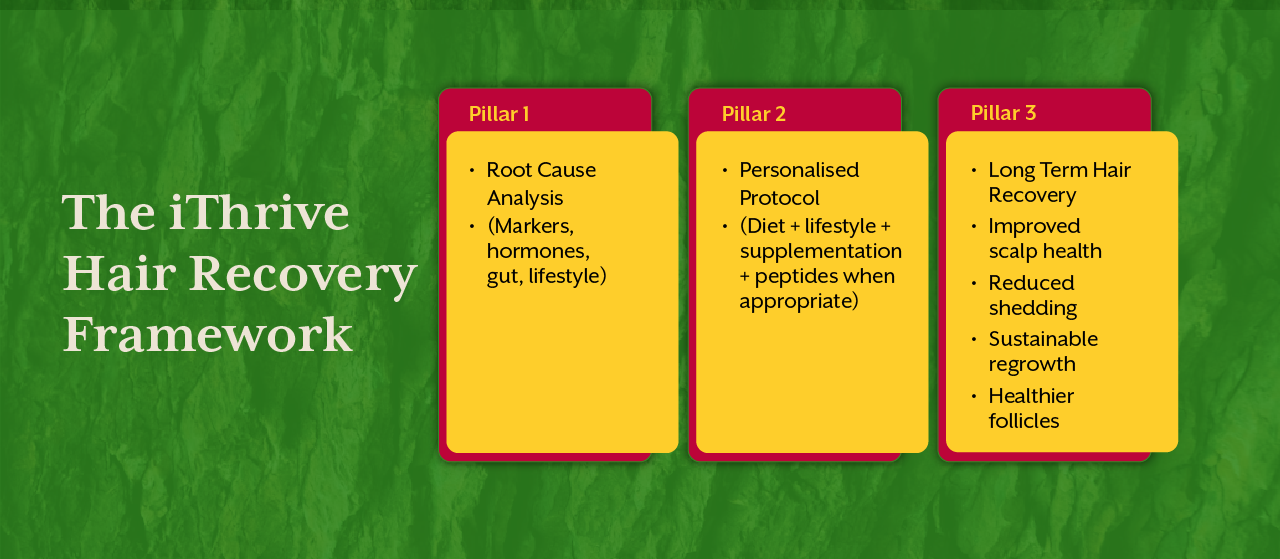
It always starts with the Root Cause Analysis.
This is where Shayonika, Saloni, and the rest of the iThrive team look at everything together. Not in isolation, or one marker at a time. The full picture, so that the protocol that follows is built on what is actually happening in your body, not on what is most commonly recommended for hair loss in general.
The Root Cause Analysis covers your markers, your gut health, your health history, your lifestyle patterns, your diet, and your hormonal landscape. It is the foundation that makes everything else work.
If your hair has been thinning and you have been going in circles trying to find an answer, this is where that changes.
Start your journey by booking your Root Cause Analysis.
Not necessarily, which is exactly the point.
GHK-Cu and hair health are closely connected in the research and in real client outcomes. But whether it belongs in your protocol depends entirely on what is driving your hair loss specifically. For some people it is a central part of the plan. For others, addressing ferritin or cortisol or gut health first makes a far bigger difference in the early stages.
This is the iThrive ALIVE program philosophy. Nothing is recommended because it is trending. Everything is recommended because it matches what your body actually needs right now. Check out the iThrive wellness blog for more on how functional nutrition addresses chronic symptoms from the root.
Your hair is not falling for no reason, there is always a root to find. And finding it is always the most powerful place to start.
GHK-Cu is not a magic answer but it is a genuinely promising, research-backed piece of a larger puzzle that most people with hair loss have never been shown.
What makes the difference is not just the peptide. It is understanding why your follicles are struggling in the first place. It is addressing the ferritin, the cortisol, the gut, the hormones, the diet, and the sleep all at once instead of treating each one in isolation. It is having someone like Shayonika and Saloni look at your full picture and build a protocol that is yours, not a template.
At iThrive, we have spent over 7 years doing exactly this. Across 174+ conditions. With thousands of clients who came to us after years of being told their labs were normal while their bodies told a completely different story.
If you are ready to stop guessing and start understanding what is actually going on, your next step is simple.
Book your Root Cause Analysis and let the real work begin.
The majority of peptides that have been discussed up until this point have originated in the pituitary, gut, or connective tissue. MOTS-c is different. MOTS-c originates from your mitochondria, which are tiny organelles found in nearly every cell in your body that are responsible for creating energy. For years, mitochondria were thought of purely as the “powerhouse of the cell,” quietly converting nutrients into ATP. Later, it was discovered that mitochondrial DNA encodes its own small biologically active peptides that are released from the mitochondria and act as hormone-like signaling molecules throughout the body. MOTS-c is the most studied of these peptides.
Ever since MOTS-c was discovered back in 2015, it has created quite the buzz in the realms of metabolic health, exercise physiology, and longevity science due to its potential to affect the body’s glucose metabolism, stress response, and cellular aging. In this blog, we will cover what MOTS-c is, how it works, what benefits science currently backs, common dosing practices, and its safety profile.
MOTS-c (Mitochondrial Open Reading Frame of the 12S rRNA- c) is a small peptide comprised of 16 amino acids, which is encoded by DNA not in the nucleus, but inside the mitochondrial genome, specifically inside the gene that encodes the mitochondrial 12S ribosomal RNA. MOTS-c is one of the several “mitochondrial-derived peptides,” including humanin and the SHLP family of peptides.
Once synthesized, MOTS-c is actively transported out of the mitochondria and into the nucleus during conditions like exercise or metabolic stress. From there, it can enter the bloodstream, where it seems to function as a signal conveying information about the energetic state of the cell to other tissues. In fact, circulating MOTS-c levels are shown to increase with exercise and, much like GHK-Cu and other endogenous peptides, natural levels of MOTS-c tend to decrease with age, and for this reason it has gained interest in the field of aging research.
.webp)
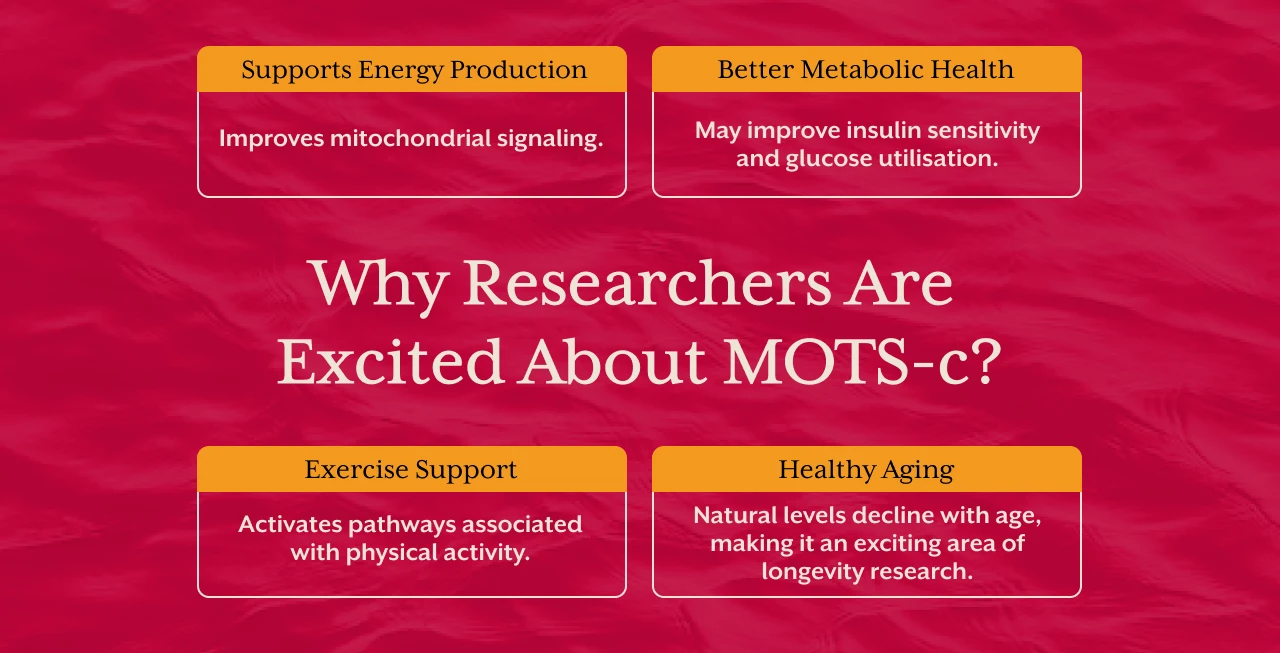
The most well-known mechanism of MOTS-c is activation of AMP-activated protein kinase (AMPK). AMPK has been called the master metabolic switch of the cell. AMPK activation is the same pathway triggered by exercise, caloric restriction, and drugs like metformin. AMPK activation causes cells to utilize their stored fuel more efficiently, improving insulin sensitivity and glucose uptake into muscles.
MOTS-c has been shown to increase insulin-independent glucose uptake into skeletal muscle. Along with many other traits, this unique capability of MOTS-c has piqued researchers’ interest in developing this peptide as a possible therapy for insulin resistance and metabolic syndrome. In addition, MOTS-c has also been found to improve glucose tolerance and reverse diet- and age-related insulin resistance in animal models.
Since MOTS-c activates many of the same downstream pathways triggered by physical activity, including AMPK signaling, increasing mitochondrial efficiency, and improving fatty acid oxidation, MOTS-c has also been called an “exercise mimetic” in scientific literature. In animal studies, MOTS-c administration has been found to increase exercise capacity and improve metabolic parameters independent of activity levels; however, this does not necessarily mean exercise can be replaced by MOTS-c supplementation.
One interesting feature of MOTS-c biology is that MOTS-c seems to travel to the nucleus of cells under conditions of stress and alter the expression of nuclear genes that control antioxidant defences as well as metabolic programs. This process of “retrograde signaling” or mitochondria talking to the nucleus is a newly recognized aspect of cell biology, and MOTS-c is one of the best examples we know of.
In preclinical models, MOTS-c has also been shown to help cells tolerate metabolic and oxidative stress, which is part of the basis for interest in its potential role in aging and age-related disease.
Since MOTS c works at the level of cellular energy production, you may also enjoy reading our blog on Epitalon, another longevity focused peptide that supports healthy aging through telomere maintenance and cellular renewal.
.webp)
Based on current scientific literature, the areas where MOTS-c shows the most promising effects include:
- Improved insulin sensitivity and glucose metabolism: Multiple animal studies have demonstrated improvements in glucose tolerance and insulin sensitivity with MOTS-c treatment
- Metabolic health and weight management: By activating AMPK and enhancing fat oxidation, MOTS-c may help achieve/maintain healthier body composition, particularly in the context of diet-induced or age-related metabolic decline
- Exercise capacity and endurance: MOTS-c has been shown to improve exercise capacity in animal studies, possibly due to mitochondrial efficiency as well as enhanced muscle metabolism
- Healthy aging: MOTS-c is one of the well-studied peptides when it comes to longevity. As a peptide that declines with age and intersects with many well-established longevity pathways, it stands to have significant effects on age-related decline
- Cardiometabolic health: Research suggests improvements in several markers associated with metabolic syndrome, but more studies are required regarding cardiovascular outcomes in humans.
If you’re interested in peptides that support immune resilience alongside healthy aging, explore our detailed guide on Thymosin Alpha 1 and how immune health influences long term wellness.
It is to be noted that the best data for MOTS-c to date comes from cell and animal studies. Clinical trial data in humans is just beginning to emerge. So, while the mechanism is persuasive, it is not quite at the level of, say, well-known medications that affect metabolism.
Subcutaneous injection is by far the most common route of administration for MOTS-c. Injection sites include the abdomen and thigh. MOTS-c is often provided as a lyophilized powder that must be reconstituted with bacteriostatic water using sterile technique before use.
The safety of MOTS-c peptide appears to be favourable based on available research; however, there are important caveats:
- Injection-site reactions: As with any injectable peptide, mild redness, swelling, or irritation at the injection site appear to be the most commonly reported side effects.
- Impact on blood sugar levels: MOTS-c has been shown to influence glucose metabolism. People taking diabetes medications should be cautious, as the combined effects of both MOTS-c supplementation and diabetes medications on blood sugar have not been studied extensively in humans.
- Pregnancy and breast-feeding: As there is no established safety data for MOTS-c use during pregnancy or breast-feeding, it should be avoided.
Peptides are only one piece of the puzzle. Before considering any longevity focused intervention, it’s important to understand your current metabolic health, inflammation, nutrient status, and biological drivers. Book your Root Cause Analysis with iThrive to build a personalised health roadmap based on your body’s needs.
MOTS-c is a mitochondrial-derived peptide, which is a small molecule encoded by the mitochondrial DNA responsible for energy production in cells. It is unique because it can pass through the mitochondria and enter the nucleus of the cell, where it activates signals that promote normal metabolic homeostasis of glucose and lipid metabolism. For this reason, MOTS-c is thought of as an exercise mimetic and has been linked to metabolic improvements and increased insulin sensitivity. MOTS-c has also garnered attention for possible benefits related to aging. Mitochondrial function naturally declines with age, and it is directly linked to reduced energy, slower metabolism, and increased susceptibility to age-related diseases. MOTS-c helps with mitochondrial signaling, and it represents a promising piece of the puzzle for those interested in the science of healthy aging and longevity.
1. Lee, C., Zeng, J., Drew, B. G., Sallam, T., Martin-Montalvo, A., Wan, J., Kim, S. J., Mehta, H., Hevener, A. L., de Cabo, R., & Cohen, P. (2015). The mitochondrial-derived peptide MOTS-c promotes metabolic homeostasis and reduces obesity and insulin resistance. Cell metabolism, 21(3), 443–454. https://doi.org/10.1016/j.cmet.2015.02.009
2. Reynolds, J. C., Lai, R. W., Woodhead, J. S. T., Joly, J. H., Mitchell, C. J., Cameron-Smith, D., Lu, R., Cohen, P., Graham, N. A., Benayoun, B. A., Merry, T. L., & Lee, C. (2021). MOTS-c is an exercise-induced mitochondrial-encoded regulator of age-dependent physical decline and muscle homeostasis. Nature communications, 12(1), 470. https://doi.org/10.1038/s41467-020-20790-0
3. Kim, K. H., Son, J. M., Benayoun, B. A., & Lee, C. (2018). The Mitochondrial-Encoded Peptide MOTS-c Translocates to the Nucleus to Regulate Nuclear Gene Expression in Response to Metabolic Stress. Cell metabolism, 28(3), 516–524.e7. https://doi.org/10.1016/j.cmet.2018.06.008

Peptides are one of the hottest topics trending in regenerative medicine and longevity right now. More and more people are talking about glow peptides, specifically how this peptide blend may promote healthier-looking skin, tissue regeneration, and skin repair/rejuvenation. Influencers are pushing glow peptides on social media every day, peptide shops are advertising them on billboards at every intersection, and the biggest peptide junkies are swearing by them. Everyone is talking about how glow peptides may help you achieve the brightest, firmest, and youngest-looking skin.
But what are glow peptides, how do they work, and what does science actually say about them? Before trying any peptide protocol, it’s important to understand what you’re putting in your body. So what are the ingredients in glow peptides? What are the pros and cons? Are there any glow peptide side effects? And most importantly, how can you use glow peptides safely?
We cover the science behind glow peptide blends, analyze the research that is currently out there, discuss glow peptide side effects, and tackle the question of how to use glow peptides from a learning standpoint.
Unlike single amino acid chain peptides, the glow peptide itself is typically not just one amino acid sequence but rather a proprietary blend of multiple peptides with regenerative properties. There is no one size fits all formula and each brand may have different ingredients.
One theory is that each ingredient supports various mechanisms of tissue regeneration and repair. Combined, the ingredients are purported to promote skin quality, collagen production, wound healing, and recovery. Though the individual ingredients have been studied, this combination has not been well researched in large clinical trials on humans.
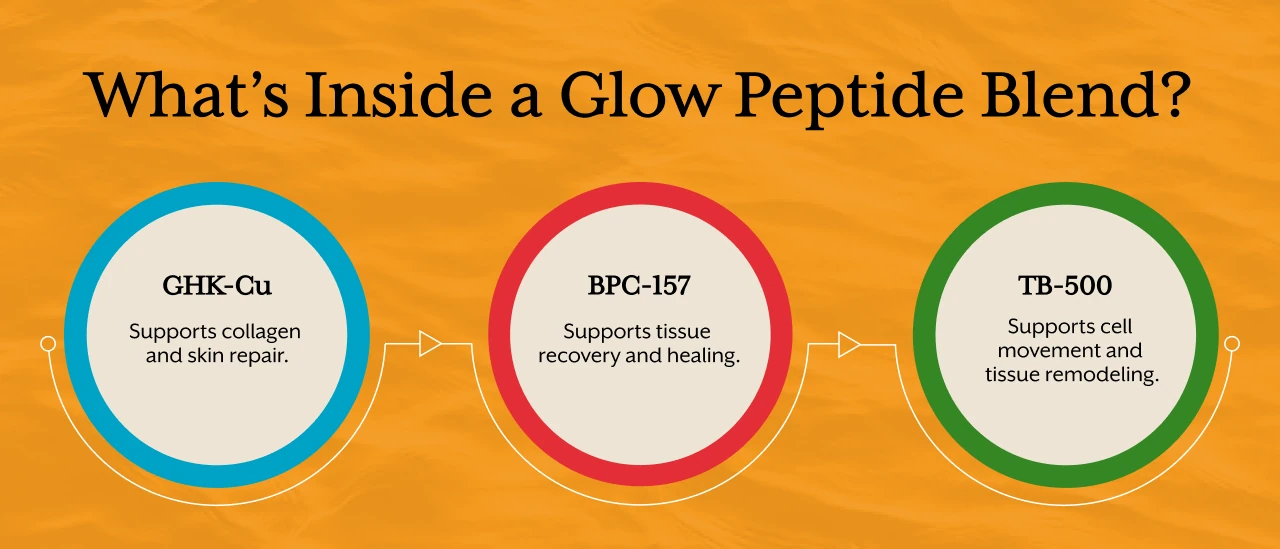
Glow peptides are built on the idea that if you pair peptides against multiple biological pathways related to repair and tissue maintenance you will achieve better results.
GHK-Cu is probably the most studied ingredient of the majority of Glow formulations. It is naturally found in human plasma, saliva, and urine as a copper-binding peptide. Levels decrease with age.
Research suggests that GHK-Cu may:
Laboratory and clinical studies have reported topical GHK-Cu is efficacious for improving skin appearance. This qualifies it as one of the most evidence-based cosmetic peptides available today.
Want to understand why GHK-Cu is considered one of the most researched regenerative peptides? Read our complete guide on GHK-Cu peptide benefits and how it supports skin repair and collagen production.
BPC-157 is a synthetic peptide originally derived from a protective protein sequence found in gastric juice.
Most available evidence comes from laboratory and animal studies, where researchers have observed potential effects on:
Although these findings are promising, robust human clinical trials remain limited.
TB-500 is a synthetic fragment modeled after the naturally occurring protein Thymosin Beta-4.
Research has explored its potential role in:
Like BPC-157, much of the evidence comes from preclinical studies rather than large-scale human research.
Tissue repair involves multiple biological pathways. Learn how KLOW Peptide Blend combines GHK-Cu, BPC-157, TB-500, and KPV to support healing from multiple angles.
The idea behind the glow peptide blend is that combining peptides with complementary biological actions may support multiple aspects of tissue repair simultaneously.
Researchers believe these peptides may influence processes such as:
Instead of filling things in like moisturizers and creams, peptides signal cells. Peptides are like communication signals your body sends to potentially stimulate repair-type activities from your cells.
Just so you know, although these actions make sense biologically there is still limited research on the combination Glow Peptide formula.
Clinics offering wellness injections and peptide suppliers often list an extensive list of potential benefits that glow peptides may offer cosmetically. Some results that have been reported include:
In reality, the majority of these claims come from provider experience/anecdotal feedback or are being made by taking the data from studies that have been done on the individual ingredients of the peptide blend (versus a clinical study on the blend).
A number of ingredients in regenerative peptides are still being explored scientifically. Some ingredients have better evidence than others.
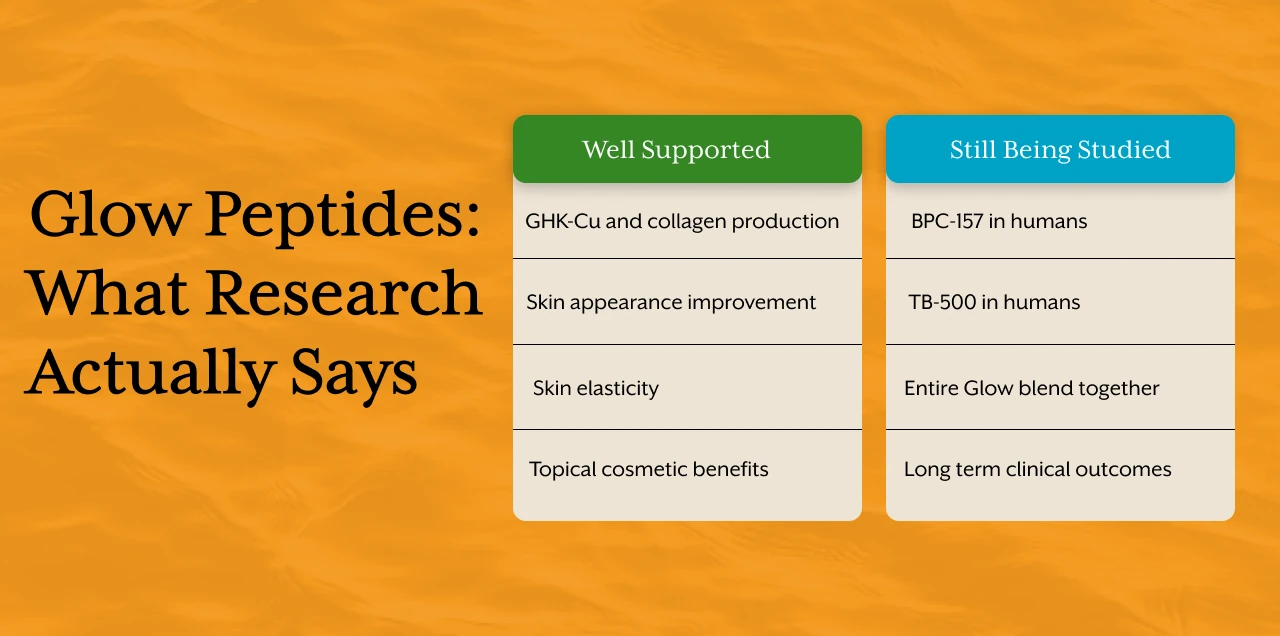
So far GHK-Cu has the best research and it seems to have promise when used topically for cosmetic purposes. There are several studies that indicate it may help promote collagen production and improve skin appearance.
BPC-157 and TB-500 on the other hand still lack randomized controlled trials in humans. Research in a laboratory and animal settings look promising, but we still require high quality studies in humans.
We also do not have any large clinical studies that show if the full glow peptide formula works or not.
One of the most common questions people ask concerns glow peptide side effects.
Since Glow Peptide formulations vary, side effects may differ depending on the ingredients, dosage, product quality, and route of administration.
Reported side effects may include:
In addition to ingredient-related effects, there are also important considerations regarding manufacturing quality. Some peptide products are sold for research purposes or compounded under varying standards, which may affect purity, consistency, and sterility.
Because long-term human safety data are limited, the complete safety profile of many Glow Peptide formulations has not yet been established.
People frequently search for how to use glow peptide, but there is no universally accepted dosing protocol or standardized treatment regimen.
The appropriate approach depends on several factors, including:
Anyone considering peptide therapy should consult a qualified healthcare/nutrition professional who is knowledgeable about peptide-based treatments, particularly if they have underlying medical conditions, are pregnant or breastfeeding, or take prescription medications.
Interest in glow peptides is particularly common among individuals seeking non-surgical approaches to skin health and regenerative medicine.
These may include people looking to support:
However, expectations should remain realistic. Current scientific evidence does not support viewing Glow Peptide as a proven anti-aging treatment or replacement for established medical or dermatological care.
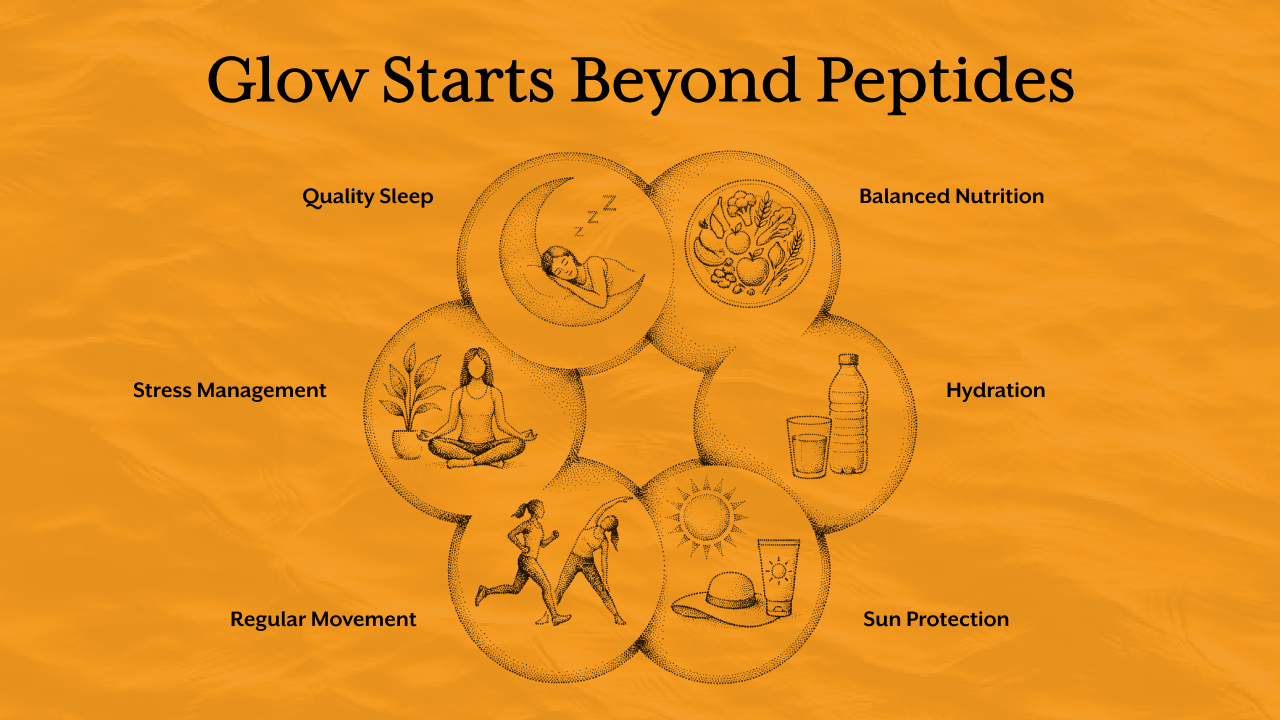
Even the most promising regenerative therapies cannot replace the fundamentals of healthy skin.
Research consistently shows that skin health is influenced by:
Peptides, where appropriate, should be viewed as one possible component of a broader approach rather than a standalone solution.
Before considering any peptide protocol, it’s important to understand what’s actually driving your skin concerns, inflammation, or recovery challenges. Book your Root Cause Analysis for a personalized functional health assessment.
The Glow peptide formulation is one of the more controversial peptide stacks in the regenerative wellness community due to the fact that it bundles together three different peptides. GHK-Cu shows some promising preliminary data when it comes to skin health while BPC-157 and TB-500 are both under investigation for their possible tissue healing capabilities.
While the buzz around glow continues to build year after year, it’s critical we separate promising early science from true clinical data. As far as the Glow peptide specifically goes, there’s a lot of support for GHK-Cu on its own but not much when it comes to the synergistic effects of the glow peptide formula. Anyone looking into “how to take” will also need to realize that there are no formal dosing guidelines. Deciding on dosage amounts and treatment lengths should be done so in consultation with a trained medical professional.
Understanding Glow peptide side effects, researching the limitations of current research data and having realistic expectations going into your wellness journey are always important. We hope to see more human clinical research in the near future to better understand Glow Peptide's role in skin health and regenerative medicine. For now, consider it a budding field of study rather than an “get younger” magic bullet.



The blog covers functional nutrition, chronic conditions, gut health, hormonal health, autoimmune conditions, sleep, mental health, and root cause analysis. Every article is written to help you understand what is actually happening inside your body, not just manage symptoms.
All articles are written by the content writers in collaboration with iThrive's clinical team of functional nutritionists, guided by the same methodology used in the ALIVE programme. The content is rooted in functional medicine and real clinical experience, not generic health advice.
No. The blog is an educational resource to help you understand your health more deeply. If you are experiencing symptoms or managing a chronic condition, a personalized Root Cause Analysis with a functional nutritionist is the right next step.
Book a Root Cause Analysis. For ₹2,500, a dedicated functional nutritionist will assess 60+ blood markers using optimal ranges and explain exactly what is driving your condition. It is the natural next step after reading about what might be happening in your body.
Yes. Many of our readers come with existing diagnoses and find the blog helps them understand why their condition developed and what their body actually needs. The articles are designed to give you clarity, not replace the guidance of a practitioner.










.svg)