


.svg)
.svg)







Introduction
There are some of you who’ve spent years feeling dizzy, exhausted, forgetful, and even strangely unlike yourselves, yet you’ll never receive a real explanation for that. You are told that you are just stressed, maybe you need more sleep, or that the numbness in their hands and the very strange brain fog are simply a part of you getting older. Some of you are even told that it’s “just anxiety”. And yet, underneath all of this, something deeper might be taking place.
I have seen our clients go from doctor to doctor for years and years before they finally turn to us for looking beyond the surface. One of our clients was repeatedly treated for low iron, fatigue and then depression. Another had been told she was simply burnt out because she could no longer focus on her work. Both eventually discovered the very same hidden problem that was autoimmune gastritis.
Let me start off by stating that autoimmune gastritis is not a condition that gets talked about commonly. In fact, it can also quietly progress for around 7 to 14 years before it becomes quite obvious. During that period, the stomach eventually loses its ability to absorb vitamin B12 and other nutrients. By the time you are finally diagnosed, you might already be dealing with issues such as memory changes, fatigue, tingling in their feet and hands, and a very strong sense that your body has been changing without any explanation.
This is why autoimmune gastritis B12 deficiency deserves more attention. Here, at iThrive, we don’t see autoimmune gastritis as just a stomach issue. We see it as a deeper breakdown in communication between the immune system, nutrient absorption, and gut. The goal is not simply to suppress the symptoms. It is in fact to This is why autoimmune gastritis B12 deficiency deserves more attention. Here, at iThrive, we don’t see autoimmune gastritis as just a stomach issue. We see it as a deeper breakdown in communication between the immune system, nutrient absorption, and gut. The goal is not simply to suppress the symptoms. It is in fact to understand why your immune system began attacking the stomach in the very first place. in the very first place.
This is why autoimmune gastritis B12 deficiency deserves more attention. Here, at iThrive, we don’t see autoimmune gastritis as just a stomach issue. We see it as a deeper breakdown in communication between the immune system, nutrient absorption, and gut. The goal is not simply to suppress the symptoms. It is in fact to understand why your immune system began attacking the stomach in the very first place.
What Is Autoimmune Gastritis And Why Does It Stay Hidden For So Long?
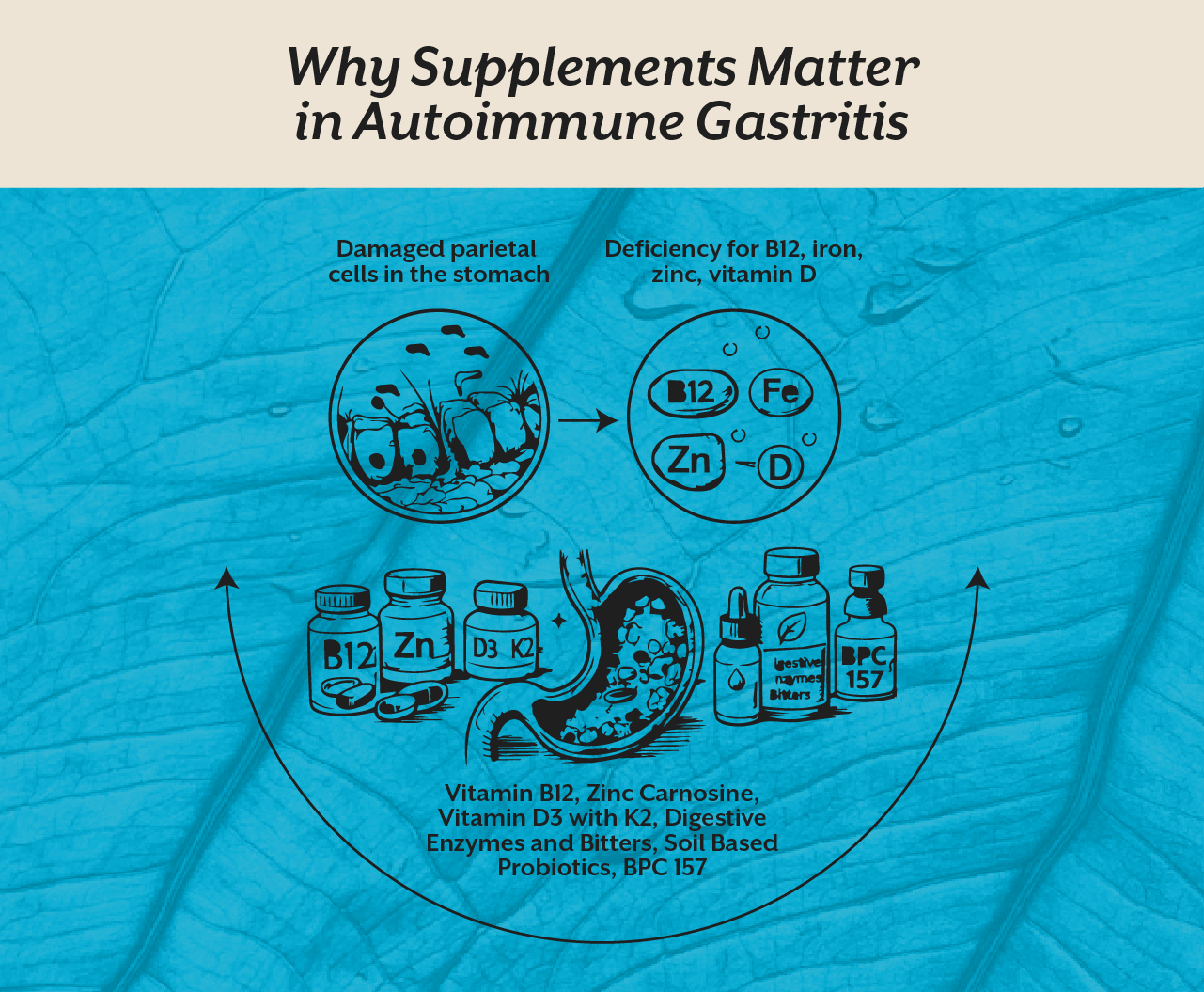
Autoimmune gastritis is a condition in which the immune system attacks the stomach lining by mistake. Specifically, it attacks the parietal cells. These are the cells that are responsible for making stomach acid and a very eminent protein called intrinsic factor. In absence of an intrinsic factor, the body can’t really absorb vitamin B12 appropriately.
Why The Immune System Attacks The Stomach
So basically, in autoimmune gastritis, the immune system becomes very confused. Instead of protecting the body, it begins to see the parietal cells of the stomach as a threat. These are the very cells that are responsible for making stomach acid and an intrinsic factor, the protein that is needed for absorption of vitamin B12.
There are certain research works that have stated that this mostly begins because of something called molecular mimicry. Certain infections, specifically H. pylori, long standing gut imbalances, and viruses, might resemble parts of the stomach lining. The immune system reacts to the infection, but over time it can accidentally begin attacking the stomach as well.
This helps in overall explaining why autoimmune gastritis symptoms develop so slowly and steadily. For years, the body keeps losing parietal cells. The stomach gradually produces less acid and intrinsic factor, and then the nutrients stop being absorbed appropriately. But, since the changes happen slowly at a low pace, many of you actually start adapting to feeling worse without even realising that their stomach may be at the centre of it.
The Silent Role of Stomach Acid
Most of you think stomach acid just matters for digestion. But in reality, it is one of the most crucial foundations of health.
Healthy stomach acid is also beneficial for:
• Breaking down the protein
• Releasing B12 from food
• Absorbing nutrients like iron, zinc, and magnesium
• Protecting against harmful bacteria
• Signalling the rest of the digestive tract to work appropriately
When stomach acid becomes quite low, food might sit heavily in the stomach. You then might feel bloated, full quickly, or even uncomfortable after meals. But because these symptoms can look so ordinary, they are always ignored.
Why Proton Pump Inhibitors Can Make The Problem Worse
Many of you with digestive discomfort are prescribed with acid reducing medications like proton pump inhibitors. While these drugs might temporarily reduce reflux or burning to a very great extent, they can also make autoimmune gastritis worse over time. And that is because the problem in autoimmune gastritis is usually not too much acid, it is rather too little. Therefore, reducing acid even further can make it harder to absorb B12, magnesium, calcium, and even iron. This is one of the reasons why so many of you still continue to feel unwell despite being on medications.
Why Autoimmune Gastritis Causes Severe B12 Deficiency
When you search for autoimmune gastritis B12 deficiency, you are most probably already feeling the consequences. The reason B12 levels fall so dramatically in this condition has somewhat less to do with what you are consuming and more to do with what your stomach can no longer do.
The Crucial Job Of Intrinsic Factor
Vitamin B12 can’t be absorbed on its own. After B12 is released from food in the stomach, it must necessarily attach to an intrinsic factor. This protein is made by the similar parietal cells that are damaged in autoimmune gastritis. Without intrinsic factor, B12 just passes through the digestive system but never really reaches the cells. You might consume meat, eggs, chicken everyday and yet develop severe deficiency.
From B12 Deficiency To Pernicious Anemia
Over time, low B12 begins to start affecting your entire body, one of the very common outcomes is pernicious anemia. Pernicious anemia develops when your body no longer makes healthy red blood cells because there is not sufficient vitamin B12 available.
The red blood cells become unusually large and less effective, which means now less oxygen reaches the tissues. This is exactly when you start noticing profound weakness while climbing stairs, pale or slightly yellow skin, fatigue, dizziness, or shortness of breath. We have had clients describe it as a feeling as though their body suddenly aged by around 10 years, almost overnight.
What makes this so much frustrating is that many of you are prescribed iron tablets or just told to “rest more” without anyone asking why the deficiency keeps returning. By the time the real cause is discovered, the B12 deficiency might have been present in your body for years.
The Neurological Symptoms Most People Miss
What worries me personally is that B12 deficiency doesn’t just affect the energy level, it can also affect the entire nervous system.
Many people with autoimmune gastritis symptoms witness the following:
• Tingling or numbness in the feet and hands
• Burning feet at night
• Brain fog
• Memory lapses
• Mood swings or even depression
• Difficulty in concentrating
Sometimes these symptoms appear even before anemia does. This is why so many of you are told you have anxiety, stress, or even early neurological disease before anyone checks your B12 properly.
The Hidden Infections That Make B12 Deficiency Worse
This is another layer that mostly gets missed. Conditions such as small intestinal bacterial overgrowth and H. pylori can make autoimmune gastritis deficiency a lot worse. Certain bacteria actually compete with you for B12. Others damage the gut lining and make it even harder to absorb nutrients.
At iThrive, we always recommend deeper testing first through Book a Root Cause Analysis when any of you stated unexplained B12 deficiency, ongoing fatigue, and digestive issues despite taking supplements.

The Symptoms Of Autoimmune Gastritis Most People Ignore
One of the very first reasons autoimmune gastritis stays hidden is because the symptoms can seem unrelated to many. You might have stomach issues, poor memory, low energy, and numbness at the very same time without even realising they all connect back to the stomach.
The Early Autoimmune Gastritis Symptoms
In the beginning, the signs are often subtle.
You might notice:
• Feeling unusually full after meals
• Mild bloating
• Reduced appetite
• Occasional nausea
• Fatigue that feels out of proportion
Because trust me when I say these symptoms are not dramatic, they are often brushed aside.
The Signs That The Deficiency Is Becoming More Serious
As B12 levels continue to fall further, the symptoms of the same become harder to ignore.
The more advanced autoimmune gastritis symptoms might involve:
• Tingling in hands and feet
• Sore or like smooth tongue
• Slight cracks at the corners of the mouth
• Hair thinning as well as brittle nails
• Low mood or even irritability
• Difficulty remembering certain words or conversations
This is often the point wherein you might feel frightened because you know something is wrong, but no one has explained why.
Why Women Are Often Diagnosed Late
Women are especially likely to have their symptoms dismissed. Fatigue is mostly blamed on factors like motherhood, hormones, stress, or even busy schedules. Brain fog might be called burnout. Low iron might be treated without even asking why it keeps returning.
I have seen women spend years and years trying to push through symptoms because they felt guilty for not being capable of “coping up”. If this sounds anywhere familiar to you, please know that your symptoms deserve to be taken seriously.

Autoimmune Gastritis Treatment Must Go Beyond Supplements
Many of you assume the answer is simply to take more B12. But if the stomach can’t absorb B12 appropriately, swallowing more capsules is often not enough. A real autoimmune gastritis treatment plan needs to surely address not the deficiency as well as the reason because of which it developed.
Why B12 Injections Or IV Therapy Can Be Life Changing
As absorption is impaired, many of you feel drastically better with B12 injections or IV nutrient therapy. These methods bypass the stomach entirely and deliver the nutrients directly into the bloodstream. I’ve seen clients coming to it as describing feeling clearer, and more energetic, and rather more like themselves within a span of a couple of weeks. At iThrive, we always use accurate nutrient support as part of a larger plan rather than just a temporary quick fix.
As absorption is impaired, many of you feel drastically better with B12 injections or IV nutrient therapy. These methods bypass the stomach entirely and deliver the nutrients directly into the bloodstream. I’ve seen clients coming to it as describing feeling clearer, and more energetic, and rather more like themselves within a span of a couple of weeks. At iThrive, we always use accurate nutrient support as part of a larger plan rather than just a temporary quick fix.
The Autoimmune Gastritis Diet That Helps The Stomach Heal
The right autoimmune gastritis diet isn’t about eating less or following another restrictive plan. It is about removing what might be irritating the immune system and developing an environment wherein the stomach lining has a chance to repair.
Many of you might notice a major improvement when they start eliminating dairy, excess sugar, gluten, alcohol, and processed and packaged foods for a given period. These foods can increase inflammation, make it tough for the immune system to settle, and irritate the gut lining.
At the very same time, the body mostly responds well to foods that are nourishing, gentle, and easy to digest. Well cooked vegetables, slow cooked proteins, bone broth, vitamin D rich foods, and zinc rich foods can altogether support the entire healing. Anti-inflammatory herbs like turmeric and ginger also calms the irritation in the digestive tract.
The goal here is not perfection in any sense, it is to make the stomach feel safe enough to begin functioning properly again.
How To Improve Autoimmune Gastritis Long Term
If you just like me are wondering how to improve autoimmune gastritis, the answer usually involves several layers.
The stomach lining needs support, the immune system needs to calm down, the gut microbiome needs to be repaired, and most importantly stress needs to be addressed.
This may involve:
• Testing for H. pylori or SIBO
• Supporting the gut with probiotics
• Improving sleep as well as reducing stress
• Correcting zinc and vitamin D deficiency
• Following a personalised anti-inflammatory nutrition plan
For people who have been struggling for years without any answers, we at iThrive offer you with Book a Consult so that we can help you uncover what has been missed.

Key Takeaway
Autoimmune gastric is one of the most overlooked causes of severe B12 deficiency. It can quietly progress for years while a person feels increasingly numb, tired, forgetful, and unlike themselves. One best thing is that these symptoms aren’t “all in your head,” and they are not always permanent. When the real cause is recognised early, many of you start feeling drastically better.
One thing is very clear: the body is not failing you, it is just trying to communicate something to you. If you have unexplained fatigue, brain fog, low B12, or digestive symptoms that no one has been able to explain, it is genuinely the time to look deeper.
















.svg)