


.svg)
.svg)







Introduction
If you’ve been told that you have autoimmune gastritis, there is a chance you have already tried eating bland, avoid spicy foods, or even survive on tea and toast for weeks. Yet the heaviness, bloating, constant fatigue, strange hunger pains, and burning keeps coming back. Some of you also notice that your gastritis gets worse when hungry. Others feel terrible after consuming alcohol, foods they thought were healthy, or dairy. That is because autoimmune gastritis is not just “an irritated stomach”. It is rather an autoimmune condition in which the body itself attacks the parietal cells of the stomach. These are known to be the very cells that are responsible for making stomach acid and intrinsic factor, the protein that is required for the absorption of vitamin B12. Over time, this develops a vicious cycle. You can’t digest food appropriately, you become deficient in key nutrients, the stomach lining also gets weaker, and the immune system becomes much more reactive.
Here at iThrive, we often see clients who have spent years and years treating symptoms while missing the real trigger. They have been prescribed antacids, told to avoid chilli, and lastly sent home. But nobody explained exactly and due to what reasons gluten, conventional dairy, refined oils, processed foods, and hidden gut inflammation keeps the immune systems switched on.
One thing for sure is that gastritis can heal. But healing autoimmune gastritis needs much more than just removing a few foods. It also needs adequate understanding of which food continues to trigger the immune attack, what the stomach actually needs to repair itself, and which supplements can bypass the problems of absorption developed by the condition itself.
Why Food Matters So Much in Autoimmune Gastritis
Unlike temporary gastritis or simple acidity after an infection, autoimmune gastritis has a much deeper root cause. The immune system has become confused. It begins attacking the stomach lining as if it were a threat. Many of the foods commonly eaten every day can make this worse as they increase intestinal permeability, also called leaky gut.
When the gut lining becomes more permeable, food proteins can cross into the bloodstream before they are completely broken down. The immune system reacts to these proteins, and in few people, those proteins look surprisingly similar to the stomach tissue itself. This entire process is known as molecular mimicry.
That is why a true autoimmune gastritis diet plan isn’t only about avoiding irritation. It is rather about reducing immune confusion.
Foods to Avoid with Autoimmune Gastritis

Gluten is Often the Biggest Trigger
If there is one food group that deserves entire removal in auto mind gastritis, it has to be GLUTEN. Barley, rye, and wheat contain a protein called gliadin. Gliadin has been observed to damage the intestinal barrier and then stimulate inflammatory immune responses.
Many of you with autoimmune gastritis notice that your heaviness, upper stomach discomfort, brain fog, and bloating improves drastically within a couple of weeks of eliminating gluten entirely. Even small amounts can continue to trigger the immune response. This involves breads, pasta, sauces, bakery products, biscuits, and hidden gluten in packaged foods.
This is why one of the very first recommendations here at iThrive is a strict trial without gluten for at least 8 to 12 weeks. For many of you, it is the first time they realise how much a “normal” food was quietly making them feel unwell.
Conventional Dairy May Be Keeping Inflammation Alive
Many of our clients ask us, “If I have gastritis, what can I eat?” and presume curd, paneer, and milk are safe as they seem to be soft and soothing. But conventional dairy mostly contains A1 casein, a protein that can behave very similarly to gluten in sensitive people.
A1 casein might stimulate inflammatory chemicals and worsen digestive distress. For someone whose stomach lining is already under attack, this can further make the symptoms more persistent. Few of you also witness that you’ll feel more nauseous, heavy, or bloated after milk based foods even if you are not lactose intolerant.
For this very reason, most of you with autoimmune gastritis do better avoiding conventional milk, processed cheese, flavoured yoghurt, and commercial dairy for a period of time. Some of you might also tolerate small amounts of ghee because it contains almost no casein. Others may do better with goat milk or A2 dairy later in the healing process, but only after the gut has calmed down.
Refined Sugar and Ultra Processed Foods Feed the Wrong Bacteria
There is a major reason why many of you with gastritis feel worse after packaged snacks, sugary drinks, sweets, or bakery foods. Refined sugar feeds inflammatory bacteria and yeast inside the gut. It also causes sudden blood sugar spikes, which in return increases stress hormones and inflammation.
Ultra processed foods contain a lot of additives, preservatives, artificial flavours, gums, and refined flours that put even more pressure on a digestive system that is already damaged. These foods don’t provide the nutrients that are needed for repair, rather they simply increase irritation.
If your stomach burns more when hungry, it can be tempting to grab biscuits or something quick. Unfortunately, these foods often make the cycle even worse. They may give you temporary relief, but they keep inflammation going beneath the surface, so beware.
Industrial Seed Oils Quietly Damage the Gut Lining
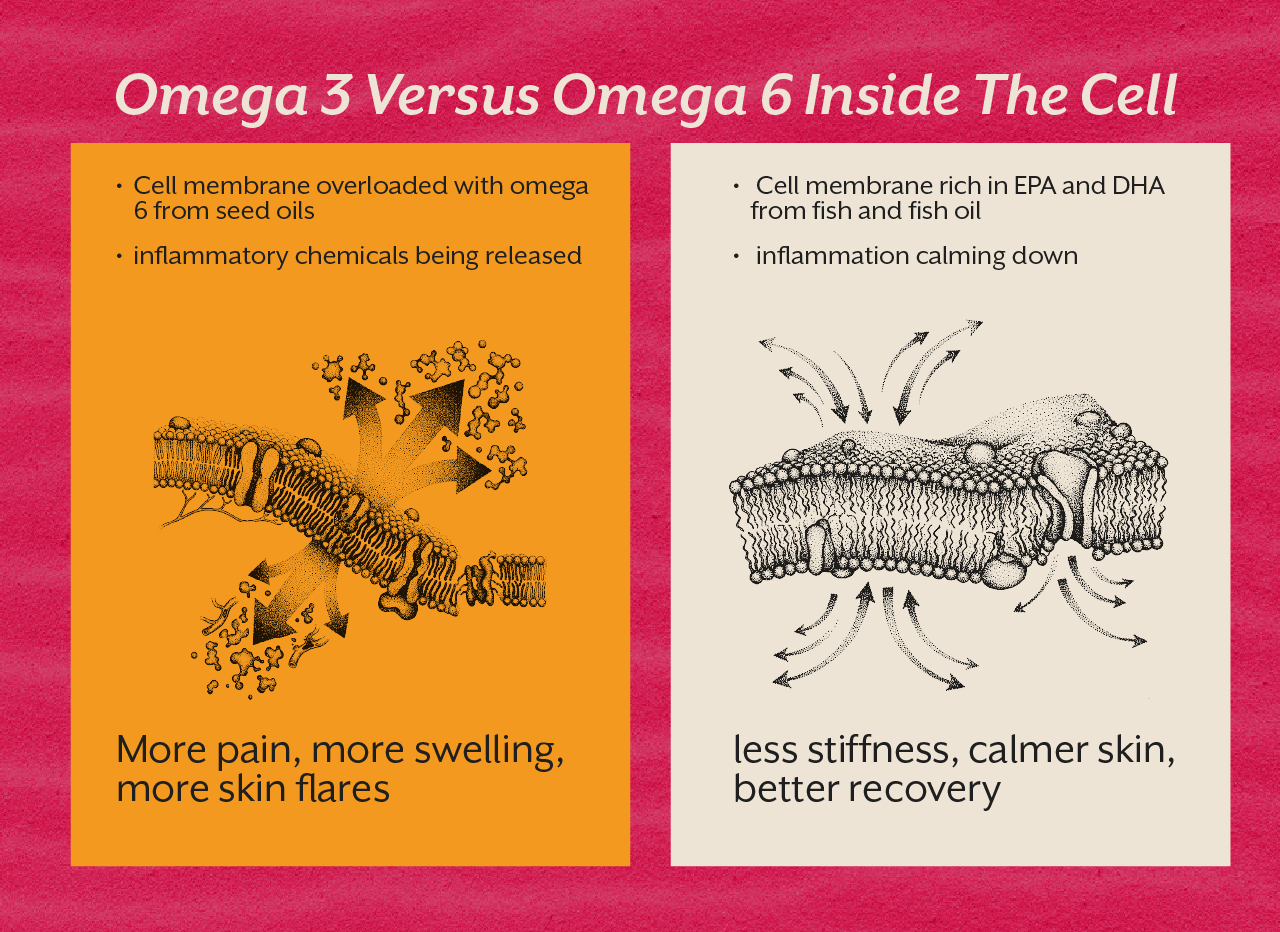
One of the major overlooked foods to avoid with autoimmune gastritis is refined seed oils. Soybean oil, sunflower oil, canola oil, and corn oil are found in the majority of packaged foods, restaurant meals, as well as fried snacks.
These oils are rich in unstable omega 6 fats that are easily damaged inside the body. When this happens, they develop compounds that increase inflammation and weaken the cell membranes.
Most of our clients in the start are often surprised to learn that even “healthy” foods can become problematic if they are cooked in these oils. Replacing them with ghee, coconut oil, or good quality A2 butter can make a noticeable difference over time.
Alcohol and Autoimmune Gastritis Are a Difficult Combination
If you have noticed worsening gastritis when drinking alcohol, you aren’t just imagining it. Alcohol directly irritates the stomach lining and then increases intestinal permeability. It also interferes with the ability of the liver to store and activate eminent nutrients like B vitamins.
For someone with autoimmune gastritis, even smaller amounts of alcohol can slow healing. This is specifically true if you already struggle with low B12, iron deficiency, fatigue, or nausea. One of the hardest parts of healing is accepting that some foods are not “just occasional treats” for your body anymore. If you are trying to truly heal gastritis, alcohol often needs to be removed completely for a period of time.
So What Can You Eat with Autoimmune Gastritis?

Once you hear what you actually need to avoid, you often feel very overwhelmed. You might also reconsider thinking “what is left?” But the goal isn’t a restriction forever. The goal is to give your stomach the environment it needs to repair itself.
An autoimmune gastritis diet plan should always focus on simple, nutrient dense foods that are quite easy to digest and very rich in the building blocks needed for healing.
The Foods That Support Gastritis Healing
Build Meals Around Protein and Healthy Fats
Your stomach lining repairs itself utilizing amino acids, healthy fats, and minerals. This is why most of you do better when each meal includes quality protein like chicken, slow cooked meat, wild fishes, free-range eggs and lamb.
Organ meats, specifically liver, can prove to be extremely powerful if you can tolerate it because they naturally contain vitamin A, B vitamins, iron, and folate. Healthy fats like ghee, coconut oil, avocado, and olive oil are beneficial as it helps calm inflammation and offer stable energy.
Many of you with autoimmune gastritis feel extremely exhausted because you are literally surviving on tea, plain rice, and crackers. The body can’t ever heal without nourishment.
Choose Gentle Carbohydrates Instead of Refined Ones
The best carbohydrates for gastritis to heal are the ones that are easy on the stomach and less likely to spike blood sugar. Cooked veggies, pumpkin, ripe banana, a very small amount of raw honey, sweet potato, rice, and berries are usually easier to digest.
If you want grains, choose naturally gluten free options like ragi, jowar, bajra, and white rice. Ideally these should be well soaked or fermented because then it reduces the compounds that makes digestion harder.
Do Not Ignore Mineral Rich Foods
People with autoimmune gastritis are often very low in magnesium, B12, zinc, and selenium. Foods like seafood, leafy greens, one Brazil nut a day, and cooked cruciferous vegetables can help replenish these nutrients.
Broccoli, onions, garlic, and cabbage might also support the natural detoxification process of the body, specifically when cooked well. They are often gentler on the stomach when eaten in stews, soups, or broths rather than raw.
The Supplements That Actually Help Autoimmune Gastritis
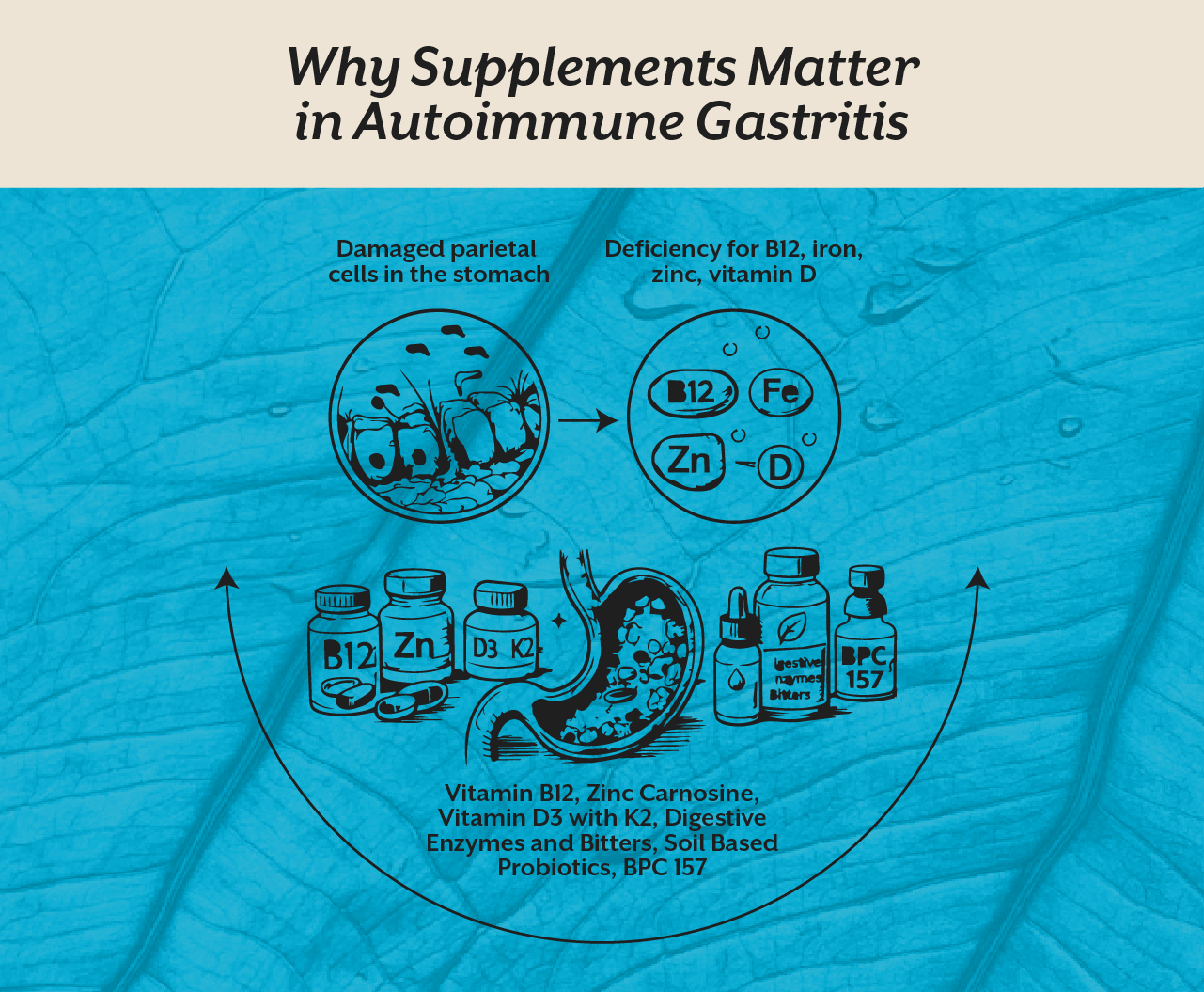
As autoimmune gastritis damages the very cells that are responsible for nutrient absorption, food alone isn’t enough. This is exactly where the right supplements can make a significant difference.
The Most Important Autoimmune Gastritis Supplements
Vitamin B12 Is Non Negotiable
One of the major dangers of autoimmune gastritis is vitamin B12 deficiency. Without intrinsic factors, the body cannot absorb B12 appropriately from food. Over time, this can also result in tingling, memory issues, nerve damage, fatigue, anxiety, and even hair fall.
This is exactly why you need sublingual B12 or, in more serious cases, B12 injections or IV support. Here at iThrive, this is mostly one of the very first deficiencies we look for because correcting it completely changes how someone feels.
Zinc Can Help Repair the Stomach Lining
Zinc is quite essential for the health of the gut lining. Forms like zinc glycinate or zinc carnosine are specifically useful because they support tissue repair and reduce irritation.
Many people with gastritis have been deficient for years without even realising it. You might have poor immunity, white marks on your nails, slow healing of wounds, and a very low appetite. Restoring zinc can be beneficial for the stomach as it will begin to repair itself.
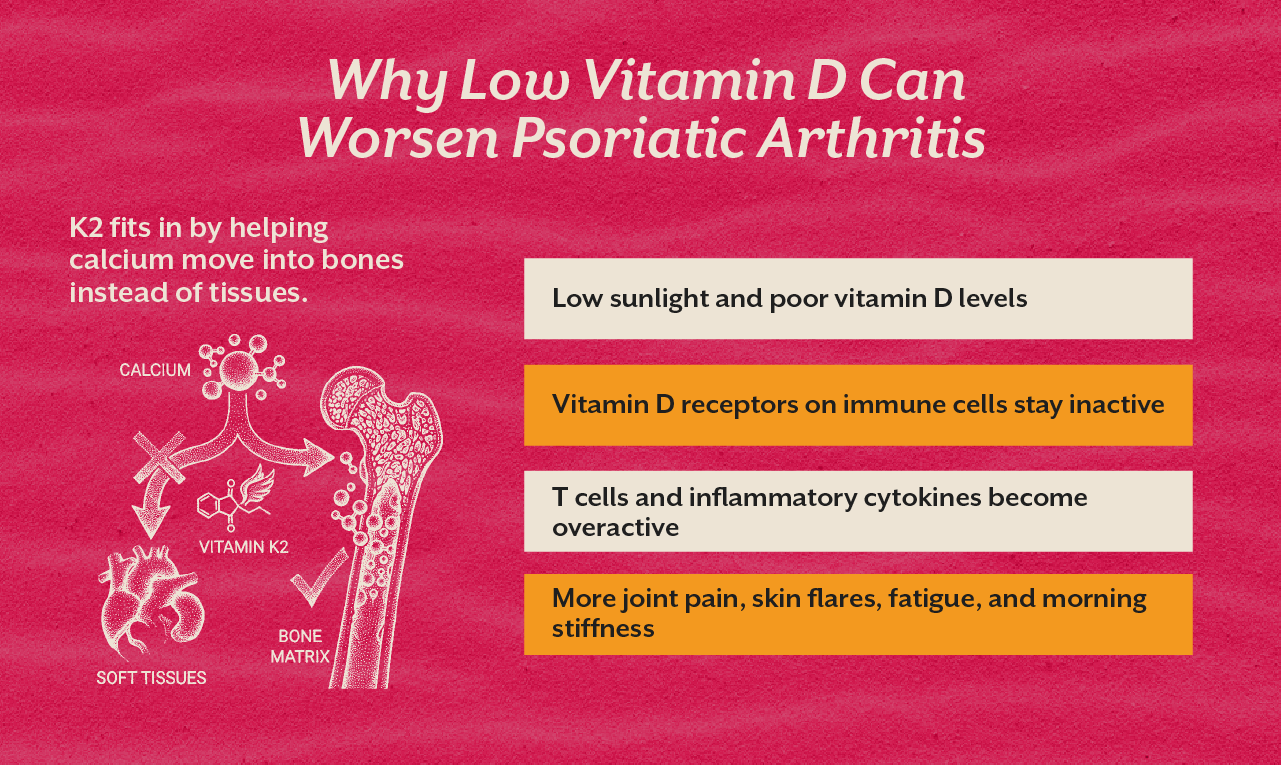
Vitamin D3 and K2 Help Calm an Overactive Immune System
Vitamin D isn’t just important for bones. It is one of the most powerful immune regulators for the body. When levels are low, the immune system is more likely to stay stuck in an overactive state.
Vitamin D3, specifically when paired with K2, can be beneficial as it guides the immune system away from attacking healthy tissue. This doesn’t work overnight, but over time it can surely become an eminent part of how gastritis can be cured at the root.
BPC 157 and Gut Repair Support
BPC 157 is a peptide that is originally derived from a protective protein found in the stomach. It has gained a lot of attention because of its ability to support the repair of the gut lining and also reduce inflammation.
Some of our clients have had years of burning, food sensitivity, and pain and they noticed a lot of improvement when it was utilized correctly as part of their complete healing plan.
Digestive Enzymes and Bitters Help When You Cannot Make Enough Stomach Acid
One of the strangest things about autoimmune gastritis is that you might feel both burning as well as poor digestion at the very same time. That is because many of you actually have too little stomach acid, and not too much.
Digestive enzymes and herbal bitters can be beneficial for breaking down food more effectively. This often reduces the burping, heaviness, and uncomfortable fullness after meals.
Soil Based Probiotics and Black Seed Support the Gut Environment
Certain soil based probiotics might help in improving the balance of bacteria inside the gut. Black cumin seed oil well combined with raw honey also supports people who have underlying H. pylori related irritation.
However, this is truly where personalisation matters a lot. Not every probiotic suits every person, and not every supplement should be taken blindly. What works beautifully for one person might irritate another.
Why a Personalised Plan Matters More Than a Perfect Diet
Perhaps the most frustrating thing about autoimmune gastritis is how different it actually looks from one to the other. One might tolerate eggs, another might feel terrible when hungry, another struggles during pregnancy and wonders about gastritis when pregnant, and someone just notices symptoms after alcohol.
That is why healing cannot come from a generic food list that is copied from the internet.
Here at iThrive, we focus on identifying the deeper pattern. Is there hidden gluten sensitivity? H. pylori? Severe B12 deficiency? A gut microbiome issue? Are you under-eating protein? Are you so afraid of food that your body is now running on stress alone?
Sometimes the most healing thing is finally understanding that your symptoms make sense.
If you feel like you have been trying everything and still don't know what to eat, this is the right time to Book a Root Cause Analysis or Book a Free Consult. The goal is not simply to manage symptoms, it is to understand why your stomach stopped feeling safe in the first place.
For the ones that need deeper support, the iThrive Alive 3 Months Program is specifically designed to help you rebuild digestion, calm the immune system, restore nutrient levels, and finally develop a food plan that works for your body.
Key Takeaway
Autoimmune gastritis does not heal because you avoided spicy food for a week. It heals when you remove the foods that keep triggering the immune system, repair the gut lining, and restore the nutrients your body can no longer absorb properly. Gluten, conventional dairy, alcohol, refined sugar, processed foods, and seed oils are often the biggest obstacles. At the same time, targeted support through protein rich meals, healthy fats, mineral rich foods, vitamin B12, zinc, vitamin D, digestive support, and a personalized plan can change the entire direction of your health. If you have been feeling unheard, dismissed, or confused by conflicting advice, please know that your body is not broken. It is asking for a different kind of support.















.svg)