




Magnesium The Wonder Mineral
Table Of Content
SUPPLEMENT SAFETY

Magnesium The Wonder Mineral

iThrive Team
Mar 8, 2022

What is Magnesium and Why Should We Even Care?

Magnesium is a chemical element with the symbol Mg, atomic number 12, and common oxidation state +2. It is an alkaline earth metal and the eighth-most abundant element in the Earth's crust, where it constitutes about 2% by mass, and ninth in the known universe as a whole. Magnesium ion's high solubility in water helps ensure that it is the third most abundant element dissolved in seawater.

Magnesium is arguably the main conductor of electricity in the human body, along with water. It has a role in the activation of over 40% of the enzymes in our bodies (3700+), and helps us with many functions including but not limited to:

  • synthesizing hormones from cholesterol 
  • producing energy from the food we eat
  • relaxing our muscles
  • lowering stress
  • restful sleep
  • preventing cramping
  • regulating calcium levels
  • heart function
  • maintaining proper blood pressure
  • maintaining optimal blood glucose levels


Most importantly -  magnesium is at the heart of metabolic function. And without proper metabolic function, our bodies become less capable of creating energy to perform each and every task they need to do throughout the day.

Among its many functions, magnesium regulates calcium homeostasis through the activity of three key hormones: calcitonin, parathyroid hormone, and vitamin D (more properly called “hormone D”). In addition, magnesium’s presence in the energy molecule (Mg-ATP) is an absolute requirement for its recognition and use in the body. We consider magnesium to be the “conductor of the body’s mineral orchestra.”

Magnesium gets depleted under stress, excess sweating, intense exercise, high metabolic activity, low thyroid function, dehydration, and lack of sleep. This is why it's so important to replenish magnesium levels daily

Without enough magnesium, cells simply don’t work.” This quote by Lawrence M. Resnick, MD, former Professor of Medicine at Weill Cornell Medical School, sums up all you need to know to understand why it is so important that you daily obtain all of the magnesium your body needs. If you suffer from fatigue, you can be sure you also suffer from magnesium deficiency.

Magnesium Supplements & Their Various Forms :

  1. Magnesium Bisglycinate
  2. Magnesium Citrate
  3. Magnesium Bicarbonate
  4. Magnesium Oxide
  5. Magnesium Malate
  6. Magnesium taurate
  7. Magnesium L-threonate
  8. Magnesium Sulfate

Which are the best forms of magnesium that one should consume :

  1. Magnesium Glycinate or Bisglycinate
  2. Magnesium Bicarbonate
  3. Magnesium Taurate
  4. Magnesium L-threonate
  5. Magnesium Malate

We suggest not starting out with a magnesium chelate complex that contains multiple forms of magnesium. It’s best to sample just one form at a time until you learn which ones work well for you.

Caution: Magnesium citrate (also listed as magnesium carbonate with citric acid) is NOT a recommended form of magnesium due to the interference of citric acid on the action of ceruloplasmin. Ascorbate, aspartate and glutamate are also not recommended.

What Does Magnesium Bisglycinate Mean?

The compound magnesium bisglycinate is also known as magnesium glycinate. This indicates that magnesium has two glycine molecules attached, it is more accurately called “bisglycinate” (bis = two). Two separate glycine molecules occupy an active site on each magnesium molecule, leading to superior absorption because of increased solubility.

Why We Mainly Recommended Magnesium Bisglycinate :

A crossover study found that serum levels of magnesium over eight hours were highest for magnesium bisglycinate, followed by dimagnesium malate; the least absorbed was magnesium oxide. The improved absorption and solubility are because glycine decreases the pH of the intestines.

The glycine also takes up space on the magnesium molecule, which decreases the propensity of the magnesium to complex with plant-based phytates that would otherwise interfere with its absorption. Because glycine takes up active sites on the molecule, less water attaches to the molecule, which reduces the laxative effect typically seen with magnesium compounds.

Benefits of Glycine :

Glycine is another highly therapeutic amino acid. It is anti-inflammatory, anti-stress, and pro-metabolic. 

Some benefits include:

  • increasing glutathione
  • improved sleep quality
  • increase healthy lifespan
  • reduces tissue inflammation
  • reduces high blood pressure
  • collagen production
  • liver protective

Why Are People Suddenly Magnesium Deficient? Why Didn’t Our Ancestors Complain About Magnesium Deficiency?

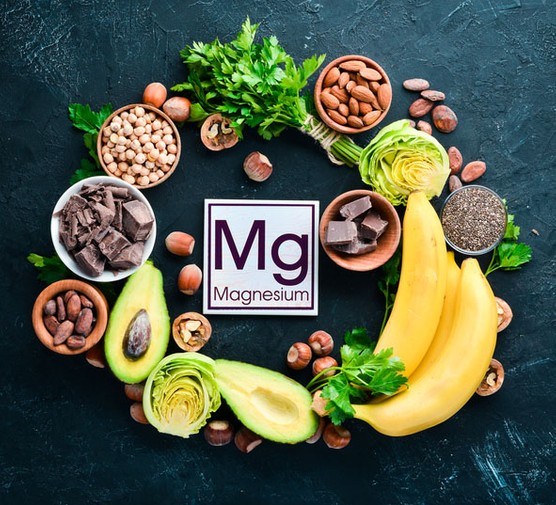
Many naturally grown foods contain magnesium, but their consumption has significantly decreased in the last few decades because of changes in dietary habits; furthermore, the removal of magnesium during food processing also contributes to reduced magnesium uptake. Foods high in magnesium include almonds, bananas, black beans, broccoli, brown rice, cashews, flaxseed, green vegetables (spinach), nuts, oatmeal, seeds (pumpkin, sesame, sunflowers) soybeans, sweet corn, tofu, and whole grains.

Magnesium deficiency is commonly the result of reduced consumption or inadequate absorption and/or increased excretion from the body. A wide range of human diseases, including cardiovascular and metabolic diseases, skeletal disorders, respiratory illness, and neurological anomalies (stress, depression, and anxiety) are linked to magnesium inadequacy. 

Today’s soil is depleted of minerals, and therefore the crops and vegetables grown in that soil are not as mineral-rich as they used to be. Approximately half of the US population consumes less than the required amount of magnesium. Even those who strive for better nutrition in whole foods can fall short, due to magnesium removal during food processing. Improved outreach and education may help reduce widespread magnesium deficiency and its related complications to maintain good health.

It is ascertained that magnesium content in fruits and vegetables dropped in the last fifty years, and about 80% of this metal is lost during food processing. As a consequence, a large percentage of people all over the world do not meet the minimum daily magnesium requirement. In this scoping review, we summarize how agronomic and environmental factors, including global warming, affect magnesium content and availability in the soil and, consequently, in the food chain, with the aim of attracting the interest of botanists, agronomists, animal and human nutritionists and physicians to work on a strategy that grants adequate magnesium intake for everybody.

Our ancestors used to get their daily intake of magnesium and other electrolyte & trace minerals through the natural water streams available to them in the wild but today due to water filtration & fortification of food & water, magnesium levels have been significantly reduced. Today as our water is filtered & treated with chemicals, the level of magnesium in drinking water is also significantly low.

24 Reasons Why People Might Be Magnesium Deficient In These Modern Times

  1. Athletic performance causes sweat which results in loss of magnesium,
  2. Alcohol causes magnesium depletion due to its diuretic effect.
  3. Antacids counteract stomach acid, decreasing magnesium absorption
  4. Acid rain is high in nitric acid, which draws calcium and magnesium out of the soil to try and neutralize the acidity and consequently depletes the soil of these minerals.
  5. Caffeine causes magnesium depletion with its diuretic effect. It also stimulates the adrenal glands, causing adrenaline surges and magnesium loss.
  6. Most drugs cause magnesium depletion; this is especially true of drugs containing fluorine atoms.
  7. Fertilizers do not replace necessary minerals but are high in phosphorus, potassium, and nitrogen. Excess potassium and phosphorus are preferentially absorbed into plants, inhibiting magnesium absorption.
  8. Food processing and cooking decrease magnesium levels. 
  9. Herbicides, such as Roundup, bind with magnesium, making it unavailable for plants to utilize for decades.
  10. Pesticides kill worms and bacteria and thus, their function of processing the soil and breaking down minerals is lost. This means fewer minerals are absorbed by plants.
  11. Intestinal disease, including irritable bowel syndrome (IBS), leaky gut, gluten and casein sensitivities, funguses, and parasites, interferes with magnesium absorption.
  12. Junk foods, especially sugar products, drain magnesium. The liver needs twenty-eight atoms of magnesium to process one molecule of glucose. Fructose requires fifty-six atoms of magnesium.
  13. Meat from animals eating magnesium-depleted food is low in magnesium.
  14. Oxalic acid (found in rhubarb, spinach, and chard) and phytic acid (found in cereal grains and soy) block absorption of magnesium.
  15. Low potassium levels can increase urinary magnesium loss.
  16. Refining grains, especially rice and wheat, reduces magnesium.
  17. Sauna therapy for weight loss, to detox, or just to stay healthy can cause enough mineral loss through sweating to create magnesium deficiency symptoms.
  18. Soil on farmland is woefully depleted of magnesium.
  19. Soil erosion makes it easier for heavy rain or irrigation to wash away soil, leading to a loss of minerals, including magnesium.
  20. Stress or trauma of any type-physical, mental, emotional, environmental-can cause magnesium deficiency.
  21. Tannins in tea bind and remove minerals, including magnesium.
  22. Stomach acid deficiency due to stress results in decreased absorption of magnesium.
  23. Trans fatty acids and mineral deficiency alter cell wall integrity, making the cell walls more rigid, which affects receptor site function and prevents the flow of nutrients in or out of cells.
  24. Water softening treatment reduces magnesium.


The Important Relationship Between Stress and Magnesium Levels :

Under any form of stress to the body (physical, emotional, metabolic, environmental, etc.), magnesium is lost as a metabolic response, because when the body is under stress, it needs to produce more energy, (Mg-ATP), which requires it to call upon its magnesium stores. Under extreme and/or sustained stress—and a failure to properly re-mineralize—the body loses its natural ability to respond to stress, causing oxidative stress and inflammation to build up throughout the body. Magnesium deficiency, meaning low magnesium levels in red blood cells, where magnesium belongs, is the recognized precursor to inflammation. However, when the body is expressing optimal ferroxidase activity, the MBR will be at a minimum.

In these modern times, we have the highest possible visible & invisible stress on our body & minds from various sources like environmental toxins, pollution, EMFs, psychological stress, lack of nutrients in our body, junk food, etc. Therefore, the more stressed you are the more your body will use up the magnesium for combating that stress and that will deplete your normal magnesium levels from your body. 

What Is The Adequate Amount of Magnesium Intake Per Day?

The recommended daily allowance (RDA) for magnesium is 440 mg per day in India as per FSSAI 2020 guidelines. Most people fail to even reach this level from diet alone and with the added stress these days, it's difficult to reach adequate levels.

If you’re going through high amounts of stress like a very stressful job, a breakup, a divorce, an exam, a financial problem, loss of a loved one, health issues, etc we suggest you up your magnesium dosage significantly to manage that stress. One can go up to 700-800 mg per day in such times and the same is the case for athletes.

Some other researchers from outside of India recommend that the optimal dose is ~5mg of “elemental” magnesium per pound of bodyweight, per day (or ~10mg of magnesium per kilogram of body weight, per day). This dosing formula was originally created by Mildred Seelig, PhD. Some need more magnesium than this, at least for a time, so you can experiment to find the amount that works best for you.

Why Do We Recommend Powder Form Instead Of Capsule Form?

The powder form of magnesium & capsule form is almost the same. The capsule itself has the magnesium powder encapsulated inside an HPMC capsule along with a few preservatives. Therefore it’s better to consume the powder form directly as there are no added preservatives that come with the powder and it’s more convenient to mix the powder in water and drink it. Also generally in a double zero (00) sized capsule in India which is the largest capsule size available in the market, this size can only hold up to around 130 mg of magnesium in each capsule. For a person to reach the RDA of 440 mg per day, he would have to take around 4 capsules and if he wishes to go above the RDA, it would be really inconvenient to take more than 4 capsules a day, especially if a person is consuming a bunch of other supplements too on a daily basis. One can also mix the powder inside his water bottle and sip it through the day.


A
Ask your doubts
Thank you! Your submission has been received!
Oops! Something went wrong while submitting the form.

Related Blogs

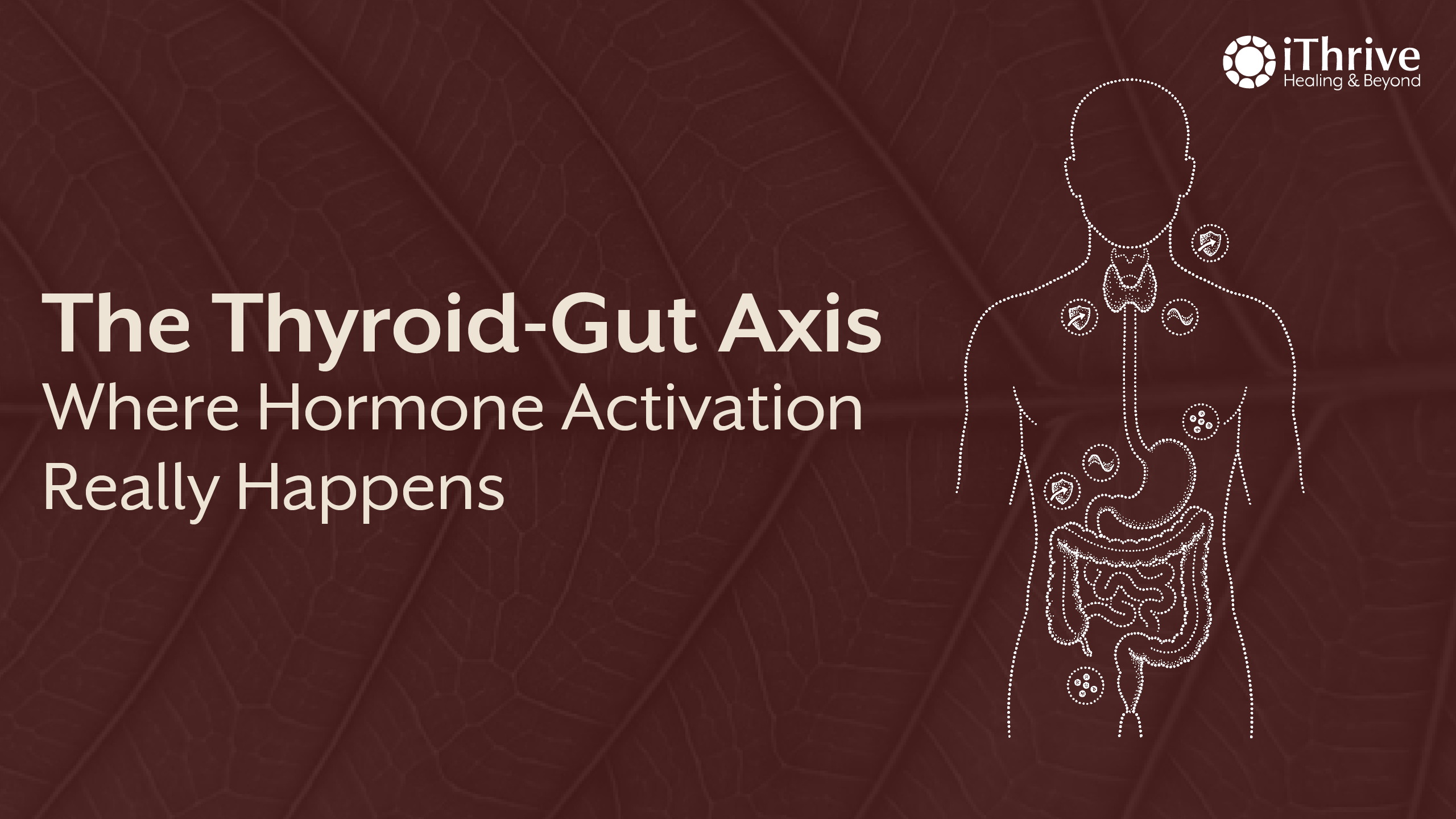
The Thyroid-Gut Axis: How Microbiome Imbalance Disrupts Hormone Conversion
read count
read time
Feb 17, 2026

The Thyroid-Gut Axis: How Microbiome Imbalance Disrupts Hormone Conversion

Discover how gut health directly influences thyroid hormone conversion, autoimmunity, and metabolic regulation. Learn why microbiome imbalance may be a hidden driver of thyroid dysfunction and Hashimoto’s thyroiditis.

Introduction

Most conversations around thyroid dysfunction focus on hormone levels, medication, and symptom management. Yet emerging systems biology research shows that thyroid physiology does not operate in isolation. Hormone production in the thyroid gland is only one part of a much larger regulatory network that includes immune signalling, liver metabolism, and increasingly, the gut microbiome.

The concept of the thyroid-gut axis reflects a deeper biological reality: intestinal microbes participate directly in hormone activation, immune tolerance, nutrient absorption, and inflammatory regulation. When microbial balance is disrupted, the effects extend far beyond digestion. Hormone conversion efficiency declines, immune surveillance shifts, and inflammatory signals begin interfering with endocrine communication.

This is why individuals may present with persistent thyroid symptoms despite “normal thyroid levels” on laboratory testing. The gland may be producing hormones, but downstream activation and cellular utilisation may be compromised by gut dysfunction.

Understanding the microbiome and thyroid connection helps explain rising thyroid disorders, especially autoimmune thyroiditis and metabolic thyroid resistance. It also clarifies why comprehensive thyroid treatment must extend beyond the gland itself.

The Thyroid Is Not an Isolated Organ

Hormone Production vs Hormone Activation

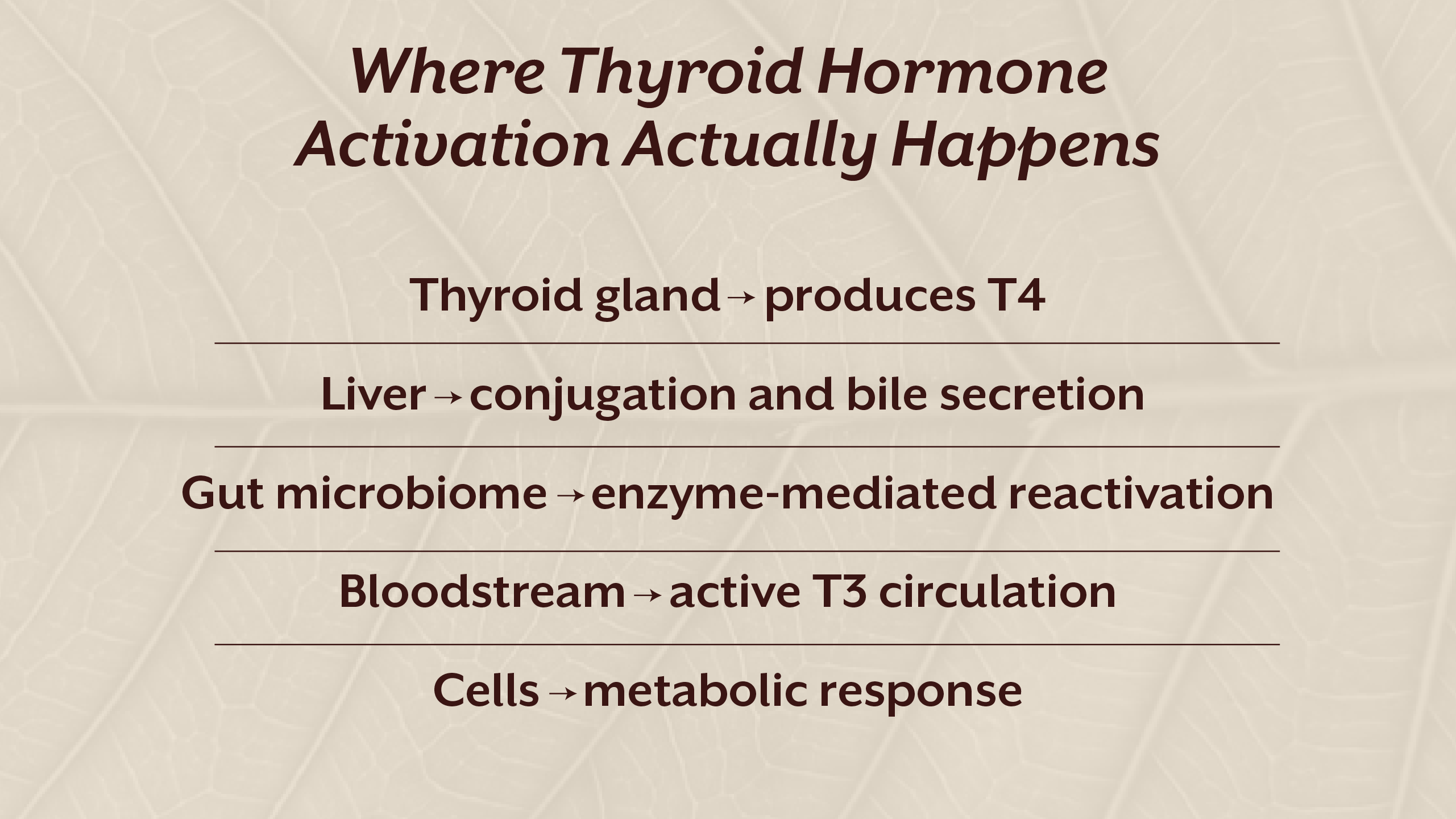
The thyroid gland primarily produces thyroxine (T4), a storage hormone. Only a small fraction of circulating hormones exists as triiodothyronine (T3), the metabolically active form that regulates cellular energy production, temperature regulation, and metabolic signalling.

Activation from T4 to T3 is not controlled solely by the thyroid gland. It depends on deiodinase enzymes distributed throughout the body and particularly in the liver, peripheral tissues, and importantly, the gastrointestinal system.

A significant portion of thyroid hormone metabolism occurs through enterohepatic circulation. Hormones are conjugated in the liver, secreted into bile, and then processed again by intestinal bacteria. Specific microbial enzymes help deconjugate hormone metabolites, allowing them to be reabsorbed and reused.

When microbial diversity is reduced, this recycling pathway becomes inefficient. Hormone clearance may increase, active hormone availability declines, and metabolic signalling weakens even when hormone production appears adequate.

This explains why gut dysbiosis and hypothyroidism frequently coexist, not merely as parallel conditions but as mechanistically linked processes.

Immune Regulation Begins in the Gut

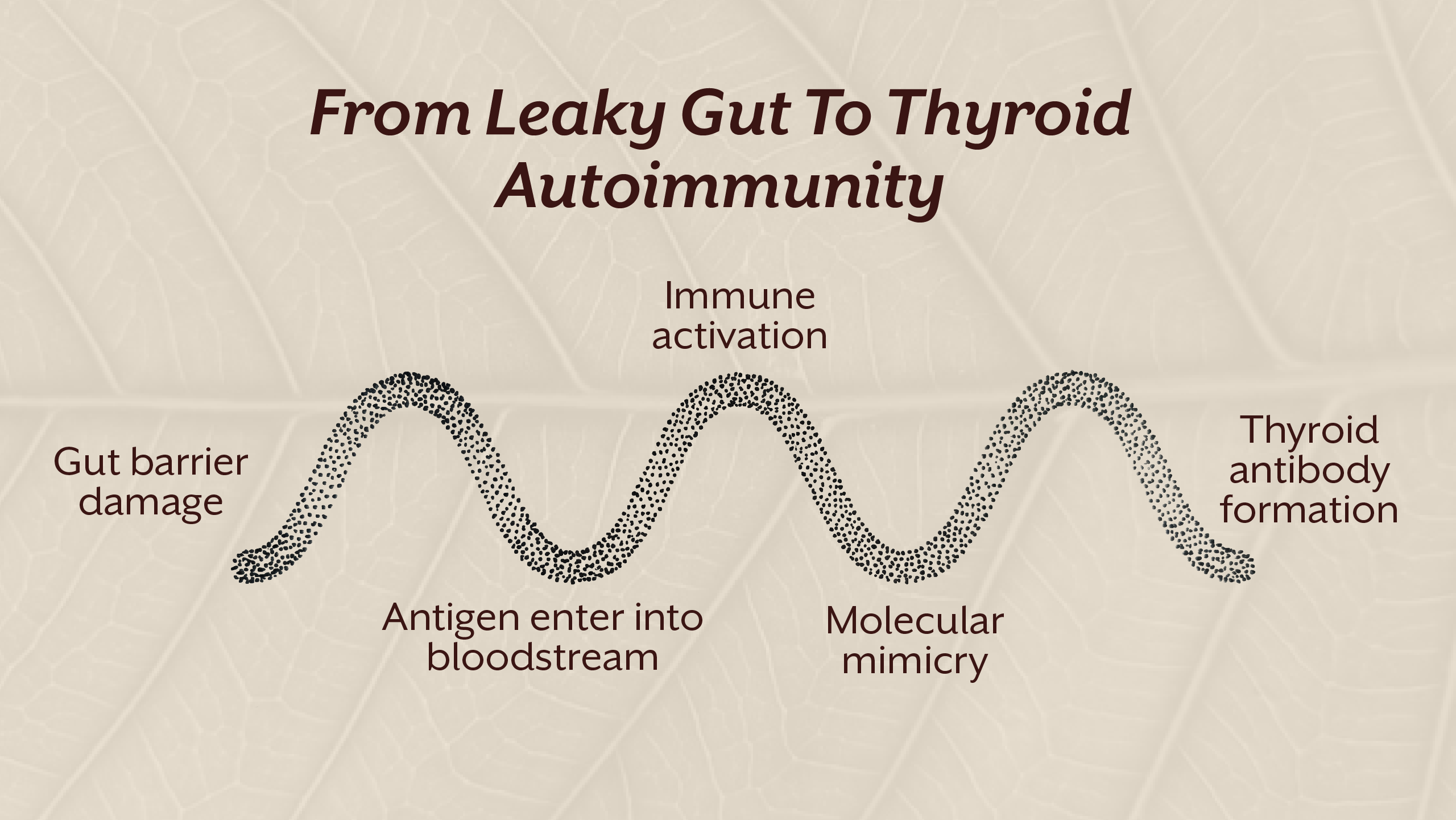
Nearly seventy percent of immune activity originates within the gastrointestinal system. The intestinal barrier acts as both a physical and immunological filter, determining which molecules enter systemic circulation.

When microbial balance is stable, immune tolerance is maintained. Regulatory immune cells prevent unnecessary inflammatory responses, protecting self-tissues including endocrine glands.

When dysbiosis develops, inflammatory signalling increases. Gut permeability rises. Antigen exposure expands. Immune regulation becomes unstable.

This environment increases the likelihood of thyroid antibodies forming, a defining feature of autoimmune thyroid disorders such as Hashimoto’s thyroiditis and other forms of thyroiditis.

Microbiome and Thyroid Hormone Conversion

Bacterial Enzymes and Hormone Reactivation

Certain intestinal bacteria produce enzymes such as beta-glucuronidase that influence hormone reactivation. These enzymes regulate how efficiently conjugated thyroid hormones are reabsorbed rather than eliminated.

When microbial diversity declines, enzyme activity becomes unpredictable. Hormones may be excessively eliminated or improperly reactivated. The result is functional hormone deficiency at the tissue level.

This is one of the lesser discussed thyroid causes meaning altered microbial enzyme activity affecting endocrine signalling.

Gut Inflammation and Reverse T3 Formation

Inflammatory stress alters hormone conversion pathways. Instead of converting T4 into active T3, the body may increase production of reverse T3, an inactive molecule that blocks receptor activity.

Gut inflammation is a major contributor to this shift. Inflammatory cytokines suppress deiodinase activity while activating stress signalling pathways that favour energy conservation.

This physiological adaptation may be protective during acute illness. However, chronic gut inflammation can sustain high reverse T3 levels, slowing metabolism despite adequate hormone production.

Nutrient Absorption and Thyroid Hormone Function

Thyroid hormone synthesis and activation depend heavily on micronutrients such as selenium, zinc, iodine, iron, and tyrosine. These nutrients are absorbed primarily in the gastrointestinal tract.

Dysbiosis reduces absorption efficiency. Inflammatory changes impair transport mechanisms. Enzymatic digestion becomes inconsistent.

Even with an optimal diet, individuals with gut imbalance may develop functional nutrient deficiency, impairing thyroid hormone function and contributing to persistent thyroid disease symptoms.

Microbiome and Thyroid Hormone Conversion

Bacterial Enzymes and Hormone Reactivation

Certain intestinal bacteria produce enzymes such as beta-glucuronidase that influence hormone reactivation. These enzymes regulate how efficiently conjugated thyroid hormones are reabsorbed rather than eliminated.

When microbial diversity declines, enzyme activity becomes unpredictable. Hormones may be excessively eliminated or improperly reactivated. The result is functional hormone deficiency at the tissue level.

This is one of the lesser discussed thyroid causes meaning altered microbial enzyme activity affecting endocrine signalling.

Gut Inflammation and Reverse T3 Formation

Inflammatory stress alters hormone conversion pathways. Instead of converting T4 into active T3, the body may increase production of reverse T3, an inactive molecule that blocks receptor activity.

Gut inflammation is a major contributor to this shift. Inflammatory cytokines suppress deiodinase activity while activating stress signalling pathways that favour energy conservation.

This physiological adaptation may be protective during acute illness. However, chronic gut inflammation can sustain high reverse T3 levels, slowing metabolism despite adequate hormone production.

Nutrient Absorption and Thyroid Hormone Function

Thyroid hormone synthesis and activation depend heavily on micronutrients such as selenium, zinc, iodine, iron, and tyrosine. These nutrients are absorbed primarily in the gastrointestinal tract.

Dysbiosis reduces absorption efficiency. Inflammatory changes impair transport mechanisms. Enzymatic digestion becomes inconsistent.

Even with an optimal diet, individuals with gut imbalance may develop functional nutrient deficiency, impairing thyroid hormone function and contributing to persistent thyroid disease symptoms.

Why Conventional Thyroid Treatment Often Falls Short

Standard thyroid treatment typically focuses on hormone replacement or suppression depending on clinical presentation. While this approach can stabilize circulating hormone levels, it does not address upstream regulatory disturbances.

If gut inflammation persists, conversion pathways remain impaired. If microbial imbalance continues, immune activation remains elevated. If nutrient absorption is compromised, hormone utilisation remains inefficient.

Patients may therefore achieve laboratory normalisation without full physiological restoration.

This explains why many individuals with thyroid symptoms continue experiencing fatigue, metabolic slowing, and immune activation despite treatment.

A Systems Approach to Thyroid Health

A clinically effective thyroid strategy must address the entire regulatory network.

Interventions targeting microbial diversity, intestinal barrier repair, inflammatory modulation, and micronutrient repletion influence hormone conversion more profoundly than gland-focused interventions alone.

This systems-biology perspective is central to the clinical model used at iThrive Alive, where thyroid physiology is evaluated as part of an integrated metabolic and immune framework.

Rather than isolating the gland, assessment includes gut health, inflammatory load, nutrient status, and stress physiology. This enables identification of root drivers behind hormone dysregulation.

Individuals seeking deeper evaluation can book a root cause analysis or book a consult to explore underlying regulatory imbalances rather than focusing solely on hormone levels.

Key Takeaway

The thyroid-gut axis represents one of the most clinically significant yet under-recognised regulatory pathways in endocrine physiology. Hormone production within the thyroid gland is only the beginning of metabolic signalling. Activation, recycling, immune tolerance, and cellular response depend heavily on microbial balance, intestinal integrity, and inflammatory regulation. When gut dysbiosis develops, hormone conversion shifts, reverse T3 increases, immune reactivity intensifies, and nutrient availability declines. These processes can sustain thyroid dysfunction even when laboratory values appear stable. Understanding thyroid physiology through the lens of systems biology reveals why comprehensive treatment must extend beyond hormone replacement toward restoration of microbial balance, immune stability, and metabolic resilience.

Relationship between Thyroid and Mental Health
read count
read time
Sep 9, 2024

Relationship between Thyroid and Mental Health

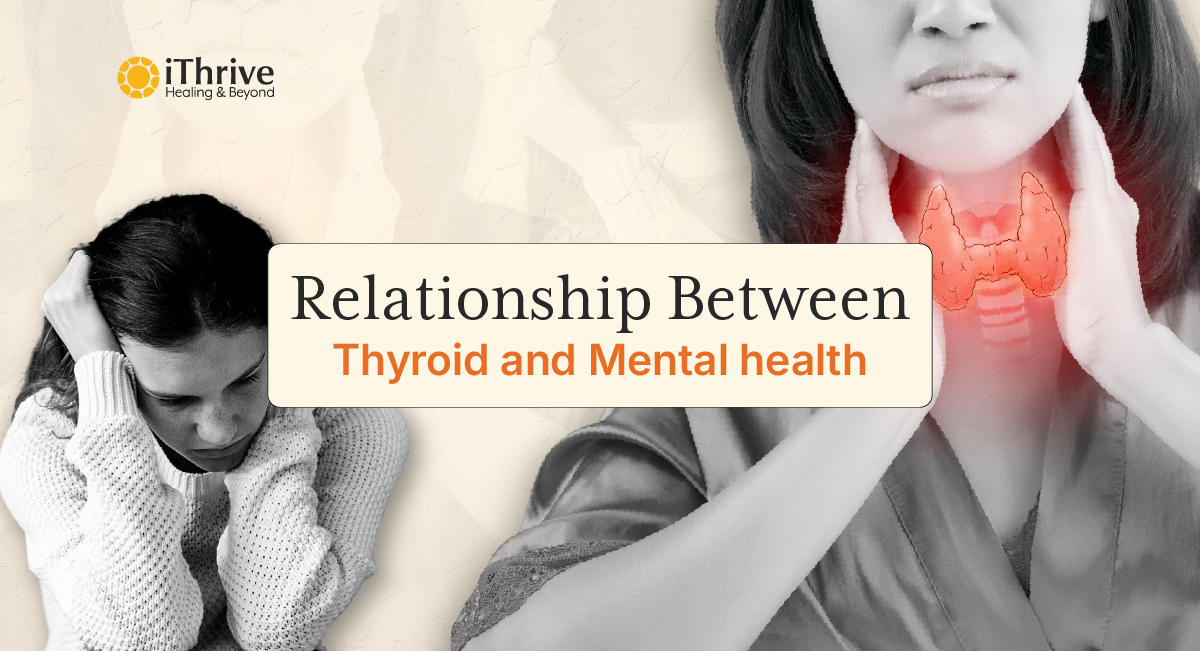
The thyroid is a small, butterfly-shaped gland in your neck, but it plays a big role in how your body runs. It produces hormones that regulate everything from your metabolism to your energy levels. When something goes wrong with your thyroid, it can lead to either hyperthyroidism (too much hormone) or hypothyroidism (too little hormone), causing a range of symptoms.

What exactly is Thyroid?

The thyroid is a little gland in front of the neck that resembles a butterfly. It secretes hormones that affect every cell in the body and regulate how the body converts food into energy.

When thyroid illness is caused by a number of factors, including autoimmune, infections, surgery, radiation, or heredity, it typically manifests as hyperthyroidism or hypothyroidism. The root cause of the illness is what is to be identified in every specific individual. 

Conditions characterised by hyperthyroidism result in an excess of hormone that speeds up metabolism, raising heart rates, causing weight loss, and exhausting the body due to excessive energy use. Reduced hormone levels cause hypothyroidism problems, which include fatigue from low energy, weight gain, and an inability to withstand cold temperatures.

Is Thyroid related to Mental Health?

Yes, mood can be impacted by thyroid dysfunction. Mood-affecting symptoms of thyroid illness might include depression or anxiety. Generally speaking, mood swings get worse the more severe the thyroid condition.

Mood symptoms associated with hypothyroidism and hyperthyroidism, or an underactive thyroid, might include:

-Depression.

-Fear and anxiety.

-Unease.

The connection between Thyroid and Mental Health

A robust association between thyroid malfunction and mental health conditions exists.

  1. Hypothyroidism (underactive thyroid): Symptoms of hypothyroidism include melancholy, lethargy, and trouble concentrating. Mental health may be considerably impacted by these symptoms.
  2. Overactive thyroid disease, or hyperthyroidism: People with this condition may experience mood changes, anxiety, irritability, and insomnia, which can exacerbate mental health problems.

The synthesis of neurotransmitters, which are chemical messengers in the brain that control mood, sleep patterns, and cognitive abilities, is influenced by thyroid hormones. This delicate balance can be upset by an imbalance in thyroid hormones, which can result in mental health issues.

How to keep your Thyroid under control?

  1. Eliminate the root causes of thyroid problems.

Long-term thyroid management is not possible with medications. Treat the underlying cause of your thyroid issue to end the problem for good and experience significant improvements in your general health. We at iThrive aim to identify the root cause of your problems so that we can solve that cause instead of looking at the problem as a whole. 

  1. Frequent Workouts and Saunas

Exercise enhances tissue sensitivity to thyroid hormones throughout the body and boosts thyroid gland output. Ideally, the workout should be intense and cause you to perspire. Irrespective of your present level of fitness, this workout routine will be beneficial and simple to follow.

Saunas and steam rooms are great ways to unwind both mentally and physically, but they're also a terrific method to rid your body of pesticides that might be causing your thyroid issue.

  1. Consume Foods That Support Your Thyroid Nutritionally and Steer Clear of Those That Don't

Enough nutrition and using food to send the right signals to your genes are essential for every step you take on your path to recovery and weight loss. Thyroid treatment is not an exception.

Select meals that will help your thyroid function nutritionally. Iodine and omega-3 fatty acids are necessary for the generation of thyroid hormones; selenium is needed to convert inactive T4 to active T3; and zinc, vitamins A and D, and T3 receptor binding are needed to bind T3. These nutrients are found in a clean, organic, whole-food diet. Please employ the supplement procedure in approach 4 to obtain therapeutic amounts of these nutrients.

  1. Use Supplements That Support Your Thyroid

My basic supplement suggestions include essential elements for a healthy thyroid function, such as a multivitamin and mineral supplement containing zinc, selenium, iodine, vitamins A and D, and omega 3 fatty acid(krill oil).

  1. Keep it regularly tested

There is no one ideal method, symptom, or test result that can accurately identify hypothyroidism or low thyroid function. The important thing is to consider everything, including your blood tests and symptoms, before making a decision.

In order to detect thyroid issues, doctors usually measure your free T4 and TSH levels. However, several medical professionals have questioned the "normal" ranges of such tests.

  1. Selecting the Appropriate Replacement Thyroid Hormone

In the end, you'll need to start thyroid hormone replacement medication in order to fully balance a thyroid that is seriously out of balance.

Making lifestyle and dietary changes will undoubtedly be very beneficial, but if your thyroid isn't working correctly, you might need to take extra thyroid hormones to augment its production. Making better health-related decisions can be facilitated by being aware of what resources are available and what questions to ask.

The Takeaway

Both physical and mental health issues can be signs of hypothyroidism. Hypothyroidism frequently results in depression, although in certain instances, anxiety, dysphoria, and psychosis may also occur.

One should focus on getting to the root cause of this, post which the treatment becomes very easy. It might also be beneficial to work with a mental health expert to build coping mechanisms.

But with the right way and the right diet, we can always keep the disease under control, make sure to go through all the methods that we have mentioned in the article to have a check on your Thyroid.

Functional Nutrition for Mental Health
read count
read time
Mar 7, 2024

Functional Nutrition for Mental Health

The neurotransmitters involved in regulating emotions largely depend on nutrition for stimulation. Certain nutrients help your systems to function better and produce the right neurotransmitters in the right amounts, helping to improve your mood and motivation.

Tired of struggling and watching your loved ones fight mental illness? It can be a damning sentence to hear someone you deeply care about say they have been feeling depressed, and being all-too-familiar with your rock bottom isn’t a fun, fuzzy feeling either.

But sorting through therapists trying to find the best one for you, and constantly wondering if anything will ever change can be exhausting. These conventional methods are tiring and often lead to eventually giving up all hope.

So what if there was an easier way to soothe mental health? An easier-to-manage, more independent approach than talk or shock therapy? Something more cost-effective, without side effects, that doesn’t need as much personal investment?

You’re in luck, because there is. Let’s talk about the role of Functional Nutrition in mental health.

Mental Health through a Functional Lens

Mental health is a complex and intricate system. It affects how you live your life, and dictates your interpersonal relationships, your behavior, and your health.

It may seem like something “just in your head”, but it is a lot more than that.

Mental conditions could be the symptom or the cause of something physiologically wrong in your body, or they could be a standalone psychological issue, or they could be an indication that something is wrong in your social environment.

Using an approach that addresses all these biopsychosocial factors while nourishing and nurturing your mind and body back to health is the best way to go. Some methods include –

Get Moving

Functional nutrition urges one to incorporate movement into their daily life. Whether it's yoga asanas or a daily workout regimen, movement has been proven to help improve blood flow and stimulate the release of endorphins, uplifting your mood and being utterly beneficial for your physiology simultaneously.

Bask in the Sun

Warm, bright, positive sunlight helps improve our mental health – no, really. It’s not just the comfort of warmth, but at a physiological level, sunlight makes our body release serotonin – the happy chemical that your body craves when you are depressed.

A lack of serotonin has a major role in mental conditions like depression, anxiety, mania, insomnia, aggression, and a lot more. It’s a crucial neurotransmitter for mental health, and sometimes your body just doesn’t have enough of it. Options like sun exposure are easy and efficient ways to boost your serotonin levels without spending a dime.

Advanced Tests

Functional Nutrition encourages the use of advanced tests to get a thorough understanding of one’s health profile. Using various tests like the GI MAP (Microbial Assay Plus) or the Organic Metabolomics Test (OMX) offered by state-of-the-art laboratories helps to get a picture of your health that ordinary tests just don’t provide. These tests go deeper, and scan your body for pathogens (viral, bacterial, parasitic) and other GI or Autoimmune issues, alongside a dozen other parameters which help to understand what is causing the mental dysfunction.

Innumerable research reports that have been peer reviewed by the scientific community acknowledge that gut health and inflammatory conditions impact mental health, and advanced tests help get an understanding of the underlying physiological conditions that could be contributing to one’s mental issues.

Nurturing the Mind

Functional nutrition uses the restorative abilities of food to assist the body in returning to proper, healthy function. It doesn’t cure your ailments for you, because your body is more than capable of doing that – it just gives your body the right boost, through nutrition.

The neurotransmitters involved in regulating emotions largely depend on nutrition for stimulation. As explored in this blog, certain nutrients help your systems to function better and produce the right neurotransmitters in the right amounts, helping to improve your mood and motivation.

It can be hard to force yourself to seek help or reach out to people. But making small changes to your diet to include these nutrients just might help you find the willpower to take on a new day and talk to your loved ones about seeking the help you need.

Eating to Heal

Food contains the essence of what makes life function – nutrients.

Nutrients are known for their many health benefits, and while we learn from a young age that they are essential for ideal health, not many of us follow the kind of lifestyle that really highlights that fact.

Besides not eating healthy meals, many also engage in smoking and drinking which further inhibit proper nutrient absorption.

But that doesn’t mean it’s too late – cleaning up your diet and adding the food that will help nurture your mental health can still make a difference. Nutrition and depression can go hand in hand, with improper nutrition leading to the deprivation of essential chemicals and neurotransmitters needed to feel “happy”.

Here are a few tips to address mental conditions like depression and anxiety using a healthy diet –

Diet for Mental Health

A healthy diet for mental health includes some important nutrients, like…

Nutrients for Mental Health

  • Omega-3 Fatty Acids
  • Vitamin D
  • Magnesium
  • B-Complex
  • Probiotics

Most of these nutrients are easy to source from food, except Vitamin D which is naturally produced in our body only when we are exposed to sunlight.

There are very few foods that naturally contain Vitamin D, and most people aren’t eating those foods regularly enough to meet their Recommended Dietary Allowances(RDA). Probiotics are also abundant in foods that people with certain health issues may avoid, like those with thyroid conditions who avoid cabbage.

Many people can’t access nutrients like high quality protein, B-Complex, heme iron, and Omega-3s because they follow restrictive diets like veganism or vegetarianism.

That’s where supplements come in handy. While we emphasize the importance of meat and animal foods for health, if you cannot change your diet for any reason – supplements help. They are a good option to consider as they’ll help you meet your RDAs without going against your diet.

Why Those Nutrients?

The nutrients mentioned above have innumerable benefits for mental and physical health, including but not limited to stimulating neurochemicals like serotonin, aiding mood stabilisation and cognitive regulation, improving cognitive function, and boosting your physical health.

If you’re wondering why a gut health nutrient like Probiotics was listed, it’s because of the little-known fact that your GI system plays a major role in regulating your mental health, too. Not only does the GI system also stimulate serotonin, GABA, norepinephrine, and many more neurotransmitters, but it also hosts what is called the Enteric Nervous System (ENS).

This ENS, alongside your Autonomic Nervous System and Central Nervous System, regulates your mental health. One way to care for it is to maintain a healthy gut microbiome – basically, to have a healthy balance of good and bad bacteria in your gut. It affects a lot more than you’d think!

What Foods are Best for Mental Health?

Naturally, foods containing those nutrients would be the way to go.

This includes foods like…

  1. OMEGA-3 FATTY ACID FOODS:
  • Seafood and fatty fish such as salmon or mackerel, cod, Rohu, etc.
  • Shrimp
  • Walnuts (soaked overnight to remove the harmful antinutrients)
  • Supplements: while fish oil or fish liver oil supplements are more commonly used, we recommend krill oil supplements as they are more biologically available for the body to use, and contain additional antioxidants like Astaxanthin which provide extra health benefits to the body.
  1. VITAMIN D FOODS:

It should be noted that Vitamin D naturally occurs in a few foods and those that do contain vitamin D have very low amounts of this essential nutrient, and your body has difficulty breaking that down as well, so you end up falling short of the RDA by quite a bit. The best source is sunlight, or a bioavailable supplement.

  1. MAGNESIUM FOODS:
  • Fatty fish
  • Dark Chocolate (in restricted amounts since it contains antinutrients)
  • Bananas
  • Magnesium Supplements (We recommend Magnesium Bisglycinate because it’s easily absorbed and leads to very little or no side effects as compared to other forms of magnesium supplements.)
  1. B-COMPLEX FOODS:
  1. PROBIOTIC FOODS:

Combining Functional Strategies

Making the best use of functional nutrition to assist mental health recovery means using a combination of various holistic, functional strategies like eating the right foods, getting enough sunlight, grounding barefoot in nature, moving your body – connecting with the world around you.

Getting in touch with loved ones and being surrounded by the company that makes you feel safe, secure, and peaceful is key to good mental health, as well.

It may seem like an impossible battle to overcome the hurdles of your mental health; but know that you only need to take the first step in front of you – before you know it, you’ll have come a long way from where you started. Good luck, you can do this!

References:

An Integrative Approach to Mental Health | Rupahealth

Functional Medicine and Mental Health Care: What’s The Link? | Orchestratehealth

Nutrition and Mental Health | The Institute for Functional Medicine

The Role of Functional Medicine in Mental Health Care | Psychology Today

Functional Medicine and Depression: Identifying the Root Cause - Chris Kresser

A Functional Medicine Approach to Anxiety, Depression & Related Mood Disorders

The Diagnosis and Treatment of Anxiety Disorders - PMC

Mind Matters: Nutrients for Mental Health – iThrive Essentials

Star Your Root Cause Analysis

Includes home blood sample collection, 1-hour expert consultation, and a next-step protocol.
Pay Now ₹2500
Secure Payments Powered By
NET
Banking

What’s Included in Your Blood Analysis?

Click below to view the complete list of markers included in your analysis.
Complete Blood Count (18 Parameters)
faq arrow
Diabetes Panel (4 Parameters)
faq arrow
Iron Studies (4 Parameters)
faq arrow
Lipid Panel (6 Parameters)
faq arrow
Thyroid Profile (3 Parameters)
faq arrow
Inflammation & Mitochondrial Health (3 Parameters)
faq arrow
Liver Function Test (8 Parameters)
faq arrow
Kidney Function & Electrolytes (9 Parameters)
faq arrow
Pay Now ₹2500
Secured payment via

We’re Not In Your City Yet But We’re Not Letting You Go.

You don’t need to wait to start understanding your body.
Get Free Consultation

You Still Get:

  • Free 1:1 consultation with our clinical team
  • Symptom + history deep dive
  • Direction on what’s actually driving your condition
  • Guidance on next best steps (tests, diet, and protocol)
Oops! Something went wrong while submitting the form.

Talk to our team

Thank you! Your submission has been received!
Oops! Something went wrong while submitting the form.

Talk to our team

Thank you! Your submission has been received!
Oops! Something went wrong while submitting the form.

Download Now

Thank you! Your submission has been received!
Oops! Something went wrong while submitting the form.
Select your Location
Agra
Ahilyanagar
Ahmadnagar
Ahmedabad
Ahmednagar
Akola
Aligarh
Allahabad
Almora
Alwar
Ambala
Ambedkar Nagar
Amravati
Amritsar
Amroha
Anand
Aurangabad
Ayodhya
Azamgarh
Baghpat
Bahadurgarh
Bahraich
Banda
Barabanki
Baraut
Bardhaman
Bareilly
Begusarai
Belgaum
Bengaluru
Bharatpur
Bhatinda
Bhilai Durg
Bhilwara
Bhiwani
Bhopal
Bhubaneswar
Bijnor
Bikaner
Bilaspur
Bokaro
Budhana
Bulandshahar
Chandigarh
Chennai
Chhatrapati Sambhajinagar
Chhindwara
Chomu
Darbhanga
Dehradun
Delhi
Deoband
Deulpur
Dhampur
Dhanbad
Durgapur
Eah
Etah
Etawah
Faizabad
Faridabad
Firozabad
Gadarpur
Gandhinagar
Ganganagar
Gaya
Ghaziabad
Ghazipur
Gonda
Gorakhpur
Greater Noida
Greater Noida Pc
Guntur
Gurgaon
Guwahati
Gwalior
Hajipur
Haldwani
Hapur
Hardoi
Haridwar
Hathras
Hazaribagh
Hisar
Hoshiarpur
Howrah
Hyderabad
Indore
Jabalpur
Jaipur
Jalandhar
Jalgaon
Jalna
Jamnagar
Jamshedpur
Jaunpur
Jhansi
Jhunjhunu
Jind
Jodhpur
Sorry, currently we are not serving this city.
Please try searching for another city or put your city here.
My Location not in the list
Your Location is 'Location'
Book a Test

City

Thank you! Your submission has been received!
Oops! Something went wrong while submitting the form.