
Millions of Indians Are on Thyroid Medication for Life. Most Were Never Told Why Their Thyroid Failed in the First Place.
Book Your Root Cause Analysis
If You See Yourself Here, Don't Ignore It

Hypothyroidism Isn't What You Think It Is

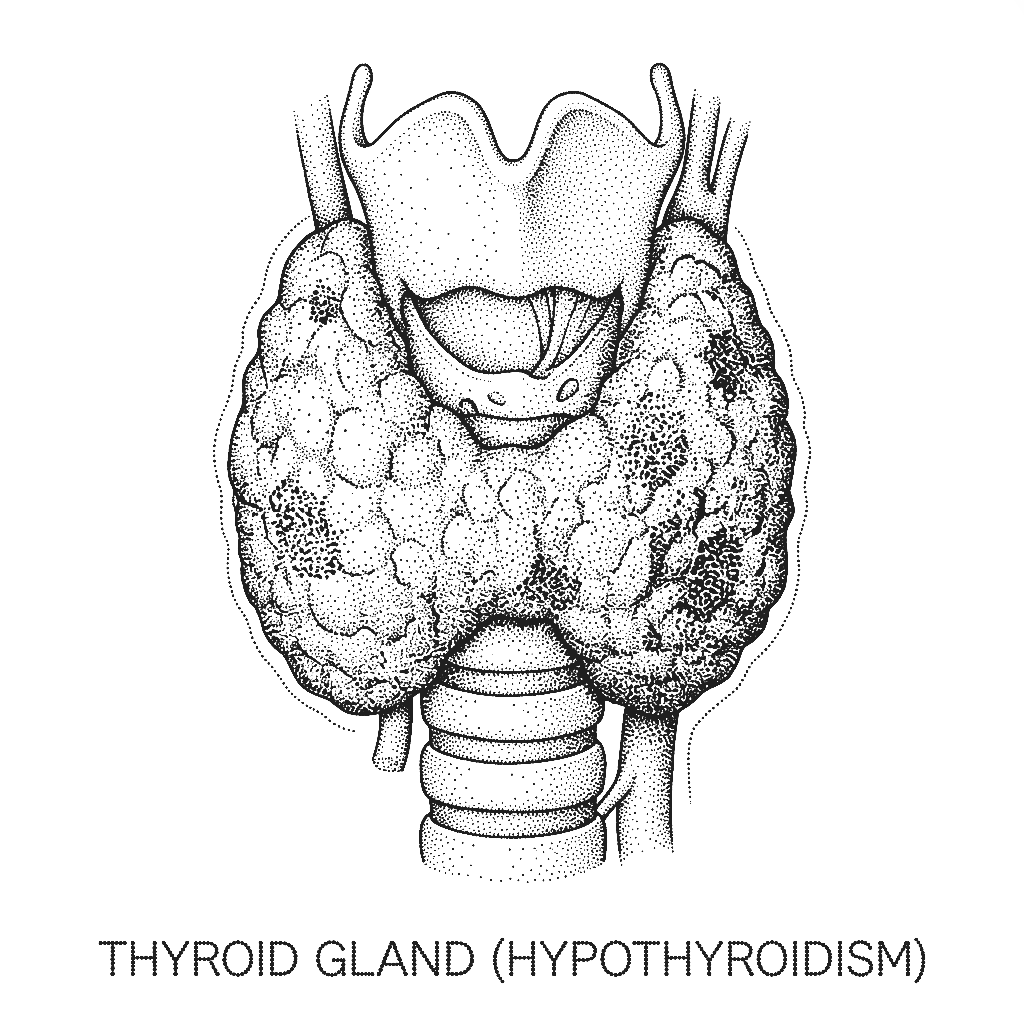
Hypothyroidism is a condition where the thyroid gland, a small butterfly-shaped gland at the base of the neck, is unable to produce enough thyroid hormone to meet the body's needs. Thyroid hormone governs the metabolic rate of nearly every cell in the body. When production falls short, everything slows down involving energy, metabolism, cognition, digestion, mood, and hormonal regulation. It is not just a thyroid problem. It is a whole-body slowdown with a specific physiological origin.
Not exactly and this distinction matters enormously. Hashimoto's Thyroiditis is the most common cause of hypothyroidism, accounting for over 90% of cases. It is an autoimmune condition where the immune system attacks the thyroid gland, progressively damaging its ability to produce hormones. Many people are diagnosed with hypothyroidism and prescribed medication without ever being told that their immune system is the underlying driver. Treating the thyroid without addressing the immune attack is like mopping the floor without turning off the tap.
Hypothyroidism affects an estimated 1 in 10 Indians with women affected far more frequently than men. The drivers include widespread iodine and selenium deficiency in certain regions, high rates of autoimmune conditions driven by gut dysfunction and chronic inflammation, chronic psychological stress suppressing thyroid hormone conversion, Vitamin D deficiency impairing immune regulation, and increasing exposure to environmental toxins that disrupt thyroid function directly. India has one of the highest rates of thyroid dysfunction in the world yet the majority of cases are managed with medication alone, without any investigation into the cause.
Standard thyroid management checks TSH and prescribes levothyroxine if it is elevated. But TSH is only one piece of a complex picture. Free T3, the active form of thyroid hormone that cells actually use is rarely checked. Reverse T3, which can block thyroid hormone from working even when levels appear normal, is almost never tested. The conversion of T4 to active T3 happens primarily in the gut and liver, meaning gut dysfunction directly impairs thyroid function regardless of what medication is prescribed. Address the conversion, the gut, and the immune driver and the thyroid often begins recovering on its own.
Hypothyroidism develops slowly and its symptoms such as fatigue, weight gain, brain fog, low mood, constipation, hair thinning, cold intolerance, dry skin are non-specific enough to be attributed to stress, ageing, or lifestyle in almost every case. By the time TSH is elevated enough to trigger a diagnosis, the thyroid has typically been underperforming for years. The problem is compounded by reference ranges. TSH is considered normal up to around 4.5 in most Indian labs, but research consistently shows symptoms are present and thyroid function is suboptimal well below that threshold. A person with a TSH of 3.8, low Free T3, ongoing fatigue, and hair loss will be told their thyroid is normal. The test is within range. The person is not well. That gap between the reference range and actual functional health is where most hypothyroid patients live for years before a diagnosis is made, if it ever is.
The Difference Between Managing Hypothyroidism and Reversing It
CONVENTIONAL MEDICINE
- TSH blood test, often the only thyroid marker checked
- Levothyroxine prescribed when TSH is above range
- Dose increased when TSH rises again
- No investigation into why the thyroid is underperforming
- No assessment of free T3, reverse T3, or autoimmune markers
FUNCTIONAL NUTRITION
- Root Cause Analysis with 60+ Functional Markers
- Full thyroid panel - TSH, free T3, free T4, reverse T3, thyroid antibodies
- Gut health markers, inflammatory indicators, cortisol rhythm
- Selenium, iodine, zinc, iron, and Vitamin D status
- A dedicated functional nutritionist guides every step
Hypothyroidism Isn't One Problem. It's Multiple Root Causes Working Together.
Three steps to finally understanding your body

Book your Root Cause Analysis

Get your blood work done at Home

Sit down with your nutritionist
What Starts as Hypothyroidism Doesn't End There


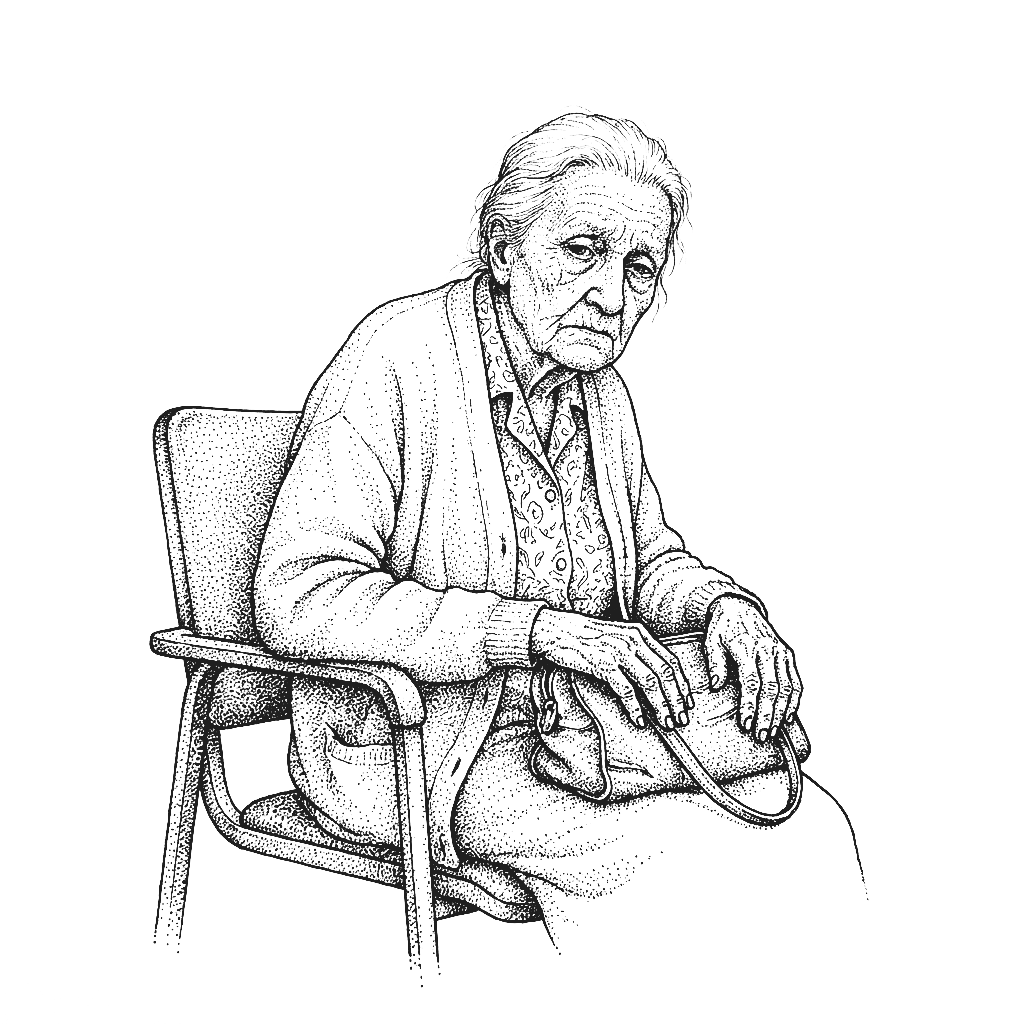
74% of clients saw measurable improvement in TSH, free T3, and reported symptom burden within the first 60 days of their personalised protocol.

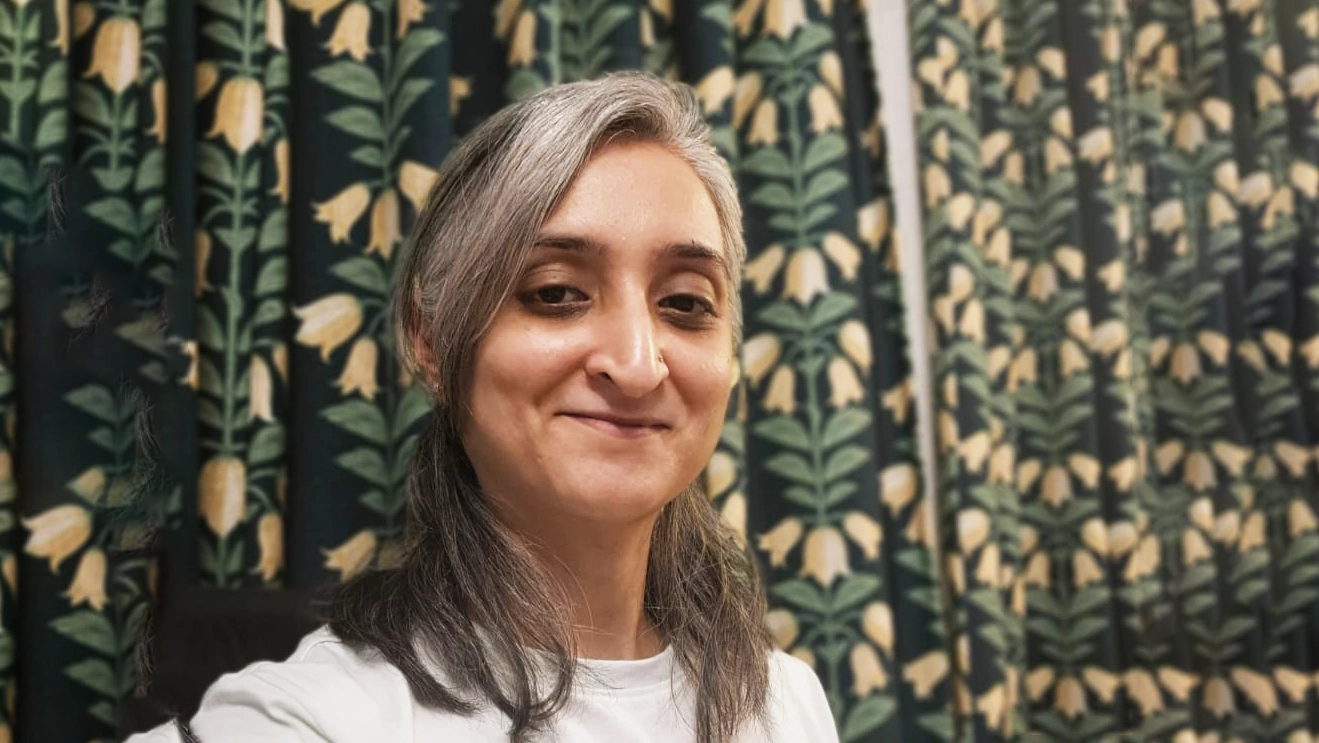
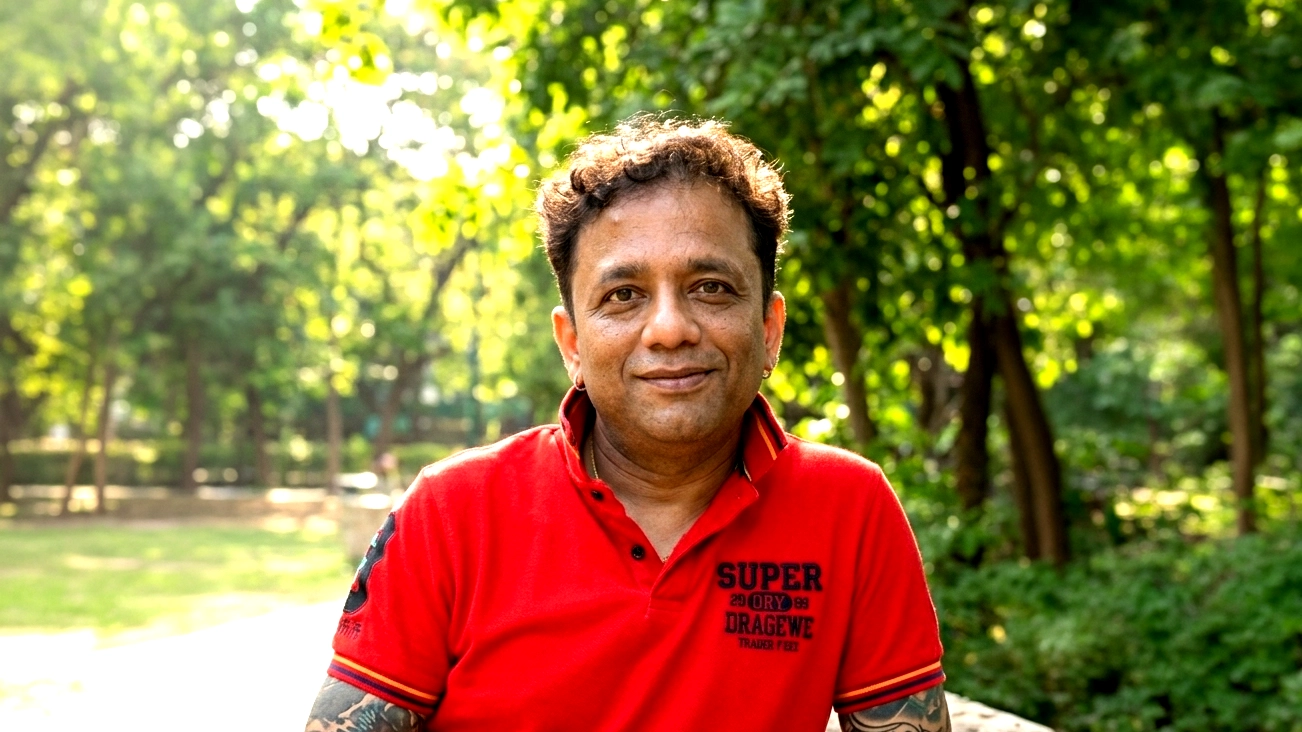
What Real Hypothyroidism Reversal Looks Like








.png)




Before
After
Before
After
Before
After
Before
After
Before
After
Before
After
Before
After
Before
After
Before
After
Before
After
Before
After
Before
After
Before
After
Before
After
How We Find and Fix the Root Cause of Hypothyroidism

Personalised Diet Protocol

Smart Supplementation

Lifestyle Interventions
FAQs
No. Levothyroxine replaces thyroid hormone but does not address why the thyroid is underproducing, whether that is autoimmune damage, poor conversion, nutrient deficiency, or gut dysfunction. When only the hormone is replaced without addressing the driver, the condition continues progressing and doses keep increasing.
For many people, meaningful reversal is possible particularly when the root cause is identified early and addressed properly. Many of our clients achieve TSH stabilisation, improved free T3, reduced antibody levels, and significantly reduced medication dependency. Reversal means the underlying dysfunction is no longer actively progressing, not that the tendency disappears entirely.
TSH measures pituitary signalling, not how much active thyroid hormone your cells are actually receiving. Free T3, reverse T3, and intracellular conversion all determine how effectively thyroid hormone functions at a cellular level. A normal TSH with low free T3 or high reverse T3 produces every hypothyroid symptom despite appearing managed on a standard panel.
Hashimoto's is the most common cause of hypothyroidism but they are not the same. Hashimoto's is an autoimmune condition where the immune system attacks the thyroid, eventually impairing its function. Not everyone with Hashimoto's has overt hypothyroidism yet, and not everyone with hypothyroidism has Hashimoto's. Identifying which is driving your condition changes the treatment approach significantly.
Not necessarily and this is one of the most important conversations to have. Lifelong medication is the default because conventional medicine treats the hormone level, not the cause. When the autoimmune driver, nutrient deficiencies, gut dysfunction, and conversion impairment are all addressed together, the thyroid often regains meaningful function. Several of our clients have had their doses reduced significantly, some discontinued entirely under medical supervision.







.svg)
Talk to our team

Talk to our team
Download Now