
Millions of Indian Women Have PCOD. Most Don't Even Know It's Different From PCOS.
Book Your Root Cause Analysis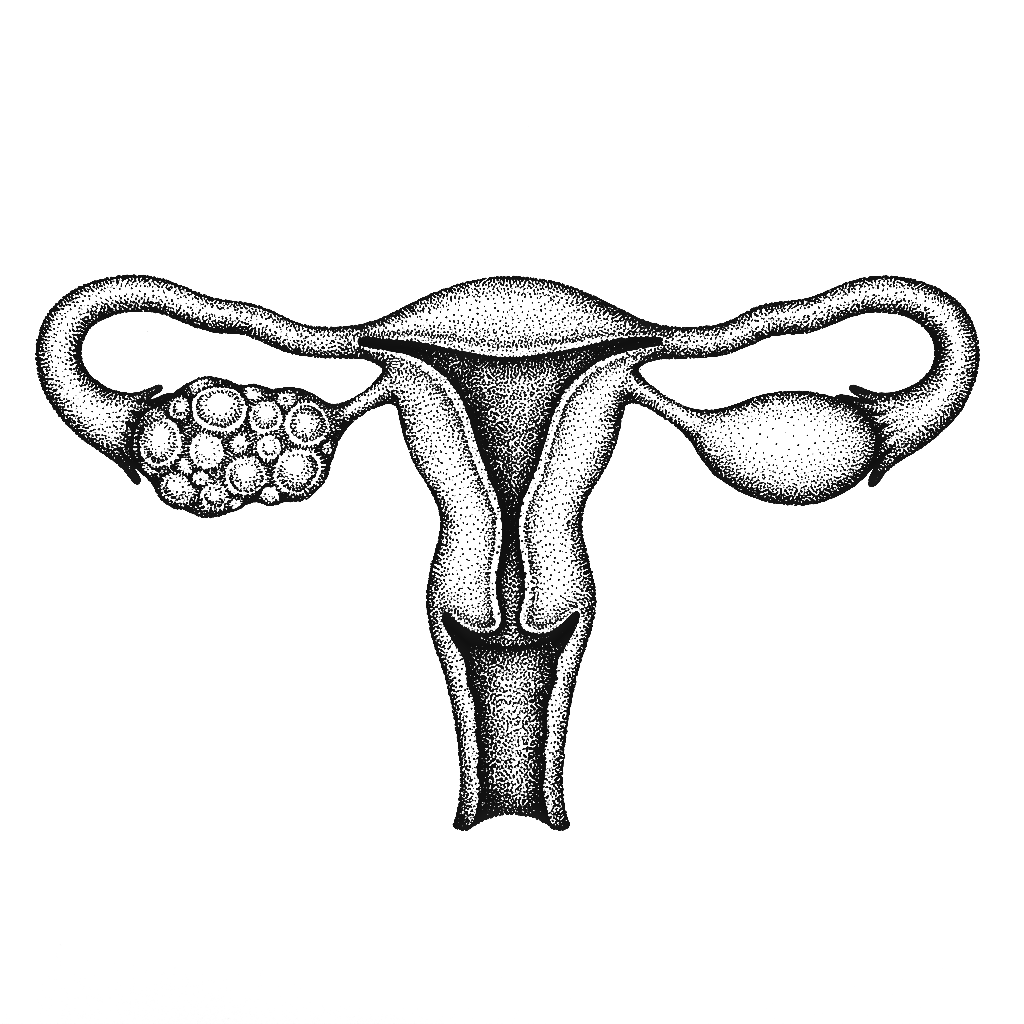
If You See Yourself Here, Don't Ignore It


PCOD Isn't What You Think It Is

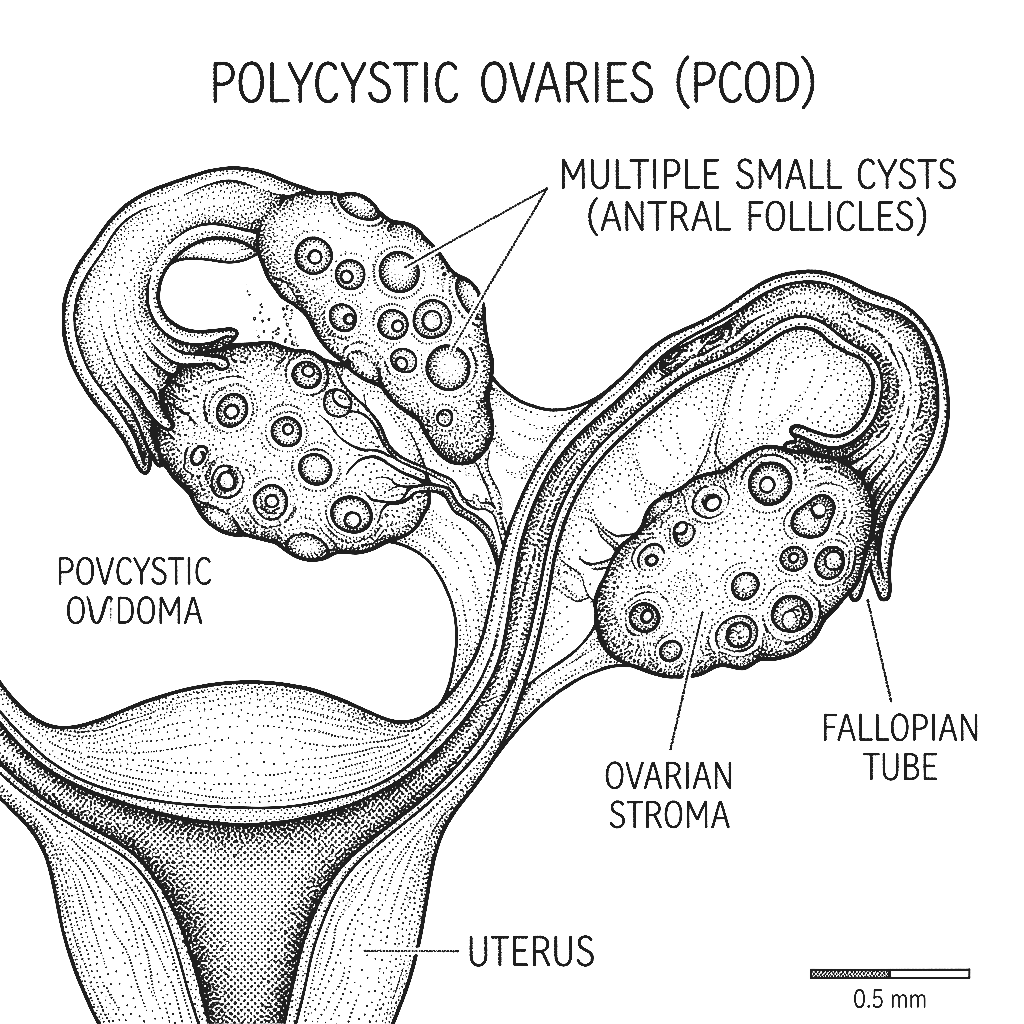
Polycystic Ovarian Disease is a condition where the ovaries become enlarged and develop multiple immature or partially mature follicles which are small fluid-filled sacs that should develop into eggs but don't. This happens because hormonal signals that normally coordinate the menstrual cycle particularly LH, FSH, and insulin are out of balance. Unlike PCOS, PCOD is primarily a functional disorder of the ovaries rather than a full metabolic syndrome, which means it is often milder in presentation but that also means it goes unaddressed for longer, quietly progressing in the background.
PCOD and PCOS are related but distinct. PCOD is a condition where the ovaries produce multiple immature follicles due to hormonal imbalance. PCOS is a broader metabolic and endocrine syndrome where androgen excess, insulin resistance, and ovulatory dysfunction are all present together. Every woman with PCOS has ovarian dysfunction but not every woman with PCOD has full PCOS. PCOD is generally less severe, more common, and easily reversible but it can progress into PCOS if the root causes are left unaddressed.
PCOD has reached near-epidemic levels in urban India, affecting 1 in 4 women of reproductive age. The drivers are familiar: diets high in refined carbohydrates and processed foods, sedentary urban lifestyles, chronic psychological stress, widespread Vitamin D and iron deficiency, disrupted sleep patterns, and increasing exposure to endocrine-disrupting chemicals in food packaging and personal care products. These factors converge to create a hormonal environment where the ovaries struggle to complete normal follicular development and PCOD is the result.
In most cases of PCOD, the ovaries aren't the starting problem, they're just responding to disrupted signals from elsewhere in the body. Elevated insulin tells the ovaries to produce more androgens. Chronic inflammation interferes with follicular development. Cortisol dysregulation from sustained stress affects the entire hormonal signalling chain. When these upstream drivers are identified and addressed, the ovaries often resume normal function on their own without medication, without the pill, and without managing symptoms indefinitely.
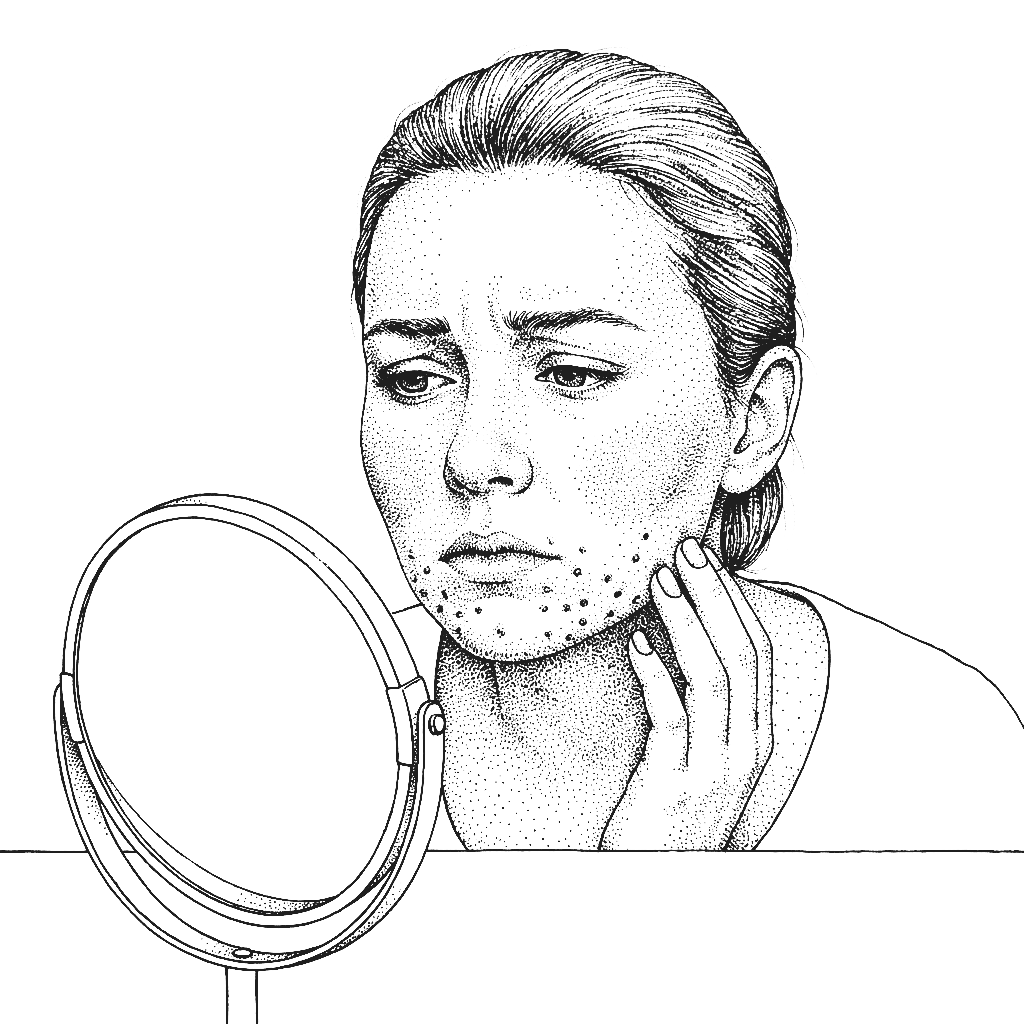
PCOD is typically identified incidentally during a pelvic ultrasound ordered for something else, or when a woman presents with irregular periods or difficulty conceiving. There is no routine screening for it. Symptoms like irregular cycles, mild acne, and weight gain around the abdomen are so common in young Indian women that they are normalised rather than investigated. Unlike PCOS, PCOD does not always produce dramatically elevated androgens or clearly abnormal hormone panels, meaning standard blood tests can appear relatively normal while the underlying follicular dysfunction and hormonal imbalance continues. Insulin levels, which are the most relevant upstream driver, are almost never tested. The result is a condition affecting 1 in 4 women that is either caught late, mismanaged with the contraceptive pill to regulate periods, or dismissed entirely until it progresses into PCOS or fertility problems bring it into focus.
The Difference Between Managing PCOD and Reversing It
CONVENTIONAL MEDICINE
- Basic hormone panel: LH, FSH, oestrogen
- Ultrasound to count follicles
- Oral contraceptive pill to regulate cycles
- Advice to lose weight and manage stress
- No investigation into what is causing the follicles to remain immature
FUNCTIONAL NUTRITION
- Root Cause Analysis with 60+ Functional Markers
- Fasting insulin, HOMA-IR, full thyroid panel, cortisol rhythm
- Inflammatory markers, gut health, complete nutrient status
- Full hormonal profile including androgens, progesterone, and oestrogen ratios
- A dedicated functional nutritionist guides every step
PCOD Isn't One Problem, It's Multiple Root Causes Working Together
Three steps to finally understanding your body

Book your Root Cause Analysis

Get your blood work done at Home

Sit down with your nutritionist
What Starts as PCOD Doesn't End There

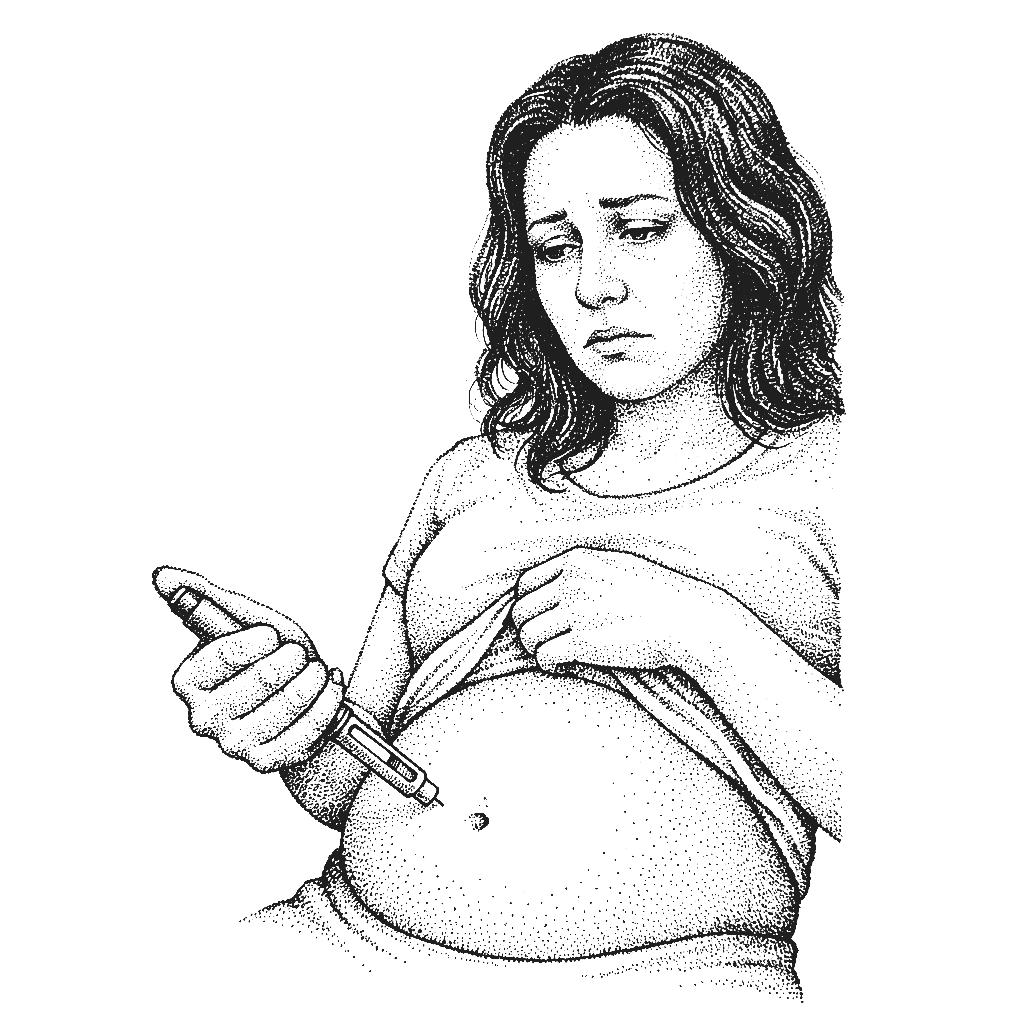
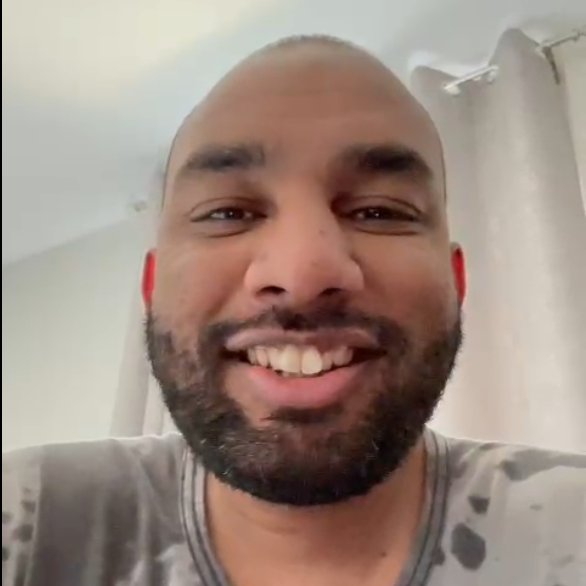
71% reported regular cycles and measurable improvement in hormonal markers within the first 60 days.

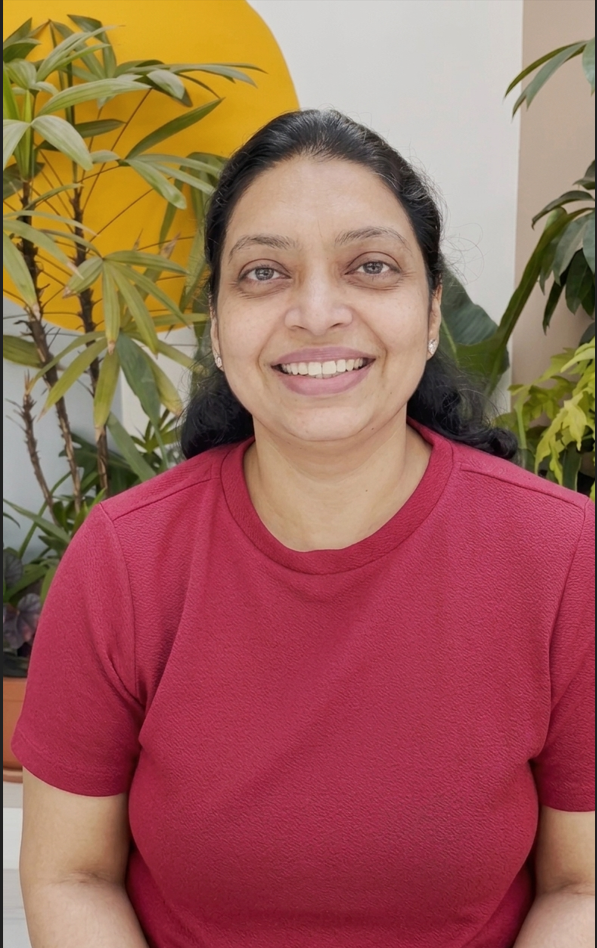
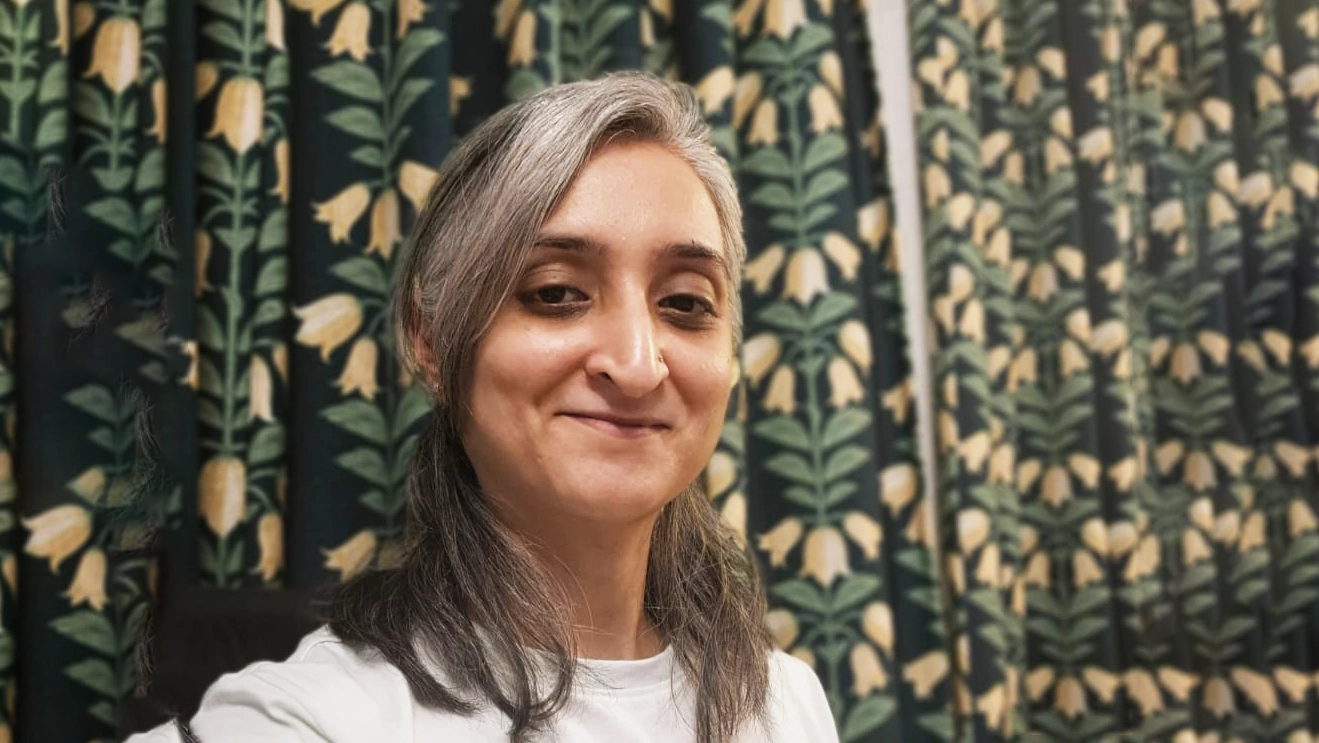
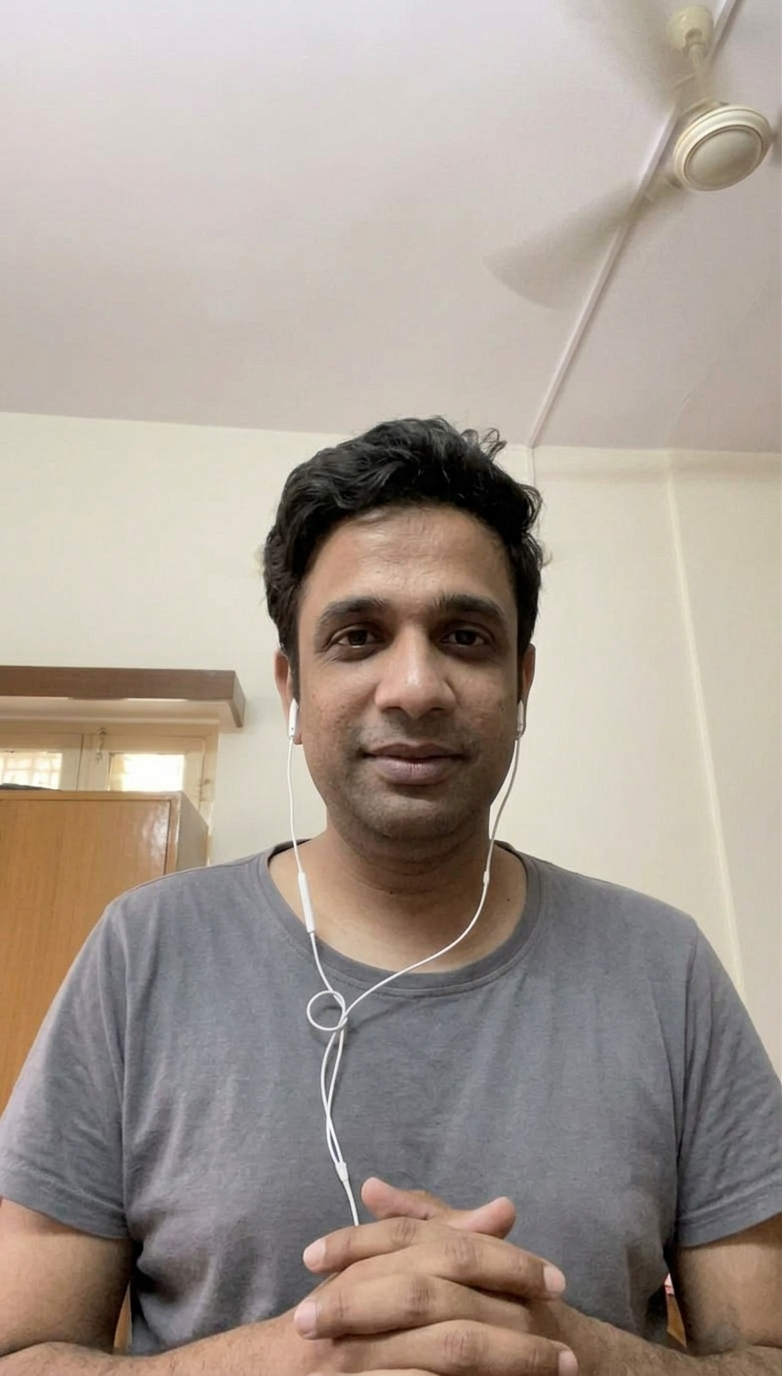
What Real PCOD Reversal Looks Like







.png)




Before
After
Before
After
Before
After
Before
After
Before
After
Before
After
Before
After
Before
After
Before
After
Before
After
Before
After
Before
After
Before
After
Before
After
How We Find and Fix the Root Cause of PCOD

Personalised Diet Protocol

Smart Supplementation

Lifestyle Interventions
FAQs
PCOD refers to multiple immature follicles in the ovaries due to hormonal imbalance. PCOS is a broader metabolic syndrome that includes androgen excess, insulin resistance, and ovulatory dysfunction together. PCOD is generally milder and more reversible but it can progress into PCOS if root causes are left unaddressed.
No. The pill suppresses your natural hormonal cycle and creates the appearance of regular periods. It does not address insulin imbalance, inflammation, gut dysfunction, or nutrient deficiencies. When you stop it, symptoms return. It is a pause, not a solution.
For most women, yes. PCOD is primarily a functional condition rather than a structural one. When the hormonal signals disrupting follicular development are identified and corrected, the ovaries often resume normal function bringing regular cycles, resolved symptoms, and improved fertility.
Yes, PCOD disrupts ovulation, which directly affects fertility. But for most women this is not permanent. When the root causes are corrected, ovulation frequently resumes naturally, and many of our clients have conceived without any assisted reproduction.
Possibly and this is why ultrasound alone is never sufficient. Some women have multiple follicles on imaging but maintain relatively regular cycles because the disruption hasn't fully suppressed ovulation yet. This is actually the best time to investigate before it progresses further.






.svg)
Talk to our team

Talk to our team
Download Now