
1 in 5 Indian Women Has PCOS. Most are managing it but you have the key to reverse it.
Book Your Root Cause Analysis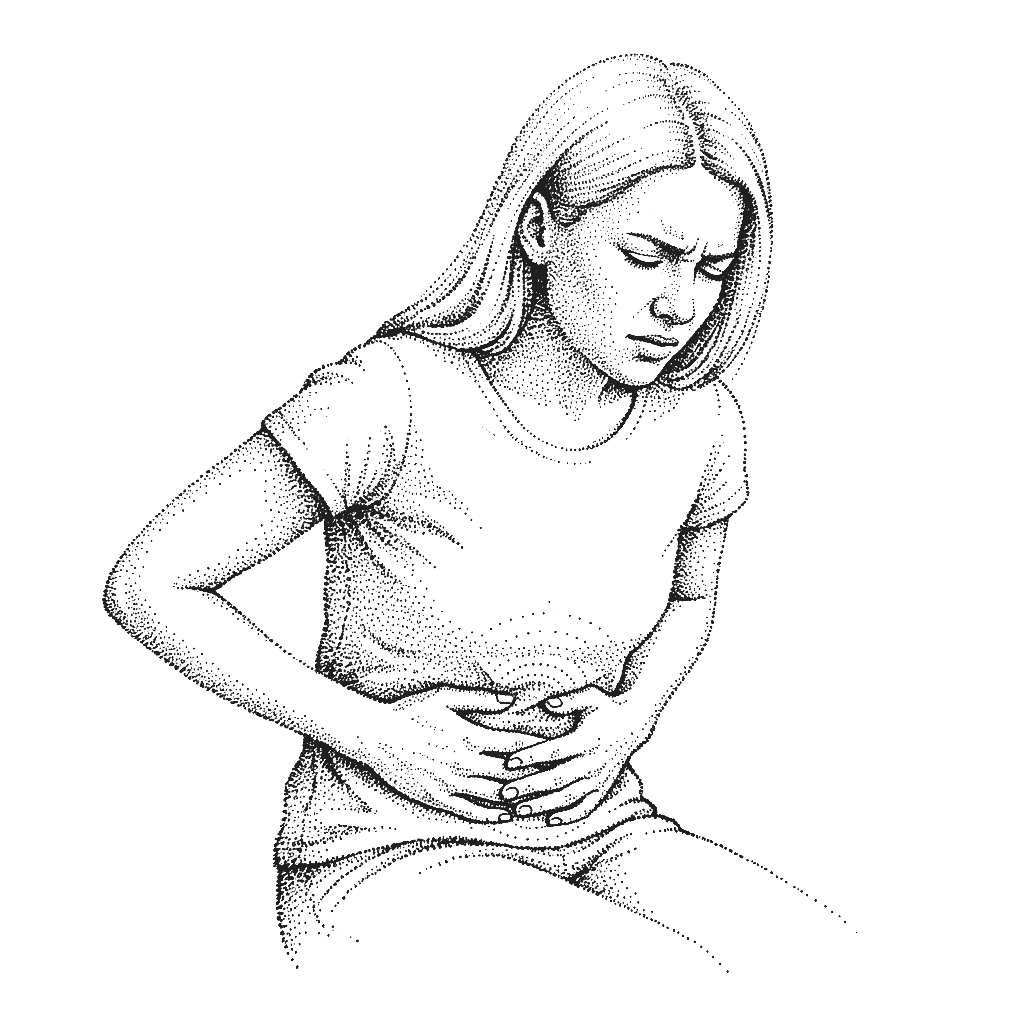
If You See Yourself Here, Don’t Ignore It

PCOS Isn’t What You Think It Is

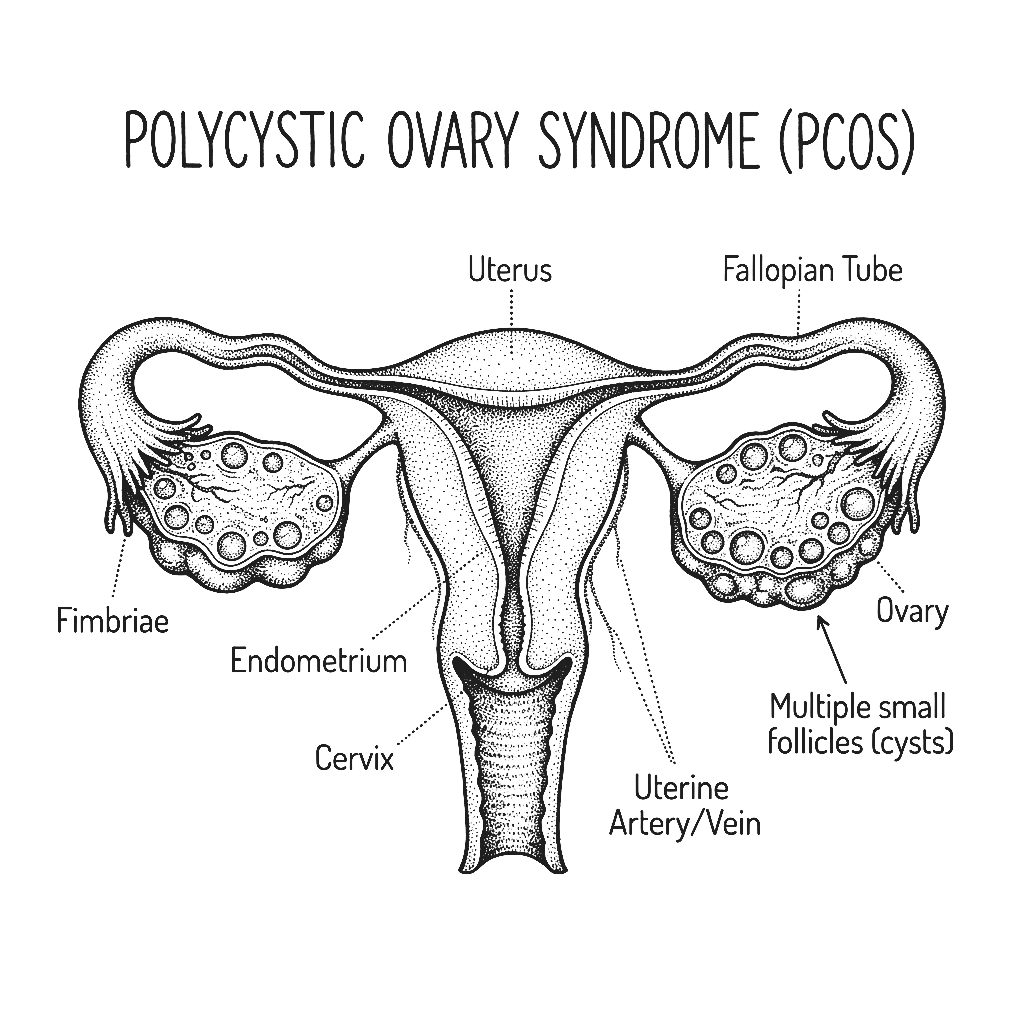
Polycystic Ovary Syndrome is a condition where a woman's metabolism and hormones go out of balance. The body starts producing higher levels of androgens, which are the hormones that women naturally have in small amounts. When these rise too much, they start interfering with how the entire system functions. This doesn’t just affect periods, it also affects hair, mood, energy, skin, fertility, and even weight. So PCOS is not just a reproductive issue, it’s a full body hormonal imbalance.
The name can be really confusing. The so-called cysts in PCOS are not actually cysts, they’re small, immature follicles that never fully developed as ovulation didn’t ever happen properly. Also, not every woman with PCOS has these follicles and not every woman who has them has PCOS. This is why diagnosis can never rely on ultrasound alone, it needs to look at hormone levels, symptoms, and overall patterns in the body.
PCOS doesn’t look the same for everyone. There are a few common patterns behind it:
- Insulin resistant PCOS
This is the most common type. It is driven by Insulin Resistance, where the body struggles to manage blood sugar properly, leading to higher androgen levels.
- Inflammatory PCOS
Here, ongoing low grade inflammation in the body potentially interferes with normal hormonal function and ovulation.
- Adrenal PCOS
This type is linked to stress and overactivity of the adrenal glands, rather than the ovaries themselves. It is often overlooked or misdiagnosed.
PCOS has become extremely common, especially in urban India. Dietary patterns high in seed oils and refined carbohydrates, sedentary lifestyles, high rates of insulin resistance in the Indian population, chronic psychological stress, and widespread Vitamin D deficiency develop near-perfect conditions for PCOS to develop and progress. On the contrary India also has one of the highest PCOS prevalence rates in the world yet awareness and correct treatment remain critically lower.
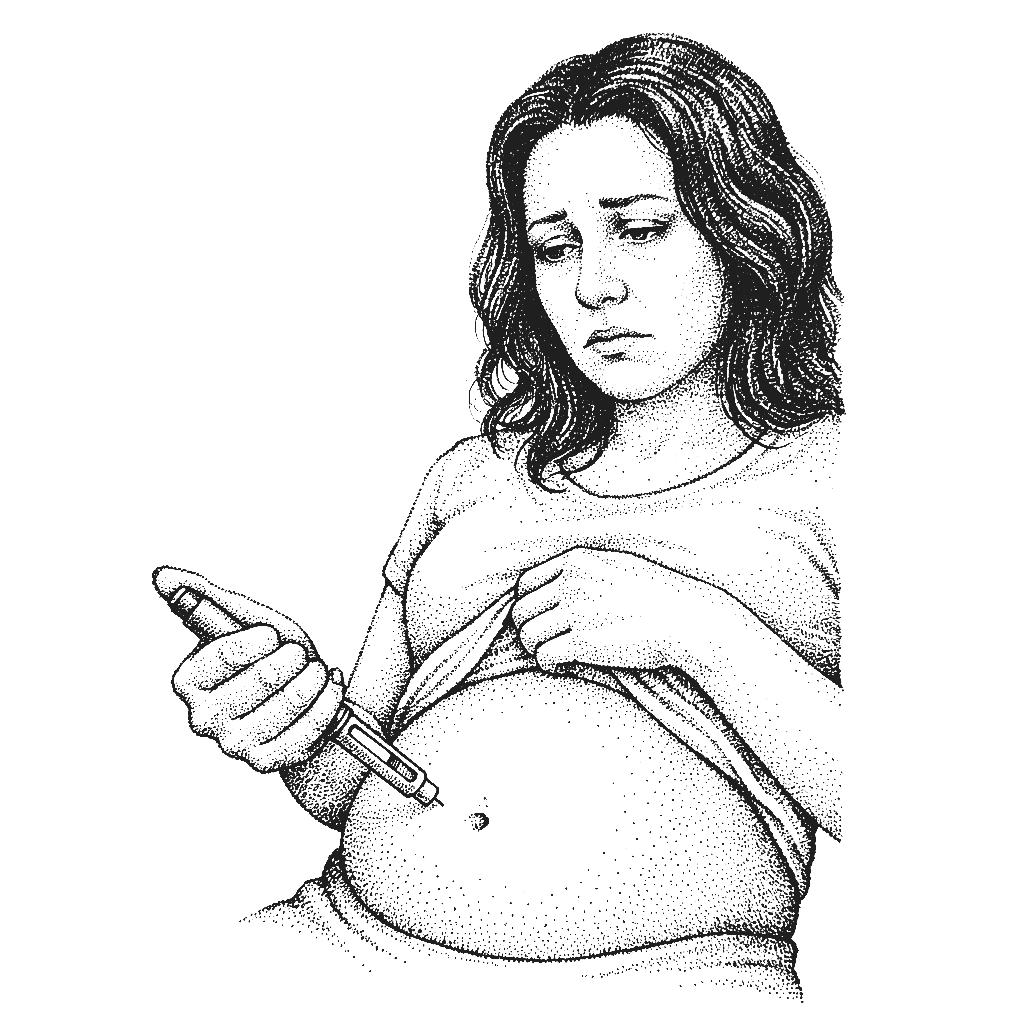
In most cases, PCOS is never the starting problem, it's the result or something deeper. For many women, that root issue is insulin resistance. When insulin levels stay high for too long, the ovaries are often pushed to produce more testosterone. That increase in testosterone is what results in many of the visible symptoms like hair fall, weight gain, acne, and irregular cycles. When you address insulin, the hormonal imbalance often starts correcting itself naturally.
The Difference Between Managing PCOS and Reversing It
CONVENTIONAL MEDICINE
- Basic blood panel: LH, FSH, total testosterone
- Ultrasound to check for follicles
- Oral contraceptive pill to stimulate cycles
- Metformin for insulin resistance
- Advice to lose weight and manage stress
FUNCTIONAL NUTRITION
- Root Cause Analysis with 60+ Functional Markers
- Fasting insulin, HOMA IR, cortisol rhythm, full thyroid panel
- Inflammatory markers, gut health, complete nutrient status
- Full androgenic profile not just total testosterone
- A dedicated functional nutritionists guides every step
PCOS Isn’t One Problem, It’s Multiple Root Causes Working Together
Three steps to finally understanding your body

Book your Root Cause Analysis

Get your blood work done at Home

Sit down with your nutritionist
What Starts as PCOS Doesn’t End There
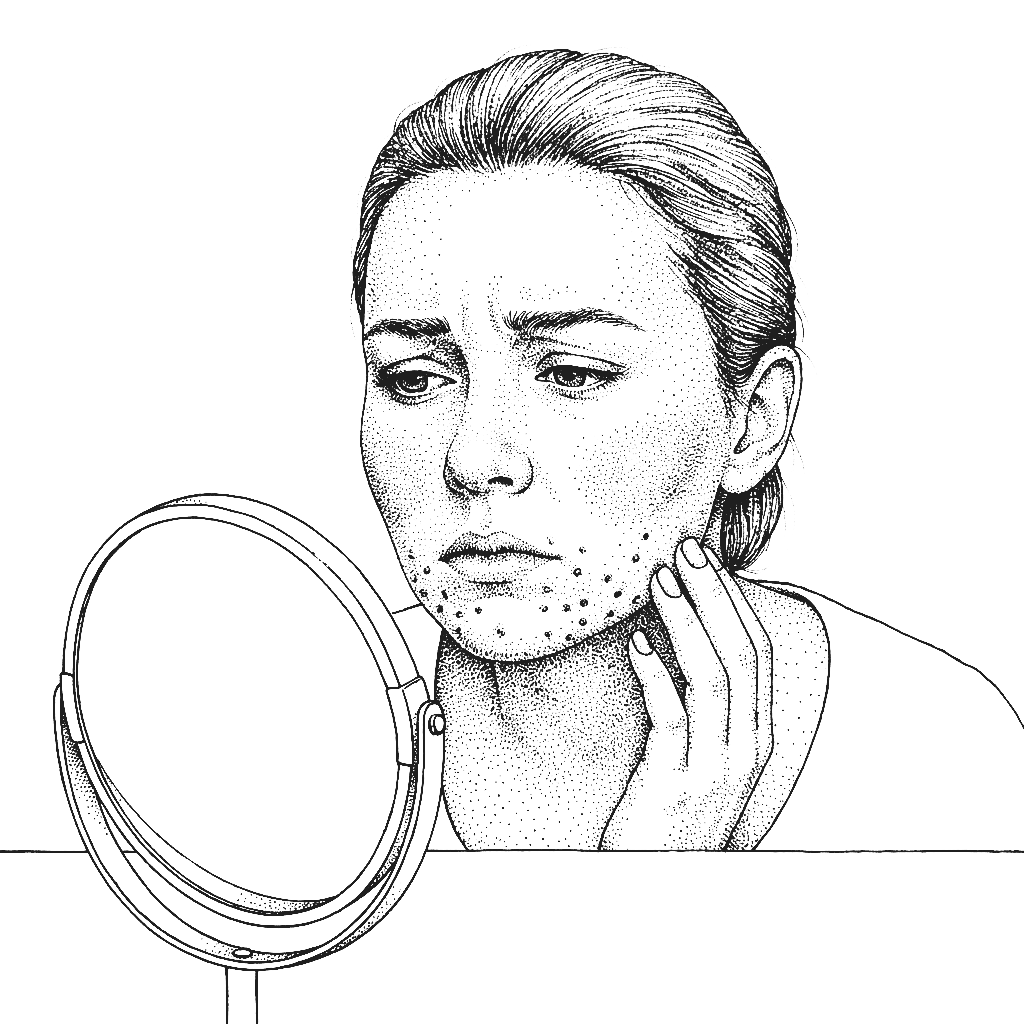

68% Reported significant reduction in acne, hair loss, and skin darkening within the first 60 days.
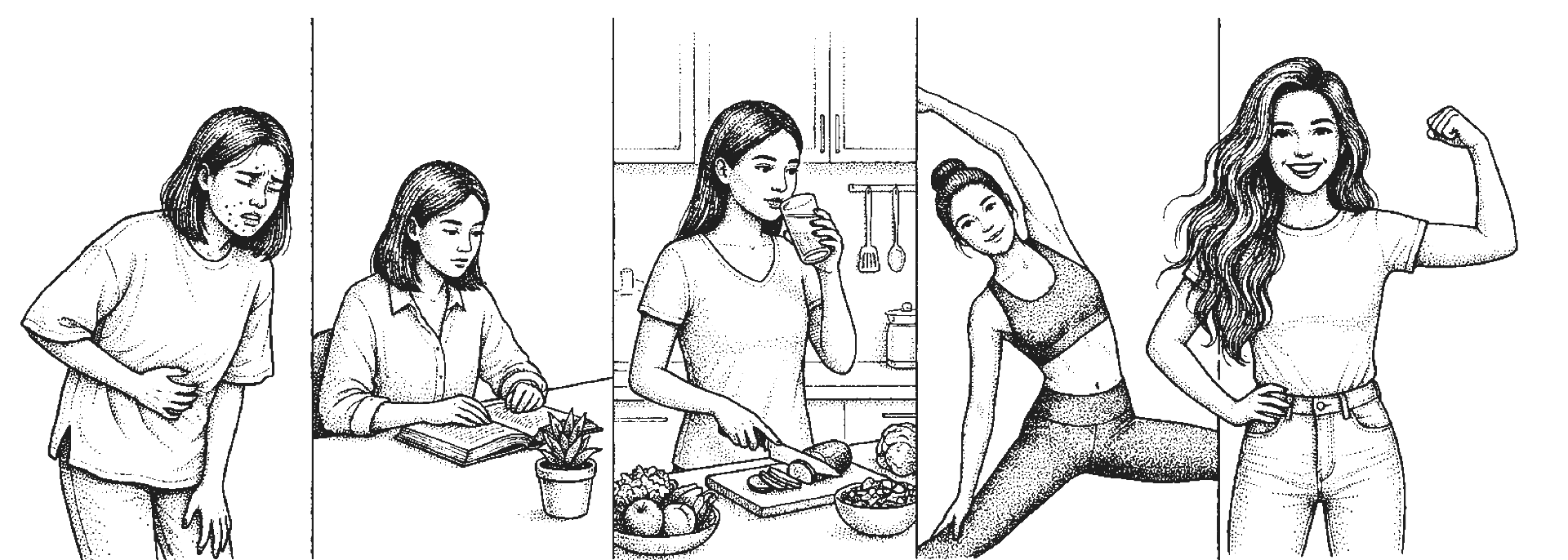
What Real PCOS Reversal Looks Like




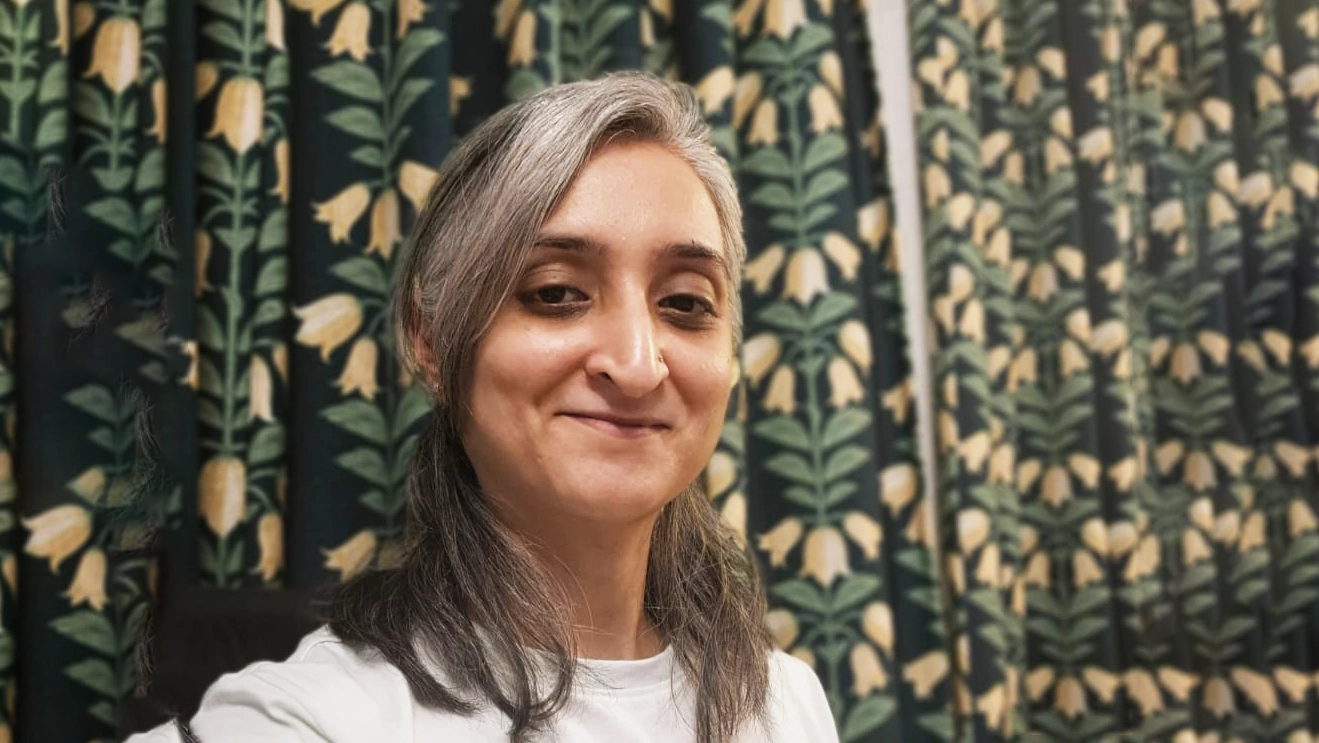
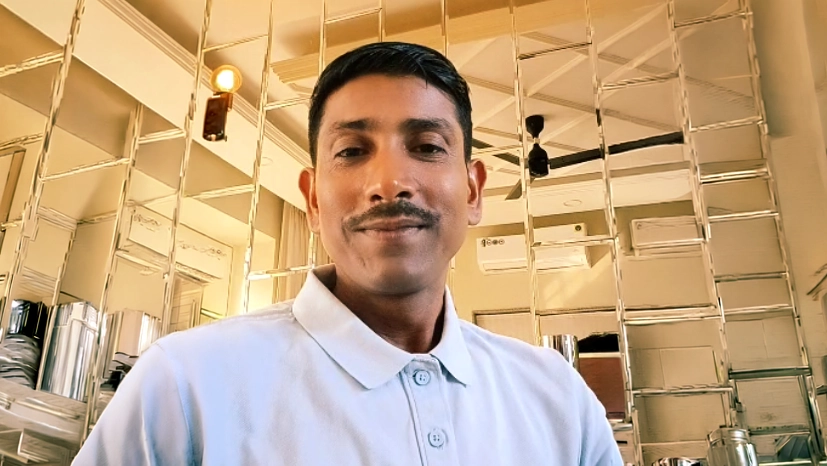


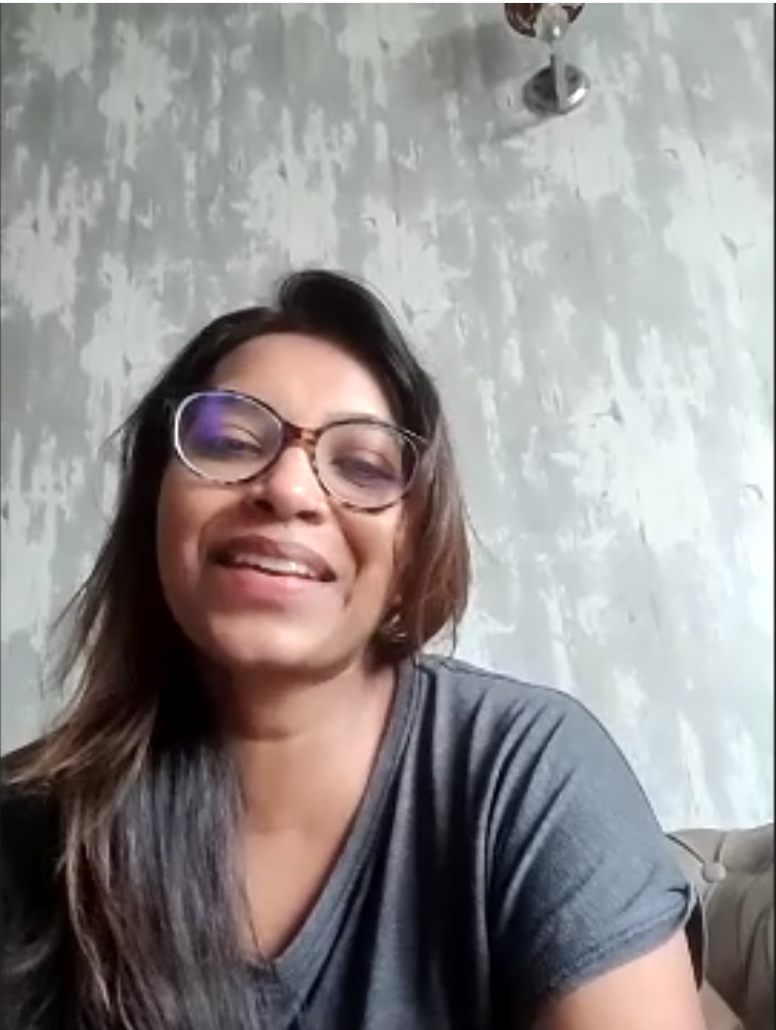
.png)




Before
After
Before
After
Before
After
Before
After
Before
After
Before
After
Before
After
Before
After
Before
After
Before
After
Before
After
Before
After
Before
After
Before
After
How We Find and Fix the Root Cause of PCOS

Personalised Diet Protocol

Smart Supplementation

Lifestyle Interventions
FAQs
No. The pill only suppresses your natural hormonal cycle and creates the appearance of regular periods. It does not address insulin resistance, inflammation, gut health, or any underlying drivers. When you stop it, symptoms usually return. It acts as a pause, not a solution.
For many women, PCOS can be reversed when the root causes are identified and addressed. This means cycles become regular, hormones stabilize, and symptoms reduce. Reversal does not mean the tendency disappears, but that it is no longer actively driving symptoms.
Weight gain in PCOS is driven by underlying insulin resistance, which makes fat loss harder regardless of effort. When you address insulin function first, weight loss becomes a natural result rather than a constant struggle.
PCOS is one of the most common causes of ovulatory infertility, but it is often reversible. When hormonal and metabolic imbalances are corrected, ovulation can resume naturally, improving the chances of conception.
Yes, directly. Hormonal imbalances, insulin resistance, and inflammation all affect brain chemistry and mood regulation. When the root causes are addressed, many women notice significant improvements in anxiety, mood, and mental clarity.







.svg)
Talk to our team

Talk to our team
Download Now