
Your Body Detoxifies Itself Every Single Day. But When the System Gets Overwhelmed, Everything Starts to Break Down.
Book Your Root Cause Analysis
If You See Yourself Here, Don't Ignore It




Detoxification Overload Isn't What You Think It Is.

The body has a sophisticated, multi-organ detoxification system primarily driven by the liver, supported by the gut, kidneys, lymphatic system, and skin that continuously processes and eliminates metabolic waste, environmental toxins, hormones, medications, and harmful byproducts of normal cellular function. Detoxification overload occurs when the volume and variety of substances requiring clearance exceeds the system's capacity to process them. When this happens, toxins recirculate, hormones fail to clear properly, inflammation builds, and every system that depends on a clean internal environment begins to dysfunction. It is not a temporary state of feeling sluggish. It is a measurable failure of biological clearance with wide-ranging downstream consequences.
The liver processes toxins through two sequential pathways that are phase 1 and phase 2 each requiring specific nutrients as cofactors. When these nutrients are depleted, when the volume of toxins entering the system is too high, or when genetic variants reduce pathway efficiency, the system backs up. Phase 1 can become overactive while phase 2 lags, producing reactive intermediates that are more harmful than the original compounds. Simultaneously, gut permeability allows toxins that should be excreted to be reabsorbed, the lymphatic system becomes congested, and the kidneys face an increased burden they are not designed to carry alone. The result is a body that is continuously trying to clear more than it can process.
The toxic burden faced by people in urban India is among the highest in the world. Air pollution, pesticide residues in food and water, heavy metals in the water supply and soil, widespread use of synthetic personal care and cleaning products, high rates of medication use, diets high in processed foods and refined carbohydrates, and chronic psychological stress, all of which directly impairs liver detoxification combine to create a continuous and significant load on the detoxification system. At the same time, the micronutrient deficiencies required to run these pathways such as B vitamins, magnesium, zinc, glutathione are extremely prevalent. The load is high and the capacity to process it is low.
Detoxification overload is rarely identified because its symptoms are diffuse and its markers are not part of standard panels. Fatigue, hormonal imbalance, skin problems, digestive issues, and brain fog are each investigated separately and each comes back inconclusive because the investigation never looks at the system responsible for processing and clearing the compounds driving all of them. When the detoxification system is assessed directly and supported specifically, the downstream conditions it has been generating very often begin to resolve.
There is no standard diagnostic test for detoxification overload and no conventional diagnosis that captures it. Liver function tests measure hepatic damage, not hepatic processing capacity; a liver can be functioning within normal range on standard tests while its detoxification pathways are significantly compromised. The nutrient cofactors required to run phase 1 and phase 2 pathways such as B vitamins, magnesium, zinc, glutathione precursors are not routinely measured. Genetic variants that reduce detoxification efficiency are never assessed. The result is that a person can have measurably impaired detoxification capacity, recirculating toxins, improperly cleared hormones, and a body-wide inflammatory burden, while every standard test comes back normal. Their symptoms are attributed to stress, investigated through specialist silos, and treated in isolation. The system responsible for clearing the compounds driving those symptoms is never examined.

Three steps to finally understanding your body
CONVENTIONAL MEDICINE
- No routine assessment of detoxification pathway function
- Symptoms managed individually with no investigation into systemic clearance failure
- No testing for toxic burden, glutathione status, or liver phase function
- Lifestyle advice that does not address specific pathway deficiencies
- No follow-up on how medication load, diet, and environment are compounding the burden
FUNCTIONAL NUTRITION
- Root Cause Analysis with 60+ functional markers
- Liver phase 1 and phase 2 detoxification capacity
- Glutathione, oxidative stress, and inflammatory markers
- Heavy metal and mycotoxin burden
- Gut health, intestinal permeability, and microbiome status
- Full nutrient panel including B vitamins, magnesium, and zinc critical for detoxification
- A dedicated functional nutritionist guides every step
Detoxification Overload Isn't One Problem. It's Multiple Root Causes Working Together.

Three steps to finally understanding your body

Book your Root Cause Analysis

Get your blood work done at Home

Sit down with your nutritionist
What Starts as Overload Doesn't End There


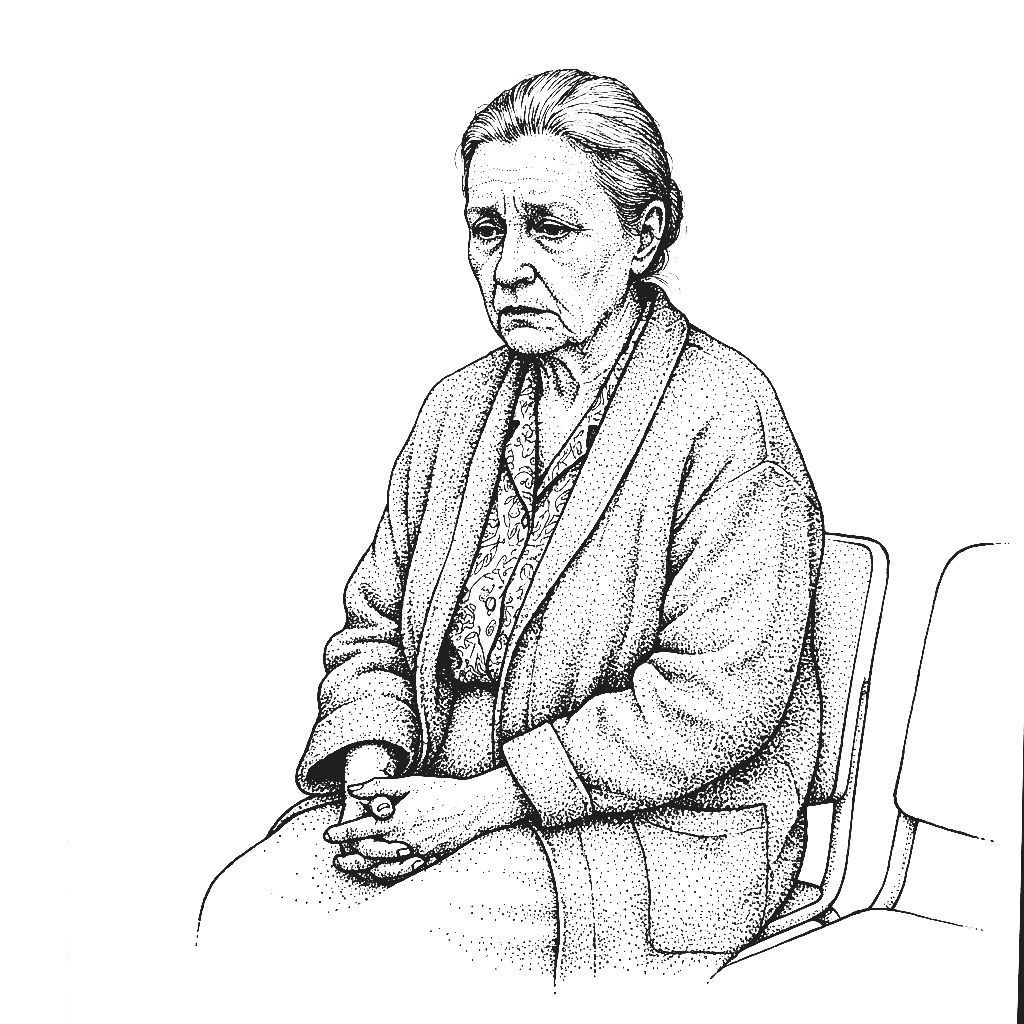
73% of clients presenting with multi-system symptoms identified critically impaired detoxification pathways as a primary root cause and reported measurable improvement in 60 days of protocol.

They felt the same way you do right now.











.png)





Before
After
Before
After
Before
After
Before
After
Before
After
Before
After
Before
After
Before
After
Before
After
Before
After
Before
After
Before
After
Before
After
Before
After
How We Find and Fix the Root Cause of Detoxification Overload

Personalised Diet Protocol

Smart Supplementation

Lifestyle Interventions
FAQs
Because commercial cleanses do not assess or address the specific pathways that are failing. Detoxification requires precise nutrient cofactors at specific points in the process and without knowing which pathways are impaired and which nutrients are depleted, a generic cleanse is unlikely to do anything meaningful. A targeted protocol based on your actual markers is categorically different.
Directly. The liver is responsible for clearing used hormones such as oestrogen, cortisol, and testosterone among them. When clearance is impaired, these hormones recirculate and accumulate, driving imbalance. Oestrogen dominance, irregular cycles, low testosterone, and adrenal dysfunction are all common downstream consequences of poor detoxification that resolve when clearance is restored.
Yes. Detoxification capacity is determined by genetics, nutrient status, toxic burden, gut integrity, and the volume of environmental exposure, none of which are fully addressed by diet and exercise alone. Many people with good lifestyle habits still carry significant detoxification impairment because the inputs required to run the pathways are depleted or the burden from environment and prior exposure is simply too high.
Very commonly. The skin is one of the body's secondary detoxification organs and when the primary pathways are overwhelmed, the burden is partially offloaded through the skin producing acne, rashes, dullness, and excess sweating. Addressing the liver and gut pathways directly very often resolves skin conditions that topical treatments have failed to touch.
Each specialist investigates their own system in isolation. A gastroenterologist looks at the gut, a dermatologist at the skin but neither is assessing the detoxification system as a whole or the upstream burden driving dysfunction in both. Functional nutrition connects those dots and addresses the system rather than its individual downstream expressions.







.svg)
Talk to our team

Talk to our team
Download Now