
Those with Mold Exposure are Living with It But Have No Idea.
Book Your Root Cause Analysis
If You See Yourself Here, Don't Ignore It





Mold Exposure Isn't a Niche Problem. It's a Widely Missed One.

Mold is a fungus that grows in damp, poorly ventilated environments. When mold colonies form, they release mycotoxins, the toxic compounds that, when inhaled or ingested over time, accumulate in the body and interfere with immune function, hormonal regulation, neurological health, and cellular energy production. Not everyone exposed to mold reacts the same way. Genetic variations in detoxification capacity mean some people clear mycotoxins efficiently while others accumulate them. Those who accumulate them become progressively more unwell, often without ever connecting their symptoms to their environment.
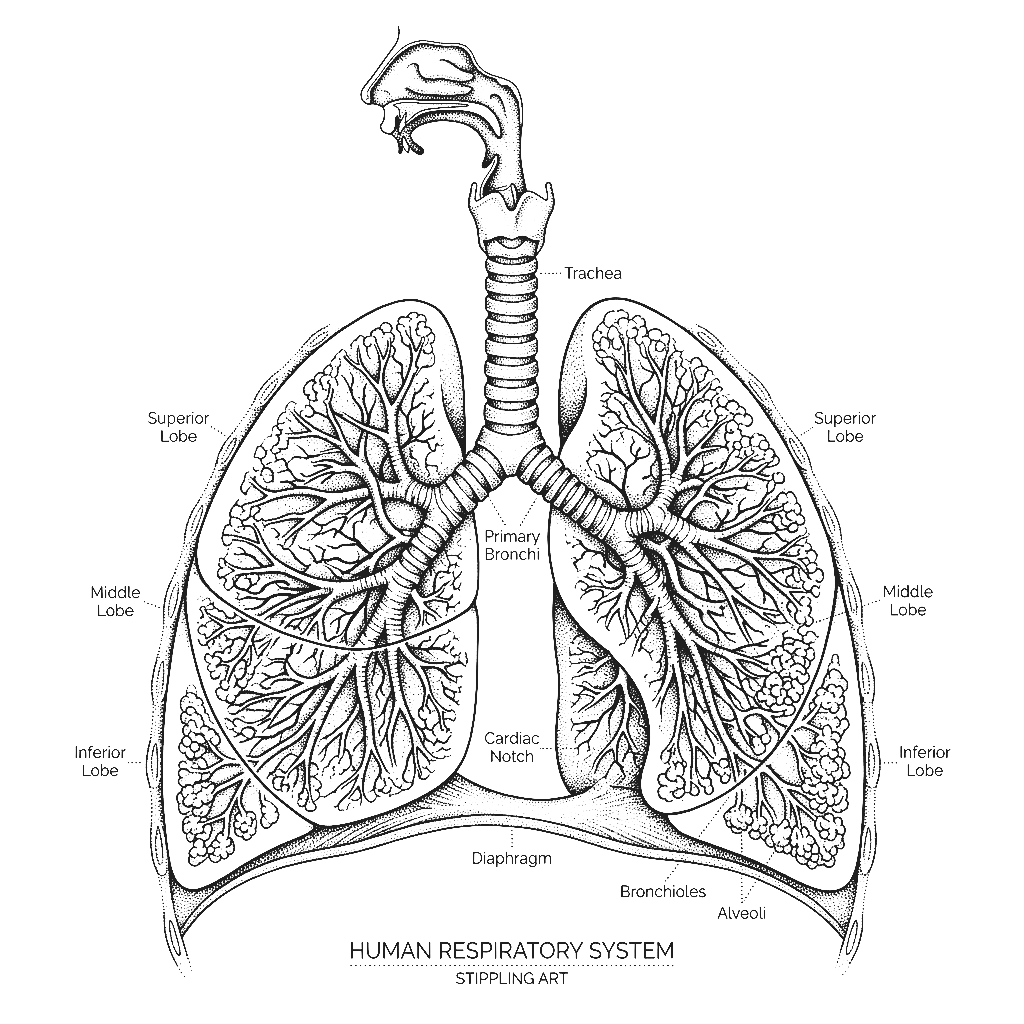
Standard medical testing does not include mycotoxin panels or mold-specific immune markers. When someone presents with fatigue, brain fog, respiratory symptoms, and chemical sensitivities, they are typically worked up for allergies, autoimmune conditions, or psychiatric causes and not environmental toxin exposure. Without the right tests, the diagnosis is never made. Meanwhile the person continues to be exposed and continues to deteriorate, accumulating a symptom picture that becomes increasingly complex and difficult to attribute to a single cause.
India's climate such as high humidity, monsoon seasons, older building stock, and inadequate ventilation in urban housing creates conditions highly favourable to mold growth. Air conditioning units, water-damaged walls, bathrooms, and kitchens are common sites. The problem is compounded by low awareness among both patients and clinicians. Mold illness is rarely on anyone's differential diagnosis list, which means the vast majority of people affected are never identified.
Mycotoxin exposure does not cause a single recognisable condition. It causes systemic dysfunction such as immune dysregulation, inflammation, hormonal disruption, gut damage, and neurological impairment that mimics or overlaps with dozens of other diagnoses. This is why mold illness frequently goes unidentified for years. The right question is not which condition does this person have, it is what environmental and toxic burden is driving their immune and metabolic dysfunction. Address that, and the body's ability to recover is often remarkable.
Mycotoxin illness produces a symptom picture that overlaps convincingly with multiple recognised conditions like chronic fatigue syndrome, fibromyalgia, autoimmune disease, anxiety, depression, and respiratory allergy. Each specialist sees their own piece of it and treats it accordingly. The fatigue gets attributed to depression, the brain fog to anxiety, the joint pain to early arthritis, the chemical sensitivities to psychological factors. Tests come back unremarkable because the right tests are never ordered. Mycotoxin urine panels, mold-specific antibodies, and HLA-DR genetic typing that identifies poor detoxification capacity are not part of any standard workup. The result is a person accumulating diagnoses and medications for conditions that are all downstream expressions of a single environmental exposure that has never been identified. The environment is the diagnosis. Until it is investigated, nothing else resolves.
Three steps to finally understanding your body
CONVENTIONAL MEDICINE
- Antihistamines or steroids for respiratory symptoms
- Antidepressants or anxiolytics for mood and cognitive symptoms
- No mycotoxin testing or environmental exposure assessment
- No investigation into immune dysregulation or detoxification capacity
- Symptoms treated in isolation with no connecting framework
FUNCTIONAL NUTRITION
- Root Cause Analysis with 60+ functional markers
- Inflammatory markers, immune activation, and oxidative stress
- Liver detoxification capacity and phase 1 and 2 pathway function
- Gut health, intestinal permeability, and microbiome status
- Full nutrient panel including glutathione, zinc, and B vitamins critical for detoxification
- A dedicated functional nutritionist guides every step
Mold Illness Isn't Just About Mold. It's Multiple Root Causes Working Together.

Three steps to finally understanding your body

Book your Root Cause Analysis

Get your blood work done at Home

Sit down with your nutritionist
What Starts as Mold Exposure Doesn't End There


71% of clients who came to us with no clear diagnosis and a history of environmental exposure identified mycotoxin burden or impaired detoxification as a primary root cause and reported measurable improvement in energy, cognition, and symptom load within 60 days of their personalised protocol.

They felt the same way you do right now.











.png)





Before
After
Before
After
Before
After
Before
After
Before
After
Before
After
Before
After
Before
After
Before
After
Before
After
Before
After
Before
After
Before
After
Before
After
How We Find the Toxic Burden Nobody Else Has Looked For

Personalised Diet Protocol

Smart Supplementation

Lifestyle Interventions
FAQs
Yes. Exposure can occur in workplaces, cars, older buildings, or previous homes and the effects persist long after the exposure ends because mycotoxins accumulate in tissue. You do not need to be currently exposed to be currently affected.
You likely wouldn't without specific testing. Mold illness mimics dozens of other conditions and standard panels don't test for it. Functional markers assessing inflammation, immune activation, detoxification capacity, and gut health alongside a thorough symptom and exposure history are what allow the picture to emerge.
In people with efficient detoxification genetics, yes to a degree. But in those with impaired detoxification pathways, which is a significant portion of the population, mycotoxins accumulate faster than they are cleared. Targeted nutritional support for detoxification is required to shift this effectively.
Mold allergy is recognised. Mycotoxin illness as a systemic condition is less consistently acknowledged in conventional practice, which is a large part of why so many people go undiagnosed for years. The functional and environmental medicine literature is substantially more advanced in this area.
Because mycotoxins bind to fat tissue, the gut lining, and other tissues and don't clear spontaneously. Removing the source stops ongoing exposure but does not clear the existing burden. Active detoxification support is needed for symptoms to resolve.







.svg)
Talk to our team

Talk to our team
Download Now