
India Is the Diabetes Capital of the World. Most People With Prediabetes Have No Idea They Have It.
Book Your Root Cause Analysis
If You See Yourself Here, Don't Ignore It




Heading: Prediabetes and Type 2 Diabetes Aren't What You Think They Are

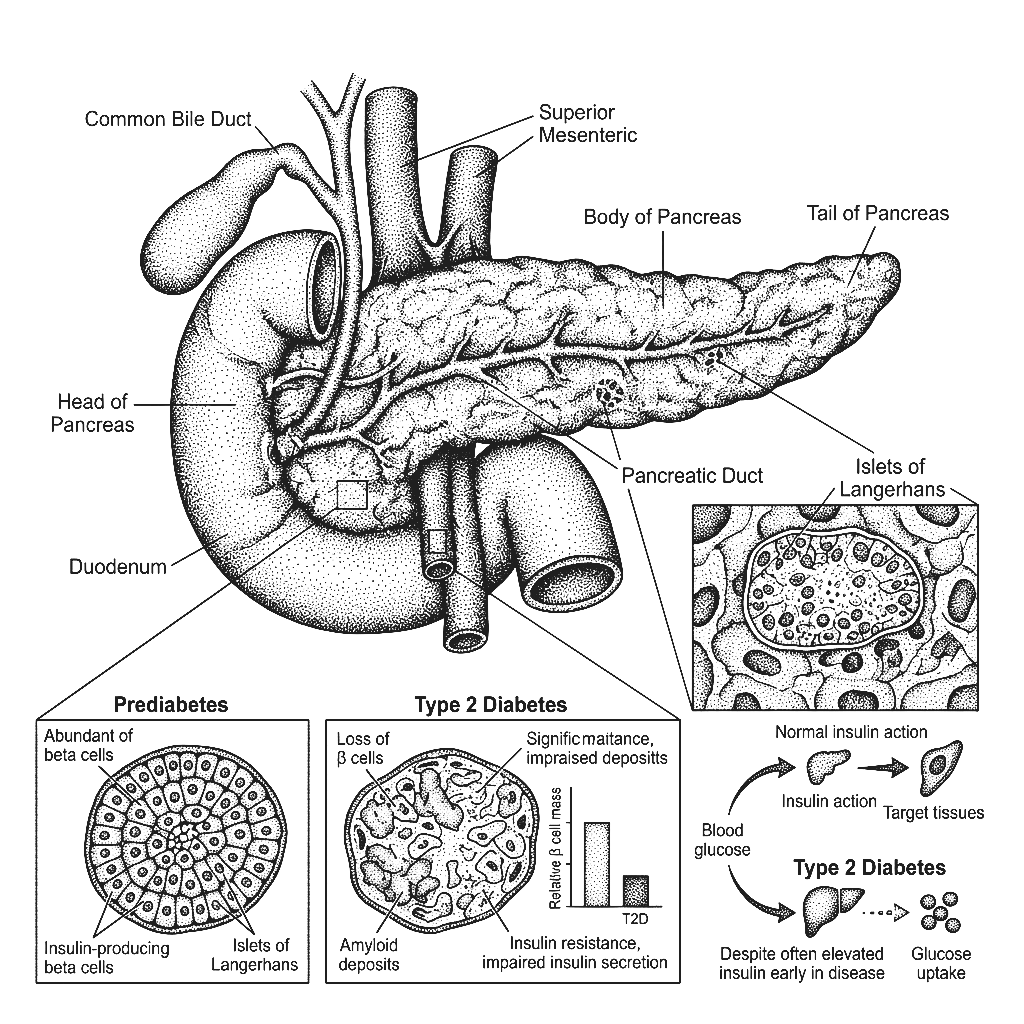
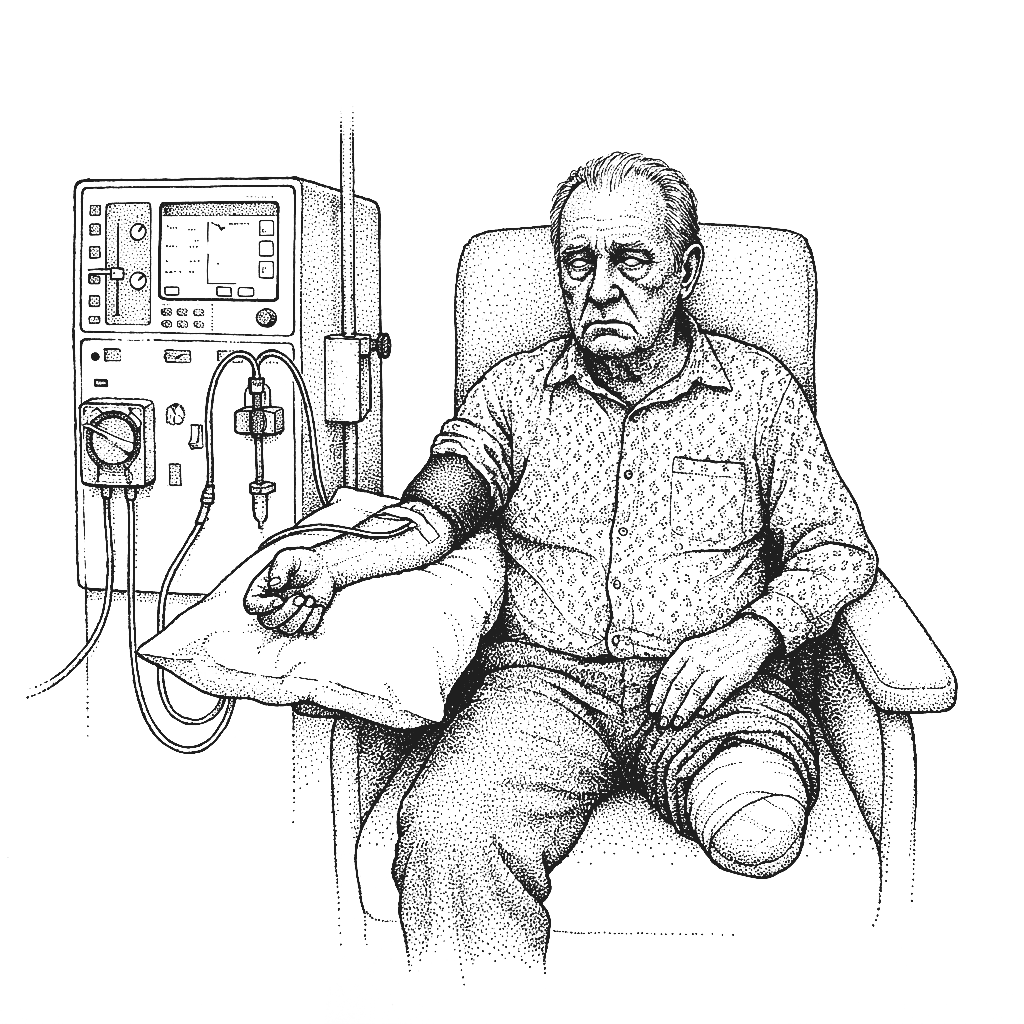
Prediabetes is a metabolic state in which blood glucose levels are elevated above normal but have not yet reached the threshold for a type 2 diabetes diagnosis. It is not a safe zone. It is a clear signal that insulin resistance has been progressing for years and that without intervention the trajectory leads directly to type 2 diabetes typically within five to ten years. Type 2 Diabetes is the stage at which the pancreas can no longer compensate for insulin resistance through increased insulin production like blood glucose rises to consistently abnormal levels and the progressive damage to blood vessels, nerves, kidneys, eyes, and heart begins. Both are not inevitable destinations. They are points on a continuum that is reversible when the right intervention happens at the right time.
India has over 100 million people with type 2 diabetes, the second highest number in the world and an estimated 130 million with prediabetes. Indians develop type 2 diabetes at younger ages, lower body weights, and lower BMI thresholds than Western populations due to a genetic predisposition toward central fat storage, higher baseline inflammation, and a metabolic profile that makes insulin resistance develop faster and more severely. The rapid dietary transition toward refined carbohydrates and ultra-processed foods over the past three decades has accelerated this dramatically. India's diabetes epidemic is not simply a consequence of overeating, it is a metabolic crisis driven by a specific convergence of genetic susceptibility and modern environmental triggers.
Standard screening uses fasting glucose and HbA1c. Both miss the years of insulin resistance that precede glucose elevation entirely. By the time fasting glucose reaches the prediabetic range significant metabolic damage has already accumulated to blood vessels, kidneys, and nerves that is not captured in the glucose reading. Fasting insulin and HOMA-IR would identify insulin resistance a decade before glucose becomes abnormal but are almost never included in routine panels. The result is that the vast majority of people with prediabetes are never identified until they reach the diabetes threshold and many are never identified at all.
Type 2 diabetes is managed as a glucose problem requiring glucose-lowering medication. What it actually is is the end stage of a decades-long metabolic deterioration driven by insulin resistance, chronic inflammation, gut dysfunction, nutrient depletion, and lifestyle factors that have never been addressed. Metformin lowers glucose. It does not restore insulin sensitivity, repair the gut, correct nutrient deficiencies, or address the inflammatory burden driving progressive metabolic damage. Addressing those drivers and type 2 diabetes is not only manageable for a significant proportion of people it is fully reversible.
The progression follows a clear trajectory that unfolds over years or decades. In the first stage insulin resistance develops silently, like the cells stop responding normally to insulin, the pancreas compensates by producing more, and blood glucose remains completely normal. Standard tests miss this entirely. In the second stage compensation begins to fail, post-meal glucose rises above optimal while fasting glucose stays normal, a pattern called impaired glucose tolerance that only a glucose tolerance test would detect. In the third stage fasting glucose rises into the prediabetic range, metabolic damage to blood vessels, kidneys, and nerves is already accumulating. In the fourth stage the pancreas exhausts its compensatory capacity, fasting glucose becomes consistently abnormal, and a type 2 diabetes diagnosis is finally made. At every stage before the last the progression is measurable, addressable, and in most cases reversible. The diagnosis at stage four is not the beginning of the problem. It is the end of a long silent continuum.
The Difference Between Managing Blood Sugar and Reversing the Condition
CONVENTIONAL MEDICINE
- Fasting glucose and HbA1c for diagnosis and monitoring
- Metformin as first line medication at diagnosis
- Escalating medication including sulphonylureas and insulin as glucose worsens
- Advice to reduce sugar intake, lose weight, and exercise more
- Monitoring for complications including kidney, eye, and nerve damage
- No investigation into insulin resistance, gut health, or inflammatory drivers
FUNCTIONAL NUTRITION
- Root Cause Analysis with 60+ functional markers
- Fasting insulin, HOMA-IR, and full glucose metabolism panel
- Full lipid panel, inflammatory markers, and oxidative stress indicators
- Gut health, microbiome assessment, and intestinal permeability
- Full nutrient panel including magnesium, zinc, vitamin D, and B vitamins
- Cortisol rhythm and adrenal function markers
- A dedicated functional nutritionist guides every step
Prediabetes and Type 2 Diabetes Aren't One Problem. They're Multiple Root Causes Working Together.

Three steps to finally understanding your body

Book your Root Cause Analysis

Get your blood work done at Home

Sit down with your nutritionist
What Starts as Prediabetes Doesn't End There


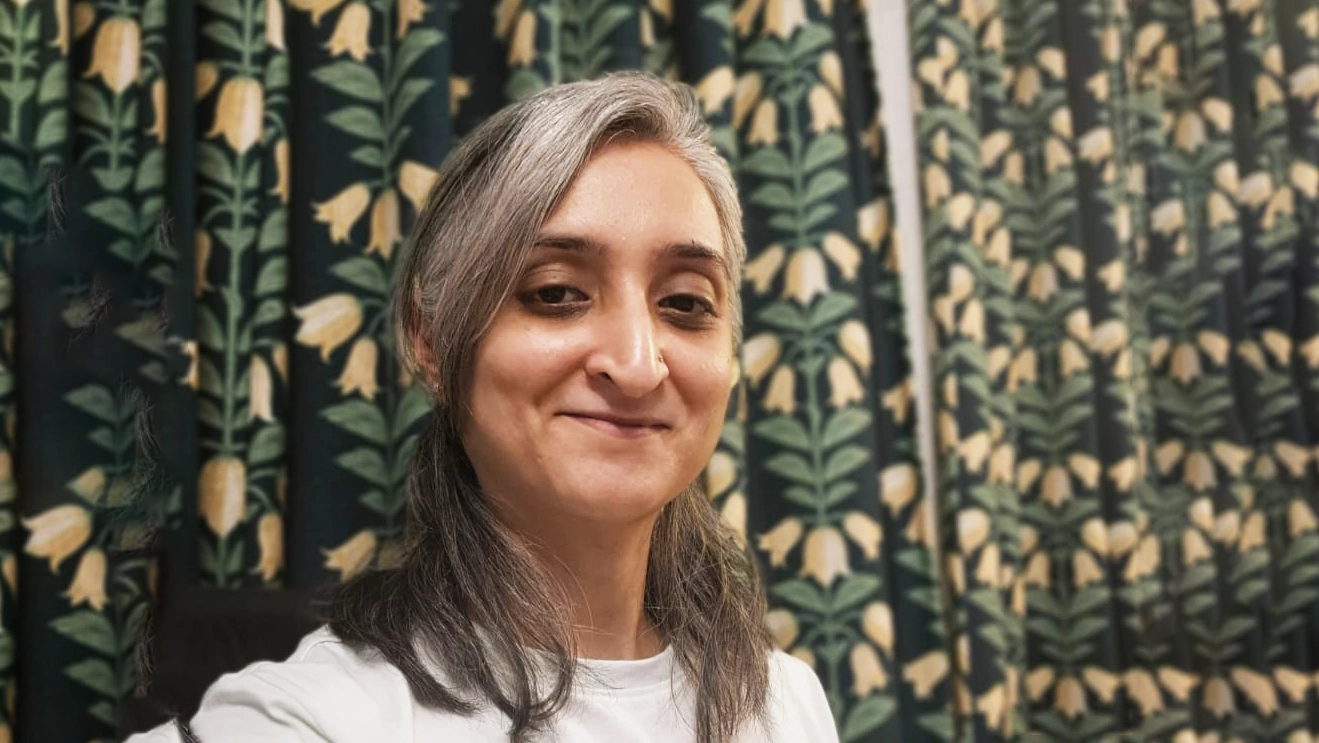
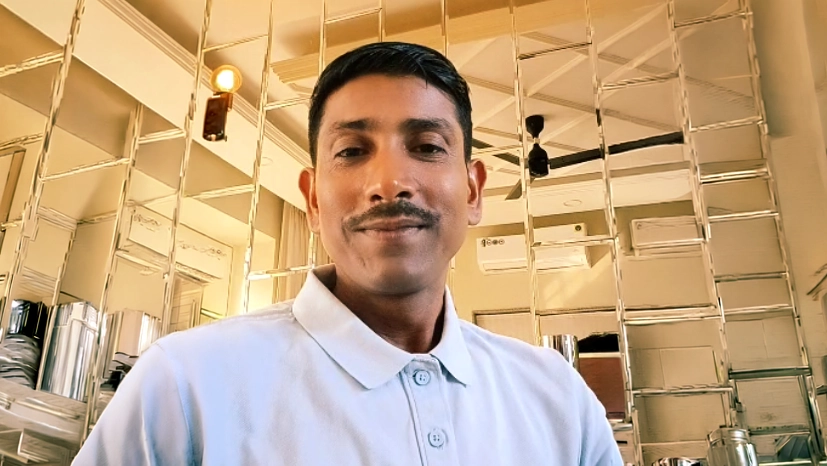
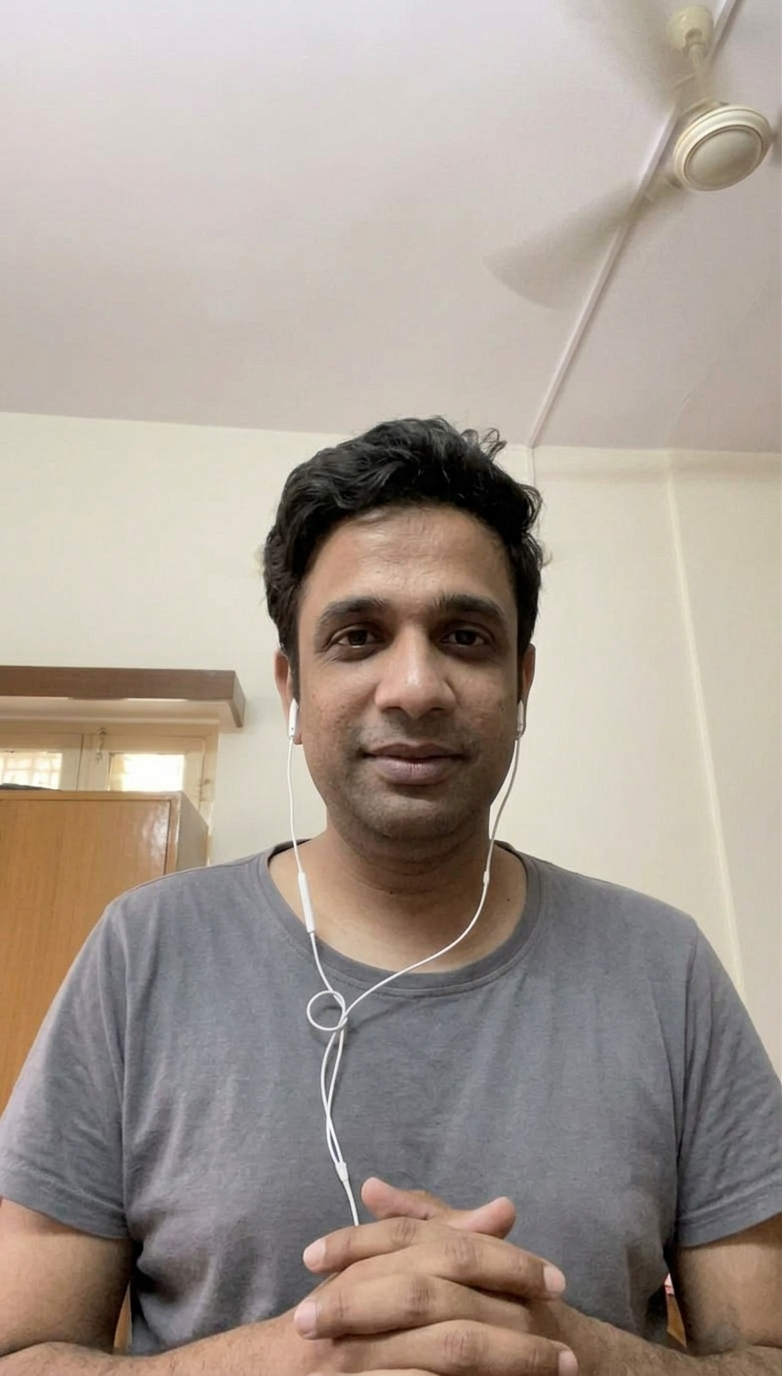
76% of clients with prediabetes or type 2 diabetes reported measurable improvement in fasting glucose, insulin sensitivity, and energy levels within the first 60 days of their personalised protocol.

They felt the same way you do right now.








.png)




Before
After
Before
After
Before
After
Before
After
Before
After
Before
After
Before
After
Before
After
Before
After
Before
After
Before
After
Before
After
Before
After
Before
After
How We Find and Fix the Root Cause of Prediabetes and Type 2 Diabetes

Personalised Diet Protocol

Smart Supplementation

Lifestyle Interventions
FAQs
Not necessarily and this is the most important thing to understand about a prediabetes diagnosis. Prediabetes is fully reversible when the underlying insulin resistance and metabolic drivers are identified and addressed. Studies consistently show that comprehensive lifestyle and nutritional intervention is more effective than medication at preventing progression from prediabetes to type 2 diabetes. A prediabetes diagnosis is the clearest possible signal that intervention is needed now, not in six months at the next retest.
For a significant proportion of people particularly those diagnosed within the past five to ten years type 2 diabetes is fully reversible. When insulin resistance is corrected, pancreatic function is supported, and the inflammatory and metabolic drivers are addressed, blood glucose normalises and medication becomes unnecessary. Reversal is well documented in the medical literature and is achievable through targeted nutritional and lifestyle intervention, and not just caloric restriction.
Yes. Metformin lowers glucose but does not address the underlying insulin resistance, gut dysfunction, nutrient depletion, or inflammatory burden driving the condition. Functional nutrition works alongside your existing medication and in many cases as the root causes are addressed and insulin sensitivity improves medication requirements are always reduced in collaboration with your doctor.
Yes. A slightly elevated HbA1c reflects years of metabolic deterioration that has already been occurring. The damage to blood vessels and nerves begins at glucose levels below the diabetic threshold. Acting at the prediabetic stage rather than waiting for a diabetes diagnosis is what determines whether the condition reverses or progresses.
Directly. Insulin resistance and type 2 diabetes share root causes with cardiovascular disease, PCOS, non-alcoholic fatty liver disease, Alzheimer's disease, and certain cancers. They are not separate conditions that happen to co-occur, they are downstream expressions of the same metabolic dysfunction. When that dysfunction is addressed the risk across all of these conditions reduces simultaneously.







.svg)
Talk to our team

Talk to our team
Download Now