




Erectile Dysfunction and Cellular Energy: The Hidden Role of Mitochondria
Table Of Content

Erectile Dysfunction and Cellular Energy: The Hidden Role of Mitochondria

iThrive Team
Mar 6, 2026

Introduction

Many men silently struggle with erectile dysfunction or low sexual drive but rarely talk about it. When it does come up, the discussion often turns immediately toward medications or hormonal problems. However, there is an important biological layer that is frequently ignored. The health of the tiny energy factories inside our cells.

Erectile dysfunction, also known as impotence, is not only about hormones or aging. It is deeply connected to cellular metabolism, blood vessel function, nerve signaling, and energy production inside the body. All of these systems rely heavily on mitochondrial health.

Mitochondria are responsible for producing ATP, the energy currency that powers almost every process in the body. From muscle contraction to hormone production and blood vessel relaxation, mitochondria quietly control the physiological processes that make a healthy erection possible.

When mitochondrial function declines due to poor nutrition, chronic inflammation, metabolic stress, or insulin resistance, the body begins to lose efficiency in multiple systems. Blood vessels become less responsive, nerve signaling slows down, and hormonal balance may shift. Over time this can appear as erectile dysfunction.

For many men, erectile dysfunction is therefore not simply a sexual health issue. It may be an early metabolic signal that something deeper in the body needs attention.

Understanding this connection can completely change the way we approach erectile dysfunction and the strategies used to restore health.

Understanding Erectile Dysfunction Beyond Hormones

Erectile dysfunction occurs when a man consistently finds it difficult to achieve or maintain an erection sufficient for sexual activity. While testosterone is often blamed for this issue, the physiology of erection is actually much more complex.

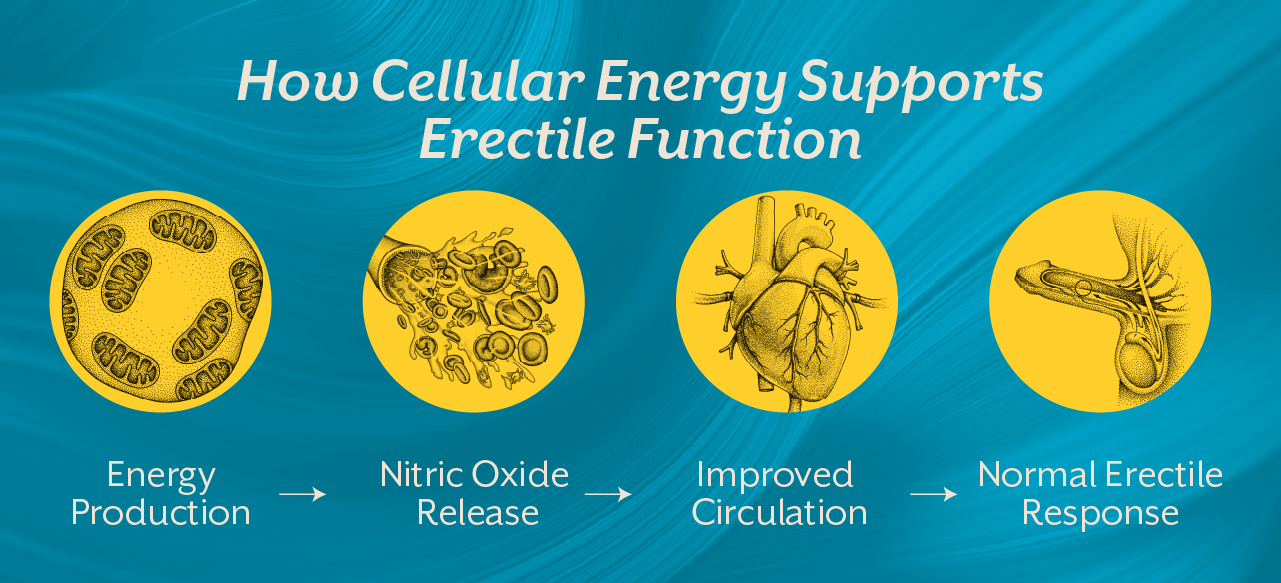
An erection depends on a coordinated interaction between blood vessels, nerve signals, hormones, and cellular metabolism. When sexual stimulation occurs, nerve signals trigger the release of nitric oxide in penile blood vessels. Nitric oxide relaxes smooth muscles and allows blood to flow into the erectile tissues.

For this process to work smoothly, blood vessels must respond properly, nerves must transmit signals efficiently, and cells must produce sufficient energy to sustain these responses.

This is where mitochondrial function becomes critically important.

Mitochondria regulate cellular energy production and help maintain the integrity of blood vessel lining known as the endothelium. When mitochondrial function is compromised, nitric oxide signaling weakens and blood vessels lose their ability to dilate effectively. The result is impaired circulation, which directly affects erectile response.

This is why erectile dysfunction is increasingly considered an early marker of metabolic and vascular health issues.

How Mitochondrial Dysfunction Affects Erectile Health

Mitochondria play a surprisingly large role in reproductive physiology. They are involved not only in energy production but also in regulating oxidative stress, hormone synthesis, and vascular health.

When mitochondrial efficiency declines, several biological disruptions begin to appear.

First, reduced ATP production limits the ability of blood vessels to relax and expand. This directly affects the blood flow required to maintain an erection.

Second, mitochondrial dysfunction increases oxidative stress. Excess oxidative stress damages endothelial cells, which are responsible for producing nitric oxide. Without adequate nitric oxide signaling, blood vessels cannot dilate effectively.

Third, mitochondria play an important role in steroid hormone metabolism. Testosterone synthesis involves several mitochondrial steps. If mitochondrial activity is impaired, hormonal balance may gradually decline.

Finally, mitochondrial dysfunction contributes to chronic inflammation and metabolic disorders. Conditions such as insulin resistance and metabolic syndrome are strongly associated with erectile dysfunction.

When viewed through this lens, erectile dysfunction becomes less about isolated reproductive organs and more about systemic metabolic health.
How Cellular Energy Supports Erectile Function

The Metabolic Link Between Diabetes And Erectile Dysfunction

One of the strongest examples of metabolic influence on erectile function is seen in diabetes. Men with diabetes are significantly more likely to experience erectile dysfunction compared to the general population.

Chronic high blood sugar creates oxidative stress that damages both blood vessels and nerve fibers. This leads to endothelial dysfunction and impaired nerve signaling. Both are essential components of erectile physiology.

In addition, insulin resistance reduces mitochondrial efficiency. When cells struggle to process glucose properly, energy production becomes inefficient and inflammatory signaling increases. Over time this metabolic environment disrupts vascular responsiveness.

Many men first notice erectile changes years before diabetes is formally diagnosed. This makes erectile dysfunction an early metabolic warning sign.

If you want to understand how metabolic health influences chronic disease risk, the iThrive Alive blog titled Insulin Resistance: The Silent Phase Before Type 2 Diabetes explains how metabolic dysfunction develops long before clinical diagnosis.
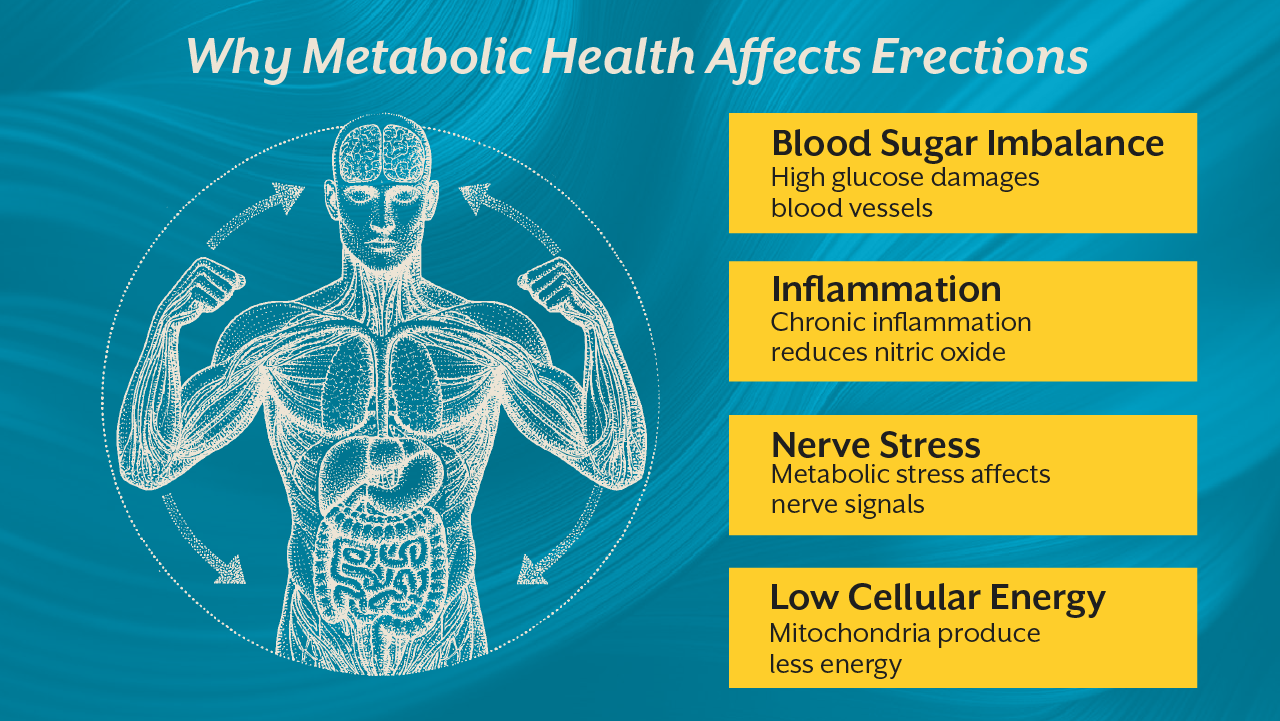
Why Metabolic Health Affects Erections

What You Can Do: Nutrition And Lifestyle That Support Mitochondrial Health

The encouraging news is that mitochondrial function is highly responsive to lifestyle interventions. Unlike many structural diseases, mitochondrial efficiency can often improve when the right metabolic environment is created.

At iThrive Alive, the focus is on addressing the root drivers of dysfunction rather than only suppressing symptoms.

One of the first areas addressed is nutrition. A diet that stabilizes blood sugar and reduces inflammatory stress allows mitochondria to function more efficiently. Whole foods rich in micronutrients support enzymatic pathways involved in cellular energy production.

Smart supplementation can further assist mitochondrial function. Nutrients such as magnesium, zinc, CoQ10, and carnitine support mitochondrial respiration and antioxidant defense systems.

Lifestyle interventions also play a significant role. Regular movement improves mitochondrial density in muscle tissue and enhances insulin sensitivity. Sleep quality influences hormone regulation and mitochondrial repair processes.

Stress management is equally important because chronic stress hormones impair mitochondrial metabolism and contribute to systemic inflammation.

These changes may appear simple, but their cumulative impact on metabolic health can be profound.

Lifestyle Factors That Support Mitochondrial Health

Why A Root Cause Approach Matters

Conventional management of erectile dysfunction often focuses on medications that temporarily improve blood flow. While these medications can be helpful for symptom relief, they do not address the metabolic environment that created the problem.

A root cause approach looks deeper. It examines factors such as insulin resistance, inflammation, mitochondrial health, hormonal balance, and nutrient status.

At iThrive Alive, this is where personalized metabolic assessment becomes valuable. Through detailed evaluation and targeted interventions, the goal is to identify the biological drivers behind symptoms and support long term physiological recovery.

For individuals experiencing persistent erectile dysfunction or unexplained low drive, it may be helpful to book a root cause analysis to understand the metabolic factors involved.

When Erectile Dysfunction Is A Signal From Your Body

Many men hesitate to discuss erectile dysfunction because it feels personal and uncomfortable. Yet from a biological perspective, the body is often sending an early signal that metabolic health requires attention.

Blood vessels, hormones, and nerves are deeply connected to overall metabolic function. When these systems begin to show strain, erectile changes may appear long before other symptoms become obvious.

Rather than viewing erectile dysfunction as an isolated problem, it can be helpful to see it as an opportunity to improve long term health.

If you are experiencing these symptoms and want guidance, you can also book a consult with the nutritionist to explore personalized strategies for improving metabolic and reproductive health.

Key Takeaway

Erectile dysfunction is rarely just about sexual health. It reflects a complex interaction between vascular function, nerve signaling, hormonal balance, and cellular energy metabolism. Mitochondrial dysfunction sits at the center of this network because every step of erectile physiology depends on adequate cellular energy production. When mitochondria struggle due to poor nutrition, metabolic stress, or inflammation, the systems responsible for erectile function begin to lose efficiency. By focusing on metabolic health through nutrition, lifestyle changes, and targeted interventions, it is possible to support mitochondrial recovery and improve overall physiological resilience. Addressing the root cause not only supports reproductive health but also strengthens long term metabolic wellbeing.

A
Ask your doubts
Thank you! Your submission has been received!
Oops! Something went wrong while submitting the form.

FAQs

Can mitochondrial dysfunction really cause erectile dysfunction?
faq arrow

Lorem ipsum dolor sit amet, consectetur adipiscing elit, sed do eiusmod tempor incididunt ut labore et dolore magna aliqua. Ut enim ad minim veniam, quis nostrud exercitation ullamco laboris nisi ut aliquip ex ea commodo consequat. Duis aute irure dolor in reprehenderit in voluptate velit esse cillum dolore eu fugiat nulla pariatur.

Can erectile dysfunction improve with nutrition and lifestyle changes?
faq arrow

Lorem ipsum dolor sit amet, consectetur adipiscing elit, sed do eiusmod tempor incididunt ut labore et dolore magna aliqua. Ut enim ad minim veniam, quis nostrud exercitation ullamco laboris nisi ut aliquip ex ea commodo consequat. Duis aute irure dolor in reprehenderit in voluptate velit esse cillum dolore eu fugiat nulla pariatur.

How is erectile dysfunction connected to diabetes?
faq arrow

Lorem ipsum dolor sit amet, consectetur adipiscing elit, sed do eiusmod tempor incididunt ut labore et dolore magna aliqua. Ut enim ad minim veniam, quis nostrud exercitation ullamco laboris nisi ut aliquip ex ea commodo consequat. Duis aute irure dolor in reprehenderit in voluptate velit esse cillum dolore eu fugiat nulla pariatur.

Should I consider a metabolic evaluation for erectile dysfunction?
faq arrow

Lorem ipsum dolor sit amet, consectetur adipiscing elit, sed do eiusmod tempor incididunt ut labore et dolore magna aliqua. Ut enim ad minim veniam, quis nostrud exercitation ullamco laboris nisi ut aliquip ex ea commodo consequat. Duis aute irure dolor in reprehenderit in voluptate velit esse cillum dolore eu fugiat nulla pariatur.

When should someone seek professional support for erectile dysfunction?
faq arrow

Lorem ipsum dolor sit amet, consectetur adipiscing elit, sed do eiusmod tempor incididunt ut labore et dolore magna aliqua. Ut enim ad minim veniam, quis nostrud exercitation ullamco laboris nisi ut aliquip ex ea commodo consequat. Duis aute irure dolor in reprehenderit in voluptate velit esse cillum dolore eu fugiat nulla pariatur.

Related Blogs

Hyperprolactinemia: Is This Why Your Period Disappeared
read count
read time
Mar 24, 2026

Hyperprolactinemia: Is This Why Your Period Disappeared

High prolactin could be silently wrecking your periods, fertility, and mood. Learn the real symptoms of hyperprolactinemia in women and what to do about it.

Introduction

Picture a 28 year old woman in India. Her periods have been irregular for over a year. She has been told she probably has PCOS. Her thyroid panel came back normal. She has been put on birth control to regulate her cycle, but the moment she stops, the irregularity returns. Nobody has checked her prolactin yet.

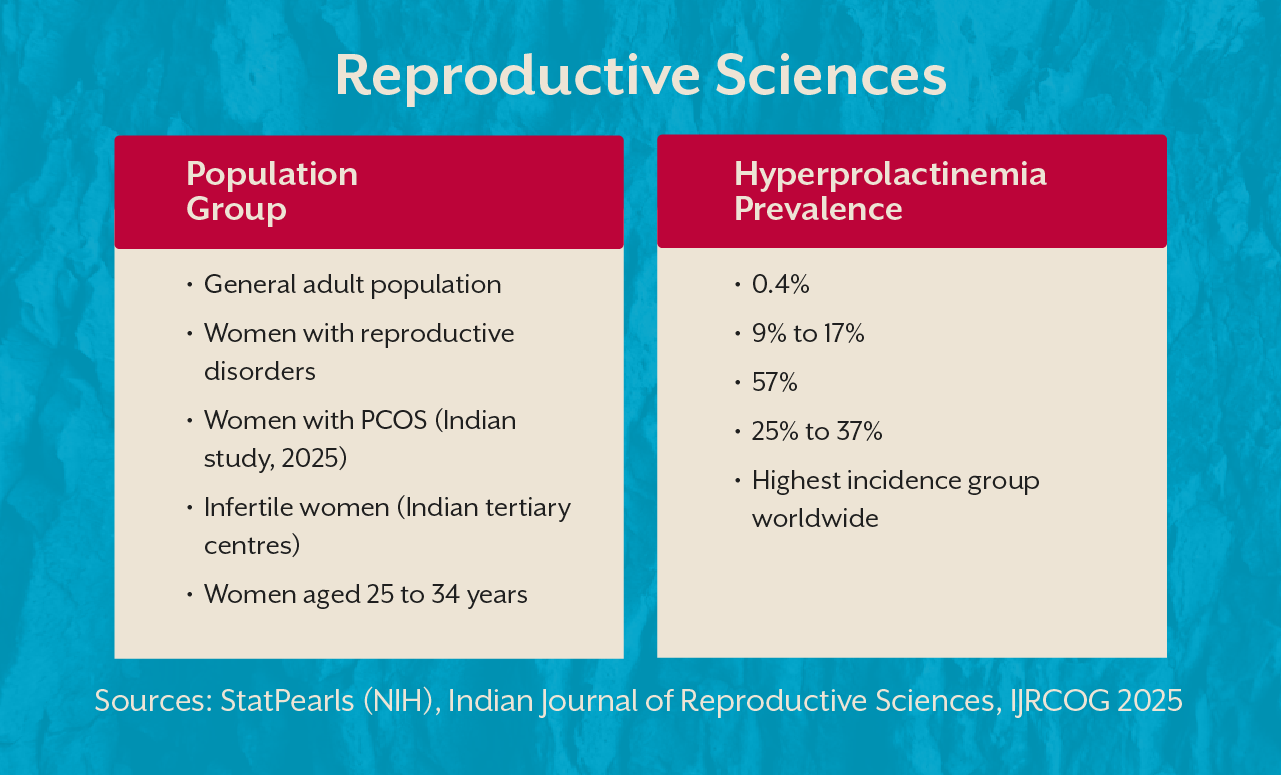
This is not a rare story. Research shows that between 25 and 37% of women presenting with unexplained infertility have elevated prolactin levels, yet a prolactin test is still not universally included in early hormonal workups.

Hyperprolactinemia, chronically elevated prolactin, is one of the most underdiagnosed hormonal disruptions in women of reproductive age. It derails periods, blocks ovulation, feeds mood instability, and creates a confusing symptom picture that points in every direction except the right one.

How Common Is This? The Numbers That Should Alarm Us

Before diving into symptoms, it is worth pausing on how widespread this condition actually is in India.

Indian Journal of Reproductive Sciences

That last row is particularly striking. In a 2025 Indian study of 110 women with PCOS, over half had hyperprolactinemia. These are not numbers from a rare endocrine condition. They are the everyday hormonal reality of Indian women.

What Is Hyperprolactinemia and Why Does It Hit Women Hardest

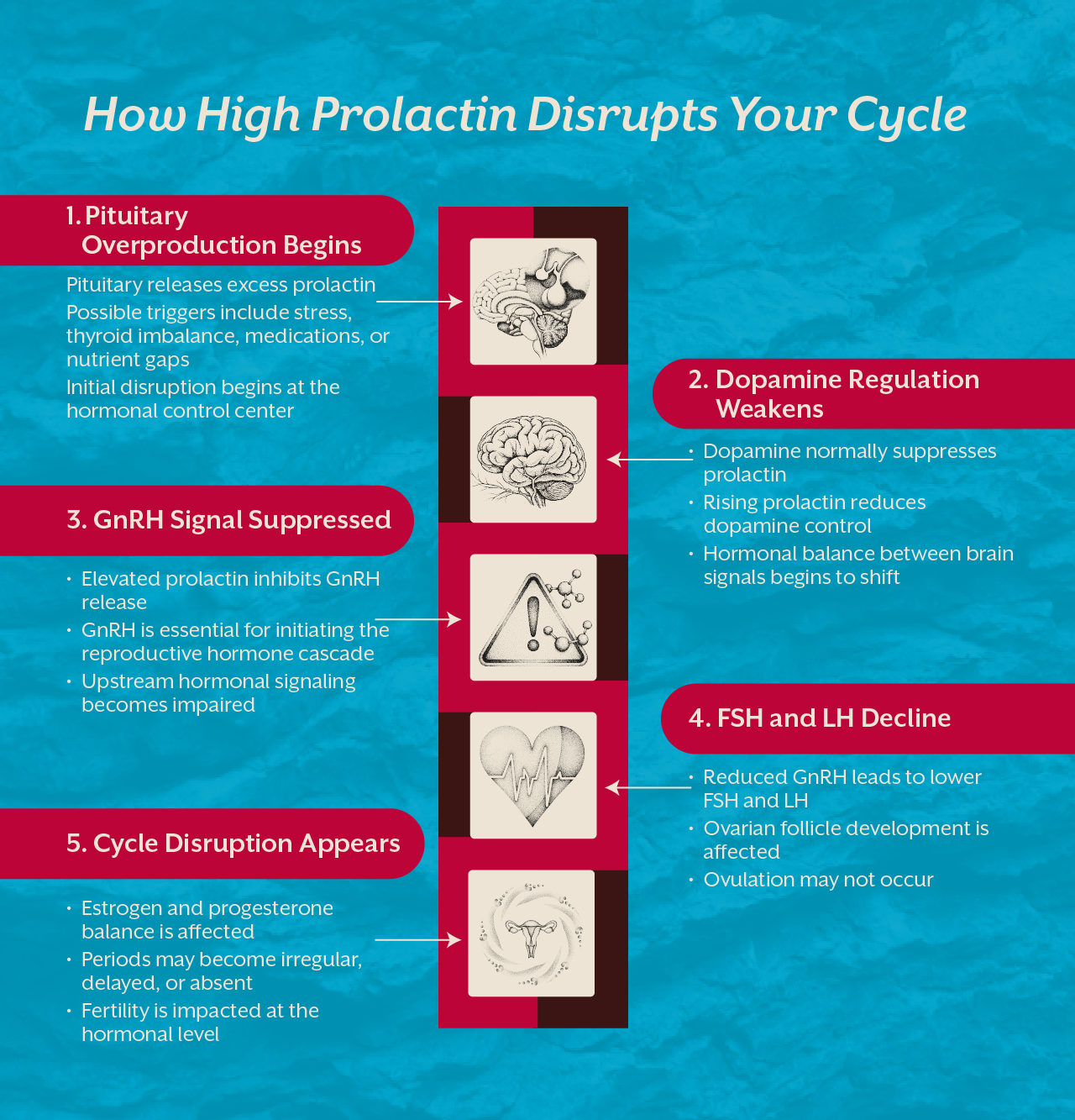
Prolactin is a hormone made by the pituitary gland. Its primary role is to trigger breast milk production after childbirth. Outside of pregnancy and nursing, prolactin should stay low. When it rises without a biological reason, the consequences are significant because prolactin directly suppresses FSH and LH, the two hormones that govern the menstrual cycle.

When prolactin climbs, FSH and LH fall. When FSH and LH fall, ovulation stops. And when ovulation stops, the period disappears or grows erratic. This is the central mechanism driving hyperprolactinemia symptoms in females, and why the period is always the first thing to go.

Women carry a far greater burden of this condition than men. The female hormonal system is simply more sensitive to prolactin fluctuations because the reproductive cycle depends on getting it right.

 How High Prolactin Disrupts Your Cycle

Hyperprolactinemia Causes: What Is Actually Driving Your Prolactin Up

The cause is not always the same and treatment depends entirely on finding the right driver.

Prolactinoma

The most common structural cause is a prolactinoma, a benign pituitary tumour that overproduces prolactin. These account for nearly half of all pathological cases and are more common in women than men. Women typically develop smaller microprolactinomas that are harder to detect on routine imaging, which is one reason diagnosis is so often delayed.

Hypothyroidism

When the thyroid is underactive, excess TRH directly stimulates prolactin secretion. A woman with poorly managed hypothyroidism may have elevated prolactin purely as a downstream consequence. Treating the thyroid often normalises prolactin entirely, without any direct prolactin intervention at all.

Medications

Antipsychotics, certain antidepressants, blood pressure medications, and antiemetics raise prolactin by blocking dopamine, the brain chemical that normally keeps prolactin suppressed. This dopamine connection is central to understanding the condition and why nutritional support can genuinely make a difference.

Chronic Stress and Sleep Disruption

Prolactin rises with physical stress, poor sleep, and sustained high cortisol. Women who are consistently overworked and under-rested often carry mild to moderate prolactin elevation that nobody connects to their symptoms. The overlap with burnout is real. Read our blog on Addison's Disease Symptoms in Women Mistaken for Burnout for a fuller picture of how stress-related hormonal conditions disguise themselves.

Where Is Your Prolactin Coming From

Hyperprolactinemia Symptoms in Females: What Your Body Is Saying

Prolactin and Irregular Periods

The relationship between prolactin and irregular periods is direct. Elevated prolactin suppresses GnRH, which reduces FSH and LH from the pituitary. Without these signals, the ovaries do not ovulate. Periods arrive late, become very light, or stop entirely. The cycle irregularity is the symptom. Elevated prolactin is the cause.

Galactorrhea: Milk Without Pregnancy

One of the more startling high prolactin symptoms in women is galactorrhea, the spontaneous production of breast milk in a woman who is not pregnant or breastfeeding. This occurs in roughly one third to half of women with hyperprolactinemia. Many women notice it and stay silent, assuming it is normal. It is not. It is a direct sign that prolactin is biologically elevated and active.

Prolactin Fertility Problems

Elevated prolactin blocks ovulation and therefore blocks conception. Women who have been trying to conceive for over a year with irregular cycles should have prolactin tested as a first-line investigation. In Indian infertility studies, elevated prolactin was found in nearly 37% of women with endocrine-related infertility. Prolactin fertility interference is one of the most treatable causes of anovulatory infertility once properly identified.

Mood Shifts, Low Libido, and Brain Fog

Elevated prolactin suppresses estrogen, and low estrogen drives depression, poor libido, brain fog, and emotional flatness. Women describe a version of themselves they do not recognise: disinterested, flat, and disconnected. These are biological symptoms, not character changes. Some are placed on antidepressants that raise prolactin further, quietly worsening the very hormonal environment they are trying to correct.

The Dopamine Connection: Why This Is a Brain Chemistry Problem Too

Prolactin secretion is controlled primarily by dopamine, which is released continuously from the hypothalamus. Dopamine truly suppresses prolactin. When dopamine falls, prolactin rises promptly. This is not just pharmacology, rather it is nutritional biochemistry.

Dopamine synthesis requires tyrosine, vitamin B6, iron, and zinc. When a woman is chronically stressed, nutritionally depleted, or sleeping poorly, dopamine production suffers and prolactin climbs. Lifestyle and nutrition are not optional extras here. They sit directly at the root of the mechanism.

Think of dopamine as the valve and the prolactin as the water. When the valve is strong enough, the water stays controlled. When it weakens, everything overflows.

Hyperprolactinemia Natural Treatment: The Nutritional Foundation

Medical treatment through dopamine agonists is the clinical standard for prolactinomas. But for women with idiopathic or mildly elevated prolactin, targeted nutritional support can produce meaningful change. Hyperprolactinemia natural treatment is not a replacement for medical investigation. It is the biological foundation that makes any treatment more effective.

Vitamin B6

Vitamin B6 is a critical cofactor in dopamine synthesis. Studies have shown that B6 supplementation can minimise elevated prolactin in women with idiopathic hyperprolactinemia. Without adequate B6, the enzymatic step that converts tyrosine into dopamine cannot complete efficiently, and prolactin suppression weakens over time.

Zinc

Zinc plays a direct role in regulating pituitary function as well as prolactin release. Zinc deficiency impairs dopamine receptor sensitivity and has been linked to elevated prolactin. Women experiencing hair thinning or acne alongside cycle irregularity should have zinc status assessed as part of their hormonal investigation.

Hyperprolactinemia Diet: What to Build Your Plate Around

A hyperprolactinemia diet is a rebuilding plan, not a restriction list. Prioritise tyrosine-rich foods: eggs, chicken, nuts, and seeds. Add magnesium-rich foods like pumpkin seeds for dopamine receptor support. Include vitamin C rich fruits and vegetables to reduce oxidative stress at the pituitary level. Stable blood sugar is non-negotiable since cortisol spikes directly drive prolactin upward. Avoid alcohol, excessive caffeine, and ultra-processed foods that disrupt hypothalamic signalling.

What Actually Confirms Hyperprolactinemia

Diagnosis begins with a fasting morning serum prolactin test, drawn at least 2 hours after waking and before any physical exertion. A single elevated reading is not sufficient for diagnosis. A second confirmatory test is needed before any treatment decision is made.

If prolactin remains elevated, a pituitary MRI is ordered to check for adenoma. Thyroid function and medication history are reviewed simultaneously. Finding the root cause, rather than simply suppressing the number, determines whether treatment will hold.

If you are experiencing irregular periods, unexplained infertility, or mood disruption alongside cycle changes, a root cause analysis can map the full hormonal picture rather than treating each symptom in isolation.

Key Takeaway

Hyperprolactinemia is not rare. It is one of the most common hormonal conditions in Indian women of reproductive age, hiding behind missed periods, unexplained infertility, and mood changes written off as stress for years.

A single prolactin blood test can begin to change an entire diagnostic story. Whether the driver is a pituitary adenoma, an underactive thyroid, B6 and zinc deficiency, or chronic dopamine depletion, this condition has clear mechanisms and clear pathways of support. It goes undertreated not because it is complex, but because it goes untested.

If your hormonal picture feels incomplete and the standard answers are not adding up, do not wait. Book a consult and let the right investigation finally begin.

Fibromyalgia Isn’t Just Pain: The Hidden Biology Driving Chronic Fatigue and Pain
read count
read time
Mar 11, 2026

Fibromyalgia Isn’t Just Pain: The Hidden Biology Driving Chronic Fatigue and Pain

Fibromyalgia involves nervous system dysfunction and mitochondrial fatigue. Learn why fibromyalgia causes chronic fatigue, brain fog, and persistent pain.

Introduction

For many people living with fibromyalgia, the experience goes far beyond occasional pain. It often feels like the body has lost its internal energy system. Simple daily activities become exhausting, muscles feel persistently sore, and concentration becomes difficult. Many individuals describe waking up already tired, even after what should have been a full night of sleep.

This is why fibromyalgia chronic fatigue is one of the most frustrating aspects of the condition. Patients frequently report that the exhaustion feels deeper than normal tiredness. It is not the type of fatigue that disappears after rest. Instead it persists for months or years, creating a cycle of low energy, pain, and mental fog.

For decades fibromyalgia was largely misunderstood. It was often described simply as a pain disorder, or in some cases dismissed as a psychological condition. Modern research now suggests a much deeper biological story. The condition appears to involve fibromyalgia nervous system dysfunction, altered pain processing in the brain, mitochondrial energy disruption, and chronic low grade inflammation.

At iThrive Alive we frequently observe that fibromyalgia symptoms rarely begin at the level where they appear. The pain felt in muscles and joints often originates from deeper biological disturbances involving energy metabolism and neural signaling.

Understanding this hidden biology can help explain why fibromyalgia is so exhausting and why addressing root causes may improve recovery outcomes.

Understanding Fibromyalgia Beyond Pain

The Role of Central Sensitization

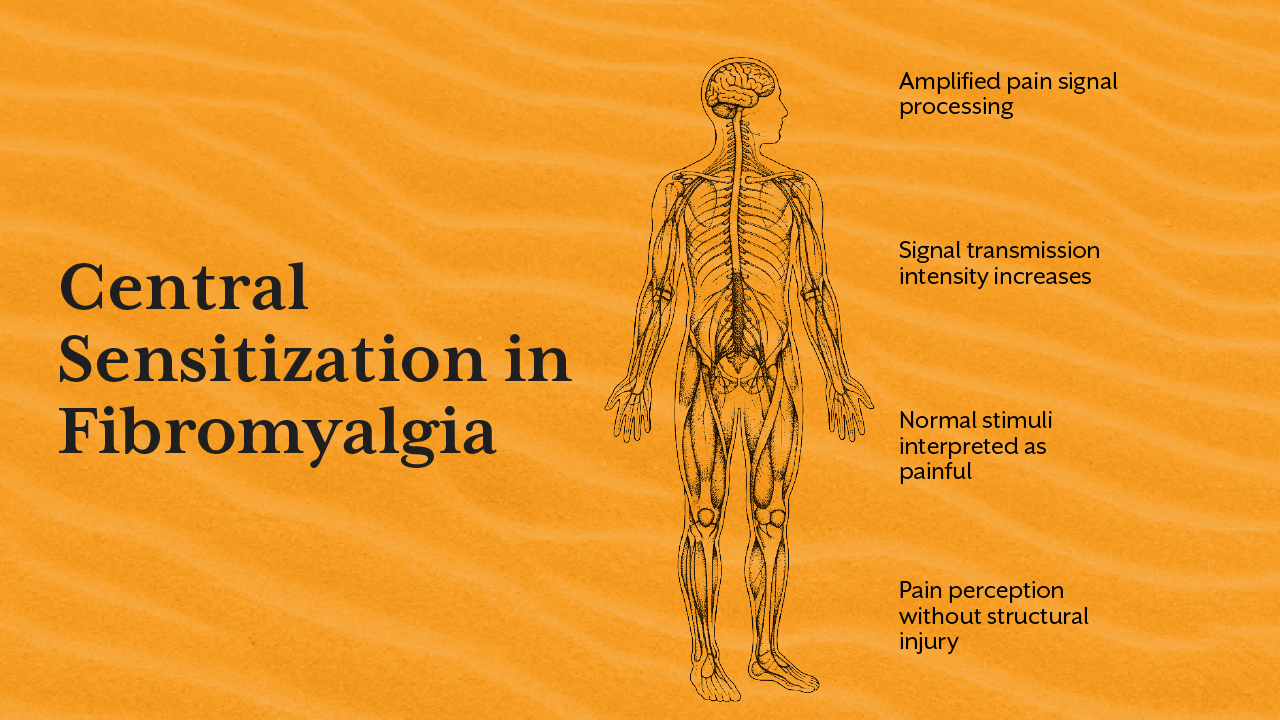
One of the most important concepts in fibromyalgia research is fibromyalgia central sensitization. This term describes a state where the nervous system becomes excessively sensitive to normal sensory signals.

In a healthy nervous system, pain signals are carefully regulated by the brain and spinal cord. However in central sensitization the brain amplifies incoming signals. Stimuli that would normally feel mild can begin to feel painful.

This helps explain why individuals with fibromyalgia may experience pain in multiple parts of the body even without clear injury. The brain essentially becomes a volume amplifier for pain signals.

Researchers have also observed that this hypersensitive state can affect other sensory experiences. Patients frequently report sensitivity to sound, light, temperature changes, and emotional stress.

This phenomenon illustrates why fibromyalgia hidden symptoms extend far beyond musculoskeletal pain. The condition involves the entire neural processing network.

The Brain Fog Connection

Another common experience among fibromyalgia patients is cognitive impairment, often referred to as fibro fog. This symptom includes memory difficulties, reduced concentration, and slower mental processing.

Fibromyalgia brain fog causes are increasingly being linked to disruptions in brain energy metabolism. The brain consumes a large portion of the body’s total energy supply, and even small reductions in mitochondrial function can impair neural performance.

When cellular energy production declines, neurons struggle to maintain efficient communication. This may contribute to the mental fatigue that many patients describe.

Studies also show altered blood flow patterns in certain brain regions among individuals with fibromyalgia. These changes may further affect cognitive clarity and emotional regulation.

Central Sensitization in Fibromyalgia

Why Fibromyalgia Is So Exhausting

Many patients ask the same question during consultations. Why is fibromyalgia so exhausting even when physical activity is limited.

One emerging explanation involves mitochondrial dysfunction.

Mitochondria are microscopic structures within cells responsible for producing ATP, the molecule that fuels nearly every biological process. Muscles, nerves, and immune cells rely heavily on this energy supply.

When mitochondrial efficiency declines, cells struggle to maintain normal function. This creates a state of systemic energy deficit that can affect the entire body.

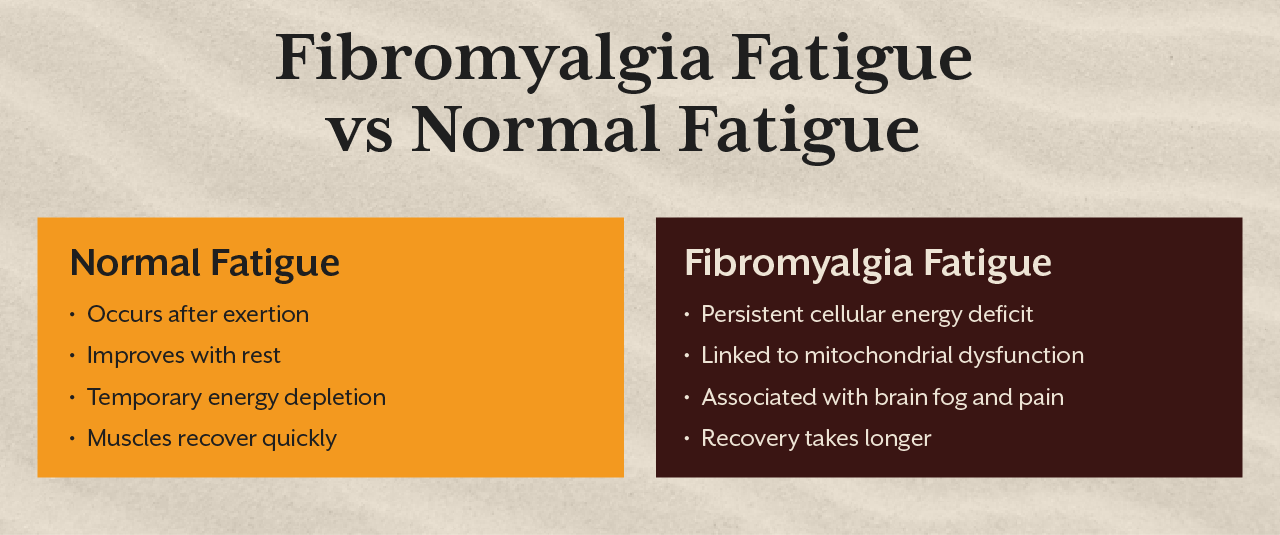
This biological explanation helps clarify the difference between fibromyalgia fatigue vs normal fatigue. Ordinary tiredness often results from temporary overexertion or sleep deprivation. Once rest occurs, energy levels usually return.

Fibromyalgia fatigue behaves differently. It reflects a deeper energy production problem. Even simple physical tasks may feel disproportionately draining because cells cannot generate adequate ATP.

Over time this energy shortage can contribute to chronic fatigue and pain connection seen in fibromyalgia. Muscles lacking sufficient energy may accumulate metabolic byproducts more quickly, increasing discomfort and stiffness.

Fibromyalgia Fatigue vs Normal Fatigue

The Inflammation and Immune Link

Another important contributor to fibromyalgia symptoms involves chronic low grade immune activation.

Inflammatory molecules known as cytokines can influence pain perception and fatigue levels. Elevated cytokine activity has been observed in many individuals experiencing chronic fatigue conditions.

Inflammation can also interfere with mitochondrial function. Oxidative stress damages mitochondrial membranes and reduces their efficiency. This creates a feedback loop where inflammation worsens fatigue and fatigue further amplifies inflammatory signaling.

This interaction between immune activity and cellular energy metabolism may explain why fibromyalgia symptoms often fluctuate during periods of physical stress, illness, or emotional strain.

The Chronic Fatigue and Pain Connection

When mitochondrial output declines and nervous system sensitivity increases, the body enters a state where energy availability and pain regulation both become compromised.

Muscle tissue requires significant energy to maintain normal contraction and relaxation cycles. Without adequate ATP production, muscles remain in a partially stressed metabolic state. This can produce persistent soreness even without physical injury.

The nervous system also depends on energy intensive processes to regulate neurotransmitter balance and nerve signaling speed. When these systems slow down, pain signals may remain active longer than necessary.

This interaction explains the chronic fatigue and pain connection frequently observed in fibromyalgia.

Patients often describe feeling trapped in a cycle where fatigue limits activity, reduced activity weakens muscles, and weakened muscles further increase pain sensitivity.

At iThrive Alive we often evaluate these patterns through metabolic assessments that look beyond surface symptoms. When mitochondrial stress and inflammatory signaling are addressed together, improvements in both fatigue and pain are often observed.

A Systems Approach to Fibromyalgia Recovery

Because fibromyalgia involves multiple biological systems, a narrow treatment strategy rarely produces long term improvement. At iThrive Alive the focus is often on restoring internal balance through a combination of lifestyle regulation, nutritional therapy, and targeted supplementation.

Sleep regulation is often one of the first priorities. Mitochondrial repair processes and nervous system recalibration largely occur during deep sleep cycles. Without consistent circadian rhythms the body struggles to repair damaged cellular components.

Smart eating patterns also play an important role. Stable blood glucose levels support consistent energy supply to mitochondria. Nutrient dense foods provide the micronutrients required for ATP production and antioxidant defense.

Targeted supplementation may further support mitochondrial function. Nutrients such as magnesium, B vitamins, and certain mitochondrial cofactors assist enzymes involved in energy metabolism.

Movement therapy is introduced gradually. Gentle physical activity can stimulate mitochondrial biogenesis which is the process through which cells produce new mitochondria. This helps rebuild cellular energy capacity over time.

The three month Alive program integrates these principles into a structured intervention that addresses the biological drivers of chronic fatigue rather than focusing only on symptom suppression.

For individuals who want a deeper evaluation of their underlying health patterns, the option to book a root cause analysis can help identify metabolic drivers that may be contributing to fibromyalgia symptoms.

Four Systems Influencing Fibromyalgia Recovery

Key Takeaway

Fibromyalgia is far more complex than a simple pain condition. It represents a biological intersection between nervous system hypersensitivity, mitochondrial energy disruption, and immune signaling imbalance. When cellular energy production declines and the nervous system becomes overly reactive, the body enters a cycle where fatigue, cognitive fog, and chronic pain reinforce each other. Understanding this hidden biology helps explain why fibromyalgia can feel so exhausting and unpredictable. At iThrive Alive the goal is not only to reduce symptoms but to restore the internal systems that regulate energy and neural communication. By focusing on mitochondrial health, lifestyle rhythms, and metabolic resilience, it becomes possible to move beyond symptom management and begin rebuilding the body’s capacity for sustained energy and recovery.

Low Sperm Count? 5 Nutrients Every Man With Infertility Needs
read count
read time
Mar 5, 2026

Low Sperm Count? 5 Nutrients Every Man With Infertility Needs

Struggling with male infertility or azoospermia? Discover five essential nutrients that support mitochondrial function and help improve male fertility naturally.

Introduction

Male infertility is often approached as a reproductive problem, but biology tells a very different story. Sperm cells are among the most metabolically active cells in the human body. Their ability to move, survive, and fertilize an egg depends heavily on energy production, cellular protection, and genetic integrity. At the center of all these functions lies mitochondrial health.

Mitochondria are responsible for generating the energy required for sperm motility and survival. When mitochondrial function declines, sperm cells lose their ability to swim efficiently, maintain structural stability, and protect their DNA from oxidative damage. Over time this can manifest as low sperm count, poor motility, abnormal morphology, or in more severe cases conditions such as azoospermia.

This is one reason why many men with normal looking reports still struggle with fertility. A basic male fertility test may count sperm numbers, but it often does not evaluate cellular energy, oxidative stress, or mitochondrial efficiency. From a functional nutrition perspective these deeper metabolic layers frequently reveal the real drivers behind male infertility.

At iThrive Alive, fertility is not viewed in isolation. The clinical approach evaluates metabolic health, mitochondrial function, micronutrient status, inflammatory load, and endocrine signaling. Lifestyle interventions, targeted nutrition, and smart supplementation are then used to restore the internal environment required for healthy sperm production.

Before discussing the five nutrients that support this process, it is important to understand why mitochondrial health is central to male reproductive biology.

Why Mitochondria Matter in Male Fertility

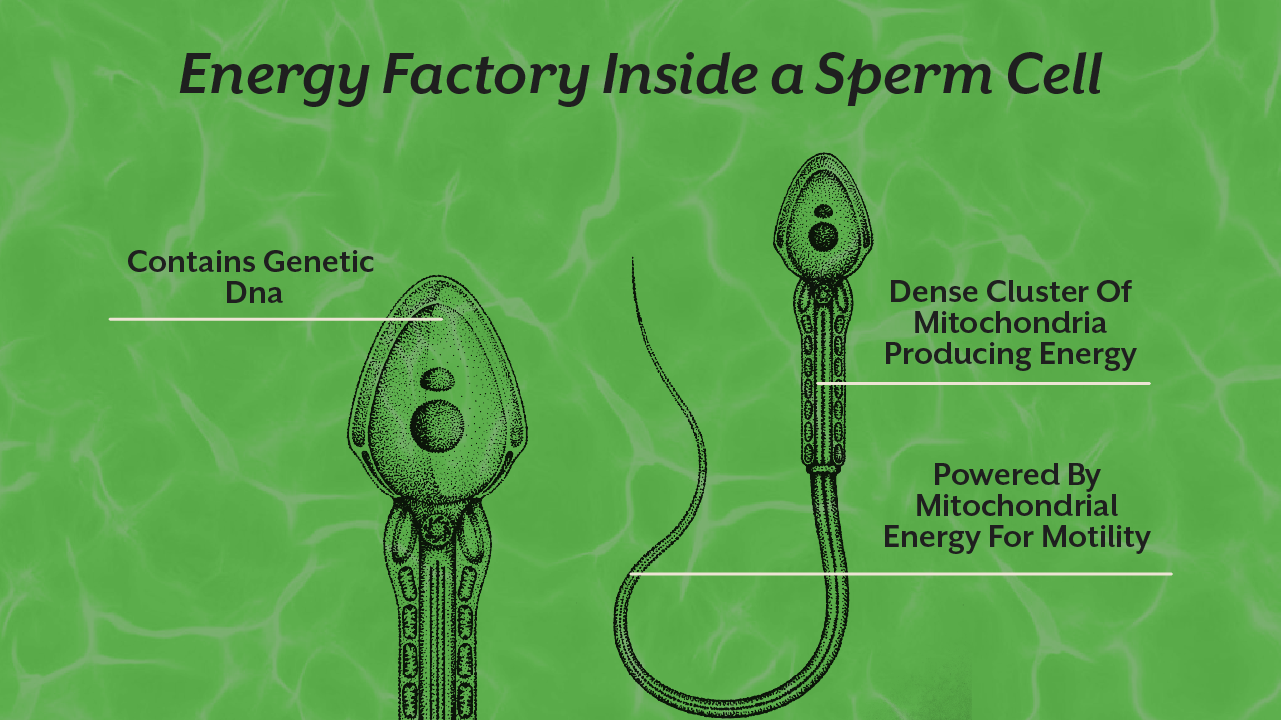
Sperm cells require enormous amounts of energy to travel through the reproductive tract and reach the egg. This movement, known as motility, is powered almost entirely by mitochondria located in the midpiece of the sperm cell. When mitochondrial function is compromised, the flagella lose the energy required for propulsion.

Mitochondrial dysfunction also increases the production of reactive oxygen species. In controlled amounts these molecules are part of normal cellular signaling. However excessive oxidative stress damages sperm membranes and fragments sperm DNA. Over time this reduces fertility potential even when sperm counts appear normal.

Many men experiencing male infertility show signs of metabolic stress. Blood sugar dysregulation, chronic inflammation, micronutrient depletion, and environmental toxin exposure all influence mitochondrial performance. This is why conditions such as diabetes, metabolic syndrome, and obesity are increasingly associated with reproductive challenges.

At iThrive Alive, the goal is not simply to increase sperm numbers but to improve the biological environment in which sperm are produced. Nutritional interventions that support mitochondrial function can significantly influence sperm quality.

What Standard Male Fertility Tests May Miss

A conventional male fertility test primarily evaluates sperm concentration, motility, and morphology. While these parameters provide useful information, they rarely explain why abnormalities occur.

For example, azoospermia may indicate the absence of sperm in semen, but the underlying causes can vary widely. Hormonal disruption, mitochondrial dysfunction, inflammatory damage, or nutrient deficiencies may all contribute.

Similarly men with borderline sperm counts may still experience infertility because their sperm cells lack adequate energy production or DNA stability. These aspects are not always visible in routine testing.

This gap between clinical symptoms and laboratory results often leaves couples searching for answers. A systems based evaluation that examines metabolic and nutritional factors can help uncover root drivers.

The iThrive Alive model integrates nutritional assessment, metabolic markers, lifestyle patterns, and functional physiology. This allows clinicians to identify factors that influence reproductive biology long before severe dysfunction develops.

Readers interested in understanding how metabolic health influences reproductive outcomes may also find insights in the iThrive Alive case study titled Targeted Nutritional Intervention in PCOS Associated Metabolic Dysfunction: A Root Cause Analysis & Functional Nutrition Driven Case Study, which explores how systemic metabolic stress influences reproductive physiology.

Five Nutrients That Support Male Fertility

1. Zinc

Zinc plays a fundamental role in testosterone production, sperm development, and antioxidant protection. It is also involved in DNA synthesis and cellular repair processes.

Low zinc status has been associated with reduced sperm count and impaired sperm morphology. Zinc also supports the activity of antioxidant enzymes that protect sperm cells from oxidative damage.

Interestingly zinc is also widely discussed in metabolic and reproductive conditions such as PCOS, which reflects how micronutrient balance influences hormonal health across genders.

2. Coenzyme Q10

Coenzyme Q10 is a key component of the mitochondrial electron transport chain. It supports cellular energy generation and acts as a powerful antioxidant within mitochondrial membranes.

Clinical studies have shown improvements in sperm motility and concentration when CoQ10 levels are optimized. Since sperm cells rely heavily on mitochondrial energy production, CoQ10 plays a central role in fertility physiology.

3. L Carnitine

L Carnitine transports fatty acids into mitochondria where they are converted into energy. This process is essential for sperm motility because sperm cells depend on efficient energy metabolism for movement.

Lower levels of carnitine have been linked to reduced sperm motility. Nutritional strategies that restore carnitine levels can support cellular energy production in reproductive tissues.

4. Selenium

Selenium functions as a cofactor for antioxidant enzymes that protect sperm cells from oxidative damage. It also contributes to thyroid hormone metabolism which indirectly influences reproductive health.

Adequate selenium intake supports sperm structural integrity and DNA stability.

5. Omega 3 Fatty Acids

Sperm membranes are rich in polyunsaturated fatty acids. Omega 3 fatty acids help maintain membrane fluidity which influences sperm motility and fertilization capability.

They also reduce inflammatory signaling which may otherwise impair reproductive function.

Readers interested in understanding how metabolic health influences reproductive physiology can also explore the iThrive Alive article What Most Nutrition Courses Get Wrong About PCOS, which explains the systemic nature of hormonal dysfunction.

Nutrition Alone Is Not Enough

While these nutrients support reproductive physiology, fertility is influenced by a broader metabolic landscape. Blood sugar regulation, gut health, inflammatory signaling, sleep patterns, and environmental exposures all affect mitochondrial efficiency.

This is why the iThrive Alive approach focuses on integrated lifestyle interventions. Smart eating strategies stabilize metabolic signaling. Targeted supplementation restores micronutrient sufficiency. Stress management improves hormonal balance. Movement improves insulin sensitivity and cellular energy production.

Rather than treating male infertility as an isolated reproductive issue, the focus remains on restoring systemic metabolic health.

Men experiencing persistent fertility challenges often benefit from deeper investigation into metabolic and nutritional drivers. Individuals seeking this level of evaluation can book a root cause analysis or book a consult with the clinical team at iThrive Alive to explore the physiological factors influencing reproductive health.

Key Takeaway

Male infertility is rarely a single organ problem. Sperm cells rely on efficient energy production, antioxidant protection, and balanced metabolic signaling. When mitochondrial function declines, sperm quality often declines with it. Nutrients such as zinc, Coenzyme Q10, L Carnitine, selenium, and omega three fatty acids support key aspects of cellular energy metabolism and reproductive physiology. However long term improvement usually requires a broader systems approach that addresses metabolic health, inflammation, lifestyle factors, and micronutrient status together. Understanding and correcting these root drivers can significantly improve the biological environment required for healthy sperm production.

Talk to our team

Thank you! Your submission has been received!
Oops! Something went wrong while submitting the form.

Download Now

Thank you! Your submission has been received!
Oops! Something went wrong while submitting the form.