

.svg)
.svg)







Introduction
You step outside for around 5 minutes and suddenly your head starts feeling heavy. Your skin turns sticky almost instantly, your energy crashes in the middle of the day, and no matter how much water you drink, you still end up feeling drained.
Let me be honest this is not just summer, it’s also excessive heat and your body is continuously working overtime to survive it.
Over the last few years, the current temperature across various cities has consistently crossed dangerous and immense limits. Right from rising humidity to prolonged heat waves, the weather this week itself has shown how unpredictable and extreme temperatures have become. Platforms such as Zoom Earth are now constantly tracking heat movement globally because the situation is becoming near to impossible to ignore.
But here’s the problem.
Most people think excessive heat only means dehydration. In reality, excessive heat in the body can impact various factors such as hormones, blood pressure, nervous system regulation, inflammation levels, digestion, energy production, as well as mineral balance.
Here at iThrive, after working with clients since 2019 in functional nutrition, we’ve repeatedly observed one common thing every summer that people don’t realise how deeply heat stress affects the body until symptoms become severe and starts backfiring.
And the scariest part?
At times, the body starts overheating long before a heat stroke happens.
This blog will help you understand the following aspects clearly so that this summer you can be much aware of how to protect yourself from excessive heat.
- Excessive heat meaning
- Why your body struggles during extreme temperatures
- What excessive heat Celsius ranges become dangerous
- Symptoms you should never ignore
- How to actually protect yourself naturally during heat waves
What Does Excessive Heat Actually Mean?
The excessive heat meaning is far more serious than simply “feeling hot.” Excessive heat refers to environmental temperatures high enough to place stress on the cooling system of the body. This typically happens when the temperatures remain abnormally high for a few days, humidity rises drastically, nighttime temperatures don’t cool properly or when the body can’t regulate internal temp effectively.
Once your internal body temp begins rising faster than your body can cool itself, multiple systems become affected simultaneously. And this is exactly why excessive heat can become dangerous even before a person collapses. So beware.
Why Excessive Heat Feels Worse Today
If you’ve been feeling like summers suddenly became unbearable, trust me you are not imagining it. The current temperature in many cities is consistently touching dangerous levels earlier in the season itself. On top of it the humidity, and the body experiences even greater thermal stress.
For instance, 38°C with humidity feels like 45°C to the body, sweat stops evaporating efficiently, core temp rises rapidly, and electrolyte loss increases rapidly.
This is also exactly why many people constantly check platforms like Zoom Earth to monitor heat patterns and weather this week before travelling or stepping outdoors. Honestly, external heat is only one side of the story, internal excessive heat in the body matters too.
What Happens Inside the Body During Excessive Heat?
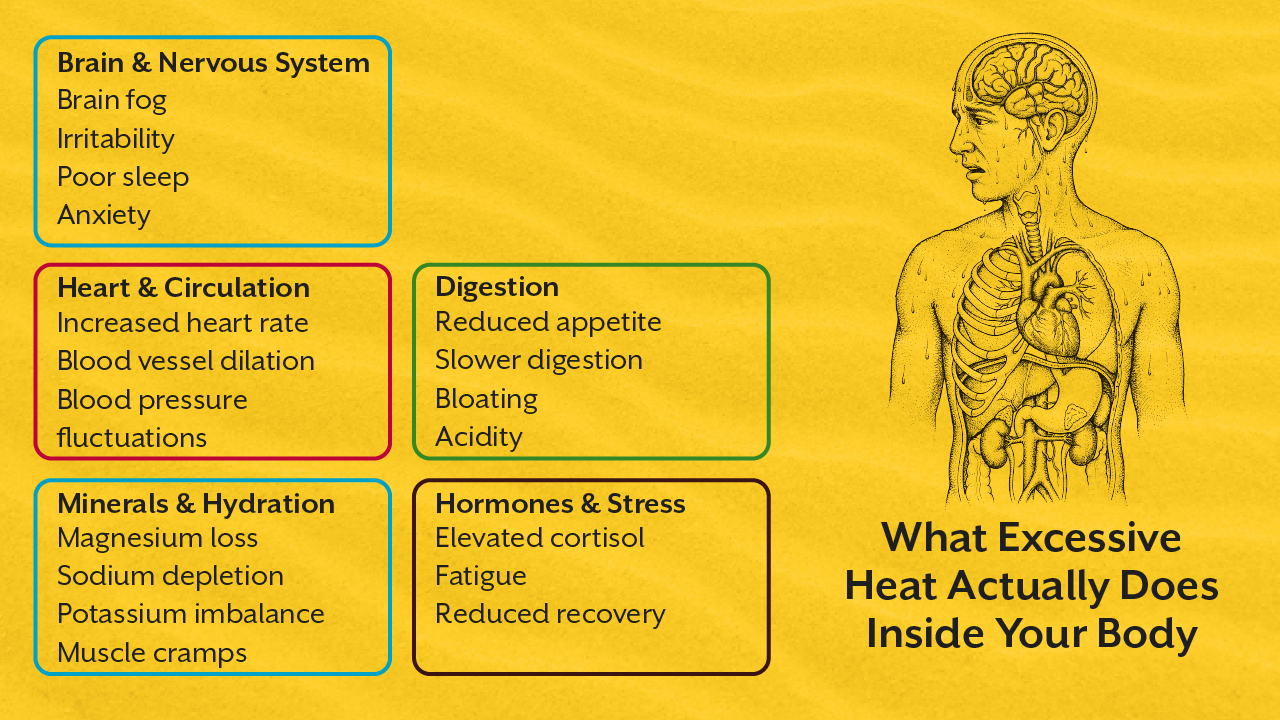
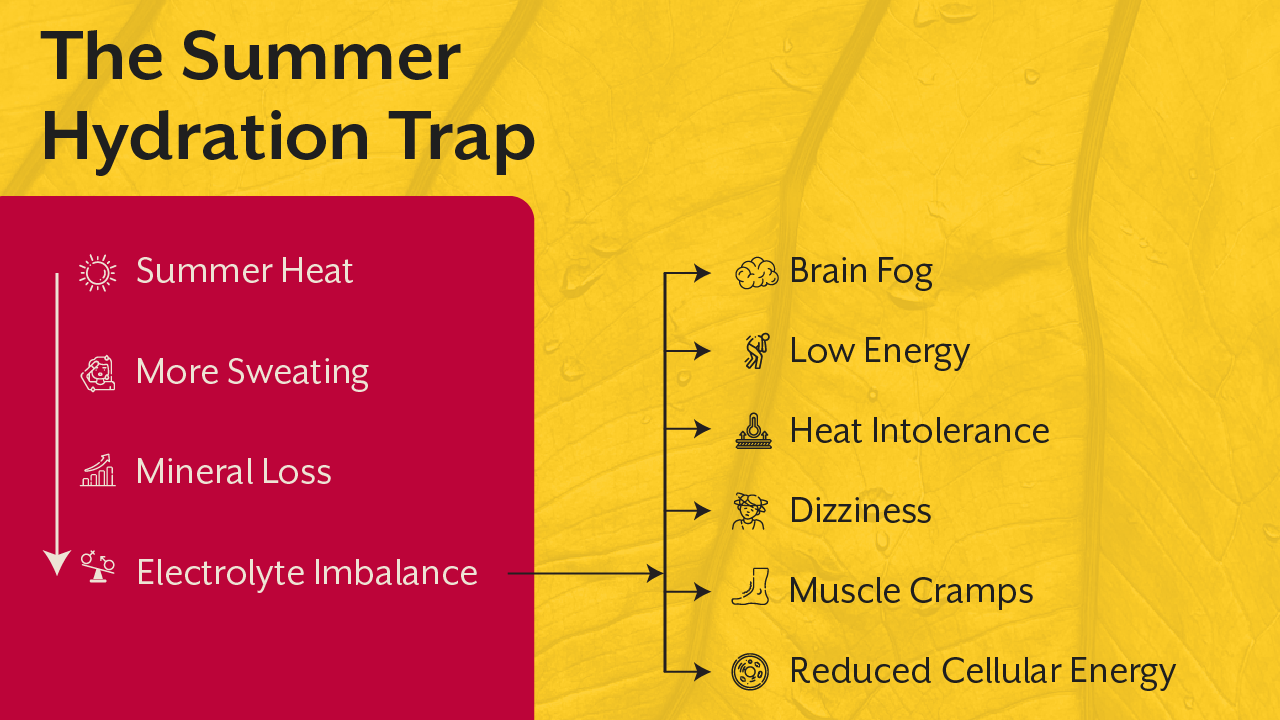
Your body is constantly trying to maintain a stable internal temp. When environmental heat rises excessively the blood vessels dilate, minerals are lost, stress hormones start shifting, sweating increases, and heart rate rises.
Initially, this is protective but prolonged excessive heat forces the body into survival mode.
1. Mineral Depletion Increases Rapidly
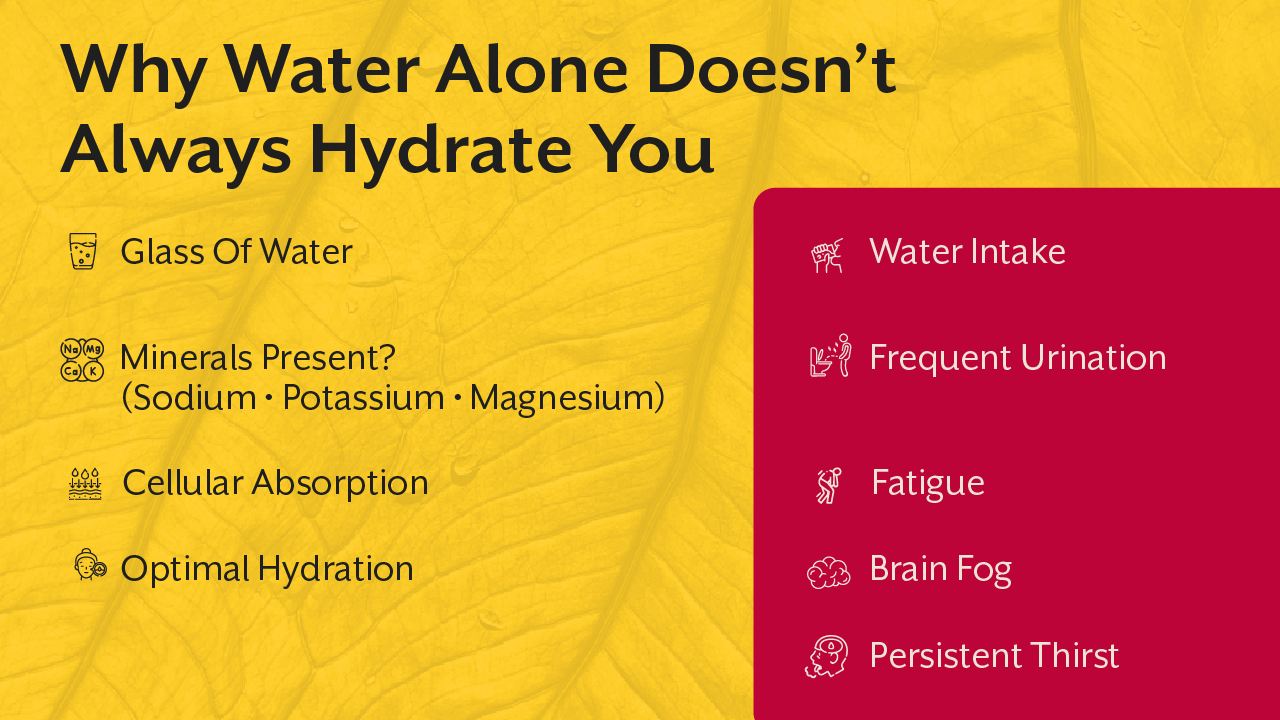
Sweating does not only cause water loss. On the other hand it also depletes sodium, magnesium, potassium, as well as chloride.
This is why many people experience symptoms such as headaches, dizziness, anxiety, fatigue, muscle cramps, and heart palpitations during heat waves.
Most people keep drinking plain water but never replace electrolytes properly and that often worsens symptoms.
2. Digestion Slows Down
One of the most overlooked effects of excessive heat in the body is poor digestion. During heat stress the blood flow gets redirected towards cooling mechanisms, the production of acid reduces, appetite decreases and bloating worsens.
This is why heavy oily meals feel unbearable during peak summer. Your body is already struggling to regulate temp. Digesting inflammatory food adds another layer of stress.
3. Cortisol and Stress Response Increase
Excessive heat itself acts as a physiological stressor. This means your nervous system stays more activated than usual. You might notice symptoms such as poor sleep, brain fog, exhaustion, irritability, anxiety, as well as low patience.
Most of you’ll assume you all are “burnt out” mentally when in reality your body is struggling with heat adaptation.
Excessive Heat Celsius: When Does It Become Dangerous?
There isn’t one exact number because humidity changes how heat affects the body.
But in general:
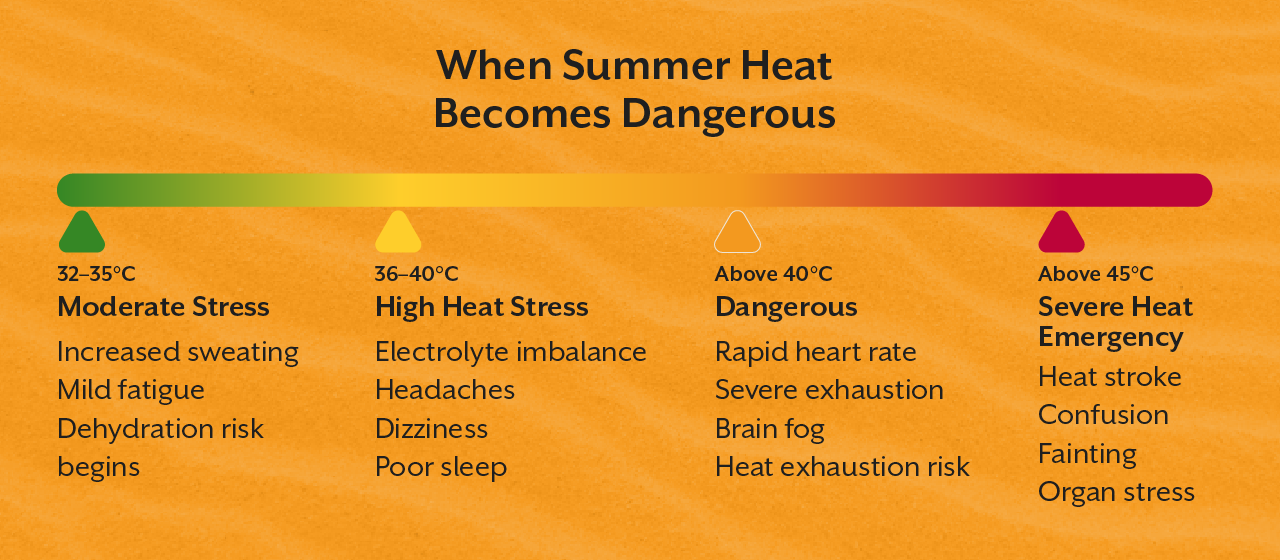
However, humidity can make even 34°C dangerous. The body cools itself through sweat evaporation. So when the humidity is too high, sweating becomes inefficient.
This is why coastal cities often feel worse despite slightly lower current temperature readings.
Signs Your Body Is Not Handling Heat Properly
Most people ignore early symptoms. But excessive heat in the body usually starts giving warnings before things become severe.
Early Warning Signs
- Persistent headaches
- Heavy fatigue
- Excess sweating
- Dizziness
- Nausea
- Increased thirst
- Dark urine
- Muscle cramps
Moderate Heat Stress Symptoms
- Brain fog
- Elevated heart rate
- Anxiety
- Weakness
- Irritability
- Poor appetite
- Difficulty sleeping
Severe Symptoms
- Confusion
- Fainting
- No sweating despite heat
- Rapid pulse
- High body temp
- Disorientation
This can indicate heat stroke and requires immediate medical attention.
How to Protect Yourself During Heat Waves
Now comes the most important part of this entire blog.
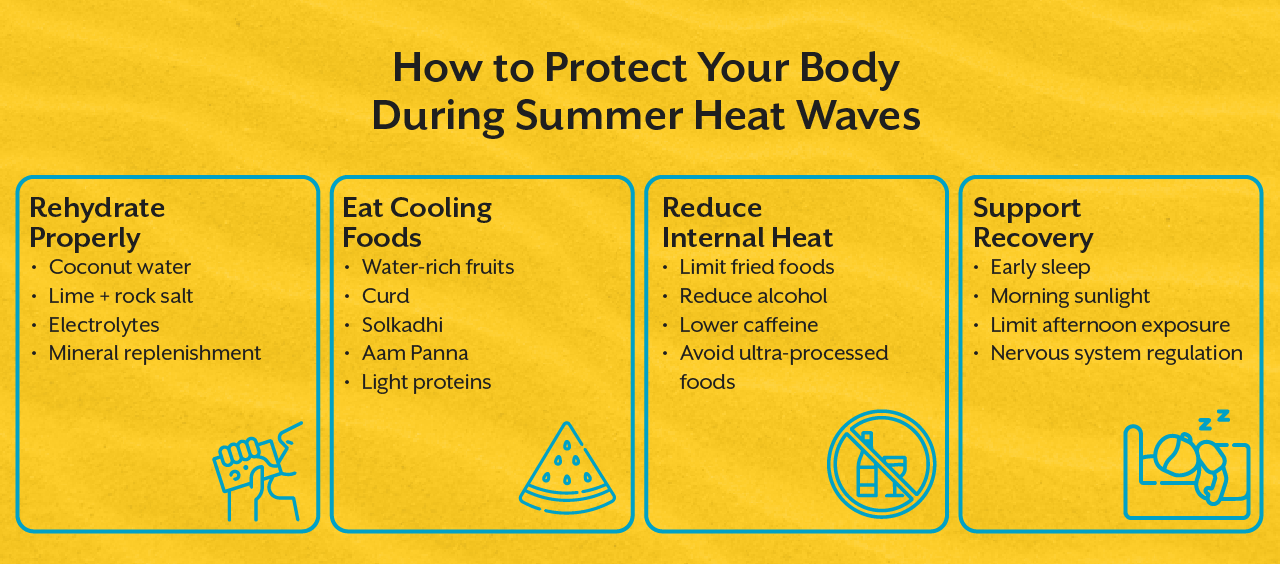
The goal is not just to drink more water, the goal is helping the body regulate heat effectively.
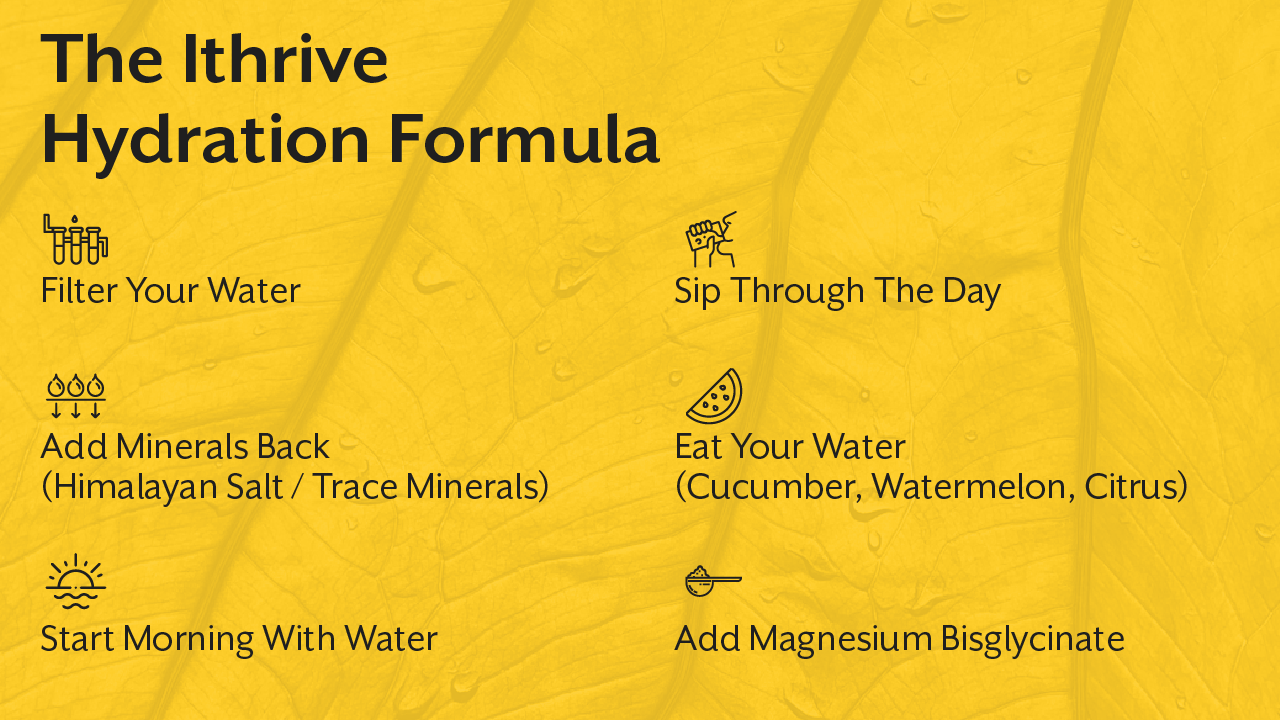
1. Prioritise Electrolytes, Not Just Water
One of the biggest mistakes during excessive heat is drinking excessive plain water without minerals because this can then dilute electrolytes further.
Focus on consuming fresh coconut water, homemade electrolytes drinks, lime water with rock salt and potassium-rich foods.
Traditional Indian cooling drinks actually make scientific sense here.
Aam Panna
The raw mango-based drink helps replenish electrolytes while also supporting cooling. You can naturally include recipes such as Aam Panna Recipe during peak summer days.
Solkadhi
Solkadhi supports digestion, hydration, and cooling simultaneously. You can also try Solkadhi Recipe for gut-friendly summer recovery.
2. Reduce Heat-Producing Foods
During extreme weather this week, your digestive system cannot handle heavy inflammatory meals efficiently.
So temporarily reduce consuming fried food, alcohol, ultra-processed food, excessive caffeine, and very spicy meals.
Rather focus on consuming hydrating fruits, mineral-rich vegetables, lighter proteins, curd, and water-rich meals.
3. Respect Circadian Rhythm
This matters more than people realise. Late nights worsen various factors such as dehydration, cortisol imbalance, inflammation, and heat intolerance.
So here at iThrive, we often encourage early dinners, sunlight exposure in the morning, and reduced blue light exposure at night during summers.
The nervous system adapts better to environmental stress when circadian rhythm is well aligned.
4. Avoid Peak Heat Exposure
Try limiting outdoor activity between 12 PM to 4 PM especially if you have diabetes, blood pressure issues, obesity, thyroid dysfunction, or are elderly.
These groups are significantly more vulnerable to excessive heat complications.
The Hidden Link Between Excessive Heat and Inflammation
This is where things become important from a functional nutrition perspective.
Excessive heat does not just affect hydration, it also increases oxidative stress and inflammation. We once had a client casually mention recurring heat exhaustion during consultation. Initially, it sounded minor. But deeper assessment revealed chronic mineral depletion, elevated inflammatory markers, poor sleep, and nervous system dysregulation. And honestly, that conversation changed something for us. As we realised, hundreds of people silently struggle every summer thinking exhaustion is “normal.”
It isn’t.
Heat waves expose weaknesses that are already present inside the body such as nutrient deficiencies, poor metabolic flexibility, inflammation, nervous system dysregulation, and inadequate recovery capacity.
And this is exactly why some people adapt easily while others completely crash during summers.
Key Takeaway
The reality is simple. Excessive heat is no longer just a seasonal inconvenience, it is becoming a genuine health stressor. So while you are checking the current temperature or monitoring weather this week through tools like Zoom Earth can help you prepare externally, real protection begins internally.
Your body needs minerals, hydration, nervous system support, anti-inflammatory nutrition and proper recovery.
Here at iThrive, after years of working in functional nutrition since 2019, we’ve repeatedly seen how small foundational changes dramatically improve resilience during summers. Because healing is not only about surviving illness. Sometimes it’s about helping the body adapt to the environment it’s living in every single day.






.webp)











.svg)