




Can Crohn’s Disease Be Reversed? Explore the Functional Nutrition Approach
Table Of Content

Can Crohn’s Disease Be Reversed? Explore the Functional Nutrition Approach

iThrive Team
May 29, 2025

Living with Crohn’s – Is Reversal Possible?

Have you ever felt bloated, fatigued or had digestive discomfort that just would not go away? Most people just blame it on “something I ate” or, of course, “a stressful week” –but what if it was something deeper than that? For those living with Crohn’s, these uncomfortable symptoms are not just temporary, they are rather a daily battle.

Crohn’s is not just about the stomach. It is a chronic and invisible illness that can affect everything, from energy levels to mental health, social life and for that matter, even the ability to eat or work normally. Many people have been spending years chasing a diagnosis or even depending on medications that manage those symptoms, but have never really solved the problem.

Understanding Crohn’s Disease

What is Crohn’s Disease?

Crohn’s Disease is a chronic autoimmune condition, which means the immune system mistakenly recognizes its own healthy tissues as threats and then attacks them. In Crohn’s, this particular immune response targets the entire digestive tract, causing inflammation, swelling, and even permanent damage.

Unlike any occasional acidity or indigestion, Crohn’s can also affect any part of the gastrointestinal (GI) tract - starting from mouth to the anus – although it most of the time affects the small intestine and also a part of the large intestine. 

The inflammation can run deep into layers of bowel tissue, also witnessed in other inflammatory bowel diseases such as ulcerative colitis. Flare-ups can also be unpredictable, often leaving the individuals in intense pain and exhaustion and unsure of what exactly triggered it.

Common Symptoms

Crohn’s Disease presents a wide spectrum of symptoms that might range from very mild to debilitating and often fluctuates over time. It’s not just a random “gut-tissue” – it also affects the overall well-being along with quality of life, specifically when flares become chronic.

Digestive Symptoms

  • Often the very first sign of many is persistent diarrhea, caused due to inflammation in the intestine that disrupts the absorption of water. 
  • Most common is abdominal cramping and pain in the lower right abdomen, but it can occur anywhere, depending on the location of the disease. 
  • Rectal Bleeding due to inflammation and ulcers in the rectum. 
  • Nausea and loss of appetite leading from intestinal inflammation and pain. 
  • Unintended weight loss and malabsorption result in poor nutrient uptake and calorie deficiency.

Systemic and other associated Symptoms 

  • Fatigue and extreme tiredness, mostly due to chronic anaemia and inflammation 
  • Fever during active flare-ups 
  • Arthritis or joint pain, specifically in ankles, wrists and knees 
  • Ulcers, red bumps and rashes 
  • Mouth sores and ulcers on the tongue or inside the cheeks 
  • Eye inflammation, which can cause blurred vision 

These signs reflect how deeply Crohn’s can disrupt immune balance and impact the entire body, and not just the digestive system.

What Triggers Crohn’s?

  • Dysbiosis – an imbalance in the gut microbiome, where harmful bacteria outnumber the beneficial ones. This can also weaken the gut barrier and permit toxins or any undigested particles to “leak” into the bloodstream, further triggering inflammation. 
  • Diet also plays a major role. Processed or packaged foods, refined sugars, and lactose can irritate an already sensitive digestive tract. 
  • Chronic stress due to unresolved trauma is another underestimated factor. It does not just impact your mood, but it also alters hormone levels, disrupts digestion and suppresses the immune system, making one more vulnerable to flare-ups. 
  • Then there’s also toxin exposure – from polluted water, pesticides, or heavy metals. Long-term exposure can certainly overload the liver and impair detoxification.
  • Lastly, antibiotic overuse – specifically during childhood can wipe out good gut bacteria, eventually setting the stage for inflammation years after.

Can Crohn’s Be Reversed?

The idea of reversing Crohn’s can sound too good to be true, specifically when conventional medicine labels it as a lifelong condition. 

But here is the truth.

While there is no official cure for Crohn's, symptoms can be drastically reduced, remission can surely be sustained, and many people go years without flares – all via a root-cause approach

What Does “Reversal” Mean?

In Functional Nutrition, “reversal” does not mean a magic pill that eliminates Crohn’s overnight. 

It rather means:

  • Healing the gut lining 
  • Minimising inflammation at its root 
  • Recognising and rectifying personal triggers 
  • Rebuilding nutrient  reserves 
  • Supporting the immune system – not shutting it down 

The Functional Nutrition View

Functional Nutrition views the body as an interconnected system, and not as isolated parts. 

Instead of treating the inflamed gut, FN focuses on: 

  • What is triggering the immune system?
  • What’s going wrong with gut health?
  • Is there any unresolved trauma? 
  • What nutritional deficiencies are holding back healing?

This very shift in thinking is REVOLUTIONARY, and it works.

The Functional Nutrition Approach to Crohn’s

Root-Cause Analysis 

Healing surely begins with understanding your Crohn’s story. No two cases can ever be alike, which is why at iThrive, we initiate the process with Root-Cause Analysis – a most powerful diagnostic system that potentially maps out:

  • Gut microbiome imbalances 
  • Any hidden infections 
  • Heavy metal toxicity 
  • Insufficiencies in digestion, such as low stomach acid or enzymes 
  • Past trauma or any stress pattern 

Advanced tests such as the GI-MAP test offer key insights into various bio-markers such as inflammation, pathogens, gut-health and many more. iThrive team utilises this data for crafting a personalised healing plan.Anti-Inflammatory Nutrition

Food can either be medicine or fuel for Crohn's. The reversal of Crohn’s needs removing all inflammatory foods and adding gut-healing, nutrient-rich food items such as cooked veggies. At iThrive, nutrition plans are centred on anti-inflammatory, healing and low-residue focused meals. 

Restoring Gut Health

Crohn’s begins right in the gut – and so does healing. 

iThrive protocols are well designed to: 

  • Heal the intestinal lining
  • Repopulate good bacteria 
  • Support digestive function 
  • Reduce gut permeability 

Want to restore your gut health? Get your advanced testing and GI Map Test done ASAP.

Nervous System Support

Emotional stress, constant sympathetic overdrive, and unresolved trauma play a crucial role in Crohn’s flares. 

That’s why iThrive includes nervous system healing as a significant pillar of care. 

At iThrive, clients are guided through: 

  • Grounding through nature via walking barefoot and being in sunlight for some time 
  • Gratitude Journalling along with emotions 
  • Breathing technique such as box breathing 
  • Trauma release methods 

Lifestyle Strategies 

Healing Crohn's is not just about diet – it is also about daily habits that help the body to thrive. 

iThrive’s Lifestyle Foundations: 

  • Ensure to sip water steadily throughout the day — aim for at least 8 glasses. 
  • Ensure you prioritize sleep, as your physical, immune and emotional health is entirely dependent on it. 
  • Emotional Grounding is beneficial as it helps individuals to return to a calm and centred state of mind, which eventually resets the entire nervous system. 
  • Keeping a journal of foods and symptoms can benefit you in tracking the reactions of specific foods as well as stressors.
  • Minimal toxin exposure through clean and tidy personal care and cookware 

Can You Heal Too?

Is Functional Nutrition Right for You?

Whether you have been recently diagnosed or have been living with Crohn’s for years, Functional Nutrition might provide a new perspective that combines science and self-care.

Healing is not linear, but with the help of the right set of tools and support, your body is capable of restoring balance. At iThrive, we truly believe that transformation is possible – and we have also seen it happen.

Hope Beyond the Diagnosis 

Reversal is not a promise of perfection, but it’s surely a promise of possibility, and thousands are living proof of what is achievable with the right set of approaches.

A
Ask your doubts
Thank you! Your submission has been received!
Oops! Something went wrong while submitting the form.

FAQs

Can Crohn’s disease be reversed via Functional Nutrition?
faq arrow

Lorem ipsum dolor sit amet, consectetur adipiscing elit, sed do eiusmod tempor incididunt ut labore et dolore magna aliqua. Ut enim ad minim veniam, quis nostrud exercitation ullamco laboris nisi ut aliquip ex ea commodo consequat. Duis aute irure dolor in reprehenderit in voluptate velit esse cillum dolore eu fugiat nulla pariatur.

What foods should I avoid if I have Crohn's?
faq arrow

Lorem ipsum dolor sit amet, consectetur adipiscing elit, sed do eiusmod tempor incididunt ut labore et dolore magna aliqua. Ut enim ad minim veniam, quis nostrud exercitation ullamco laboris nisi ut aliquip ex ea commodo consequat. Duis aute irure dolor in reprehenderit in voluptate velit esse cillum dolore eu fugiat nulla pariatur.

How does iThrive identify the root causes of Crohn’s symptoms?
faq arrow

Lorem ipsum dolor sit amet, consectetur adipiscing elit, sed do eiusmod tempor incididunt ut labore et dolore magna aliqua. Ut enim ad minim veniam, quis nostrud exercitation ullamco laboris nisi ut aliquip ex ea commodo consequat. Duis aute irure dolor in reprehenderit in voluptate velit esse cillum dolore eu fugiat nulla pariatur.

Is stress really a trigger for Crohn’s flare-ups?
faq arrow

Lorem ipsum dolor sit amet, consectetur adipiscing elit, sed do eiusmod tempor incididunt ut labore et dolore magna aliqua. Ut enim ad minim veniam, quis nostrud exercitation ullamco laboris nisi ut aliquip ex ea commodo consequat. Duis aute irure dolor in reprehenderit in voluptate velit esse cillum dolore eu fugiat nulla pariatur.

Is the Functional Nutrition approach best suited for all Crohn’s patients?
faq arrow

Lorem ipsum dolor sit amet, consectetur adipiscing elit, sed do eiusmod tempor incididunt ut labore et dolore magna aliqua. Ut enim ad minim veniam, quis nostrud exercitation ullamco laboris nisi ut aliquip ex ea commodo consequat. Duis aute irure dolor in reprehenderit in voluptate velit esse cillum dolore eu fugiat nulla pariatur.

Related Blogs

Gut Harmony: 5 Everyday Habits to Support Your Digestive Health
read count
read time
Oct 1, 2025

Gut Harmony: 5 Everyday Habits to Support Your Digestive Health

Discover how to balance your gut with simple lifestyle tips, the right diet, probiotics, and testing for optimal digestion and energy.

Your gut is more than just a place that digests food, it plays a big role in your overall health. A healthy gut can boost your energy, improve your mood, strengthen your immunity, and even make your skin glow. But when your gut is not working well, you might feel tired, bloated, moody, or notice skin problems. Gut harmony means your digestive system and the good bacteria in your gut are working together smoothly. When this balance is right, your body digests food properly, absorbs nutrients efficiently, and keeps your mind and body feeling their best. In simple words, a gut in harmony helps you feel lighter, healthier, and more energetic every day.

In this blog, we will focus on how to know if your gut is healthy or not, what causes gut problems, digestive health tips, ways to support your digestion and bring your gut back into balance. An insight from iThrive’s POV.

Is Your Gut Doing Fine?

Not everyone knows when their gut is out of balance, but there are signs you can notice in everyday life. If your gut is healthy, you usually have regular bowel movements, feel light and energetic, your skin looks clear, and your mood stays steady. On the other hand, if your gut is struggling, you might experience bloating, gas, constipation or diarrhea, fatigue, brain fog, mood swings, or even skin problems like acne or rashes. Paying attention to these signals can help you understand how your digestive system is doing and whether it needs some care.

If you are facing any gut-related issues and aren’t sure what’s actually going wrong, don’t ignore the signals. You can book a free consultation with iThrive, where our team of experts will help you assess your symptoms, guide you towards better personalised solutions and provide you ways to support your digestion. 

Why Does Gut Health Go Wrong?

Gut problems often happen because of common lifestyle habits that we may not even notice.

  • Eating too much processed or sugary food: Foods like fried snacks, sweets, and packaged meals can disturb the balance of good bacteria and slow digestion.
  • Low fiber intake and lack of probiotics: Not eating enough fruits, vegetables, and whole grains can make bowel movements irregular and feed unhealthy gut microbes.
  • Skipping meals or irregular eating: Eating at inconsistent times can confuse your digestive system and lead to bloating, acidity, or discomfort.
  • Chronic stress: Stress affects gut function, causing gas, cramps, or irregular bowel habits.
  • Poor sleep: Lack of sleep disrupts gut bacteria and slows digestion.
  • Sedentary lifestyle: Too little movement can slow down digestion and make elimination harder.
  • Frequent use of certain medications: Antibiotics, painkillers, and some supplements can harm gut bacteria if used often.

These common habits reduce gut microbial diversity, making digestion inefficient and causing fatigue, weaker immunity, mood swings, and other health issues.

1. Eat More Fiber-Rich Foods

Fiber is one of the most important nutrients for gut health and considered healthy gut habit. It acts as food for the good bacteria in your gut, helping them grow and keep your digestive system balanced. Fiber also adds bulk to your stool, making bowel movements smooth and regular. Without enough fiber, digestion can slow down, which often leads to bloating, constipation, gas, or general stomach discomfort. Over time, low fiber intake can even affect your metabolism and overall energy levels. Here are some of the digestive health tips:

Tips to include more fiber in your diet:

  • Add fruits to one serving in a day: Fruits like apples, berries, bananas, pears, and papaya are rich in fiber and also provide antioxidants that support gut health. Try having a fruit smoothie in the mid morning or a fruit salad as a snack. Pair fruits with good quality fats like coconut pieces or pumpkin seeds to avoid sugar spikes
  • Let's add fruit smoothie in the mid morning
  • Include vegetables in every meal: Vegetables like carrots, beans, broccoli, and bell peppers are excellent sources of fiber. Steaming, lightly sauteing, or roasting vegetables can make them easier to digest.
  • Choose whole grains over refined grains: Swap white rice, white bread, and regular pasta with oats, quinoa, white rice and millets. Whole grains not only add fiber but also provide sustained energy throughout the day.
  • Include legumes for protein and fiber: animal proteins, Lentils, chickpeas, moong dal, rajma, and black-eyed peas are excellent sources of both protein and fiber. They keep you full for longer and support a healthy gut microbiome.
  • Start gradually and drink water: If your body isn’t used to a high-fiber diet, increase your intake slowly to avoid gas or bloating. Always pair fiber-rich foods with plenty of water, hydration helps fiber move smoothly through your digestive system.

2. Stay Hydrated

Water plays a crucial role in digestion and overall gut health. It helps break down the food you eat, allows nutrients to be absorbed efficiently, and helps move waste through your intestines. When your body is dehydrated, digestion slows down, which can lead to constipation, bloating, and discomfort. Staying hydrated also supports the good bacteria in your gut, helping maintain a healthy balance.

Tips to stay properly hydrated:

  • Start your day with water: Drink 1-2 glasses of water as soon as you wake up to jumpstart your digestive system.
  • Sip water throughout the day: Keep a water bottle with you and take small sips regularly instead of drinking a lot all at once.
  • Include hydrating foods: Fruits like watermelon, oranges, and cucumber, or foods like coconut water and soups, also contribute to your daily hydration.
  • Replace sugary drinks: Avoid excessive sodas, packaged juices, or energy drinks, as they can disturb gut bacteria. Instead, opt for plain water, herbal teas, or infused water with lemon, mint, or cucumber.
  • Pair water with fiber intake: Drinking enough water is especially important if you’re increasing fiber in your diet, as it helps fiber move smoothly through the digestive tract and prevents bloating.

3. Manage Stress

Stress doesn’t just affect your mind, it directly impacts your gut. Your brain and gut are connected through what’s called the gut-brain axis, which means high stress levels can slow down digestion, increase inflammation, and upset the balance of good bacteria. This can lead to bloating, cramps, irregular bowel movements, or even worsening of conditions like IBS. Chronic stress over time can weaken your immunity and affect energy, sleep, and overall well-being.

Tips to manage stress for a healthier gut:

  • Practice deep breathing or meditation: Even 5-10 minutes daily can calm your nervous system and improve digestion. Simple breathing exercises can help you get started.
  • Go for short walks or light exercise: Movement helps release tension and stimulates gut activity. A 15-20 minute walk after meals is especially beneficial.
  • Keep a journal or write down worries: This helps you process emotions instead of letting stress build up and affect your digestion.
  • Engage in hobbies or relaxing activities: Reading, music, painting, or spending time with loved ones can reduce stress and support gut health.
  • Prioritize “digital detox” breaks: Constant screen time and notifications can increase stress. Take small breaks during the day to relax your mind and body.

4. Eat Mindfully

How you eat is just as important as what you eat. Eating too quickly, while distracted, or in a rush can make it harder for your body to digest food properly. When you eat mindfully, you give your digestive system time to break down food efficiently, absorb nutrients, and avoid common issues like bloating, gas, or indigestion. Mindful eating also helps you recognize when you are full, preventing overeating and unnecessary strain on your gut.

Tips for mindful eating:

  • Chew food properly: Take time to chew each bite thoroughly. This helps break down food mechanically and makes it easier for your stomach to digest.
  • Avoid distractions: Try not to eat while watching TV, scrolling on your phone, or working. Focus on your food and enjoy each bite.
  • Take smaller bites and pause: Eating slowly allows your body to signal when it’s full, which prevents overeating.
  • Listen to your body: Stop eating when you feel comfortably full, not stuffed. Overeating can cause bloating and discomfort.
  • Make mealtime enjoyable: Set aside dedicated time for meals, eat in a calm environment, and appreciate your food. This reduces stress on your gut and improves digestion.

5. Prioritize Sleep and Movement

Your gut needs both rest and activity to function properly. During sleep, your body repairs itself, balances hormones, and allows your gut bacteria to recover and thrive. Poor sleep can disrupt this process, leading to slower digestion, bloating, and even changes in appetite or metabolism as well as circadian rhythm. On the other hand, physical movement stimulates your digestive system, helping food move through your intestines and preventing constipation. Together, good sleep and regular movement support a healthy, balanced gut.

Tips for better sleep and movement:

  • Maintain a consistent sleep schedule: Try to go to bed and wake up at the same time every day, aiming for 7- 8 hours of sleep. Also try to avoid screen exposure before bedtime.
  • Avoid heavy meals and caffeine before bed: Eating late or consuming stimulants can disturb digestion and sleep quality.
  • Include daily movement: Light exercises like walking, yoga, stretching, or cycling keep digestion active and improve blood flow to the gut.
  • Take short walks after meals: Even a 10-15 minute walk after eating can help food move smoothly through your digestive system.
  • Combine sleep and stress management: Relaxation techniques before bed, such as meditation or deep breathing, improve both sleep and gut health.

What Should You Eat, and What Should You Avoid?

Eating the right foods is key to keeping your gut healthy and happy. The right foods feed your good bacteria, reduce inflammation, and make digestion smooth. On the other hand, certain foods can disrupt your gut balance and cause bloating, gas, or discomfort.

Foods to Include:

  • Fiber-rich foods: Fruits (apples, berries, bananas), vegetables (spinach, carrots, beans), whole grains (oats, brown rice, quinoa), and legumes (lentils, chickpeas).
  • Fermented foods: A2 curd Yogurt, kefir, idli, dosa, or sauerkraut help add good bacteria to your gut. Kefir and sauerkraut are highly fermented and can cause discomfort in some cases.
  • Healthy fats: Olive oil, avocado, nuts, and seeds reduce inflammation and support digestion.
  • Lean proteins: Fish, chicken, eggs, or plant-based proteins for energy and gut health.
  • Hydrating foods: Coconut water, lemon water, cucumber, and watermelon keep digestion smooth.

Foods to Avoid:

  • Highly processed foods and junk food: Chips, instant noodles, and packaged snacks can disturb gut bacteria.
  • Excess sugar and refined carbs: White bread, sweets, and pastries feed harmful bacteria.
  • Fried and oily foods: Hard to digest and may trigger bloating or acidity.
  • Too much caffeine and alcohol: Can irritate the gut lining.
  • Artificial sweeteners: May affect gut microbes and cause bloating.

Can Probiotics Really Help Your Gut?

Probiotics are live “good bacteria” that help maintain a healthy balance in your gut. Your digestive system contains trillions of microbes, and when the good bacteria are in balance, digestion works smoothly, nutrient absorption improves, immunity strengthens, and even your mood and skin can benefit. Probiotics help restore this balance, especially if it has been disrupted by poor diet, stress, medications, or infections.

How to Include Probiotics in Your Daily Routine:

  • Eat yogurt or kefir regularly: These are natural sources of probiotics that introduce beneficial bacteria to your gut. Opt for plain, unsweetened yogurt, lemon water or kefir to avoid added sugars, which can feed harmful bacteria.
  • Include fermented foods: Foods like idli, dosa, kimchi, sauerkraut and pickled vegetables are rich in live cultures that support gut health. Try to include a small portion with meals to gradually boost your gut microbiome. 

Consider probiotic supplements: A great option is iThrive Essentials Probiotics with Prebiotics, which combines multiple strains of beneficial bacteria with prebiotics that act as food for these microbes. This combination helps improve gut balance, supports digestion, and strengthens immunity. Look for supplements that provide adequate colony-forming units (CFUs) for effectiveness and pair them with a fiber-rich diet for the best results.

Want to Check Your Gut Health? This Test is the Answer

A GI Map Test is a comprehensive stool test that gives a clear and detailed picture of your gut health. Unlike routine tests, it doesn’t just check for basic digestion issues, it shows the balance of good and harmful bacteria, the presence of yeast or parasites, levels of inflammation, and how efficiently your digestive system is working. Essentially, it maps your gut microbiome so you know exactly what’s happening inside.

Why it’s useful:

  • Identifies imbalances in gut bacteria: If you experience bloating, constipation, diarrhea, or other digestive discomforts, a GI Map Test can pinpoint which bacteria are out of balance and may be causing these issues.
  • Detects hidden infections or bacterial overgrowth: Standard tests may miss low-grade infections, yeast overgrowth, or harmful bacteria that quietly affect your digestion and immunity.
  • Provides a roadmap for personalized care: The test results help nutritionists and health professionals create a customized plan including diet changes, supplements, and lifestyle interventions specifically designed to restore gut harmony.
  • Tracks progress over time: Repeating the test after following a gut-focused protocol can help you see improvements and adjust your plan if needed.

If you’ve been dealing with ongoing digestive problems, unexplained fatigue, or irregular bowel habits, or simply want a clear understanding of your gut health, a GI Map Test can be an invaluable tool. By identifying the root causes of gut issues, it allows you to take targeted, effective steps toward a balanced, healthy gut and overall well-being.

If you are facing any gut-related issues and aren’t sure what’s actually going wrong, don’t ignore the signals. You can book a free consultation with iThrive, where our team of experts will help you assess your symptoms, guide you on whether advanced testing like the GI Map is needed, and create a personalized plan with diet, lifestyle, and supplementation to bring your gut back into balance. Sometimes, the first step toward healing is simply getting the right guidance, and we’re here to help you with that.

Healing Hypothyroidism: The Functional Role of Nutrition in Thyroid Health
read count
read time
Jun 12, 2025

Healing Hypothyroidism: The Functional Role of Nutrition in Thyroid Health

Understand What is Hypothyroidism? What are the symptoms and causes of it? How can Functional nutrition help with it? & what foods to include in the Hypothyroidism Diet?

Do you feel that your body has slowed down? Do you also feel lethargic? You don’t get excited about any new opportunity and think about how much work it's going to be. Then you might be struggling with Hypothyroidism. An estimated 42 million people, or about 1 in 10 adults, have thyroid disorders.1 Hypothyroidism can affect individuals of all age groups. Therefore, everyone must be vigilant for symptoms and alert when any signs appear.

What is Hypothyroidism?

The thyroid is a small butterfly-shaped gland at the base of the neck, below the Adam’s apple. The thyroid gland makes two main hormones: thyroxine (T-4) and triiodothyronine (T-3). 

Hypothyroidism, also known as an underactive thyroid, is a condition in which thyroid glands don’t make or release enough hormones into your bloodstream. A key indicator of hypothyroidism is an elevated level of thyroid-stimulating hormone (TSH). When thyroid hormone levels are low, the pituitary gland increases TSH production to stimulate the thyroid gland. As a result, metabolism gets slow. This leads to unintentional weight gain and makes you feel exhausted all the time. Thyroid hormones manage growth, cell repair, and metabolism. Every cell in the body can be affected by these hormones. 

What are the symptoms of Hypothyroidism?

The severity of the condition depicts the symptoms of hypothyroidism. The symptoms may take time to show up as the problems develop slowly over the years. One might notice the symptoms a little later in life. Your metabolism continues to slow down and you may end up with more obvious problems. Symptoms of hypothyroidism may include:

1. Dry skin

2. Puffy face

3. Tiredness

4. More sensitivity to cold 

5. Constipation

6. Hoarse voice

7. Hair loss

8. Muscle weakness

9. Depression

10. Memory problem

11. Slowed heart rate, also called bradycardia

12. Menstrual cycles that are heavier than usual or irregular

What are the causes of Hypothyroidism?

The hormones produced by the thyroid gland, thyroxine (T-4) and triiodothyronine (T-3), support the rate at which the body uses fats and carbohydrates. They help control body temperature, affect heart rate, and control how much protein the body makes. Hypothyroidism is a result of the thyroid gland not making enough hormones. Problems or conditions that can lead to hypothyroidism are as follows:

1. Autoimmune disease: This happens when the immune system makes antibodies that attack healthy tissues. The most common autoimmune disease is Hashimoto’s disease. 

2. Iodine deficiency: It is crucial for thyroid hormone production.2 Supplements are required if a person is suffering from nutrient deficiencies. 

3. Thyroiditis: Inflammation of your thyroid gland. Usually, it first results in brief hyperthyroidism, followed by temporary or persistent hypothyroidism.

4. Thyroid surgery: Thyroid hormone production can be reduced or stopped entirely via surgery that removes all or part of the gland.

5. Medications: Medications such as lithium and amiodarone can interfere with thyroid hormone production. 

6. Radiation therapy: Hypothyroidism can result from thyroid gland damage caused by radiation therapy used to treat head and neck cancers.

7.  Chronic Stress: Prolonged stress elevates cortisol levels, which can interfere with thyroid hormone production. 

8. Environmental Pollutants and Toxins: Your thyroid and immune system may be overburdened by heavy metals and endocrine disruptors found in household and personal care items (such as shampoos, cosmetics, and chlorine in swimming pools and water).

10. Nutrient Deficiencies: Beyond iodine, deficiencies in nutrients like selenium, iron, vitamin D, and zinc can impair thyroid function.

11. Lifestyle and Dietary Factors: Certain lifestyle choices and dietary habits can influence thyroid health. For instance, smoking has been observed to decrease thyroid-stimulating hormone (TSH) levels and increase triiodothyronine (T3) and thyroxine (T4) levels, potentially disrupting normal thyroid function.

How can Functional nutrition help with Hypothyroidism?

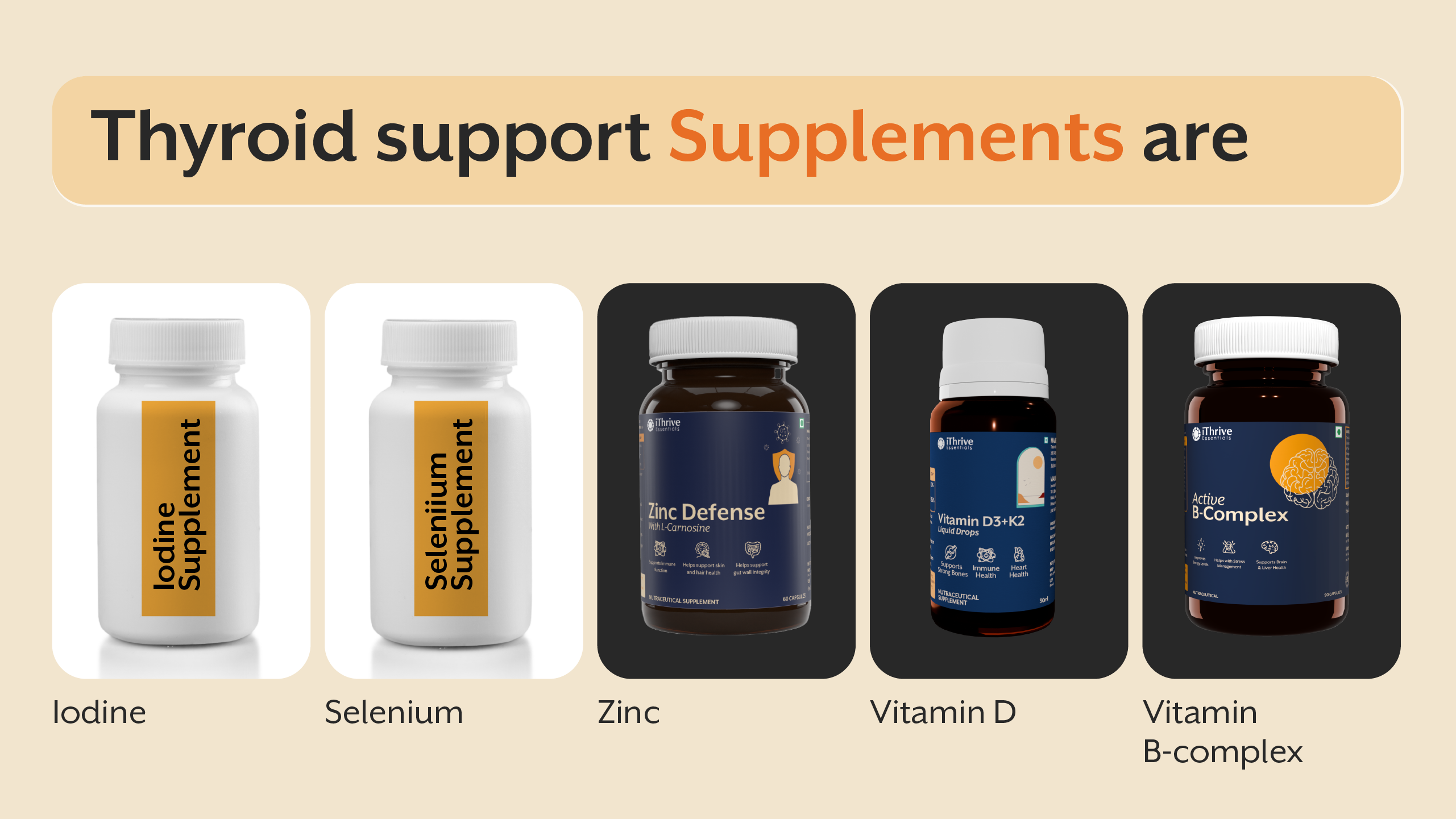
Functional nutrition is a holistic approach to lifestyle and dietary change via interpreting the root cause analysis. It focuses on understanding and addressing the underlying cause of health issues through tailored nutrition plans and lifestyle modifications. At iThrive when it comes to hypothyroidism we do help you be and feel healthy through a balanced diet and change in lifestyle but we take free T3 and T4 (unbound forms of the thyroid hormones, triiodothyronine (T3) and thyroxine (T4) into consideration, unlike other consultancies that cater to your total T3 and total T4. Certain Thyroid support supplements are iodine, selenium, zinc, vitamin D, and Vitamin B12, these are some of the basic nutrients that functional nutrition includes in the best diet for hypothyroidism patients. 

An anti-inflammatory diet is recommended to reduce inflammation, which can be achieved by removing foods such as gluten, dairy, and processed sugar. Nutritionists at iThrive test your antibodies, such as TRAB (Thyroid-Stimulating Hormone Receptor Antibody), TPO (Thyroid Peroxidase), and TGAB (Thyroglobulin Antibodies), to learn about autoimmunity. We then suggest removing certain foods from your diet. Along with that, we work on stress management- physical and emotional. iThrive also recommends that sleep is a key principle when it comes to healing. 

Foods to Include and Avoid in Your Hypothyroidism Diet

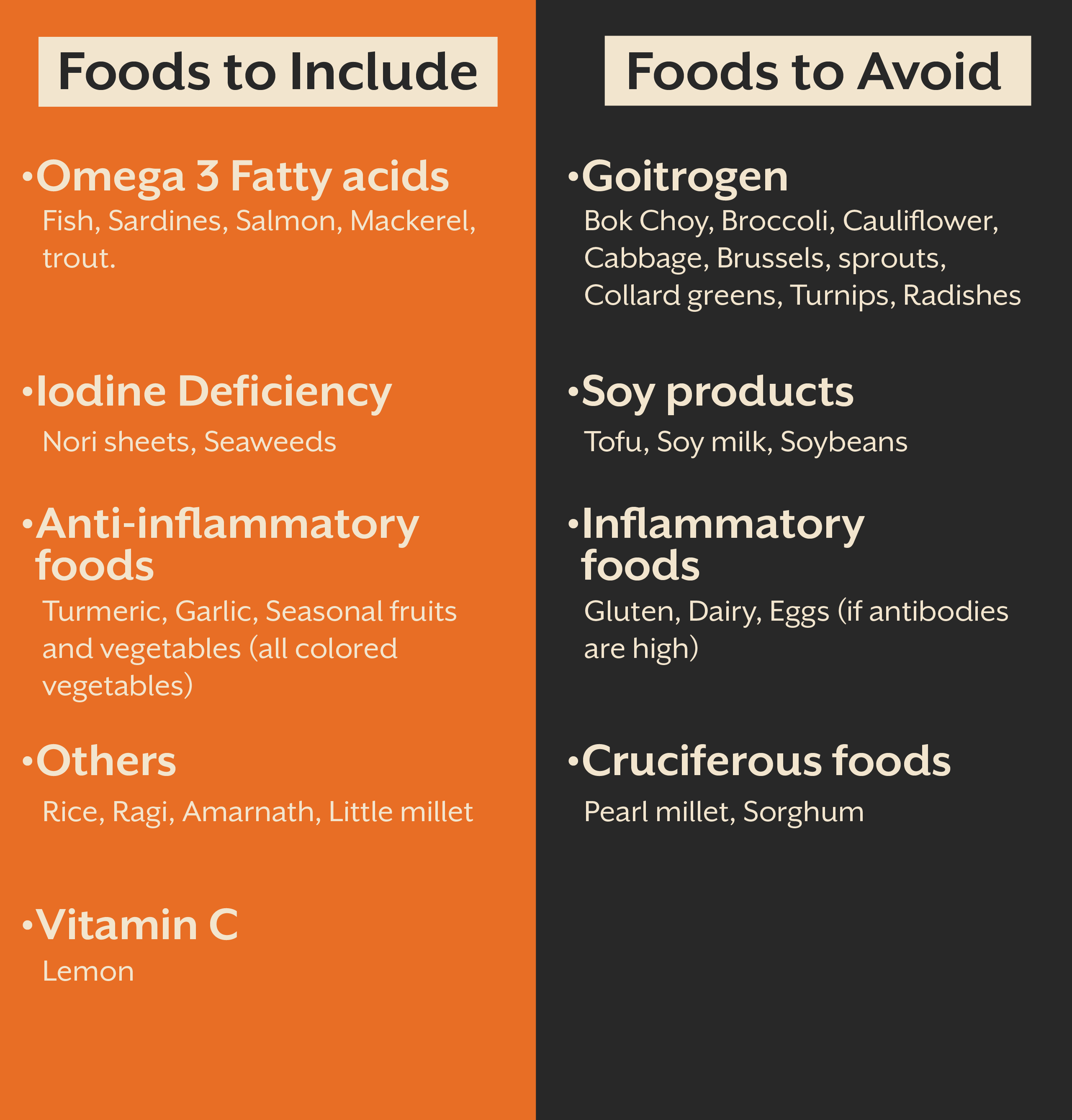
Managing hypothyroidism effectively involves more than just medication; dietary choices play a crucial role in supporting thyroid function. While certain foods can enhance thyroid health, others may interfere with hormone production or medication absorption. Being mindful of these foods and consuming them with caution can help alleviate symptoms and improve overall well-being. So here is a list of the foods to include and avoid in your Hypothyroidism diet-

*Goitrogen-  Natural compounds called goitrogens, which are present in several meals, might affect thyroid function, especially in people who have hypothyroidism. They may interfere with thyroid hormone synthesis, resulting in symptoms like exhaustion, weight gain, and cold sensitivity.  Goitrogens can block iodine transport into the thyroid gland. They can inhibit TPO and more.*

Conclusion

Functional nutrition offers a comprehensive approach to managing hypothyroidism by addressing the root cause of thyroid dysfunction through personalized dietary and lifestyle interventions. This approach emphasizes the importance of essential nutrients such as selenium, zinc, vitamin B12, and more which are crucial for thyroid hormone production and conversion. Incorporating an anti-inflammatory diet, optimizing gut health, and managing stress are key components of functional nutrition that support thyroid health and overall well-being. 

Functional nutrition seeks to improve the quality of life for those with hypothyroidism by restoring thyroid gland balance, reducing symptoms, and emphasizing tailored care and holistic approaches. To ensure safe and efficient management of the illness, functional nutrition should be undertaken under the supervision of medical professionals, even though it can supplement traditional treatments. 

Reference

1. Diagnostics, N. (2023, December 30). Hypothyroidism in India: symptoms, cause, and treatment. Nisarga Diagnostics. https://nisargadiagnostics.com/hypothyroidism-in-india-symptoms-cause-and-treatment/

2. Thyroid disease. (2025, March 19). Cleveland Clinic. https://my.clevelandclinic.org/health/diseases/8541-thyroid-diseas

3. DTE Staff, & DTE Staff. (2018, September 21). 1 in 10 Indians have hypothyroidism. Down to Earth. https://www.downtoearth.org.in/health/1-in-10-indians-have-hypothyroidism-61693

Reversing Hashimoto's Thyroiditis Naturally: The Blueprint of Functional Nutrition
read count
read time
Jun 11, 2025

Reversing Hashimoto's Thyroiditis Naturally: The Blueprint of Functional Nutrition

What is Hashimoto's Thyroiditis? What are the common symptoms of it? What Is Functional Nutrition? What are its Root Causes and How does iThrive help in reversing Hashimotos?

Imagine waking up each day feeling persistently tired, battling unexplained weight gain, and grappling with mood swings that disrupt your daily life. For many in India, this is not just a fleeting phase but a chronic reality attributed to Hashimoto's Thyroiditis. This autoimmune condition, where the immune system attacks the thyroid gland, is increasingly prevalent, especially among women.

In India, thyroid disorders affect approximately 42 million people, with Hashimoto's Thyroiditis being a significant contributor to this statistic. Over 90 percent of Hashimoto's patients in an Indian study were female, primarily in the 21–40 age range. 1 The condition often leads to hypothyroidism, characterized by elevated TSH levels and a host of debilitating symptoms.

While conventional treatments focus on hormone replacement, there's a growing interest in addressing the root causes through Functional Nutrition. This approach emphasizes personalized dietary and lifestyle interventions to support the body's natural healing processes.

In this blog, we'll explore how reversing Hashimoto's thyroiditis naturally is not only possible but achievable through the principles of Functional Nutrition. We'll delve into the causes, symptoms, and effective strategies to reclaim your health and vitality.

What is Hashimoto's Thyroiditis?

Hashimoto's Thyroiditis, also known as chronic lymphocytic thyroiditis, is an autoimmune disorder where the immune system mistakenly attacks the thyroid gland. It leads to chronic inflammation and impaired hormone production. There is more to Hashimoto's than just hypothyroidism or insufficient thyroid hormone. People with Hashimoto's disease may exhibit both hyperthyroidism and hypothyroidism. 2

Our body is always trying to protect us but when it doesn’t feel safe, it gets habituated and develops chronic conditions to survive better. In particular, a persistent illness such as Hashimoto's causes the stomach to become permeable, or "leaky”. This indicates that molecules that should remain in the stomach seep into the blood. The thyroid gland and these molecules are then attacked by the body. 2

What are the Common Symptoms of Hashimoto's Thyroiditis?

Recognizing the symptoms of Hashimoto's is crucial for timely intervention. Common signs include:

1. Persistent fatigue
2. Weight gain despite an unchanged diet
3. Sensitivity to cold
4. Dry skin and hair
5. Depression or mood swings
6. Memory lapses or difficulty concentrating
7. Menstrual irregularities
8. Constipation
9. Enlarged thyroid (goiter)

What Is Functional Nutrition?

Functional Nutrition is a holistic approach that focuses on individualized dietary and lifestyle strategies to address the root causes of health issues. Rather than merely treating symptoms, it seeks to understand and rectify underlying imbalances in the body. At iThrive, the principles of functional nutrition are integrated into personalized care plans to support individuals with Hashimoto's Thyroiditis. By addressing factors such as nutrient deficiencies, gut health, and lifestyle habits, iThrive's approach aims to restore thyroid function and improve overall well-being.

Root Causes: What Triggers Hashimoto’s?

The exact cause of Hashimoto's Thyroiditis remains unclear, but several factors contribute to its onset:

1. Genetic Predisposition: A family history of thyroid or autoimmune diseases increases the risk. Research suggests that genetics accounts for about 80% of the likelihood of developing Hashimoto's.3

2. Hormonal Imbalances: Fluctuations in hormones, especially in women, can influence immune function.

3. Nutrient Deficiencies: Lack of essential nutrients like selenium and vitamin D can impair thyroid health. These nutrients play crucial roles in thyroid hormone production and immune regulation. Also, Studies show that taking selenium supplements (about 200 µg/day) during deficiency for six months can significantly lower thyroid antibodies like TPOAb (Thyroid Peroxidase Antibody) and TgAb (Thyroglobulin Antibody) in people with Hashimoto’s. 7

4. Chronic Stress: Prolonged psychological stress can disrupt the immune system and endocrine function. Stress activates the hypothalamic-pituitary-adrenal (HPA) axis, leading to increased cortisol levels.

5. Infections: Viral or bacterial infections can overstimulate your immune system. EBV (Epstein–Barr virus) and Bartonella are often linked to Hashimoto’s onset due to immune overactivation.

6. Mold and mycotoxins: Exposure to mold—especially Aspergillus—and its mycotoxins can inflame your gut and immune system, acting as a trigger for autoimmune thyroid disease. 6

7. Ongoing Inflammation: Chronic inflammation, caused by high insulin from diets, food triggers, or obesity adds stress to your immune system and keeps Hashimoto active.

8. Overexposure to blue light: Too much screen time emits blue light that disrupts melatonin and circadian rhythm. This can spark inflammation and antibody production.

9. External toxins: Heavy metals and endocrine disruptors from personal care and household products (like shampoos, makeup, and chlorine in water and swimming pools) can burden your thyroid and immune system.

10. Covid vaccinations: Some individuals experience a rise in thyroid antibodies or thyroiditis after COVID-19 infection or vaccination. Research notes potential molecular mimicry triggering this response. 4

11. Gut dysbiosis: Your gut hosts trillions of tiny helpers—good and bad microbes. Sometimes, this balance shifts. That’s gut dysbiosis when harmful bacteria take over.

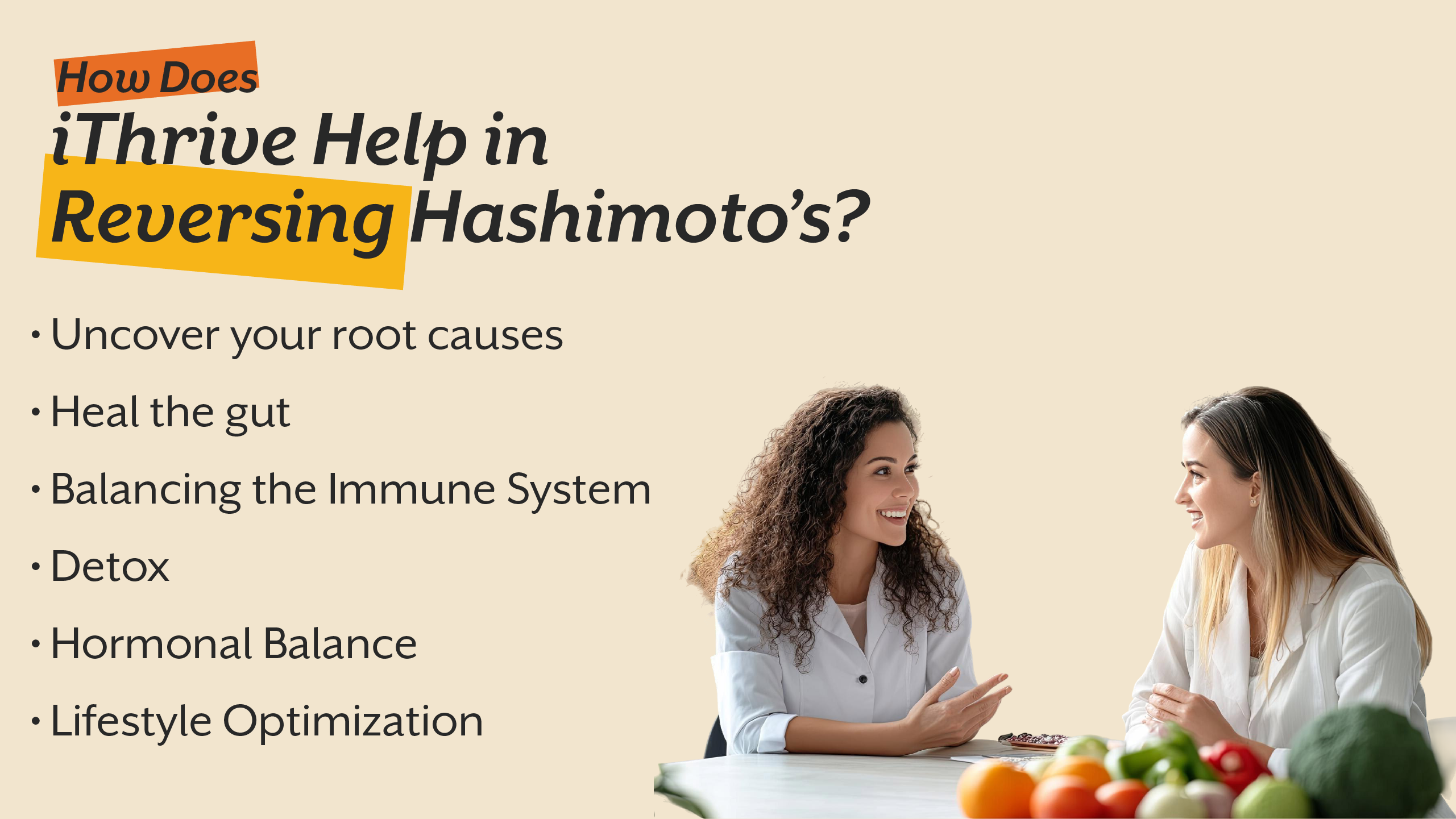
How Does iThrive Help in Reversing Hashimoto’s?

1. We uncover your root causes

We begin by testing over 55+ blood health parameters to thoroughly understand your unique health profile. This includes a full thyroid panel—Ultrasensitive TSH, Free T4, Free T3 (and often Reverse TPO, TGAb, TRAb) so we know exactly where your thyroid stands. By mapping these data points, we can uncover hidden triggers, personalize your healing plan, and guide true reversal rather than symptom masking.

2. Heal the gut & clean up your diet

You’ll follow our anti-inflammatory food plan—no gluten or dairy, lots of nutrients, lean protein, and minimal carbs. You can also choose to opt for GI-MAP as it gives you a window into your gut’s ecosystem—revealing infections, imbalance, and markers of leaky gut. By addressing these root causes with targeted protocols, you ease inflammation, support nutrient absorption, and significantly reduce thyroid antibody levels.

This calms your gut and cuts inflammation at the source.

3. Balancing the Immune System

Through diet, stress management techniques, herbs, and supplements (like vitamin D and selenium), we modulate your immune system to reduce thyroid antibodies.

4. Detox you safely

If toxins are at play, we add binders (like Detox Binder) and support your liver, plus an infrared sauna to flush out heavy metals and disruptors.

5. Hormonal Balance & Adrenal Support

Stress relief techniques—like meditation and adaptogens —help restore cortisol balance and hormone stability

6. Nutrient Repletion

You’ll get tailored supplements—enzymes, selenium, vitamin D, and magnesium—to support thyroid hormone production and antibody reduction.

7. Lifestyle Optimization

Gentle exercise, screen-time limits, mindful living, and emotional healing practices support overall well-being and calm inflammation.

8. Fix your sleep/circadian rhythm

We help you use the blue light blockers that helps in sleeping on time. It is important to regulate melatonin levels. Infrared sauna, red-light therapy, and sleep routines help regulate melatonin and your body clock. Better sleep supports immunity and thyroid healing

9. We work on all fronts—together

If you have several root causes, we treat them simultaneously. That holistic, parallel approach speeds results and builds lasting wellness.

Common Pitfalls and Misconceptions

What we have heard people say:

  • “I’ve never heard of Hashimoto’s.”
    Many people don’t even realize Hashimoto’s exists—yet it’s the leading cause of hypothyroidism worldwide. Awareness is the first step toward healing.
  • “It’s not reversible.”
    Doctors may say once you have antibodies, it can’t be reversed. That’s not fully true. In the early stages, you can bring antibody levels down and even reverse symptoms with proper care. 5
  • “Only Ayurvedic remedies can work quickly”
    While traditional herbs may seem appealing, they often contain hidden heavy metals, such as lead, mercury, and arsenic. One study found that 20% of Indian Ayurvedic products exceeded safe limits. 5
  • “Thyroid meds are all I need.”
    Taking levothyroxine helps with hormone levels—but Hashimoto’s is an immune-system issue, not just a hormone deficit. You can support root causes and often reduce dependency on medication.

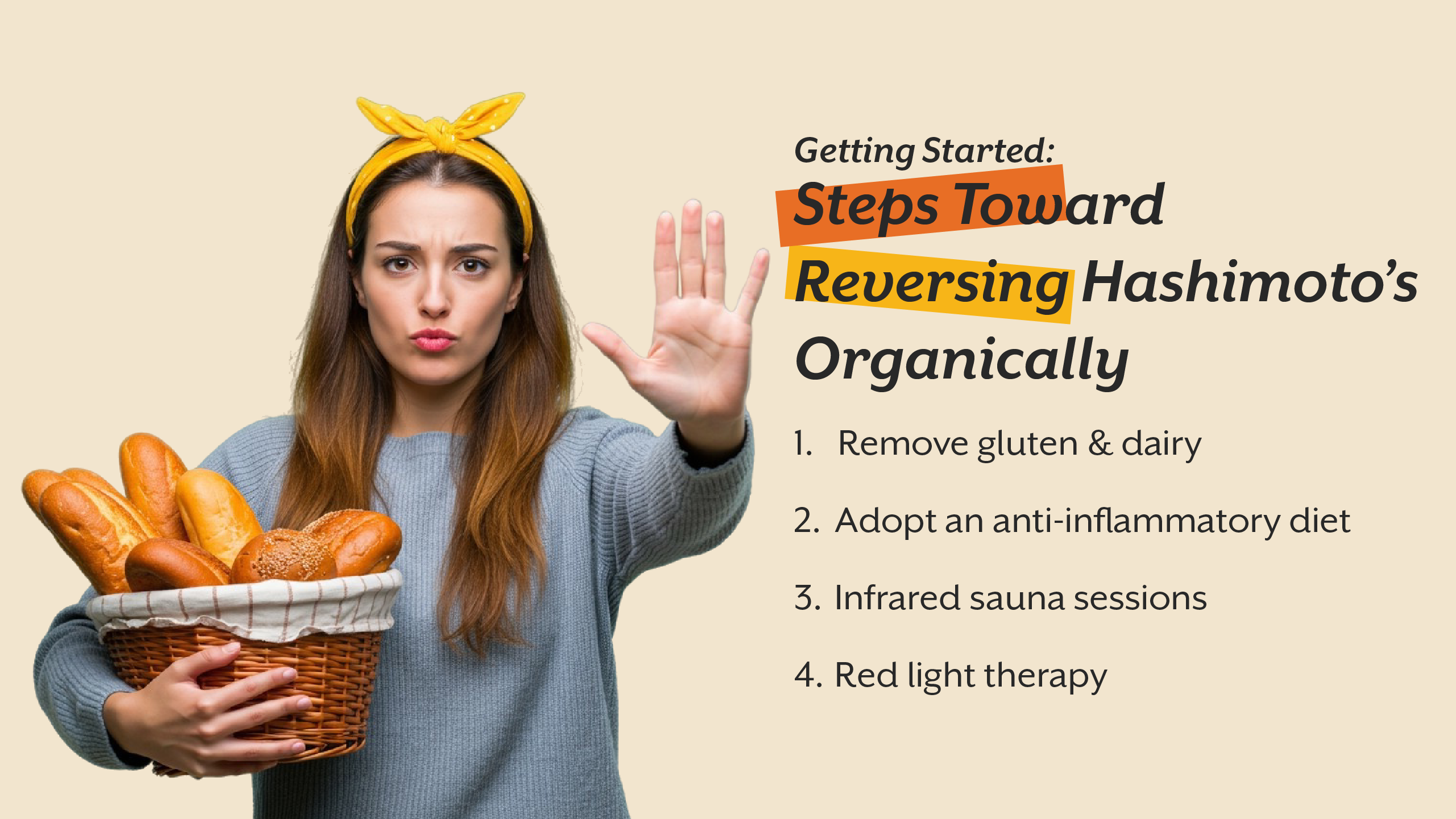
Getting Started: First Steps Toward Reversing Hashimoto’s Organically

You can take these simple and doable steps to reverse Hashimoto's Thyroiditis naturally-

1. Remove gluten & dairy- 

These can trigger immune reactions in many. Removing them can calm your thyroid‑targeting antibodies and ease inflammation. Many report noticeable symptom relief within weeks.

2. Adopt an anti-inflammatory diet- 

You have to skip processed foods and refined sugar. You can focus on whole foods like lean protein, veggies, fruits, and white rice as a minimal carb, along with avoiding salt. Take a good binder every night to help flush environmental toxins from the body. 

3. Infrared sauna sessions-

Sitting in an infrared sauna 2–3 times a week promotes gentle detox, supports circulation, eases stress and may reduce thyroid antibodies over time.

4. Red light therapy- 

Use red or near‑infrared light therapy 2–5 times weekly, 10–20 minutes per session. Studies show it may decrease inflammation, modulate autoimmunity, and even lower thyroid medication needs in some patients. 8

You can start with these basic steps if you want more information about it then you can opt for Alive 2.0 today!

Conclusion

You've learned that Reversing Hashimoto's Thyroiditis Naturally is not only possible—it’s practical. By focusing on root causes like infections, gut imbalance, toxins, stress, and nutrient deficiencies, you’re not just treating symptoms—you’re healing. The iThrive approach empowers you with clear steps: gut healing, immune balance, gentle detox, hormone and adrenal care, nutrient repletion, lifestyle shifts, and repair of your sleep-wake cycles. So, you are just one click away from your healthy self, you can enroll for Alive 2.0, and go for a free consultation today!

References

1. Spectrum of Hashimoto’s thyroiditis: Clinical, biochemical. . . : Indian Journal of Medical Research. (n.d.). LWW. https://journals.lww.com/ijmr/fulltext/2014/40060/spectrum_of_hashimoto_s_thyroiditis__clinical%2C.4.aspx?

2. Thyroid Pharmacist. (2024, June 12). About Hashimoto’s - Dr. Izabella Wentz, PharmD -. Dr. Izabella Wentz, PharmD. https://thyroidpharmacist.com/about-hashimotos/

3. Hashimoto’s Disease. (2025, June 2). Cleveland Clinic. https://my.clevelandclinic.org/health/diseases/17665-hashimotos-disease?

4. Jafarzadeh, A., Nemati, M., Jafarzadeh, S., Nozari, P., & Mortazavi, S. M. J. (2022). Thyroid dysfunction following vaccination with COVID-19 vaccines: a basic review of the preliminary evidence. Journal of Endocrinological Investigation, 45(10), 1835–1863. https://doi.org/10.1007/s40618-022-01786-7

5. Rupa Health. (2025, January 13) A Functional Medicine Hashimoto Treatment Protocol: Testing, Supplements, and Nutrition- Dr. Jaime Cloyd ND.

https://www.rupahealth.com/post/a-functional-medicine-hashimoto-treatment-protocol-testing-supplements-and-nutrition?

6. Wentz, I. (2024, March 18). Mold: A Hashimoto’s Trigger - Dr. Izabella Wentz. Dr. Izabella Wentz, PharmD. https://thyroidpharmacist.com/articles/mold-potential-trigger-hashimotos/

7. Kong, X., Qiu, G., Yang, Z., Tan, Z., & Quan, X. (2023). Clinical efficacy of selenium supplementation in patients with Hashimoto thyroiditis: A systematic review and meta-analysis. Medicine, 102(20), e33791. https://doi.org/10.1097/md.0000000000033791

8. Bsn, J. W. R. (2024, August 21). What to know about red light therapy for thyroid Health. Paloma Health. https://www.palomahealth.com/learn/red-light-therapy-thyroid?srsltid=AfmBOooCoPUmFbM01nxq9OPsKy25l2e1E1xosLDhQxWiG6NtmjGIBTb1&

Talk to our team

Thank you! Your submission has been received!
Oops! Something went wrong while submitting the form.

Download Now

Thank you! Your submission has been received!
Oops! Something went wrong while submitting the form.