





Side effects of Ozempic: What they are, how long they last, and how to support your gut through them
Table Of Content

Side effects of Ozempic: What they are, how long they last, and how to support your gut through them

iThrive Team
Sep 10, 2026

Introduction 

Ozempic works. And for some people, the side effects are the first sign of just how much it is changing digestion. Nausea, bloating, constipation, diarrhoea, feeling full after a few bites. These symptoms aren’t random and they are closely tied to how semaglutide works, and understanding that can make them a lot easier to anticipate and manage.

What is Ozempic?

Ozempic is the brand name for semaglutide, a GLP 1 receptor agonist used to manage blood sugar in people with type 2 diabetes. It mimics one of the hormones your body naturally produces after you eat, helping regulate blood sugar, reduce appetite and slow gastric emptying. And that last part matters a lot when we start talking about the gut.

Why is Ozempic used for weight loss? 

The appetite effect is a big part of why semaglutide leads to weight loss. You tend to feel fuller for longer, eat less and experience fewer hunger signals. Semaglutide is also marketed specifically for chronic weight management under the brand name Wegovy. Ozempic itself is approved for type 2 diabetes, although it is sometimes prescribed off label for weight loss.

The common side effects of Ozempic. 

The most common side effects are gastrointestinal: nausea, vomiting, diarrhoea, constipation and abdominal discomfort. They are particularly common when starting treatment or increasing the dose. For many people, these symptoms become less noticeable as the body adjusts. For others, they can continue to come and go throughout treatment.

Side effects of ozempic injection. 

Not every side effect is coming from the gut. Some people experience redness, itching or irritation at the injection site. Rotating between approved injection sites can help reduce repeated irritation in the same area.

Weight loss doses vs Diabetes doses 

The intensity of side effects is more closely related to the dose and how quickly it is increased than to whether the medication is being used for diabetes or weight management. That is why gastrointestinal symptoms often become more noticeable around dose increases. The body may need time to adjust to each new level of semaglutide.

Serious side effects worth knowing about. 

Most side effects are uncomfortable rather than dangerous, but there are a few symptoms that should not simply be waited out. Severe or persistent abdominal pain, repeated vomiting, signs of dehydration, or symptoms suggesting gallbladder or pancreatic problems warrant medical attention. Semaglutide also carries a boxed warning about thyroid C cell tumours based on findings from studies, and it is contraindicated in people with certain personal or family histories of medullary thyroid carcinoma or MEN 2.

These serious risks are uncommon, but are surely worth knowing simply so you can tell the difference between a rough week of nausea and something that genuinely needs medical care.

When gut symptoms keep coming back?

If you’re dealing with persistent bloating, constipation, reflux, fatigue or other symptoms even after adjusting your food and routine, it may be worth looking beyond the medication itself. Ozempic may be contributing to the symptoms, but it doesn’t necessarily explain everything happening in your body. An iThrive Root Cause Analysis looks at 60+ blood markers together, along with your symptoms, lifestyle and health history, to identify patterns that may be contributing to what you’re experiencing. It includes home blood collection and a one-on-one consultation with a functional nutritionist.

How long does ozempic stay in your system? 

Semaglutide has a half life of roughly one week. That means the drug doesn’t disappear from your body overnight after your last injection. It can take several weeks for most of it to leave your system, which is one reason some effects may continue for a while after stopping treatment.

Why does the gut take the hit?
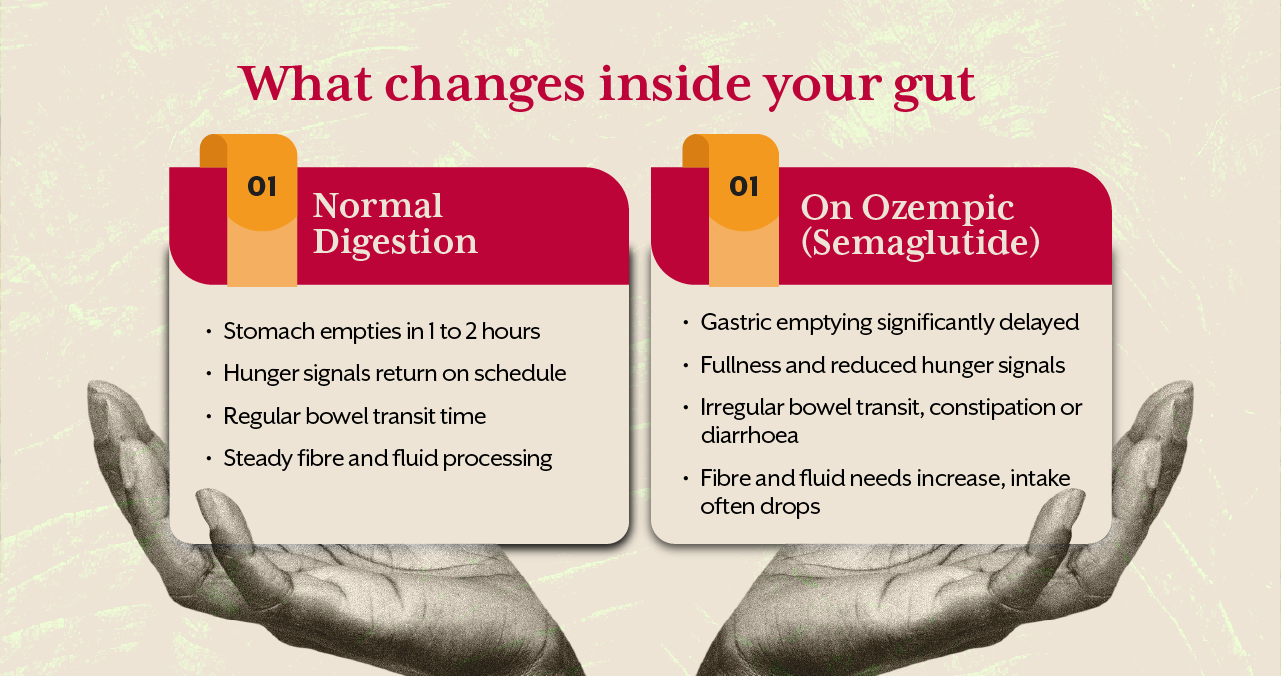
Semaglutide can slow gastric emptying, which eventually means that food moves through the stomach more slowly. That can help you feel fuller for longer, but it can also leave you feeling unusually full, nauseous or bloated. And when food intake, fluid intake and bowel movements all change at the same time, constipation or diarrhoea follows. 

How do symptoms usually change over time? 
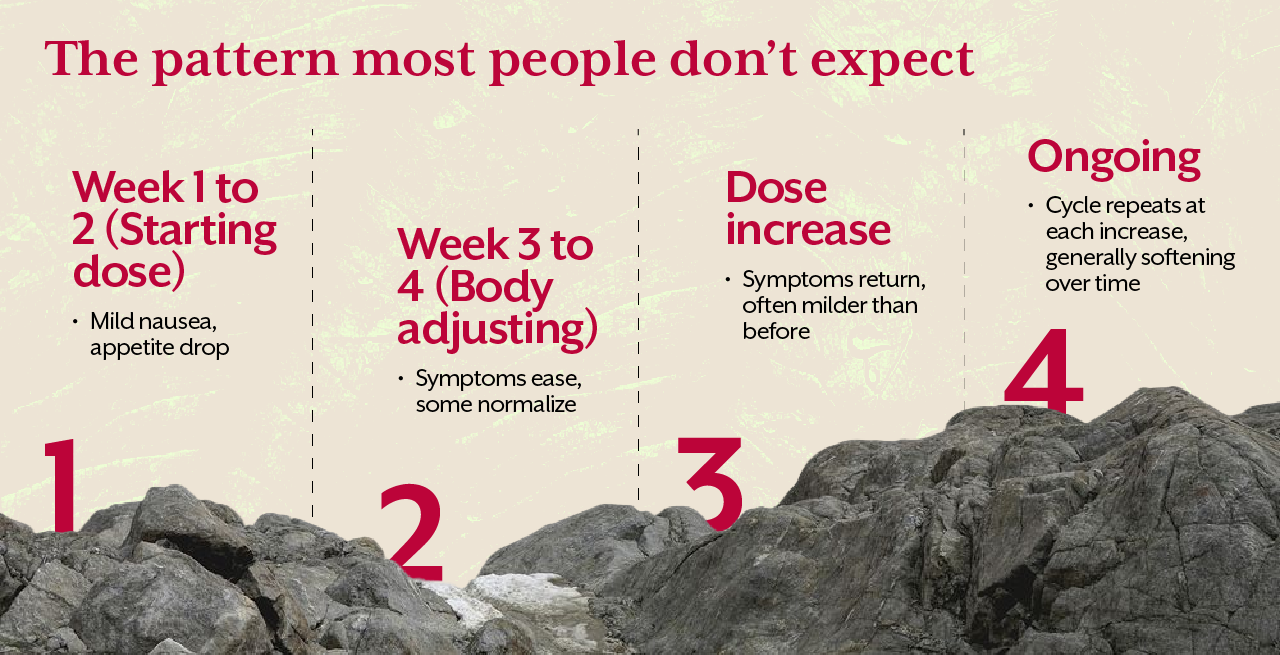
For many people, symptoms are most noticeable when they first start semaglutide or after a dose increase. They may settle as the body adjusts, only to become noticeable again after the next increase. This doesn’t necessarily mean something has gone wrong. It can simply reflect the way the body is responding to a new dose.

Smaller meals, eating slowly, avoiding very heavy or fatty meals if they worsen your symptoms, and staying adequately hydrated can make these periods easier to get through. If constipation is an issue, fibre may help too, but increasing it suddenly without enough fluid can make things even worse.
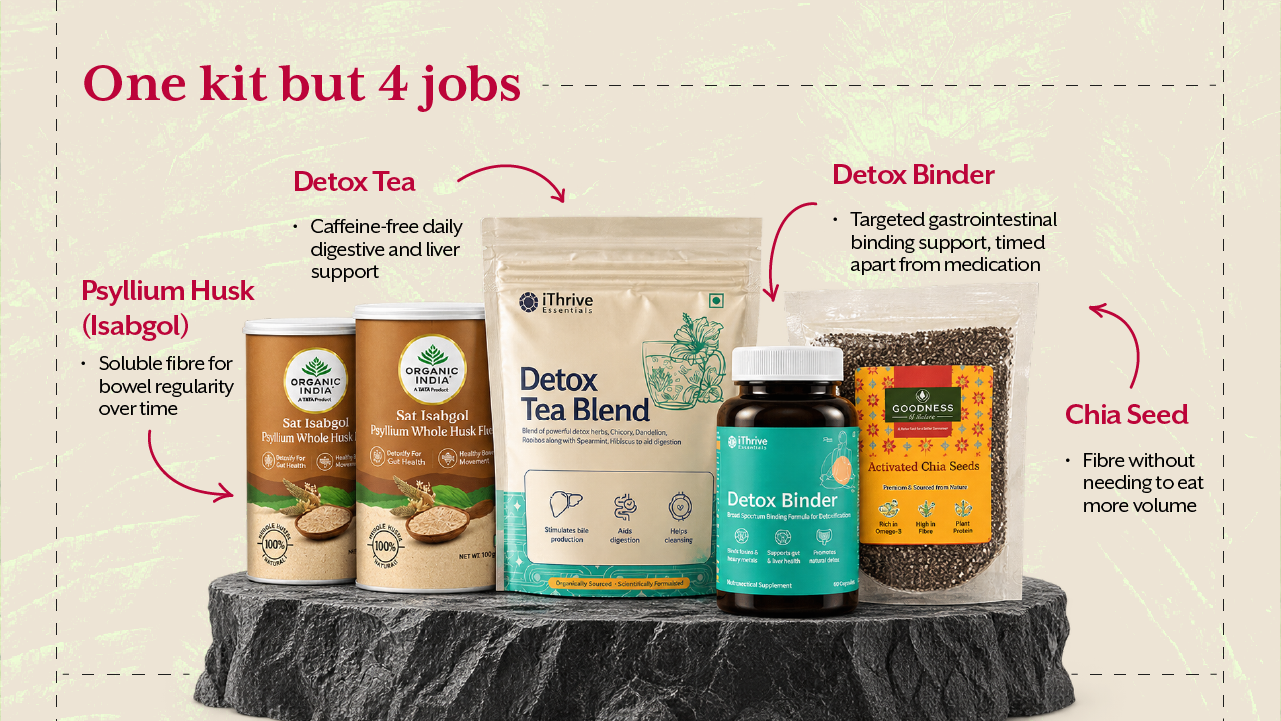
If you’re taking a GLP 1 medication and finding that eating less has also meant getting less fibre, less fluid and less regular with your bowel movements, iThrive’s GLP1 Support Kit brings these pieces together in one routine. It combines psyllium husk and chia for daily fibre support with iThrive Detox Tea and Detox Binder for additional digestive and gastrointestinal support, without trying to interfere with how the medication works.

Supporting your gut while you’re on Ozempic.

You don’t have to simply accept digestive discomfort as the price of taking Ozempic. But the answer isn’t to throw every gut supplement at it either.

Start with the basics: smaller meals, enough fluids, adequate fibre and regular movement. If your appetite has dropped significantly, pay attention to whether you’re still getting enough fibre and fluids through the day. Fibre should be increased gradually, because adding too much too quickly can make bloating worse. 

If constipation is the main issue, psyllium husk or isabgol can is a useful source of soluble fibre. Chia seeds can also contribute fibre without requiring you to eat a large volume of food, which can be useful when semaglutide has already reduced your appetite.

The important part is to take fibre with enough fluid. Otherwise, you can end up making constipation worse rather than better.

Where does Detox Tea fit in?

If you’re already focusing on hydration and want a caffeine free daily digestive ritual, iThrive Essentials Detox Tea has to be an addition.

The blend combines chicory root, dandelion root, hibiscus, rooibos and spearmint. Chicory provides inulin, a prebiotic fibre, while the other botanicals are included for broader digestive, antioxidant and liver and kidney support. 

Explore iThrive Detox Tea

And what about Detox Binder?

Detox Binder serves a very different purpose from a tea or fibre supplement.

iThrive Detox Binder contains activated charcoal, citrus pectin, chlorella, cilantro, aloe vera and bamboo extract. Its formulation is designed to work within the gastrointestinal tract, where the binding ingredients can adsorb certain compounds present in the gut. 

That makes it a different kind of support from Detox Tea because the tea is a daily herbal drink, while the binder is intended as targeted gastrointestinal binding support.

It should not be thought of as something that “cleans Ozempic out of your system.” Semaglutide itself is not something you need to detox from.

And because activated charcoal can also bind medications and supplements, timing matters. It should be separated from medicines and other supplements rather than taken alongside them.

Explore iThrive Detox Binder

A simple gut support routine while taking Ozempic.

If nausea is your main problem:
Keep meals smaller, eat slowly and avoid foods that consistently trigger nausea. Don’t force large meals simply because it’s mealtime.

If constipation is your main problem:
Start with fluids, regular movement and gradually increasing fibre. Psyllium or chia can be considered if appropriate for you. 

If you want a daily digestive ritual:
iThrive Detox Tea can be used as a caffeine free herbal drink alongside your normal diet and hydration routine. 

If you’re using a binder as part of a broader gut or clearance protocol:
iThrive Detox Binder can provide additional gastrointestinal binding support, but it should be timed away from medications and supplements because activated charcoal can reduce their absorption. 

And if symptoms are severe or persistent:
Don’t keep adding supplements. Speak to your prescribing doctor. Severe gastrointestinal reactions can occur with Ozempic, and the medication is not recommended in people with severe gastroparesis. 

Before you add anything to your routine.

First things first, more support isn’t always better.

If you’re already taking prescription medication, especially multiple oral medicines, check the timing of any fibre, herbal product or binder with your doctor or pharmacist. This is particularly important with activated charcoal because it can interfere with the absorption of other medicines and supplements. And don’t try to manage severe or worsening symptoms with supplements. 

Key Takeaway

Ozempic changes how you eat and how quickly food moves through your digestive system. That can be a big part of why the gut symptoms show up.

The answer is never to fight the medication, it is always to support the basics it can disrupt like hydration, fibre, food intake and bowel regularity.

And if you choose to add supplements, know what each one is actually doing. Fibre supports bowel regularity. Detox Tea is a daily herbal support. Detox Binder works differently, through gastrointestinal binding. They aren’t interchangeable, and none of them should replace medical care when symptoms are severe.

A
Ask your doubts
Thank you! Your submission has been received!
Oops! Something went wrong while submitting the form.

FAQs

What can I do to manage constipation while taking Ozempic?
faq arrow

Start with adequate fluids, regular movement and enough dietary fibre. If you are struggling to get enough fibre because your appetite has reduced, psyllium husk and chia can help support bowel regularity. The iThrive GLP1 Support Kit⁠ combines psyllium, chia, Detox Tea and Detox Binder specifically for digestive support alongside GLP 1 therapy.

Can I drink Detox Tea while taking Ozempic?
faq arrow

iThrive Detox Tea is a caffeine free herbal blend containing chicory, dandelion, hibiscus, rooibos and spearmint. It can be included as a daily herbal drink, but it should not be considered a treatment for Ozempic side effects. If you are taking prescription medication, check with your doctor before adding herbal supplements.

What is the role of Detox Binder when taking a GLP 1 medication?
faq arrow

iThrive Detox Binder is designed to provide complementary gastrointestinal binding support through ingredients including activated charcoal and citrus pectin. It is included in the GLP1 Support Kit⁠ alongside psyllium, chia and Detox Tea. Because activated charcoal can affect the absorption of medications and supplements, it should be taken separately from them.

Can I get a Root Cause Analysis if I am taking Ozempic?
faq arrow

Yes. Taking Ozempic does not prevent you from getting an iThrive Root Cause Analysis. If you’re experiencing persistent digestive symptoms, fatigue, nutrient concerns or other health issues, an RCA can assess 60+ blood markers alongside your symptoms, lifestyle and health history to look for broader patterns. It is not a replacement for your prescribing doctor’s assessment or a reason to stop or change Ozempic.

Can Ozempic cause constipation even if I am eating healthy?
faq arrow

Yes. Ozempic can slow gastric emptying and alter gastrointestinal motility. At the same time, reduced appetite may mean you are eating less food and therefore getting less fibre and fluid than before. Together, these changes can contribute to constipation.

Related Blogs

CJC-1295 Without DAC (Mod GRF 1-29) | Why the No-DAC Version May Be Superior for Natural GH Pulsing.
read count
read time
Aug 3, 2026

CJC-1295 Without DAC (Mod GRF 1-29) | Why the No-DAC Version May Be Superior for Natural GH Pulsing.

Learn how CJC-1295 without DAC (Mod GRF 1-29) mimics the body’s natural growth hormone pulses, why many clinicians prefer it over DAC, and what current science says about its benefits.

Introduction

Growth hormone peptides are among the most popular classes of supplements in both the longevity and performance worlds. CJC-1295 is one such peptide that is available in two different forms- one has a chemical addition called DAC (Drug Affinity Complex), while the other does not. Modified peptides without DAC are typically referred to as CJC-1295 without DAC or, most accurately, Mod GRF 1-29.

Both of these peptides might still sound very similar, but they act very differently once they are inside the body. One of them causes a prolonged, steady increase in growth hormone levels, and the other creates a short, sharp pulse that closely resembles the body’s natural growth hormone release pattern. This difference between these peptides is quite huge.

This leads to the question- why would CJC-1295 without DAC, with its shorter half-life and more frequent dosing schedule, be viewed as the more physiologically favourable option by many researchers and clinicians? To understand that, a deep dive into how growth hormone is actually released in the body is needed. 

What is CJC-1295 without DAC (Mod GRF 1-29)?

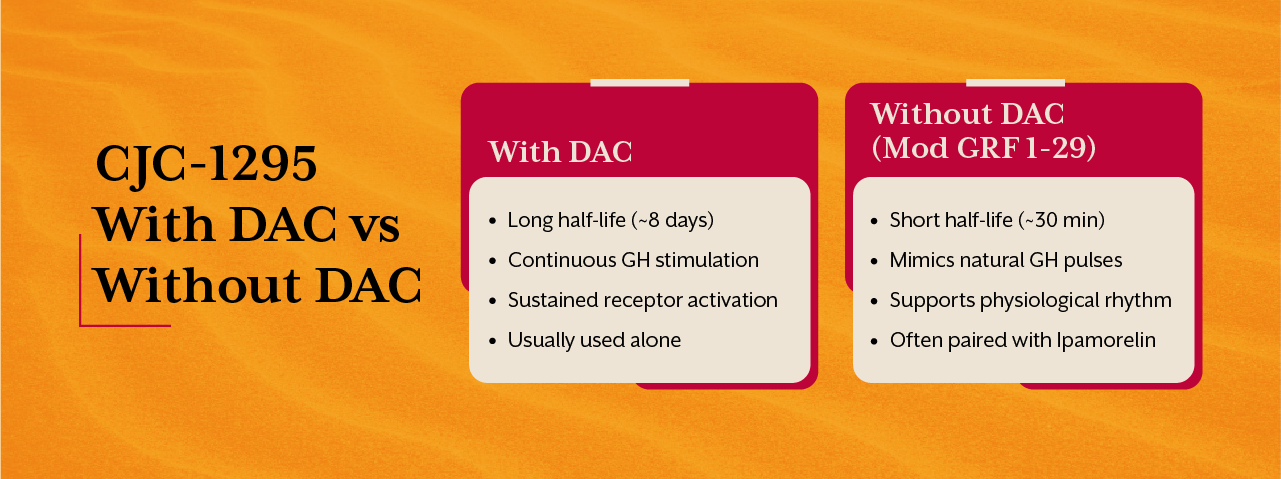
CJC-1295 With DAC vs Without DAC

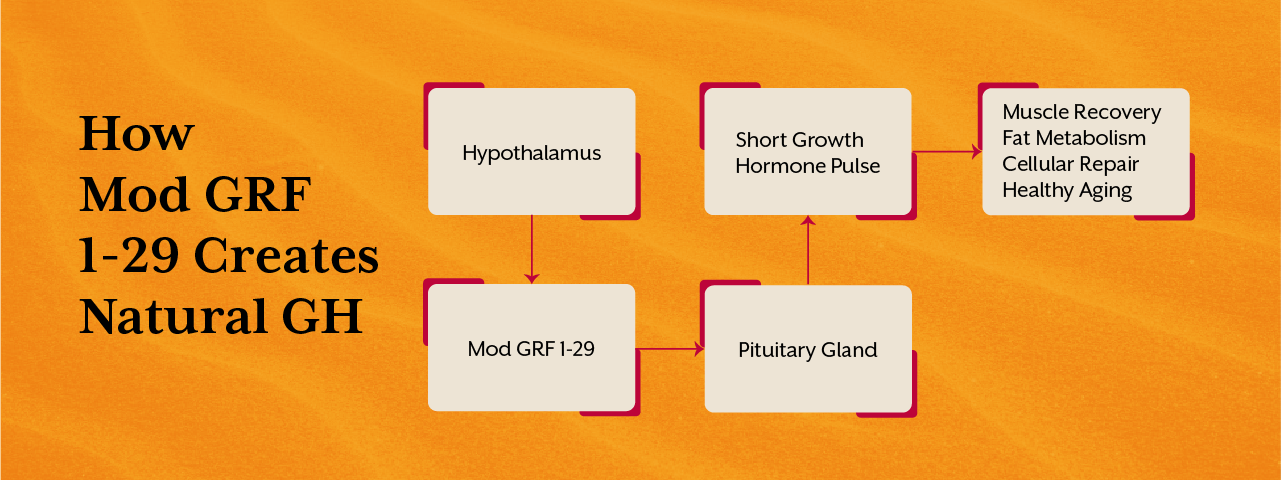
CJC-1295 without DAC (also known as Mod GRF 1-29) is a modified, stabilized fragment of growth hormone-releasing hormone (GHRH) that increases pulsatile growth hormone (GH) release, supporting muscle growth, fat metabolism, and recovery. GHRH is the hormone that the hypothalamus naturally produces to signal the pituitary gland to release growth hormone. The “Mod” denotes a few amino acid modifications that help the peptide resist enzymatic breakdown. The 1-29 refers to this peptide using only the first 29 amino acids of the complete GHRH molecule. The rest of the molecule has been removed because the truncated form maintains 100% biological activity. 

Unlike the DAC version, Mod GRF 1-29 lacks the binding agent DAC, which greatly extends a peptide’s half-life. As a result, Mod GRF 1-29 clears from the bloodstream within approximately 30 minutes. That is not a downside. On the contrary, it is the entire reason to take Mod GRF 1-29. 

New to peptide therapy? Explore our complete Peptide & Bioregulator series to understand how different peptides support longevity, metabolism, recovery, and healthy aging.

What is the Mechanism of Action?

GH is not released continuously throughout the day. It is released in pulses, mostly during deep sleep, with smaller pulses occurring around exercise and during fasting. This pulsatile pattern exists for a biological reason. The pituitary gland and its downstream systems only like to be stimulated in short bursts followed by periods of rest.

Mod GRF 1-29 binds to GHRH receptors on the pituitary gland, which triggers an immediate release of GH from the pituitary gland. Since the peptide clears out quickly, there is a sharp and short GH pulse that mimics the natural signaling of a healthy hypothalamus.

CJC-1295 with DAC is completely opposite. The DAC modification binds to albumin in the blood, which increases the half-life of the peptide to about eight days. Instead of one short pulse, there is a continuous stimulation of the GHRH receptors over an extended period. This creates a sustained elevation of GH (and more specifically insulin-like growth factor 1 or IGF-1) rather than a distinct pulse.

Why Continuous Stimulation May Not Be the Better Strategy

Continuous stimulation might sound more effective on paper. More stimulation, more growth hormone, more benefit. However, the endocrine system does not always work that way. Pulsatility, as mentioned, carries a biological meaning. 

GHRH-responsive somatotroph cells in the pituitary gland require receptor sensitivity in order to respond appropriately to GHRH signals. Continuous stimulation of GHRH receptors (as opposed to intermittent pulses) can cause receptor desensitization to occur. Over a period of time, cells that are exposed to continuous signaling can downregulate their receptors as a protective mechanism. This may further blunt the pituitary gland’s natural response.

Then there is feedback regulation to consider. GH release is governed by a negative feedback loop that involves the hormone somatostatin, which inhibits GH release.  In a healthy pulsatile system, GH rises sharply, IGF-1 responds, and somatostatin steps in to bring the system back to normal before the next natural pulse. When GH and IGF-1 remain elevated for days at a time, as happens with the DAC version, this feedback loop is disrupted in a way that does not reflect normal physiology.

Mod GRF 1-29 avoids this problem structurally. As it clears out of the body quickly, it allows the pituitary gland to reset between doses, preserving the natural rhythm of the hypothalamic-pituitary axis instead of overriding it.

How Combining With a GHRP Enhances the Pulse

How Mod GRF 1-29 Creates Natural GH Pulses

Mod GRF 1-29 is often co-administered with a growth hormone-releasing peptide (GHRP) like ipamorelin or GHRP-2. GHRH and GHRPs bind to completely different receptors. GHRH analogs, including Mod GRF 1-29, bind directly to the GHRH receptor. GHRPs bind to the ghrelin receptor and also inhibit the release of somatostatin, which normally limits GH release.

Stimulation of both these pathways leads to a much greater GH pulse than either of these compounds producing alone, yet it is still only one single, time-limited pulse rather than a sustained elevation. This synergy is one of the main reasons why the no-DAC version is preferred over the DAC version in most research and clinical protocols that aim to maintain natural signaling patterns.

Dosing and Administration

Since Mod GRF 1-29 has a short half-life of about 30 minutes, it is usually administered multiple times per week, often once or twice daily. It comes in lyophilized form that needs to be reconstituted with bacteriostatic water before use. The peptide is administered via subcutaneous route 5 days a week followed by 2 days off, for 8-12 weeks. As previously stated, due to its extended half-life, the DAC version of the peptide is commonly given only once or twice per week. 

The frequent dosing schedule required with the no-DAC version may seem undesirable when compared to once-weekly injections, but it is necessary in order to achieve the physiologically natural result. Matching the dosing pattern to the body’s natural pulse timing is part of the mechanism, not a drawback of it.

What Are the Considerations and Safety Notes?

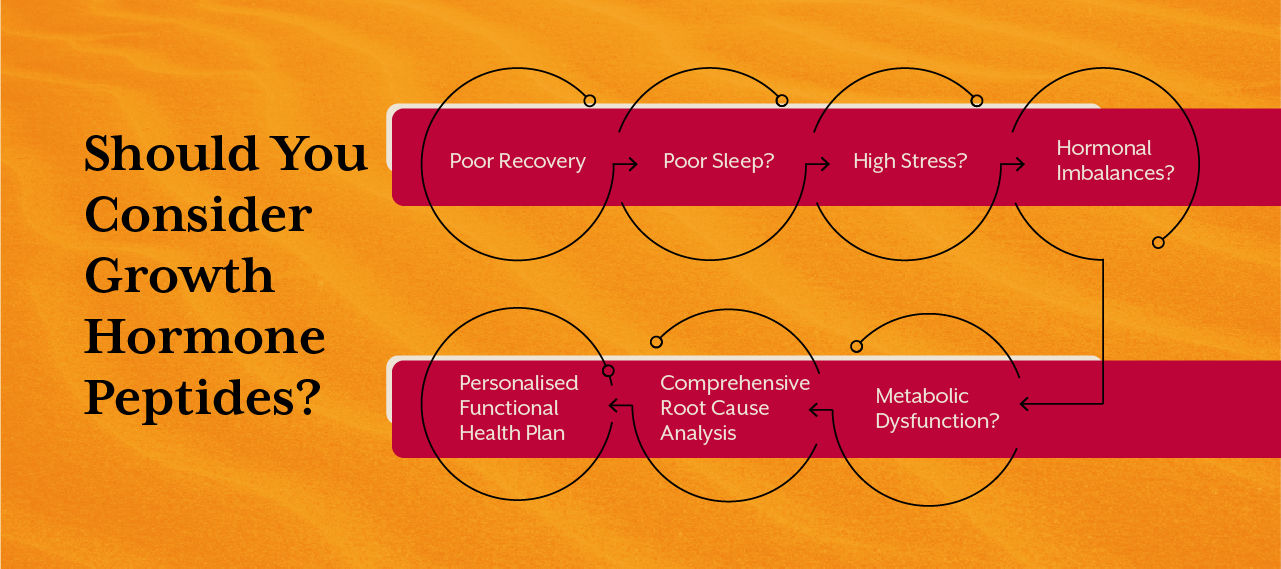
Should You Consider Growth Hormone Peptides?

Side effects of GHRH analogs are usually mild and include temporary flushing, mild irritation at the injection site, and sometimes dizziness shortly after injection. Mod GRF 1-29 does not keep GH and IGF-1 levels constantly elevated for an extended period, so the theoretical concerns linked to prolonged GH and IGF-1 elevation, including insulin sensitivity changes, are generally considered lower with the no-DAC version than the DAC version. However, this has not been studied long-term with either of these peptide versions, which is why it is important to only use peptides under the care of a professional who can monitor you for unwanted side effects. 

Before considering any peptide protocol, understanding your hormones, metabolism, sleep quality, stress levels, and nutrient status is essential. Book your Root Cause Analysis to discover whether growth hormone support is appropriate for your biology.

Key Takeaway

Constantly flooding the body with GH is not how it is supposed to function. GH release is designed to pulsate in bursts that quickly rise and fall. When used continuously, most hormones cause receptor sensitivity to that hormone to diminish over time. Your body is accustomed to the pulsatile release of GH, so when you blunt that pulse, you force your body to operate under unfamiliar terms. CJC-1295 without DAC, or Mod GRF 1-29, honours the body’s natural blueprint. By mimicking the pulse that your body is already built around, rather than forcing it to rely on artificial means of release, you are working within your biology, not against it. If maintaining that natural pulse is your priority and you would like to preserve long-term receptor sensitivity, then the shorter-acting peptide variant is right for you, even if it means more frequent injections. 

References

  1. Teichman, S. L., Neale, A., Lawrence, B., Gagnon, C., Castaigne, J. P., & Frohman, L. A. (2006). Prolonged stimulation of growth hormone (GH) and insulin-like growth factor I secretion by CJC-1295, a long-acting analog of GH-releasing hormone, in healthy adults. The Journal of clinical endocrinology and metabolism, 91(3), 799–805. https://doi.org/10.1210/jc.2005-1536  
  2. Alba, M., Fintini, D., Sagazio, A., Lawrence, B., Castaigne, J. P., Frohman, L. A., & Salvatori, R. (2006). Once-daily administration of CJC-1295, a long-acting growth hormone-releasing hormone (GHRH) analog, normalizes growth in the GHRH knockout mouse. American journal of physiology. Endocrinology and metabolism, 291(6), E1290–E1294. https://doi.org/10.1152/ajpendo.00201.2006  
Ipamorelin Peptide: Benefits for Recovery, Muscle Support, and Healthy Aging.
read count
read time
Aug 2, 2026

Ipamorelin Peptide: Benefits for Recovery, Muscle Support, and Healthy Aging.

Growth hormone naturally declines with age, affecting recovery, muscle mass, sleep, and metabolism. Learn how Ipamorelin works with your body’s natural GH pulses, its science backed benefits, safety, and growing role in healthy aging.

What is Ipamorelin? 

Ipamorelin is a synthetic growth hormone-releasing peptide that selectively binds to and activates Growth Hormone Secretagogue Receptor (GHS-R1a). Endogenous ghrelin, primarily secreted by the stomach in response to fasting, exerts its growth hormone (GH)-stimulating effects by activating this same receptor located in the hypothalamus and pituitary gland. By directly stimulating GH secretion through the GHS-R1a, Ipamorelin increases endogenous GH levels without directly supplementing growth hormone.

Introduction 

Human growth hormone, also referred to as somatotropin, is a protein produced by the anterior pituitary gland. Growth hormone plays an important role in human growth and development by regulating protein synthesis, fat metabolism, muscle growth, body composition, exercise performance, tissue repair, and much more. Since growth hormone affects so many physiological processes throughout the body, deficiency or low levels of GH can have a significant impact on overall health.

Natural growth hormone secretion begins to slowly decline throughout life starting as early as age 30. Supplementing with GH itself is often ineffective for promoting overall health due to risks associated with chronically elevated hormone levels. High concentrations of GH and subsequent insulin-like growth factor-1 (IGF-1) can adversely affect insulin sensitivity and stimulate unwanted pathways associated with cell proliferation.

Ipamorelin, on the other hand, has shown great promise as a natural method of restoring optimal GH levels. Studies show Ipamorelin supports physiological growth hormone release, increases recovery, reduces body fat while helping maintain lean muscle mass, and much more.

What is Ipamorelin? 

  • Synthetic pentapeptide that belongs to the class of Growth Hormone Releasing Peptides (GHRPs).
  • Selectively stimulates the release of endogenous growth hormone.
  • Binds to and activates the Growth Hormone Secretagogue Receptor (GHS-R1a).
  • Structurally designed to minimize increases in cortisol and prolactin.
  • Considered one of the safest and most selective growth hormone secretagogues available.

Ipamorelin is currently being used in many areas of research to further understand the therapeutic applications of stimulating GH release in a physiological manner. Some of the main reasons Ipamorelin has become one of the most popular GHRPs is due to its high receptor selectivity.

Unlike other growth hormone- releasing peptides that preceded it, Ipamorelin was designed to bind to and activate only the GHS-R1a. Many of the initial GH releasing peptides were found to significantly stimulate the release of cortisol and/or prolactin from the pituitary gland. High levels of cortisol are not ideal for recovery and can blunt many of the therapeutic effects of GH. Increases in prolactin are also associated with heightened appetite. By carefully designing Ipamorelin to only stimulate the release of GH, many of these unwanted side effects are avoided.

Mechanism of Action 

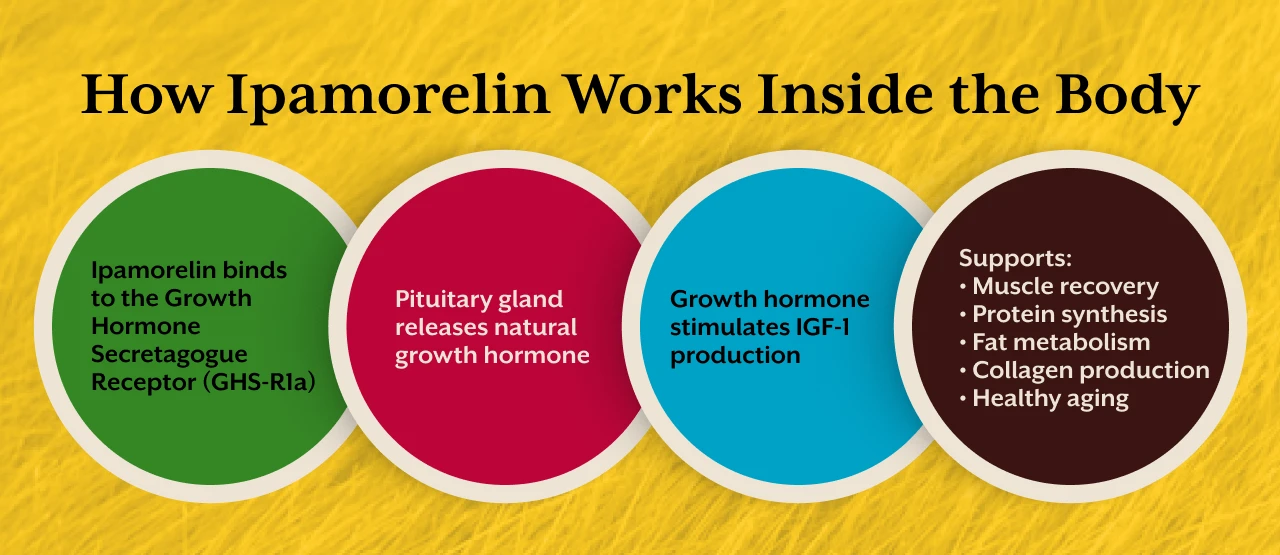
How Ipamorelin Works Inside the Body
  • Ipamorelin binds to and activates GHS-R1a. 
  • GHS-R1a stimulation leads to a pulsatile release of GH from the pituitary gland.
  • Increased GH stimulates production of Insulin-like Growth Factor-1 (IGF-1).
  • Ipamorelin mimics ghrelin’s physiological effects. 
  • Unlike other GHRPs, Ipamorelin produces little to no stimulation of cortisol and prolactin secretion.

Ipamorelin promotes a pulsatile release of growth hormone by binding to GHS-R1a receptors. While in the bloodstream, ghrelin also binds to these receptors with high affinity. However, ghrelin levels fluctuate throughout the day in response to metabolic demands. Therefore, Ipamorelin may be thought of as a solution to supplement your body's natural ghrelin production.

By supplementing with Ipamorelin, you can effectively trick your body into thinking you are in a state of fasting which leads to an increase in growth hormone release. Elevated GH subsequently stimulates IGF-1 production from the liver and peripheral tissues. The anabolic and recovery benefits associated with Ipamorelin are mainly mediated by growth hormone and IGF-1.

If you’d like to understand another peptide that works by supporting natural growth hormone pulses, read our blog on CJC-1295 Without DAC (Mod GRF 1-29): Why the No-DAC Version May Be Superior for Natural GH Pulsing.

Physiological Effects 

  • Promotes protein synthesis. 
  • Supports maintenance of lean muscle. 
  • Stimulates fat metabolism. 
  • Improves collagen production. 
  • Supports tissue regeneration. 
  • Promotes bone remodeling. 
  • Improves recovery from exercise. 

Growth hormone directly mediates many of the physiological processes needed for the growth, maintenance, and repair of muscle, bone, and connective tissue. By supplementing with Ipamorelin, you can effectively trick your body into releasing natural growth hormones resulting in an increase in the production of IGF-1. Both growth hormone and IGF-1 have shown to have many beneficial effects on the human body.

Why Ipamorelin Is Different from Traditional HGH

Potential Benefits 

  • Supports muscle growth. 
  • Accelerates recovery from exercise. 
  • Helps improve body composition. 
  • Promotes healthy aging. 
  • May improve sleep quality. 
  • Supports repair of connective tissue. 
  • Could play a role in improving bone health.

There have been many positive findings associated with Ipamorelin supplementation. For starters, Ipamorelin has been shown to effectively increase natural GH production. Growth hormone is one of the most anabolic hormones in the body and increases the rate of protein synthesis. Therefore, by increasing levels of GH, you can support muscle protein synthesis.

Research has shown that Ipamorelin may help support recovery from exercise. Resistance exercise causes damage to muscle fibers throughout the body. When GH and IGF-1 levels are increased, recovery from muscle damage is greatly enhanced.

Potential Benefits of Ipamorelin

Health Benefits of Ipamorelin 

Since Ipamorelin effectively increases GH and IGF-1 levels, all of the associated physiological benefits related to growth hormone apply. Below you will find a list of health benefits that are either known or being studied in relation to Ipamorelin.

Health Benefits 

  • Improve exercise performance. 
  • Enhance mood and feelings of well being. 
  • Improve sleep quality. 
  • Increase metabolic rate and fat burning. 
  • Improve immune function. 

Some of the main benefits associated with Ipamorelin administration revolve around its ability to increase growth hormone secretion. Growth hormone directly affects metabolism by increasing fat oxidation and stimulating insulin sensitivity. By maintaining optimal levels of GH, you can help promote a lean physique by improving body composition.

Other benefits include enhanced feelings of well being, improved immune function, and better sleep quality. Exercise performance can also be enhanced with Ipamorelin supplementation due to its ability to improve recovery time.

Research Applications 

  • Healthy aging supplementation. 
  • Delaying muscle wasting (sarcopenia). 
  • Sports medicine. 
  • Orthopedic rehabilitation. 
  • Wound healing. 
  • Regenerative Medicine. 
  • Metabolic health. 

One very interesting application for Ipamorelin is research into healthy aging. Because Ipamorelin increases levels of GH and IGF-1, it could help maintain muscle mass and prevent muscle wasting as you age.

Ipamorelin could also potentially be used as part of a rehabilitation program to speed up recovery from strenuous activity or injury. More specifically, collagen production is increased when GH levels are elevated. Collagen is the main protein that makes up connective tissue throughout the body. Increasing collagen production can help support connective tissue repair.

Healthy aging involves far more than optimizing one hormone. At iThrive, we begin every longevity journey with a Root Cause Analysis that evaluates nutrition, metabolism, hormones, gut health, inflammation, and lifestyle before considering advanced interventions. Book your Root Cause Analysis to discover what’s driving your health from the inside out.

Safety and Side Effects 

  • Considered safe with minimal side effects. 
  • Headache or feelings of dizziness. 
  • Some users may experience water retention. 
  • Long-term safety has not yet been established. 
  • As with any peptide or supplement, you should consult with a physician prior to use.

Ipamorelin has been found to be relatively safe when administered correctly. Most side effects associated with Ipamorelin are mild to none and include headache, water retention, and some irritation at the injection site. Because Ipamorelin does not directly supply you with GH, it is considered safer than using GH itself. Dosage and duration of use have not been established. So far, research appears to be promising, but we still have a lot to learn about Ipamorelin.

Interested in how peptides influence metabolism and longevity? You may also enjoy reading our blog on MOTS-c Explained: How This Peptide Supports Energy, Metabolism, and Healthy Aging, which explores one of the most promising mitochondrial peptides in longevity science.

Conclusion 

Ipamorelin is a growth hormone secretagogue that selectively binds to and activates the Growth Hormone Secretagogue Receptor (GHS-R1a). When ghrelin binds to GHS-R1a receptors it causes your pituitary gland to release GH into the bloodstream. Ipamorelin functions in a similar way by binding to GHS-R1a causing a release of GH. The goal of Ipamorelin is to increase GH levels in a physiological manner.

What is IGF-1 LR3 Peptide? A Beginner’s Guide
read count
read time
Aug 1, 2026

What is IGF-1 LR3 Peptide? A Beginner’s Guide

IGF-1 LR3 is one of the most talked about peptides in performance and longevity science. Learn how it works, its potential benefits, safety considerations, and what research currently reveals before considering its use.

Introduction 

If you have spent any time browsing performance enhancement articles, muscle growth research, or anything peptide-related, you have likely encountered the term “IGF-1 LR3.” You will see it plastered all over bodybuilding forums, and even scientific journals, but what is it, and why is everyone talking about it? This blog will cover the fundamentals of this peptide and explain the basics.

Starting with IGF-1 Itself

Before we get into IGF-1 LR3, let us first discuss IGF-1. IGF-1 stands for Insulin-like Growth Factor-1 and is a hormone that our body produces naturally. It is released primarily by the liver in response to growth hormone (GH). IGF-1 promotes growth in children and continues to influence tissue repair, cell growth, and metabolism in adults.

IGF-1 has its name because its molecular structure is similar to that of insulin. IGF-1 binds to cell receptors which initiates various processes such as protein synthesis and cell proliferation. For that reason, IGF-1 has been of interest to both the scientific community studying growth abnormalities, aging, and tissue regeneration as well as athletes/bodybuilders looking to enhance muscle growth.

However, one problem with natural IGF-1 is that it does not stay in our body very long. When introduced into the bloodstream, it has a half-life of only a few minutes. Our body’s binding proteins attach themselves to IGF-1 and help clear it out of our system very quickly. This short window is one of the driving factors for researchers to start playing with modified forms of the molecule.

What is IGF-1 LR3? 

IGF-1 LR3 (Long Arginine 3-IGF-1) is a synthetic 83-amino- acid peptide derivative of IGF-1 developed originally as a research tool, rather than as a therapeutic drug. The modifications that distinguish LR3 from natural IGF-1 are the addition of 13 amino acids to the N-terminal end of the molecule (termed the “Long R3” tag), and the replacement of glutamic acid with arginine at position 3. These alterations greatly decrease its ability to bind to IGF-binding proteins, and it is this property that allows LR3 to stay active in the bloodstream longer than native IGF-1. 

How Does IGF-1 LR3 Work? 

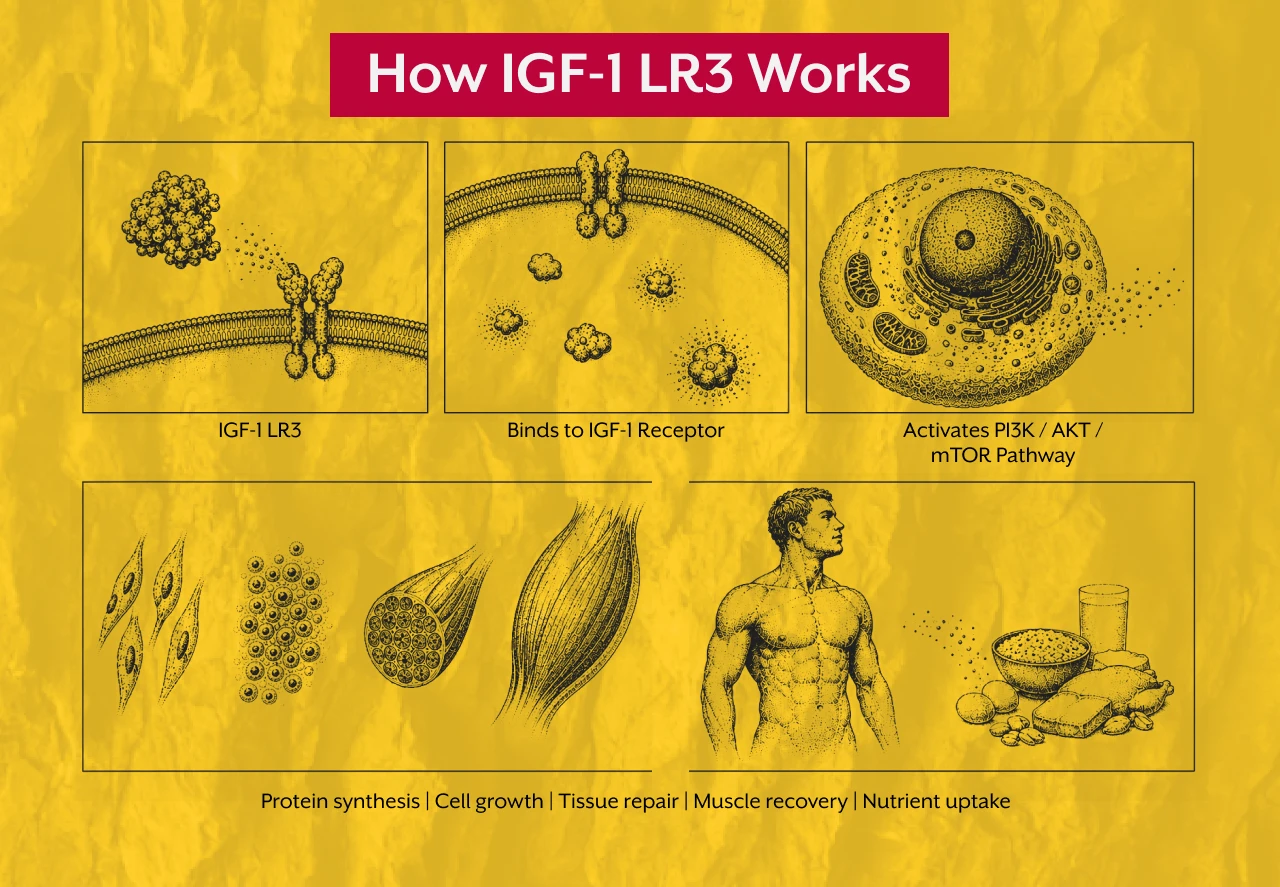
IGF-1 LR3 works like natural IGF-1 binding to the IGF-1 receptor. The IGF-1 receptor is present on most cells in the human body, particularly in muscle, cartilage, and connective tissues. The easiest way to understand how this works is to envision the IGF-1 receptor as a lock and IGF-1 LR3 as the key. Fortunately, IGF-1 LR3 fits that lock almost as well as the body’s natural key. Upon activation of the IGF-1 receptor, a signaling cascade is initiated within the cell.

This signaling cascade occurs primarily through the PI3K/AKT/mTOR pathway. If you have read any article on muscle growth, you have likely heard of mTOR. mTOR is responsible for protein synthesis. When mTOR is activated, it instructs our cells to produce more protein, absorb more nutrients like amino acids and glucose from the blood, and enter a growth-oriented state. 

Since IGF-1 LR3 has a low affinity for binding proteins, a greater amount of it stays “free” and active for longer. Essentially, it can exert its effect longer after a single dose when compared to natural IGF-1. 

How IGF-1 LR3 Works

Potential Effects of IGF-1 LR3

Based on current studies and reported use, the areas most often linked to IGF-1 LR3 applications are: 

  • Muscle growth
  • Activation of the PI3K/AKT/mTOR pathway theoretically allows IGF-1 LR3 to aid in increased muscle protein synthesis and hypertrophy, particularly in combination with resistance training.
  • Recovery from training or injury
  • Its involvement with satellite cell activation also creates interest in its ability to help recover from strenuous workouts or soft tissue injuries. 
  • Fat loss
  • While some evidence points to IGF-1’s involvement in nutrient partitioning within the body, promoting lean tissue growth over fat storage, this is far less researched than its anabolic effects on muscle tissue. 
  • Localized vs. Systemic effects
  • Due to its prolonged activity in the bloodstream, IGF-1 LR3 is frequently discussed with respect to both localized impact (when injected near a muscle group) as well as systemic effects on the body as a whole. 

It is important to note that the majority of evidence for IGF-1 LR3 specifically comes from in vitro (cell) studies and older laboratory research rather than robust, controlled human clinical trials. Much of what is understood about its mechanism is extrapolated from research on natural IGF-1 and growth hormone physiology, rather than dedicated trials on the LR3 analog itself.

How is IGF-1 LR3 Administered?

IGF-1 LR3 has been most commonly referenced as being administered via subcutaneous injection. It is typically provided as a lyophilized powder that must be reconstituted with bacteriostatic water before administration. Due to its extended half-life compared to native IGF-1, it is generally used less frequently than shorter-acting peptides, although protocols used in scientific and anecdotal discussions vary widely. 

Safety Considerations and Side Effects

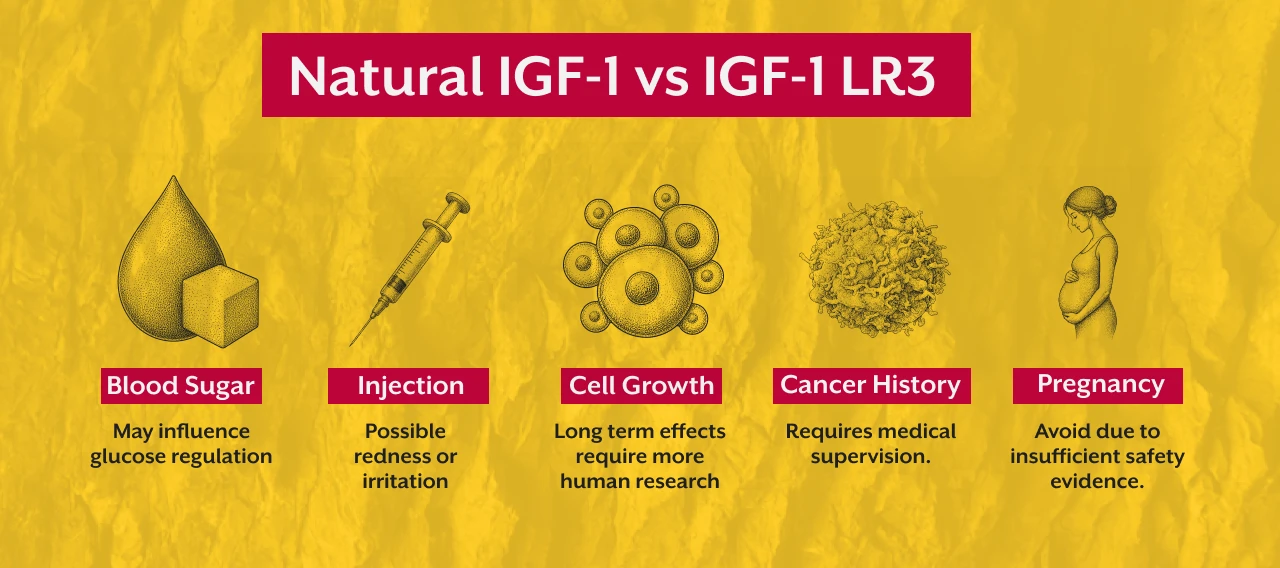
A lot of attention needs to be given to IGF-1 LR3 as it is a powerful molecule and has more warnings associated with it than most other peptides:

  • Hypoglycemia risk
  • Because IGF-1 is similar in structure to insulin and can bind to the insulin receptor when present in high concentrations, use of IGF-1 LR3 has been implicated in users experiencing low blood sugar. The likelihood of this occurring may be dose-dependent.
  • Injection-site reactions
  • Like most peptides that are administered via injection, some users have reported mild redness, swelling, or irritation at the injection site.
  • Organ and tissue growth concerns
  • Because IGF-1 signaling affects cellular growth and proliferation throughout the body and not exclusively in skeletal muscle, there is concern that long-term use of IGF-1 could result in increased growth of other tissues/organs in the body. To our knowledge, there is a lack of long-term human research that explores the safety of IGF-1 LR3 specifically regarding this point.
  • Pre-existing health conditions
  • As always, people with pre-existing health conditions should take extra caution before using IGF-1 LR3. More specifically, if you or someone in your family has a history of cancer or growth abnormalities, you may want to avoid IGF-1 altogether given its primary function as a growth hormone.
  • Pregnancy and breastfeeding
  • No research has been conducted to show that IGF-1 LR3 is safe for use during pregnancy or breastfeeding. It should be avoided in these circumstances. 

Like we said, peptides are just one piece of a larger puzzle in regards to muscle growth, recovery, and overall metabolic health. Before even thinking about adding a peptide into the mix, consider getting some baseline numbers pulled. Book your Root Cause Analysis with iThrive, and we can get you on the path to building a plan specific to your body’s needs. 

Key Takeaway

IGF-1 LR3 is a modified version of a peptide our body produces naturally. It was designed to have a much longer half-life in circulation compared to natural IGF-1. It can activate many of the same growth and repair pathways that are recruited during muscle protein synthesis and recovery. For this reason, it has gained considerable popularity in strength and aesthetics circles. However, much of the evidence supporting IGF-1 LR3 is from in vitro and animal studies. Clinical trials on humans are limited. Its potency brings certain risks, particularly around blood sugar regulation and uncontrolled tissue growth. As with any peptide, understanding the mechanism is only the first step; understanding your own body’s baseline health is what makes any intervention meaningful and safer to consider.

References

  1. Bailes, J., & Soloviev, M. (2021). Insulin-Like Growth Factor-1 (IGF-1) and Its Monitoring in Medical Diagnostic and in Sports. Biomolecules, 11(2), 217. https://doi.org/10.3390/biom11020217
  2. Stremming J, White A, Donthi A, Batt DG, Hetrick B, Chang EI, Wesolowski SR, Seefeldt MB, McCurdy CE, Rozance PJ and Brown LD (2022) Sheep recombinant IGF-1 promotes organ-specific growth in fetal sheep. Front. Physiol. 13:954948. doi: 10.3389/fphys.2022.954948 
  3. Assefa, B., Mahmoud, A. M., Pfeiffer, A. F. H., Birkenfeld, A. L., Spranger, J., & Arafat, A. M. (2017). Insulin-Like Growth Factor (IGF) Binding Protein-2, Independently of IGF-1, Induces GLUT-4 Translocation and Glucose Uptake in 3T3-L1 Adipocytes. Oxidative medicine and cellular longevity, 2017, 3035184. https://doi.org/10.1155/2017/3035184 

Star Your Root Cause Analysis

Includes home blood sample collection + 1-hour expert consultation to understand your health findings.
12-week Alive Program available separately at an additional cost.
Pay Now ₹2500
Secure Payments Powered By
NET
Banking

What’s Included in Your Blood Analysis?

Click below to view the complete list of markers included in your analysis.
Complete Blood Count (18 Parameters)
faq arrow
Diabetes Panel (4 Parameters)
faq arrow
Iron Studies (4 Parameters)
faq arrow
Lipid Panel (6 Parameters)
faq arrow
Thyroid Profile (3 Parameters)
faq arrow
Inflammation & Mitochondrial Health (3 Parameters)
faq arrow
Liver Function Test (8 Parameters)
faq arrow
Kidney Function & Electrolytes (9 Parameters)
faq arrow
Pay Now ₹2500
Secured payment via

We’re Not In Your City Yet But We’re Not Letting You Go.

You don’t need to wait to start understanding your body.
Get Free Consultation

You Still Get:

  • Free 1:1 consultation with our clinical team
  • Symptom + history deep dive
  • Direction on what’s actually driving your condition
  • Guidance on next best steps (tests, diet, and protocol)
Oops! Something went wrong while submitting the form.

Talk to our team

Thank you! Your submission has been received!
Oops! Something went wrong while submitting the form.

Talk to our team

Thank you! Your submission has been received!
Oops! Something went wrong while submitting the form.

Download Now

Thank you! Your submission has been received!
Oops! Something went wrong while submitting the form.
Select your Location
Agra
Ahilyanagar
Ahmadnagar
Ahmedabad
Ahmednagar
Akola
Aligarh
Allahabad
Almora
Alwar
Ambala
Ambedkar Nagar
Amravati
Amritsar
Amroha
Anand
Aurangabad
Ayodhya
Azamgarh
Baghpat
Bahadurgarh
Bahraich
Banda
Barabanki
Baraut
Bardhaman
Bareilly
Begusarai
Belgaum
Bengaluru
Bharatpur
Bhatinda
Bhilai Durg
Bhilwara
Bhiwani
Bhopal
Bhubaneswar
Bijnor
Bikaner
Bilaspur
Bokaro
Budhana
Bulandshahar
Chandigarh
Chennai
Chhatrapati Sambhajinagar
Chhindwara
Chomu
Darbhanga
Dehradun
Delhi
Deoband
Deulpur
Dhampur
Dhanbad
Durgapur
Eah
Etah
Etawah
Faizabad
Faridabad
Firozabad
Gadarpur
Gandhinagar
Ganganagar
Gaya
Ghaziabad
Ghazipur
Gonda
Gorakhpur
Greater Noida
Greater Noida Pc
Guntur
Gurgaon
Guwahati
Gwalior
Hajipur
Haldwani
Hapur
Hardoi
Haridwar
Hathras
Hazaribagh
Hisar
Hoshiarpur
Howrah
Hyderabad
Indore
Jabalpur
Jaipur
Jalandhar
Jalgaon
Jalna
Jamnagar
Jamshedpur
Jaunpur
Jhansi
Jhunjhunu
Jind
Jodhpur
Sorry, currently we are not serving this city.
Please try searching for another city or put your city here.
My Location not in the list
Your Location is 'Location'
Book a Test

City

Thank you! Your submission has been received!
Oops! Something went wrong while submitting the form.