




10 Hidden Triggers of Inflammatory Conditions You Never Knew
Table Of Content

10 Hidden Triggers of Inflammatory Conditions You Never Knew

iThrive Team
Mar 1, 2025

Have you ever felt constantly fatigued, struggled with digestive issues, or experienced unexplained joint pain? These could be signs of silent inflammation in your body. According to studies, over 5% of people with lower gastrointestinal symptoms in India suffer from inflammatory bowel disease (IBD).1

Hidden inflammation triggers like poor diet, pollution, toxins, and stress can keep your body in a constant state of fire, leading to chronic diseases such as diabetes, heart disease, and autoimmune disorders. In this blog, we will understand inflammation, its different triggers, and how to mitigate them.

What Are Inflammatory Conditions?

Inflammation is your body’s natural defense mechanism. When you get injured or catch an infection, your immune system activates an inflammatory response to heal and protect you. This is called acute inflammation!

But when inflammation becomes long-term (chronic), it turns against your body instead of healing it. This is where the problem begins. Chronic inflammation quietly builds up in your system, damaging cells, tissues, and organs. It can take years to show clear symptoms, which is why it’s often called a silent killer.

Common Inflammatory Conditions You Should Know About

1. Autoimmune Diseases

Some of the most common autoimmune inflammatory conditions include:

  • Rheumatoid Arthritis (RA): A chronic condition that causes painful joint swelling and pain, leading to stiffness and reduced mobility.
  • Inflammatory Bowel Disease (IBD): A group of gut-related disorders, including Crohn’s disease and ulcerative colitis, that cause severe digestive issues, diarrhoea, and abdominal pain.
  • Systemic Lupus Erythematosus (SLE): A condition where the immune system attacks multiple organs, leading to fatigue, joint pain, and skin rashes.
  • Psoriasis: An autoimmune skin condition that leads to itchy, red, and scaly patches on the skin.

2. Chronic Diseases

Did you know that causes of chronic inflammation are directly linked to major lifestyle diseases? Chronic inflammation plays a key role in some of the most common long-term health problems, including:

  • Heart Disease: Inflammation in blood vessels can lead to blockages, increasing the risk of heart attacks and strokes.
  • Type 2 Diabetes: Chronic inflammation interferes with insulin production, making it harder for your body to regulate blood sugar.
  • Obesity: Excess body fat releases inflammatory chemicals that fuel long-term health problems.
  • Alzheimer’s Disease: Brain inflammation has been linked to memory loss and cognitive decline.

The Impact of Chronic Inflammation on Your Health

Ignoring hidden inflammation triggers can have long-term consequences. Over time, chronic inflammation:

  • Weakens your immune system, making you prone to frequent infections.
  • Damages your gut, leading to digestive disorders and food intolerances.
  • Causes fatigue, brain fog, and mood swings.
  • Increases the risk of life-threatening diseases.

10 Hidden Triggers of Inflammation

Dietary Factors
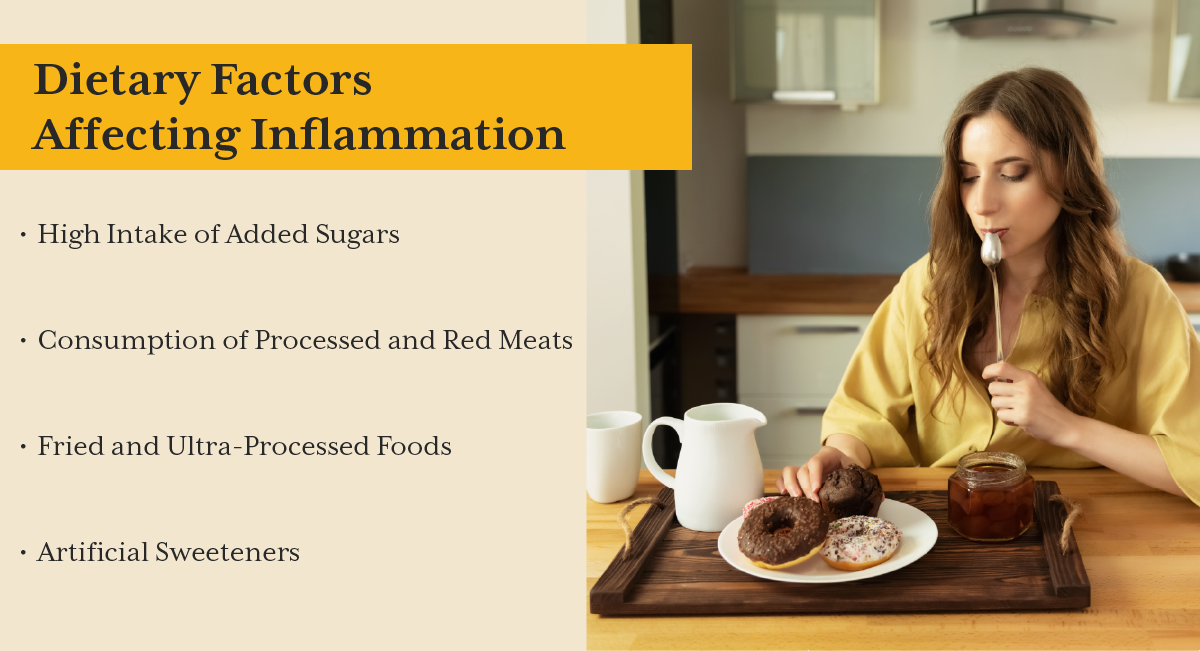
1. High Intake of Added Sugars

Consuming too much added sugar doesn't just affect your waistline; it can disrupt your gut health. Excessive sugar fosters the growth of harmful bacteria, leading to an imbalance known as gut dysbiosis. This imbalance has been linked to gastrointestinal disorders like irritable bowel syndrome (IBS) and inflammatory bowel disease (IBD). Moreover, a high-sugar diet can also cause glucose metabolism, and increase inflammation, further compromising your gut lining.2

2. Consumption of Processed Meats

While meat can be a source of essential nutrients, frequent consumption of processed and processed meats has been associated with an increased risk of chronic diseases. Studies have shown that a daily intake of 100 grams of processed meat can elevate the risk of stroke and certain cancers. Processed meats, even in smaller amounts, have been linked to higher risks of colorectal cancer and heart disease.3

3. Fried and Ultra-Processed Foods

Indulging in fried and ultra-processed foods might satisfy your taste buds, but these foods often contain advanced glycation end products (AGEs). AGEs are compounds that form when proteins or fats combine with sugars during high-heat cooking. Accumulation of AGEs in the body can lead to oxidative stress and inflammation, contributing to chronic health conditions.

4. Artificial Sweeteners

Opting for artificial sweeteners as a sugar substitute might seem like a healthier choice, but some studies suggest they can disrupt the delicate balance of your gut microbiota. This disruption may lead to chronic low-grade inflammation and contribute to insulin resistance. 

Avoid these inflammation-causing foods:

  • Sugary drinks, candy, and desserts
  • Processed meats (hot dogs, sausages, bacon)
  • Refined carbs (white bread, pasta, refined flour)
  • Fried and fast food (loaded with trans fats)

Environmental Factors

5. Pollution

Every time you step outside, you're exposed to harmful air pollutants- fine particulate matter (PM2.5), carbon monoxide, nitrogen dioxide, and other toxins. When you breathe in these pollutants, they enter your lungs and bloodstream, triggering an immune response. Over time, this constant exposure leads to respiratory inflammation and other serious health conditions.

Signs of Silent Inflammation from Pollution

  • Constant coughing, wheezing, or shortness of breath
  • Frequent headaches or brain fog
  • Fatigue that doesn’t go away even with rest
  • Skin problems like rashes, acne, or dull skin
  • Increased allergies or sinus infections

How to Protect Yourself from Inflammation Caused by Pollution

  • Invest in an air purifier - Reduce indoor air pollution and breathe cleaner air.
  • Use masks in high-polluted areas/ cities - Especially N95 masks that filter out fine pollutants.
  • Increase antioxidant-rich and anti-inflammatory foods - Berries, leafy greens, and turmeric helps fight oxidative stress caused by pollution.
  • Stay hydrated - Water helps flush toxins from the body.
  • Indoor plants help - Plants like snake plants, spider plants, areca palm, and peace lilies improve air quality.

6. Mold Exposure

You may think your home is your safe space, but did you know that Chaetomium molds that look cottony in texture lurking in damp corners could be one of the biggest hidden inflammation triggers?

How Does Mold Exposure Lead to Inflammation?

Mold releases microscopic spores into the air, which, when inhaled, can irritate the respiratory system and trigger the immune system’s inflammatory response. Over time, repeated mold exposure can cause chronic respiratory inflammation and lead to severe conditions like asthma, allergies, and even autoimmune disorders.

Signs of Silent Inflammation from Mold Exposure

  • Persistent nasal congestion and sinus infections
  • Skin rashes, irritation, or unexplained itching
  • Constant fatigue, brain fog, or difficulty concentrating
  • Worsening asthma or allergy symptoms
  • Chronic headaches or dizziness

How to Reduce Inflammation from Mold Exposure

  • Check for mold in damp areas - Bathrooms, kitchens, and basements are common mold hotspots.
  • Use a dehumidifier - Keeping humidity levels below 50% prevents mold growth.
  • Fix leaks immediately - Even small leaks can create mold-friendly environments.
  • Improve ventilation - Open windows and use exhaust fans to keep air circulating.
  • Consider professional mold removal - If mold is widespread, get expert help.

Lifestyle Factors

7. Lack of Sleep

Ever wondered why you feel sluggish, irritable, or even sick after a few nights of poor sleep? It’s because sleep deprivation increases pro-inflammatory cytokine production- a key factor in chronic inflammation.

How Sleep Deprivation Triggers Inflammation

  • Less sleep leads to more inflammation: Studies show that people who sleep less than 6 hours a night have higher levels of C-reactive protein (CRP), an inflammatory marker linked to heart disease.
  • Weakened immune function: Lack of sleep disrupts the body's ability to fight infections, making you prone to frequent colds, flu, and inflammatory diseases.
  • Increased risk of obesity & diabetes: Poor sleep affects insulin sensitivity, leading to weight gain, metabolic disorders, and inflammation, leading to obesity.

Solution

  • Stick to a consistent sleep schedule.
  • Avoid screens and blue light post sunsets. You can also refrain from using your phones 1 hour before bed.
  • Reduce caffeine and alcohol before bedtime.
  • Try deep exercises or meditation for relaxation.

8. Physical Inactivity

Sitting for long hours might seem harmless, but did you know it can worsen inflammatory conditions? A sedentary lifestyle contributes to systemic inflammation by slowing down circulation, impairing metabolism, and increasing oxidative stress.

How Lack of Exercise Leads to Inflammation

  • More belly fat, more inflammation: Excess fat tissue releases inflammatory chemicals that contribute to diabetes, arthritis, and cardiovascular diseases.
  • Reduced blood flow causes more toxins: Physical inactivity prevents proper circulation, allowing inflammatory toxins to build up.
  • Weaker muscles & joints: A lack of movement causes stiffness and pain, increasing the risk of conditions like osteoarthritis.

Solution

  • Stand up and stretch every 30 minutes if you have a desk job.
  • Take a 20-minute brisk walk daily
  • Try low-impact workouts like yoga or swimming for joint-friendly movement.

9. Smoking

We all know smoking is harmful, but it’s also a hidden inflammation trigger that accelerates damage to your cells and tissues.

How Smoking Increases Inflammation

  • Toxins in tobacco smoke trigger an inflammatory response, leading to conditions like rheumatoid arthritis and heart disease.
  • Smoking weakens the immune system, making you more susceptible to infections and chronic diseases.
  • It damages blood vessels and increases oxidative stress, causing long-term inflammation in the lungs and heart.

Solution

  • Seek support from a health professional or join a anti-smoking program.
  • Replace smoking habits with healthier alternatives like chewing gum or deep breathing.
  • Increase antioxidant-rich foods (berries, green tea, turmeric) to reverse inflammation.

10. Excessive Alcohol Consumption

Excess alcohol intake can wreak havoc on your health. Alcohol-induced tissue damage is a major driver of chronic inflammatory conditions, affecting the liver, gut, and brain.

How Alcohol Causes Chronic Inflammation

  • Liver overload: The liver detoxifies alcohol, but excessive intake leads to inflammation and conditions like fatty liver disease.
  • Gut damage: Alcohol disrupts gut bacteria, increasing intestinal permeability (leaky gut), which allows toxins to enter the bloodstream.
  • Increased risk of autoimmune diseases: Chronic alcohol consumption weakens the immune system, increasing susceptibility to autoimmune disorders like lupus and multiple sclerosis.

Conclusion

Inflammatory conditions don’t just happen overnight- they build up silently due to hidden inflammation triggers like poor diet, lack of sleep, toxins, and stress. If you’ve been experiencing signs of silent inflammation- persistent fatigue, brain fog, bloating, or unexplained weight gain, it’s time to take action. Book a free consultation with iThrive today, and let our expert Functional Nutritionists help you find the root cause of your inflammation!

References

  1. Inflammatory bowel disease (IBD) in rural and urban India: results from community colonoscopic evaluation of more than 30,000 symptomatic patients; Banerjee, Rupa et al. The Lancet Regional Health - Southeast Asia, Volume 19, 100259
  2.  Yoganathan, Pran, and Pran Yoganathan. “The Impact of Sugar on Gut Health.” The Centre for Gastrointestinal Health, 29 Nov. 2024, centreforgastrointestinalhealth.com.au/the-impact-of-sugar-on-gut-health.
  3. Physicians Committee for Responsible Medicine. “Red And Processed Meats Increase Risk for Chronic Disease.” Physicians Committee for Responsible Medicine, 7 Sept. 2016,
A
Ask your doubts
Thank you! Your submission has been received!
Oops! Something went wrong while submitting the form.

FAQs

How do I know if I have hidden inflammation?
faq arrow

If you often feel tired, have joint pain, bloating, or unexplained weight gain, you might be dealing with silent inflammation. A simple CRP (C-reactive protein) blood test or checking for high homocysteine levels can reveal your inflammatory condition. Identifying the hidden triggers of inflammation, like processed foods, toxins, or poor gut health, is key to reversing it.

How can I reduce inflammation naturally at home?
faq arrow

Fighting chronic inflammation starts with small lifestyle changes! Swap processed foods for anti-inflammatory foods like turmeric, leafy greens, and omega-3s. Stay active, sleep well, and manage stress through meditation or deep breathing. Hydrate well and detox your body from toxins and oxidative stress.

How do doctors diagnose inflammation in the body?
faq arrow

Doctors usually check for inflammatory markers like C-reactive protein (CRP), ESR levels, and white blood cell count to detect silent inflammation. They may also look at your gut health, toxin exposure, and diet history to identify the causes of chronic inflammation. If you're experiencing long-term fatigue, digestive issues, or skin problems, getting tested can help find the root cause.

What is the best natural remedy for inflammation?
faq arrow

Nature has powerful solutions! Turmeric (curcumin) is one of the strongest natural anti-inflammatory remedies, reducing pain and swelling. Ginger, green tea, and omega-3-rich foods also help combat chronic inflammation. Adding these to your diet while eliminating hidden inflammation triggers like sugar and processed foods can give you long-term relief.

Does rice cause inflammation in the body?
faq arrow

It depends! White rice has a high glycemic index, which can spike blood sugar and contribute to inflammatory conditions. However, brown rice, black rice, and wild rice are rich in fibre and antioxidants, helping fight hidden inflammation triggers. If you're sensitive to grains, opt for quinoa or cauliflower rice as an anti-inflammatory alternative.

Related Blogs

Are you drinking water wrong? The truth about hydration, minerals & water quality
read count
read time
Jun 17, 2026

Are you drinking water wrong? The truth about hydration, minerals & water quality

You may be drinking enough water but still not be properly hydrated. Discover how minerals, electrolytes, RO water, and simple daily habits influence how well your body actually uses water.

Introduction

You drink your 8  glasses, carry a bottle everywhere, and tell yourself you're hydrated. But what if I say the way you're drinking water is working against your body?

This is one common question that keeps coming up again and again in our iThrive Tribe community groups and honestly, it's one of the most important health conversations you can ever have. As hydration isn't just about how much water you drink, rather it’s also about what kind of water, what's in it, and how your cells actually absorb it.

This blog will be diving deep into what kind of water you should drink, what’s in it and how your cells actually absorbs it.

Water is not just water 

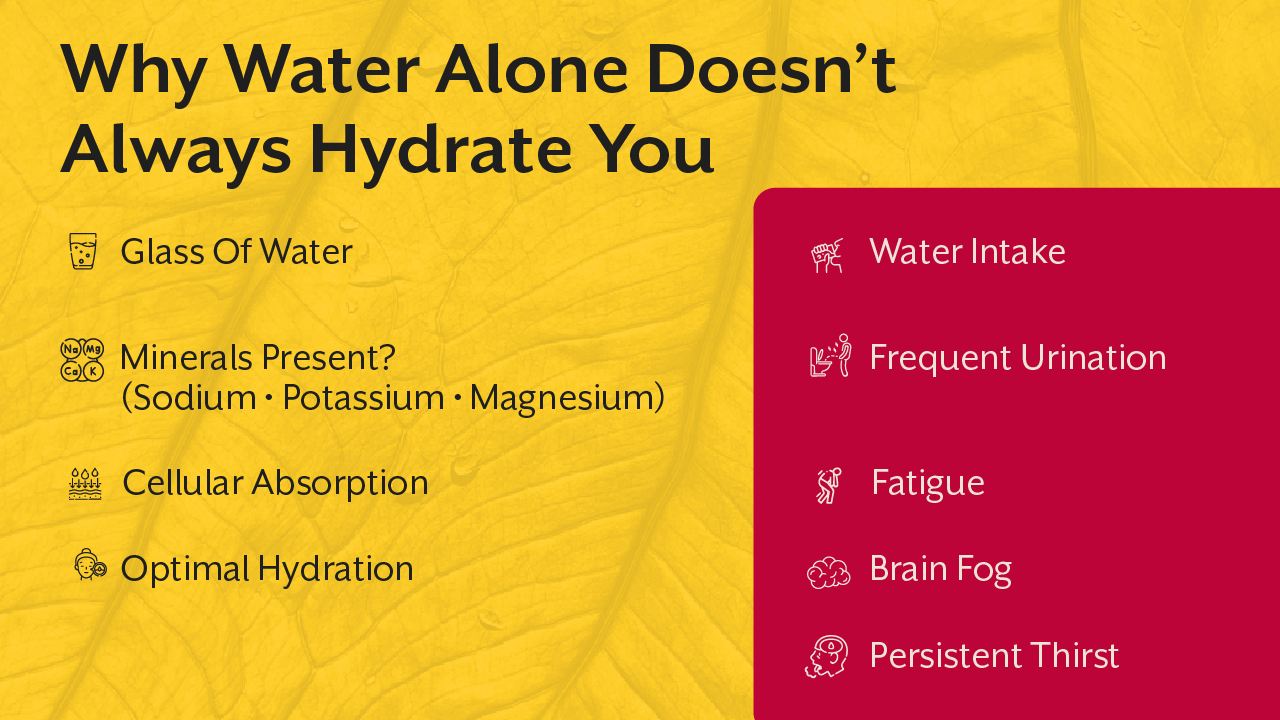
Why Water Alone Doesn’t Always Hydrate You

I’ll tell you something most of you would’ve never realised: plain water especially demineralised or RO purified water without any minerals is not the same as hydrating water.

Your cells don't just absorb water passively like a sponge. Water enters and exits cells through channels regulated by electrolytes which primarily sodium, potassium, magnesium, and chloride. These minerals are what actually pull water into the cell and keep it there. Without them, water flows right through you. You drink, you pee, and you're still thirsty… the loop is on and on. 

Minerals such as calcium, magnesium, as well as potassium are essential not just for bones and muscles, but also for neuromuscular transmission, enzymatic activity, oxygen transport, and basic cellular function. In lay man language I can say without minerals, your body can't do much with the water you give it.

The problem with RO water 

Reverse osmosis water purifiers like Kent RO and similar systems definitely does a fantastic job of removing contaminants, heavy metals, fluoride, and bacteria from drinking water. That part is honestly valuable, especially here in Indian cities where tap water quality is inconsistent.

But let me first talk about the catch: RO filtration strips everything including the naturally occurring minerals that make water beneficial. So basically what you're left with is very clean, very empty water.

Drinking demineralised water consistently, especially during summer or physical activity, can actually dilute your body's electrolyte balance. The result? You may be drinking plenty of water but still experiencing fatigue, brain fog, muscle cramps, or persistent thirst, which are all the classic signs of inefficient hydration.

The fix is simple: remineralise after purification.

  • Add a small pinch of Himalayan pink salt to your water bottle
  • Use a trace mineral supplement like Utah Sea Trace Minerals or BodyBio Minerals, available on iHerb just a few drops per litre
  • Add coconut water to your hydration routine, especially post-exercise.
  • Drop in a pinch of magnesium bisglycinate or use a magnesium-rich mineral supplement as magnesium plays a starring role in cellular energy production and muscle recovery

And no this is not about adding flavour. It's about turning water that your body will pass through, into water that your body can actually use.

The summer hydration trap

The Summer Hydration Trap

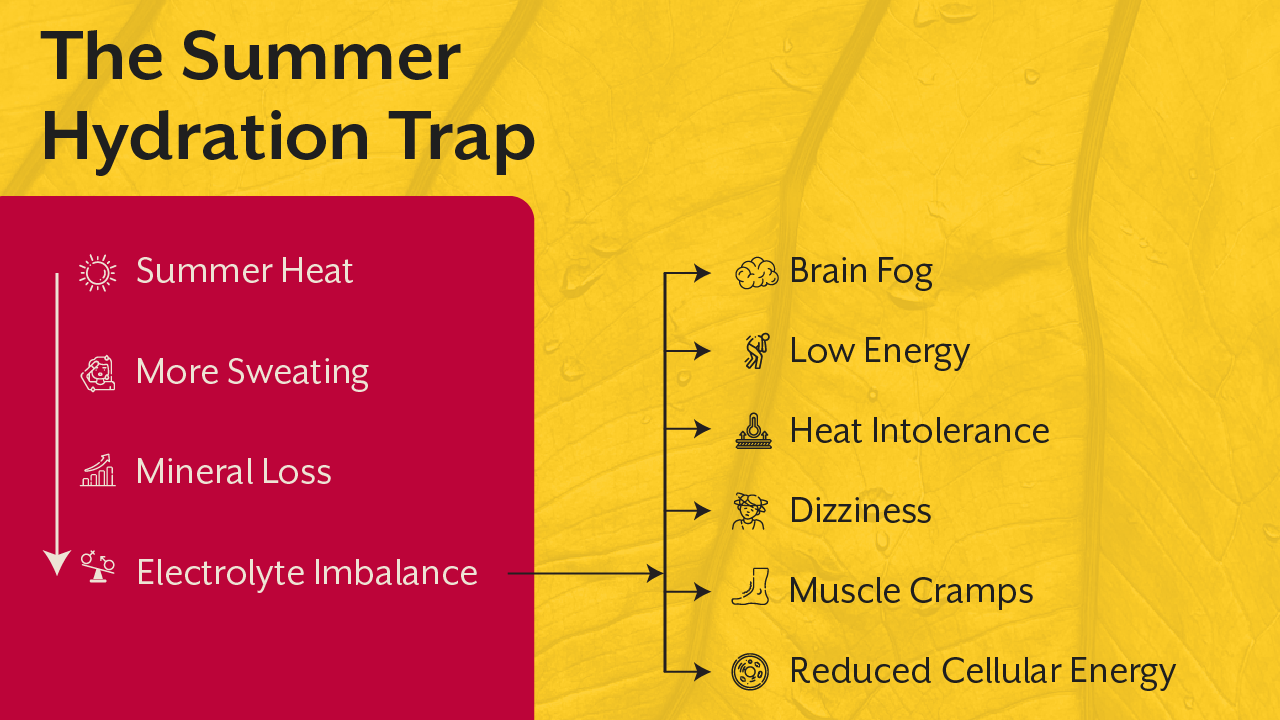
During summer, the stakes are higher than usual. Rising temperatures push your body into continuous fluid stress like you're sweating more, your blood vessels are dilating, and you're losing water and minerals at an accelerated rate. This is when poor hydration practices really start to show up.

What happens when you're sweating but only replacing fluid without minerals?

  • Electrolyte depletion I mean sodium, potassium, and magnesium drop, impairing every system that depends on them
  • Heat intolerance like your thermoregulation breaks down, making you feel the heat far more intensely
  • Brain fog and fatigue even mild dehydration impacts cognition and mood
  • Circulatory strain low plasma volume causes your heart to work harder, leading to dizziness and weakness
  • Cellular inefficiency your mitochondria need proper hydration to function and without it, energy production at the cellular level falters

The major takeaway here is that summer doesn't just increase your need for water, it rather increases your need for minerals. Hydrating smarter beats hydrating more.

How to actually drink water: Practical Habits

Beyond what you put in your water, how you drink matters too.

Sip, and please don't gulp. Drinking large amounts of water at once overwhelms your kidneys and passes through without being absorbed well. Sipping consistently through the day allows your cells to keep pace.

Drink water away from meals or at least don't flood meals with large quantities. 

A small amount of water with food is fine, but large quantities can dilute digestive enzymes and stomach acid.

Morning hydration matters. After 7 to 8 hours of sleep, you wake up mildly dehydrated. Start your morning with a glass of mineral-rich or lightly salted water before coffee.

Listen to your body, never chase not the number just for the sake of it. The 8 glasses a day rule is a general guideline, and not a universal prescription. Your needs vary on the basis of your size, activity level, climate, and diet. Pale yellow urine is a good practical indicator of adequate hydration.

Eat your water too. Foods such as cucumber, watermelon, muskmelon, and citrus fruits are quite  refreshing and they also deliver water alongside micronutrients and electrolytes that support absorption. In summer especially, these can prove to be your allies.

What about Kangen water and ionised water? 

Kangen water machines have become popular in wellness circles, and there's a lot of marketing around their alkaline, ionised output. It's worth understanding what these machines actually do and offcourse what they don't.

Kangen machines work through electrolysis passing an electrical current through water to separate it into alkaline and acidic streams. Sources also claim this also structures the water, but this is where the science gets murky.

Water structuring is about the strength of hydrogen bonds between water molecules. Electrolysis, by its very nature, breaks hydrogen bonds to separate the water's components. Ionisation through electrical hydrolysis creates a water that may carry an electrical charge, but that charge doesn't equal molecular structure. The two are not the same thing.

There are also practical concerns:

  • The hydrogen infused by electrolysis is unstable and dissipates quickly, you need to drink it immediately after pouring for any potential benefit
  • The machines do not remineralise water; alkaline mineral compounds produced through the process may not be recognised by the body, and in people with suboptimal kidney function, could accumulate in tissues
  • Tap water TDS (total dissolved solids) significantly affects the machine's output so if the source water is too hard or too soft, the hydrogen concentration and machine performance both suffer

None of this means ionised water has no benefits, molecular hydrogen does have genuine antioxidant research behind it. But there are simpler, more stable, and far more affordable ways to get those benefits than a machine costing several lakhs. Adding trace minerals and focusing on clean, remineralised water gets you most of the way there.

If you're considering an alkaline or hydrogen water setup, the most important thing is to also remineralise whatever water you're drinking. Any RO system works fine as a base, just put the minerals back in after.

A simple hydration protocol to start today

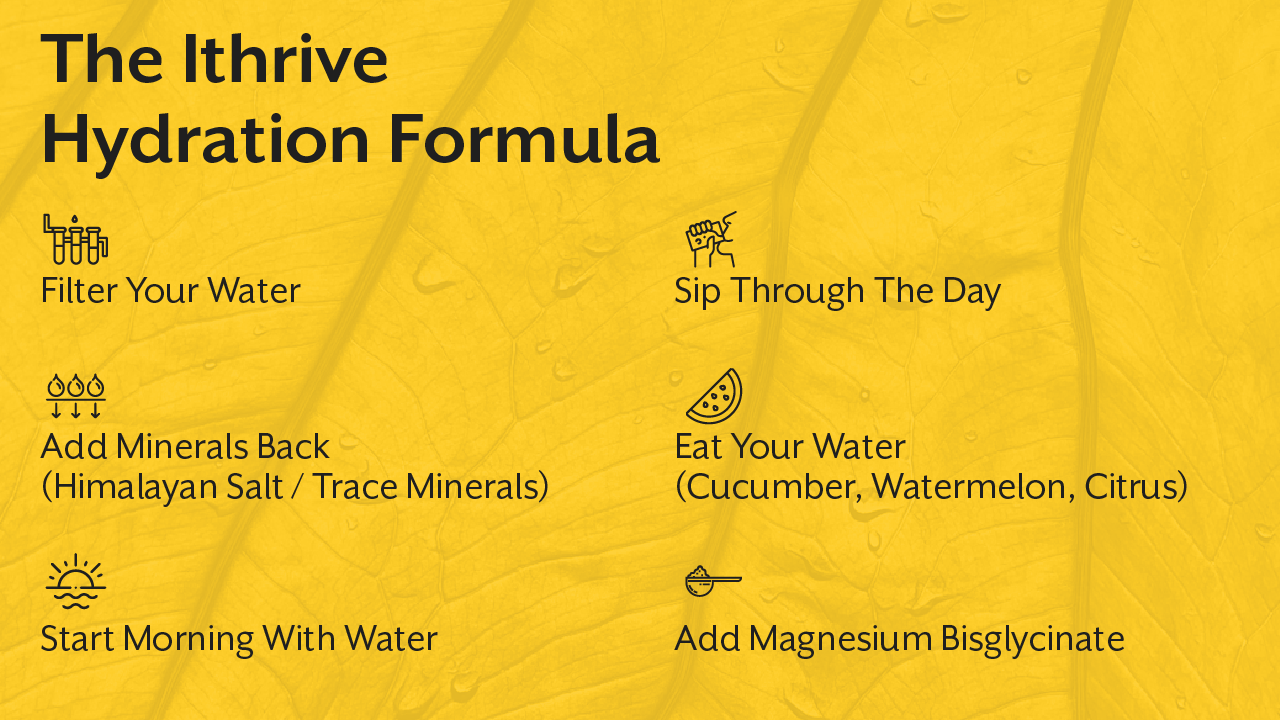
The iThrive Hydration Formula

You don't need expensive equipment. Here's what actually moves the needle:

  1. Filter your water any good RO purifier handles contaminants well
  2. Remineralise after filtering Himalayan pink salt, trace mineral drops, or coconut water
  3. Sip through the day don't wait until you're thirsty, that's already mild dehydration
  4. Prioritise minerals in summer add magnesium bisglycinate, eat hydrating foods, and consider a natural electrolyte drink
  5. Start your morning right warm mineralized water before anything else
  6. Rinse produce with ozone water if available, it's an effective way to remove pesticide residues and surface contaminants without adding chemicals to your food

Key Takeaway 

Hydration isn’t about drinking more water. It’s about helping your cells actually use it.

If you’re still feeling tired, thirsty, bloated, dizzy, or experiencing brain fog despite drinking plenty of water, it may be time to look beyond quantity and focus on water quality, mineral balance, and hydration habits.

Start simple: filter your water, remineralise it, sip consistently, and support hydration with minerals and water-rich foods. Your body doesn’t just need water, it also needs the right environment to use it.

An intense study over how Vitamin D supplementation helps in COVID-19 recovery
read count
read time
Jun 9, 2026

An intense study over how Vitamin D supplementation helps in COVID-19 recovery

You recovered from COVID but never quite felt like yourself again. Persistent fatigue, breathlessness, and low energy may not be random. This blog explores how Vitamin D deficiency quietly affects recovery and what your body truly needs to heal.

Introduction 

You tested negative. The fever broke. The isolation was over.

You were tested negative back then, their fever broke, the isolation was over. But now years later, you are still exhausted by noon, still breathless climbing a flight of stairs, and still waiting to feel completely like yourself again. If this sounds familiar, you aren’t alone in this journey. We have many clients here at iThrive, who come to us complaining of similar symptoms, and we always check their Vitamin D deficiency and treat that first. 

What many of you did not know and what research is now making increasingly hard to ignore is that a humble nutrient most of us have been deficient in for years plays a significant role. Not just in fighting the virus, but in how well and how fast the body actually recovers from it.

This blog will discuss that deficiency in detail and make you aware as to how that affects the functioning of the body. 

What We Actually Know About Covid-19 and Who Hit The Hardest? 

The Coronavirus (COVID-19) pandemic has affected a lot of people all over the world. It was caused by severe acute respiratory syndrome coronavirus 2 (SARS-Cov-2). In December 2019, the virus was initially recognised in the Chinese city of Wuhan, and it quickly spread around the world. Fever, significant asthenia, and a dry cough are common symptoms, which can escalate to more serious presentations such as deadly acute respiratory disease syndrome (ARDS). 

The majority of infected patients suffer from mild to moderate respiratory infection and recover without the need for specific treatment. Some persons who are infected have serious illnesses and require medical intervention. Old aged people are at high risk for covid-19 infection. Pneumonia, myocarditis, ARDS, and inflammation in which the body responds quickly to invaders, destroying its own immune cells, influence the severity of Covid-19.

Why Vitamin D Showed Up in The Research Nobody Expected?

Where Vitamin D Fits in Covid Severity

People with underlying medical disorders such as diabetes, cardiovascular disease, lung disease, or cancer are more prone to experience serious illness.1 Apart from all these medical conditions, in a recent genomics-guided tracing of the Covid-19 targets in humans, vitamin D supplementation was found as one of the top-scoring substances suggesting probable infection reducing patterns.

How Vitamin D Helps The Lungs Fight Back Against Covid-19 

The Role of ACE2 Receptors And Why They Matter In Respiratory Illness 

Angiotensin-converting enzyme 2 (ACE2) is a membrane protein expressed particularly in lung cells. It helps the body from inflammatory damages. In contrast, coronavirus binds to ACE2 receptors to gain entry in a cell. This process causes downregulation of ACE2 and helps coronavirus to invade the cells and causes severe respiratory illness.2

The effect of Vitamin D supplementation towards respiratory illness has shown good response. A study carried out on mice with chronic ARDS showed that administration of Vitamin D has decreased the symptoms of the illness. It was seen that Vitamin D on administration showed increased expression of ACE2 and thereby moderating the chronic symptoms.3

The Inflammation Problem in Covid-19 And How Vitamin D Steps In

What Happens When The Cytokine Response Goes Out of Control 

The activation of the immune system's inflammatory pathways is required for a normal antiviral immune response. When immune cells come into contact with pathogens, they create cytokines also known as pro-inflammatory cytokines which are secretory proteins. These cytokines aid in the removal of infectious particles, decreasing injury. If this immune system's response is abnormal, it can cause severe disease if left unchecked.4 

Cytokine Storm Explained Simply

How Vitamin D Helps Regulate This Immune Overreaction 

Vitamin D supplementation (800-1000 IU) has been shown to have anti-inflammatory properties in addition to its role in calcium metabolism. The effects of vitamin D on a highly triggered immunological response were investigated in a study. Vitamin D has been discovered to decrease cytokine synthesis in immune cells. Vitamin D activity may be crucial in preventing Covid-19 infection, as patients with severe Covid-19 sickness have been found to have Vitamin D deficiencies. The severity of Covid-19 infection rises due to immune cells' aggressive secretion of pro-inflammatory cytokines in response to infection. This implies that vitamin D supplementation may assist patients cope with the cytokine storm that is common in Covid-19 infection.5

If you have already recovered from Covid-19 but still don’t feel right, the immune dysregulation or that lingering fatigue is not random. It usually points to something deeper that was already off even before the virus arrived. A Root Cause Analysis can be beneficial for you in identifying the exact reason what your body is dealing with underneath the surface. 

Vitamin D Does Not Just Support Immunity, It Directly Fights Viruses 

Cathelicidin, Defensin And The Body’s Own Antiviral Antiviral Arsenal 

Vitamin D is necessary for proper local immune responses to respiratory viral infections. Vitamin D generated by lung epithelium could lead to increased expression of antimicrobial peptides (such as cathelicidin and defensin in adjacent immune cells). There is evidence that cathelicidin has antiviral activity against influenza A virus and respiratory syncytial virus infections (RSV) by binding to virus, which leads to disruption of the virus envelope.6 This direct antiviral activity of Vitamin D may be helpful against enveloped viruses like Coronavirus.

Your Body Has Natural Walls Against Viruses, Vitamin D Helps Keep Them Intact

Tight Junctions, Gap Junctions and Why Structural Barriers Matter 

Physical barriers are made up of tightly packed cells that keep invaders (such as viruses) from reaching organs which are infection-prone. Tight junctions, gap junctions, and adherens junctions are examples of these barriers. Vitamin D has been shown to help to the stability of all of these junctions, despite viruses affecting their integrity and invading the tissue (physical barriers).7

What The Randomised Control Trial Found About Dosage and Mortality

Based on these findings, a COVID-19 randomised control trial has compared the effect of high-dose vitamin D against conventional dose on 14-day mortality in COVID-19 older patients. In rescue patients with severe Vitamin D deficiency, high-dose oral vitamin D3 treatment has been proven to reduce short-term mortality. Oral vitamin D supplementation at dosages up to 10,000 IU/day for short periods of time is regarded as safe, especially in older persons, who are most affected by Vitamin D deficiency and should receive at least 1,500 IU of vitamin D daily to maintain adequate vitamin D status.8

Why Elderly Individuals Need To Pay Closer Attention To Their Vitamin D Levels 

The ability of people's skin to manufacture vitamin D3 reduces as they age, leaving them more susceptible to vitamin D3 deficiency. This could explain why elderly people are at such a high risk of contracting COVID-19. Vitamin D deficiency, as well as other medical conditions including diabetes, high blood pressure, and cardiovascular disease, can all be considered risk factors for the severity of COVID-19. Considering the lack of a particular treatment for COVID-19 and the safety of vitamin D supplementation, these findings would support the use of vitamin D supplements as a COVID-19 adjacent treatment.9

Why The Form Of Vitamin D You Take Actually Changes What It Does In Your Body 

What Makes iThrive Essentials Vitamin D3 Different From Standard OTC Supplements 

Why Your Vitamin D Supplement Might Not Be Working

iThrive Essential’s vitamin D3 capsules contain vitamin K2 and the synergistic link between the two vitamins is critical. According to recent studies, vitamin K2 aids in the absorption of calcium provided by vitamin D3 in the bones without enabling calcium to build up in the arteries.10 Pure medium-chain triglycerides (MCT) oil derived from coconut oil is also included. It's a type of fat that our bodies can easily absorb and convert to energy. MCT has also been shown to increase the amount of energy consumed by your muscles.11 It can aid in the production of ketones, a carb-free energy source for the brain. MCT can also be used to cure and relieve skin infections. MCT contains lauric acid, which acts as an antibacterial, destroying bacteria and viruses by breaking down their walls.12 The iThrive Essential’s Vitamin D3 capsule is liquid-filled which is launched for the first time in the Indian market. These capsules absorb more quickly than ordinary powder-filled tablets, allowing them to act more quickly. The coating of a liquid-filled capsule may be broken down and absorbed into the bloodstream in a matter of minutes, but a powder-filled capsule can take 20-30 minutes as tablet medicines must first be entirely broken down. For this reason, liquid-filled capsules are generally considered to be faster-acting. iThrive Essential’s Vitamin D3 K2 is created with the intention of providing all of the benefits required. 

References

  1. https://www.who.int/health-topics/coronavirus#tab=tab_1 
  2. https://pubmed.ncbi.nlm.nih.gov/33389262/
  3. http://wprim.whocc.org.cn/admin/article/articleDetail?WPRIMID=515341&articleId=515341&fbclid=IwAR2mDwMTNZ_GsWRk6flTCPDvSJhKD-4Ll8HsO6-Sm-5vAHtXp69wegcf31M 
  4. https://www.frontiersin.org/articles/10.3389/fimmu.2020.01446/full#:~:text=COVID%2D19%20infection%20is%20accompanied,in%20an%20excessive%20inflammatory%20reaction 
  5. https://www.jimmunol.org/content/188/5/2127#sec-18 
  6. https://www.microbiologyresearch.org/content/journal/jgv/10.1099/vir.0.045013-0 
  7. https://onlinelibrary.wiley.com/doi/full/10.1111/cei.13042 
  8. https://clinicaltrials.gov/ct2/show/study/NCT04344041
  9. https://www.ncbi.nlm.nih.gov/pmc/articles/PMC7832241/#!po=38.8889 
  10. https://drlaraweightloss.com/2020/11/why-should-i-take-vitamin-d3-with-vitamin-k2/ 
  11. https://www.hollandandbarrett.com/the-health-hub/food-drink/nutrition/mct-oil-uses-and-benefits/ 
  12.  https://www.webmd.com/diet/mct-oil-health-benefits-common-uses#1
Excessive Heat Is Not “Normal”: How to Protect Your Body During Heat Waves
read count
read time
May 27, 2026

Excessive Heat Is Not “Normal”: How to Protect Your Body During Heat Waves

Extreme temperatures are no longer just uncomfortable, they’re affecting hydration, hormones, inflammation, digestion, and recovery. Learn what excessive heat really does to the body and how to protect yourself naturally during dangerous summer heat waves.

Introduction

You step outside for around 5 minutes and suddenly your head starts feeling heavy. Your skin turns sticky almost instantly, your energy crashes in the middle of the day, and no matter how much water you drink, you still end up feeling drained. 

Let me be honest this is not just summer, it’s also excessive heat and your body is continuously working overtime to survive it. 

Over the last few years, the current temperature across various cities has consistently crossed dangerous and immense limits. Right from rising humidity to prolonged heat waves, the weather this week itself has shown how unpredictable and extreme temperatures have become. Platforms such as Zoom Earth are now constantly tracking heat movement globally because the situation is becoming  near to impossible to ignore.

But here’s the problem.

Most people think excessive heat only means dehydration. In reality, excessive heat in the body can impact various factors such as hormones, blood pressure, nervous system regulation, inflammation levels, digestion, energy production, as well as mineral balance. 

Here at iThrive, after working with clients since 2019 in functional nutrition, we’ve repeatedly observed one common thing every summer that people don’t realise how deeply heat stress affects the body until symptoms become severe and starts backfiring. 

And the scariest part?

At times, the body starts overheating long before a heat stroke happens.

This blog will help you understand the following aspects clearly so that this summer you can be much aware of how to protect yourself from excessive heat. 

  • Excessive heat meaning
  • Why your body struggles during extreme temperatures
  • What excessive heat Celsius ranges become dangerous
  • Symptoms you should never ignore
  • How to actually protect yourself naturally during heat waves

What Does Excessive Heat Actually Mean?

The excessive heat meaning is far more serious than simply “feeling hot.” Excessive heat refers to environmental temperatures high enough to place stress on the cooling system of the body. This typically happens when the temperatures remain abnormally high for a few days, humidity rises drastically, nighttime temperatures don’t cool properly or when the body can’t regulate internal temp effectively. 

Once your internal body temp begins rising faster than your body can cool itself, multiple systems become affected simultaneously. And this is exactly why excessive heat can become dangerous even before a person collapses. So beware. 

Why Excessive Heat Feels Worse Today

If you’ve been feeling like summers suddenly became unbearable, trust me you are not imagining it. The current temperature in many cities is consistently touching dangerous levels earlier in the season itself. On top of it the humidity, and the body experiences even greater thermal stress.

For instance, 38°C with humidity feels like 45°C to the body, sweat stops evaporating efficiently, core temp rises rapidly, and electrolyte loss increases rapidly. 

This is also exactly why many people constantly check platforms like Zoom Earth to monitor heat patterns and weather this week before travelling or stepping outdoors. Honestly, external heat is only one side of the story, internal excessive heat in the body matters too.

What Happens Inside the Body During Excessive Heat?

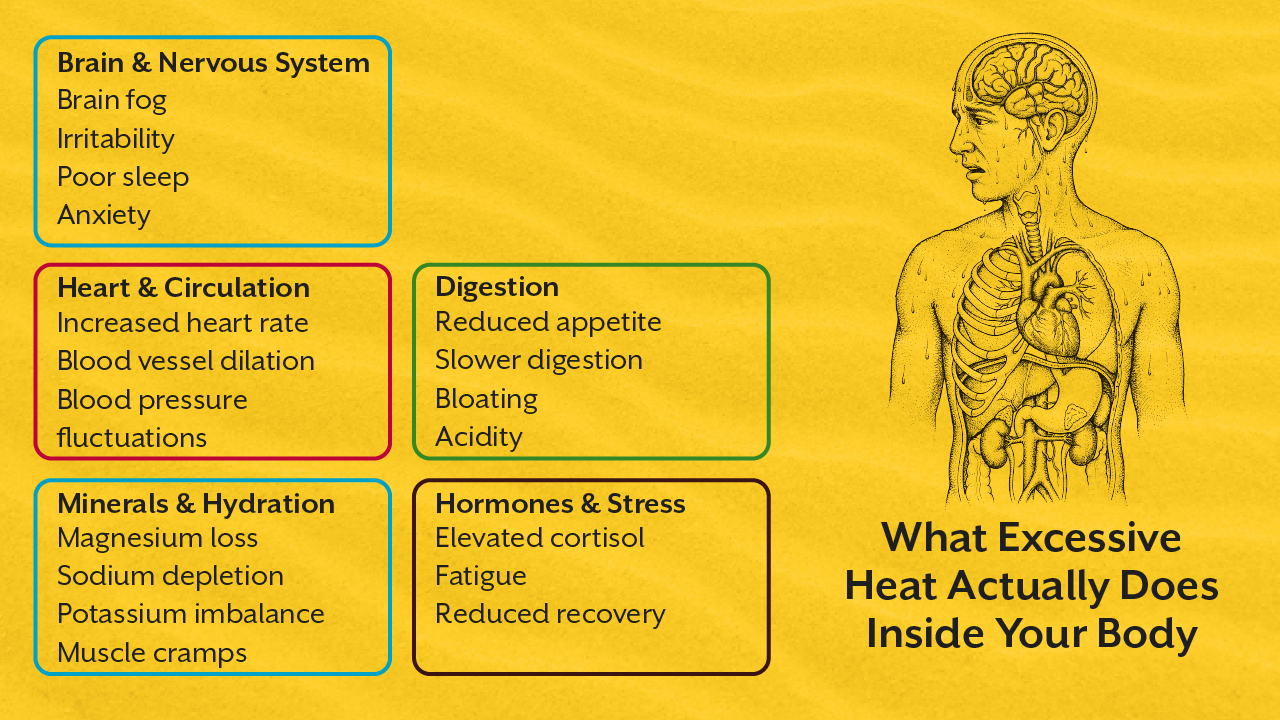
What Excessive Heat Actually Does Inside Your Body

Your body is constantly trying to maintain a stable internal temp. When environmental heat rises excessively the blood vessels dilate, minerals are lost, stress hormones start shifting, sweating increases, and heart rate rises. 

Initially, this is protective but prolonged excessive heat forces the body into survival mode.

1. Mineral Depletion Increases Rapidly

Sweating does not only cause water loss. On the other hand it also depletes sodium, magnesium, potassium, as well as chloride. 

This is why many people experience symptoms such as headaches, dizziness, anxiety, fatigue, muscle cramps, and heart palpitations during heat waves. 

Most people keep drinking plain water but never replace electrolytes properly and that often worsens symptoms.

2. Digestion Slows Down

One of the most overlooked effects of excessive heat in the body is poor digestion. During heat stress the blood flow gets redirected towards cooling mechanisms, the production of acid reduces, appetite decreases and bloating worsens. 

This is why heavy oily meals feel unbearable during peak summer. Your body is already struggling to regulate temp. Digesting inflammatory food adds another layer of stress.

3. Cortisol and Stress Response Increase

Excessive heat itself acts as a physiological stressor. This means your nervous system stays more activated than usual. You might notice symptoms such as poor sleep, brain fog, exhaustion, irritability, anxiety, as well as low patience. 

Most of you’ll assume you all are “burnt out” mentally when in reality your body is struggling with heat adaptation.

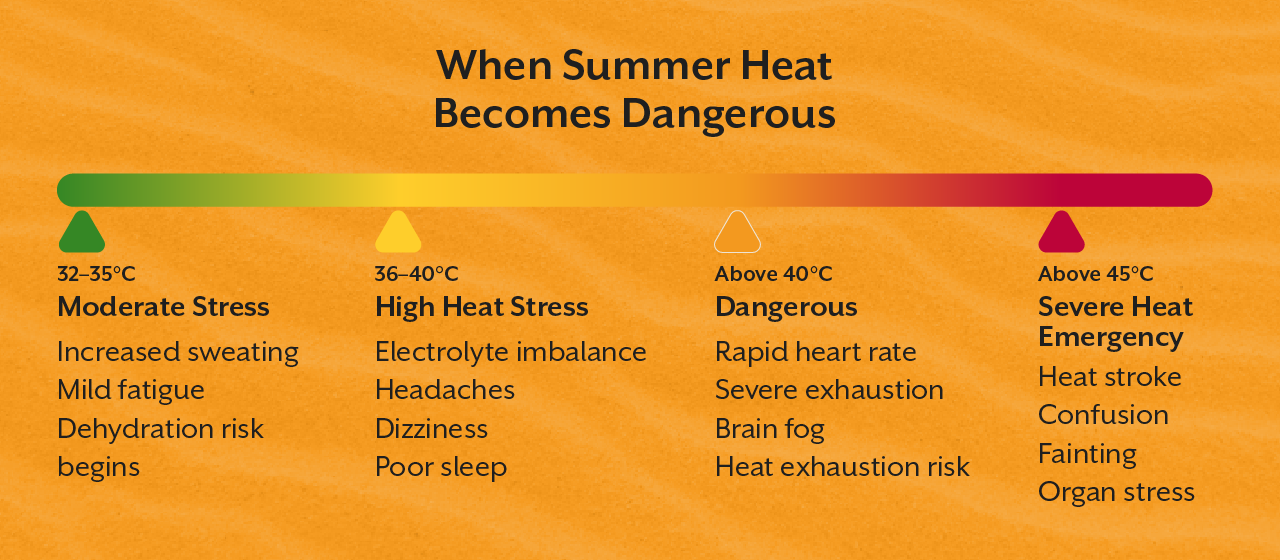
Excessive Heat Celsius: When Does It Become Dangerous?

There isn’t one exact number because humidity changes how heat affects the body.

But in general:

When Heat Becomes Dangerous

However, humidity can make even 34°C dangerous. The body cools itself through sweat evaporation. So when the humidity is too high, sweating becomes inefficient.

This is why coastal cities often feel worse despite slightly lower current temperature readings.

Signs Your Body Is Not Handling Heat Properly

Most people ignore early symptoms. But excessive heat in the body usually starts giving warnings before things become severe.

Early Warning Signs

  • Persistent headaches
  • Heavy fatigue
  • Excess sweating
  • Dizziness
  • Nausea
  • Increased thirst
  • Dark urine
  • Muscle cramps

Moderate Heat Stress Symptoms

  • Brain fog
  • Elevated heart rate
  • Anxiety
  • Weakness
  • Irritability
  • Poor appetite
  • Difficulty sleeping

Severe Symptoms

  • Confusion
  • Fainting
  • No sweating despite heat
  • Rapid pulse
  • High body temp
  • Disorientation

This can indicate heat stroke and requires immediate medical attention.

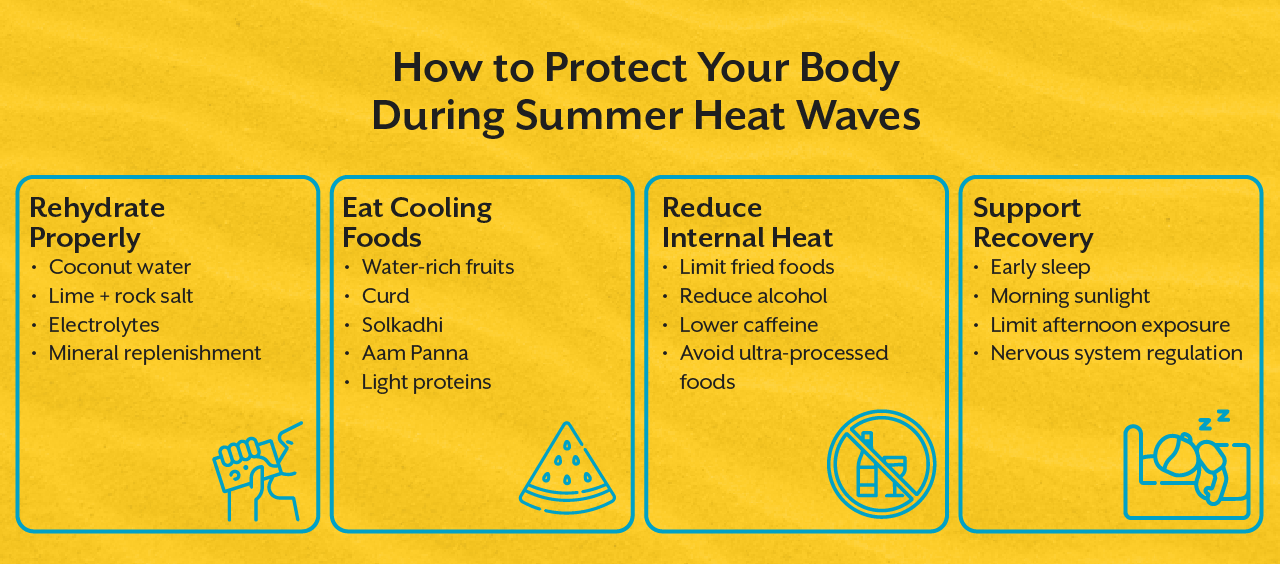
How to Protect Yourself During Heat Waves

How to Protect Your Body During Heat Waves

Now comes the most important part of this entire blog. 

The goal is not just to drink more water, the goal is helping the body regulate heat effectively.

1. Prioritise Electrolytes, Not Just Water

One of the biggest mistakes during excessive heat is drinking excessive plain water without minerals because this can then dilute electrolytes further.

Focus on consuming fresh coconut water, homemade electrolytes drinks, lime water with rock salt and potassium-rich foods. 

Traditional Indian cooling drinks actually make scientific sense here.

Aam Panna

The raw mango-based drink helps replenish electrolytes while also supporting cooling. You can naturally include recipes such as Aam Panna Recipe during peak summer days.

Solkadhi

Solkadhi supports digestion, hydration, and cooling simultaneously. You can also try Solkadhi Recipe for gut-friendly summer recovery.

2. Reduce Heat-Producing Foods

During extreme weather this week, your digestive system cannot handle heavy inflammatory meals efficiently.

So temporarily reduce consuming fried food, alcohol, ultra-processed food, excessive caffeine, and very spicy meals.

Rather focus on consuming hydrating fruits, mineral-rich vegetables, lighter proteins, curd, and water-rich meals.

3. Respect Circadian Rhythm

This matters more than people realise. Late nights worsen various factors such as dehydration, cortisol imbalance, inflammation, and heat intolerance.

So here at iThrive, we often encourage early dinners, sunlight exposure in the morning, and reduced blue light exposure at night during summers.

The nervous system adapts better to environmental stress when circadian rhythm is well aligned.

4. Avoid Peak Heat Exposure

Try limiting outdoor activity between 12 PM to 4 PM especially if you have diabetes, blood pressure issues, obesity, thyroid dysfunction, or are elderly.

These groups are significantly more vulnerable to excessive heat complications.

The Hidden Link Between Excessive Heat and Inflammation

This is where things become important from a functional nutrition perspective.

Excessive heat does not just affect hydration, it also increases oxidative stress and inflammation. We once had a client casually mention recurring heat exhaustion during consultation. Initially, it sounded minor. But deeper assessment revealed chronic mineral depletion, elevated inflammatory markers, poor sleep, and nervous system dysregulation. And honestly, that conversation changed something for us. As we realised, hundreds of people silently struggle every summer thinking exhaustion is “normal.”

It isn’t.

Heat waves expose weaknesses that are already present inside the body such as nutrient deficiencies, poor metabolic flexibility, inflammation, nervous system dysregulation, and inadequate recovery capacity.

And this is exactly why some people adapt easily while others completely crash during summers.

Key Takeaway 

The reality is simple. Excessive heat is no longer just a seasonal inconvenience, it is becoming a genuine health stressor. So while you are checking the current temperature or monitoring weather this week through tools like Zoom Earth can help you prepare externally, real protection begins internally.

Your body needs minerals, hydration, nervous system support, anti-inflammatory nutrition and proper recovery.

Here at iThrive, after years of working in functional nutrition since 2019, we’ve repeatedly seen how small foundational changes dramatically improve resilience during summers. Because healing is not only about surviving illness. Sometimes it’s about helping the body adapt to the environment it’s living in every single day.

Star Your Root Cause Analysis

Includes home blood sample collection, 1-hour expert consultation, and a next-step protocol.
Pay Now ₹2500
Secure Payments Powered By
NET
Banking

What’s Included in Your Blood Analysis?

Click below to view the complete list of markers included in your analysis.
Complete Blood Count (18 Parameters)
faq arrow
Diabetes Panel (4 Parameters)
faq arrow
Iron Studies (4 Parameters)
faq arrow
Lipid Panel (6 Parameters)
faq arrow
Thyroid Profile (3 Parameters)
faq arrow
Inflammation & Mitochondrial Health (3 Parameters)
faq arrow
Liver Function Test (8 Parameters)
faq arrow
Kidney Function & Electrolytes (9 Parameters)
faq arrow
Pay Now ₹2500
Secured payment via

We’re Not In Your City Yet But We’re Not Letting You Go.

You don’t need to wait to start understanding your body.
Get Free Consultation

You Still Get:

  • Free 1:1 consultation with our clinical team
  • Symptom + history deep dive
  • Direction on what’s actually driving your condition
  • Guidance on next best steps (tests, diet, and protocol)
Oops! Something went wrong while submitting the form.

Talk to our team

Thank you! Your submission has been received!
Oops! Something went wrong while submitting the form.

Talk to our team

Thank you! Your submission has been received!
Oops! Something went wrong while submitting the form.

Download Now

Thank you! Your submission has been received!
Oops! Something went wrong while submitting the form.
Select your Location
Agra
Ahilyanagar
Ahmadnagar
Ahmedabad
Ahmednagar
Akola
Aligarh
Allahabad
Almora
Alwar
Ambala
Ambedkar Nagar
Amravati
Amritsar
Amroha
Anand
Aurangabad
Ayodhya
Azamgarh
Baghpat
Bahadurgarh
Bahraich
Banda
Barabanki
Baraut
Bardhaman
Bareilly
Begusarai
Belgaum
Bengaluru
Bharatpur
Bhatinda
Bhilai Durg
Bhilwara
Bhiwani
Bhopal
Bhubaneswar
Bijnor
Bikaner
Bilaspur
Bokaro
Budhana
Bulandshahar
Chandigarh
Chennai
Chhatrapati Sambhajinagar
Chhindwara
Chomu
Darbhanga
Dehradun
Delhi
Deoband
Deulpur
Dhampur
Dhanbad
Durgapur
Eah
Etah
Etawah
Faizabad
Faridabad
Firozabad
Gadarpur
Gandhinagar
Ganganagar
Gaya
Ghaziabad
Ghazipur
Gonda
Gorakhpur
Greater Noida
Greater Noida Pc
Guntur
Gurgaon
Guwahati
Gwalior
Hajipur
Haldwani
Hapur
Hardoi
Haridwar
Hathras
Hazaribagh
Hisar
Hoshiarpur
Howrah
Hyderabad
Indore
Jabalpur
Jaipur
Jalandhar
Jalgaon
Jalna
Jamnagar
Jamshedpur
Jaunpur
Jhansi
Jhunjhunu
Jind
Jodhpur
Sorry, currently we are not serving this city.
Please try searching for another city or put your city here.
My Location not in the list
Your Location is 'Location'
Book a Test

City

Thank you! Your submission has been received!
Oops! Something went wrong while submitting the form.