

.svg)
.svg)







Introduction:
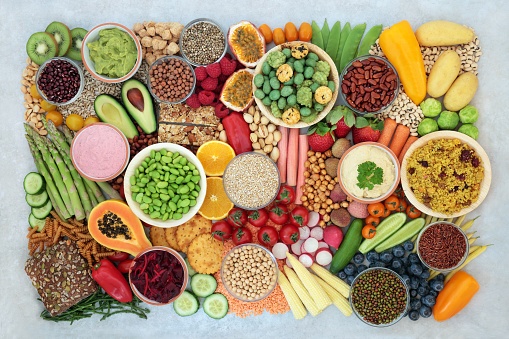
Plant foods, nuts and cereals are important sources of vitamins and minerals, but they also contain antinutrients which reduce their mineral bioavailability and protein absorption. The reason behind this is the chelating properties of the antinutrients like oxalates, saponins, phytates, lectins, glucosinolates, tannins, etc. Apart from their effect on the bioavailability of nutrients, many antinutrients can be toxic, for example, oxalates or cyanogenic acid 1.
Legumes, vegetables and cereals have anti-nutritional factors such as phytic acid, tannin, and polyphenols that affect the bioavailability of proteins, and minor minerals such as zinc, iron, copper and major minerals such as calcium and phosphorus. Cereals and cereal products are rich in phytic acid content. The phytic acid concentration in wheat germ and wheat bran are 1.1-3.9 % and 2.0-5.3 %. The phytic acid content in rice bran is 8.7 %. Oilseeds (soybeans, sesame seeds, sunflower kernels, walnuts and almonds) also contain a fair amount of phytic acid 1.
Other antinutrients are tannins, oxalates and free phenolics. Tannins as well as free phenolics inhibit the digestibility of protein. Phenolic compounds also decrease the digestibility of carbohydrates and the bioavailability of vitamins such as vitamin B12 and minerals. They also decrease the activity of digestive enzymes such as trypsin, chymotrypsin lipase and α – amylase.
Star fruit, spinach, amaranth, bamboo shoot, almond, cashew, pine nut, hazel and peanut contain high levels of oxalates. Moreover, water spinach, Chinese wolfberry, black glutinous rice, rice bean, abalone fruit and Chinese Torreya fruit were also presented as high oxalate foods. The formation of calcium oxalate deposits in vital tissues or organs of the body can be fatal 1.
Simple treatments such as heating, soaking, germination, dehulling, cooking, fermentation or autoclaving can make most of the antinutrients ineffective. Germination and fermentation enhance the nutritional value of cereals and legumes by causing significant changes in chemical composition and elimination of antinutritional factors 1.
Processes Used for Bringing Changes In Antinutritional Content:-
Milling and Debranning:-
This method is used to remove the bran layer from grains. This technique removes the phytic acid content but has the disadvantage that it can also remove the major parts of minerals and dietary fibres 1.
Soaking:-
Soaking is an important daily practice and is important for helping in the germination and fermentation of cereals or pulses. The soaking process has positive physical and chemical effects on the structure of foods. For this reason, cereals such as chickpea, wheat and barley used in products in our daily life should be consumed after being soaked for a while. Soaking of cereals with endogenous or exogenous phytase increases in vitro solubility of minerals such as Fe and Zn by 2–23%. Soaking results in the activation of endogenous phytases. The endogenous phytases are present in grains naturally. So by activation of these enzymes with several treatments such as soaking it has been reported that a significant amount of phytic acid content in grains has been removed. The soaking of grains and beans is quite effective for increasing mineral and protein bioavailability as well as reduction of phytic acid 1.
Fermentation:-
Fermentation also decreases the levels of antinutrients in food grains and increases the minerals extractability, in-vitro protein digestibility and nutritive value of grains. The phytic acid is present in grains in the form of complexes with metal cations such as Zn, Fe, Ca and proteins. It reduces amounts of phytic acid, tannin, polyphenols with fermentation treatment and it increases food’s mineral bioavailability and digestibility 1.
Germination:-
This process helps in the degradation and declines antinutrients like phytic acid from the grains. In a study conducted by Marshall et al. (2011), cereal grains were screened for phytic acid content and it was found that germination for 10 days resulted in a significant reduction in the phytate contents of all cereal grains screened 1.
Conclusion:
These processing methods along with many more, help in significantly decreasing the antinutrients content. They also help in improving the nutritional quality of the food 1.
References :