




The Role of Therapeutic Peptides in Regulating Appetite, Metabolism, and Fat Loss
Table Of Content

The Role of Therapeutic Peptides in Regulating Appetite, Metabolism, and Fat Loss

iThrive Team
Feb 13, 2026

Modern weight management conversations often revolve around calories, discipline, and behavioral control. Yet clinical metabolic research increasingly reveals that appetite, fat storage, and energy expenditure are not merely behavioral outcomes, they are biologically regulated processes governed by cellular signaling networks.

Among the most powerful signaling molecules currently studied in metabolic medicine are therapeutic peptides. These short chains of amino acids function as highly specific biological messengers that instruct cells to modify metabolic activity, regulate appetite, influence energy utilization, and in some cases accelerate fat loss.

Unlike traditional metabolism boosters or appetite suppressants that act broadly across systems, therapeutic peptides operate through receptor-level communication. They do not simply stimulate or suppress, rather they inform. They alter how the body perceives energy sufficiency, nutrient availability, and metabolic demand.

This is precisely why peptides for weight loss are receiving increasing attention. However, at a clinical level, their role is far more nuanced than rapid fat reduction. They interact with insulin signaling, gut-brain communication, inflammatory pathways, and neuroendocrine regulation.

At iThrive, peptide therapy is never viewed as an isolated intervention. It is examined within the broader landscape of metabolic health, cellular repair, and root-cause physiology,  the same systems discussed in our published articles “Hyperinsulinemia: Hidden Cause of Weight Gain and Diabetes” and “How I lost 16 kgs in 4 months - Mugdha Pradhan’s easy weight loss journey with GLP agonists.

To understand why therapeutic peptides are powerful and why they must be used responsibly, we must first understand how they communicate within the body.

Cellular Communication: Why Peptides Influence Metabolism So Powerfully

The human body functions through layered communication systems. Hormones transmit broad systemic messages. Neurotransmitters coordinate rapid responses. Peptides, however, deliver precision instructions.

They bind to specific cellular receptors, activating intracellular signaling cascades that modify gene expression, enzyme activity, and energy utilization. This receptor specificity is what allows peptides for fat loss to influence appetite regulation without uniformly stimulating the entire endocrine system.

When metabolic imbalance develops , particularly insulin resistance, chronic inflammation, or stress-driven hormonal disruption and communication between organs becomes inefficient. The brain misinterprets energy availability. Fat tissue releases altered signaling molecules. The liver increases glucose production. Hunger signals intensify despite adequate energy stores.

Several therapeutic peptides that influence appetite regulation and metabolic signaling are being widely researched and discussed in metabolic medicine. These include:

• Semaglutide - a GLP-1 receptor agonist commonly studied for appetite regulation and glucose control.

• Tirzepatide (Mounjaro) - a dual GIP and GLP-1 receptor agonist that influences insulin signaling and satiety pathways.

• Retatrutide - a multi-pathway peptide that interacts with GLP-1, GIP, and glucagon signaling systems.

• BPC-157 - often discussed in regenerative medicine research related to tissue repair and inflammation modulation.

• TB-500 (Thymosin Beta-4) - studied in recovery and tissue regeneration contexts.

These molecules are being investigated for their ability to influence appetite signaling, metabolic efficiency, tissue repair, and energy regulation. Their physiological effects depend heavily on individual metabolic context, dosage, and clinical supervision. They should always be understood as regulatory signaling tools rather than standalone metabolic solutions.

Therapeutic peptides act as corrective signals within this disrupted communication network. Rather than forcing metabolic change, they help recalibrate signaling pathways that regulate satiety, nutrient partitioning, and fuel utilization.

Appetite Regulation: The Gut-Brain Axis and Peptide Signaling

Appetite is not a psychological phenomenon alone, it is rather a neuroendocrine process governed by the gut-brain axis. Signals from intestinal cells, adipose tissue, and circulating nutrients are integrated in hypothalamic centers that determine hunger intensity and satiety duration.

Certain weight loss peptides interact directly with this regulatory axis. They influence gastric emptying, satiety hormone release, and reward-driven food behavior. The result is not forced restriction but reduced physiological drive to eat.

Clinically, this effect is often described as reduction in food noise, the persistent cognitive and sensory pull toward food that many individuals with metabolic dysregulation experience continuously.

However, appetite suppression alone is not metabolic healing. Without restoration of insulin sensitivity, mitochondrial function, and inflammatory balance, appetite regulation remains temporary. This distinction is central to the iThrive Alive approach.

Among newer metabolic peptides, multi-pathway signaling molecules are receiving increasing scientific interest because they influence more than one regulatory axis simultaneously. Rather than acting only on hunger signals, some peptides also affect insulin response and energy expenditure demonstrating how interconnected metabolic regulation truly is.

Metabolic Efficiency: How Peptides Influence Energy Utilization

Beyond appetite, therapeutic peptides influence how the body processes and uses energy.

Metabolism is not simply calorie burning. It is the orchestration of glucose handling, fat oxidation, insulin signaling, and mitochondrial activity. In metabolic dysfunction, energy is stored inefficiently, oxidized poorly, and often diverted into fat accumulation.

Certain peptides for weight management solutions modify nutrient partitioning, the biological decision of whether incoming energy is stored or utilized. They may improve insulin sensitivity, enhance lipolysis, or increase cellular responsiveness to metabolic demand.

This is why some individuals experience improved body composition even when calorie intake changes modestly. The metabolic environment itself becomes more efficient.

Tissue Repair and Metabolic Restoration Are Connected

Metabolism does not operate independently from structural health. Muscle tissue, connective tissue, and organ integrity all influence energy regulation.

Peptides used in regenerative medicine such as those supporting ligament, tendon, and muscle healing indirectly influence metabolic function by improving movement capacity, reducing chronic inflammation, and restoring physical activity tolerance.

Repair-oriented peptides signal angiogenesis, collagen synthesis, and tissue remodeling. When injury recovery accelerates, physical activity becomes sustainable, which further improves metabolic health.

This illustrates an important principle: fat loss peptides do not act in isolation. Structural repair, inflammation control, and metabolic regulation are interdependent processes.

Clinical Insight: Mugdha Pradhan’s Metabolic Reset

Mugdha Pradhan, founder of iThrive experienced significant weight gain despite advanced nutritional knowledge. Emotional stress, nervous system overload, and persistent food-seeking behavior created metabolic conditions resistant to lifestyle change alone.

After extensive research into peptide physiology and metabolic signaling, targeted peptide therapy was introduced alongside structured nutrition, resistance training, micronutrient optimization, and nervous system regulation.

Over the years, Mugdha’s own health journey has evolved alongside her clinical work. Like many practitioners deeply invested in longevity and metabolic health, she has explored advanced regenerative tools including peptides in a structured, medically supervised manner.

Her transformation, however, was not about dramatic overnight change. It was about improving recovery, maintaining lean muscle, optimising metabolic markers, and supporting cellular repair. Peptides, when used appropriately and under guidance, can support signalling pathways related to regeneration, inflammation control, and tissue healing. But they are never a shortcut; they are adjuncts to disciplined nutrition, sleep, strength training, and stress regulation.

For Mugdha, the real shift wasn’t aesthetic; it was physiological. Better recovery, improved energy stability, sharper focus, and sustained muscle quality were markers that her internal systems were functioning more efficiently. The visible changes were a by-product of internal repair.

The outcome was not merely weight reduction but improved insulin sensitivity, decreased visceral fat, and restoration of appetite regulation. The intervention worked not because peptides replaced lifestyle but because they enabled adherence to metabolic healing protocols.

She is also clear that peptides are not for everyone and not a replacement for foundational health work. Gut health, micronutrient sufficiency, hormonal balance, and lifestyle remain the core pillars. Advanced tools only work when the basics are in place.

In Mugdha’s case, the therapeutic peptide used was Retatrutide, selected after extensive review of metabolic pathway research and clinical data.

Three biological factors made Retatrutide particularly relevant for her metabolic condition:

GLP-1 Pathway - Appetite and Satiety Regulation

Supported reduction in food noise, improved fullness signaling, and enhanced dietary adherence.

GIP Pathway - Insulin Efficiency and Nutrient Utilization

Helped improve glucose handling, metabolic flexibility, and hormonal coordination of energy storage.

Glucagon Pathway - Energy Expenditure and Fat Mobilisation

Supported increased metabolic activity and utilization of stored energy, contributing to body-composition change rather than intake reduction alone.

This multi-pathway signaling profile is what distinguished Retatrutide from earlier single-pathway metabolic peptides in her research process.

In her view, longevity is not about chasing biohacks, it’s about supporting the body’s natural regenerative intelligence with responsibility and context.

Her detailed experience is documented in the video:

How I lost 16 kgs in 4 months - Mugdha Pradhan’s easy weight loss journey with GLP agonists.

MOST IMPORTANT: It is important to note that the therapeutic effect observed was not attributed to the peptide alone. The intervention worked within a structured physiological framework that included nutrition planning, resistance training, micronutrient sufficiency, and nervous system regulation. The peptide functioned as a signaling facilitator that improved adherence and metabolic responsiveness.

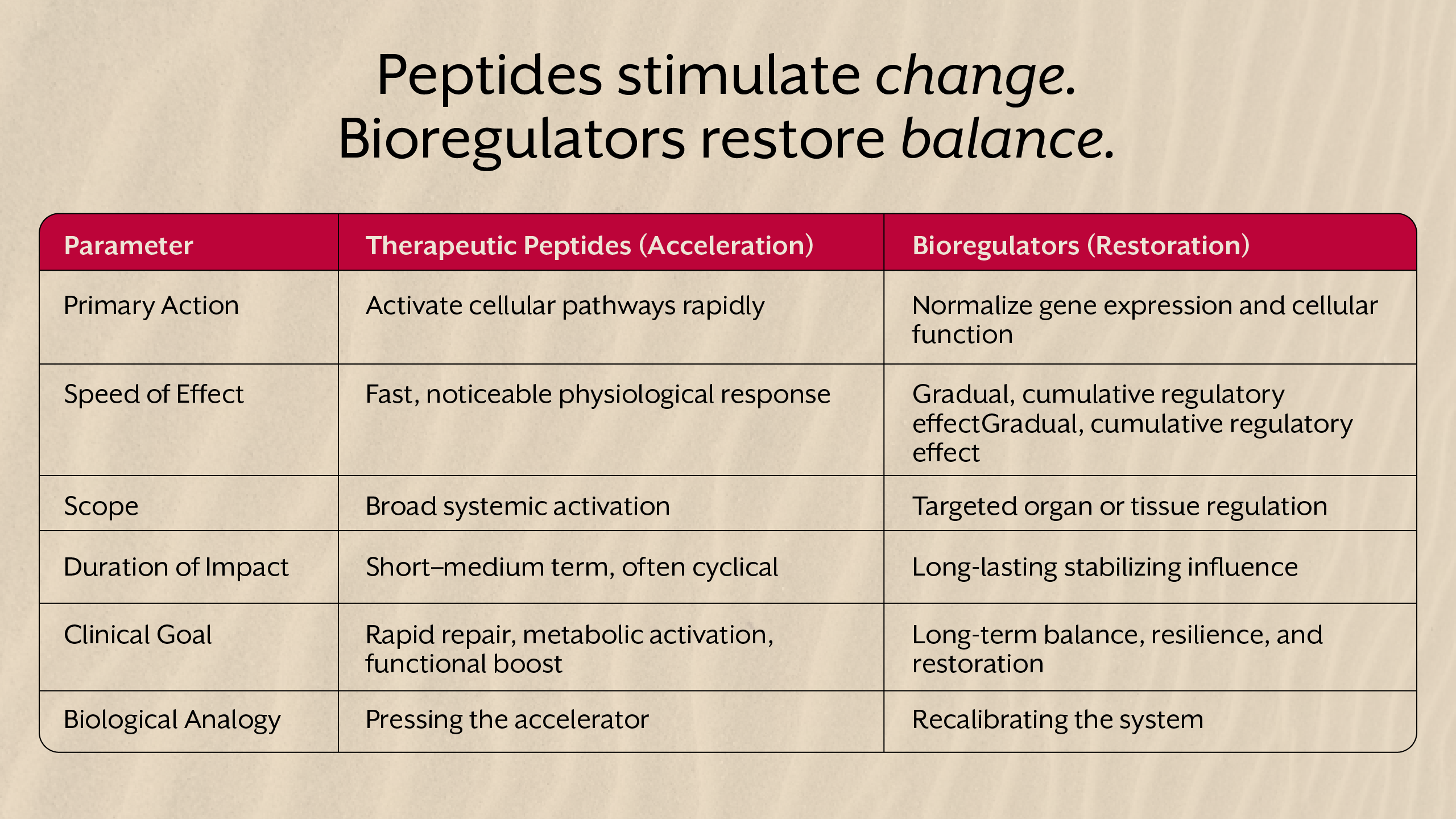
Peptides vs Bioregulators: Acceleration vs Restoration

Not all cellular signaling molecules operate similarly.

Therapeutic peptides typically accelerate biological processes. They stimulate pathways involved in repair, metabolism, or appetite control.

Bioregulators, in contrast, influence gene expression patterns more subtly. They restore cellular memory guiding tissues toward long-term functional balance rather than rapid activation.

In clinical decision-making, peptides are often used when rapid metabolic intervention is required, while bioregulators support sustained cellular normalization.

Understanding this distinction prevents misuse of powerful metabolic tools.
Why Peptides Alone Cannot Create Sustainable Fat Loss

Despite their powerful signaling effects, peptides for fat loss cannot compensate for poor nutritional status or metabolic dysfunction.

Protein deficiency, micronutrient insufficiency, circadian disruption, chronic stress, and inflammatory load all determine whether peptide signals translate into meaningful physiological change.

This is why iThrive Alive emphasizes foundational metabolic restoration such as nutrition planning, lifestyle restructuring, and targeted supplementation before advanced interventions.

Peptides amplify biological potential. They do not create it.

The iThrive Alive Philosophy: Precision Before Intervention

At iThrive Alive, peptide therapy is never approached as a universal weight management solution.

Clinical assessment evaluates fasting insulin, inflammatory markers, lipid patterns, stress physiology, sleep architecture, and nutrient status. Only when underlying metabolic drivers are identified does targeted intervention become meaningful.

This root-cause methodology ensures peptides are used as strategic metabolic tools, and not shortcuts.

Key Takeaway

Therapeutic peptides represent one of the most advanced developments in metabolic medicine because they function at the level of cellular communication. They influence appetite regulation, energy utilization, tissue repair, and neuroendocrine signaling with remarkable precision. Yet their true value lies not in rapid fat loss but in restoring biological responsiveness within systems already supported by nutrition, lifestyle, and metabolic correction. When used responsibly and within a root-cause framework, peptides can help recalibrate dysfunctional signaling networks that drive persistent weight gain. When used without metabolic foundation, they remain temporary metabolic accelerators rather than long-term solutions.

For clinical screening, metabolic assessment, or guidance on whether advanced peptide-based interventions are appropriate for your physiology, you may contact our team directly.

Email: care@ithrive.shop

📲 WhatsApp us directly for metabolic screening

All interventions are recommended only after structured metabolic evaluation and suitability screening.

A
Ask your doubts
Thank you! Your submission has been received!
Oops! Something went wrong while submitting the form.

FAQs

Are therapeutic peptides safe for long-term use?
faq arrow

Lorem ipsum dolor sit amet, consectetur adipiscing elit, sed do eiusmod tempor incididunt ut labore et dolore magna aliqua. Ut enim ad minim veniam, quis nostrud exercitation ullamco laboris nisi ut aliquip ex ea commodo consequat. Duis aute irure dolor in reprehenderit in voluptate velit esse cillum dolore eu fugiat nulla pariatur.

Can peptides replace diet and exercise for weight loss?
faq arrow

Lorem ipsum dolor sit amet, consectetur adipiscing elit, sed do eiusmod tempor incididunt ut labore et dolore magna aliqua. Ut enim ad minim veniam, quis nostrud exercitation ullamco laboris nisi ut aliquip ex ea commodo consequat. Duis aute irure dolor in reprehenderit in voluptate velit esse cillum dolore eu fugiat nulla pariatur.

How do I know if my metabolism requires peptide therapy?
faq arrow

Lorem ipsum dolor sit amet, consectetur adipiscing elit, sed do eiusmod tempor incididunt ut labore et dolore magna aliqua. Ut enim ad minim veniam, quis nostrud exercitation ullamco laboris nisi ut aliquip ex ea commodo consequat. Duis aute irure dolor in reprehenderit in voluptate velit esse cillum dolore eu fugiat nulla pariatur.

Will weight return after stopping peptides?
faq arrow

Lorem ipsum dolor sit amet, consectetur adipiscing elit, sed do eiusmod tempor incididunt ut labore et dolore magna aliqua. Ut enim ad minim veniam, quis nostrud exercitation ullamco laboris nisi ut aliquip ex ea commodo consequat. Duis aute irure dolor in reprehenderit in voluptate velit esse cillum dolore eu fugiat nulla pariatur.

How can I begin peptide-based metabolic care at iThrive Alive?
faq arrow

Lorem ipsum dolor sit amet, consectetur adipiscing elit, sed do eiusmod tempor incididunt ut labore et dolore magna aliqua. Ut enim ad minim veniam, quis nostrud exercitation ullamco laboris nisi ut aliquip ex ea commodo consequat. Duis aute irure dolor in reprehenderit in voluptate velit esse cillum dolore eu fugiat nulla pariatur.

Related Blogs

Addison’s Disease Symptoms in Women Mistaken for Burnout
read count
read time
Mar 23, 2026

Addison’s Disease Symptoms in Women Mistaken for Burnout

Tired, dizzy, craving salt? These could be Addison's disease early symptoms in women, not burnout. Learn how low cortisol signs differ and what tests to ask for.

Introduction

You wake up exhausted even after eight hours of sleep. You crave salt so badly you find yourself adding it to everything, even fruit. The skin on your knuckles and elbows has been darkening for months with no explanation. Your blood pressure keeps dropping, and you feel dizzy every time you stand up too fast. You have seen three doctors, and each one hands you the same verdict: burnout, stress, or anxiety.

But what if your body is not reacting to a busy schedule? What if something far deeper is happening?

Addison's disease in women is one of the most underdiagnosed endocrine conditions in the world, not because it is rare, but because its early symptoms mirror the exact language of modern exhaustion so completely that both women and their doctors consistently miss it. This blog is about changing that. It is about understanding what Addison's disease actually does inside the female body, why low cortisol gets confused with adrenal fatigue, what the real warning signs look like, and what a smarter approach to healing involves.

What Is Addison's Disease and Why Does It Affect Women More?

Addison's disease, also called primary adrenal insufficiency, occurs when the adrenal glands stop producing enough cortisol and often aldosterone as well. Cortisol is not just a stress hormone. It regulates blood pressure, controls blood sugar, manages inflammation, and keeps the immune system in balance. When its production collapses, the entire hormonal ecosystem begins to destabilize.

The most important thing to understand about Addison's disease causes is that in roughly 70 to 90% of cases, the trigger is autoimmune. The immune system mistakenly attacks the adrenal cortex, the outer layer responsible for producing these critical hormones. This is why it is called autoimmune Addison disease, and this is why women are disproportionately affected. Estrogen tends to upregulate immune activity, which means the very biology that makes a woman's reproductive system resilient also makes her more susceptible to immune misfires.

Addison's Disease Early Symptoms in Women: What to Actually Watch For

The early symptoms of Addison's disease in women do not arrive loudly. They arrive quietly, over months or years, disguised as life stress.

The Fatigue That Does Not Respond to Rest

This is not regular tiredness. Women with adrenal insufficiency describe a fatigue that sits in the bones. It is persistent, disproportionate to activity levels, and does not improve after rest, weekends off, or even vacations. The body is not producing enough cortisol to sustain energy metabolism, so cells cannot generate the fuel they need to function. Many women spend years attributing this to poor sleep habits before anyone thinks to test adrenal function.

Salt Cravings That Feel Compulsive

When aldosterone production drops, the kidneys lose their ability to retain sodium effectively. The body compensates with intense cravings for salt. If you find yourself adding extra salt to every meal, craving salty snacks even when you are not hungry, or feeling noticeably worse on a low sodium diet, this is not a quirk. It is a physiological distress signal.

Hyperpigmentation in Specific Areas

As cortisol production falls, the pituitary gland releases more ACTH in an attempt to stimulate the adrenals. ACTH shares a molecular structure with melanocyte stimulating hormone, which controls skin pigmentation. The result is a darkening of the skin at pressure points: knuckles, elbows, knees, inner lips, and gum lines. Women often attribute this to sun exposure or natural skin variation. In the context of other symptoms, it is a significant clinical flag.

Low Blood Pressure and Orthostatic Dizziness

Aldosterone helps maintain blood volume and vascular tone. Without adequate levels, blood pressure drops and the body struggles to respond to postural changes. Standing up quickly becomes an event. Dizziness, lightheadedness, and fainting episodes become regular occurrences, typically investigated through cardiology before anyone considers endocrinology.

Nausea, Abdominal Pain, and Unexplained Weight Loss

The gastrointestinal system is exquisitely sensitive to cortisol levels. Low cortisol produces nausea, vomiting, abdominal pain, and diarrhea, symptoms that look indistinguishable from IBS or anxiety driven gut dysfunction. Combined with reduced appetite and altered metabolism, unexplained weight loss over months is another signal that rarely prompts adrenal investigation.

Mood Changes, Irritability, and Depression

Cortisol plays a direct role in mood regulation through its interaction with serotonin, dopamine, and the HPA axis. When cortisol is consistently low, emotional regulation becomes difficult. Irritability, low mood, and a sense of profound emotional flatness are reported by many women with adrenal insufficiency long before any diagnosis is made.

How Addison’s Disease Progressively Drains Your Energy

Low Cortisol vs Adrenal Fatigue: The Distinction That Changes Everything

The term adrenal fatigue has become widely popular in wellness circles. It describes a state in which chronic stress is said to deplete adrenal output, producing suboptimal cortisol levels that cause fatigue and burnout. While stress absolutely disrupts HPA axis function, adrenal fatigue as a distinct diagnosable medical condition is not currently recognized by mainstream endocrinology.

Adrenal fatigue vs Addison's is a comparison that matters because the two sit at very different points on the severity spectrum. With adrenal fatigue, cortisol is described as suboptimally low but not absent. With Addison's disease, the adrenal cortex has been structurally damaged, and cortisol production is genuinely and measurably deficient.

The consequences of confusing the two are serious. Someone managing what they believe to be adrenal fatigue with lifestyle changes and adaptogens, when they actually have Addison's disease, is at real risk of an adrenal crisis. This is a medical emergency in which cortisol levels drop so severely that blood pressure collapses, vomiting occurs, and the body enters shock. It can be life threatening within hours without emergency hydrocortisone.

Low cortisol vs adrenal fatigue symptoms can appear similar on the surface: fatigue, salt craving, mood changes, and digestive discomfort appear in both. The difference lies in the degree, the progression, and the presence of hallmark signs like hyperpigmentation and postural hypotension that point toward true primary adrenal insufficiency rather than functional HPA dysregulation.

Adrenal Fatigue vs Addison's Disease: How to Tell the Difference

Why Addison's Disease Gets Misdiagnosed as Burnout in Women

Studies suggest the average time from symptom onset to diagnosis ranges from one to ten years. In women, the delay is often longer.

Several factors drive this. The symptoms overlap almost perfectly with conditions women are routinely diagnosed with, including depression, anxiety, chronic fatigue syndrome, IBS, and burnout. When a woman presents with tiredness, low mood, stomach issues, and dizziness, medicine has historically looked toward psychological explanations first.

Additionally, standard blood tests ordered in primary care do not include an early morning cortisol or an ACTH stimulation test, which are the investigations needed to identify adrenal insufficiency. A normal complete blood count or metabolic panel will not catch Addison's disease.

Women are also more likely to rationalize symptoms as a function of busy lives. The cultural narrative that exhaustion is normal for women managing careers, households, and family responsibilities creates an internal dismissal that delays help seeking for years.

Addison's Disease Diet: How Nutrition Supports Adrenal Function

While Addison's disease requires medical management with hormone replacement therapy, nutritional support plays a meaningful role in managing symptoms and reducing flare risk.

An Addison's disease diet centers on a few core principles. Sodium intake must remain consistently adequate since aldosterone deficiency means the body is chronically at risk of sodium depletion, particularly during exercise, illness, or stress. A low sodium diet is actively counterproductive in this condition.

Blood sugar stability is equally essential. Without adequate cortisol, the liver cannot maintain stable glucose between meals. Small, frequent meals rich in complex carbohydrates, protein, and healthy fats help prevent the blood sugar dips that trigger symptom flares. Refined sugar and processed carbohydrates amplify the glucose instability that the adrenal compromised body cannot recover from easily.

Because autoimmune Addison disease involves immune dysfunction, an anti-inflammatory dietary approach is broadly supportive. Omega 3 rich foods, colorful antioxidant dense vegetables, and the reduction of processed food all help lower the inflammatory burden on the immune system. Vitamin D, magnesium, vitamin B5, and vitamin C are nutrients specifically involved in adrenal hormone production and immune regulation, and at iThrive we commonly see these depleted in women with both autoimmune and adrenal conditions.

The Addison’s Disease Diet Plate: What Your Adrenals Actually Need

What a Root Cause Approach to Addison's Disease Actually Looks Like

At iThrive Alive, the approach to adrenal conditions begins by asking what made the immune system attack the adrenal glands in the first place. Autoimmune triggers rarely arise in isolation. Gut permeability, chronic infections, heavy metal burden, nutrient deficiencies, and unresolved inflammatory patterns are common upstream contributors to autoimmune activation.

For women already diagnosed and on cortisol replacement therapy, a functional nutrition approach does not aim to replace the medication. It aims to reduce the total inflammatory and immune burden so the body is not fighting on multiple fronts simultaneously. Better gut health, lower inflammatory signaling, stable blood sugar, and optimized nutrient status all contribute to fewer flares and a more stable daily life.

If you are noticing a persistent pattern of unexplained fatigue, intense salt cravings, postural dizziness, or skin changes that has never been adequately explained, it is worth asking whether adrenal function has truly been assessed. You can book a root cause consultation with our nutritionist to get a clearer picture of what is actually driving your symptoms.

Key Takeaway

Addison's disease in women is a real, measurable, and manageable condition that gets buried beneath years of misdiagnosis not because it is invisible but because medicine has not been trained to look for it where women carry it. Fatigue is not laziness. The salt cravings are not a personality trait. The dizziness is not anxiety. The skin changes are not cosmetic. They are a coherent biological story told by a body whose adrenal glands are struggling to keep up. Understanding the difference between low cortisol vs adrenal fatigue symptoms, recognizing the adrenal insufficiency symptoms women actually experience, and knowing that autoimmune Addison disease is far more common in women than the medical system acknowledges are the first steps toward finally getting the right answer. From there, a root cause approach that addresses the immune environment, supports adrenal nutritional needs, and stabilizes the hormonal terrain can meaningfully improve the experience of living with this condition. 

10 Lifestyle Habits That Quietly Destroy Your Sleep Quality
read count
read time
Mar 17, 2026

10 Lifestyle Habits That Quietly Destroy Your Sleep Quality

Poor sleep often begins with daily habits that disrupt circadian rhythm and mitochondrial health. Learn the hidden causes of sleep problems and how to sleep better naturally.

Introduction

Many people believe poor sleep happens suddenly. One week you sleep well and the next week insomnia appears out of nowhere. In reality, sleep deprivation usually develops slowly through lifestyle habits that quietly disrupt the biological systems responsible for deep restorative sleep.

Sleep quality is not controlled by one single organ or hormone. It is the result of a complex interaction between circadian rhythm, brain chemistry, metabolic health, stress regulation, and cellular energy production. At the center of these processes lies mitochondrial function. Mitochondria produce the cellular energy required for neurological signaling, hormone balance, and tissue repair during sleep.

When lifestyle habits disrupt mitochondrial function, the body gradually loses its ability to regulate sleep cycles effectively. Over time this can lead to insomnia, fragmented sleep, chronic fatigue, and even metabolic disorders.

Many individuals searching for insomnia natural remedies focus only on supplements or quick fixes. While magnesium for sleep or L theanine sleep supplements can support relaxation, long term sleep quality depends heavily on everyday habits.

At iThrive Alive we often observe that sleep deprivation effects are rarely isolated problems. They are usually the result of metabolic imbalance, circadian disruption, and chronic stress patterns that develop silently over time.

Understanding the habits that affect sleep is the first step toward restoring healthy sleep hygiene and learning how to sleep better naturally.

The Biology Behind Healthy Sleep

Why Sleep Quality Depends on Cellular Energy

Sleep may appear passive, but the body performs intense biological work while we sleep. The brain detoxifies metabolic waste, tissues repair microscopic damage, and hormones regulating metabolism and immunity are released.

All these processes require cellular energy.

Mitochondria supply the ATP needed for neuronal signaling that maintains stable sleep cycles. When mitochondrial function becomes impaired, the brain may struggle to regulate sleep stages effectively.

Research on mitochondrial dysfunction and sleep deprivation has shown that reduced cellular energy can disrupt circadian signaling pathways in the brain. This leads to fragmented sleep patterns and reduced deep sleep.

For readers interested in the scientific mechanisms behind this connection, the white paper titled Mitochondrial Dysfunction Sleep Deprivation Sleep Disorders explores how mitochondrial stress influences sleep architecture.

How Lifestyle Habits Disrupt Sleep Biology

10 Lifestyle Habits That Quietly Damage Sleep Quality

Habit 1: Excessive Screen Exposure at Night

Blue Light and Circadian Disruption

Blue light and sleep disruption is one of the most widely studied causes of poor sleep. Digital screens emit wavelengths that suppress melatonin production. Melatonin signals the brain that it is time to sleep.

When screen time extends late into the evening, circadian rhythm becomes delayed. The brain receives signals that mimic daylight even when the body should be preparing for sleep.

Cellular Consequences

Prolonged circadian disruption can alter mitochondrial gene expression and reduce cellular energy production in brain cells.

Habit 2: Chronic Psychological Stress

Stress and Sleep Quality

Stress activates the hypothalamic pituitary adrenal axis and increases cortisol levels. Cortisol prepares the body for alertness rather than sleep.

When cortisol remains elevated at night, the brain struggles to transition into deep sleep stages.

Mitochondrial Impact

Chronic stress increases oxidative stress within mitochondria, impairing cellular energy production needed for sleep repair processes.

Habit 3: Irregular Sleep Timing

Circadian rhythm functions like a biological clock that coordinates hormone release and metabolic activity.

When sleep timing changes frequently, the brain loses synchronization with environmental light signals. This confusion affects sleep hygiene and reduces sleep quality.

Habit 4: Excessive Late Night Caffeine

Caffeine blocks adenosine receptors in the brain. Adenosine accumulates during the day and signals sleep pressure at night.

When caffeine remains in the bloodstream during evening hours, the brain cannot recognize fatigue signals.

Habit 5: Poor Nutrient Intake

Certain nutrients support neurotransmitter production and relaxation pathways.

Magnesium for sleep plays a role in regulating the nervous system. Deficiency can lead to restless sleep patterns.

Similarly L theanine sleep supplements may help support calm brain activity.

However nutrients alone cannot compensate for damaging lifestyle habits.

Habit 6: Late Heavy Meals

Digestion requires metabolic energy and increases body temperature. When large meals are consumed late at night the body remains metabolically active during hours meant for recovery.

Habit 7: Lack of Morning Sunlight

Morning sunlight is essential for circadian rhythm alignment. Light exposure early in the day signals the brain to begin the biological day cycle.

Without this signal, sleep timing becomes delayed.

Habit 8: Sedentary Lifestyle

Physical movement supports mitochondrial biogenesis. When daily activity levels remain low, cellular energy systems weaken.

Lower mitochondrial capacity may contribute to fatigue and poor sleep quality.

Habit 9: Alcohol Before Bed

Alcohol initially induces sleepiness but disrupts REM sleep cycles later in the night. This results in fragmented sleep and reduced recovery.

Habit 10: Ignoring Underlying Metabolic Health

Sleep disorders are often symptoms of deeper metabolic disturbances. Insulin resistance, inflammation, and mitochondrial dysfunction frequently appear in individuals with chronic sleep problems.

The case study titled Functional Nutrition Obesity Hypertension Sleep Apnea Case Study highlights how metabolic dysfunction can influence sleep apnea and overall sleep quality.

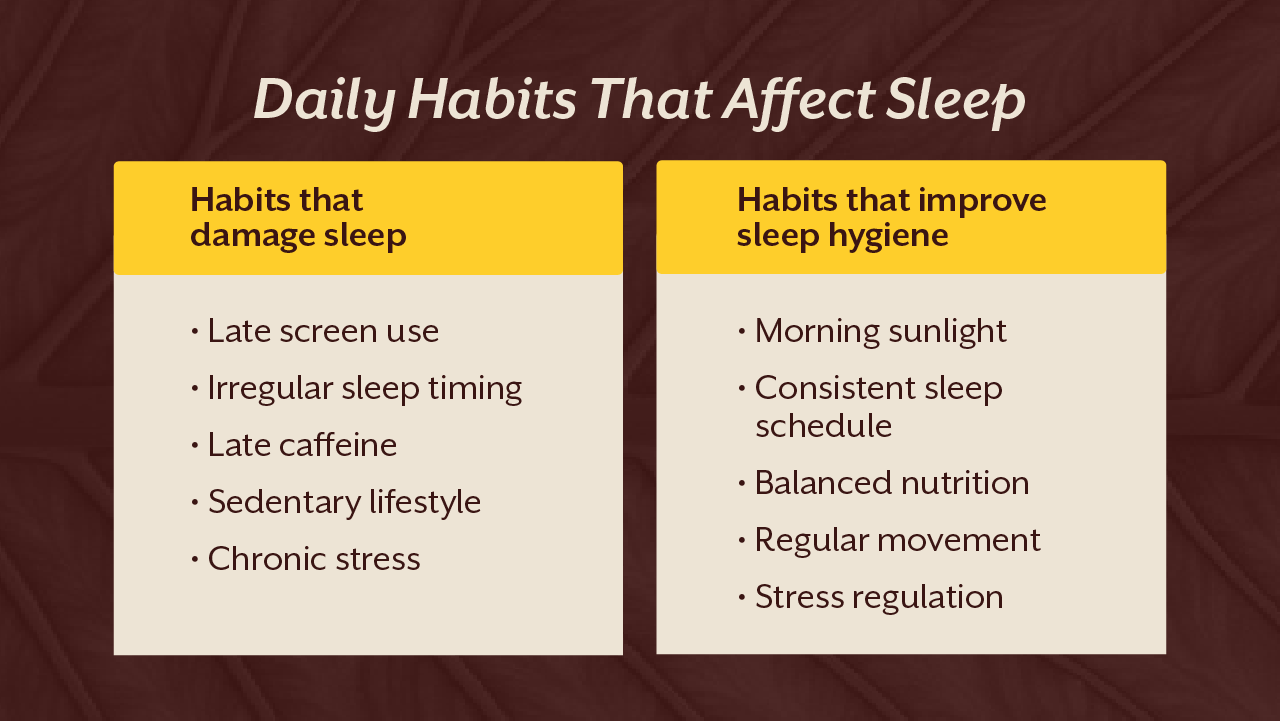
Daily Habits That Affect Sleep

A Functional Nutrition Approach to Better Sleep

While identifying habits that affect sleep is important, long term improvement in sleep quality requires a structured biological approach. Sleep is influenced by circadian rhythm signaling, metabolic stability, nervous system balance, and cellular energy production. When these systems are supported simultaneously, the body can naturally restore healthy sleep patterns.

A functional nutrition approach does not focus only on managing insomnia symptoms. Instead, it works to correct the underlying drivers of poor sleep such as metabolic stress, circadian disruption, and mitochondrial dysfunction. At iThrive Alive, improving sleep hygiene often begins by stabilizing daily lifestyle patterns, supporting metabolic health through smart eating, and providing targeted nutrients that assist cellular energy and nervous system regulation.

This approach can be understood in three interconnected steps:

Lifestyle alignment

Consistent sleep timing, exposure to morning sunlight, and stress regulation help reset the circadian rhythm that controls melatonin release and sleep cycles.

Smart nutrition

Whole food based eating patterns that stabilize blood sugar and reduce inflammation support the metabolic environment required for deep restorative sleep.

Targeted supplementation

Nutrients such as magnesium, L theanine, and mitochondrial support compounds may assist relaxation pathways, neurotransmitter balance, and cellular energy production.

Functional Nutrition Approach to Better Sleep

Key Takeaway

Poor sleep rarely appears suddenly. It develops gradually through everyday habits that disturb circadian rhythm, stress regulation, and mitochondrial energy production. Modern lifestyle patterns such as excessive screen exposure, irregular sleep timing, chronic stress, and nutrient deficiencies silently disrupt the biological systems responsible for restorative sleep. Addressing these factors requires more than temporary insomnia remedies. A comprehensive approach that combines lifestyle alignment, smart nutrition, and targeted supplementation can restore sleep hygiene and support mitochondrial health. By understanding how daily habits influence sleep biology, individuals can begin to rebuild the natural rhythms that allow the body to experience deep restorative sleep again.

References 

  1. https://www.ithrivein.com/white-paper/functional-medicine-root-cause-reversal-type-2-diabetes
  2. https://www.ithrivein.com/case-studies/functional-nutrition-obesity-hypertension-sleep-apnea-case-study
  3. https://www.ithrivein.com/white-paper/mitochondrial-dysfunction-sleep-deprivation-sleep-disorders
Your Snoring Could Be a Metabolic Disease
read count
read time
Mar 16, 2026

Your Snoring Could Be a Metabolic Disease

Snoring may signal deeper metabolic dysfunction linked to mitochondrial stress and sleep apnea. Discover the hidden drivers and a root cause approach to better sleep.

Introduction

Most people think of snoring as a harmless nuisance. A noisy sleep habit that disturbs partners but rarely raises serious medical concern. In reality, persistent snoring can be a warning sign of deeper metabolic dysfunction taking place inside the body.

Behind the vibration of airway tissues during sleep lies a complex biological story involving energy metabolism, inflammation, hormonal imbalance, and mitochondrial stress. In many individuals, snoring is not just about the throat or airway. It reflects systemic disturbances that affect how the body produces energy, regulates blood sugar, and responds to stress.

Conditions such as obstructive sleep apnea have traditionally been approached from a mechanical perspective. Treatments often focus on airway devices or breathing support during sleep. While these approaches are important, they rarely address why the body develops this condition in the first place.

Emerging research suggests that mitochondrial dysfunction plays a central role in sleep disorders including obstructive sleep apnea. Mitochondria are the energy producing structures within our cells. When they become stressed or inefficient, the consequences ripple through metabolic pathways, inflammatory responses, and even sleep regulation in the brain.

At iThrive Alive, we approach sleep disorders through a root cause lens. Rather than treating snoring as an isolated symptom, we explore the metabolic drivers that may be quietly shaping sleep quality. Understanding these drivers can transform how we view chronic snoring and open the door to more sustainable solutions.

Why Snoring Is More Than an Airway Problem

Snoring occurs when airflow through the upper airway becomes partially obstructed during sleep. Soft tissues in the throat vibrate as air passes through, producing the familiar sound. However, the narrowing of the airway rarely happens in isolation.

In many individuals, metabolic factors play a decisive role. Excess fat deposition around the neck and airway is one of the most obvious contributors. Yet deeper physiological disturbances often exist beneath this surface level explanation.

Hormonal regulation during sleep plays a key role in maintaining airway stability. Hormones such as leptin, ghrelin, and cortisol influence appetite, fat storage, and breathing patterns. When sleep becomes fragmented due to snoring or apnea events, these hormonal rhythms become disrupted. The result is a cycle in which metabolic dysfunction worsens sleep and poor sleep further aggravates metabolic stress.

Inflammation is another major driver. Chronic low grade inflammation can lead to swelling and fluid retention in airway tissues, increasing the likelihood of obstruction during sleep. Inflammatory cytokines circulating in the body also affect neurological signals that regulate breathing.

Perhaps the most overlooked factor is cellular energy metabolism. Neurons controlling breathing require substantial energy to maintain stable respiratory rhythms during sleep. When mitochondrial function becomes compromised, these neurons may struggle to maintain consistent signaling patterns.

This is why snoring often appears alongside metabolic conditions such as obesity, insulin resistance, hypertension, and fatty liver disease. The airway symptom may simply be the visible expression of deeper systemic imbalance.

The Hidden Role of Mitochondria in Sleep Apnea

Mitochondria are often described as the powerhouses of the cell, but their role extends far beyond energy production. They regulate oxidative balance, cellular signaling, inflammation, and metabolic coordination across multiple organs.

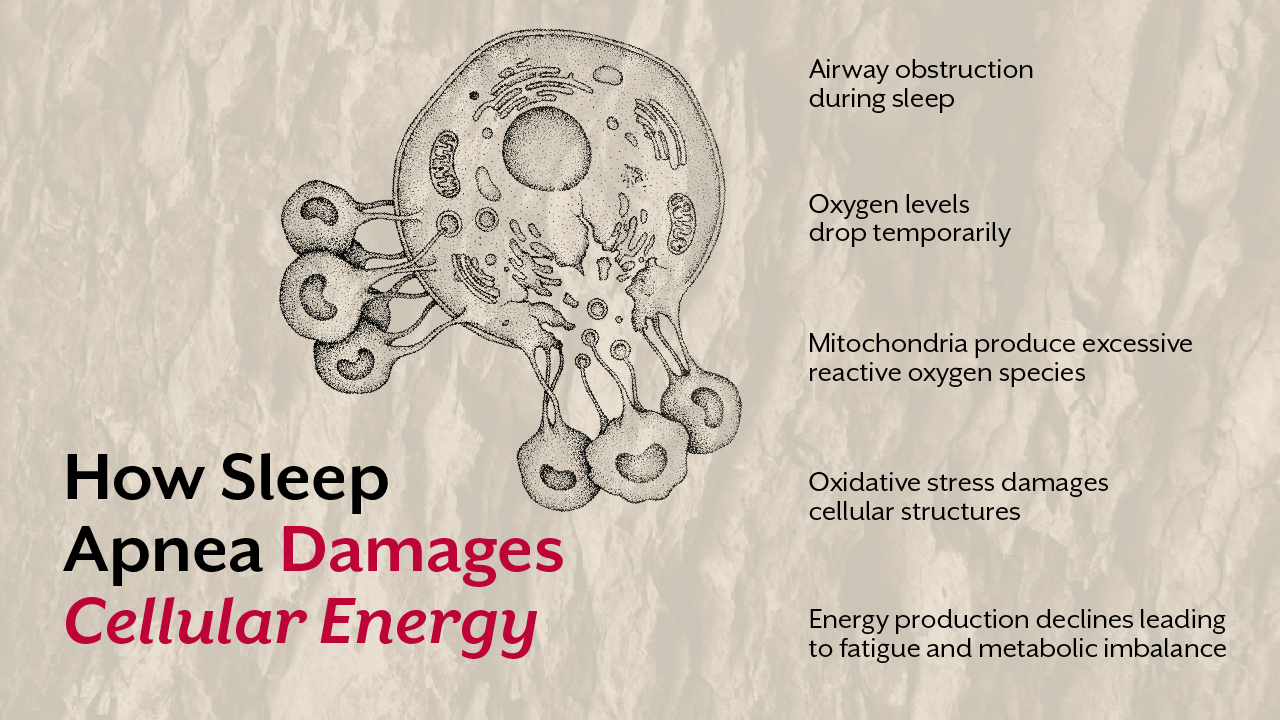
In obstructive sleep apnea, repeated episodes of airway obstruction lead to intermittent hypoxia. This means the body repeatedly experiences short periods of reduced oxygen followed by reoxygenation when breathing resumes. This cycle places intense stress on mitochondria.

During these hypoxic events, the mitochondrial electron transport chain becomes disrupted. Electrons leak from the system and react with oxygen to generate reactive oxygen species. In controlled amounts these molecules play useful signaling roles. However chronic overproduction leads to oxidative stress.

Over time oxidative stress damages mitochondrial DNA and impairs cellular respiration. ATP production declines, meaning cells generate less energy for normal physiological functions.

Neurons in the brainstem that regulate breathing are particularly sensitive to energy shortages. When their energy supply becomes inconsistent, respiratory control during sleep can become unstable. This instability may increase the frequency of apnea events and worsen snoring patterns.

Mitochondrial dysfunction also affects metabolic tissues such as muscle and liver. Reduced mitochondrial efficiency impairs glucose metabolism and increases fat accumulation. These changes further contribute to insulin resistance and weight gain, both of which increase the severity of sleep apnea. The result is a vicious cycle where sleep apnea damages mitochondria and mitochondrial dysfunction worsens sleep apnea.

How Sleep Apnea Damages Cellular Energy

Metabolic Clues Hidden Behind Snoring

Many individuals who snore regularly also experience symptoms that seem unrelated at first glance. Persistent fatigue, brain fog, difficulty losing weight, and elevated blood pressure are commonly reported. These symptoms often indicate underlying metabolic disruption.

One of the strongest metabolic links to sleep apnea is insulin resistance. When cells become less responsive to insulin signals, glucose remains elevated in the bloodstream. The pancreas compensates by producing more insulin.

Chronically elevated insulin promotes fat storage particularly around the abdomen and neck region. This fat deposition increases airway pressure during sleep.

For readers interested in understanding this mechanism more deeply, our earlier article titled What Is Insulin Resistance and Why It Matters for Your Health explains how metabolic signaling gradually becomes impaired long before diabetes is diagnosed.

Inflammation also plays a critical role. Elevated markers such as CRP and ESR frequently appear in individuals with sleep apnea. Inflammation affects vascular health, oxygen transport, and neurological function.

Another lesser known contributor is gut microbiome imbalance. Research suggests that altered gut bacteria may influence inflammatory signaling and metabolic hormones that regulate appetite and sleep cycles. At iThrive Alive we often observe that addressing metabolic health through functional nutrition leads to improvements not only in weight and blood sugar but also in sleep quality.

Metabolic Signals That Often Appear Before Sleep Apnea

A Root Cause Approach to Snoring and Sleep Disorders

Conventional approaches to sleep apnea focus primarily on mechanical solutions such as breathing devices or airway support. These tools are extremely helpful for managing symptoms, but they rarely address the biological environment that allowed the disorder to develop.

A functional nutrition approach asks a different question.

Why did the body become vulnerable to this condition?

At iThrive Alive we examine several biological systems simultaneously. Mitochondrial energy production, metabolic flexibility, inflammatory signaling, circadian rhythm regulation, and gut health all interact to shape sleep quality.

Lifestyle interventions form the foundation of this approach. Smart eating patterns that stabilize blood sugar reduce metabolic stress on mitochondria. Nutrient dense diets rich in antioxidants support mitochondrial repair and reduce oxidative damage.

Strategic supplementation may further enhance cellular energy metabolism. Nutrients such as magnesium, coenzyme Q10, and B Complex support mitochondrial respiration and neurological function involved in sleep regulation.

Circadian rhythm alignment also plays an important role. Exposure to morning sunlight, consistent sleep timing, and reduced evening screen exposure help synchronize the biological clock that governs hormone release.

Our clinical programs integrate these strategies within structured protocols such as the 3 months Alive Program. This framework allows individuals to gradually restore metabolic balance while addressing the deeper drivers behind chronic symptoms including snoring and sleep disruption.

For individuals who wish to explore their underlying metabolic drivers more thoroughly, our Root Cause Analysis consultation offers a comprehensive evaluation of metabolic markers, lifestyle factors, and nutrient status.

The Functional Nutrition Approach to Sleep Apnea

Key Takeaway

Snoring is often dismissed as a minor inconvenience, yet it can reveal deeper metabolic disturbances unfolding beneath the surface. Mitochondrial dysfunction, insulin resistance, chronic inflammation, and circadian disruption all interact to influence breathing patterns during sleep. When cellular energy systems become compromised, the effects ripple through hormonal regulation, airway stability, and neurological control of breathing. Addressing these underlying mechanisms requires more than symptom management. A root cause approach that integrates functional nutrition, lifestyle alignment, and targeted metabolic support offers a more comprehensive pathway toward restoring healthy sleep and long term metabolic resilience.

References 

  1. https://www.ithrivein.com/white-paper/functional-medicine-root-cause-reversal-type-2-diabetes
  2. https://www.ithrivein.com/case-studies/functional-nutrition-obesity-hypertension-sleep-apnea-case-study
  3. https://www.ithrivein.com/white-paper/mitochondrial-dysfunction-sleep-deprivation-sleep-disorders

Talk to our team

Thank you! Your submission has been received!
Oops! Something went wrong while submitting the form.

Download Now

Thank you! Your submission has been received!
Oops! Something went wrong while submitting the form.