We help you understand the different ingredients used in face products, as well as how to identify which products are safe and gentle for your skin. With our guidance, you can make informed decisions that will help you keep your skin healthy, glowing, and beautiful. visit our blog to know more!Serums, Sunscreen, moisturiser and more are the recommended go to skincare routine. Every new influencer has their own skincare routine and product names that they “recommend” you must use to get the glow that they flaunt. And some work while some leave you with rashes or an unhealthy pallor.
That goes on to leave you with a question, ‘Whom do you trust?’
Do all market products they have been asked to or are any sincerely telling the truth? Maybe they are doing both, maybe they are doing none. You have no way to know what is their intention. But one thing you can do is educate yourself. If you know how to identify exactly which products are good for your skin you can make better judgments. Or rather when you know what you should avoid you have a better chance of finding the right products for you.
This article will help you educate yourself about products that you should never use. No, it won’t give you the name of the products because honestly, it is quite difficult to keep track of the numerous different brands selling a myriad of skincare products.
What you get from this article are the ingredients you need to look out for when choosing your skincare product. Especially the products you use on your face.
So how do you know which face products are safe for you?
First, when you go to buy a product, turn the package over and take a quick glance at the label. And the ingredients mentioned there. The ingredients are the ones you should look out for. Many products while being formulated using healthy ingredients do have other many harmful substances.
Now let’s look at the specific substances one should look out for while buying face creams, wash or any other product.
Be careful about what you apply to your face
Parabens are a group of artificial (chemical) preservatives that prevent and reduce the growth of harmful bacteria and mould. These preservatives are used intensively in many skin-care products to increase their shelf-life. Though these preservatives prevent bacterial growth, scientific researches have reported that they adversely affect hormones of the body, harm fertility and reproductive organs, affect birth outcomes, and increase the risk of cancer. They can also cause skin irritation.
Given the endocrine disruption capacity and documented female and male reproductive harm, coupled with the potential for repeated lifelong exposure, it is clear that long-chain parabens (isobutyl-, butyl-, isopropyl- and propylparaben) should not be used in personal care or cosmetic products (1).
Formaldehyde is a colorless, flammable gas with a strong smell. Formaldehyde releasers is widely used as a preservative in cosmetic products and many household products. When these products are used formaldehyde (the gas) gets released into the air.
Inhalation of formaldehyde gas can cause coughing, wheezing, nausea, and watery eyes. Long-term exposure to formaldehyde has been linked to cancer. In this modern era, no one should be using formaldehyde releasers as preservatives. We must all actively avoid formaldehyde-containing products wherever possible (2).
SLS, unlike the above two chemicals, is not a known carcinogen but is recommended to be avoided. SLS is used in many cosmetics and personal care products as a foaming agent (3). Research and medical assessments have deemed it safe, or to be frank, have deemed it to cause minimal risk to humans, especially as they are supposed to be washed off immediately. But minimal risk is still a risk and who is to blame if they are not washed off properly.
A few tests have found that continuous skin exposure to SLS could cause mild to moderate irritation in animals.
Dermal toxicity studies demonstrate that 24-hour exposure to a 1–2% (w/w) solution of SLS can increase the transepidermal water loss of the stratum corneum (the outermost layer of the skin) and cause mild yet reversible skin inflammation. Human patch tests (typically a 24-hour exposure) confirm that SLS concentrations >2% are considered irritating to normal skin. Dermal irritation also tends to increase with SLS concentration and the duration of direct contact (4).
Just like the name suggests, petroleum jelly (petrolatum) is derived from petroleum. When properly refined, petrolatum is said to have no known health concerns. However, according to some sources, petrolatum is often not fully refined, which means it can be contaminated with toxic chemicals called polycyclic aromatic hydrocarbons (PAHs) (10).
Petroleum jelly has the unique ability to absorb into our skin and lock itself into place in between cells in our lipid barrier But truth be told, petroleum jelly has no moisturizing properties of its own. Instead, it acts as an impermeable barrier to the skin. Sure it will lock in whatever moisture is underneath it to give your skin the appearance of moisturized skin, but it will also lock in any dirt, sweat, or bacteria that exists. This barrier will also deter any added moisture or beneficial ingredients from other products to reach the skin. Also, since petroleum jelly is not water-soluble, it does not easily wash away, which means it can build up in your system over time (9).
Hydroquinone is a depigmenting agent used to lighten areas of darkened skin such as freckles, age spots, chloasma, and melisma caused by pregnancy, birth control pills, hormone medicine, or injury to the skin. Hydroquinone decreases the formation of melanin (cells that help with skin pigmentation) in the skin.
This skin lightening agent causes mild skin irritation and sensitization (burning, stinging), dryness, redness and inflammatory reaction. Long-term use of hydroquinone could give rise to ochronosis. Ochronosis causes blue-black pigmentation and caviar-like spots to develop on the skin (5).
The FDA, due to an increasing number of concerns, has banned the use of hydroquinone as a cosmetic skin-bleaching agent since April 2020. FDA advises consumers not to use these products due to the potential harm they may cause, including ochronosis which may be permanent. Consumers should talk to their healthcare professionals about treatment options for certain skin conditions including aged or dark spots (6).
Triclosan is an ingredient added to many consumer products intended to reduce or prevent bacterial contamination. It is added to some antibacterial soaps and body washes, toothpastes, and cosmetics Some data suggest that antibacterial ingredients such as triclosan may do more harm than good over the long term.
Several studies have shown that long-term exposure to the chemical could pose health risks. This could range from allergies to bacterial resistance. One study described the role that triclosan may have in developing allergies and sensitivities to certain foods. Certain products containing the ingredient cause skin irritation (7).
Some animal studies have shown that exposure to high amounts of the ingredient may cause a decrease in certain thyroid hormones. Exposure to the ingredient is of particular concern to women and people assigned female at birth. That’s because it can cross the placenta and enter breast milk (chest milk).
It is also said to cause a weakening of the immune system. Reports indicate that children exposed to antibacterial products at a very early age have an increased chance of developing allergies, asthma and eczema (8).
So, the next time you get influenced by someone do remember to look at the label behind and then make a conscious decision.

Since we were young children, we have heard numerous times about the health benefits of dairy products, particularly milk. Dairy products are rich sources of calcium, which helps to maintain bone density and lowers the incidence of fractures.
With the increasing need for milk and dairy products, the need for overproduction of dairy also rose. But this led to poor agricultural, veterinary, and hygienic/industrial procedures, including raw milk adulteration that has resulted in unacceptable levels of chemicals and their residues in our milk supply; this could represent a risk to human health and negatively impact trade (1).
Many people's diets include dairy products like milk, yoghurt, cheese, and cottage cheese because they are rich in calcium, phosphate, and milk proteins such as casein, whey, and bioactive peptides. Dairy products may be tampered with by adding protein from different sources. Due to the strong composition of milk and the variety of microorganisms that can flourish in it, dairy products are incredibly diversified (2).
There are benefits to dairy. All of the necessary nutrients and numerous anabolic hormones are present in milk because it is designed to nourish and aid in the growth of young mammals. Cows have been bred to produce more insulin-like growth factor I (IGF-I) to boost milk production. They are pregnant most of the time they are milked, which significantly raises the amounts of progestins, estrogens, and other hormones in milk (3).
In the agriculture sector, the use of commercial synthetic insecticides to control insects as disease carriers and pests has led to the occurrence of various contaminants like pesticides, heavy metals, antimicrobials, and other drugs. Due to their resilience to biodegradation, certain compounds like DDT and endrin may be present in the milk indirectly (4). The presence of heavy metal deposits like lead and cadmium is of special concern since they are considered carcinogens and are linked to diseases of the blood, skeletal system, neurological system, kidneys, and cardiovascular system (5).
Breast cancer, prostate cancer, and other cancer rates are all closely tied to dairy product consumption. A discovery that may be related to the sex-hormone content of dairy products has been linked to an increased risk of endometrial cancer, especially in postmenopausal women who are not taking hormone therapy. Due to its high calcium content, milk may explain why there was a negative correlation between milk consumption and the incidence of colorectal cancer (6).
Milk consumption, dairy items, and the associated hyperinsulinemia produce negative long-term effects in healthy people, such as insulin resistance (7). Cow's milk has more than 25 distinct proteins, including casein proteins, which make up 80% of the coagulum, and lactoserum (whey proteins), which make up 20% of the total cow milk proteins, and these proteins are responsible for cow’s milk allergy (CMA) (8).
Due to genetically low levels of the enzyme lactase, some people are unable to digest large quantities of lactose, so they are lactose intolerant. Following the consumption of lactose-containing meals, common symptoms include bloating and stomach discomfort, increased flatulence, and watery stools (9).
We are always told about the health benefits of milk, but the negative effects also come along. By following an elimination diet, you can check if you are allergic or intolerant to dairy products. Due to changing needs, the quality of dairy products has been hampered over time by incorporating more toxins and other unwanted substances that can affect your overall well-being.

The concept of fasting dates back to the time when medicine was developing, and Hippocrates was the pioneer of the field. The 'father of Medicine, Hippocrates, through a far-fetched scientific outlook and advocating rational thinking, manoeuvred modern medicine(1). He recommended the concept of fasting to people displaying particular health conditions and gained popularity soon after.
The unforgotten concept of fasting has been modified from the 5th century to be based on the type of health condition developed. One such kind of fasting is the Intermittent fast or the 5:2 diet (people eat what they want for 5 days a week and limit calories on the other 2 days). The 5:2 diet gained popularity after Dr. Michael Mosley's documentary based on his close friend Valter Longo's research. It is also mentioned in his bestselling book ‘The Longevity Diet’, which talks about how to maximize your healthy lifespan through a planned everyday diet(2).
Intermittent fasting (IF) is an intersectional strategy where individuals are subjected to shifting periods of fasting. It doesn't specify what food to consume but focuses more on when you should eat them. Intermittent Fasting revolves around eating patterns between fasting and eating(3).
It aids in weight loss, increases mental capacity, and decreases the incidence of Insulin Resistance (diabetes), heart problems and cancer. Check out https://www.ithrivein.com/blog/10-benefits-of-intermittent-fasting to read more about the benefits of IF.
The science behind IF is even more interesting.
Intermittent fasting refers to eating plans that alternate between fasting and eating periods. The goal is to starve the body long enough to trigger fat burning systematically. The body does not have access to the usual glucose when we fast which stimulates the body to search for other means of producing its own energy. Thus, the body begins gluconeogenesis (wherein the body produces its own sugar). In this procedure, the liver plays an important role in converting non-carbohydrate materials like fats, amino acids and lactate into glucose energy (4). When done correctly, there is evidence that it can help lose weight, lower blood pressure and cholesterol, prevent or control diabetes, and improve the brain's health. (5)(6).
During a meal, carbohydrates in food are broken down into glucose, which is transported to various organs and serves as the major energy source. The unused or excess glucose is stored for later use in the liver and adipose tissue in the form of glycogen and fats. Between meals, the liver converts glycogen back to glucose to supply the body with energy.
An inactive person takes about 10 to 12 hours to use up the glycogen stores, although someone who exercises may do so in much less time.
Once the glycogen reserve in the liver is depleted, the body taps into energy stores in fatty tissues. This is when fats are broken down into free fatty acids, which are then converted into additional metabolic fuel.
Insulin is the hormone required for driving glucose into cells. Insulin level is regulated to match the amount of glucose in the blood, high after a meal and low between meals. Constant high insulin levels may de-sensitize body tissues, causing insulin insensitivity- the hallmark of prediabetes and type 2 diabetes.
Advantages: Fasting helps keep insulin levels low, reducing diabetes risks. Fasting also benefits the brain - it challenges the brain like physical exercise does. It promotes the production of neurotrophic factors, which support the growth and survival of neurons.
Disadvantage: But fasting is not for everyone - pregnant or breastfeeding women, people with eating disorders, or those with advanced diabetes type 1 are some who should not attempt fasting.
There are several approaches to intermittent fasting, but the easiest to achieve is perhaps to extend the usual nighttime fast. A daily cycle of a 16-hour fast followed by an 8-hour eating window is usually sustainable.
It is important to stay hydrated and know your physical limits; the fast must be broken slowly. Overeating after fasting, especially unhealthy foods, must be avoided. (7).

We spend nearly a third of our lives asleep. With the physical and physiological demands placed on the body through training and competition, athletes should focus more on optimising sleep patterns and achieve a minimum of 8-9 hours of sleep each night to allow recovery and adaptation between bouts of exercise.
Athletes also need to have high levels of focus and motivation. These functions will be impaired without adequate sleep. Minimal sleep can also decrease glucose metabolism, which fuels the brain and the body for mental and physical performance.
Immune function can also be impaired, putting athletes at a greater risk for sickness. When athletes fail to sleep enough (less than 8 hours per night), the body fails to produce an adequate amount of testosterone.
Testosterone is a hormone that allows athletes to build muscle and gain training effects from difficult workouts. Muscles are broken down during an exercise and, with testosterone, are rebuilt larger and stronger. This is why athletes gain muscle when they lift weights or train correctly. This gain in muscle also called the training effect, is decreased without the testosterone to recover from intense physical activity.
In general scientists and athletes have focussed on what they believe to be the two most important pillars of performance : exercise and nutrition. There is an old saying that goes, Exercise is the king, Nutrition is the queen. Put them together and you’ve got a kingdom.
But in recent times the spotlight showed the third pillar of performance, which is believed to play a crucial role in keeping athletes on the podium for the long run. If exercise and nutrition together make a kingdom, then a healthy sleep strategy is the foundation of that kingdom.
Sleep should be a naturally occurring state of mind and body which is characterized by two phases: sleep typically is induced with non-rapid eye movement, in which the mind becomes less responsive to external aspects and makes it extremely difficult to wake up.
Sleep is a complex physiological and behavioural process, divided into 5 stages of sleep.
Let’s consider the average lifestyle of an elite athlete in comparison to that of the average Briton. Gruelling workout routines, global travel, disrupted sleep-wake cycles, late-night interviews and public appearances, not to mention tech overindulgence to uphold a social media presence, often lead to countless late nights. These are only a few aspects that contribute to the hectic stress-driven lifestyles of elite athletes before we have even considered the psychological and physiological stress of competition itself.
It is no wonder that sports scientists generally recommend that athletes should strive for 10 hours of vital sleep rather than the seven to eight hours advised for a non-athlete. Despite all the evidence indicating a need for more sleep during competitive seasons, a current introspection remarked that numerous elite athletes are getting less total sleep than the average non-athlete.
This pattern of reduced sleep was observed throughout numerous sporting disciplines, including individual and team sports and strength and endurance-based sports.
By this moment, I hope we can all agree that maintaining a good sleep routine is vital for optimal health, and deserves to be included as a pillar of performance right next to exercise and nutrition. Sleep quality and quantity can affect factors such as
One thing is for certain: every one of the above skills and qualities is an essential governor of elite performance. Even as little as one per cent reduction could mean the difference between going home with gold or leaving the match burned out, fatigued and/or injured.
Much of this intra-muscular chemistry and synthesis takes place at night when you are sleeping. It is also well known that during early sleep (90-120 minutes after falling asleep) there is a huge release of human growth hormone (HGH). This is one of the most critical factors in growth. You also need protein available in your system during this timeframe. If you do not get sound early sleep, you miss the release of HGH or greatly diminish it! In addition, the body needs a set point to release Melatonin (sleep hormone) so you can get sleepy enough to transition from wake state to deep sleep. A normal bedtime creates this set point and a set point for HGH release. One of the most significant events in human physiology in 24 hours is the HGH night release. In many ways, it is when all your effort and training effect goes into the bank! If you miss your normal sleep set point time by 90 – 120 minutes, you lose out on muscle repair, gains and maintenance.
1. Melatonin: Melatonin is a natural hormone your body produces that plays a vital role in regulating circadian rhythms. It is made in response to darkness. Melatonin levels start to rise when it’s dark outside, signalling your body that it’s time to sleep. They then decrease in the morning, when it’s light outside, to promote wakefulness
2. Magnesium: Magnesium is one of the most common minerals on earth, and you find it in various food. Magnesium supplements have been linked to several benefits, including fighting inflammation, relieving constipation, and lowering blood pressure. In addition, magnesium may help treat sleep problems. It also regulates the hormone melatonin, which helps regulate sleep patterns.
3. Glycine: Glycine is an amino acid that is produced by the body on its own. We also consume glycine through the consumption of high-protein foods, including meat, eggs, fish, legumes, etc. Glycine increases serotonin levels. Serotonin is required to make the sleep hormone melatonin. Higher levels of this amino acid can
· Helps you fall asleep quickly
· Improves sleep efficiency and quality of sleep
· Reduces symptoms of insomnia
Sleep is one of the body’s most vital biological functions in performance, understanding, learning, development, and mental and physical health. While there are multiple consequences as a result of inadequate sleep, determining sleep issues and following the suggested sleep approaches can help ensure that strength and sporting performance is maximised.
.png)
According to estimates, 50% of people worldwide have low vitamin D levels, with the highest prevalence among adults over 60, those with a dark complexion, and those who are obese (1).
Vitamin D deficiency has also been linked in recent studies to psychological conditions like sadness, anxiety and seasonal affective disorder. It has also been suggested that low levels of Vitamin D may be linked to depressive symptoms. It is so since it functions as a steroid in many brain processes, such as neuroprotection, regulation of neurotrophic factors, neuroplasticity, brain development, and neuroimmunomodulation (3). The correlation, not the causation, between the two conditions, maybe because many individuals at risk for depression are also at risk for vitamin D deficiency.
Depression can cause various symptoms, including decreased productivity, trouble concentrating, irritability, weariness, appetite loss, low self-esteem, feelings of worthlessness, suicidal thoughts, and changes in body weight (4).
Not all, but some cross-sectional clinical and epidemiologic studies have discovered a substantial correlation between low Vitamin D levels and greater levels of depressive symptoms or a depression diagnosis. There is evidence that patients with depression have low Vitamin D levels. The relationship between the brain's 1-alpha-hydroxylase enzymes and Vitamin D receptors may indicate that Vitamin D plays a specific role in the central nervous system (5).
Sunlight is the main source of vitamin D, which is why it is sometimes known as the ‘sunshine vitamin’ (2).
Climate and weather fluctuations are linked to seasonal depression. Changes in solar exposure affect the body's vital hormone levels, including serotonin and melatonin. The level of serotonin depends on the availability of Vitamin D, which is required for synthesising the hormone. As a result, as exposure to sunshine declines, so do Vitamin D levels and, subsequently, serotonin levels. This signifies the relationship between Vitamin D and seasonal depression (6).
Vitamin D can also be obtained from various dietary sources like red meat, liver, egg yolks, and oily fish like sardines, mackerel, and salmon.
Contrary to popular belief, When people say sunlight provides vitamin D, they are actually talking about the UV rays you receive from the sunlight. Our skin naturally contains a precursor to vitamin D. When exposed to UV rays, the precursor is transformed into a molecule called vitamin D3 (7).
Vitamin D's fundamental function is maintaining proper amounts of calcium and phosphorus for several metabolic processes, regulating bone and muscular strength, healthy immune system operation, and neuroprotection (8). People with depression receive relatively little sunlight because they spend most of their time indoors.
To meet your body's Vitamin D needs, spend at least 10-15 minutes outside three days a week (9).
The recommended daily allowance (RDA) for individuals is 600 IU of Vitamin D, increasing intake to 800 IU for those over 70. Studies have shown that Vitamin D supplements up to 2000 IU significantly reduce depression in pregnant women (10). According to the National Institutes of Health, it is safe to take up to 4000 IU of Vitamin D for depression (8).
Check your Vitamin D levels if any of these depression-like symptoms apply to you. Your doctor will do a test to find out how much of the Vitamin is in your blood. Getting in touch with a reputable healthcare provider if you're displaying signs of depression is crucial. Fortunately, it's simple to obtain Vitamin D by either taking supplements, getting more sunlight, or including foods high in Vitamin D in your diet.
References:

You may not realize it, but the cornerstone of your health is your gut microbiota. It helps your body break down the food you eat, absorbs the nutrients, and utilizes them to keep your body running smoothly. Therefore, it will be harder to maintain good health if your immune system and gut are out of balance and your serotonin and hormones aren't functioning properly. Toxins and metabolic waste are also expelled from your body through your gut. Your body will, however, find it difficult to eliminate those poisons if you have a poor digestive system.
Inflammation all over the body, chronic diseases, and chronic weariness are just a few of the problems that might arise if this happens. People consequently suffer from symptoms like confusion, gas, discomfort in the joints, constipation, or diarrhea. When the good (beneficial) and bad (possibly hazardous) bacteria in your digestive tract are in balance, you have good gut health.
Gas, bloating, constipation, and diarrhea are just a few symptoms of an unhealthy stomach, but there are many more. A bad gut can also be a symptom of autoimmune diseases like Hashimoto's Disease, rheumatoid arthritis, Type 1 diabetes, and multiple sclerosis (MS), in which your immune system attacks various body organs.
Brain fog, headaches, poor memory and attention, weariness, chronic pain, trouble sleeping, problems with cravings, or depressive symptoms can also be signs of poor microbiota. Your gut health can be greatly affected by the food and nutrients you consume, and if you experience anxiety or depression, this can also affect your gut and worsen issues. (1)
Your unhealthy gut may also be responsible for the irritating condition of your skin.
Your skin and stomach both have the same immune system processes. Infectious organisms that cause disease, or pathogens, are both kept away by them. According to scientific research, your skin condition may be impacted by GI health and abnormalities in your gut microbiota.
Everybody loves skin that is luminous, young, and healthy. But many individuals don't understand that gut health affects skin health. If the gut microbiome is out of balance, it can directly impact your skin health. Several conditions, including bacterial or parasite infections, bacterial overgrowth (dysbiosis), and inflammation caused by food sensitivities, can result in an unbalanced microbiome. (5)
The skin is an excellent indicator of what is happening inside the body. There's a good probability that your gut may be out of balance if your skin is sensitive, inflammatory, or congested. Our skin is the largest organ in our body and the first line of protection against dangerous bacteria and infections. It is also one of the key systems through which the body expels toxins and waste. In terms of gut health, this can include skin conditions like rosacea, psoriasis, and acne. All of which can be exacerbated by digestive problems. And the reason for that is because there is a strong link between your gut and your skin. Rashes, breakouts, redness, dryness, inflammation, or skin that might seem swollen and tends to age more rapidly are common problems that can indicate an underlying gut imbalance, even though it can be difficult to link stomach symptoms to skin symptoms. (3)
There are numerous advertisements about cosmetics and creams that wash the skin and clear up pimples on the TV and web. Instead, how about tackling the issue at its source? Your gut needs to be healed if you want the real remedy.
Although gut health issues and breakouts are frequently seen in adolescence, anyone at any age can experience them. The face, back, forehead, chest, and shoulders are the areas where hormonal acne, cystic acne, and pimples most frequently manifest themselves. Although these regions of the body may be where we discover acne the most frequently, they aren't always where the symptoms are coming from. In addition to being one of the main causes of acne, poor gut health is the main contributor to symptoms getting worse. (7)
Dr. Del Campo states that gluten, cow's milk, sugar, and alcohol are the foods that cause the most skin problems.
IGG-1, a growth hormone cows make to feed their calves, is found in cow's milk. Unfortunately, this growth hormone does not have a favorable effect on the human body. Cow's milk produces inflammation in our bodies, which is a major contributor to acne outbreaks, rather than promoting healthy growth as it does for young cows. The IGG-1 growth hormone not only increases inflammation but also blood sugar levels since it contains natural carbohydrates.
Sugar is unhealthy for your gut, which means it's bad for your skin as well. To get rid of any skin problems, you should cut out foods high in sucrose and glucose, such as processed foods, sugary snacks, sodas, flavored coffee, energy drinks, high-carb meals, and foods high in the glycemic index.
We may be able to improve our gut health via lifestyle modifications and by making better food choices. (1)
There seems to be a strong connection between diet and gut health. As these foods may encourage the growth of harmful bacteria, avoiding processed meals, high fat foods, and foods high in refined sugars is definitely essential for maintaining a healthy microbiome. (4)
You can also eat foods that actively promote the growth of healthy bacteria, improving your general health. These foods consist of:
Foods high in fiber, such as legumes, beans and whole grains like gluten-free oats, quinoa and certain fruits like apples, pear, etc. are beneficial for gut health.
2. Garlic:
Garlic may boost gut health and increase the microbiota in the gut.
3. Ginger:
Another meal that promotes healthy gut microbiota restoration is ginger. Additionally, ginger has been shown to reduce stomach pain and nausea.
4. Foods that support collagen
Foods high in collagen, like bone broth, may be good for the gut and overall health.
Prebiotics are a form of fiber that serve as food for bacteria to promote the growth of our beneficial gut flora. High quantities of alcohol, caffeine, and sugar are frequently seen in contemporary diets, all of which harm our beneficial gut flora. Our bad diets frequently suppress the beneficial bacteria, which allows the dangerous species to establish themselves (a condition known as "dysbiosis") and cause problems with the gut and general health. Along with dietary modifications, a daily prebiotic supplement can help restore the good bacteria that may have been lost as a result of lifestyle choices.
A superb complexion and good skin health can only be attained when you use an integrative and functional approach because of how closely the gut-skin (and brain) are connected.
To reduce gut irritability and inflammation, you must consider your consumption of food, beverages, supplements, and medications. Along with your diet, take note of how much stress you are under, how much sleep you get and any unidentified food allergies. The most important of all would be to find solutions to promote a healthy gut microbiota/bacterial population.
Eating a balanced diet is important, but what matters most for your skin and overall health is what you absorb, not what you eat. For this reason, improving your gut health should come first; only after that can it make sense to make sure you are getting enough of the nutrients that support your skin, such as vitamins A, C, E, K2, B3, and B5, as well as the minerals selenium, zinc, and sulfur, and omega-3 fats. (2)
An irritated or inflamed gut can create full-body inflammation, which can be problematic for your skin. Therefore, your skin's defense system is compromised, leaving it susceptible to many diseases. Your gut health has a much bigger impact on your skin than you might realize.
A significant gut check is necessary if you've been trying to treat your disease by contacting skin specialists without results. Eat foods that are good for your skin and gut, and consult with a nutritionist for a thorough evaluation of your gut health.

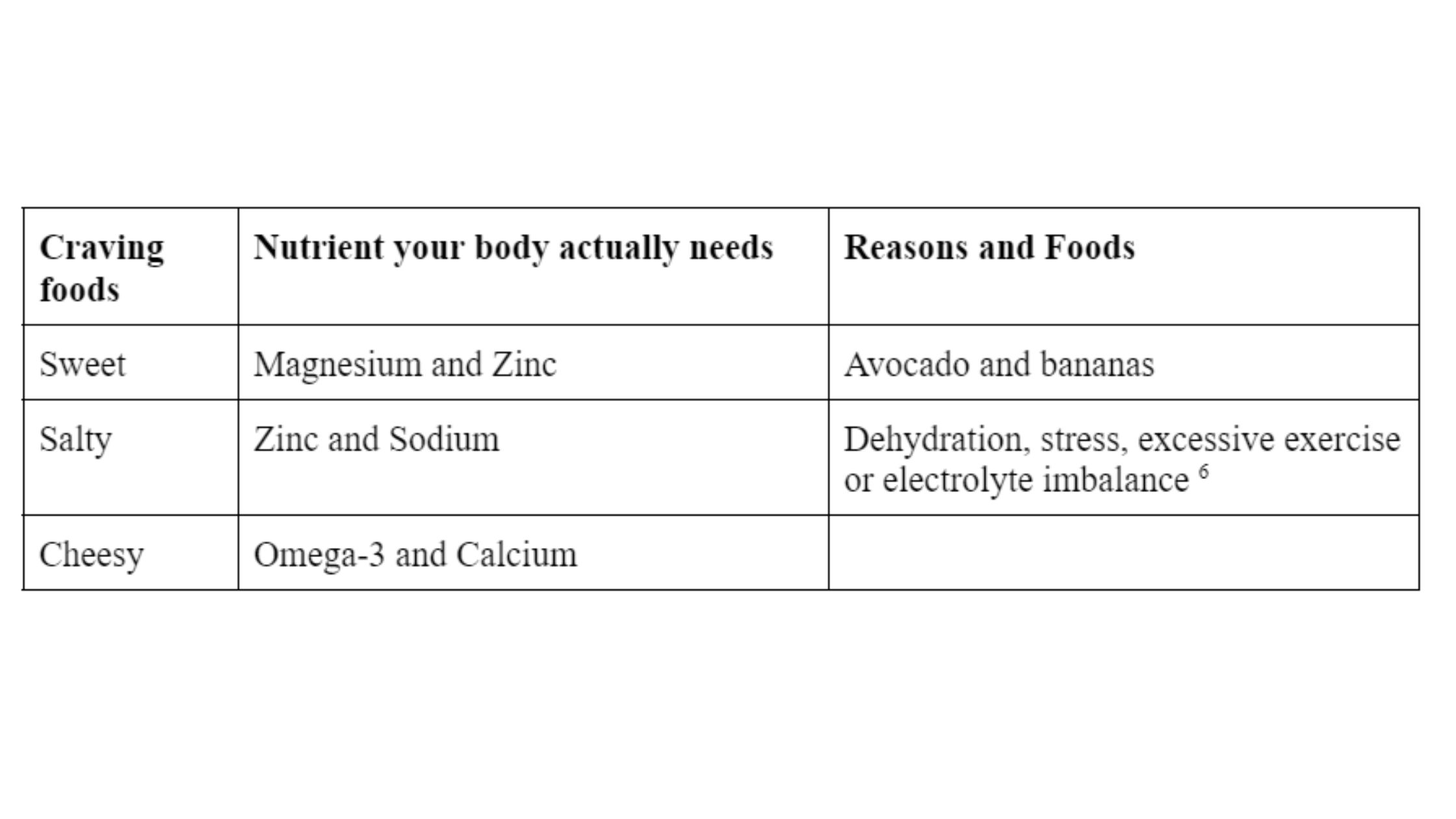
A “food craving” is a strong desire to consume a certain type of food. Food cravings can occur suddenly or be related to alertness in the senses, like seeing, smelling, or hearing about certain foods. For example, hearing from someone about a doughnut place can trigger a craving for a doughnut. A food craving can occur among individuals even when they are satiated 1.
Usually, there are two types of cravings: high-calorie food cravings and low-calorie food cravings. High-calorie foods consist of chocolate or chocolate-based items and savory foods like pizza and fast food. Fruits are the most commonly observed foods in low-calorie conditions. The history of craving specific foods is heavily influenced by cultural background.
An interesting fact is that high-calorie food cravings increase throughout the day and low-calorie food cravings decrease 2. Strong food cravings are associated with anxiety, boredom, or a dysphoric mood. 3
A hypothesis states that food cravings are usually linked to nutritional deficiencies, but evidence shows that the relationship between these two is relatively poor.
Nutritional deficiencies account for a small amount of these cravings and instead, psychological parameters account for more. According to Reward based stress eating model and Selye’s theory of stress, stress results from our body’s response to the activation of hypothalamic-pituitary-adrenocortical i.e. HPA axis. Activation of the HPA axis leads to the secretion of cortisol, a hormone that controls eating behaviours and patterns.
Typically increased stress results in reduced food intake but chronic activation of HPA can lead to the prolonged secretion of cortisol which in response may indicate food cravings 4. Stress has also been associated with increased secretion of ghrelin i.e., hunger hormone leading to increased cravings 5.
Clinical studies have shown that certain foods that activate the reward hormone Dopamine are responsible for our food choices and behaviours. Foods heavy in omega-6 fatty acids, sugars, and salt are known as HFSS foods. These foods are also referred to as "hyperpalatable" foods. The hormones responsible for the development of cravings, such as leptin, ghrelin, cortisol, and dopamine, are secreted more readily when HFSS meals are consumed.
Many clinical studies have shown that eating foods high in sugar and omega-6 fatty acid on a regular basis can interfere with brain and hormone signalling leading to emotional eating, food-addictive behaviours or an inclination to comfort foods. Studies have also shown that eating hyper-palatable foods can disrupt the mechanism of the reward system in the brain, which in turn leads to an imbalance in the body’s natural hunger or satisfaction 5.


References

Injury is an inevitable part of an athlete’s life. Every athlete goes through a phase of injury in their athletic career. Return from athletic injury can be a lengthy and difficult process. Adequate recovery may result in positive adaptations for athletic capacity, performance and injury and illness risk, while inadequate recovery may result in maladaptations for athletic capacity, performance and injury and illness. Along with physical therapy , giving importance to proper nutrition during recovery phase is essential and these are divided into two phases.
Manage inflammation(can alter the bacteria that live in our gut, and that alteration has the ability to interact with our immune system and eventually trigger it in a way that leads to chronic inflammation) by eating foods that lower inflammation.
Addition of antioxidants : Free radicals are unstable atoms that can damage cells, causing illness. When in contact with oxygen , it can cause harm to the cells. Antioxidants prevents that by reversing the actions of these free radical
Manage weight by eating enough calories to help you heal but avoid weight gain. Wound healing after surgery, walking on crutches, and physical therapy all require a lot of energy (calories). However, you still may need fewer calories than when you were training and competing every day.
Foods That Lower Inflammation
Phase 2: Rehabilitation progresses during the second phase of recovery. This may be a slow process, but following the nutrition goals for this phase can help you recover and return to sports participation.
Vitamin C and Zinc
While all nutrients are important in healing, vitamin C and zinc are superstar nutrients for their roles in healing. Vitamin C is needed to make collagen protein, repair tendons and ligaments, and heal surgical wounds. Citrus fruits are high in vitamin C but don’t overlook other sources of vitamin C, such as strawberries, kiwifruit, baked potatoes, broccoli, and bell peppers.
Zinc is a mineral in animal foods such as meat, fish, poultry, and dairy. Zinc is also found in whole-grain bread, cereals, legumes (dried beans and peas), and nuts. It is better to get zinc from foods than supplements. High-dose zinc supplements can cause nausea and vomiting.
Calcium and Vitamin D
Calcium and vitamin D are nutrients associated with healthy bones, so if you have a bone fracture or a stress fracture, get plenty of these nutrients to strengthen your bones. The best sources of calcium and vitamin D are low-fat dairy foods. Fat-free (skim) milk has slightly more calcium than full-fat or low-fat (1%) milk and is fortified with vitamin D to help your body absorb calcium. Yogurt, a good source of calcium, is not always fortified with vitamin D, so check the nutrition label to ensure you are getting vitamin D. Green leafy vegetables are also a good source of calcium.

Athletes with increased collagen intake are found to have lower rates of joint, ligament, and ankle injuries compared to athletes who don’t take collagen supplements regularly. Consumption of Vitamin C-rich food is equally important to promote the body’s natural production of collagen
One can reduce the risk of injury by 100% when they get adequate amounts of Vitamin D, compared to athletes who do not get enough of the vitamin. Athletes can lower the risk for stress fractures and soothe musculoskeletal pain by increasing their consumption of Vitamin D-rich food like egg yolks, fatty fish, etc.
Omega-3 is a type of polyunsaturated fatty acid that comes packed with many health benefits. It can help athletes defend and recover from concussions and enables muscles to react faster. They also help synthesize stronger muscles and prevent muscle loss, which in turn helps you hold away fatigue longer and prevent overuse injury. Unfortunately, our bodies cannot produce Omega-3 on their own, which depends on our diet for adequate intake of healthy fatty acids. Athletes can hit the recommended dose by eating fatty fish such as mackerel, salmon, and herring. However, supplements can be just as effective, as seafood may not be easily accessible for some.
Athletes, especially women and those trying to maintain weight-class, may not eat enough due to strict dietary limitations. However, eating as much as you’re burning is important to avoid injuries such as ACL tears. Meeting your caloric needs also helps your body retain muscle mass. When your body doesn’t get enough calories, it enters a catabolic state. This means that it starts breaking down your muscles to get the energy you need. Weaker muscles can lead to an increased risk of overuse injuries.

Concussion: Early nutrition is key in concussion recovery. As soon as the decision has been made to remove the athlete from play, provide a protein-rich snack. When patients received at least 50 percent of their total energy expenditure and 1 to 1.5g/kg protein, outcomes were better than when they received less calories. Bonus: Omega 3s may also build muscle mass and strength as the athlete returns to full participation. Encourage the athlete to increase their intake of Omega 3-rich foods (salmon, mackerel, flaxseeds). Many athletes consider taking a fish oil supplement at this time.
Bone Injury: Athletes who are recovering from a fracture should aim for 1,500 milligrams of calcium each day. At this recommendation, an athlete could consume the following in one day. If vitamin D levels are not optimized, now is a good time to ask about ordering labs and correcting any deficiencies. Vitamin K2 also plays a critical role in bone healing. When vitamin K2 is activated, it allows osteocalcin to draw calcium into the bones. Food sources of vitamin K2 include egg yolk, chicken, and beef. Athletes should also ensure adequate intake of phosphorus and magnesium.
Tendon and Ligament Injury: It has recently been shown that the following protocol may positively impact tendon and ligament health: Consume 15 grams of gelatin and 50 milligrams of vitamin C one hour before training.8 This can be achieved by combining two food-grade gelatin packets with 8 ounces of vitamin C-rich juice. Copper is also a key nutrient for tendon health and can be found in organ meat, fish and few nuts.
Oro-Facial Injury/Surgery: Oro-facial injuries may require the athlete to alter the texture of their foods to make them easier to eat. Under-fueling and weight loss are common with these injuries, as it is easy to accidentally eliminate food groups and nutrients that are key for healing. Use the Oro-Facial Injury Food Recommendations chart above to coach athletes to eat from each group.

If your goal is to delay fatigue, boost your energy levels and help you with a complete recovery during a race, what you eat and when you eat are the two things that should be considered. Following the below listed ways will give you an edge at your game and eventually enhance your performance
1. Increase Carbohydrate consumption :
Gradually increase your carbohydrate intake in the days leading up to the marathon. Increasing your intake of carbohydrates during that period can help ensure that you have enough stored glycogen to last through the marathon because carbohydrates are the primary fuel for endurance exercise. You can choose rice, animal meat, and millet as a source of carbohydrates.
2. Practice eating your meal before the race:
During your training, it's a good idea to eat the meal you want to eat on race day a few times to see how your body reacts to it. On race day, this could help you avoid any digestive issues.
3. On race day, don't try anything new.
Trying new foods, supplements, or ways to hydrate is not a good idea. Avoid any potential digestive issues by sticking to what you know works for you.The best time to try new foods is the training period.
4. Consume enough protein:
Protein is important for muscle recovery and repair, but carbohydrates are the primary fuel source for endurance exercise. To ensure that your muscles are supported throughout the marathon, add good quality protein sources to your meal. You can choose between animal meat,eggs or even legumes.
5. Maintain adequate hydration in the days leading up to the marathon:
Proper hydration is essential for optimal performance. Drink at least 400 to 500ml of water a few hours before the race, and stay away from diuretics like alcohol and caffeine.
TIME: 8:00 a.m. event, like a race on the road.
MEALS: The day before, consume a meal high in carbohydrates and drink more water. Eat a light meal of 200 to 400 calories on the morning of the event, around 6:00 or 6:30 a.m., with additional water, such as oat meal and a banana or one or two energy bars.
If you want a more substantial meal, you should get up and eat between 5:00 and 6:00. Eat your meal the night before if your body cannot handle a breakfast before early morning exercise.
Post-Run Nutrition The question of what to eat before a run is similar to post-run nutrition. A combination of carbohydrates and proteins has been shown to improve recovery after intense endurance exercise.
1. Eat somewhere around 30 minutes of wrapping up
Beginning refuelling straightaway after the race is significant. Within the first 30 minutes after finishing, try to eat a combination of carbohydrates and protein. Glycogen stores can be refilled, and this can accelerate the recovery process.
2. Don’t avoid the fibre
Despite the significance of carbohydrates and protein, fibre should not be overlooked. Fiber can assist with assimilation and can likewise assist with recovery by decreasing aggravation. Your post-marathon meals should include a variety of whole grains, fruits, vegetables, and legumes.
3. Consider utilising a recovery drink
Recovery beverages can be a helpful method for getting a blend of sugars, protein, and electrolytes in a single serving. Look for a recovery drink with a protein-to-carbohydrate ratio of 3:1 or 4:1.
4. Eat enough calories.
Eating enough calories is important to support recovery and repair if you've lost a lot of weight during the race. Don't be afraid to consume more calories in the days following the marathon.
5. Try out a variety of foods:
Individuals respond differently to different foods. Make sure to try other things with various food sources and blends of food varieties to see what turns out best for you. Keep a food diary to track your food intake and how you feel after eating certain foods.
Remember that everyone is unique and may require different amounts of nutrition. It is always recommended to talk to an expert sports nutritionist a customized diet protocol which will support and enhance your performance.

The blog covers functional nutrition, chronic conditions, gut health, hormonal health, autoimmune conditions, sleep, mental health, and root cause analysis. Every article is written to help you understand what is actually happening inside your body, not just manage symptoms.
All articles are written by the content writers in collaboration with iThrive's clinical team of functional nutritionists, guided by the same methodology used in the ALIVE programme. The content is rooted in functional medicine and real clinical experience, not generic health advice.
No. The blog is an educational resource to help you understand your health more deeply. If you are experiencing symptoms or managing a chronic condition, a personalized Root Cause Analysis with a functional nutritionist is the right next step.
Book a Root Cause Analysis. For ₹2,500, a dedicated functional nutritionist will assess 60+ blood markers using optimal ranges and explain exactly what is driving your condition. It is the natural next step after reading about what might be happening in your body.
Yes. Many of our readers come with existing diagnoses and find the blog helps them understand why their condition developed and what their body actually needs. The articles are designed to give you clarity, not replace the guidance of a practitioner.