Krill oil is a type of omega-3 fatty acid supplement that is made from tiny crustaceans called krill
These shrimp-like creatures are found in the cold waters of the Antarctic and are an important part of the ocean's food chain. Krill oil is becoming increasingly popular as a supplement because it is thought to have a number of health benefits.
Some of these benefits include reducing inflammation, lowering cholesterol levels, and improving symptoms of conditions like arthritis and ADHD.
Krill oil is also a rich source of antioxidants, which can help protect cells from damage caused by free radicals.
Krill Oil contains two of the same essential fatty acids as fish oil (eicosapentaenoic acid, or EPA, and docosahexaenoic acid, or DHA). The EPA and DHA in krill oil are said to have higher bioavailability (rate of absorption) compared to fish oil because much of the EPA and DHA in krill oil is bound to phospholipids.
Compared to fish oil, krill oil contains higher amounts of astaxanthin—a carotenoid pigment that gives krill and other crustaceans their characteristic red-pink color. Astaxanthin is a unique lipid-soluble antioxidant that may help protect cells from harmful free radicals which are not found in most fish oil supplements.
With fish oil, there is a concern of high concentrations of pollutants and other prominent contaminants that the fish might ingest.
However, Krill being at the bottom of the food chain, are virtually free from pollution found in fish and fish oil.
The ideal krill oil dosage varies according to the person’s age, gender, weight, etc. But the ideal range that works for everyone is 1000-2000 mg per day.
The current standard for Krill Oil in India is 500-600 mg per serving. This is a considerably low concentration for a premium price.
Our recommendation is iThrive’s Krill Oil which comes with 750mg krill oil per capsule at a very reasonable price. iThrive offers the best Antarctic-sourced Krill Oil added with Phospholipids & Astaxanthin
Astaxanthin works in multiple ways, including suppression of free radical activity, inhibiting inflammatory factors and enhancing mitochondrial function. It also maintains krill oil’s molecular stability.
iThrive Essentials Krill Oil Omega 3 supplement comes with phospholipid-bound forms of EPA (90 mg) and DHA (42 mg) from 750 mg Krill Oil per capsule along with 75 mcg astaxanthin which has also demonstrated exceptionally high bioavailability which makes it the best Krill Oil for joint pain, heart and brain health.
The best buy link to iThrive’s Krill Oil is: https://www.ithrive.shop/products/krill-oil
.png)
Xenoestrogen is a chemical that mimics estrogen. Estrogen is a set of hormones involved in female reproductive development. These chemicals can be natural in nature, derived from plants and animals, as well as synthetic compounds derived from pesticides, pharmaceuticals, and industrial waste.
Pesticides and industrial waste contaminate water and aquatic life when they mix with reservoirs. This water is utilized for irrigation and is consumed by poultry and animals. As a result, harmful chemical finds their way into the biological systems of humans. Despite being a foreign molecule, it has a molecular structure that is similar to that of estrogen. Xenoestrogens have the same affinity for estrogen receptors as estrogen and can cause harm.
Along with the reproductive system, these are also known to interrupt other systems of the body such as the nervous system and cardiovascular system. These molecules interfere with the endocrine system (hormone) and disrupt the regulation of cell growth, equilibrium in the body, and also development.
Xenoestrogens including isoflavones, lignans, DDT, polychlorinated biphenyls, alkylphenols, and bisphenol-A are accumulating in the food chain and in human biological systems.
When a pregnant woman is exposed to xenoestrogen, the baby is more likely to have a reproductive abnormality, and the mother is more likely to acquire cancer. When a newborn is exposed to xenoestrogen, it can cause problems with the endocrine system, especially in the brain and cardiovascular systems. Diethylstilbestrol (DES) is given to pregnant women as a potent estrogen to avoid miscarriages. Studies showed that kids of mothers consuming this particular drug have urogenital tract abnormalities. Also, female child from mothers consuming it have also shown a rare incidence of developing a tumor.
The surfactants have potent estrogen-like Octylphenol which can cause issues in the development of the hypothalamus and thereby affect neuronal signaling. Early age menstrual onset and puberty are other effects reported due to exposure to xenoestrogens.
The central nervous system is susceptible to sex hormone levels, especially in newborns. Estrogen receptors control many developmental endpoints in the CNS associated with sex determination. And alteration by xenoestrogens through estrogen receptors can affect sexual behaviors.
Along with dietary intake of xenoestrogen, incidences of occupational and clinical exposure have also been seen. Effects on workers involved in the production of oral contraceptives, where active chemicals were likely absorbed through the skin, are one example. Employees who were exposed to a lot of DDT had an incidence of low sperm count (oligospermia).
Newborns in their developmental stage when exposed to industrial by-products and pesticides show cognitive and behavioral defects. Similarly, these substances are also known to alter thyroid hormone levels. Industrial byproducts such as polychlorinated biphenyls (PCBs) can create issues in neurological signaling thereby causing several behavioral problems.
The adverse effects of these xenoestrogens depend on factors including gender, and age as it relates to developmental stages with a high risk of irreparable damage, and involvement of receptors and endocrine components. Apart from these intrinsic factors, extrinsic factors such as the burden of natural estrogens in foods, as well as complex pharmacokinetics also play a role in the adversity of the damage. Except in cases of industrial exposure, cause-effect correlations between xenoestrogens and negative impacts on human health have yet to be demonstrated. Nonetheless, because many xenoestrogens remain in the environment, have a high potential for human exposure, and accumulate in biological matrices, interest in discovering modes of action and evaluating genuine hazards from these substances should be maintained.
References:

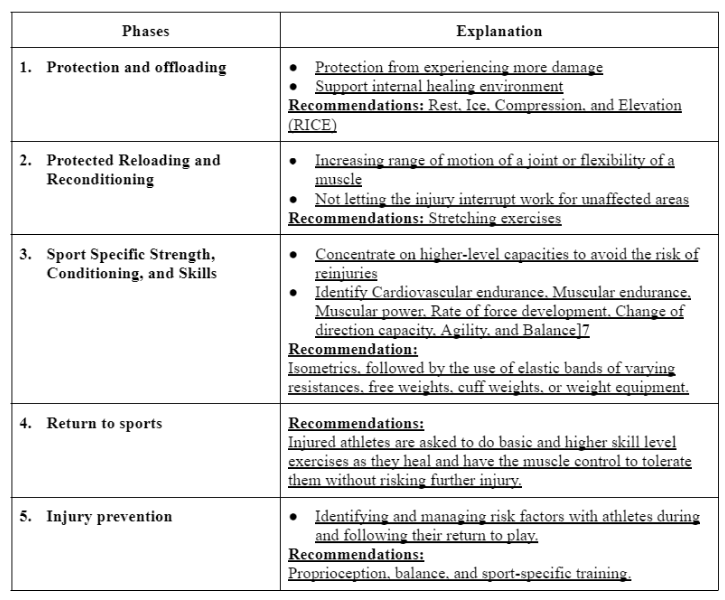
Phase 1: The first phase of recovery from injury or surgery involves immobilizing the injured body part (for example, a leg cast or an arm sling). Lack of movement will result in loss of muscle mass. Phase 1 may last for a few days or many months, depending on how serious your injury is.

Manage inflammation(can alter the bacteria that live in our gut, and that alteration has the ability to interact with our immune system and eventually trigger it in a way that leads to chronic inflammation) by eating foods that lower inflammation.
Addition of antioxidants : Free radicals are unstable atoms that can damage cells, causing illness. When in contact with oxygen , it can cause harm to the cells. Antioxidants prevents that by reversing the actions of these free radical
Manage weight by eating enough calories to help you heal but avoid weight gain. Wound healing after surgery, walking on crutches, and physical therapy all require a lot of energy (calories). However, you still may need fewer calories than when you were training and competing every day.
Foods That Lower Inflammation
Phase 2: Rehabilitation progresses during the second phase of recovery. This may be a slow process, but following the nutrition goals for this phase can help you recover and return to sports participation.
Vitamin C and Zinc
While all nutrients are important in healing, vitamin C and zinc are superstar nutrients for their roles in healing. Vitamin C is needed to make collagen protein, repair tendons and ligaments, and heal surgical wounds. Citrus fruits are high in vitamin C but don’t overlook other sources of vitamin C, such as strawberries, kiwifruit, baked potatoes, broccoli, and bell peppers.
Zinc is a mineral in animal foods such as meat, fish, poultry, and dairy. Zinc is also found in whole-grain bread, cereals, legumes (dried beans and peas), and nuts. It is better to get zinc from foods than supplements. High-dose zinc supplements can cause nausea and vomiting.
Calcium and Vitamin D
Calcium and vitamin D are nutrients associated with healthy bones, so if you have a bone fracture or a stress fracture, get plenty of these nutrients to strengthen your bones. The best sources of calcium and vitamin D are low-fat dairy foods. Fat-free (skim) milk has slightly more calcium than full-fat or low-fat (1%) milk and is fortified with vitamin D to help your body absorb calcium. Yogurt, a good source of calcium, is not always fortified with vitamin D, so check the nutrition label to ensure you are getting vitamin D. Green leafy vegetables are also a good source of calcium.

Athletes with increased collagen intake are found to have lower rates of joint, ligament, and ankle injuries compared to athletes who don’t take collagen supplements regularly. Consumption of Vitamin C-rich food is equally important to promote the body’s natural production of collagen
One can reduce the risk of injury by 100% when they get adequate amounts of Vitamin D, compared to athletes who do not get enough of the vitamin. Athletes can lower the risk for stress fractures and soothe musculoskeletal pain by increasing their consumption of Vitamin D-rich food like egg yolks, fatty fish, etc.
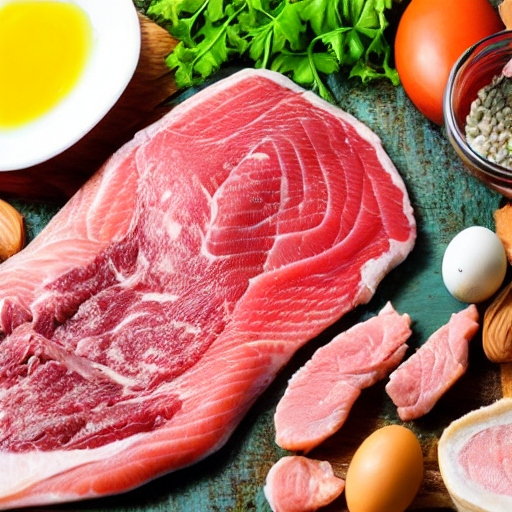
Omega-3 is a type of polyunsaturated fatty acid that comes packed with many health benefits. It can help athletes defend and recover from concussions and enables muscles to react faster. They also help synthesize stronger muscles and prevent muscle loss, which in turn helps you hold away fatigue longer and prevent overuse injury. Unfortunately, our bodies cannot produce Omega-3 on their own, which depends on our diet for adequate intake of healthy fatty acids. Athletes can hit the recommended dose by eating fatty fish such as mackerel, salmon, and herring. However, supplements can be just as effective, as seafood may not be easily accessible for some.
Athletes, especially women and those trying to maintain weight-class, may not eat enough due to strict dietary limitations. However, eating as much as you’re burning is important to avoid injuries such as ACL tears. Meeting your caloric needs also helps your body retain muscle mass. When your body doesn’t get enough calories, it enters a catabolic state. This means that it starts breaking down your muscles to get the energy you need. Weaker muscles can lead to an increased risk of overuse injuries.

Concussion: Early nutrition is key in concussion recovery. As soon as the decision has been made to remove the athlete from play, provide a protein-rich snack. When patients received at least 50 percent of their total energy expenditure and 1 to 1.5g/kg protein, outcomes were better than when they received less calories. Bonus: Omega 3s may also build muscle mass and strength as the athlete returns to full participation. Encourage the athlete to increase their intake of Omega 3-rich foods (salmon, mackerel, flaxseeds). Many athletes consider taking a fish oil supplement at this time.
Bone Injury: Athletes who are recovering from a fracture should aim for 1,500 milligrams of calcium each day. At this recommendation, an athlete could consume the following in one day. If vitamin D levels are not optimized, now is a good time to ask about ordering labs and correcting any deficiencies. Vitamin K2 also plays a critical role in bone healing. When vitamin K2 is activated, it allows osteocalcin to draw calcium into the bones. Food sources of vitamin K2 include egg yolk, chicken, and beef. Athletes should also ensure adequate intake of phosphorus and magnesium.
Tendon and Ligament Injury: It has recently been shown that the following protocol may positively impact tendon and ligament health: Consume 15 grams of gelatin and 50 milligrams of vitamin C one hour before training.8 This can be achieved by combining two food-grade gelatin packets with 8 ounces of vitamin C-rich juice. Copper is also a key nutrient for tendon health and can be found in cashews and kale
Oro-Facial Injury/Surgery: Oro-facial injuries may require the athlete to alter the texture of their foods to make them easier to eat. Under-fueling and weight loss are common with these injuries, as it is easy to accidentally eliminate food groups and nutrients that are key for healing. Use the Oro-Facial Injury Food Recommendations chart above to coach athletes to eat from each group.

Any individual who must have read about or may have stumbled upon TMAO may be wondering what TMAO is? How is this compound produced in this body? Similarly, which food product consumption makes our gut microbiota produce TMAO? Is this compound safe for humans? And its long term effects?
TMAO (Trimethylamine-N-Oxide) is an organic compound which is produced by oxidation of TMA (Trimethylamine) by Flavin monooxygenase in the liver 1.
TMAO (i.e Trimethylamine-N-Oxide) is an organic compound of the amines family which is quite small in size. It is generally found in the tissues of various marine organisms and its presence is also detected in humans as well. This compound is produced from its precursor TMA (Trimethylamine) by its oxidation by the enzyme Flavin monooxygenase that’s present in the liver
.webp)
The gut microbiota produces TMA from the following foods which are rich in Choline, Betaine and G-butyrobetaine.
Studies which have been conducted on mice have shown that consuming foods rich in Choline, Betaine and G-butyrobetaine increases the risk of development of atherosclerosis, and chronic heart diseases. As it was shown in the study TMAO played a role in lipid metabolism 1.
TMAO and heart diseases go hand in hand. Researchers have found high levels of Choline and betaine, which are precursors for TMAO, in people undergoing diagnostics of coronary artery disease or are already suffering from heart diseases 1. However, during the inflammatory process the inflammatory enzymes which are found in our system generally release the choline from phospholipids for the generation of phosphatidic acid which acts as a signalling molecule 2. Thus, it may provide a clue for the association between TMAO and heart diseases.
However, there are some loopholes in the claims which have been made regarding TMAO and heart diseases2. The studies which researchers conducted did not take into account the processing or the way in which the meat was consumed. The researchers did not take into consideration whether the meat which was consumed was boiled, whether the meat was fried with vegetable oil, whether participants were smoking or not, similarly the participants indulged in exercises or not, similarly if they consumed refined flour in the form of bread from the hot dogs and all 3.
Similar to the studies which were conducted above, a study was also conducted by researchers to assess the clearance of TMAO in humans. However, the foods which were fed to the participants were already contaminated with TMA and this contamination led to excess excretion of TMAO through the urine 2. Leading to the blame on food products which are mentioned above as the culprits.
Even some other studies found the same kind of results which is mentioned in the above paragraphs, however, the TMAO excretion was seen to be higher after seafood consumption which already has TMAO present in them. One theory that Chris Master John has put further is that since the Kidneys are efficiently excreting TMAO through urine, then how it can lead to accumulation in the blood and lead to heart diseases?.
Thus, thinking that TMAO and heart diseases are correlated would be pretty much early to accept this. As mentioned in some studies those who consume fish would be at higher risk of heart diseases, and in reality, these people are pretty much free of heart diseases 2. Further, it may indicate that TMAO is safe for consumption in the long run.
https://doi.org/10.3390/toxins8110326

To add another layer of complexity to the issue, human sweat contains far more than just water. Electrolytes (electrically charged ions such as sodium, potassium, calcium, and magnesium) are also lost and must be replaced along with the fluid. While many electrolytes can be obtained from the food we eat, there may be advantages to replacing them during exercise as well; most notably sodium, which may be considered the most important electrolyte to replace during periods of heavy sweating.
The importance of proper hydration and electrolyte balance to performance cannot be underestimated, and these materials can be thought of as the foundation upon which everything else is built.
Devil is in the detail: There are numerous variables to consider, the most important of which are the quality of the water and the balance and quality of electrolyte replacement.
When undergoing a rigorous training programme or competing, there is a significant drain on body stores of vital electrolytes to ensure that the level of resistance can be maintained for as long as possible.
The metabolic waste products will be expelled through perspiration, breathing, urination, and defecation, resulting in thirst - the need to replenish the water and electrolytes used in energy creation.
Dehydration compromises cardiovascular function by decreasing blood flow to muscles and cardiac output. The resulting increase in heart rate causes a decrease in stroke volume. Hypovolemia hampers an athlete’s thermoregulation. The more hyperthermic an athlete is, the greater their work capacity decreases.
Low blood volume, from dehydration, also thwarts oxygen and glucose transport to muscle cells. At just a 2% loss in body fluids, an athlete’s performance is impaired. Fatigue and performance impairment caused by dehydration can cause athletes to compromise their physical mechanics. Therefore, not only does dehydration impair performance, it indirectly raises an athlete’s risk of injury and directly raises their risk for heat-related illnesses.
Hyperhydration: Equally important to performance and hydration is ensuring an athlete does not drink more than their fluid and electrolyte losses. When serum sodium levels are diluted to less than 130 mEq/L, intracellular swelling occurs and alters central nervous system function.
This is labelled symptomatic hyponatremia and can occur when athletes drink in excess of their fluid losses, deplete their extracellular fluid sodium by heavy sweat loss, or a combination of high fluid intake and excessive sweating. Hyperhydration has no beneficial exercise performance effects.
Symptomatic hyponatremia and dehydration are negatively associated with exercise performance.
These electrolytes are mostly bound to chloride, bicarbonate, sulphate and phosphate ions.
-> Balance is unique to the person in question. Despite significant physiological similarities, we are all biochemically unique.
Some athletes will require more electrolytes than others.
Recognising that electrolytes play distinct physiological and psychological roles at the cellular level has led many sports nutritionists to advise athletes to pay close attention to their diets and consume as wide a variety of fresh fruit, vegetables, naturally grown grains, and reared meats and fish as possible.
Drinking in excess before exercise can have the opposite effect desired: gastrointestinal issues and impaired performance 1.
Choosing liquid fuel reduces gastric emptying time and residual intestinal load, which may be advantageous for nervous athletes or athletes who need to "make weight" before the competition 1.
Maintaining proper hydration by drinking during exercising has the greatest beneficial impact on the performance of any single nutritional intervention 1.
It may be sufficient to use bodyweight change data to identify athletes with exceptionally high sweat volume losses and to monitor them during longer, hotter, or more intense training sessions and competitions. These athletes may benefit from having access to more fluids than other athletes.
Precaution: Telling athletes with higher sweat loss how much to drink or forcing them to replace their losses as quickly as those with lower sweat rates may cause more harm than good, especially if their losses exceed the stomach's gastric emptying rate.
Making sure athletes refuel their depleted energy, fluid, and electrolyte stores after competition or practice is part of ensuring they are properly fueled for their next practice or competition. This may take up to 24 hours. Rapid muscle glycogen repletion is especially important after exercise if an athlete must exercise more than once in 24 hours. The body recovers best when an athlete begins refuelling as soon as they finish exercise 1.
Despite their efforts to replace fluids, athletes are frequently mildly dehydrated after exercise. This can impair subsequent exercise performance 1.
Although an exact sodium recommendation has not been developed, the evidence is clear regarding sodium's role in encouraging plasma and total body rehydration through increased sodium intake 1.
It may be beneficial to select fluids with flavour and sodium. This encourages athletes to consume more fluids.
Learning what works for your own body and exercise habits, using a combination of scientific knowledge, recognising thirst sensations, and good old-fashioned trial and error, are probably the best ways to discover what works for you or the athletes you work with.
"Some athletes have been measured as loosing as little as 2.3 grams of sodium during a 4.5 hour training session, with others losing 30 grams during the same time period."

We are in a technological golden age where we’re living the most comfortable life that humans have ever experienced. But regardless of all the innovation in medical field, we’re unable to address one fundamental question that affects us all.
Why are cases of chronic diseases increasing at such an unprecedented rate?
Perhaps, upon closer introspection we find that the reason lies within the name itself. Chronic diseases, often referred to as “Chronic Lifestyle Diseases” originate from the bad lifestyle choices we make in our daily life.
Lifestyle decisions like staying indoors most of the time, not exercising, sedentary work, ingesting toxin-rich food, usage of plastics, etc. are major contributors to the problem.
Fixing these basic lifestyle habits, replenishment of nutrients and detoxification would result in eradication of most of the Chronic lifestyle diseases from their root cause, such that they would never return back.
Finding the Why and then working on fixing it will help you more than finding a temporary solution.
This is the foundation of Functional Nutrition.
We’re aware that most chronic diseases originate from a bad lifestyle, but instead of fixing the lifestyle and replacing current diet with nutrient-dense healthy foods, we turn to pharmaceutical drugs for quick solution.
New technological inventions have been adopted as a part of conventional medicine treatment and are doing some stunning things with the potential to fight cancer, reattaching limbs, to name a few.
These technical approaches, however, might not be the best ones to cure or treat a chronic disease because more than 85% of these are caused by poor lifestyle and dietary behaviors.
The conventional medical system that the world uses right now is based around symptom suppression. It does not fix the root cause of the problem and hence the disease keeps on coming back.
It uses a very mechanistic approach. Conventional medicine does not see an individual human as a whole and thus does not consider his/her physical, psychological, social and spiritual make-up. The patient presents his body to the doctor as he would his watch to a watchmaker or his car to a mechanic so the expert can fix, add, remove, replace, tighten, loosen, adjust or recharge whatever piece needs work so that the machine functions as it should.
Functional Nutrition can be understood by the following analogy:
Functional nutrition says a normal boat should not fill up with water, so we find the leak and fix it. The boat is then normal again.
The boat can have multiple leaks in multiple locations, different boats can have different kinds and sizes of leaks. No matter what the problem is, we can find and fix it.
Which means with functional nutrition, the path taken is clear; that is to first figure out the problem, then find the cause of its origin and then fix it so that it’s gone forever.
Functional Nutrition places a strong emphasis on the way of eating for each person to regulate the normal function of his/her body. Our connection with food is realigned. Our body starts to restore its capacity to recover from a sickness or injury with an increase in the intake of fresh, pure, uncontaminated, organic food. It significantly boosts both our satiety and energy levels.
That is, we learn to use food as our medicine. Read more here
Highly personalized and patient-specific
No two people have the same fundamental make-up. Which is why there shouldn’t be a common healing approach for multiple people. Functional Medicine takes this into account and every protocol is designed around patient’s unique set of health circumstances.
Focus on Holistic Healing
Functional Nutrition is a one-on-one partnership between the patient and the practitioner where the practitioner figures out the cause of diseases based off inputs given by the patient.
An upgrade over conventional medicine
Functional Nutrition does not disregard conventional medicine completely, rather it addresses and improves all the flaw that the current system has.
An alternate route to great health
It focuses on prevention through combinations of therapeutic and healing food, nutrient supplements or botanical medicines, detoxification programs, and/or stress-management techniques.
Becoming a Functional Nutritionist has no specific prerequisite. One key trait of a good Functional Nutritionist is a passion for healthy living and a desire to help your community do so too.
In our experience, ANYONE with an aspiration and enough dedication can become a Functional Nutritionist. We’ve trained people from banking, arts and even IT backgrounds to become world-class Functional Nutritionists.
As of now, the only recognized Certification for Functional Nutrition is issued by iThrive because we are a part of Indian Association of Functional Medicine Practitioners and the only online Functional Nutrition course in India.
Functional Nutrition is the future of healthcare, not because it’s new or fancy, but because it brings us back to the foundation of what healthcare should be about — the needs of the person.
Being a Functional Nutritionist in India today is like being a developer before the dot-com boom. Functional Nutrition has arguably the highest potential in the entire health industry. In India alone, Functional Nutrition is projected to cross over $4 Billion market cap within the next 5 years.
For people who are currently working as Nutritionists, getting a Functional Nutrition Certification would enable them to charge a premium on their consultation fees.
Option for career in Functional Nutrition is not just limited to consultation, its knowledge empowers you to pursue your career as Content Creator, Research Associate, Product Development, Functional Nutrition instructor, practitioner to name a few. The possibilities are endless.
We are often approached by other Functional Nutrition companies who are looking to expand their teams and iThrive Academy Students always get the preference, therefore making iThrive Academy arguably the best functional nutrition certification program
iThrive also offers Internship to every Academy Graduate which helps them get first hand experience of the industry. This is further supplemented by the Coaching and Business Skill module included in the course that will teach you to handle and satisfy clients and utilize your skills to the maximum.
iThrive Academy is a Functional Nutrition teaching institute affiliated with its mother company iThrive - Healing and Beyond, a revolutionary health and wellness startup.
The iThrive Academy introduced an online certification course in Functional Nutrition for the first time in India and has since helped hundreds of people find answers to their health problems they couldn’t find elsewhere. It has also empowered many others to turn their passion for healing into a career opportunity and heal societies of people around them.
The Academy is a stepping stone towards iThrive’s vision of creating healthier, happier, lifestyle disease-free communities across the world every single day.


One of the best strategies to ensure a child's health and survival is to breastfeed them. However, the low rate of breastfed infants has not changed in the past two decades. For newborns, breastmilk is the best meal. It includes antibodies that prevent several prevalent pediatric diseases and is safe and hygienic. Breastmilk continues to supply up to half or more of a child's nutritional needs providing all the energy and nutrients that the newborn need for the first few months of life (1).
The majority of the human body is highly populated with various bacteria, viruses, fungi, protozoa, and parasites which are referred to as the Gut microbiome. The colon harbours most germs, yet the presence in other regions of the gastrointestinal system cannot be ignored. The microbiome is seeded and nurtured by helpful bacteria in breast milk until it is completely developed (2). In addition to preventing pneumonia and other common childhood infections, breastfeeding may also have long-term health advantages for both the mother and the child, such as lowering the risk of obesity and overweight in childhood and adolescence (3).
Every person has a distinct gut microbiota composition that serves a variety of important roles in the metabolism of nutrients by the host, the preservation of the structural integrity of the gut mucosal barrier, immunomodulation, and defence against pathogens (4). It takes a very long time for the human gut microbiota to form. The adult microbiota may partially reflect the history of exposure to bacteria and environmental variables in infancy (5).
Your body contains more bacterial cells than human cells. For millions of years, microorganisms have coexisted alongside humans. Microbes have developed to perform very significant roles in the human body during this time. In fact, it would be quite challenging to thrive without gut bacteria. The development of your microbiome impacts your body in various ways. They play the main role in digesting fiber, and breast milk, controlling your immune system and brain health (6).
One of the primary sources of bacteria in the gut of a breastfed infant is human milk, which contains between 105 and 107 bacteria per day for a baby. Some major bacterial species in the breastmilk are Lactobacillus, Staphylococcus, Enterococcus, and Bifidobacterium (7). The breastmilk also contains Human milk oligosaccharides, complex sugars unique to the human breastmilk. They do not provide any energy but instead act as prebiotics which are substrates for intestinal microorganisms to use during fermentation processes that encourage the growth or activity of good bacteria (8). Human milk and colostrum are rich sources of immune elements that guard breastfeeding newborns against infection. IgA, IgG, and IgM isotypes, as well as the secretory forms of IgA and IgM, are present in these maternal milk antibodies (3).
It is crucial to give your body the vitamins, minerals, and immunity required to prevent issues like brain fog, exhaustion, hair loss, and mood swings and to produce healthy breast milk. However, you might not be giving your child the ideal start in life if you don't have enough of the correct beneficial bacteria in your gut (9). Probiotics are live bacteria that offer health benefits, whether administered orally or physically to the body. They include fermented foods, dietary supplements, and cosmetics (10). Consuming a probiotic can promote your overall health, enhance your breast milk's nutritional value, and possibly aid in treating and preventing contagious mastitis. The most typical probiotic side effects are bloating, gas, and stomach discomfort.
Some natural probiotics, coconut milk curd, ACV with mother, and dietary supplements contain enzymes and good bacteria. Foods like eggs, beans, and lean meat, which are protein-rich, should be opted for while breastfeeding your infant (11).
In early childhood, where interventions that change the gut microbiota generate critical long-term effects, according to recent studies. Therefore, the composition of the gut microbiota and the newborn's metabolism may be key factors in the likelihood of developing allergic diseases. Breastfeeding plays a crucial role in shaping the gut microbiome in the infant's early life. Breastfeeding is good for both the mother and the baby. Mother's breast milk will alter as your child grows to match his or her nutritional needs. Additionally, breastfeeding can help you and your baby fight against several short- and long-term sicknesses and disorders.
REFERENCE:
.png)
Methylene blue is an organic chloride salt also known as Methylthioninium chloride. It has several chemical and biological functions. It is a salt that is used as both a dye and a medicine. The intravenous form of methylene blue is approved by the Food and Drug Administration (FDA) for the treatment of methemoglobinemia.1
It possesses antimicrobial, antioxidant, antimalarial, neuroprotective agents, antidepressant, and cardioprotective effects.2 Methylene blue, (trade name Rember) is an investigational drug being developed for the treatment of patients with Alzheimer’s disease.3
Other clinical applications of methylene blue include improvement of hypotension, an antiseptic in urinary tract infections, treatment of hypoxia, and neurotoxicity.4 It is also used as an acid-base indicator, fluorochrome, and histological dye.5
The severity of Covid-19 is influenced by pneumonia, myocarditis, ARDS, and inflammation. Here, the body responds fast to pathogens by eliminating its own immune cells. To fight pathogens, bronchial, alveolar, and endothelial cells release a lot of unstable molecules known as free radicals (ROS and RNS). The RNS released can damage our own proteins, lipids, and nucleic acids6. The production of these unstable molecules increases during viral infection which activates inflammation-related genes, driving the inflammatory response.
Coronavirus binds to ACE2 receptors to gain entry into lung cells. The study conducted in the United States, suggests that Methylene blue can inhibit the viral attachment and entry of SARS-CoV-2 with ACE2 on the lung cells7. When immune cells come into contact with infections, they produce secretory proteins called cytokines, sometimes known as pro-inflammatory cytokines. These cytokines help remove infectious particles from the body, reducing damage. If the immune system's response is abnormal, it might lead to severe disease if it is not addressed8.
The increased generation of cytokines and unstable molecules during COVID-19 causes widespread organ failure. Treatments that target a single cytokine appear to be ineffective because there is a storm of unstable molecules. Despite this, research has shown that Methylene blue is a promising medicine for treating the storm of unstable chemicals.
Methylene blue blocks the synthesis of unstable molecules (ROS and RNS). It is also seen in inhibiting the production of cytokines by reducing the amplitude of signals which activates inflammatory factors. However, since it is impossible to reverse tissue destruction that has already developed, it is essential to start treatment early. It is advisable to have a daily oral dose at early symptoms of COVID-199.
Methylene Blue was till now known mainly as a dye but is now entering the field of cardiac surgery and critical care as a very important therapeutic agent with diverse applications. Methylene blue is a safe drug when used in therapeutic doses (<2 mg/kg). But if high dose of this salt is consumed, tt can cause toxicity in the body. High doses can cause cardiac arrhythmias, decreased cardiac output, and renal blood flow10. It has been seen to interact with serotonin uptake inhibitor drugs resulting in serotonin toxicity11. It can also interact with drugs such as dapsone to treat skin infections resulting in hemolysis12. Neonates are more prone to the side effects of methylene blue. It causes respiratory distress, bluish discoloration of skin and urine13.
Methylene blue is thought to have a protective effect against coronavirus. Although it has positive advantages, it is also linked to negative effects on patients. It is necessary to conduct research on the appropriate dosage of methylene blue that can provide good effects while reducing negative effects. Because methylene blue has been demonstrated to be beneficial in a variety of therapeutic situations, more research is needed to see how the negative effects can be reduced. As a result, Methylene blue can be employed to treat a variety of disorders.

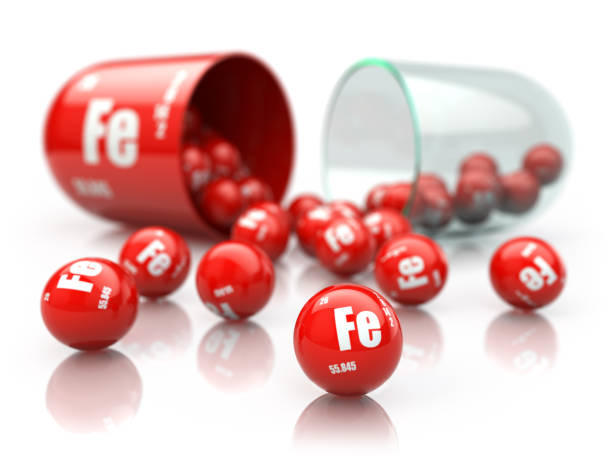
Iron is a very important mineral and is denoted by the symbol ‘Fe’. It is an essential component of the protein, hemoglobin, that is present in the red blood cells. Hemoglobin helps transport oxygen from your lungs to every area of your body. When iron levels go down, the red blood cells necessary to transport oxygen decreases resulting in fatigue. All of the cells in the body receive oxygen mainly through hemoglobin.
Myoglobin, a protein that transports and stores oxygen especially in muscle tissues, also contains iron as a component. Children's healthy brain growth and development, as well as the appropriate formation and operation of numerous cells and hormones, depend on iron. So essentially, iron is necessary for human growth and development.
Iron is transported throughout the body via transferrin and is stored in the body (in the liver, spleen, muscle, and bone marrow) as ferritin. Ferritin is a protein in blood that binds to iron. If anemia is suspected, a doctor may occasionally examine the levels of these two substances in the blood (4)
Dietary Iron Comes In Two Forms:
Iron deficiency affects many people, particularly women as a result of their perimenopausal loss of iron and increased requirements during pregnancy and lactation. Women are more susceptible to iron deficiency anemia than males. Anemia caused by a lack of iron during pregnancy can have disastrous effects. Some studies discovered that severe anemia can double the mother's risk of passing away. Iron deficiency anemia can, in less severe cases, cause premature labor, low birth weight, and impaired brain growth in infants.(7)
In reality, the most prevalent mineral deficiency in the world is an iron deficiency. Iron deficiency is more likely in people whose diets include little to no heme iron. (1)
The Recommended Dietary Allowance (RDA) for individuals aged 19 to 50 is 8 mg for men, 18 mg for women, 27 mg during pregnancy, and 9 mg during breastfeeding.
Due to blood loss during menstruation and increased blood circulation needed during pregnancy, women need larger quantities of these substances. Teenagers between the ages of 14 and 18 who are actively growing also require more iron: 11 mg for boys, 15 mg for girls, 27 mg for pregnant women, and 10 mg for lactating women.
With the understanding that menopause has resulted in the end of menstruation, the RDA for women 51 years and older is reduced to 8 mg. It should be emphasised that some women experience menopause later than others; therefore, until menopause is established, they should continue to follow the RDA for younger women. (4)
Most biological processes in the body require iron, and the bloodstream is one of them. In addition to being present in numerous over-the-counter and unregulated supplements, iron is found in meats and some vegetables.
Either acute or gradual iron toxicity is possible. Accidental overdoses, prolonged usage of supplements at excessive levels, or chronic illnesses involving iron overload can all lead to major health issues.
Stomach pain, nauseousness, and vomiting are some of the early signs of iron toxicity. The extra iron builds up over time in the body's internal organs, potentially killing the brain and liver.
Long-term consumption of high-dose supplements may progressively result in symptoms resembling iron overload, which is covered in more detail below. (5)
Iron overload, also known as hemochromatosis, is a condition where the body retains too much iron. Usually, it is genetic. Your heart, liver, and pancreas could all suffer serious harm as a result. Although the disease cannot be prevented, organ damage can be avoided, slowed down, or even reversed with early identification and treatment. (1)
Men usually don't show signs or symptoms of iron overload until they're 40 to 60 years old, and women usually don't until after menopause. Fatigue, joint pain, stomach ache, and a decrease in sex drive are among early warning signs. Arthritis, diabetes, liver illness, irregularities of the heart, and skin pigmentation are examples of later symptoms. (6)
Treatment and early diagnosis are crucial. If blood and urine tests are delayed, they may not be accurate for diagnosis, especially tests to evaluate iron levels.
Typically, a diagnosis of iron poisoning is made based on the patient's medical history, present symptoms, the level of acid in their blood, and the amount of iron in their body.
People should be sure to inform their doctor of all current prescription drugs and dietary supplements they are taking before getting a diagnosis. Because some supplements, like vitamin C, might boost the body's absorption of iron. That is why full disclosure is essential. (3)
People appear to be more prone to infection when they have either iron overload or iron deficiency. According to several studies, taking extra iron supplementation may make infections more common and more severe.
There are two causes for this.
Iron supplements should only be chosen wisely for patients with a high risk of infection. It is important to consider all possible risks. (1)
Bottomline:
In conclusion, iron can be harmful in large doses.
Normally you do not need to be concerned about receiving too much iron from your diet unless you have an iron overload disorder. The use of iron supplements is a different matter. It helps those who are iron deficient but could be harmful to those who are not. Avoid taking iron supplements unless your nutritionist or other healthcare provider advises you to.
References:

The blog covers functional nutrition, chronic conditions, gut health, hormonal health, autoimmune conditions, sleep, mental health, and root cause analysis. Every article is written to help you understand what is actually happening inside your body, not just manage symptoms.
All articles are written by the content writers in collaboration with iThrive's clinical team of functional nutritionists, guided by the same methodology used in the ALIVE programme. The content is rooted in functional medicine and real clinical experience, not generic health advice.
No. The blog is an educational resource to help you understand your health more deeply. If you are experiencing symptoms or managing a chronic condition, a personalized Root Cause Analysis with a functional nutritionist is the right next step.
Book a Root Cause Analysis. For ₹2,500, a dedicated functional nutritionist will assess 60+ blood markers using optimal ranges and explain exactly what is driving your condition. It is the natural next step after reading about what might be happening in your body.
Yes. Many of our readers come with existing diagnoses and find the blog helps them understand why their condition developed and what their body actually needs. The articles are designed to give you clarity, not replace the guidance of a practitioner.