Articles to help you understand, manage, and improve your health.
Trending Post
Festive
Autoimmune Condition
Unexplained Symptoms
Mental & Brain Health
Root Cause Analysis
General Health
Digestive Health
Hormone Health
Mental Health
All Blogs
Supplements
All Blogs
read count
read time
General Health
Nov 9, 2022
Average is Not Optimal- Why Functional Medicine Test Marker Ranges Differ from Conventional Medicine
We show you why it is that reference ranges for blood markers differ in functional medicine from that in conventional medicine, and why it matters.
What Is The Purpose of Disease Diagnosis?
We answered this question in a past article of ours on diabetes diagnosis [1]. Quoting from the article:
“When a specific blood marker(or any other test) exceeds a specific cut-off, we assign an official disease diagnosis. This is because when the diagnostic criteria for a disease are fulfilled, it means the patient is at risk for experiencing certain known symptoms or is already experiencing them and it is happening due to a certain known condition which is supposed to be the disease. Hence, the best diagnostic test is one that is best able to predict and correlate with symptoms. That is the purpose of medicine.”
So how well has medicine been serving its purpose in the conventional system?
Have you or anyone else you know suffered from debilitating chronic health issues only to be informed by your doctor that all your tests look normal and there is nothing wrong? This is increasingly common today.
1. “It’s all in your head”
The next step usually is one of subtle gaslighting. In the absence of physical issues, the symptoms are deemed psychosomatic and you’re referred to a psychiatrist who will then prescribe antidepressants. Often physicians will hand out these psych drug prescriptions themselves. Almost half of antidepressant prescriptions handed out each year are for conditions other than depression, a study published in JAMA found [2].
“In my practice and experience, we have found that antidepressants help with a lot of conditions including irritable bowel syndrome, bulimia, and even anxiety,” says Niket Sonpal, M.D., assistant clinical professor at Touro College of Medicine in New York City [3].
The use of antidepressants for a variety of issues makes sense in some ways, says Dr. Sonpal.
“The mind-body connection is] so much stronger than we estimate and frankly even understand,” he says. “There is interplay of our brain, mood, and disposition with the rest of our body”.
Dr. Sonpal is right about that. Knowing what we know about the mind-body connection and the gut-brain axis, it’s easy to see why psychological drugs might help with physical conditions.
But “helping” isn’t curing. The use of antidepressants in this way might serve the conventional medical system well, that for most chronic disease conditions, only just helps to manage the symptoms of the disease only. But functional medicine believes in extensive testing and analysis to uncover the root causes of diseases and reversing them for a permanent cure.
2. Names for the unknown: “It’s not in your head. We have a name for it in our textbook now”
The number of cases of chronic disease conditions that conventional medicine is unable to explain was probably getting a little too high. This, perhaps is the reason behind the emergence, in the last couple of decades, of many new diagnostic labels based purely on symptoms only. With no causative mechanisms identified.
It’s always been a characteristic of conventional allopathic medicine to assign more and more disease labels to chronic health dysfunctions. This has only increased recently with many “syndrome”-type disease diagnoses which are basically nothing but a collection of commonly associated symptoms for which there is no officially recognized cause. Treatment often involves trial and error with a fixed set of drugs allocated for the condition.
From the article, ‘Disease, Diagnosis or Syndrome?’ in BMJ Journals, 2011 [4]:
“Medical terminology of diseases, diagnoses and syndromes is inherently imprecise. Careless nomenclature causes confused dialogue and communication. Symptoms of uncertain cause are commonly lumped together and given a new ‘diagnostic’ label which also may confuse and produce false concepts that stultify further thought and research. Such medicalisation of non-specific aggregations of symptoms should be avoided. The defining characteristics of diseases and diagnoses should be validated and agreed. The pragmatic diagnoses of ‘symptom of unknown cause’ or ‘non-disease’ are preferable to falsely labelling patients with obscure or non-existent diseases.”
This approach of the conventional system to use so many diagnostic labels might seem ironic given that they actually use fewer diagnostic tests. It’s in stark contrast to the approach of functional medicine- more testing, fewer labels. Functional medicine runs many times more tests on clients and does not have any extensive system for labeling diseases.
But if you think about it’s not ironic and actually makes sense- since, in functional medicine, there is such a high amount of data on each client including many different variables and markers, it becomes more difficult to push every case into pre-defined disease boxes the way that conventional medicine does. The functional approach is highly bio-individualized- we recognize that each case is complex and unique. Symptoms and test data usually reveal the presence of multiple health conditions to varying degrees. More extensive testing helps us identify the root causes instead of the downstream effects the patient experiences as symptoms. This is how functional medicine is able to permanently reverse complex chronic conditions.
A lot of the nomenclature that functional medicine(and other holistic practices such as integrative medicine) does utilise- such as Leaky Gut, SIBO(small intestine bacterial overgrowth), and Adrenal Fatigue revolves around causative agents rather than symptom presentation. Conventional medicine refuses to recognize any of the aforementioned terms.
3. “We’ll suppress it with drugs”
Conventional medicine misses out on problems occurring in the body because their testing is inadequate and data analysis is not properly formulated. We go into the details of this later, but it is important to note that even when they do get it right and provide an accurate diagnosis, it’s in no way a home run. But far from it. Because it still does very little to help the patient. Because as we mentioned above, the conventional treatment for chronic disease conditions only involves suppressing symptoms with drugs. Statins to lower high cholesterol, metformin to reduce high blood sugar, antacids and PPIs to control acid reflux, steroids to suppress autoimmune conditions, sedatives to control anxiety, antidepressants for depression- the list is endless.
So Why Do The Assessment Ranges for Tests Differ Between Conventional And Functional Medicine?
The conventional system is surprisingly unscientific when it comes to this aspect of medicine. We know it’s common for the scientific process to often be corrupted and not properly adhered to in mainstream medicine. But the reason we say” surprisingly unscientific” here is because there isn’t even an imperative to follow the scientific method here. The standard practice for assigning assessment ranges for tests in conventional medicine is by formulating an average value from the collected test data in diagnostic laboratories. So the assessment range we see is the peak of the bell curve that forms upon plotting the frequencies of result values across the entire range [18][19][20][21][22].
What they’re basically assuming is that the average value is the optimal value. Which is obviously a flawed approach. Consider, for example, if you take a certain group of people and expose them to a particular known health stressor, say a low dose of mercury(a toxic heavy metal). Some people in the group would start to exhibit symptoms. When you test mercury exposure levels in the group it would be high on average. Now, to say that this high level is okay because everyone in the group has these high levels is obviously incorrect.
The above isn’t a hypothetical example: the Minamata disease(originating in Minamata Bay in Japan) in the 1900s in Japan saw thousands among the fish-eating coastal population in Japan suffer from neurological impairments due to mercury poisoning through the industrial wastewater from a chemical plant. Mercury toxicity is now a global problem. The WHO estimates that among fishing populations of the world, mercury poisoning might affect as high as 1.7 percent of children [17].
Similarly, in mostly vegetarian populations in developing countries like India, we find very low B12 levels. Again, that does not mean the low levels are adequate.
Average of a Sick Population
In our modern urban lives today, we are all exposed to a vast amount of health stressors-toxins in our air, water, and food, EMF radiation, and our stressful modern daily routines, just to name a few. All of this has been a rapid development only in the last 10,000 years or so. Compared to the 2.5 million years before that when we followed our hunter-gatherer lifestyles. We haven’t evolved to adapt to all of these health stressors and they affect all of us adversely to different degrees and are responsible for almost all modern-day chronic diseases we see today. Because of this, the statistical population average of most of our health markers is far from optimal.
You might think that functional medicine has an impractical model because in today’s environment, perfectly optimal health markers are not possible.
We do understand that it’s not possible. And we don’t necessarily aim to get every single marker within the optimal range for every individual. But to say that sub-optimal ranges are all okay and that there are no physiological issues with an individual presenting with sub-optimal health markers(which is what conventional medicine does) is a problem. This is exactly why and how so many individuals suffering from chronic health issues have all their tests come back as normal.
The reason conventional medicine allows for sub-optimal ranges to pass as okay is because having sub-optimal markers do not cause major noticeable issues in the majority of the population. It’s only a small minority, the canaries in the coal mine, who suffer.
Health stressors affect different people to different degrees, causing noticeable problems only in a few. The functional medicine approach to treat these cases is by trying to undo the effect of health stressors on the body as far as possible, in order to alleviate disease, and or improve the person’s health. Our bodies have an amazing ability to heal themselves- when the underlying chronic health stressors are removed, the failing organs heal back. Often support in the form of nutrient therapy or herbs and supplements is required. This is what functional medicine aims to do. What we see as chronic disease symptoms are most often the end result of a long-term domino effect that begins with health stressors.
As mentioned, we don’t necessarily aim to get every single marker within the optimal range for each individual but the more advanced optimal assessment ranges along with the larger number of markers help identify root causes or dysfunctions in the body at an upstream causative level.
With recent advances in medical science in the field of epigenetics and gut microbiome, we can actually identify exactly what it is that causes some individuals to have adverse reactions to particular health stressors but not others and initiate treatment to make changes to the same.
Healthcare vs Sick-Care
Even in individuals who may not be exhibiting any symptoms, sub-optimal markers are indicative of a high risk of future diseases. Thus warranting preventive healthcare interventions. Instead of telling the patient that everything is normal and there is nothing to worry about.
This is the reason functional medicine markers tend to be narrower. Conventional medicine waits till the condition has progressed far enough to be diagnosed as a disease state.
“Functional ranges define the parameters of good health while lab ranges define the parameters of disease.”[18]
It gets worse
So, the fundamental point of difference between conventional and functional ranges is that the former is derived by taking the plain statistical average of all results available at diagnostic laboratories- the peak of the bell curve, as we mentioned earlier. While our current modern society as a whole is quite unhealthy and far from optimal, what makes matters much worse is that the people who do go to labs and get tested are most often people who are sick. Ones suffering from one or more issues which is why they’re getting tested. So the average value we see is not even the true average of the entire population, but actually from the more sick section of the population!
Lab ranges also vary from region to region in most countries. All of this just goes to show how unscientific the entire process is.
Functional medicine ranges, which are the optimal ranges, on the other hand, are obtained by extensive research with the test markers to find out what values correspond with the best health outcomes and what values correspond with increased incidence of any health problems or mortality.
The above approach is adopted to an extent by conventional medicine as well, for a few test markers of notable importance such as blood sugar and cholesterol levels. But even so, they still tend to be biased toward the average value instead of what the research really shows as optimal.
To demonstrate what we are talking about we will now go through 3 examples of blood tests whose assessment ranges differ in functional and conventional medicine, and attempt to analyze why the differences occur.
1. Fasting Glucose
Conventional range:65(or 70)-99 mg/dL, 100-125 mg/dL is “pre-diabetic” and >125 is diabetic
Functional range: 82-88 mg/dL
Fasting glucose is often used in isolation by conventional doctors to diagnose diabetes. We don’t think this single marker is significant enough to base the entire diagnosis upon. For testing an individual’s blood sugar management ability, we think tracking blood sugar over an extended period of time using a continuous glucose monitor or repetitive blood sugar testing is most effective. Other markers like HbA1C are better options as well. For metabolic health in general, serum insulin, triglycerides, HDL-to-LDL and HDL-to-triglycerides are good markers.
Fasting glucose, by itself, though can be helpful in predicting certain health issues like insulin resistance and cortisol dysfunction. Based on all the current literature, the upper range of 99 followed by conventional medicine is too high. There are many studies showing that a higher fasting glucose, within the current conventional upper range of 99, is associated with significantly higher rates of cardiac issues and diabetes onset [6] [7] [8] [9] [10] [11].
We do see some acknowledgment of the above-cited research in the mainstream literature and there is some hope that the upper range may be lowered to 90 mg/dL in the future, especially considering the urgent need to address the skyrocketing rates of metabolic disease prevalence globally today.
From an editorial article titled “Doctor, Is My Sugar Normal?” in the New England Journal of Medicine in 2005:
“Fasting plasma glucose levels in the high-normal range (91 to 99 mg per deciliter) in young men and women warrant counseling with regard to weight and lifestyle, as well as an assessment of the lipid profile. Markers of future disease are always very useful when prevention is possible. There is ample evidence that this situation is true in the case of diabetes. “Yes, your glucose level is normal, but let's do something about that weight and your sedentary lifestyle” is too frequently the most appropriate response to the question, “Doctor, is my sugar normal?” [12]
It used to be worse before, until 1998, when the conventional upper range(for diabetes diagnosis) was brought down from 140 mg/dL to 125 mg/dL by the American Diabetes Association.
While there isn’t much research on the lower threshold, we find the current value of 70 to be too low. This is based on our clinical practice where we often find patients suffering from hypoglycemia symptoms like anxiety, tremors, brain fog, palpitations, dizziness, etc in patients with fasting glucose in their 70s. Once fasting glucose is brought up to the 80s through nutritional interventions, symptoms disappear.
A study which analyzed medical data from 40,069 people found that individuals with fasting glucose below 70 mg/dL had a 3.3 times higher risk of death from cardiovascular disease and those with fasting glucose in the range 70-79 mg/dL had a 2.4v times higher risk.[5]
High Fasting Blood Sugar Can Be Healthy: Context Matters
The example of the fasting glucose marker is also a good one to demonstrate why the kind of bio-individualized approach that functional medicine follows that takes into consideration the person’s diet and lifestyle is important. Fasting glucose is typically much higher for individuals who are adapted to a low-carb-high-fat eating pattern. This is because their metabolic system is uniquely adapted to using fat for fuel instead of sugar which results in their fasting glucose levels being elevated naturally without it being pathogenic [5]. This is important to consider as low-carbohydrate and ketogenic diets are extremely popular worldwide today with more and more people adopting them as a lifestyle. The conventional system does not take into consideration people’s diet and lifestyle and can thus blankly label a healthy individual on a low-carb diet as being sick with diabetes this way.
2. Uric acid
Conventional range
Men: 4.2-7.3 mg/dL Women: 3.2-6.1 mg/dL
Functional range
Men: 3.7-5.5 mg/dL Women: 3.2-4.4 mg/dL
The upper ranges for uric acid are too high in the conventional system. Studies clearly demonstrate that a high uric acid value within the current conventional range is associated with significantly higher rates of heart disease [13] [14] [15] [16].
3. Thyroid
The thyroid panel is a good example to demonstrate how extra tests in functional medicine help us identify root causes of chronic conditions to help permanently reverse them.
The thyroid gland and its associated hormones make a very complex sophisticated system. This is why it is very difficult to treat thyroid dysfunction. There are a number of different things that could go wrong and for an even larger number of reasons why. This is why it is difficult to uncover the root cause of thyroid dysfunction even for holistic practitioners.
The conventional treatment, as usual, is symptom suppression- replacement hormones are used, usually synthetic. This does not work long-term and their effect wanes with time. Because the underlying cause is left untreated. The underlying cause in most cases is an autoimmune condition called Hashimoto's disease where the body is chronically producing antibodies that attack the thyroid gland and damage it. Ninety percent of hypothyroidism cases are caused by this autoimmune condition.
Conventional treatment for autoimmune conditions is to suppress the immune response with steroids. But in this particular autoimmune condition, no effective immune-suppressive treatment has been found. So early or intermediate-stage Hashimoto’s is simply left untreated until the thyroid dysfunction progresses enough to be recognized on a clinical level as hypothyroidism. Then the standard treatment with replacement hormones is initiated.
Apart from Hashimoto's other common causes of hypothyroidism are:
Pituitary gland dysfunction: Incorrect signaling from the pituitary gland to the thyroid gland causes the thyroid gland to malfunction even though there is nothing wrong with the thyroid gland itself.
T4 to T3 conversion hindrance: T4, the inactive form of the thyroid hormone, must be converted to active form T3, which happens in the cell membrane. Due to inflammation, the cell membranes often get damaged which in turn hinders this conversion.
TBG levels dysregulation: Thyroid Binding Globulin or TBG is the protein that binds and transports thyroid hormones in the blood. Abnormal TBG levels can cause hypothyroidism. Issues with abnormal levels of TBG can be detected by testing free T3 and free T4(unbound forms of the thyroid hormones) and also by testing T3(because T3 levels fall).
Thyroid resistance: In this situation, both the thyroid and pituitary glands are functioning normally, but the hormones aren’t getting into the cells where they’re needed. This causes hypothyroid symptoms.
Note that all lab test markers will be normal in this pattern because we don’t have a way
to test the function of cellular receptors directly. Thus this condition is suspected when all markers appear to be optimal.
Conventional medicine does not recognize or test for any of the above causes. It has a one-size-fits-all protocol for all cases of hypothyroidism- hormone replacement therapy.
The conventional system only tests for TSH and T4 in their thyroid panel. Key parameters T3, free T3, free T4, and thyroid antibody testing(to identify Hashimoto’s) are all left out.
And even in these two markers used, the lab average ranges are considered which are much wider than optimal ranges. This is why official diagnosis only happens at a much-advanced stage of hypothyroidism only.
Why Diagnose Less If You Wish To Make More Money?
Before we wrap up, we wish to address an obvious question that we think may arise in the minds of some of our readers. We accuse the conventional medicine system of being corrupted by Big Pharma to maximize the latter’s profits. Why then would they choose to diagnose lesser people instead of more with any particular disease when doing so reduces the number of people they can sell their treatments to? This is a good question since there does not appear to be a clear answer. While there are many cases that demonstrate that conventional medicine does definitely try to incentivize drug sales- such as maintaining the idea that serum LDL Cholesterol is a risk factor for heart disease and lowering the acceptable range to sell statin drugs. Even the lowering of the fasting blood sugar levels for diabetes diagnosis that we talked about earlier, though a positive development, has often been accused of as being a move to sell more diabetes treatments. Unwarranted diagnosis and treatment with psych drugs is rampant for mental health conditions today, The diagnostic criteria for clinical depression were drastically loosened in the last edition of the DSM. Both statin drugs and antidepressants are each large industries by themselves today.
Despite cases such as the ones mentioned above, diagnostic ranges in conventional medicine continue to be much wider than in functional medicine. Some accuse the conventional system of deliberately letting people progress to a fully diseased state in order to make permanent customers out of them-a very diabolical accusation to make.
We think it’s important to also consider here how the conventional system differs right at its inception stage(before and if any corruption could play out). The conventional system is the basic standard of medical care that aims to provide rudimentary medical coverage for the entire population. It only aims to prevent deaths and keep people alive and away from serious diseases. Functional medicine, in contrast, is a specialized premium healthcare model that focuses on wellness and helps get people to their best possible health. The detailed health analysis it uses is able to help heal people suffering from complex hard-to-treat chronic conditions.
Zinc is one of the most crucial elements found in the human body. It is a micronutrient that is required for the body’s healthy functioning. For example, Zinc gets absorbed in the small intestine and is essential for a variety of metabolic processes, including DNA and protein synthesis. It is necessary for cell growth as well as for supporting the body's immune system. And is found in several meals, including cereals, chicken, meat and seafood 1.
Zinc deficiency has no distinct symptoms; however, it can cause growth retardation, diarrhoea, baldness, glossitis, nail dystrophy (thin and brittle nails), impaired immunity, and hypogonadism in males. Zinc deficiency is more common in people who suffer from malabsorption, malnutrition, alcoholism, and inflammatory bowel disease (IBD).
Supplements are often used to treat zinc deficiency. These supplements are also prescribed to help treat diarrhoea, age-related macular degeneration, upper respiratory infection (URI), wound healing, and human immunodeficiency virus (HIV) 2.
Loss of appetite, and reduced immunological function are symptoms of zinc deficiency. Hair loss, diarrhoea, delayed sexual maturation, impotence, hypogonadism in men, and eye and skin diseases are also symptoms of zinc deficiency in more severe cases. Lack of zinc can also result in loss of immunity, poor sense of smell and taste, increased stress reactions, reduction in protein synthesis, incomplete digestion, leaky gut, impaired fertility, stressed adrenal glands and also low thyroid function 9.
Thus it is recommended to supplement Zinc on a daily basis.
Benefits of Zinc Supplements:
To understand the nature of zinc and how it helps, a number of studies have been undertaken. These studies also tried to answer the question of whether zinc supplementation can actually aid with diseases. Here are the conclusions of myriad studies undertaken:
1. Diarrhoea:
Randomized controlled trials using zinc supplementation in children with diarrhoea reported an 18% reduction in diarrhoea symptoms as compared to individuals who did not take the supplement 3.
2. Respiratory Illness:
Zinc supplementation significantly reduced the severity of respiratory illnesses 4.
3. Skin Issues:
Zinc is a common element in skin care treatments that cure ulcers, diaper rash, and haemorrhoids. Vitamins A and E, as well as carotenes and zinc, are deficient in patients with chronic leg ulcers. In these patients, increased dietary intake may have an effect on the time required for wound healing 5.Zinc supplementation has also been shown to aid in wound healing in a few trials.
4. Oxidative stress disorders:
Having antioxidant properties, Zinc has also been known to work effectively against oxidative-stress disorders 6. Both zinc and antioxidants may help to slow the progression of age-related macular degeneration (AMD) and vision loss, presumably by reducing cellular damage in the retina, according to research 7. Zinc may lower the severity and length of cold symptoms by directly reducing rhinovirus growth in the nasal mucosa and suppressing inflammation 8.
Why are Zinc Supplements Necessary?
While food sources of zinc abound, sometimes the gut can’t properly digest or break down the mineral and absorb it. This is why someone who eats a zinc-rich diet might still show signs of deficiency and need additional supplementation. In this case, improving digestive function & supplementing with Zinc may be needed. Additional support for Zinc can be beneficial to correct & prevent its deficiency.
Typical doses range from 10 to 15 mg of Zinc daily with Copper to balance it 10. Zinc reduces the amount of copper your body absorbs, for that reason it is recommended to have copper along with zinc supplements 11.
iThrive Essentials Zinc Defense makes it easy to get your daily dose of zinc. It provides 15 mg of Zinc Methionine Sulfate with copper to balance it. It is unnecessary to take an additional supplement to maintain copper levels in the body because iThrive Essentials Zinc Defense is already fortified with copper. Our supplement is bioavailable and hence can be absorbed easily. This is a gentle, chelated, and well-tolerated form of zinc.
What is Fascia and Why are Physiotherapists claiming it Holds the Answer to Your Chronic Diseases?
Myofacial massage, which involves manipulation of the fascia, has been growing in popularity. The fascia is an unexplored area in the human anatomy with the potential to be a highly significant factor in chronic disease.
Massage is defined as the process of working on the soft tissues of the body externally through movements like pressing, rubbing and sliding to achieve positive health effects such as stress reduction, pain relief and improved sleep. The mechanisms thought to be involved in this are soft tissue manipulation bringing about better blood circulation, lymphatic flow, fascial release and nerve ending stimulation, among others.
There is a large number of different forms of massage originating from cultures all around the world. Some of the popular ones are Thai massage, acupuncture and acupressure, myofascial release, Swedish massage, Abhyangam or ayurvedic massage, cupping therapy etc.
In this article, we are going to focus on what’s known as myofascial release or just myofascial massage. It is also known as trigger point therapy or myofascial trigger point therapy. This massage concept, which has grown in popularity significantly in recent years, focuses on working on the fascia.
What is The Fascia?
It is a thin film of connective tissue that holds all our body components in place. But it is much more than just a system to provide structural integrity to the body(which is what its main role has been assumed to be traditionally). The fascia has a very large number of nerves making it highly sensitive. The fascia is said to react to stress and constrict in response. This is one way that the fascia gets disturbed which leads to negative symptoms, most commonly localised pain.
What Makes it So Interesting? “It’s All Connected Through the Fascia.”
Traditional anatomy only involved studying the skeleton and muscles and the related joints. The fascia has largely been ignored. The skeleton and muscles make up an overly simplistic mechanical model of the human anatomy.
The fascia meanwhile goes all over and across our body cells c
reating a complex network of nerves that create a bioelectric communication network in the body. We know very little about the fascia as it has been studied very little. We don’t have much published research on it yet.
However, the few researchers who have studied the fascia deeply reveal how the potential implications of this organ system are massive. Practitioners who work with the fascia swear by the efficacy of their work.
Tom Myers, a world-renowned physiotherapist with over 40 years of experience in the field has published multiple books and articles in scientific journals on the fascia in particular. He was inspired and taught by Ida Rolf, a pioneer in fascia study. Tom's research involves studying the fascia through dissections of cadavers and live imaging of functioning fascia as well.
“After the original publication(of his book Anatomy Trains), I found earlier iterations of similar ideas – in the meridians of acupuncture, of course, but also in the sketches of Leonardo, in Hoepke and Tittel, German anatomists of the 1930s, and in the work of Françoise Meziére in France. These linkages (and such models as ‘kinetic chains’) are often defined functionally, whereas Anatomy Trains are connections through the fascial fabric, and as such are common pathways for myofascial force transmission” Tom explains.
The highly nerve-rich structure of the fascia in particular is what makes it so significant. The fascia is said to possess a proprioception function, that is, the sense of self-movement, force, and body position, often referred to as “sixth sense”. The fascia is also highly involved in the mechanisms for both physical and psychosomatic pains.
How Does Myofascial Release Work?
“myo” means muscle and thus “myofascial” means- to do with the fascia and muscles. As we mentioned, the fascia responds to stress by constricting and tightening. You’ve probably heard the term “musculoskeletal” a lot more than “myofascial” because as we said, the fascia has largely been ignored in traditional anatomy.
We mentioned how the fascia constricts in response to stress. Additionally, there are other causes that might cause the fascia to get dysfunctional at some places too. This usually involves the fascia becoming dry and non-elastic, when it’s supposed to be the opposite.
Under myofascial release, the practitioner works in the area where the fascia is damaged to try and undo it. Different practitioners have very different methods, but this is the general approach to what is known as myofascial release.
How Do You Keep the Fascia Healthy?
As we mentioned, the fascia gets impaired through both physical and mental stress and trauma. So having a generally healthy lifestyle with optimal physical and mental health is obviously very important. For fascia health, in particular, exercise- particularly that involving functional movements is very helpful. Correct posture is critical as well.
We don’t have much direct research on the effect of diet on fascia health but one thing we do know is sugar has a very deleterious effect on the fascia and accelerates the drying and stiffening process of the fascia that we had discussed earlier. Apart from that, based on the composition of the fascia, a diet adequate in protein, collagen and micronutrients is assumed to be important as well.
Speaking to an Expert
We spoke to Saurabh Khotkar, a massage therapist based here in Pune who specialises in myofascial massage. He is going to be conducting a masterclass for iThrive Academy on his massage practice on 20th September.
Saurabh has been practising massage therapy for 7 years with over 2500 hours of massage therapy provided. He tells us that most of his knowledge comes from his experience with clients rather than any of the training he has done. He is a strong believer in the role of the fascia in health and disease. He tells us that the fascia is like a “cache memory” of the body. It holds on to stress and trauma we experience which manifests as dysfunctions and stiffening in the fascia. Relaxing and restoring the fascia is like clearing this cache memory, so your system is not weighed down carrying tensions from the past. Psychological events and emotions, especially manifest strongly in the fascia, leading to chronic pains and other chronic health issues.
Saurabh’s work involves re-aligning and restoring the fascia to reverse these problems. He tells us how his massage sessions can get very intense. Just as the fascia responds to various physical and emotional traumas, tensing and knotting itself as a defence mechanism, it can also relax and restore itself as a response to an empathetic and well-intentioned touch.
He says his massage sessions are scheduled for an hour usually but often get extended when a good flow state is achieved, often extending over 3 hours. Clients have reported having hallucinogenic experiences during the therapy.
His practice also incorporates other practices such as Yoga and Tai Chi. He has coined a new term for his practice- “Yogasparsha”. The word Sparsha comes from Buddhist scriptures. It means the coming together of an external physical entity, one of our own sense organs and the psychological consciousness. Explaining his practice of Yogasparsha, Saurabh talks about the healing power of “touch therapy” which involves an “intentional and well-trained touch” to heal from pain, tension and psychological trauma.
According to Saurabh his practice involves the coming together of traditional practices such as Vedic and Yoga therapies with modern physiotherapy science. His experience with clients has taught him what works best.
To learn more about his practice you can register for the upcoming masterclass here.
It includes self-massage tips and techniques as well which are useful for everyone and not just practitioners.
Almost 3 out of 4 women are impacted by Premenstrual syndrome a week before their periods are expected. It can disrupt a person’s daily life, cause physical uneasiness and emotional pain. Learn how Functional Nutrition can help you battle this.
We need to face it! PMS is not just a condition that you concoct so as to go around blaming it for your mood swings. The struggle is real and it's about time that the world knows about it. PMS (Premenstrual Syndrome) is a syndrome that occurs between ovulation and a few weeks prior to your periods. It affects a person's mood, emotions and physical health. Almost 3 out 4 women are impacted by Premenstrual syndrome a week before their periods are expected. It can disrupt a person’s daily life, cause physical uneasiness and emotional pain.
Symptoms vary from person to person, and can be either mild or severe. PMS usually involves a few different symptoms. Listed below are a few symptoms that you might face.
Anxiety or unusual arrogance
Struggling to focus
Depressed mood, may involve sudden crying
Food cravings
Irritability
Mood swings
Insomnia etc.
It may also affect you physically in the form of :
These symptoms usually tend to disappear after four days from the start of your period.
Although, some women with premenstrual syndrome have disabling symptoms that occur every month. This severe form of PMS is called premenstrual dysphoric disorder (PMDD). It causes extreme mood swings, sadness, bloating, hopelessness and anger.
Painful periods are throbbing cramps that accompany the menstrual cycle. Typically, painful periods are also associated with cramping in the lower abdomen, lower back and thighs, heavy bleeding, clots, nausea, loose stools, headache or dizziness.
Now you must be wondering what causes PMS/painful periods to happen? Here are some of the reasons:
Hormonal Imbalance: Imbalance arises if our body tends to have a lot or less hormones. Even a small imbalance in our hormones can affect how our body functions. Symptoms like irregular periods, acne, weight gain, hair loss, night sweats etc. can be seen.
Nutrient Deficiencies: Our body needs certain nutrients to function properly. Vitamins are defined as a group of natural organic substances that are needed in small quantities to regulate various metabolic processes. Lack of vitamin D, vitamin B, magnesium and calcium can cause PMS.
Poor Dietary Choices: Your diet plays a major role in managing PMS. Make sure your diet contains whole grains, protein, fruits, vegetables, foods rich in calcium and high fiber. Try cutting down on salt, fast foods and processed foods.
Lack of Physical Activity: By exercising you increase your heart rate which helps improve your mood by boosting certain brain chemicals called endorphins. It can in turn help in reducing depression and tiredness. Research suggests that women who perform 60-minutes of physical activity at least three times a week feel much better physically, mentally, and emotionally.
Inflammatory Foods: Increased inflammation can affect various parts of your body. More inflammation in your body leads to worse PMS conditions. Inflammation can be avoided by consuming foods like fruits, vegetables, whole grains, legumes, proteins and healthy fats.
Stress: Feeling stressed a week or two before your periods can increase your chances of having PMS. As your cortisol levels increase, you are more likely to have irregular periods. This is a hormone produced by your body when you're under stress. You can reduce your stress levels by practicing yoga or meditation.
Thyroid Problems: The thyroid gland plays a major role in your reproductive health which directly affects your ovaries and indirectly interacts with your sex hormones. It causes irregular or absent periods.
Endometriosis: PMS occurs prior to your periods while Endometriosis occurs during your periods. It causes the tissue which usually lines with the uterus to grow outside of it, hence encouraging the development of painful cysts and scar tissues. It is known to cause premenstrual cramps as well.
Smoking: Nicotine can affect a person's brain which in turn increases susceptibility to environmental factors that can cause irregular periods leading to symptoms that can worsen PMS.
Alcoholism: It causes an increase in estrogen and testosterone levels which can in turn exacerbate symptoms related to PMS. It can lead to mood swings and worsen cramps.
Treatments for PMS :
Exercise: It is known to reduce the symptoms of depression, anxiety, tiredness and inability to focus. Always listen to your body and do not overexert your body. It can also reduce bloating.
Get Sufficient Sleep: Sleep will help calm your mind and help you focus more. It will help make you feel better and reduce fatigue. Try to get approximately around 8 hours of sleep per night.
Eat a Balanced Diet: Your body loses iron during menstruation. Avoid sugar, caffeine, alcohol etc. Add more carbs, proteins and fats to your diet. It can help in reducing bloating. Drink a lot of water to help stay hydrated.
Consume Vitamins and Minerals : Such as Vitamin B complex , magnesium, calcium, omega-3. These are known to reduce PMS symptoms including headaches, bloating, cravings and forgetfulness.
Learn to Cope with Stress: Stress can emotionally affect your body in many ways. Practice yoga or meditation to help reduce stress.
Increase Cardio-Vascular Activities: It is often proved and shown in research that cardio-vascular activities like running, cycling, skipping, dancing etc. can help ease depression, concentration and tiredness.
Need an associate in battling this SYNDROME strong and efficiently? Join our ALIVE program today! Call us to know more
read count
read time
Sep 2, 2022
18 Non-drug Ways To Reduce Hypertension
Hypertension can be caused by different root causes, most commonly insulin resistance and kidney dysfunction We share the most effective non-drug ways reduce hypertension.
Hypertension is defined as a health condition where the pressure exerted by your blood on the walls of your arteries and vessels is chronically high. This can lead to cardiac issues, kidney issues, and brain stroke, among other health risks.
Hypertension does not usually cause symptoms at low to moderate levels. At higher levels, it can cause headaches, dizziness, flushing, nosebleeds, tremors, and irregular heartbeat, among other symptoms.
Hypertension is a highly prevalent condition:
An estimated 1.28 billion adults aged 30-79 years worldwide have hypertension, most (two-thirds) living in low- and middle-income countries.
An estimated 46% of adults with hypertension are unaware that they have the condition.
Less than half of adults (42%) with hypertension are diagnosed and treated.
Approximately 1 in 5 adults (21%) with hypertension have it under control.
Source: WHO
Cause
The underlying root cause of hypertension varies from case to case. The most common cause, though, is metabolic dysfunction caused by insulin resistance. In other cases, there is an issue with the kidneys, which causes the natural salt-pressure balance maintenance to be disturbed. There are other causes too.
Our practice at iThrive is based on functional nutrition principles, which involve advanced testing to uncover the root cause of every client’s chronic disease in order to reverse it permanently. However, a reversal takes time, and not everyone can afford a holistic health practitioner every time. Moreover, for some people, the condition may not be serious enough to warrant expensive treatment. In this article, we are going to share the most effective self-help methods to manage and potentially even reverse your hypertension if it is mild enough.
These are all non-drug treatments based on diet and lifestyle therapy. We don’t recommend using pharma drugs owing to their side effects, especially with long-term usage.
Improve metabolic health
As we mentioned, metabolic dysfunction through insulin resistance is the most common cause and driver of hypertension. Considering this, diet and exercise are vital tools to manage the condition. Hypertension is a lifestyle disease and thus responds very well to diet and lifestyle therapy. Losing excess body fat and improving your metabolic health is key to managing hypertension. You can track metabolic health through metabolic markers like serum insulin and serum glucose(fasting and post-prandial), HbA1C and triglycerides.
Dietary Changes
Food is medicine and is the most effective tool to combat most diseases. When trying to improve metabolic health, it is definitely the most important factor. Try to focus on the following:
-eliminate processed foods and eat more whole foods
-cut down on refined carbohydrates and sugar
-eliminate refined seed oils like sunflower, grapeseed, and groundnut and use ghee, butter, coconut oil and animal fats instead
-cut down on inflammatory foods like gluten, soy and corn
Low carb and periodic fasting
Cutting back on carbohydrates and introducing periodic fasting are powerful tools to modulate your insulin levels and recover your metabolic health. You can even try a ketogenic diet for a temporary period for more effective results. However, you need to be careful with low-carb and fasting practices as too much of them for prolonged periods can cause starvation and create stress and adversely impact your health.
Reduce your caloric intake
We don’t recommend a CICO(calories-in-calories-out) approach to nutrition, but when looking at the epidemic of metabolic disease we have today, overeating is a definite problem. It’s been referred to as “energy toxicity”. You don’t need to count calories, but being mindful of your food intake is important.
Exercise
Exercise is the next most important tool here. Any kind of movement and exercise you can get is helpful. There are studies looking at the direct impact of specific exercise practices such as aerobics and Tai Chi on hypertension that show they are more effective than hypertension drugs.
It’s important not to overexert yourself if you have hypertension though. Try to increase your exercise load slowly, day by day.
Consider your sodium intake
We say “consider” and not limit. The conventional guideline for hypertension is to universally limit sodium intake strictly. But actually, it is only a section of hypertension patients who are “salt-sensitive” and experience hypertension triggered by increasing sodium intake.
What we recommend is to increase and decrease your sodium intake and track your blood pressure simultaneously to see if a higher salt intake is triggering hypertension for you. If it is, you do need to watch your sodium intake until the salt sensitivity issue is resolved.[1]
Track your blood pressure
Continuing from the previous point, testing and tracking are critical to uncovering important information on your health. Functional nutrition uses extensive testing at every stage of treatment.
Thankfully, testing for blood pressure is super inexpensive and easy and can be done at home using a simple blood pressure monitor. If you suffer from hypertension, we recommend testing your blood pressure at different times of the day and after each meal, so you can get an idea of which foods and activities, if any, might be spiking your blood pressure.
Increase your potassium and magnesium intake
Both of these minerals, especially potassium work strongly to reduce hypertension. You can get potassium from potassium-rich foods like bananas, coconut water, seafood and dry fruits. Potassium can be toxic at high doses though, so be careful if supplementing.
Magnesium is a universally critical mineral for health in general and it’s something almost everyone is deficient in today. Hence we recommend magnesium supplementation with 200-400 mg for everyone without requiring any prior testing.
DON’T blindly follow the DASH diet
DASH stands for Dietary Approaches to Stop Hypertension. It is a set of dietary guidelines formulated by the US National Institute of Health.
While having some obvious useful recommendations such as eating more whole foods in general, DASH still suffers from most of the dietary dogma prevalent in public health institutions. These include:
Eating a low- fat diet and replacing natural saturated fats with processed seed oils and vegetable oils
Low-fat dairy
Very High fiber intake
Cutting back on red meat
Very low-sodium intake
We don’t recommend any of the above. Eating a high-fiber diet with a lot of fruits and vegetables may be beneficial for some individuals who can tolerate it, but most people with any kind of gut issue would have the same be aggravated by a high fiber intake. So we must exercise caution.
The sodium limit set by the DASH diet is a ridiculous 2.3g. This is the USDA limit as well.
A sodium intake of 4 to 6 grams is most optimal based on the current literature.
Sleep
Getting adequate sleep is critical for all health conditions. Sleep is how the body heals, detoxes and repairs itself. Sleep deprivation wreaks havoc on your hormones and neurotransmitters, and drives stress. Excess stress is a huge trigger for hypertension.
Reduce stress
This is difficult to do in our modern fast-paced lifestyles. But it is critically important. Excess stress and chronically high levels of cortisol(stress hormone) are one of the biggest drivers of modern disease. If you have hypertension, you need to make it a priority to take time off for yourself to relax and unwind and indulge in activities that help you do the same.
Spending more time in the parasympathetic state(the relaxed state of the body where the nervous system is not triggered) is crucial for healing.
Yoga, meditation and breathwork
These practices help you relax very effectively. Massages are helpful too.
Reduce artificial white light
Make sure to avoid artificial white lights from bulbs and screens post sunset as far as possible, and avoid it completely at least two hours before bed. This helps you relax and promotes melatonin production ensuring better sleep.
Cut back on alcohol
Alcohol intake aggravates hypertension. Try to cut back as far as possible.
Cut back on caffeine
The same goes for caffeine as well. Some people may be more sensitive to the blood pressure-spiking effects of caffeine than others. You can always track your blood pressure after consumption to find out.
Quit Smoking
Smoking also aggravates hypertension. So much so that studies have demonstrated that being around secondhand smoke also increases hypertension.
Detox
Detoxing helps improve several health markers and is effective in reducing hypertension as well. “Detox” has become a big buzzword in the wellness space today though, with the market flooded with all kinds of random “detox” products, most of which are seldom any help.
For a comprehensive understanding of how to detox using evidence-backed protocols, refer to our article on detox. [2]
Supplementation
You can consider taking the following supplements to manage your hypertension more effectively. These supplements have been shown to be particularly effective in lowering hypertension.
Co-Q10
Omega 3
Vitamin K2
Magnesium
Garlic
We sincerely hope these tips help you manage or even reverse your hypertension. Not all cases can be managed personally, though obviously. Feel free to book a consultation call with us in case you think you need help from a practitioner.
Testing For Diabetes- What Are The Most Reliable Markers?
There are multiple tests available for diabetes diagnosis- fasting and post-prandial blood glucose, serum insulin, HbA1C, C-Peptide etc. We analyse each of these and discuss the best options.
Diabetes mellitus, commonly just called “diabetes”, is a metabolic disorder where there is excess sugar in the blood because the body’s ability to process sugar in the blood gets impaired. This has to do with a malfunction in insulin functioning because insulin is the hormone primarily responsible for blood sugar processing.
While around 5-10 per cent of cases are caused by an autoimmune condition where the insulin production gets hampered(Type-1 diabetes), the rest are primarily caused due to insulin resistance(Type-2 diabetes).
In this article, we are going to discuss the different tests used for diabetes diagnosis or to track diabetes risk.
Conventional Diagnostic Tests
The standard tests used for diabetes diagnosis in conventional medicine are:
Fasting blood glucose:
Your blood glucose is tested 10-12 hours after a fast for the fasting glucose reading. It tells us how a patient’s blood glucose levels behave in a fasted state.
Post-prandial blood glucose or OGTT(oral glucose tolerance test):
These tests are used to check how a patient’s blood glucose responds to food intake. A post-prandial reading is when a patient eats a non-standardised meal(the patient is usually recommended to stick to their usual meal) and their blood glucose is measured after a fixed time period that is generally an hour.
In an OGTT, the patient is made to ingest a standardised meal consisting of a glucose solution consisting of 75g glucose and blood glucose is monitored one, two and three hours after. OGTT is not commonly used.
HbA1C
HbA1C is a form of haemoglobin that is bonded to glucose. This test measures the amount of HbA1C in the blood, which is supposed to be indicative of the average blood glucose levels in the last 3 months.
The conventional ranges for diabetes, pre-diabetes and normal values are as follows:
Result
A1C Test
Fasting Blood Sugar Test
Glucose Tolerance Test
Diabetes
6.5% or above
126 mg/dL or above
200 mg/dL or above
Prediabetes
5.7 – 6.4%
100 – 125 mg/dL
140 – 199 mg/dL
Normal
Below 5.7%
99 mg/dL or below
140 mg/dL or below
Source: American Diabetes Association
What Is The Purpose of Disease Diagnosis?
Before we get into what the best markers to predict diabetes risk may be, we need to understand why we call what we call diabetes. When a specific blood marker exceeds a specific cut-off, we assign an official disease diagnosis. This is because when the diagnostic criteria for a disease are fulfilled, it means the patient is at risk for experiencing certain known symptoms or is already experiencing them and it is happening due to a certain known condition which is supposed to be the disease. Hence, the best diagnostic test is one that is best able to predict and correlate with symptoms. That is the purpose of medicine.
Keeping in mind the above, we are going to assess the merit of the different tests used for diabetes:
Flaws in Current Standard Tests
Fasting blood glucose:
This is the most commonly used test for diabetes diagnosis. The issue with this is it tells us how our blood glucose behaves in a fasted state but it doesn’t tell us anything about how it responds to food intake, which is a key feature of diabetes. Therefore it should not be used as a sole diagnostic criterion for diabetes.
OGTT(Oral glucose tolerance test):
The drawback with this test is that it’s not practical. It involves ingesting 75g of refined glucose which is an unrealistic amount of refined sugar. Even people eating very unhealthy diets do not eat such a high amount. It’s better to test the body’s sugar management by putting it through a sugar load that the body actually experiences on a day-to-day basis.
Besides accuracy issues, this test can cause very harsh and potentially dangerous side effects for diabetic/pre-diabetic individuals since their blood sugar management is already impaired.
Post-prandial blood glucose:
This test remedies the issue we mentioned with the OGTT. The patient is made to eat a regular meal instead of a glucose solution. One issue here is that hospitals and clinics most often provide a standard meal that may not be what the patient normally eats, thus producing sub-optimal results. Very often, juice boxes with a high amount of added refined sugar are provided as part of the meal. Secondly, a single post-prandial reading is not sufficient. You need to track your post-prandial reading across a range of different meals at different meal times to get a fair idea of how your blood sugar responds to food.
HbA1C:
As we mentioned, this test is supposed to indicate our average blood glucose levels in the past 3 months. It does so by measuring the amount of our haemoglobin that is bonded with glucose(which is HbA1C). The flaw with this test is that the result is dependent on not just blood glucose levels but a second factor as well- haemoglobin levels. So a patient with low haemoglobin despite having high blood glucose would still get a normal HbA1C score, wrongly implying that the patient is healthy.
The HbA1C test assumes a normal haemoglobin level, which muddies its accuracy.
The very easily available and highly efficient test that conventional medicine ignores
As we mentioned, the vast majority of Type 2 Diabetes cases(and other metabolic diseases as well) are caused by insulin resistance. Even if not the root cause, it is a major upstream factor in disease progression-in almost all chronic diseases today.
You can test for insulin resistance very easily by testing serum insulin. Despite this, this very simple test is ignored by conventional medicine and not included in health checkups.
Serum insulin levels are able to predict diabetes much sooner than blood glucose levels. Because insulin levels start malfunctioning much sooner than blood glucose levels do.
Healthy ranges for serum insulin
Fasting serum insulin should be within 5 uIU/mL and post-prandial within 30 uIU/mL.
Other Useful Tests:
HOMA-IR(Homeostatic Model Assessment of Insulin Resistance):
This is a scientifically derived formula to diagnose insulin resistance- calculated by multiplying fasting plasma insulin (FPI) by fasting plasma glucose (FPG), then dividing by the constant 22.5, i.e. HOMA-IR = (FPI×FPG)/22.5
Triglycerides:
This measures the level of triglycerides in the blood. Triglycerides are large lipid particles circulating in the blood and doing the vast majority of fat transportation. It is a very reliable marker for metabolic disease.
C-Peptide:
C-Peptide is a substance produced by the pancreatic cells along with insulin. Measuring C-Peptide levels helps us track the insulin production in the body and thus serves as a useful adjunct in diabetes diagnosis.
Fructosamine:
Similar to how the HbA1C tests for glycated(sugar-bonded) haemoglobin, fructosamines are glycated proteins in the blood, mostly albumin. This too gives us an average estimate of our blood sugar levels over the past.
CGM(Continuous glucose monitor):
This is a device attached to the body and can be kept on for multiple days. It tracks blood glucose levels in real-time and is thus extremely helpful for complete detailed tracking of blood glucose and how it behaves at different levels of fasting, different times of the day under different situations and in response to various foods. It is one of the best tools we have for diabetes diagnostics. It also tells patients exactly what foods and behaviors are causing problems. If only we had continuous insulin trackers too, we would have the near-perfect tool for diabetes risk tracking, (but those don’t exist yet).
The only issue is that CGMs are still very expensive and most people can’t afford them.
Sub-optimal reference ranges in conventional medicine
The reference ranges for diabetes diagnosis in conventional medicine(mentioned at the head of this article), as is the case with a lot of diseases, are quite inadequate. Only when the blood sugar metabolising ability of the body is completely impaired is a diabetes diagnosis given. There is no treatment in the “pre-diabetes” stage(not that conventional forms of treatment with drugs and insulin supplementation are any help in reversing the condition in the first place). We need to address and start reversing the condition at an earlier stage.
Reference ranges are based on an unhealthy population with whom diets high in refined carbs, refined seed oils and processed foods are rampant. This is what makes unhealthy levels “normal” and thus skews the reference ranges.
You shouldn't rely on a single marker such as fasting blood glucose which is often the case. It’s important to run a full panel including fasting and post-prandial values for glucose and insulin, HbA1C and C-Peptide. The more data we have the better of course.
A CGM to track blood glucose behaviour is best. But if unavailable, getting a glucometer and testing blood glucose at different points in the day is a cost-effective solution to help achieve the same effect.
India has been referred to as the diabetes capital of the world, with 72 million cases of Type-2 diabetes reported in the country in 2017. So it is paramount that we test and track our metabolic health status closely.
Appetite is the desire to eat food, in order to satiate the hunger. There are certain practices that help with a poor appetite, read this blog to know more.
Appetite is the desire to fulfil a bodily need and can be divided into three components: hunger, satiation, and satiety. Hunger is the sensation that promotes food consumption, satiation is the sensation of fullness during eating that leads to meal termination, and satiety is the fullness that exists between eating occasions.
Appetite regulation is complex and not completely understood. It has control systems linking the brain, digestive, endocrine, and sensory nerves. These systems govern appetite both in the short term and the long term.
In the short term, appetite is mostly controlled by gut sensors that respond to either the physical presence or absence of food. These gut sensors also respond to different components of the food, such as fat or protein. Different hormones are released before, during, and after eating, controlling feeding behaviour and how much is eaten.
In the long term, the appetite may be controlled by the body's composition.
There could be many causes as to why one has a poor appetite and does not feel hungry.
Infections can cause a person to feel less hungry and have a poor appetite.
Some illnesses such as fever, irritable bowel syndrome, hypothyroidism, cancer, hepatitis, HIV, etc., can also cause a poor appetite.
Psychological factors like mood swings, depression, anxiety, etc
Certain medications have hunger-suppressing side effects that can lead to a poor appetite.
Genetics also affects the appetite of a person.
So, now that we know the causes of a poor appetite; let’s look at the things that can help with a poor appetite.
Aim for 5-6 meals a day, which will include 3 major meals and 2 or 3 snacks. Take advantage of the time of day when you are most hungry.
You can place the bowls of nutritional snacks, such as sprouts, makhaana, and fruits in frequently used areas of the house, to encourage healthy snacking between meals.
Always avoid skipping breakfast, as it kickstarts the metabolism. Regularly skipping breakfast can also cause hormonal changes.
Have foods rich in zinc like red meat, poultry, beans, mushrooms, etc. Zinc helps in stimulating appetite.
You can use a large plate and put small portions on it.
Stay well hydrated. Make sure to drink plenty of fluids throughout the day.
If the taste of the food leads to decreased appetite, change the food's flavor, such as adding lemon, tamarind, spices, and herbs such as oregano, thyme, chilli flakes, etc. Select foods that you enjoy eating.
Eat protein-rich foods like lentils, beans, eggs, meat, fish, etc.
Perk up the taste and smell of food with seasonings or spices such as lemon juice, mint, basil, and other herbs.
Eat your food slowly so that the intestinal transit time is slow. That will help in a better movement of food in the gastrointestinal tract.
Drink liquids one hour before or after meals (not during meals). Liquids quickly fill the stomach and make you feel full. This prevents you from eating enough.
Sit up for at least 30 minutes after eating, it helps digest food better.
Exercise more as it will help to trigger the appetite. Exercising before meals can also stimulate the appetite. Even a short walk may be refreshing.
Manage your stress levels as psychological changes can cause appetite changes. Cortisol, the stress hormone, can lead to a reduced appetite. Meditation, exercising, listening to music, or doing something you love can help reduce stress.
It can get a little hard when trying to fix the appetite and stimulate hunger. But, always make gradual changes and not rush into the process. Making gradual changes that you can follow easily for the rest of your life is more important here. These tips will help you fix your appetite and lead a healthy life. Reach out to us, and we can help you find out the root cause of your poor appetite and plan an action to help you with it.
read count
read time
Aug 19, 2022
Is Papaya Fruit Harmful During Pregnancy
Elders always advise pregnant women to not eat papaya as it might harm the baby. Read what a Functional Nutritionist has to say about this myth.
Elders of the family, especially the women, advise pregnant women to not eat papaya. Traditionally, it is believed that papaya could be harmful to the baby. There are many such theories surrounding this fruit. Papaya is believed to have the potential to shed off the zygote (fertilised egg). It is why many suggest consuming papaya in the case of unanticipated pregnancies.
Is there any truth to this concept, though?
Is it true, or is it just a myth?
Latex, a material found in semi-ripe or raw papaya, defends the plant against predators. Consumption of latex may cause uterine contractions. A contraction is when the uterus muscles tighten up like a fist and then relax. Contractions help push the baby out during labour and hence premature uterine contractions would lead to miscarriage.
The latex content of papaya fruit diminishes as it ripens. As a result, a completely ripe papaya fruit may contain very little or no latex, which might not cause uterine contractions.
AVOID
REASON
Unripe or semi-ripe papaya
Unripe/Semi-ripe papaya consists of a significant amount of latex, which causes severe uterine contractions and could be harmful to a pregnant woman.
Who is at risk?
Women prone to spontaneous abortion–preterm labour due to heightened myometrial excitability (response of the muscle layer in the uterus to stimulation by rapid changes in electric potential) may be more vulnerable even to the lower concentration of papaya latex.
The primary components of papaya latex are papain and chymopapain.
What does the research tell us?
Research published by Cambridge University reported the following findings:
Fetuses of Rats
Isolated Guinea Pig Uterus
Constituent
Papain
Papain & Chymopapain
Adverse effects
Evident Oedema
Placentas that have haemorrhaged also known as haemorrhagic placentas.
Uterine-stimulating effect
While animal bioassay data are usually used to predict risk in humans, more experimental methodologies will be required to determine the ultimate risk of unripe and semi-ripe papaya consumption during pregnancy in humans 1.
Blue light-filter glasses have seen a drastic surge in the market in the last two years. But wearing them full-time could contribute to depression and fatigue.
If you go out and get yourself a pair of prescription glasses anywhere in the country today, you will most likely be given ones that have a blue light filter included by default- whether you ask for it or not. They’re selling it to you. They’re charging you for it. And it might be having harmful effects on your health, especially if you’re not using them correctly.
This was not the case 3 to 4 years ago. There has been a rapid growth in the market for blue-light filtering lenses in the last two years[13]. Work-from-home and online classes have obviously been a big contributor to this as well owing to concerns over increased screen time.
What is blue light and why do we need to block it?
This is fairly common knowledge today- so much so that smartphones today have a blue light blocking “night mode” enabled by default to turn on in the evenings. We have covered the negative health effects of blue light in our blog as well [1]. To reinforce context for this discussion though, let us go through the basics again:
The light that we see through our eyes is the visible part of the electromagnetic spectrum- this includes electromagnetic waves in the wavelength range of approximately 380 nanometers to 700 nanometers. Different wavelengths correspond to different colours that we see- you probably remember memorising “VIBGYOR” in middle school physics. The blue end of the spectrum has the highest energy and energy decreases with increasing wavelength with red light having the lowest energy.
The high-energy blue light(particularly from 400 to 480 nanometers) has a number of potent effects on our bodies:
This is the part of the light that wakes us up in the morning and makes us alert and active. It raises our cortisol(stress hormone) and serotonin levels.
It controls our circadian rhythm by stimulating the melanopsin receptors which are present both in our eyes and our skin cells.
It can have a destructive effect on our cells as well if exposure to it is not regulated properly.
Light runs our bodies
The way that it worked in ancestral times is the blue light which reached us as part of full-spectrum sunlight would wake us up in the morning and make us productive. After sunset, as the sunlight faded, our bodies would wind down and we would relax in the absence of the stimulating blue light. Serotonin converts to melatonin in the absence of blue light. Melatonin is the primary hormone responsible for making us sleepy. It also has antioxidant and reparative properties and helps the body heal and detox as we sleep. Any damage our cells incur from blue light during the daytime is also repaired during this time.
With the introduction of artificial white light from electronic sources, there have been a couple of major problems. The first one is obvious- the presence of blue light after sunset disrupts our melatonin secretion and subsequently our bodies’ winding down and healing process. This is one of the biggest drivers of chronic disease in modern times.
Coming to the second issue, you’d think artificial white light sources are not a problem during the daytime because we do need blue light during the day. And this is actually true to some extent. Experts are divided on this. Some do actually recommend getting artificial white light during the day in case of lack of outdoor access. And white light screens are the standard treatment for Seasonal Affective Disorder.
Others though(and these are mostly experts much more deeply entrenched in EMF biology research) warn of the uneven distribution of blue light in artificial sources. Artificial lights have a disproportionately high amount of blue light compared to other wavelengths.
Given below are spectrometer readings from unfiltered sunlight compared to that coming from an iPhone screen(link to full video also given in references[12]). You can see that the light distribution is far more even in natural sunlight and it has a lot more of the red part of the spectrum which has a healing and relaxing effect. This balances the triggering effect from the blue light. Whereas the iPhone screen light spectrum has a big spike of blue with very little of red light. This is a big factor in how long-term screen usage causes stress and headaches.
Light spectrum of full spectrum sunlight(top) vs light spectrum of light from an iPhone screen(bottom)
The healing effect of red light we speak of is very powerful as well and is the basis for red light therapy. There is a large number of studies showing the healing effects of red light.[11]
What are blue light-blocking glasses and how do they work?
Blue light blocking glasses are simply glasses that filter the light passing through them and reaching our eyes to block out the blue light partially or completely. In doing so they aim to undo the harmful effects of blue light as mentioned above.
Blue light glasses available on the market can be broadly categorised into 3 categories. The first category would be the very lightweight blue light blocking glasses which block a small amount of blue light only. These appear almost transparent with a very mild yellow-to-green tint. All of the blue light blocking glasses currently being sold by spectacle retailers today fall under this category.
These may be slightly helpful if you’re looking to block out blue light. But if you really want to rely on glasses to block out blue light you need heavier-weight ones which are specially made for this purpose. They’re available from brands like RA Optics and Bon Charge(Formerly BluBlox) that are popular worldwide for these products. These glasses are yellow or red in colour depending on their blue light blocking strength. The red ones block blue light almost completely and are thus meant for nighttime use. The yellow ones block it partially and are meant for daytime wear if you’re using screens for a long time because they help balance out the high amount of blue light from screens.
Complete and partial blue light-blocking glasses
Other blue light blocking options
Blue light-blocking glasses are definitely not a mandatory requirement for optimal health. To avoid the harmful effects of blue light, you can simply make sure to remove any blue light sources in your home post sunset, or at least a couple of hours before bed. Use yellow-to-red lights only. The dimmer, the better. The lower the height of the light source, the better.
And if you can avoid regular LEDs and use flicker-free LEDs or incandescent lights instead that’s even better because the flicker in LEDs is a small problem too.
You can use blue light filtering software(or just the night mode option which is present by default on most devices today) on your screens.
These options are not only cheaper but also more effective because our skin cells have some blue light-sensing melanopsin receptors as well, which blue light-blocking glasses do not protect.
The problem: Full-time usage of blue light blocking
As we explained in the beginning, blue light while harmful at the wrong times and in the wrong amounts is still essential to our bodily functioning. We need full spectrum unfiltered sunlight during the daytime. Blue light wakes us up in the morning and makes us alert and active. It triggers cortisol and serotonin production which makes us happy and has an antidepressant effect.[2][3]
But how important is this really? What happens if we deprive the body of blue light?
Given the known functions of blue light in our physiology, the effects of its deprivation are easy to predict. And that’s what the data shows as well. Blue light deprivation is linked to depression, fatigue and circadian rhythm disruption.
This is why we tend to get gloomy and depressed when it is cloudy for too many days in a row. Seasonal Affective Disorder or SAD is a mental health condition where people suffer from temporary depression during winter when there is low sunlight exposure. This is more prevalent in places farther from the equator which get relatively lesser sunlight.
The standard treatment for SAD is white light therapy wherein patients sit in front of a white light screen.
White light therapy for treating Seasonal Affective Disorder
In a study on Mongolian Gerbils, the animals were housed in two groups under white light with one group receiving unfiltered white light and the other group receiving the light through a blue light filter.
From the study paper:
“We found that blue light deprivation (BLD) induced depression-like behaviour in gerbils. Melatonin lost its rhythm, and corticosterone (CORT) levels decreased in the morning in the BLD group….Furthermore, 5-HT(serotonin) in the serum and brain was decreased after BLD. Additionally, BLD affected the blue light sensitivity protein melanopsin and its pathway, with downregulation of the proteins melanopsin..” [4]
There are many other similar studies, mostly on rats, that demonstrate different depression mechanisms getting elevated when blue light was deprived.[5][6][7]
When you wear a blue light filtering lens in front of your eyes full time, including during the daytime when you’re outside, you’re putting yourself in a blue light deprivation state and may be putting yourself at risk for the above-mentioned health issues.
This is the issue we wish to discuss. Spectacle manufacturers are selling spectacle lenses with blue light filters added by default. The premium lens models available today almost all have blue light filters added by default. The premium models are the ones that store owners sell to you on priority unless you explicitly ask for a less expensive model. Blue light filtering is just one of the many added features in these lenses so it is most often not explicitly advertised or discussed by store sales executives. Thus consumers are buying blue light filter glasses unaware of it.
Additionally, even if you’re well aware of it and don’t want a blue light filter, you’re still incentivised in a big way to get it anyway because the premium lenses have all the best features- such as clearer vision, the thinnest and lightest lenses, dust and water repellence, smudge resistance, crack resistance etc. All of which you lose out on getting a lower model.
Do spectacle sellers have any idea?
It doesn’t seem so. The thing is opticals have always been associated with eye health only and the only medical specialities referred to are optometry and ophthalmology. But when you start messing with wavelength filtering, things go way beyond the scope of these two respective disciples. As we mentioned, light runs our bodies.
So what, according to opticians, is the benefit offered by blue light-blocking glasses?
There is research showing blue light causes cellular damage and it is claimed that it causes retina damage as well. This is the primary selling point used by spectacle retailers.
Is there any truth to it?
As we mentioned earlier, with natural full spectrum sunlight and the day-night cycle, the damage from blue light isn’t an issue at all. It’s just one of many natural stressors, part of our biological cycle.
But with artificial light? So far there is no data to show there is any significant damage to the retina. And ophthalmology authorities across the world have stated the same conclusion on this matter as well.
The American Academy of Opthalmology (AAO), has said there is no credible scientific evidence that the light from digital screens is harmful to the eyes.
According to the American Macular Degeneration Foundation (AMDF), there's no evidence that blue light can damage the eye, and therefore, according to them, any claims that glasses offer protection against retina damage or eye conditions like macular degeneration aren’t accurate.
Boots Opticians was fined £40,000 over misleading ads for blue light blocking glasses in 2015
In 2015, Boots Opticians, a British spectacles retailer was fined £40,000 in the UK for exactly similar claims in their ads for blue light-blocking glasses [8]. This was a time when blue light-blocking glasses had just started to emerge in the global market.
Even after this penalty, similar marketing strategies were continued by multiple retailers, a BBC Watchdog investigation in the following year reported. [9]
We went through all stories in the mainstream Indian press in the last 3 years on the rise of blue light blocking glasses and they all report ophthalmologists saying blue light from screens can strain and damage the eyes. To be fair, they do also mention how blue light can cause headaches and circadian rhythm disruption which are valid concerns of course. But the main focus is on eye health only.
The experts needed to be consulted on this matter are neuroscientists and endocrinologists and not ophthalmologists and optometrists. Because the primary effect light has on our bodies is neurological and hormonal.
The general public perception on the matter is that blue light is a universally harmful and damaging element and blocking out as much of it and as often as possible is the correct approach. Nuance, as usual, is lost.
Spectacle sellers, as we mentioned, are focused on the eye health damage perspective. They’re most likely unaware of any negative health effects from full-time blue light blocking themselves let alone inform consumers or do anything about it. Our experience with the store salespersons has been the same as well.
Himalaya Opticals, in a blog post advertising their Digisafe blue light blocking lenses, actually addressed the use case of their full-time usage. They listed down the benefits of their blue light-blocking glasses in different scenarios, including outdoors in the Sun;
“Computer Users – Many employees spend at least 8-10 hours a day, which is a long time to be exposed to blue light rays. Overexposure can lead to eye strains and uncomfortable side
effects. So, protect your eyes by wearing a Digisafe lens and work worry-free.
Smartphone Users – Research shows that people reach their phones 120 times each day. Whenever you want to use your smartphone, wear a Digisafe lens to safeguard your eyes.
Spending Time Outdoors – Digisafe lens allows a healthy amount of blue light into our body and also blocks out the potentially harmful blue light rays.
Staying Indoors – At home, LED light bulbs and Televisions emit blue light. So, Digisafe lenses should be worn anytime when you are near a digital screen or a device that emits blue light.”
This is just plain marketing rubbish of course. They seem to be taking a page out of American eyewear retailer Spy Optic’s book who have launched a full-fledged marketing campaign on the same lines for their “Happy Lens” glasses that are supposed to “help boost your mood and alertness and optimize color.” [12]
They allege that full spectrum sunlight has both beneficial and harmful blue light waves which are the longer and shorter wavelengths of blue light respectively. And the glasses achieve their effect by blocking the harmful rays. They make no mention of any specific wavelength that they deem harmful. Nor do they cite any data to support their claims(apart from saying “science has shown”).
As the experience of one of our teammates at a Titan Eye Plus outlet revealed, there also seems to be some ambiguity with which lens models have a blue light filter and which don’t. After being sold the top model lens which had a blue light filter, our teammate filed for an exchange for a lower model which they were assured would not have a blue light filter. But the new lens turned out to have the exact same tint in it as the previous one.
We reached out to the leading spectacle retail brands in India trying to inform them about all of this and asking them to share their opinion on it. We haven’t heard back from any of them yet.
Who is at risk?
If you don’t wear your glasses full-time and only wear them when working on your computer or at night-time, you shouldn’t have anything to worry about. You may actually get some benefit from the glasses by blocking out the excess artificial blue light, especially if your daily routine includes long durations of screen use. A lot of people actually report a reduction in headaches after using blue light-blocking glasses.
However, if you’re wearing glasses full-time that have a blue light filter, including during the daytime when you’re outside, then you have reason to be concerned. People with a history of depression and other mental health issues need to be extra careful because they need to avoid anything that might aggravate symptoms.
How bad is it really?
Some might argue that the blue light blocking capacity of these lightweight blue light blocking glasses being sold by spectacle retailers is very low and thus there is nothing to worry about. It’s true that compared to the dedicated red and yellow blue-light blocking glasses which we talked about earlier, these glasses are very mild in effect.
But no one is wearing those dedicated blue light glasses full-time. If someone did, we expect the effects would be immediately noticeable unlike these ones with lightweight blue light filters.
But the fact is we just don’t know. Because all the studies done so far involve complete filtering of blue light wavelengths. There have been no studies using partial filtering attempting to study the extent of blue light filtering that would cause noticeable physiological effects.
We assume there is a linear relationship- that if complete blue light deprivation caused some symptoms, lesser and lesser deprivation(less filtering) would cause lesser and lesser symptoms. As with all physiological stressors, we expect the effect would be individualised and highly dependent on the person.
Light health experts have started to use the term “junk light” to refer to any light coming from an artificial source or filtered through any material. Even sunlight through your window is considered junk light because even completely transparent untinted glass modifies natural sunlight to some degree.
Andy Mant, the founder of Bon Charge, said he’s seen multiple reports of people who used to wear glasses full-time, after getting LASIK, experienced various health improvements.
So anyone wearing glasses with a blue light filter full-time is actually just undertaking the risk of running a small experiment on themselves. It’s probably nothing super drastic- in our modern urban lifestyles rife with all kinds of health stressors such as chemtrails, processed foods, microplastics etc, this is just one more addition to the list.
But we, at iThrive, strongly believe in informed consent. Consumers must be fully informed about the health risks of any product being sold to them. And we hope to communicate the same through this article.
How to know if your glasses have a blue light filter?
You should be provided information from your retailer of course on whether the lens model you got has a blue light filter. But people who got their lens fitted a long time ago might not remember their lens model details. And like we mentioned there seems to be some ambiguity on the part of some of the sellers too on which models have a blue light filter too. Sometimes, even some anti-glare lenses, which is a commonly used old technology, have some degree of blue light filtering.
The way to check is simply to go outside and hold your glasses against the daylight and see if you notice any tinting. If you don’t notice anything at all, your glasses likely don’t have a filter. A yellow-to-green tint indicates a filter. There seems to be variation in people’s perception to this tinting as well because some people don’t notice it as much.
Survey
We ran a small survey where we asked people what brand of lenses they were using, whether they wore it full-time, whether they knew if it had a blue light filter or not and whether they were aware of all possible physiological effects of using a light filter. We also had them hold up their glasses against daylight to check for tinting.
In just the 17 participanats, we found 6 cases of full-time usage of the blue light-filter lenses.
You can see the complete survey data entries here - [14].
UV filter
While we’re here, we wanted to cover UV light filers as well. UV filters have been used in sunglasses for a long time, but recently with the advent of blue light filters, manufacturers have started adding UV filters along with the blue light filers to spectacle lenses as well. Ultraviolet violet light is part of the spectrum below 400 nm. It’s not visible. To emphasise that they’re completely filtering out UV, manufacturers also often use the term “UV-400” to emphasise that they’re completely blocking all wavelengths below 400 nm.
There has been much research and controversy over UV light causing skin damage and skin cancer and how necessary sunscreens are. We have covered this at length on our blog as well[10]. Spectacle and sunglass manufacturers claim that their UV blocking products protect your eyes from UV damage but, as is the case with blue light, there is no specific research showing that the amount of UV light we’re getting from the sun causes any significant eye damage.
Are there any important functions that UV coming through the yes play in our body? -that UV filters may be hindering? There are a few that have been pointed out but they’re not fully understood or conclusively demonstrated yet. One of the most popular light and EMF health researchers, Dr jack Kruse theorises that UV light coming through the eyes reacts with the DHA in the eyes(the highest concentration of DHA is in the eyes) to produce DC electric current which helps charge and power the mitochondria.
The issue with sunglasses
A note on sunglasses: besides the obvious reason why they're bad for you, that is, you want to be getting unfiltered sunlight into your eyes and not blocking it. Another issue with them, and to an extent with blue light filter glasses too if you’re wearing them outside, is they block the blue light and UV light reaching your eyes while you’re in the Sun- while your skin continues to get direct sunlight.
When you see bright daylight, the blue light is signalling your brain to turn up cortisol production and other hormones that act as an antagonist to the UV light stress and damage your body is experiencing. This natural mechanism gets derailed when you block the light reaching your eyes but not your skin.
All the science and data apart, you may be able to perceive for yourself the effects, if any, your blue light-blocking glasses have been having on you. The tinting in the glasses makes your surroundings appear dull and subdued- similar to sunglasses but to a much smaller degree. If you make your surroundings appear permanently dull and subdued, as if you’re in a gloomy overcast place permanently, it’s not hard to imagine why that would make you depressed and drowsy. As we mentioned earlier though, some people don’t seem to be able to perceive the tinting as much. Does that mean they’re less prone to these negative effects? We have no idea.
If you’ve been wearing blue light-filter glasses full time or plan to start doing so(we obviously don’t recommend it), do keep an eye out(pun not intended) for these potential issues. Better safe than sorry.
Sign up for the iThrive Newsletter practical nutrition, wellness insights, and habits that actually work.
Thank you! Your submission has been received!
Oops! Something went wrong while submitting the form.
No spam. Unsubscribe anytime.
FAQs
What topics does the iThrive blog cover?
The blog covers functional nutrition, chronic conditions, gut health, hormonal health, autoimmune conditions, sleep, mental health, and root cause analysis. Every article is written to help you understand what is actually happening inside your body, not just manage symptoms.
Who writes the articles on this blog?
All articles are written by the content writers in collaboration with iThrive's clinical team of functional nutritionists, guided by the same methodology used in the ALIVE programme. The content is rooted in functional medicine and real clinical experience, not generic health advice.
Is the information on this blog a substitute for medical advice?
No. The blog is an educational resource to help you understand your health more deeply. If you are experiencing symptoms or managing a chronic condition, a personalized Root Cause Analysis with a functional nutritionist is the right next step.
I read an article and want to take action. What should I do next?
Book a Root Cause Analysis. For ₹2,500, a dedicated functional nutritionist will assess 60+ blood markers using optimal ranges and explain exactly what is driving your condition. It is the natural next step after reading about what might be happening in your body.
Can these articles help me if I have already been diagnosed?
Yes. Many of our readers come with existing diagnoses and find the blog helps them understand why their condition developed and what their body actually needs. The articles are designed to give you clarity, not replace the guidance of a practitioner.
Talk to our team
Thank you! Your submission has been received!
Oops! Something went wrong while submitting the form.
Download Now
Thank you! Your submission has been received!
Oops! Something went wrong while submitting the form.



.svg)







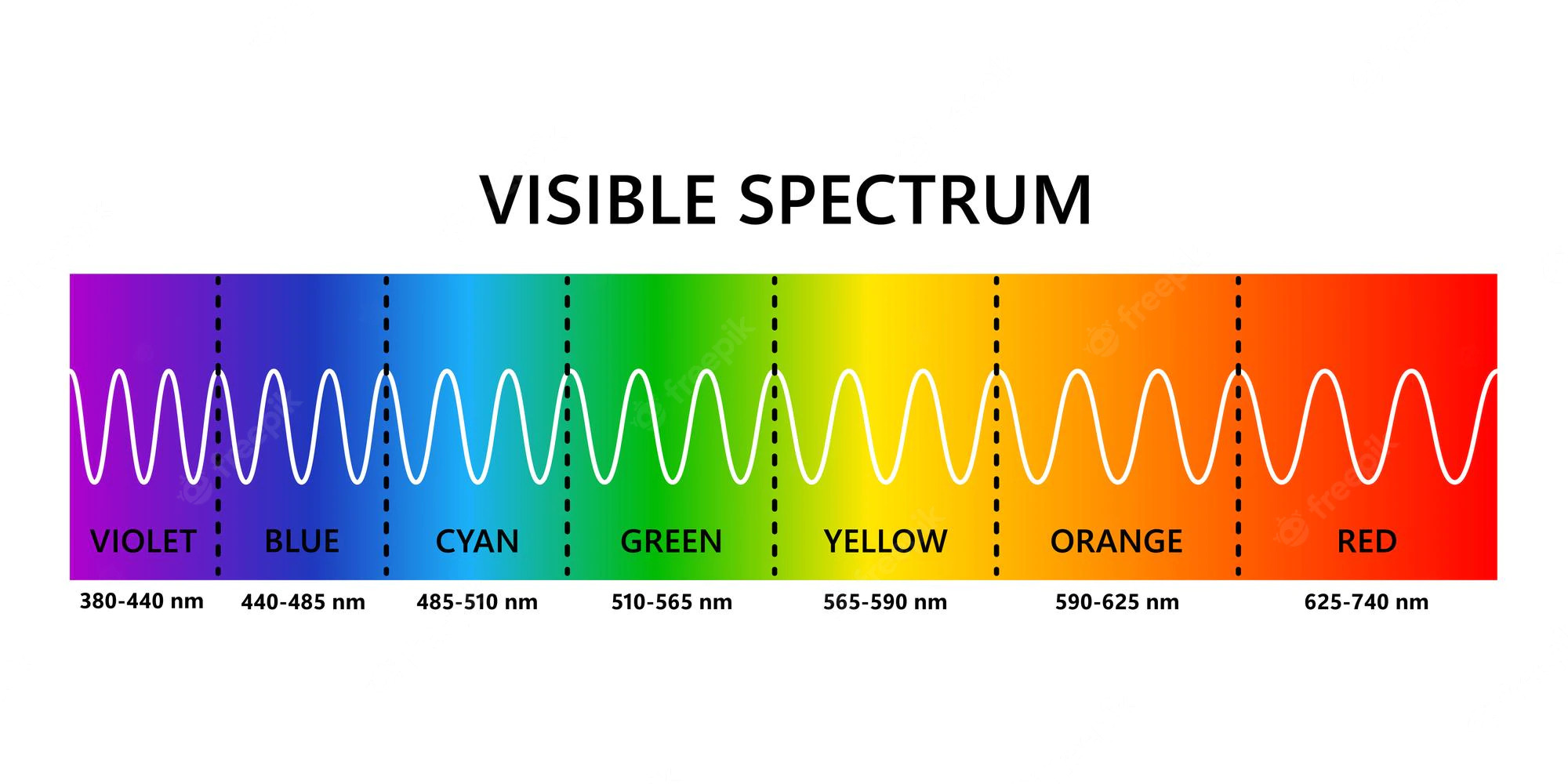


.jpeg)