Articles to help you understand, manage, and improve your health.
Trending Post
Festive
Autoimmune Condition
Unexplained Symptoms
Mental & Brain Health
Root Cause Analysis
General Health
Digestive Health
Hormone Health
Mental Health
All Blogs
Supplements
All Blogs
read count
read time
Aug 1, 2022
The Cholesterol Story- Part 2: Forging A Devil
In this second part of our blog series on cholesterol, we dive into the history of how the myths around cholesterol and low-fat diets came to be and why they still continue even to this day.
"A new scientific truth does not triumph by convincing its opponents and making them see the light, but rather because its opponents eventually die, and a new generation grows up that is familiar with it." Max Planck
Planck remarked the above about the sociology of all sciences in general, but in the case of nutrition science, the situation is ever more dire. The story of how the myths about low-fat diets, and saturated fat became and managed to stay on as accepted common knowledge for so long is a fascinating case study of the failure of the scientific method.
“..how did the world’s top nutrition scientists get it so wrong for so long?”,
the subheading from a 2016 Guardian article on the same reads. [1]
This is a story of how the scientific method fails to stand up against our primal instincts of tribalism and herd mentality, of social hierarchy and rallying behind confidence. Accounts from the colleagues of Ancel Keys, the primary guy behind the diet-heart hypothesis, tell us how he was a very dominant guy and how he and his aides gained control over America's top nutrition authorities and controlled the public narrative.
Above all else though, this is a story of how money and politics distort science. Medical science is rife with such stories, of course. But this one is considered a classic.
Investigative health journalist and author of the groundbreaking book, The Big Fat Surprise, which has had a big impact on upending the old paradigm, Nina Teicholz tells us:
"In writing my book, I first thought I was writing about science. I quickly learned that, really, the actual evidence base in science has little to do with our actual nutrition policy and our understanding about nutrition and that it was ninety percent politics. We should all just study political science in order to understand nutrition policy.”
Nutrition science has been referred to as the most unscientific field of science. World-renowned health journalist and author Gary Taubes is a physicist by background. "In physics," he says, "You look for the anomalous result. Then you have something to explain. In nutrition, the game is to confirm what you and your predecessors have always believed."
The problems facing nutrition science are twofold really. Firstly, research on the effect of nutrition on health and chronic disease is uniquely challenging to conduct because you ideally need to control people's diets in a clinical setting over a long period in order to see meaningful results. While long-term clinical trials do exist, they are few. Most of the literature consists of shorter duration clinical trials and epidemiological data.
Secondly, the influence of industrial interests is particularly strong in this field. Both Big Food and Big Pharma have vested interests here.
What happens is both these problems work in conjunction to make matters worse- since the data is ambiguous and easy to manipulate, industrial lobbies take full advantage of it.
This, in a nutshell, is why the old paradigm still manages to stick around today. In part one of this multi-part blog series, we covered the diet-heart hypothesis- what it is and its validity based on the research around it. In this part, we are going to cover the history, surrounding politics, and the cultural impact of it
From part 1, to recap:
"Starting out, we would like to point out the absurdity of the hypothesis right at its inception. The hypothesis was formulated in the mid-1900s as a response to the rate of heart attacks that started rising very significantly that century. People were confused and looking for answers. And what finally came to be accepted is this theory that basically proposed that the foods Americans had been eating for hundreds of years had suddenly started to kill them for some reason. Red meat, eggs, and animal fats like butter, lard, and tallow were the staple food over there for hundreds of years until then. After the establishment of this hypothesis, they started to get replaced by unsaturated industrial fats in a major shift."
"If the impact of pushing this hypothesis just meant replacing saturated fats with some of the natural traditional unsaturated fats like olive oil, then there wouldn't be as much of an issue. But what transpired was the widespread adoption of industrially refined seed oils high in omega-6. This has been a huge public health catastrophe.
In this next article, we will be talking about the history of the diet-heart hypothesis, how the existing paradigm has managed to stay on despite so much evidence to the contrary, the vested interests behind it, and the impact it has had on our culture and health both globally as well as in India. "
We need to dive into the history of medical and nutrition science in America for a minute here.
Why America has such a big influence on scientific policy and culture around the world is a whole separate discussion in geopolitics. But in this particular case, it is definitely very evident- the USDA(U.S. Department of Agriculture) dietary guidelines practically dictate nutrition policy around the world.
Industrial interests
Up until 1911, the primary fats consumed by Americans were animal fats- tallow, lard, butter, etc. And in this time, people were consuming a lot more fat too (that was until the 1960s when low-fat dietary recommendations started being rolled out).
Meanwhile, whale oil, which was used as an industrial lubricant, started to run short as whales were hunted to near-extinction. This is when vegetable and seed oils, particularly cottonseed oil, were introduced as an alternative to serve as industrial lubricant.
These oils were never used for human consumption initially (even though adulteration in butter and other animal fats with these oils was happening to some extent). This changed in 1911 with the introduction of Crisco, a solid fat product that aimed to serve as an alternative to butter and other solid animal fats. It was introduced by Proctor and Gamble or P&G (the same company that sells you Pantene, Head & Shoulders, Olay, and Pampers, among other brands today). At the time, they only manufactured candles and soaps. Since these oils were inexpensive to manufacture, the profit margin was high. This is what propelled the massive seed oil industry we see today.
Modern chemical engineering to sell seed oils
Hydrogenation
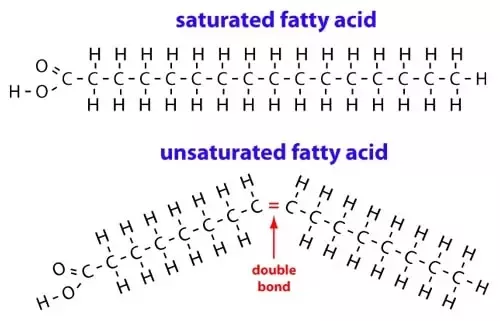
So how did Crisco make a solid fat out of liquid cottonseed oil? The process used is called hydrogenation. Unsaturated fats (monounsaturated fatty acids or MUFAs and polyunsaturated fatty acids or PUFAs) are liquid because one or more links in their carbon chains have missing hydrogen atoms and thus form double bonds- this results in an unsaturated chemical structure (see picture below), creating a liquid physical state.
"Hydrogenation” involves a chemical process that pumps hydrogen atoms into the missing links, thus creating a saturated chemical structure and a solid physical state.
Different levels of hydrogenation allow for different textures with varying levels of solidity in the end product. This served as a big advantage to the food industry which was able to utilize this to make all kinds of products like whipped creams, sandwich spreads, coffee creamers, etc.
Making seed oils palatable
Even just extracting the oils from their natural sources and transforming them into a palatable oil form requires extensive industrial processing. The processing includes very high heat for extraction and deodourising and bleaching the oils to make them palatable. While a few seed oils like sesame and mustard can be obtained via just traditional cold pressing ("kachhi ghani") and have been traditionally consumed this way, others like soybean and canola can not be and are only the result of the aforementioned industrial processing, making them much worse.
We will discuss the catastrophic effects the introduction of these oils into our diets has had later. For now, let us continue with the history.
The marketing campaign launched by P&G to market Crisco is a lesson in marketing. How to spin up narratives that connect with the public. They played on the sentiments of immigrant American housewives who wanted to fit in with the new.
From their ad:
"Crisco may be a shock to the older generation born in an age less progressive than our own..a modern woman is glad to give up butter and lard just as her grandmother was happy to forego the fatiguing spinning wheel"
This is very similar to what happens in India with families migrating to urban areas and adopting unhealthy urban products and practices in place of their traditional ones to try to be modern and fit in.
P&G also tried to market how Crisco was made in clean lab settings versus butter, lard, and tallow that were made in slaughterhouses and farm settings which was supposedly unhygienic.
Later, after the diet-heart hypothesis started being rolled out as dietary guidelines, the key marketing point became that these oils were heart-healthy alternatives to traditional fats.
Dalda- Crisco's Indian counterpart
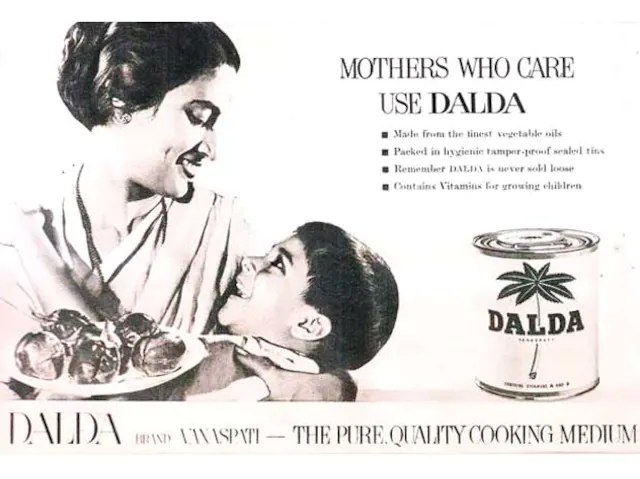
The name "Crisco" became synonymous with hydrogenated vegetable fat in the west. In the same way, the Indian counterpart is "Dalda.”
In the early 1900s, Kassim Dada, a businessman, was importing hydrogenated vegetable fat from the Dutch and selling it in India as a cheaper alternative to desi ghee which was very expensive at the time. The Hindustan Vanaspati Manufacturing Company (which is now Hindustan Unilever Limited) was incorporated in 1931 to manufacture hydrogenated vegetable fat locally in India. They partnered with Kassim Dada, who was selling his product as "Dada Vanaspati" at the time. The Hindustan Vanaspati Manufacturing Company was acquired by the British company Lever Brothers, and the latter insisted on inserting the "L” from their name into the product and that is how the name "Dalda” came to be.
In terms of marketing, you may think the Indian company could probably not match up to what Crisco did. But believe it or not, they actually outdid Crisco in many ways. When we said that the Crisco marketing campaign is a lesson in marketing, we said it for effect. But with Dalda, this is literally the case- their marketing campaign is considered a landmark in the history of marketing in India and is well documented as such.
Harvey Duncan, who handled Dalda's account at the ad agency Lintas, launched India's first multi-media marketing campaign. This included a short video ad, a marketing van in the shape of Dalda's signature tin can, print ads, pop-up shops for sampling, and leaflets for distribution. Dalda was one of the first products to successfully set up a strong brand identity in India.
The low cost was their biggest selling point as opposed to ghee, especially with India being a poor country. They tried to advertise how, unlike ghee, this wouldn't "feel heavy either on the pocket or on the palate".
It is reassuring to learn that even at the time, there was a lot of public backlash against the product. People understood that the product was essentially a factory-made artificial substitute for ghee and thus was bad for health. They were only using common sense and they were right.
Eventually, it led the then prime minister Jawaharlal Nehru to conduct a nationwide poll on the matter. The result was inconclusive, and nothing came of it in the end.
Dalda enjoyed a strong monopoly in the market for forty-plus years until the 1980s when other brands like Saffola and Sundrop emerged.
1961- First public messaging about low fat and cholesterol nutrition advise
We discussed how the diet-heart hypothesis emerged in an environment of crisis and the need for urgent solutions. Heart attacks had risen sharply in the 20th century without any known explanation. President Eisenhower's heart attack in 1955 further drove panic. A number of different ideas were floated before the diet-heart hypothesis came to be adopted. Three ideas that gained significant popularity were- vitamin deficiency, automobile exhaust, and excessive stress.
Many members of the American Heart Association were not convinced by Keys’ ideas and voiced their disapproval publicly. This is where we see the politics and Keys’ networking tactics play out. Within a year he was able to get himself appointed to the committee and turn the committee around to support his theory.
In 1961, The American Heart Association put out the first public advice telling people to cut back on saturated fat and cholesterol-containing foods like red meat, full-fat dairy, and egg yolks as their best strategy to avoid heart disease.
The Seven Countries study
So what was the evidence present at the time to propose this advice? Of course, at the time, there weren't all these studies that we have now. Besides the mechanistic explanation of cholesterol depositing on our arteries to cause blockage, the only major evidence to support it was this single world-scale epidemiological study called the Seven Countries Study that was headed by Keys. It enlisted 13,000 men from 7 different countries to study the correlation between saturated fat and cholesterol intake and heart disease. The included cohorts were from USA, Finland, Netherlands, Italy, Yugoslavia, Croatia, and Serbia.
The study claimed to find what Keys wanted to find- that diets higher in saturated fats are associated with a higher incidence of heart disease. This study has been the subject of enormous debate and dispute since its inception and still continues to be.
Critics have pointed out how Keys conveniently excluded countries that would not support his hypothesis- he included Italy and Greece which had a low consumption of saturated fats and a low incidence of heart disease, but excluded France, Germany, and Switzerland, which had a high consumption of saturated fats but low incidence of heart disease as well.
There are reports of how a lot of the survey data was discarded, and only a minority of the data that supported the hypothesis was included.
All issues aside, this study is still an epidemiological study which is very unreliable. And the data was acquired through survey questionnaires making it further unreliable.
The American Heart Association (AHA) rose to power on P&G money
The AHA was founded in 1924 when the rate of heart attacks started rising in America. They did not achieve much significance initially. This was until 1948 when P&G pumped 1740k USD (a very big sum at the time) into the organisation, kickstarting their growth. Within a few years, they were able to open multiple chapters across the country.
They continued to receive support from P&G and other food corporations. By 1960 they had 300 chapters across the country, becoming the nation’s premier heart health organisation and the biggest non-profit (at least officially) organisation.
Your Heart Has Nine Lives was a book that was distributed free of cost to doctors across America in the late 1960s. It was entirely funded by multiple vegetable oil companies and encouraged doctors to recommend vegetable oils as healthier alternatives to saturated fats.
Role of the media
We keep talking about what the scientific data shows versus what government guidelines say. But neither of these determines what actually sets the public opinion. What really determines public opinion is what the public is told. This was a time before the internet, and the influence of the mainstream media was all the more strong.
Unfortunately, all mainstream outlets wholeheartedly put their support behind Keys' hypothesis at this time. We don't know how much of a role industrial influences played here, but we can see how the media was entirely taken up by this new idea that traditional foods like dairy, eggs, and steak were the cause of heart disease and must now be avoided. It definitely made for appealing headlines, and skepticism towards the idea obviously didn't (And now, 50 years later, the idea is so well established that the exact opposite is true).
It changed the health food culture as low-fat diets and recipes started to popularise.
"Not only did Keys have a talent for publicity, but his fiery language and definitive-sounding solution were clearly more appealing to reporters than the dispatches from scientists such as Rockefeller's Pete Ahrens, who cautioned soberly about the lack of adequate scientific evidence" Teicholz explains.
They say people rally behind confidence in times of crisis, which is precisely what Keys represented in that time of panic and mystery over rising heart attacks.
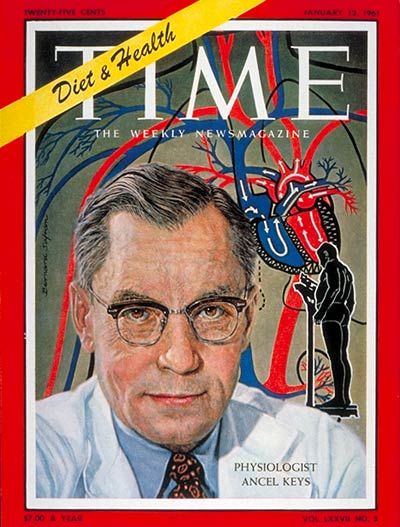
If you want to fathom the extent of Keys' popularity at the time, you should know that Keys, a nutrition scientist, was put by Time magazine on their cover. They called him “Mr. Cholesterol” and upheld all his ideas. The New York Times, in particular, was also very taken up by his ideas. They continue to be a mouthpiece for scientism to date.
Naturally, these ideas started spilling over to the rest of the world too.
Testing the Diet-heart hypothesis
Once Keys' hypothesis was adopted as the norm, there was obviously a big drive among scientists across the globe to test it. As discussed in the previous article, many studies were conducted over the following decades to test the hypothesis. And they all drastically failed to verify the key point of the hypothesis- that saturated fats cause heart disease and increased mortality.
The level of politics and corruption was at a peak at this time. Keys and his camp had already taken charge of the AHA. They controlled the allocation of research grants, ran the studies conducted by these grants and the peer-review process was also muddled as they reviewed each other's studies. They sat on the editorial boards of medical journals.
A powerful herd mentality took hold. More and more scientists got on the "cholesterol bandwagon", as a JAMA editorial called it- that is, this obsession with the cholesterol and heart disease link, with complete ignorance of all other risk factors and possible causes.
Study after study failed to find any link between saturated fat intake and heart disease. Some of the most prominent studies conducted were the Framingham study, the Minnesota State Hospital trial, the LA Veterans Clinical trial, the Puerto Rico Heart Health Study, and the Honolulu Heart Program.
As shared in the previous article too, a recent 2020 review published by some of the most well-known scientists in cardiology, in the Journal of American College of Cardiology, considered one of the most prestigious journals for cardiology, reviewed all of the data on saturated fat and heart disease association. The paper estimates that 75,000 people have been tested in different clinical trials lasting between 1 and 8 years. [2]
It concluded that saturated fat intake has no effect on heart disease but instead has protective effects against stroke.
Autopsy reports of vegetarian individuals show the same level of atherosclerosis as that of non-vegetarian ones despite the former having a much lower intake of saturated fats and cholesterol and a lower serum LDL cholesterol as well.
In the International Atherosclerosis Project, a group of researchers analysed over thirty-one thousand autopsies from 15 different countries and found zero correlation between atherosclerosis, serum cholesterol levels, and saturated fat intake.
"Side effect" of death from cancer
While the studies showed a decrease in LDL cholesterol of roughly 10-15 percent in the vegetable oil cohorts, there was no difference in cardiovascular adverse events. However, a pressing issue was the significant number of cancer cases in the vegetable oil cohorts. Apart from cancer, case numbers for gallstones and liver cirrhosis were also significant. But the cancer issue was so significant that the NIH (National Institute of Health) was compelled to host a series of meetings on it in the early 1980s. No action points came out of the meetings though. They just concluded that the risk of heart disease from saturated fats was greater than any other risks from replacing them with PUFAs.
Fraud and malpractice
"The idea that saturated fats are bad for health was allowed to live on because any data to the contrary was simply not published or not spoken about."
-Teicholz
This is not uncommon in medical science. Big journals control the narrative by refusing to publish studies that contradict certain ideas. Often the editorials contradict the very studies published in the issue to continue to push a certain narrative.
Some of the incidences of malpractice in this particular story have been especially blatant:
The Minnesota State Hospital Trial was one of the largest clinical trials to test the Diet-heart hypothesis. Commencing in 1968, It was an NIH-funded trial that ran in six different mental hospitals for four and a half years and tested 9000 people. It was headed by Keys and was very meticulously designed- it was a double-blinded trial with foods specially designed for the study such that they had either saturated fats or PUFAs but looked identical on the outside.
The results drastically failed to prove Keys' hypothesis. The study was not published for 16 years(remember, this was a study funded by public tax dollars). It was finally published in an obscure journal called ATVB, and Keys name was removed. When Gary Taubes interviewed the co-author Ivan Francis and asked him why the study wasn't published for 16 years, he actually admitted that there was no issue with the study, but they were just so disappointed with the results that didn't publish it.
Christopher Ramsden, an NIH researcher who was investigating the issue, went down to the aforementioned co-author’s residence and was allowed to search his basement, where he found the magnetic tapes that contained the original raw data from the study. He found critical parts of the data omitted from the published paper. These particular parts revealed that the more the men in the study lowered their cholesterol, the more likely they were to die from a heart attack.
Ramsden re-published all the data from the study, including the missing data, in a 2014 re-evaluation paper [3]
From the paper's conclusion:
"replacement of saturated fat in the diet with linoleic acid
lowers the serum cholesterol but does not support the hypothesis that this translates to a lower risk of death from coronary heart disease or all-cause. Findings from the Minnesota coronary experiment add to growing evidence
that incomplete publication has contributed to overestimation of the
benefits of replacing saturated fat with vegetable oils rich in linoleic acid"
Ramsden also published a re-evaluation of the Sydney Diet Heart Study. This study is reported to have been stopped midway because the cohort on vegetable oil was experiencing cardiovascular events at a much higher rate.
From the re-evaluation paper's conclusion:
"In this cohort, substituting dietary linoleic acid in place of saturated fats increased the rates of death from all causes, coronary heart disease and cardiovascular disease. An updated meta-analysis of linoleic acid intervention trials showed no evidence of cardiovascular benefit. These findings could have important implications for worldwide dietary advice to substitute omega 6 linoleic acid, or polyunsaturated fats in general, for saturated fats."[4]
The Framingham Study was another large-scale study that happened very early on starting in the 1960s. The initial results in the first six years showed an association between total cholesterol and heart disease. These results were trumpeted everywhere as confirmation of the Diet-Heart hypothesis, and this study was highly popularised. But 30 years later, when all of the data up till then was analysed, it showed contradictory results. It found no association between total cholesterol and heart disease. And for the older age group(48 to 57), it actually found higher cholesterol had a protective effect.
Yet these later results of the study are seldom discussed in review papers.
From the 30-year later review paper:
"For each 1% mg/dL drop of cholesterol, there was an 11% increase in coronary and total mortality. "
George Mann, who conducted the part of the Framingham study on dietary patterns, concluded there was no association between saturated fat intake and cholesterol. "That went over like a wet blanket with my superiors at NIH," Mann said in an interview, "because it was contrary to what they wanted us to find."
"They(the NIH) wouldn't allow us to publish that data." The data lay in an NIH basement for nearly a decade until it was finally published, and even then, it wasn’t published properly.
Mann was a successful scientist until he started opposing Keys’ theories, which he says ruined his career. About Keys, he had to say, “You have to understand what a forceful and persuasive person Keys was. He could talk to you for an hour and you would utterly believe everything he said."
John Yudkin, of Queen Elizabeth College, London, was another prominent nutrition scientist who met the same fate. He is the author of the infamous book- Pure, White and Deadly. This book was the first published piece of work in 1972, warning the public about the deleterious effects of sugar and how it was sugar and not saturated fat that was behind the rising rates of heart disease and obesity. His ideas obviously did not sit well with Keys' camp, and he faced very harsh criticism from Keys publicly. Yudkin, in fact, was the scientist whose career was so devastatingly ruined that other scientists didn't dare to venture in his direction thereafter. He was relegated from his post at the institute's nutrition department, which he had himself founded, by someone who supported Keys’ hypothesis. Yudkin was shifted to a small office in a separate building.
Yudkin's book has seen a huge resurgence in the last decade only after a video of a lecture by endocrinologist Robert Lustig on the health effects of sugar, which featured Yudkin's work, went viral online.
This is just one example of the single-handed role of the internet and open-access media in modern times to democratise information and thus overcome long-standing institutional propaganda.
“The nutritional establishment has proved itself, over the years, skilled at ad hominem takedowns, but it is harder for them to do to Robert Lustig or Nina Teicholz what they once did to John Yudkin", Ian Leslie writes for the Guadian in the aforementioned article.
Another prominent example similar to that of Yudkin is Dr Robert Atkins. We've all heard about the Atkins diet- it essentially recommends a low-carbohydrate model. Dr Atkins' book was also published in 1972, but the diet only started gaining popularity in the 2000s.
Robert Knopp, a lipid specialist scientist from the University of Washington, ran a large study on the effect of varying dietary fat intakes. The study found very conclusive results showing that the more you lowered your fat intake, the more your heart disease risk increased. Knopp reported being shocked and disappointed by the scientific community's lack of response to the study's very significant findings.[5]
We're going to wrap up this article here. In the next part of the series, we will look at a little more of the history, its comparison to the current scenario, and the impact these health guidelines have had on public health so far, both in the West and in India.
There are more than 80 types of autoimmune conditions. Below are a few of the common conditions that people suffer from.
What does Autoimmune Disease mean?
The condition where your immune system starts attacking your own body is called an Autoimmune Disease. This disease occurs when your immune system does not work as it should.
It may attack any part of your body. Be it a cell, tissue, joint or organ. The defective system can send its cells to attack the whole body or a single part of it.
There is no conclusive reason why your body’s immune system short circuits. It can only be detected after it starts attacking your healthy body parts.
There are more than 80 types of autoimmune conditions. Below are a few of the common conditions that people suffer from.
Rheumatoid arthritis (RA) is a chronic autoimmune inflammatory condition which results in joint pain, including those in the hands and feet. In this case, the body’s immune system attacks its own joints, confusing them for a foreign object. It causes damage, aches and a lack of strength in the affected joints.
Symptoms include -
Pain and Swelling in joints
Stiffness after being inactive for long, especially in the mornings
Hashimoto’s thyroiditis is an autoimmune disorder in which the body’s immune system attacks its own healthy thyroid cells resulting in damage to the thyroid gland. It results in thyroiditis, which is the leakage of excess thyroid hormone in the blood to the point that the thyroid gland no longer produces enough hormone. This leads to hypothyroidism or Hashimoto’s Disease.
Symptoms are-
Unexplainable weight gain
Cold intolerance
Hair loss
Constipation
Fatigue
Dry skin
Irregular periods
3. Grave’s diseases
Grave’s disease is an autoimmune disease in which the body’s immune system attacks its own cells, damaging the thyroid gland and making it overactive. It is a form of hyperthyroidism.
Symptoms include-
Extreme tiredness
Palpitations
Anxiety
Unexplainable weight loss
Sleeping troubles
Heat intolerance
Sweating
Irritability
Irregular periods
4. Type-1 Diabetes Mellitus
In Type 1 Diabetes, the body’s immune system attacks the pancreas and the body loses its ability to make insulin or barely produces any insulin. A person who has Type 1 Diabetes usually needs to take insulin injections on a daily basis.
Symptoms include:
Extreme thirst
Frequent urination
Unexplained weight loss, even upon eating well
Increased hunger (especially after eating)
Dry mouth
Fatigue
Blurry vision
Heavy, labored breathing
Frequent infections of your skin, urinary tract, or vagina
Crankiness or mood swings
5. Psoriasis
It is an autoimmune disease where new skin cells are formed at a faster rate. This causes scaling of the skin. The area surrounding the scales also becomes inflamed and red.
Symptoms include-
Scaly, itchy and dry patches on the skin
5. Vitiligo
Vitiligo is an autoimmune disease in which loss of skin color and blotches occur because the body’s own immune system attacks the pigment producing cells in the body. White patches occur on the skin.
6. Inflammatory bowel diseases (IBD)
IBD is an autoimmune disease in which the body’s immune system attacks healthy cells in the digestive tract, which cause inflammation. This disease manifests in two forms— Crohn’s disease and Ulcerative colitis. Crohn’s disease affects almost all of the gastrointestinal tract, mainly the colon and the last part of the small intestine (ileum). In ulcerative colitis, the lining of your colon, i.e. the large intestine, is disrupted.
Symptoms are-
Abdominal pain
Bloating
Diarrhea
Bloody stools
7. Fibromyalgia
Fibromyalgia, also known as fibrositis, is an autoimmune disorder in which the body’s immune system attacks muscles and nerves, which results in extensive muscle pain.
Symptoms include-
Widespread tenderness
Sleep problems
Emotional and mental distress
Fatigue
Mood and memory issues
8. Celiac Disease (CD)
Celiac disease (CD) is an autoimmune condition in which the body’s immune cells produce an inflammatory reaction togluten intake (present in wheat, rye and barley). This disease especially damages the small intestine lining and you see issues with absorption of nutrients as the first sign of celiac disease.
Symptoms typically include-
Diarrhea
Bloating
Nausea and vomiting
Abdominal pain
Gas
Fatigue
Malabsorption of certain nutrients
Celiac disease happens due to the consumption of foods containing gluten (even trace amounts) and genetics.
9. Chronic fatigue syndrome
Chronic fatigue syndrome (CFS) is an autoimmune disease in which the body’s immune system attacks natural killer cells (part of your WBCs). This impacts the ability of healthy cells to make energy, further resulting in extreme tiredness and fatigue both physically and mentally.
Symptoms are-
Pain
Sleep abnormalities
Physical and mental fatigue
And all these symptoms are made worse by exertion. Even rest is unable to improve the conditions.
CFS is often accompanied by Fibromyalgia.
10. Alopecia Areata
Alopecia areata is an autoimmune disorder where the body’s immune cells attack the healthy hair follicles. This results in hair loss from some areas of your body, mostly the head (spot baldness).
Symptoms include-
Patchy hair loss
Bald patches
Brittle, red fingernails and toenails
11. Myasthenia gravis (MG)
Myasthenia gravis (MG) is an autoimmune disease in which the body’s immune system attacks the neuromuscular junction and causes muscle weakness. The muscles under voluntary control are affected. Muscles under voluntary control mean muscles which can be voluntarily moved like your hand muscles.
Symptoms include-
Weakness in arm and leg muscles
Double vision
Drooping eyelids
Difficulties with speech and chewing
12. Lupus
Lupus, also known as Systemic lupus erythematosus (SLE), is an autoimmune disease in which cells of the immune system attack almost all healthy cells, tissues and organs. Inflammation caused by lupus can affect many different body systems — joints, skin, kidneys, blood cells, brain, heart and lungs.
Symptoms include-
Muscle and joint pain
Fever
Rashes
Chest pain
Hair loss
Sun or light sensitivity
Kidney problems
Mouth sores
13. Multiple sclerosis (MS)
Multiple sclerosis is an autoimmune disease in which the body’s immune system attacks and damages the myelin sheath. Myelin sheath is a sheet covering or insulating layer around nerves that protect them from damage. This disease results in nerve damage and disrupted brain-body communication.
Symptoms include-
Vision loss
Pain
Fatigue
Impaired coordination and blackouts
Imbalance issues
14. Guillain Barre Syndrome
Guillain Barre Syndrome is a rare, autoimmune disease in which the body’s immune cells attack the nerves causing weakness. Tingling in the hands and feet is the initial symptom and can lead to paralysis, sometimes with a fatal outcome.
Symptoms are-
Tingling sensations in hands, feet and other body parts
Weakness starting from the legs and spreading upwards
Difficulty in climbing stairs
Labored facial movements
15. Ankylosing spondylitis
Ankylosing spondylitis is a rare form of arthritis (inflammation of joints) in which the body’s immune system attacks the healthy spine and large joints. This causes reduced flexibility in the spine.
Symptoms are-
Forward hunch
Pain and stiffness in the ankle, heel, hip, joints, lower back, middle back, neck, or shoulder
There are multiple reasons that can cause autoimmune diseases. It is quite difficult to know the reason behind them. Getting your blood analyzed by a Functional Nutritionist is a great way of defining the reason behind your autoimmune condition.
Knowing the root cause behind your disease can help you control and even reverse them. A few general causes for your autoimmune condition can be :
healthy living is a matter of consistency. Read more to know the steps you can take to live a healthier lifestyle and protect yourself from illnesses.
To plan your day it is crucial to end the previous night right. Sleeping on time allows your body and mind to rest and rejuvenate, assuming you get the required amount of sleep. Plan when you'd like to sleep and keep in mind that building a relaxation regimen or a nighttime ritual can help.
Create a bedtime routine that includes activities like reading a book, singing or listening to soothing music, lullabies or sleep podcasts.
It's vital to acknowledge that the time you go to bed and the time you sleep may differ. This demands going to bed an appropriate time before your desire to sleep.
Morning
Planning your day is a management strategy that not only helps you work more efficiently but also removes stress from juggling multiple tasks. Plan your day first thing in the morning to ensure a successful day. This involves scheduling your sleep time and preparing all your meals for the day. Plan your meals preferably a day ahead so you get enough time to gather the materials and other resources. You can also plan for the upcoming week and buy all of your groceries during the weekend, which can help you manage your time.
Workday
On a workday, eating proper meals might be a chore. Also, during your work you tend to munch of unhealthy snacks. To avoid unhealthy munching start keeping healthy snacks on hand throughout the day. It can help you avoid a variety of potentially harmful ingredients. Prepare and keep finger meals on hand so you don't have to rely on takeout or packaged processed foods.
Exercise
Exercise and mobility are crucial for the body's optimal functioning. Increasing strength and power helps prevent a wide range of ailments and health problems. Planning your workouts for the week ahead gives you a checklist to help you stay consistent. Make sure you get plenty of rest the night before your workout because recovery cannot be neglected. Exercising does not have to be a chore; adding variety to your activities, such as walking uphill or joining a fitness club, can make your regular routine more enjoyable. Remember, “Exercise is not a punishment, it is a celebration”.
Meditation + Breathwork
Regular meditation and breathwork improve physical, mental, and emotional health. It also helps build your attention, self-control, and gain happiness. Meditation should be planned ahead of time similar to any other daily chore. The reason to plan ahead for meditation is that you need utmost silence and peace. Start by setting aside 2-5 minutes each day to sit in a peaceful spot or simply focus on your breathing. Attending a guided meditation session that leads you through mantra meditation, relaxation, or mindfulness-based techniques. Developing this practise benefit us in the long run.
Holidays (Weekends)
Plan the responsibilities and chores for the following week on weekends. Write down everything that has to be done for the week and make sure to set priorities. Keep in mind to include both personal and professional details.
If you're a homemaker, it's advisable to buy fresh fruits and veggies every other day. For other dry groceries, you can keep a month's worth of food stock on hand to avoid buying in slots. Making a to-do list and placing it in accessible places such as the kitchen, living room, or bedroom might help you feel more productive.
You can always reach out to us if you need support in building healthy habits or finding accountability partners.
Takeaway:
The most challenging yet rewarding element of planning is execution. Even an ill-planned strategy performed well can be successful. Enjoying your tasks encourage you to complete them quicker, demanding an incentive to keep you motivated. Rewards can include a variety of activities such as taking a break, eating your favourite food, watching a tv show that you enjoy, or taking a quick pleasant walk, among others. Being open and honest about your efforts and triumphs might motivate you to keep going. It can also make plan modifications easier and identify changes that affect your objectives. The only thing to keep in mind is to never give up. Modify your strategy until you find one that works for you rather than the plan working for you.
Time is valuable because it is the finest element of human existence.
read count
read time
Jun 28, 2022
Coconut Sugar : Is it a Healthier Substitute for Regular Sugar?
Coconut Palm Sugar has been gaining popularity as a healthier alternative to regular sugar. iThrive explains how much of it is factually true.
Coconut sugar, also known as coconut palm sugar, has gained popularity as a healthier version of regular sugar and can be used in beverages and desserts. It is made from the sap of the coconut palm tree. It is brown and in granulated form 1. But is it as healthy as proclaimed?
First, let’s dive into How coconut sugar is produced?
The production of coconut sugar is an exciting and short process. There are many more processing methods for coconut sugar, like vacuum drying, dry granulation method, spray drying, etc 3. But, the most common method is heating.
In this process, a large volume of filtered sap is taken in a big wok and heated on wood or gas-fired stove for 3 to 5 hours at 100ºC until it is concentrated with a specific typical aroma. During this process, two major reactions take place, the Maillard reaction, and caramelization. Maillard reaction is a non-enzymatic reaction between sugars and proteins that causes the browning of some food products.
After heating, the concentrated sap is poured into steel or bamboo molds. This results in the formation of ready pure solid sugar 2.
Is Coconut Sugar Healthier Than Regular Sugar?
Low-sugar, sugar‐free, and synthetic sugar products are abundantly available in food markets. However, many of these are considered unsafe and unhealthy, as the synthetic sweetness that there is, is industrially prepared, like aspartame, sucralose, saccharin, etc. . Hence, they have the potential of causing side effects such as weight gain, brain tumour, and bladder cancer 4. They can also cause increased appetite, crashed metabolism, insulin resistance, metabolic syndrome, etc.
As coconut sugar is produced from the sap of the coconut palm tree, it retains some of the tree’s nutrients. Thus it is a healthier alternative to regular sugar. It also has some kinds of metabolic impact on our bodies.
What Impact Does Coconut Sugar Have On Metabolism?
Coconut sugar was reported to have a GI value of 35. The lower GI value of coconut sugar suggests it can be a better source of healthier sugar 5,6.
Coconut sugar has minerals like sodium, potassium, and magnesium 6.
Palm and coconut sugars provided a better starch digestion rate.
Coconut sugar does contain a small amount of fiber in the form of inulin, which is prebiotic. Hence, it could be beneficial for gut health. Inulin is also effective at lowering inflammation and plasma lipid levels 7.
Coconut sugar contains 70-80% of sucrose, which is why it is high in fructose. This is the reason why coconut sugar can increase blood sugar levels. All foods have a significant impact on the metabolic activities happening inside our bodies. Even though coconut sugar is a better alternative to white sugar, it can still cause inflammation in the body. It is best to avoid all types of sugar, but if you must have something sweet, such as a dessert, you can choose one that contains coconut sugar.
Here are some organic coconut sugar brands that you can choose from.
Gratitude benefits both your mental and physical health. But does practising Gratitude simply imply saying "Thank You"? Read 5 ways of practicing gratitude as recomended by iThrive.
Gratitude is a powerful tool for mindfulness. Practising Gratitude can benefit you in many ways, including improving your overall well-being. Gratitude practice has been shown to have spectacular effects on the body, such as strengthening the immune system 1. Many psychologists advise patients suffering from depression and anxiety to begin practising gratitude.
Gratitude benefits both your mental and physical health. But does practising gratitude simply imply saying "Thank You" to God or other people?
Thanking God or other humans for doing something for you is Gratitude, but that’s not all there is to it. The biggest and most important part of practising gratitude is to be grateful without waiting for something good to happen. It includes being thankful for the food you eat daily and not just for the day you got a juicy burger to eat.
Gratitude is the practice of appreciating the things you have in your life.
When you see someone authentically practising gratitude, you can witness them having an energetic experience. These people feel grateful for the morning mist, a hot shower, the sun setting over the ocean, or receiving a gift 2.
Here are 5 ways you can practice Gratitude daily:
Write Down What You Are Grateful For- Journaling or writing down 5 things you are grateful for every night has reportedly shown great results in just 2 weeks 3.
Grateful Mornings- Sit by yourself every morning and meditate. While meditating, consider how your life has changed, both positively and negatively. Then think of how far you have come and be grateful for the tiny things that helped you get here.
Gratitude Jars- Make a gratitude jar and drop money into it whenever you feel grateful for something. At the end of the month, open up the jar and use the money to sponsor any NGO or organization you believe in. This helps you feel good about yourself and spread love.
Express Gratitude- Start by saying "Thank You" to at least one person in your immediate vicinity. Alternatively, tell at least one person why you are grateful to them.
Breathes of Gratitude- Sit and start taking deep breaths. With each exhale, thank your body for working well and keeping you healthy.
Practising gratitude is a great way to develop mindfulness. But, it does not mean dismissing your life's difficulties. Comparing your problems to those of others and forcing yourself to be grateful can harm your health. It is critical to know where to draw the line.
Positive feelings are encouraged by gratitude practice. If it does not, you are not doing it correctly. Speak with an expert to determine the fine line between gratitude and self-invalidation.
Meditation is an age-old practice with many variations and forms. Meditation and breathwork have been scientifically demonstrated to have a vast array of benefits. We discuss these demonstrated benefits along with how to get started with meditation yourself.
What is Meditation?
Meditation is a practice in which a person trains attention and awareness of the mind. There are many variations and methods to this practice, but the general forms include freeing your mind of any conscious thought or actively focusing on something particular. Meditation most often involves breathwork at the same time.
Chanting, more aggressive breathwork, and even body movements and stretches are all forms of meditation, usually done in conjunction with Yoga.
Meditation is an age-old practice, and it is a part of religious practices in multiple religions.
It is a big part of spirituality, and different spiritual movements involve meditation practices to achieve higher levels of consciousness or other special experiences.
Why Should You Meditate?
There is plenty of research showing meditation's very powerful and highly varied positive effects. Even adding a very short routine of meditation can have a profound impact on your quality of life.
The following are some of the most important and well-demonstrated benefits of meditation:
Increase in Self-awareness and Level of Consciousness:
When you start meditating, one of the first positive effects you will notice is you begin to learn new things about yourself, your environment, and your relationships.
Stress Reduction:
Meditation has been shown to reduce stress and the health problems associated with a chronically high cortisol level. Chronically high-stress levels are a widespread problem today, and it’s something that aggravates almost all health conditions. Meditation has been shown to lower inflammatory cytokine levels released in response to stress. Our fast-paced urban lives make stress reduction a critical requirement.
Management of Anxiety and Depression:
The mechanism for this is the same as the one in stress reduction, which is calming the body.
Meditation helps transition the body from a sympathetic to a parasympathetic state which enables recovery and healing. Anxiety sufferers, especially those having social anxiety, have repeatedly reported meditation as being effective in helping them. Meditation has been demonstrated to be as effective as popular antidepressant drugs. It has been shown to raise serotonin and dopamine levels in the brain, which are associated with a happier state.
Boost in Concentration and Attention Span:
It goes without saying that learning to train and control the mind would improve concentration. Meditation has been shown to help with task completion and performance.
Addiction Recovery:
Meditation has been reported to be very effective in people trying to recover from addictions and is utilised for drug rehabilitation. It aids in impulse control and combats the desire to give in to impulses. Meditation alone is more effective than certain comprehensive de-addiction programs.
Improvement in Emotional Health, Making You Kinder and More Compassionate:
Meditation increases your positive thoughts and reduces negative ones. As previously stated, it has been shown to reduce depression and anxiety while increasing levels of serotonin and dopamine in our brain, both of which are associated with happiness. Meditation has been demonstrated to make people kinder and more compassionate toward themselves and those around them. Certain types of meditation, such as positive affirmation meditation and Metta, a Buddhist meditation practice, are specially primed for this purpose.
Powerful changes in the brain:
Recent studies have shown something incredible about meditation. It can make very significant changes in brain structure and function. During meditation, the hippocampus, the part of the brain associated with mental performance, grows larger, while the amygdala, which is associated with negative thoughts, shrinks. Meditation has been shown to reduce the loss of grey matter volume in the brain with ageing.
If you're wondering whether these observed brain changes translate into positive effects in practice, confirmatory research has shown that they do.
Can Help Kids in School:
Meditation in the school environment has been shown to improve student performance, reduce suspensions, and increase attendance. This is a genuinely remarkable result.
How to get started
We recommend starting with short 5-10 minute meditation sessions where you simply clear your mind and focus it. These usually involve some basic breathwork as well. A couple of mobile apps very popular for offering free meditation tutorials are Headspace and Calm. You just connect your earphones/speaker and follow the guidance. They’re both very good, and we recommend them.
You can also do it on your own by closing your eyes, practising deep breathing, and allowing any thoughts to pass without being bothered by distracting thoughts.
Once you're comfortable with short meditation sessions, you can progress to more advanced techniques based on your preferences. There are numerous options to consider. We strongly recommend Dr Joe Dispensa's meditation as we ourselves use it at iThrive. Happy meditating!
Male fertility has been declining for the past few decades. Read what is the Functional nutrition perspective on improving male fertility.
Fertility issues are a problem many couples face. Yet no one talks about it. People get embarrassed to talk about it, especially women. Society and the woman accuse themselves as the reason behind failed conception.
But, in truth infertility is a very common issue. It affects about one in every six couples, and researchers estimate about one in every three cases is due to fertility problems in the male partner alone 1.
Male infertility in the last 50 years has been steadily declining. A study reported that there has been a 50% decline in sperm count in the last 60 years2. The fertility rate in men younger than age 30 years has also decreased worldwide by 15% 3.
Male fertility refers to a male’s sperm concentration and/or motility and/or morphology3. The reason for the decline can be linked to the increasing unhealthy habits. According to research, a poor diet and excessive alcohol consumption can reduce the quality and quantity of sperm.
8 Ways Men Can Improve Their Fertility Are
1. Exercising :
Exercising on a regular basis can increase testosterone levels and enhance fertility, in addition to being good for your overall health. According to studies, men who regularly exercise have higher levels of testosterone and better sperm quality than inactive men. Excessive exercise, on the other hand, may have the inverse result and potentially lower testosterone levels. If you don’t exercise often but want to enhance your fertility, make physical activity one of your top priorities.
Exercise Benefits
2. Increase intake of Vitamin D :
Vitamin D may be beneficial to both male and female fertility. It is yet another nutrient that has the potential to increase testosterone levels. According to one observational study, men deficient in vitamin D were much more likely to have low testosterone production. These findings were supported by a controlled study of 65 males with testosterone and vitamin D deficiency.
3. Avoid excessive alcohol and drug use :
There have been few controlled studies that have looked into the relationship between sperm health and drugs. This is due to the fact that testing illegal substances can raise ethical concerns. However, a 2018 study linked worldwide drug use, such as alcohol, marijuana, and cocaine, to decreased sperm production4.
4. Including antioxidants
Antioxidants are compounds that aid in the deactivation of free radicals, which cause cell damage. Several vitamins and minerals function as antioxidants, and some research has linked antioxidant consumption to increased sperm count.
Antioxidants that could contribute to a healthy sperm count, according to a 2019 review, include -beta-carotene lutein, beta-cryptoxanthin, and vitamin C
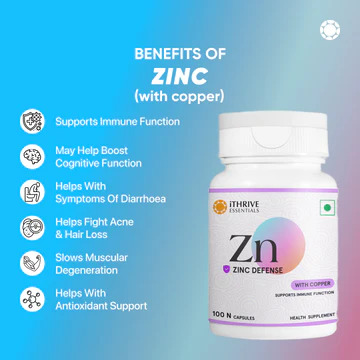
5. Inculcate Zinc Supplement In Your Daily Diet
Zinc has many unique properties that help in many body functions. It is especially essential for males, as it helps in the production of sperm. It is also a hormone balancer which helps males in their testosterone, prostate and sexual health. Zinc deficiency is also linked to decreased formation of fertile sperms and can cause abnormalities in the sperm. Zinc deficiency can also lead to a decrease in serum testosterone concentration5.
So ensure you include zinc in your diet. It is recommended to supplement zinc as your body is not capable of storing this mineral. Thus, to supply your body with zinc daily, you must use zinc supplements.
iThrive Essentials Zinc
6. Decrease exposure to electromagnetic force
A 2011 Finnish study of 858 young men’s sperm counts over three birth years concluded and traced the ill effects of EMFs (electromagnetic force). The contemporary and rapidly detrimental trends suggest that these root causes are somewhat preventable. Given the growing evidence of substantial health impacts, including the potential adverse effect on fertility, people must learn how to safeguard themselves and minimize the risks.
People can take the following steps to reduce their electromagnetic force exposure, which may help them preserve their fertility:
Avoid carrying a cell phone in your trouser pockets.
Avoid massaging while holding your phone at your waist.
Do not use a laptop on your lap.
7. Minimizing exposure to microplastics
Microplastics are carriers of pollutants such as ions, toxic metals, and water-insoluble organic compounds, which can have serious health consequences if consumed regularly. Dangerous Microplastics are any plastic relic less than 5 mm in size, rather than a specific type of plastic. Avoiding the use of plastic and plastic products can help to reduce exposure to microplastics.
8. Avoid using polyester Underpants
A study recorded that the men wearing polyester underpants started showing signs of decreased sperm production in just a few days (120-60 days). They also reported a decrease in testicular volume and rectal-testicular temperature6. So avoid using polyester underpants and use cotton ones.
read count
read time
Jun 20, 2022
Healing the Mind, Body, and Soul
iThrive uses an integrative form of holistic healing to treat our clients. Healing is not an isolated process but rather a recovery process of mind. body and spirit together.
The concepts of treating and healing are polar opposites. Treatment is the process of curing an external or internal wound. In another sense, it refers to correcting something wrong. Healing, on the other hand, is a journey of recovery. This recovery is not limited to physical healing, but also includes mental, spiritual, and emotional healing. According to Kimberly Firth and others, "healing" is "a holistic, transformative process of repair and recovery in mind, body, and spirit that results in positive change, finding meaning, and movement toward self-realization of wholeness" 1.
Mugdha Pradhan, a renowned Functional Nutritionist, says that, “for your body to accept treatments, it simultaneously needs to heal emotionally, spiritually, and mentally.” Solely working on your body won't give you the results you wish for unless you also put the same effort into healing holistically.
The best way to incorporate holistic healing is to work on 12 areas of your life simultaneously. Working on something from every angle is the only way to make progress. A student must work equally on all subjects in order to achieve good grades. So to be a mindful person, you need to heal holistically.
The 12 areas of life on which you must focus are as follows:
Health and Fitness: Your journey of healing starts with you becoming healthy. Every healing journey begins with the person wishing to become healthier and fitter. You can start small by meditating daily for 5 minutes, going for 30-minute walks, or even taking a comprehensive blood test to ensure that you have no surprises in store for you.
Social Life: We are social creatures. A meaningful and healthy social circle can bring you happiness and peace. Quality experiences with your circle can make you feel better. On bad days, even good memories of your circle can bring you joy.
Intellectual: As the years go by, your mind keeps evolving. Your personality reflects your intellectuality. Knowledge is constantly changing, and you should keep up with it. The more intellectual you become, the more progress you are ready to make. Your mind is the only barrier to progress. Begin small, learn a new skill, or improve your current one.
Spiritual Life: Spirituality is subject to an individual's personal belief. Spirituality brings meaning and depth to your life. It is the ultimate power you believe in. This can be anything, the universe, God, or even yourself. Start meditating or doing yoga to connect with the source.
Emotional Life: Your emotions have a significant influence on your daily life. If you are experiencing emotional distress, your entire day may become unpleasant. Your emotions are a powerful pathway to overall healing. If you are not in a good emotional state, your body's ability to heal suffers. Practicing gratitude can help you change this and improve your emotional life.
Quality Of Life: What kind of life do you desire? Your life goals are yours, and no one should tell you what they should be. It doesn't matter if the dreams are materialistic or emotional. Want to have a larger house, be happier in your surroundings, or even eat a specific type of food? Begin manifesting the life you want to live and working toward it. You take the first step, and the universe takes care of the rest.
Character: People begin to lose themselves over time. You start pretending to be someone who is not naturally you. Character aspect allows you get to look into yourself, discover who you are, and be true to yourself. But that's not all. What if you discover a shortcoming in your character? Begin by making small changes and modifying your character. One can always refurbish their character while remaining true to themselves.
Career: Yes, advancement in your career is essential, although, a successful career does not always imply being in a position of power. A promising career is one in which you are happy and are constantly challenged positively. Examine your current job and begin working on either becoming an expert in your current field or finding the best career option for you.
Love and Relationship: Humans are not solitary beings. Having positive relationships can help you deal with your mental health issues. You can get out of a funk by talking to a loved one. Loving relationships can exist between a friend, sibling, or significant other. The most important person to aspire to love is yourself. You won't be able to accept love from others unless you first love yourself.
Parenting: This aspect is related to the relationship between a child and their parents. It's one of the most important relationships you'll ever have. It is critical to work on this relationship. Many people who suffer from anxiety and depression believe that their problems begin with their relationship with their parent or child. Both sides must work on this relationship. So, whichever side you are on, you must put in the effort. One option is to communicate more. Communication is the key to healthy relationships.
Finance: Finance can be the source of all your anxiety, workaholism, and insomnia. Money, or so we've been told, runs the world, but there's another saying: "Money can't buy happiness." These two sayings go hand in hand: struggling with money can make you unhappy, but racing after money can also make you miserable. The point is that you must strike a balance between the two. Furthermore, your money beliefs should be intact. One way to do so is to set sustainable financial goals.
Life Vision: Without purpose, you will be adrift in this world. All the above segments help you reach the goal you have in your mind. So, first and foremost, establish a goal. If you do not have a destination in mind, you will not know which road you need to take. You will be stranded where you are. You have no incentive to continue if you have no drive or destination in your life. So get out your diary and write down your LIFE GOAL!
This journey can be difficult. There can be times when you wish to give in or are unsure what directions to take to change one aspect of your life. iThrive Minds That Matter program here can help you attain mindfulness.
read count
read time
Jun 17, 2022
Does Tea or Coffee Have Any Genetic Predisposition?
There are tons of differing opinions and theories surrounding tea and coffee. As per iThrive, the positive or negative effects of caffeine are linked to an individual's genes.
Caffeine is used in a variety of forms around the world, including tea, coffee, and other caffeinated foods. It is popular because of its ability to enhance wakefulness, intensify mood (it gives joy) and increase alertness. On the other hand, caffeine is also known to cause anxiety, nausea, and shivers when used in large amounts. All of these are regarded to be acute negative effects of excessive caffeine use. It is also common for habitual caffeine users to develop resistance to these acute effects. Caffeine consumption over time has been linked to an increased risk of cardiovascular illness, but a lower risk of neurological disorders. Each individual can respond differently to caffeine due to various environmental factors such as age, metabolic disorders, medications, health, and sleep schedules. Some individuals can experience anxiety, panic attacks while others may experience sleep disturbance or insomnia. Similarly, some people are prone to have long-term side effects of caffeine. All the discrepancies seen in individuals in response to caffeine is due to Genetic Predisposition.
Genetic predisposition refers to increased risk of developing an illness due to a person's genetic composition. This arises as a result of mutations or variations in an individual's genes, which are inherited from their parents. Such inherited mutations are usually known as polymorphisms. Individuals can react to caffeine differently due to genetic variables, either directly or indirectly. There can be a direct response between caffeine and drugs, resulting in acute or chronic reactions, or an indirect response affecting psychological or physiological effects such as sleep disturbances, anxiety issues, and so on. Several studies have discovered that the amount of caffeine intake is influenced by both hereditary and environmental factors. It has also been claimed that the genetic influence of tea is less than that of coffee considering tea contains less caffeine. Twin studies on the heredity of caffeine use and caffeine-related characteristics have been conducted. Caffeine-related behaviours are heritable, according to twin studies. An examination of polysubstance use reveals that the tendency to caffeine use is very specific to caffeine and has little in common with other substances usage. There were further studies that linked gene mutations in metabolic enzymes and target receptors to differences in caffeine responsiveness. Variations in these enzymes and receptors are related to caffeine-induced anxiety and sleep disruptions, according to the findings. In coffee users, variations in the metabolic enzyme cytochrome P-450 are linked to an increased risk of myocardial infarction. A case-control study looked at the link between mutations attributed to differences in caffeine sensitivity and the likelihood of Parkinson's disease.
In a variety of ways, genetic variability can influence a person's caffeine reaction and intake habits. It can make you more vulnerable to drug usage. Individuals’ responses to caffeine can also be influenced by diversity, resulting in a favourable or negative experience.
Sign up for the iThrive Newsletter practical nutrition, wellness insights, and habits that actually work.
Thank you! Your submission has been received!
Oops! Something went wrong while submitting the form.
No spam. Unsubscribe anytime.
FAQs
What topics does the iThrive blog cover?
The blog covers functional nutrition, chronic conditions, gut health, hormonal health, autoimmune conditions, sleep, mental health, and root cause analysis. Every article is written to help you understand what is actually happening inside your body, not just manage symptoms.
Who writes the articles on this blog?
All articles are written by the content writers in collaboration with iThrive's clinical team of functional nutritionists, guided by the same methodology used in the ALIVE programme. The content is rooted in functional medicine and real clinical experience, not generic health advice.
Is the information on this blog a substitute for medical advice?
No. The blog is an educational resource to help you understand your health more deeply. If you are experiencing symptoms or managing a chronic condition, a personalized Root Cause Analysis with a functional nutritionist is the right next step.
I read an article and want to take action. What should I do next?
Book a Root Cause Analysis. For ₹2,500, a dedicated functional nutritionist will assess 60+ blood markers using optimal ranges and explain exactly what is driving your condition. It is the natural next step after reading about what might be happening in your body.
Can these articles help me if I have already been diagnosed?
Yes. Many of our readers come with existing diagnoses and find the blog helps them understand why their condition developed and what their body actually needs. The articles are designed to give you clarity, not replace the guidance of a practitioner.
Talk to our team
Thank you! Your submission has been received!
Oops! Something went wrong while submitting the form.
Download Now
Thank you! Your submission has been received!
Oops! Something went wrong while submitting the form.




.svg)