




Is Erectile Dysfunction a Sign of a Deeper Health Issue?
Table Of Content

Is Erectile Dysfunction a Sign of a Deeper Health Issue?

iThrive Team
Nov 27, 2024

Have you experienced that awkward moment when something isn’t right in the bedroom? Your body doesn’t cooperate as it should, and you may hear that voice: " It’s just a part of aging and you just need to relax”. Did you get what I am talking about? Yes, it’s erectile dysfunction. Men who deal with erectile dysfunction often find themselves trapped in the cycle of embarrassment, confusion, and frustration. And when this topic is spoken about there is always that uncomfortable silence as if admitting it could somehow make it worse.

But we have to be honest and it’s time to break the silence because you don’t have to suffer in silence and continue relying on those temporary fixes. You have to go beyond that and ask yourself what is the real reason behind this. There is a lot of misleading information about erectile dysfunction. Also, conventional medicines are not the only solutions however it is important to recognize that there is something in the roots that needs to be addressed.

This blog will provide insight on erectile dysfunction, and sexual health, understand what is actually happening to your body, and explore the real solutions beyond the surface with iThrive.

Understanding Erectile Dysfunction

Erectile dysfunction (ED) is a condition where a man struggles to achieve or maintain an erection firm enough for sexual activity. Erectile dysfunction not only happens once in a while but it is a recurring issue that affects sexual health and overall quality of life. But everyone out there, you need to know one thing,  erectile dysfunction isn’t just about what happened in the bedroom, however, it gives those SOS signals from your body that something isn’t quite right. When this becomes a consistent issue it can be an indicator of physical or psychological health issues that need to be taken care of.

Causes of Erectile Dysfunction
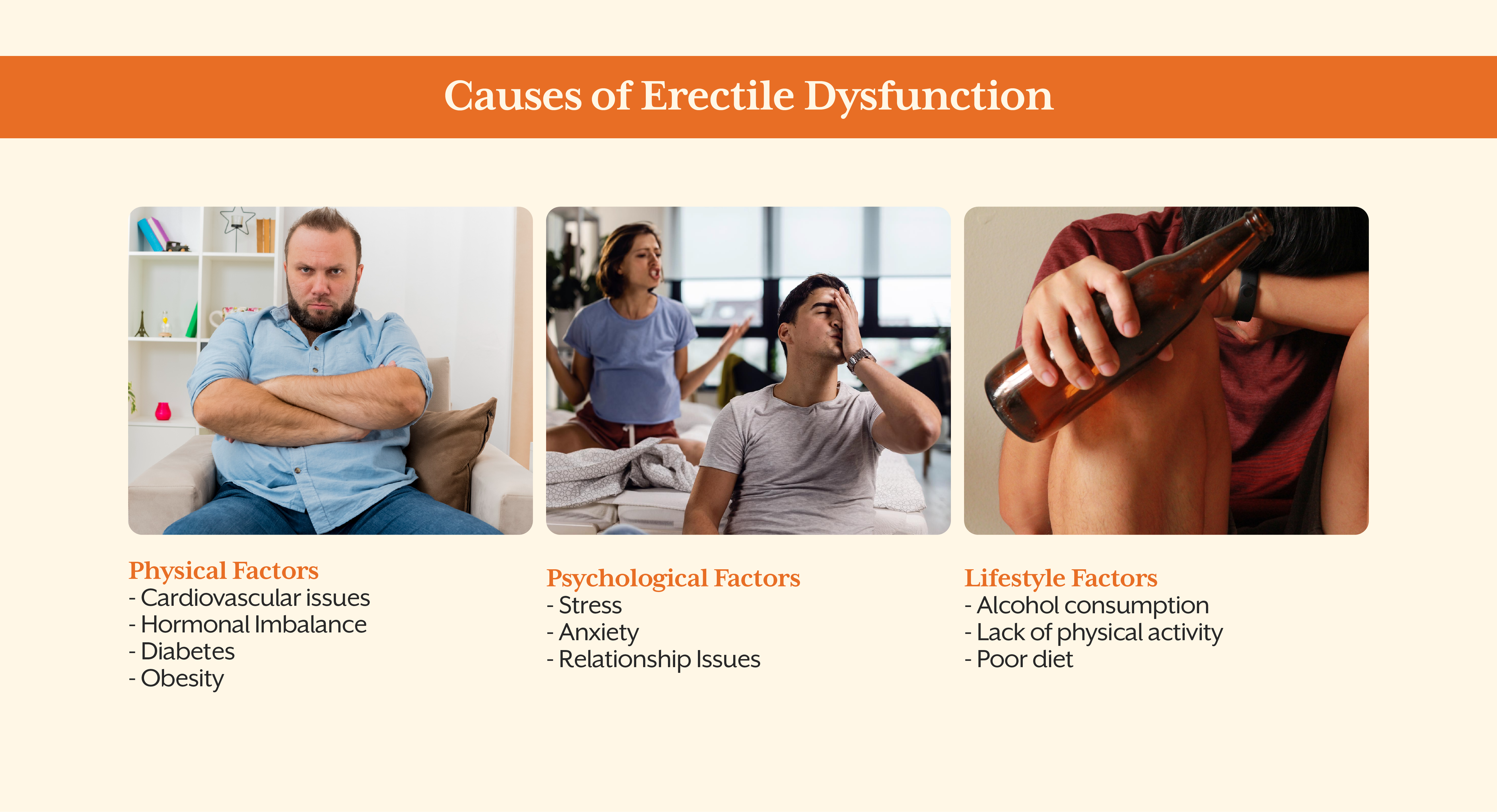
A lot of factors such as lifestyle choices and serious health issues can trigger erectile dysfunction.

Physical Health conditions:

  • Physical health conditions of ED can be cardiovascular issues, hormonal imbalances, diabetes, obesity, and much more.
  • ED is linked to poor blood flow because of high blood pressure and heart diseases. Erections rely on proper blood flow, therefore improper blood flow or heart diseases can directly interfere with sexual function.
  • High blood sugar levels can be one of the causes as they can damage the blood vessels and nerves, which leads to erectile dysfunction. Men with uncontrolled diabetes have higher risks of ED.
  • In some men, low testosterone levels can impact the libido and erectile function which can cause erectile dysfunction.

Psychological Factors:

  • Some of the psychological factors responsible for ED can be stress, anxiety, and relationship issues.
  • According to the study, mental health plays a vital role in erectile dysfunction. Factors like stress, anxiety, and depression can interfere with an individual's ability to relax and be present during sexual activity. The stress and pressure to perform can create a vicious cycle and sometimes the fear of failure can worsen ED.
  • Sometimes there are relationship issues that can create stress. While you have sex, emotional intimacy is very important which leads to a healthy sexual function. However, relationship problems such as lack of communication, and unresolved issues with your partner can impact the mood as well as sexual intimacy.

Lifestyle factors:

  • The modern lifestyle is responsible for a lot of health issues as the schedules and habits are changing. Some of the lifestyle factors that can be a cause of ED are smoking, alcohol consumption, poor diet, and lack of physical activity.
  • Smoking and excessive consumption of alcohol can damage the blood vessels and reduce the blood flow to the penis which can be a contributing factor for erectile dysfunction.
  • Nowadays due to busy schedules, there is a lack of physical activity. A sedentary lifestyle can exacerbate conditions like obesity and high blood pressure that can affect erectile function.
  • Poor diet is also one of the main causes, men who tend to eat foods rich in unhealthy fats can face these issues. An unhealthy diet can lead to poor circulation and can further impact erectile health.

The Real solutions you need

While there are a lot of conventional treatments like medications and surgeries that may work for some men, however, they may have side effects in the long run. These treatments do not work on the root causes of your issues but they just work on the symptoms. Men who think doing surgery and taking medications is the only solution, you need to know that there is a different approach that treats the root causes of your symptoms. We believe a holistic approach with iThrive can make a big difference in the long run. One of the biggest emotional consequences of erectile dysfunction is the hit it takes on self-esteem. It is often found that men who struggle with ED often feel inadequate, embarrassed, and frustrated which can affect confidence. But it is very important to remember that erectile dysfunction is not a reflection of your masculinity- it’s a medical condition that can be treated. Here are some of the effective strategies you should implement to feel the difference:

Lifestyle changes

  • Start doing regular physical activities, especially cardiovascular exercise and strength training.
  • ⁠Start having a balanced diet rich in vegetables, fresh fruits, lean proteins, and healthy fats which can help support your heart health and reduce the risk of ED.
  • As we found that obesity is one of the causes, you should start maintaining a healthy body weight. Avoid eating unhealthy fats and start incorporating healthy fats such as foods rich in omega-3 fatty acids. 

Stress Reduction

  • As stress, anxiety, and relationship issues can be one of the causes of erectile dysfunction, men can work on mindfulness and relaxation.
  • One can reduce stress by practicing yoga, meditation, and breath work which can help manage anxiety and enhance sexual performance.
  • If you are dealing with relationship issues you should work on the communication gap with your partner.

If you are dealing with erectile dysfunction it’s time to stop hiding behind the temporary fixes and get to the root of the issue. Whether it is related to lifestyle choices, psychological stress, health conditions or other reasons, there are real solutions available to address them. Addressing the underlying causes can help restore your health, your confidence, and your relationship. Don’t let ED control your life. Take action, Book a free consultation with iThrive if you have any issues related to erectile dysfunction and want a lifelong solution to restore balance to your sexual health and well-being.

A
Ask your doubts
Thank you! Your submission has been received!
Oops! Something went wrong while submitting the form.

FAQs

What causes Erectile Dysfunction?
faq arrow

ED can be caused by multiple issues including diabetes, heart disease, high blood pressure, or obesity. Apart from the physical health issues some of the psychological and lifestyle factors such as stress, anxiety, low self-esteem, smoking, and alcohol consumption can also be the cause of ED.

Is there a link between Erectile Dysfunction and heart disease?
faq arrow

Yes, heart diseases and ED are interconnected. ED can be the SOS signals your body is sending to you of cardiovascular problems. ED and heart diseases share risk factors like poor blood flow and high cholesterol. Therefore men experiencing ED should consult healthcare providers to understand the root causes of ED.

Can lifestyle changes improve Erectile Dysfunction?
faq arrow

Yes, adopting a healthy lifestyle can improve ED. Men who are searching for natural remedies for ED, balanced nutrition, regular exercise, stress management, limiting alcohol, and avoiding tobacco can make some difference.

Is Erectile Dysfunction permanent?
faq arrow

No, not necessarily. ED can be reversed once we find the root causes of the symptoms and start working on them if you want to reverse your ED Book a free consultation with iThrive and try a new functional nutrition approach today.

Does ED affect self-esteem and relationships?
faq arrow

Yes, it can impact a man’s self-confidence and lead to feelings of inadequacy or frustration. ED can also create strain in relationships.

Related Blogs

Did You Know Poor Sleep Can Trigger Weight Gain Hormones Overnight
read count
read time
Jun 10, 2026

Did You Know Poor Sleep Can Trigger Weight Gain Hormones Overnight

We live in a world that glorifies hustle culture - late nights, early mornings, and the belief that sleep is a luxury. But what if those lost hours of rest are quietly working against your weight loss goals?

Introduction

Many people believe weight gain happens slowly through diet or inactivity. While these factors certainly influence body weight, an often overlooked driver of metabolic imbalance is poor sleep.

Sleep is not simply a period of rest. During the night, the body performs critical metabolic repairs that regulate hunger hormones, insulin sensitivity, and energy balance. When sleep quality becomes disrupted, these biological processes can change within a single night.

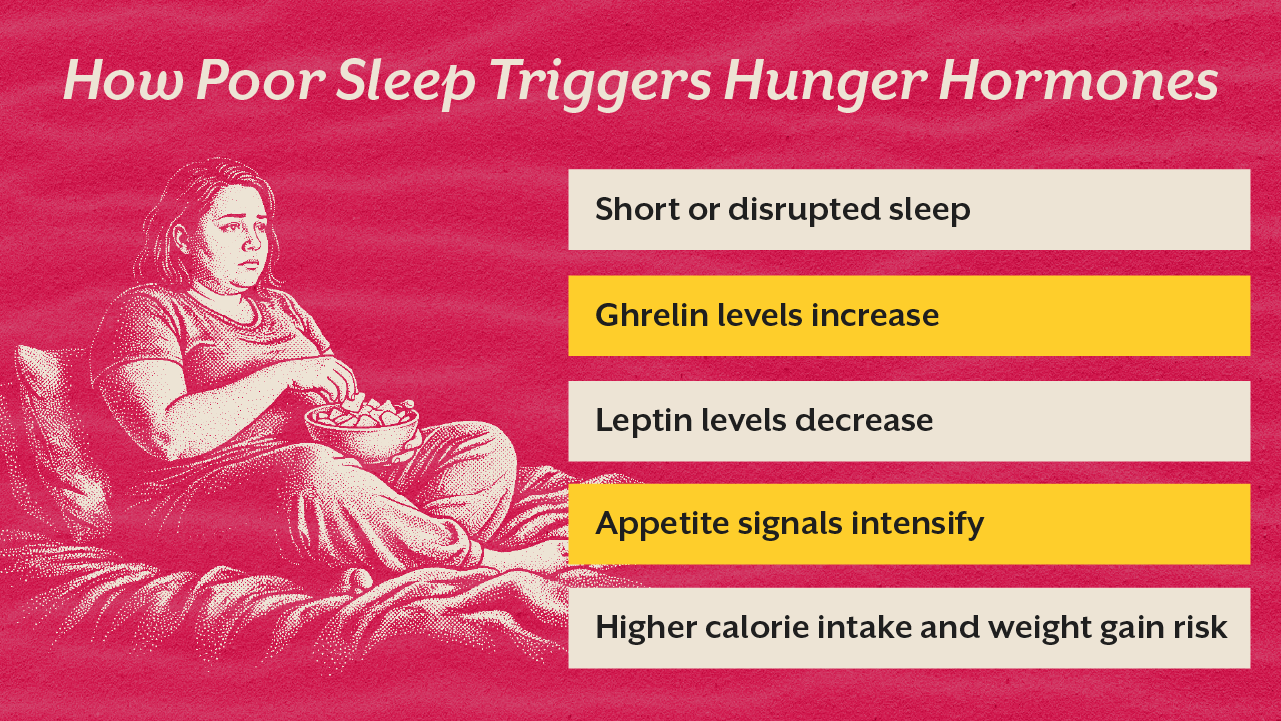
Studies on sleep deprivation and weight gain show that even short periods of poor sleep can alter appetite hormones such as ghrelin and leptin. Ghrelin stimulates hunger while leptin signals satiety. When sleep becomes fragmented or shortened, ghrelin levels rise while leptin declines. This imbalance often increases cravings for high calorie foods the following day.

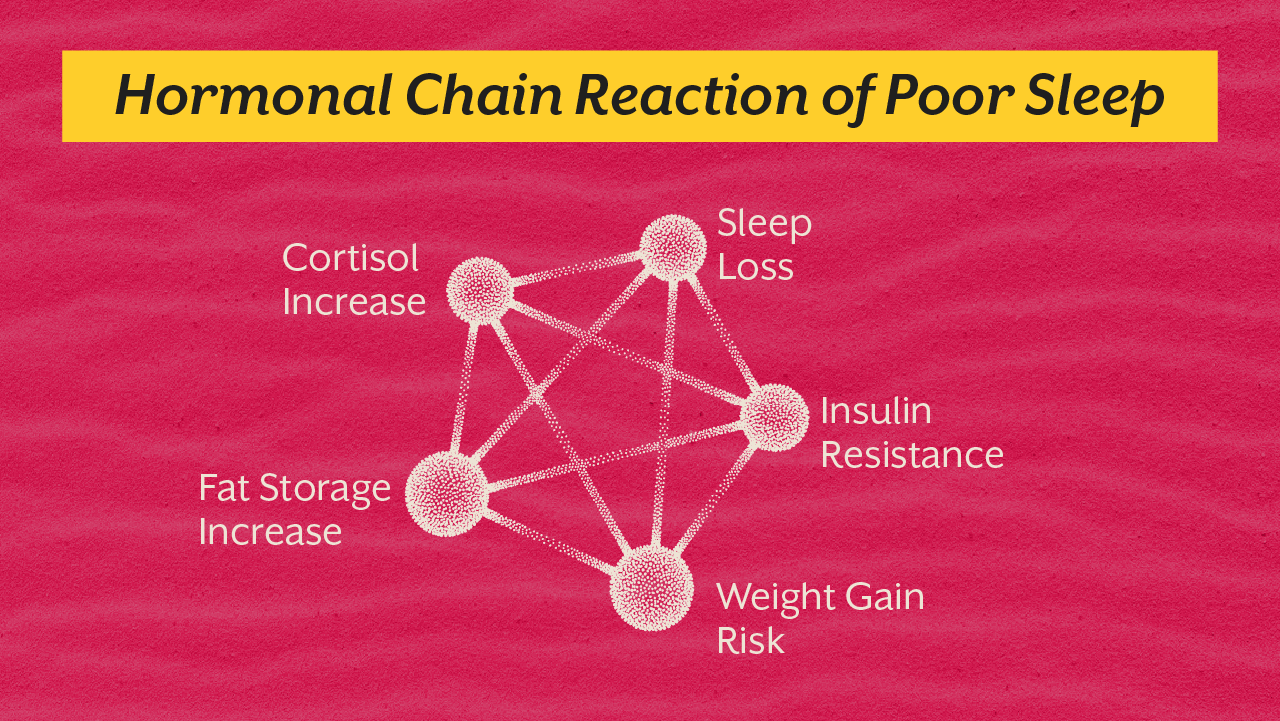
Beyond hunger signals, poor sleep hormones and weight gain pathways involve deeper metabolic changes. Cortisol levels increase when the body perceives stress or sleep loss. Elevated cortisol encourages fat storage, particularly around the abdomen.

At the cellular level, mitochondrial function also plays a critical role. Mitochondria regulate energy production and metabolic signaling. When sleep becomes inconsistent, mitochondrial efficiency declines, reducing the body’s ability to perform overnight metabolic repair.

At iThrive Alive we often see individuals struggling with stubborn weight gain despite healthy diets. In many cases the underlying driver is not just food choices but disrupted sleep biology. Understanding how sleep and weight gain interact can help individuals fix sleep to lose weight naturally rather than relying only on restrictive dieting.

The Overnight Metabolic Reset That Happens During Sleep

Why Sleep Is Critical for Metabolic Repair

Sleep is a metabolically active state. While the body appears still, several hormonal and cellular systems become highly active.

Growth hormone release increases during deep sleep and supports fat metabolism. The brain also regulates appetite hormones that influence hunger the next day. At the same time mitochondria repair cellular damage accumulated during daily metabolic activity.

When sleep duration falls below optimal levels these processes become impaired. The body may wake up in a metabolic state that favors hunger signals, insulin resistance, and fat storage.

Research summarized in the white paper “Mitochondrial Dysfunction Sleep Deprivation Sleep Disorders” highlights how disrupted sleep reduces mitochondrial energy efficiency. Lower energy production can alter glucose metabolism and increase the risk of weight gain.

How Sleep Deprivation Alters Hunger Hormones

Ghrelin and Leptin Imbalance

The Hunger Hormone Shift

Ghrelin is often referred to as the hunger hormone because it stimulates appetite and food seeking behavior. Leptin performs the opposite function by signaling fullness to the brain.

Even one night of poor sleep can alter the balance between these hormones. Research shows that sleep deprivation and weight gain are closely linked through this hormonal disruption.

When sleep becomes insufficient ghrelin levels increase significantly. At the same time leptin levels decline, reducing the body’s ability to recognize satiety.

The Behavioral Consequences

This hormonal shift often results in increased cravings for calorie dense foods the next day. Many individuals notice stronger cravings for sugar and processed carbohydrates following poor sleep.

These cravings are not simply psychological. They reflect genuine biological changes in appetite regulation.

How Poor Sleep Triggers Hunger Hormones

The Role of Cortisol in Sleep Related Weight Gain

Cortisol and Weight Gain from Sleep Loss

Sleep loss activates the body’s stress response. When sleep becomes fragmented or insufficient, the hypothalamic pituitary adrenal axis increases cortisol production.

Cortisol prepares the body for alertness and energy mobilization. However, chronically elevated cortisol encourages fat storage and increases blood sugar levels.

Individuals experiencing insomnia and weight gain often show elevated cortisol patterns particularly during the evening hours when cortisol should normally decline.

Metabolic Consequences

High cortisol can also impair insulin sensitivity. When cells become less responsive to insulin signals, glucose remains elevated in the bloodstream.

This metabolic state encourages fat storage and increases the risk of insulin resistance and poor sleep cycles.

Hormonal Chain Reaction of Poor Sleep

Mitochondrial Dysfunction and Overnight Metabolic Repair

Why Cellular Energy Matters for Weight Regulation

Weight regulation depends heavily on mitochondrial function. Mitochondria determine how efficiently the body converts nutrients into energy.

During sleep these cellular structures perform essential repair processes. Damaged mitochondrial components are replaced and oxidative stress is reduced.

When sleep becomes disrupted this repair process becomes incomplete.

Reduced Metabolic Efficiency

Impaired mitochondria produce less cellular energy. As energy production declines the body may rely more heavily on glucose metabolism and store excess energy as fat.

This is one reason individuals experiencing sleep deprivation and weight gain often struggle to lose weight despite dietary changes.

Supporting Mitochondrial Recovery

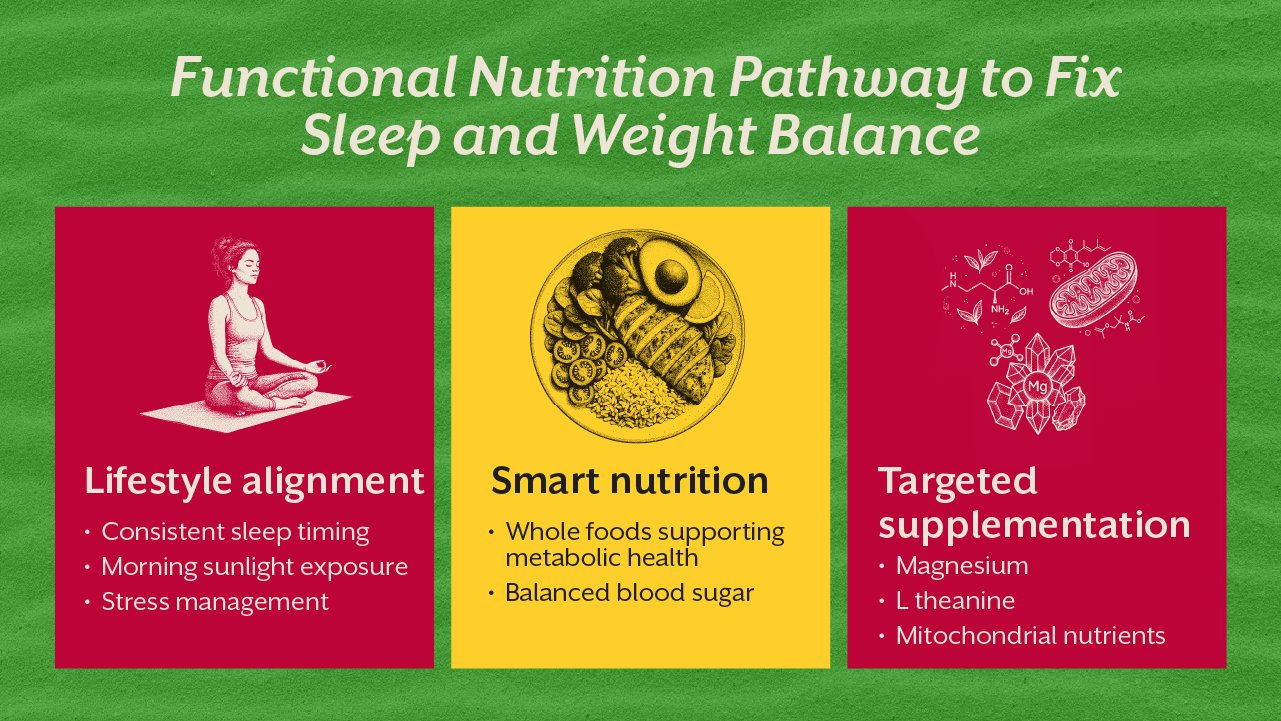
Lifestyle interventions such as consistent sleep timing, stress regulation, and nutrient support can improve mitochondrial resilience.

Magnesium for sleep and weight loss support is often discussed because magnesium contributes to both nervous system relaxation and cellular energy production.

Functional Nutrition Pathway to Fix Sleep and Weight Balance

Key Takeaway

Sleep is far more than a nightly pause in activity. It is a biological window during which the body recalibrates hormones that control hunger, metabolism, and energy balance. Even a single night of disrupted sleep can alter ghrelin and leptin levels, increase cortisol production, and impair mitochondrial repair processes. Over time these changes create a metabolic environment that favors weight gain despite conscious efforts to maintain healthy eating habits. Addressing sleep quality is therefore a critical component of long term metabolic health. By restoring circadian rhythm, supporting mitochondrial function, and stabilizing hormonal signaling, individuals can rebuild the biological conditions necessary for sustainable weight regulation and overall wellbeing.

References 

  1. https://www.ithrivein.com/white-paper/functional-medicine-root-cause-reversal-type-2-diabetes
  2. https://www.ithrivein.com/case-studies/functional-nutrition-obesity-hypertension-sleep-apnea-case-study
  3. https://www.ithrivein.com/white-paper/mitochondrial-dysfunction-sleep-deprivation-sleep-disorders
PCOS Renamed PMOS: Why This Changes Everything You Thought You Knew
read count
read time
May 15, 2026

PCOS Renamed PMOS: Why This Changes Everything You Thought You Knew

PCOS is now PMOS, a shift that changes how we understand this condition entirely. This blog breaks down what PMOS really means, why it matters, and how looking beyond symptoms can help you address the root cause effectively.

Introduction

You literally did everything you were always told. Tried eating clean, did strength training, fixed sleep schedule and yet after all of this, something always felt off.

Your periods were still irregular, energy dipped rapidly, weight didn’t respond the way it was supposed to and somewhere along the way, you were constantly told you might have PCOS. But even that diagnosis didn’t entirely explain what you were experiencing because deep down, it never felt like it was just about your ovaries. And now finally after years, for the very first time medicine is catching up with that reality. 

PCOS has officially been renamed PMOS which stands for Polyendocrine Metabolic Ovarian Syndrome. 

This entire shift from pcos to pmos is more than just a change in the name. For your information it’s a complete reframing of how you understand this condition. And most importantly, it is finally being validated what women have been saying for years and years. 

PCOS Renamed PMOS

PCOS vs PMOS: What Actually Changed?

Why does this change even matter? 

After a global consensus including around 14,000+ women and about 56 business organisations, the term PCOS was reconsidered. Because the board finally concluded stating that the name itself was misleading.

The breakthrough of PMOS is as follows:- 

PMOS is referred to Polyendocrine Metabolic Ovarian Syndrome

  • Polyendocrine means multiple hormone systems are involved
  • Metabolic related to insulin resistance at the core
  • Ovarian redirects to the reproductive symptoms

Earlier, pcos pmos was understood largely just as an ovarian issue.

But in reality pcos and pmos are whole-body conditions. They involve factors such as metabolism, inflammation, hormones, stress, as well as gut health. This is exactly why the shift from pcos renamed pmos is so significant. It moves complete focus from symptoms to systems.

You Don’t Need Cysts to Have PCOS (or PMOS)

One of the biggest misconceptions around pmos and pcos is that you need cysts to be diagnosed but in reality you don’t. 

Many women with pcos pmos:

  • Have clear ultrasounds
  • But still experience symptoms 
  • And still meet diagnostic criteria

But always know diagnosis can still come from factors like irregular or absent cycles, elevated androgens (testosterone, DHEA-S), along with signs of insulin resistance

So if your scan was “normal” but your symptoms weren't, trust me when I say your  experience is still valid and in fact worth investigating. 

The “Cysts” Were Never Really the Problem

Here’s something most of you aren’t told. Those “cysts” seen in PCOS? They are not actually cysts. They are immature follicles which are the eggs that didn’t fully develop due to hormonal imbalance.

This clearly states that the ovaries are responding to a deeper issue but they are not the root cause. And this is exactly what pcos to pmos helps in clarifying. 

The Real Root Causes Behind PMOS

At iThrive, we don’t ever really stop at labels like pcos and pmos. We have always known in the nutrition field for going deeper into why exactly your body is responding the way it is.

The PMOS Root Cause Web

1. Insulin Resistance

This one is the big one. Somewhere between 50–70% of women with PMOS have insulin resistance at the core and most of them have no idea.

Here's what's actually happening: when your cells stop responding to insulin properly, your body compensates by producing more of it. And excess insulin directly tells your ovaries to produce more testosterone. More testosterone means disrupted ovulation, more fat storage, more cravings and suddenly you're in a loop that no amount of clean eating seems to break.

That frustrating feeling of doing everything right and seeing no results? This is usually why.

2. Chronic Low-Grade Inflammation

When I say inflammation in pcos renamed pmos, I don't mean the kind where something visibly hurts or swells. This kind is invisible. It's quiet. And it's been running in the background for years.

At a cellular level, chronic inflammation keeps your body stuck in a constant state of alert. It stimulates the cells in your ovaries to produce more androgens. It makes your insulin receptors less responsive. It raises markers like hs-CRP and IL-6 that most standard blood panels don't even bother checking.

And you would like to know the worst part? It feeds itself. Inflammation disrupts hormones, and hormonal imbalance drives more inflammation. Round and round.

The triggers are usually coming from processed foods, a compromised gut, environmental toxins, or chronic stress. Which means until inflammation is actually addressed at the root the pmos symptoms keep coming back.

3. Stress & HPA Axis Dysfunction

We've all been trained to think of stress as a mindset problem. But physiologically, stress is a hormonal event and a serious one.

Your HPA axis is your body's central stress response system. When it's chronically activated, cortisol stays elevated. Elevated cortisol destabilises blood sugar, which increases insulin demand. And your adrenal glands start pumping out androgens like DHEA-S independently of your ovaries.

This is where it gets interesting. Even if your ovarian hormones look completely normal on paper, adrenal-driven androgens can still cause acne, hair thinning, and irregular cycles. This subtype that is adrenal pmos is especially common in women with high-pressure, high-performance lifestyles. And it gets missed constantly because nobody's looking for it.

The HPA axis is the central stress response system of your body. When it is activated repeatedly, it starts affecting multiple pathways that are involved in pcos to pmos progression.

4. Gut Dysbiosis & Leaky Gut

Your gut is deeply connected to your immune system, hormones as well as metabolism. 

In pmos pcos, gut dysfunction often shows up as reduced microbial diversity, increased intestinal permeability also known as leaky gut, and overgrowth of harmful bacteria. This results in something called metabolic endotoxemia wherein the bacterial toxins like LPS leak into the bloodstream.

So what do they do?

Firstly they trigger the systemic inflammation, secondly it worsens the insulin resistance and lastly it disrupts estrogen metabolism through the estobolome. 

The estrobolome which is the gut bacteria that is responsible for the procession of estrogen plays a significant role in maintaining hormonal balance.

When it’s compromised even slightly, it leads to affected estrogen clearance, worsened hormonal balance, and intensified symptoms of pcos and pmos. 

This is why many women with pcos renamed pmos also report:

  • Bloating
  • Constipation or irregular bowel movements
  • Food sensitivities

5. Nutrient Deficiencies

This is by far one of the most underestimated drivers of pcos pmos. Because most of you including our clients who came to us initially assume that if you’re eating well, you wouldn’t be deficient. 

But always remember nutrient sufficiency ≠ nutrient absorption.

In pcos renamed pmos, deficiencies are extremely common due to factors such as poor gut absorption, maximised metabolic demand, chronic inflammation and stress related depletion. 

Let me take you deep into the key nutrients:

Vitamin D

Vitamin D acts like a hormone, improves insulin sensitivity and also regulates the function of ovaries. 

Low levels of Vitamin D are strongly linked to insulin resistance and irregular cycles. 

Magnesium

Magnesium is required for around 300 enzymatic reactions, it supports glucose metabolism and also calms down the nervous system. 

Deficiency can worsen to insulin resistance and stress response.

Zinc

Zinc is critical for the functioning of ovaries, as it helps reduce the activity of androgen and also supports skin health. 

Low zinc often shows up as hair fall as well as acne.

B Vitamins

B vitamins are essential for production of energy, it also supports hormone detox pathways and helps in regulating mood. 

Inadequate levels can slow down the metabolic processes and further affect ovulation.

So basically besides a “healthy diet,” your body still needs smart supplementation. 

6. Environmental Toxins

This is exactly where the modern lifestyle silently interferes with biology.

Endocrine Disrupting Chemicals (EDCs) such as:

  • BPA (plastics)
  • Phthalates (cosmetics, packaging)
  • Heavy metals (mercury, lead)

…can mimic or block natural hormones.

In pmos and pcos, this becomes particularly problematic because these chemicals bind to the receptors of hormones. Then they alter the pathways of signalling further disrupting the feedback loops between ovaries, brain, and metabolism. 

Over time what happens is the body loses its ability to regulate hormones efficiently. Additionally, toxin exposure increases oxidative stress, burden of liver detox, and inflammation which further worsens the progression of pcos to pmos. 

None of these causes exist in isolation. What you see in pcos pmos is an interconnected web of all the mentioned factors and treating just one symptom never really works. Therefore pcos renamed pmos is such a necessary shift. 

PCOS PMOS is a multi-system imbalance, and not a single-organ disorder.

The 5 Functional Types of PMOS

Not all pmos pcos is the same.

Functional medicine identifies 5 types:

1. Insulin-Resistant PMOS

Most common which is majorly driven by poor blood sugar control.

2. Adrenal PMOS

Triggered by chronic stress and high cortisol.

3. Inflammatory PMOS

Linked to gut issues, food sensitivities, and toxins.

4. Post-Pill PMOS

Occurs after stopping birth control.

5. Hidden PMOS

Triggered by factors like thyroid dysfunction or nutrient deficiency.

Understanding your type changes everything about treatment.

Symptoms You Shouldn’t Ignore

Pcos and pmos don't always look obvious.

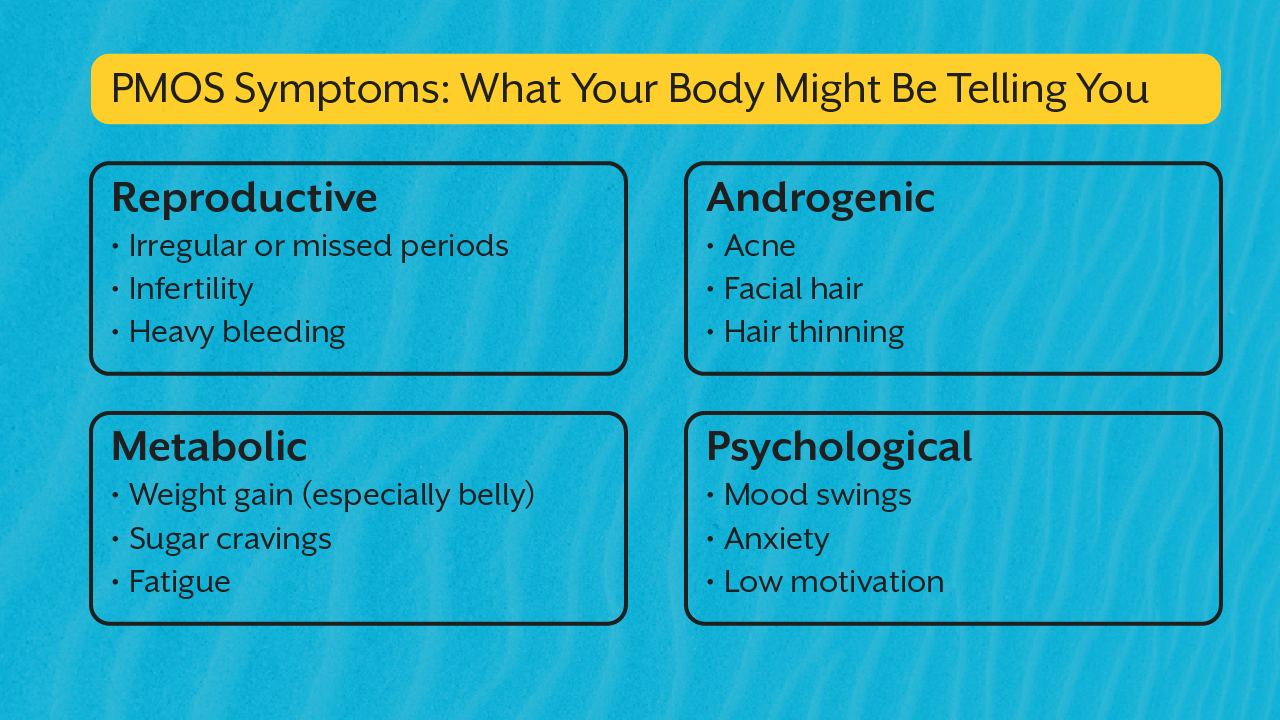
It can show up as: 

PMOS Symptoms: It’s Not Just Your Period

This is why pcos renamed needed a broader lens.

What You Should Actually Test

Instead of guessing, look deeper:

  • Fasting insulin
  • HbA1c
  • Testosterone & DHEA-S
  • LH:FSH ratio
  • Thyroid panel
  • Inflammatory markers

Book Root Cause Analysis to identify your specific triggers or if you want clarity instead of trial-and-error

Because pmos and pcos are never one-size-fits-all.

How iThrive Approaches PMOS

We have around 8 years of experience in the functional nutrition field, we’ve seen endless clients but one thing that we swear by right from the start is that we don’t just manage symptoms, we decode systems.

Our Alive Programme revolves around three factors that are personalised diet protocol, smart supplementation and lifestyle interventions. Because the goal has never been suppression it has always been reversal. 

Key Takeaway

For years, most of you have been told to just lose weight, everything is normal, acne would disappear, and that this is common. But now, with pcos renamed pmos, the narrative has finally and for once changed. Because your body was never confused, it was always communicating.

Each and every symptom, the fatigue, the irregular cycle, and the sweet cravings were a signal. And now that we finally understand pcos and pmos the way it was always meant to be understood.. you’ve got a choice. 

Either to ignore it again or to finally listen and book a root cause analysis to know the triggers so we start reversing as soon as possible. Because healing doesn’t begin when symptoms disappear. It begins when you start understanding what your body has been trying to tell you all along.

Hyperprolactinemia: Is This Why Your Period Disappeared
read count
read time
Mar 24, 2026

Hyperprolactinemia: Is This Why Your Period Disappeared

High prolactin could be silently wrecking your periods, fertility, and mood. Learn the real symptoms of hyperprolactinemia in women and what to do about it.

Introduction

Picture a 28 year old woman in India. Her periods have been irregular for over a year. She has been told she probably has PCOS. Her thyroid panel came back normal. She has been put on birth control to regulate her cycle, but the moment she stops, the irregularity returns. Nobody has checked her prolactin yet.

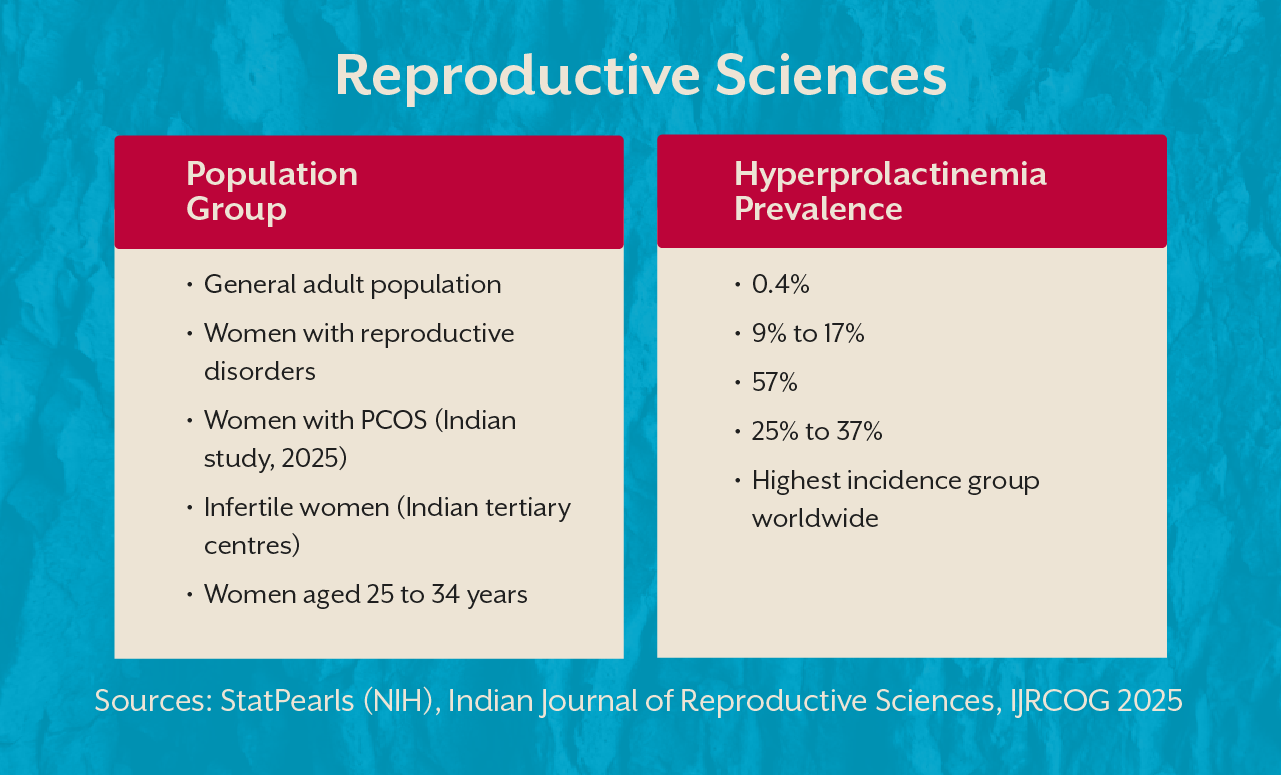
This is not a rare story. Research shows that between 25 and 37% of women presenting with unexplained infertility have elevated prolactin levels, yet a prolactin test is still not universally included in early hormonal workups.

Hyperprolactinemia, chronically elevated prolactin, is one of the most underdiagnosed hormonal disruptions in women of reproductive age. It derails periods, blocks ovulation, feeds mood instability, and creates a confusing symptom picture that points in every direction except the right one.

How Common Is This? The Numbers That Should Alarm Us

Before diving into symptoms, it is worth pausing on how widespread this condition actually is in India.

Indian Journal of Reproductive Sciences

That last row is particularly striking. In a 2025 Indian study of 110 women with PCOS, over half had hyperprolactinemia. These are not numbers from a rare endocrine condition. They are the everyday hormonal reality of Indian women.

What Is Hyperprolactinemia and Why Does It Hit Women Hardest

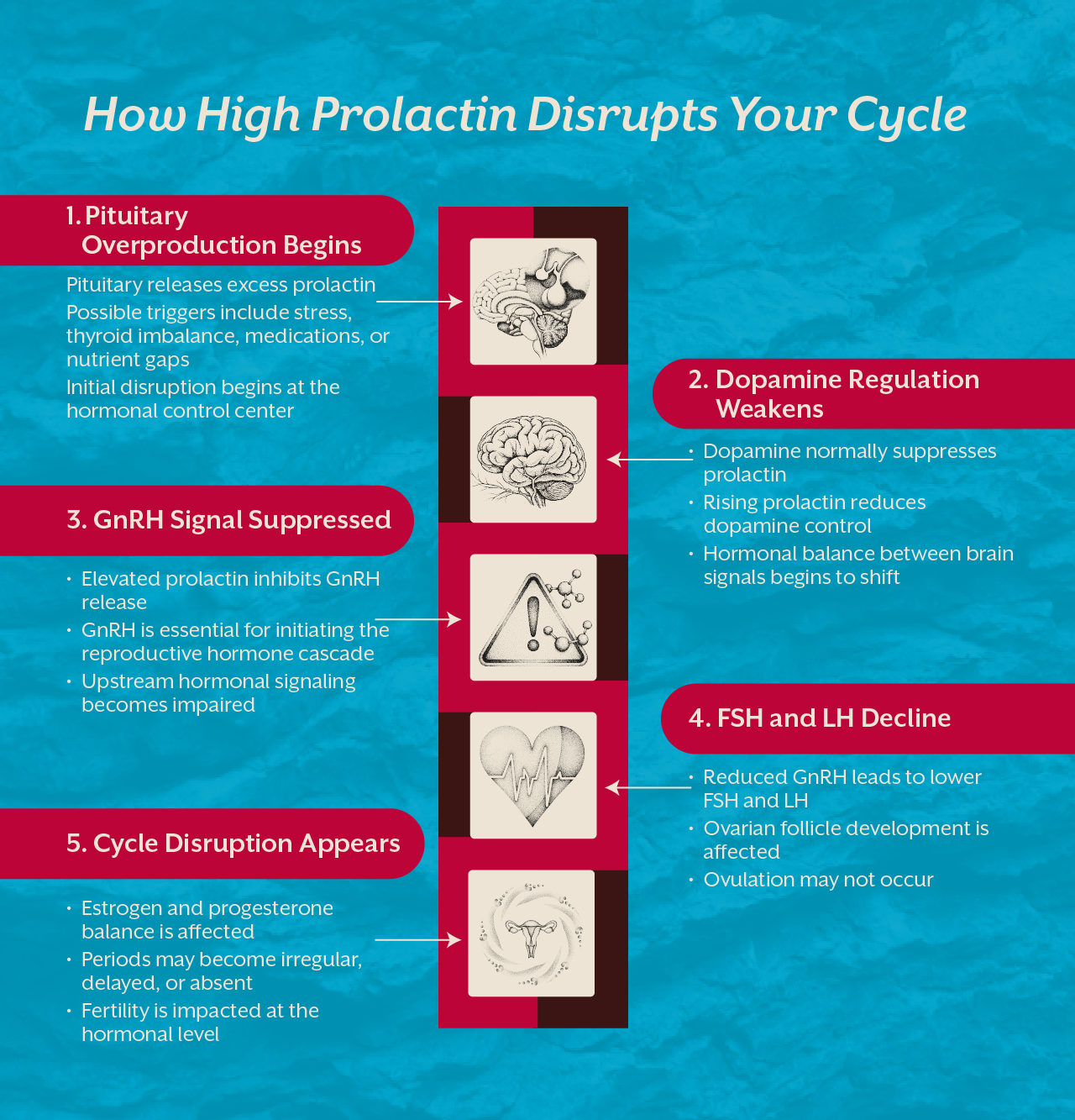
Prolactin is a hormone made by the pituitary gland. Its primary role is to trigger breast milk production after childbirth. Outside of pregnancy and nursing, prolactin should stay low. When it rises without a biological reason, the consequences are significant because prolactin directly suppresses FSH and LH, the two hormones that govern the menstrual cycle.

When prolactin climbs, FSH and LH fall. When FSH and LH fall, ovulation stops. And when ovulation stops, the period disappears or grows erratic. This is the central mechanism driving hyperprolactinemia symptoms in females, and why the period is always the first thing to go.

Women carry a far greater burden of this condition than men. The female hormonal system is simply more sensitive to prolactin fluctuations because the reproductive cycle depends on getting it right.

 How High Prolactin Disrupts Your Cycle

Hyperprolactinemia Causes: What Is Actually Driving Your Prolactin Up

The cause is not always the same and treatment depends entirely on finding the right driver.

Prolactinoma

The most common structural cause is a prolactinoma, a benign pituitary tumour that overproduces prolactin. These account for nearly half of all pathological cases and are more common in women than men. Women typically develop smaller microprolactinomas that are harder to detect on routine imaging, which is one reason diagnosis is so often delayed.

Hypothyroidism

When the thyroid is underactive, excess TRH directly stimulates prolactin secretion. A woman with poorly managed hypothyroidism may have elevated prolactin purely as a downstream consequence. Treating the thyroid often normalises prolactin entirely, without any direct prolactin intervention at all.

Medications

Antipsychotics, certain antidepressants, blood pressure medications, and antiemetics raise prolactin by blocking dopamine, the brain chemical that normally keeps prolactin suppressed. This dopamine connection is central to understanding the condition and why nutritional support can genuinely make a difference.

Chronic Stress and Sleep Disruption

Prolactin rises with physical stress, poor sleep, and sustained high cortisol. Women who are consistently overworked and under-rested often carry mild to moderate prolactin elevation that nobody connects to their symptoms. The overlap with burnout is real. Read our blog on Addison's Disease Symptoms in Women Mistaken for Burnout for a fuller picture of how stress-related hormonal conditions disguise themselves.

Where Is Your Prolactin Coming From

Hyperprolactinemia Symptoms in Females: What Your Body Is Saying

Prolactin and Irregular Periods

The relationship between prolactin and irregular periods is direct. Elevated prolactin suppresses GnRH, which reduces FSH and LH from the pituitary. Without these signals, the ovaries do not ovulate. Periods arrive late, become very light, or stop entirely. The cycle irregularity is the symptom. Elevated prolactin is the cause.

Galactorrhea: Milk Without Pregnancy

One of the more startling high prolactin symptoms in women is galactorrhea, the spontaneous production of breast milk in a woman who is not pregnant or breastfeeding. This occurs in roughly one third to half of women with hyperprolactinemia. Many women notice it and stay silent, assuming it is normal. It is not. It is a direct sign that prolactin is biologically elevated and active.

Prolactin Fertility Problems

Elevated prolactin blocks ovulation and therefore blocks conception. Women who have been trying to conceive for over a year with irregular cycles should have prolactin tested as a first-line investigation. In Indian infertility studies, elevated prolactin was found in nearly 37% of women with endocrine-related infertility. Prolactin fertility interference is one of the most treatable causes of anovulatory infertility once properly identified.

Mood Shifts, Low Libido, and Brain Fog

Elevated prolactin suppresses estrogen, and low estrogen drives depression, poor libido, brain fog, and emotional flatness. Women describe a version of themselves they do not recognise: disinterested, flat, and disconnected. These are biological symptoms, not character changes. Some are placed on antidepressants that raise prolactin further, quietly worsening the very hormonal environment they are trying to correct.

The Dopamine Connection: Why This Is a Brain Chemistry Problem Too

Prolactin secretion is controlled primarily by dopamine, which is released continuously from the hypothalamus. Dopamine truly suppresses prolactin. When dopamine falls, prolactin rises promptly. This is not just pharmacology, rather it is nutritional biochemistry.

Dopamine synthesis requires tyrosine, vitamin B6, iron, and zinc. When a woman is chronically stressed, nutritionally depleted, or sleeping poorly, dopamine production suffers and prolactin climbs. Lifestyle and nutrition are not optional extras here. They sit directly at the root of the mechanism.

Think of dopamine as the valve and the prolactin as the water. When the valve is strong enough, the water stays controlled. When it weakens, everything overflows.

Hyperprolactinemia Natural Treatment: The Nutritional Foundation

Medical treatment through dopamine agonists is the clinical standard for prolactinomas. But for women with idiopathic or mildly elevated prolactin, targeted nutritional support can produce meaningful change. Hyperprolactinemia natural treatment is not a replacement for medical investigation. It is the biological foundation that makes any treatment more effective.

Vitamin B6

Vitamin B6 is a critical cofactor in dopamine synthesis. Studies have shown that B6 supplementation can minimise elevated prolactin in women with idiopathic hyperprolactinemia. Without adequate B6, the enzymatic step that converts tyrosine into dopamine cannot complete efficiently, and prolactin suppression weakens over time.

Zinc

Zinc plays a direct role in regulating pituitary function as well as prolactin release. Zinc deficiency impairs dopamine receptor sensitivity and has been linked to elevated prolactin. Women experiencing hair thinning or acne alongside cycle irregularity should have zinc status assessed as part of their hormonal investigation.

Hyperprolactinemia Diet: What to Build Your Plate Around

A hyperprolactinemia diet is a rebuilding plan, not a restriction list. Prioritise tyrosine-rich foods: eggs, chicken, nuts, and seeds. Add magnesium-rich foods like pumpkin seeds for dopamine receptor support. Include vitamin C rich fruits and vegetables to reduce oxidative stress at the pituitary level. Stable blood sugar is non-negotiable since cortisol spikes directly drive prolactin upward. Avoid alcohol, excessive caffeine, and ultra-processed foods that disrupt hypothalamic signalling.

What Actually Confirms Hyperprolactinemia

Diagnosis begins with a fasting morning serum prolactin test, drawn at least 2 hours after waking and before any physical exertion. A single elevated reading is not sufficient for diagnosis. A second confirmatory test is needed before any treatment decision is made.

If prolactin remains elevated, a pituitary MRI is ordered to check for adenoma. Thyroid function and medication history are reviewed simultaneously. Finding the root cause, rather than simply suppressing the number, determines whether treatment will hold.

If you are experiencing irregular periods, unexplained infertility, or mood disruption alongside cycle changes, a root cause analysis can map the full hormonal picture rather than treating each symptom in isolation.

Key Takeaway

Hyperprolactinemia is not rare. It is one of the most common hormonal conditions in Indian women of reproductive age, hiding behind missed periods, unexplained infertility, and mood changes written off as stress for years.

A single prolactin blood test can begin to change an entire diagnostic story. Whether the driver is a pituitary adenoma, an underactive thyroid, B6 and zinc deficiency, or chronic dopamine depletion, this condition has clear mechanisms and clear pathways of support. It goes undertreated not because it is complex, but because it goes untested.

If your hormonal picture feels incomplete and the standard answers are not adding up, do not wait. Book a consult and let the right investigation finally begin.

Verify your details

Name
Phone
City
Pay Now
₹2500 only secured payment via Razor Pay

We’re Not In Your City Yet But We’re Not Letting You Go.

You don’t need to wait to start understanding your body.
Name
Phone
City
Get Free Consultation
We’re expanding fast  and you’ll be the first to know when home collection opens in your city.
Oops! Something went wrong while submitting the form.

You Get:

  • 60+ blood markers analysed using functional ranges
    Home sample collection
  • 1-hour consultation with a functional nutritionist
  • Root cause breakdown involving inflammation, gut, nutrients, immune triggers
  • Clear next-step protocol
Secure Payments Powered By
NET
Banking

Talk to our team

Thank you! Your submission has been received!
Oops! Something went wrong while submitting the form.

Talk to our team

Thank you! Your submission has been received!
Oops! Something went wrong while submitting the form.

Download Now

Thank you! Your submission has been received!
Oops! Something went wrong while submitting the form.
Select your Location
Agra
Ahilyanagar
Ahmadnagar
Ahmedabad
Ahmednagar
Akola
Aligarh
Allahabad
Almora
Alwar
Ambala
Ambedkar Nagar
Amravati
Amritsar
Amroha
Anand
Aurangabad
Ayodhya
Azamgarh
Baghpat
Bahadurgarh
Bahraich
Banda
Barabanki
Baraut
Bardhaman
Bareilly
Begusarai
Belgaum
Bengaluru
Bharatpur
Bhatinda
Bhilai Durg
Bhilwara
Bhiwani
Bhopal
Bhubaneswar
Bijnor
Bikaner
Bilaspur
Bokaro
Budhana
Bulandshahar
Chandigarh
Chennai
Chhatrapati Sambhajinagar
Chhindwara
Chomu
Darbhanga
Dehradun
Delhi
Deoband
Deulpur
Dhampur
Dhanbad
Durgapur
Eah
Etah
Etawah
Faizabad
Faridabad
Firozabad
Gadarpur
Gandhinagar
Ganganagar
Gaya
Ghaziabad
Ghazipur
Gonda
Gorakhpur
Greater Noida
Greater Noida Pc
Guntur
Gurgaon
Guwahati
Gwalior
Hajipur
Haldwani
Hapur
Hardoi
Haridwar
Hathras
Hazaribagh
Hisar
Hoshiarpur
Howrah
Hyderabad
Indore
Jabalpur
Jaipur
Jalandhar
Jalgaon
Jalna
Jamnagar
Jamshedpur
Jaunpur
Jhansi
Jhunjhunu
Jind
Jodhpur
Sorry, currently we are not serving this city.
Please try searching for another city or put your city here.
My Location not in the list
Your Location is 'Location'
Book a Test

City

Thank you! Your submission has been received!
Oops! Something went wrong while submitting the form.