

.svg)
.svg)







Introduction
High blood pressure rarely announces itself loudly. It does not always cause pain. It does not always disturb sleep. It does not always make you feel unwell. And yet, it silently reshapes arteries, strains the heart, burdens the kidneys, and increases long term cardiovascular risk.
When someone is diagnosed, the immediate pathway usually begins with hypertension medications. This is often necessary. For many individuals, medication lowers numbers quickly and reduces immediate cardiovascular danger. But the larger question remains unanswered for most patients: is lowering the number the same as solving the problem?
At iThrive Alive, we approach high bp treatment differently. We recognise that blood pressure is not just a number on a monitor. It is an output of vascular tone, metabolic signalling, kidney function, nervous system balance, inflammatory load, micronutrient status, and lifestyle stressors.
This blog explores both pathways. Medicines. Root cause care. And what truly works best when long term health is the goal.
Understanding What High Blood Pressure Really Represents
Blood pressure is the force exerted by circulating blood on arterial walls. When it remains chronically elevated, arteries gradually lose elasticity. The heart pumps against higher resistance. Microvascular damage accumulates.
However, hypertension is rarely a single organ disorder. It is usually a systems imbalance.
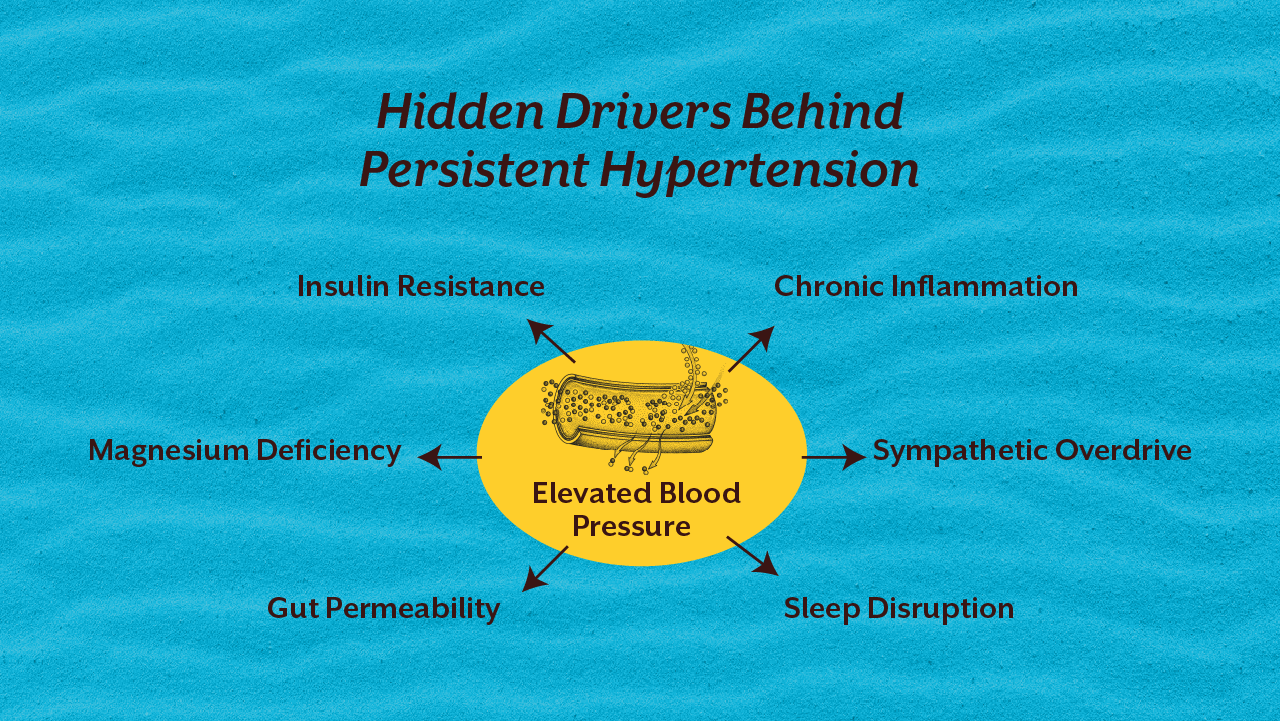
In clinical practice, we see several common drivers behind rising blood pressure levels. Insulin resistance stiffens arteries and increases sodium retention. Chronic stress activates the sympathetic nervous system, elevating vascular tone. Low magnesium impairs vascular relaxation. Inflammatory signalling alters endothelial function. Sleep deprivation raises cortisol and disrupts circadian rhythm.
The body does not randomly increase pressure. It responds to internal signals.
If you have read our earlier blog on insulin dysfunction, especially “Insulin Resistance: The Silent Phase Before Type 2 Diabetes”, you will recognise a pattern. Metabolic dysregulation rarely stays confined to one diagnosis. Blood sugar instability and high blood pressure often travel together.
High BP Treatment Through Medicines
For many patients, hypertension medications are lifesaving. In moderate to severe hypertension, delaying pharmacological treatment can increase cardiovascular risk. Medicines reduce stroke risk, lower cardiac workload, and protect kidneys in high risk individuals.
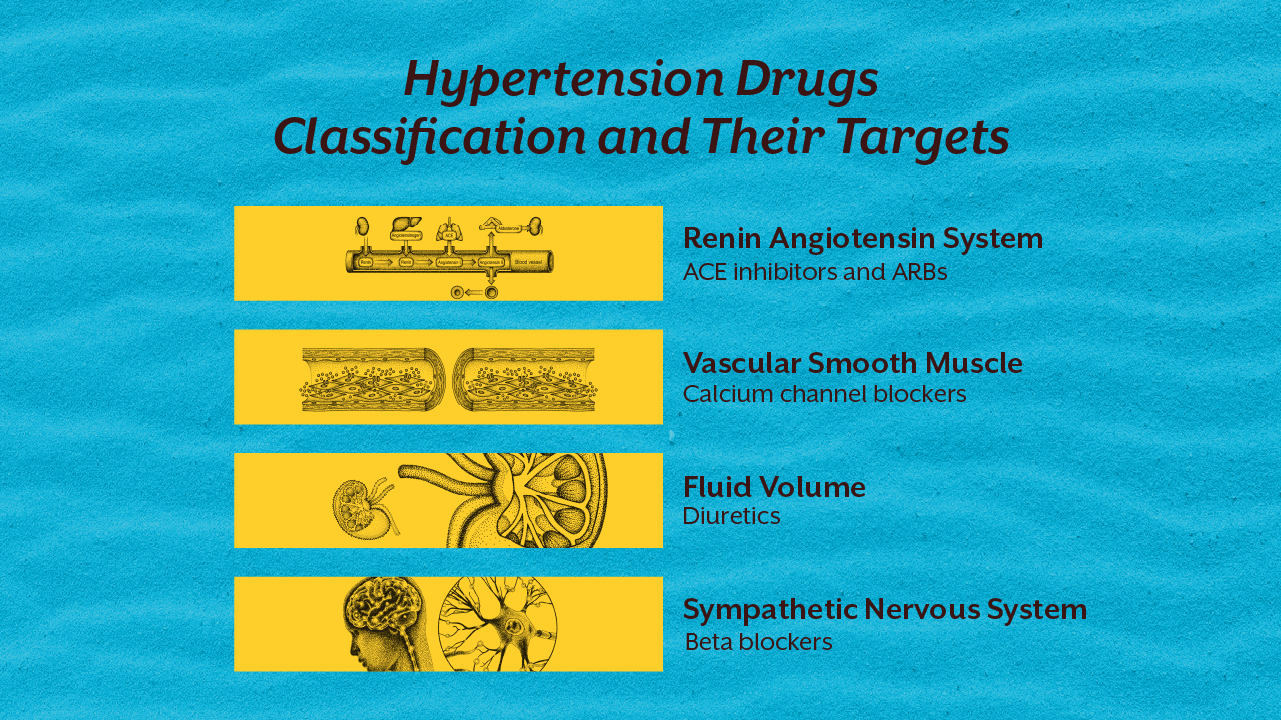
The hypertension drugs classification generally includes ACE inhibitors, ARBs, calcium channel blockers, beta blockers, diuretics, and others. Each class acts on a specific physiological pathway.
ACE inhibitors and ARBs influence the renin angiotensin aldosterone system. Calcium channel blockers reduce vascular contraction. Diuretics help eliminate excess sodium and fluid. Beta blockers reduce heart rate and sympathetic stimulation.
From a short term perspective, this approach works. Numbers drop. Risk decreases.
However, medication does not always address why the renin system was activated in the first place. It does not correct magnesium deficiency. It does not reverse insulin resistance. It does not repair endothelial inflammation. It does not regulate chronic sympathetic overdrive caused by stress.
This does not mean medicines are wrong. It means they are one layer of care.
At iThrive Alive, we often see individuals who have been on hypertension medications for years, yet metabolic dysfunction continues underneath. In some cases, dosages gradually increase because the underlying terrain was never addressed.
Medication is controlled. It is not always correct.
The Root Cause Approach to High BP Treatment
The root cause approach asks a deeper question. What physiological forces are pushing pressure upward?
At iThrive Alive, high bp treatment often begins with metabolic mapping. We evaluate fasting insulin, inflammatory markers, micronutrient levels, gut health, stress load, sleep quality, and dietary patterns.
Insulin resistance is one of the most under recognised contributors to hypertension. Elevated insulin promotes sodium retention and vascular smooth muscle growth. This increases resistance within arterial walls. Addressing insulin sensitivity through structured nutrition and strength training often shifts blood pressure more sustainably than sodium restriction alone.
Magnesium deficiency is another overlooked driver. Magnesium supports vascular relaxation and endothelial stability. Modern diets are frequently inadequate in magnesium rich foods. Correcting this can improve vascular tone naturally.
Chronic stress activates sympathetic dominance. Persistent adrenaline and cortisol signalling tighten blood vessels and elevate heart rate. Nervous system regulation, breath work, circadian correction, and resistance training become therapeutic tools, not lifestyle suggestions.
Gut health also plays a role. Endotoxins from intestinal permeability can increase systemic inflammation and impair nitric oxide production, reducing vasodilation capacity.
This systems biology model resembles the approach discussed in our published blog “A Systems Approach to Thyroid Health”. The principle remains the same. The gland is not isolated. The number is not isolated. The body is a network.
Root cause high bp treatment does not reject medicines. It builds the terrain so that dependence may reduce over time under medical supervision.
The Root Cause Approach to High BP Treatment
The root cause approach asks a deeper question. What physiological forces are pushing pressure upward?
At iThrive Alive, high bp treatment often begins with metabolic mapping. We evaluate fasting insulin, inflammatory markers, micronutrient levels, gut health, stress load, sleep quality, and dietary patterns.
Insulin resistance is one of the most under recognised contributors to hypertension. Elevated insulin promotes sodium retention and vascular smooth muscle growth. This increases resistance within arterial walls. Addressing insulin sensitivity through structured nutrition and strength training often shifts blood pressure more sustainably than sodium restriction alone.
Magnesium deficiency is another overlooked driver. Magnesium supports vascular relaxation and endothelial stability. Modern diets are frequently inadequate in magnesium rich foods. Correcting this can improve vascular tone naturally.
Chronic stress activates sympathetic dominance. Persistent adrenaline and cortisol signalling tighten blood vessels and elevate heart rate. Nervous system regulation, breath work, circadian correction, and resistance training become therapeutic tools, not lifestyle suggestions.
Gut health also plays a role. Endotoxins from intestinal permeability can increase systemic inflammation and impair nitric oxide production, reducing vasodilation capacity.
This systems biology model resembles the approach discussed in our published blog “A Systems Approach to Thyroid Health”. The principle remains the same. The gland is not isolated. The number is not isolated. The body is a network.
Root cause high bp treatment does not reject medicines. It builds the terrain so that dependence may reduce over time under medical supervision.
Key Takeaway
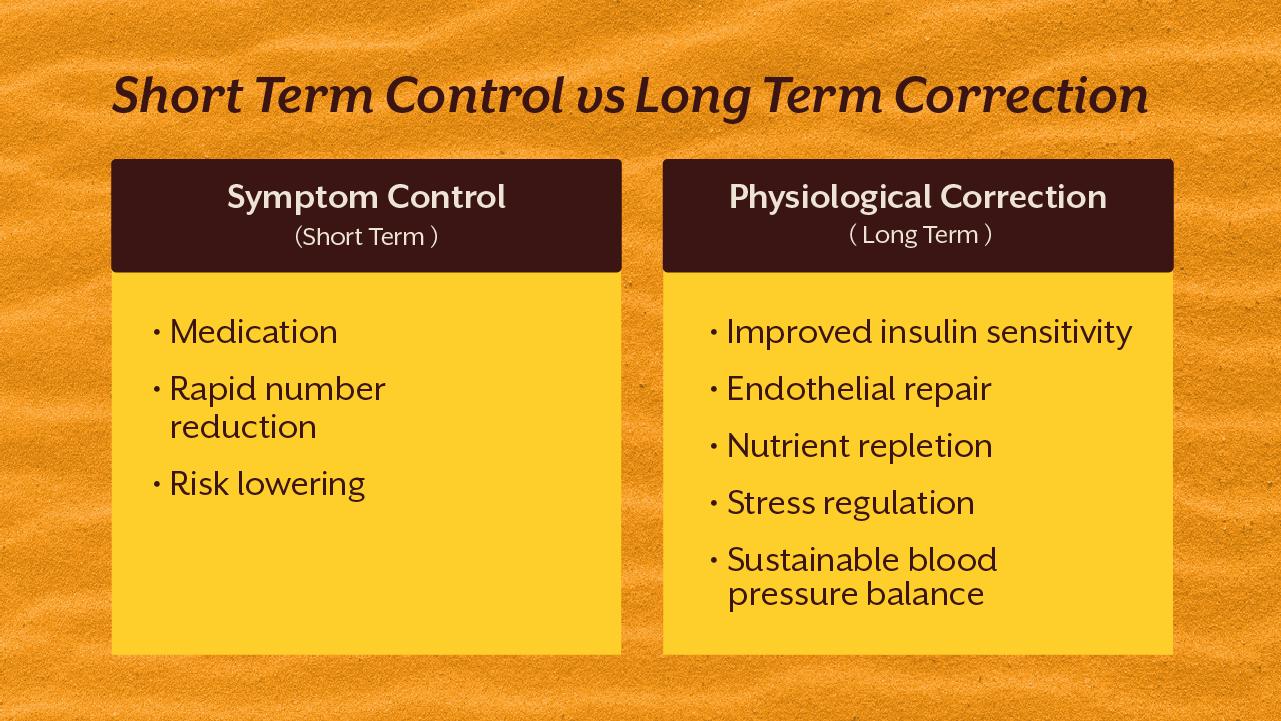
High bp treatment is not a debate between medicines and lifestyle. It is a decision about depth. Hypertension medications lower risk and save lives when appropriately prescribed. But if metabolic dysfunction, nutrient deficiencies, chronic stress, gut derived inflammation, and insulin resistance remain active, the body continues to generate pressure internally. A systems driven approach, as practiced at iThrive Alive, recognises blood pressure as an output of whole body physiology. When the terrain improves, vascular health improves. Medicines may still have a role, but they are no longer the only pillar holding the structure.






.webp)







.svg)