


.svg)
.svg)







Introduction
Most people are familiar with high blood pressure. It is widely discussed, frequently screened, and commonly treated. But a different and often more confusing pattern affects many individuals quietly like low BP and high pulse rate occurring together.
You may notice it when standing up suddenly and feeling lightheaded. Or when fatigue appears without explanation. Or when your heart seems to beat rapidly even though blood pressure readings appear low. For many people, this combination feels unsettling because it seems contradictory. If pressure is low, why is the heart working harder?
The body is not malfunctioning, it is compensating.
A low bp high pulse pattern is often the circulatory system’s attempt to maintain oxygen delivery when pressure is insufficient. When blood pressure drops, tissues may receive less perfusion. The heart responds by beating faster to preserve circulation. This is not a disease in itself, it is a regulatory response.
But when this pattern repeats frequently, it signals that the body is under persistent physiological strain.
Understanding what this combination means requires shifting perspective. Instead of viewing blood pressure and pulse separately, we must view them as coordinated outputs of a larger regulatory system involving circulation, nervous system signalling, fluid balance, and metabolic demand.
If you are experiencing low BP and high pulse rate repeatedly, your body is communicating something important. The goal is not to silence the signal, it is to understand why the signal exists.
1. Understanding the Circulatory Compensation Mechanism
Blood pressure and pulse rate work together to maintain tissue perfusion. When pressure falls, the body activates rapid compensatory mechanisms.
The nervous system detects reduced vascular tension and immediately increases heart rate. Faster heartbeats attempt to maintain blood flow despite lower pressure.
This process involves:
- sympathetic nervous system activation
- increased cardiac output
- vascular tone adjustments
- fluid redistribution
In short, when pressure drops, the heart speeds up to maintain oxygen delivery.
This explains why low bp and high pulse rate often appear together. The heart is not overreacting, rather it is protecting circulation.
However, when compensation becomes chronic, it indicates that the system is repeatedly forced to stabilize itself rather than operating smoothly.

2. Why Low BP High Pulse Happens Repeatedly
Occasional drops in pressure are normal. But persistent low bp high pulse patterns suggest regulatory strain across one or more physiological systems.
This may involve fluid imbalance, nervous system dysregulation, metabolic stress, or vascular responsiveness.
Many people first notice symptoms during transitions like standing, exertion, emotional stress, or after meals. These are moments when the body must rapidly redistribute circulation. If regulation is impaired, compensation becomes exaggerated.
Circulatory instability often reflects broader metabolic patterns. For example, individuals who experience unstable energy regulation or insulin fluctuations may also experience vascular instability. Readers interested in metabolic regulation and systemic energy balance may find deeper context in “Is Your Desk Job Making You Insulin Resistant?”, which explains how sedentary physiology alters regulatory efficiency across multiple systems.
Similarly, environmental stressors affecting inflammatory load and vascular function are explored in “The Truth About Toxins: What’s Hiding in Your Daily Routine.” Circulation does not operate in isolation, it reflects total physiological burden.
3. The Nervous System’s Role in Blood Pressure Stability
Blood pressure regulation depends heavily on autonomic balance. The autonomic nervous system constantly adjusts heart rate and vascular tone in response to posture, temperature, stress, and metabolic demand.
When regulatory signalling becomes inconsistent, the body struggles to maintain steady circulation. Pressure may drop suddenly, and heart rate rises to compensate.
Chronic stress, poor recovery, and disrupted circadian rhythms can shift the nervous system toward persistent alertness. Over time, regulatory flexibility decreases.
The result is instability rather than disease but instability itself creates symptoms.

4. Fluid Distribution and Vascular Volume
Blood pressure is strongly influenced by fluid balance. If circulating volume is reduced, pressure falls. The heart must beat faster to maintain perfusion.
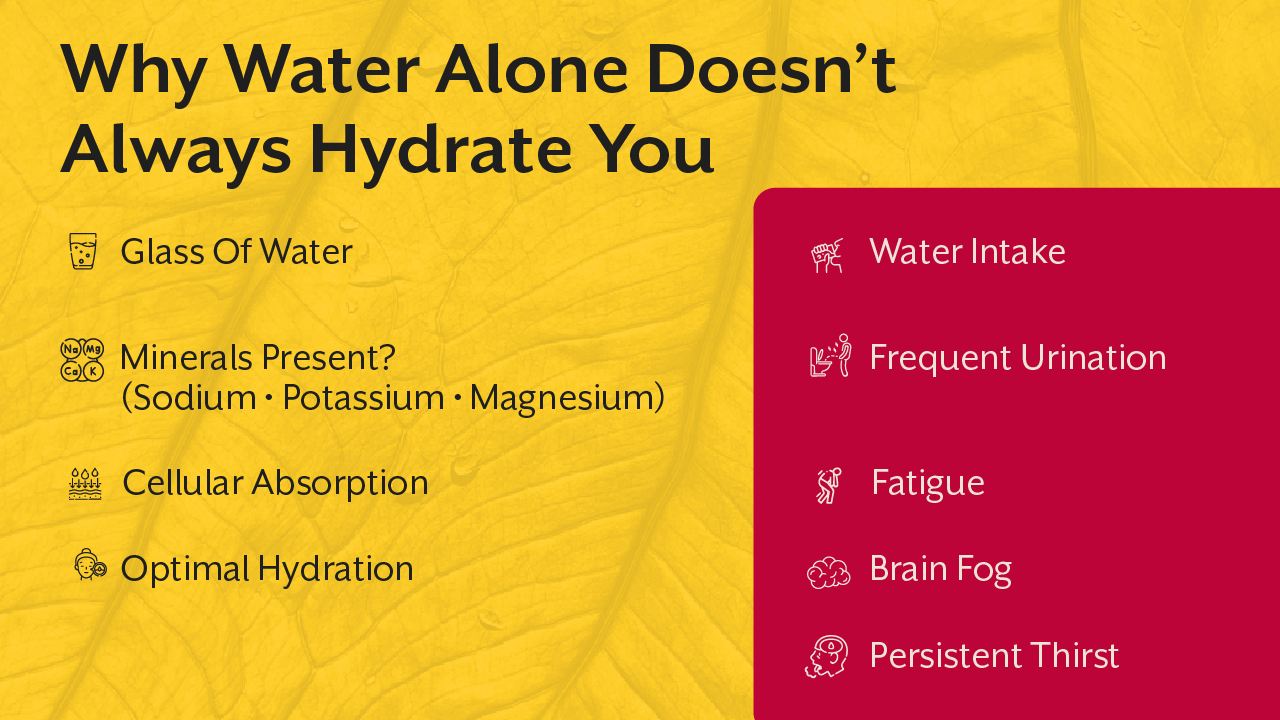
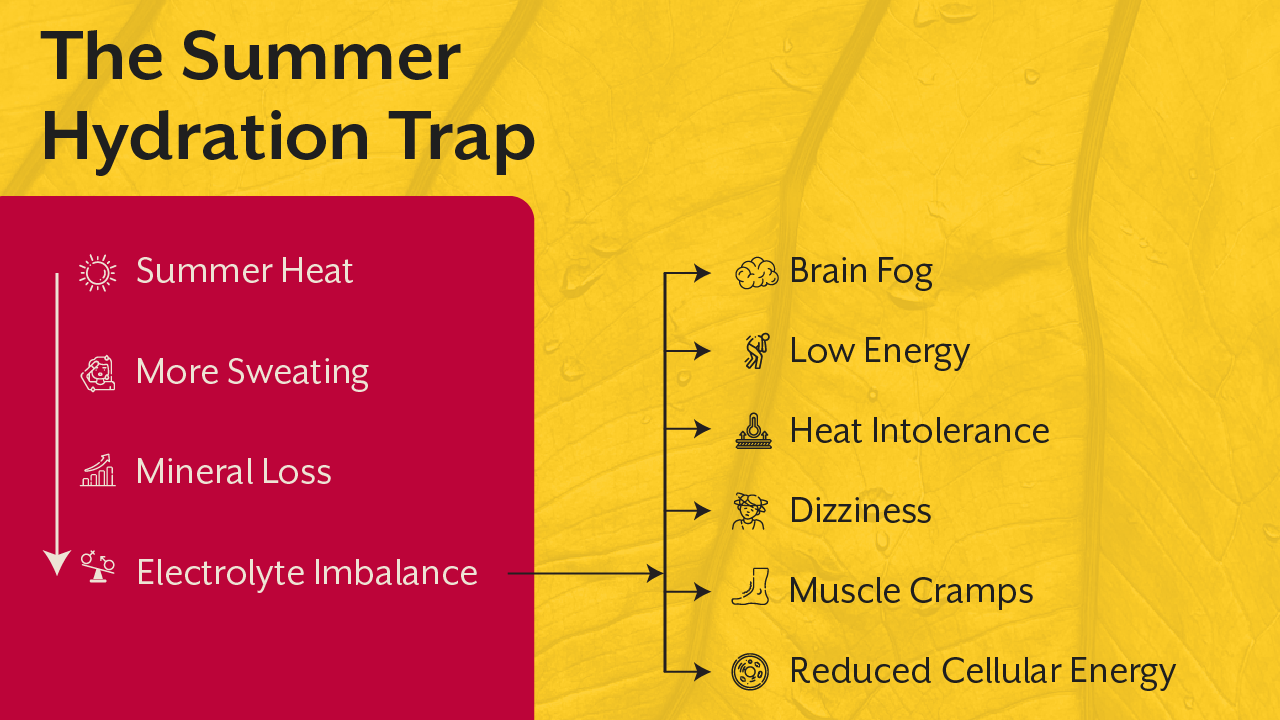
Fluid imbalance may result from dehydration, electrolyte shifts, hormonal regulation changes, or impaired vascular tone.
Many individuals underestimate how strongly hydration, mineral balance, and vascular responsiveness interact. Circulation is not simply about heart function, in fact it is about volume distribution and vessel behaviour.
5. Metabolic Demand and Energy Regulation
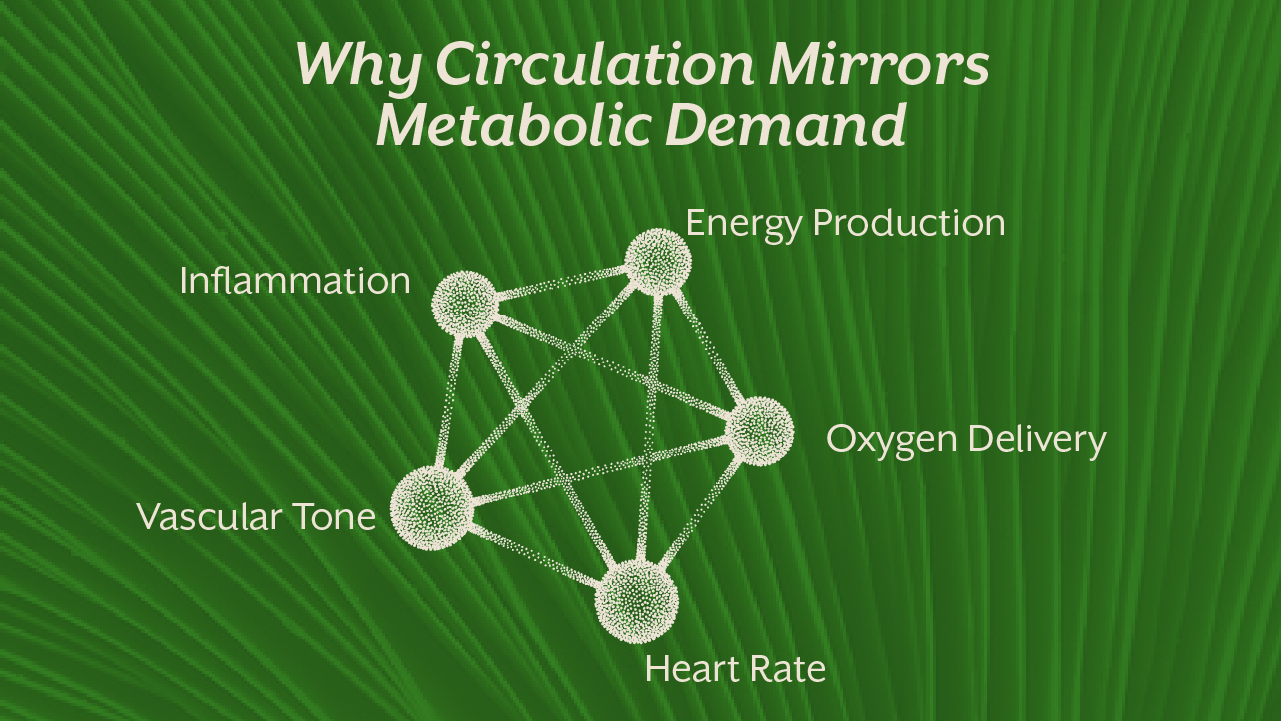
Circulation serves metabolism. When tissues require more oxygen or energy, cardiovascular output increases. If metabolic demand fluctuates unpredictably, circulatory regulation must adapt rapidly.
Energy instability, mitochondrial inefficiency, or inflammatory load can all influence vascular responsiveness.
This is why some individuals experience low bp high pulse alongside fatigue, poor recovery, or temperature sensitivity. These are not separate issues, they are interconnected outputs of systemic regulation.
6. How to Support the Body When Low BP and High Pulse Occur
Support begins with stabilisation, not suppression.
When symptoms arise, the goal is to help circulation re-equilibrate:
- gentle posture adjustments
- slow breathing
- fluid intake when appropriate
- gradual movement rather than sudden exertion
Long-term support requires strengthening regulatory capacity further improving vascular responsiveness, metabolic stability, and nervous system recovery.
7. A Systems-Based Approach to Circulatory Stability
Managing low bp and high pulse rate effectively requires moving beyond symptom management toward regulatory restoration.
This is the clinical model used at iThrive Alive, where circulatory patterns are evaluated within a broader physiological framework. Rather than focusing only on numbers, assessment includes metabolic efficiency, inflammatory load, autonomic regulation, and vascular responsiveness.
Lifestyle interventions, structured nutrition, and targeted supplementation are used to stabilise systemic regulation rather than merely reacting to episodes.
If you feel your body is frequently compensating rather than stabilising, you may consider choosing to book a root cause analysis to understand the underlying drivers or book a consult to explore personalised support strategies.
Because when the body repeatedly compensates, it is asking for restoration, not temporary control.
Key Takeaway
Experiencing low BP and high pulse rate together is not random and not contradictory. It is a coordinated physiological response designed to maintain circulation when pressure falls. But when this pattern occurs repeatedly, it signals that the regulatory systems responsible for vascular tone, fluid balance, nervous system signalling, and metabolic stability are under strain. Supporting the body requires more than reacting to symptoms, it requires strengthening the systems that maintain steady circulation in the first place. When regulation improves, compensation becomes unnecessary, and stability returns naturally.







.webp)








.svg)