Dietary fiber is important for a healthy diet, but it is often forgotten despite its many health benefits. It's an essential part of a wholesome, balanced diet that has been proven to prevent disease, maintain digestive health, and promote overall well-being. This reading discusses the value of dietary fiber and the types of fiber, what it does in the body, the benefits to health, how much is needed and fiber food sources through comprehensive research.
What is Dietary Fiber?
Dietary fibre is the edible parts of plants or analogous carbohydrates that are resistant to digestion and absorption in the human small intestine with complete or partial fermentation in the large intestine. Unlike other carbs, such as starch and sugar, which are broken down into sugar, fiber goes through the body undigested, providing a number of health benefits.
Fiber is divided into two main types:
Soluble Fiber: This type dissolves in water, creating a gel-like substance in the digestive system. It can help reduce cholesterol and stabilize blood sugar levels. Common sources include oats, beans, lentils, fruits, and psyllium husk.
Insoluble Fiber: This type does not dissolve in water and helps add bulk to stool, facilitating regular bowel movements. It is found in whole grains, nuts, seeds, and the skins of fruits and vegetables.
Health Benefits of Dietary Fiber:
Digestive Health: Fiber supports regular bowel movements, lowering the risk of constipation and other digestive issues. Studies show that a high-fiber diet promotes a healthier gut microbiota, which is vital for digestion and immune health. A healthy gut microbiota relies on fiber to nourish beneficial bacteria, leading to improved digestion and reduced bloating.
Weight Management: Foods high in fiber are typically low in calories but high in volume, which helps promote feelings of fullness. Research suggests that increasing fiber intake can assist with weight loss and maintenance by lowering overall calorie consumption, thus minimizing overeating and unnecessary snacking.
Heart Health: Soluble fiber is effective in lowering cholesterol levels. It can decrease total blood cholesterol by reducing low-density lipoprotein (LDL) levels. Additionally, it helps manage blood pressure and decrease inflammation.
Blood Sugar Control: Eating fiber, particularly soluble fiber, aids in regulating blood sugar levels, which is crucial for diabetes management. A high-fiber diet can enhance glycemic control by slowing the absorption of sugar into the bloodstream. Meals rich in fiber help maintain steady blood sugar levels, preventing spikes and crashes.
Conclusion:
While fiber may not be the most glamorous nutrient, it is undeniably vital for long-term health. From supporting digestion to preventing diseases and even enhancing mental well-being, fiber is a fundamental component of a balanced diet. Incorporate fiber into your meals to reap its significant benefits. The importance of fiber is immense making it a part of your daily nutrition is a straightforward yet powerful step toward improved health.
A
Ask your doubts
Thank you! Your submission has been received!
Oops! Something went wrong while submitting the form.
Related Blogs
read count
read time
Trending Post
Dec 22, 2025
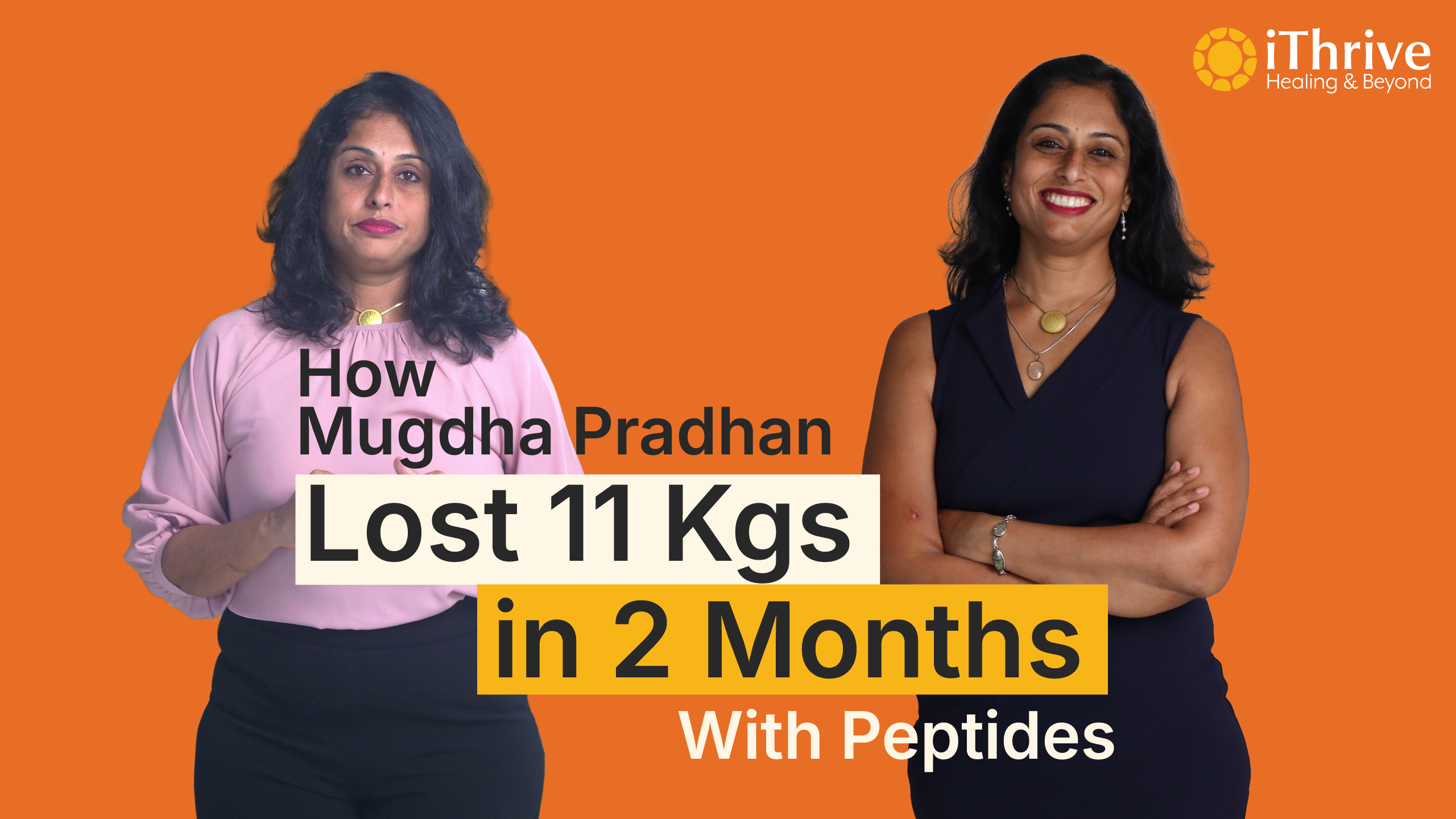
Mugdha Pradhan's easy weight loss journey with GLP-3 peptides
Read Mugdha’s real experience of losing 11 kg with peptide, supported by nutrition, strength training, hydration, and emotional healing.
Introduction
I’ve been working in the field of functional nutrition for many years. Through iThrive, I’ve supported thousands of people with their healing journeys. But despite all this knowledge, I found myself struggling with weight gain. Not because I didn’t know what to eat or how to cope with it, but because life became very heavy for a while.
People rarely see the emotional side of weight gain. They only see the number increasing on the scale. In my case, those extra kilos were connected to years of emotional stress, uncertainty, and situations that were mentally exhausting. When I finally acknowledged what was happening and understood how deeply stress was affecting my behaviour, I knew I needed proper support.
That is when I began researching peptides seriously. I did not want something that would harm my metabolism or cause dependency. I only wanted support that aligned with biology and long-term health. After understanding the science in detail, I decided to try Retatrutide peptide. With the right nutrition, routine, emotional work, and guidance, I lost 11 kgs in two months in a way that felt safe, steady, and manageable.
Why I Gained Weight
My weight gain didn’t happen suddenly. It happened slowly over almost three years. During this time, my daughter’s court case was going on, and it consumed a large part of my emotional and mental energy. I was also navigating personal challenges and a few organisational conflicts. Even though I was functioning externally, internally I felt tired and overwhelmed.
Food slowly became the easiest way to feel a little better. Ordering something comforting at the end of the day became normal. Snacking during meetings felt harmless and social meals became more frequent.
It wasn’t mindless eating, it was stress-driven eating. My body was looking for something that felt grounding or soothing, and food filled that gap temporarily.
Even though I knew why this was happening, I didn’t have the emotional space to reverse it at that time. I wasn’t overeating because I didn’t understand nutrition; I was eating because I was coping with difficult situations. Over time, this added up as weight gain.
How Peptides Entered My Life
When things finally settled a little and I had space to reflect, I realised that my eating patterns had turned into a deeply conditioned cycle. I wasn’t eating because I was hungry. I was eating because my brain was wired that way after months of emotional strain.
I needed something that would help silence the food noise and help me regain control without feeling like I was fighting myself. This is when peptides came into the picture. Before making a decision, I spent weeks studying them. I compared different advanced peptides like Mounjaro, Tirzepatide, and Retatrutide. I went through molecular pathways, clinical outcomes, long-term studies, and safety data.
Retatrutide stood out because it worked on three pathways at once:
GLP-1: reduces appetite and slows stomach emptying
GIP: improves insulin response and blood sugar control
Glucagon: increases energy expenditure
How Retatrutide Works
1. Appetite Reduction
Retatrutide helped me feel full faster and stay full longer. I wasn’t thinking about food constantly, and the cravings reduced naturally.
2. Blood Sugar Stability
Because my blood sugar was stable, I wasn’t experiencing sudden dips that usually trigger emotional eating or binge patterns. This alone made a huge difference in my day.
3. Increased Fat Burning
Retatrutide also supported my metabolism. I didn’t feel sluggish. My body was burning stored fat more efficiently, even on days when I wasn’t able to move as much.
My Step-by-Step Journey
Starting Peptide Therapy
I started Retatrutide on 30th August 2025. I didn’t expect it to solve everything on its own. I was clear that peptides were just one part of the plan. The real transformation needed nutrition, movement, hydration, routine, and emotional work.
Nutrition
People on peptides often end up eating very little because their appetite drops sharply, but that’s also where unintentional muscle loss begins. I didn’t want that to happen, so I followed a structure that felt practical and sustainable for me. I made sure to start my day with three eggs for breakfast, had a protein shake mid-morning, and ate around 200-250 grams of animal protein with a salad for lunch. Along with this, I took my essential vitamins and minerals every day. This routine helped me keep my protein intake steady, maintain muscle, and support my overall metabolic health throughout the peptide journey.
Movement
I did strength training three times a week, and this one habit made the biggest difference. When you’re on peptides, your appetite drops and you naturally eat less, which can put you at risk of losing muscle along with fat. Strength training protects you from that. It tells your body to hold on to muscle even when you’re in a calorie deficit. It also improves insulin sensitivity, supports metabolism, and keeps your body looking toned instead of weak or depleted. Because of this, even while my weight was going down, my muscle percentage actually increased. That’s why pairing peptides with resistance training is essential—it helps you lose the right kind of weight and stay strong through the process.
Hydration
When you’re on peptides, your appetite naturally goes down, but what many people don’t realise is that your thirst also reduces. This means you may not feel like drinking water even when your body actually needs it. I noticed this early on, so I made a conscious effort to drink water throughout the day. Proper hydration supports digestion, energy, skin health, and overall recovery, and it also helps your body handle the changes that come with weight loss. Even if you don’t feel thirsty, drinking enough water is essential when you’re on peptides.
Emotional Healing
As the weight came off, I noticed old emotions resurfacing. That period of trauma, helplessness, and conflict came back to my awareness. This time, I gave myself the time to process it. Without working on the emotional root, I knew weight gain could come back.
Healing my emotions made my relationship with food more balanced and peaceful.
Daily Routine
My mornings were slow and structured. Meditation, red light therapy, molecular hydrogen, grounding, and sunlight exposure helped stabilise my nervous system and supported hormone balance.
In the evenings, I reduced screen exposure and prioritised sleep. Sleeping by 9:30 PM helped my recovery, hunger hormones, and overall energy. This routine supported my physical and emotional healing equally.
The Results
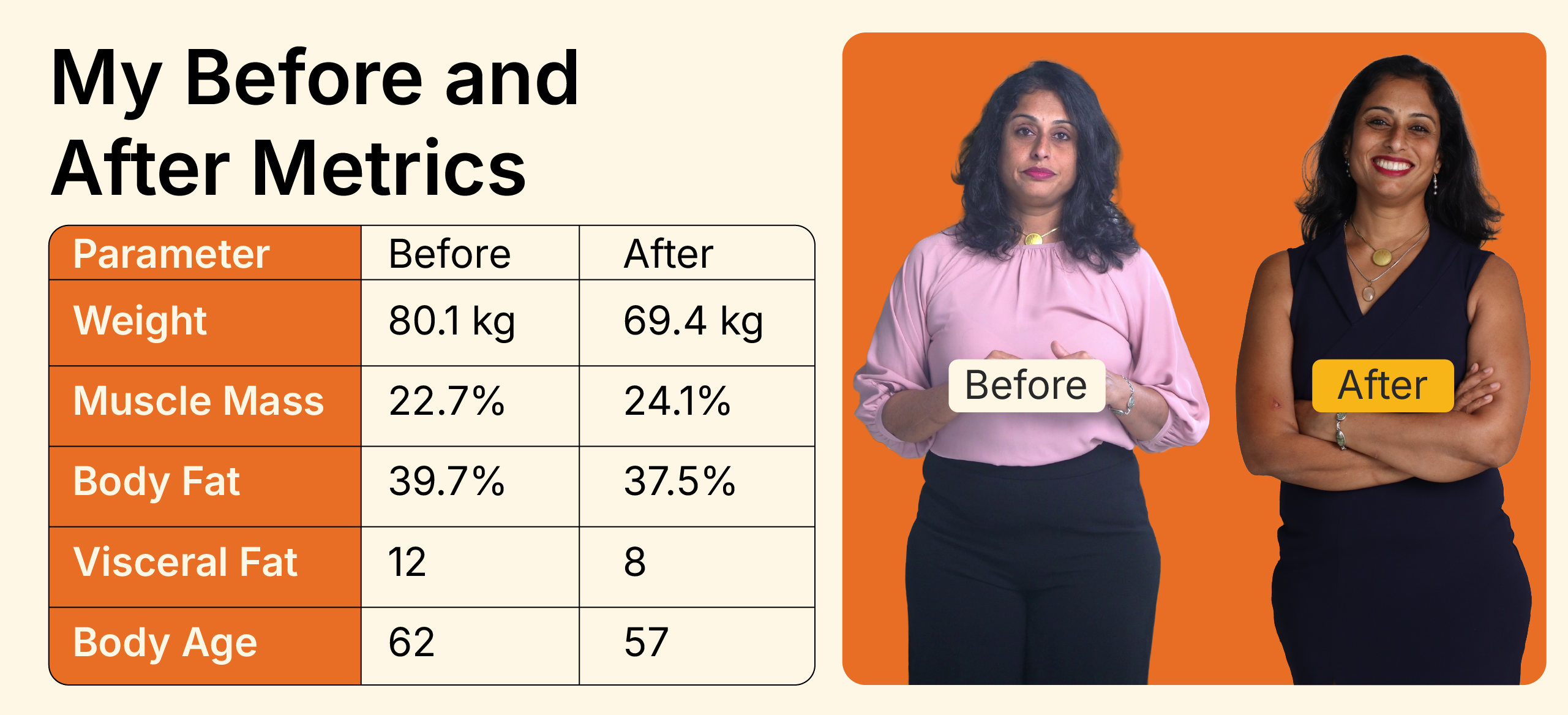
After two months of being on peptides, I started seeing noticeable changes in my body. My weight came down steadily, my muscle percentage increased, and both body fat and visceral fat reduced in a healthy way. Even my body age improved, which reassured me that my approach was supporting my metabolism instead of harming it. These results showed me that I was moving in the right direction. I’m happy with the progress so far, but I still have a final goal to reach, and I’m continuing the journey with the same steady, balanced approach.
Conclusion
This journey taught me that weight loss is not just about food or willpower. It is deeply connected to emotions, stress, biology, sleep, and routine. Peptides did not replace my lifestyle. They simply removed the internal resistance and made it easier to follow the habits that I already knew were right for my body.
When used with proper guidance, peptides can be a safe and effective tool for people who feel stuck despite trying everything to lose weight. If you want to explore this approach, you can book a free consultation with us and understand what will work best for your body.
read count
read time
Trending Post
Nov 26, 2025
Why We’re Aging Faster: 12 Daily Habits to Reverse It
Discover why we’re aging faster today and learn simple daily habits that boost energy, improve health, and help you live longer and healthier.
Everyone wants to live a long life, but what most of us truly want is to stay healthy, energetic, and active as we age. Longevity isn’t just about adding more years to your life. It’s about adding more life to your years, waking up fresh, moving without pain, staying mentally sharp, and enjoying every stage of life without feeling held back by your body.
But the reality is even though we’re living in a modern world, our bodies are aging faster than ever. Many people in their late 20s and early 30s already feel constant fatigue, hormonal issues, bloating, hair fall, stress and low energy problems that were once considered normal after 50. This is happening because the way we’re living today is putting a lot of pressure on our cells, our hormones and our overall health. And without even realising it, we are speeding up our own aging process.
In this blog, we’ll break down what longevity really means, why our bodies are getting older at such a young age, and the simple lifestyle changes that can help us live longer and live better.
What Is Longevity, Really?
Longevity isn’t just about living for many years, it’s about living those years in good health. It means waking up every day with enough energy to enjoy life, staying mentally sharp as you grow older, and keeping your body strong and active for as long as possible. In simple words, longevity is the art of living longer and living better.
To understand longevity, it helps to look at two ideas: lifespan and healthspan. Lifespan is the total number of years you live, while healthspan is the number of years you live without major illnesses, heavy medications, fatigue or constant discomfort. Most people don’t just want a long life, they want a long, healthy life where they can move freely, think clearly and feel happy in their bodies.
The science of longevity shows us that aging is not only about time passing. It’s also about what’s happening inside our cells, how well they repair themselves, how much stress they’re exposed to, how inflamed the body is and how balanced our hormones are. The interesting part is that many of these factors are influenced not by genetics, but by our daily habits.
This means that a big part of longevity is actually in our hands. The food we eat, the sleep we get, the stress we carry, how much we move, all these small choices add up and shape how long and how well we live.
Why Are Our Bodies Aging Faster Today?
1. Constant Stress
Most of us live with nonstop pressure, work, responsibilities, and daily worries. This keeps the body in a continuous stress mode that leads to increased cortisol levels. When cortisol stays high, it affects sleep, digestion, hormones and the body’s ability to repair itself. Over time, this leads to early aging.
2. Poor Diet and Low Nutrition
We eat a lot but we don’t always eat well. Processed foods, sugar and restaurant meals lack essential vitamins and minerals. Without proper nutrition, the body cannot heal, fight inflammation or maintain healthy cells and this speeds up aging.
3. Sedentary Lifestyle
Most people spend hours sitting at desks, in cars or on the couch. When the body doesn’t move enough, metabolism slows, muscles weaken and circulation drops. This makes the body age faster and reduces overall energy.
4. Not Sleeping Well
Late nights, screens, and stress disturb sleep quality. Since the body repairs itself during sleep, poor sleep means poor recovery. This shows up as fatigue, dull skin, low mood and faster aging.
Explore how sleep is interlinked with obesity and inflammation: Click here
5. Exposure to Toxins
Pollution, plastics, chemical-based products and even daily household items expose us to toxins constantly. These create oxidative stress which is a major trigger for cellular damage and early aging.
Continuous screen use strains the eyes, tires the brain and keeps the mind overstimulated. This mental fatigue increases stress hormones and drains energy, contributing to early aging.
How excess screen time can affect human health: Learn more
7. Hormonal Imbalances
Stress, poor sleep, unhealthy food and lack of movement disrupt important hormones like insulin, cortisol and thyroid hormones. When hormones go out of balance, it affects metabolism, skin, mood and overall health, all of which influence how quickly we age.
Longevity Hacks: Simple Habits to Help You Live Longer and Healthier
1. Eat Real, Whole Foods
Your body thrives on nutrients, not on packaged or processed foods. Whole foods like vegetables, fruits, lean proteins, healthy fats, and whole grains provide vitamins, minerals, and antioxidants that repair cells and reduce inflammation. When you reduce sugar and processed food, you slow down cellular damage that is one of the biggest causes of early aging.
2. Move Every Day
Movement is one of the easiest and most powerful longevity tools. You don’t need an intense gym routine; even walking 7,000-10,000 steps, stretching or doing light home workouts makes a big difference. Regular movement boosts blood flow, improves energy, strengthens muscles, and supports a healthy metabolism. Sitting less and moving more keeps your body younger for longer.
3. Sleep Like Your Health Depends on It
Sleep is your body’s natural repair system. During deep sleep, the body heals tissues, balances hormones, clears toxins from the brain and resets your energy. Without 7-9 hours of quality sleep, these processes are disrupted, leading to fatigue, poor skin, hormonal imbalance and faster aging. Good sleep is one of the strongest predictors of longevity.
4. Manage Your Stress Levels
Chronic stress accelerates aging faster than almost anything else. It increases cortisol, which affects hormones, digestion, immunity and sleep. Simple habits like deep breathing, meditation, journaling, prayer, yoga or spending time in nature help lower stress and calm the nervous system. A relaxed mind supports healthier cells and a longer life.
5. Stay Hydrated
Water helps every system in your body work smoothly. It carries nutrients to cells, flushes toxins out, supports digestion, improves skin and keeps your brain sharp. Even mild dehydration can make you feel tired, foggy or older than you are. Aim to drink throughout the day, not just when you feel thirsty.
6. Get Morning Sunlight for Vitamin D
Sunlight is essential for your circadian rhythm (your body clock) and for Vitamin D production. Just 10-20 minutes of morning sunlight can boost your mood, improve sleep quality, strengthen bones, and support immunity. Low Vitamin D is linked to fatigue, poor immunity, and faster aging. If you are not getting enough vitamin D you can go for other options like supplementation.
7. Strength Train for Strong Muscles
Losing muscle is one of the biggest reasons people feel weak and old with time. Strength training even with light dumbbells or bodyweight exercises helps you maintain muscle mass, keep your bones strong, and boost your metabolism. Just 2-3 sessions a week can slow down age-related decline.
8. Reduce Toxins Where You Can
You can’t control every environmental toxin, but you can reduce many by making simple switches: using natural skincare, avoiding plastic containers, choosing cleaner household products, and ventilating your home. Lower toxin exposure reduces oxidative stress, helping your cells stay younger and healthier.
9. Support Your Gut Health
A healthy gut supports digestion, hormones, immunity, and even your mood. Eating fiber-rich foods, fermented foods, and staying hydrated keeps your gut bacteria balanced. When your gut is healthy, inflammation stays low, and low inflammation is key to longevity.
10. Keep Your Mind Active
Your brain also needs exercise. Reading, learning new skills, solving puzzles, practicing hobbies, or even engaging in meaningful conversations keeps your mind sharp. Staying mentally active reduces the risk of cognitive decline and helps maintain strong brain health as you age.
11. Build Strong Relationships
Humans are wired for connection. Good relationships reduce stress, increase happiness, and support emotional and mental well-being. Studies show that people with strong social bonds live longer and handle life’s challenges better. Even simple interactions like talking to a friend, spending time with family, connecting with your community improve longevity.
12. Understand What’s Happening Inside Your Body
One of the smartest ways to protect your health is to monitor it. A detailed check-up or a Root Cause Analysis (RCA) helps you understand your nutrient levels, inflammation markers, gut health, metabolic health, and hormones. When you know what’s going on inside, you can make better choices and prevent problems before they become serious. This is a major step toward long-term health and longevity.
read count
read time
Trending Post
Nov 14, 2025
Is BMI an accurate measurement of your health?
Did you check your BMI? Learn what your BMI indicates about your health, the ranges and what they mean, and the next steps after analysis.
BMI, or Body Mass Index, is a basic calculation that compares your weight to your height. It gives you an idea of whether your current weight is in a healthy range or not. Knowing your BMI is important because it helps you understand if you are underweight, overweight, or at a balanced weight. These numbers are not just about appearance. They are closely linked to your risk of lifestyle disorders, hormonal imbalances, fatigue, weak immunity, and metabolic issues.
A lot of people guess their ideal weight based on what looks good or what others say, but assumptions can be misleading. Your BMI (Body Mass Index) can tell you whether your weight is in a healthy range for your height, but it doesn’t show the full picture of your health. You might have a normal BMI and still struggle with fatigue, bloating, or hormonal issues. That’s because BMI only measures weight, not what’s actually happening inside your body. At iThrive, we look beyond numbers through our Root Cause Analysis (RCA), which studies your blood markers, nutrition, and lifestyle to find what your body truly needs. So, while BMI is a good starting point, real health comes from understanding your root causes. Check your weight status with iThrive’s free BMI calculator.
About iThrive’s BMI Calculator and How to Use It
iThrive’s BMI calculator online is designed to help you understand your current weight status in a quick and accurate way. Unlike random online tools, this BMI calculator India is part of a functional health approach. It gives you a clear idea of where you stand so you can take the next right steps.
You do not need any medical knowledge to use it. The process is simple and takes less than a minute.
Enter your height in centimeters or feet and inches
Enter your current weight in kilograms
Click on the calculate button
You will instantly see your BMI number along with the category it falls under. This quick calculation gives you a snapshot of your health status. Once you know your result, it becomes easier to understand what your body needs next. Interpret your BMI results.
BMI Categories and Ranges
Once you calculate your BMI using our Body Mass Index calculator, the next step is understanding what your number actually means. Here is a clear breakdown of the BMI categories along with what each range may indicate:
Underweight: < 18.5
If your BMI is below 18.5, it means your body weight may be lower than what is considered healthy for your height. This can be a sign of low muscle mass, nutritional deficiencies, poor absorption, weak immunity, or an underlying health condition. Book your RCA to find out why your BMI is low.
Normal: 18.5 - 24.9
This range is considered a healthy and balanced zone for most adults. It usually indicates that your weight is proportionate to your height and that your body is not under stress because of being too light or too heavy. However, even within this range, lifestyle and internal health still play a major role in how you feel. Even if your BMI falls within the normal range, it doesn’t always mean you’re completely healthy. Many people with a normal BMI still struggle with issues like fatigue, poor gut health, hormonal imbalances, or nutrient deficiencies. So while it’s a good sign that your weight is balanced, true health goes beyond numbers. Book your RCA (Root Cause Analysis) to know the full picture of your health.
Overweight: 25 - 29.9
A BMI in this range shows that your weight is higher than what is ideal for your height. Many people in this category do not notice changes immediately, but this stage often acts as a warning sign. It increases the risk of inflammation, insulin resistance, joint issues, energy fluctuations, and metabolic stress if not addressed on time. Book your RCA to understand the causes behind weight gain.
Obese: ≥ 30
A BMI of 30 or above means your body is carrying excess weight that can start affecting multiple functions. This range is linked to a higher risk of chronic conditions like diabetes, PCOS, hypertension, heart disease, fatty liver, hormonal imbalances and reduced mobility. Obesity is not just about eating more. It can also be driven by deeper issues in the body. Check your weight status with our BMI calculator for men, women, or kids and teens.
These categories help you understand where you currently stand, but BMI alone cannot explain why your number is higher, lower, or normal. The real insights come when you look deeper into the causes behind your weight.
If Your BMI Isn’t Ideal - Time for Root Cause Analysis
Your BMI is more than a number. It is a signal from your body telling you that something may need attention. Whether it is higher or lower than the healthy range, it is important not to just follow random diets or workout fads. Instead, understanding the root causes behind your BMI can guide you to long-term health and sustainable results.
Reasons You May Be Overweight
Many people think weight gain is always caused by eating too much, but it is rarely that simple. Several internal and external factors can contribute:
Hormonal Imbalances: Hormones act like your body’s control system for weight. Thyroid issues, insulin resistance, PCOS, or high cortisol from stress can cause your body to store fat instead of burning it efficiently. For example, someone may follow a strict diet but still gain weight because their hormones are not balanced.
Chronic Inflammation: Inflammation may sound like something you feel physically, like pain or swelling, but hidden inflammation in the body can slow down metabolism, make fat harder to burn, and cause fluid retention. Chronic inflammation often results from processed foods, stress, infections, or environmental toxins.
Gut Health Issues: A healthy gut is crucial for proper digestion and nutrient absorption. Problems such as gut dysbiosis, slow digestion, or infections like H. pylori can disrupt metabolism and even cause your body to store extra fat.
Nutrient Deficiencies: Deficiencies in vitamins and minerals like vitamin D, vitamin B12, magnesium, or zinc can interfere with energy production, fat metabolism, and appetite regulation. This can make it harder to lose weight even with exercise.
Lifestyle Factors: Sedentary habits, irregular sleep, high stress, and emotional eating can all contribute to weight gain. Even if your diet looks healthy, these factors may keep your weight higher than desired.
Toxin Accumulation: Your liver and other organs help process toxins, but exposure to pollutants, chemicals, or a diet high in processed foods can interfere with fat metabolism and hormone balance.
Understanding these causes allows you to approach weight management effectively. It shifts the focus from just losing weight to improving your overall health.
Being underweight is also more complex than it seems. Simply eating more may not solve the problem because underlying issues could be preventing your body from gaining healthy weight:
Malabsorption and Gut Issues: Even if you eat enough food, your body may not absorb nutrients properly due to digestive disorders, gut inflammation or infections. This can lead to low energy, weakness and difficulty gaining weight.
Hormonal Problems: Conditions like hyperthyroidism or adrenal imbalances can increase metabolism too much, causing your body to burn calories faster than it can replace them.
Chronic Inflammation or Stress: High stress and inflammation can suppress appetite and prevent your body from gaining muscle or fat in a healthy way.
Nutrient Deficiencies: Low intake or poor absorption of protein, essential fats, vitamins, and minerals can prevent muscle building and healthy weight gain.
Underlying Medical Conditions: Chronic illnesses or metabolic disorders may contribute to being underweight despite following a healthy lifestyle.
Finding the real reasons for being underweight helps you improve energy levels, immunity, mental clarity and overall vitality, instead of just focusing on eating more calories.
At iThrive, we believe your BMI calculator result is just the first step. Whether your BMI is low, high, or even within the normal range, it doesn’t show what’s happening inside your body. If you want to check your health status in detail, iThrive’s Root Cause Analysis (RCA) is the next step. Our approach is based on functional nutrition, meaning we don’t just focus on symptoms, we look at how your body functions as a whole.
What is Root Cause Analysis (RCA)?
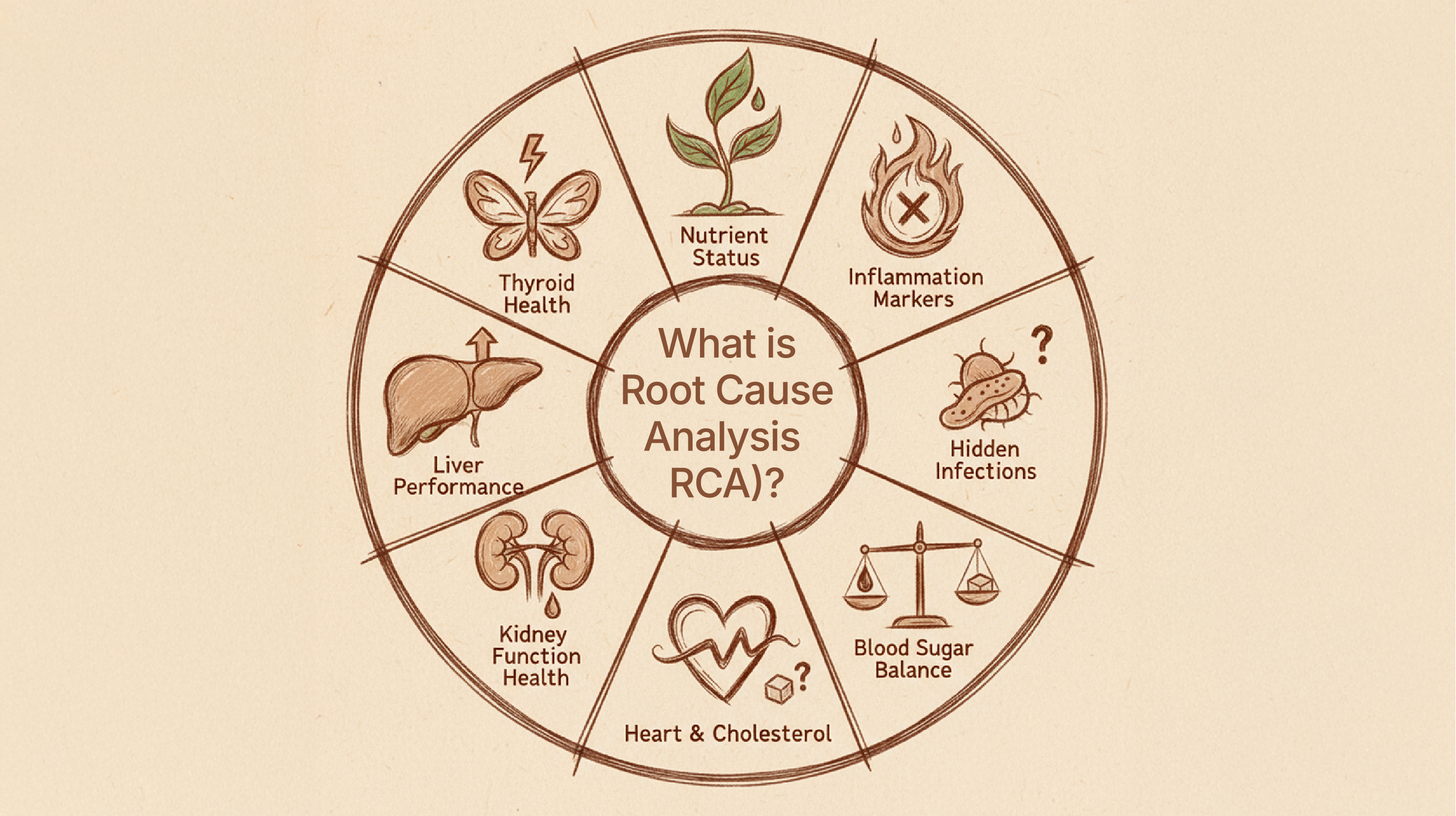
RCA is a comprehensive health assessment where more than 55+ blood parameters are analysed. Based on these, your full health status is evaluated, helping you understand why your body behaves the way it does, including weight management, energy levels, immunity, digestion, and hormone balance.
Here’s what RCA at iThrive analyses and why it matters:
1. Nutrient Status
Checks vitamins and minerals like B12, Vitamin D, iron, magnesium, folate, and zinc. Even mild deficiencies can affect metabolism, energy, muscle building, appetite, immunity, and fat storage. Identifying them early helps you take corrective action before health issues develop.
2. Inflammation Markers
Assesses CRP, ESR, and uric acid to detect hidden chronic inflammation. Chronic inflammation can silently affect weight, cause insulin resistance, fatigue, joint pain, or increase the risk of long-term conditions. Early detection allows preventive measures.
3. Hidden Infections
Undiagnosed infections can impact digestion, immunity, energy, skin health, and even weight. RCA uncovers these hidden causes.
4. Blood Sugar Balance
Analyses insulin, HbA1c, and early signs of insulin resistance. Even with normal fasting glucose, your body may struggle with sugar balance. Detecting imbalances early can prevent weight fluctuations, cravings, energy crashes, or future diabetes.
5. Heart & Cholesterol Health
Goes beyond HDL and LDL to check triglycerides, ApoB, oxidized cholesterol, and inflammation markers. Provides a real picture of cardiovascular risk, especially for people with high BMI, overweight tendencies, or metabolic concerns.
6. Kidney Function
Examines BUN, creatinine, eGFR, uric acid, and electrolytes. Detects early kidney stress, toxin buildup, and mineral imbalances that may not appear in basic tests.
7. Liver Performance
Tests SGOT, SGPT, GGT, and bilirubin. The liver regulates fat metabolism, hormone balance, and detox. Early detection of fatty liver or sluggish detox helps optimize metabolism and weight management.
8. Thyroid Health
Analyses TSH, Free T3, Free T4, reverse T3, and antibodies. Detects early thyroid issues or autoimmunity that can impact weight, energy, mood, and metabolism which is often missed in routine tests.
Conclusion
A BMI calculator is a powerful starting point. It helps you understand where you stand — whether you're underweight, in the healthy range, overweight, or obese. But BMI alone does not explain why your body is in that range.
If your result isn’t ideal, do not panic or jump into random diets. Focus on understanding what’s really happening inside your body. Root Cause Analysis helps you go beyond the number on the screen to uncover real reasons behind weight changes.
iThrive’s BMI calculator India is suitable for men, women, kids, and teens. Find out what is my BMI in under a minute and start your journey to better health today.
Talk to our team
Thank you! Your submission has been received!
Oops! Something went wrong while submitting the form.
Download Now
Thank you! Your submission has been received!
Oops! Something went wrong while submitting the form.



.svg)
.svg)