


.svg)
.svg)







Introduction
Across the world, thyroid disorders are increasing at an unprecedented rate. Clinics are reporting more cases of hypothyroidism, autoimmune thyroid disease, and unexplained thyroid symptoms in people who were previously considered low risk including young adults, adolescents, and individuals with no family history of endocrine disease.
This rise is not simply a matter of better diagnosis. It reflects a deeper shift in human physiology.
Many individuals today experience fatigue, hair fall, weight changes, mood fluctuations, and metabolic slowdown despite “normal thyroid levels” on laboratory reports. This disconnect between symptoms and test results has created confusion for both patients and practitioners.
To understand why thyroid problems are increasing, we must move beyond viewing the thyroid as an isolated gland. The thyroid is not an independent organ working in isolation. It is a regulatory node within a vast metabolic communication network involving the immune system, gut microbiome, liver detoxification, cellular energy production, and brain signaling.
When these systems destabilize, thyroid hormone function is affected long before standard diagnostic markers change.
At iThrive Alive, thyroid dysfunction is rarely viewed as the starting problem. It is often the downstream consequence of deeper biological stressors that conventional testing does not fully capture.
Understanding these hidden drivers is the first step toward meaningful thyroid recovery.
The Thyroid Is a Metabolic Regulator, Not Just a Hormone Gland
Most people understand the thyroid as a gland that produces hormones controlling metabolism. While this is true, it is incomplete.
Thyroid hormones regulate mitochondrial activity, the rate at which cells convert nutrients into usable energy. Every tissue in the body depends on this process, especially the brain, liver, reproductive organs, and muscles. When thyroid hormone function changes, the body does not simply “slow down.” Cellular energy efficiency shifts, altering everything from glucose metabolism to inflammation signaling.
This explains why thyroid disease symptoms extend far beyond weight gain or fatigue. They influence fertility, mood stability, cardiovascular function, immune activity, and even detoxification capacity.
However, hormone production is only one layer of thyroid physiology. The body must also convert, transport, activate, and utilize these hormones correctly. Many individuals with thyroid symptoms do not have a hormone production problem, they rather have a hormone utilization problem.
This distinction is rarely assessed in routine screening.
Why Conventional Thyroid Testing Misses Early Dysfunction
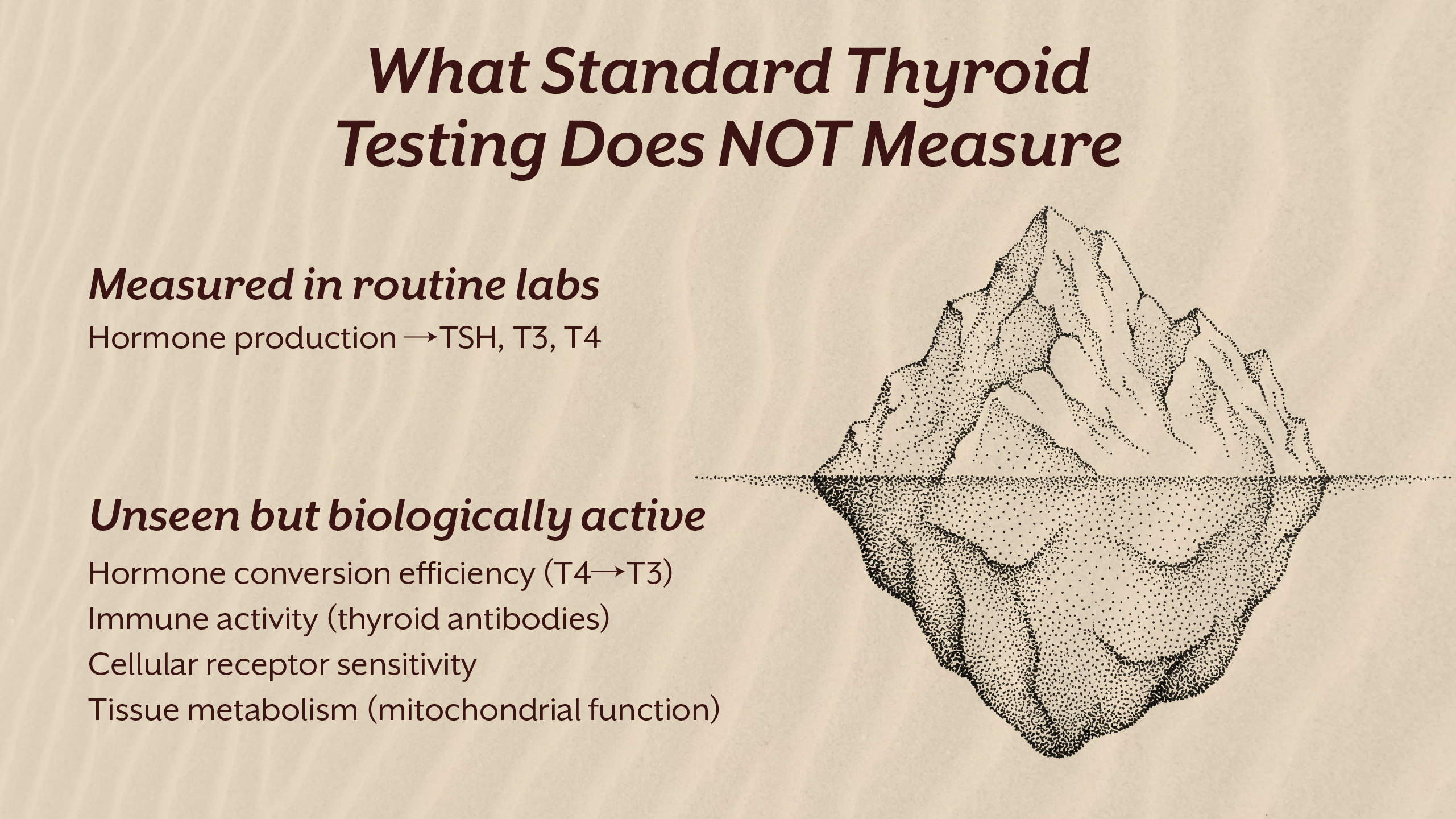
Most thyroid evaluations focus on TSH and sometimes T3 and T4 levels. While these markers provide useful information, they represent only a narrow window into thyroid physiology.
Several critical processes are rarely measured:
Hormone Conversion Efficiency
The body must convert T4 into active T3. Stress, inflammation, nutrient deficiencies, and liver dysfunction can impair this conversion. When this happens, thyroid levels appear normal, but cellular metabolism slows.
Thyroid Antibodies and Immune Activation
Autoimmune activity often begins years before hormone disruption. Elevated thyroid antibodies signal immune-mediated gland damage even when thyroid levels remain within reference range.
This is a major reason thyroid problems in young adults are rising, and immune dysregulation is increasing globally.
Cellular Sensitivity to Thyroid Hormones
Cells must respond to hormonal signals. Chronic inflammation and metabolic dysfunction can reduce receptor sensitivity, creating functional hypothyroidism without abnormal lab values.
The Real Drivers Behind Rising Thyroid Disorders
Understanding thyroid causes requires looking beyond the gland itself.
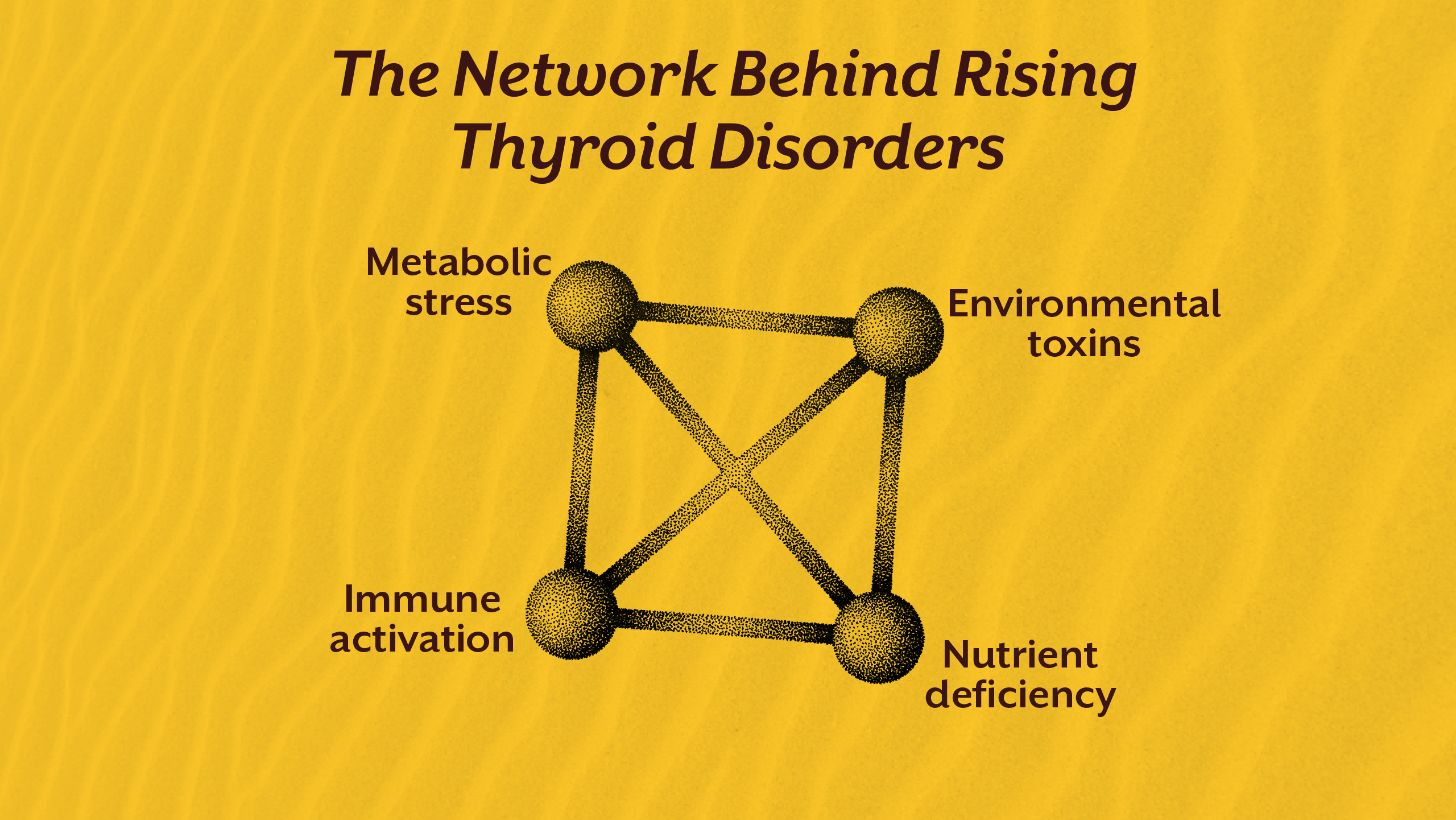
Chronic Metabolic Stress and Insulin Resistance
Insulin resistance alters hormonal signaling across the endocrine system. It promotes inflammation, disrupts liver metabolism, and interferes with thyroid hormone activation.
This metabolic connection is explored in our blog “Hyperinsulinemia: Hidden Cause of Weight Gain and Diabetes.” The same mechanism that drives metabolic disease also contributes to thyroid dysfunction.
Immune System Dysregulation
Autoimmune thyroid disease is now one of the most common thyroid disorders globally. Environmental triggers, gut permeability, chronic infections, and micronutrient deficiencies alter immune tolerance.
The immune system begins identifying thyroid tissue as foreign.
Environmental Endocrine Disruptors
Modern exposure to plastics, pesticides, heavy metals, and synthetic chemicals interferes with hormone receptors and iodine metabolism. These compounds can mimic or block thyroid signaling.
Nutrient Deficiency in a Calorie-Rich World
Despite abundant food availability, micronutrient intake has declined. Selenium, zinc, iodine balance, iron, and tyrosine are essential for thyroid hormone synthesis and activation.
Many individuals eating adequate calories still lack the biochemical building blocks for thyroid health.
The Gut - Thyroid - Immune Axis
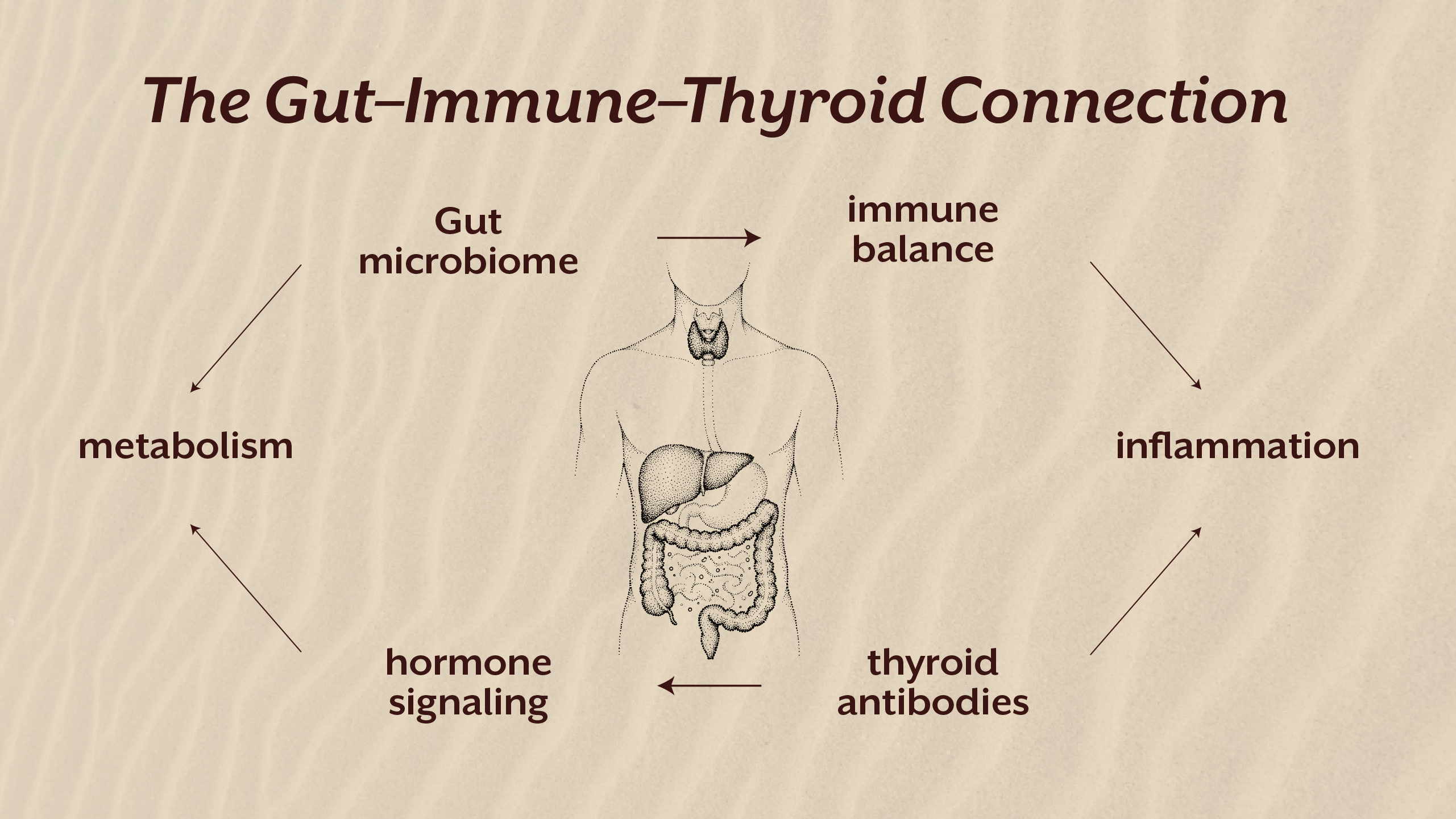
Emerging research shows that gut health plays a central role in thyroid regulation.
The gut microbiome influences nutrient absorption, immune balance, inflammation control, and hormone recycling. When gut integrity is compromised, immune activation increases, and thyroid antibodies often rise.
Additionally, a significant portion of thyroid hormone conversion occurs in peripheral tissues influenced by microbial activity.
This is why many individuals with persistent thyroid symptoms also experience digestive discomfort, food sensitivities, or unexplained inflammation.
Dietary patterns therefore matter deeply. Questions like thyroid me kya khana chahiye or best food for thyroid patients cannot be answered without understanding gut function first.
Why Symptoms Appear Before Diagnosis
Many individuals search for thyroid symptoms in female or thyroid symptoms in male populations because they experience persistent unexplained health changes despite “normal” results.
This occurs because biological systems fail gradually. Cellular stress accumulates. Hormone signaling becomes inefficient. Immune activity escalates. But laboratory reference ranges detect change only after significant physiological disruption.
Symptoms such as fatigue, cold sensitivity, mood instability, and metabolic slowdown often reflect early regulatory dysfunction rather than advanced disease.
By the time traditional thresholds shift, dysfunction may have been present for years.
This concept is explored further in “What Most Nutrition Courses Miss About Obesity and Metabolic Disease,” where metabolic adaptation is shown to precede diagnosable illness.
The iThrive Alive Perspective: Root Cause Before Hormone Replacement
Rather than viewing thyroid dysfunction as purely hormonal deficiency, the iThrive Alive model evaluates the systems that regulate thyroid signaling.
Assessment includes metabolic health, inflammation load, gut integrity, micronutrient sufficiency, immune activation, and stress physiology.
Interventions emphasize:
• Structured nutrition designed for metabolic stability
• Smart supplementation targeting biochemical deficiencies
• Lifestyle interventions that restore circadian rhythm and cellular energy
Hormonal support may be considered, but only within a broader physiological framework.
Individuals seeking deeper evaluation can book a root cause analysis to understand the drivers behind their thyroid imbalance rather than simply managing laboratory values.
Key Takeaway
The rising prevalence of thyroid disorders reflects more than glandular malfunction. It represents systemic physiological stress affecting immune balance, metabolic signaling, environmental adaptation, and cellular energy production. Conventional testing captures only the final stages of dysfunction, often missing early disruption in hormone conversion, receptor sensitivity, and immune activation. True thyroid health depends on the integrity of interconnected biological systems including gut, metabolism, immunity, and cellular energy pathways. When these foundations are restored, thyroid regulation becomes more responsive and resilient. Understanding this integrated physiology shifts thyroid care from symptom management toward genuine biological recovery.







.webp)








.svg)