.jpeg)
.jpeg)
Contents from this article were shared in an article published in HerZindagi Hindi on 06.04.2023 featuring Mugdha. This article was written to serve as input for the same following a query from HerZindagi.
Plant foods contain many beneficial compounds like antioxidants, phytonutrients, and polyphenols owing to which they offer many health benefits. Including a diversity of plant fibers in the diet has also been shown to promote a healthy diverse gut microbiome which is key to having good gut health and a robust immune system.However, while the benefits of plant-based foods are widely known , it is also important to note their potential negative effects, which are rarely discussed. It also contains potentially harmful agents like plant toxins, antinutrients, and enzyme inhibitors that can negatively impact our health including compounds like oxalates, gluten, lectins, etc.
A lot of our traditional food preparation methods such as soaking, fermenting, de-husking, and cooking help to reduce the antinutrient content to some degree. But choosing your foods wisely and limiting high-antinutrient items like grains, legumes, seeds, etc. is more important to avoid antinutrient content. Fruits, in particular, are the safest plant-based foods to eat in this context since they contain the least antinutrient content. This is because these are usually the parts of the plant that people want to consume. While other parts like leaves and stems are protected by plant defense chemicals.
Secondly, adding too much fiber can also aggravate pre-existing gut issues, if any. That's why excessive plant fibre consumption frequently results in problems like bloating, diarrhea, and persistent pain.Owing to the above-mentioned issues, a lot of people with chronic health conditions, especially ones driven by gut issues and autoimmune conditions, find a lot of relief by switching to a fully carnivore diet i.e. a diet consisting only or mostly of animal-based foods such as meat, organs, eggs, bone broth etc.
So then should you eat salad? This once again is highly dependent on bio individuality i.e. varying from person to person. As previously stated, people with chronic health disorders , especially gut issues should be mindful of consuming vegetables. If you’ve been suffering from chronic health conditions that have not improved despite making positive health changes, you should try to experiment with cutting out plant foods to see how they affect you. If you have gut and digestive issues, you would most likely benefit by reducing fiber intake.
The majority of people though should not have issues with consuming moderate amounts of plant foods including vegetables and you may continue to do so if you don’t experience issues. But you should still be mindful about minimizing the intake of plant antinutrients through the strategies discussed above. When eating salads people also tend to eat raw vegetables which can be a problem. It is generally recommended to lightly cook or steam most vegetables to reduce antinutrients.
Lastly, pesticides and other chemicals used in industrial farming practices are a significant problem with plant foods today. It is thus highly recommended to source your produce from a reputable organic foods supplier. It’s also important to remember that the main benefits offered by plant foods are mostly supplementary in nature, which means that plant compounds like antioxidants and polyphenols etc can help to cleanse and detox the system and reduce oxidative stress. But in order to get your essential nutrients you should still rely on animal foods and they should make up the key part of your diet.
As far as the timing of your salad consumption and the question of whether you can consume it with your main meals goes, you can absolutely do so without any problem. Adding vegetables helps to add variety to your meals and makes them more enjoyable. Vegetables can also be used as a carrier for healthy fats like ghee and coconut oil, by cooking them in these fats.

It takes a lot of chemicals to make pool water safe, but this comes with a trade-off. While these chemicals help disinfect harmful pathogens, they also form toxic compounds. If you are a regular swimmer or even an occasional one, it’s crucial to know what you are soaking your body in. Thankfully, even if you don’t have an option to escape a chlorinated pool, you can always take steps to mitigate any damage.
It is not just about pool water, chlorine is also used as a primary disinfectant in drinking water treatment plants, it is also frequently used in finished water to prevent microbial regrowth to sustain water quality in water distribution systems. The Indian standards for chlorine limit in water is 0.2 mg/L to 1 mg/L, however, it can be tough for the common man to ascertain whether these standards are being followed or not. For instance, it was found that residual chlorine in water supplied by Chennai Metro is 10 times higher than the limit.
This makes it all the more necessary to secure yourself with water filters and take other steps to keep detoxing your body from harmful chemicals.
Untreated water can accumulate harmful bacteria like the deadly Escherichia coli and Salmonella and protozoans such as Cryptosporidium parvum and Giardia lamblia. The disinfectant chemicals are a must for wiping them out.
Chlorination is the most popular method for disinfecting pool water. But, the disinfectants react with organic material in the water like dirt, sweat, urine and even skin moisturizers to form disinfection by-products (DPBs).
There are more than hundred different types of DPBs in swimming pools, and they are found not just in water but also in the air around swimming pools. Typically, the most abundant ones are trihalomethanes and thichloramines that are linked to adverse human health effects.
If you must have noticed the heavy corrosion of stainless steel and other metals around pools, it is due to the presence of trichloramine. It’s also the reason why some researchers speculate if it is aggressive enough to corrode stainless steel, then the kind of damage it could do when absorbed by our bodies.
DPB-induced toxicity comes from 4 reactive compounds, HCLO (Hypochlorous acid), COCL2 (Cobalt(II) chloride), HCL (Hydrochloric acid), and NH3 (ammonia). They can be inhaled, ingested during swimming and absorbed dermally.
They are toxic to cells and can attack cells directly or indirectly by reacting with amino acids, destroying cell membranes, altering the structure and function of proteins and lipids, disrupting the acid-base balance, and blocking metabolism.
Several studies have linked chlorination with asthma, skin rashes, eye irritation, sinus problems, fatigue and more. In fact, a study found that after just 40 minutes of swimming, people showed a notable rise in markers of DNA damage that can lead to cancer.
However, we need more toxicological studies in the area of swimming exposure and health to get a better idea on the stress reactions that occur in our bodies.
The chlorine by-products that are formed are mostly oxidants that cause a natural chemical reaction that damages cells in the body. It can affect our skin, lungs, gut barrier and sinuses as they are made up of epithelial cells and even a small amount of toxins can potentially disrupt the barrier of these cells. For this reason, most studies have connected DPBs to lung issues and asthma.
Let’s look at some ways in which we can mitigate this damage from the inside out!
1. Take a shower before and after
If you’ve gone swimming even occasionally, you must have seen the sign indicating you need to shower before jumping in the pool. The logic behind that is to reduce the formation of DBPs.
This won’t eliminate all the DBPs but taking a shower can help rinse off leftover sweat and urea compounds on the skin. This way, you would be rinsing off things that would otherwise be rinsed off when you hop in the pool.
2. Wash Your Hair
Chlorine can cause severe hair breakage after long-term exposure. Do not forget to wash your hair after swimming and using a good-quality organic shampoo.
3. Cover your body
Another way to protect your body from chlorine is by covering up as much skin and hair as you can. Make sure to wear a swimming cap, goggles and clothes that cover as much skin as possible. Covered skin will hinder the direct absorption of chemicals.
We live in a world where most of the activities we engage in expose us to toxins, this includes the food we eat and the air we breathe. But there’s no need to become a hermit and not indulge in your favourite activities like swimming. Functional nutrition takes into account your lifestyle and aims to introduce holistic healthcare practices to control and reduce the damage. So, this summer, have fun swimming while not forgetting to protect yourself from the pool water!
RESOURCES:
Tired of struggling and watching your loved ones fight mental illness? It can be a damning sentence to hear someone you deeply care about say they have been feeling depressed, and being all-too-familiar with your rock bottom isn’t a fun, fuzzy feeling either.
But sorting through therapists trying to find the best one for you, and constantly wondering if anything will ever change can be exhausting. These conventional methods are tiring and often lead to eventually giving up all hope.
So what if there was an easier way to soothe mental health? An easier-to-manage, more independent approach than talk or shock therapy? Something more cost-effective, without side effects, that doesn’t need as much personal investment?
You’re in luck, because there is. Let’s talk about the role of Functional Nutrition in mental health.
Mental health is a complex and intricate system. It affects how you live your life, and dictates your interpersonal relationships, your behavior, and your health.
It may seem like something “just in your head”, but it is a lot more than that.
Mental conditions could be the symptom or the cause of something physiologically wrong in your body, or they could be a standalone psychological issue, or they could be an indication that something is wrong in your social environment.
Using an approach that addresses all these biopsychosocial factors while nourishing and nurturing your mind and body back to health is the best way to go. Some methods include –
Functional nutrition urges one to incorporate movement into their daily life. Whether it's yoga asanas or a daily workout regimen, movement has been proven to help improve blood flow and stimulate the release of endorphins, uplifting your mood and being utterly beneficial for your physiology simultaneously.
Warm, bright, positive sunlight helps improve our mental health – no, really. It’s not just the comfort of warmth, but at a physiological level, sunlight makes our body release serotonin – the happy chemical that your body craves when you are depressed.
A lack of serotonin has a major role in mental conditions like depression, anxiety, mania, insomnia, aggression, and a lot more. It’s a crucial neurotransmitter for mental health, and sometimes your body just doesn’t have enough of it. Options like sun exposure are easy and efficient ways to boost your serotonin levels without spending a dime.
Functional Nutrition encourages the use of advanced tests to get a thorough understanding of one’s health profile. Using various tests like the GI MAP (Microbial Assay Plus) or the Organic Metabolomics Test (OMX) offered by state-of-the-art laboratories helps to get a picture of your health that ordinary tests just don’t provide. These tests go deeper, and scan your body for pathogens (viral, bacterial, parasitic) and other GI or Autoimmune issues, alongside a dozen other parameters which help to understand what is causing the mental dysfunction.
Innumerable research reports that have been peer reviewed by the scientific community acknowledge that gut health and inflammatory conditions impact mental health, and advanced tests help get an understanding of the underlying physiological conditions that could be contributing to one’s mental issues.
Functional nutrition uses the restorative abilities of food to assist the body in returning to proper, healthy function. It doesn’t cure your ailments for you, because your body is more than capable of doing that – it just gives your body the right boost, through nutrition.
The neurotransmitters involved in regulating emotions largely depend on nutrition for stimulation. As explored in this blog, certain nutrients help your systems to function better and produce the right neurotransmitters in the right amounts, helping to improve your mood and motivation.
It can be hard to force yourself to seek help or reach out to people. But making small changes to your diet to include these nutrients just might help you find the willpower to take on a new day and talk to your loved ones about seeking the help you need.
Food contains the essence of what makes life function – nutrients.
Nutrients are known for their many health benefits, and while we learn from a young age that they are essential for ideal health, not many of us follow the kind of lifestyle that really highlights that fact.
Besides not eating healthy meals, many also engage in smoking and drinking which further inhibit proper nutrient absorption.
But that doesn’t mean it’s too late – cleaning up your diet and adding the food that will help nurture your mental health can still make a difference. Nutrition and depression can go hand in hand, with improper nutrition leading to the deprivation of essential chemicals and neurotransmitters needed to feel “happy”.
Here are a few tips to address mental conditions like depression and anxiety using a healthy diet –
A healthy diet for mental health includes some important nutrients, like…
Most of these nutrients are easy to source from food, except Vitamin D which is naturally produced in our body only when we are exposed to sunlight.
There are very few foods that naturally contain Vitamin D, and most people aren’t eating those foods regularly enough to meet their Recommended Dietary Allowances(RDA). Probiotics are also abundant in foods that people with certain health issues may avoid, like those with thyroid conditions who avoid cabbage.
Many people can’t access nutrients like high quality protein, B-Complex, heme iron, and Omega-3s because they follow restrictive diets like veganism or vegetarianism.
That’s where supplements come in handy. While we emphasize the importance of meat and animal foods for health, if you cannot change your diet for any reason – supplements help. They are a good option to consider as they’ll help you meet your RDAs without going against your diet.
The nutrients mentioned above have innumerable benefits for mental and physical health, including but not limited to stimulating neurochemicals like serotonin, aiding mood stabilisation and cognitive regulation, improving cognitive function, and boosting your physical health.
If you’re wondering why a gut health nutrient like Probiotics was listed, it’s because of the little-known fact that your GI system plays a major role in regulating your mental health, too. Not only does the GI system also stimulate serotonin, GABA, norepinephrine, and many more neurotransmitters, but it also hosts what is called the Enteric Nervous System (ENS).
This ENS, alongside your Autonomic Nervous System and Central Nervous System, regulates your mental health. One way to care for it is to maintain a healthy gut microbiome – basically, to have a healthy balance of good and bad bacteria in your gut. It affects a lot more than you’d think!
Naturally, foods containing those nutrients would be the way to go.
This includes foods like…
It should be noted that Vitamin D naturally occurs in a few foods and those that do contain vitamin D have very low amounts of this essential nutrient, and your body has difficulty breaking that down as well, so you end up falling short of the RDA by quite a bit. The best source is sunlight, or a bioavailable supplement.
Making the best use of functional nutrition to assist mental health recovery means using a combination of various holistic, functional strategies like eating the right foods, getting enough sunlight, grounding barefoot in nature, moving your body – connecting with the world around you.
Getting in touch with loved ones and being surrounded by the company that makes you feel safe, secure, and peaceful is key to good mental health, as well.
It may seem like an impossible battle to overcome the hurdles of your mental health; but know that you only need to take the first step in front of you – before you know it, you’ll have come a long way from where you started. Good luck, you can do this!
References:
An Integrative Approach to Mental Health | Rupahealth
Functional Medicine and Mental Health Care: What’s The Link? | Orchestratehealth
Nutrition and Mental Health | The Institute for Functional Medicine
The Role of Functional Medicine in Mental Health Care | Psychology Today
Functional Medicine and Depression: Identifying the Root Cause - Chris Kresser
A Functional Medicine Approach to Anxiety, Depression & Related Mood Disorders
The Diagnosis and Treatment of Anxiety Disorders - PMC
Mind Matters: Nutrients for Mental Health – iThrive Essentials

There’s almost a 35% rise in mental health disorders in India. Even if we did not have a statistic, just observing the world around us is enough to come to this conclusion. While the reasons for the rise are multifold, what can be done to help those that we can?
People often think that therapy is enough; but, in an anxiety disorder the neurobiology of your body is altered. If we can understand what exactly is changing inside us on a cellular level, we can come up with the best treatments using nutrients and supplements along with other therapeutic interventions. In this article, we will dig deep into the several root causes of anxiety disorders.
Anxiety is your body’s defence mechanism. When you are in danger, your body reacts by making you anxious and preparing itself for fight or flight mode. However, what it does not understand is the difference between a mortal, physical danger versus stress. Your mind will still react to a stressful situation (for example, talking in front of a crowd) in a similar way to that of you being in physical danger (for example, being chased by a dog). One can experience increased heart rate, rapid breathing, sweating, etc.
Nevertheless, these reactions are normal under anxiety-causing situations. Actually, these reactions are expected. You are said to have an anxiety disorder when the anxious reaction you have towards a situation becomes overwhelming, persists for too long, appears for apparently no reason, occurs frequently and interferes with your daily life.
There are a lot of different types of anxiety disorders such as GAD (Generalised Anxiety Disorder), panic disorder, social anxiety, phobias, OCD (Obsessive Compulsive Disorder) and more. You can suffer from one or more anxiety disorders at the same time.
While the causes of anxiety disorders are multifaceted, the neurobiological underpinnings play a crucial role in understanding and treating these conditions.
To understand anxiety, studies were conducted to see what goes on in the brain when a person is anxious. These studies revealed that the brain’s limbic system, that comprises the hippocampus, amygdala, hypothalamus and thalamus plays a major role when processing anxiety.
A number of neuroimaging studies that were conducted showed that the amygdala, especially, brightened up every time a subject was shown pictures that induced anxiety in them. The amygdala is responsible for alerting the rest of the brain about a danger or fear and triggering a response.
It is seen that in some subjects (people who experience stressful situations higher than others like a child living in a violent home or soldiers) certain parts of their brain become more dominant resulting in the brain switching into survival more often than logical mode. It can also mean that the brains of these subjects respond to minutely stressful situations similar to dangerous situations.
Additionally, the frontal lobe, or the ‘thinking brain’ would subsequently shut down temporarily. This occurs because during danger it is not as critical to make theoretical decisions as it is to run away from danger.
In simple words, anxiety disorders are a result of imbalance in the part of the brain responsible for your emotions and not the cognitive centres.
Neurotransmitters are chemicals that facilitate communication between neurons. When your sensory organs detect a stressful event like a spider crawling on the floor, the neurotransmitter secretes a chemical that tells the amygdala that a fearful event has occurred and gives the appropriate response to that situation. But, if you have anxiety disorders, you may have an imbalance of these neurotransmitters.
A decrease in inhibitory transmitter GABA (Gamma-amino-butyric-acid) has long been linked to the presence of anxiety disorders. Other neurotransmitters that play a role in inducing anxiety disorders include serotonin, corticotropin-releasing hormone, endocannabinoids, neuropeptide Y, oxytocin, opioid peptides and dopamine. For example, low levels of serotonin are also linked to heightened anxiety symptoms.
There are several reasons why your neurotransmitters may be imbalanced such as genetic factors, digestive issues, prolonged stress and faulty metabolism. Toxins like heavy metals, pesticides, prescription drugs and drug use can also cause damage to the nerves that make neurotransmitters.
The hypothalamic-pituitary-adrenal axis or the HPA axis is a network of endocrine organs, hormones, and other signalling molecules that serves as the body’s stress-response system. One of the roles of this axis is to provide our body with cortisol - the stress hormone. If the axis keeps getting messages of danger it will keep secreting cortisol that can ultimately lead to overproduction of cortisol. This imbalance creates a lot of issues.
It may also follow that over time your body finds itself in a position where it is unable to produce the required amount of cortisol and other hormones required to regulate anxiety. Studies show that people suffering from anxiety disorders can show an increase in cortisol levels, which can be attributed to HPA dysfunction.
Some causes of HPA dysfunction include mental, physical, and biochemical stress. Inadequate sleep, inflammation, poor nutrition and exposure to environmental toxins such as mold and endocrine-disrupting plastics can also negatively influence the HPA axis.
Research indicates anxiety disorder (specifically GAD) has almost 30% of chances to be inherited by your offspring. Specific genetic variations may predispose individuals to heightened anxiety sensitivity. Identifying these genetic markers can offer valuable insights into targeted treatments.
Nutrient deficiencies are paramount with our new-age diet. Several studies show evidence that people suffering from anxiety disorders often have nutrient deficiencies. Our body uses several minerals like zinc and magnesium to produce neurotransmitters like dopamine and serotonin which play an important role in regulating anxiety.
Even antioxidants like Vitamin A, C, E, etc act as anti-inflammatories — inflammation as we know is another reason for anxiety. Omega-3s are also crucial to maintain brain health. There are multiple nutrient deficiencies that can be exacerbating your anxiety.
A lot of ailments disrupt your body’s functioning which can lead to further disorders. One such relation is between hypothyroidism and anxiety. It is well known that hypothyroidism can cause depression, there are also studies which show that people who have hypothyroidism have more chances of having anxiety.
Additionally, our gut and brain have an open two way communication through what is called the gut-brain axis. Any problems in the gut (our gut is the primary producer of the neurotransmitter serotonin) will directly affect your brain. Thus, people with gut issues like IBS are more likely to have anxiety.
Another such connection is between anaemia and anxiety. Anaemia is a disorder where a person’s red blood cell count is low or the blood is unable to transport enough oxygen. Your brain needs ample oxygen to function. Thus, people with anaemia are more susceptible to mental health issues like anxiety.
Apart from nutrient deficiencies, your lifestyle also dictates whether or not you are more susceptible to anxiety disorders. These include physical inactivity, stress, inflammation and trauma. Environmental factors, such as early-life stress, have shown clear association with anxiety disorders through impact gene expression, inflammatory changes and dysregulation of the HPA axis.
When it comes to physical exercise, in one study, researchers found those who engaged in regular intense workouts were 25 percent less likely to develop depression or an anxiety disorder over the next five years. This could be because during exercise the body releases endorphins and chemicals in the brain that act as natural painkillers and help to reduce stress.
Lastly, sleep deprivation can also induce or worsen anxiety. At the same time, researchers have found that people who are prone to anxiety are more sensitive to the effects of lack of sleep on mood and emotional health.
The neurobiology of anxiety disorders encompasses a complex web of factors that contribute to the development and manifestation of these conditions. Functional Nutrition understands the neurobiology of anxiety disorders and takes into account the various factors that can lead to you being affected with anxiety disorders. If you have been unsuccessfully dealing with your anxiety disorder, it is time for you to consult a functional nutritionist and identify what are the underlying causes of your disorder rather than just treating the symptoms.

Light is a fascinating phenomenon that is a fundamental part of human existence. Several biochemical and hormonal rhythms of our body are synchronised with the daily cycle of the light and dark.
In the last few decades, the conversation around light and health has become more complex with modern humans immersed in blue light throughout the day. It is not uncommon knowledge that blue light disrupts sleep, contributes to depression and can lead to headaches.
Modulating your exposure to blue light is an important aspect of taking care of your health. So, it is important to get a well-rounded perspective on blue light. In this article, we look at the different forms of blue light, the positives and negatives and how we can control our exposure to it.
Light is a powerful tool that regulates several processes in our body from our vision to our mental and emotional health. There is both visible and non-visible light. Non-visible light includes ultraviolet and infrared light whereas visible light includes the whole spectrum of rainbow i.e. VIBGYOR, each colour representing a different wavelength.
Blue light is the wavelength of light with the highest energy in the visible spectrum. It is also the one that has the strongest impact on our physiology and circadian rhythm because certain receptors in our skin and retina react to this wavelength. There are two kinds of blue light - one is the natural light emitted by the sun, while the other is artificial and comes from LED lamps and digital displays.
Natural blue light that is a part of daylight is accompanied by a balance of other wavelengths that includes infrared, red, yellow, orange and UV wavelengths. The balance of these colours fluctuates in proportion through the day. For instance, in the morning there is less blue light and more red and infrared, then in the afternoon there is more blue light and UV.
As the sun sets, there is more red and infrared again. This interplay between different wavelengths helps regulate our circadian rhythm i.e. the sleep-wake cycle. As per an evolutionary point of view, our body has adopted this natural internal clock that is closely connected to light. Natural light wakes you up in the morning and post sunset in the absence of light our body prepares itself in a way to facilitate sleep. Apart from this, the circadian rhythm also affects our cognition, blood pressure, immune system and metabolism.
Now, in a time where most of us are with digital screens throughout the day, we are constantly exposed to artificial blue light. We are exposed to an unhealthy amount of blue light through the day and also after sunset – confusing the natural clock inside our bodies. As a result, these high and unnatural doses of blue light are likely to cause damage when absorbed by various cells in our body. Let’s take a closer look at how different forms of blue light actually affect our bodies.
You are mostly exposed to natural blue light through the sun. Exposure to blue light during daylight hours has been associated with cortisol and serotonin production. These chemicals improve your mood and have an antidepressant effect. It helps regulate our internal clock, promoting wakefulness and productivity.
Seasonal affective disorder or SAD is characterized by depressive symptoms during specific seasons, and is believed to be linked to changes in light exposure. Multiple studies have reported that blue light therapy (exposing subjects to blue light at specific time of the day) positively affected the subjects prone to Seasonal Affective Disorders (SAD).
Subjecting yourself to blue light during the day will help your body maintain your circadian rhythm ,which will ensure you have a good night’s sleep. Exposure to blue light at specific times is a widely used treatment for sleep disorders.
As mentioned earlier, our body reacts to light and the absence of it. When the sun sets, our body releases a chemical called melatonin which helps you fall asleep. In a study conducted in 2018, scientists reported that exposure to artificial blue light post sunset, especially at night, hinders the production of melatonin which consequently disturbs your sleep cycle.
Constant exposure to blue light at night completely disrupts the circadian rhythm, promoting sleeplessness and sustaining alertness throughout the night. This evidently increases symptoms of anxiety and depression. It has been reported that 3/4th of people with depression have sleep disorders. It also raises the production of hormones such as cortisol, adrenaline, dopamine, and serotonin, imbalances in all of them are linked to many mental health conditions.
Extended screen time can cause digital eye strain, characterized by symptoms like headaches, dry eyes, and blurred vision. This physical discomfort can indirectly affect mental well-being by contributing to irritability and stress.
Natural light (sunlight) has the necessary blue light that you should be exposed to at daytime along with the low energy reds and yellow that has a soothing effect on you. It also helps you maintain your circadian rhythm, improves your mood, and helps you focus better.
As mentioned before, blue light has many advantages but only if received naturally. Blue lights from digital devices are harmful when and exposure to them must be modulated. Many devices now have inbuilt blue light blockers. But for further protection you can use yellow screen glasses during daytime and red glasses after sunset. Another way to relax and block blue light in the evenings is to use blue light blocking lights and incandescent bulbs at home rather than the common white lights.
Nothing helps blocking blue light better than eliminating the source itself. Establishing a digital curfew and avoiding screens for at least an hour before bedtime can contribute to better sleep hygiene.
Completely cut off any inadvertent blue light exposure while sleeping by investing in good black out curtains or using an eye mask.
As we navigate the digital landscape, understanding the implications of blue light on our mental and physical health is crucial. While it serves as a valuable tool in enhancing alertness and mood during the day, it's equally important to manage our exposure, especially in the evening. By adopting healthy habits and incorporating technology responsibly, we can strike a balance that promotes both our well-being and digital lifestyles.

Cutting-edge advances in healthcare in recent years have given rise to understanding the human body on a microscopic level. The more data you have, the more precise you can be with a diet and supplement protocol to heal the body.
Sometimes, even with blood tests it can be really tough to pin down the exact root cause of various diseases and dysfunctions. Or, as a practitioner you might just want to optimise the treatment of your clients. Either way, metabolomics is here to help us look at the stream of nano molecules that keep you alive and healthy!
First, let’s understand what metabolism is, which forms the basis of metabolomics. Metabolism is the set of chemical reactions that sustain life in an organism. There are two kinds of metabolism:
Metabolites are the intermediate products of these metabolic processes that are triggered by various enzymes naturally occurring within cells. To understand this better, let’s take an example of how carbohydrates from food are converted into energy. Glycolysis is the process in which glucose from carbohydrates is broken down to produce energy.
This is a short version of what the process looks like: Carbohydrates – via glycolysis → glucose → pyruvic acid → acetyl-CoA → energy. Within these, glucose and pyruvic acid are examples of the intermediate metabolites produced in the process.
So, metabolomics is the study of an organism’s metabolome, that is a collection of metabolites found in a particular organism. Metabolites can be impacted by various factors such as diet, nutrition status, toxin exposure, genetics, gut microbiome changes and diseases. Therefore, by analyzing these small molecules we can identify an individual’s unique metabolomic signature and see issues in several areas of their health.
Roger Williams introduced the concept of a metabolic profile in the late 1940s. William and his co-workers suggested that each individual may have a ‘metabolic pattern’ that is reflected in their biological fluids such as human urine and tissue extracts. They used data from over 200,000 paper chromatograms to show that while metabolic patterns were different for all subjects, they were relatively consistent in each person.
They went on to use their methods to examine samples of a variety of subjects, such as alcoholics, schizophrenics, and residents of mental hospitals, and produced evidence that each of these groups had a characteristic metabolic pattern.
Since then, there have been several advances in the field of metabolomics. For instance, in January 2005, the human metabolome project was established. This consists of a catalog of approximately 500 metabolites, 1,200 drugs and 3,500 food components: it is a freely accessible web resource.
Today, metabolomics testing is one of the greatest assets in the field of functional nutrition. A metabolomics test examines urine and plasma metabolites such as organic acids and amino acids.
Analysing these metabolites and their pathways provides insight into various areas related to gut health, neurotransmitter status, detoxification pathways, mitochondrial health, deficiencies and nutritional status such as whether your macronutrients are being processed well in the body. It is useful to assess the need for diet modification, antioxidant protection, detoxification and other healing modalities.
Since bio individuality is one of the basic tenets in functional nutrition, a metabolomics test can prove very helpful in treating clients. It will help you identify the unique metabolic signature of your patients and make a targeted protocol according to the results.
For instance, let’s say your client has mental health issues such as depression, instead of supplementing randomly, you can get a metabolomics test done that has over 20 different markers that indicate depression. These include alanine, phenylalanine, tyrosine, tryptophan, methionine, and asparagine – all of them have some involvement in the progression of depressive symptoms.
You can find the levels of which neurotransmitters and markers are off, combine it with symptoms, look at other correlations that could be negatively impacting these markers and come up with a targeted diet and supplement plan for depression! Clearly, with metabolomics you can dig further into the root cause of chronic diseases that may be due to metabolic disturbances.
People suffering from the following issues can immensely benefit from metabolomics testing:
Practically, all diseases under the sun!
The organic metabolomics test (omx) offered by diagnostic solutions laboratory is the best metabolomics test to gain insight into a person’s metabolomic signature. It examines urine and plasma metabolites and goes beyond the traditional metabolite lists.
It evaluates six functional categories of health:
OMX also offers additional key markers and ratios including cortisol, kynurenine, microalbumin, equol, and more. To test for OMX, the patient has to give their first-morning urine specimen and a blood draw after fasting for 8 hours.
One needs a deep understanding of biochemistry to get the most accurate interpretation and application of the results. To learn more, you can check our deep dive in the advanced tests course. Metabolomics can enable practitioners to decode various metabolic pathways and analytics to identify dysfunctions that underline or even precede disease. It is really an exceptional tool for holistic healing!
REFERENCES:

Let’s play a game: I will tell you a word, and you will close your eyes for a few minutes and let your brain paint a vivid picture associated with the word. Here’s the word - ‘starvation’. Now, I’m sure what popped up were images of misery, suffering, pain or even death! Nonetheless, many people starve themselves in order to lose weight, doing themselves more harm than good.
Weight loss is not simple, but it is also not so complex once you use science to understand the human body! In this article, we look at what happens to your body when you starve for a long period, and a healthier strategy to shed that extra weight!
In layman’s terms, starvation can be defined as prolonged deprivation of essential nutrients. Now, this can mean extended periods without food or with significantly limited food intake. Typically in the context of weight loss, most individuals resort to the latter, wherein they restrict their food intake and consume calorie’s way below the body’s requirements.
This huge calorie deficit can not only lead to unsustained weight loss, but also make way for nutrient deficiencies, slows down your metabolic rate, and impair biological functions. So, the question arises - to what extent can restricting calories be harmful?
Calorie deficits are popularly associated with the ‘CICO’ diet that stands for ‘Calories In Calories Out’. Since there is no definite standard as to how much of a calorie deficit one can introduce into their diet plan, people usually key in a random figure of their choice. Some opt for a 100-calorie deficit, while some get polarised and go for a 500-calorie deficit.
A deficit as small as 100 calories may not create a huge impact on your metabolic rate. Conversely, 500 calories is a huge deficit for any average adult human being. It is very likely to impair your metabolism and result in nutrient deficiencies even if you choose to eat healthy.
Then there are low-calorie diets that lie at the other extreme. These diets involve consuming 1200 kcals at the most and can go anywhere as low as 500 kcals. Giving your body just 1200 kcals for a sustained period can make you severely undernourished and pose severe health risks.
Let’s consider the calorie consumption of someone before they kick start their weight-loss diet. More often than not, it is likely going to be way more than their TDEE (Total Daily Energy Expenditure). TDEE, represents the overall amount of calories required by the body, determined by the energy usage. In simpler terms, energy expenditure encompasses a) your activity levels, including both exercise and non-exercise activity, and b) the calories a body naturally burns at rest.
So, when people start consuming fewer calories than before, they also see rapid weight loss as the body uses stored glycogen for energy. What is glycogen? The body breaks down most carbohydrates obtained from food and converts them to glucose. Glucose is the main source of fuel for our cells. When the body has excess glucose, it stores it in the liver and muscles as glycogen. When the body needs a quick boost of energy or when the body isn't getting glucose from food, glycogen is broken down to release glucose into the bloodstream to be used as fuel for the cells.
When stored glycogen is lost, it goes along with water molecules present in the body so we also see a loss of water from the body. As glycogen is depleted and water is released, it leads to the initial weight loss. After your body has used up glycogen, it then goes to burn some of the fat to meet your energy needs. This leads to fat loss and numbers on the weighing scale start to move down and that makes one feel better. When this happens, people think they are becoming healthier and getting closer to the ideal body they have always dreamt of!
Isn’t that a good thing, you ask? Let me tell you why it’s not. In addition to fat loss, you also lose some lean muscle mass because your body also breaks down muscle mass to meet your energy needs. Now, any common person would lack the means and methods to figure out how much of the weight that you’ve lost was fat, water, and lean muscle.
As much as there is the possibility to lose more fat and less muscle, there is also the chance to lose more muscle and less fat. You wouldn’t know what has happened unless you have been tracking your body changes with a body fat analyzer.
Regardless, when you lose lean muscle mass your body loses muscular strength. You will also experience reduced mobility, loss of strength in joints, and reduced bone density. On top of this, starvation also impacts your hormones which is more pronounced in women and can affect your metabolism and other physiological processes like lead to irregular menstrual cycles, unexplained fatigue, mood swings, etc.
Your body’s ability to burn fat also declines significantly, so eventually you will see your scale stay stagnant - what is popularly called the ‘weight loss plateau’. In some cases, it can even lead to weight gain. When you have starved yourself for a significant period of time, your metabolism slows down, and your body starts storing the food you eat instead of burning it for fuel which leads to weight gain. So, starvation even for a very short term can prove to be highly detrimental.
Your metal health is dictated by your metabolic health. If your brain does not get its supply of nutrients, it can have a significant impact on your mental health. Nutrients such as B vitamins, vitamin D, vitamin E, choline, omega 3 fatty acids, zinc, selenium, calcium, and copper have a profound impact on the brain.
Studies have shown that the effects of starvation on an individual’s mental health can vary. Categorically, starvation can impact an individual’s emotions and cognition and lead to depression, anxiety, irritability, mood swings, decreased enthusiasm, lack of motivation and willpower, obsessive thoughts, reduced alertness, need to isolate, etc.
Many people who use starvation as a method to lose weight are victims of body shaming and find the need to fit themselves to societal stands of beauty. You can look within to understand where your body goals stem from — personal growth or external validation.
Apart from changing your perception around your reasons to lose weight, it is also important to have a healthy relationship with food. Eating mindfully will not just help your mental health but also support your body in processing the food.
Before you venture on a weight loss journey it is always good to establish a baseline of what the current state of your health is. Some of the key things that need to be paid attention to are your current body weight & height, lean muscle mass: body fat ratio, healthy history, and underlying health issues.
The first step to losing those stubborn pounds is to eliminate all toxic and inflammatory foods such as gluten, fried foods and sodas. Then you need to get your blood work and advanced tests done to rule out any underlying causes that might be sabotaging your weight loss plans. Some of these include an underactive thyroid, insulin resistance, hormonal imbalances, nutrient deficiencies, gut issues and toxin overload.
Apart from food and nutrition, it is important to have a healthy lifestyle that includes restful sleep, no chronic stress, exercise and mindful practices such as meditation and breath work. If all of this feels overwhelming, you can always sign up with a functional nutritionist to hand hold you through your journey towards a healthier you!

Anxiety is our body’s natural defence mechanism against a threat. The discomfort it creates is meant to capture attention and stimulate a protective response. When you feel anxious, your brain perceives it as a threat and sends a signal to other parts of the body to prepare for fight or flight mode. However, you can also feel anxious in a stressful situation like taking a call from your manager and your body will react to this the same way it would act if you were under mortal danger. This is what causes the problem.
Anxiety Disorders occur when the feelings of nervousness and fear are excessive, counterproductive, and debilitating. Anxiety becomes problematic when a person is unable to control these responses, and it has a negative impact on their daily life.
The limited knowledge that psychiatrists have about mental health issues like anxiety and depression focuses on the chemical deficit that causes an imbalance in the brain’s neurotransmitters. Psychiatrists use this principle as their first line of action to correct the chemical imbalance by prescribing SSRIs (Selective serotonin reuptake inhibitors) and other drugs to either boost or block particular chemicals (like serotonin).
These methods along with therapy are effective to some extent, but are a temporary fix and come with adverse side effects. The question that we need to answer is, ‘what causes an imbalance of neurotransmitters in the first place?’ Functional nutrition dives deep into the physiology of anxiety disorders and taps the root cause to be free of this nerve-wracking issue!
Anxiety disorders can be caused by four major factors — oxidative stress, nutrient deficiencies, hormone imbalances, and immune dysfunction. Most people are not aware, but all these four factors are affected by our diet and nutrition.
Mental disorders are essentially metabolic disorders of the brain. Metabolism is fundamental to human existence — it is how our food is converted into energy. It defines the creation and functions of our cells, tissues, organs and so much more! Our metabolism is directly affected by diet, exercise, stress reduction, and sleep management. Interventions in these areas can help us take a better approach to treating mental health issues. In this article, we take a deep look at nutrients that can help combat anxiety disorders!
We have looked at several nutrients that can help with anxiety. You can obtain them through food as well as supplements. However, let’s not forget about bio individuality! Every person will have different genetics, metabolism, nutritional deficiencies and other factors that trigger their anxiety.
Hence, it is wise to establish a precise nutrition plan through data from blood work and advanced tests. You would want to make sure you are aware of all the mechanisms in your body and their functioning in order to avoid any contradictions. So, you can visit a functional nutritionist and get a detailed diet and lifestyle plan to put your anxiety to rest!

From Deepak Chopra to that random TikTok fitness influencer, the vagus nerve fever has not spared anyone. Just as of today, the hashtag ‘#vagusnerve’ has been used a whopping n number of times on the internet, with about 120K+ posts on Instagram alone. For many of us, the vagus nerve has become a thing of fascination in recent times, and every dimension of the fitness & health industry is capitalizing on this newfound excitement.
While online marketplaces are brooding with electrical stimulators, crystals and natural supplements that claim to activate or stimulate your vagus nerve, social media, and blogs are teeming with simple hacks you can practise at home – such as plunging your face into cold water, coffee enemas, navel oiling, and breathing techniques to stimulate your vagus nerve. While some of these products and techniques work, many are mere gimmicks capitalizing on social trends. In this article, we will delve deep into the mysteries of the vagus nerve, why it has become a thing of excitement in recent times, and how you can maintain and improve your vagal nerve health.
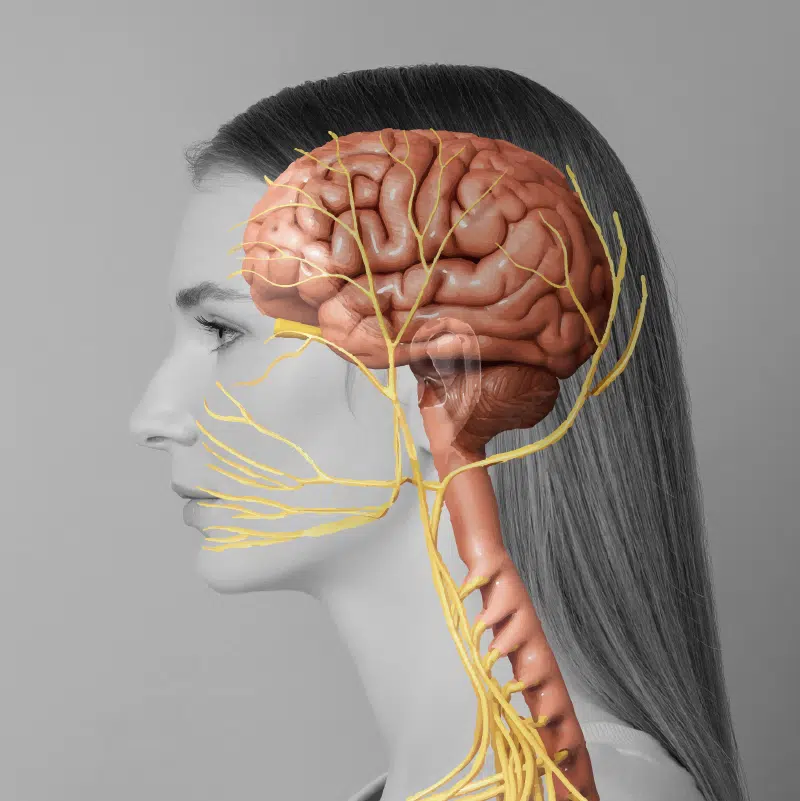
The vagus nerve is the longest nerve of the autonomic nervous system of the body and serves as a 2-way communication channel between the brain and several critical organs like the heart, lungs, and abdominal organs – specifically the gut, and plays an important role in involuntary physiological processes such as breathing, digestion, control of mood, heart rate, and immune responses. Although referred to in the singular, the vagus is actually a pair of 2 nerves – the left and right vagus nerves – that run from the brain stem down through each side of the neck and into the torso, branching outward into the internal organs. Although the vagus nerve comprises both sensory and motor fibres, it is predominantly sensory in nature as it conveys a vast amount of sensory information to the brain stem. [1]
The primary functions of the vagus nerve are as follows -
The vagus nerve is 80% sensory in nature - meaning it collects information and signals from different internal organs of your body and communicates to your brain. The brain in turn responds by regulating the automatic processes of the body such as digestion, sleep, breathing, inflammation, etc. The parasympathetic nervous system, which is the ‘rest and digest’ system calms the body during times of stress, and the vagus nerve is a key player in the parasympathetic system. When you are relaxed, sleeping, or in a restorative phase, the vagus nerve is dominating – higher activity levels of the vagus nerve lead to a more positive impact on homeostasis.
When you stimulate your vagus nerve, the ‘tone’ of your vagus nerve improves. Vagal tone is an internal biological process that represents the activity of the vagus nerve. Increasing your vagal tone activates the parasympathetic nervous system, and having a higher vagal tone means that your body can relax faster and a higher degree of sensory activity via the vagus nerve.
Over the years, researchers have observed several outcomes of stimulating the vagus nerve. Vagus nerve stimulation (VNS) activates parts of the prefrontal cortex which in turn regulates the limbic regions of the brain that control emotions, ultimately resulting in a calmer, relaxed state of mind. This can help reduce symptoms of depression and bipolar disorder. VNS activates anti-inflammatory pathways in the body thus helping combat inflammatory conditions like Crohn's, rheumatoid arthritis, etc. VNS helps improve glucose homeostasis by altering key metabolic functions and can help in the treatment of diabetes. While our understanding of the vagus nerve and its extensive functions are only at the tip of the iceberg as of today, there is a plethora of research being undertaken to evolve our knowledge of the vagus nerve. [3]
Broadly speaking, there are 2 ways to improve your vagal nerve tone. The first method is a medical procedure restricted to individuals who have epilepsy, stroke, or treatment-resistant depression. It involves implanting a device that sends regular, mild pulses of electrical energy to your brainstem through the vagus nerve. After reaching your brainstem, the electrical charge is discharged to different areas of your brain to change the way brain cells work. The procedure lasts about 45-90 minutes with the patient under general anesthesia and is performed by a neurosurgeon. While the procedure is generally considered safe, it does come along with its share of side effects that are usually temporary in nature. The most common temporary side effects include hoarseness, coughing, and shortness of breath. The implantation surgery may result in pain, infection, breathing difficulties, and damage to surrounding nerves. While these patient risks are extremely subjective, one needs to be thoroughly evaluated to understand any potential risks they may face, and have extensive discussions with the doctor to get a full understanding of the procedure before they sign up for it. [4]
The other way to improve your vagal nerve tone is to incorporate some healthy lifestyle changes that focus on the stimulation of the vagus nerve. As mentioned earlier in the article, there are plenty of hacks listed on the internet that can stimulate the vagus nerve. Listed here are some of the proven methods that can help stimulate your vagus nerve.
References:

The blog covers functional nutrition, chronic conditions, gut health, hormonal health, autoimmune conditions, sleep, mental health, and root cause analysis. Every article is written to help you understand what is actually happening inside your body, not just manage symptoms.
All articles are written by the content writers in collaboration with iThrive's clinical team of functional nutritionists, guided by the same methodology used in the ALIVE programme. The content is rooted in functional medicine and real clinical experience, not generic health advice.
No. The blog is an educational resource to help you understand your health more deeply. If you are experiencing symptoms or managing a chronic condition, a personalized Root Cause Analysis with a functional nutritionist is the right next step.
Book a Root Cause Analysis. For ₹2,500, a dedicated functional nutritionist will assess 60+ blood markers using optimal ranges and explain exactly what is driving your condition. It is the natural next step after reading about what might be happening in your body.
Yes. Many of our readers come with existing diagnoses and find the blog helps them understand why their condition developed and what their body actually needs. The articles are designed to give you clarity, not replace the guidance of a practitioner.