Articles to help you understand, manage, and improve your health.
Trending Post
Festive
Autoimmune Condition
Unexplained Symptoms
Mental & Brain Health
Root Cause Analysis
General Health
Digestive Health
Hormone Health
Mental Health
All Blogs
Supplements
All Blogs
read count
read time
General Health
Sep 9, 2024
Radiant Healing: Harnessing Red Light for..
If you're seeking a boost in your wellness journey, Red Light Therapy (RLT) might be the answer. This technique uses low-level red light to treat various conditions, from skin issues to muscle fatigue. For those struggling with chronic fatigue, a common ailment affecting millions, traditional methods may not suffice. RLT has been shown to enhance cellular energy production, potentially alleviating persistent exhaustion. At iThrive, we offer advanced RLT devices and expert supplements, along with personalized guidance from our functional nutritionists, to support your path to better health.
Red Light Therapy is a great choice if you’re planning to illuminate your wellness journey. Red light therapy (RLT) is a therapeutic technique that uses low-level wavelengths of red light to help treat certain medical conditions. It is often known as low-level light therapy or low-power laser therapy. It is found to be effective in the treatment of skin, muscle tissues, and various parts of the body.
Feeling dull and drained might sound exhausting; now imagine going through the same every day for months and years; it seems terrific. Certain cases are seen where even after having 10+ hours of undisturbed sleep, individuals feel exhausted and suffer from Chronic Fatigue Syndrome (CFS). CFS currently affects around 2.5 million individuals in the US. Having a healthy routine and diet seems worthless. Exercise leaves them feeling more exhausted and drained.
After endless digging and countless months of researching solutions, we discovered that Red Light Therapy (RLT) has been proven to stimulate energy production by encouraging cells to produce more energy. At iThrive, our cutting-edge red light therapy devices and our expert verified supplements are readily accessible or you can consult our expert functional nutritionist for guidance.
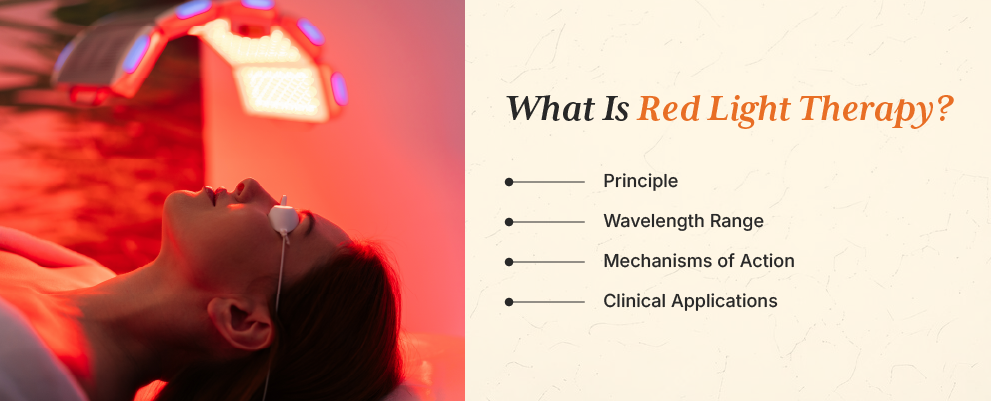
What Is Red Light Therapy?
Red Light Therapy uses therapeutic levels of light energy by exposing the body to low levels of red light (620–750 nanometers) for the treatment of skin, muscle tissue, and other parts of your body to heal. Red light therapy uses very low levels of heat and doesn’t hurt or burn the skin. This red light exposure penetrates deep within the skin and produces a positive biochemical effect in your cells that strengthens the mitochondria, a site where the cell’s energy is created. It may do this byincreasing sources of the transportation of electrons, oxygen consumption, and your levels of ATP. It has positive effects on cellular energy, the nervous system, and metabolic processes, resulting in stronger and healthier cells.
Although it has been around for several decades, recently we are becoming more aware of the health benefits of using red light.
How Does It Functions?
RLT works by exposing your body to red light. This light can penetrate deep into your skin, where mitochondria present in the skin cells absorb the red light. Your well-being usually depends on mitochondrial health; the mitochondria is responsible for producing an adequate amount of energy in the form of ATP for a cell. Red light stimulates cytochrome C oxidase, a protein that enhances energy production in human cells. This boosts mitochondrial efficiency in breaking down nitric oxide and generating more adenosine triphosphate (ATP), the cell's energy currency. Optimized ATP production supports cellular efficiency and facilitates the body's healing processes.
Red light therapy exposes your skin to lamps or devices emitting red light. It uses an LED (light-emitting diode) that emits the correct spectrum of light. Red LED light travels deeper into the skin than blue LED light and so works well in treating acne, skin rejuvenating processes and reducing wrinkles; alongside, it is seen as favorable for treating muscle pain, inflammation and even chronic diseases like CFS.
Red light therapy plays a crucial role by:
Increasing blood flow
Increasing collagen levels
Increasing the production of fibroblast
Why Red Light Therapy?
Nowadays, Red light therapy is almost considered mainstream. First things first, we humans require sunlight in order to stay healthy. But in today's world, it is almost impossible for us to get enough sunlight. This is where the red light therapy comes into play.
You can consider it a “sunshine supplement." Being mindful, we know the role mitochondrial health plays in an individual's life. Scientists have discovered that when Red and NIR (Near-infrared light) wavelengths penetrate the skin, they stimulate the mitochondria and help them produce energy more efficiently.
Think of ATP as the gasoline for your car; it is the energy source required to perform even the tiniest task. Red light therapy directly increases ATP production. More ATP means more energy production, which results in healthier and stronger cells while simultaneously increasing metabolic rate, which is proven to be beneficial in treating CFS and various immune disorders.
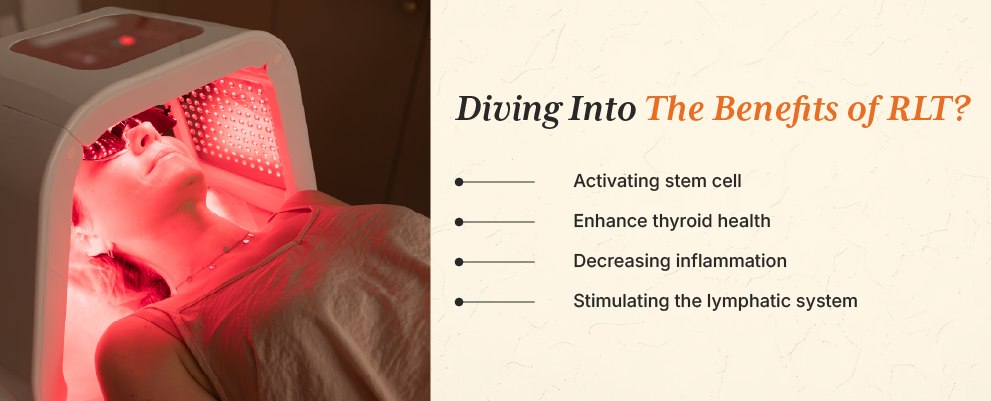
Diving Into The Benefits of RLT -
Red light therapy has been proven to boost the immune system in the following ways:
Activating stem cell production: which can be utilized to fight dangerous cells
Improving thyroid health:thyroid disorders massively impact white blood cell functioning.
Current studies have indicated that using red light is a great promise as an effective treatment for a variety of conditions with minimal side effects. This therapy is a safe and natural alternative to traditional treatments, making it an attractive option for many people. Its versatility has been demonstrated in numerous studies, showing its effectiveness in treating a wide range of health concerns.
Fight your cycle of being trapped and feeling tired all day long and embrace the rejuvenating power of Red Light Therapy at iThrive, where technology meets excellence and authentic knowledge. Whether you’re looking to enhance muscle recovery, reduce signs of aging, or simply boost your overall well-being, RLT offers a safe, gentle, and transformative approach to achieving your health goals.
Looking for expert guidance or feeling all mixed up?
Monsoon brings relief from the heat but also poses health risks, making us more vulnerable to infections, water-borne diseases, and digestive issues. The damp environment accelerates the growth of microbes, weakening our immune system and gut health. It’s crucial to strengthen immunity during this season to protect against common monsoon-related illnesses.
It's not uncommon to get sick with the changing climate, especially monsoons. The rainy season not only brings relief from sweaty heat but also affects your immune system, which works against the admission of foreign particles. Not only do you get prone to seasonal change but moreover various water-borne diseases like typhoid and diarrhea leave an impact on your gut health. Although the spread of infections and microscopic organisms does not depend on the weather for spreading, the rate of growth accelerates in low temperatures and watery areas. Building immunity lowers the chances of being infected by such microbes and viruses. The arrival of monsoon gives a space for mosquitoes to breed thus, increasing the chances of dengue and malaria.
How does monsoon trigger our immunity and gut health?
Our immunity turns and twists during monsoon, as the body temperature fluctuates leaving an effect on the white blood cells in our body. White blood cells are responsible for working against viruses, bacteria, and other foreign particles. When you get damp, the body's normal temperature fluctuates thus weakening your white blood cells, lowering your immunity, and causing various gut issues. Our digestive system gets exceptionally vulnerable during monsoon, which results in gastric problems such as bloating, indigestion, vomiting, acidity, and Gastroesophageal Reflux Diseases (GERD) becoming common.
Since this season is favorable for the growth of microbes, it results in contamination of food and water. Consumption of heavy foods slows down the metabolic action of the stomach causing troubles like gastric or gut discomfort. Chaat and other local foods from the streets might lead to stomach infections due to the presence of microorganisms in the raw materials used. Hence, it is crucial to build up your immunity during the season.
Browsing for a way to strengthen your gut?
No stress, we got you secured, with iThrive's DIY Gut Reset. Improve your gut issues and revive your well-being with a 21-day gut reset program, exclusively designed by the best Functional Nutritionist.
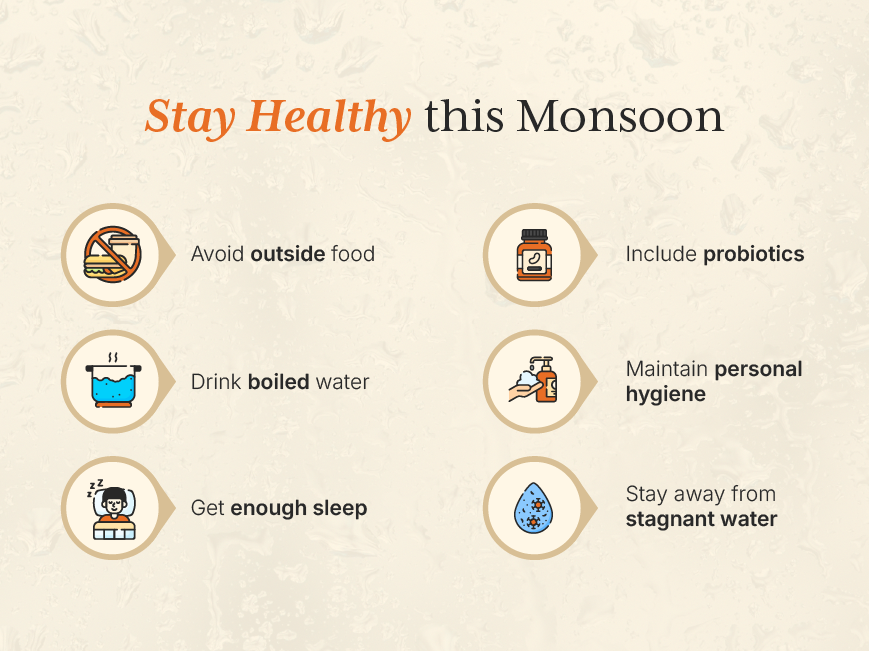
Enhance your immunity this monsoon -
Add boiled water to your routine and stay hydrated- When you boil water, the heat results in killing the microorganisms as water flowing from the pipes might get contaminated. Water flushes out toxins and regulates the body temperature. Staying hydrated is a key factor, as our human body is constituted of 60-70% water.
Nutrient-rich diet - Include a wide range of veggies, fruits, whole grains, and lean protein. These foods are rich in vitamins, minerals, and antioxidants which boost your immunity. Vitamin-C-rich foods like oranges, kiwis, and lemons aid in improving immunity. Including ginger, garlic, and turmeric with anti-inflammatory and antimicrobial properties can also help. These not only minimize the impact of viruses and microbes but also improve your intestine's well-being.
Get adequate sleep - An adequate sleep, not only relaxes the body but also gives enough time for recovery of the body. 7-8 hours of undisturbed sleep helps strengthen your immune system and helps the body fight against common flu and cold during the monsoon season.
Zinc supplements -Zinc is an essential supplement and the dietary bioavailability of zinc from plant foods is relatively poor, as for the immune system it is proven to contain certain properties like immune cell development, tends to reduce inflammation, protects tissue barriers in the body, and anticipates the entry of foreign pathogens. Zinc deficiency in the body leaves an impact on the functioning of the immune system, resulting in an increased risk of infections and diseases like pneumonia .L-Carnosine is a natural compound in muscle, brain, and heart concentrations. It has many beneficial effects on the body, such as protecting against oxidative stress, enhancing cellular function, and preventing glycation. whereas,
Looking for zinc supplements along with the benefits of copper and L- carnosine to boost your immune system this monsoon? We have it all covered.
Vitamin D - Vitamin D is a fat-soluble nutrient, more than just important for bones as it absorbs calcium present in the body, it upgrades your wellbeing and the working of your immune system. When exposed to daylight, your body produces vitamin D which helps fight against bacteria and viruses by accelerating the working of white blood cells. Lack of vitamin D can result in causing immune system disorders and increases the possibility of infections. It is proven to reduce the inflammation in the respiratory tract thus decreasing respiratory tract infections. Research has found vitamin D to build up immunity against flu and colds. In today's world, it's difficult to get sufficient daylight absorbed through the skin but unlike others, including Vitamin D supplements in your diet is an effective way to boost your body's resistance to pathogens.
Got no time, but want enough vitamin D? Don't worry we got it for you.
Magnesium - Magnesium supports around 300 enzymes in conducting various chemical processes in the body such as building protein and regulating blood pressure. Lack of magnesium can result in a weakened immune system against pathogens causing illnesses like flu. Magnesium deficiency may lead to temporary or long-term dysfunction of the immune system. It plays a crucial part in the production and action of immune cells. Low magnesium can lead to a cytokine storm, during which the body begins attacking its cells and tissues instead of fighting off infection. Including magnesium supplements can moreover soothe the impact.
Check out our Magnesium Bisglycinate powder designed and tested by our expert nutritionist.
Following certain precautions such as maintaining a strategic distance from junk foods, bathing in disinfectants, and maintaining cleanliness in the environment. Physical workouts are equally important as they remove the toxins present in the body along with the sweat. A healthy diet with the inclusion of certain health supplements can offer assistance to a vast extent.
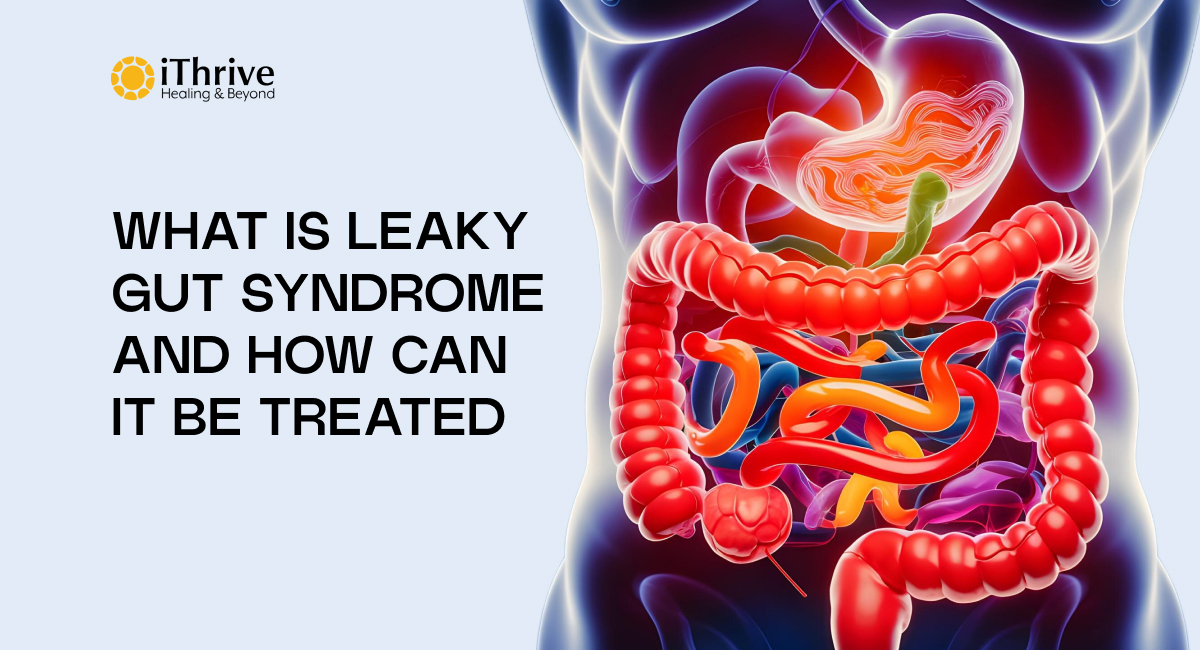
What is Leaky Gut Syndrome and How can it be treated
The human body is complex, and gut health is vital. Leaky Gut Syndrome, though debated, involves increased intestinal permeability, leading to potential health issues. iThrive blends ancient wisdom and modern science to help you understand and address this condition, restoring your well-being.
The human body consists of various organs, whose dysfunction can lead to many chronic illnesses. The mucous lining of our intestine is designed to absorb water and nutrients from food into our bloodstream. But some people have an increased intestinal permeability which results in Leaky gut syndrome, a hypothetical condition that is based on intestinal permeability.
Many doctors and even healthcare professionals do not consider it a diagnosable disease, as it is caused by the formation of gaps in the intestinal lining that allow easy flow of bacteria and other toxins in the bloodstream. But don't worry, since science has always guided us toward rehabilitation.
By delving into the science of leaky gut syndrome, we can understand its symptoms and causes of digestion, immunity, and even chronic illness. You can get a solution to explore strategies to strengthen our defense and restore the destruction caused by analysing the root causes and your health condition, with old dietary wisdom and current modernization through iThrive.
What is a leaky gut?
Our intestine covers around 4,000 square feet of the surface area. Digestive enzymes and the small intestine break food into simpler molecules, contributing to the growth and repair in the body.
When it works in a healthy environment, it works on the absorption of substances into the bloodstream. An unhealthy gut lining may be disrupted by large cracks or holes, allowing partially digested food, toxins, and bugs to penetrate the tissues beneath it. The rate of this passing is known as intestinal permeability.
This may trigger inflammation and changes in gut microflora that may lead to digestive tract diseases. The beneficial microflora can also produce metabolic products that moderate the interaction between the epithelium and the immune system and generate antimicrobial substances, inhibiting pathogens.
Who gets leaky gut syndrome?
We all have partial leaky syndrome since this barrier is not completely impenetrable. Some of us might have a genetic predisposition and maybe more sensitive to changes in the digestive system, but only our DNA is not responsible for it. Modern life may be the root cause of gut inflammation. Heavy alcohol consumption and stress result in disruption of balance.
Since, we know that increased intestinal permeability plays a role in gastrointestinal conditions such as Celiac disease, Crohn's disease, and Irritable bowel syndrome.
Some studies show that leaky gut may be associated with other autoimmune diseases, chronic fatigue syndrome, fibromyalgia, arthritis, allergies, and even mental illness.
Diseases Related to the Alteration of Intestinal Permeability -
A chronic increase in Intestinal Permeability may contribute to severe health conditions such as -
Inflammatory Bowel Disease - Inflammatory bowel disease is a term that refers to Crohn’s disease and Ulcerative colitis, which cause inflammation in the intestine. Crohn's disease affects part of the gastrointestinal tract from the mouth to the anus, whereas Ulcerative colitis damages the large intestine.
Irritable Bowel Syndrome - Irritable bowel syndrome is a functional digestive disorder characterised by frequent abdominal pain and changes in bowel movement, such as diarrhoea and constipation. To diagnose the condition, physical examination and some advanced tests like CT scan, Lactose intolerance test, and stool tests are determined to be of great help.
Obesity - Obesity is induced by a high-fat diet and is linked to changes in the population of intestinal bacteria related to inflammation and increased intestinal permeability. Clinical studies have observed a decrease in intestinal barrier permeability (IBP) after treatments for weight reduction in patients with obesity.
Celiac disease - It is a disease of autoimmune origin with a hereditary component caused by the ingestion of cereals that contain gluten. Consumption of gluten triggers an immune response to the gluten protein in your small intestine. Over time, this reaction damages your small intestine's lining.
What causes leaky gut syndrome?
● Some chronic inflammatory states, like irritable bowel disease and celiac disease.
● Low-quality diet, which is low in fibre and high in sugar and fat.
● Diseases that cause intestinal injury, such as HIV/AIDS.
● Excessive consumption of alcohol
● Chemotherapy and radiation therapies
● Chronic overuse of NSAIDs, such as aspirin and ibuprofen.
● Gut microbe imbalances include overgrowth of the “bad” gut bacteria like Dysbiosis.
It is crucial to realise that even though these can play a role in the development of leaky gut syndrome, the experiences of individuals may vary. Let's explore various symptoms to aid the diagnosis.
Symptoms of leaky gut syndrome are
Since the symptoms might be similar to other health conditions and may differ in individuals. Here are some symptoms that are usually observed:
● A burning feeling due to ulceration in your gut.
● Stomach ache - discomfort after consuming certain foods may suggest gut irritation
● Diarrhoea
● Gas, bloating, and food sensitivity
● Low energy due to reduced ability to draw energy from your food.
● Joint pain
● Mood and cognitive changes
● Unexplained weight changes
● Nutritional deficiencies
Diagnosing gut-related issues requires a comprehensive assessment, preferably by an experienced professional in gut health, such as a functional medicine practitioner.
How is leaky gut measured?
Diagnosing leaky gut syndrome can be challenging, and figuring out the diagnosis usually involves a professional looking at their health, asking about their medical past, and analyzing blood andother advanced tests. Here are some ways that are found to be useful in diagnosing leaky gut syndrome -
● Blood test
● Urine test
● Lactulose-Mannitol Test
● Zonulin Test
● Tissue biopsy
● Confocal endomicroscopy
● Food Sensitivity Testing
These tests might not confirm if someone has leaky gut syndrome, as different people might have different ideas about them. It's a great idea to consult a Functional Nutrition expert who understands this well to get wise advice and a customised plan for your specific health needs.
Diet and leaky gut -
● Probiotics and Prebiotics
● Reduce dietary fats and sugars
● Low FODMAP Diet
● L- Glutamine
● Vitamin D
● Fibre-rich foods
● Coconut oil and its products
● Bone broth
● Krill oil
These recommendations might help in alleviating the condition, but the correct diagnosis and treatment of the condition in terms of dietary and supplements require a piece of expert advice.
Modify your lifestyle -
● Avoid smoking and alcohol consumption
● Take adequate sleep
● Manage your stress
● Keep your body physically fit
● Avoid taking birth control pills
Overall, understanding the leaky gut syndrome and analysing its causes, symptoms, and treatment is crucial. Although it may vary from person to person, consulting a functional medicine practitioner for personalized guidance is always recommended on your journey to a healthier gut.
Leaky Gut Syndrome: Symptoms, Causes, Diagnosis, and Treatment (verywellhealth.com)
read count
read time
All Blogs
Jul 30, 2024
The Most Common Causes of Liver Issues
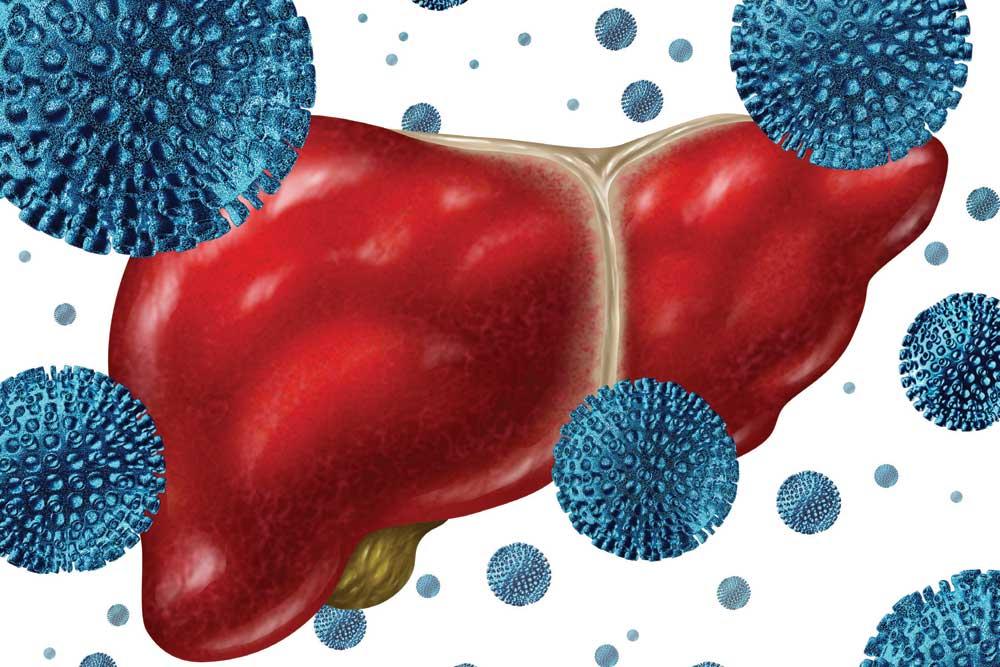
Liver diseases refer to a range of abnormal conditions that negatively impact the liver. It is significant that the liver is an essential organ within the human body responsible for many critical functions, including detoxifying harmful substances, producing bile for digestion, and storing nutrients.
Liver diseases refer to a range of abnormal conditions that negatively impact the liver. It is significant that the liver is an essential organ within the human body responsible for many critical functions, including detoxifying harmful substances, producing bile for digestion, and storing nutrients. Therefore, understanding the main causes of liver diseases and what aspects need to be considered to save your liver from malfunctioning is very important. Understanding causes will help you for early detection, prevention as well as management of your liver conditions effectively.
liver issue
Causes of liver diseases:
Viral Infections:
Viral infections can refer to diseases caused by entering pathogenic viruses and virus particles into susceptible cells.
Hepatitis A: Hepatitis A is primarily transmitted through contaminated food or waste or unhygienic areas. This virus causes liver inflammation and affects the ability of the liver to function. This infection presents symptoms which include abdominal pain, jaundice, loss of appetite, intense itching, and joint pain.
Hepatitis B and C: The Hepatitis B & C virus is transmitted through blood or sexual contact. Sometimes transmission of these viruses can come from mother to child during the child's birth. This infection can lead to severe complications and long-term liver damage. Therefore, it is recommended to treat infection at an early stage and prevent the risk of liver cancer.
Alcohol Consumption
According to today’s scenario, it is observed that excessive alcohol consumption is the most common and leading cause of liver disease across the globe. Our liver has its role in breaking down potentially toxic substances which involves alcohol. Excessive drinking of alcohol can damage the liver and take the form of enhanced fat within the organ and lead to inflammation as well as accumulation of scar tissues. The diseases caused due to Alcohol consumption include Alcoholic fatty liver disease, Alcoholic Hepatitis, and Alcoholic cirrhosis.
Alcoholic Fatty Liver Disease: Alcoholic fatty liver disease also known as hepatic steatosis is referred to as the early stage of liver damage due to alcohol consumption. This disease is characterized by accumulating a significant amount of fat within the liver cells. This disease is most common among heavy drinkers and it is remarked that about 90% of heavy drinkers experience this form of the condition. The most common symptoms of this disease include discomfort in the area of the liver, fatigue, and weight loss. Therefore, people who suffer from Alcoholic fatty liver disease or experience this kind of symptoms need to reduce their alcohol consumption as well as consult a functional nutritionist to maintain a healthy diet and lifestyle which will help them to recover with flying colors.
Alcoholic Hepatitis: Alcoholic Hepatitis is a liver disorder that involves inflammation and liver cell damage due to alcohol abuse. According to the research, women are more likely to develop liver disease than men and it can also influence how your body processes alcohol. Some of the symptoms that stand out are fatigue, pain in the area of the liver, vomiting, and loss of appetite.
Alcoholic Cirrhosis: When a person consumes alcohol in excess amounts it leads to the formation of scar tissues known as fibrosis. If fibrosis occurs excessively it results in alcoholic cirrhosis. This disease can lead to severe health complications including kidney failure, liver cancer, portal hypertension, and many others.
Non-Alcoholic fatty liver diseases
Non-alcoholic fatty liver diseases refer to abnormal conditions where an excess amount of fat is accumulated within the liver of people who consume less or no alcohol.
Obesity: Obesity is associated with a spectrum of liver uncertainties which is known as non-alcoholic fatty liver disease which is associated with increased intrahepatic triglyceride content. According to the research, Non-alcoholic fatty liver diseases have become a significant public health problem due to the potential progression toward severe liver diseases that are associated with cardiovascular and cardiometabolic uncertainties. The inflammation in the liver is caused due to high blood sugar levels and high blood lipids which can cause increased fat storage in the liver. Learn more about the causes of obesity
When the body is more resistant towards insulin it can impact how the fats are processed by the liver which can further lead to fat buildup. The main reason for this dysfunction is excess body weight and insulin resistance. Also, people who have a decreased physical metabolism rate may lead to liver disorders. Therefore, it is recommended by doctors and nutritionists to have a proper balanced healthy diet and regularly exercise to reduce fat accumulation.
Medications and Toxins
Medicines: Medications like paracetamol are usually used as pain relief and can harm the liver. Therefore it is very important to follow the recommended dosages and prevent exceeding those. In some cases, the medicines used for cancer, HIV and tuberculosis patients may have side effects that can cause harmful impacts on the liver. These medications can cause liver failure or other uncertain disorders.
Toxins: Environmental toxins are also one of the reasons for liver diseases. High exposure to pollutants and heavy metals such as lead and pesticides can cause stress on the liver and lead to misfunctioning. People working in industries where environmental toxins are released such as paints and solvents can also face liver damage issues.
Therefore it is important to have a proper consultation with functional nutritionists who have proper knowledge about the dosage and medications that are good for your health.
Deep dive into Prevention and Management Strategies
Based on the information provided above that showcases the most common causes of liver diseases, here are the important recommended strategies that can be followed to prevent themselves from getting their liver trapped into jail.
Follow a healthy lifestyle:
According to the latest research and studies, it has been found that a rich and balanced diet is proteins, seasonal fruits, vegetables and whole grains are the best sources of food that support liver function. A healthy lifestyle is a phenomenon where you make yourself as well as your body fit. To embark on your journey towards a healthy diet and lifestyle you need to limit inflammatory foods such as refined sugars and processed foods. Also, you need to exercise regularly which will help you to maintain a healthy weight as well as reduce the risk of fatty liver disease. Especially if you want your liver to live with you for a lifetime you have to say no to alcohol. To know more about the science behind nutrition you can catch up with our short course “Basics of Nutrition Science”.
Vaccination:
Doctors recommend that getting vaccinated for Hepatitis A and B will potentially protect you against the viral infections that cause liver damage.
Conduct Regular health check-ups:
Even though you feel your body is doing great, it is essential to have routine blood work/ blood tests that help in detecting risk factors like diabetes, obesity, and high cholesterol at the early stage which can be cured by consulting the right person. Also if you are facing some issues with your health, always remember to keep a proper track and investigate the main cause of the issue which will help in resolving it sooner. We at iThrive offer Root cause analysis that unlocks the secrets of stubborn health and identifies the mysteries behind your health.
Medication safety:
Excessive medicines or environmental toxins need to be addressed. You have to follow the prescribed medications carefully and always consult the right person before you take any kind of medication. You should be cautious about the ingredients and always check whether it is authorised by the government. Also, while working in industries where you get in contact with toxins you need to follow precautions and always cover your mouth with a mask which will help to prevent harmful substances from getting into your body.
Always remember a healthy liver will contribute to the overall well-being of your body. So, you have to think wisely and priorities your health to sustain your health and growth together. Always consult a healthcare professional for personalized guidance because not everyone’s health needs are similar. We at iThrive offer you personalised support based on your requirements, so you can book a consultation call with our expert functional nutritionists who will guide you towards your well-being.
read count
read time
Hormone Health
Jul 16, 2024
PCOD vs PCOS: What’s the Difference? Expert Explanation
PCOS (Polycystic Ovarian Syndrome) and PCOD (Polycystic Ovarian Disease) are ovarian conditions affecting hormone production and menstrual cycles. PCOS leads to high testosterone levels, causing irregular periods and reduced fertility.
PCOS (Polycystic ovarian syndrome) or PCOD (Polycystic ovarian disease) is a medical condition that affects a woman's ovaries, the reproductive organ that is responsible for the production of hormones that regulate the menstrual cycle. In comparison, women with PCOS produce an extraordinary amount of the male hormone testosterone. This imbalance leads to skipped periods and decreases the chances of pregnancy. PCOD leads to the production of immature or partially mature eggs in large numbers, leading to the formation of cysts in ovaries.
Signs And Symptoms Of PCOS and PCOD:
signs and symptoms of pcos and pcod
Signs and symptoms usually develop around puberty, although, in some females, the signs and symptoms do notdevelop till late adolescence or even in early adulthood.
Since the signs and symptoms may vary. A diagnosis is only to be made when you experience more than 2-3 of these signs-
1. Irregular menstruation - One of the main symptoms in females is inconsistent menstruation form, like irregular, extended, or missed periods. The disturbance in the regular menstrual cycle caused by hormonal imbalance makes it difficult for an individual to predict the ovulatory phase or the menstruation.
2. Acne and Hirsutism - PCOD often causes severe acne and hirsutism (abnormal hair growth) in certain areas like the face, chest, abdomen, and back due to increased androgen levels, making it difficult to manage through casual methods.
3. Obesity - Women with PCOS find it difficult to manage their weight due to abnormal hormonal balance and reduced body sensitivity to insulin. Increased insulin levels encourage increased production of the testosteronepromoting weight gain.
4. Polycystic ovaries - Women with PCOS have multiple cysts (Small fluid-filled sacs) in the ovaries.
Signs and Symptoms of PCOS and PCOD get worse if you're obese.
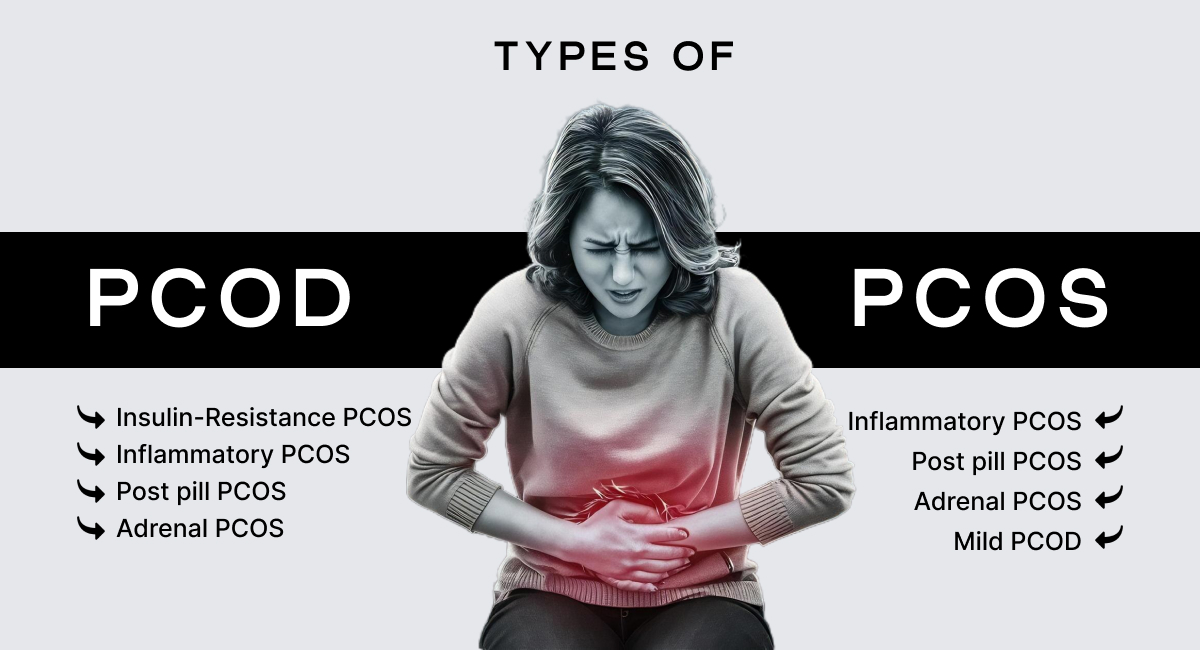
Types of PCOS and PCOD:
types of pcos and pcod
PCOS
1. Insulin-Resistance PCOS - This is the most common type, affecting around 70% of women with the condition. This happens when the body's cells do not respond to insulin, a hormone that regulates the blood sugar leveler glucose. It is Caused by many lifestyle-related factors such as smoking, excess sugar intake, lack of physical activity, consumption of processed foods.
2. Post pill PCOS -This is developed due to the consumption of birth control pills that suppress ovulation. Since the effects are temporary and resume the ovulation once the consequence of the pill ends. But for some women, the ovulation does not resume for months and years even after the effect of pills is over.
3. Inflammatory PCOS - In this, ovulations prevented due to hormonal imbalance and production of androgens. Inflammation is caused due to stress, toxins in the environment, and inflammatory dietary food like gluten.
4. Adrenal PCOS - This is the simplest type of PCOS, once the cause is determined it takes around 3-4 months to resolve the condition. The causes might be Thyroid disease, deficiency of iodine, zinc-deficient diet, and artificial sweeteners.
PCOD
1. Mild PCOD- It often leads to mild hormonal imbalances and cysts in the ovaries. This is determined by slight menstrual irregularities, minimal hirsutism (body hair), and mild acne.
2. Moderate to Severe PCOD - It leads to more distinct hormonal imbalances and multiple cysts. This is announced by significant menstrual irregularities, hirsutism, acne, weight gain, and fertility issues.
3. Metabolic PCOD - It is associated with metabolic syndrome, including insulin resistance and obesity. Often leads to complications like weight gain, difficulty losing weight, high cholesterol levels, and increased risk of type 2 diabetes.
Factors Triggering PCOS And PCOD:
PCOD/PCOS occurs due to a combination of components and way of life. To successfully treat this condition, To understand the causes.
1. High Androgen Level - Expanded androgen levels prevent ovaries from discharging eggs, resulting in irregular menstruation, hirsutism, and acne.
2. Overproduction Of Insulin - Insulins a hormone naturally produced that directs the body's metabolism and blood sugar level. Excess insulin can stimulate the generation of androgens (male hormones), repressing ovulation.
3. Low-Grade Inflammation - Ladies without tend to have chronic low-grade inflammation. By undergoing blood tests that measure levels of C-reactive protein (CRP), HS-CRP and white blood cells, show the level of inflammation in your body.
4. Genetics - Genes might be connected to PCOS/PCOD.
5. Caffeine Intake - Acids in coffee have been recognized to increment insulin levels and What is blood weight?
Role Of Diet In PCOS/PCOD:
role of diet in pcos and pcod
Diet plays a vital part in overseeing the side effects of PCOS/PCOD. An adjusted diet can assist direct insulin levels, which is important since insulin resistance is common in PCOS. Nourishments with a low glycemic index, high fiber, lean proteins, and good fats are generally recommended. Keeping up a healthy weight through diet, working out, and an improved way of life can decrease indications and improve overall well-being.
Foods to be included in the diet-
● Foods with a low glycemic index diet - whole grains, beans, seeds, starchy vegetables.
● Sugary beverages such as sodas and energy drinks
● Processed meats
● foods with high levels of added salt or sugar
● Include meethi seeds and bitter herbs
Expert Explanation -
Are you planning for a change? Connect now with Mugdha Pradhan.
From self-hatred to self-love, she changed her life from being obese, unhealthy, broke, and discouraged to becoming a successful solopreneur. For a long time, she battled with anxiety, depression, exhaustion, and financial instability due to Hashimoto's disease. Forced to be an extrovert, she found herself deteriorating further, feeling caught in a dull corporate life, and battling a food habit despite her master's in Nutrition. Various diets, pills, and workouts failed, and she turned to cannabis to numb her torment. A cold marriage and the weight of being a youthful mother declined her condition.
A wake-up call came when frequent energy crashes and accidents led her to quit all stimulants. Hitting rock-bottom, she looked for routine therapeutic help but found no relief until she discovered Functional Medicine. Through progressed blood information examination and profound diagnostics, she lost 37 kg, reversed her immune system condition, and progressed her mental health. Choosing to break free from societal standards, she ended her 14-year marriage, returned to India, and started her transformation. As her health and behavior improved, individuals looked for her to offer assistance, driving her to build up India's first Functional Nutrition Company, Thrive. Despite facing challenges and a lack of support, she persevered with the COO's help. Today, she helps individuals overcome physical well-being issues and supports mental, emotional, and spiritual well-being through her program, 'Embracing The Human Experience'.
read count
read time
Digestive Health
Jun 27, 2024
The Thyroid and Iodine Connection
The Thyroid is a small butterfly-shaped organ located at the base of your neck which plays a pivotal role in regulating various physiological processes.
The Thyroid is a small butterfly-shaped organ located at the base of your neck which plays a pivotal role in regulating various physiological processes. Despite its modest size, the thyroid influences almost every cell, tissue, and organ in the body. It produces two primary hormones, thyroxine (T4) and triiodothyronine (T3), which are critical for controlling the body's metabolism, heart function, digestive health, muscle control, and brain development. The thyroid gland also secretes calcitonin, a hormone that aids bone cells in processing calcium and incorporating it into the bone matrix.
Thyroid hormones are fundamental to the body's energy regulation. They determine how quickly cells convert nutrients into energy, thus impacting everything from body temperature to heart rate. An imbalance in these hormones can lead to significant health issues.
Iodine and its Role in the Body
Iodine is a trace element that is indispensable for thyroid health. It is a crucial building block for the synthesis of thyroid hormones. Without adequate iodine, the thyroid cannot produce sufficient T3 and T4 hormones, leading to disrupted metabolic processes and a variety of health problems.
Dietary iodine is absorbed in the small intestine and transported to the thyroid gland, where it is used to produce thyroid hormones. Iodine deficiency remains a global public health concern. According to functional nutritionist Mugdha Pradhan, iodine deficiency affects one-third of the global population.
Rich dietary sources of iodine include seafood, seaweed, dairy products, eggs and iodized salt. However, dietary habits and regional differences can significantly influence iodine intake.
The Thyroid-Iodine Connection
The relationship between iodine and thyroid function is complex and crucial. The thyroid gland relies on iodine to synthesize the hormones T3 and T4. These hormones are essential for regulating metabolism and maintaining energy levels.
Iodine Deficiency and Thyroid Disorders
When the body lacks adequate iodine, the thyroid gland struggles to produce sufficient hormones. This deficiency can lead to hypothyroidism. Hypothyroidism is characterized by symptoms such as fatigue, weight gain, and depression. A lack of iodine can also cause the thyroid gland to enlarge, resulting in a condition known as goiter. Severe iodine deficiency during pregnancy can lead to cretinism, a condition marked by severe mental and physical developmental delays in infants.
According to the World Health Organization (WHO), iodine deficiency is the leading cause of preventable intellectual and developmental disabilities worldwide. It highlights the critical role iodine plays in growth and cognitive function, particularly in developing countries where iodine deficiency is more prevalent.
Iodine Excess and Thyroid Health
While iodine is essential, too much of it can also be problematic. Excessive iodine intake can lead to hyperthyroidism, a condition where the thyroid produces too much hormone, resulting in symptoms like rapid heartbeat, weight loss, and nervousness. Additionally, high iodine levels can trigger autoimmune thyroid diseases such as Hashimoto's thyroiditis and Graves' disease.
The delicate balance of iodine intake underscores the importance of personalized nutrition and careful monitoring, as both deficiency and excess can disrupt thyroid function and overall health.
Assessing Iodine Status
Functional nutritionists use various methods to assess iodine levels in individuals. Urinary iodine concentration is commonly measured as it reflects recent iodine intake. Blood tests can also provide insights into thyroid function and hormone levels. These assessments help determine whether a person’s iodine levels are adequate, deficient, or excessive, guiding personalized dietary and supplementation strategies.
Functional nutrition focuses on identifying and addressing the root causes of thyroid imbalances. By understanding a person's unique biochemical needs and lifestyle factors, nutritionists can develop tailored plans that optimize iodine intake and support overall thyroid function.
Recommended Iodine Intake
Achieving the right balance of iodine is critical for thyroid health. The recommended daily intake of iodine varies across different population groups. For adults, the general guideline is 150 micrograms per day, while pregnant and breastfeeding women require higher amounts to support fetal and infant development. It's important to note that when people consume enough iodine in their diet, the thyroid gland retains less than 10% of the iodine absorbed from the gut. However, in cases of long-term iodine deficiency, the thyroid gland can capture over 80% of the iodine from the blood.
Functional nutritionists advocate for a diet rich in natural sources of iodine, such as sea vegetables (e.g., kelp), fish, and dairy products. They also emphasize the importance of avoiding excessive iodine intake, particularly from supplements and fortified foods, to prevent thyroid dysfunction.
Iodine Supplementation
Iodine supplementation can be beneficial for individuals who are unable to meet their iodine needs through diet alone. However, the form and dosage of iodine supplements, such as potassium iodide or iodine drops, should be approached with caution and carefully selected based on individual needs.
To counter iodine deficiency, governments of many countries have approved the manufacturing of table salts iodized by potassium iodide and cuprous iodine. However, it is recommended by many functional nutritionists to use Himalayan pink salt (sindhav namak) as it has more than 60 trace minerals, including iodine, and its consumption does give no risk of over intake.
Risks and Considerations
Excessive iodine supplementation can disrupt thyroid function and lead to adverse effects. Functional nutritionists stress the importance of monitoring iodine levels and adjusting supplementation as needed. They also consider introducing other nutrients that interact with iodine, such as selenium and B vitamins, which is essential for thyroid hormone metabolism and antioxidant protection.
The thyroid-iodine connection is a cornerstone of thyroid health, highlighting the importance of balanced iodine intake for optimal hormone production and metabolic function. Functional nutrition provides a comprehensive approach to managing this delicate balance, ensuring that individual needs are met through personalized dietary and lifestyle strategies.
By understanding the critical role of iodine and adopting integrative approaches to thyroid health, individuals can support their thyroid function and overall well-being effectively. Through careful assessment, balanced nutrition, and lifestyle adjustments, the complexities of thyroid health can be managed, promoting long-term health and vitality.
References
Dilas, L. T., Bajkin, I., Icin, T., Paro, J. N., & Zavisić, B. K. (2012). Medicinski pregled, 65(11-12), 489–495. https://doi.org/10.2298/mpns1212489t
Water and Weight Loss: Does Staying Hydrated Really Make a Difference?
Maintaining proper hydration goes well beyond just soothing one's thirst; it is essential for preserving overall health and well-being.
Understanding how the Human Body reacts to Hydration
Maintaining proper hydration goes well beyond just soothing one's thirst; it is essential for preserving one's general health and wellbeing. Every organ system in the body needs water to perform at its best physiologically. 79% of muscles and kidneys, 31% of bones, 73% of the brain and heart, 64% of skin, and 83% of the lungs are made of water. Cellular homeostasis, or the body's capacity to maintain a steady internal environment in spite of outside changes, depends on water. Through osmoregulation, the body maintains the proper ratio of water to solutes in its cells and bodily fluids. This delicate balance is influenced by maintaining an appropriate level of hydration, which prevents cells from shrinking or swelling excessively and preserves their structural integrity and functionality. By promoting the kidneys, liver, and intestines' cleansing and elimination processes, water also facilitates digestion and helps the body eliminate waste.
Hydration status has an impact on cognition. Water is necessary for the brain to produce the hormones and neurotransmitters that are involved in emotion, memory, thinking, and processing. Water protects the brain and spinal cord from harm by acting as a shock absorber.
Does water intake help in weight loss?
According to research, consuming 500 ml (17 oz) of water daily can increase metabolism by 24–30% over the course of one to 1.5 hours, and consuming two liters (68 oz) of water can result in an extra 96 calories burned.
It's commonly asserted that molecular hydrogen water is superior for weight loss. Brown fat burned as a result of the induction of FGF21 in the sole study conducted so far on mice. It is unknown if hydrogen water has the same effects on people.
Water facilitates the process of food digestion and nutrient absorption. A healthy metabolism depends on effective digestion and nutrition absorption. Water also facilitates the body's elimination of waste materials, which can improve metabolic health.
The relationship between metabolism and weight loss through water
Water consumption is a great way to help lose weight.
This is because drinking more water can raise your metabolic rate and promote satiety.
Drinking more water may help you lose weight by slightly speeding up your metabolism, which raises your daily caloric expenditure.
According to a 2013 study involving fifty overweight young women, drinking an extra 16.9 ounces (500 mL) of water three times a day before meals for eight weeks significantly decreased the participants' body weight and body fat in comparison to their pre-study measurements.
Additionally crucial is the timing. The best time to drink water is 30 minutes before eating.
You may consume less calories as a result of it making you feel fuller.
Over the course of a 12-week trial, dieters who drank 16.9 ounces (0.5 liters) of water before meals lost 44% more weight than those who didn't.
Other ways in which staying hydrated can aid in weight loss
The following are some more ways in which drinking water can aid in weight loss:
Water naturally reduces hunger:
The stomach alerts the brain to cease eating when it detects that it is full. Water has the ability to fill the stomach, causing feelings of fullness and decreasing appetite.Sometimes, when someone is truly thirsty, they may mistakenly believe they are hungry. You can reduce needless snacking by having a glass of water before reaching for something to eat. In a previous 2014 study (Trusted Source), fifty overweight women drank 500 mL of water every 30 minutes before breakfast, lunch, and dinner for eight weeks in addition to their usual water intake. Body mass index (BMI), body weight, and body fat all decreased in the subjects. They mentioned suppressed appetite as well.
Water aids in the body's waste removal process:
The body cannot properly eliminate waste products like urine or faeces when it is dehydrated. Water preserves vital minerals and electrolytes while assisting the kidneys in filtering waste products and pollutants. The kidneys hold onto liquids when the body is dehydrated. Constipation and stiff, lumpy faeces are other symptoms of dehydration. Water softens or loosens hardened stools, which helps to keep waste moving. Additionally, water aids in the body's recovery from digestive issues including indigestion and diarrhoea. Those who have waste accumulation in their bodies may experience fatigue, bloating, and swelling. Bloating can cause one's waist to increase by inches. Drinking enough water helps prevent waste from being retained, which could result in a few more pounds.
Water consumption helps lower total calorie intake from liquids:
It is simple to consume soda, juice, or coffee or tea that has been sweetened with added sugar and calories. Additionally, a lot of people don't count the calories in alcoholic or sports drinks. Long-term weight loss advantages may result from substituting water or other calorie-free beverages, including herbal tea, for even a small number of high-calorie drinks each day.
Root cause analysis and Hydration:
iThrive uses the technique of Root Cause Analysis, which focuses on identifying the fundamental issue which is causing any problem in our body rather than just going with the very evident symptoms. At iThrive we use this technique and can help identify the needs of hydration according to your body type by identifying the root cause behind that technique. For example, the root cause being the fact that dehydration slows down our metabolism, which can be solved by this technique. Everybody has different metabolic needs and water requirements, and identifying that is what does most of the work for us. It is a very important step that most people tend to miss out on, and we are here to help support you in your bodily requirements, by identifying the root cause for you.
read count
read time
Root Cause Analysis
May 10, 2024
Exploring the types and Root Causes of Acne
What are the Root Causes of Acne? It can be really frustrating when you can see your skin being affected by the problem of acne but you are not able to find out the reason behind it. Acne has deeper reasons than just what you see on your skin.
Acne is a skin condition that is particularly common during adolescence. About 95% of adolescents have this problem. Even in adulthood, up to 54% of people have acne, which can last until middle age. But what exactly is acne, and why does it occur? Let’s examine the different types of acne and find out the causes of this troublesome skin condition.
What is Acne?
It is a common skin condition caused by clogged hair follicles under the skin that are filled with dead skin cells and sebum, an oil that keeps the skin hydrated. On your skin, acne breakouts can occur anywhere. The face and neck, shoulders, back, and chest are among the most frequently affected areas. This is because these are the body parts where the oil glands are the most prevalent.
Let us move further to explore various types of acne.
Types of Acne
You must know that acne is not just one thing. There are different types, each with its own characteristics and causes. It's vital to identify which type you have so you can treat it properly.
Acne Vulgaris: This is the most common type of acne. It includes things like blackheads, whiteheads, and pimples. So, if you're breaking out, chances are it's acne vulgaris. Here are two common types of Acne Vulgaris:
Whiteheads: These are small, closed bumps that appear on the surface of your skin. They occur when a hair follicle becomes clogged with oil and dead skin cells and starts trapping bacteria beneath the skin.
Blackheads: Unlike whiteheads, blackheads are open bumps on the skin. They develop when the trapped oil and dead skin cells oxidize, giving them their characteristic dark colour.
Comedonal acne: This type includes blackheads, bumpy skin, and small white bumps called milia. They are inflammatory skin lesions that are caused by an overabundance of sebum production, bacterial overgrowth, and hyperkeratinization.
Cystic acne: Cysts are the most severe form of acne and appear as large, pus-filled lumps beneath the skin. They can be painful and may cause scarring if not treated promptly. Here are two types of cystic acne:
Papules: Papules are small, red bumps that may feel tender to the touch. They occur when the walls around the pores break down due to inflammation.
Pustules: Pustules are similar to papules but contain pus at their tips. They appear as white or yellow bumps on the skin's surface.
Nodular acne: Another severe type with large, hard, deep pimples called nodules. They are larger, solid, and painful lumps beneath the skin's surface. They develop when clogged pores become further irritated, leading to deep inflammation.
Acne Rosacea: This type affects adults, typically after 30. It shows up on the face and can cause redness, pimples, and visible blood vessels. It's more common in women, but men can also be affected by it.
Acne Mechanica: This type is caused by heat, pressure, or friction on the skin. It often happens on the body, especially in athletes who wear gear that traps heat and rubs against the skin. It can also occur on the face.
Excoriated Acne: This happens when someone picks at their pimples excessively, causing wounds on their skin.
It's important to understand the reasons behind your acne so that you can treat it correctly. So, let us explore the root causes of acne.
What are the Root Causes of Acne?
It can be really frustrating when you can see your skin being affected by the problem of acne but you are not able to find out the reason behind it.
Acne has deeper reasons than just what you see on your skin. Here are some possible root causes that lead to acne:
Distressed Skin: Your skin has its own tiny world of bacteria, viruses, and other microorganisms. When this community gets messed up by things like strong cleansers or antibiotics, bad bugs can take over and cause acne.
Hormonal Imbalances: Sometimes, glands in your skin produce too much oil because of hormones. This can happen due to conditions like PCOS, pregnancy, or just changes in your body.
Food Troubles: Certain foods might not sit well with your gut, leading to problems with digestion and your skin. If you're allergic or sensitive to certain foods, it could show up as acne.
Growth Hormones: During puberty, a hormone called IGF-1 spikes up. This hormone can make your skin produce more oil, especially if you eat lots of sugary or dairy foods.
Fatty Acid Balance: Your diet might have too much of one kind of fat compared to another. This could make your body inflamed and might be linked to acne. Omega-3 fats are good for your skin and might help with acne.
Too Much B12: Taking too much vitamin B12 can actually make acne worse for some people. It changes the balance of bacteria on your face, leading to more acne.
Keeping your skin happy involves more than just washing your face. It's also about what you eat, how your body works, and what you put on your skin.
Summary
Acne is a common skin condition that includes the formation of pimples, blackheads, whiteheads, as well as other lesions. It occurs when hair follicles become clogged with oil and dead skin cells, leading to inflammation and the growth of acne-causing bacteria. Factors such as excess oil production, hormonal changes, genetics, and diet can contribute to the development of acne. Understanding the types and root causes of acne is crucial for effectively managing and treating this condition. If you are also struggling with acne, you can focus on getting functional nutrition to achieve clearer and healthier skin.
RESOURCES
Understanding Acne and How to Treat it Naturally - Rupa Health
Weight loss is a huge industry and there are a million different services, products, and information sources available today to help you lose weight. Some of these are totally fraudulent and even dangerous, while the majority of others are only partially effective because they only focus on a single factor to boost weight loss.
The major flaw in the concept of weight loss lies in its name itself- “weight” loss. Because what you specifically want to lose is the fat mass and not the muscle mass from your body. Weight lost by losing fat mass is what we consider healthy weight loss. For good metabolic health, you need to increase muscle mass and reduce fat mass. Ironically, it's muscle mass that is much heavier, and losing even small amounts of muscle mass can lead you to dropping kilos on the weight scale. This is why body weight and even BMI(which is derived from your body weight) are not accurate markers of metabolic health. What is important is what we refer to as ‘body composition’ which is measured by tracking body fat percentage. Body fat percentage can be difficult to measure- instead, you can just track your body shape in the mirror or measure your waistline. Higher fat deposition around the waistline referred to as "central obesity” is particularly linked to adverse health outcomes.
Weight loss is a huge industry and there are a million different services, products, and information sources available today to help you lose weight. Some of these are totally fraudulent and even dangerous, while the majority of others are only partially effective because they only focus on a single factor to boost weight loss.
Workout programs for weight loss do nothing to address the diet. And even most nutrition programs only focus on calorie intake, which is only one small factor.
To lose weight in the right way(by losing fat and not muscle), you need to take a holistic approach. Multiple factors such as hormonal issues, thyroid dysfunction, gut issues, and toxin overload can lie at the root of many people’s obesity.
The best option is to get a complete health evaluation and work with a functional nutritionist or other holistic health practitioner and work on all aspects of your diet and lifestyle. It’s important to ensure the weight loss is sustainable. This can be achieved by changing your diet and lifestyle gradually instead of jumping on strict crash diets. Most of the time, rapid weight loss through very strict diets involving calorie restriction causes a lot of muscle mass loss.
Sign up for the iThrive Newsletter practical nutrition, wellness insights, and habits that actually work.
Thank you! Your submission has been received!
Oops! Something went wrong while submitting the form.
No spam. Unsubscribe anytime.
FAQs
What topics does the iThrive blog cover?
The blog covers functional nutrition, chronic conditions, gut health, hormonal health, autoimmune conditions, sleep, mental health, and root cause analysis. Every article is written to help you understand what is actually happening inside your body, not just manage symptoms.
Who writes the articles on this blog?
All articles are written by the content writers in collaboration with iThrive's clinical team of functional nutritionists, guided by the same methodology used in the ALIVE programme. The content is rooted in functional medicine and real clinical experience, not generic health advice.
Is the information on this blog a substitute for medical advice?
No. The blog is an educational resource to help you understand your health more deeply. If you are experiencing symptoms or managing a chronic condition, a personalized Root Cause Analysis with a functional nutritionist is the right next step.
I read an article and want to take action. What should I do next?
Book a Root Cause Analysis. For ₹2,500, a dedicated functional nutritionist will assess 60+ blood markers using optimal ranges and explain exactly what is driving your condition. It is the natural next step after reading about what might be happening in your body.
Can these articles help me if I have already been diagnosed?
Yes. Many of our readers come with existing diagnoses and find the blog helps them understand why their condition developed and what their body actually needs. The articles are designed to give you clarity, not replace the guidance of a practitioner.
Talk to our team
Thank you! Your submission has been received!
Oops! Something went wrong while submitting the form.
Download Now
Thank you! Your submission has been received!
Oops! Something went wrong while submitting the form.



.svg)


.webp)
.webp)





.jpeg)

.jpeg)