Articles to help you understand, manage, and improve your health.
Trending Post
Festive
Autoimmune Condition
Unexplained Symptoms
Mental & Brain Health
Root Cause Analysis
General Health
Digestive Health
Hormone Health
Mental Health
All Blogs
Supplements
All Blogs
read count
read time
Festive
Oct 22, 2024
Diabetes and Diwali 2024: Top 14 Tips to Keep Blood Sugar Levels Stable
Keep your diabetes in check this Diwali with our top 15 tips! Enjoy healthier desserts, plan meals, monitor blood sugar, and choose baked over fried foods with best recipes.
Diwali is all about delicious sweets, rich snacks, and festive feasts. But for people with diabetes, it can be a tricky time. The temptation of sugary treats and high-calorie foods can lead to uncontrolled blood sugar levels, which is risky for long-term health. Studies show that many people experience up to a 20% increase in blood sugar levels during Diwali!
For diabetics, the challenge is to enjoy the Diwali without compromising their health. This blog is here to help you with just that! We’ll cover top tips on how to stay healthy during Diwali- from making smarter food choices to keeping your blood sugar in check, so you can control diabetes and Diwali without worry.
Best 14 Diwali 2024 Tips to Maintain Your Diabetes
1. Opt for Healthier Desserts
When cravings hit, opt for healthier desserts. Instead of regular sweets which are high in sugar, consider alternatives likeBanana Muffins, Gulab Jamun, and Karanji/ Gujja. These options not only taste great but also provide essential nutrients. According to Harvard Health, substituting healthier options can significantly reduce calorie intake while satisfying cravings. By making small changes to your dessert choices, you can enjoy the festivities without thinking much about your health for the future.
2. Plan Your Meals
If you have type 1 diabetes, planning meals can help you to choose nutritious ingredients and avoid the temptation of unhealthy snacks. You can start dedicating a day each week to plan your meals and create a shopping list focused on whole foods, such as fruits, vegetables, lean proteins, and whole grains. A study published in the International Journal of Behavioral Nutrition and Physical Activity found that meal planning is associated with better diet quality and weight management.
3. Monitor Your Blood Sugar Levels Daily
Monitoring your blood sugar levels is essential for maintaining overall health, especially for those with type 2 diabetes or insulin resistance. Regularly taking blood sugar tests to check your glucose levels can help you understand how different foods and activities affect your body. This can reduce the risk of complications, including heart disease, kidney damage, and nerve damage. Incorporate a balanced diet that is high in good quality proteins, rich in fiber, whole grains, and healthy fats to help manage your blood sugar. Use apps or devices like Glucometer that can provide sugar tests easily.
4. Eat Low-Carb Meals
Eating low-carb meals can be a beneficial strategy for weight management and blood sugar control. Reducing your intake of refined carbohydrates and sugars can stabilize your energy levels and restrain hunger. Include more lean proteins, and healthy fats in your meals. Foods like chicken, fish, vegetables, and avocados are great options.
5. Use Coconut Oil for Healthier Cooking
Coconut oil is a fantastic addition to your Diwali menu, offering a unique flavor and numerous health benefits. Rich in medium-chain triglycerides (MCTs) may help improve metabolism and support weight loss. It’s also great for high-heat cooking due to its high smoke point, making it a more nutritious option than other oils.
6. Skip Packaged Foods for Real Nutrition
Packaged items are loaded with preservatives, artificial ingredients, and added sugars, which can negatively impact your health. Instead, focus on whole, unprocessed foods like whole fruits, vegetables, and lean proteins.
7. Choose Baked Food Over Fried
Baking typically requires less oil, reducing unnecessary calories and unhealthy fats. Baking also preserves the nutrients in your food better than frying, which can lead to nutrient loss. Experiment with baked versions of your favorite dishes on festivities- think baked puris, roasted vegetables, and homemade baked goods like baked sev.
8. Practice Portion Control
It's easy to overeat, especially with large serving sizes and delicious foods during Diwali 2024. To avoid this, try using smaller plates and bowls, which can help trick your brain into feeling satisfied with less food. Studies show that smaller portions can lead to lower calorie intake without compromising satisfaction (Source: Nutrition Journal). Additionally, take your time while eating- savor each bite to recognize when you're full.
9. Increase Physical Activity
Regular exercise can help manage weight, reduce stress, and improve cardiovascular health. Aim for at least 150 minutes of moderate aerobic activity or 75 minutes of vigorous activity each week. Simple changes, like taking the stairs instead of the elevator or going for a brisk walk before lunch, can make a significant difference. Find activities you enjoy, whether dancing, biking, or yoga to keep you motivated.
10. No Alcohol Intake
Excessive drinking can lead to various health issues, including liver disease and weight gain. When your liver processes alcohol, it stops glucose release, which can lead to a rapid drop in blood sugar (hypoglycemia). If you're on insulin or diabetes medication, this can cause dangerously low blood sugar levels. Opt for alcohol-free days or choose healthier options like sparkling water or herbal teas when socializing. By limiting aware of your alcohol consumption, you can improve your overall health, enhance your mood, and support your wellness journey.
11. Don’t Be Tempted to Stay Up Late
Lack of sleep directly impacts blood sugar levels in various ways, particularly for those with diabetes. Sleep deprivation disrupts hormone balance, leading to increased cortisol levels, which affects insulin functions and can trigger overeating or weight gain. Additionally, staying up late disturbs your circadian rhythm, making cells more resistant to insulin. Sleep deprivation can also impair decision-making around food and drink choices, often leading to unhealthy late-night snacking. For people with diabetes, consuming food at night when the body is less prepared to handle a blood sugar spike can make it harder to regulate insulin. Moreover, irregular sleep patterns, like staying up late, can affect glucose levels the following morning, further complicating blood sugar management.
12. Eat High-Fiber Foods for Maintaining Diabetes
Fiber helpsregulate bowel movements, prevent constipation, and can lower cholesterol levels. Aim for at least 25 grams of fiber per day for women and 38 grams for men, as recommended by the Institute of Medicine. Incorporate foods like beans, lentils, whole grains, fruits, and vegetables into your meals. Fiber improves insulin sensitivity, making it easier for the body to use insulin effectively. Additionally, high-fiber foods promote satiety, reduce overeating, and help with weight management- both important factors in diabetes control.
13. Stay Hydrated for Optimal Health
Water is essential in digestion, temperature regulation, and nutrient transport. The National Academies of Sciences recommends about 3.7 liters for men and 2.7 liters for women daily. When the body is dehydrated, the glucose concentration in the bloodstream can rise, leading to higher blood sugar levels. Adequate water intake supports the kidneys in flushing out excess sugar through the urine, stabilizing glucose levels. Hydration improves insulin sensitivity, allowing the body to use insulin more effectively. For people with diabetes, staying hydrated is important for maintaining overall metabolic health and preventing complications.
14. Make Your Sweets at Home for Healthier Treats
Instead of store-bought candies filled with additives and excess sugars, try recipes using natural sweeteners like honey or maple syrup. Homemade desserts like coconut cookies, raspberry cakes, and Besan Laddoos can satisfy your sweet tooth while providing nutritional benefits. If you are searching for the best sugar alternative sweets, here's the list of top sugar-free sweets to make this Diwali. Check it Now.
This Diwali, do not give up on your food, instead make smart choices. For those struggling to manage diabetes or aiming to reverse it, iThrive offers a personalized, holistic diabetes reversal program that targets the root cause of your condition. The expert Functional Nutritionists create tailored plans that help you normalize blood sugar levels, eliminate medications, and improve your overall well-being. Ready to start your journey? Book a consultation with iThrive today and plan for your reverse diabetes!
read count
read time
Festive
Oct 14, 2024
Diabetic-Friendly Diwali: 4 Sweet Recipes to Light Up Your Festivities
Discover the best 4 delicious diabetic-friendly Diwali sweet recipes that satisfy your cravings without spiking blood sugar. Celebrate your health this festive season.
Diwali is the festival of joy, fun, celebrations, and most importantly, the Diwali sweets and snacks. Diwali is just a few days away, and the super moms in the house might have started making the grocery lists for the same. It would sound like lots of sugar, whole wheat flour (maida), seed oils, etc. You might have already started thinking about the sweets and snacks now, as sweets are the key part of these celebrations that symbolize the joy of sharing and the spirit of giving.
However, for those who are diabetic, managing diabetes this festive season can often feel bittersweet. Visiting markets full of colorful treats, the thought of having traditional sweets might evoke feelings of sadness. But iThrive understands what you will be going through. Popular Diwali treats like sugary laddoos, rich barfis, and halwa are loaded with high sugar, which makes it challenging for diabetic people.
But what if we say, “we have a solution for your cravings.” This Diwali we are here to embrace your festivities with a collection of diabetic-friendly sweet recipes that are just designed for you.
But these recipes are not just for diabetic people; they are for all of us. Why? According to the Economic Times, sugar consumption during Diwali 2023 hit an all-time high, soaring by 32%. The excess sugar consumption and lack of exercise caused men to gain an average weight of 1.7 kg, while women gained 1.28 kg in just one week. High sugar consumption can cause a lot of health issues, and at iThrive we know how serious these health concerns can impact your body and your overall health. So it is high time to change your grocery shopping list and opt for healthy options this Diwali.
4 Diabetes-Friendly Sweets Recipes
Baked Gluten-free Karanji
Our baked gluten-free karanji recipe is the healthier option for the traditional festive sweet. Karanji is normally made with refined wheat flour and deep-fried. But in our recipe, we have used gluten-free flours and natural sweeteners like dates to make it nutrient-dense and diabetes-friendly.
Ingredients
50 grams of organic oats flour
50 grams of organic quinoa flour
15 grams tapioca flour
1 pinch salt
Water (to make dough)
For filling
20 grams of freshly grated coconut
10 Kimia dates
½ tsp cardamom and nutmeg powder
1 pinch salt
Procedure: Check out the full recipe and fulfill your cravings.
Benefits
Using kimia dates as a natural sweetener helps in managing blood sugar levels more effectively as they have a high fiber content.
Oats flour and quinoa flour are rich in fiber, which helps in stabilizing blood sugar levels and slowing down the absorption of carbohydrates. They also help prevent insulin spikes.
Karanji is baked instead of deep-fried, which potentially reduces the amount of fat and calories. The traditional method of making karanji includes frying, which increases the risk of insulin resistance and obesity.
Kimia dates are a good source of iron, which is important for blood health. They also contain antioxidants that fight inflammation and oxidative stress.
Ragi laddoos
Ragi laddoo is a nutritious dessert option made for Diwali. We have used ragi flour, which is an excellent source of fiber, calcium, and protein, along with dates, which is a natural sweetener. This recipe is not only quick to prepare but also a healthy alternative to traditional sweets, which makes it suitable for diabetics as well as small children who seek nutrient-packed snacks.
Ingredients
50 grams organic ragi flour
5 Kimia dates
Procedure: Check out the full recipe and fulfill your cravings.
Benefits
For the moms out there, ragi laddoos are highly nutritious, which makes them an ideal go to snack for children as well as adults.
Ragi is one of the best source of plant-based calcium, essential for bone health. It also supports bone health, aids in weight management, and helps regulate blood sugar levels.
The sweetener used in this recipe is dates, which is considered to be the best healthy natural sweetener and alternative to refined sugar.
Sweet Shakkarpara
Sweet Shakkarpara is a popular festive treat that is traditionally made with refined flour and sugar. In our diabetic-friendly recipe, we have created a healthier version that includes organic oats flour, quinoa flour, and date paste, which offers a nutritious alternative to traditional sweets.
Ingredients
50 grams organic oats flour
50 grams organic quinoa flour
15 grams tapioca starch
10 kimia dates (made into a paste)
1 pinch of cardamom powder
1 pinch nutmeg powder
1 pinch salt
Water (to make dough)
Procedure: Check out the full recipe and fulfill your cravings.
Benefits
Traditional Shakkarpara is deep-fried, which adds excess unhealthy fats and leads to insulin resistance. Baking Shakkarpara helps reduce the fat content and makes it a diabetes-friendly snack.
Oats and quinoa flour have a low glycemic index and are rich in fiber, which helps in preventing blood sugar spikes and is an ideal snack for diabetes patients.
Dates act as a natural alternative to sugar and provide sweetness without the harmful effects of refined sugar.
Gulab Jamun
Our Gulab Jamun recipe is a healthier version of an Indian beloved dessert. We have used sweet potatoes, oats flour, and dates to create a delicious, yummy, and nutrient-packed treat for the festive season. Regular gulab jamuns are made with refined wheat flour and are soaked in sugar syrup. But we have used honey for syrup instead of white sugar. All the alternatives used in this recipe offer more nutrients and make this dish a better choice for people with diabetes.
Ingredients
100 grams sweet potato
10 grams oats flour
50 grams Kimia dates
1 pinch nutmeg
1 pinch cardamom
50 ml raw organic honey
1 pinch agar agar
Procedure: Check out the full recipe and fulfill your cravings.
Benefits
The use of sweet potatoes and dates provides natural sweetness. Oats flour and dates are also rich in fiber, helping in slowing down digestion.
Honey contains a lower glycemic index compared to refined sugar.
Sweet potatoes are packed with vitamins, minerals, and fiber. They help in stabilising blood sugar and make them a better alternative to refined flours.
Agar agar is a plant-based gelatin alternative that is rich in fiber and promotes gut health. Using agar agar in this recipe helps in providing satisfying consistency to the syrup.
This Diwali, gift the sweetness of the festival without guilt, knowing these sweet recipes are not only delicious but also supportive of your blood sugar management.
This Diwali, celebrate your health, tradition, and taste all in one. #GrowupHealthy
read count
read time
General Health
Oct 8, 2024
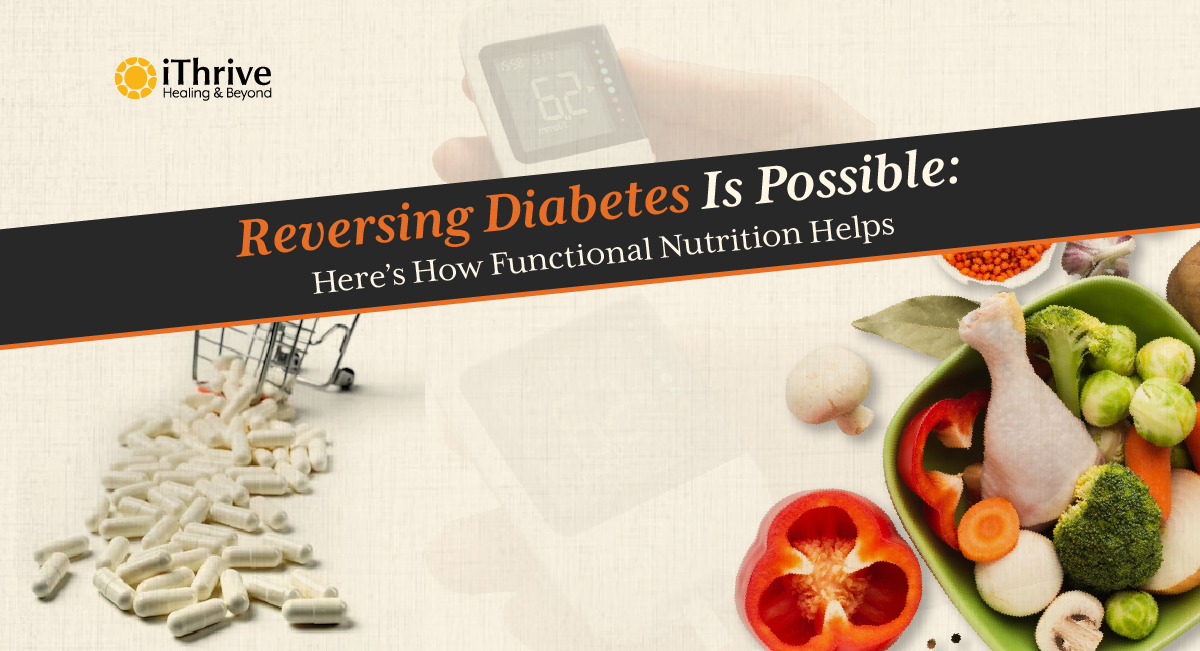
Reversing Diabetes Is Possible: Here’s How..
Are you struggling with Type 2 diabetes? Discover how reverse diabetes is possible with functional nutrition, and iThrive helping to regain control of your blood sugar levels.
Diabetes, one of the major health crises in India, has affected over 101 million people in the country. The situation has become more serious, as experts predict that by 2045, over 124 million Indians could be affected. While people thought there is no cure for it, or the cure takes a long process, the good news is that it's not a life sentence.
Functional nutrition is your answer! It targets the root causes of diabetes, helping you to reverse the condition through personalized dietary and lifestyle changes. This blog will be your guide to learn about functional nutrition, type 2 diabetes, and how it helps to reverse diabetes.
Root Causes of Diabetes
Diabetes is a chronic condition that affects millions of people worldwide. It occurs when your body either doesn’t produce enough insulin or cannot use insulin effectively. Insulin is a hormone that helps regulate blood sugar levels, and without it, sugar builds up in the blood, leading to various health complications.
The root causes of diabetes are often a mix of genetic and environmental factors, but several common risk factors contribute to its development:
1. Insulin Resistance: Excess belly fat and lack of physical activity are key contributors to insulin resistance, commonly seen in people with prediabetes and Type 2 diabetes.
2. Obesity: Carrying excess weight is one of the biggest risk factors for developing diabetes. If your body mass index (BMI) is high, it puts a strain on your body’s ability to use insulin properly, leading to insulin resistance.
3. Alcohol Consumption: Drinking too much alcohol, especially sugary alcoholic drinks, can increase the risk of developing type 2 diabetes.
4. Lifestyle Choices: Unhealthy habits such as poor diet, lack of exercise, and smoking can significantly raise your chances of getting diabetes.
5. Childhood Trauma: Surprisingly, adverse experiences in childhood, like abuse or neglect, may also increase the likelihood of developing diabetes later in life. The stress from these experiences can disrupt how your body handles sugar.
6. Medications: Certain medications, especially antipsychotic drugs, can increase the risk of diabetes. These medications often lead to weight gain and changes in how the body processes fats and sugars.
What is Type 2 Diabetes?
Type 2 diabetes is a long-term condition where your body struggles to control blood sugar levels. Normally, your body uses a hormone called insulin to help move sugar (glucose) from your blood into your cells, where it’s used for energy.
However, in people with type 2 diabetes, this process doesn't work well. Either the body doesn’t make enough insulin, or the cells stop responding to it—this is called insulin resistance.
When insulin doesn’t work properly, glucose stays in your blood instead of entering into your cells. Over time, this leads to high blood sugar levels, which can cause serious complications like diabetic neuropathy, and nephropathy.
Reasons for Type 2 Diabetes Happening
Before knowing the process for reversing diabetes, it is important to know the reasons for type 2 diabetes. You might be affected by it, however, you might know the reasons. The top reasons are:
1. Pancreas Issues
2. Insulin Resistance
3. Excess Glucose from the Liver
Signs and Symptoms of Type 2 Diabetes
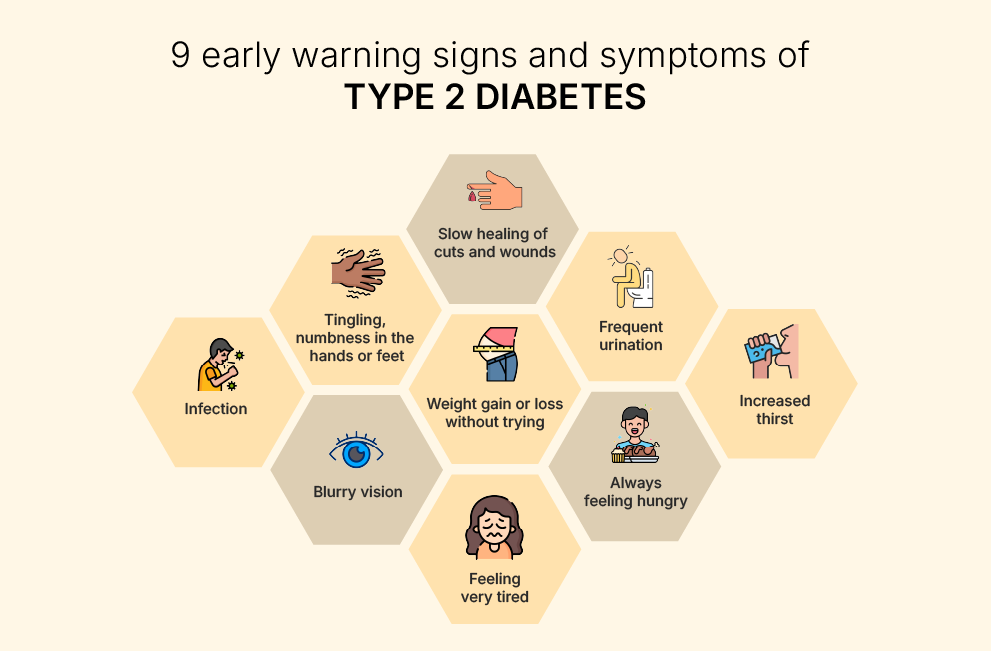
Type 2 diabetes is often called a "silent" disease because its symptoms can be hard to spot in the early stages. Many people may not even realize they have it until it’s progressed. Some of the common signs are:
1. Frequent Urination- If you're going to the washroom more often than usual, especially during the night, this could be a sign that your body is trying to get rid of excess sugar.
2. Excessive Thirst- Constant thirst often accompanies frequent urination. You may find yourself drinking water but still feeling dehydrated.
3. Increased Hunger- Feeling hungry shortly after eating could signal that your body isn’t processing sugar properly, leaving you feeling low on energy even after meals.
4. Tiredness- Persistent fatigue, despite resting, can indicate that your body isn’t getting the energy it needs from food due to insulin resistance.
5. Blurry Vision- Changes in your vision, like blurred eyesight, may occur as high blood sugar levels affect the tiny blood vessels in your eyes.
6. Infections and Slow Healing- Recurring infections or wounds that take longer to heal are signs that your immune system and circulation are being compromised by high blood sugar.
7. Slow Wound Healing- If cuts, blisters, or sores take longer than normal to heal, it could be due to poor circulation and high blood sugar levels damaging your blood vessels and nerves.
Who Is at Risk for Type 2 Diabetes?
Many people with type 2 diabetes don't notice the symptoms until the disease has progressed. This makes it important to stay vigilant, especially if you fall into one of these high-risk groups:
1. People over 40 years old- The risk of diabetes increases as you age.
2. Those who are overweight or obese- Carrying excess weight is a major risk factor.
3. Individuals with a family history of diabetes- If close relatives have diabetes, your chances are higher.
4. People with high blood pressure- There’s a strong link between hypertension and diabetes.
5. Women who had gestational diabetes- If you had diabetes during pregnancy, you are at risk later in life.
6. People with a sedentary lifestyle and stressful life- People who have no physical activity, and spend time mostly sitting or lying down are more prone to weight gain, depression, and type 2 diabetes.
What are HbA1C Levels?
Monitoring your HbA1C levels is essential to understanding your blood sugar control, especially if you’re concerned about diabetes or prediabetes. The HbA1C testmeasures how much glucose (sugar) has attached itself to hemoglobin. When blood sugar levels are high, more glucose sticks to the hemoglobin, leading to higher HbA1C results. This makes it a reliable test for long-term blood sugar trends, rather than just daily fluctuations.
HbA1C levels are reported as a percentage and reflect your average blood sugar over the past two to three months. There are 3 types-
2. Prediabetes- HbA1C levels between 5.7% and 6.4%, a warning sign that you’re at risk of developing diabetes.
3. Diabetes- HbA1C levels of 6.5% or higher are a clear diabetes marker.
Role of Functional Nutrition to Reverse Diabetes
Type 2 diabetes is a growing concern for many people, and managing it can often feel overwhelming. But did you know that functional nutrition offers a more personalized and effective way to reverse diabetes? Instead of just focusing on treating the symptoms, functional nutrition works by looking deeper into your overall health to identify what’s causing the issue in the first place. Here’s how this approach can help:
1. Comprehensive Health Evaluation: Functional nutrition starts with detailed lab tests and a thorough lifestyle and health history evaluation.
2. Root Cause Analysis: Rather than just managing blood sugar levels, functional nutrition aims to find and correct the underlying root causes of diabetes, such as inflammation, poor gut health, stress, nutrient deficiencies, and many more.
3. Intensive Lifestyle Changes: Through tailored dietary, functional food like the Mediterranean diet, supplements, and lifestyle interventions, functional nutrition helps reverse diabetes or try to stop the reasons affecting it.
4. Symptom Alleviation: By addressing the root cause, many symptoms of diabetes, such as fatigue, frequent urination, and hunger, can be significantly reduced or even eliminated.
If you’re struggling with diabetes, you know that managing the symptoms can feel like a never-ending battle. That’s whereiThrive comes in to help you with reverse diabetes. It not only focuses on your issues, but you can receive a tailored program designed specifically for your needs, which can help you get rid of diabetes medications. With holistic healing and guided personal coaching, you can experience a complete transformation and regain control of your well-being!
read count
read time
General Health
Oct 8, 2024
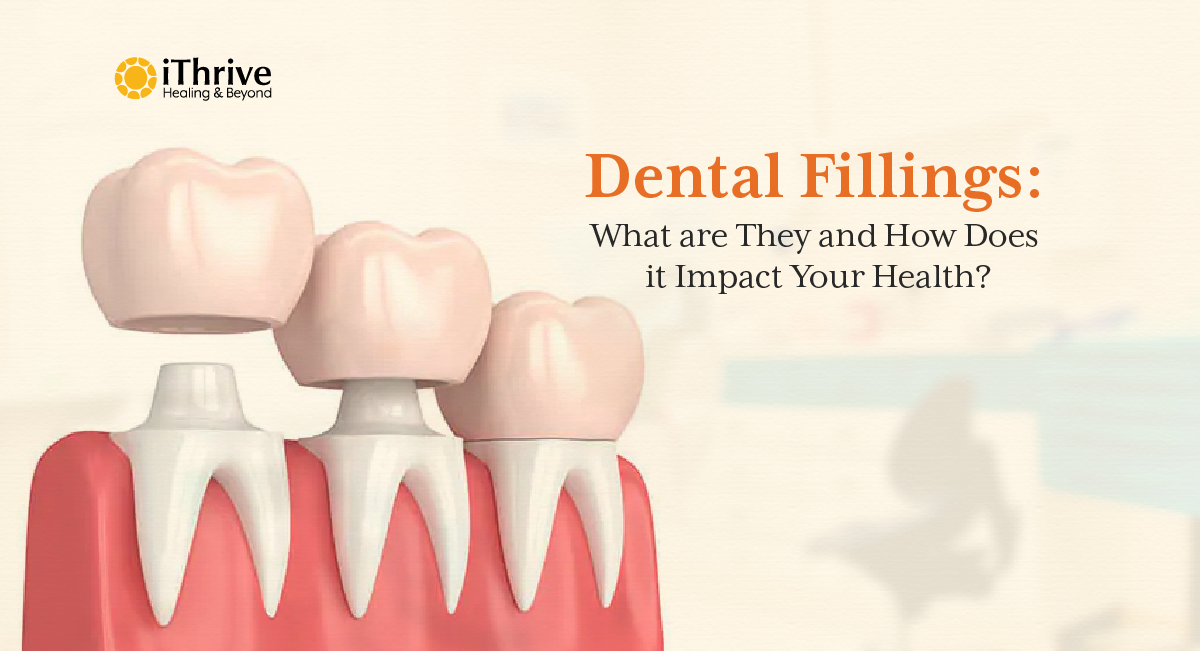
Dental Fillings: What are They and How Does it Impact You..
Dental fillings are the best way to fix your composite teeth or other dental problems. Here’s a quick guide about how dental fillings can fix damaged teeth and restore your smile.
Did you know that dental cavities are a widespread issue, affecting almost everyone at some point in their lives? Will you be the next one? Well, according to surveys by the World Health Organization, over 95% of adults in India have cavities, and more than half experience gum disease. However, dental fillings offer an effective solution to stop the damage and restore the tooth.
In this blog, we’ll explore the different types of dental fillings, and how they can impact your health.
What is Dental Filling?
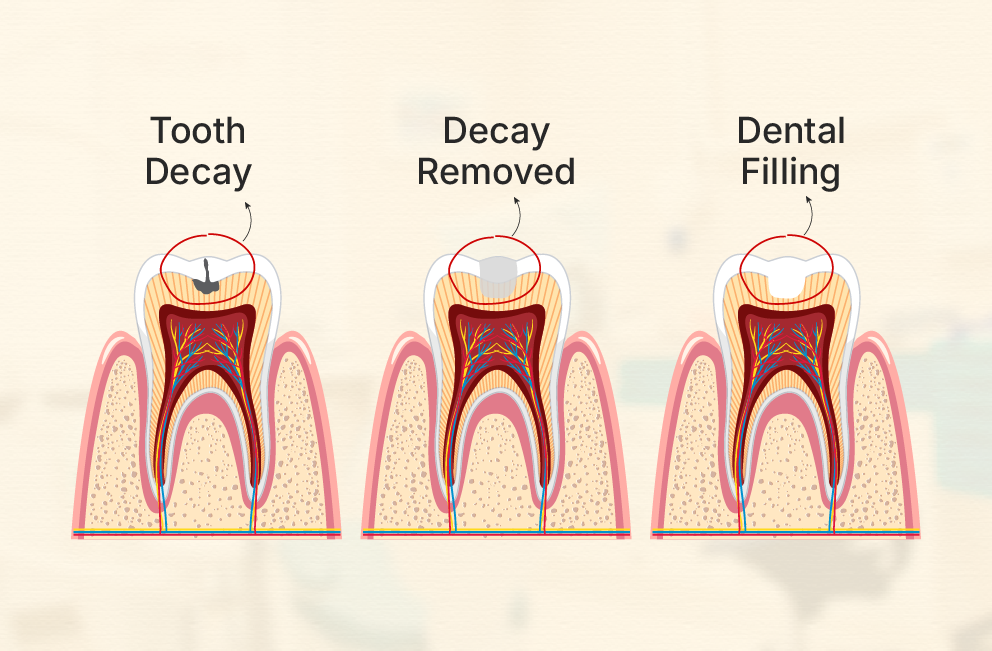
A dental filling is a common solution for fixing cavities or tooth decays, which occur when tooth decay creates holes or damage in your teeth. When you have a cavity, your dentist will clean out the decayed area and “fill” it with a special material to restore the tooth’s structure and function. This process not only prevents further decay but also protects your tooth from additional damage.
Dental fillings can also help improve the appearance of your tooth by fixing cracks or gaps. If left untreated, cavities can worsen, leading to more serious problems like infections or even tooth loss. With dental caries and periodontal diseases affecting about 15% to 20% of adults between the ages of 35 and 44, it's clear that many people could benefit from treatments like dental fillings. Some common names for dental fillings include-
1. Tooth filling
2. Cavity filling
3. Dental restorations (fillings, crowns, and bridges)
Types of Dental Fillings
Choosing the right type of dental filling is crucial as there are several types for different reasons. Here’s a brief overview of the common types of dental fillings, their materials, and what they can offer.
Direct Dental Fillings
A direct filling is applied straight to the cavity in one office visit. Here are the types:
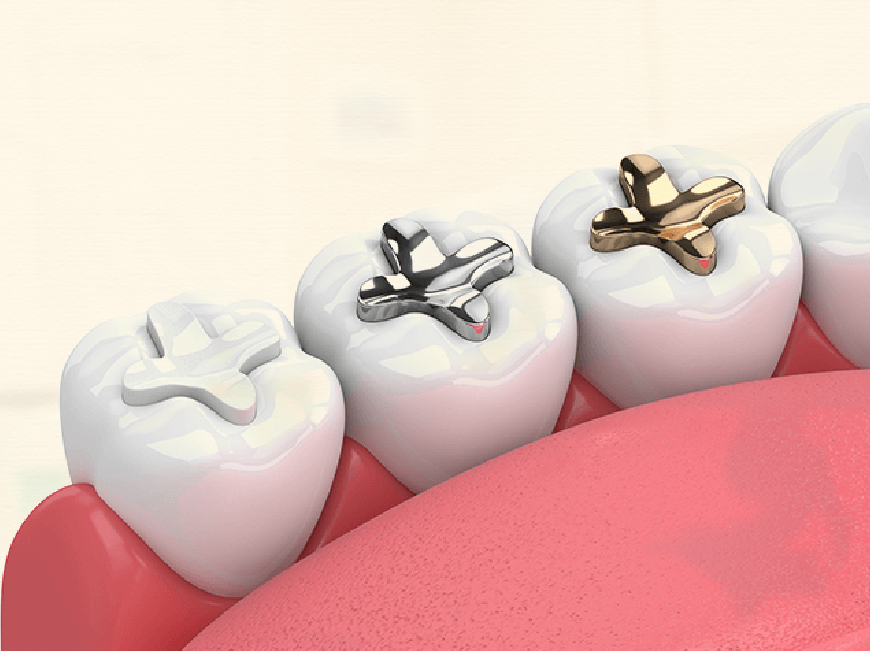
1. Gold Fillings
Composed of gold mixed with other metals like silver and copper, these are known for their strength and longevity.
Pros:
a. No corrosion
b. Strong
c. Aesthetics
Cons:
a. Costly
b. Requires multiple visits
c. May cause sharp pain if placed near silver fillings
2. Glass Ionomer Cement
Made of silica glass powder, this filling has a tooth-colored appearance.
Pros:
a. Biocompatible
b. Natural look
c. Easy application
Cons:
a. Less durable
b. Moisture sensitivity
c. Less life
3. Tooth-Colored Composites
Made from a resin base mixed with glass, silica, or ceramic particles, these dental fillings blend with the natural color of your teeth.
Pros:
a. Matches the natural color of teeth
b. Durable
c. Enhances appearance
Cons:
a. Costly
b. May not last as long in high-stress areas like molars
c. Sensitive
Indirect Dental Fillings
If a direct filling isn't suitable for your tooth's damage but a full crown isn't necessary, indirect fillings might be the perfect solution. These fillings are crafted in a dental lab and then fitted into your tooth, offering a durable and precise repair option. Here are the types:
1. Inlays
Inlays are designed for cavity filling in the grooves on the chewing surface of your teeth, specifically between the cusps. These fillings are custom-made to fit the exact shape of your tooth’s hollows.
Materials: Porcelain, composite resin, or gold.
Pros: Inlays are durable and blend seamlessly with your natural teeth.
Cons: The process involves two visits to the dentist, and they can be more expensive than direct fillings.
2. Onlays
Onlays are similar to inlays but extend beyond the chewing surface to cover part of the tooth’s sides as well. They are ideal for larger cavities or damage that affects a more substantial portion of the tooth.
Materials: Porcelain, composite resin, or gold.
Pros: Provide good protection for teeth that have extensive damage while preserving more of the tooth’s natural structure compared to crowns.
Cons: Require several lab visits and may come with a higher cost.
3. Veneers
Veneers are thin, tooth-colored shellsthat cover the entire front surface of a tooth. They are commonly used for cosmetic issues such as chips, cracks, or misalignment.
Materials: Porcelain
Pros: Offers a natural-looking appearance.
Cons: Does not address structural damage and requires the removal of some tooth enamel.
Advantages and Disadvantages of a Tooth Filling
Now that you know the different types of tooth fillings, it is important to understand the advantages and disadvantages for better guidance:
Advantages of Tooth Filling:
1. Restore tooth structure: Dental fillings are essential for repairing damage caused by tooth decay. It prevents further deterioration and helps maintain the tooth’s functionality.
2. Alleviate pain and sensitivity: Tooth decay often leads to pain and heightened sensitivity. Fillings address these issues by sealing the cavity, which helps to relieve discomfort and reduce sensitivity.
3. Match natural tooth color: Modern fillings, particularly composite fillings, can be customized to match the color of your natural teeth. This ensures that your dental work blends seamlessly with your smile.
Disadvantages of Tooth Filling:
1. Weakened teeth: While fillings restore the function of a damaged tooth, they don’t strengthen it.
2. Temporary solution: Fillings are not permanent. They can wear out or become damaged over time and may need to be replaced, sometimes multiple times throughout a person’s life.
3. Removal of healthy tooth structure: To place a dental filling, dentists often need to remove some of the healthy parts of your tooth. This can compromise the tooth's integrity and weaken it in the long run.
Thus, understanding cavities promptly is crucial for maintaining overall dental health. If you find yourself in need of an emergency cavity filling or emergency dental filling, seek immediate treatment to prevent further damage. Remember, composite teeth fillings offer a durable solution that blends seamlessly with your natural teeth. So, if you face dental issues that might need urgent attention, act now to prevent any further damage!
read count
read time
Festive
Oct 1, 2024
Tips for 9 Days, 9 Navratri Food Fasting Mistakes You Must Avoid
Discover the do's and don’ts of Navratri fasting! Avoid non-veg food, iodized salt, garlic, and onion while staying hydrated and eating fresh for a healthy celebration.
Navratri is one of the most celebrated festivals in India, marking the conquest of good over evil and the divine feminine energy. Celebrated for 9 days, this festival celebrates the goddess Durga, symbolizing power and protection.
One of the major things observed all over the country is Navratri fasting. Even though it is known as a religious tradition, it is more than that. It calms the mind and brings spiritual alignment. Fasting purifies oneself from the inside out, promoting physical and mental well-being. However, most people find it difficult to fast during all the days because they are doing something wrong with their diet. We will discuss the dos and don'ts of Navratri fasting and how to avoid them.
What Happens to Your Body During Navratri Fasting?
Navratri is more than just a time for celebration- it's a sacred period of fasting, reflection, and renewal. As we consciously welcome the divine feminine energy during these nine days, the body feels cleansed, the mind feels centered, and the spirit feels rejuvenated, making the festival even more special. Here are some of the best things that happen inside your body during Navratri fasting-
Physical Rejuvenation: Navratri Fasting aligns with the seasonal transitions, especially as Sharada Navratri welcomes the cooler months. During this period, people often shift to a lighter diet, which helps ease the digestive system and gives it a much-needed break from heavy, processed foods. This dietary change helps the digestive organs to rest and repair, promoting better digestion and nutrient absorption. The Saatvik diet during this time nourishes the body with clean, light, and natural foods, enhancing overall wellness.
Mental Clarity: Navratri is not only a time for physical detox but also a mental cleanse. By fasting, we quiet the mind, remove distractions, and create space for introspection. This period helps us break free from negative emotions like anger, greed, and jealousy, promoting emotional balance and mental peace. It strengthens our willpower and focus, offering a unique chance for self-discovery and inner growth.
Spiritual Awakening: The spiritual significance of Navratri is immense. Fasting is a way to connect with cosmic energies and the divine feminine power represented by Goddess Durga. As we worship the different forms of the goddess each day, we balance the physical and spiritual aspects of our lives, reminding ourselves of the power of positivity and purity over negativity.
Top 9 Mistakes to Avoid During Navratri Fasting
As Navratri and Dussehra approach, it is the perfect time to reflect on our eating habits. These festive days hold huge cultural and spiritual significance, resulting in fasting or adjusting their diets during this time. But how can you enjoy the festivities while ensuring your body gets the proper energy and nourishment? Here is a list of all the fast food for Navratri and healthy Navratri alternatives that you can have-
Do Not Consume Iodised Salt: Regular sea salt can affect your body's detox process during fasting. Opting for Sendha (rock) salt in the Navratri snack is better as it supports digestion and maintains electrolyte balance.
Avoid Garlic and Onion: These ingredients are often avoided if you want to make the best food in Navratri according to the rituals. Garlic and onion are considered tamasic and not used in fast food for Navratri. Steering clear of them helps keep your meals light and spiritually focused.
Do Not Eat Packaged Foods: Packaged foods often contain preservatives and additives that can detract from your healthy Navratri. Fresh, homemade meals provide better nourishment and support your detox.
Avoid Heavy Meals after Sunset: Breaking your Navratri fasting with light foods is essential for easy digestion and to avoid discomfort. It helps your body ease back into regular eating patterns without stress.
Remember to Stay Hydrated: Many people need to remember to drink water while preparing for the best Navratri food leading to dehydration. Staying hydrated is vital for energy levels and overall health during this spiritually intense period.
Don’t Forget to Plan Your Meals: It’s easy to get caught up in the festivities and skip meal planning. Make a simple meal plan for your fasting days to ensure you have healthy options ready. This helps you stay on track and avoids last-minute unhealthy choices.
Avoid Sugar-Rich Navratri Snacks: While sweets are great, excessive sugar in the Navratri snacks can lead to energy crashes. Focus on nutrient-dense Navratri fasting foods that keep you fit without the sugar spike.
Do Not Skip Practicing Gratitude and Mindful Eating: Eating mindfully and appreciating your meals can change your Navratri fasting experience. It enhances your connection with food, promotes better digestion, and allows you to enjoy each bite fully.
Consume Fruits & Fasting Foods: While Navratri fasting, it’s essential to prioritize fresh fruits and fasting-specific foods like kuttu (buckwheat) and sabudana (tapioca). These healthy Navratri foods provide vitamins and minerals during the fasting session.
After going through all the tips on what to avoid during Navratri fasting, you might be wondering, "So what can I eat?" Don’t worry, we’ve got you covered! Our experts have crafted a special guide just for you, packed with nutritious and delicious options to make your Navratri fasting easier and healthier. Check it out now!
As you celebrate Navratri and Dussehra, remember that nourishing your body is just as important as celebrating tradition. By following these do's and don’ts of Navratri fasting, you can enjoy the festive spirit while prioritizing your health. Navratri fasting doesn’t have to mean compromising on nutrition, instead, it’s an opportunity to explore fresh, wholesome foods that energize you. For delicious recipes that align with your nutritious needs, check out iThrive’s recipe page. Find tasty, health-conscious options to boost your festive meals and keep you feeling your best throughout the celebrations. Happy Navratri!
read count
read time
Festive
Sep 25, 2024
Top 6 Simple, Quick, Healthy Diwali Snacks That Won’t Ruin Your Diet
Are you looking for tasty, easy-to-make, quick, and healthy Diwali snacks? Baked Puri, Coconut Barfi, Coconut Cookies, and Besan Ladoo might be your perfect snacks this year.
Diwali is just around the corner, and we know you've already started planning for the celebrations- especially the food! But amidst the excitement, there's a growing concern in the country. Increased sweets and junk food intake during Diwali leads to mental and physical stress, weight gain, and cholesterol spikes.
According to The Economic Times, sugar consumption during Diwali 2023 hit an all-time high, soaring by 32%. Men craved more, with a 38% increase in sugar intake, compared to 25% in women. This excess sugar consumption and lack of exercise caused men to gain an average of 1.7 kg, while women gained 1.28 kg- all in just one week!
At iThrive, we know how serious these health concerns are, so we're offering healthy Diwali snacks that let you enjoy Diwali without compromising your well-being.
Best 6 Delicious and Healthy Diwali Snacks Recipe
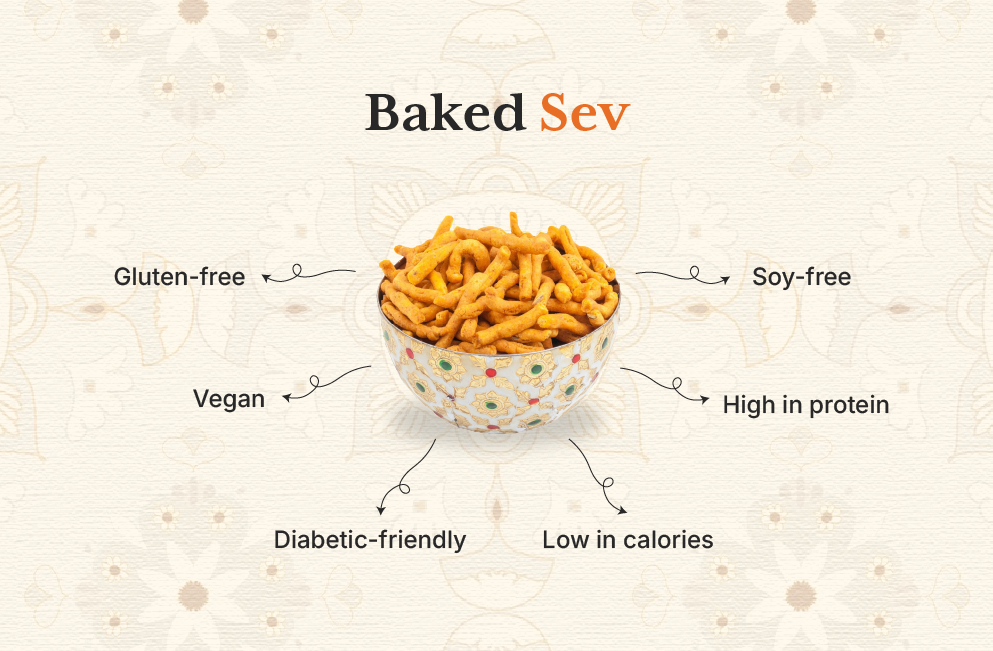
1. Baked Sev- Crispy Joy, No Fried Fat!
Diwali is all about celebration, but that doesn’t mean you have to compromise on health! Baked Sev is a fantastic healthy Diwali snack to traditional deep-fried Sev, offering a delicious crunch without guilt. Here’s why you should consider it:
Lower in Calories: Since baked sev is not fried, it is a lighter option, making you less bloated!
Gluten-Free and Vegan: Many baked sev varieties are gluten-free, vegan, and soy-free, making them suitable for various dietary preferences.
Protein-Packed: Some baked products are high in protein, adding nutritional value to your snacking.
Check out the full recipe and elevate your festive snacks!
2. Baked Puri- Crunchy, Not Greasy
Baked Puris are delicious and have several health benefits that make them perfect healthy Diwali snacks. Some of the benefits are:
Low-calorie: They are baked hence low in calories, and a great fit for a diabetic-friendly diet.
Rich in Iron & Calcium: Baked puris help support strong bones and boost your daily nutrient intake, making them a nutritious snack.
Pregnancy-Approved Snack: Perfect snack option for women, especially during the first trimester of pregnancy, as they provide essential nutrients without the extra fat.
Multi-Flour Magic: These puris can be made with multi-flours and poppy seeds, adding minerals like calcium and potassium, which are great for overall health.
Check out the full recipehere and make your Diwali celebrations a little lighter and a lot more delicious!
3. Banana Muffins- Healthy Muffins for Happy Tummies
If you want a delicious, sweet, guilt-free, and healthy Diwali snack, then banana muffins can be your perfect choice! Here’s why they’re healthy:
Nutrient-Packed Bananas: These fruits are rich in potassium, which helps regulate blood pressure and maintain hydration. Additionally, their fiber content aids digestion, making them a smart addition to your snack list.
Whole Grain Flour: Using whole grain flour increases the fiber content keeping your body healthier.
Natural Sweeteners: Swap out refined sugar for maple syrup, dates powder, or coconut sugar. These natural sweeteners add flavor without the sugar crash!
Customization Galore: Banana muffins can be customized to your taste! Add chocolate chips, fruits, or dried cranberries.
Check out the full Banana Walnut Muffins recipeto bring a healthy twist to your Diwali celebrations.
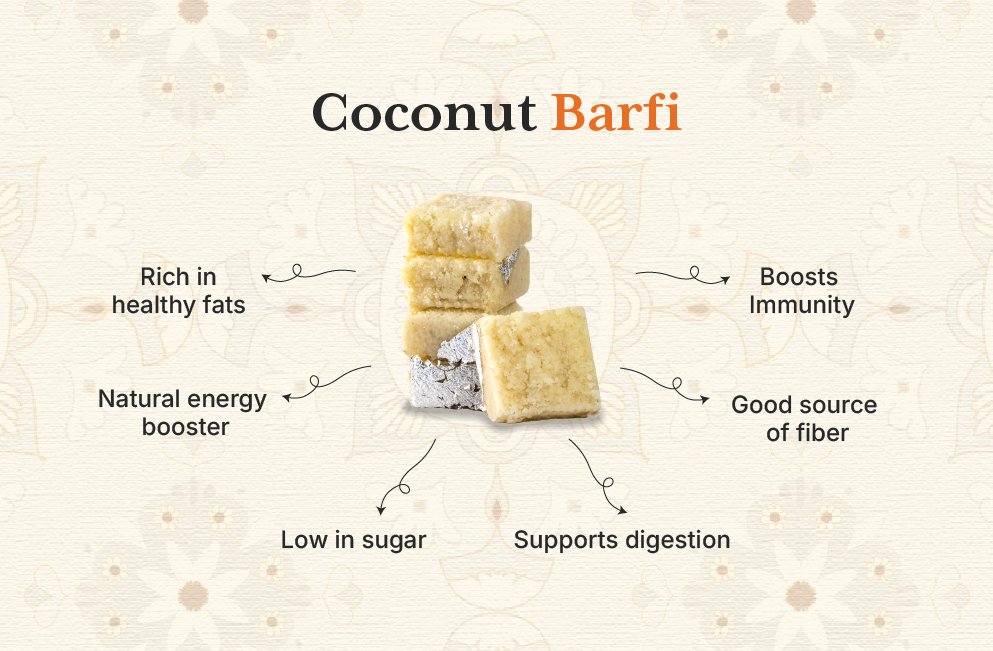
4. Coconut Barfi- Nutty Delight, Purely Healthy
Coconut barfi isn’t just a delicious treat but it’s packed with nutrients! Made primarily from coconut, it’s rich in manganese, copper, and iron. These essential nutrients can boost your health in various ways, making this sweet smart choice a healthy Diwali snack. Here are the top benefits:
Boosts Immunity: Coconut is rich in lauric acid, known for its immune-boosting properties, helping your body fight off infections and keeping you healthy during the festive season.
Good for Digestion: Coconut contains dietary fiber, which aids in digestion and helps prevent common post-festival issues like bloating and indigestion.
Heart-Friendly: Coconut’s medium-chain triglycerides (MCTs) help improve heart health by increasing good cholesterol (HDL) levels.
Gluten-Free and Dairy-Free Option: Coconut barfi is perfect for those with gluten or dairy sensitivities.
Rich in Nutrients: Packed with essential vitamins and minerals like manganese, copper, and iron, coconut barfi offers more than just a sweet indulgence.
Make this delicious and nutritious treat for Diwali with our full recipe.
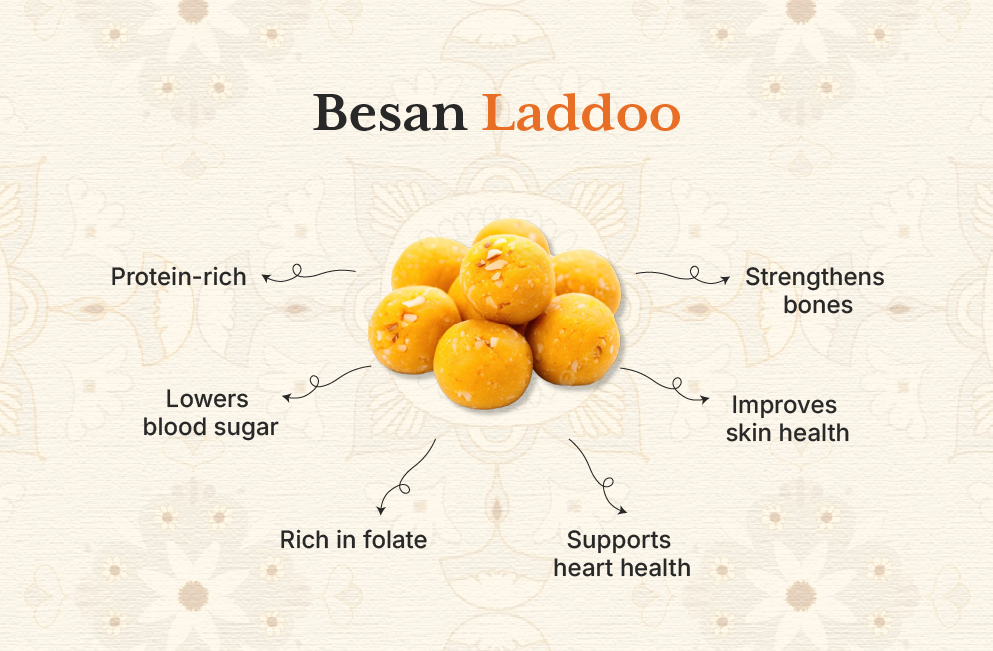
5. Besan Ladoo- Nourishment in Every Bite
Besan Ladoo is a popular Indian sweet that is delicious and packed with tons of health benefits. Here’s why besan laddoo should be one of your go-to healthy Diwali snacks:
Low Glycemic Index: With its rich complex carbohydrates and low glycemic index, besan laddoo satisfies your sweet cravings without adding excessive calories.
Contains Protein and Fiber: These laddoos provide a good dose of protein and fiber, helping to keep your cravings in check and maintain steady energy levels throughout the day.
Healthy Fats: Made with pure ghee, besan laddoo contains essential fatty acids that promote brain health and help maintain healthy cholesterol levels.
You can easily make besan laddoos at home with our quick recipe.
6. Coconut Cookies- Soft, sweet, and nutrient-rich treat
Coconut cookies are equally delicious and healthy due to their amazing ingredients. Here’s why they can be a better choice for your healthy Diwali snacks:
Rich in Nutrients: Coconuts are full of fiber, vitamins, and minerals, making them a nutritious option for snacking.
Antioxidant Power: The phenolic compounds in coconuts help reduce free radicals in the body, potentially lowering the risk of cancer and heart disease.
Blood Sugar Control: High in fiber and low in carbs, coconut cookies can help manage blood sugar levels, reducing the risk of type 2 diabetes.
Weight Management: The medium-chain fats in coconuts can boost your metabolism, aiding in weight loss.
Bone Health: Coconuts are a great source of manganese, an essential nutrient for strong bones.
Natural Defense: With antimicrobial and antifungal properties, coconut cookies can help keep skin issues at bay.
While store-bought cookies often contain high sugar and processed ingredients, making coconut cookies at home allows you to control what goes in. Use whole wheat flour, natural sweeteners, and unsweetened coconut. You can even enhance their nutrition by adding nuts, seeds, or dried fruits. Check out the full recipehere!
With the alarming rise in sugar and junk consumption, things might worsen faster inside your body than you start noticing. At iThrive, we’re dedicated to helping you navigate this festive season with healthier recipes that don’t compromise on taste. Let’s light up our minds with healthy Diwali snacks- because every festival should be a reason to celebrate, not a reason to worry!
Happy Diwali!
read count
read time
Digestive Health
Sep 11, 2024
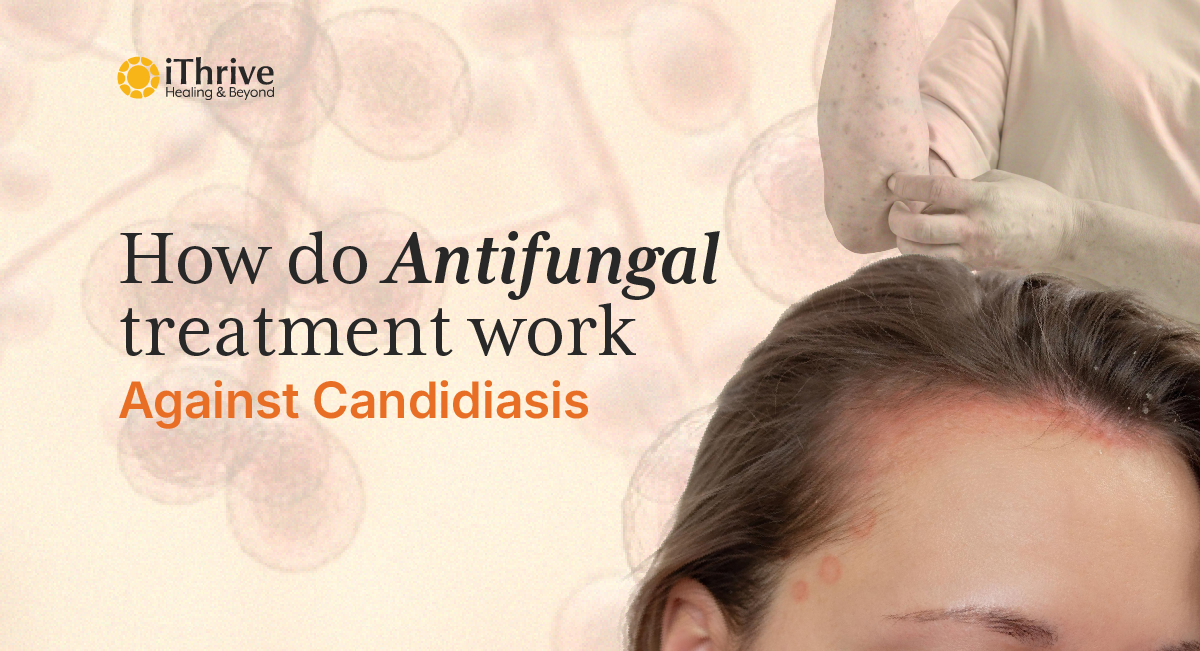
How Do Antifungal Treatment Work Against Candidiasis
In the complex ecosystem of our skin, a diverse array of bacteria and fungi coexist, playing crucial roles in maintaining our health. While many of these microorganisms contribute positively to our bodily functions, others can pose significant threats if their growth becomes uncontrolled. One such threat is candidiasis, a fungal infection primarily caused by the overgrowth of Candida yeast. Typically, Candida remains harmless in small quantities, but disruptions such as stress, poor nutrition, immune system deficiencies, or unmanaged medical conditions can lead to its proliferation, resulting in infections.
Understanding Candidiasis -
Usually a variety of bacteria and fungi grow on our skin. Some are found to be friendly, and our body uses them in order to carry out ordinary functions. However, some can be found to be dangerous and cause infections if the number increases exponentially. The scale stays balanced until disruption occurs from stress, a poor diet, a weakened immune system or an uncontrolled medical condition. Candidiasis in a fungal infection caused by an outgrowth of yeast, Candida. Candidiasis occurs most commonly as a secondary infection in immunocompromised individuals. Commonly affecting the oral cavity, gastrointestinal tract, vagina, penis, or other parts of the body.
Since, Candida is difficult to treat but comprehensive functional medicine can help. There are pharmaceutical agents which can get rid of candida but repeated antifungal drugs mute the effect the drug has on the fungus.
Exploring the types of Candidiasis -
Vaginal Candidiasis - Most commonly occurred that causes itching, vaginal soreness, redness and abnormal vaginal discharge.
Oral candidiasis - Causes creamy white lesions, usually on your tongue or inner cheek and might spread to the roof of your mouth, gums or tonsils, or the back of your throat. Result in redness and soreness in the region.
Candida granuloma- A chronic infection found to affect your skin, scalp, mouth or fingernails.
Invasive candidiasis (systemic candidiasis)- A serious infection that occurs throughout your body, often in your bloodstream or on the membrane lining of your heart or skull. It is caused due to a weakened immune system.
What causes Candidiasis?
Candidiasis can affect anyone as a yeast naturally lives on the skin surface and the balance between yeast and healthy bacteria can be easily disturbed. It is a common condition, usually Vaginal Candidiasis affects around 75% of people with vagina about once in their lifetime. Causes of an imbalance leading to candidiasis may include:
Consuming antibiotics, steroids, hormones, or birth control pills.
Eating a diet high in refined carbohydrates, sugar or yeast.
Having pregnancy, cancer and AIDS.
Digging into Antifungal Treatment -
Antifungal drugs are the medication used to treat infections by either killing or by reducing the growth. There are pharmaceutical agents which can get rid of candida but repeated antifungal drugs mute the effect the drug has on the fungus. Hence, consulting your healthcare provider is a must.
Usually, the signs and symptoms depend on the part of the body that is infected. Different types of infections can cause similar symptoms hence, healthcare providers can test to see if you have candidiasis.
Diagnosing Candidiasis
Your healthcare provider can only diagnose after a physical examination of the affected region. After diagnosis your healthcare expert will recommend several treatment options depending upon the type of candidiasis you have.
Although the majority of skin candidiasis can be easily treated with antifungal drugs, consulting with an expert functional nutritionist and adding supplements to your diet reduces the chances of being affected and boosts your immune system naturally.
Conventional Treatment for Candidiasis -
There are a huge variety of conventional treatments for candidiasis but it is very crucial to discuss it with your healthcare provider.
Azoles- They interfere with an enzyme that’s important for creating the fungal cell membrane. Because of this, the cell membrane becomes unstable and can leak, eventually leading to cell death.
Polyenes- Polyenes kill fungal cells by making the fungal cell wall more porous, which makes the fungal cell prone to bursting.
Allylamine- Like the azole antifungals, allylamines interfere with an enzyme that’s involved in the creation of the fungal cell membrane.
Echinocandins- Echinocandins are a newer type of antifungal drug. They inhibit an enzyme that’s involved in the making of the fungal cell wall.
Diet and Lifestyle -
An effective way to deal with candidiasis is by following a candida diet. The Candida diet encourages the intake of low-sugar, gluten free, and anti-inflammatory food .Eating a well-balanced plant-based diet is a key to it.
Since, adding certain supplements in your diet is one other component of functional medicine treatment for candida overgrowth. Here are some supplements that are found to be beneficial -
However, it is very important to consult a functional nutritionist before taking any supplements by yourself. As s number of factors contribute to Candidiasis and the way to heal is by addressing the root causes.
Here are the most important steps in your Candida Cleanse -
Follow a low-sugar, anti-inflammatory diet to boost your immunity.
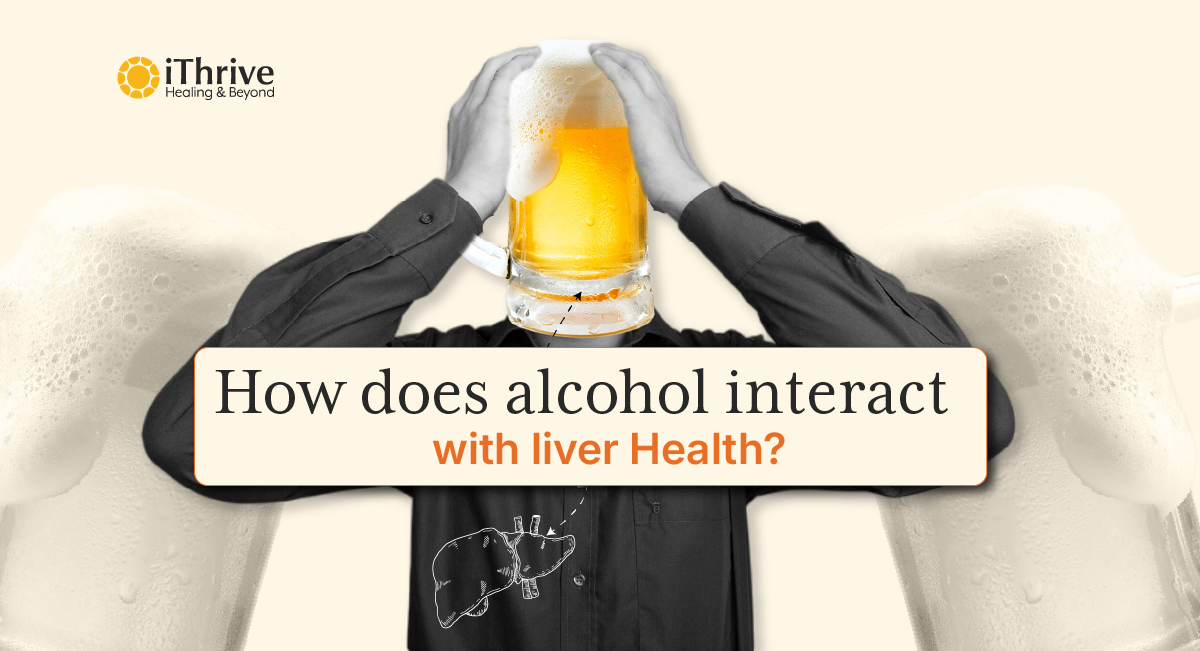
In a research-based study, we delve into the complex interactions between alcohol (ethanol) and liver health. As a water-soluble molecule, alcohol is absorbed into the bloodstream through the stomach and proximal small intestine, subsequently affecting various body systems. Its consumption is closely linked with the digestive system and liver, and it stands as one of the most widely used substances globally. Unfortunately, alcohol carries significant health risks.
Research-based study
Alcohol (Ethanol) is a water-soluble molecule that is absorbed into the bloodstream through stomach and proximal small intestine and further distributed throughout the body.
Alcohol consumption is deeply rooted in the digestive system and liver. Alcohol is the most widely used drug globally that carries significant risks to human health.
Based on the research it is found that alcohol ranks as the seventh leading cause of death and disability-adjusted life years lost contribute to over 2.8 million deaths based on the reports of 2016. Alcohol is linked to over 200 health conditions that can create worse situations including cancers of the digestive tract and liver. One of the significant reasons for the global health burden is due to alcohol-related liver disease which accounts for more than 27% of all chronic liver disease deaths, and alcohol-related hepatocellular carcinoma.
Taking into consideration the increasing global health burden and increasing chronic diseases, iThrive has come up with a vision to heal the world and create a happy, healthy, and disease-free world. If you are dealing with any uncertainty regarding the disease and want the best-personalized solution, book a free consultation with iThrive and get your journey started to better health.
Are you suffering from Alcoholic Liver Disease?
Are you one of those who is facing these symptoms:
Jaundice
Malnutrition
Fever
Fatigue
Swelling
Brain function decline
Reduced muscle mass
Heart failure
Reversing these symptoms is very important for your better health. Untreated alcoholic disease can lead to several complications:
Inflammation of the pancreas
Kidney distress
Bleeding in the intestinal tract
Infection
Acute respiratory distress syndrome
We have the best solution for you. Book a free consultation with iThrive and discuss your health history with our nutritionist. At iThrive, we focus on the symptoms and the root causes. The 3-month disease reversal program- Alive 2.0 is totally customized based on your lifestyle and preferences. We are here for you, let's treat it together and create a better path towards good health!!
Lets discuss in detail about how alcohol and liver interact by studying its metabolism, types of diseases, and its impact on nutrient absorption
Alcohol Metabolism
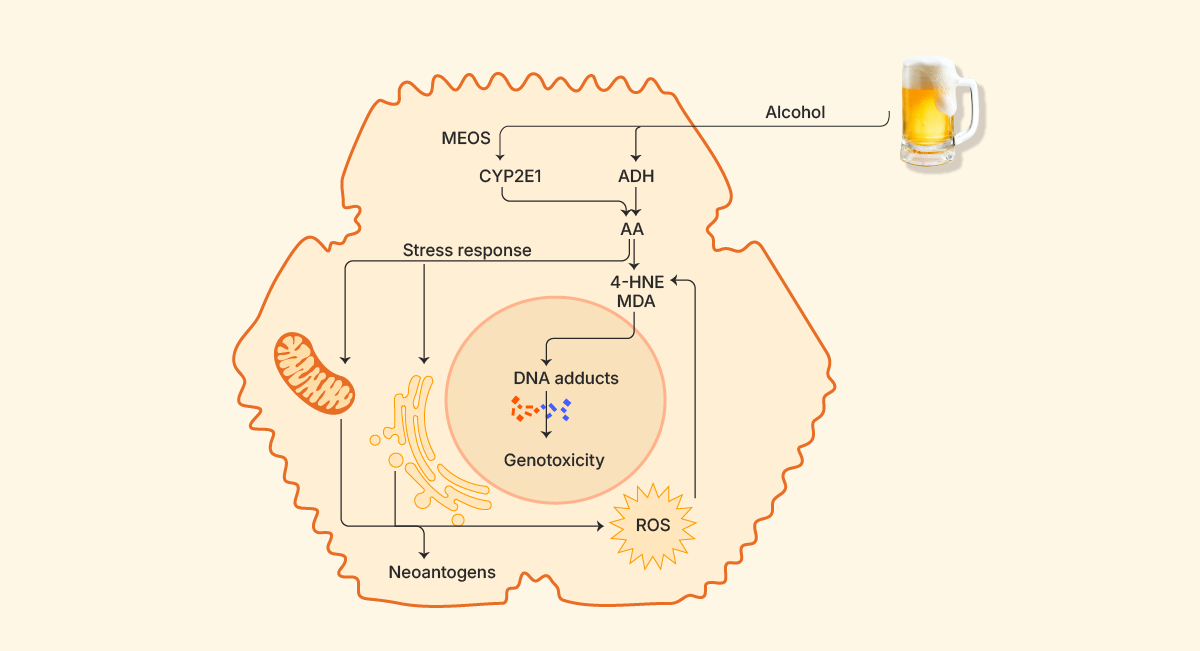
Hepatocytes do the process of metabolism of alcohol in the liver. The main metabolic pathway involves alcohol dehydrogenase, that converts alcohol into acetaldehyde, and then it is converted to acetate by aldehyde dehydrogenase. Further, the acetate is broken down into water and carbon dioxide in the peripheral tissues of the liver. Once they are broken down, a very small portion of alcohol is metabolized by the mitochondrial enzyme oxidation system through the cytochrome P450 enzyme CYP2E1, which produces acetaldehyde and reactive oxygen species.
Acetaldehyde is a highly reactive molecule that contributes to liver damage by binding lipids, proteins, and DNA resulting in the formation of immunogenic adducts. These adducts are responsible for triggering the immune response and lead to hepatocellular damage inflammation in the liver and changes in the structure. If the structure is changed in mitochondria, it can impact its function, reducing ATP production and increasing Reactive oxygen species generation (ROS). Acetaldehyde also plays a very important role in liver fibrosis by promoting collagen synthesis in hepatic satellite cells and stimulating the release of inflammatory cytokines.
Increased Reactive oxygen species can damage proteins, DNA and lipids formation leading to oxidative stress and the formation of carcinogenic DNA adducts. If one consumes heavy alcohol it impairs the liver's antioxidant system and reduces glutathione levels which results in hepatocyte apoptosis.
There are three stages of alcoholic impact on the liver:
1.Alcohol-Related Steatosis
Commonly known as alcoholic fatty liver disease. Fat accumulation in liver cells is a common early response to chronic alcohol use. This can be reversed by reducing the alcohol intake and can progress to liver inflammation, fibrosis, and cirrhosis. This is influenced by various factors including gender, genetics, and existing liver conditions.
Chronic alcohol consumption leads to increased fat production and reduces the fat breakdown in the liver. It affects mitochondrial function leads to high fat accumulation and induces the expression of genes that promote fatty acid synthesis.
2.Alcohol steatohepatitis
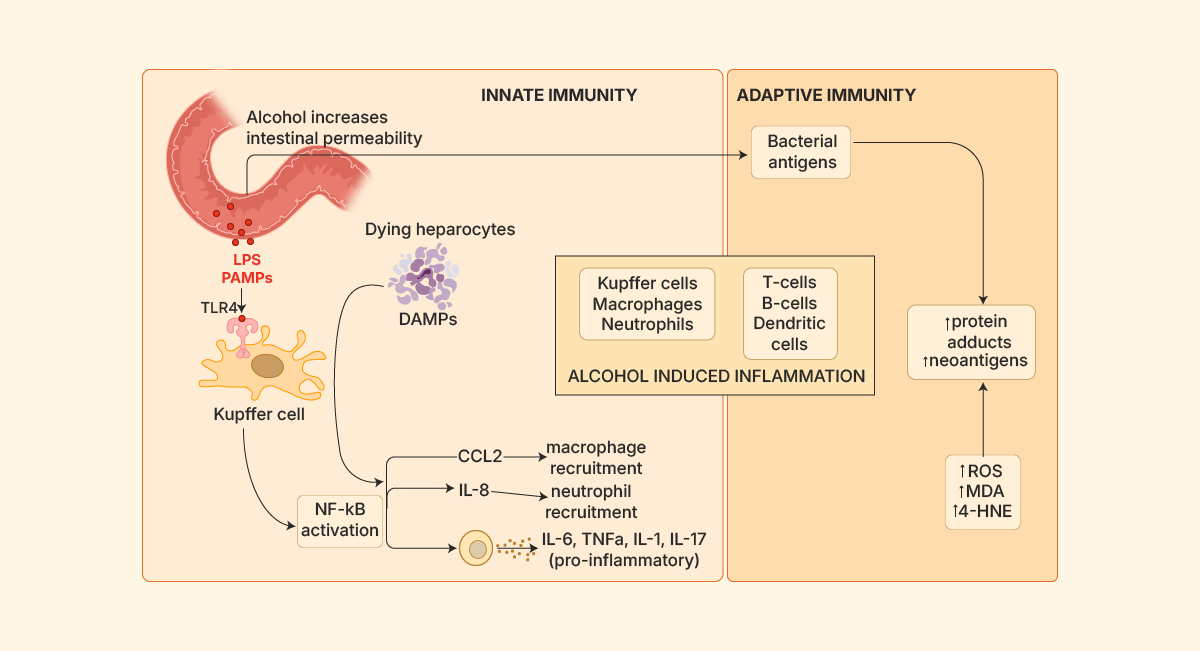
Alcohol-induced gut permeability allows pathogen-associated molecular patterns to reach the liver and then it activates receptors on immune cells that lead to the production of pro-inflammatory cytokines. This further results in immune cell infiltration, cell death, and hepatic stellate cell activation. The patients who suffer from alcoholic hepatitis also exhibit immune dysfunction.
MicroRNAs play a very important role in regulating inflammation in the liver. In alcohol-related liver disease, microRNA-155, which promotes inflammation is increased while microRNA-181b-3p, which inhibits inflammatory signaling, is decreased. These changes in functioning contribute to the inflammatory response, leading to liver damage.
3.Alcohol-induced fibrosis and cirrhosis
Fibrosis can be defined as the liver's response to damage. This condition of liver damage due to alcohol can be reversed if the damaging stimulus is removed. Heavy consumption of alcohol can lead to persistent inflammation that causes ferrous tissue deposition which leads to distorted liver architecture and alters blood flow. The activated hepatic stellate cells are central to fibrosis development and driven by alcohol, inflammatory cytokines and its metabolites.
Cirrhosis is defined as a precancerous condition that significantly increases the risk of hepatocellular carcinoma, where alcohol is the major cause of it. In this case, alcohol acts as a carcinogen through Reactive oxygen species-induced damage, acetaldehyde production, and high inflammation. In heavy drinkers, Reactive oxygen species can lead to DNA damage and increase the risk of cancer.
Micronutrient Supplementation
Patients who face alcohol-related liver diseases often suffer from several deficiencies in nutrients such as zinc, Vitamin D, Thiamine, Folate, etc.
Ø Zinc: Alcohol impairs the absorption and increases the excretion of zinc leading to deficiencies that affect immune function and cellular health.
Ø Vitamin C and D: Excessive alcohol can reduce the absorption of these vitamins and impact the metabolism rate which contributes to deficiency and affects the immune system.
Ø Thiamine & Folate: Alcohol interferes with the absorption and storage of folate and thiamine leading to deficiencies that can cause neurological issues and affect cell division and growth.
According to the studies supplementing with these vitamins and nutrients can positively influence the gut microbiome and decrease gut permeability and liver inflammation.
Therefore, consuming supplements can be beneficial to overcome these deficiencies and improve your health. Also, it is essential to consider only proven and potent supplements that are in pure form to prevent side effects.
iThrive Essentials is a brand of supplements whose products are designed to support overall health and well-being, particularly for individuals dealing with chronic conditions.
The thyroid is a small, butterfly-shaped gland in your neck, but it plays a big role in how your body runs. It produces hormones that regulate everything from your metabolism to your energy levels. When something goes wrong with your thyroid, it can lead to either hyperthyroidism (too much hormone) or hypothyroidism (too little hormone), causing a range of symptoms.
What exactly is Thyroid?
The thyroid is a little gland in front of the neck that resembles a butterfly. It secretes hormones that affect every cell in the body and regulate how the body converts food into energy.
When thyroid illness is caused by a number of factors, including autoimmune, infections, surgery, radiation, or heredity, it typically manifests as hyperthyroidism or hypothyroidism. The root cause of the illness is what is to be identified in every specific individual.
Conditions characterised by hyperthyroidism result in an excess of hormone that speeds up metabolism, raising heart rates, causing weight loss, and exhausting the body due to excessive energy use. Reduced hormone levels cause hypothyroidism problems, which include fatigue from low energy, weight gain, and an inability to withstand cold temperatures.
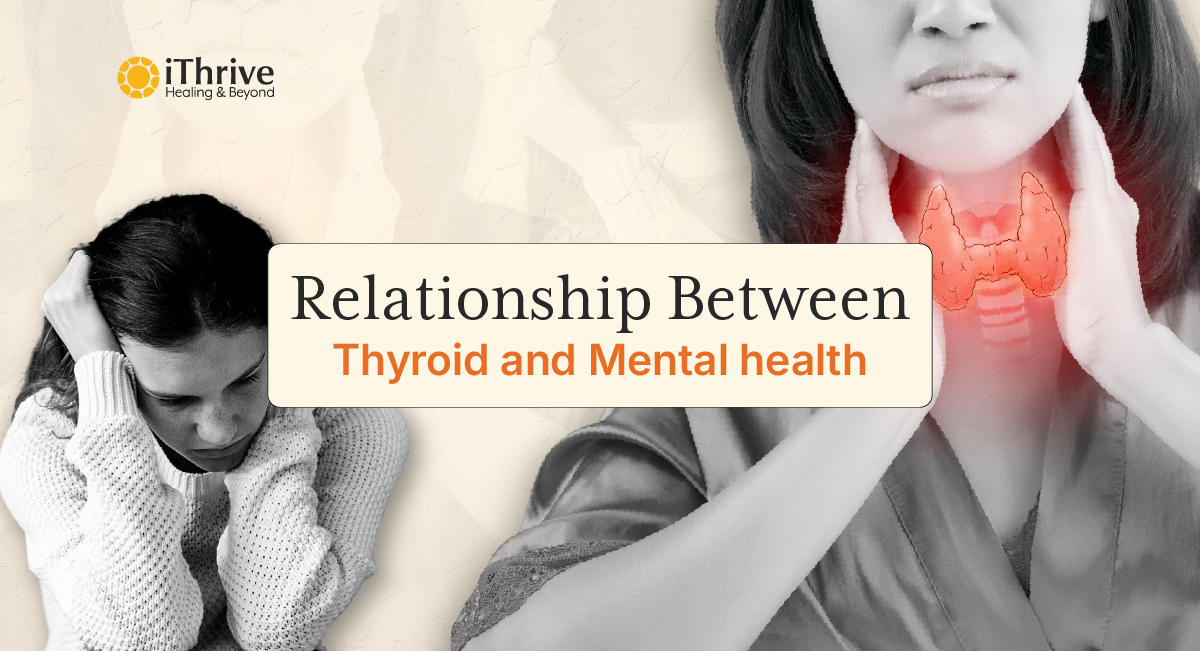
Is Thyroid related to Mental Health?
Yes, mood can be impacted by thyroid dysfunction. Mood-affecting symptoms of thyroid illness might include depression or anxiety. Generally speaking, mood swings get worse the more severe the thyroid condition.
Mood symptoms associated with hypothyroidism and hyperthyroidism, or an underactive thyroid, might include:
-Depression.
-Fear and anxiety.
-Unease.
The connection between Thyroid and Mental Health
A robust association between thyroid malfunction and mental health conditions exists.
Hypothyroidism (underactive thyroid): Symptoms of hypothyroidism include melancholy, lethargy, and trouble concentrating. Mental health may be considerably impacted by these symptoms.
Overactive thyroid disease, or hyperthyroidism: People with this condition may experience mood changes, anxiety, irritability, and insomnia, which can exacerbate mental health problems.
The synthesis of neurotransmitters, which are chemical messengers in the brain that control mood, sleep patterns, and cognitive abilities, is influenced by thyroid hormones. This delicate balance can be upset by an imbalance in thyroid hormones, which can result in mental health issues.
Long-term thyroid management is not possible with medications. Treat the underlying cause of your thyroid issue to end the problem for good and experience significant improvements in your general health. We at iThrive aim to identify the root cause of your problems so that we can solve that cause instead of looking at the problem as a whole.
Exercise enhances tissue sensitivity to thyroid hormones throughout the body and boosts thyroid gland output. Ideally, the workout should be intense and cause you to perspire. Irrespective of your present level of fitness, this workout routine will be beneficial and simple to follow.
Saunas and steam rooms are great ways to unwind both mentally and physically, but they're also a terrific method to rid your body of pesticides that might be causing your thyroid issue.
Consume Foods That Support Your Thyroid Nutritionally and Steer Clear of Those That Don't
Enough nutrition and using food to send the right signals to your genes are essential for every step you take on your path to recovery and weight loss. Thyroid treatment is not an exception.
Select meals that will help your thyroid function nutritionally. Iodine and omega-3 fatty acids are necessary for the generation of thyroid hormones; selenium is needed to convert inactive T4 to active T3; and zinc, vitamins A and D, and T3 receptor binding are needed to bind T3. These nutrients are found in a clean, organic, whole-food diet. Please employ the supplement procedure in approach 4 to obtain therapeutic amounts of these nutrients.
Use Supplements That Support Your Thyroid
My basic supplement suggestions include essential elements for a healthy thyroid function, such as a multivitamin and mineral supplement containing zinc, selenium, iodine, vitamins A and D, and omega 3 fatty acid(krill oil).
Keep it regularly tested
There is no one ideal method, symptom, or test result that can accurately identify hypothyroidism or low thyroid function. The important thing is to consider everything, including your blood tests and symptoms, before making a decision.
In order to detect thyroid issues, doctors usually measure your free T4 and TSH levels. However, several medical professionals have questioned the "normal" ranges of such tests.
Selecting the Appropriate Replacement Thyroid Hormone
In the end, you'll need to start thyroid hormone replacement medication in order to fully balance a thyroid that is seriously out of balance.
Making lifestyle and dietary changes will undoubtedly be very beneficial, but if your thyroid isn't working correctly, you might need to take extra thyroid hormones to augment its production. Making better health-related decisions can be facilitated by being aware of what resources are available and what questions to ask.
The Takeaway
Both physical and mental health issues can be signs of hypothyroidism. Hypothyroidism frequently results in depression, although in certain instances, anxiety, dysphoria, and psychosis may also occur.
One should focus on getting to the root cause of this, post which the treatment becomes very easy. It might also be beneficial to work with a mental health expert to build coping mechanisms.
But with the right way and the right diet, we can always keep the disease under control, make sure to go through all the methods that we have mentioned in the article to have a check on your Thyroid.
Sign up for the iThrive Newsletter practical nutrition, wellness insights, and habits that actually work.
Thank you! Your submission has been received!
Oops! Something went wrong while submitting the form.
No spam. Unsubscribe anytime.
FAQs
What topics does the iThrive blog cover?
The blog covers functional nutrition, chronic conditions, gut health, hormonal health, autoimmune conditions, sleep, mental health, and root cause analysis. Every article is written to help you understand what is actually happening inside your body, not just manage symptoms.
Who writes the articles on this blog?
All articles are written by the content writers in collaboration with iThrive's clinical team of functional nutritionists, guided by the same methodology used in the ALIVE programme. The content is rooted in functional medicine and real clinical experience, not generic health advice.
Is the information on this blog a substitute for medical advice?
No. The blog is an educational resource to help you understand your health more deeply. If you are experiencing symptoms or managing a chronic condition, a personalized Root Cause Analysis with a functional nutritionist is the right next step.
I read an article and want to take action. What should I do next?
Book a Root Cause Analysis. For ₹2,500, a dedicated functional nutritionist will assess 60+ blood markers using optimal ranges and explain exactly what is driving your condition. It is the natural next step after reading about what might be happening in your body.
Can these articles help me if I have already been diagnosed?
Yes. Many of our readers come with existing diagnoses and find the blog helps them understand why their condition developed and what their body actually needs. The articles are designed to give you clarity, not replace the guidance of a practitioner.
Talk to our team
Thank you! Your submission has been received!
Oops! Something went wrong while submitting the form.
Download Now
Thank you! Your submission has been received!
Oops! Something went wrong while submitting the form.



.svg)

.webp)
.webp)


.webp)



.webp)
.webp)