Articles to help you understand, manage, and improve your health.
Trending Post
Festive
Autoimmune Condition
Unexplained Symptoms
Mental & Brain Health
Root Cause Analysis
General Health
Digestive Health
Hormone Health
Mental Health
All Blogs
Supplements
All Blogs
read count
read time
Trending Post
Jan 16, 2025
HMPV Worries? Here’s What You Need To Know
Explore the HMPV Virus, its symptoms, how it spreads, and what we can do to stay protected. Do not panic; with the right support and proactive measures, the challenges can be tackled.
There’s been a lot of noise about HMPV (Human Metapneumovirus) lately on social media and the news. It feels like déjà vu, like COVID-19 all over again. But let’s take a deep breath and think critically for a second. From childhood, we’ve been taught about viruses and their symptoms like the common cold, flu, and others are part of life. Yes, severe cases can sometimes turn into bronchitis or pneumonia and in extreme cases, these can be life-threatening. But here’s the thing: this isn’t new information.
When COVID-19 hit, the symptoms, cough, fever, and fatigue weren’t entirely new. What amplified the fear were the headlines, sensational news, and constant doom scrolling on social media. People became hyper-vigilant of every sneeze or cough. This is the reason why stress, panic, and cortisol levels went through the roof. And as we know, chronic stress can weaken our immune systems and ironically make us more prone to illness.
So let’s talk about HMPV. This isn’t a new virus. It’s been around for over 50 years. Studies have been done and experts know its behaviour. It can cause respiratory symptoms but it’s not the deadly threat the headlines make it out to be.
The real danger is fear and misinformation. Panickiness and stress have a bigger impact on your health than the virus itself.
Stay informed but don’t let sensationalism steal your peace of mind. Focus on keeping your immune system healthy, eat well, drink well and rest. Trust science not fear.
In this blog, we’ll explore the HMPV Virus, its symptoms, how it spreads, and what we can do to stay protected.
What is the HMPV Virus?
HMPV stands for Human Metapneumovirus (HMPV). This virus was first identified in 2001, studies suggest that HMPV has been circulating in humans for several decades but now it has come into the picture. HMPV is a common cause of upper and lower respiratory tract infections, especially in children, older adults, and individuals with weakened immune systems.
There aren’t any antiviral medications that treat this HMPV virus, but most people can manage its symptoms at home until they feel better. This virus can be diagnosed by using a swab to get a sample from the nose or throat.
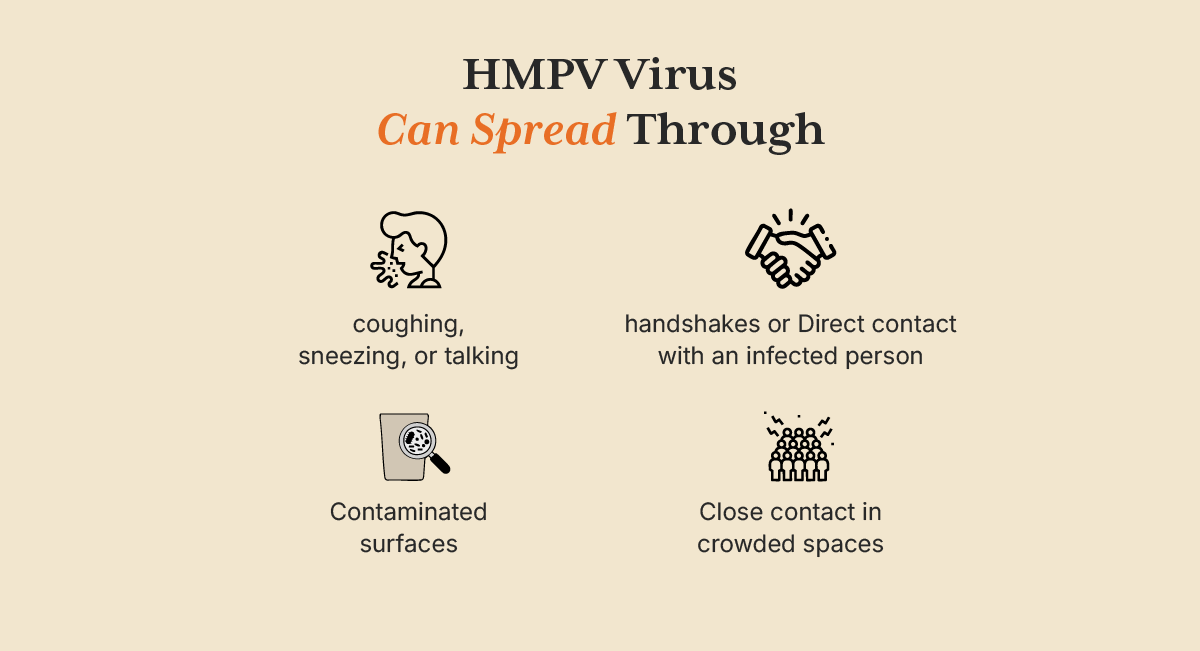
HMPV Virus Can Spread Through:
As this is a virus it spreads primarily through respiratory droplets, surface contamination, and close contact.
When an infected person coughs, sneezes or talks, the droplets containing the virus can be inhaled by others and thus transferred from one person to another.
It can be transferred by close contact too. Physical proximity such as shaking hands, sharing utensils, and hugging the infected person increases the risk of spreading disease.
HMPV Virus Symptoms
Since HMPV can present itself with these symptoms due to overlapping, it becomes quite a task to diagnose it in the beginning stages.
Some of the most dominant symptoms include:
Fever: Rapid increase in a person’s body temperature, comes with high fever and chills if the body is detecting any signs of infection.
Coughing: Irritation of the respiratory system can lead to a cough which sometimes lasts for a few days, especially during nighttime, these could be dry coughs.
Breath Shortness: It becomes hard to breathe during physical activity due to inflamed or swollen airways.
Fatigue: Unexplainable and unusual tiredness or feeling low in energy is quite common as the body defends itself against a virus.
Severe Breathlessness: having a respiratory attack could present problems to breathe.
Certain symptoms are less common but they still are very much possible:
Rashes: Red patches on the skin that happen out of the blue, or a rash that may turn out to be itchy, these usually occur as a result of a body’s response to a virus.
Aches in Muscles: Pain in many parts of the body especially the arms, legs and back.
Gastrointestinal Discomfort: Vomiting, nausea or diarrhea are some of the signs that can show up and while they are quite rare still due to inflammation in the body they become possible.
Absence of Taste or Smell: This condition may arise from nasal congestion or viral impacts on sensory nerves, but people experiencing it frequently find it to be very rare.
Measures to Prevent HMPV
It is always easier to prevent than it is to cure. HMPV infection control tactics can be used as suggestions seeing as it’s still being researched.
Adopt Good Hygiene Practices
Use soap and clean water to wash your hands for about 20 seconds after coming from outside.
Try not to rub your eyes or other parts of your face to steer clear from spreading the infection.
Practice Social Distancing
Try to remain three meters apart from others in crowded places.
Also, avoid confined spaces or being in contact with people in situations where you can easily get the infection and it is the ideal time for it to spread.
Aim for 7-9 hours of quality sleep per night to allow your body to repair and rejuvenate.
Practice mindfulness, yoga, or deep breathing exercises to reduce stress, which can weaken immunity.
Conclusion
While it is obvious to feel anxious about a new virus like HMPV, the right knowledge is our greatest tool. Therefore, understanding the virus, recognising symptoms and taking preventative measures can help in keeping ourselves and our communities safe.
At iThrive, we believe in empowering individuals with the best health care and build a strong immunity that leads to healthier lives. Our functional nutrition approach focuses on personalised nutrition, expert guidance, supplementation, root cause analysis, and lifestyle interventions. We are here to support you in every possible way and make you prepared for future challenges.
Stay informed and most importantly don’t panic. Together with the right support and proactive measures, we can tackle any disease.
read count
read time
Hormone Health
Nov 27, 2024
Is Erectile Dysfunction a Sign of a Deeper Health Issue?
Intimacy is often considered a natural and effortless part of life, but for many, it comes with unspoken struggles. Behind closed doors, countless men face challenges that affect not just their physical well-being but also their confidence and relationships.
Have you experienced that awkward moment when something isn’t right in the bedroom? Your body doesn’t cooperate as it should, and you may hear that voice: " It’s just a part of aging and you just need to relax”. Did you get what I am talking about? Yes, it’s erectile dysfunction. Men who deal with erectile dysfunction often find themselves trapped in the cycle of embarrassment, confusion, and frustration. And when this topic is spoken about there is always that uncomfortable silence as if admitting it could somehow make it worse.
But we have to be honest and it’s time to break the silence because you don’t have to suffer in silence and continue relying on those temporary fixes. You have to go beyond that and ask yourself what is the real reason behind this. There is a lot of misleading information about erectile dysfunction. Also, conventional medicines are not the only solutions however it is important to recognize that there is something in the roots that needs to be addressed.
This blog will provide insight on erectile dysfunction, and sexual health, understand what is actually happening to your body, and explore the real solutions beyond the surface with iThrive.
Understanding Erectile Dysfunction
Erectile dysfunction (ED) is a condition where a man struggles to achieve or maintain an erection firm enough for sexual activity. Erectile dysfunction not only happens once in a while but it is a recurring issue that affects sexual health and overall quality of life. But everyone out there, you need to know one thing, erectile dysfunction isn’t just about what happened in the bedroom, however, it gives those SOS signals from your body that something isn’t quite right. When this becomes a consistent issue it can be an indicator of physical or psychological health issues that need to be taken care of.
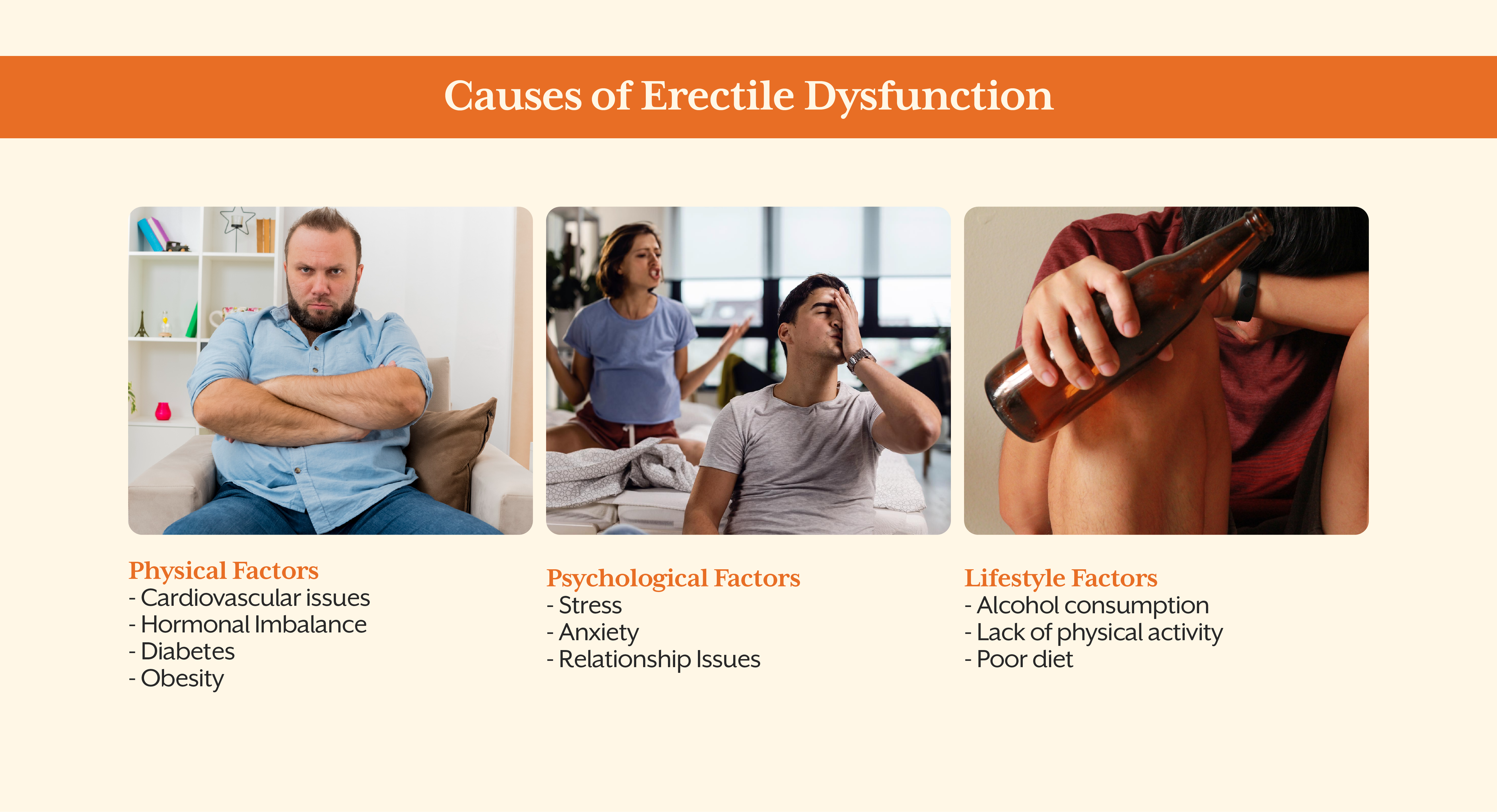
Causes of Erectile Dysfunction
A lot of factors such as lifestyle choices and serious health issues can trigger erectile dysfunction.
Physical Health conditions:
Physical health conditions of ED can be cardiovascular issues, hormonal imbalances, diabetes, obesity, and much more.
ED is linked to poor blood flow because of high blood pressure and heart diseases. Erections rely on proper blood flow, therefore improper blood flow or heart diseases can directly interfere with sexual function.
High blood sugar levels can be one of the causes as they can damage the blood vessels and nerves, which leads to erectile dysfunction. Men with uncontrolled diabetes have higher risks of ED.
In some men, low testosterone levels can impact the libido and erectile function which can cause erectile dysfunction.
Psychological Factors:
Some of the psychological factors responsible for ED can be stress, anxiety, and relationship issues.
According to the study, mental health plays a vital role in erectile dysfunction. Factors like stress, anxiety, and depression can interfere with an individual's ability to relax and be present during sexual activity. The stress and pressure to perform can create a vicious cycle and sometimes the fear of failure can worsen ED.
Sometimes there are relationship issues that can create stress. While you have sex, emotional intimacy is very important which leads to a healthy sexual function. However, relationship problems such as lack of communication, and unresolved issues with your partner can impact the mood as well as sexual intimacy.
Lifestyle factors:
The modern lifestyle is responsible for a lot of health issues as the schedules and habits are changing. Some of the lifestyle factors that can be a cause of ED are smoking, alcohol consumption, poor diet, and lack of physical activity.
Smoking and excessive consumption of alcohol can damage the blood vessels and reduce the blood flow to the penis which can be a contributing factor for erectile dysfunction.
Nowadays due to busy schedules, there is a lack of physical activity. A sedentary lifestyle can exacerbate conditions like obesity and high blood pressure that can affect erectile function.
Poor diet is also one of the main causes, men who tend to eat foods rich in unhealthy fats can face these issues. An unhealthy diet can lead to poor circulation and can further impact erectile health.
The Real solutions you need
While there are a lot of conventional treatments like medications and surgeries that may work for some men, however, they may have side effects in the long run. These treatments do not work on the root causes of your issues but they just work on the symptoms. Men who think doing surgery and taking medications is the only solution, you need to know that there is a different approach that treats the root causes of your symptoms. We believe a holistic approach with iThrive can make a big difference in the long run. One of the biggest emotional consequences of erectile dysfunction is the hit it takes on self-esteem. It is often found that men who struggle with ED often feel inadequate, embarrassed, and frustrated which can affect confidence. But it is very important to remember that erectile dysfunction is not a reflection of your masculinity- it’s a medical condition that can be treated. Here are some of the effective strategies you should implement to feel the difference:
Lifestyle changes
Start doing regular physical activities, especially cardiovascular exercise and strength training.
Start having a balanced diet rich in vegetables, fresh fruits, lean proteins, and healthy fats which can help support your heart health and reduce the risk of ED.
As we found that obesity is one of the causes, you should start maintaining a healthy body weight. Avoid eating unhealthy fats and start incorporating healthy fats such as foods rich in omega-3 fatty acids.
Stress Reduction
As stress, anxiety, and relationship issues can be one of the causes of erectile dysfunction, men can work on mindfulness and relaxation.
One can reduce stress by practicing yoga, meditation, and breath work which can help manage anxiety and enhance sexual performance.
If you are dealing with relationship issues you should work on the communication gap with your partner.
If you are dealing with erectile dysfunction it’s time to stop hiding behind the temporary fixes and get to the root of the issue. Whether it is related to lifestyle choices, psychological stress, health conditions or other reasons, there are real solutions available to address them. Addressing the underlying causes can help restore your health, your confidence, and your relationship. Don’t let ED control your life. Take action, Book a free consultation with iThrive if you have any issues related to erectile dysfunction and want a lifelong solution to restore balance to your sexual health and well-being.
read count
read time
Digestive Health
Nov 19, 2024
Constipation: The Overlooked Problem Functional Nutrition Can Fix
Constipation is having fewer than three bowel movements per week or experiencing difficulty when passing stool. Functional Nutrition is the key to addressing constipation.
Indians truly love their food- whether spicy, tangy, or sweet, taste always wins. But with all that, it often leads to one of the most common digestive issues: constipation. In fact, according to a 2018 Gut Health Survey, nearly 22% of Indian adults suffer from constipation, with 13% experiencing severe cases and 6% dealing with it alongside other conditions. As txhe popular Bollywood movie, Piku famously quoted, "Insaan ka emotion uska motion ke saath juda hua hai (A person’s emotion is connected to his motion)!" This connection between mood and digestion is real, and functional nutrition may be the key to breaking free from this “blocked” routine.
In this blog, we’ll dive deep into constipation, and its common causes, and explore how functional nutrition can offer a holistic solution to relieve and manage this discomfort naturally.
What is Constipation?
Constipation is a condition that affects many people and is described by uncomfortable or infrequent bowel movements. It's typically defined as having fewer than three bowel movements per week or experiencing difficulty when passing stool. The stools may be small, hard, and dry, making the process painful and unsatisfying.
Important: While some people have bowel movements several times a day, others might only go once or twice a week. What matters is whether you are within your normal pattern.
Key Features of Constipation
Infrequent Bowel Movements: Fewer than three times a week is often considered as constipation.
Hard, Dry Stools: Stools that are difficult to pass can lead to discomfort and pain.
Incomplete Emptying: A persistent feeling that your bowels haven’t fully emptied can be frustrating and alarming.
What Causes Constipation?
Diet and Lifestyle Factors
Low fiber intake: Skipping fiber-rich foods like whole fruits, vegetables, and whole grains can slow digestion. When the digestive process slows down, food and waste can remain in the intestines longer than usual, leading to harder stools and difficulty passing them.
Dehydration: Not drinking enough water leads to hard, dry stools, making bowel movements difficult.
Lack of exercise: Movement stimulates digestion, and a sedentary lifestyle can slow the bowel.
Routine changes: Shifts in your daily routine, like travel, meal changes, or irregular sleep changes your normal routine, resulting in constipation.
Dairy overload: High consumption of milk or cheese can make stools harder to pass.
Stress: Emotional stress can impact gut health, often slowing digestion.
Ignoring the urge: Ignoring the natural desire to go can cause stools to harden, leading to difficulty later.
Medications
Painkillers: Narcotics, such as oxycodone, codeine, and hydromorphone, are known to cause constipation.
Antidepressants and antipsychotics: Certain mental health medications, including SSRIs and tricyclic antidepressants, can lead to bowel movement issues.
Blood pressure and allergy meds: Antihistamines, calcium channel blockers, and beta-blockers can also affect your digestive system.
Iron supplements: These can cause constipation, especially when taken in high doses.
Medical Conditions
Hormonal imbalances: Issues like hypothyroidism or diabetes can slow down digestion.
Digestive disorders: Conditions like IBS, diverticulitis, or colorectal cancer can disrupt normal bowel movements.
Neurological issues: Neurologic conditions, including spinal cord injuries and Parkinson’s disease, can interfere with the digestive process.
Pelvic floor dysfunction: This can result from poor coordination in the pelvic floor muscles.
Pregnancy: Hormonal shifts and physical changes during pregnancy can make constipation a frequent issue.
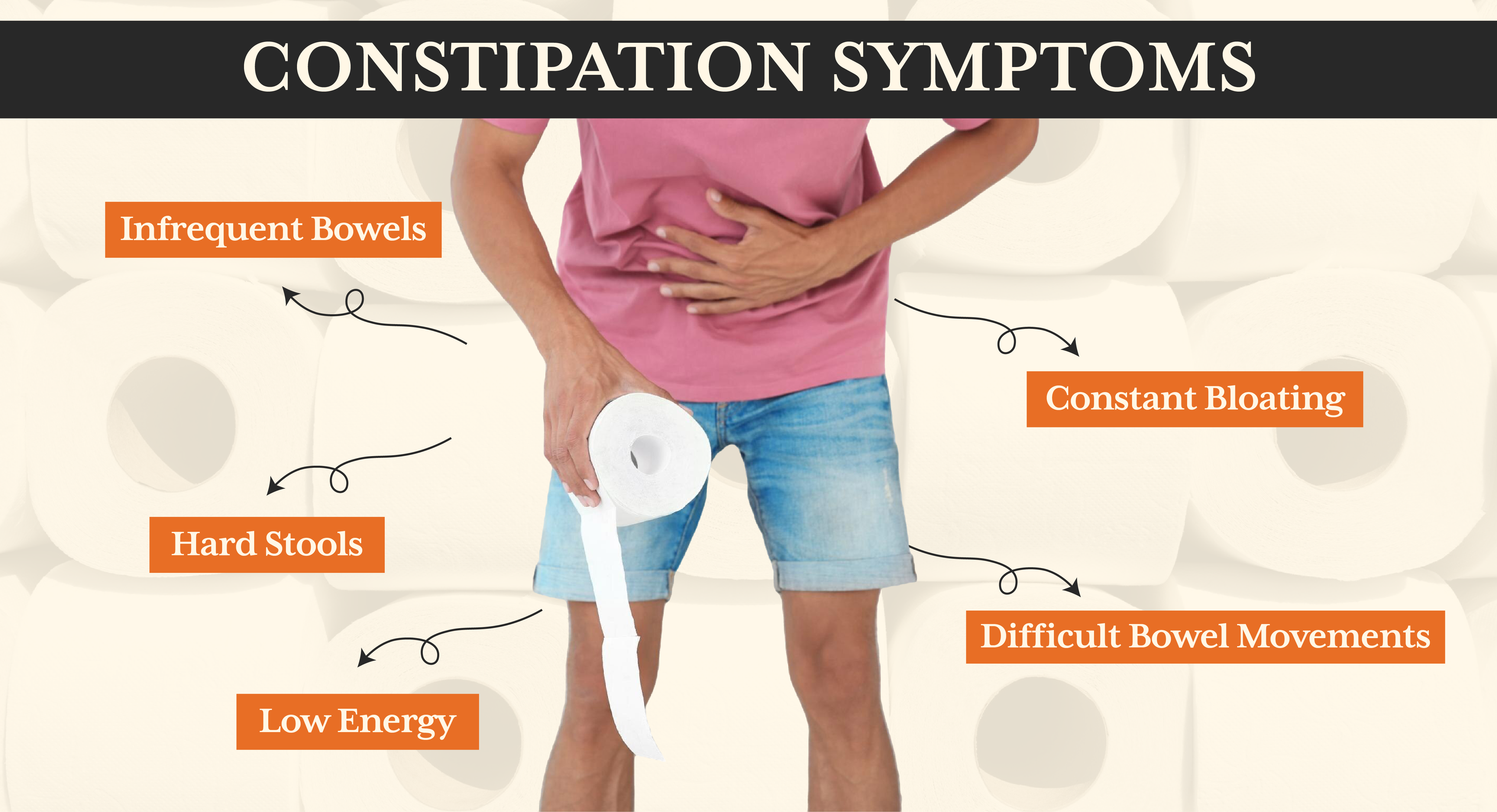
Constipation Symptoms
1. Painful and Difficult Bowel Movements- If passing stools has become a painful struggle, it could be a sign that your digestive system isn’t functioning optimally. Difficulty in bowel movements can cause strain, affecting your daily comfort and energy levels.
2. Infrequent Bowel Movements- Having fewer than three bowel movements a week is a classic symptom of constipation. This reduced frequency can lead to further discomfort and a feeling of “backed up” digestion.
3. Constant Bloating and Discomfort- Feeling bloated or having an uncomfortable sensation in your abdomen can indicate that waste isn’t moving through your system as it should. Bloating can add to the sluggish feeling that many experience with constipation.
4. Low-Energy Feeling- Constipation doesn’t just affect your stomach; it affects your overall energy levels. Feeling sluggish or tired is often linked to digestive problems, as your body struggles to process waste efficiently.
5. Hard, Lumpy Stools- Passing hard, dry stools is another tell-tale sign. These are difficult to pass and may worsen if not addressed, leading to even more discomfort.
6. Incomplete Emptying- If you feel like your bowels haven’t fully emptied, even after going to the restroom, it’s a common symptom of constipation. This feeling can create anxiety around using the bathroom.
7. A Feeling of Rectal Blockage- A sense that the rectum is blocked or that stool cannot pass easily can signal more severe constipation, requiring attention.
8. Need to Use a Finger for Help- Some may find that they need to use a finger to help pass stool, which can be concerning and is a significant sign that constipation has become severe.
Constipation Risk Factors
1. Age-Related Digestive Changes- Our digestive system naturally slows down as we age. People over 65 years old often have decreased metabolism and weaker muscle contractions along their digestive tract, making it harder for food to move smoothly. This slowdown can lead to more frequent constipation.
2. Low-Fiber Diet- Fiber is crucial for healthy digestion. If your diet lacks high-fiber foods, you’re missing out on a natural digestive aid. Fiber helps keep food moving through the digestive system, so without it, constipation is far more likely.
Can Constipation Lead to Serious Health Problems?
Hemorrhoids: Straining to pass hard stool can cause veins in the rectum to swell and become painful, leading to hemorrhoids.
Anal Fissures: When stool is too hard, it may create small tears in the anus, causing pain and discomfort with every bowel movement.
Diverticulitis: Trapped stool can lead to infected pouches in the colon wall (diverticula), causing inflammation and sometimes infection.
Fecal Impaction: Severe constipation can lead to a dangerous build-up of stool, making it nearly impossible to pass naturally.
Pelvic Floor Damage: Constant straining weakens the pelvic muscles, leading to issues like urinary incontinence, where urine leaks unexpectedly.
How Functional Nutrition Can Help Relieve Constipation and Restore Your Health
Constipation isn’t just uncomfortable; it can lead to a range of complications as mentioned above. While these symptoms might sound alarming, there’s a natural, effective approach to address constipation at its core: Functional Nutrition.
At iThrive, we believe that Functional Nutrition is the key to addressing constipation because it targets the root causes rather than just the symptoms. Functional Nutrition looks at your entire lifestyle and body systems to understand the imbalances causing your digestive issues. Here’s how it works:
1. Start With Free Consultation
Your journey begins with booking a free consultation to understand your specific health needs. This step allows us to assess your lifestyle, diet, and any health imbalances that may help with constipation, providing you with a roadmap toward lasting relief.
2. Deep Root Cause Analysis
Our diagnostic protocols, based on, not only test for key additional parameters but also differ significantly in their evaluation ranges. Functional Nutrition evaluation protocols are more rigorous and help find hidden root causes and health imbalances that conventional check-ups miss. Includes a complete 60-minute video call with our expert Functional Nutritionist who explains the reports to you and discusses all your health concerns.
3. Personalized Dietary Plans
Each person’s body responds differently to foods, so a one-size-fits-all approach to diet rarely works. Functional Nutrition uses tailored dietary recommendations to include more fiber-rich foods, adequate hydration, and natural sources of digestive enzymes to support smoother bowel movements.
4. Gut Health Optimization
Poor gut health is often a hidden factor behind chronic constipation. Functional Nutrition focuses on nurturing your gut microbiome with probiotics, prebiotics, and nutrient-dense foods that naturally support regularity and relieve constipation.
5. Addressing Nutritional Deficiencies
Magnesium, Probiotics with Prebiotics, and certain B vitamins are critical in keeping digestion regular, but deficiencies are common. A functional nutrition approach helps identify these deficiencies and provides the right supplements or food sources to help you feel relief.
6. Lifestyle Adjustments
Functional Nutrition also emphasizes stress management, physical activity, and quality sleep, all impacting digestive health. Through lifestyle changes, you can support the health of your gut and reduce the strain on your digestive system.
Conclusion
If you’re struggling with constipation, our iThrive team of expert Functional Nutritionists can help guide you toward lasting relief. Book a free consultation to explore a personalized, natural plan that will help you get to the root cause of your discomfort. Rediscover the power of nutrition and live with ease - your digestive health deserves it! Visit us at iThrive to start your journey to better health.
read count
read time
Hormone Health
Nov 14, 2024
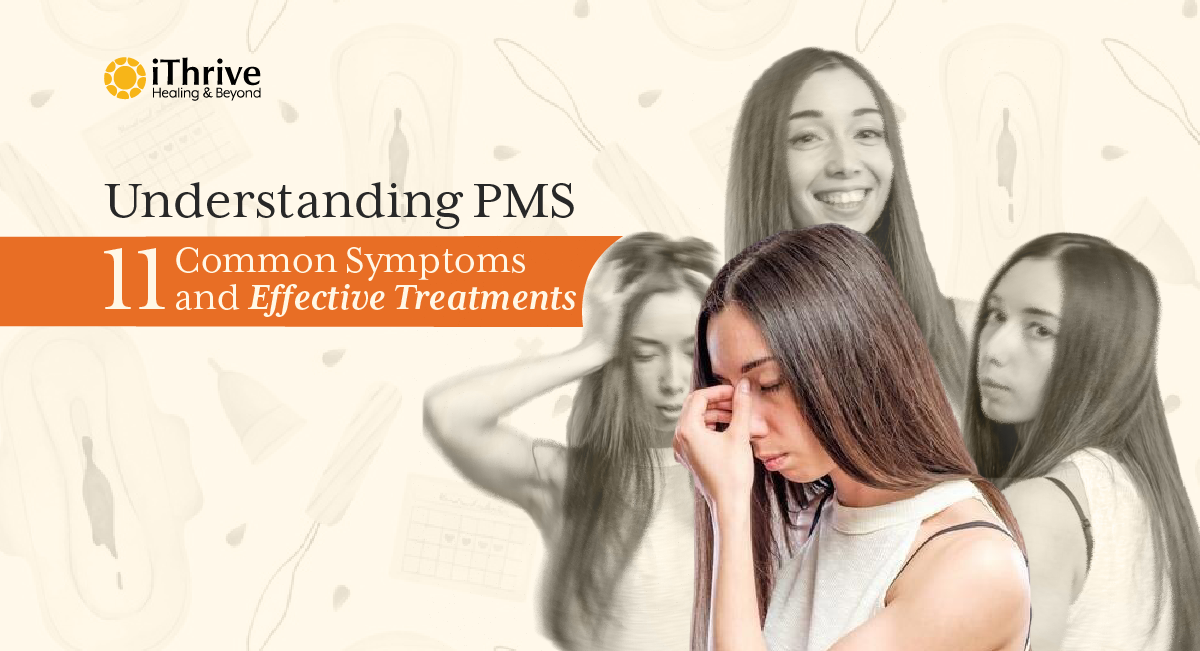
Understanding PMS: 11 Common Symptoms and Effective Treatments
A collection of physical, emotional, and behavioral changes, often called pre period symptoms, is referred to as premenstrual syndrome (PMS). These symptoms can range from mild discomfort to unbearable period pain, requiring effective PMS relief strategies.
What Is PMS?
A collection of physical, emotional, and behavioral changes, often called pre period symptoms, is referred to as premenstrual syndrome (PMS). These symptoms can range from mild discomfort to unbearable period pain, requiring effective PMS relief strategies. A collection of physical, emotional, and behavioral changes, often called pre-period symptoms, is referred to as premenstrual syndrome (PMS). The changes are normally detected in the luteal phase of the menstrual cycle, about a week or two weeks before menstruation. Symptoms may be mild enough to not hinder the ability to go about normal functioning or severe enough to prevent normal functioning. Understanding these signs and finding the right PMS treatment can greatly improve daily life.
What Is the Cause of Premenstrual Syndrome?
PMS is caused by fluctuations in the levels of hormones involved in the menstrual cycle. Estrogen and progesterone build up after ovulation and then sharply decline just before menstruation, resulting in symptoms both physical and emotional. The levels of serotonin, a neurotransmitter that controls mood, also fluctuate, which can contribute to PMS symptoms of irritability and anxiety. If the symptoms become overwhelming, seeking advice from a healthcare provider for an effective PMS treatment is crucial.
What is PMDD?
Premenstrual Dysphoric Disorder (PMDD) is a severe form of premenstrual syndrome (PMS) that involves intense emotional and physical symptoms in the luteal phase of the menstrual cycle, typically occurring about a week or two before menstruation begins. Unlike PMS, PMDD significantly disrupts daily life, work, and relationships.
Emotional Symptoms of Premenstrual Syndrome
PMS typically results in emotional conditions such as mood swings, anxiety, and irritability. These are brought by the rhythmical fluctuations in the hormone levels of the body and can affect the usual activity and mental capability. While these symptoms vary in intensity, taking PMS vitamins, particularly magnesium and calcium, can help stabilize emotional fluctuations.
1. Mood Swings
What It Feels Like:
During PMS, happiness, gloominess or anger suddenly shoots up, so women often feel emotionally sensitive. The minute events will influence the emotional life of a woman.
Simple Solutions:
Engaging in regular exercise, maintaining a healthy diet, and getting enough sleep can stabilize mood swings. Relaxation techniques like meditation or yoga help stabilize emotions.
2. Anxiety and Tension
Why It Happens:
Diminishing levels of estrogen and serotonin hormones have been known to bring on stresses, anxiety, or fearful levels that many think begin before a period.
Relief Measures:
Sometimes the anxiety simply subsides with being more aware, not drinking too much coffee, and other de-stressing strategies, like deep breathing or gentle exercise. Herbal supplements like magnesium relieve a lot of women.
3. Irritability
What It Shows:
Irritability during PMS is making you feel that you're overreacting to minor irritants, which at times irritates you, annoys you, and makes you irritable or angry at people and situations that might normally not bother you.
Managing the Irritation:
Irritability can be managed through understanding what causes the irritation and, subsequently, taking short breaks when the pressure seems too great. Efforts to exercise and communicate the feelings to loved ones may also alleviate stress.
Physical Symptoms of PMS
PMS also causes physical discomfort, commonly known as period symptoms, including bloating, breast tenderness, fatigue, and even unbearable period pain for some women. Understanding these signs and finding the right PMS treatment can greatly improve daily life. Healthy habits like regular exercise, a nutritious diet, and hydration play a key role in PMS relief. These habits can reduce pre-period symptoms like bloating and irritability.
4. Bloating
What’s Going On:
Hormonal imbalance causes your body to retain water, and your body can feel bloated, with a bloated tummy too.
Ease the Pain:
While exercises, more water, and less food will reduce the symptoms of a bloated belly, exercise also stimulates digestion and helps to rid the body of excess water.
5. Sensitive Breasts
What It Feels Like:
Your breasts are swollen, heavy, or sore because of hormonal changes, but most often, this tends to happen in the week leading up to your period.
Soften the Sensitivity:
Breast tenderness may be relieved by wearing a supportive bra, applying warm compresses, and avoiding caffeine.
6. Fatigability
Why You Feel Tired:
HORMONAL CHANGES, POOR SLEEP AND GENERAL DISCOMFORT are the reasons that cause fatigue during PMS.
How To Recharge Your Energy
Ensure you get 7-9 hours of sleep each night. Light exercises and hydration, combined with nutrient-rich foodstuffs, will easily restore energy. You can also take PMS vitamins tablets.
7. Headaches
How it affects you:
Hormonal changes with low estrogen hormone would result in headache or migraine symptoms during the menstrual cycle
Quick Response
For relieving headaches, try proper hydration, use ice packs, and consider supplements along with soothing hibiscus tea to ease symptoms.
8. Cravings and Appetite Changes
What’s Behind It: The effect of hormonal changes might trigger cravings for sweet, salty, or carbohydrate-rich foods and a change in appetite.
How to Manage It: Balanced meals with whole grains, lean protein, and healthy fat support the body's natural regulation of blood sugar, thereby fewer cravings for unhealthy snacks, and definitely avoiding giving the body fuel for future indulgence. It’s also helpful to plan healthy snacks to avoid overindulging in less nutritious options.
9. Acne Breakouts: When Skin Flares Up
Why It Happens: Hormonal imbalance in the menstrual cycle, especially the rise in androgen, leads to more oils. Consequently, pores get clogged and there is a break out.
Simple Skincare Tips:
Use gentle cleaners and use non-comedogenic moisturisers. Avoid scrubbing the skin harshly. Products containing salicylic acids or benzoyl peroxide can also be used to manage breakouts. Hydrate and steer clear of facial touching to not introduce germs.
10. Insomnia: When Sleep Feels Elusive
The Sleep Struggle: Hormonal shifts, with the added stress or discomfort of PMS, can disrupt your sleep patterns, leaving you awake or waking you too early.
How to Sleep Better: Establish an enjoyable bedtime ritual, avoid caffeine after lunch, and turn off electronics when you want to sleep. You might even discover that techniques like deep breathing or gentle stretching can help enhance your sleep patterns.
Physical Pain
11. Cramps (Dysmenorrhea)
What You’ll Feel:
Cramps, often leading to unbearable period pain, are caused by the contraction of the uterus as it sheds its lining.
How to Take Control of PMS Symptoms
Healthy habits like regular exercise, a nutritious diet, and hydration play a key role in PMS relief. These habits can reduce pre-period symptoms like bloating and irritability, while also managing unbearable period pain.
Diet and Hydration
A Balanced diet containing whole grains, lean proteins, and fruits and vegetables will help level out hormones, and reduce bloating and fatigue. Drinking loads of water helps flush out extra sodium and provides relief from bloating.
Exercise and Activity
Exercise that does not necessarily have to be strenuous, such as brisk walking, yoga, may alleviate physical and emotional symptoms of PMS. Boosting endorphins activates your mood and reduces the perception of stress.
Conclusion
Controlling PMS is possible only with slight but suitable lifestyle alterations such as diet, activity level, and ways to create stress in life. Most of the symptoms of PMS can be controlled with these variations; however, if the symptoms become too overwhelming, reaching a healthcare provider makes sense. Knowing and fighting your PMS will take you on a path toward a healthier, more balanced life.
read count
read time
Hormone Health
Nov 13, 2024
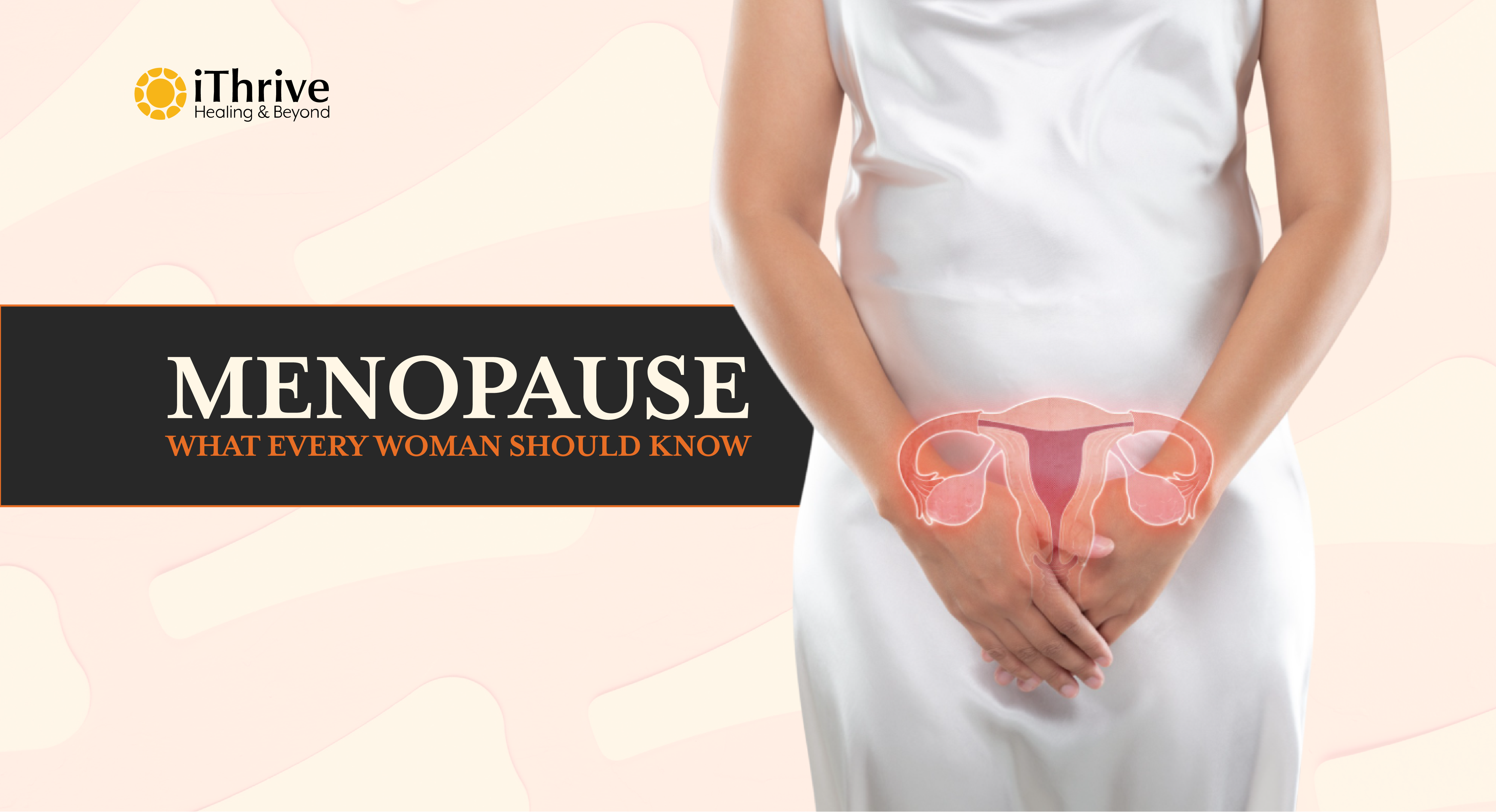
Menopause: What Every Woman Should know ....
Are you experiencing menopause and its symptoms, here are the key insights you need to know. Understand effective strategies to manage menopause.
Every women’s reproductive journey begins with menarche, that is her first period, usually at the age of 12 to 15 years. This is probably the start of a monthly cycle where her body prepares for pregnancy. Every month the ovaries release the egg which further leads to menstruation if the egg isn’t fertilised.
As a woman moves through her 20s and 30s this cycle continues which plays a very important role in her health and fertility, and is a testament to her unique and special nature. But as she reaches her late 40s to early 50s the special journey begins to wind down. The menstrual cycle becomes irregular during perimenopause and then culminates in menopause where ovaries stop producing eggs completely.
This journey from menarche to menopause gives insight into the adaptability of women’s bodies. It sheds light on her special place of creation and celebrates the extraordinary gift of womanhood.
Menopause is defined as the phase in a women's life that marks the end of her menstrual cycle. This is a natural biological phenomenon where ovaries gradually decrease their production of reproductive hormones estrogen and progesterone.
Menopause and Hormones: The complex interplay
Basically during menopause, estrogen and progesterone are the two hormones that are majorly affected. Let’s understand it better:
Estrogen:
Estrogen is the hormone that plays an important role in regulating the menstrual cycle and maintaining reproductive health. Estrogen also has a connection with bone density, heart health, skin, hair, and vaginal health too.
Estrogen plays a vital role in maintaining bone density. During menopause, the estrogen levels in women’s drop down and the bones start getting weaker, sometimes leading to osteoporosis.
Estrogen levels also contribute to the moisture and elasticity of the skin. When the estrogen levels drop down the skin starts becoming dry and hair starts thinning.
The decrease in estrogen levels can also affect the body’s ability to regulate temperature. As the estrogen levels are low at this time the brain recognises a small change in body temperature as a big change. Our blood vessels dilate to release some of that heat which causes hot flashes.
Aside from hot flashes, night sweats are the symptoms of menopause. Women might notice that their hair becomes thinner and they gain weight around the abdominal region, this is due to hormonal changes.
Progesterone
Progesterone is also a key hormone that is involved in the menstrual cycle. Progesterone helps in preparing the uterine lining for pregnancy and creates a supportive environment for fertilised eggs to implant and grow. As the levels of progesterone decrease it leads to irregular periods and eventually cessation of menstruation.
Progesterone plays a vital role in pregnancy and supports the developing fetus. But as the woman approaches menopause, the reduced levels of progesterone mark the end of her fertility and reproductive phase of her life.
Low levels of progesterone also impact on the mood and sleep. It can lead to mood swings, increased anxiety, and disturbances in sleep. You might find yourself more frequently asking “Why did I walk into this room?”.
Key Facts about Menopause
Menopause is a natural phase and it brings significant hormonal changes. The symptoms associated with menopause such as mood swings, sleep disturbances, hot flashes and weight gain are natural parts of this transition.
However many woman take hormonal pills and hormone replacement therapies to reduce symptoms. These treatments may provide temporary relief, but they can impact on the body's natural processes and may lead to adverse effects.
Risks of Hormone Replacement Therapy
The risks of HRT for menopause may vary from person to person depending on her age and the time between menopause onset and starting HRT. The potential risks of HRT include coronary artery disease, blood clots, stroke, Alzheimer’s disease, and certain cancers.
iThrive always recommends to follow natural remedies like balanced diet, pure and potent supplementation, physical exercise, and meditation to overcome symptoms.
Effective strategies to manage Menopause
Balanced Diet
Having a balanced diet is very important for managing symptoms, supporting hormonal balance, maintaining energy levels, and protecting long-term health.
Woman in this phase should try to increase their protein intake, as they age the muscle mass naturally starts decreasing so including protein in the diet can help preserve muscle mass and support the repair of the tissues.
The good sources of protein are lean meats, fish, eggs,, and quinoa.
These people should also start incorporating healthy fats in their diets. Omega-3 fatty acids help reduce inflammation, support health, and improve mood. Some of the good sources of healthy fats include fatty fish, flaxseeds, chia seeds, walnuts, avocados, and olive oils.
These woman should also focus on fibre-rich foods which can help in digestion, control blood sugar levels, and reduce the risk of heart diseases post menopause.
Supplementation
During menopause, the need for certain vitamins and minerals increases to address specific symptoms and prevent long-term complications. Supplementing with essential vitamins and minerals can help them achieve the optimum levels required by the body.
The bone density starts decreasing and raises the risks of osteoporosis. Therefore, calcium and vitamin D3 + k2 are essential for bone strength.
The second essential mineral is magnesium which supports muscle function, enhances sleep quality, and reduces the frequency of hot flashes. Woman experiencing this phase can have iThrive Essentials Magnesium Bisglycinate powder.
Some women experience weakness or low energy levels during menopause, this indicates the need for B vitamins that help in maintaining brain function, energy metabolism, and reducing the risk of depression during menopause.
Regular exercise
Yoga can help reduce stress and improve body flexibility. Women experiencing low energy can feel energetic after practicing yoga.
Walking daily at least for 30 mins can help improve heart health and reduce the frequency of hot flashes.
Strength training also helps as it helps in maintaining the muscle mass.
Hydration
Women should aim for at least 8 glasses of water along with electrolytes a day to help manage symptoms like dryness and support overall bodily functions.
These women can also include herbal teas like mint, ginger, hibiscus tea and chamomile to soothe the mind and support digestive health.
Stress Management
Practices like meditation, mindfulness, and deep breathing can help reduce stress levels and improve emotional well-being.
These women can practice various meditation therapies and sound therapies that provide calming effects.
If one still feels uncertain and believes something is off with health during this transition of menopause don’t hesitate to book a free consultation with iThrive.
read count
read time
General Health
Nov 12, 2024
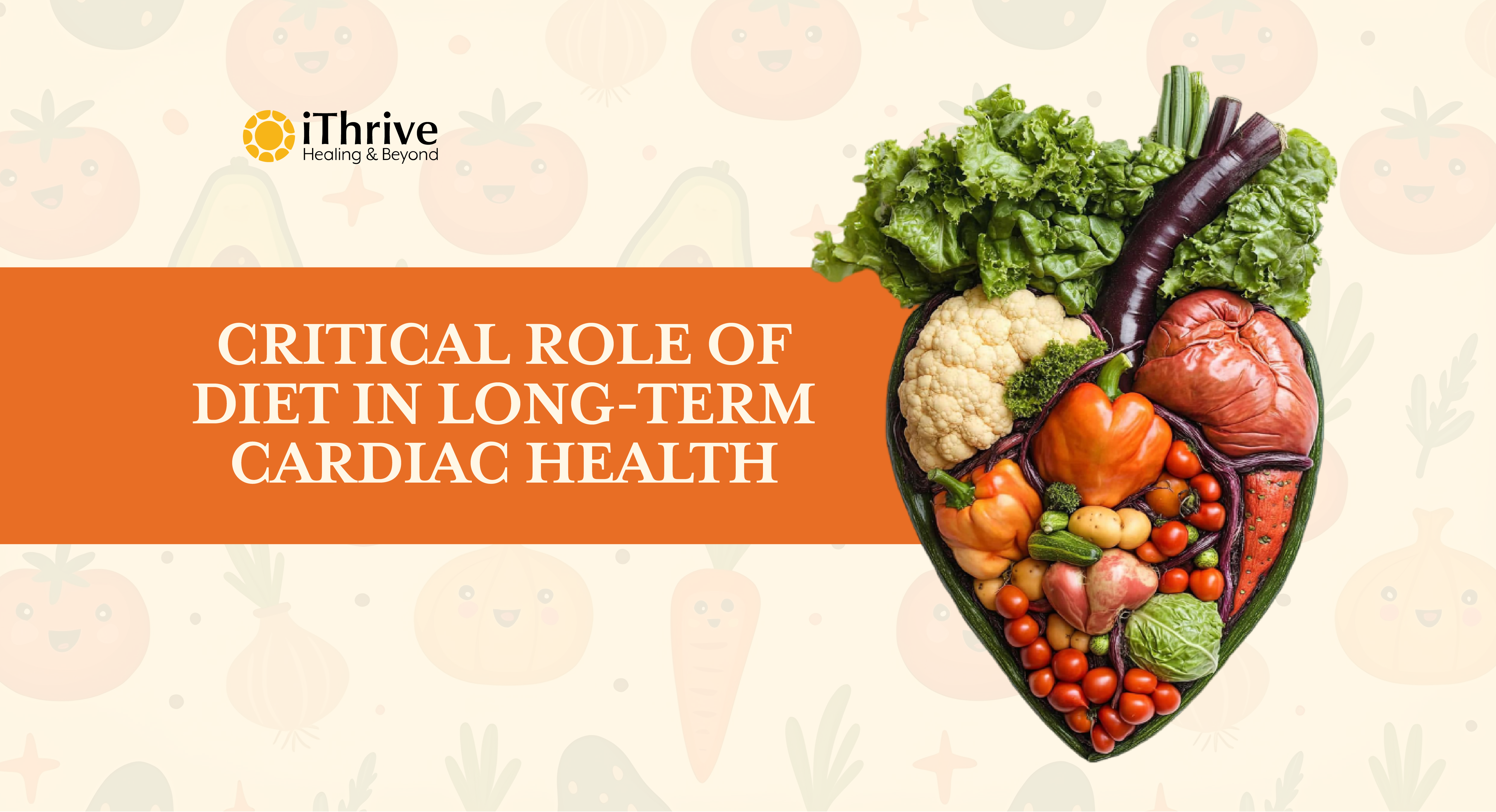
Critical Role of Diet in Long-Term Cardiac Health
Cardiovascular diseases, including coronary artery disease, heart failure, and stroke, are the leading causes of death globally, accounting for approximately 17.9 million deaths annually, according to the World Health Organization.
Cardiovascular diseases, including coronary artery disease, heart failure, and stroke, are the leading causes of death globally, accounting for approximately 17.9 million deaths annually, according to the World Health Organization. Factors that contribute to this cause of death primarily involve lifestyle, with diet being the major one. Other prevalence is also increasing in the light of urbanization and sedentary lifestyles; these include poor diet habits that lead to obesity, high blood pressure, diabetes, and cholesterol-all major risk factors for heart disease.
Diet plays an important role in the prevention and management of heart disease. It is established that the main prevention of CVD and thus heart disease is through the consumption of a balanced diet rich in whole foods such as fruits, vegetables, lean proteins, and healthy fats. Diets with high levels of processed foods, refined sugars, and trans fats are major accelerators of heart-related complications.
Impact of Diet on Heart Health
A heart-healthy diet reduces such risk factors as high blood pressure, cholesterol, and inflammation - all sources of cardiovascular disease. Diet can greatly improve the efficiency of cardiovascular function as well as longevity.
Healthy Fats and Heart Health
Omega-3 fatty acids found in fatty fish, and walnuts help reduce inflammation, decrease triglycerides, and work in preventing plaque build-up on arteries.
Monounsaturated and Polyunsaturated Fats: Intake of olive oil, avocados, and walnuts lowers bad LDL cholesterol while elevating good HDL cholesterol, and works well for the heart.
Whole Grains and Fiber
Cholesterol Lowering: Whole grains like oats and millets are high-fiber foods. Both functions also help lower LDL and improve digestion.
Control of Blood Pressure: Fiber controls insulin by slowing sugar absorption and improving insulin sensitivity, while it helps regulate blood pressure by promoting weight management, lowering cholesterol levels.
Fruits and Vegetables
Antioxidants and Fiber: Fruits and vegetables contain vitamins, antioxidants, and fibre. In addition to lowering cholesterol and oxidative stress, this also maintains blood pressure regulation.
Variety: A rainbow of colorful fruits and vegetables will guarantee a diverse intake of heart-healthy nutrients.
These foods can be incorporated significantly into reducing the risk of cardiovascular disease and also promoting heart health.
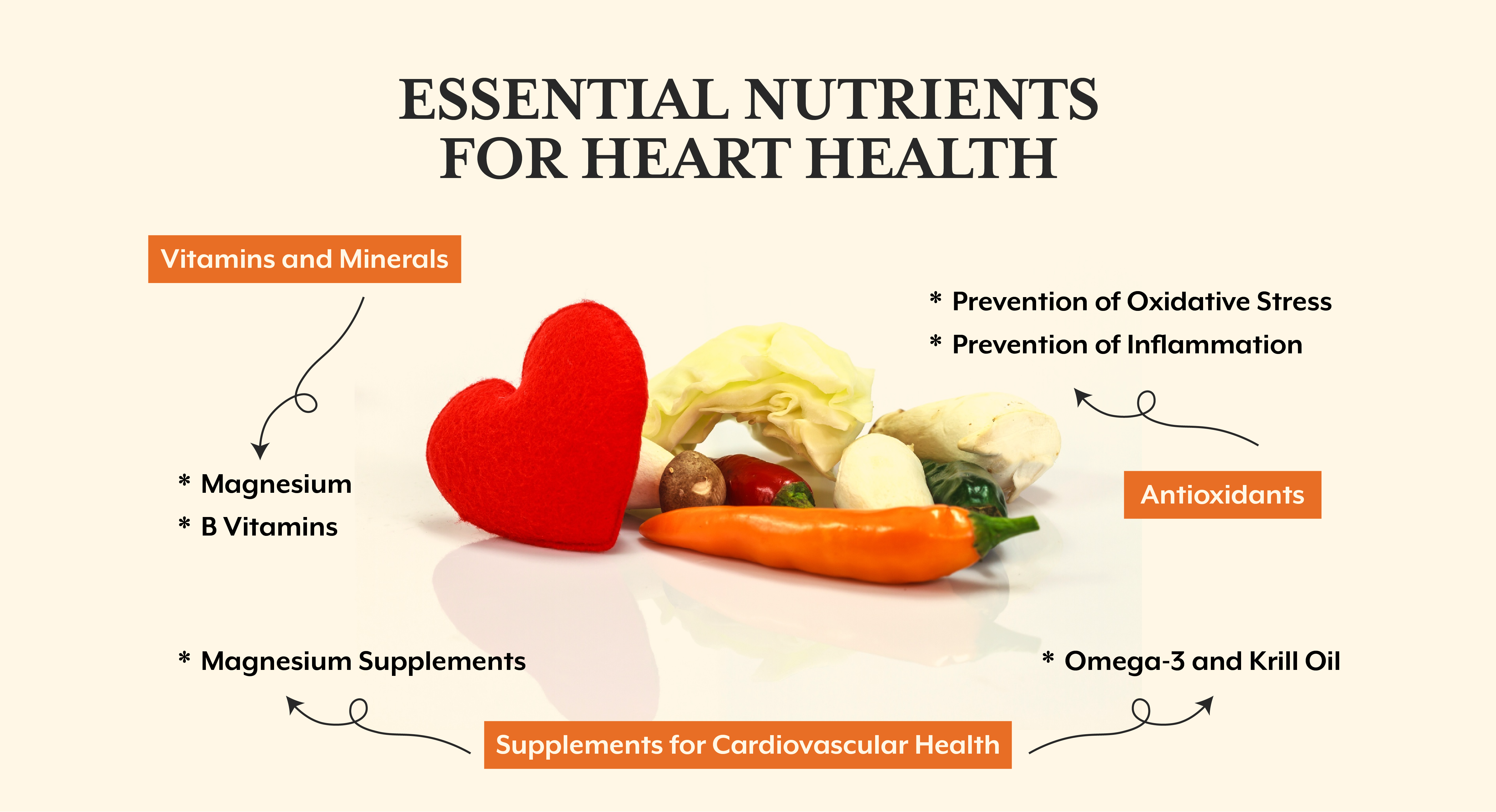
Essential Nutrients for Heart Health
A balanced intake of nutrients plays an essential role for optimal heart health. The essential vitamins, minerals, and antioxidants help support the cardiovascular system, further reducing the risks of developing heart disease by the reduction of inflammation, oxidative stress, and cholesterol levels.
Vitamins and Minerals
B Vitamins: They are necessary for the generation of energy. They reduce homocysteine, an amino acid whose levels have been directly related to a risk factor for heart disease. Making healthy vessels stay healthy and the risk for cardiovascular problems is reduced.
Magnesium: Maintains blood pressure. Acts as a potentiator of the muscular bodies, which promotes heart muscle activity. Lack of magnesium leads to arrhythmias and high blood pressure.
Antioxidants
Prevention of Oxidative Stress: Antioxidants like vitamin C and E along with polyphenols obliterate free radicals that directly imply a decrease in oxidative stress and irritation, which are both precursors of heart disease.
Prevention of Inflammation: Antioxidants prevent damage from occurring in the cell, so therefore; it reduces the incidence of plaque formation in an artery-the cause of much atherosclerosis.
Supplements for Cardiovascular Health
Omega-3 and Krill Oil: They both are high in EPA and DHA, which decreases inflammation, lowers triglycerides, and supports cardiovascular function.
Magnesium Supplements: These are generally recommended for helping regulate blood pressure, improve circulation, and maintain a regular heartbeat.
Dietary Patterns for Long-Term Heart Health
Diets that are followed significantly reduce cholesterol, blood pressure, and inflammation and are related to a healthier heart
Mediterranean Diet
Heart Health: Fruits, vegetables, whole grains, olive oil, and fish-rich diets fill the Mediterranean diet help promote heart health by the reduction in inflammation and improvement of cholesterol levels.
DASH Diet
Lowering Blood Pressure: The DASH diet cuts sodium levels but boosts potassium, calcium, and magnesium. In this way, it helps control blood pressure and improve heart performance.
Balanced Nutrition: It lays focus on whole foods, including vegetables, fruits, whole grains, and lean proteins
Plant-Based Diets
Cholesterol and Blood Pressure: High fibre diets, low in saturated fats tend to improve cholesterol levels and reduce blood pressure as well as heart problems.
Rich in Nutrition: It is high in heart-healing antioxidants, fibre, and phytochemicals.
In general, diet plays a significant role in both the prevention and management of heart disease because it affects the major determinants, including cholesterol, blood pressure, and inflammation. Even though short-term dietary changes may prove to be of benefit in the short term, it is only when long-term adoption of healthful eating patterns, which constitutes whole foods, healthy fats, and essential nutrients, becomes possible that cardiac health is truly sustained, reducing the risk for cardiovascular diseases. A balanced diet consistently, therefore, forms the foundation for lasting heart wellness.
read count
read time
Autoimmune Condition
Nov 4, 2024
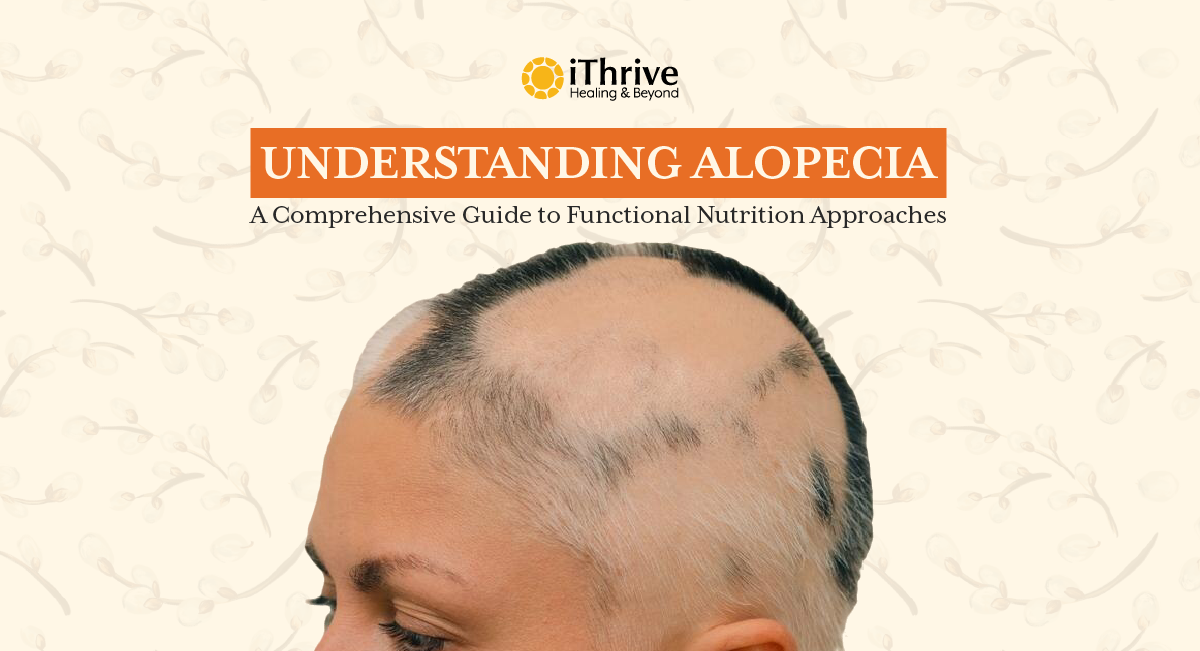
Understanding Alopecia: A Comprehensive
Alopecia areata is an autoimmune condition that leads to patchy hair loss. It can be reversed with the right dietary changes and supplements.
Alopecia means loss of hair. It is broadly classified into two types- Non scarring Alopecia (Most prevalent) and Scarring Alopecia. While non-scarring Alopecia is reversible, it is not possible to reverse scarring Alopecia. The three main types of non-scarring Alopecia are Alopecia areata, Androgenetic alopecia and Telogen effluvium. All the non-scarring Alopecias can be reversed with the help of Functional Nutrition. While the conventional hair loss treatment options focus only on managing symptoms, Alopecia requires diving deeper into the cause. A consultation with a functional nutritionist is a great option to treat Alopecia or any other chronic condition for that matter. Now, you might be wondering if hair loss can be treated with dietary interventions? The answer to this question is yes!!
3 Main Types of Alopecia
Before we get into the hair loss treatment, let us understand Alopecia a little better. In the subsequent sections, we will be understanding three main types of Alopecia- Androgenetic Alopecia, Alopecia Areata and Telogen Effluvium.
Androgenetic Alopecia
Androgenetic alopecia, also known as hereditary alopecia is caused due to heredity. It is further divided into two types- male pattern hair loss and female pattern hair loss. It is the most common type of hair loss in men and women. Hair fall in male is in different regions such as at the top, on the sides by their ears, or in the front. Hair loss in females is throughout the entire scalp with very little effect on the frontal hairline.
Alopecia Areata
Alopecia areata is a chronic autoimmune disorder that can cause hair loss in different parts of the body. The most common form of Alopecia areata is patchy hair loss on the scalp. Alopecia areata can begin at any age. However, around 80 % of individuals develop the signs before age 40. This condition is more common in females than in males. The root cause of Alopecia areata is inflammation. Moreover, oxidative stress also causes damage to the hair follicles.
The people that have other autoimmune conditions such as celiac disease, vitiligo, rheumatoid arthritis, type 1 diabetes, inflammatory bowel disease, Hashimoto’s thyroiditis are more susceptible to Alopecia areata. In such scenarios, nutritional approach becomes more crucial.
Telogen Effluvium
Telogen effluvium is a non-inflammatory, chronic or acute alopecia. More often than not, it is characterized by acute hair loss. It generally affects the complete scalp of individuals of all ages. The causes can be psychological stress, hormonal changes, postpartum, malnutrition, infection, metabolic disorders, endocrine disorder or side effects of medications. Hypothyroidism and low protein intake are also some of the major causes of Telogen effluvium. It is important to know that acute Telogen effluvium is self limiting and thus can be corrected if the causative agent is accurately identified and corrected.
Conventional Treatment
The conventional hair loss treatments involve drugs that focus only on managing symptoms. The underlying cause remains untreated and thus there are higher chances of relapse. In addition to this, these medicines might have side effects. In many cases, it is required to use these medicines throughout life. This is because hair loss starts again once the drugs are discontinued. The combined result of this is increased reliance on drugs, not to mention the hole it leaves in the pockets of impacted individuals.
Functional Nutrition: A Sustainable Approach to Alopecia
A functional nutrition approach is all about focusing on the root cause and not just symptom management. It involves hair loss treatment through nutrition, supplements and lifestyle changes.
Research shows that Androgenetic alopecia is associated with higher inflammatory index and lower antioxidant index scores. Alopecia areata is an autoimmune condition and thus has a deep correlation with inflammation and oxidative stress. Telogen effluvium is triggered by some hormonal changes, stress or nutritional deficiencies, all of which can be tackled with a functional nutrition approach.
Dietary Modifications to Treat Alopecia
Nutrition plays an important role in maintaining hair health. Deficiency of certain nutrients can lead to increased inflammation and oxidative stress. This ultimately leads to poor hair health. Some of the crucial nutrients to focus on are-
Antioxidants- Vitamin A, C and E help to deal with oxidative stress. Some good sources of Vitamin A are organ meats, sweet potatoes and carrots. Amla, guava, red bell pepper, oranges, grapefruit, and citrus fruits are rich in Vitamin C.
Vitamin D- Low levels of vitamin D increase the risk of Alopecia areata. Rich sources of Vitamin D include mackerel, salmon, tuna and egg yolk. Apart from these, sunlight is also an excellent source of vitamin D. A good supplement can help to deal with hair loss.
Biotin (Vitamin B7)- Biotin plays an important role in maintaining hair and skin health. Organ meat, egg yolk, salmon, tuna, beans, lentils, avocado and walnuts are some foods that should be included in the diet to get adequate Biotin. Supplements are recommended to fulfill the body's requirements.
Niacin (Vitamin B3)- Niacin is the other member of the Vitamin B family that is essential for maintaining hair health. Rich sources of Niacin are poultry, tuna, and salmon. Plant based sources of niacin include legumes and brown rice.
Zinc- Inflammation in our body can be reduced by including zinc rich foods in our diet. As mentioned earlier, Alopecia has a close association with inflammation. Hence, adequate zinc levels are crucial for optimum hair health. Oyster, eggs and seafood are good sources of zinc. A good zinc supplement is recommended for the people struggling with Alopecia.
Iron- Inadequate levels of iron leads to hair loss. Hair loss is common in women with iron deficiency. Good sources of iron are organ meat, cooked leafy vegetables, moringa and halim seeds.
Probiotics and Prebiotics- Imbalance in gut or skin microbiome leads to increased inflammation. Balancing gut microbiome can help in correcting Alopecia caused due to autoimmune conditions and inflammation. Some good sources of prebiotics are bananas, apples, cherries, and tomatoes. A2 milk yogurt, coconut water kefir and kimchi are probiotics that can help in restoring the gut microbiome.
Protein- Hair is primarily made of keratin, a protein. Sufficient intake of protein is essential for optimum keratin production in hair follicles. Chicken, fish, eggs, legumes and pulses are some sources of protein that should be included in diet.
Hair loss treatment can be challenging but functional nutrition offers a holistic approach that addresses the root causes and supports overall health.Conventional treatment for alopecia increases the reliance on medications which once discontinued may start the problem again. By adopting dietary and lifestyle changes, alopecia and other diseases can be treated in a sustainable way.
read count
read time
Hormone Health
Nov 4, 2024
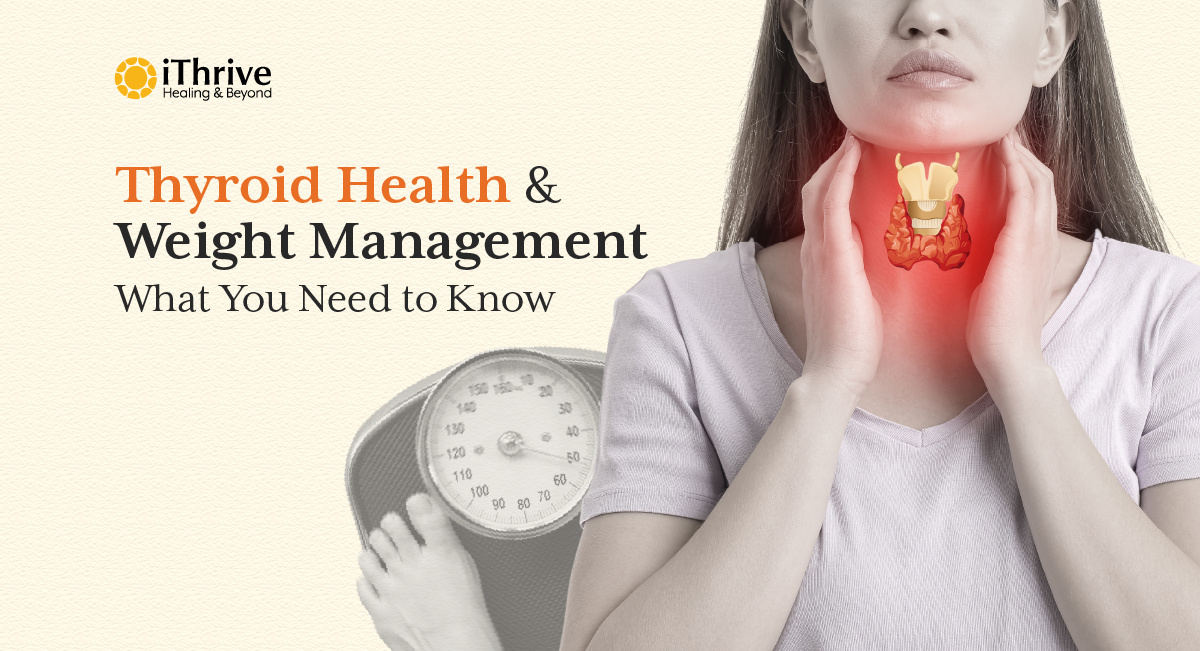
Thyroid Health and Weight Management: What You Need to Know
Get insights about the interrelation between thyroid health and weight management. Understand the symptoms, diagnosis, and effective strategies to keep your thyroid health thriving.
Introduction
The thyroid gland, a small butterfly-shaped organ located in the lower front of the neck, is a powerhouse for regulating the body’s metabolism. The thyroid gland has a potential impact on how our body converts food into energy, influencing everything from heart rate to weight.
Good thyroid health helps produce the right amount of hormones to keep metabolism running smoothly. However, when the thyroid malfunctions, it can lead to various health issues, including weight management problems. This blog will provide insight into the intricate relationship between thyroid health and weight management. The blog will also shed light on how thyroid disorders affect our weight and give practical advice to help you maintain a healthy balance if you are dealing with hypothyroidism, hyperthyroidism, or weight gain issues. If you want to heal with a functional nutrition approach, book a consultation with iThrive today and take the first step towards a healthier and happier you.
Understanding Thyroid Gland
The thyroid gland produces primarily two hormones: thyroxine (T4) and triiodothyronine (T3). These hormones play a vital role in regulating the body’s metabolism.
Thyroxine (T4): The thyroid gland produces T4 hormone in larger quantities. However, T4 is relatively inactive on its own. It serves as a precursor to T3, which means it must be converted into T3 to become fully active.
Triiodothyronine (T3): It is produced in small amounts and is considered to be a more active hormone. It plays a crucial role in regulating the body’s metabolism by influencing how your body uses energy. This hormone affects almost every physiological process in the body including growth and development, heart rate, and temperature of the body.
Impact of T3 and T4 on the metabolism
· T3 and T4 increase the basal metabolic rate which is the amount of energy your body needs to maintain basic physiological functions at rest. This means they help in determining how quickly or slowly your body burns calories.
· These hormones also stimulate protein synthesis and increase the breakdown of fats to help maintain muscle mass and reduce fat stores.
· These hormones also influence the heart rate. For example, higher levels of thyroid hormones can increase your heart rate and make you feel warmer, while lower levels can slow your heart rate and make you feel colder.
· When the thyroid gland produces the right amount of T3 and T4 the body’s metabolism functions efficiently and helps in maintaining a healthy weight and energy levels.
Therefore, understanding the role of thyroid hormones provides insight into thyroid health in weight management.
Hypothyroidism and weight gain
Hypothyroidism is a condition where the thyroid gland is underactive and does not produce enough thyroid hormones, specifically free T3 and free T4 as per functional nutritional ranges. With insufficient thyroid hormones, the metabolic rate decreases, which means the calories burn very slowly and leads to weight gain even if the diet and physical activity levels remain the same. The calories that the body consumes are stored as fat rather than being used for energy. This, as a result, increases body fat, particularly around the abdomen. Hypothyroidism can also cause the body to retain fluids, contributing to weight gain and a feeling of bloating.
The common symptoms of hypothyroidism are:
Fatigue
Unexplained Weight Gain
Difficulty Losing weight
Dry skin
Hair loss
Hypothyroidism is typically diagnosed through blood tests that measure the levels of ultrasensitive thyroid-stimulating hormone (TSH) and thyroid hormones (free T3 and free T4). Elevated TSH levels and T4 levels indicate hypothyroidism.
Hyperthyroidism and weight loss
Hyperthyroidism is a condition where the thyroid gland is overactive and produces lots of thyroid hormones, specifically high T3 and T4 but low TSH. Hyperthyroidism also increases the metabolism in the body, which means the calories burn very fast and lead to weight loss even if the diet and physical activity levels remain the same. Despite the increased calorie burn, some people dealing with it may feel hungrier and consume more food. Hyperthyroidism can also lead to muscle loss as our body breaks down muscle tissue for energy.
The common symptoms of hyperthyroidism are:
Weight loss
Rapid or irregular heartbeat
Increased sweating
Fatigue
Nervousness
Swollen thyroid gland
Hyperthyroidism is typically diagnosed through blood tests that measure the levels of thyroid-stimulating hormone (TSH) and thyroid hormones T3 and T4. High levels of T3 and T4 indicate hyperthyroidism.
Steps to Take Control of Your Thyroid Health
Focus on diet
· A proper and balanced diet is very important for supporting thyroid health and managing weight.
· Someone dealing with thyroid should avoid all inflammatory foods like bakery products, fried foods, sugar, alcohol, and packaged snacks. Consuming these foods can make your conditions worse. Therefore to deal with thyroid health one needs to focus on whole foods that are unprocessed and provide essential nutrients without empty calories. Some of the whole foods include fruits, vegetables, whole grains, pulses, etc.
· These people should also start incorporating lean protein into their meals. Some of the lean protein sources are chicken, fish, tofu, and legumes. Protein is very crucial for muscle maintenance.
· These people should start consuming seafood, as they are a good source of iodine, which plays a crucial role in thyroid hormone production.
· You should avoid all the dairy products, processed foods, and junk foods that are the main reason for the inflammation in the body.
Engage in physical activities:
· Physical activity is very important to heal your disease. Consistency in physical activities helps in managing weight and overall health.
· Engaging in cardio exercises like running, walking, and swimming can help burn calories faster for those who are dealing with hypothyroidism.
· Strength training helps those dealing with hyperthyroidism. Exercises like weightlifting or body weight help preserve muscle mass and boost metabolism.
Consult a Professional:
· In today’s world, relying only on conventional medicine to treat thyroid cannot be the best approach.
· It is very important to focus on the root causes and not only on the symptoms. Consultation with iThrive can help you get the proper guidance towards your healing journey through a functional nutrition approach.
· They start working on your health by analyzing the root causes of your disease and provide customised protocol which includes supplementation guidance, diet recommendations, lifestyle interventions, continuous support, and much more.
read count
read time
Festive
Oct 22, 2024
Healthy Celebrations: Say “NO” to Seed Oils
It’s high time to say No to seed oils. Learn about their hidden health risks, how they contribute to inflammation, and better alternatives for your well-being.
The festive season comes up with joy, lights, and most importantly, delicious food. Indian festive celebrations are synonymous with preparing a variety of sweets, snacks, and other tempting dishes. A staple on the grocery list during this time is seed oil, as festive foods and seed oil go hand in hand.
We know oily foods taste great, but have you ever wondered if they're good for your health? With today’s generation becoming increasingly health-conscious, it’s crucial to understand the impact of seed oil on our bodies. This blog aims to provide insight on why seed oils are not good for your health and this festive season why you should try to avoid them. So don’t let these festive times affect your well-being.
Toxic seed oils to avoid
The oils that are extracted from the seeds of certain plants, generally also called industrial seed oils, are very harmful to health. It is said anything natural is good to consume; however, industrial seed oils are heavily processed and refined, which makes them highly unhealthy fats such as omega-6 fatty acids and trans-fats. Also, the beneficial nutrients in their natural state are high, but as the seeds get processed, they start losing the beneficial nutrients and antioxidants.
Soybean oil
According to the research, the most common industrial seed oil used in food products is soybean oil. During the festive season, it is mostly used to make chips, margarine, and other fried foods. Unfortunately, it contains a high amount of omega-6 fatty acids that are responsible for increasing inflammation within the body. Based on the studies carried out, excessive amounts of omega-6 fatty acids can cause genetic changes in the brain.
Corn oil
Corn oil is a popular industrial seed oil that is excessively refined and processed to vanish its natural flavor and color. Taking advantage of its no color and flavor, many business owners use it as a great option for frying foods. However, talking about the nutrition aspect, it is not worth it. Corn oil contains a high amount of unhealthy trans fats, which can raise bad cholesterol levels if consumed in excess.
Sunflower oil & Peanut oil
This name sounds familiar to the oils you use in your kitchen. Am I right? But do you know that sunflower oil and peanut oil contains very little nutritional value as they are highly refined during processing. It is highly recommended to replace your seed oil today with the best substitute.
Safflower oil
Safflower oil is the other common industrial seed oil that is widely used in food manufacturing plants. Although this seed oil is termed a slightly healthier option compared to other industrial seed oils, it contains a higher amount of PUFAs, which can be one of the reasons for increased inflammation in your body.
Palm oil:
Palm oil has a high saturated fat content, which makes it one of the worst choices for consumption-especially its effects in the long run. Palm oil is also sold at lower costs compared to other oils, therefore, the local food industries use palm oil to optimize their production costs.
From Kitchen to Chaos: How Are Seed Oils Affecting Your Health?
It is suggested to stay away from toxicity in your life, then why to let seed oils stay with you? Yes, they are the toxins, and they are the culprits in your life, and here is how they are going to make your health conditions worse. Let’s learn the seed oil health risks:
Inflammation:
Seed oils are rich in omega-6 fatty acids. You may wonder if they are essential for health, but if consumed in excess, they can promote inflammation in your body. This inflammation can lead to certain heart diseases, arthritis, certain cancers, and many more.
Heart Health
Heart health and seed oils have a complex relationship. On one hand, it is found that polyunsaturated fats in seed oils can lower bad cholesterol levels, which is very vital for good heart health. However, on the other side, high omega-6 fatty acids in seed oils can increase inflammation and oxidative stress. This can contribute to the development of heart disease by promoting the buildup of fatty deposits in arteries that lead to atherosclerosis.
Weight gain and obesity:
Seed oils have high calories and are often used in processed foods, which is linked with obesity and weight gain. The processed foods that we eat are generally low in nutrients and very high in unhealthy fats, sugars, and salt. Therefore, a combination of these can accelerate weight gain and metabolic issues in the body.
Metabolic Health
Our body’s metabolism depends on the food we eat. High consumption of seed oils can negatively impact metabolic health. As mentioned earlier, seed oils are rich in omega-6 fatty acids, which can contribute to insulin resistance. Also, consuming large amounts of processed foods and unhealthy fats can lead to non-alcoholic fatty liver disease, which affects liver function and overall metabolic health.
The Smart Switch for Better Health
Your celebrations should be joyful, and so should your health.
Industrial seed oils have a lot of fat and are very bad for your health. From our childhood, we have learned about healthy nutrients, carbohydrates, fats, and proteins that our body needs for energy, to absorb the vitamins, and to protect our metabolism.
Let’s learn about what types of fats are good for you.
1. Ghee
According to Ayurveda, ghee is a healthy source of edible fat. It is found that ghee has medium-chain fatty acids that can be utilized by our body quickly, and they get absorbed faster compared to seed oils.
Ghee has a lot of nutritional benefits and contains vitamins A, E, and K. Ghee is also known to enhance digestion by stimulating the secretion of stomach acids and aiding in the absorption of nutrients. Ghee is also very good for the skin and is used to treat burns, and moisturize skin due to its healing properties. Therefore, remember one thing: if you want to make your celebrations really healthy and happy, opt for ghee and say NO to seed oils.
2. Coconut oil:
Coconut oil is the oil that is extracted from the mature coconuts. Researchers say coconut oil contains medium-chain triglycerides (MCT’s), which can be metabolized differently. Also, these medium-chain triglycerides are a quick source of energy and help in fat burning. Also, using coconut oil helps reduce calorie intake and control weight. Coconut oil also boosts brain functions, as the ketones are produced from MCTs in coconut oil.
Festive Healthy Recipes—Made with love by Team iThrive:
Besan Ladoo
Ingredients
Organic Besan: 100gm
Honey: 2-3 tbsp
Ghee: 1 tbsp
Nutmeg powder: 1 pinch
Cardamom Powder: 1 pinch or as per taste
Raisins (6-8 for garnishing)
Procedure
In a wok, add ghee and roast the besan on a low flame until it turns golden brown with a slight aroma.
Add honey to it.
Mix nutmeg powder and cardamom powder as per taste and give it a good mix.
Take small portions of the mixture to prepare laddoos.
In a pan, add 50 ml of coconut oil. Once hot, add 1 teaspoon mustard seeds and let it splutter. Now, add chopped green chillies, washed curry leaves, and chana dal, followed by sautéing on a medium flame for 2-3 minutes.
Add turmeric, salt, red chili powder, and jowar flakes. Mix well and cook on a medium flame for 2-3 minutes while stirring constantly. Keep aside to cool completely.
Store the chiwda in an airtight container and use as required.
Sign up for the iThrive Newsletter practical nutrition, wellness insights, and habits that actually work.
Thank you! Your submission has been received!
Oops! Something went wrong while submitting the form.
No spam. Unsubscribe anytime.
FAQs
What topics does the iThrive blog cover?
The blog covers functional nutrition, chronic conditions, gut health, hormonal health, autoimmune conditions, sleep, mental health, and root cause analysis. Every article is written to help you understand what is actually happening inside your body, not just manage symptoms.
Who writes the articles on this blog?
All articles are written by the content writers in collaboration with iThrive's clinical team of functional nutritionists, guided by the same methodology used in the ALIVE programme. The content is rooted in functional medicine and real clinical experience, not generic health advice.
Is the information on this blog a substitute for medical advice?
No. The blog is an educational resource to help you understand your health more deeply. If you are experiencing symptoms or managing a chronic condition, a personalized Root Cause Analysis with a functional nutritionist is the right next step.
I read an article and want to take action. What should I do next?
Book a Root Cause Analysis. For ₹2,500, a dedicated functional nutritionist will assess 60+ blood markers using optimal ranges and explain exactly what is driving your condition. It is the natural next step after reading about what might be happening in your body.
Can these articles help me if I have already been diagnosed?
Yes. Many of our readers come with existing diagnoses and find the blog helps them understand why their condition developed and what their body actually needs. The articles are designed to give you clarity, not replace the guidance of a practitioner.
Talk to our team
Thank you! Your submission has been received!
Oops! Something went wrong while submitting the form.
Download Now
Thank you! Your submission has been received!
Oops! Something went wrong while submitting the form.



.svg)




.webp)