Articles to help you understand, manage, and improve your health.
Trending Post
Festive
Autoimmune Condition
Unexplained Symptoms
Mental & Brain Health
Root Cause Analysis
General Health
Digestive Health
Hormone Health
Mental Health
All Blogs
Supplements
All Blogs
read count
read time
General Health
Feb 28, 2025
Is Mycotoxin poisoning the new silent killer?
Mycotoxins are toxic compounds from molds that can contaminate food and the environment, causing chronic issues like liver damage and respiratory problems.
Lately, people are finding themselves suddenly getting sick, despite living a healthy lifestyle. They might be eating right, exercising regularly, staying hydrated, getting enough sleep, and even making sure they’re getting enough protein, yet they fall ill. Symptoms can range from random allergies to unexplained fatigue or discomfort. The worst part? The symptoms seem to disappear temporarily after visiting doctors and getting medications, only to resurface once the medication stops. This leaves people questioning their lifestyle choices, wondering why they’re still getting sick.
One pressing question that comes to everybody’s mind is- what is really going on? The answer to this is many may be dealing with mycotoxin poisoning - a problem that’s not widely known but is becoming increasingly common. In this blog, we’ll dive into what mycotoxin poisoning is, its symptoms, and why a root cause approach is crucial to fully understand and address this issue.
What is Mycotoxin Poisoning?
Mycotoxin poisoning, or mycotoxin toxicity, occurs when a person is exposed to toxic chemicals produced by certain types of mold. Molds produce these toxins, known as mycotoxins, in damp and poorly ventilated environments. The symptoms of mycotoxin poisoning can be hard to pinpoint, but they often mimic other conditions, such as allergies, autoimmune diseases, or chronic fatigue.
Some common molds that produce mycotoxins include Aspergillus, Penicillium, and Stachybotrys (black mold). The most common source of mycotoxins is contaminated food. Apart from this, molds can grow in homes and workplaces as well. They usually grow in moist environments. Hence, places must be kept dry. When these toxins enter the body, they can disrupt various organs and systems, causing symptoms that range from mild discomfort to severe illness. Long-term exposure can also lead to cancer.
The Common Trifecta: How Mycotoxin Poisoning, SIBO, and Mold Illness Interact?
Three conditions that often go hand-in-hand with mycotoxin poisoning are Small Intestinal Bacterial Overgrowth (SIBO), mold illness, and Mast Cell Activation Syndrome (MCAS). Let’s take a closer look at each.
1. SIBO (Small Intestinal Bacterial Overgrowth)
In normal states, the large intestine contains more bacteria than the small intestine. However, due to unhealthy eating habits and other underlying causes, the number of bacteria in the small intestine increases. This overgrowth leads to many digestive issues like bloating, gas, constipation, and diarrhea. Now, if the body is exposed to mycotoxins, the bacterial overgrowth increases, since the toxins weaken the gut. This makes it more difficult to treat both diseases since both worsen each other.
2. Mold Allergy
Mold illness is a condition that results from long-term exposure to molds. It includes many symptoms, from respiratory issues to neurological problems like brain fog, memory loss, and headaches. People with mold illness often struggle with constant fatigue and even skin rashes. When someone with mold illness is exposed to mycotoxins, the toxins increase the already-present symptoms.
3. Mast Cell Activation Syndrome (MCAS)
Mast cells are a type of immune cell in the body that play a role in allergic reactions. The function of these cells is to fight against any foreign materials entering the body. In MCAS, these cells become hyperactive and release excessive amounts of histamine and other chemicals. This causes inflammation in the body, further leading to symptoms like itching, rashes, digestive problems, and even difficulty breathing. Prolonged exposure to mycotoxins can also cause chronic conditions and cancer. The chances of autoimmune conditions also increase due to inflammation. Mycotoxins can trigger mast cell activation, making the symptoms of MCAS much worse.
How These Conditions Work Together?
When one of these conditions - SIBO, mold illness, or MCAS - becomes worse, it often triggers or worsens the others. For example, mycotoxin exposure can trigger inflammation in the body, which weakens the immune system, leading to the overgrowth of harmful bacteria (SIBO). The mold illness increases the inflammatory response, and in turn, the mast cells become overactivated, causing even more symptoms. This connection between the diseases acts as a ripple effect. This makes it even harder for people to find lasting relief unless they address all the underlying factors.
Mycotoxins and Cancer
Studies have shown that prolonged mycotoxin exposure can lead to cancer. No doubt the cancer risks are increasing amongst people that otherwise appear healthy. Many keep wondering how a seemingly healthy person can get cancer. Lately, cases where people get last-stage cancers all of a sudden have increased. People often wonder what went wrong. Many factors can contribute to this, however, the possibility of mycotoxin poisoning causing cancer cannot be denied.
Why a Root Cause Approach Is Important
Traditional treatments focus on masking symptoms - prescribing medications to deal with allergies, digestive issues, or fatigue. While these may provide temporary relief, they often don’t address the root causes of the illness. Moreover, the symptoms of mycotoxin poisoning are often mistaken for some other diseases. Hence, if a person goes to a healthcare professional, he/she will get medicines only for the visible symptoms. However, once the medication is stopped, the symptoms might go away, but the toxins are still there; meaning the root cause, which is mycotoxin poisoning is not targeted. This increases the chances of symptom relapse. The body is still not getting detoxed. Instead, it still gets exposed to mycotoxins, further worsening the condition. Due to this, a root cause approach is extremely important.
Tips for Mycotoxin Poisoning Detox
If you think you might be suffering from mycotoxin poisoning, there are several steps you can take to help detox and heal your body. Here are some helpful tips:
Repaint Your House: If there is a mold infestation in your house, repainting with mold-resistant paint can help reduce exposure.
Wash Fruits and Vegetables with Activated Charcoal: Certain foods, like peanuts, nuts, grains, and fruits (especially berries), can harbor mycotoxins. Washing fruits and veggies with a mixture of activated charcoal can help reduce the toxins on their surface.
Activated Charcoal Supplement: This powerful detoxifier can bind to mycotoxins in the digestive system and help flush them from the body. It can be taken as a supplement to get rid of toxins in the body.
Avoid Alcohol and Smoking: Both alcohol and smoking can weaken the immune system, making it harder for your body to detox from mycotoxins.
Glutathione: Glutathione is an important antioxidant that helps your body detoxify and fight oxidative stress. A good glutathione supplement can help in the detoxification process.
Antioxidants: Antioxidants help to reduce oxidative stress in the body, thus reducing inflammation. Foods rich in antioxidants are orange, lemon, Indian gooseberry, papaya, bell pepper, apple, and berries.
Infrared Sauna and Steam Sauna: Sweating through heat therapies like infrared saunas and steam rooms helps remove toxins at a cellular level.
Indoor Air Purifiers: Using air purifiers in your home can help remove mycotoxins from the air and improve air quality.
Indoor plants: Certain plants, like Snake Plants, Spider Plants, Peace Lilies, Boston Fern, Golden Pothos, and Aloe Vera, can help reduce the moisture in the air, thus curbing mold growth.
Avoid plastic and wooden chopping boards: There are higher chances of mold growth on plastic and wooden materials. They should be avoided. Instead, stainless steel boards are a better option. To avoid cross-contaminating your food, make sure to use separate chopping boards for vegetables and meat.
Mycotoxin poisoning, though not widely understood, is a growing concern that can lead to a variety of unexplained symptoms. By adopting a root cause approach and focusing on detoxification and overall health, the impact of mycotoxins on health can be reduced.
If you suspect you have mycotoxin poisoning or related conditions, it’s crucial to adopt a holistic approach rather than just managing symptoms.
read count
read time
General Health
Feb 28, 2025
Autism and Gut Microbiome | What Every Parent Must Know
Discover how Autism Spectrum Disorder is linked to food, gut health, and probiotics. Learn how gluten-free diets and digestive enzymes may help improve symptoms naturally.
Autism Spectrum Disorder (ASD) is a complex neurodevelopmental condition that affects social interaction, communication, and behaviour. But did you know that the gut is an important organ in managing autism symptoms? According to sources, about 18 million people in India are diagnosed with autism. Approximately 1 to 1.5 percent of children between two to nine years are diagnosed with ASD.
But, did you know how food and gut health can bring life-changing impacts on children with autism? Research suggests that a healthy gut can influence brain functions, mood, and overall health.
In this blog, we’ll explore the intriguing connection between autism and gut health, dietary interventions, and actionable steps you can take to help your loved ones.
What is Autism Spectrum Disorder (ASD)?
Autism Spectrum Disorder (ASD) is a neurological condition that affects how people perceive, communicate, and interact with the world. It’s called a “spectrum” because every person with autism experiences it differently. Some may face mild challenges, while others might need significant support.
People with ASD often have unique ways of learning, thinking, and problem-solving. They may show repetitive behaviors, intense focus on specific interests, and have difficulty understanding social cues or expressing emotions. You may notice these signs as early as the first year of life, though some kids seem to develop typically and later show signs between 18 to 24 months.
Symptoms of Autism Spectrum Disorder (ASD)
ASD symptoms typically emerge in the first two years of life, but can sometimes appear later. In some cases, people may develop before suddenly showing signs of social withdrawal or difficulty communicating. Here's a clear overview of the key signs of ASD to help you better understand it.
1. Social Communication and Interaction Challenges
Not responding to their name or appearing to "tune out" conversations
Preferring to play or spend time alone
Limited eye contact and facial expressions
Difficulty starting or maintaining conversations
Repeating words without understanding the meaning
Struggling to interpret social cues, like body language or facial expressions
2. Repetitive Patterns and Unique Behaviors
Repetitive movements like rocking, hand flapping, or spinning
Strong attachment to routines; becoming upset when there are small changes
Focusing intensely on specific objects, like spinning wheels or patterns
Odd body movements or walking on toes
Being unusually sensitive to sounds, lights, or textures
Specific food preferences, such as refusing foods with certain textures
The Gut-Brain Connection: How It Affects Autism Spectrum Disorder (ASD)
What Is the Gut-Brain Axis?
The gut and brain are two best friends, constantly talking to each other. This communication happens through nerves, hormones, and even the immune system. The “vagus nerve” is one of the key messengers in this system, sending signals back and forth between your brain and your gut.
But here’s what most people don’t realize: your gut isn’t just about digestion. It’s often called the “second brain” because it affects mood, focus, and behavior. This becomes especially important when looking at conditions like autism.
The Role of the Microbiome in Brain Health
Inside the gut lives a vibrant community of tiny organisms like bacteria, viruses, and fungi, collectively called the microbiome. These friendly microbes actively influence the development and functioning of the brain and nervous system.
For children with autism, an imbalance in the gut microbiome, known as dysbiosis, can lead to poor communication between the gut and the brain. This can manifest as mood swings, irritability, or even sleep disturbances.
Common GI Issues
If your child frequently complains of stomach pain, bloating, or constipation, they might not be exaggerating. Gastrointestinal (GI) issues are prevalent in individuals with ASD and often go hand-in-hand with behavioral symptoms.
Here are some of the most frequent gut-related concerns in children with autism:
Constipation: Difficulty passing stools can cause significant discomfort and even contribute to irritability or aggression.
Diarrhea: Loose stools can disrupt nutrient absorption, leading to deficiencies.
Bloating: Excess gas and discomfort can make it hard for a child to concentrate or communicate effectively.
Food Intolerances: Sensitivities to certain foods, particularly gluten and casein, are reported more often in children with ASD.
The Impact of Diet on ASD Symptoms
When exploring the challenges faced by children with Autism Spectrum Disorder (ASD), diet emerges as a key factor that cannot be ignored. Parents often find themselves tussling with selective eating patterns and worrying about how certain foods might be affecting their children.
Common Eating Patterns in ASD
Children with ASD often show a strong preference for energy-dense foods such as sweetened beverages, juices, and high-calorie snacks. Studies suggest that these children consume about 2.6 servings of juice or sugary drinks daily, compared to 1.7 servings in typically developing children.
Selective or “picky” eating is another prevalent issue. This behavior often persists beyond early childhood and is characterized by an aversion to specific colors, textures, temperatures, and smells of food. Sensory sensitivities push many children toward high-calorie, low-nutrient options while avoiding fiber-rich foods, lean proteins, fruits, and vegetables.
For parents, this can be frustrating. Not only does it limit mealtime variety, but it also increases the risk of nutritional deficiencies, which can contribute to weight gain and long-term health problems.
Foods That May Worsen ASD Symptoms
1. Gluten and Casein
Gluten, found in wheat, rye, and barley, and casein, present in dairy products, are often hard for some children with ASD to digest. Research suggests that these proteins can cause gut inflammation and may impact behavior, leading to hyperactivity and digestive discomfort.
2. Artificial Colors and Flavors
These additives, commonly found in candies, snacks, and sodas, have been linked to hyperactivity and behavioral challenges in some children. Opting for natural alternatives and reading ingredient labels carefully can make a significant difference.
3. Processed Foods and Preservatives
Highly processed foods are loaded with preservatives, additives, and sugar. This leads to inflammation and negative behavior changes. Fresh, homemade meals offer better control over ingredients, helping to reduce the impact of harmful substances.
Nutritional Deficiencies and Their Effects
Due to limited food variety, many children with ASD face deficiencies in essential nutrients such as:
Fiber: Leading to digestive issues.
Vitamins and Minerals: Affecting immune function and overall development.
Protein: Essential for growth and repair.
Dietary Interventions and Recommendations for Autism Spectrum Disorder
What goes into your child's plate may directly affect both their gut and brain health. Let's explore how probiotics and prebiotics can be valuable tools for managing ASD symptoms.
Benefits of Probiotics:
Reduced GI symptoms like constipation and bloating
Improves gut microbiome, enhances mood and behavior management
Lower levels of gut toxins associated with Candida overgrowth
A study showed that probiotic supplementation (with strains like Lactobacillus acidophilus) not only reduced gut inflammation but also improved behavior and communication in children with ASD.
Another promising probiotic, L. plantarum WCSF1, demonstrated positive results in altering gut bacteria composition and enhancing social behavior in autistic children. Additionally, Bacteroides fragilis treatment was shown in animal studies to reduce anxiety and obsessive behaviors, indicating that it may hold potential benefits for humans as well.
Benefits of Prebiotics:
Promote the growth of healthy gut bacteria
Reduce GI discomfort
Improve attention span
A study involving B-GOS® supplementation for six weeks reported significant improvements in gut health and social behavior in autistic children.
Tips for Parents and Caregivers: Managing Diet for Children with Autism
Strategies for Picky Eating: Introduce one new food at a time in small portions. Pair it with something your child already likes. Make food fun: use shapes, colors, or playful plating. Sometimes, even changing the texture can make a big difference.
Ensuring Balanced Nutrition: Focus on variety. Include colourful fruits, vegetables, lean proteins, and whole grains. Nutrient-packed smoothies can be a go-to for sneaking in those essential vitamins.
Seek Expert Advice: Before making major dietary changes, consult a healthcare professional familiar with autism and the gut microbiome. They can help assess whether a gluten-free or probiotic-focused diet is right for your child. The right guidance goes a long way.
Conclusion
The connection between Autism Spectrum Disorder (ASD) and gut health has opened new doors for managing symptoms naturally. While every child is unique, stories from families who've adopted these strategies reveal promising outcomes - from improved focus to reduced gut-related issues. If you’ve struggled to find holistic solutions for your child's challenges, taking a closer look at their diet might be worth considering.
Remember, it’s essential to consult healthcare experts before making any significant dietary changes. However, this could be the first step toward supporting your child's health naturally and giving them the care they truly deserve. A better, happier journey could be possible!
read count
read time
General Health
Feb 11, 2025
Fighting Diabetes with Food: The Science Behind Functional Nutrition
India holds the unfortunate title of being the Diabetes Capital of the World, a distinction underscored by alarming statistics. According to a 2022 study by The Lancet, India reported the highest global prevalence of diabetes, with over 212 million adults diagnosed.
India is known as the Diabetes capital of the world, and that does not come without its stats. In a study done by Lancet in 2022, India has the highest global prevalence of diabetes, with 212 million adults diagnosed in 2022. This is a staggering number in itself, and as many lifestyle disease trends go, the number has just increased.
First, let's understand what exactly is diabetes. Diabetes or diabetes mellitus is a condition where there is inadequate control of blood sugar levels. Let’s understand the basic metabolism behind this. The food that we eat gets utilized in our body as energy by the cells. For that to happen, the beta cells in our pancreas secrete the hormone insulin. The function of insulin is to help move the glucose derived from our food in the blood to the cells, where they can utilize it as fuel for their functioning.
Type 1 diabetes: T1DM is autoimmune in nature and is characterized by the destruction of the beta cells in the pancreas. This means that there is poor to no insulin secretion in the body. Type 1 diabetes is diagnosed during childhood, and out of the global burden of diabetes in the world, this accounts for about 10%. (1)
Type 2 diabetes: This is the most common type of diabetes, and is characterized by insulin resistance. Insulin resistance is basically when the cells in the body, especially liver, muscles and fat cells don’t respond well to insulin, which is why there is limited uptake of glucose from the blood into the cells, resulting in hyperglycemia or high blood glucose levels. All the while, the cells keep signaling the pancreas to make more insulin, resulting in a state of hyperinsulinemia. This type of diabetes is more commonly diagnosed during late adulthood. (2)
Type 1.5 diabetes: This type of diabetes is something that many people have not heard of. It is also called LADA or Latent autoimmune diabetes of adults, and it shares features with both, Type 1 and Type 2 diabetes. Like Type 1, it is autoimmune in nature, but its onset begins in adulthood, and for the initial 6 months after disease initiation, you don’t require the support of insulin for blood sugar control. (3)
Best Diet for Diabetes Control
Having understood what the different types of diabetes are, we come back to the age-old question of which is the best diet for diabetes control. Are there any foods to fight diabetes or do we have to rely lifelong on medications? How to actually reverse diabetes naturally?
The good news is that there is a direct science of nutrition and diabetes involved, and correcting food and lifestyle can go a long way in treating diabetes. For conditions like Type 1 and Type 1.5 diabetes, insulin support becomes critical because the body is unable to synthesize insulin, which is why it needs exogenous support. However, for Type 2 diabetes, insulin resistance is reversible naturally, without lifelong dependence on medications.
Anyone who knows Functional nutrition and its principles, knows the power of correcting dysfunctions through root causes. So it is always recommended to get the bloodwork done first, see if there are factors like inflammation or oxidative stress involved apart from insulin resistance, and correct it with the right food, supplements, and lifestyle measures.
What is the right food, you ask? Well, let's talk about the do’s and don’ts when it comes to Functional nutrition and diabetes:
Say no to processed foods: This comes as a no-brainer because most if not all your processed foods are highly processed and will have additives and preservatives, which can cause a rapid spike in your blood sugar levels.
Eat your fibre, don’t drink it:
Many people are under the misconception that eating fresh fruits is the same as drinking fruit juices. That is incorrect. Firstly, your fruit juices are stripped of fibre, which just leaves them as rich sources of fructose (fruit sugars), which will again spike the blood sugar levels. Secondly, to make one glass of fruit juice, you end up using almost four times the amount of raw fruit you would have consumed, which again is a megadose of fructose. (4)
Hidden sugars:
Falling for marketing gimmicks like “no added sugars” or “diet sodas” thinking that finally you have a ready-to-consume product at your fingertips. Think again. Just flip the product and look at its ingredient list. If you can spot any of the following culprits, it's best to put the product back on the shelf and look the other way for the sake of your blood sugar. (5,6)
Aspartame
Acesulfame potassium (Ace-K)
Dextrose
Saccharin
High-fructose corn syrup
Malt syrup
Sucralose
White granulated sugar
Cyclamates
Maltodextrin
Seed oils could be seeding the problem:
Different regions in India have different preferences for seed oils that are used for cooking. But one thing in common for them all is their high levels of omega-6 fatty acids. The Arachidonic acid in omega 3 AA induces a pro-inflammatory state, which represents a fertile ground for the development of insulin resistance. Instead, focus on improving the consumption of omega-3 fatty acids through diet and supplementation, because it helps in improving the glucose uptake in cells. (7)
Carbohydrates - yay or nay?
Every diabetic would have been advised at least once in their life that carbs are their new foes. But do they need to fear it as much? Not if they are smart about their meal planning. Yes, you have to avoid making your meals carbohydrate-rich and instead focus on improving the quality and quantity of proteins and fats in the diet. Even when opting for carbs, go for sources rich in dietary fibre or resistant starch to delay the spike in blood glucose levels. (8, 9)
Supplemental support:
Apart from taking care of the diet, there is also the support of supplements that you can take. There have been plenty researches that have shown that herbs and supplements like fenugreek (10), berberine (11), Magnesium (12), Chromium (13), and Bitter gourd (14) have been beneficial in improving insulin sensitivity and reducing blood sugar levels. Do keep in mind to take these supplements under the advice of a healthcare practitioner.
Like Hippocrates has famously said, “Let food be thy medicine, and medicine be thy food”, let’s not overlook the power that the right food can have in correcting health dysfunctions, especially non-communicable diseases like Type 2 diabetes. With the right food, the correct lifestyle, and supplements, you don’t have to carry the lifelong burden of diabetes medications.
read count
read time
Trending Post
Feb 6, 2025
Purpose of Integrating Elements into the Healing Journey
Discover the power of nature's 8 elements: light, water, earth, sound, air, fire, sky, and consciousness, and how they work together to support deep healing and overall well-being.
“All problems of existence are essentially problems of Harmony.”
― Sri Aurobindo
Today’s generation is all about technology, taking us one step back from nature's embrace and forgetting our deep connection with the natural world. Ever wondered how people would heal themselves in ancient times, rather they were surrounded by all the healers and today we search for them in technology, medicines, energy boosters, and many other forms. In ancient times healing was bridging the gap between humanity, the planet, and the universe.
Through iThrive’s Alive 2.0 program we bring together the natural healing elements, each thread that connects us to the essence of life. In an expansion of the Ayurvedic panchamahabhutas, at iThrive we decided on 8 elements that will set you on the path of healing for life.
These 8 elements are:-
Light
Water
Earth
Sound
Air
Fire
Sky
Consciousness
The Alive 2.0 program is an invitation to embrace the regenerative properties of these elements and create a deeply transformative yet conveniently sustainable healing journey for you.
Healing Elements
Light
Light is a healing element that has the very essence of vitality. From the sun's golden rays to the subtle glow of infrared panels, light exists as a symphony with ourselves that influences our well-being in remarkable ways. At iThrive, we encourage you to expose yourself to the sun as the primary Source of life, Sunlight isn’t a mood booster but a nutrient that supports immune function, mental clarity, and bone health.
We also encourage cutting down on blue light exposure, in our digital age screens flood us with blue light which is a double-edged sword. Research has proven excess blue light exposure especially post sunset negatively impacts our health. We guide you toward your mindful screen use and offer blue light-blocking strategies to have an impactful healing journey. Beyond the visible light, infrared rays penetrate deep into tissues and promote cellular repair as well as relaxation. We have an advanced approach towards the light as a healing element as it integrates a full spectrum, infrared panel that invites your body to heal from your inner stance. With us, you embrace the healing aspect of light, and you will not only absorb the photons but ignite your journey toward wellness.
Water
Water is a healing element that symbolizes flow, emotion, literality, and adaptability. Water is life. At iThrive, we believe Water is an essential element that takes us towards our transformation journey. We believe in starting it from the basics where hydration is the foundation of our health. We go deep into the science and art of creating mineralized, structured water which is expected to enhance the properties of our body and its ability to function well.
At iThrive, we encourage new ideas and explore the therapeutic use of water at diverse temperatures which involves ice baths that amplify the healing effects. These small water effects create a great impact and are crucial in boosting our circulation, reducing inflammation, and invigorating our body as well as mind. The second aspect we look into is choosing the best water purifiers. We believe clean and pure water that is free from contamination is very important for maintaining and optimizing our health.
We embrace the concept of transferring healing intentions and the vibrations to the water we drink which is a great practice that was followed by ancient people. This practice is rooted in ancient traditions and we are here to support these to infuse our water with positive energies. At iThrive we integrate the principles of the healing journey with water to help you harness the potential of water from hydration to structured water, temperature therapies, and intention setting and we aim to provide a comprehensive approach to water wellness.
Earth
Earth as a healing element provides us with an abundance of resources that support our health and well-being. Healing with earth involves grounding and reconnecting to restore our natural rhythms and balance. We at iThrive integrate all aspects of the element that turn out to be a rewarding journey of healing.
The essentials of food, supplements, herbs, essential oils, detoxification, nature, crystals, EMFs, and Ayurveda allow one to harness the healing potential that Mother Earth provides. Our approach towards this journey with natural healing and Functional Nutrition involves the use of nutrient-rich foods and essential supplements that are derived from the earth. These natural vitamins and minerals play a vital role in maintaining optimal health. We also encourage research and wellness where we have explored the therapeutic benefits of herbs, and essential oils that are effective in supporting various aspects of well-being.
The detoxification practices are rooted in ancient Ayurveda and modern science that enables our body to cleanse and promote a state of balance. Crystals are another natural element that is extracted from our earth that connects with the right energetics required for healing. We have also crafted delicious recipes that not only nourish your body but also incorporate the healing properties of earth's bounty which are designed to make healthy eating a pleasurable experience for you.
Sound
Pythagoras saw the universe as a giant monochord, an instrument that stretched between heaven and earth. This is an ancient perspective that emphasizes the profound connection between sound and the cosmos. In both cultures, whether modern or ancient sound has been an essential element and has been used as a powerful tool for healing. The process of healing through sound involves the application of sound frequencies to the body and mind that bridges them into a state of harmony.
At iThrive, we have worked together to develop sound frequencies that are designed to heal different organ systems that address physical health at its core. Our approach towards this healing process includes frequencies for emotional and spiritual detox that help us eliminate negative emotions and spiritual blockages. Imagine yourself engrossed in the humming sounds, Mantra chants, and meditation, it will create a positive energy that spins around you and makes you relaxed.
We aimed to engross the science within the healing journey where every sound has a science of healing behind it. The mantra chants are rooted in ancient traditions and the repetitive sound helps in focusing the mind and elevates the spirit within us. The humming sounds create vibrations that resonate throughout our body and promote relaxation. Meditations accompanied by soothing sounds calm our minds and enhance our mental clarity.
Air
Air represents the breath of life. Air is an element of healing that carries out whispers of possibility and inspiration toward the flow of desires. It connects us with our existence. Air is not only an element of life but a bundle of oxygen, nitrogen, argon, carbon dioxide, and other gasses that play a crucial role in physiological functions.
We at iThrive encourage the power of air through a variety of practices and technologies that are designed to improve our health. These practices help oxygenate the body, reduce stress, and enhance vitality. We recommend household plants and filters for air purification and focus on clean air. We also integrate advanced processes such as ozone therapy, hyperbaric oxygen therapy, nebulization, nitric oxide regulation, and molecular hydrogen inhalation that offer powerful benefits from enhancing oxygen delivery to tissues, boosting immune function, and promoting cellular healing. Through our Alive 2.0, we provide a comprehensive approach to harness the healing potential of air and discover how breath of life can help you reach your health goals.
Fire
The fire element acts as a physical cleanser in the process of healing. The fire element, also known as “Agni” in Sanskrit represents the intelligent energy within each cell, tissue, and system within the body. Agni acts as a physical cleanser that helps in releasing heavy energies and helps in transformation. The transformative power of fire fosters a profound sense of well-being and energy.
We at iThrive aim to enhance your energy and harness the power of fire to ignite passion for In Alive 2.0 we’ve brought this element to life by incorporating a love for movement in your everyday life from basic movements like tapping and stretches to weight training, walking, trekking and yoga to using tools like vagus nerve activating exercises, fascia release maneuvers and emotional release rituals so that the fire element may radiate within and outside of you with the bursting glow of health.
Sky
Sky or space is the element of limitlessness. Diseases by their nature make us feel constrained and limited. The element of the sky is the antithesis of this, Sky offers a sense of expansiveness in which all potentials, and all possibilities may fulfill themselves. In Alive 2.0 we have integrated this element from the perspective of creating and nurturing an environment of healing for your health transformation. From your physical environment to your mindscape, our goal is to enable the formation of a space that helps you help. From simple things like eliminating toxic products from your home to helping you seed healing intentions in your social spaces and helping you create mental frameworks that create an emotional readiness for the healing journey, we’ve got you covered with podcasts and talks.
Consciousness
Your consciousness is the fundamental thing that creates your Universe and all that there is in it. As human beings, our evolution is primarily the evolution of our consciousness itself. This is a subject that we could dedicate the rest of our lives to learn more about, but for now, from the perspective of Alive 2.0 we focus on bringing your conscious awareness to the reasons why we become ill, from childhood trauma, attachment styles, finding purpose to life and finding a higher calling to our existence we look at all the past ways might have lost our health and we create new ways for the future so that we may continue to heal for the rest of our lives.
Imagine being part of a journey where all these 8 elements exist to create one outcome- A healthier, happier, healed YOU!
If this resonates with you, reach out to us and we’ll get you started. Book a free consultation with iThrive and take the first step towards a healthier you.
read count
read time
Trending Post
Feb 1, 2025
All you need to know about GBS
The recent Guillain-Barré Syndrome (GBS) outbreak in Pune has caused concern due to rising cases and fatalities. Given its rarity, many are unaware of its risks. This blog covers GBS symptoms, causes, and key prevention tips to help you stay informed and protected.
The recent outbreak of Guillain-Barre Syndrome (GBS) in Pune, Maharashtra has taken everyone by surprise. The rising cases and two deaths have increased the panic among citizens. Due to the rarity of the disease, people are confused. Almost everyone has heard the name for the first time. A disease so rare and with a name unheard of, citizens don’t know what can be done to prevent GBS. In this blog, you will get a basic understanding of GBS, its symptoms and important tips to prevent it.
What is GBS?
GBS is an autoimmune condition, meaning our body attacks its own cells. In GBS, the body’s immune system attacks the nerves. It is a rare disease and the exact cause is not known. However, before the actual symptoms of GBS start showing up, the person experiences the symptoms of diarrhea or respiratory infection. The disease can be triggered by various bacteria and viruses. The main reason for the outbreak in Pune is Campylobacter jejuni, a bacteria often found in undercooked poultry and contaminated food and water. Mycoplasma pneumoniae, a bacteria that causes pneumonia, can also cause GBS. Viruses causing influenza, dengue and chikungunya can also trigger the disease. Rarely, any type of vaccination can also cause GBS.
How are people getting affected?
Water contaminated with Campylobacter jejuni is suspected to be the cause of the GBS outbreak in Pune. This bacteria spreads through contaminated food and water. As the body's natural response, it starts attacking the bacteria. But, when the body mistakenly starts attacking the nerves, it causes GBS within 1-3 weeks of infection. Infection with the bacteria can lead to diarrhea and abdominal cramps. The good news is that GBS is not contagious, which means it does not spread by touch. However, there is no known cure for GBS. It is a potentially life-threatening disease. GBS can affect people from all age groups. But, people with weak immunity and respiratory infections are more prone to it.
Symptoms of GBS
The initial symptoms of GBS are diarrhea and abdominal pain. Fever, nausea, cold and throat infection are some other symptoms that may occur. The actual symptoms of GBS are tingling sensation in toes, fingers or ankles, weakness in legs, difficulty with facial movements and trouble breathing.
Measures to prevent GBS
Consume clean drinking water. RO and UV filters can help to remove pathogens from water. If you don’t have these filters, it is always recommended to boil water before consumption.
Avoid eating food from outside. If it is unavoidable, opt for cooked food options over raw and uncooked food.
Avoid processed foods.
If you are consuming any kind of meat and chicken, make sure it is thoroughly cooked.
Avoid drinking juices, soups, and milkshakes from outside.
Include good sources of antioxidants such as citrus fruits and blueberries. The fruits must be washed before consumption.
Make sure you wash fruits and vegetables with activated charcoal. To clean meat and chicken, marinate it with lemon, salt and turmeric and wash after 5-10 minutes with running RO water.
Try consuming Kadha (herbal decoction) like oregano thyme tea and lemongrass tea to boost immunity.
Make sure you are consuming adequate protein in your diet.
While the disease might scare you, it is important to avoid panicking. Instead, be aware and take the necessary precautions to avoid getting GBS.
read count
read time
General Health
Jan 31, 2025
Diabetes Management for Beginners: A Guide to the Right Steps for a Healthier Life
Managing diabetes isn't just about avoiding sweets or cutting down on sugar. Let's talk about what's commonly done wrong and what needs to change for you to lead a healthier life.
Living with diabetes is like walking on a tightrope. You are always balancing sugar levels, medications, and the constant question of what to eat. For many, the day starts with tiredness or energy dips, and cravings make it harder to stay on track. Even with the best efforts, the rollercoaster continues, leaving many frustrated. But here's the thing: managing diabetes isn't just about avoiding sweets or cutting down on sugar. Often, the approach itself might need a reset. Let's talk about what's commonly done wrong and, more importantly, what needs to change for you to lead a healthier, happier life.
The Mistakes Many Diabetics Make
Over-reliance on Diabetic Foodstuffs: Many people just eat foods labeled as "diabetic" or "sugar-free" without realizing how often these contain hidden sugars or artificial sweeteners that spike blood glucose levels.
Missing Meals or Eating All at Once: Irregular eating and eating too much in one sitting can be destructive to blood glucose regulation.
Diet Only and No Lifestyle Changes: Food is important, but factors like stress, poor sleep, and inactivity also affect diabetes management.
A Typical Day in the Life of an Indian Diabetic
Breakfast:
Bad Habit: Skipping breakfast entirely or having carb-laden Indian staples like parathas, poha, or bread butter.
Why This Has to Change: Skipping breakfast can lead to energy crashes and overeating later in the day, while carb-heavy meals, though comforting, may cause sudden sugar spikes.
What to Do Instead: A balanced breakfast is one of the most important meal times. Look for protein-rich options like scrambled eggs, A2 paneer bhurji, or moong dal chilla. These give slow-digested energy and help keep the blood sugar stable. Support them with a side of sautéed vegetables or a small serving of fresh fruit for added fiber and nutrients. If you’re short on time, whip up a smoothie with unsweetened coconut milk, half a banana, and a scoop of protein powder. It’s quick, nutritious, and filling.
Lunch:
Current Habit: A typical lunch plate includes white rice, dal, sabzi, and roti, often in large portions. While wholesome, the portion sizes and choice of grains can be problematic.
Why This Needs to Change: Roti in excess can cause blood sugar surges and lethargy afterward. The absence of controlled portioning usually translates into one consuming more carbs than he or she is designed to process well.
What to Do Instead: Use complex carbohydrates like white rice, quinoa, or millets. They offer longer endurance and regulate blood sugar. Maintain a reasonable amount; keep half of your plate occupied by non-starchy vegetables, like pumpkin, beans, gourds, and a seasonal variety of vegetables. Divide the rest into half with proteins like chicken, fish, and lentils. Add a tablespoon of ghee to your dal, it improves insulin sensitivity and gives your meal a satisfying touch.
Afternoon Snack
Current Habit: Around mid-afternoon, cravings hit, leading to snacking on fried items like samosas, namkeen, or biscuits, often paired with another cup of tea.
Why This Needs to Change: They are calorie-dense and high in unhealthy fats or refined carbohydrates, causing erratic spikes in blood sugar.
What to Do Instead: Choose snacks that combine protein, fiber, and healthy fats. A handful of roasted chana, Vegetable sticks with hummus, masoor dal tikki, soups/ bone broth are all excellent options. If you’re craving something crunchy, opt for roasted makhana or baked vegetable chips. To stay hydrated and avoid caffeine overload, substitute your second tea with coconut water, hibiscus tea, chamomile tea, etc.
Exercise (Morning/Evening)
Current Habit: Many diabetics tend to skip exercise because of a busy schedule or simply love to sit back after work.
Why This Must Change: Physical inactivity is one of the main reasons for the poor management of diabetes. It slows down metabolism, and besides that, it reduces insulin sensitivity.
What to Do Instead: Engage in some form of physical activity lasting at least 20-30 minutes in the evening. It could be a brisk walk, light yoga practice, or even dancing along to your favourite tunes. Exercise after meals can enhance the control of blood sugar. Team up with a friend or family member for accountability. It's easier to maintain a routine when someone is joining.
Dinner
Current Habit: Dinner often consists of a heavy meal, which might be biryani, fried foods, or dal chawal eaten late in the night.
Why This Needs to Change: Heavy meals late will lead to poor digestion, poor sleep, and a relatively higher fasting blood sugar the next morning.
What to Do Instead: Have dinner by 7-8 PM. Focus on a lighter meal with lean proteins like grilled chicken, fish, or legumes, accompanied by a generous portion of sautéed vegetables or a hearty soup. Avoid carb-heavy combinations and skip the fried accompaniments.
Bedtime:
Current Habit: Many people give in to sugars to satisfy late-night cravings.
Why This Has to Change: Sugar-rich treats cause a morning spike.
What's Better: If you’re hungry at night, opt for a small, protein-rich snack like a boiled egg, or a handful of sunflower or pumpkin seeds. These options help maintain steady blood sugar levels overnight without causing a spike. Stick to a consistent bedtime and create a calming routine to improve sleep quality. Poor sleep can worsen blood sugar control.
Managing Diabetes: Lifestyle Changes, Not Just Diet
Managing diabetes is not just about what you eat; it's also about how you live. Here's how small but impactful lifestyle tweaks can transform your health:
Stay Active Throughout the Day: Avoid long periods of sitting. Walk after meals to help lower blood sugar levels.
Prioritize Sleep: Poor sleep can disrupt insulin sensitivity. Aim for 7-8 hours of quality rest each night.
Manage Stress: Chronic stress elevates cortisol levels, which can shoot up blood sugar. Meditate, deep breathe, or practice mindfulness daily. You can also do journaling which helps in stress management.
Hydrate wisely: Hydrate, but avoid sugary drinks. Use water, coconut water, or herbal teas.
Monitor Your Health: Track your blood sugar regularly and adjust your diet accordingly.
Diabetes management is not difficult at all. With proper dietary choices, a balanced routine, and small lifestyle modifications, it is possible to keep your blood sugar within limits while living life freely.
Start small, switch your chai with hibiscus tea, take a 10-minute walk after lunch, and sleep earlier. Over time, these tiny steps will lead to a big transformation. Remember, the goal isn't just to control diabetes but to thrive with it.
Would you like to explore more personalized strategies for diabetes management? Book a free consultation with iThrive and let us help you manage your diabetes.
read count
read time
Hormone Health
Jan 30, 2025
Tried Everything but Still Not Losing Weight? Is Leptin the Real Culprit?
Not losing weight? the reason might be leptin resistance. Discover the key factors behind leptin resistance and learn how to improve leptin sensitivity for weight management.
Have you tried many diets, exercise routines, and weight loss tips but are still unable to achieve your weight goals? We know this can be frustrating, and you aren't alone in this. Many people find the struggle and are unable to find the solution or the mystery behind why diets aren’t working for them. The simple truth is that your hormones might be pulling the strings behind the scenes, and one of the main culprits could be leptin.
Leptin along with key hormones like ghrelin and insulin, helps your body manage its weight and energy metabolism. Understanding how these hormones function and what goes wrong when they do not perform as they should is important. This blog will provide insight into how leptin is the hidden culprit behind your weight.
Let's Meet the Hormones: Ghrelin, Leptin, and Insulin
Hormonal signals regulate your hunger levels, body weight, and energy metabolism:
Ghrelin
Known as the "hunger hormone," ghrelin stimulates appetite and tells your body to conserve energy by slowing down fat burning. High ghrelin levels can make it challenging to resist food cravings and stay in a calorie deficit.
Leptin
Leptin is also called the "satiety hormone." It informs your brain that you've had enough to eat. It makes your body burn up fat for fuel. But once your body is leptin resistant, it does not communicate this to your brain; it just continues eating and storing fat.
Insulin
Insulin helps regulate blood sugar by signaling your body to store glucose for energy. While most people associate insulin with diabetes, its role in weight regulation is equally important. Insulin resistance can disrupt fat metabolism, leading to weight gain and chronic illnesses.
What Happens When Hormones are Imbalanced
This harmony of hormones is critical. When your body starts resisting leptin or insulin, it can start a chain reaction of metabolic problems:
Leptin Resistance
Leptin resistance happens if your body has too much leptin, usually when you have extra fat cells, but your brain doesn't listen to the signal. It tells you that you're hungry even if the body has already stored enough energy. Thus, you gain even more fat by consuming more food. The cycle repeats.
Insulin Resistance
Insulin resistance occurs when the cells in your body stop responding to the insulin signals; this keeps the glucose in the blood, bringing about higher concentrations of blood glucose and fat accretion, which eventually might lead to obesity and Type-2 diabetes and later heart disease.
The Leptin-Insulin Link
Leptin and insulin are intrinsically associated; one would affect the action of the other. Leptin resistance sometimes precedes that of insulin in a metabolic imbalance that serves to enhance obesity.
Why Can't I Lose Weight No Matter What I Do?
Hormone resistance may be the answer to this frustrating question. Even with a strict diet and exercise routine, leptin resistance can make your brain believe you're starving, leading to cravings and overeating. Similarly, insulin resistance can prevent your body from effectively burning fat, regardless of your efforts.
How Leptin Shapes Your Weight Loss Journey
Leptin is at the center of your body's weight regulation system. It serves as a crucial messenger between the brain’s mitochondria and the body’s mitochondria, signaling when energy reserves are adequate. Knowing how this hormone works, and what happens when it doesn't, is key to overcoming weight loss challenges.
Leptin is made by fat cells and serves as a messenger between your fat stores and your brain. This signaling curbs hunger, promotes fat burning during sleep, and supports energy balance. Proper leptin function also helps the body adapt to seasonal changes and lifestyle factors like light exposure, diet, exercise, and temperature shifts. When leptin regulation falters, the body struggles to maintain energy homeostasis. The consequences include immune dysfunction, chronic fatigue, disrupted sleep, and heightened risks of neurodegenerative diseases. These effects often manifest as persistent hunger, low energy, poor rest, and developmental challenges.
When leptin levels are high (indicating sufficient fat stores):
Your brain receives a “stop eating” signal, reducing appetite.
Your body increases energy expenditure, encouraging fat burning.
When leptin levels are low (indicating depleted fat stores):
Your brain sends a “you’re hungry” signal, increasing appetite.
Your body reduces energy expenditure to conserve energy.
This balance ensures your body maintains an optimal weight.
Beyond weight regulation, leptin impacts:
Brain health and sleep quality
Energy levels and immune function
Reproductive health and fetal development in females
Bone health and skeletal integrity
Why Leptin Resistance Occurs
The following factors lead to leptin resistance:
Chronic Overeating
When you consume more calories than your body needs, the fat cells in your body expand to store the excess energy. This results in increased leptin levels because leptin is produced by fat cells.
The brain desensitizes to the continually elevated leptin levels in the long run, similar to how the insulin resistance mechanism builds up. This desensitization reduces the brain's ability to respond to leptin's signals, leading to overeating and weight gain a vicious cycle.
Poor Diet
A diet rich in processed and sugar-containing food products, and a high intake of seed oils can trigger inflammation within the hypothalamus.
Chronic inflammation disrupts the pathways that allow leptin to communicate effectively with the brain, impairing satiety signals and causing the brain to act as if the body is in a state of starvation, even when it's not.
Poor Sleep
Sleep deprivation leads to an imbalance in the hormones that regulate hunger, increasing ghrelin, the hormone that stimulates appetite, and decreasing leptin, the hormone that signals fullness.
This hormonal imbalance could lead to higher hunger, cravings for high-calorie foods, and a decrease in energy expenditure contributing to weight gain and leptin resistance.
Stress and sleep deprivation can amplify inflammation, creating a vicious cycle that worsens the effects of leptin signaling.
Chronic Stress
Stress induces the production of cortisol, the body's main stress hormone, which can impair leptin signaling. High levels of cortisol stimulate fat storage, especially in the abdominal area, and may enhance leptin secretion as fat reserves expand.
Although leptin levels are higher, chronic stress may also interfere with the brain's response to leptin because of cortisol, which can further disrupt hunger and energy balance.
Inadequate Physical Activity
A sedentary lifestyle makes the body less sensitive to different hormones, including leptin. Regular exercise keeps proper leptin signaling intact by increasing the sensitivity of insulin, decreasing inflammation, and promoting a healthy body weight.
Regular exercise also balances other hormones associated with appetite, making a stable environment for the action of leptin.
Excess Blue Light Exposure Post Sunset
Exposure to blue light from screens (phones, computers, TVs) after sunset can interfere with your body's production of melatonin, a hormone that helps regulate sleep. This disruption in your sleep-wake cycle can affect your circadian rhythm, which in turn, impairs the proper functioning of leptin. When leptin signals are disrupted, it can lead to overeating, weight gain, and difficulty losing fat.
How Leptin Resistance Affects Weight Loss
When you have excess fat stores (as is common in obesity), your fat cells produce a lot of leptin. While this should signal your brain to stop eating and start burning fat, in leptin resistance, the brain becomes desensitized to these signals.
So here's how it works with leptin resistance:
Constant hunger despite full-fat stores
Your brain interprets leptin resistance as starvation, even when your body has plenty of stored energy. This leads to persistent hunger and food cravings, making it hard to stick to a calorie-controlled diet.
Reduced Fat Burning
Leptin resistance reduces your body’s ability to burn stored fat. Instead of using existing fat for energy, your body clings to it, further perpetuating weight gain.
Lower Energy Levels
Since the hormone affects how energy is used, resistance causes you to become tired and to lose interest in exercising. That low energy sabotages your chances of losing weight.
More Storing of Fats
Appetite imbalance and reduced rate of burning of fats make it continue storing even more fats; especially in some areas that nobody likes, which are the abdomens.
Psychological and Emotional Effects
Struggling with constant hunger, fatigue, and weight gain can lead to frustration, stress, and emotional eating, which can further worsen the cycle.
Quick Fix or Long-Term Risk? The Truth About GLP-1 Medications
People searching for fast ways to shed pounds are often attracted to popular fixes, with GLP-1 drugs like Ozempic, Wegovy, and Mounjaro. Companies market these medications as game-changing tools to manage weight by boosting insulin, reducing appetite, and slowing digestion. But these drugs don't tackle a key part of metabolic problems which is leptin resistance. GLP-1 drugs often exacerbate underlying issues rather than resolve them. By forcing insulin levels up, they increase mitochondrial stress and create more reactive oxygen species (ROS), which messes up cell repair and energy regulation. This approach might help you lose weight in the short term, but it comes with a cost, it ignores the real reason for energy imbalance and could make your overall health worse.
A real and long-lasting way to lose weight and improve metabolic health involves tackling leptin resistance. To do this, people can focus on improving their mitochondrial function, getting good sleep, managing stress, and adjusting to natural patterns like sunlight and seasonal changes. These steps can help fix leptin signaling and lead to better energy balance. This whole-body approach doesn't just help with weight control. It also boosts the immune system, keeps the brain healthy, and promotes overall well-being. This offers much more than the short-term limited results you would get from drugs.
Overcoming Leptin Resistance to Boost Weight Loss
Restoring a body's natural signaling system is what's required, not simply eating less.
Emphasize Whole, Nutrient-Dense Foods
Choose high-quality animal proteins such as eggs, red meat and seafood. Use butter, ghee, and coconut oil as cooking fat. Eat seasonal and local vegetables and avoid overconsumption of carbohydrates
Add Physical Activity
Regular exercise can enhance leptin sensitivity. Incorporate a combination of strength training and cardio.
Eat a Protein-Rich Breakfast:
Eating a protein-rich breakfast within an hour of waking can help regulate leptin levels and reduce hunger throughout the day. Protein helps promote satiety and supports healthy metabolism, keeping your appetite in check and preventing overeating.
Enhance Sleep Quality
Hormones like leptin and ghrelin need to be regulated by sleep. Establish a bedtime routine and try to get 7–9 hours of sleep each night.
Manage Stress
Chronic stress throws your hormones out of balance. Practice mindfulness, yoga, breathwork, or other stress-relief techniques.
Add Anti-Inflammatory Foods
Add foods like turmeric, green tea, and omega-3-rich fish to reduce inflammation and support leptin signaling.
Stay Hydrated
Dehydration can mimic hunger signals. Drink many glasses of water throughout the day.
Limit Blue Light Exposure
To support your circadian rhythm, reduce blue light exposure post-sunset. Consider using blue light blockers or glasses, and switch to incandescent bulbs in the evening, which emit warmer, less disruptive light. This helps your body maintain natural melatonin production, improving sleep quality and leptin sensitivity.
Conclusion
When everything fails, and even some diets and exercises you have tried only waste your time and energy, this blog might have cleared up the possible reason behind it: Leptin Resistance.
This blog provided insight into this hidden culprit and its impact on weight loss challenges. However, if you are looking for personalized guidance, iThrive is here to help. Through our Alive 2.0 program, we specialize in identifying the root causes of your health concerns and creating customized solutions based on your unique needs.
Take the first step toward your health transformation today by booking a free consultation with iThrive. Remember that lasting change begins when you address the root cause, and that’s the essence of functional nutrition.
read count
read time
Trending Post
Jan 27, 2025
Fighting HMPV? Here Are the Best Ways to Recover Faster
Concerned about HMPV? Shift from fear to effective solutions. From immune-boosting foods and supplements to simple lifestyle changes that can accelerate healing. Discover Now....
Are you concerned by a lot of news about HMPV on social media and news channels? It's quite natural to feel so, but here is a reassuring reminder: your body is a remarkable machine, designed to heal and bounce back when given the right support. Let's shift our focus from the cycle of fear and worry to what really matters: SOLUTIONS.
In this blog, we'll explore actionable, science-backed strategies for recovering from HMPV with confidence. From immune-boosting foods and supplements to simple lifestyle changes that can accelerate healing, we will provide you with the best strategies for regaining your strength and feeling your best. Also check out our recent blog on HMPV Worries? Here’s What You Need To Know and get a better understanding about HMPV.
Solutions for HMPV Apart From Medicines
1. Hydrogen Peroxide Nebulization
Hydrogen peroxide nebulization is a treatment that involves inhaling a diluted solution of hydrogen peroxide to clear the respiratory tract, cut down mucus, and kill viruses within the nasal and throat passages. The effect of hydrogen peroxide as a natural disinfectant may also prevent the virus from multiplying in the body's respiratory system.
2. Vitamin C
Vitamin C is a powerful antioxidant that plays a critical role in strengthening the immune system and reducing inflammation which can fight viruses in the body. During such infections like HMPV, Vitamin C dosage has been shown to provide a shortening of the duration of illness and improvement in respiratory health.
You can find Vitamin C in a variety of fresh fruits and vegetables. Citrus fruits like oranges, lemons, and grapefruits are some of the richest sources. Other great options include strawberries, kiwis, guavas, and papayas. For those who struggle to meet their daily Vitamin C needs through diet, high-quality supplements can be an effective option to ensure proper intake during illness.
3. Echinacea
Echinacea is a well-known herb that enhances one's immune system and fights any respiratory infection, and its antiviral properties become more effective especially when used on the early phases of HMPV. Capsules, tinctures, or teas make up the popular forms of available Echinacea, and their recommended dosages can be easily found on a product label; hence, making it easy for you to have echinacea into your routine during the first signs of symptoms to fight off the severity of the disease.
Teas: Brew Echinacea tea by steeping the herb in hot water for a soothing drink. It’s an excellent way to stay hydrated while supporting your immune system.
Capsules/Tablets: These are a convenient option for consistent dosing. Simply follow the recommended dosage on the label.
Powders: Echinacea powders can be mixed into smoothies, soups, or even herbal lattes for a functional health boost.
4. Methylene Blue
Methylene Blue is an antiviral and anti-inflammatory treatment. It acts by enhancing the delivery of oxygen to cells, thus reducing oxidative damage that will help the body recover faster from respiratory infections.
5. Ozone Therapy
Ozone therapy is a holistic treatment of medicine that introduces ozone gas into the body to enhance the utilization of oxygen and boost an immune response. It can help neutralize viruses and reduce inflammation, making it especially useful for the treatment of respiratory infections such as HMPV. This includes inhalation of medical-grade ozone or intravenous administration. This therapy has to be provided by professionals only to ensure proper safety and efficacy.
6. Zinc
Zinc is a mineral that enhances the immune system through viral replication inhibition and reducing inflammation. Taking zinc supplements during an HMPV infection may reduce the severity of symptoms and shorten the recovery period. Be careful not to overdose since excessive intake can cause nausea, headaches, or even copper deficiency when taken for a long time. Try iThrive Essentials Zinc Defense supplement to boost your immunity and reduce inflammation.
7. Vitamin D
Vitamin D is essential for immune health, as it increases your body's power to combat infections and reduce inflammation. Researchers say that patients with adequate Vitamin D levels recover quickly from respiratory infections. Get a blood test to check your blood Vitamin D status. Otherwise, supplement with 2,000 to 5,000 IU of Vitamin D per day based on the requirements of your body. Another easy and free way to increase vitamin D levels is by spending some time outdoors in the sun. Also, make sure your magnesium & K2 levels are up to the mark as they help absorb vitamin D efficiently. Try iThrive Essentials Vitamin D3 K2 and iThrive Essentials Magnesium Bisglycinate
8. Selenium
Selenium is another trace mineral, which benefits your immune system through inhibition of viral replication and protection of cells against oxidative damage. Below levels can increase susceptibility to infections. However, too much selenium is poisonous, so it is advisable to test your selenium level before supplementing. 50–200 mcg of selenium a day may be taken if necessary. You can also take natural sources such as brazil nuts, fish, and eggs rich in selenium into your diet.
Why These Solutions Work
These treatments support your immune system, diminish inflammation, and heal your body naturally. Viruses such as HMPV are best treated by arming your body with what it needs to heal itself. By emphasizing therapies that decrease viral load, increase oxygen availability, and improve cellular health, you will recover faster without unnecessary medication use.
Further Recovery Tips:
Hydration: Drink plenty of fluids such as water, herbal teas, and broths to keep your respiratory system hydrated and help flush out toxins.
Rest: Your body needs energy to fight the infection, so sleep is important and avoid overexertion.
Nutrient-Dense Foods: Fresh fruits, vegetables, lean protein, and healthy fats support overall recovery.
Conclusion
Dealing with HMPV or any viral infection can be challenging, but with the right approach, recovery is within your control. From boosting your immune system with essential nutrients to incorporating natural remedies, these solutions can make a significant difference in shortening the duration of illness and improving your overall health.
However, if you’re someone who’s been struggling with a viral infection that just won’t seem to go away, whether it’s a persistent sore throat, runny nose, or fatigue, you might be missing a deeper underlying cause. Many people are facing these lingering symptoms without understanding why they’re stuck in this cycle.
At iThrive, we believe in addressing the root causes of your symptoms. We look beyond just treating the infection and focus on the areas that need healing, offering personalized support and customized plans that include diet, supplementation guidance, and lifestyle interventions. Our goal is to help you restore balance and get back to feeling your best.
If you're ready to find out what's really going on with your health, Book a Free Consultation with iThrive today. Let us support you on your path to recovery and optimal wellness.
read count
read time
Autoimmune Condition
Jan 17, 2025
Autoimmune Conditions - Definition, Symptoms and Treatment
In an autoimmune condition, your immune system gets confused and starts attacking your own tissues, leading to various autoimmune problems. Read more to know the symptoms.
What 18% of 'Healthy' Indians Don't Know About Autoimmune Conditions
Did you ever wonder why some people's immune systems seem to work against them? In India, an alarming number of us are facing this invisible battle - autoimmune conditions, where our body's defense system mistakenly attacks healthy cells. Here's something that might surprise you: researchers in Delhi found that 18% of “seemingly healthy people” already show early signs of autoimmune problems.1 That's nearly 1 in 5 people walking around with potential autoimmune issues without even knowing it! And with over 80 different types of autoimmune diseases identified, this isn't just a small concern. Here is the autoimmune disorder definition, along with the autoimmune disorders list, and their treatments.
What Do You Mean by Autoimmune Diseases?
Autoimmune diseases are a group of conditions where your immune system, which normally protects you from harmful invaders, starts attacking your own body instead. The immune system is your body’s built-in defense team. It detects harmful substances like viruses and bacteria and fights them off to keep you healthy.
However, when you have an autoimmune condition, your immune system gets confused and starts attacking your own tissues, leading to various autoimmune problems. This can cause chronic pain, fatigue, and inflammation, as your body’s healthy cells become the target.
Autoimmune diseases can be long-term, meaning once you have one, you’ll need to manage it and its symptoms for life. Autoimmune disorders like rheumatoid arthritis, lupus, and multiple sclerosis are just a few examples, but there are many more in the autoimmune disorders list.
Common Types of Autoimmune Disorders
1. Rheumatoid Arthritis (RA)
RA is one of the most common autoimmune conditions affecting the joints.
Symptoms: Joint pain, swelling, stiffness, and loss of function, especially in the hands, wrists, knees, and feet.
Causes: RA occurs when the immune system attacks the joint lining, but its exact cause is not well understood. Genetics plays a role in the development of this condition.
2. Skin Autoimmune Diseases
Pemphigus: Causes blisters on the skin and mucous membranes, including the mouth and genitals.
Psoriasis: Results in red, scaly patches on the skin.
Scleroderma: Makes the skin tight and thick, and can affect internal organs.
Dermatomyositis: Leads to muscle weakness and skin rashes.
Sjögren’s Syndrome: Affects moisture-producing glands, leading to dry mouth and eyes.
3. Blood Vessels - Vasculitis
Vasculitis refers to inflammation of the blood vessels, which can cause a variety of symptoms depending on which vessels are affected.
Types of Vasculitis:
ANCA Vasculitis: Affects small blood vessels and may lead to kidney damage.
Granulomatosis with Polyangiitis (GPA): Primarily impacts the respiratory tract and kidneys.
Buerger's Disease: Affects arteries and veins in the limbs, causing pain and sores.
Symptoms - Fever, rash, swelling, and pain in the chest, limbs, or abdomen.
4. Digestive System Autoimmune Diseases
Some of the most common digestive system autoimmune diseases include:
Celiac Disease: Caused by a genetic predisposition, it occurs when gluten damages the intestines, causing bloating, diarrhea, and weight loss.
Inflammatory Bowel Disease (IBD): Includes Crohn’s disease and ulcerative colitis, leading to digestive pain, diarrhea, and fatigue.
Eosinophilic Gastroenteritis: Results in pain, vomiting, and bowel obstruction.
Ulcerative Colitis: Causes abdominal pain, and cramping.
5. Endocrine System - Autoimmune Endocrine Diseases
The endocrine system, which controls hormones in the body, is also vulnerable to autoimmune attacks. Some of the most common autoimmune endocrine diseases include:
Diabetes Mellitus: The immune system attacks insulin-producing cells in the pancreas.
Hashimoto’s Disease: Leads to hypothyroidism as the immune system attacks the thyroid.
Graves’ Disease: Causes hyperthyroidism, affecting the thyroid.
Addison’s Disease: Impacts the adrenal glands, leading to insufficient production of hormones.
6. Nervous System- Autoimmune Diseases
Autoimmune diseases affecting the nervous system can lead to serious symptoms, including weakness, numbness, and vision problems. Some of the most common nervous system autoimmune diseases include:
Multiple Sclerosis (MS): Damages the protective covering of nerves in the brain and spinal cord, leading to neurological issues.
Guillain-Barré Syndrome (GBS): A rare disease that attacks the peripheral nervous system, causing weakness and sometimes paralysis.
Neuromyelitis Optica (NMO): Affects the optic nerves and spinal cord, causing vision and movement issues.
Common Symptoms of Autoimmune Diseases
Autoimmune conditions are complex and can vary widely from one person to another. However, many autoimmune diseases share common symptoms that may indicate an underlying issue with your immune system. Here’s a closer look at what you might experience if you’re dealing with an autoimmune disorder:
Fatigue - Feeling unusually tired, even after getting plenty of rest.
Joint Pain and Swelling - Pain or swelling in your joints that might come and go.
Skin Issues - Rashes, redness, or unexplained skin changes.
Abdominal Pain or Digestive Problems - This could range from bloating to constipation or diarrhoea after eating.
Recurring Fever - A low-grade fever that seems to return periodically.
Swollen Glands - Lymph nodes or glands that become inflamed and tender.
Autoimmune Flares and Attacks
Many autoimmune diseases experience flare-ups. A flare is when your symptoms worsen or become more noticeable. These flare-ups can vary in intensity and may occur for no apparent reason, or they might be triggered by factors such as stress, food, or physical activity.
Reasons For Your Autoimmune Disease
While the exact causes of autoimmune diseases are still not fully understood, experts believe that a mix of genetic and environmental factors contribute to their development. Here's a closer look:
1. Immune System Dysregulation
In autoimmune disorders, the immune system goes haywire, producing reactive cells called autoreactive lymphocytes that damage tissues. This dysfunction, along with inflammatory proteins, disrupts the balance of immune responses, leading to chronic autoimmune issues.2
2. Genetics
Did you know some autoimmune diseases can run in families? Studies show that genetic predisposition plays a role in developing autoimmune disorders.3 For instance, Crohn’s disease has a high genetic link, while conditions like Systemic Sclerosis have lower heritability. If autoimmune diseases are part of your family’s health history, pay attention to early symptoms.
3. Environmental Exposures
Our surroundings can trigger autoimmune conditions. Exposure to toxins like mercury, pesticides, air pollution, or even chemicals used in dry cleaning can increase oxidative stress, disrupting the immune system and heightening the risk of autoimmune diseases.4
4. Stress
Studies reveal that 80% of people experience high levels of stress before the onset of an autoimmune condition. Stress hormones like cortisol can interfere with immune function, leading to autoimmune problems.5
5. Infections
Certain infections can either trigger or worsen autoimmune disorders. Viruses like Epstein-Barr (EBV) and Cytomegalovirus (CMV) have been linked to conditions such as Lupus. This happens due to a phenomenon called molecular mimicry, where the immune system mistakenly targets your own cells because they resemble foreign invaders. Interestingly, in areas with fewer parasitic infections, autoimmune diseases are on the rise.6
6. Gut Health
A healthy gut microbiome supports cells that keep the immune system in check, preventing autoimmune disorders. However, imbalances in gut bacteria (dysbiosis) can promote inflammation. A condition called leaky gut, where the intestinal barrier becomes overly permeable, allows toxins and microbes to escape into the bloodstream, triggering autoimmune responses.7
Reverse Your Autoimmune Conditions with iThrive
Imagine waking up feeling refreshed, energized, and free from the pain of autoimmune conditions that have been controlling your life. At iThrive, we don’t just mask symptoms - we heal from the root.
The iThrive Difference
We take a Functional Nutrition approach, digging deep to understand and eliminate the root causes of your autoimmune problems. Here's why thousands trust us to reverse their autoimmune conditions:
Personalized Healing Plans: No two bodies are the same. Our team creates protocols customized to your bio-individuality, factoring in everything from your genetics to your lifestyle preferences.
Holistic & Natural Solutions: We focus on healing through diet, targeted supplementation, and lifestyle changes - completely drug-free.
Visible Results Beyond Weight Loss: Improved energy, better sleep, sharper focus, and freedom from symptoms like brain fog and digestive issues.
How We Work?
At iThrive, you get:
A Root Cause Analysis (RCA) - both before and after your protocol.
Advanced Test Interpretation to identify hidden triggers.
A 9-day detox tailored to your unique needs.
Handholding by expert Functional Nutritionists with real-time support.
Daily progress tracking, diet reviews, and constant accountability.
Healing is easier when you're supported by a community that understands your journey. With iThrive, you become part of a lifelong tribe that shares health tips, recipes, and encouragement every step of the way.
Conclusion
Living with an autoimmune condition doesn't mean living a limited life. With the right understanding, support, and treatment approach, you can take control of your health journey. Early detection and proper management are your best allies while facing autoimmune challenges. Are you ready to start your journey towards better health? Book afree consultation with iThrivetoday. Our experts understand the complexities of autoimmune conditions and can help create a personalized path to wellness that works for you.
Your immune system might be confused, but your path to healing doesn't have to be. Let's figure this out together.
References
“Autoimmune Diseases.” National Institute of Environmental Health Sciences, www.niehs.nih.gov/health/topics/conditions/autoimmune.
Mackay IR. Tolerance and autoimmunity. West J Med. 2001 Feb;174(2):118–23. PMCID: PMC1071274.
Ramos, P., Shedlock, A. & Langefeld, C. Genetics of autoimmune diseases: insights from population genetics. J Hum Genet 60, 657–664 (2015). https://doi.org/10.1038/jhg.2015.94
Khan MF and Wang H (2020) Environmental Exposures and Autoimmune Diseases: Contribution of Gut Microbiome. Front. Immunol. 10:3094. doi: 10.3389/fimmu.2019.03094
Song H, Fang F, Tomasson G, Arnberg FK, Mataix-Cols D, Fernández de la Cruz L, Almqvist C, Fall K, Valdimarsdóttir UA. Association of Stress-Related Disorders With Subsequent Autoimmune Disease. JAMA. 2018 Jun 19;319(23):2388-2400. doi: 10.1001/jama.2018.7028. PMID: 29922828; PMCID: PMC6583688.
Anaya JM, Shoenfeld Y, Rojas-Villarraga A, Levy RA, Cervera R, editors. Autoimmunity: From Bench to Bedside [Internet]. Bogota (Colombia): El Rosario University Press; 2013 Jul 18. PMID: 29087650.
F De Luca, Y Shoenfeld, The microbiome in autoimmune diseases, Clinical and Experimental Immunology, Volume 195, Issue 1, January 2019, Pages 74–85, https://doi.org/10.1111/cei.13158
Sign up for the iThrive Newsletter practical nutrition, wellness insights, and habits that actually work.
Thank you! Your submission has been received!
Oops! Something went wrong while submitting the form.
No spam. Unsubscribe anytime.
FAQs
What topics does the iThrive blog cover?
The blog covers functional nutrition, chronic conditions, gut health, hormonal health, autoimmune conditions, sleep, mental health, and root cause analysis. Every article is written to help you understand what is actually happening inside your body, not just manage symptoms.
Who writes the articles on this blog?
All articles are written by the content writers in collaboration with iThrive's clinical team of functional nutritionists, guided by the same methodology used in the ALIVE programme. The content is rooted in functional medicine and real clinical experience, not generic health advice.
Is the information on this blog a substitute for medical advice?
No. The blog is an educational resource to help you understand your health more deeply. If you are experiencing symptoms or managing a chronic condition, a personalized Root Cause Analysis with a functional nutritionist is the right next step.
I read an article and want to take action. What should I do next?
Book a Root Cause Analysis. For ₹2,500, a dedicated functional nutritionist will assess 60+ blood markers using optimal ranges and explain exactly what is driving your condition. It is the natural next step after reading about what might be happening in your body.
Can these articles help me if I have already been diagnosed?
Yes. Many of our readers come with existing diagnoses and find the blog helps them understand why their condition developed and what their body actually needs. The articles are designed to give you clarity, not replace the guidance of a practitioner.
Talk to our team
Thank you! Your submission has been received!
Oops! Something went wrong while submitting the form.
Download Now
Thank you! Your submission has been received!
Oops! Something went wrong while submitting the form.



.svg)







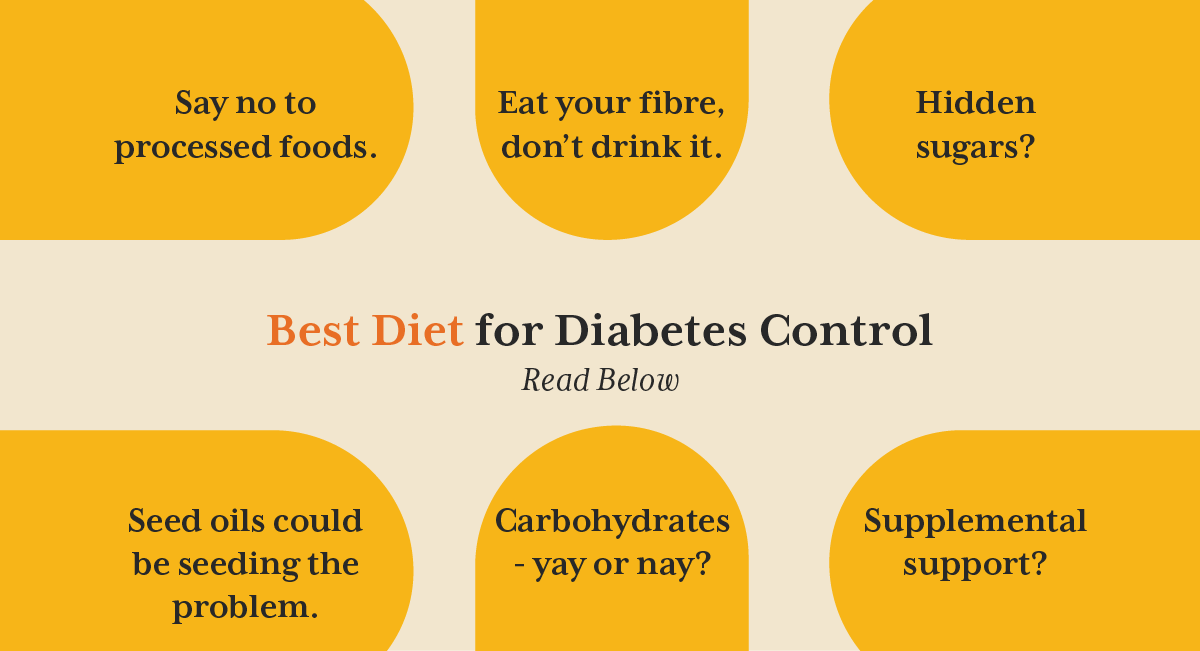



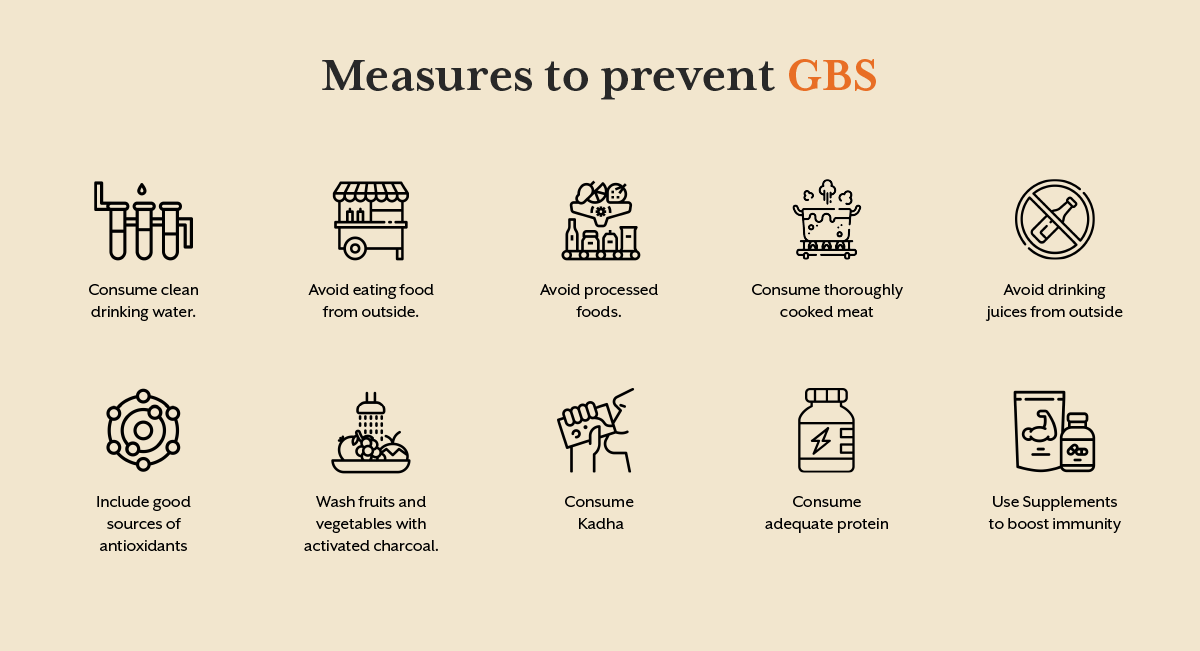




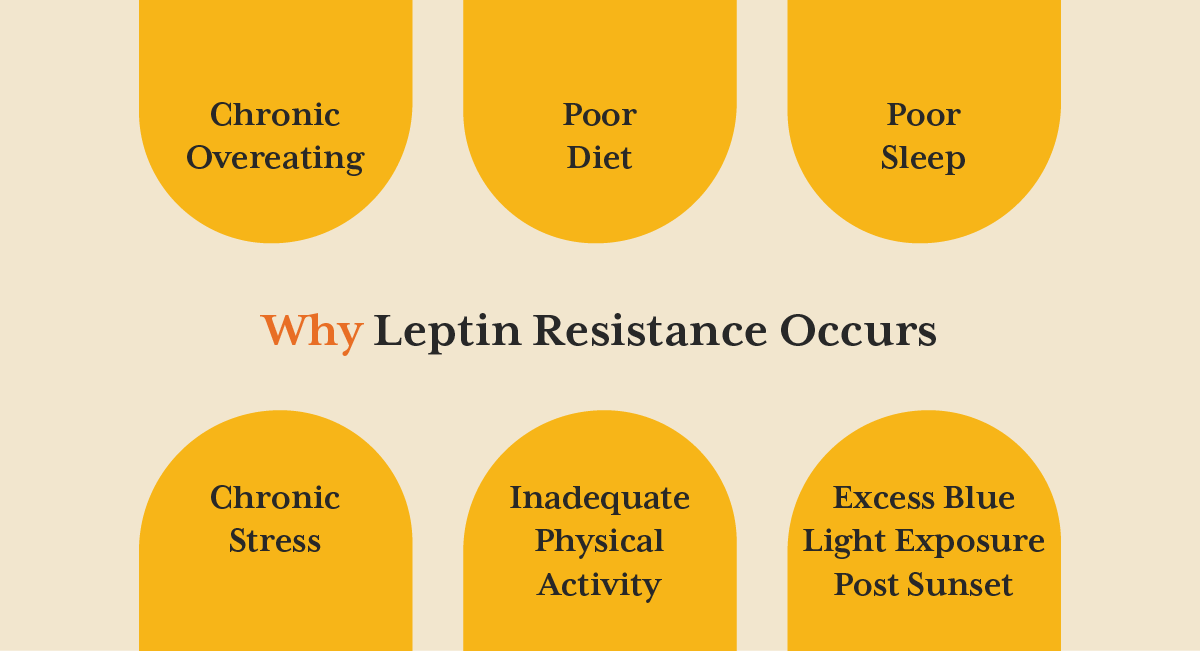

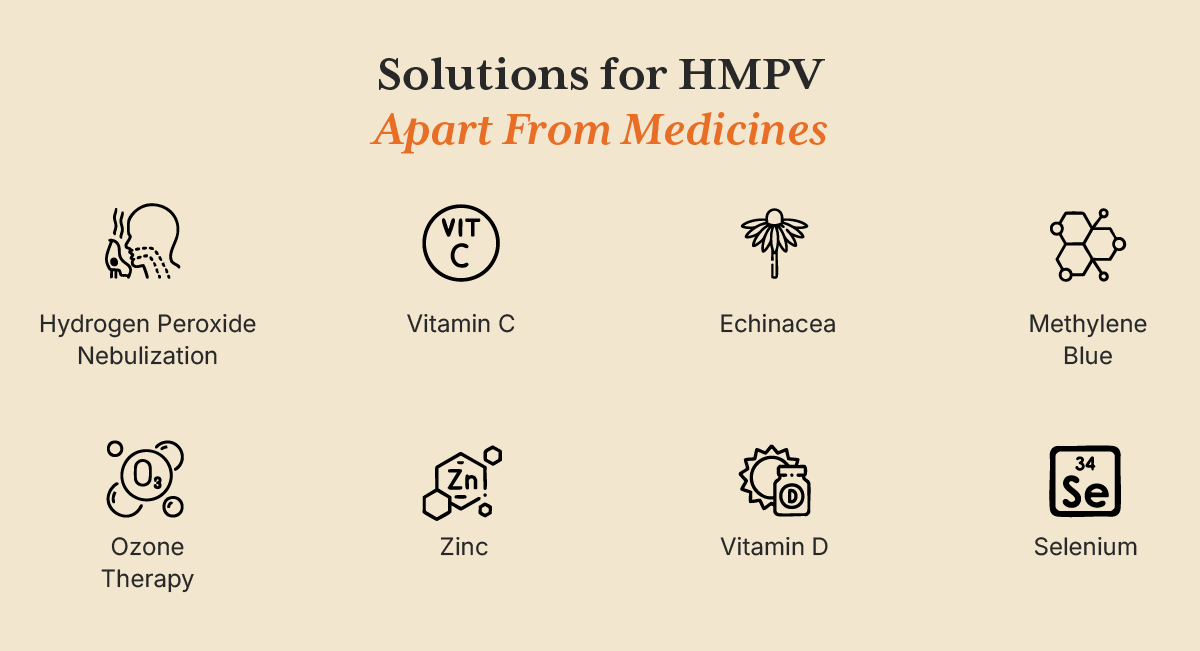

.webp)