.jpeg)
.jpeg)
You wake up and brush your teeth with a plastic toothbrush; wash your face with soap stored in a plastic bottle; head to the kitchen to get your plastic milk bag. Then you peel the plastic wrapper from your fruits for breakfast. You have fish for lunch that may have microplastics in it and your water is not free of it either.
There’s no escaping plastic in our day-to-day life. For more context, a liter of water in a plastic bottle contains 44 microplastic particles; a plate of mussels contains about 90; a kilogram of salt over 600. A study found that at least 70,000 plastic particles enter our bodies every year just from the dust that settles on our food.
Apart from the plastic containers and bags which most of us try to avoid, microplastics have also entered our agricultural systems through our soil and water transport system. There are also microplastics in the air namely polyethylene, polystyrene and polyethylene terephthalate particles and fibers, mostly coming from the roads. It is found that 65 million microplastic particles are released into the water everyday after being treated by the sewage treatment plant.
The effects of these microplastics on our bodies is not easily observable. It’s not like gluten intolerance that triggers an immediate feedback loop and you feel sick right away. It works in disguise without us being able to pinpoint the damages. Microplastics have entered our blood and may not just affect you but have an intergenerational influence through epigenetic changes.
Microplastics refer to plastic fragments and particles with a diameter of less than 5mm. They are called nanoplastics when the diameter is less than 1 μm. Microplastics have been spotted in several parts of the human body: the human lung, maternal and fetal placental tissues, human breast milk and in human blood. These particles are so tiny that they can cross membranes and get pretty much everywhere in the body.
Toxicological studies on microplastics are increasing rapidly. Experiments show that the exposure to microplastics induces a variety of toxic effects, including oxidative stress, metabolic disorder, immune response, neurotoxicity, reproductive and developmental toxicity.
There are about 10,000 chemicals that are used in the manufacturing of plastic itself. Moreover, microplastics can act as a ‘temporary sponge’ that absorbs chemicals from the environment and later releases them inside an organism. Their health impacts have been studied to some extent through animal experiments.
One of the most reliable ways to discover the health effects of a substance is through long-term placebo controlled trials. But that’s a challenge as microplastics have infiltrated so much of our lives that there may be nobody left to form a control group. Therefore, we are not aware of the full scope of how microplastics have been damaging our bodies.
You must have seen the classic tupperware or baby bottles that are marketed as being BPA (bisphenol A) free. BPA is a synthetic chemical found in several plastics and plastic additives such as canned tomatoes, payment receipts, eye wear and water supply pipes. BPA can mimic estrogen to interact with estrogen receptors and lead to changes in cell proliferation, cell death, or migration and thereby, contribute to cancer development and progression.
While most claim that BPA free plastics are relatively safe, a lot of recent research concludes otherwise. These plastics have other chemicals such as phthalates and BPS (Bisphenol S), which is another form of bisphenol that in some cases has more estrogenic activity than BPA itself. Even if the estrogenic activity is low-level, it has been associated with diseases like diabetes, heart disease, infertility and cancer.
A paper that appeared in Environmental Health Perspectives, found that almost all commercially available plastics, including the ones that are marketed as being BPA free leach synthetic estrogens. They interfere with the endocrine system that is responsible for the production and distribution of hormones. They tested over 500 widely available plastic products and found that all of them showed estrogen activity that can cause early puberty in females, reduced sperm counts, obesity, liver problems, ADHD and more. One of the researchers said that “Pick a disease, literally pick a disease,” and you’ll see a connection with estrogenic activity.
Another study found that men with higher concentrations of phthalates in their urine have lower sperm counts and poor sperm motility. It also inhibited the masculinisation of young animals. Some vitro (studies of biological properties that are done in a test tube) studies show overwhelming evidence that exposure to estrogen-mimicking chemicals change the structure and function of human cell types.
Complete evacuation of BPS, BPA and other plastic residues from your body is a bit unrealistic. However, there’s still a lot you can do to arm your body with the best health to enhance the natural detoxification pathways.
Lastly, make sure that you follow a healthy diet catering to your body’s needs. The body can handle a remarkable toxic load when the diet is right. Till we are able to figure out how to reverse all the damage that has been done, the best we can do is take precautions and treat your body like a temple!
https://www.theepochtimes.com/search?q=microplastics
https://www.sciencenews.org/article/microplastics-human-bodies-health-risks
https://pubs.acs.org/doi/10.1021/envhealth.3c00052#:~:text=
https://chriskresser.com/what-the-plastics-industry-doesnt-want-you-to-know/
https://pubs.acs.org/doi/10.1021/acsomega.2c03453
https://chunchiro.com/blog/item/how-to-detox-from-plastics-and-other-endocrine-disruptors

Magical sunrises and dazzling sunsets; misty mornings and soft glowing twilights; pristine, hidden waterfalls in mountains and crystal clear oceans, that have stood the test of time; mellow meadows, and roads not taken; or perhaps, a road you took as a child that you are now re-visiting; quaint little houses against the backdrop of all things that aren’t urban; or maybe, newer cityscapes with tall skyscrapers, and flickering lights; perhaps it is a nameless destination, or a town from the distant past, or New York – nothing in this world can spell more excitement than travel. Whether you are traveling for pleasure or for business, travel brings a sense of adventure, joy, and something new to look forward to, and most importantly it opens a whole new world of experiences to you. While traveling can be exhilarating and exciting, it can pose a huge challenge to your body in terms of adapting to a new environment and being able to stick to your routine – think exercise, nutrition, and sleep. In this article, we shall delve into some common challenges you may tend to encounter on your travels, and how you can work your way through them.
Typically, when you travel, there are 3 aspects of your body that get impacted primarily–
Whether you travel by rail or road or air, several factors can disrupt your digestive system – the stress associated with the journey - we all know the anxiety we get at immigration counters or the overthinking spree of ‘Did I lock my door?’ and ‘did I pack that-thing-I-don’t-need-for-my-trip-but-I’ll-never-know-so-I’ll-take-it?’, change in environmental conditions – temperature, barometric pressure, humidity levels, etc., what you eat before and during your journey, lack of movement, to name a few. These factors along with the absolute lack of physical activity during travel affect the motility and mobility of the digestive system and can manifest as bloating, constipation, acid reflux, reduced appetite, slower digestion, diarrhoea, etc. [1]
Sleep is something that can get disrupted very easily while traveling. Many of us struggle to fall asleep while on the move, which is quite natural as the conditions are not conducive to sleep. You feel extremely tired, and being unable to get that much-needed sleep on your journey can easily disrupt your circadian rhythm. Specifically, when you travel to a different time zone you are bound to experience a shift in your circadian rhythm which can lead to a jet lag disorder (JLD). The most common symptoms of JLD are insomnia, reduced energy levels, and feeling sleepy during the day. JLD can also disturb your gut, resulting in gastrointestinal issues. [2]
While travel by itself doesn’t impact your immune system, other factors associated with travel can impact your immune system. Disrupted sleep patterns as a result of changes in the circadian rhythm, stress, exposure to new pathogens, and dietary changes can weaken the immune system and make you prone to pick up pathogens that make you sick.
While many of these bodily changes are inevitable, one can work their way around these changes and optimize their state of health even while traveling in a different time zone. That said, here are some neat tips and tricks that you can follow to enjoy optimal health and have fun on your travel.
Food is perhaps the single most important factor that can determine the overall quality of your health while traveling. When we talk about food in the context of travel, it is not just the food that you consume during the course of your travel that impacts your health, it is also the food that you consume prior to your travel. This is why it is important to always stick to eating clean foods as much as possible. The more often you eat clean food, the better your gut microbiome and your overall digestion is.
Whether you are traveling or not, always avoid processed foods, junk foods, gluten, sugar, dairy, and seed oils. I know what you are thinking right now - ‘But it’s so hard to find clean food options when I’m traveling’. Sure, finding 100% clean options in a completely different city can be very challenging, but it is not entirely impossible. Before you travel, do your research to find out places that serve relatively clean – clean food. Build a little list of 3-5 places that are not very far from where you stay. This way, you can juggle places for different meals for the entirety of your stay and not get bored and also not stress a lot about food as you have it planned out. If you are unable to do your research for whatever reason and are left to finding places on the go, fret not. Focus on picking dishes where the primary ingredients are whole foods and are protein-based – think eggs, chicken, lamb, beef, legumes, lentils, sprouts etc. and pair it with a good portion of vegetables that work well for your body; add some clean carbs if your nutrition plan allows for it. It can prove to be difficult to keep a check on other ingredients such as oils, dairy, etc. all the time, so cut yourself some slack on that front. But if you do end up at a luxury hotel or a fine dining place, do not think twice about letting them know that you’d like for them to not cook your food in seed oils, and skip sugar, dairy, and gluten in all the dishes that you order, and they would happily comply to your requests.
To the best of your ability follow the circadian rhythm and eat at almost the same time every single day. This helps your biological and physiological processes to occur at the right times of the day and optimize your health.
When you travel, your sleep cycles go for a toss very easily. It all begins with not being able to sleep or experiencing disturbed sleep and poor sleep quality on that flight/train/bus, which results in sleep disruption for the rest of your journey. It gets even more complex when you are traveling to a different time zone, as it introduces a drastic shift in your circadian rhythm and you find yourself feeling sleepy at odd times. How does one combat this?
Sleep, as we know is fundamental to optimal health because it is when several reparative and restorative processes happen within your body. To ensure your sleep cycles don’t go for a massive toss, you need a good sleep support supplement like melatonin, chamomile, valerian, etc. You may also need some supplements that offer adrenal support to prevent any adrenal fatigue that can result in an overall lack of energy and difficulty falling asleep. A functional practitioner can help you identify the best supplement that can work for you and essentially help you sleep better.
Other things that you can do to optimize your sleep and keep sleep disruptions to a minimum –
While supplements can easily take a backseat during travel in the name of ‘cutting yourself some slack’, supplements can also be a game-changer during your travel. Supplements can help your body adjust and adapt to newer conditions with ease and with low to no disturbances to your body’s processes. Make sure to carry the essential supplement stack wherever you travel – Magnesium, Zinc, Omega-3, Vitamin D3 + K2, B – Complex and a good probiotic supplement. If you’re prone to traveler’s diarrhea, take S.Boulardii everyday starting from the 3 days before leaving till the last day of your trip In addition, if you have been diagnosed with specific deficiencies or other medical conditions for which you’ve been prescribed supplements, do not skip them during travel.
As much as it may be tempting to indulge in alcohol, the after-effects of alcohol consumption can be quite damaging to different aspects of your health. Alcohol can easily disrupt your circadian rhythm, your digestion, and your immunity. Not to mention the hangover and the sore muscles that you have to deal with the next morning. Therefore, prioritizing discipline over indulgence, it is best to avoid alcohol while traveling.
Working out while traveling is the most underrated activity that you can do to keep yourself active, oozing with energy, and stress-free. Working out also helps you adjust your circadian rhythm as needed and combat the stress and exhaustion from travel. Exercise is also the easiest thing you can get done, regardless of where you are at. Remember, exercise need not be done at the gym always; your workout routine need not always involve weights. It can be a long, brisk walk through the city or a trail in the mountains; a good hour of yoga; or just use your own body weight to strength train. Pushups, body weight squats, planks, lunges etc help you get in a solid workout. Just do whatever is doable within your means. If your hotel has a gym within its premises, then you just got lucky. Sometimes you may find a gym or a yoga studio at a walkable distance from your place of stay which makes you extra lucky. All you need is the will to workout, and you will always find a way to get that physical activity in.
While these are some general tips and hacks that you can follow to enjoy optimal health while traveling, talking to a functional nutritionist can help you understand your body better and work around the nuances of your body better. Remember - everyone’s body is unique, and therefore a better understanding of your body can help you make better choices and enjoy a fabulous time away from home. Safe travels!
.jpeg)
Contents from this article were shared in an article published in NewsBytes on 03.01.2023 featuring Mugdha. This article was written to serve as input for the same following a query from NewsBytes.
People love their tea and coffee and these beverages do have many health benefits as well. They are high in antioxidants, reduce depression and low mood, boost cognitive function, and are linked to a host of positive health effects and increased longevity. However, there are negative effects too. Too much caffeine can lead to chronically elevated stress levels and disrupt sleep and recovery. Coffee, in particular, also has the problem of mold growth on it which can cause negative reactions in people who are sensitive.
The key for most people is to consume these beverages in limited amounts. The US FDA and other public health institutions recommend a maximum of 400 mg. But even that is a bit too much. 100-300 mg is what you should aim for. However, cutting back on caffeine can be challenging if you’ve been consuming a high amount daily for an extended time. Here are some tips to help you, a lot of these involve ways to become active and energetic naturally so that you need to depend on caffeine less:
It gets better: Prepare yourself for withdrawal symptoms. Symptoms may include headache, fatigue, depression, difficulty concentrating, and mood changes. These symptoms can range in severity and usually subside in a few weeks. They say time is the best healer- that’s definitely true in this case.
Get Enough Sleep: Getting enough sleep is the most important thing to ensure you have enough energy daily.
Wake up and get sunlight: Make sure to wake up early, within two hours of sunrise and get at least 10 minutes of unfiltered sunlight in your eyes within half an hour of waking up. Even apart from that, try to get as much sunlight as possible during the daytime.
Cold exposure: Getting a little cold exposure in the morning in the form of a cold shower or ice bath(3-5 minutes is sufficient) creates long-lasting elevations in adrenaline and dopamine, thus boosting your mood, energy, and focus significantly.
Healthy and Nutritious diet: Eating healthy, avoiding inflammatory foods that bring you down, and getting adequate nutrients go a long way in boosting your energy levels.
Hydrate: Dehydration can often be mistaken for hunger or cravings. By staying hydrated, you may be able to curb your cravings for coffee and tea. Drink adequate amounts of water and make sure you’re getting enough electrolytes as well.
Address the root cause: Sometimes, underlying health issues such as metabolic or neurological issues, or mental health conditions could be the reason for caffeine addiction. Seek help from a functional nutrition expert or other holistic health practitioner.
Green tea: Green tea is a great alternative to wean off coffee and black tea. It does contain some caffeine but in very low amounts. It also contains L-theanine and a few other compounds that have a calming effect. Green tea gives you a boost of energy in a balanced way.
Herbal teas and other decaffeinated options: If you enjoy the activity of drinking tea or coffee but want to reduce your caffeine intake, try switching to herbal teas or decaffeinated versions. There are many flavors to choose from, so you're likely to find one that you enjoy. Some options like mint tea can actually boost your energy as well. Decaffeinated coffee is also an option if you really want the taste of coffee but without consuming caffeine.

In the era of netflix and chill, mindful eating has really taken a backseat. We hear about it in mental and spiritual wellness cohorts, but are we really aware of the science behind it? Keeping your gadgets aside and giving all your attention to your meals might not seem like a big deal. But, by the end of this article, you will realise the extent to which mindful eating impacts your body and how it can also help you heal from illnesses.
Mindful eating entails eating in a state of conscious and non-judgemental awareness. It involves shifting one’s attention to the food and mind-body connection. This allows one to completely immerse themselves in the intricate and intimate process of eating. This activates healing properties against problematic eating habits and digestive discomfort. Mindful eating goes beyond your plate and towards your mind.
At the core of mindful eating, lies the stress-digestion-mindfulness triad: It is bringing together an understanding of our digestive functions, nervous system, stress and mindfulness. Our digestive system is controlled by our central nervous system (CNS) and the enteric nervous system (ENS).The connection between ENS and CNS is a two-way street, they work in harmony to look after digestion.
Both these systems regulate motility or the contraction and relaxation of muscles that help propel food through your gastrointestinal (GI) tract, stomach acid production, secretion of enzymes and hormones that are crucial to hunger, satiety and digestion, absorption of nutrients, and regulation of blood flow to the digestive system. You can see how important the interplay of these systems is for your body to process food!
In fact, the ENS is often called the body’s second brain; your gut is populated with 200-600 million neurons that belong to the ENS. It helps your brain digest food and sends off a red signal when something goes haywire. The ENS is a part of the autonomic nervous system, the other parts being the sympathetic and parasympathetic, which are equally important to digestion.
When you experience any kind of stress, your body recoils with reactions that disturb homeostasis. Think of your body as a pendulum constantly oscillating between the rest-digest or parasympathetic state versus the fight-or-flight or sympathetic state. Not that all stress is unhealthy, but your challenge is to keep yourself in an ideal parasympathetic state. This is where mindfulness comes in as a stress-reduction intervention due to its ability to promote the parasympathetic nervous system (PSNS) dominance.
When you perform mind-body practices like mindful eating, it promotes your parasympathetic nervous system, which in turn activates your autonomic nervous system vital for optimal digestive function. This keeps your body in a rest and digest state, instead of the fight-or-flight mode. It helps your body for maximum digestion and nutrient absorption.
How it helps:
Steps to follow:
How it helps:
Steps to follow:
How it helps: Engaging your senses stimulates our parasympathetic nervous system, which supports the body's rest-and-digest state.
Steps to follow:
How it helps: The external environment influences your nervous system and helps to shift it to a parasympathetic state.
Steps to follow:

Mindful eating affects chronic stress which in turn affects GI function. It is all a complex web of processes: A stressful state can reshape the make-up of your gut bacteria through stress hormones, inflammation, and autonomic alterations. Alternatively, your gut bacteria can release toxins, metabolites and hormones that can affect your behaviour, mood and lead to dysregulated eating.
Fight-or-flight mode can lead to inflammation, esophagus spasms, increase indigestion, lead to nausea and even contribute to diarrhea and constipation. It can also exacerbate symptoms in people suffering from gut issues like irritable bowel syndrome and ulcerative colitis.
There is a lot of research on mindfulness-based stress reduction programs in healing several chronic health issues. A study also showed other mindfulness practices such as diaphragmatic breathing and meditation proving helpful for patients with Irritable bowel syndrome (IBS).
In today’s day and age, with endless stimulation and temptations around us, it has become a challenge to have a conscious relationship with food. But you can definitely overcome anything you put your mind to. While you take other steps to keep your gut happy, eating mindfully will transform your relationship with food and truly appreciate the act of eating. Never underestimate the power of mind over matter!

Eating healthy, yeah? Getting a rich variety of veggies, nuts, and seeds in your diet?
But have you considered that these foods may not be the easiest way to meet your daily nutritional quotas?
Let’s talk: Antinutrients.
We often get asked why we recommend using supplements to give your diet a nutritional boost. This article will dive into those questions and explain why we don’t always opt for plant foods as a source of nutrition.
To understand antinutrients, we need to understand nutrients first.
You’ve heard about them since childhood. Macro and micro, proteins and carbs and vitamins – all that jazz in your food that makes your body healthy and strong.
The primary source of nutrition is, naturally, your diet. You’ve been told to eat a balanced meal to get all the right nutrients and maintain peak form – except it's not really that simple.
You see, antinutrients are exactly what they sound like. They’re the opposite of healthful nutrients; they’re unhealthy substances that interfere with nutrient absorption in your body.
The primary source of antinutrients is, counterintuitively, also your diet.
These pesky substances are abundant in plant-based foods, especially in legumes, nuts, and seeds. If you’ve been trying to top up your daily nutrition quotas with these foods or using them as mid-day snacks without preparing them right, you may feel let down to find that the antinutrients in these foods are making it harder for your body to get those nutrients.
It should be noted that it’s not that plant foods don’t contain nutrients; they do. It’s just that your body has difficulty absorbing them because of the antinutrients within.
Different antinutrients interfere with the absorption of different nutrients, and this malabsorption can open the gates for a host of health disorders and even chronic diseases in the long term.
These are found in nuts, seeds, cereals, pulses, and grains. The phytic acid interferes with the absorption of minerals like calcium, magnesium, iron, copper, and zinc. They are used as the main storage molecules for phosphorus in plant seeds, which acts as a defense mechanism for the plant.
Often found in vegetables like spinach, okra, figs, beet, rhubarb, tea, and chard, these organic compounds interfere with the absorption of calcium and other minerals. It may also be an independent risk factor for developing chronic kidney diseases, studies find.
These are substances that make plant tissue inedible for insects. They’re commonly found in coffee, wine, tea, some legumes, and certain fruits. They interfere with proper digestion and absorption of various nutrients like proteins and vitamins; “Tannins are considered nutritionally undesirable because they precipitate proteins, inhibit digestive enzymes, and affect the utilization of vitamins and minerals. Tannin components have also been implicated in the high levels of cheek and oesophageal cancers in certain regions of the world.” reports this study.
These are often found in legumes like beans, soy, lentils, peas, etc., and have the potential to trigger immune responses. They could lead to the development of Leaky Gut Syndrome and autoimmune disorders.
These are found in foods like cabbage, broccoli, brussel sprouts, kale, spinach, cauliflower, lima seeds, sorghum, sweet potatoes, etc. They interfere with proper thyroid hormone production and stimulate other activities in the body that could lead to goiter. They also limit iodine uptake, further causing problems for the thyroid gland. Those with thyroid issues are advised to avoid goitrogen-containing foods, especially cruciferous vegetables.
Foods like soy and soy-derived products such as tofu or soy milk, flax seeds, grains, etc., are a rich source of phytoestrogens. These could wreak havoc on your hormonal balance and could increase your risk of cancer. High levels of soy phytoestrogen may affect ovary function in women and promote the risk of breast cancer. In men, high estrogen could lead to gynecomastia, erectile dysfunction, infertility, loss of bone density, and delayed puberty in boys.
In plants, lectins can be found mainly in the seeds of leguminous plants, cereals, beans, and nuts. They can modify intestinal permeability which is a risk factor for leaky gut syndrome, reduced nutrient absorption, and autoimmune responses. They can also lead to increased inflammation within the body.
The answer is simple. Antinutrients are a plant’s way of saying “Don’t eat me”.
They’re the result of an evolutionary defense mechanism that presumably evolved to protect plants from parasites, insects, bacteria, and fungi as a “chemical bioweapon” of sorts.
Antinutrients like oxalates and phytates make the plant inedible or toxic to insects and other parasites that wish to feed upon the plant. Retrospectively looking at the effects of antinutrients, the writer posits that they are harmful to humans, too.
They’re abundant in many foods and permeate our diet at various points, especially in whole-food plant-based diets.
But is the answer to just give up on eating so many different foods? Surely, such a limited and restricted diet can’t be good for us either. What about the health benefits offered by certain plant foods despite the antinutrients?
You’re right; in the case of some antinutrients, there is a workaround.
Antinutrients are most abundant when whole plant foods are consumed raw or as-is, without any preparation.
Some workarounds to reduce the antinutrients in food can be as simple as soaking or cooking them!
Here are a few handy ways in which you can go about reducing the amount of antinutrients in food:
Combining some methods may help to reduce the total antinutrient count in plant foods. It’s important to note that antinutrients can be useful in some cases, like when there is an iron overload.
That’s why we recommend a combination of foods and supplements to meet your nutritional requirements and work around the antinutrients in raw plant-based foods. This article addresses various reasons why supplements can make it easier to meet your nutritional needs and addresses some other FAQs about supplementation, too.
Antinutrients are widely present in foods, but despite the potential harm they could cause, it is a relatively easy matter to reduce the antinutrient content of plant-based foods.
Methods as simple as soaking, boiling, fermenting, and sprouting can help to bring down the antinutrient contents to safe levels, allowing one to eat foods that fit dietary preferences without the risk of long-term health damage from plant-based whole foods.
Whole-food plant-based diets are not a feasible option for long-term health, making a case for supplementation to get the nutrients that are not available through this type of diet.
Not only are animal foods a richer source of nutrients like protein, iron, selenium, as well as fat and water-soluble vitamins, but they also don’t interfere with the absorption of other nutrients.
At the end of the day, your diet is the first line of support against disease, for energy, and even for mental support. So eat smart, eat right, and supplement what you know your diet lacks. Fortify your health using the right kinds of food and clean supplements so you can flourish and thrive in peak form!
What Are Antinutrients & Are They Harmful? | ZOE - Joinzoe
How to Reduce Antinutrients in Foods - Healthline
Are Phytoestrogens Good for You? - Healthline
Antinutrients: Lectins, goitrogens, phytates and oxalates, friends or foe? - ScienceDirect - Science Direct
Tannin - an overview | ScienceDirect Topics - Science Direct
Are tannins a double-edged sword in biology and health? - ScienceDirect - Science Direct
Goitrogen - an overview | ScienceDirect Topics - Science Direct
Is There Such a Thing as “Anti-Nutrients”? A Narrative Review of Perceived Problematic Plant Compounds - National Library of Medicine
Table 5, Dietary Goitrogens - Endotext - NCBI Bookshelf - National Library of Medicine
Goitrogenic Foods and Thyroid Health - Kresser Institute
9 Steps to Perfect Health - #1: Don't Eat Toxins - Chris Kresser - Chris Kresser
10 Antinutrients to Get Out of Your Diet Immediately - Dr. Axe - Dr. Axe
Risk Factors of Having High or Low Estrogen Levels in Males - Healthline

.jpeg)
The Indian household secret to getting tall and strong is Boost, Bournvita and Horlicks! How many of you bought into this facade? This is what happens in a society that lacks scientific knowledge and gives into deceptive advertising. Imagine the difference we could make for children with stunted growth, if only their parents knew about the incredible human growth hormone (HGH)!
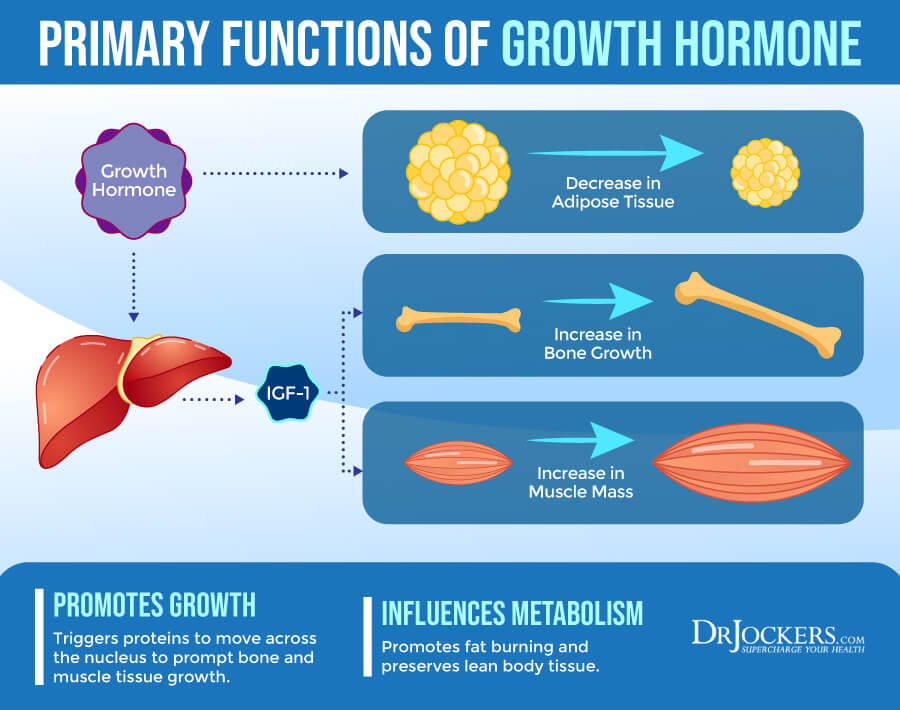
Children with a short stature, impaired hair growth and delayed puberty might be deficient in the growth hormone. It induces growth in nearly every tissue and organ in the body. It is best known for its growth-promoting effect on cartilage and bone, especially in adolescents. It is the master regulator of somatic growth and plays a role in carbohydrate and lipid metabolism through complex interactions with hormone insulin. It influences our height and helps build our bones and muscles. HGH is often called the ‘youth hormone’ or the ‘happiness hormone’.

HGH is produced by the pituitary gland in the brain that secretes different types of hormones.
In adults, the most consistent pulse of GH secretion occurs shortly after the onset of sleep. This usually happens in the first phase of slow-wave sleep (SWS) or deep sleep. SWS is maximum in young children and decreases as we age; it is that portion of non–rapid eye movement (NREM) sleep characterized by high-amplitude and low-frequency brain waves.
The levels of GH increase during childhood and peak during puberty, focussing mainly on growth of bone and cartilage. Then throughout your life it regulates the fat, muscle, tissues, bones and metabolism in our body.
Hence, some symptoms of growth hormone deficiency include weight gain, decreased energy, loss of interest in sex, aging skin, insomnia and bone weakness. The levels organically reduce from middle age onwards. But, does that mean that there’s nothing you can do to keep the levels as optimal as you can? Definitely not, functional nutrition is here to your rescue!
Fasting is a rather fascinating technique. It can do more than just reduce calories, and lead to beneficial hormonal changes. It reduces insulin in the body while also triggering hormones such as GH. Can fasting really help build muscle and trigger anti-aging properties through the human growth hormone? Keep reading because you are in for a surprise!
First, let’s understand more about GH, also called the counter regulatory hormone: It counters the effect of insulin and prepares the body for the upcoming day by pushing some glucose out of storage into the blood to make it available for energy. This is one of the reasons why you may not feel hungry immediately after waking up, even though you have not eaten for 12 hours or so. Your body already has energy from the growth hormone surge.
There’s a lot of literature around fasting, especially intermittent fasting and its role in activating GH. We all know that digestion is the most energy-intensive process that our bodies carry out. When we stop digesting during fasting, the energy is utilised for other processes in the body such as detoxification and immune responses. This activates a cleansing process called autophagy, that translates to ‘eating oneself.’ Autophagy is when your body literally gobbles up old and damaged cells that can cause ageing or age-related diseases.
You are a community of ten trillion cells and there needs to be a balance between cell growth and cell cleansing. Think of it as regular ‘servicing’ that your body needs to replace the faulty mechanics! For example, misfolded proteins that mess with communication between the brain and cells are commonly found in Alzheimer’s disease. Autophagy can offer protection against such neurodegenerative diseases by discarding these proteins; and increase brain clarity among other things.
All-in-all, these are some targeted practices that you can follow if you’d like to pump up your GH levels. For children, parents often struggle to find solutions to their stunted growth. Food and nutrition are something that they miss out on as most households follow a culturally-conditioned food palate. These steps combined with a root cause analysis of your blood work and other advanced tests can do wonders in reversing diseases!
https://greenmedinfo.com/disease/human-growth-hormone-enhancement
https://blog.nutri-tech.com.au/autophagy-the-most-powerful-longevity-tool/
https://blog.davincilabs.com/blog/does-intermittent-fasting-boost-human-growth-hormone-hgh
https://www.e-enm.org/journal/view.php?doi=10.3803/EnM.2021.405
https://www.drlaurendeville.com/how-to-stimulate-autophagy-to-live-longer-and-healthier/
https://www.dfwantiagingwellness.com/2020/02/28/9-ways-to-boost-human-growth-hormone/
https://translational-medicine.biomedcentral.com/articles/10.1186/s12967-019-1840-4
https://www.livestrong.com/article/526830-foods-that-promote-hgh/
https://karger.com/anm/article/74/4/322/51852/Effect-of-Circadian-Rhythm-on-Metabolic-Processes
https://www.hindawi.com/journals/ije/2015/591729/
https://www.spartanmedicalassociates.com/fasting-and-autophagy/
https://www.ncbi.nlm.nih.gov/pmc/articles/PMC3356038/

In the first part of this blog series on menstrual disorders, we learned about the different types of conditions and their causes and symptoms. Part II will now delve into the diagnosis and treatment options for these disorders.
As we are aware, menstrual disorders are marked by disruptive physical and emotional symptoms that arise during menstruation or just before it. These symptoms may include heavy bleeding, missed or irregular periods, and intense mood swings. A proper diagnosis and treatment are required for treating these conditions.
If you notice variations in your menstrual cycle, start keeping track of when your periods come and go. Take note of any symptoms, the volume of flow, intensity of cramps, bleeding between periods, and large blood clots. All of these are beneficial to discuss with your healthcare practitioner. Let us closely look at the diagnosis and treatment of each of the menstrual disorders!
If you have primary or secondary amenorrhea caused by lifestyle factors, it is important to look into the following:
Depending on your age and the findings of the ovarian function test, your doctor may prescribe cautious waiting for primary amenorrhea. Menstruation may be delayed if an ovarian function test reveals low levels of follicle-stimulating hormone (FSH), or luteinizing hormone (LH). In some cases, this condition can be caused due to chromosomal or genetic problems and may require surgery.
For secondary Amenorrhea, below are some of the common treatments that are recommended:
There are women who suffer from severe premenstrual syndrome (PMS) symptoms prior to their period, which can prevent them from performing their usual activities. While PMS can be treated with various medications, only a few have proven effective for this purpose. Hormonal medications are often used to alleviate common PMS symptoms by inhibiting the production of specific hormones in the body that interfere with the menstrual cycle.
Additionally, other medications include antidepressants, painkillers, diuretics, and GnRH (Gonadotropin hormone-releasing hormone) analogues. These are commonly used to treat PMS.
Some women opt for natural remedies like herbal items and nutritional supplements, including calcium, pyridoxine (vitamin B6), magnesium, evening primrose oil, chaste tree extracts (Vitex agnus castus), St. John's wort, saffron, and Ginkgo biloba to alleviate their PMS symptoms. However, we need more studies to establish a concrete effect of all the above-mentioned remedies on PMS.
Being metabolically fit and practising the following can help control PMS:
Premenstrual dysphoric disorder (PMDD) is a significantly more severe variant of PMS. PMDD symptoms might mimic those of other diseases or medical issues, such as a thyroid imbalance, depression, or an anxiety disorder. For a diagnosis, always consult with a healthcare practitioner.
PMDD is a persistent illness that requires medical attention. Several of the treatments listed below may help relieve or reduce the intensity of PMDD symptoms:
The severity of symptoms grows with time for some women and lasts till menopause. As a result, a woman may require therapy for a more extended period of time. The dose of medications may vary over the course of treatment.
Menorrhagia, also referred to as heavy menstrual bleeding, is characterized by periods that are heavier than the typical limit of 80 ml per cycle or that last longer than 7 days.
There are various steps you can take to relieve your symptoms and restore your menstrual cycle to its typical rhythm:
Using a functional nutrition approach to make lifestyle changes may help you get your menstrual cycle back on track. Consult your healthcare professional if you are concerned about your dysfunctional periods. Based on your individual scenario, they can give a full examination and propose appropriate treatment alternatives. It is essential to seek the advice of a healthcare expert to guarantee an appropriate diagnosis and the best possible care for your menstrual health!
Reference:
https://www.ithrivein.com/blog/all-about-menstrual-disorders-part-i
https://www.nichd.nih.gov/health/topics/amenorrhea/conditioninfo/treatments
https://www.ncbi.nlm.nih.gov/books/NBK279264/
https://www.hopkinsmedicine.org/health/conditions-and-diseases/premenstrual-dysphoric-disorder-pmdd

Hair loss. Those two words can send a shiver of sadness through your spine and freak you out. More so, when you have just ventured onto a new diet regime because you wanted to lose some weight, get healthy and fit and you see hair falling off your head like it is second nature.
Hair loss on a diet regime focussing on weight loss is an unintentional side effect, and in this article, we shall look into
a) why people on a diet regime focussing on weight loss tend to experience hair loss, and
b) how to prevent hair loss while trying to lose weight.
But first, a little science about hair.
Hair is basically dead protein. 95% of a single strand of hair is made up of keratin, and the rest of the 5% is made of keratin-associated proteins (KRTAPs). Keratin is a protein molecule that is synthesized by keratinocytes and is insoluble, thus rendering your hair waterproof. There is a total of 18 amino acids that play a part in the composition of a single hair strand – proline, threonine, leucine, cysteine, etc. of which cysteine is key as it forms bridges between keratin molecules and adds strength and rigidity to the strand.
Now, while hair is just a lot of dead cells, hair follicles on the other hand are living, breathing, metabolically active structures out of which hair grows. Hair follicles are interesting, in that, they are one of the few structures in the body that can degenerate and regenerate at any point in time. A small blood vessel at the root of the hair follicle provides the hair with all vital nutrients such as minerals, vitamins, and amino acids for it to be healthy. This means you need to consume enough calories and protein to feed your hair follicles to enable hair growth and keep hair loss at a minimum. Losing 50-100 strands per day is very normal as these are the strands that have completely detached from the hair follicles. In a state of optimal health, those hair follicles will allow for new hair to grow.
That said, the human body being the intelligent, living, dynamic bio-machine that it is, does not consider hair as an important tissue of the body. Your body can continue to function whether you have hair or not, however, it cannot function without a major organ like your brain, or heart. For this reason, hair follicles are the last to receive nutrients from the food, and supplements that we consume. [1]
Most people who experience hair loss while on a diet, are likely to be on a restrictive diet. Now, restrictive diets are diets that can be restricted by means of a significantly reduced number of calories, or eliminating entire food groups (not the same as an elimination diet, where you eliminate certain foods such as processed foods, sugar, gluten, etc. to identify what foods work well for your body) or both. Some of the very popular restrictive diets that have taken the world by storm are the Liquid diet, the Fruit diet, Low-Calorie diets (such as 1200 kcals/day, 500 kcals/day), etc. While most of these restrictive diets are fad in nature, their sole pitch is focused on losing weight at ease. There are also restrictive diets such as the Ketogenic Diet, the Gluten-Free diet, and Atkins Diet that limit certain foods or food groups, however, these diets are designed for people with existing medical conditions such as epilepsy, celiac disease, neurodegenerative diseases like Parkinson’s, etc. and not primarily for the purpose of weight loss. A restrictive diet, without medical supervision, when pursued for a prolonged period of time can be detrimental to health[2]
Let me know if this works - When on a restrictive diet, you can miss out on a lot of favorite foods even though they are 100% healthy, but more importantly, your body misses out on a lot of nutrients it needs for optimal functioning. Specifically, diets like the liquid diet, and the fruit diet eliminate key food groups, resulting in fewer nutrients on your plate. Diets like the ketogenic diet, Atkins diet are healthy, in that they allow you to consume a plethora of nutrients from whole foods; however, it can be very challenging especially when you come with a lot of personal food preferences - for ex. you may be someone who eats meat, but you may choose to exclude organ meat on the grounds of personal choices, and that results in a lot of missing micronutrients on your plate. Many from the Indian diaspora who practise keto or the Atkins diet tend to exclude local, indigenous vegetables that are compliant instead leaning more towards cruciferous vegetables, and nightshades, making way for missing micronutrients. The human body needs approximately 30 micronutrients every day for optimal functioning, and restrictive diets allow for the possibility of low - no micronutrients on your plate. Hair follicles need a plethora of nutrients for sustenance, such as Zinc, Magnesium, Manganese, Iron, Folic acid, Vitamins A, C, D, E, K, Selenium, Biotin, Omega 3, and Polyphenols, and protein. Any diet that is devoid of or low on any or many of these nutrients, is going to result in poor hair quality, combined with hair loss.[3], [4]
Now let us address the obvious question –
Food: The principal factor in the context of hair loss while on a new diet regime is food. The quality and diversity of your food are going to affect not just your hair health, but your overall health as well. Hair loss, or a change in the quality of your hair health is the first sign that you are under-nourished. Whatever diet you plan to go on for weight loss, make sure that it a) allows for adequate calories and does not eliminate any essential food groups in its entirety (for ex. no fats, or no carbs) and b) allows for a diversity of nutrients. Include berries, organ meats, good quality, organic grass-fed meat, bone broth, fatty fish, chicken, and eggs to get the whole spectrum of nutrients that your hair needs. Make sure you consume enough protein Do not forget to hydrate.
Supplements: Sometimes even when you allow for enough diversity of food on your plate, you may end up losing out on some of the key micronutrients that are necessary for healthy hair; or, it could be a case of personal preferences – for example, being a vegetarian; or, accessibility to quality produce. This is where supplements come into play. To understand what nutrients you are missing out on and what supplements you need to add, you have to get your blood work done, and then work with a functional practitioner to understand what supplements you need. Although it may be tempting to infer the results of your own blood work and get those supplements off Amazon based on advice from the internet, this is not recommended. Get an appointment with a qualified functional medicine practitioner to understand your body better and weed out those nutritional deficiencies at the roots. [5]
Stress: When you switch to a new diet regime, your body can experience stress. Although this is a temporary state- when left uncared for it can get worse and can result in hair loss by causing a large number of your hair follicles to go into a resting phase. To combat this stress, make sure you get enough sleep every night. You can incorporate yoga, and meditation to keep that cortisol in check. Go for long walks if you can, and try not to get overwhelmed in general. [6], [7]
Haircare routine: Ensure you have a good haircare routine in place. Give yourself some scalp massages every other day to improve blood circulation to your hair follicles. Use hair-care products that are free from harmful chemicals like sulfates, and parabens, and are gentle on your hair. A good litmus test for a hair-care product, aside from it being free of harmful chemicals is how your hair feels after using them. For example, if your hair feels too rough or dry after you wash it with a shampoo, it means your shampoo is stripping your hair of its natural oils, and that is not something you want as it can cause damage to your hair.
Ultimately, what you eat plays a huge role in your hair health. If you are someone who is already experiencing hair loss while having embarked on a diet, make sure you reach out to a functional practitioner and work towards transitioning to a more balanced and wholesome diet while incorporating healthy lifestyle changes in a holistic fashion.

Have you ever thought that the way you feel about something could affect its growth? I recently came in contact with one such thing…water. Yes, you heard right! Water does get affected by our feelings, emotions, and how we think about it. And it isn’t the only thing that does.
In this article, I’ll be discussing some research done on this subject, so by the end of the article you’ll be taking home some great insights regarding its practical applications, which are leagues more important than just the theory. Always remember, "Knowledge is not wisdom; applied knowledge is wisdom."
Before going ahead, I encourage you to try a little experiment: take 2 glass jars & put some boiled rice into both. Ensure the lids are airtight. Then take 2 pieces of paper or labels and write the word ‘LOVE’ on one and ‘HATE’ on the other, and stick them on the jars.

Every day for 1 month, pick up the jar for a few seconds and look at the rice while thinking of the feelings denoted on the jar. If the jar says 'love', then emit warm and compassionate feelings of love towards that jar, and vice versa. Look out for any changes in the rice on a daily basis.
I'll let you know what changes to expect by the end of the article.
The reason I asked you all to try the experiment is because how we see and feel do indeed have a huge and tangible impact on the things around us.
A Japanese researcher named Dr. Masaru Emoto proved this theory with water; he published his research outcomes in a book named “Hidden Messages in Water”. He collected different samples of water from polluted wells in Japan & put them under an electron microscope to capture the images. Of course, the images taken from polluted wells showed broken crystalline structures with non uniform shapes and sizes. He then requested a group of people and a priest to say healing prayers to those polluted wells.
He redid the microscope procedure and to everyone’s surprise, what he found was that after praying, the crystal molecules had transformed & were complete. The crystals were in uniform and beautiful shapes like snowflakes.
Emoto proved that our vibrations and energy affect everything that surrounds us. Whether our feelings and vibrations are positive or negative doesn’t matter – it will affect the objects around us nevertheless, in either positive or negative ways.

The rice experiment mentioned earlier had been suggested by Emoto to get a glimpse of our consciousness & intention, which has a huge effect on our surroundings. The expected outcome of the experiment is that the jar with the ‘love’ label on it should have fresh rice, while the one with ‘hate’ would rot and become moldy if done with the right intentions and emotions.
The best thing you can do before drinking water from an unknown source is to keep it near your heart and say a prayer of love and gratitude to it; to express positivity and acceptance towards it. This applies not only to water, but also to everything that we do, especially our food and the things which we consume. Do keep in mind that practicing the right intention does not give license to eat any random unhealthy foods or to drink unclean tap or unfiltered water without following basic safety precautions. Remember ‘you are what you think, eat, drink, and breathe.’ – so think, eat, drink, and breathe pure.
References:
‘The Hidden Messages in Water’ by Masaru Emoto.

The blog covers functional nutrition, chronic conditions, gut health, hormonal health, autoimmune conditions, sleep, mental health, and root cause analysis. Every article is written to help you understand what is actually happening inside your body, not just manage symptoms.
All articles are written by the content writers in collaboration with iThrive's clinical team of functional nutritionists, guided by the same methodology used in the ALIVE programme. The content is rooted in functional medicine and real clinical experience, not generic health advice.
No. The blog is an educational resource to help you understand your health more deeply. If you are experiencing symptoms or managing a chronic condition, a personalized Root Cause Analysis with a functional nutritionist is the right next step.
Book a Root Cause Analysis. For ₹2,500, a dedicated functional nutritionist will assess 60+ blood markers using optimal ranges and explain exactly what is driving your condition. It is the natural next step after reading about what might be happening in your body.
Yes. Many of our readers come with existing diagnoses and find the blog helps them understand why their condition developed and what their body actually needs. The articles are designed to give you clarity, not replace the guidance of a practitioner.