Articles to help you understand, manage, and improve your health.
Trending Post
Festive
Autoimmune Condition
Unexplained Symptoms
Mental & Brain Health
Root Cause Analysis
General Health
Digestive Health
Hormone Health
Mental Health
All Blogs
Supplements
All Blogs
read count
read time
General Health
Sep 26, 2023
Low Appetite? The Most Common Causes
Low appetite is usually a sign of some kind of health issue. Women are supposed to consume approximately 2000 calories a day. Requirements vary from person to person and are higher if your physical activity level and muscle mass are higher.
Contents from this article were shared in an article published in HerZindagi Hindi on 06.04.2023 featuring Mugdha. This article was written to serve as input for the same following a query from HerZindagi.
Low appetite is usually a sign of some kind of health issue. Women are supposed to consume approximately 2000 calories a day. Requirements vary from person to person and are higher if your physical activity level and muscle mass are higher. Our food environment today is such that we are all tempted to eat more since there is such a wide variety of highly palatable foods easily available. This is why the overwhelming problem today for the vast majority of people is the overconsumption of calories. In this situation, having a low appetite and struggling to eat more becomes a significant indicator of underlying problems.
The possible underlying reasons for it are vast and can be both physiological and mental. A comprehensive health assessment and root cause analysis is required to identify the problem. The most common problems include:
Gut issues: Gut issues, such as irritable bowel syndrome (IBS) or inflammatory bowel disease (IBD), can cause appetite loss by disrupting the normal functioning of the digestive system. This can lead to abdominal pain, nausea, and changes in bowel movements, all of which can decrease appetite. When the digestive system is not functioning properly and is under pressure, the body doesn’t feel like ingesting any food.
Thyroid and other hormonal issues: Thyroid and other hormonal imbalances can cause appetite loss by disrupting the normal balance of hormones in the body. Leptin, Ghrelin, and Cortisol are all hormones that play a role in regulating appetite. Leptin is a hormone produced by fat cells that helps to suppress appetite, while Ghrelin is a hormone produced by the stomach that stimulates appetite. Cortisol, a stress hormone, can also affect appetite by increasing cravings for unhealthy foods. When these hormones are out of balance, it can lead to changes in appetite.
Hypothyroidism, or an underactive thyroid gland, is a common cause of appetite loss.
Slow metabolism: A slow metabolism can cause appetite loss by reducing the body's energy needs, leading to decreased hunger and appetite. This is related to the previous point since it is commonly caused by low thyroid function and hormonal issues. It is also aggravated by aging and a sedentary lifestyle.
Psychological issues: Psychological issues can cause appetite loss by altering an individual's relationship with food and their perception of hunger. Anorexia is a mental health condition characterized by appetite loss due to the individual’s irrational obsession with being thin. Clinical depression is also very commonly associated with loss of appetite.
Loss of appetite is a serious issue and should not be ignored. One should seek immediate medical advice if the problem persists. Functional nutrition is one of the most sustainable treatments to rectify the root cause of chronic health conditions. With proper guidance and healthy lifestyle changes, anyone can reverse their problems and live a quality life.
read count
read time
Supplements
Sep 13, 2023
Quit The Guesswork With Advanced Tests - Part 1: GI-MAP and Array 12
Despite multiple health interventions, most people are stuck with guesswork for their symptoms with basic blood tests. But advanced tests are here to the rescue, giving us a deep dive into the root cause of underlying dysfunctions!
The human body works like a domino effect. If one domino falls, they all fall. This concept is a little lost in today’s world, where people have normalised various health issues due to their rampancy. We see every other person suffering from bloating, acne, lethargy, weak immune system and a wave of such symptoms. These dysfunctions indicate things going off in the body on a cellular level. It is important to fix them, lest one may also suffer in the long-term.
Despite multiple health interventions, most people are stuck with guesswork for their symptoms with basic blood tests. But advanced tests are here to the rescue, giving us a deep dive into the root cause of underlying dysfunctions! In today’s world, gastrointestinal and autoimmune disorders are on the rise. As a healthcare practitioner it is inevitable to be aware of the best tests available to heal your clients, and more importantly how to choose between them.
This is a four-part blog series: In the first part we cover GI-MAP by Diagnostic Solutions and Array 12 by Cyrex. The rest of the series will cover the Functional Genome Analysis test, OMX and the Dutch Plus hormone panel.
Magnifying the gut with GI-MAP
We know that troubles with the gut can give rise to a lot of dysfunctions through the gut’s connection with the brain, immune system, metabolism, thyroid, skin, hormones, heart, and bone! There are trillions of microbes - good and bad - living in our gut that play a vital role in our overall health. This is called the gut microbiome. The gene set of these microbes is 150 times greater than that of the human genome! Analysing this ecosystem with advanced tests like GI-MAP (Gastrointestinal Microbial Assay Plus) has become quite popular today.
GI-MAP gives us invaluable insight into the DNA of the microbes living in the gut. It uses advanced qPCR (quantitative polymerase chain reaction) technology to amplify specific regions of the DNA present in a stool sample — it can detect even the smallest amounts of genetic material.
Some conditions that warrant testing are autoimmune diseases, IBS (Irritable bowel syndrome), digestive complaints, IBD (irritable bowel disease), brain fog, skin problems like acne and psoriasis, depression, anxiety, diabetes, weight loss issues, and hormone imbalance. Since the health of your gut plays a key role in every organ system and practically every disease condition, this test is a potentially useful tool for almost all cases.
How is GI-MAP different from other gut tests?
It amplifies and detects pathogens that are often missed in techniques like culturing and microscopy.
Since it uses quantitative PCR, it not only identifies the presence of microbes but also gives a precise measure of their abundance: How high or low the population of a pathogen is and whether it needs to be treated.
The quantitative analysis helps to assess the severity of an infection or imbalance in the gut microbiome.
It can also test for antibiotic resistance by analysing the genes of pathogenic bacteria in your gut.
GI-Map assesses the following:
GI-MAP looks for various pathogenic bacteria, parasites, viruses and worms wreaking havoc in your gut.
It also looks at friendly bacteria like commensal bacteria that extract nutrients and energy from our diets, maintain gut barrier function, produce vitamins like biotin and vitamin K, and protect against colonization by potential pathogens.
It gives us an idea of the general health of the gut microflora and measures the levels of good bacteria against the bad.
It assesses fungi/yeast in the gut that may be culprits for dandruff, joint pains and itchy scalp. It also looks for non-pathogenic parasites that don’t cause diseases but lead to issues like gas and bloating.
It can benefit people with autoimmune diseases as some pathogens are associated with autoimmune conditions.
It is also a good measure of gallbladder health and checks if the stomach is secreting enough gastric juices. It has markers that indicate pancreatic functions and the amount of fat present in stools.
The gut controls 70-80% of our immunity so the test can tell us where one’s immunity lies on a spectrum.
It detects your gut’s reaction to gluten.
It can be used to test for leaky gut if the optional zonulin marker is included.
Keep in mind that the results of GI-MAP reflect the different strains of pathogens carrying toxic genes, not the level of toxins that may be produced by them. A practitioner has to couple the findings from the test with the patient’s health, volatile nature of some pathogens and the expression of virulence factors in the form of symptoms.
The Array 12 - Pathogen-Associated Immune Reactivity Screening from Cyrex Laboratories
A lot of factors influence the human microbiome such as genetic makeup, diet, environmental stressors, stress, sleep and activity. Often, your immune system can get overwhelmed with excess environmental stressors like heavy metals, chemicals and drugs. This can create an imbalance in your gut microbiome and make it a breeding ground for pathogens, infections and colonisation by non-beneficial bacteria, viruses, yeasts and parasites.
While trying to restore the balance, your immune system may start attacking its own cells, tissues and organs that have been contaminated – this might progress to autoimmunity.
Decode your dysfunctions with Array 12
Array 12 by Cyrex can help assess the presence of these pathogens triggering autoimmunity. Array 12 analyses the immune load from 29 viral, bacterial, fungal, parasitic and stealth pathogens that may be dormant in the body. It uses blood samples to look for IgG (Immunoglobulin G) antibodies against pathogens that show immune reactivity long after exposure.
For example, it can detect gingivitis bacteria that contribute to tooth decay, penicillium used in antibiotics, acinetobacter that plays a role in multiple sclerosis due to cross-reactivity with neurological tissues, not-so-well-known pathogens such as borrelia bacteria from ticks that cause lupus.
If interventions such as detoxification, diet and lifestyle changes are not working then this test can be used to dig deeper. Array 12 is recommended for patients with chronic conditions such as gastrointestinal distress, fatigue, body aches, unexplained inflammation and neuroinflammation.
GI-MAP v/s Cyrex Array tests
Most autoimmune conditions are idiopathic, that means their causes are unknown and can only be deciphered to a certain extent. So, advanced tests like GI-MAP and Array are your best bet.
While Array 12 is useful to trace existing pathogens causing auto-immune diseases, GI-MAP can go the extra mile to spot infections that could potentially develop into auto-immune conditions in the future. It must be clear till now that GI-MAP is much more detailed, however here are some cases where Array 12 may be more useful than GI-MAP:
GI-MAP may miss out on infections that have passed on from the gut to other organs in the body, this is where Array 12 can be helpful. For instance, in cases where Candida is too extreme it might not show up in the gut and be traceable in other organs.
Array 12 is helpful to spot Epstein-Barr virus (EBV) and tick-borne diseases that GI-MAP may miss out on because they are found in the blood and not in the stool.
In addition to positive and negative ranges, Array 12 also shows equivocal ranges to detect infections that may have existed in the body in the past.
However, if we really have to choose then GI-MAP is the most elaborate advanced test available. Even for people with autoimmune conditions, we recommend that they first go for GI-MAP and get a comprehensive snapshot of their gut. Array 12 can complement GI-MAP to probe further into the autoimmune condition.
People also often compare GI-MAP with Array 2 by Cyrex for gut issues. If one wants a detailed analysis of the gut then GI-MAP is the way to go. Whereas Array 2 can be used as a complementary test to check the integrity of the intestinal barrier and gut permeability, food sensitivities and allergies.
The results from advanced tests are helpful to get to the bottom of dysfunctions. It is important that you sign up with a good functional medicine practitioner to get an accurate interpretation of your results. So, if your disease has taken over your life, get going with these advanced tests and target your health issues with utmost precision!
In the realm of functional foods, there is one ingredient that has stood the test of time and culture, revered for its potent health-enhancement properties, culinary charm, robust health-improvement abilities, and enticing flavour – garlic.
In the realm of functional foods, there is one ingredient that has stood the test of time and culture, revered for its potent health-enhancement properties, culinary charm, robust health-improvement abilities, and enticing flavour – garlic.
Bulbous, Nutritious, Delicious
Garlic (Allium sativum L.), like other plants, has an exquisite defence system composed of as many different components as the human immune system. In order to protect itself from insects and fungi, garlic produces allicin through an enzymatic reaction when it is injured. Allicin, as this blog will soon show you, is one of the most bioactive and healthful components of garlic.
Garlic has been valued as a functional food by ancient civilizations as well as current research. So, here we discover the many advantages that make garlic an important addition to our diet. A common ingredient in kitchens across the world, garlic adds more than just flavour to food. This little bulb has a long history of use, both for its distinctive flavour and for its many health advantages. In this article, we will delve into the fascinating world of garlic and consider how it might affect people’s health.
Since ancient times, people have utilised this pungent herb for its distinct flavour and scent in cooking as well as for its potential health advantages. In recent years, scientific study has focused more on the functional qualities of garlic indicating a wide range of possible health benefits. In this blog, we will learn the different ways in which this inexpensive kitchen staple can boost your health, like through its antibacterial properties, and other numerous benefits. This article delves into the numerous functional advantages that garlic brings to the table.
What makes garlic a great functional food?
Nutritional composition:
The extensive nutritional composition of garlic contributes to its efficacy as functional food. An average garlic bulb contains few calories but is high in minerals like selenium, manganese, and vitamin C and B6. However, the most well-known part of its nutritional profile is the Allicin sulphur molecule that gives garlic its characteristic flavour and most of its health advantages.
Rich source of bioactive compounds
More than just a tasty ingredient, garlic is a bioactive chemical powerhouse. Garlic’s main bioactive component – Allicin – has been linked to a number of health benefits. Garlic is a fantastic natural ally for supporting our immune systems because allicin is known for its antibacterial, anti-inflammatory, and antioxidant properties.
Cardiovascular health booster:
Cardiovascular diseases include a great number of factors such as high cholesterol, hypertension, and increased platelet aggregation. The beneficial effects of garlic on heart health are among its most well-known advantages. The report claims that eating garlic has been linked to lower blood pressure levels, too. Garlic is thought to contain sulphur compounds that help to open arteries, improving blood flow and reducing the risk of hypertension. “The role of garlic in the reduction of cardiovascular diseases was historically proven, but contradictory clinical studies emerged from different methodologies”, reports this article.
Anticancer potential:
This blog sheds light upon the possibility of using garlic to prevent cancer. Garlic contains allicin and other sulphur compounds that are thought to have anticancer effects. Preliminary research reveals that eating garlic may lower your risk of developing certain malignancies, such stomach and colorectal cancer.
Diabetes management:
Additional noteworthy perks of garlic are anti-diabetic ones which state that it helps with increasing insulin sensitivity and reducing blood sugar levels.(2)
Antioxidant Power:
Allicin is also a substance with strong antioxidant qualities. Antioxidants assist the body in eliminating dangerous free radicals, shielding cells from oxidative stress and lowering the risk of chronic diseases including cancer and age-related illnesses.
Anti-Inflammatory Effects:
Chronic inflammation is linked to a number of ailments, including xcertain malignancies and autoimmune disorders. According to this report, garlic contains chemicals like ethyl linoleate (ELA) that have anti-inflammatory properties and may help treat diseases associated with inflammation.
Support for the Immune System:
Garlic has immunity-boosting potential, too. It is thought that the presence of several bioactive chemicals in garlic like organosulfur compounds strengthens the body's defence mechanisms, assisting it in fending off infections and diseases. These compounds include:
Diallyl thiosulfonate (allicin)
Diallyl sulfide (DAS)
Diallyl disulfide (DADS)
Diallyl trisulfide (DATS)
E/Z-ajoene
S-allyl-cysteine (SAC)
S-allyl-cysteine sulfoxide (alliin)
Benefits for Cognitive Health:
Garlic is the gift that keeps giving. It may surprise you to learn that garlic has advantages for mental health as well. According to the report, eating garlic may have neuroprotective properties that may lower the risk of developing neurological diseases like Alzheimer's.
Gut Health:
Garlic can help maintain a healthy gut microbiome, which has a variety of implications on general health including digestion, immunological response, and metabolism.
Incorporating Garlic into Your Diet
We see now that there is so much more to garlic than meets the eye. This delicious herb possesses so many health benefits for various aspects of health (including mental health!) and is relatively inexpensive, and tastes so good that you can’t resist adding it to your diet.
But to harness the potential benefits of garlic as a functional food, consider these tips:
Consume raw garlic: Cooked garlic tends to dull the potential of the tremendously useful Allicin contained within. Crushing or chopping raw garlic produces the health-promoting compound allicin. But beware of the potent flavour and smell.
Takeaway
From its usage as medicine to its current recognition as a functional food, garlic has proven its significance in the area of health and wellness throughout history. Its bioactive ingredients have the potential to improve heart health, prevent cancer, and support immune system function. Whether you choose to enjoy garlic as a savoury addition to your meals or look into its benefits as a supplement, its potential functional food features are something to relish. As with any product or dietary alteration, always consult a healthcare professional before making any significant dietary changes.
Understanding Epigenetics: How Lifestyle Choices Affect Cellular Health
Epigenetics, derived from the Greek word ‘epi’ which means ‘above’ or ‘beyond,’ is a branch of molecular and genetic research. It investigates how environmental influences and lifestyle decisions might impact gene activity and alter our cellular health.
Consider your DNA to be a beautiful musical piece, with each note representing a gene responsible for a certain attribute or quality. But here's the hook: the melody isn't fixed. You can mix and match different notes to create several melodies. Just like that, your DNA is a living symphony that changes its tune in response to life experiences, environmental stimuli, and lifestyle choices. Your DNA has an on-off switch and your gene expression is programmable!
This is the fascinating world of Epigenetics. It may appear to be something reserved for academics and researchers in white lab coats. But don’t worry, we are here to demystify genetics for you and make it a cakewalk!
Gene and DNA are two terms used mainly in the field of genetics. In general, a gene is a subdivision of DNA and DNA - Deoxyribonucleic acid is a molecule which carries the genetic instructions or the hereditary materials.
Epigenetics functions as the conductor of the genetic symphony, modifying how genes are expressed without changing their actual DNA sequences. It's why identical twins with the same DNA might have somewhat different looks or susceptibility to specific diseases. It is also why you might have missed out on the artistic gene from your parents, but inherited your grandfather’s musical talent!
Understanding Epigenetics: An Introduction.
Epigenetics, derived from the Greek word ‘epi’ which means ‘above’ or ‘beyond,’ is a branch of molecular and genetic research. It investigates how environmental influences and lifestyle decisions might impact gene activity and alter our cellular health.
Epigenetic changes act as switches that turn our genes on and off. They are important in a variety of biological processes such as development, ageing, and illness. The most common example is DNA methylation.
First, let’s understand the process through which genes manifest into qualities. DNA transcription is the process by which the genetic information contained within DNA is rewritten into messenger RNA (mRNA). This mRNA then exits the nucleus of the cell, where it acts as the basis for the translation of DNA. By controlling the production of mRNA within the nucleus, the cell regulates the rate of gene expression.
When a gene changes how it is expressed without changing its underlying DNA sequence, it can be called epigenetics. These modifications can affect how genes are activated or deactivated, affecting an organism's characteristics and development.
Figure 1: Central dogma of molecular biology and Epigenetics
Gene expression: DNA methylation and Histone modification.
There are several ways in which gene expression can be influenced during transcription, DNA methylation is the most common one. DNA methylation works by adding a chemical group to DNA — to specific places on the DNA, where it blocks the proteins that attach to DNA to ‘read’ the gene. Demethylation is the process of removing that chemical group. Generally, methylation turns genes “off” and demethylation turns genes ‘on’.
DNA methylation can control gene expression by blocking transcription factors or other regulatory proteins from attaching to the DNA, effectively suppressing gene activity. It is crucial for many cellular processes such as embryonic development, gene suppression, carcinogenesis and chromosome stability. Researchers have linked abnormal DNA methylation to several adverse outcomes such as autoimmunity and type II diabetes.
Another important one is histone modification, DNA is wrapped around proteins called histones. These histones can be tightly or loosely packed around the DNA, by adding or removing chemical groups from histones. When the histones are loosely packed the gene is turned on, whereas when it is tightly packed the genes are turned ‘off’. Histone modification is essential for activities such as DNA repair, cell differentiation, and responding to environmental signals.
The Importance of Lifestyle and Nutrition in Epigenetics.
A wide range of environmental factors and lifestyle decisions can cause epigenetic alterations. Exposure to certain substances, such as cigarette smoke or pollution, for example, can result in DNA methylation alterations that raise the risk of lung cancer. Chronic stress has also been demonstrated to alter DNA methylation patterns in genes involved in stress response and mental health. These examples demonstrate how our environment and behaviours can leave epigenetic imprints on our health and well-being.
Our nutrition is critical to maintaining good cellular health, and epigenetics provides an explanation for this link. Certain nutrients, such as folate and vitamin B12, can function as methyl donors or cofactors for DNA methylation enzymes. A diet deficient in critical nutrients can cause epigenetic dysregulation, raising the risk of a variety of illnesses such as cardiovascular disease, metabolic syndrome, and neurodegenerative ailments. Therefore, eating a well-balanced, nutrient-dense diet is critical for sustaining good epigenetic health.
Impacting future generations!
While our genes serve as the blueprint for life, our environment and behaviours can influence how those genes are expressed. We may favourably affect our epigenetic landscape and promote optimum cellular health by making mindful decisions.
A new study also showed that the lifestyle choices you make today can have an influence on your future generations! This includes nutrition, exercise, stress levels and even exposure to toxins. The possibility of transgenerational inheritance is one of the most fascinating features of epigenetics. Scientists once thought that only recorded genetic information can be passed down to future generations. However, now we know that even epigenetic markers can be inherited!
The Exciting Potential of Epigenetics for Improving Health and Well-being.
Our understanding of how genes and the environment interact to impact our health and well-being has been transformed by epigenetics. It provides an intriguing look into the complex regulatory systems that affect cellular function and disease development. We can discover novel therapeutic targets, establish personalised treatment regimens, and ultimately improve health outcomes for people and groups by deciphering the epigenetic code. Embracing epigenetic principles and living a lifestyle that promotes good epigenetic regulation can pave the path to a healthier future!
References
Epigenetics and its implications for ecotoxicology- Springer link
In this article let us take a deeper dive into the menstrual cycle, the various changes that happen, and how you can leverage them to your benefit.
If one has to name a single biological process that significantly defines a woman’s being, it must be the menstrual cycle. Menstruation, as we all know is the monthly shedding of the uterine lining. The menstrual cycle is a naturally occurring complex cycle of changes in the ovaries, endometrium, various glands (hypothalamus, pituitary, and ovary), and the hormones these glands produce. All these changes that happen within the body, in turn, affect your overall state of being – primarily in terms of energy levels, appetite, and mood. With the knowledge of the various changes and their impact on the different aspects of the body readily available to you, it is only sensible for you to be prudent and use this knowledge to optimize your health and navigate through your life in tandem with your cycle. In this article let us take a deeper dive into the menstrual cycle, the various changes that happen, and how you can leverage them to your benefit.
The 3 Phases of the Menstrual Cycle
Broadly, the menstrual cycle is made of 3 phases –
Pre-Ovulation or the follicular phase (the first 14 days of the cycle)
Ovulation (halfway through the cycle)
Post-Ovulation or the luteal phase (the last 14 days of the cycle)
Towards the end of the luteal phase, menstruation occurs by means of the shedding of the uterine lining through the cervix and the uterus. Although menstruation could be a separate phase, theoretically it is part of the follicular phase. For the purpose of this article, we will follow the same norm, where menstruation is part of the follicular phase and we will take into account a 28-day menstrual cycle which is the theoretical standard across most of the literature.
Pre-Ovulation or The Follicular Phase
During the first few days of the follicular phase where bleeding occurs as a result of the shedding of the uterine lining, your estrogen and progesterone levels are low. This results in reduced energy levels commonly termed as period fatigue, and your body needs a lot of rest and slowing down. While it may be tempting to fight that fatigue and do things that consume a lot of energy, the best thing to do is get some rest. Hydrate well, eat foods that are rich in iron and magnesium, fish (salmon, mackerel, sardines, anchovies, tuna), eggs, dark chocolate, and vitamin C-rich foods to aid the absorption of iron, and make sure to get enough sleep. Incorporate gentle, low-intensity workouts like yoga, long walks, light lifting, and stretching workouts. Slow down as much as possible and give your body the time to rejuvenate and recover.
As your period nears its end, your pituitary gland secretes Follicle Stimulating Hormone (FSH) that signals your ovaries to prepare for ovulation. Your ovaries then develop follicles, and a mature ovum or egg develops out of the largest follicle, typically between the 10th and the 14th day of the cycle. Your estrogen and progesterone levels are on the rise as well, leading to increased energy levels and your overall mood. This makes it a great time to get yourself into the productivity zone – engage yourself in high-energy tasks at work, kickstart those complex projects that involve a lot of mental activity, spend time around more people, and get some high-intensity workouts – think of high-intensity interval training (HIIT) and strength training. Consume clean, healthy carbs and fats and enough protein to meet your high energy requirements during this phase of your menstrual cycle. Continue to include foods rich in vitamin C and iron to replenish the iron levels in your blood. Some foods that are rich in vitamin C that you can include are berries, guavas, amla, oranges, limes, lemons, and bell peppers Some of the best sources of iron to include are grass-fed red meat, and beef liver.
Ovulation
Ovulation occurs halfway through your cycle – typically around day 14 of a 28-day cycle. Ovulation is when a mature egg is released from one of the ovaries for fertilization. Timing your intercourse with ovulation can lead to successful conception. As your body nears ovulation, there is a surge in the production of luteinizing hormone (LH) that signals the release of the egg. In addition, your estrogen, progesterone, and FSH levels tend to peak as well, so you may observe a lot of changes such as increased libido, changes in your basal body temperature, clear cervical mucus discharge, heightened senses, and breast soreness. Note that you may not experience or observe all the symptoms in your body as they tend to vary from woman to woman.
This increase in hormones gives you a great boost of energy so it is a good time to engage in high-intensity workouts, and any activity in general that consumes a lot of energy – get working on those complex projects, spend more time with people at work or socially, and travel around. You will also enjoy a good appetite, so make sure you eat enough to meet your energy requirements and include foods that are rich in healthy fats, vitamin B6, folic acid, and choline to support your ovulation. Think berries, eggs, wild-caught fish (salmon, sardines, mackerel, tuna, etc.), walnuts that are soaked overnight, etc.
Post-Ovulation or The Luteal Phase
The Luteal phase is the last phase of the menstrual cycle right after ovulation. During this phase, the follicle that released the egg changes its structure to become what’s known as the corpus luteum. The key function of the corpus luteum is to produce hormones – progesterone especially and some estrogen, for conception to occur and for pregnancy to last. The rise in progesterone leads to the thickening of the uterine lining preparing your uterus for a fertilized egg to implant. If you do get pregnant, then the corpus luteum produces human chorionic gonadotropin (hCG) that helps maintain the corpus luteum and keeps the uterine lining thick. If you do not get pregnant, the corpus luteum will shrink away, and there will be a drop in the levels of progesterone, and estrogen which will lead to the onset of your period. You would also observe various symptoms as part of pre-menstrual syndrome (PMS) such as weight gain (which is absolutely natural and normal), bloating, specific food cravings, irritability, fatigue, and mood swings. During this time your body also produces something called prostaglandins, which causes the uterine walls to contract resulting in cramps. The drop in estrogen and progesterone leads the blood vessels to constrict and the endometrial lining to break down leading to menstruation. During this phase, your energy levels are comparatively lesser than that of the rest of your cycle. Engage in workouts that are moderate-low-intensity in nature. Give yourself some rest when fatigue sets in. Focus on tasks that are more monotonous and mundane and do not involve a lot of mental energy expense. Add an extra dose of protein and healthy fats to your plate to keep your serotonin flowing in.
Your Body Is Unique Keep in mind that this article is based on a healthy 28-day cycle and you may not experience everything detailed in here the same way. Your body is unique, and so is your menstrual cycle. Some women have slightly longer cycles, and some may experience fewer days of bleeding. Understanding your body, and understanding your own cycle is important so you can do things in accordance with your cycle. There are multiple apps and offline journals available that you can use to better understand your own cycle and use that information to optimize your overall life. If you notice any abnormalities, however – such as a missed period, prolonged bleeding, or irregular cycle lengths, make sure you speak to your practitioner.
iThrive has amassed over the years in dealing with thousands of clients, we have personally observed an improvement in people’s weight regulation by improving their circadian sleep cycles. Fixing leptin resistance can open the doors to a world of better health, and make it easier to lose weight. And how can you fix leptin resistance? Fix your body’s internal clock that signals the release of these hormones.
You sleep weird.
We’re willing to bet (no real stakes, duh) that the reason you’ve been unsuccessful in losing enough weight is because there’s something wrong with your sleep/wake cycle – that is, with your Circadian Rhythm.
First, if you’ve been struggling to get started on your weight loss journey, know that the writer empathises with you. But do keep in mind that the hardest step is the first one; things do get easier once you’ve overcome the very first hurdle of just getting started. You are capable. You got this!
Second, it’s also not entirely your fault. At least, not intentionally. To understand what we mean, let’s take a look at something called appetite-regulating hormones.
You’re A Puppet, Harry
Your hunger levels, body weight, and energy metabolism are largely controlled by hormones like Ghrelin and Leptin. The former is a hormone that induces hunger and tells the body to conserve energy, i.e., to slow down fat burning. It is also called “the hunger hormone”.
The latter tells the body that it’s eaten enough and now is the time to start using energy, i.e., to initiate fat burning. Leptin is also called “the satiety hormone”.
Another important hormone for weight and energy regulation is Insulin. You’re probably more familiar with this one than the first two. Insulin essentially signals the body to store glucose in cells for later use, either for energy or anything else the body may need it for.
These hormones are the puppeteers holding the strings to your body weight and energy metabolism, among other functions.
Ghrelin is produced in the stomach when it is empty, to tell the body it is time to start feeding and store energy.
Leptin is produced by fat cells and signals the body to stop feeding and to start using energy.
Insulin is produced by the pancreas to process glucose and transfer it out of the blood and into cells.
Ideally, this is what the hormone cycle would look like:
Leptin - Ghrelin Cycle
Empty stomach stimulates ghrelin → You eat and fat+glucose increases → Fat releases leptin + Pancreas release Insulin → You stop eating + fat is burned + Glucose is transported → food is digested and stomach empties again → ghrelin is released (repeat)
Problems occur when poor lifestyle habits or illnesses lead to the dysfunction of these hormones, or your body becomes resistant to leptin or insulin.
Understanding Appetite-Hormone Resistance
Essentially, hormone resistance is what happens when the body makes the hormones – but the receptors don’t respond to those hormonal signals.
If your body’s appetite-hormone signalling is out of whack, the extent to which your body feels hungry and stores fat is affected. It can make you feel hungrier than you normally would, causing you to overeat and not feel full even after meals. This leads to habits like grazing, where you repeatedly eat food throughout the day and not necessarily because you feel hungry. It can be highly detrimental to your overall health.
Your body can become resistant to leptin and insulin, leading to metabolic dysfunction and the development of diseases like Type-2 diabetes and heart diseases.
What is leptin and insulin resistance?
Leptin resistance means there are excess fat cells in your body that are producing a lot of leptin and telling your brain to stop eating – but your brain doesn’t respond to these signals, leading to continued feelings of hunger and fat storage.
Similarly, Insulin resistance is when the pancreas creates insulin to tell your body to remove sugar (glucose) from the blood and to transfer it into cells, but the body does not respond. This leads to imbalanced blood glucose levels, and can lead to chronic diseases. Insulin resistance is one of the more common root causes of obesity and chronic illness.
Are leptin and insulin related?
Leptin and Insulin regulate each other. Which means a dysfunction in the regulation of one of these can impact the other. It should be noted that leptin resistance can be a precursor to insulin resistance.
[Note: whether insulin affects leptin in the short term is still debated, as studies have found claims for either case being true; however it is agreed that insulin does affect leptin secretion in the long term.]
Another major factor (besides glucose presence) that stimulates Insulin release is Melatonin – the sleep hormone. Bringing us to your circadian rhythm.
On The Clock – Sleep and Weight Gain
Ever wondered how your body knows when to feel hungry, sleepy, or energised and tired?
Our bodies’ systems are regulated by a rhythmic pattern on a day-to-day basis. This biological rhythm is famously called the body’s “biological clock” or your “sleep/wake cycle”. Another term is the body’s circadian rhythm.
Your circadian rhythm responds to light and darkness, and dictates the release of melatonin (the sleep hormone) and the aforementioned appetite-regulating hormones.
This is how your body knows to eat during the daytime when it is bright and we are engaged in activities, and to suppress hunger when it gets dark – because we are sleeping and have no need to consume at this moment. Melatonin is also suppressed when it is bright, and it is released in darkness or dimness.
An altered circadian rhythm can lead to improper sleeping and eating habits, and sleep deprivation (which leads to an altered circadian cycle in turn).
Multiple studies over the years have shown that sleep deprivation leads to weight gain, among a host of other health issues. This is because sleep deprivation increases levels of the hunger-arousing hormone (ghrelin). Indeed, sufficient and good-quality sleep is essential to physical and mental health.
Sleep is controlled by melatonin levels, which is involved in insulin regulation, which is involved in leptin-ghrelin regulation.
A faulty sleeping pattern can disrupt the body’s natural metabolic cycle. Being awake when it is dark and asleep when it is bright can throw off the leptin-ghrelin signalling of your body.
This altered hormone signalling further affects the circadian rhythm, too. Reduced sleep duration leads to reduced leptin signalling and increased ghrelin signals; meaning that insufficient sleep = more eating + fat storage.
This pattern further leads to sleep alteration, ultimately forming a vicious and self sustaining cycle.
This could be due to the body’s increased need for energy to combat fatigue and stress, which increases with sleep deprivation. Let’s face it, all-nighters leave everyone so much more exhausted than even just a few hours of sleep would have.
Over time, the issue of weight gain continues to get worse as sleep disturbance continues.
Better sleep quality and duration are associated with higher chances of weight loss, and especially of fat loss. Studies experimented with various types of diets with different fat-carb ratios and sleep durations. It was found that those who got sufficient sleep (8-9 hours per day in bed) had an easier time losing weight than those who slept for less time.(1)
While it had been accepted that poor sleep was linked with obesity, the underlying mechanism for this lacked sufficient research. The theory of the circadian regulation of appetite hormones being responsible for changes in body weight could explain the link between insufficient sleep and obesity.
What We’ve Seen
In the experience iThrive has amassed over the years in dealing with thousands of clients, we have personally observed an improvement in people’s weight regulation by improving their circadian sleep cycles. Fixing leptin resistance can open the doors to a world of better health, and make it easier to lose weight.
And how can you fix leptin resistance? Fix your body’s internal clock that signals the release of these hormones.
Fixing Your Circadian Rhythm
This diurnal rhythm intrinsic to all of us is regulated by signals of light and darkness. Regulating the duration of light exposure, along with the kind of light you are exposed to can help with this.
Some useful methods to optimise your circadian rhythm are:
Steps to Optimise Circadian Rhythm
Morning sunlight:
Look at sunlight for at least 1 minute after waking up. Ideally, you look at the rising sun, but if you wake up post-sunrise, at least ensure to look at sunlight before you look at any kind of artificial light.
No artificial lights:
Avoid looking at your phone or other screens and artificial lights for 30 minutes after waking and for 30-60 minutes before sleeping.
Use Appropriate Lighting:
If you wake up before sunrise, use only red or yellow light bulbs until sunrise.
Install blue-light blocking apps on your laptop and phone, especially for evenings.
Use red-coloured blue light blockers once the sun goes down, especially if you are going to be on devices in the evening.
Only use yellow/red lights at home in the evenings.
Eat Timely:
Eat within 1 hour of waking up. If you wake up before sunrise, then you can delay eating until 7 a.m.
Finish dinner before sunset. If you get hungry in the evening, you can have a teaspoon of butter or ghee (these do not evoke an insulin response)
Eat all meals at the same time everyday.
Connect with Nature:
Be barefoot in nature for 15 minutes to ground yourself.
Regulate Caffeine Consumption:
Consume caffeine only after 90 minutes of waking. Do not drink any caffeinated beverages after 12 pm.
Eat Smart:
Incorporate Protein and Fat in each meal. These nutrients promote leptin regulation and use.
Incorporate Sunlight with Me als:
Eat in the Sun whenever possible. If it’s too warm to eat outdoors, consider sitting by a window with the glass open.
Evening Sunlight:
Try to look at the setting sun for at least 1 minute. Ideally, watch the whole sunset.
Practice Sleep Hygiene:
Go to bed by 9.30 p.m.
Switch off the WiFi before sleeping
Ensure there are no electronic appliances or lights in the bedroom.
The Missing Link
If you’ve tried all sorts of weight loss strategies but had little to no success, go a little easy on yourself. The problem may be in your body’s internal clock that tells your body when to burn fat and when to store it.
Poor lifestyle habits can lead to Leptin Resistance – where your body ignores the signals from a hormone that says it’s time to stop eating and to start using energy. One way to fix this issue is by improving your circadian rhythm.
Since your sleep/wake cycle is essentially determined by your time spent being active in light and darkness, optimising that pattern is the best way to go. Try the tips mentioned in this article to fix your circadian rhythm along with your weight loss efforts and observe for changes in your weight loss pattern. In our experience, it has been the key to unlocking easier weight loss.
With that, we hope you will give your health journey another shot and that you have a fun-filled, productive experience!
Budget 2023-24 Expectation: Shift focus towards preventive healthcare
This article was originally published in Firstpost on 27.01.2023 in response to a query by them on our recommendations for the upcoming health budget.
This article was originally published in Firstpost on 27.01.2023 in response to a query by them on our recommendations for the upcoming health budget.
The public healthcare budget in India continues to be extremely low at less than 2 percent of the GDP. Compare this to developed countries where spendings stands at 10-15 percent. Although the Ayushman Bharat program for public healthcare launched by the government is a good effort, this low percentage of spending on healthcare clearly shows health still being a low priority. There are also many reports of a shortage of doctors and nurses.
The most important requirement for the government’s healthcare plan still continues to be a lack of focus on preventive healthcare. Working on preventive healthcare would not only drastically reduce the national burden of disease which is rapidly increasing, but also lead to improvement in the quality of life of people(something that cannot be tracked by metrics). Preventive healthcare is something we focus on very strongly in functional medicine. Research on health markers shows that by tracking them and keeping them in optimal ranges, we can reduce disease risk significantly and track diseases in their early stages and prevent them from developing. We thus need to put more emphasis on diagnostics and regular testing. Besides tracking, there is a lot we can do through improving public nutrition, lifestyle, and the environment to reduce disease burden. The aim should be to focus on a model of promoting better health instead of blindly trying to tackle the burden of disease with no regard to why it is increasing in the first place. What we have at the moment in the name of healthcare is actually “sick” care to be precise.
So what can the government do to reduce the national disease burden?
One of the foremost steps would be to reduce the tax on health-promoting services. Nutrition and holistic health products are currently classified as wellness services and have to pay a full 18 percent GST as compared to conventional medical services, for which it is less than 3 percent. Granted, holistic health and wellness services are a very broad market and include a lot of treatments not necessarily supported by evidence. But we can at least selectively support treatments and supplements for which there is well-established evidence such as essential nutrients like vitamin D, B Complex, Magnesium, etc. On the contrary, the Indian government currently enforces a restriction of 100% RDA on supplements for these nutrients, making it impossible to manufacture products with effective therapeutic doses. The import duty on health supplements is also very high compared to other countries.
As stated above, diagnostics are important and should be supported by the government. Instead, we recently had an implementation of a 5% added tax on the import duty of diagnostic equipment. The place where we do actually need government regulation is in the monitoring of industries that contribute to toxin overload through pollution of air and water and soil. A lot of food and skincare products have been found to contain heavy metals and other toxins.
The government has been working on fortification of foods like grains and legumes in the past few decades and this has helped counter malnutrition to a good extent in our primarily vegetarian population. However, more work needs to be done here- the RDA limits really need to be updated. Key nutrients like Zinc, Vitamin D and Magnesium are still not being accounted for. There is a huge need for public education on eating more nutritious foods, especially animal foods and living healthier lifestyles. At present, even doctors are not well educated on nutrition with formal medical education hardly covering anything on clinical nutrition. Most nutritionists today also mostly only focus on food macros and weight loss, with no emphasis on the role of food in health and disease management.
Setting up of the AYUSH ministry was a revolutionary move because this is the first time a public health institution has been set up supporting alternative medicine on an official level. It’s a big step in standing up to the overbearing Big Pharma lobby that holds authoritative power globally. However, where AYUSH fails is through its focus on ancient treatment modalities like Ayurveda and Unani only. While these modalities do have a lot of value to them, they have been far outpaced by modern evidence-based alternative medicine modalities like functional medicine and integrative medicine. The latter make extensive use of modern medical scientific literature on holistic therapies including nutrition and supplements, plant medicine, genetic testing, gut microbiome treatment and toxin removal. This is what the government should focus on supporting to see effective change.
There is also still a heavy reliance on international organisations and programs such as the WHO and Bill Gates’s GAVI program. These organisations have huge conflicts of interest and are known to have nefarious agendas and we need to be very careful partnering with them. A 2018 paper which showed how the Gates foundations’ oral polio vaccine program in India most likely led to paralysis of half a million children in the past decade has been purported to be the reason why the government cut off funding from the Gates’ Foundation around the same time. We need to be careful with projects like the Digital Health ID currently being implemented in partnership with the UN since these could enable surveillance and authoritarianism. We are already seeing this in China. We should be more self-reliant instead of blindly adopting our health and nutrition guidelines directly from those of the US.
read count
read time
General Health
Aug 31, 2023
Rheumatoid Arthritis: The Functional Nutrition Approach
Rheumatoid arthritis is a type of autoimmune disorder that can lead to joint swelling, stiffness, and pain. While there is currently no known medical cure for this condition, it is possible to manage its occurrence and prevent symptoms through early diagnosis and lifestyle modifications like food and supplementation support.
Rheumatoid arthritis is a type of autoimmune disorder that can lead to joint swelling, stiffness, and pain. While there is currently no known medical cure for this condition, it is possible to manage its occurrence and prevent symptoms through early diagnosis and lifestyle modifications like food and supplementation support.
What is rheumatoid arthritis?
Arthritis is a long-lasting medical condition that results in joint inflammation and discomfort. Rheumatoid arthritis (RA) is a distinct type of arthritis that arises when the immune system mistakenly attacks the body's own tissues, leading to joint damage and other symptoms. While no medical cure for arthritis exists, various methods for managing the condition and mitigating its effects on daily life are available. Conventional Rheumatoid arthritis treatment typically involves a combination of physical therapy and medications. Medications commonly prescribed for rheumatoid arthritis include nonsteroidal anti-inflammatory drugs (NSAIDs), disease-modifying antirheumatic drugs (DMARDs), and biological agents1. This condition has an array of symptoms, which can be observed early and can help diagnose the disease.
Symptoms
Common symptoms of rheumatoid arthritis include
pain or aching in multiple joints,
stiffness in multiple joints,
tenderness and swelling in multiple joints,
the same joint symptoms on both sides of the body,
loss of joint function and deformities,
fatigue,
low-grade fever,
loss of appetite,
and weakness.
These symptoms can vary in severity, so it's important to pay attention to them even if they seem minor. By recognizing the signs of rheumatoid arthritis, you can better manage and treat the condition1.
What causes rheumatoid arthritis?
The exact cause of rheumatoid arthritis is unknown, but it is believed to involve a combination of genetic and environmental factors. Certain risk factors, such as family history, smoking, and obesity, may increase the likelihood of developing rheumatoid arthritis. However, not everyone with these risk factors will develop the condition, and some individuals without any known risk factors may still develop rheumatoid arthritis.
One important aspect of managing RA is lifestyle management and nutrition. Nutrition therapy is an essential component of managing rheumatoid arthritis. A well-balanced diet that includes anti-inflammatory foods can help reduce inflammation and support joint health. Additionally, certain nutrients like omega-3 fatty acids, vitamin D, and antioxidants may have specific benefits for individuals with rheumatoid arthritis. Consulting with a functional nutritionist can provide personalised nutrition therapy recommendations for patients with RA 3.
In addition to a healthy diet, supplements can also play a role in managing rheumatoid arthritis. Some commonly used supplements for rheumatoid arthritis treatment include
krill oil,
turmeric,
ginger,
glucosamine with chondroitin,
and vitamin D.
These supplements may help reduce inflammation and provide some relief from symptoms, but it is important to consult with a healthcare professional before starting any new supplement regimen 3.
Physical therapy can help improve joint mobility and strengthen muscles, while lifestyle modifications such as regular exercise, stress management, and adequate rest can also contribute to overall well-being 6.
Can you lower the RA factor naturally?
The RA factor, also known as rheumatoid factor, is an antibody that is often present in the blood of individuals with rheumatoid arthritis. It is used as a diagnostic marker for the condition, but its presence does not necessarily mean a person has rheumatoid arthritis. Other tests and clinical evaluations are necessary for an accurate diagnosis.
Lowering the RA factor naturally is a topic of interest for many individuals with rheumatoid arthritis. While there is limited scientific research on natural ways to lower the RA factor, some lifestyle modifications may help manage the condition.
Regular exercise,
stress reduction techniques like meditation or yoga,
and maintaining a healthy routine can all contribute to overall well-being and potentially reduce RA symptoms.
In addition to diet, supplements, and lifestyle modifications, holistic approaches to treating rheumatoid arthritis can also be beneficial. Holistic treatments may include acupuncture, massage therapy, chiropractic care, and mind-body techniques. These alternative therapies aim to address the whole person and promote overall wellness, potentially reducing arthritis symptoms and improving quality of life 4.
Does this condition affect children?
Juvenile idiopathic arthritis (JIA) is a type of arthritis that affects children and adolescents. It is characterised by joint inflammation and stiffness, similar to rheumatoid arthritis in adults. Treatment for JIA may involve a combination of medications, physical therapy, and lifestyle modifications. Early diagnosis and intervention are essential for managing symptoms and preventing long-term joint damage 5.
Conclusion
Managing rheumatoid arthritis involves a comprehensive approach that includes diet and nutrition, supplements, lifestyle modifications, and medical interventions. Individuals with rheumatoid arthritis need to work closely with healthcare professionals to develop a personalised treatment plan that addresses their specific needs and goals.
3. Khanna S, Jaiswal KS, Gupta B. Managing Rheumatoid Arthritis with Dietary Interventions. Front Nutr [Internet]. 2017 [cited 2023 May 17];4. Available from: https://www.ncbi.nlm.nih.gov/pmc/articles/PMC5682732/
4. Tiwari V, Jandu JS, Bergman MJ. Rheumatoid Factor. In: StatPearls [Internet]. Treasure Island (FL): StatPearls Publishing; 2023 [cited 2023 Jul 28]. Available from: http://www.ncbi.nlm.nih.gov/books/NBK532898/
5. Branch NSC and O. National Institute of Arthritis and Musculoskeletal and Skin Diseases. NIAMS; 2017 [cited 2023 Jul 28]. Juvenile Idiopathic Arthritis (JIA). Available from: https://www.niams.nih.gov/health-topics/juvenile-arthritis
6. Radu AF, Bungau SG. Management of Rheumatoid Arthritis: An Overview. Cells. 2021 Nov;10(11):2857.
Healing from Within: Your Guide to Understanding Leaky Gut Syndrome
Leaky Gut Syndrome, also known as increased intestinal permeability, is a condition where the lining of the small intestine becomes compromised, allowing toxins, undigested food particles, and other harmful substances to leak into the bloodstream.
In the middle of our sophisticated biology, the gut emerges as an intriguing ecosystem of health, not just a digestive hub. Consider it a busy metropolis where cell phone connectivity influences our energy. Yet, lurking in the shadows of this city is the perplexing leaky gut syndrome - a hole in the walls protecting our gut. This tiny turbulence may cause havoc, allowing undesired molecules to enter places they shouldn't. Consider poisons, germs, and undigested particles running rampant, causing a symphony of physical problems.
But don't worry, science has shown the route to rehabilitation. Tight junctions – the molecular gatekeepers – are crucial. By delving into the science of leaky gut syndrome, we may learn about its far-reaching effects on digestion, immunity, and possibly even chronic illnesses. We set out on a mission to retake power, armed with this information. We explore strategies to fill gaps, strengthen our defences, and recover the harmony of our wonderful gut city, from old dietary wisdom to current breakthroughs through this research.
Understanding Leaky Gut Syndrome:
Leaky Gut Syndrome, also known as increased intestinal permeability, is a condition where the lining of the small intestine becomes compromised, allowing toxins, undigested food particles, and other harmful substances to leak into the bloodstream. This can lead to inflammation, digestive issues, and a range of other health problems.
The intestinal barrier covers an impressive surface area of approximately 400 square metres, demanding roughly 40 per cent of the body's total energy expenditure. This fact becomes all the more striking when you consider that the brain, which is the seat of consciousness and cognition, requires only 20 per cent of the body's energy. This distinction highlights the importance of the gut barrier.
While leaky gut syndrome is not yet recognized as a formal medical diagnosis, many experts in functional nutrition believe that addressing gut health can significantly impact overall well-being. In this blog, we will explore various factors and symptoms associated with leaky gut syndrome (LGS) in depth, as well as discuss different foods and supplements that can help alleviate its effects (1).
Factors Contributing to Leaky Gut:
Various factors can disrupt the delicate balance of the gut lining and contribute to the development of a leaky gut (2). Here are some key factors that can cause leaky gut syndrome:
Dietary Choices: Processed foods, gluten, vegetable/seed oils, dairy products, etc.
Chronic Stress: Imbalanced cortisol levels can harm the gut barrier.
Medications: Proton pump inhibitors and Non-Steroidal Anti-Inflammatory Drugs (NSAIDs) have numerous side effects and harm the GI tract, including the gut barrier.
Gut Microbiome Imbalance: Dysbiosis in the bacteria living in our gut, specifically, an overgrowth of the “bad” gut bacteria, and chronic inflammation can cause damage to the gut barrier.
Infections: Gut infections, yeast overgrowth, and lack of diverse bacteria in the gut contribute to the development of LGS.
Environmental Toxins: Chemicals, pesticides and heavy metals wreak havoc on our bodies, including the GI tract and intestinal barrier.
Alcohol and Substance Abuse: Consumption of alcohol and substances has countless known side effects. They offer temporary high but severe, long-term damage to the body and especially to our gut health.
Physical Trauma: Injury or trauma to the gut can harm the delicate gut lining and lead to health issues.
Genetics: Hereditary factors also play a role in LGS, leaving some people more at risk for the syndrome than others, thanks to their genes.
It's crucial to recognize that although these factors can play a role in the development of leaky gut syndrome, individual responses might differ. If you suspect you might be experiencing leaky gut syndrome, let's explore the various symptoms of the condition to aid the diagnosis.
Symptoms of leaky gut can include:
The condition can display a range of symptoms that can differ among individuals. Here are several prevalent symptoms frequently linked with leaky gut syndrome:
Bloating, gas, excessive flatulence, or belching.
Diarrhoea or constipation
Food sensitivities
Fatigue and malaise
Chronic fatigue
Low energy Levels
Skin issues
Acne
Eczema or psoriasis
Joint pain
Muscle aches
Stomach ache or cramps – discomfort after consuming certain foods may suggest gut irritation
Mood and cognitive changes like brain fog, mood swings, anxiety and depression
Unexplained weight changes
Nutritional deficiencies
All of these symptoms can also be caused by various other health conditions, and experiencing them doesn't necessarily indicate leaky gut syndrome.
Diagnosing gut-related issues requires a comprehensive assessment as well, preferably by an experienced professional in gut health, such as a functional medicine practitioner (3).
Diagnostic markers for Leaky Gut:
Diagnosing leaky gut syndrome can be challenging, however, figuring out if someone has a leaky gut usually involves a professional looking at their health, asking about their medical past, and analysing blood and other tests. Here are some ways that are used to diagnose leaky gut syndrome (4) (5):
Medical history
Lactulose-Mannitol Test
Antigenic permeability
The GI-MAP (Gastrointestinal Microbial Assay Plus) test
Food Sensitivity Testing
Zonulin Test
These tests might not directly show if someone has a leaky gut, and different people might have different ideas about them. It's a good idea to talk to a Functional nutrition expert who understands this well to get the right advice and a customised plan for your specific health needs.
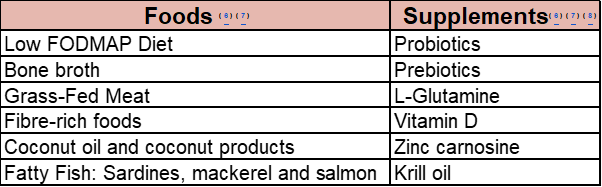
Dietary Approach for Leaky Gut Syndrome:
Here are foods and supplements you should incorporate into your diet to help against LGS –
Even if the recommendations above help in alleviating symptoms related to leaky gut, correctly diagnosing the actual problem and then getting targeted food and supplements help from an expert becomes essential.
Taking care of your lifestyle:
1. Sleep Better at Night: Sleeping more can help prevent things from passing through your gut too easily.
2. Adapt Stress Management Strategies: If you manage your stress, it can stop your gut from getting leakier.
3. Avoid Birth Control Pills: Using these pills might harm the helpful bacteria in your gut, and could raise the chance of digestive issues like Inflammatory Bowel Disease (IBD).
4. Moderate Exercise Regularly: Don't overdo exercise because that can make your gut leakier. Instead, doing moderate exercise often can lower inflammation (7) (8).
The Bottom Line
In conclusion, understanding the potential impact of a leaky gut on overall health is crucial. By recognizing the symptoms, considering dietary adjustments, and adopting lifestyle changes, we can work towards supporting gut health and overall well-being. Remember, consulting a functional medicine practitioner for personalised guidance is always recommended on your journey to a healthier gut.
Sign up for the iThrive Newsletter practical nutrition, wellness insights, and habits that actually work.
Thank you! Your submission has been received!
Oops! Something went wrong while submitting the form.
No spam. Unsubscribe anytime.
FAQs
What topics does the iThrive blog cover?
The blog covers functional nutrition, chronic conditions, gut health, hormonal health, autoimmune conditions, sleep, mental health, and root cause analysis. Every article is written to help you understand what is actually happening inside your body, not just manage symptoms.
Who writes the articles on this blog?
All articles are written by the content writers in collaboration with iThrive's clinical team of functional nutritionists, guided by the same methodology used in the ALIVE programme. The content is rooted in functional medicine and real clinical experience, not generic health advice.
Is the information on this blog a substitute for medical advice?
No. The blog is an educational resource to help you understand your health more deeply. If you are experiencing symptoms or managing a chronic condition, a personalized Root Cause Analysis with a functional nutritionist is the right next step.
I read an article and want to take action. What should I do next?
Book a Root Cause Analysis. For ₹2,500, a dedicated functional nutritionist will assess 60+ blood markers using optimal ranges and explain exactly what is driving your condition. It is the natural next step after reading about what might be happening in your body.
Can these articles help me if I have already been diagnosed?
Yes. Many of our readers come with existing diagnoses and find the blog helps them understand why their condition developed and what their body actually needs. The articles are designed to give you clarity, not replace the guidance of a practitioner.
Talk to our team
Thank you! Your submission has been received!
Oops! Something went wrong while submitting the form.
Download Now
Thank you! Your submission has been received!
Oops! Something went wrong while submitting the form.




.svg)





.png)

.jpeg)


.jpeg)