Wireless devices, including cell phones and Wi-Fi routers, have been a part of our daily lives for nearly two decades. But now, it is becoming more urgent to modify our behaviors.
The reason is simple : 5G.
5G is the fifth generation of wireless technology, but it is much more than just a simple upgrade from 3G or 4G. This new technology will operate at a different frequency, which has not been tested for long-term health impacts. Moreover, it will add to the existing wireless technology rather than replacing it, meaning there will be an exponential increase in electromagnetic frequency (EMF) exposure with 5G radiation.
5G radiation is a type of Electromagnetic Radiation. The frequencies used in 5G are structurally different from those powering 3G and 4G networks, as 5G will add a bandwidth between 24 and 28 GHz and, eventually, a bandwidth above 30 GHz. Part of these frequencies will be millimeter waves (MMWs), which are waves with a length of fewer than 10 millimeters.
While MMWs will enable data to be transmitted at a faster speed, with significantly shorter wait times, and to a larger number of users in a small geographic area, they are easily obstructed by physical structures and can be absorbed by rain and humidity. Hence, billions of additional antennas will be required to provide consistent and reliable coverage, compared to the existing 300,000 cellular towers.
To ensure connectivity, the 5G network will require the installation of “small cell” stations, which will be mounted on top of utility poles, lampposts, buildings, and bus stops. Unlike the 90-foot cell towers that 3G and 4G technology use, these small cells are small enough to be mounted closer together and are capable of geolocating mobile devices with greater precision.
They have enough room for around 100 antenna ports, each using multiple-input multiple-output (MIMO) technology, which enables several users to send and receive information simultaneously. This technology, known as massive MIMO, will allow for the exponential expansion of users and information on the network, but it also increases the probability of interference.
Beamforming is a technology used in wireless communication that allows signals to be concentrated into a beam that takes the most direct route to a user. This technology is particularly useful in the propagation of signals using millimeter wave (MMW) frequencies, which have a higher frequency and shorter wavelength than traditional radio waves.
One of the challenges with MMW frequencies is that they cannot easily penetrate common building materials such as wood, brick, stucco, and even regular glass. Without the use of beamforming, these signals may bounce around and become weakened or lost altogether. By concentrating the signal into a beam, beamforming allows the signal to travel through the air more effectively and reach the intended user.
Beamforming increases the likelihood of interference. This is because when signals are concentrated into a beam, they may bounce off nearby surfaces and interfere with other signals in close proximity. This interference leads to a decrease in signal quality and may affect the overall performance of the communication system.
To mitigate the effects of interference, Beamforming algorithms are designed to adjust the direction and shape of the beam in real-time. This allows the system to adapt to changes in the environment and minimize interference.
This makes it almost impossible to escape 5G radiation if you're in a close proximity of a 5G tower.
To date, there have been no studies on the effects of prolonged exposure to MMWs, let alone exposure to MMWs simultaneously with other EMF frequencies. Nonetheless, there are some things that we do know. For instance, MMWs have been used in Eastern Europe as a complementary therapy for ulcers, cardiovascular disorders, and cancer, and research has been conducted on the health effects of this treatment. (Millimeter waves bio effects CIA Declassified in 2012 Zalyubovskaya 1977.pdf - Google Drive) Studies have found that up to 80 percent of people can sense the presence of MMWs on their skin, as well as increased electro hypersensitivity, particularly in postmenopausal women.
Russian scientists conducted research in the 1970s on the health effects of exposure to millimeter radiation. While this research was classified by the US Central Intelligence Agency, it was declassified in the 2010s. The studies revealed that millimeter waves caused changes in the body, including structural alterations in the skin and internal organs, qualitative and quantitative changes of the blood and bone marrow composition, and changes of the conditioned reflex activity, tissue respiration, activity of enzymes participating in the processes of tissue respiration and nucleic metabolism. (Electromagnetic Radiation Safety: 5G Wireless Technology: Millimeter Wave Health Effects (saferemr.com)
Minimal research on the subject links MMW technology to potential health problems, including eye problems such as lens opacity in rats, impacted heart rate variability in rats and heart rate changes (arrhythmias) in frogs, modified structure and function of cellular membranes, suppressed immune function, and effects on bacteria, including depressed growth and increased antibiotic resistance. (Wayback Machine archive.org)
Unfortunately, there are no studies that assess a safe threshold for MMW exposure, leading some experts to worry that the proliferation of 5G could turn into nothing short of a public health disaster. Dr. Martin Pall, a biochemistry professor at Washington State University and one of the leading voices on the dangers of EMFs, has even called the idea of putting in tens of millions of 5G antennae without a single biological test of safety "the stupidest idea anyone has had in the history of the world."
Notably, MMWs are known to penetrate human skin tissue at a depth of 1 to 2 millimeters and to cause pain in the skin. This is likely because MMWs trigger the nerve cells in the skin known as nociceptors that alert the brain of potentially damaging stimuli by eliciting a pain response. Furthermore, sweat ducts in human skin act as antennae when they come in contact with MMWs. Dr. Yael Stein of the Hadassah Medical Center in Jerusalem, Israel, has studied 5G MMW technology and its interaction with the human body and believes that humans could sense these waves as heat and physical pain via nociceptors. The use of sub-terahertz (millimeter wave) communications technology (cell phones, Wi-Fi, antennas) could cause humans to perceive physical pain.
Finally, it's not just human health that's at stake with the widespread use of 5G, but also insects, plants, animals, and microbes, especially since MMWs are absorbed by both plants and rain. Widespread MMW exposure could even pose a threat to our environment in unforeseen ways.
5G is an untested experiment that will be unleashed over the world without the considering the health risks associated with it. According to what we know so far, this carcinogen will mostly likely prove to be hazardous in the very near future. Staying away from 5G towers and avoiding the use of 5G by us and the people around us is our best bet.
We will be releasing a comprehensive blog about 5G Radiation Safety Tips soon, so stay tuned for that!
1. Burrell L. “5G Radiation Dangers: 11 Reasons to Be Concerned.” ElectricSense.
2. Allan Holmes. “5G Cell Service Is Coming. Who Decides Where It Goes?” New York Times

This article was originally published in Newsbytes on 3.1.2023.
People love their tea and coffee and these beverages do have many health benefits as well. They are high in antioxidants, reduce depression and low mood, boost cognitive function, and are linked to a host of positive health effects and increased longevity. However, there are negative effects too. Too much caffeine can lead to chronically elevated stress levels and disrupt sleep and recovery. Coffee, in particular, also has the problem of mold growth on it which can cause negative reactions in people who are sensitive.
The key for most people is to consume these beverages in limited amounts. The US FDA and other public health institutions recommend a maximum of 400 mg. But even that is a bit too much. 100-300 mg is what you should aim for. However, cutting back on caffeine can be challenging if you’ve been consuming a high amount daily for an extended time. Here are some tips to help you, a lot of these involve ways to become active and energetic naturally so that you need to depend on caffeine less:
It gets better: Prepare yourself for withdrawal symptoms. Symptoms may include headache, fatigue, depression, difficulty concentrating, and mood changes. These symptoms can range in severity and usually subside in a few weeks. They say time is the best healer- that’s definitely true in this case.
Get Enough Sleep: Getting enough sleep is the most important thing to ensure you have enough energy daily.
Wake up and get sunlight: Make sure to wake up early, within two hours of sunrise and get at least 10 minutes of unfiltered sunlight in your eyes within half an hour of waking up. Even apart from that, try to get as much sunlight as possible during the daytime.
Cold exposure: Getting a little cold exposure in the morning in the form of a cold shower or ice bath(3-5 minutes is sufficient) creates long-lasting elevations in adrenaline and dopamine, thus boosting your mood, energy, and focus significantly.
Healthy and Nutritious diet: Eating healthy, avoiding inflammatory foods that bring you down, and getting adequate nutrients go a long way in boosting your energy levels.
Hydrate: Dehydration can often be mistaken for hunger or cravings. By staying hydrated, you may be able to curb your cravings for coffee and tea. Drink adequate amounts of water and make sure you’re getting enough electrolytes as well.
Address the root cause: Sometimes, underlying health issues such as metabolic or neurological issues, or mental health conditions could be the reason for caffeine addiction. Seek help from a functional nutrition expert or other holistic health practitioner.
Green tea: Green tea is a great alternative to wean off coffee and black tea. It does contain some caffeine but in very low amounts. It also contains L-theanine and a few other compounds that have a calming effect. Green tea gives you a boost of energy in a balanced way.
Herbal teas and other decaffeinated options: If you enjoy the activity of drinking tea or coffee but want to reduce your caffeine intake, try switching to herbal teas or decaffeinated versions. There are many flavors to choose from, so you're likely to find one that you enjoy. Some options like mint tea can actually boost your energy as well. Decaffeinated coffee is also an option if you really want the taste of coffee but without consuming caffeine.

Athletes sweat more often than regular people as they constantly expose themselves to rigorous training and exercises. Inorder to maintain thermoregulation, your body produces sweat; it is your body’s way of cooling you down. Your body loses water when you sweat. To add another layer of complexity to the issue, human sweat contains far more than just water. Electrolytes (electrically charged ions such as sodium, potassium, calcium, and magnesium) are also lost and must be replaced along with the fluid. While many electrolytes can be obtained from the food we eat, there may be advantages to replacing them during exercise as well; most notably sodium, which may be considered the most important electrolyte to replace during periods of heavy sweating.
The importance of proper hydration and electrolyte balance to performance cannot be underestimated, and these materials can be thought of as the foundation upon which everything else is built. When undergoing a rigorous training programme or competing, there is a significant drain on body stores of vital electrolytes to ensure that the resistance level can be maintained for as long as possible. The metabolic waste products will be expelled through perspiration, breathing, urination, and defecation, resulting in thirst - the need to replenish the water and electrolytes used in energy creation.
In case of improper consumption of water, dehydration can occur. Dehydration compromises cardiovascular function by decreasing blood flow to muscles and cardiac output. The resulting increase in heart rate causes a decrease in stroke volume. Hypovolemia hampers an athlete’s thermoregulation. The more hyperthermic an athlete is, the greater their work capacity decreases. Low blood volume, from dehydration also thwarts oxygen and glucose transport to muscle cells. At just a 2% loss in body fluids, an athlete’s performance is impaired. Fatigue and performance impairment caused by dehydration can cause athletes to compromise their physical mechanics. Therefore, dehydration not only impairs performance, it indirectly raises an athlete’s risk of injury and directly raises their risk for heat-related illnesses.
Apart from dehydration, athletes can suffer due to hyperhydration as well. Hyperhydration has no beneficial exercise performance effects. It causes serum sodium levels to dilute to less than 130 mEq/L leading to intracellular swelling and an altered central nervous system function.
This is labelled symptomatic hyponatremia and can occur when athletes drink more than their fluid losses, deplete their extracellular fluid sodium by heavy sweat loss, or a combination of high fluid intake and excessive sweating.
Symptomatic hyponatremia and dehydration are negatively associated with exercise performance.
Psychological Role of Electrolytes:
Modulators of Energy Production
Modulators of Energy Storage
Modulators of Energy Use (i.e. metabolism)
Regulators of Total Body Fluid Levels
Most Important Electrolytes:
Sodium is found outside the cell and is primarily responsible for fluid balance.
Potassium is found inside the cell and regulates metabolism.
Magnesium regulates levels of other electrolytes and muscle relaxation.
Calcium regulates muscle contraction and heart rhythm.
These electrolytes are mostly bound to chloride, bicarbonate, sulphate and phosphate ions.
-> Balance is unique to the person in question. Despite significant physiological similarities, we are all biochemically unique. Some athletes will require more electrolytes than others. Therefore, recognising that electrolytes play distinct physiological and psychological roles at the cellular level has led many sports nutritionists to advise athletes to pay close attention to their diets and consume a wide variety of fresh fruit, vegetables, naturally grown grains, and reared meats and fish as possible.
1) Before Training or Competitions
Drinking excessively before exercise can have the opposite effect desired like gastrointestinal issues and impaired performance.
Choosing liquid fuel reduces gastric emptying time and residual intestinal load, which may be advantageous for nervous athletes or athletes who need to "make weight" before the competition.
2) During Training or Competitions
Maintaining proper hydration by drinking during exercising has the greatest beneficial impact on the performance of any single nutritional intervention.
Start drinking water early and at regular intervals, every 20 mins.
Replace sodium electrolytes during periods of heavy sweating
Advice Then Advice Now
Don't get into the habit of eating or drinking during a marathon race; some renowned runners do, but it's not beneficial. Athletes should begin drinking early and at regular intervals during exercise to consume fluids at a rate sufficient to replace all of the water lost through sweating or consume the maximum amount that can be tolerated.
It may be sufficient to use bodyweight change data to identify athletes with exceptionally high sweat volume losses and to monitor them during longer, hotter, or more intense training sessions and competitions. These athletes may benefit from having access to more fluids than other athletes.
Precaution: Telling athletes with higher sweat loss how much to drink or forcing them to replace their losses as quickly as those with lower sweat rates may cause more harm than good, especially if their losses exceed the stomach's gastric emptying rate.
3) After Training or Competitions
Making sure athletes refuel their depleted energy, fluid, and electrolyte stores after competition or practice is part of ensuring they are properly fueled for their next practice or competition. This may take up to 24 hours. Rapid muscle glycogen repletion is especially important after exercise if an athlete must exercise more than once in 24 hours. The body recovers best when an athlete begins refuelling as soon as they finish exercise
Despite their efforts to replace fluids, athletes are frequently mildly dehydrated after exercise. This can impair subsequent exercise performance.
Although an exact sodium recommendation has not been developed, the evidence regarding sodium's role in encouraging plasma and total body rehydration through increased sodium intake is clear. It may be beneficial to select fluids with flavour and sodium. This encourages athletes to consume more fluids.
After exercise, chilled beverages are also more commonly consumed and are beneficial.
Athletes should be warned that drinking beverages with more than 4% alcohol content may cause delayed physical recovery from exercise.
Calories consumed in the form of alcohol or fat may deplete needed carbohydrates, which are a priority for proper muscle glycogen synthesis.
Weighing oneself before and after the exercise is the best way to assess one’s fluid loss. Learning what works for your body and exercise habits, using a combination of scientific knowledge, recognising thirst sensations, and good old-fashioned trial and error are probably the best ways to discover what works for you or the athletes you work with. Talk to an expert sports nutritionist to determine your fluid and electrolyte intake.

While athletes work hard to keep their bodies in top condition, it's important to take time to relax. People relax by enjoying alcohol with friends or just a casual drink. The amount of alcohol consumed and the tolerance of each individual will determine how it affects them. A few drinks can ruin your hard work, erase the benefits of your workouts, reduce your endurance and compromise your mental fortitude. Keep track of how many drinks you have and how you feel the next day to determine your tolerance.
Muscle health is key to athletic success. Science has shown that alcohol can cause muscle damage and even rob you of all your weight training. Here's why:
Exercise under the influence can increase your risk of injury and cause muscle loss. The effects of long-term alcohol consumption on protein synthesis can lead to a decline in muscle growth. Even short-term alcohol use can affect your muscles.
You want to maximize your athletic performance by speeding up your recovery from sore muscles. This is due to the fact that alcohol can be a diuretic and cause electrolyte imbalances and dehydration. Dehydrated athletes are more susceptible to cramps, muscle pulls and muscle strains.
To build bigger muscles, it is important to get enough sleep. Drinking alcohol can adversely affect your sleep patterns and cause your body to lose a chemical called HGH (human growth hormone). Although HGH is essential for building bigger muscles, alcohol can reduce HGH secretion by up to 70%. Also, binge drinking can lower serum testosterone levels. A decrease in testosterone can lead to a decrease in muscle mass and recovery. This can cause performance problems.
Your body's water balance can be disrupted when alcohol is absorbed via your small intestine, stomach, and into your cells. An imbalance in water levels in muscle cells can cause them to stop producing adenosine triphosphate (ATP). This is an essential fuel for all cells including our muscles. A decrease in your body's ATP levels can lead to a loss of energy and endurance.
Even small amounts of alcohol can cause a slower reaction time and impaired hand-eye coordination. This can not only affect performance but can also increase your chance of injury.
Our tendency is to believe that only carbohydrates, proteins, and fat can provide energy in the form of calories. This is not an exhaustive list. Alcohol has 7 calories per Gram (roughly halfway between the calorie values of carbs or fat). Your muscles cannot use alcohol calories as fuel, unlike the calories we get from food. Your body does not convert alcohol calories to glycogen, which is a form of stored carbohydrates. They are therefore not a good source for energy during exercise. Instead, your body converts alcohol energy into fatty acids and stores them within our fat tissue. Alcohol consumption can increase fat storage, which can negatively impact your body's percentage of fat.
The nutritional value of alcohol is very limited because it is devoid of vitamins and minerals. It also prevents your body from receiving these nutrients from other sources.
Thiamine (vitaminB1): Thiamine plays a role in the metabolism of food into fuel and the formation of hemoglobin. Vitamin B1 is vital for optimal performance because it plays a part in the metabolism of carbohydrates.
Vitamin B12: Vitamin B12 is essential for maintaining healthy nerve cells and red blood cells. Anemia is a condition where alcohol can prevent b12 from being used by your body in key processes.
Folate: Folic Acid is part of a coenzyme that helps in the formation red blood cells. Folic acid deficiency can lead to a lower VO2max which can adversely affect your endurance.
Zinc: Zinc is an essential component of energy metabolism. Your body's zinc resources can be depleted by alcohol, which can lead to a decrease in endurance.
Hangovers can be caused by alcohol toxicity, dehydration and toxic effects of congeners, which are found in many alcoholic beverages. You've likely experienced the symptoms of nausea and soreness, depression, headaches, and a promise to stop drinking alcohol again if you have ever had a hangover. These symptoms can cause a decrease in athletic performance, and even a 11% reduction in aerobic performance. If you feel nauseous, you should not exercise. It can increase your chances of injury and dehydrate you further.
As alcohol affects the hand-eye coordination, imagine yourself playing cricket and misjudging how far you are from the ball. You will find it difficult to make quick decisions on the court or field because of your inability to think clearly. This could lead to devastating consequences for you and your team. You are more likely to get cramps, pulls, and strains if you drink alcohol, regardless of what sport or activity it is. It is important to remember that alcohol can impact bone growth and make it more difficult to repair bone damage if you are injured. Your career can be affected.

Yes, it is absolutely real. A lot of times, fatigue is confused with tiredness. Everyone gets tired; it’s expected after a long, tiring day. A good night’s sleep can help us fix that.
Unlike tiredness, fatigue is different. Fatigue is defined as a lack of daily energy, an unusual feeling or tiredness that does not go away with rest or sleep.
There are two types of fatigue: acute (lasting a month or less) and chronic (lasting from one to six months or even longer) 1.
Fatigue is shown to have negative impacts on an individual’s health and affect their quality of life.
Fatigue is a common side effect of any type of cancer treatment, which can include chemotherapy and radiation therapy. This can occur weeks or months after the treatment ends as well. Cancer can also cause fatigue 2. Other reasons are,
In the course of chemotherapy, fatigue can be induced by
One study showed the positive effects of exercise on patients with breast cancer who indulged in day-to-day enjoyable physical movement. They experienced less fatigue and pain and performed their daily activities better. Clinical trials reported these benefits experienced by the study group-
- More energy
- Better appetite
- Better quality of life
- More joy in life
Light to moderate physical movement for three to five days a week can help with cancer fatigue. You are more likely to stick to the plan if you choose a workout regimen you enjoy. A suitable plan for you can be devised by your healthcare professional. Start with a light movement like a walk and build up to more over time. Studies have shown that physical movement can be safely performed during and after cancer treatment
Cancer treatment makes it hard for many patients to eat properly. The body receives its energy from food, and fatigue may occur if the body does not get enough food to meet its energy requirements. In cancer patients, 3 major reasons may affect food absorption in the body-
Other than these strategies, the two major factors affecting the condition are being overweight and stress.
Indulge in activities that calm and relax your mind & body and take care of your health.
References:

The natural and predominant components of the gut microbiota are different species of bacteria. Among the many intestinal microbes, those thought to have the ability to improve the host's health by altering the intestinal microbiota are frequently chosen as probiotics.
Probiotics are living organisms that provide health benefits when consumed in adequate amounts. These organisms are naturally present in fermented and dairy products. The two most common probiotics are Lactobacillus and Bifidobacterium 1. Probiotics are used to boost the immune system, prevent gastrointestinal illnesses, modulate the effect of hypocholesterolemia, and promote oral and dermal health. Probiotics may also be used to help with sadness and anxiety 2.
These bacteria provide various health benefits, such as preventing bowel diseases, improving the immune system, maintaining intestinal microbial balance, reducing traveler’s diarrhea, etc. Initially, probiotics were marketed in the form of fermented foods and dairy products. In recent years, probiotics are now available from non-dairy sources because lactose intolerance has increased 3.
Non-dairy probiotic products consist of patented probiotic formulations in the form of a powder that contains the strains, i.e., the subclasses of Lactobacillus, Bifidobacterium, and other probiotic strains. Bacteria produce spores to defend themselves from harsh conditions like temperature, salinity, acidity, etc. Spore-based probiotics are unique in that they can survive the acidic conditions of the gut while still performing their intended functions.
Endotoxins are the compounds present in the blood as a result of eating foods with high fat and calorie contents. that can stimulate inflammatory action in the body. It stimulates the inflammatory reaction in the body. It can cause intestinal inflammation and damage cell-to-cell connections in the intestine. Increased serum endotoxins are the hallmark of the condition known as endotoxemia (presence of endotoxins in the blood). Studies on spore-based oral probiotics show that they are crucial in lowering intestinal permeability, in which cell-to-cell connection in the gut is lost 4. Several studies have suggested that Bacillus clausii may be a safe and effective treatment option for acute infantile diarrhoea 5.
Similarly, B. coagulans LBSC proved effective in reducing the pathophysiological symptoms of IBS overall while remaining safe for human ingestion 6.
In human therapeutic trials, Lactobacilli strains including Lactobacillus plantarum and Lactobacillus rhamnosus have been used to improve immunological function, treat intestinal problems, and lower the risk of cardiovascular disease. According to scientific evidence, it may be able to protect kids from developing acute gastroenteritis (AGE), antibiotic- or healthcare-associated diarrhoea (AAD and HAD, respectively), and other conditions 7. It has been demonstrated that Lactobacillus gasseri strain LG21 improves Helicobacter pylori eradication and lessens adverse antibiotic effects. A promising mouse pilot study revealed that Lactobacillus gasseri OLL2716 suppressed the growth of antibiotic-resistant H. pylori and decreased inflammatory cytokines 8. It will take more study to confirm the clinical applicability of this discovery.
Due to the related health advantages, bifidobacteria have been used commercially as probiotic agents. Bifidobacterium species, such as Bifidobacterium breve, Bifidobacterium longum, Bifidobacterium bifidum, etc., have been shown to play a significant role in the prevention or treatment of ulcerative colitis, diarrhoea, inflammatory bowel disorders (IBD), etc 9.
A yeast called Saccharomyces boulardii is used as a probiotic because it works well to cure bacterially-induced diarrhoea. According to a meta-analysis of research, S. boulardii is protective against diarrhoea brought on by antibiotic use, Clostridium difficile infection, enteral nutrition-related diarrhoea, traveler's diarrhoea, and Helicobacter pylori infection. Irritable bowel syndrome (IBS), Crohn's disease, ulcerative colitis, and other chronic disorders have all been evaluated for using S. boulardii 10. Numerous S. thermophilus species have demonstrated that it has immunomodulatory effects and a variety of anti-inflammatory immune-modulatory capabilities 11.
With the current major research advancements, there is no question that the application of probiotics for human health will increase.

Superfoods are foods that have special health benefits, like lowering cholesterol, preventing cancer, or improving performance. This is what you have been reading about, right? Let me burst your bubble. The superfood is a myth. There is no agreed-upon definition for "superfood." It is definitely not a scientific term; rather, it is a marketing term that has become a popular buzzword among the general public. So, what makes these foods so special? Nothing.
There has been no change to the fundamentals of a healthy diet. Having a varied and well-balanced diet that provides us with all of the necessary nutrients from a wide range of sources is essential to good nutrition. One food would be a true "superfood" if it contained all of the nutrients. However, these foods do not exist. For instance, kale is regarded as a superfood despite the fact that it can cause gas and other digestive issues when consumed regularly.
This is due to the high concentration of tough, insoluble fiber, indigestible plant material, and anti-nutrients found in kale, as well as the fact that it passes through your digestive system virtually unchanged. Anti-nutrients in food hinder the absorption of nutrients in your body, additionally, this "superfood" loses its "super" quality when cooked. If consumed in large quantities, it may affect thyroid function. Progoitrin, a substance in it, has the potential to hinder the synthesis of thyroid hormones and essentially prevent your thyroid from getting the iodine it needs to function. Blood sugar levels and weight can fluctuate as a result.
The fact that any whole, minimally processed food could be considered a "superfood" due to one or more of its properties, nutrients, or ingredients is one of the biggest issues with the term "superfood." Eat a wide range of foods, including animal meat, fruits, and vegetables, to improve health and athletic performance instead of focusing on a few potential superfoods.

Regardless of whether a food is referred to as a superfood or not, the truth is that you cannot survive solely on it. There is no such thing as a superfood from a dietary point of view, it's just food. Even though some foods are thought to be better for you than others (like fresh fruit compared to juice that has sugar in it), the food or diet industry has only labeled those foods for marketing purposes and all this comes down to modern marketing. Instead of focusing on "superfoods" for specific nutrients, the key to improving overall nutrition and health is to eat a wide variety of fresh, unprocessed foods, organ and animal meat.

One of the most fundamentally significant factors affecting health is dietary patterns. Proteins are the building blocks of muscles, and it is important to meet the daily requirements to maintain a good physique. According to the FAO, 800 million people worldwide experience chronic undernourishment due to a shortage of food, frequently a fundamental deficiency in protein and energy. From the perspective of nutritional science, we must have precise estimates of the dietary protein and amino acid requirements for humans. We also need to be able to accurately describe the capacities of various foods and dietary proteins to supply amino acids to people of various ages and physiological states 1.
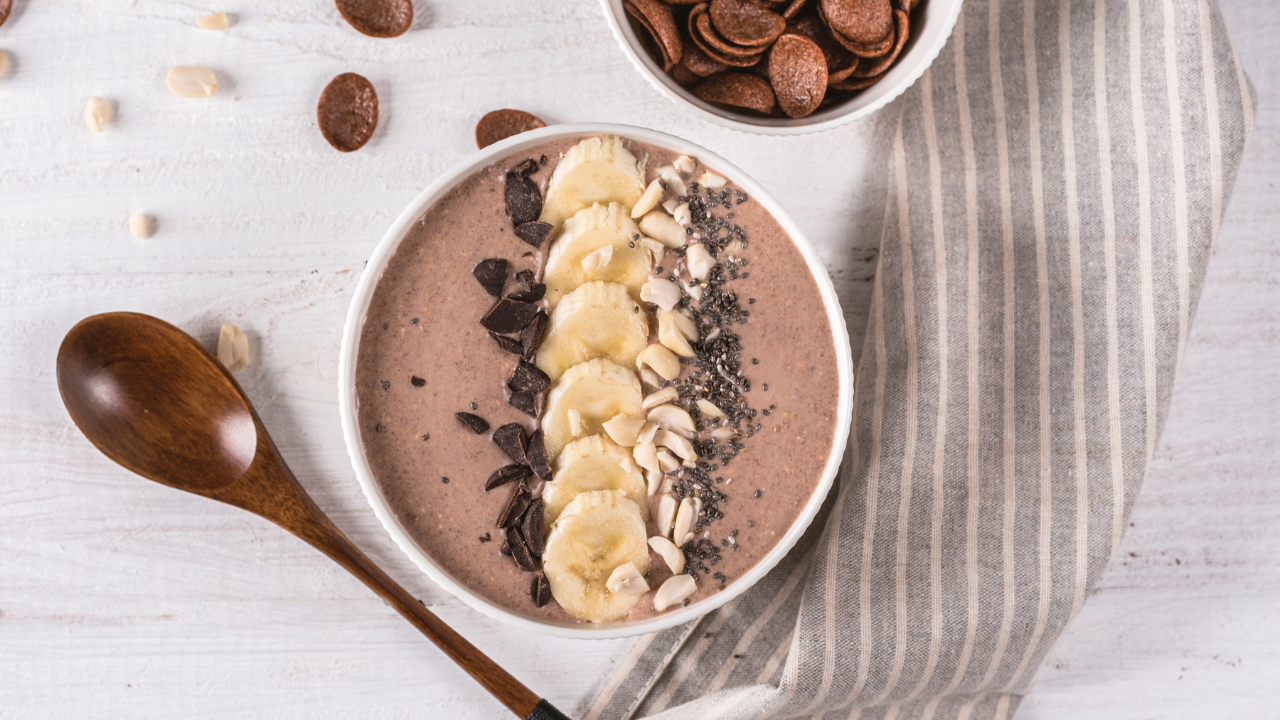
One very easy food item is the quick smoothie. Smoothies are made by properly blending all the nutritious food ingredients in milk, preferably coconut milk. Protein smoothies gained popularity amongst youngsters because it is easy to make and tastes good. However, here are 5 things you should know about protein smoothies before including them in your daily diet.
Smoothies are a storehouse of many essential nutrients because they are made of a variety of fruits and vegetables. Smoothies also help to mask the taste of food that we might not like much, having a high nutritional value along with protein 2.
Smoothies are packed with essential nutrients, but they should not be replaced as a main meal. They might make you feel full soon after you consume them, but they are easily digestible and can create hunger later. Hence, solid foods are preferred over smoothies for main-course meals.
Many ask the question about which food should be consumed before workouts. Smoothies are a source of instant energy, which benefits an individual during vigorous workout sessions. These are lower in fibre and feel light during running or stretching 3.
Protein smoothies help your body digest food more efficiently, reducing the risk of digestive issues such as bloating and constipation. Due to their high protein content, which supports the growth of healthy bacteria in the gut, protein smoothies can be helpful in enhancing gut health. Protein smoothies are also loaded with vitamins, minerals, and amino acids that can improve nutrient absorption and assist to repair and preserve the gut lining. Additionally, the fibre in smoothies helps support a healthy balance of intestinal flora and maintain a regular digestive system 4.
It is challenging to keep up with your nutritional requirements while you are travelling. Protein smoothies thus become a convenient source of food that meets basic energy requirements.
Below is a short recipe for iThrive’s customised Protein Milkshake
Ingredients:
150 ml chilled coconut milk
EAA- 1 scoop
Fresh or frozen Berries/ strawberries- 1/4 cup(50 gm)
Coconut oil- 1 tbsp
Cinnamon/ cardamom/ nutmeg for flavour
Method:
Blend all the ingredients on high power for 30 seconds and enjoy!
References:
(1) https://doi.org/10.1017/S0007114512003509.
(2) https://www.luvmekitchen.com/fun-random-interesting-facts-about-smoothies/
(3) https://www.allrecipes.com/article/best-smoothies-pre-post-workouts
(4) https://www.livestrong.com/article/13729724-smoothies-for-digestion/

Sleep is an essential component of our daily routine, and ensuring optimal sleep quality is crucial for our physical and mental health. With the fast-paced lifestyles that we lead, however, obtaining adequate sleep can be a challenging task. To overcome this, it is necessary to understand the factors that contribute to healthy sleep habits and to incorporate them into our daily routines.
In this article, we will discuss six research-supported techniques that can help you optimise your sleep quality. By implementing these methods into your daily routine, you can experience the benefits of enhanced sleep, including improved mood, concentration, and overall well-being.
Sleep is an essential component of our daily routine, and ensuring optimal sleep quality is crucial for our physical and mental health. With the fast-paced lifestyles that we lead, however, obtaining adequate sleep can be a challenging task. To overcome this, it is necessary to understand the factors that contribute to healthy sleep habits and to incorporate them into our daily routines.
In this article, we will discuss six research-supported techniques that can help you optimise your sleep quality. By implementing these methods into your daily routine, you can experience the benefits of enhanced sleep, including improved mood, concentration, and overall well-being.
The significance of maintaining a consistent sleep schedule cannot be overstated, as it is crucial for achieving restful and restorative sleep. While the duration of sleep is a crucial aspect of healthy sleep patterns, adhering to a regular sleep-wake cycle is even more crucial for promoting a balanced circadian rhythm.
The circadian rhythm is an innate biological process that governs numerous physiological functions, including hormone production, temperature regulation, and cellular repair. This rhythm is highly sensitive to environmental cues, such as light and darkness, and can be disrupted by irregular sleep patterns.
By establishing a consistent sleep schedule, the body is better equipped to maintain a regular circadian rhythm. This is accomplished by signalling to the body when it is time to sleep and wake up, which in turn initiates the production and cessation of hormones such as melatonin and cortisol. In doing so, the body can effectively regulate various physiological processes, resulting in a more restful and rejuvenating sleep experience.
Consistently adhering to a sleep schedule can also have a host of other benefits, such as increased energy levels, improved cognitive function, and better overall health. Therefore, it is highly recommended to establish and maintain a regular sleep schedule to promote optimal health and well-being.
Establishing a consistent sleep and wake schedule is a crucial step towards promoting a balanced circadian rhythm. However, even with a consistent schedule, the circadian rhythm may still require regular reminders to ensure optimal functioning, particularly when faced with changes such as travel across time zones.
To reset the circadian rhythm, exposure to light and movement are highly effective methods. Upon awakening, it is recommended to first hydrate, as dehydration can negatively impact exercise and cognitive function. Next, exposure to natural sunlight is optimal for resetting the circadian rhythm. Additionally, engaging in movement, such as a light workout or a walk around the block, is highly beneficial.
Morning exercise can shift the circadian rhythm and play a vital role in optimising it for improved performance. Movement stimulates the release of cortisol and endorphins, increases core temperature and circulation, and leaves individuals feeling more alert, energised, and focused.
In summary, consistent sleep and wake schedules are important for maintaining a healthy circadian rhythm, but additional interventions such as exposure to light and movement can help reset the rhythm and promote optimal functioning. By prioritising morning movement and hydration, individuals can set the tone for the day and optimise their performance.
The practice of grounding, also known as earthing, has significant benefits for our health and well-being, particularly when done in the morning. This practice involves placing one's bare feet on the earth, whether it be grass, sand, rocks, or in water such as the ocean, to allow the absorption of negative ions produced by cellular metabolism in the body into the earth through its magnetic field.
Grounding has been found to be effective in improving sleep quality, regulating the circadian rhythm, and aiding in recovery and jet lag. By allowing the body to discharge excess positive ions and absorb negative ions from the earth, grounding can help to reduce inflammation, which is associated with a wide range of health issues.
Grounding in the morning can be especially beneficial, as it can help to set the tone for the day ahead and promote optimal functioning of the circadian rhythm.
As we spend a considerable amount of time in our bedrooms, it is essential that we maintain the good air quality in this space. Breathing in indoor air is a vital aspect of our overall health, and therefore, we need to ensure that the air we breathe is clean and pure.
To achieve this, we recommend incorporating plants into your bedroom. Plants such as Schefflera and aloe vera are known for their air-purifying properties, as they remove toxins from the air and convert carbon dioxide to oxygen. According to NASA’s Clean Air Study, these plants, among others, have been found to be highly effective in purifying the air.
In addition to using plants, proper ventilation is also crucial. We suggest opening your windows during the day to allow fresh air to enter your room and circulate. Keeping a window slightly cracked open during the night can also help to maintain airflow and improve air quality throughout the night.
By improving air quality in your bedroom, you can reduce the chances of developing respiratory problems, allergies, and other health issues associated with poor air quality. Therefore, we highly recommend incorporating these simple practices to maintain a healthy environment in your bedroom.
Engaging in physical activity throughout the day has numerous benefits for not only your sleep but also for your overall health. One of our key recommendations is to incorporate low-level activity into your daily routine.
Prolonged periods of sitting have been linked to numerous negative health outcomes, including increased risk of chronic diseases such as obesity, diabetes, and cardiovascular disease. Therefore, it is crucial to break up extended periods of sitting with regular movement. Ideally, for every 25-30 minutes of sitting, one should engage in at least 5 minutes of physical activity. However, at the very minimum, one should stand up and move around every hour.
Incorporating low-level activity into your daily routine can be achieved by modifying your environment. For example, you can take the stairs instead of the elevator, stand up and stretch during phone calls, or take a quick walk during your lunch break. These simple changes can make a significant difference in your overall health.
It is important to note that low-level activity is not a modern concept, but rather it mimics how our ancestors lived. Our ancestors spent most of their days walking, foraging, hunting, and building, among other things, and rarely sat for extended periods. It is essential to remember that humans were not built to sit for long periods.
Dr. Suhas Kshirsagar, the author of Change Your Schedule, Change Your Life, stated that a sedentary lifestyle leads to shallow breathing, which strains the heart and starves the brain of oxygen. This can result in fatigue and boredom, which are often mistaken for other issues. Engaging in physical activity throughout the day can help combat these negative effects and keep your brain and body healthy.
Furthermore, regular exercise has consistently been shown to improve sleep quality. It reduces the time it takes to fall asleep, increases the time spent asleep, and improves the amount of deep sleep achieved. Therefore, by incorporating low-level activity into your daily routine, you can improve not only your physical health but also your sleep quality.
There are numerous supplements you can take to support your sleep quality.
Magnesium (Mg) is the fourth most common mineral in our body. More than half of the magnesium is deposited in the bone with the remaining found in the muscles and soft tissues. This mineral has been identified as being involved in the activation of more than 300 enzymes and body chemicals and is a key component in the cellular processes that generate energy and metabolism.
Magnesium influences biochemical pathways in the brain that may promote relaxation and is a great standby for a good night’s sleep.
P.S. if you’re looking for high-quality Magnesium Supplement in India, check out iThrive’s Magnesium Bisglycinate
Tryptophan is an amino acid which is a precursor to melatonin, so is important to have in your diet if you want to sleep well.
Eat foods high in tryptophan before bed, such as turkey and chicken, eggs, nuts and seeds, and seafood.
L-Theanine is an amino acid found naturally in tea leaves, which has been shown to have a relaxing effect on the mind and body. Studies have demonstrated that L-Theanine can reduce stress and anxiety levels, leading to improved sleep quality. L-Theanine has also been shown to increase the production of alpha brain waves, which are associated with relaxation and calmness.
Adaptogens are natural substances, such as herbs and mushrooms, that have been used for centuries in traditional medicine to help the body adapt to stress and promote overall well-being. Many adaptogens, including ashwagandha and Rhodiola, have been shown to have a calming effect on the body and can help reduce stress levels, which can, in turn, improve sleep quality. Adaptogens work by modulating the body's stress response and promoting balance in the body's systems. Incorporating adaptogens into your daily routine may help promote better sleep by reducing stress levels and supporting overall health and well-being.

The blog covers functional nutrition, chronic conditions, gut health, hormonal health, autoimmune conditions, sleep, mental health, and root cause analysis. Every article is written to help you understand what is actually happening inside your body, not just manage symptoms.
All articles are written by the content writers in collaboration with iThrive's clinical team of functional nutritionists, guided by the same methodology used in the ALIVE programme. The content is rooted in functional medicine and real clinical experience, not generic health advice.
No. The blog is an educational resource to help you understand your health more deeply. If you are experiencing symptoms or managing a chronic condition, a personalized Root Cause Analysis with a functional nutritionist is the right next step.
Book a Root Cause Analysis. For ₹2,500, a dedicated functional nutritionist will assess 60+ blood markers using optimal ranges and explain exactly what is driving your condition. It is the natural next step after reading about what might be happening in your body.
Yes. Many of our readers come with existing diagnoses and find the blog helps them understand why their condition developed and what their body actually needs. The articles are designed to give you clarity, not replace the guidance of a practitioner.