


.svg)
.svg)







Introduction
There comes a point when the symptoms stop feeling random.
As we’ve talked about this with our clients here at iThrive, they have always expressed that it starts with something very small like feeling bloated after meals, and fatigue that never improves even after a lot of rest. Then over time, more things start layering like shifts in hormones, food sensitivities, discomfort in joints, and brain fog. There comes a very strange sense that the body is reacting to things it never used to.
And if you’ve also been here in this state, you know you’re being told everything looks “normal”.
For the majority of people there is where their hopes ends, then comes people like you for whom, this is where the real question begins.
What if the issue isn’t visible in standard reports because it’s happening at the level of your gut lining?
What if your body isn’t overreacting, but responding to something that shouldn’t be entering your bloodstream in the very first place?
This is where the intestinal permeability, often referred to as leaky gut syndrome, becomes nearly impossible to ignore.
What Is Leaky Gut Syndrome, Really
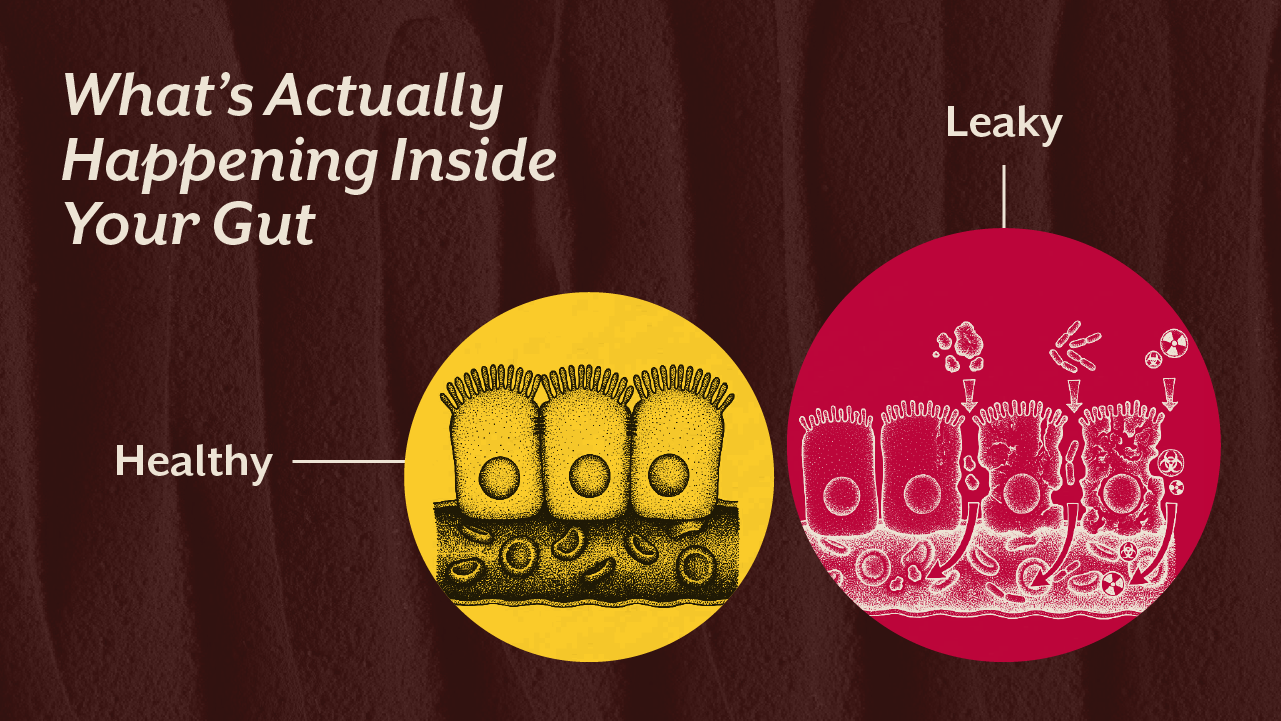
The Barrier That Was Never Meant to Break
First things first, it’s not a digestive organ, it’s a barrier, one of the most energy demanding systems in your body. The lining of your intestine is made of tightly packed cells, which are held together by structures called tight junctions. These junctions act like selective gates, and permit nutrients to pass through while also keeping harmful substances out. When it functions properly, it is very protective and precise, but when it starts to break down, things that aren't meant to cross into your bloodstream begin to leak through.
The Role of Zonulin in Leaky Gut
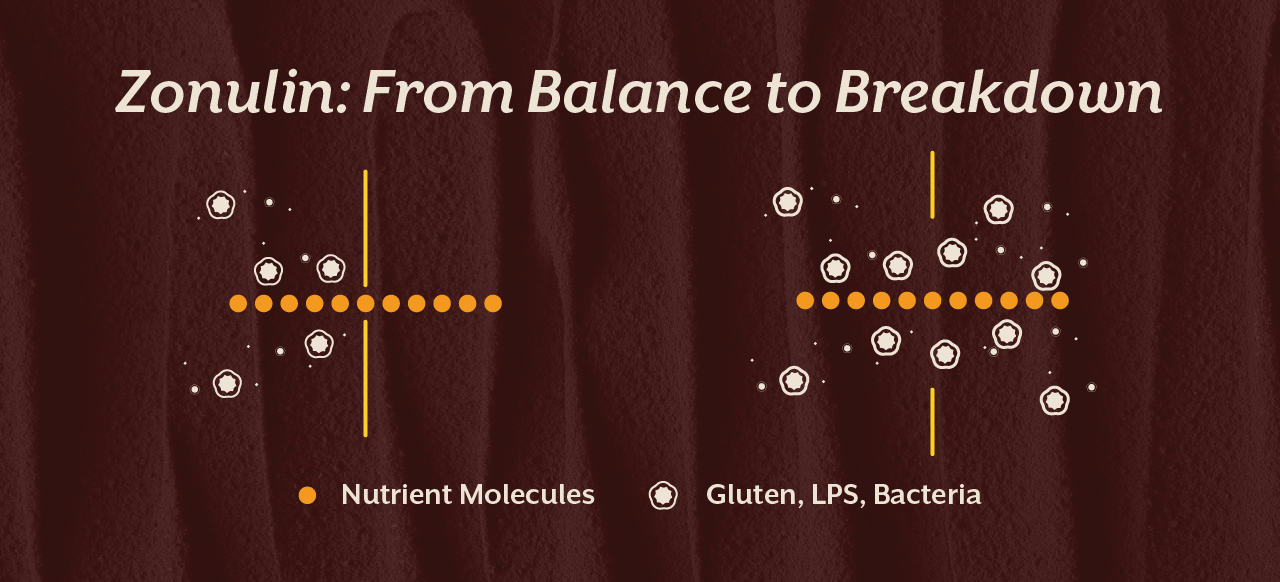
Zonulin is nothing but the protein that regulates these tight junctions, it tells them when to open and close. Certain triggers, specifically gluten and microbial imbalance can cause zonulin levels to rise drastically. When this keeps happening again and again, the junctions remain open longer than they should. This is what develops intestinal permeability.
And this is exactly why the question is not just - what are leaky gut syndrome symptoms but in fact it is - why did this gate even open in the first place.
Why Leaky Gut Happens More Often Than You Think
It Is Not One Trigger. It Is a Pattern
Leaky gut causes are rarely singular, it’s usually a result of cumulative stress on the entire system. A diet high in processed oils and refined sugars, repeated use of antibiotics, alcohol, chronic psychological stress, and even irregular patterns of sleep, each of these factors weakens the gut lining in its own way. Over time after witnessing such factors time and again, the system loses its ability to maintain integrity.
When the Gut Becomes a Source of Inflammation
Secondly, once the barrier is compromised, bacterial toxins like lipopolysaccharides enter circulation and this process is known as metabolic endotoxemia. The immune system identifies these as threats and the mounts as responses, but here it becomes even more complex. The response is not local, but systemic, which clearly means your symptoms might show up far away from the gut.
The Link Between Leaky Gut and Autoimmune Disease
When the Immune System Gets Confused
One of the most overlooked yet important connections is between autoimmune disease and leaky gut. When any foreign proteins enter the bloodstream, the immune system develops antibodies for attacking them. If these proteins resemble your own tissues, the immune system might start attacking those tissues too. This entire process is known as molecular mimicry.
Why This Changes the Entire Perspective
This is the reason conditions like rheumatoid arthritis, skin disorders, and even hashimotos are often associated with intestinal permeability. The gut isn’t just involved, it’s also the starting point and until it is addressed, just managing the condition becomes a loop of symptom control rather than an efficient resolution.
Why Many Doctors Still Dismiss Leaky Gut
The Gap Between Research and Practice
There is rising research around intestinal permeability, yet many of you might have still heard that leaky gut is not real. This disconnect mostly comes from how medicine is practiced in real life. Conventional systems are tailored to diagnose defined diseases, and not early stage dysfunction.
The Absence of a Quick Fix
There is no single medication in the entire world that closes tight junctions overnight. Healing mandatorily needs dietary shifts, targeted supplementation, and lifestyle changes, it surely needs consistency and time.
Is Leaky Gut the Same as IBS
Why These Conditions Overlap but Are Not Identical
It’s very common to confuse leaky gut syndrome with IBS. While both of them involve digestive discomfort, IBS is a symptom based diagnosis, it just describes how you feel, and not why you feel it. On the contrary, leaky gut describes a functional issue in the intestinal lining.
The Missing Link in Many IBS Cases
Many of you with IBS symptoms might have underlying intestinal permeability. This means until and unless the gut lining is repaired, the symptoms tend to persist or entirely shift rather than fully resolve.
How to Heal Leaky Gut Naturally
Moving Beyond Guesswork
Healing intestinal permeability needs a highly structured approach, not any random elimination or restriction.
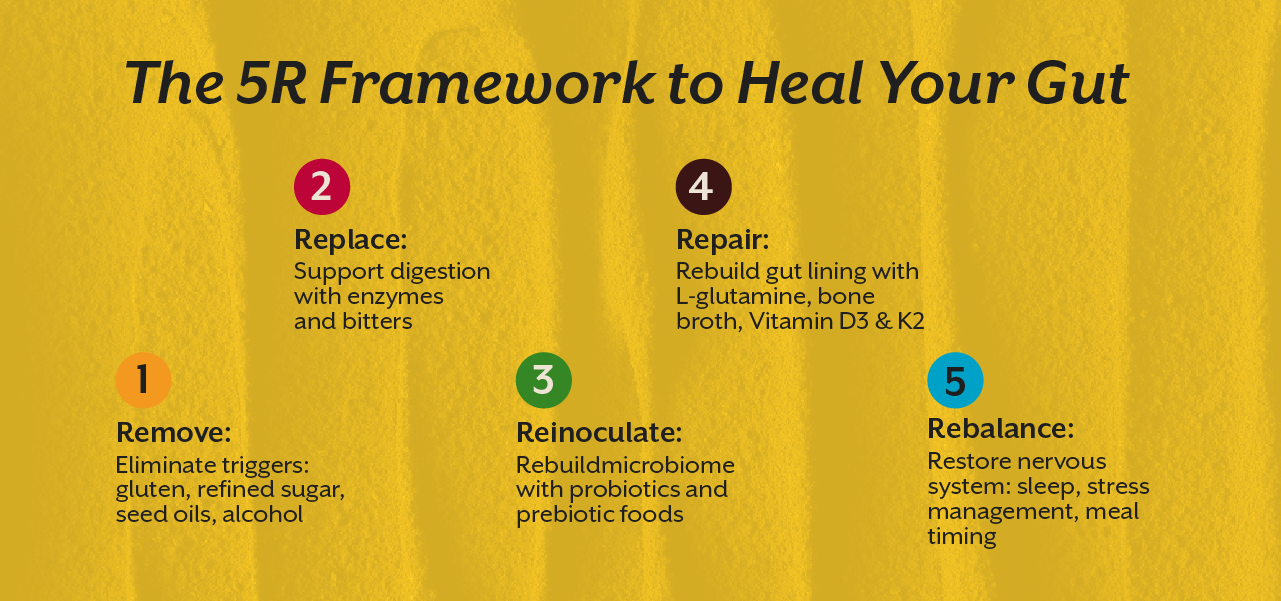
This is truly where the 5R framework becomes immensely powerful.
Remove: Identifying What Is Hurting Your Gut
The first step is removing all the triggers that are keeping your gut inflamed. This mostly involves gluten, conventional dairy, refined sugars, seed oils, and majorly alcohol. But it is not just about food, it also involves addressing infections and reducing unnecessary medications that are not helping but irritating the gut lining.
Replace: Supporting Digestion
When your digestion is weak, food is not broken down properly and this eventually increases the burden on your gut. Supporting digestive enzymes and bitters are beneficial in reducing this load and improving the absorption of nutrients.
Reinoculate: Rebuilding the Microbiome
A healthy gut lining is entirely dependent on a highly balanced microbiome. Introducing beneficial bacteria and feeding them with the right prebiotic foods helps in restoring this balance. This is where leaky gut healing foods like onions, fermented foods, and garlic begin to play a role.
Repair: Rebuilding the Gut Lining
This is truly the phase where most of you rush into without even completing the previous steps. But since we’ve come a long way in functional nutrition now, here at iThrive we don’t permit any of our clients to skip any steps as we are entitled to achieve the positive outcome. Nutrients like L glutamine offer fuel for intestinal cells, bone broth provides structural support via amino acids and collagen, and vitamin D3 and K2 regulates the immune responses and supports cellular integrity.
Trust us when we say these are the building blocks.
Rebalance: The Most Ignored Step
You can do everything right nutritionally as said by us, and yet struggle if your nervous system stays in stress mode. Digestion needs a proper rest and digest state. Late night eating, constant stimulation, and poor sleep prevents the gut from repairing itself. This is why we’ve always been putting emphasis on this particular sentence that lifestyle interventions are never an add on, it’s central to healing.
The Role of Testing in Understanding Your Gut
Moving From Assumption to Clarity
Advanced testing tools like GI MAP are beneficial in identifying microbial imbalances and markers like zonulin. Blood based testing helps in assessing the immune responses to gut barrier proteins.
Why Personalisation Matters
Being an A player for 7 years in the field of functional nutrition, we can truly say two people with each and every symptom similar, can have entirely different root causes.
This is why at iThrive, we focus on a Book a Root Cause Analysis to understand what is actually driving the condition before developing a personalised healing plan.
What Healing Actually Feels Like
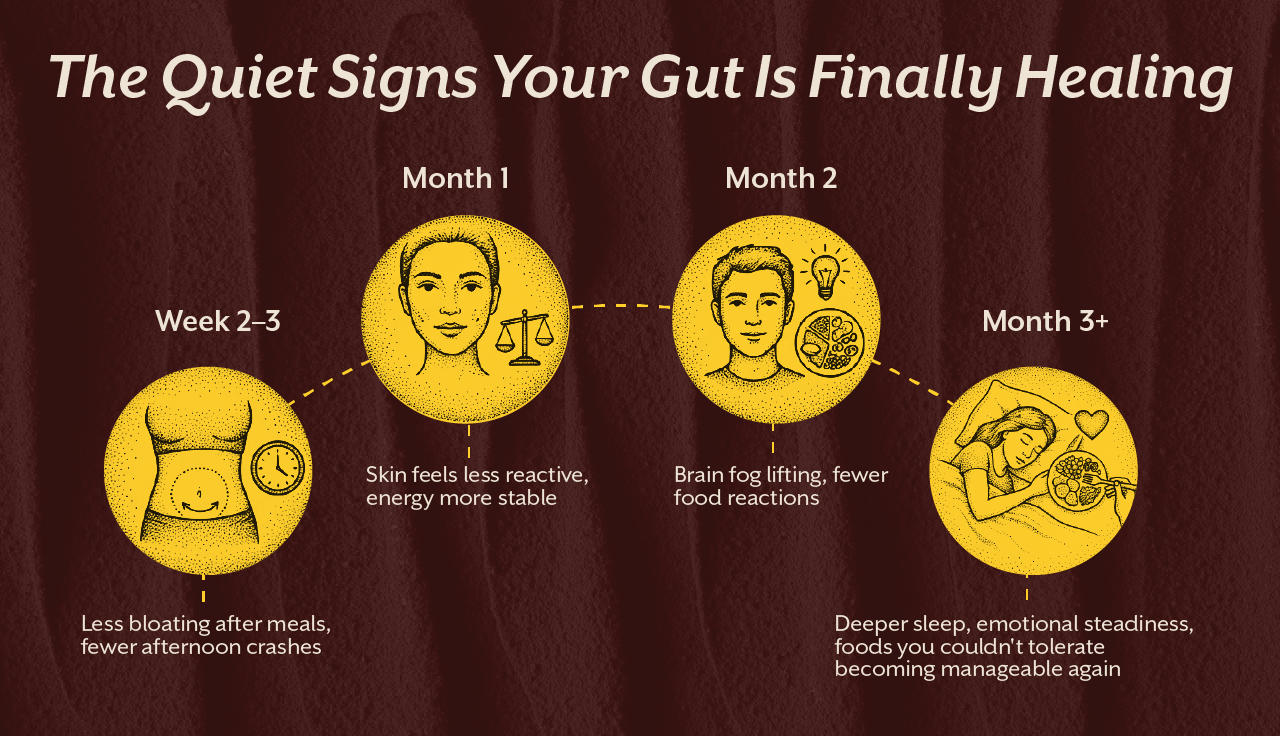
To be clear, it doesn't happen overnight. It is the subtle shifts that start adding up.
Less bloating after meals, much more stable energy through the day, clearer thinking, and fewer reactions to foods that once felt nearly impossible to tolerate.
This state is the best state by far, it's your body slowly returning to a state it was designed to be in. And often, people realise something important in this process. Their body was never broken, it was responding.
This is the phase we live to take our clients to, each of them relieved, informed, and happy.
Key Takeaway
Leaky gut syndrome is not a random concept or an impromptu internet trend. It is a measurable shift in how your intestinal barrier functions, and it has far reaching effects on inflammation, immunity, and in fact overall health. When the gut lining becomes permeable, it permits the substances into the bloodstream that were never meant to be there, eventually developing a cascade of immune reactions that can manifest as digestive issues, fatigue, skin concerns, and even autoimmune conditions.
Healing is not about chasing symptoms, it has never been. It is about restoring the integrity of the gut barrier through a potential combination of factors like removing triggers, supporting digestion, rebuilding the microbiome, repairing the lining, and addressing lifestyle factors that influence gut health. When this process is approached with clarity and consistency that exists in iThrive, the body often responds in ways that feel both surprising and deeply relieving.
















.svg)