

.svg)
.svg)







Introduction
Many people believe weight gain happens slowly through diet or inactivity. While these factors certainly influence body weight, an often overlooked driver of metabolic imbalance is poor sleep.
Sleep is not simply a period of rest. During the night, the body performs critical metabolic repairs that regulate hunger hormones, insulin sensitivity, and energy balance. When sleep quality becomes disrupted, these biological processes can change within a single night.
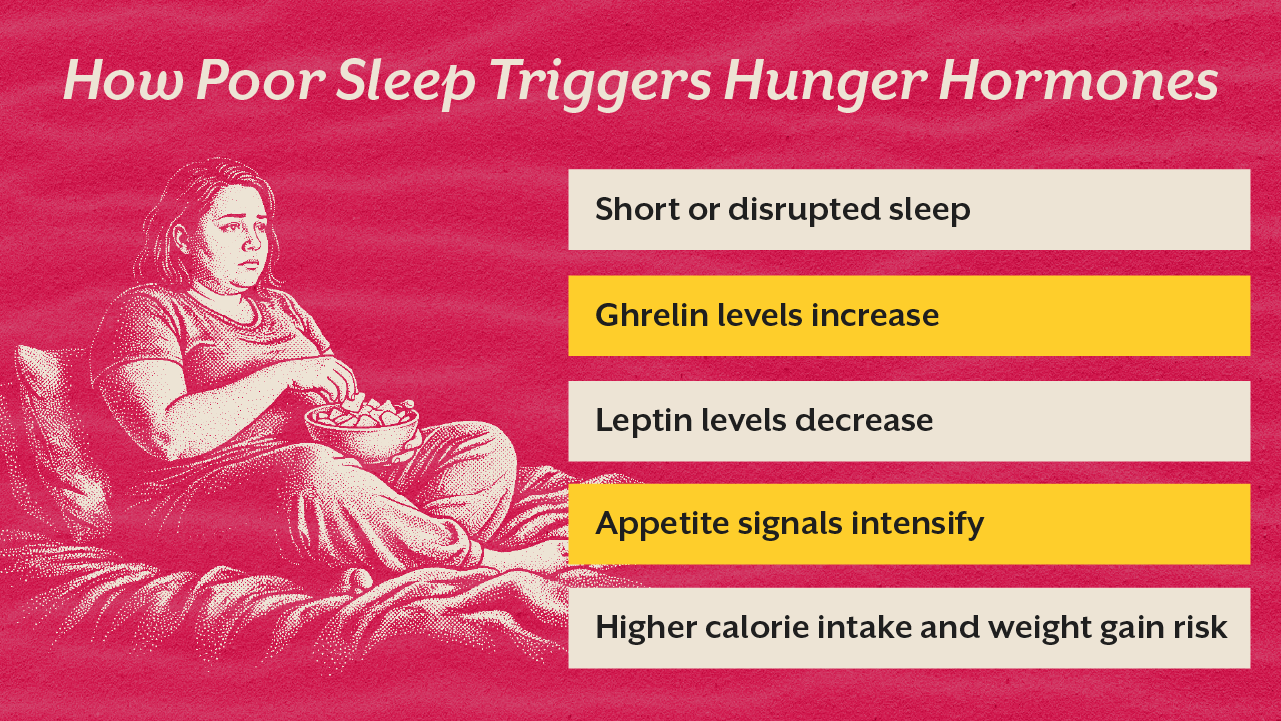
Studies on sleep deprivation and weight gain show that even short periods of poor sleep can alter appetite hormones such as ghrelin and leptin. Ghrelin stimulates hunger while leptin signals satiety. When sleep becomes fragmented or shortened, ghrelin levels rise while leptin declines. This imbalance often increases cravings for high calorie foods the following day.
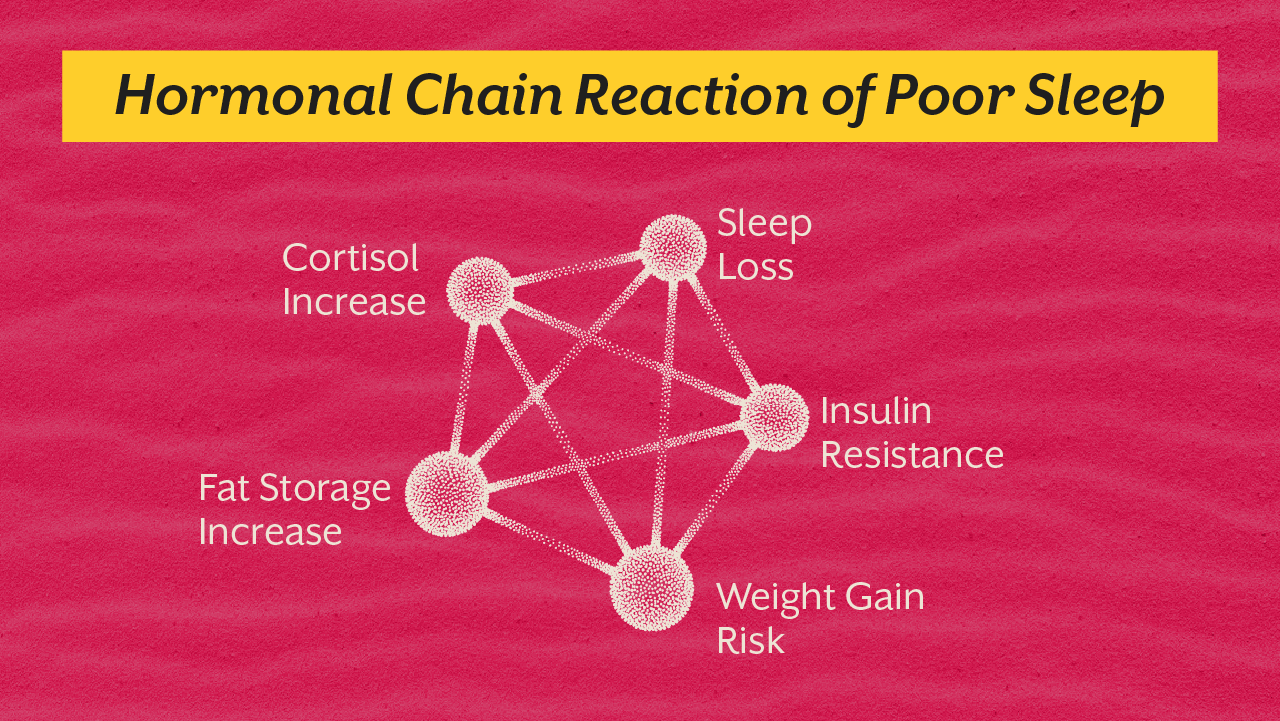
Beyond hunger signals, poor sleep hormones and weight gain pathways involve deeper metabolic changes. Cortisol levels increase when the body perceives stress or sleep loss. Elevated cortisol encourages fat storage, particularly around the abdomen.
At the cellular level, mitochondrial function also plays a critical role. Mitochondria regulate energy production and metabolic signaling. When sleep becomes inconsistent, mitochondrial efficiency declines, reducing the body’s ability to perform overnight metabolic repair.
At iThrive Alive we often see individuals struggling with stubborn weight gain despite healthy diets. In many cases the underlying driver is not just food choices but disrupted sleep biology. Understanding how sleep and weight gain interact can help individuals fix sleep to lose weight naturally rather than relying only on restrictive dieting.
The Overnight Metabolic Reset That Happens During Sleep
Why Sleep Is Critical for Metabolic Repair
Sleep is a metabolically active state. While the body appears still, several hormonal and cellular systems become highly active.
Growth hormone release increases during deep sleep and supports fat metabolism. The brain also regulates appetite hormones that influence hunger the next day. At the same time mitochondria repair cellular damage accumulated during daily metabolic activity.
When sleep duration falls below optimal levels these processes become impaired. The body may wake up in a metabolic state that favors hunger signals, insulin resistance, and fat storage.
Research summarized in the white paper “Mitochondrial Dysfunction Sleep Deprivation Sleep Disorders” highlights how disrupted sleep reduces mitochondrial energy efficiency. Lower energy production can alter glucose metabolism and increase the risk of weight gain.
How Sleep Deprivation Alters Hunger Hormones
Ghrelin and Leptin Imbalance
The Hunger Hormone Shift
Ghrelin is often referred to as the hunger hormone because it stimulates appetite and food seeking behavior. Leptin performs the opposite function by signaling fullness to the brain.
Even one night of poor sleep can alter the balance between these hormones. Research shows that sleep deprivation and weight gain are closely linked through this hormonal disruption.
When sleep becomes insufficient ghrelin levels increase significantly. At the same time leptin levels decline, reducing the body’s ability to recognize satiety.
The Behavioral Consequences
This hormonal shift often results in increased cravings for calorie dense foods the next day. Many individuals notice stronger cravings for sugar and processed carbohydrates following poor sleep.
These cravings are not simply psychological. They reflect genuine biological changes in appetite regulation.
The Role of Cortisol in Sleep Related Weight Gain
Cortisol and Weight Gain from Sleep Loss
Sleep loss activates the body’s stress response. When sleep becomes fragmented or insufficient, the hypothalamic pituitary adrenal axis increases cortisol production.
Cortisol prepares the body for alertness and energy mobilization. However, chronically elevated cortisol encourages fat storage and increases blood sugar levels.
Individuals experiencing insomnia and weight gain often show elevated cortisol patterns particularly during the evening hours when cortisol should normally decline.
Metabolic Consequences
High cortisol can also impair insulin sensitivity. When cells become less responsive to insulin signals, glucose remains elevated in the bloodstream.
This metabolic state encourages fat storage and increases the risk of insulin resistance and poor sleep cycles.
Mitochondrial Dysfunction and Overnight Metabolic Repair
Why Cellular Energy Matters for Weight Regulation
Weight regulation depends heavily on mitochondrial function. Mitochondria determine how efficiently the body converts nutrients into energy.
During sleep these cellular structures perform essential repair processes. Damaged mitochondrial components are replaced and oxidative stress is reduced.
When sleep becomes disrupted this repair process becomes incomplete.
Reduced Metabolic Efficiency
Impaired mitochondria produce less cellular energy. As energy production declines the body may rely more heavily on glucose metabolism and store excess energy as fat.
This is one reason individuals experiencing sleep deprivation and weight gain often struggle to lose weight despite dietary changes.
Supporting Mitochondrial Recovery
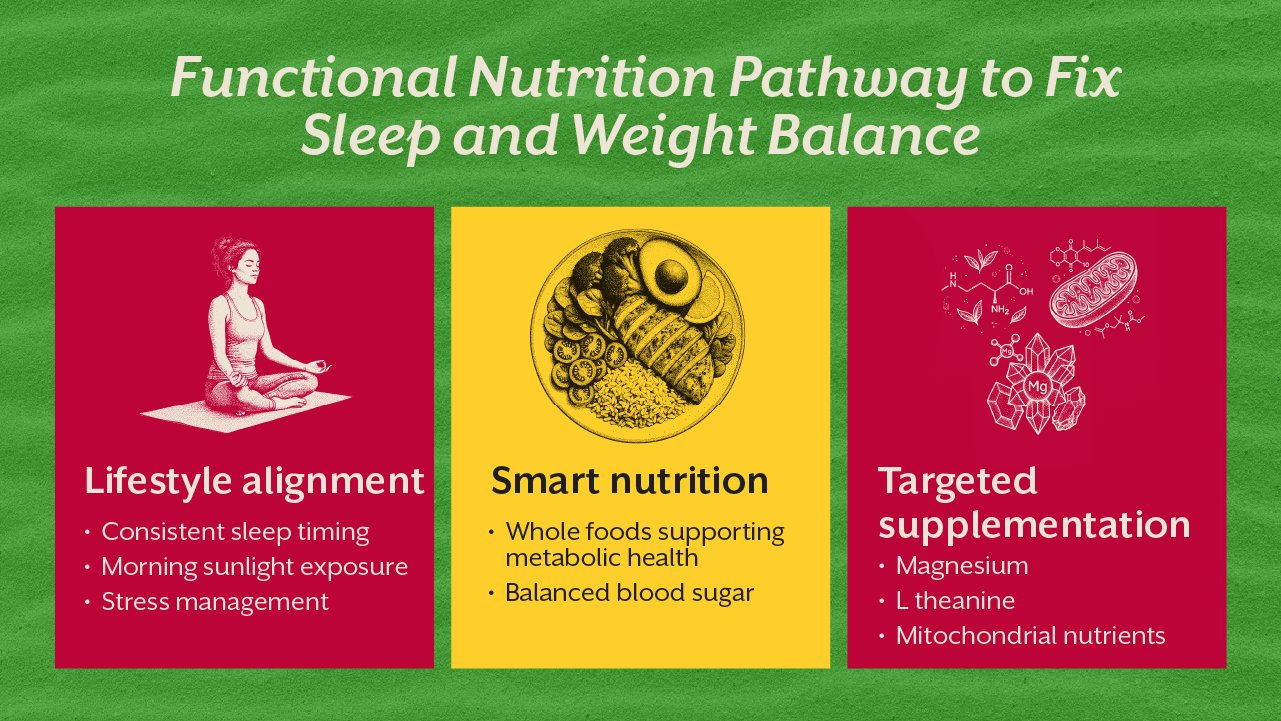
Lifestyle interventions such as consistent sleep timing, stress regulation, and nutrient support can improve mitochondrial resilience.
Magnesium for sleep and weight loss support is often discussed because magnesium contributes to both nervous system relaxation and cellular energy production.
Key Takeaway
Sleep is far more than a nightly pause in activity. It is a biological window during which the body recalibrates hormones that control hunger, metabolism, and energy balance. Even a single night of disrupted sleep can alter ghrelin and leptin levels, increase cortisol production, and impair mitochondrial repair processes. Over time these changes create a metabolic environment that favors weight gain despite conscious efforts to maintain healthy eating habits. Addressing sleep quality is therefore a critical component of long term metabolic health. By restoring circadian rhythm, supporting mitochondrial function, and stabilizing hormonal signaling, individuals can rebuild the biological conditions necessary for sustainable weight regulation and overall wellbeing.














.svg)