




Psoriasis | How Deep is it Rooted?
Table Of Content

Psoriasis | How Deep is it Rooted?

iThrive Team
May 19, 2025

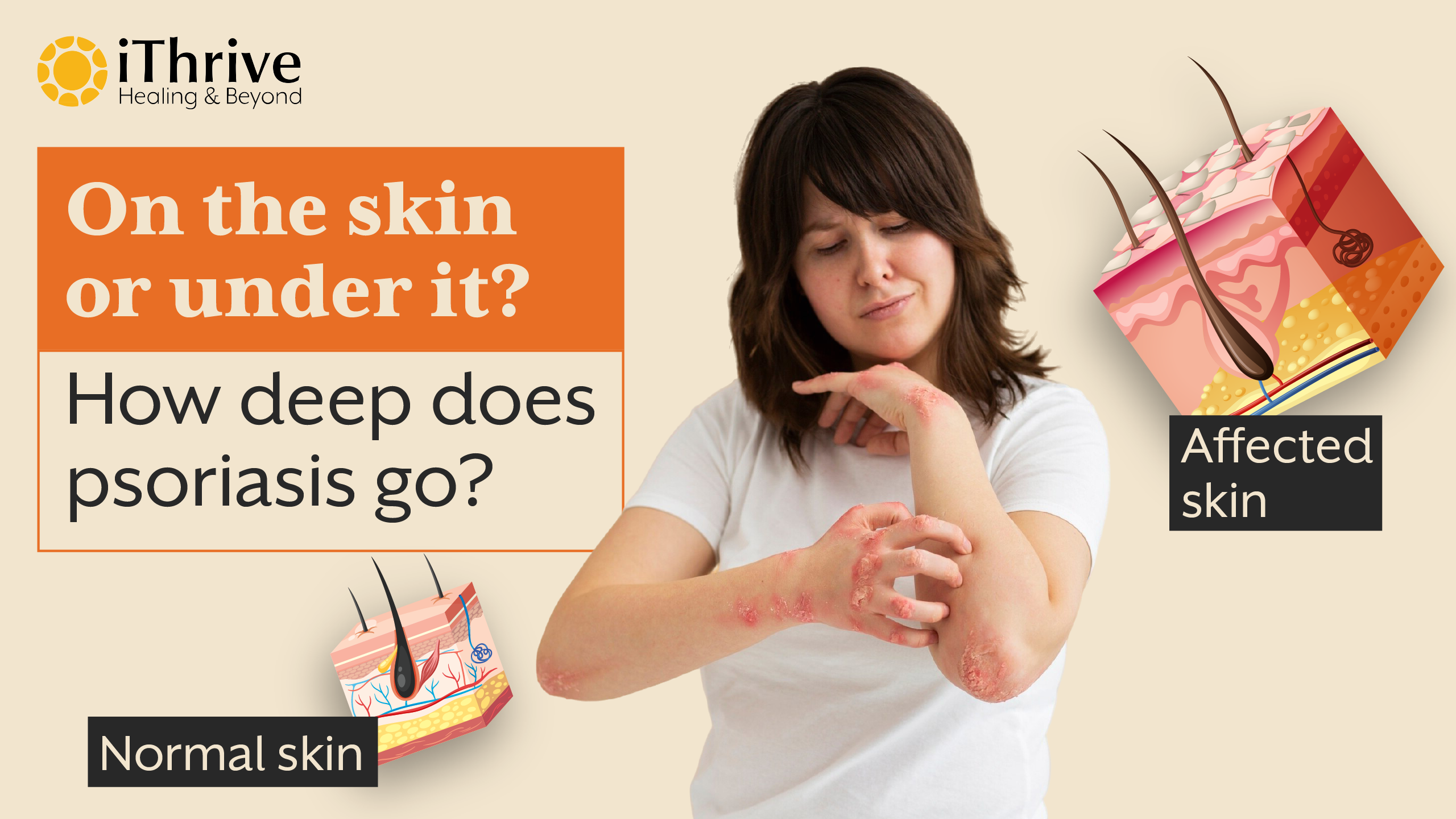
Do you also feel you are a victim of raised, red, scaly patches on the skin usually called skin rash? Then there are the symptoms of Psoriasis, a chronic skin condition. When the immune system is overactive, it accelerates the development of skin cells, which leads to rapid build-up and inflammation known as plaques. Different body parts like the scalp, elbows, and knees are affected by Psoriasis. It can also lead to psoriatic arthritis. Some people mistake these symptoms for Eczema but you need to know that Psoriasis and Eczema have much in common. Hence, people usually get confused between them. Eczema rashes tend to affect skin folds and be itchier.

Global Impact of Psoriasis

Around 2-3% of the global population seems to be in the clutches of Psoriasis, which is around 125 million people worldwide. In 2019, reports stated that there were 40.8 million cases worldwide. There has been a 20% drop since 1990. It was discovered that the age-standardized incidence rate per 100,000 people varied significantly by region.2 The highest rate of the age-standardized incidence rate of psoriasis was found in high-income countries and territories and vice versa was found in low SDI countries as they reported the lowest rate. Psoriasis is most common in people aged 60 to 69, and it is almost equally found in men and women. 

What's the Difference Between Eczema and Psoriasis?

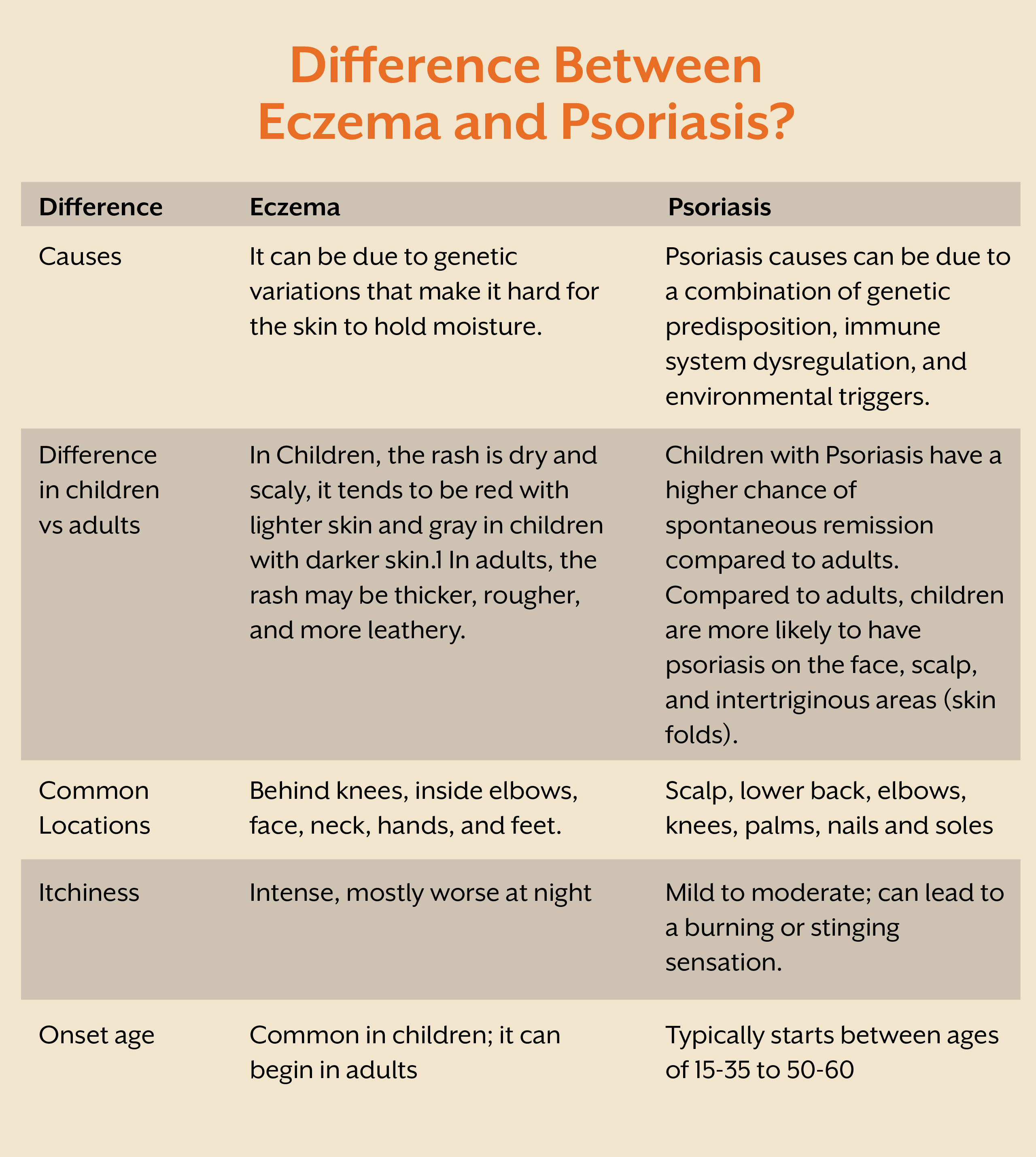
If you have an itchy, dry rash, then it might be easy to be confused between the two. Eczema and Psoriasis lead to rashes that come and go, these are called flare-ups. 1 Sometimes it takes months or even years for these flare-ups to go. These two even have similar appearances. But do you know the difference between these two and how deep is Psoriasis skin deep? If not, then let’s examine it bit by bit. Here is the difference between psoriasis versus eczema:
What are the Types of Psoriasis?

Psoriasis is a chronic autoimmune condition that accelerates skin cell turnover, causing the skin's surface to rapidly accumulate skin cells. It can be caused due to a combination of genetic predisposition and environmental triggers. There are different types of Psoriasis such as 

1. Plaque psoriasis

The most common psoriasis is Plaque, affecting 80-90% of the individuals suffering from Psoriasis. It presents itself as red patches, raised with silver-white scales. The scalp, trunk, and limbs—particularly the elbows and knees—are where these plaques typically grow on the body in a symmetrical pattern.2

2. Guttate psoriasis

If you have small, drop-shaped spots that look red on the torso or limbs. It is common in children and young adults and it might get triggered by a strep throat infection. 

3. Inverse psoriasis

These are present beneath the breast or in the groin armpits, appearing to be smooth, red patches in folds of skin. Sweating and rubbing can trigger it and make it worse. 

4. Pustular psoriasis

Pustular psoriasis is characterized by pus- filled bumps called pustules surrounded by red skin. It usually targets feet and hands, but there is a form that covers most of the body. It can get triggered by infections, stress, medications or certain chemicals. 

5. Erythrodermic psoriasis

This is a rare type of psoriasis that is differentiated by red, scaly skin over most of the body. A bad sunburn or certain medication can trigger it. It is usually found in people who struggle with different types of psoriasis that are not well controlled. Erythrodermic psoriasis can turn out to be very serious. 2

6. Scalp Psoriasis

It is a non-contagious skin condition that is chronic. It develops thick and scaly patches on the scalp and sometimes the surrounding areas. 

What are Psoriasis Risk Factors?
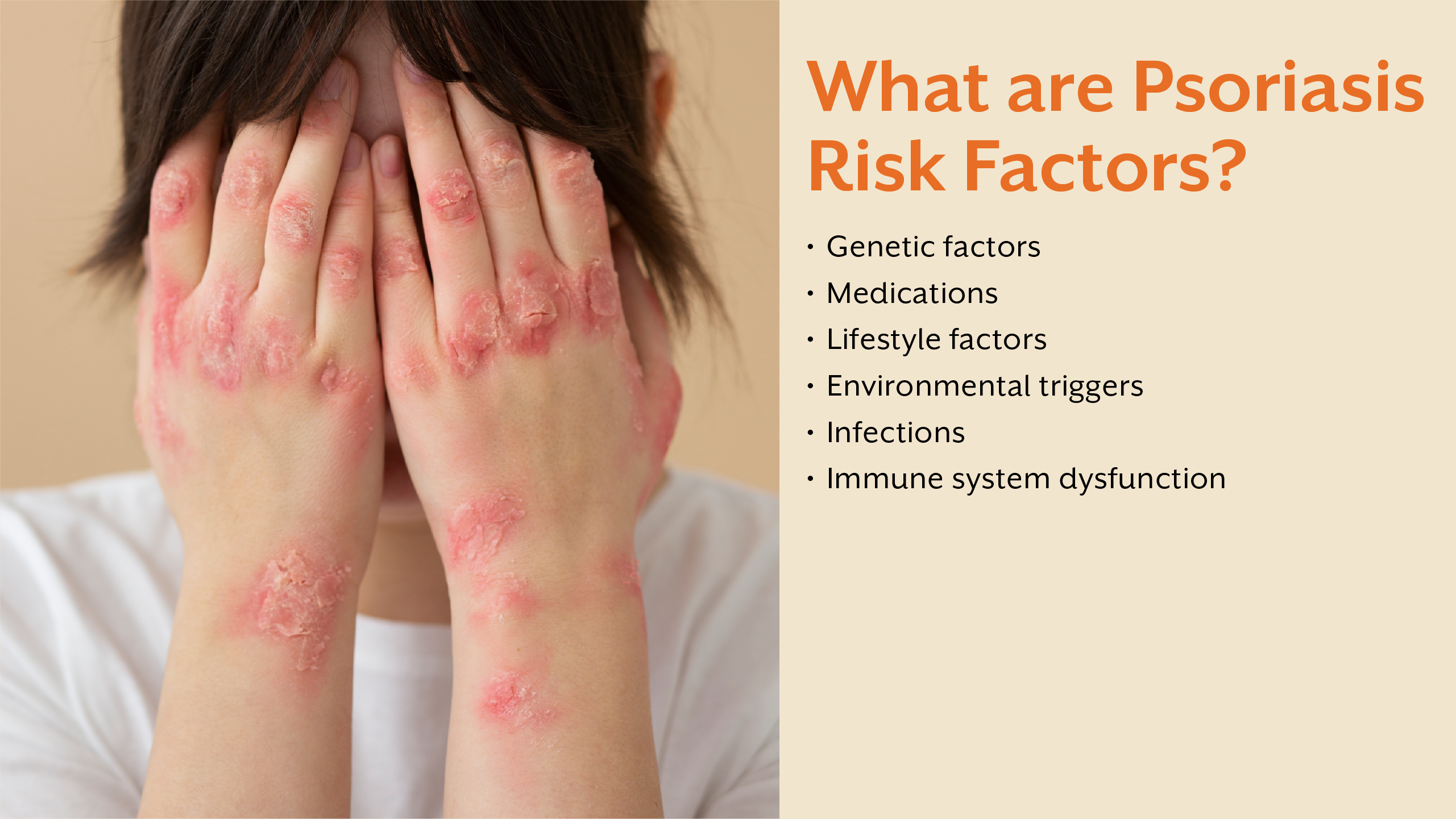
The exact cause of psoriasis is unclear but it can be triggered by environmental factors and can also be caused by family history. Here are the risk factors for psoriasis that can help individuals at high risk manage the condition easily- 

1. Genetic factors

Having a family history of psoriasis can increase your chances of developing it. The lifetime risk of psoriasis can be 14-28% if one parent has it. If both of the parents have it, then the risk increases up to 40-65%. If your sibling has it then it elevates it further. Psoriasis has been linked to genetic mutations, such as those in the CARD14 gene, albeit not all people who have these mutations go on to get the condition.3

2. Medications

It is recognized that certain drugs might contribute to or worsen psoriasis disease symptoms. These consist of:

  • Beta-blockers
  • Lithium
  • Antimalaria drugs 
  • Indomethacin

3. Lifestyle factors

Even small changes in lifestyle can trigger psoriasis-like- 

  • Smoking
  • Obesity
  • Alcohol Consumption
  • Hormonal Changes

4. Environmental triggers

Psoriasis can be triggered due to environmental factors in predisposed individuals such as

  • Weather Conditions
  • Skin injury
  • Stress

5. Infections

Psoriasis can be triggered because of varied infections like streptococcal throat infection. Infections like HIV may also increase the severity or risk of the condition.  

6. Immune system dysfunction

Psoriasis is predominantly an immune-mediated condition in which healthy skin cells are mistakenly attacked by the immune system, causing a rapid turnover of skin cells. Environmental variables and genetic predisposition both have an impact on this dysfunction.

Psoriasis and Skin Color

Psoriasis varies from skin to skin, it looks different on different skins. On darker skin types, Psoriasis may look dark brown, purple, violet, or salmon with grayish scales. It looks red with silver scales on top of lighter skin. Additionally, during a flare-up of psoriasis, some people with darker skin may develop post-inflammatory hyperpigmentation, a change in skin tone that can take months to recover. Individuals of color with psoriasis might have more severe cases that can cover their bodies fully. 4

Psoriasis Complications
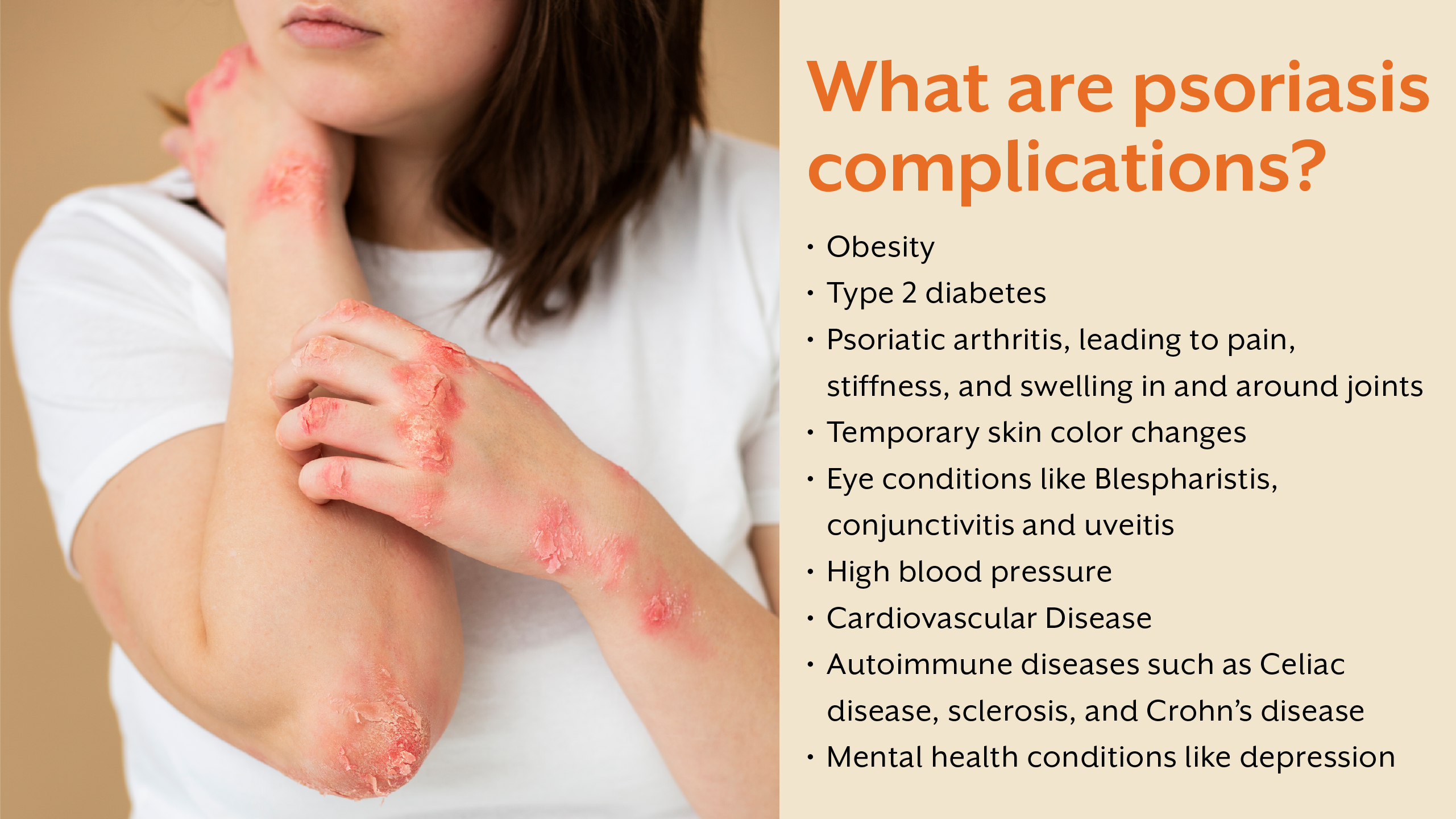
Having Psoriasis comes with a risk of developing other conditions including;

1. Obesity 

2. Type 2 diabetes

3. Psoriatic arthritis, leading to pain, stiffness, and swelling in and around joints

4. Temporary skin color changes

5. Eye conditions like Blespharistis, conjunctivitis and uveitis

6. High blood pressure

7. Cardiovascular Disease

8. Autoimmune diseases such as Celiac disease, sclerosis, and Crohn’s disease

9 Mental health conditions like depression

Living with Psoriasis-

Reducing flare-ups is like a dream come true for people with psoriasis, but it can be reduced with the right approach like opting for functional nutrition, emotional well-being, and tackling stress. These three areas can help people immensely-

1. Opt for Functional nutrition: It goes a long way as it focuses on personalized dietary strategies. Functional nutrition makes sure that you avoid psoriasis triggers and that your body is full of nutrients through the right diet and correct supplements. Get your free consultation today on whether an anti-inflammatory diet is right for you.

2. Avoid Stress

Stress is known to be a major factor in triggering psoriasis patient flare-ups. Learning to manage stress is an art, which is also necessary here. You can consider trying the following to reduce stress:

  • Yoga
  • Breathing exercises
  • Journaling 
  • Meditating 

3. Emotional health

Researchers believe that self-esteem issues and depression are sadly common symptoms in people dealing with psoriasis. 5 People dealing with this can try-

  • Support Networks
  • Professional Counseling

Diet recommendations for people with psoriasis
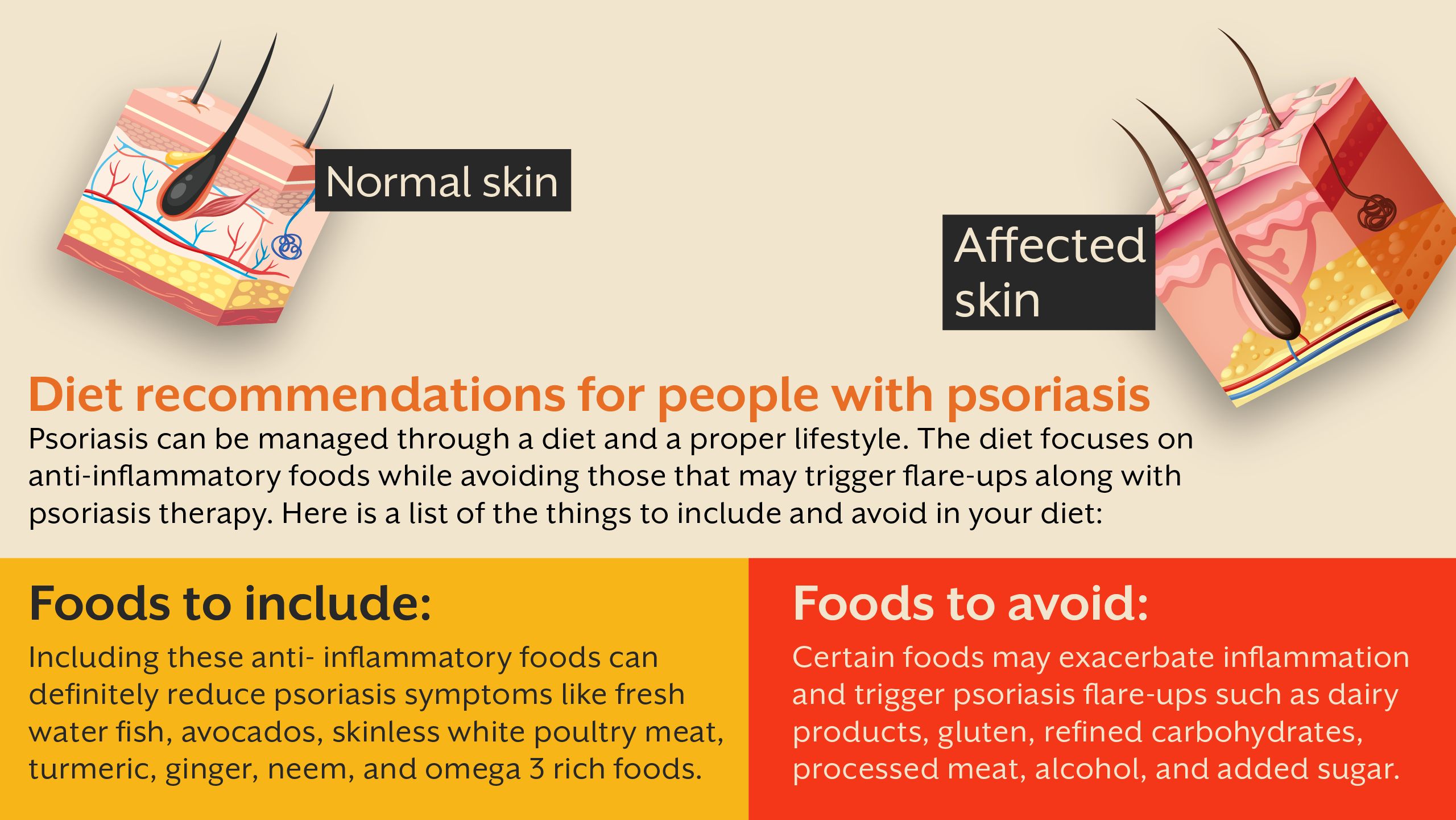
Psoriasis can be managed through a diet and a proper lifestyle. The diet focuses on anti-inflammatory foods while avoiding those that may trigger flare-ups along with psoriasis therapy. Here is a list of the things to include and avoid in your diet:

  • Foods to include: Including these anti-inflammatory foods can reduce psoriasis symptoms like freshwater fish, avocados, skinless white poultry meat, ketogenic diet, turmeric, olive oil, vegetable ginger, neem, and omega-3 rich foods.
  • Foods to avoid: Certain foods may exacerbate inflammation and trigger psoriasis flare-ups such as dairy products, gluten, refined carbohydrates, processed meat, alcohol, and added sugar. 

Conclusion 

Psoriasis is a chronic inflammatory skin disorder rooted in the genes, found in 2-3% of the world’s population. It can be mistaken for eczema as they both share some similar features but they both are different and work on children and adults differently. There are a number of risk factors for psoriasis like genetics, medications, lifestyle, infections, and environmental triggers. This disease can also lead to complications So, living with it, individuals can focus on three areas: functional nutrition, stress, and emotional health to reduce its effects and avoid flare-ups. It might be an incurable disease but victory is just one day at a time. 

Reference

1. Psoriasis vs. Eczema: How to Tell the Difference. (2024, December 9). WebMD. https://www.webmd.com/skin-problems-and-treatments/psoriasis/psoriasis-or-eczema

2. Branch, N. S. C. a. O. (2025, January 8). Psoriasis. National Institute of Arthritis and Musculoskeletal and Skin Diseases. https://www.niams.nih.gov/health-topics/psoriasis?

3. Barhum, L. (2024, January 6). Is psoriasis hereditary? Verywell Health. https://www.verywellhealth.com/is-psoriasis-hereditary-5191433?

4. Pfizer. (n.d.). Psoriasis Overview: Types, causes, symptoms, and treatment | Pfizer. https://www.pfizer.com/disease-and-conditions/psoriasis

5. Sahi, F. M., Masood, A., Danawar, N. A., Mekaiel, A., & Malik, B. H. (2020). Association between psoriasis and Depression: A traditional review. Cureus. https://doi.org/10.7759/cureus.9708

A
Ask your doubts
Thank you! Your submission has been received!
Oops! Something went wrong while submitting the form.

FAQs

What is psoriasis?
faq arrow

Lorem ipsum dolor sit amet, consectetur adipiscing elit, sed do eiusmod tempor incididunt ut labore et dolore magna aliqua. Ut enim ad minim veniam, quis nostrud exercitation ullamco laboris nisi ut aliquip ex ea commodo consequat. Duis aute irure dolor in reprehenderit in voluptate velit esse cillum dolore eu fugiat nulla pariatur.

Can psoriasis be cured?
faq arrow

Lorem ipsum dolor sit amet, consectetur adipiscing elit, sed do eiusmod tempor incididunt ut labore et dolore magna aliqua. Ut enim ad minim veniam, quis nostrud exercitation ullamco laboris nisi ut aliquip ex ea commodo consequat. Duis aute irure dolor in reprehenderit in voluptate velit esse cillum dolore eu fugiat nulla pariatur.

Can Vitamin D help Psoriasis?
faq arrow

Lorem ipsum dolor sit amet, consectetur adipiscing elit, sed do eiusmod tempor incididunt ut labore et dolore magna aliqua. Ut enim ad minim veniam, quis nostrud exercitation ullamco laboris nisi ut aliquip ex ea commodo consequat. Duis aute irure dolor in reprehenderit in voluptate velit esse cillum dolore eu fugiat nulla pariatur.

Which vitamin deficiency leads to psoriasis?
faq arrow

Lorem ipsum dolor sit amet, consectetur adipiscing elit, sed do eiusmod tempor incididunt ut labore et dolore magna aliqua. Ut enim ad minim veniam, quis nostrud exercitation ullamco laboris nisi ut aliquip ex ea commodo consequat. Duis aute irure dolor in reprehenderit in voluptate velit esse cillum dolore eu fugiat nulla pariatur.

What is the root cause of psoriasis?
faq arrow

Lorem ipsum dolor sit amet, consectetur adipiscing elit, sed do eiusmod tempor incididunt ut labore et dolore magna aliqua. Ut enim ad minim veniam, quis nostrud exercitation ullamco laboris nisi ut aliquip ex ea commodo consequat. Duis aute irure dolor in reprehenderit in voluptate velit esse cillum dolore eu fugiat nulla pariatur.

Related Blogs

Case Breakdown: How Correcting Metabolic Dysfunction Improved Thyroid Function Without Escalating Medication
read count
read time
Feb 20, 2026

Case Breakdown: How Correcting Metabolic Dysfunction Improved Thyroid Function Without Escalating Medication

A clinical case breakdown explaining how metabolic dysfunction correction improved thyroid function without medication escalation. Learn the systems-biology approach used at iThrive Alive.

Introduction

In clinical practice, thyroid dysfunction is rarely an isolated glandular disorder. It is more often a downstream reflection of systemic dysregulation in the form of metabolic, inflammatory, neurological, and cellular.

Yet conventional treatment models frequently operate within a hormone-replacement paradigm. When symptoms persist or worsen, medication dosage is adjusted. When lab markers fluctuate, dosing is recalibrated. The underlying assumption is simple: thyroid dysfunction equals thyroid hormone deficiency.

However, emerging metabolic and systems biology research suggests a more complex reality. Thyroid physiology is tightly integrated with glucose metabolism, mitochondrial activity, immune signaling, gut integrity, and neuroendocrine stress responses. Disruption in any of these systems can impair hormone signaling even when circulating hormone levels appear adequate.

This case breakdown examines a clinical scenario where thyroid function improved significantly without escalating medication, simply by correcting metabolic dysfunction.

The objective is not to argue against medication when needed but to demonstrate how addressing systemic drivers can restore regulatory efficiency, often reducing physiological strain on the thyroid axis itself.

This system's perspective aligns closely with the clinical model discussed in Healing Hypothyroidism: The Functional Role of Nutrition in Thyroid Health, where thyroid regulation is viewed through nutritional and systemic modulation rather than gland-centric intervention.

Section 1: Understanding the Thyroid-Metabolic Axis

Thyroid Hormones Are Metabolic Regulators

Thyroid hormones function less like isolated endocrine outputs and more like metabolic coordinators. They regulate:

  • Cellular oxygen consumption
  • Mitochondrial energy generation
  • Glucose utilization
  • Lipid turnover
  • Thermogenesis
  • Neurotransmitter balance

When metabolic signaling becomes inefficient, thyroid hormone action becomes compromised, not always because hormone production is low, but because hormone utilization is impaired.

Insulin Resistance as a Thyroid Modifier

One of the most powerful modulators of thyroid signaling is insulin sensitivity. Insulin resistance alters hepatic enzyme activity responsible for T4-to-T3 conversion, modifies inflammatory cytokine profiles, and influences receptor responsiveness at tissue level.

This interrelationship is also explored in Causes of Insulin Resistance, which describes how inflammatory signaling and metabolic stress interfere with endocrine communication across multiple systems.

When insulin signaling is impaired, tissues become metabolically inflexible. In this environment, thyroid hormone cannot effectively stimulate energy production, even if circulating levels appear normal.

The result is functional hypothyroid physiology without overt hormone deficiency.

Section 2: Case Presentation: Persistent Symptoms Despite Medication

The individual in this case had been diagnosed with hypothyroidism and maintained on stable medication for several years. Laboratory values remained within reference range, yet symptoms persisted:

  • Fatigue and low stamina
  • Weight gain resistant to caloric control
  • Brain fog
  • Poor recovery after exercise
  • Cold intolerance
  • Increased visceral fat

Despite medication adherence, metabolic function continued to decline.

A deeper evaluation revealed:

  • Elevated fasting insulin
  • Increased inflammatory markers
  • Central adiposity
  • Reduced muscle metabolic efficiency
  • High perceived stress load

Importantly, thyroid hormone levels were not severely abnormal. The issue was not production failure, it was signaling inefficiency.

This distinction is critical.

The thyroid axis was functioning, but the metabolic environment was hostile to hormone activity.

Section 3: Root Drivers Identified

Detailed assessment identified three major regulatory disruptions.

1. Chronic Hyperinsulinemia

Elevated insulin levels suppress lipolysis, increase inflammatory signaling, and impair hepatic hormone conversion. The metabolic environment becomes energy-inefficient despite caloric sufficiency.

2. Inflammatory Signaling

Pro-inflammatory cytokines interfere with receptor binding and intracellular signaling cascades. Hormones reach tissues but fail to trigger metabolic response.

This inflammatory-metabolic relationship is also discussed in What Causes Obesity?, where endocrine disruption is linked to inflammatory and environmental stressors.

3. Stress-Driven Neuroendocrine Dysregulation

Chronic stress alters hypothalamic signaling, modifies cortisol rhythms, and shifts energy allocation toward survival rather than regeneration.

When these drivers coexist, thyroid hormone becomes biologically underutilized.

Section 4: Intervention Strategy: Metabolic Restoration

Rather than escalating medication, intervention targeted systemic regulation.

Nutritional Strategy

Structured macronutrient timing to stabilise insulin dynamics and support mitochondrial energy generation. Anti-inflammatory nutrient density prioritised micronutrient sufficiency required for enzymatic conversion.

Resistance Training

Muscle tissue is the largest glucose disposal organ. Increasing lean mass improves insulin sensitivity and enhances metabolic responsiveness to thyroid hormone.

Nervous System Regulation

Stress reduction protocols aimed to restore hypothalamic signaling integrity and reduce cortisol-driven metabolic disruption.

Micronutrient Repletion

Specific nutrients involved in thyroid conversion, receptor function, and mitochondrial activity were optimised.

The intervention did not target the thyroid gland directly, it restored the environment in which thyroid hormones operate.

Section 5: Clinical Outcomes

Over several months, measurable changes occurred:

  • Improved insulin sensitivity
  • Reduced visceral fat
  • Increased lean mass
  • Improved thermoregulation
  • Enhanced energy stability
  • Reduced symptom burden

Most notably, thyroid medication dose remained unchanged yet functional markers improved.

This demonstrates a key physiological principle:

Hormone function depends as much on cellular responsiveness as on hormone quantity.

Section 6: What This Case Teaches About Thyroid Care

This case illustrates that thyroid dysfunction is often a systems disorder expressed through endocrine signaling.

Treating the gland without addressing metabolic context may stabilise lab values but fail to restore physiological function.

A systems-based evaluation including metabolic, inflammatory, gut, and stress parameters enables identification of regulatory bottlenecks that conventional testing may overlook.

This integrative clinical perspective forms the foundation of evaluation models that prioritise functional restoration rather than isolated hormone correction.

Individuals seeking deeper investigation into persistent symptoms despite treatment may benefit from structured metabolic assessment, such as a Book a Root Cause Analysis evaluation or Book a Consult to explore regulatory drivers.

Key Takeaway

This case demonstrates that improving thyroid function does not always require increasing medication. When metabolic dysfunction, inflammatory signaling, and neuroendocrine stress are corrected, hormone efficiency can improve naturally. Thyroid physiology is not governed solely by glandular output but by the biological environment in which hormones operate. A clinically effective strategy therefore focuses on restoring systemic balance, further improving insulin sensitivity, reducing inflammation, enhancing mitochondrial function, and stabilising nervous system signaling. When the regulatory network becomes efficient, thyroid hormone can perform its role effectively, often reducing the need for pharmacological escalation. True endocrine recovery is therefore not about forcing hormone levels upward, but about rebuilding the physiological systems that allow hormones to function properly.

Are Your Thyroid Issues Actually Hashimoto's?
read count
read time
Sep 26, 2025

Are Your Thyroid Issues Actually Hashimoto's?

Still tired on thyroid meds? It could be Hashimoto’s, the autoimmune root cause of hypothyroidism. Learn symptoms, testing, and root-cause healing strategies with iThrive.

Do you feel constantly tired even after a full night’s sleep? Have you noticed weight gain that just won’t budge, no matter how much you diet or exercise? Or maybe you’re dealing with brain fog, mood swings, and restless nights without a clear reason.

If you’ve been diagnosed with hypothyroidism and are on medication but still don’t feel like yourself, you’re not alone. For many, the underlying issue isn’t just a sluggish thyroid - it’s Hashimoto’s disease, an autoimmune condition and the most common cause of hypothyroidism in India (and worldwide).

Understanding this distinction is the first step toward real relief.

What Is Hashimoto's Disease?

Hashimoto’s occurs when the immune system mistakenly attacks the thyroid gland. Instead of protecting you, your immune system produces antibodies that target thyroid proteins and enzymes, causing:

  • Chronic inflammation of the thyroid gland

  • Tissue destruction over time

  • Reduced hormone production, leading to fatigue, weight changes, and mood disturbances

In short, the thyroid isn’t the problem - it’s the victim of an immune system gone rogue.

Recognizing Hashimoto’s Symptoms

Unlike standard hypothyroidism, Hashimoto’s symptoms are broader and often linked to systemic inflammation.

Key signs include:

  • Profound fatigue – exhaustion that persists despite rest

  • Unexplained weight gain – resistant to diet and exercise

  • Brain fog and poor memory – due to low active T3 and neuroinflammation

  • Joint and muscle pain – widespread aches from inflammation

  • Mood fluctuations – anxiety, palpitations, irritability during immune “flares”

  • Gut issues – constipation, bloating, food sensitivities

  • Physical changes – hair loss, dry skin, brittle nails, puffy face

The Importance of a Complete Diagnosis

Most doctors check only TSH (Thyroid-Stimulating Hormone) to confirm hypothyroidism. But this test alone doesn’t reveal the underlying cause.

For suspected Hashimoto’s, a complete thyroid panel is crucial:

  • TSH, Free T4, Free T3 – to assess hormone production and conversion

  • Thyroid Peroxidase Antibodies (TPOAb) – hallmark of Hashimoto’s

  • Thyroglobulin Antibodies (TgAb) – further confirmation of autoimmune activity

Elevated antibodies are the only clear way to confirm Hashimoto’s. This changes treatment from merely replacing hormones to addressing immune dysfunction.

Recognizing Hashimoto’s Symptoms

Unlike standard hypothyroidism, Hashimoto’s symptoms are broader and often linked to systemic inflammation.

Key signs include:

  • Profound fatigue – exhaustion that persists despite rest

  • Unexplained weight gain – resistant to diet and exercise

  • Brain fog and poor memory – due to low active T3 and neuroinflammation

  • Joint and muscle pain – widespread aches from inflammation

  • Mood fluctuations – anxiety, palpitations, irritability during immune “flares”

  • Gut issues – constipation, bloating, food sensitivities

  • Physical changes – hair loss, dry skin, brittle nails, puffy face

The Importance of a Complete Diagnosis

Most doctors check only TSH (Thyroid-Stimulating Hormone) to confirm hypothyroidism. But this test alone doesn’t reveal the underlying cause.

For suspected Hashimoto’s, a complete thyroid panel is crucial:

  • TSH, Free T4, Free T3 – to assess hormone production and conversion

  • Thyroid Peroxidase Antibodies (TPOAb) – hallmark of Hashimoto’s

  • Thyroglobulin Antibodies (TgAb) – further confirmation of autoimmune activity

👉 Elevated antibodies are the only clear way to confirm Hashimoto’s. This changes treatment from merely replacing hormones to addressing immune dysfunction.

Conclusion

If you’re experiencing thyroid symptoms despite treatment, it’s worth asking: Could this be Hashimoto’s?

A complete diagnosis, including antibody testing, is the first step. With the right root-cause approach - focusing on gut health, nutrition, lifestyle, and stress - it’s possible to not only manage symptoms but also restore energy and vitality.

👉Take charge of your thyroid health. Book a Free Functional Nutrition Consult with iThrive and start your journey toward healing from the root.

Could Your Pelvic Pain Be Endometriosis?
read count
read time
Sep 26, 2025

Could Your Pelvic Pain Be Endometriosis?

Pelvic pain isn’t always “normal.” Learn the symptoms, causes, and treatment options for endometriosis. Discover how nutrition and lifestyle changes can ease pain and improve fertility.

Pelvic pain is one of the most common complaints among women, yet it is often brushed aside as “just part of being a woman.” But what if that persistent pain is not just cramps, stress, or something you ate? Could it be a deeper condition - one that silently affects millions of women worldwide? That condition is endometriosis

Understanding Endometriosis

Endometriosis is a condition that often remains undiagnosed in the majority of cases. It is a chronic condition in which endometrial cells move out of the uterus, to other organs which can lead to estrogen-driven inflammation. The extent of the disease can vary ranging from peritoneal deposits to endometrial cells invading other organs such as the bladder, bowel, ureter etc.

This “migration” of endometrial tissue is what makes endometriosis so complex and difficult to treat. Instead of shedding away like normal menstrual lining, these misplaced cells bleed internally, cause inflammation, and eventually lead to scarring and adhesions. Over time, this cycle can cause debilitating pain and, in many cases, fertility issues.

Recognizing the Symptoms

The symptoms include pelvic pain without menstruation, irregular periods, painful intercourse, bowel and bladder symptoms and fatigue. Symptom severity does not depend on the extent of the disease, as some individuals can be asymptomatic, which makes the diagnosis of the condition difficult.

Common Signs of Endometriosis

  • Chronic pelvic pain that doesn’t go away after periods.

  • Irregular cycles or abnormally heavy bleeding.

  • Pain during or after intercourse.

  • Digestive issues such as constipation, bloating, or diarrhea during menstruation.

  • Fatigue that isn’t relieved by rest.

Because symptoms can overlap with other conditions like irritable bowel syndrome (IBS) or pelvic inflammatory disease (PID), women may spend years seeking answers before receiving a proper diagnosis.

What Causes Endometriosis?

The cause of the endometriosis is not definitive. The most common theory is of retrograde menstruation (the endothelial cells, rather than going down the uterus, go into the fallopian tubes, get implanted, and multiply there).

There are various factors for abnormal cellular proliferation, including genetic, hormonal, and immune dysregulation. The endometrial cells respond to estrogen stimulation, leading to inflammation, scarring, further adhesions, and cluster formation.

Possible Contributing Factors

  • Genetics – Women with a family history are more likely to develop the condition.

  • Hormonal imbalance – High estrogen levels can fuel the disease.

  • Immune dysfunction – Some women’s immune systems may fail to clear misplaced cells effectively.

  • Environmental triggers – Exposure to toxins and endocrine disruptors could play a role.

Risk Factors You Should Know

The risk factors include low birth weight, Mullerian anomalies, early menarche, short menstrual cycles, increased menstrual flow, low body mass index, and nulliparity.

While these factors do not guarantee the condition, being aware of them can help women take charge of their health earlier and advocate for proper medical attention.

Why Endometriosis Often Goes Undiagnosed

Endometriosis has a high rate of being undiagnosed, as the pelvic pain is regarded as ‘normal menstrual pain.’

The Silent Struggle

There are other symptoms that will help distinguish it from cramps. These symptoms include:

  • Severity and persistence of pain: While typical period cramps are often mild to moderate and manageable with over-the-counter pain relievers, endometriosis pain is frequently described as severe, excruciating, or debilitating. This pain can last for more than the duration of periods.

  • Pain beyond menstruation: The pain related to endometriosis can last six months or more. The pain can be felt during intercourse, painful bowel movements or urination, especially during periods, or lower back or abdominal pain that is not directly related to menstrual flow.

  • Associated symptoms: Other symptoms include difficulty getting pregnant, fatigue, heavy or irregular periods, and GI symptoms such as diarrhea, bloating, constipation especially during periods.

The misconception that “painful periods are normal” is one of the reasons why endometriosis goes undetected.

The Role of Awareness

Women should keep track and observe their flow, menstrual and/or pre-menstrual symptoms, duration of periods and cycle. This habit will help them to identify changes in their cycle or observe presence of new or worsened symptoms.

There exists a lack of awareness among patients and sometimes even doctors. This is due to:

  • Normalization of pain

  • Difficulty differentiating symptoms

  • Stigma related to menstruation

  • Use of pain relief instead of finding the root cause of the pain

  • Misdiagnosis

Breaking this cycle requires education, open conversations about menstrual health, and better diagnostic support in healthcare systems.

Treatment Options

Treatment options for endometriosis include:

  • Pain medication – To temporarily relieve discomfort.

  • Hormone therapy – To suppress estrogen and slow the growth of endometrial tissue.

  • Fertility treatment – For those struggling with conception.

  • Hysterectomy with removal of the ovaries – A last-resort option for severe cases.

Modern medicine focuses on symptom management, but functional approaches that address the root cause are becoming increasingly important.

The Role of Nutrition in Endometriosis Management

Nutritional management include:

  • Eliminating inflammatory food such as processed foods, soy, gluten, sugar etc.

  • Incorporating anti-inflammatory foods such as omega-3 rich fish, colorful fruits and vegetables that are rich in antioxidants, fiber-rich foods such as whole grains, legumes etc.

  • Reducing exposure to Xenoestrogens (found in plastics, cosmetics etc.), as elevated estrogen levels can worsen symptoms and disease severity.

  • Low FODMAP diet has also been shown to have beneficial effects.

Why Diet Matters

Food has the power to either fuel inflammation or fight it. For women with endometriosis, adopting an anti-inflammatory diet and lifestyle can significantly improve quality of life and reduce dependency on medications.

Living With Endometriosis

While there is no permanent cure yet, many women manage their symptoms and lead fulfilling lives by combining medical treatment with lifestyle changes such as:

  • Regular exercise to reduce inflammation.

  • Mind-body practices like yoga and meditation.

  • Adequate sleep and stress management.

  • Building a strong support network of family, friends, and healthcare providers.

Final Thoughts

Pelvic pain is not something to brush aside. If you experience severe or persistent discomfort, it’s worth asking: “Could this be endometriosis?” Early diagnosis and proactive management can change the trajectory of a woman’s health, fertility, and overall quality of life.

By spreading awareness and normalizing the conversation around women’s pain, we can help countless women break free from silent suffering.

At iThrive, we specialize in root-cause healing through functional nutrition and lifestyle interventions tailored to your unique body.

Book a free consult with iThrive today and take the first step toward clarity, relief, and thriving health.

REFERENCES

Pathophysiology, diagnosis and management of endometriosis - https://www.bmj.com/content/379/bmj-2022-070750.abstract

Diagnosis and management of endometriosis - https://www.cmaj.ca/content/195/10/E363.short

Pathogensis based diagnosis and treatment of Endometriosis - https://www.frontiersin.org/journals/endocrinology/articles/10.3389/fendo.2021.745548/full

Dietary and Nutritional Interventions for the Management of Endometriosis - https://pmc.ncbi.nlm.nih.gov/articles/PMC11643425/#sec4-nutrients-16-03988

Low FODMAP diet can easy symptoms of those with Endometriosis study - https://www.monash.edu/news/articles/low-fodmap-diet-can-ease-symptoms-of-those-with-endometriosis-study

Talk to our team

Thank you! Your submission has been received!
Oops! Something went wrong while submitting the form.

Download Now

Thank you! Your submission has been received!
Oops! Something went wrong while submitting the form.