Make sense of your health, one insight at a time.

Articles to help you understand, manage, and improve your health.

Trending Post
Festive
Autoimmune Condition
Unexplained Symptoms
Mental & Brain Health
Root Cause Analysis
General Health
Digestive Health
Hormone Health
Mental Health
All Blogs
Supplements

All Blogs

Is Long Term Ketosis Safe?
read count
read time
Apr 6, 2022

Is Long Term Ketosis Safe?

Ketosis or Keto Diet is a practice of lowering carbohydrates from the body. This forces the body to use ketones (fat molecules) as its primary source of energy rather than carbs. This diet results in an unexpectedly speedy weight loss. But is it safe to continue on this diet for long?

A keto diet is a diet that contains high amounts of good fats, a proportionate amount of protein, and a low amount of carbohydrates. The macronutrients are approximately divided into portions of 60-70 % of fats, 20-30 % of proteins, and the remaining 5-10 % of carbohydrates. This diet was first used by Russel Wilder to treat patients with epilepsy. He also gave the name ‘Ketogenic diet’. Almost for a decade, the ketogenic diet was relished in the field of medical science as a therapeutic measure for treating epilepsy, until the time it got out for antiepileptic measures like rapid weight loss. Why was it favored so much for weight loss, so much so that till date populations are in craze for this diet? What does it actually do?

Ketosis is a metabolic state in which your body starts using ketones as a source of energy rather than using the primary source of energy, carbohydrates, due to the lowered amounts of carbohydrates consumed. Ketones are acid by-products of fat molecules which break down in conditions where your body cannot source energy from glucose anymore. Ketones become your body’s primary source of energy, the energy that is required for the brain and other parts of your body to function optimally. Here, because of a shift from metabolism to ketosis, your body completely relies on fat for glucose as its source of energy. This leads to faster fat burning and this is why the ketogenic diet has taken over millions of people for the results it has been showing off in both the medical and wellness industry. But is it safe to be on long-term ketosis except for the part where it helps in reducing the levels of cholesterol, triglycerides, LDL, and glucose to a significant level?  What are the long-term ketosis risks, and are there any?

The commonly known side effects of ketosis are:

  • Nausea and vomiting
  • Fatigue
  • Dizziness
  • Insomnia
  • Struggling to exercise
  • Constipation

These symptoms resolve with the right fluid intake and supplementation but the effects of long-term ketosis like hepatic steatosis, hypoproteinemia, kidney stones, and vitamin and mineral deficiencies could take a long time to recover from and may lead to many visits to the emergency room too. 

The dangers of long-term ketosis are rare as compliance to this diet, in the long run, is low and due to limited literature and scientific research, risks of long-term ketosis are not well established. Few studies indicate the administration of long-term ketosis to be safe under supervision while some do not. Contradictory factors lead to one conclusion, any individual driven to change their lifestyle can try doing a minimum of 2-3 weeks or can go up to 6-12 months on a ketogenic diet with the help of a nutrition expert. 

Few tips to avoid long term ketosis risks-

  • Keep a close eye on kidney functioning
  • Take the right micronutrient supplementation
  • Replenish fluid and electrolyte intake from time to time.
  • Ensure that the transition from a ketogenic diet to a normal diet is gradual and controlled

While this diet has been helping millions medically and health-wise for decades, ketosis is favoured in both the short-term and long-term by researchers in modern times.

Happy learning!

References :

What is Root Cause Analysis (RCA) in Healthcare?
read count
read time
Apr 5, 2022

What is Root Cause Analysis (RCA) in Healthcare?

The reason behind a person's health problem is hidden in their blood. Root Cause Analysis is the best way to unearth the reason behind the symptoms or disease.

What is Root Cause Analysis (RCA) in Healthcare?

Almost everything in this world happens for a reason. If you are late for work, it might have been that you were late in waking up or got stuck in traffic or some other internal or external forces ended up making you late. The same is with your body. Nothing happens to your body without reason, Not even a disease.

A disease or disorder is the final stage of a body issue. But, it does not originate as a disease from the get-go. The first or initial stage of a disease is an anomaly in your body. It might not be anything severe. It can be as mild or as insignificant as an insufficient amount of oxygen intake. But, this insignificant anomaly, if left untreated or unsupervised, over time, can turn into a cardiovascular disease

This anomaly is what a Root Cause is. It is the hidden reason behind your health problems.

To understand this better, we can take the example of a torn shirt. You can find a temporary solution of putting a safety pin or sewing it, but none of these will help until you fix the root cause of the issue. That is by asking the question, why exactly did the shirt tear? Is it because the material was not good or had stuck on a nail somewhere, or because you have gained weight? Finding the Why and then working on fixing it will help you more than finding temporary solutions. But how do we detect this? 

How to Get Root Cause Analysis (RCA)?

Well, your doctor always asks you to get a blood report done when you go to them with a problem. The reason being, your blood is the information center of your body. Getting your blood analysed can help you detect the root cause behind your health problems. 

Multiple root causes affect a person in different ways. The reason being your body is an interdependent system. It is a beautifully complex being. Each cell has its own unique functions, which in turn help different body systems do their assigned roles. And all these systems work together in keeping the body healthy and functioning at its best.

To understand this, let's talk about hair fall. Loads of people suffer from hair fall and after countless treatments still find themselves unable to get rid of the problem. The reason being they never tried finding out the reason why. One of the reasons for this can be underlying thyroid problems, to be more precise hypothyroidism. And the reason behind the origination of hypothyroidism could be an inadequate supply of necessary nutrients to the thyroid gland to produce the thyroid hormones. Now, to identify exactly which of the necessary nutrients are you deficient of you need to get your blood analysed. 

To ensure the proper functioning of your body, you must make sure each cell in the body is working efficiently.

How Can Root Cause Analysis Help You Prevent a Disease?

As mentioned above, disease or health disorder is the final stage of a health issue. It takes time for an anomaly to manifest into a disease. This means you have plenty of time to prevent it from turning into a full-blown disease. 

As soon as an anomaly starts becoming a hindrance to your body's functioning, your body starts communicating with you. These are seen as symptoms; like headache, loss of energy, itchy skin, bloating, acidity and more. And rather than delving more into knowing why you are facing these symptoms, you suppress them on the surface by taking a tablet or using home remedies to counter them. 

But if you get a proper analysis of your bloodwork, you, with the help of a good nutritionist, can detect early on the internal issues of the body and take steps to overcome those issues. These will help maintain proper blood parameters, which informs you that there are no issues plaguing your body.

How Can Root Cause Analysis Help You Treat a Health Problem?

Knowing the Root Causes does not merely help you prevent but can also help you reverse diseases. 

Once you know the reason behind your health problem, rather than putting your time, energy and money into treating the disease symptoms on the surface, you can start targeting the root cause. Treating the root cause will automatically start helping your body fight the adverse effects of the root cause. Or in simple terms, it will help your body reverse your disease.

You might question this saying, "how is that even possible?" Well, your body has structures in place that help it fight unwanted elements. Your body is one of the most intelligent systems. The only thing it needs to work smoothly is our support. This support comes in the form of proper nutrition and lifestyle. 

Diagnosing root causes helps prevent loads of health problems and also helps in reversing chronic diseases.

Root Cause Analysis Benefits

Analysing the reason behind your symptoms can help you in many ways, namely

  1. Finding out the reason behind your disorder
  2. Reversing chronic diseases like diabetes
  3. Preventing genetic diseases
  4. Detecting the cause of your symptoms
  5. Preventing diseases related to ageing
  6. Achieving optimum health
  7. Treating lifestyle diseases like heart diseases
  8. Maintaining your body's nutritional level
  9. Achieving sustainable health
  10. Eliminating almost all health problems 

Functional Nutritional Approach to Root Cause Analysis

Finding out the root cause of your health problems is steadily gaining attention in many healthcare sectors. Functional Nutrition, a holistic approach to healing, also uses RCA to help treat people of their health dysfunctions with a huge distinction. Rather than using normal reference ranges, Functional Nutrition uses Optimal Ranges to make a diagnosis. 

Let's see what the difference between Optimal Ranges vs Normal/Reference Ranges is

Optimal Ranges Reference Ranges
Uses ranges based on tests taken using healthy individuals as the subjects. Uses ranges based on tests taken using a large population as subjects that include unhealthy subjects and make no distinction in age or lifestyle.
They are updated every few years. They have never been updated.
They use narrow ranges. They use wide ranges.
They are very precise. They are not precise.

Another distinction in Functional Nutrition's approach to RCA is that they do not check just the necessary parameters but rather dive deep into all body parameters. A comprehensive analysis of a blood report helps get a better idea about your body's health. A Functional Nutritionist does not give up until she/he finds the Root Cause. 

Why is RCA Important?

Root Cause Analysis is an essential part of treatment, or at least should be, as it helps the healthcare practitioner pinpoint the reason or reasons behind your health dysfunction. Also, it gives insight into what parameters are to be prioritised. This helps in creating better treatment plans. Also, RCA can help distinguish areas you must work on to prevent the onset of any other health dysfunction. 

RCA helps reverse and prevent diseases and to get better results out of your blood work, it is recommended to approach a Functional Nutritionist. They will make sure the diagnosis is done using Optimal Ranges. Also, they will give you a better direction on how to proceed with your treatment. 

A good experienced Functional Nutritionist will, after the RCA, help you treat your health problems through diet, supplementation, lifestyle changes and different holistic practices.

Hypertension
read count
read time
Apr 4, 2022

Hypertension

Hypertension or High Blood Pressure is the increased force or pressure exerted by the blood against the blood vessels or arteries. The more blood your heart pumps and the narrower your arteries, the higher your blood pressure.

What is Hypertension?

Hypertension is the medical term given to High Blood Pressure. High blood pressure or “BP” has sadly become a household term these days. One should know the exact biochemical processes that occur in the body, which leads to the conclusion that someone has hypertension.

Blood pressure is the force exerted by the circulating blood against the blood vessels or arteries in the body (1). Blood pressure is determined both by the amount of blood the heart pumps out as well as the amount of resistance to blood flow in the arteries. The more blood your heart pumps and the narrower your arteries, the higher your blood pressure. This is essentially known as High BP or hypertension.

Blood pressure is measured in millimetres of mercury (mm Hg), and it has two numbers :

Top number (systolic pressure). The first, or upper, number measures the pressure in your arteries when your heart beats.

Bottom number (diastolic pressure). The second, or lower, number measures the pressure in your arteries between heart beats (2)

Five categories define blood pressure readings for adults:

  • Healthy: A healthy blood pressure reading is less than 120/80 millimetres of mercury (mm Hg).
  • Elevated: The systolic number is between 120 and 129 mm Hg, and the diastolic number is less than 80 mm Hg. Doctors usually don’t treat elevated blood pressure with medication. Instead, your doctor may encourage lifestyle changes to help lower these numbers.
  • Stage 1 hypertension: The systolic number is between 130 and 139 mm Hg, or the diastolic number is between 80 and 89 mm Hg.
  • Stage 2 hypertension: The systolic number is 140 mm Hg or higher, or the diastolic number is 90 mm Hg or higher.

Hypertensive crisis: In such cases, the systolic number is over 180 mm Hg, or the diastolic number is over 120 mm Hg. Blood pressure in this range requires urgent medical attention. If any symptoms like chest pain, headache, shortness of breath, or visual changes occur when blood pressure is this high, medical care in the emergency room is needed. (3)

Symptoms of Hypertension

Hypertension can occur in a person’s body for years without being explicitly detected. However, once detected, it is easily treatable. It is therefore important to watch out for the following symptoms of hypertension

Flushing of the skin – occurs when there is an excess of blood supply to certain parts of the body and commonly occurs in the face. Skin flushing can suddenly redden the face, neck, or upper chest. Suppose there are no other plausible reasons like menopause or intense exercise. In that case, one must consult a doctor immediately in case of such symptoms. (4)

Hypertension headache- A hypertension headache usually occurs on both sides of the head and is typically worse with any activity. It often has a pulsating quality. This kind of headache signals an emergency. It occurs when your blood pressure becomes dangerously high.

 A throbbing headache can also signify hypertension headache, and immediate medical help should be sought in such cases. (5). 

• back pain that is not caused by any external injury.

• difficulty in speaking due to shortness of breath.

• numbness or prolonged weakness.

• severe anxiety.

• blurred or distorted vision. (6)

• blood spots in the eyes (subconjunctival haemorrhage)

• dizziness (3)

Since high blood pressure is a silent killer, it is advisable for people above 40 and people of the age group 18-39, who are vulnerable to hypertension due to other factors, to get their blood pressure checked periodically by a trusted physician.

What Are The Leading Causes of Hypertension?

There are two types of hypertension and each has its own set of different causes.

1. Essential hypertension- it is also known as primary hypertension, and most people develop it over time due to several factors like –

  • Genes: Some people are genetically predisposed to hypertension. This may be from gene mutations or genetic abnormalities inherited from parents.
  • Age: Individuals over 65 years old are more at risk for hypertension.
  • Living with obesity: Living with obesity is unhealthy overall and can lead to a few cardiac issues, including hypertension. 
  • High alcohol consumption: Women who habitually have more than one drink per day and men who have more than two drinks per day may have increased risk for hypertension.
  • Living a very sedentary lifestyle: lower levels of fitness and prolonged periods of being inactive have been connected to hypertension.
  • Living with diabetes and/or any metabolic syndrome: Individuals diagnosed with diabetes or metabolic syndrome are at a higher risk of developing hypertension.
  • High sodium intake: There’s a small association between daily high sodium intake (more than 1.5g a day) and hypertension. (3)

2. Secondary Hypertension- This is a quick moving process that can affect the body at a greater speed. Secondary hypertension can occur as a result of pre-existing conditions like –

Pulmonary hypertension is a type of secondary hypertension. It is a type of high blood pressure that affects the arteries in the lungs and the right side of the heart.

In one form of pulmonary hypertension, called pulmonary arterial hypertension (PAH), blood vessels in the lungs are narrowed, blocked or destroyed. The damage slows blood flow through the lungs, which results in the blood pressure in the lung arteries to rise. This means the heart must work harder to pump blood through the lungs. The extra effort eventually causes the heart muscles to become weak and fail. (7)

Although there’s no cure for some types of pulmonary hypertension, early detection and treatment* can help reduce symptoms and improve the quality of life.  

To help reverse pulmonary hypertension at home, it is recommended to consume a diet with limited salt and no excess consumption of water. This is because people with PAH tend to retain water. Eating high sodium foods and drinking more water than necessary leads to fluid retention in the abdomen and legs, which can be very painful later.

It helps to stay away from foods with a lot of sodium, like chips, lunch meat, canned foods, frozen foods, and fast food. (8)

Light exercise and restful sleep are also helpful in reversing pulmonary hypertension.

Another type of hypertension is Portal hypertension, which is caused due to elevated pressure in the portal venous system. The portal vein is a major vein that leads to the liver. The most common cause of portal hypertension is cirrhosis (scarring) of the liver. 

People with advanced liver disease, such as cirrhosis, have an increased risk of developing portal hypertension. Be aware of unusual symptoms and report them to your doctor right away. Symptoms and signs of portal hypertension include:

  • Gastrointestinal bleeding: noticing blood in the stools, vomiting blood if any large vessels around your stomach developed due to portal hypertension rupture.
  • Ascites: Accumulation of fluid in the abdomen, causing swelling
  • Encephalopathy, or confusion and fogginess in thinking
  • Jaundice, the yellowing of the skin and the whites of the eyes
  • Oedema (swelling) of the legs
  • Caput medusa, a visible network of dilated veins surrounding the navel (9)

Treatment for Hypertension

In case of experiencing any of the symptoms above, one must consult a doctor or a Functional Nutritionist immediately to treat hypertension. Keeping that in mind, the following are a few lifestyle changes to reverse cases of hypertension at home –

• lifestyle changes like eating a healthy, nutritious diet to ensure the body’s nutritional requirements are met.

• Having an appropriate amount of salt in your diet. Salt in extremes, i.e. too much or too less, can be harmful.

• ditching the sedentary lifestyle and getting moderate levels of exercise under supervision.

• increasing physical activity in your daily routine – even things like taking the stairs instead of an elevator can help a great deal in contributing to a healthy lifestyle.

• eating potassium rich foods like milk and yogurt, including foods like fish, bananas, avocados, apricots, oranges in your diet. 

• limiting the intake of processed foods

• cutting down on alcohol intake

• cutting down consumption of caffeinated and carbonated beverages

• losing weight gradually

• stop smoking altogether if you are a smoker. (10,11)

While hearing terms like “High BP” and “high sugar” have become standard these days, we must endeavour to make being healthy the new normal. The above remedies can be useful to control hypertension. However, addressing the root causes of such issues with proper consultation can help save a lifetime of distress and discomfort.

Not all remedies work the same way for everyone or may work for some time, but to treat the issue altogether. One must first find out the reason for the problem and then work on eliminating it. This will, in turn, help them treat the health issue once and for all.

References :

Functional Nutrition Approach to Post Kidney Transplant
read count
read time
Mar 31, 2022

Functional Nutrition Approach to Post Kidney Transplant

In a post kidney transplant, food plays a major role to sustain a healthy life. A well-balanced diet helps keep your newly transplanted kidney healthy and well functioning.

Introduction : 

The kidneys are bean-shaped organs located below the rib cage on both sides of your spine and are the leading organs of the renal system. One of the most important functions of the kidneys is to remove waste from the body, filter your blood, remove acid that is produced by the cells of your body, and maintain fluid and electrolyte balance. 1

When the kidney, either one or both, no longer works like they should they are said to be failing. Kidney Failures may be sudden and temporary or might be chronic. Below are the symptoms that follow kidney failure.

Symptoms of Kidney Failure :

Some of the possible symptoms of kidney failure may include: 

  • Reduced amount of urine
  • Swollen legs, ankles, and feet from retention of fluids caused by the failure of the kidneys to eliminate water waste
  • Breathlessness
  • Fatigue or lethargic
  • Confusion
  • Seizures or coma in certain cases3
  • Uneasy sleep 
  • Roughness of the skin 
  • Blood in urine12

Kidney Transplant :

When your kidneys do not work as they should, you have a higher chance of having severe health problems such as kidney failure. Kidney failure is when your kidneys suddenly stop working. 2

A kidney transplant is a procedure done to replace an infected or failed kidney with a healthy kidney from a donor. Family members or friends who are highly compatible are considered to be healthy donors. An individual who donates a kidney can live a healthy life with one healthy kidney. 4

Causes of Kidney Transplant :

Many diseases can damage the nephrons by affecting the filtering capacity of the kidney. When the kidneys lose around 90% per cent of their filtering capacity it is considered as end-stage renal disease, also called an end-stage kidney disease or kidney failure.5 When kidneys are not able to perform their functions properly or lessen their filtration rate then, threatening fluid, electrolytes and wastes build up in the body.6 The cure for end-stage renal disease is dialysis or kidney transplant. A kidney transplant is more preferable to dialysis as it has fewer side effects and helps you live a better life. 5

Nutrition for a Post Kidney Transplant :

In a post kidney transplant, food plays a major role to sustain a healthy life. The dietary restriction after surgery is different from before surgery. A well-balanced diet helps keep your newly transplanted kidney healthy and well functioning. The advice from nutritionists in choosing the correct foods is important for post kidney transplant cases. A Functional Nutritionist will plan a customized protocol according to your weight,  blood reports and will take your kidney markers into consideration.7

Nutrition after kidney transplant can be affected by several factors such as side effects of immunosuppressive and other drugs and possible food-drug interaction.  And one must also take into account that post kidney transplant a person's appetite is affected. In early kidney transplants, adequate nutrition is important for a speedy recovery from wound healing and injuries. For long-term renal health, nutrition helps in sustaining a healthy life. Nutritional assessment of kidney transplant patients should be planned every month for, at least, the first three months. 8 

Here are some of the principal nutrients which we should be kept in consideration for a successful kidney transplant:

Sodium:

Sodium is the most important marker when it comes to kidney function. Many people can experience high blood pressure or fluid retention after the procedure of a kidney transplant. Such patients should opt for a low sodium diet. Limit the use of salt, which contains sodium, while preparing your food. Salt is also used as a preservative so, it's better to avoid Processed foods like soups, sausages, pickles, and canned beverages as it is high in sodium. 9

Potassium:

After a kidney transplant, some of the drugs increase your serum potassium level and some of the drugs lower them. Patients can experience complications in the working of the heart and muscles. The incorporation of potassium-rich foods is dependent on particular cases. And should be based on serum potassium level.7

Phosphorus: 

As your kidney is functioning well, your body starts building bone mass again that might have been lost during kidney failure. At the same time, your body shows low levels of phosphorus when it is used by malnourished bones. Your functional nutritionist will ask you to have foods that are high in phosphorus depending upon your serum Phosphorus levels.7

Protein: 

Protein is one of the chief nutrients in the early stage of a kidney transplant as it helps the body to overcome the injury. Food that is high in protein will help you in wound healing. Additionally, the prescribing of steroids might cause muscle breakdown after a kidney transplant and proteins play a key role in building back your muscles. Creatinine, the waste product released from muscles, will give you a clear idea of how your kidney is functioning. Well-functioning kidney transplants show creatinine levels between 0.8-1.1mg/dl. 9

Carbohydrate:

After the kidney transplant, Immunosuppressants can cause side effects,8 as your body does not use carbohydrates as a source of energy due to certain medications. As a result, we can see a rise in blood sugar levels. This condition is also called hyperglycemia or steroid-induced diabetes. Food that is high in simple carbohydrates such as concentrated fruit juices, syrups, sugary drinks will trigger the symptoms of hyperglycemia. 9

Complications of Post Kidney Transplant:

Infection is one of the common complications in the early stage of a post kidney transplant. Most infections in the early stage are associated with healthcare-related infections. Community-acquired infections might be experienced at a later stage of a kidney transplant. Research shows, in post kidney transplant Viral (BK virus, Epstein-Barr virus), bacterial (Urinary tract infection) and fungal infection are the most common complications. 10

The risk after kidney transplantation is directly associated with the surgical procedure of kidney transplant. Accurate diagnosis and timely management of surgical complications of a kidney transplant patient should be managed strictly. Masking the identification of the complications may result in significant morbidity in recipients.11 Below are the common complications patients suffer post kidney transplant:

  1. Heart attack & stroke
  2. Failure or the rejection of transplanted kidney
  3. Blood clotting

Anti-rejection medications after kidney transplantation may also lead to certain complications like diabetes, hair fall, bone thinning, high cholesterol levels, high blood pressure level.6

Post Kidney Transplant Care:

In many cases, a kidney transplant is the best decision to live healthy for a longer time. Proper guidance will help you in keeping your kidney healthy and functional. Organ rejection is one of the biggest complications in the early stage of a kidney transplant.11 Protecting your kidney from several infections may reduce the chances of kidney rejection and other health issues. Post kidney transplant care is similar to other surgical procedures. Some of the other major areas that need to be kept an eye on are:

  • Fluid and electrolyte balance
  • Wound healing after transplantation process
  • Monthly assessment of kidney markers to check how your kidney is functioning
  • Refrain from social gatherings to avoid community-acquired infections for 6-12 months.10
  • Maintain personal hygiene to reduce the risk of urinary tract infections.
  • Use activated charcoal for cleaning fruits and vegetables to keep yourself away from bacterial infections.

References:

Why Is Movement Important?
read count
read time
Mar 23, 2022

Why Is Movement Important?

iThrive Functional Nutritionists recommend inclucating movement in daily life. Movement and physical activity helps you lead a healthy life and can protect you from a number of diseases.

Introduction:

Physical activity or movement leads to years of healthy life and longevity. Regular physical activity aids in the improvement of mental health, emotional health and cognitive function. It aids in protecting us from non-communicable diseases like cardiovascular diseases, diabetes, stroke, or even some types of cancer. Physical activity also aids in improving our quality of life and well-being.

Physical inactivity and ageing increase the risk of chronic disease and can also result in skeletal muscle atrophy. When we are inactive, we tend to have an increase in body fat percentage and a decrease in lean body mass.

When we have an active lifestyle, we are more directed toward physical and mental well-being. Basic movement and physical movement are tools for preventing chronic diseases and enhancing overall health. Exercise and movement are very important for successful ageing. Low volumes of exercise can also help us achieve health gains. Movement does not need to be always a formal or structured activity. It can also be some common tasks like gardening, walking, housekeeping, etc. 

Exercise and movement also help in preventing premature mortality like strokes, hypertension, cardiovascular diseases, diabetes mellitus as well as some types of cancer. 

Very few people practice vigorous exercise regularly, but what one must understand is that when there is regular movement, it leads to musculoskeletal benefits such as reduction in age-related bone loss, improvement in muscle strength, and increase in muscle mass and neuromuscular coordination.

Movement is important in children as well. Greater duration of physical activity is linked with less weight gain. It also improves the weight and metabolic status of children. There are genetic, environmental and behavioural components of physical activity in children. 

Sedentary behaviours like watching television, sitting on a computer, workplace seating, etc are associated with effects on posture and low energy expenditure. It was observed that viewing TV was associated with changes in diastolic blood pressure for men and women. Some studies have also shown that increased TV viewing for over five years has resulted in some adverse changes in waist circumference in people and an increase in clustered cardiometabolic risk scores for women.

Prolonged sedentary behaviour is a cause of reduced total energy expenditure. Some ways to reduce sitting time are by reducing screen time at home and increasing physical activity.

Takeaway :


The type of behaviour we choose decides our energy expenditure and our health. Movement is quite important for all age groups and is greatly affected by our lifestyle. 

References:

EMF and It's Effects On Humans
read count
read time
Mar 23, 2022

EMF and It's Effects On Humans

The harmful effects of EMFs are numerous yet remain undiagnosed. People suffer from unreasonable health issues whose silent source is EMF. Read more on how does EMF affect us and the steps we can take to ensure our safety.

We live in the age of information, and every now and then we learn that there are things in our environment which are widely accepted, but harmful to the human body. One such recent discovery is EMF radiation.

What is EMF?

EMF stands for Electro Magnetic Fields, which are defined as a combination of invisible electric and magnetic fields of force, that in turn generate radiation. EMFs are created naturally by the Earth’s magnetic field and also by human activities, like the use of electricity, mobile phones, power lines(1), and Wi-Fi, to state a few.

There are two types of Electro Magnetic Radiation that we can be exposed to –

  1. Ionizing or High Frequency EMFs – The energy from this type of radiation can remove electrons from atoms, including those comprising of water and living tissue. Sources of Ionizing EMFs are Gamma rays and X- rays. (2) High frequency EMFs are used to carry information (mobile phone or radio base station, TV antenna, etc.).
  1. Non-Ionizing or Low-to-Mid Frequency EMFs – These emit the type of radiation that cannot break chemical bonds, and is present in many natural as well as man-made forms. The radiation from Low-Frequency EMFs is relatively less harmful and can be found in radio frequency (emitted by mobile phones, cordless phones, radios), microwave radiation, computers, infrared and ultraviolet radiation. (2)

Ionizing EMFs can be particularly harmful as they are capable of breaking chemical bonds and altering the chemical and molecular structure of matter, including human tissue. In fact, the most influential process of EMF's impact on living organisms is its direct tissue penetration. 

Harmful Effects of EMF Radiation

The immediate and short term side effects of overexposure to EMFs include burns, hair loss, skin damage, organ damage, tissue damage, damage to unborn babies and damage to the bone marrow. Some organs like the eyes and testes are more vulnerable to such damage because they receive low blood supply as compared to other organs which affects their capacity to regulate temperature. 

The harmful effects of overexposure to EMFs is called Acute Radiation Syndrome (ARS) and its symptoms include vomiting, nausea, diarrhoea, and headache to name a few. (2) These are just a few of the commonly known and reported side effects. The list is expected to be subjected to expansion as more harmful effects come to light. These symptoms/side effects can even be treated if caught early. One should consult a doctor if they face such symptoms without any other possible explanation.

Continuous exposure to abnormal amounts of ionizing EMFs can lead to a variety of health problems, primarily cancer. The International Agency for Research on Cancer has classified radiofrequency radiation as a “possible human carcinogen”.(2) Rampant exposure to ionizing EMFs causes the radiation to attack cellular DNA, which further causes cancer and leads to mutational changes across generations.

Another serious side effect is known as Electromagnetic Hyper Sensitivity(EHS). This triggers acute and chronic inflammatory processes located mainly in the skin and nervous systems, as well as in the respiratory, cardiovascular and musculoskeletal systems. The number of people suffering from EHS in the world is growing and they describe themselves as severely dysfunctional. They exhibit multi-organ non-specific symptoms upon exposure to low doses of electromagnetic radiation, often associated with hypersensitivity to many chemical agents (Multiple Chemical Sensitivity-MCS) and/or other environmental intolerances (Sensitivity Related Illness-SRI). (3)

Harmful Effects of EMFs on Reproduction

The most common and unavoidable source of EMFs are laptops. Contrary to what their name suggests, laptops should never be kept directly on one’s lap. They should either be used on tables or there must be a layer of non-conductive material separating us from the device.

In a study, Dr. Conrado Avendano and his colleagues of Nascentis Medicina Reproductiva in Cordoba found that “the use of a laptop computer wirelessly connected to the Internet and positioned near the male reproductive organs may decrease human sperm quality.”

Their study found that 25 percent of the sperm sample subjected to four hours of exposure were no longer active compared to 14 percent of the sperm samples stored at the same temperature over the same time period and away from the computer. They also noted that 9 percent of the sperm showed DNA damage, three times the damage found in the comparison samples.

Similarly, the Archives of Environmental & Occupational Health reported laptop EMF emissions create health concerns, particularly for women and their foetuses. The study found that Swedish EMF standards were exceeded by 71 to 483 percent by the laptops used in the study which, by the standard’s definition, increases the risk for tumour development. (4)

Prolonged use of laptops without a separating layer can also cause “Toasted Skin Syndrome”, which leads to a slight burning and discolouration of the skin.

If you suspect that you are being subjected to abnormal amounts of EMF, you can also purchase an EMF meter online, from a reliable source, and check whether the level of EMFs surrounding you is within the permissible limit. Needless to say, in case of any health related effects, consult a trusted physician.

One should seek immediate medical help if they feel they have been exposed to undue amounts of radiation. This can happen due to extensive exposure to ultraviolet light, for example- an unusually long period in a tanning bed, extensive exposure to X-rays, an accident at or near a nuclear power plant, contact with radioactive waste, etc. People should also seek the help of a professional if they observe any symptoms of tissue damage or chronic radiation exposure, such as-

  • Problems with fertility: See a doctor about multiple pregnancy losses or any difficulty conceiving.
  • Unexplained pain: Consult a doctor about pain with no clear cause, especially if any internal organs seem to be involved.
  • Symptoms of cancer: These include skin changes, a tumour, or changes in the way that the body functions. (2)
  • Cognitive and Behavioural Change
  • Fragmented DNA
  • Concentration or memory loss.
  • Immune disorders. (4)

Preventative and Protective Measures

A few measures that can be taken to minimise EMF damage include limiting the time spent on electronic devices like mobile phones, laptops, computers, and most importantly, Bluetooth headsets. We must also endeavour to keep a distance from EMF radiating gadgets like our Wi-Fi router. It is advised to keep a Wi-Fi router away from rooms we spend most of our time in, and also to completely switch off the Wi-fi when we go to sleep. The goal is to avoid EMF absorption at least while sleeping or being inactive.

A highly recommended practise is to keep our cell phones at least 4 feet away from us when we sleep, or even better, put them on flight mode. It is also strongly suggested to use wired devices in today’s world of wireless techs, like Bluetooth headphones, wireless chargers and keyboards, as wired devices limit our EMF exposure. As previously advised, we must not place laptops directly in contact with our bodies- there must always be a layer separating us from these devices.

Knowledge is power, and it equips us with the tools to make better decisions for ourselves, one day at a time. These small efforts, even though they may seem inconvenient in the short run, can save us a lifetime of trouble. 

REFERENCES

1. https://ec.europa.eu/health/scientific_committees/opinions_layman/en/electromagnetic-fields/l-2/1-electromagnetic-fields.htm

2. https://www.medicalnewstoday.com/articles/emf#effects-on-health

3. https://pubmed.ncbi.nlm.nih.gov/27012122/

4. https://www.defendershield.com/harmful-effects-of-electromagnetic-radiation

Ginkgo biloba: A Potential Candidate In Treating Tinnitus
read count
read time
Mar 21, 2022

Ginkgo biloba: A Potential Candidate In Treating Tinnitus

Are you looking for a solution to treating tinnitus? iThrive provides all the information you want to know about Functional Nutrition, Do visit iThrive's blog to know more

An organism's immune system is a well-developed system that defends the body against harmful particles such as pathogens, damaged cells, and toxic compounds.1 It produces several cells that can detect such non-self particles. These cells are capable of eliciting an immune response against non-self particles to prevent them from infiltrating or destroying the body.2 When immune response gets out of control it elucidates devastating effects on the body. Such effects are generally considered as inflammatory response or auto-immune response. Many drug therapies have been developed to encounter such responses in our body. Apart from drug therapy researchers are also looking for certain herbs which have putative ability in fighting against such immune responses. 

Here we will be describing one inflammatory response called Tinnitus. It is an effect related to hearing for which the treatment of a herb known as Ginkgo biloba was introduced. It has shown to have anti-inflammatory effects and protection against brain damage.3 Because of such mechanisms, Ginkgo biloba, a herb, has come into the picture of the research world.

Inflammation :

One of the complex immune responses includes Inflammation. It is a defense mechanism to eliminate compounds that are intended to harm the body. Several immune cells are involved in this response. There are two types of the inflammatory response: 

  1. Acute Inflammatory Response
  2. Chronic Inflammatory Response

Damaged cells, infections, abnormal cells, and other infectious factors attract immune cells to the site of injury. These encountered cells become activated and produce cytokines, which trigger an inflammatory response. Cytokines are proteins that cells secrete when they come into contact with certain external factors. Pro-inflammatory Cytokines for example; IL-1β, IL-6, and TNF-⍺ are involved in inflammatory responses.4 These cytokines aid in the removal of infectious particles, decreasing injury. These compounds are potential biomarkers in the diagnosis, prognosis, and treatment of diseases. Some viral agents can bypass defense mechanisms and trigger chronic reactions. IFN-γ and TNF-⍺ are two cytokines that play a key role in the development of chronic inflammation.5 When acute responses go uncontrolled, they become chronic, leading to Chronic Inflammatory Diseases.

TNF-⍺ - a Therapeutic Target :

TNF-⍺ is a cytokine that the immune system uses to signal cells. When immune cells (macrophages) detect an infection, they release TNF-⍺ as part of the inflammatory response to notify other immune cells. The aberrant release of TNF-⍺ causes rheumatoid arthritis, inflammatory bowel illness, psoriasis, psoriatic arthritis, tinnitus, and other conditions.6 Tinnitus is a condition in which a person is experiencing constant ringing in an ear in absence of an external source. The main causes of tinnitus are hearing loss, exposure to loud noise, ear wax, etc. In order to respond to injury, immune cells (microglia) produce TNF-⍺. However, if this response becomes overactive, chronic inflammatory illnesses can emerge.7 TNF-⍺ has become a therapeutic target because of its role in the development of chronic inflammatory responses. TNF inhibitors have been created and used in the treatment of inflammatory and auto-immune illnesses in clinical trials. These drugs work by interfering with TNF-⍺ signaling. Some medications work by destroying TNF-producing immune cells.8 Apart from drug therapy, other methods are used in tinnitus therapy such as phytotherapy. Ginkgo biloba is one of the herbals, frequently used in the treatment of tinnitus. 

Ginkgo biloba : 

 Ginkgo biloba was the most commonly mentioned supplement in a worldwide assessment of dietary supplements used to cure tinnitus. It includes alkanes, lipids, sterols, benzoids, carotenoids, phenylpropanoids, carbohydrates, flavonoids, and terpenoids.9 It has some side effects including diarrhoea, nausea, bleeding, chest pain, and increased urination which are also reported.10 A plant extract's efficacy is governed by its composition, which is determined by the extraction technique, the bioavailability of its active components, and the dosage. In recent years, researchers are conducting studies of various Ginkgo biloba formulations, regardless of quality or dosage, and found that there is no scientific evidence to support the efficacy of Ginkgo biloba treatment. Several studies like this are conducted without taking into account factors like the quality of the herb, the quantity required, the reason for tinnitus for which the herb was used, and so on. Even when the methods used were defective, some researchers concluded that there was no statistical proof of a successful tinnitus treatment with Gingko. Holstein discovered evidence of efficacy for Gingko biloba extract EGb 761® in randomized, placebo-controlled trials in a more realistic situation.11 In 2003, Chinese researchers discovered that Gingko biloba extract possesses antioxidant capabilities and can block TNF-induced signaling pathways.12 The pharmacokinetics of each component of Ginkgo biloba must be determined to avoid buildup during long-term use. Because tinnitus is multifaceted, it is advised that future research analyze patients individually based on the etiology of tinnitus, treatment formulations, and different doses of Ginkgo biloba.

Conclusion :

Blocking TNF-⍺ has been shown to diminish tinnitus symptoms, indicating that neuroinflammation plays a role in the development of tinnitus.13 Microglia and pro-inflammatory cytokines are also important in the body's normal operation. TNF-α is a crucial component of a normal immune response. TNF-α can activate the immune system to regulate. Although the current study discovered that suppressing neuroinflammatory responses reduced noise-induced tinnitus, potential adverse effects must be thoroughly investigated. 

References: 

Functional Nutrition Approach for Reversing Diabetes
read count
read time
Mar 16, 2022

Functional Nutrition Approach for Reversing Diabetes

Diabetes is one of the major NCD affecting individuals worldwide and each case has different catalyst that gave rise to this disease. Read how Functional Nutrition by

Diabetes or Diabetes Mellitus is a group of diseases that is categorised by issues in insulin secretion or insulin sensitivity or both, leading to high blood sugar levels in the person. Diabetes is one of the major NCD (non communicable disease) affecting individuals worldwide. 

Diabetes is further divided into 2 or 3 types. Those individuals who cannot produce insulin hormone (which is required for the entry of glucose into the cell) suffer from Type 1 diabetes. In these individuals, the immune system of the body attacks the cells of the Pancreas which produce insulin, thus, insulin is not produced in this individual causing high blood sugar levels1.   

While those individuals who are insulin resistant (wherein the cells of the body are not able to recognise the insulin and the uptake of glucose is hampered) suffer from Type 2 diabetes. There could be various reasons due to which a person can become type 2 diabetic, such as obesity, the food which the person eats,and their lifestyle. 2

Gestational diabetes develops in some women when they are pregnant. Most of the time this type of diabetes goes away once the child is born. However, if one develops gestational diabetes, there is a high chance of developing type 2 diabetes. It is seen that during pregnancy, the fetus produces certain hormones, which lead the cells to become insulin resistant. The Pancreas tries its best to produce the insulin hormone but, the pancreas may not be able to keep up resulting in the woman being affected by gestational diabetes2.


There could be various reasons which can lead to development of diabetes in an individual. These include cushing's syndrome, PCOS, and Pancreatitis 3.

Symptoms of Diabetes

The symptoms which an Individual observes are 

  • Individuals who suffer from diabetes generally suffer from Fatigue, which affects their day to day tasks.
  • Along with this these individuals also suffer from frequent urination
  • Now, due to frequent urination, they also experience a constant thirst sensation. 
  • Similarly, these Individuals also suffer from hyperglycemia (excessive levels of blood sugar levels). 
  • Those who have diabetes have Ketones in their urine (the cause for the fruiting smell of the urine)2
  • Along with this, some Individuals also observe a drastic weight reduction in their body2 

This might give rise to a question : Are there any natural remedies, foods or treatments which can help in treatment of diabetes? And the answer to this question is a Big Yes"

Let us see the foods, natural remedies and treatment which can help. 

Food for Diabetes

Now it should be taken into consideration that those individuals who suffer from type 2 diabetes can reverse this condition with the right food and supplementation of nutrients that the body might be lacking. Thus, a proper blood chemistry analysis needs to be done to understand what is happening inside the body. 

Some of the general changes you can make to your diet are :

The first thing one needs to add to their diet is Fibre. Fibres are a little hard to break in the human body and they will slowly release glucose into the body, which won’t cause a spike of blood sugar in the person4

On the same line one also needs to cut down on consuming processed foods as they are highly processed and they cause a spike in blood sugar levels rapidly in the blood. 

Similarly, the addition of nutrients such as Magnesium5, Chromium, Manganese, Zinc, Vitamin A6 and Selenium7 has been shown to improve glucose utilisation, which leads to better blood sugar level control. Also, these minerals play a key role in processes/reactions which take place at the cellular level. 

Natural Remedies for Diabetes

Moving on to the natural remedies which one can incorporate in diabetes includes addition of herbs such as GABA, Berberine8, Fenugreek seeds9, Petrocarpus Marsupium (Vijaysar)10, Ocimum Basillicum (Tulsi)11, Vinca Rosea (Sadabahar)12 , Salacia Chinensis (Saptrangi)13, Aegel Marmelos (Bilwa)14, Bilberry Extract (Vaccinium Myrtillus)15, and Syzygium Cumini (Jamun)16. These ingredients have shown to be as effective as the medicine which is given to individuals who suffer from diabetes. Thus, with proper guidance from a nutrition coach one can easily add these herbs in their diet. 

Along with these, consuming a diet with the correct form of carbohydrates which won’t spike the blood glucose of the individual rapidly can help a lot. Again, a nutrition coach can help in controlled carbohydrate intake in the affected individual. Protein intake of 1g per body weight can help individuals suffering from diabetes. Similarly, a balanced intake of fats would help in prevention of other comorbidities such as obesity, heart diseases and more. 

Along the same line, one would think that skipping a meal may help them to reduce their blood sugar level. However, it should be taken into consideration that skipping meals would lead to excessive hunger, which in turn would lead to excessive food intake, further leading to a higher spike in blood glucose levels. Therefore, it is recommended to avoid skipping meals and have meals in regular intervals which is again a well balanced diet. 

Treatment

Moving on the best treatment which one can suggest for diabetes is as follows. First the person needs to understand which form of diabetes he or she is suffering from. Whether it's type 1 diabetes or Type 2 diabetes. 

Once you know which type of diabetes you suffer from, treatment which is specific for the condition can be applied.

In case of Type 1 diabetes here, the pancreas of the person cannot make sufficient insulin and thus, individuals are dependent on external administration of insulin to regulate the blood sugar levels. Thus, collaborating with a doctor and nutrition coach,  the exact amount of carbohydrates which the person would require can be met. Along with this the herbs which we have mentioned in the above paragraphs would help. 

In case of Type 2 diabetes here lifestyle changes such as addition of physical activity for at-least 1 hour daily really helps individuals. Similarly, consuming a whole food diet which is minimally processed does help individuals. 

Prevention

It is always said prevention is better than cure. The same ideology can also apply in case of diabetes. Since Diabetes is a NCD (non-communicable disease), one can easily reverse this disease or even prevent it from ever occurring in their life. 

Let us see the possible things which we can do to prevent this disease:

  • Physical activity: Physical activity helps in proper utilisation of energy by our body; Thus, keeping the blood sugar levels stable4 . Exercises such as Squats and Deadlift have shown to improve the glucose utilisation by the body. 
  • Avoiding seeds oils: Studies have shown that those individuals who do not use seeds do not develop diabetes, as the PUFA which is present in the seeds oil affects the way the cells utilize the sugar. 
  • Proper sleep: Rest is one of the most important factor and is often neglected the most. Sleep plays a key role in proper functioning as well as proper healing of the system. 
  • Proper stress management: Stress is another important factor which plays a major role in development of any diseases. Individuals need to find ways in which they can manage stress and live a stress free life

Similarly, if an individual follows the above mentioned tips it can also act as an added boost in curing diabetes of a person. 

References 


Hydration | Its Impact on Day-to-Day Wellness
read count
read time
Mar 14, 2022

Hydration | Its Impact on Day-to-Day Wellness

Is dehydration affecting your health? Read this blog to explore hydration’s role in cognition, digestion, and disease prevention and learn easy ways to stay hydrated.

Water is one of the most vital biological molecules, and it has an essential role in sustaining body functions. Despite its significance, many individuals do not consume enough water, leading to mild dehydration, which can impact cognition, alertness, agility, responsiveness, concentration, and short-term memory. Apart from impairing cognitive functions, dehydration is associated with several chronic diseases like Urolithiasis (kidney stones), Urinary Tract Infection (UTI), Bladder and Colon cancer, Bronchopulmonary disorders, Kidney dysfunctions, Constipation, Hypertension, and even lethal coronary heart disease.

The Role of Hydration in Overall Health

Water is essential for numerous physiological processes, such as body temperature maintenance, lubrication of the joints, digestion, circulation, and waste removal. All body cells, tissues, and organs need water to function efficiently.

  1. Cognitive Function and Hydration

When your body gets dehydrated, you may feel fatigue, reduced alertness, decreased concentration, headaches, and slower reaction time. Studies indicate that insufficient hydration can impact cognitive function, leading to problems in problem-solving, mood control, and decision-making.

  1. Skin Health and Hydration

Water is very important for healthy skin. Hydrated skin looks more radiant, healthy, fuller, and less wrinkled compared to dehydrated skin. Dehydration leads to dryness, flakiness, and heightened sensitivity to environmental toxins. Drinking sufficient water provides maximum moisture balance to the skin and helps in detoxification by eliminating toxins that cause acne and other skin disorders.

  1. Digestive Health and Hydration

Water is also an important factor in digestion. Insufficient water consumption can cause constipation since water is required for the formation of stool and smooth movement within the intestines. Water also facilitates the dissolution of key nutrients, and it becomes easy for the body to absorb vitamins and minerals without any complications.

  1. Cardiovascular Health and Hydration

Proper hydration is necessary for maintaining healthy blood pressure levels. Dehydration can reduce blood volume, making the heart work harder to pump blood, which may increase the risk of hypertension and coronary heart disease.

  1. Kidney Function and Hydration

The kidneys remove waste products from the blood and eliminate them in the urine. When dehydrated, the urine becomes more concentrated with toxins and minerals, causing kidney stones and, in extreme cases, kidney failure. Proper hydration allows the kidneys to work at their best.

  1. Muscle Function and Hydration

Muscle function relies on water to prevent cramping, fatigue, and weakness. Dehydration has the potential to cause electrolyte imbalances in the body and interfere with the contractions of muscles, setting the stage for injuries.

  1. The Role of Hydration in Temperature Control

Sweating is the body's inherent cooling process. Evaporation of water from the skin regulates body temperature. If the body is not properly hydrated, it is unable to regulate its temperature and results in heat exhaustion or heatstroke.

  1. How Dehydration Affects the Aging Process

As we get older, the body loses its capacity to hold water. Chronic dehydration can lead to many age-related health problems, such as cognitive impairment, joint issues, and skin aging. Maintaining regular water consumption can decelerate some of these processes of aging.

The Science of Hydration

Water has several roles in the body, such as:

  • Building Material: Necessary for cell structure.
  • Universal Solvent: Dissolves nutrients and enables biochemical reactions.
  • Reaction Medium & Reactant: Involved in metabolism.
  • Carrier for Nutrients & Waste: Carries vital nutrients and eliminates waste.
  • Thermoregulation: Regulates body temperature.
  • Shock Absorber & Lubricant: Maintains joints, digestion, and mucus formation.

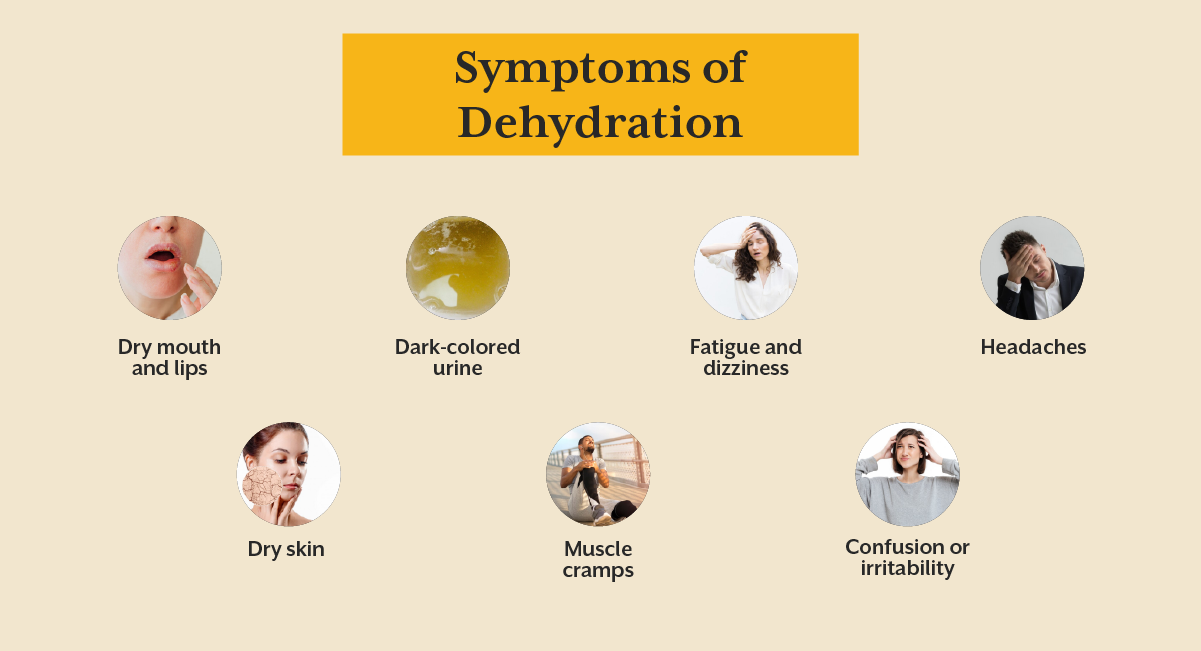
Symptoms of Dehydration

It is critical to identify the symptoms of dehydration at an early stage to avoid complications. Some common symptoms include:

  • Dry mouth and lips
  • Dark-colored urine
  • Fatigue and dizziness
  • Headaches
  • Dry skin
  • Muscle cramps
  • Confusion or irritability

Severe dehydration may lead to low blood pressure, kidney failure, kidney stones, and even coma in severe cases.

Best Practices for Staying Hydrated

  • Drink Water Regularly: Don’t wait until you feel thirsty; drink electrolyte balanced water throughout the day.
  • Incorporate Hydrating Foods: Fruits and vegetables like cucumbers, watermelon, and oranges contain high water content.
  • Monitor Urine Color: Light yellow urine indicates proper hydration, while dark urine suggests dehydration.
  • Limit Diuretics: Caffeine and alcohol are diuretics; balance their intake with extra water.
  • Carry a Water Bottle: Keeping water handy ensures regular drinking.
  • Add Natural Flavors to Water: Lemon, mint, and berry flavors infused water.

Conclusion

Hydration is intrinsic to overall good health, with implications that span from cognitive acuity to heart health. While mild dehydration feels like nothing to worry about, its chronic repercussions can be intense. Habituating oneself to regularly drink water, eating water-filled foods, and being attuned to signs of dehydration before it becomes extreme will greatly enhance overall daily health as well as thwart chronic diseases. Hydrating is among the easiest yet most effective ways of living a healthier, more productive life.

Get one simple upgrade for your health every week

Sign up for the iThrive Newsletter practical nutrition, wellness insights, and habits that actually work.
Thank you! Your submission has been received!
Oops! Something went wrong while submitting the form.
No spam. Unsubscribe anytime.
udgrade

FAQs

What topics does the iThrive blog cover?
faq arrow

The blog covers functional nutrition, chronic conditions, gut health, hormonal health, autoimmune conditions, sleep, mental health, and root cause analysis. Every article is written to help you understand what is actually happening inside your body, not just manage symptoms.

Who writes the articles on this blog?
faq arrow

All articles are written by the content writers in collaboration with iThrive's clinical team of functional nutritionists, guided by the same methodology used in the ALIVE programme. The content is rooted in functional medicine and real clinical experience, not generic health advice.

Is the information on this blog a substitute for medical advice?
faq arrow

No. The blog is an educational resource to help you understand your health more deeply. If you are experiencing symptoms or managing a chronic condition, a personalized Root Cause Analysis with a functional nutritionist is the right next step.

I read an article and want to take action. What should I do next?
faq arrow

Book a Root Cause Analysis. For ₹2,500, a dedicated functional nutritionist will assess 60+ blood markers using optimal ranges and explain exactly what is driving your condition. It is the natural next step after reading about what might be happening in your body.

Can these articles help me if I have already been diagnosed?
faq arrow

Yes. Many of our readers come with existing diagnoses and find the blog helps them understand why their condition developed and what their body actually needs. The articles are designed to give you clarity, not replace the guidance of a practitioner.

Talk to our team

Thank you! Your submission has been received!
Oops! Something went wrong while submitting the form.

Download Now

Thank you! Your submission has been received!
Oops! Something went wrong while submitting the form.