Make sense of your health, one insight at a time.

Articles to help you understand, manage, and improve your health.

Trending Post
Festive
Autoimmune Condition
Unexplained Symptoms
Mental & Brain Health
Root Cause Analysis
General Health
Digestive Health
Hormone Health
Mental Health
All Blogs
Supplements

All Blogs

Type 2 Diabetes
read count
read time
Apr 20, 2022

Type 2 Diabetes

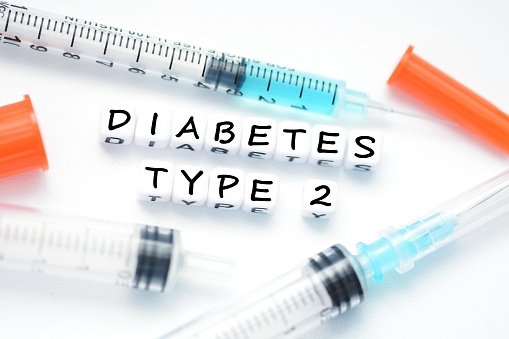
85% of diabetic patients suffer from Type 2 Diabetes. Though almost 15% of the entire population have this lifestyle born chronic disease, not many believe there is any cure for it. iThrive, using Functional Nutrition has had 99.9% success in reversing people’s diabetes. This article helps you bust myths surrounding diabetes and tips to treat and prevent Type 2 Diabetes.

What is Type 2 Diabetes?

Type 2 Diabetes is a Lifestyle Chronic Disease, i.e. it is a chronic disease that emerges due to an individual's lifestyle. In this type of Diabetes Mellitus, your body has excess sugar (glucose) in the bloodstream. This results from the cells being resistant to insulin or unable to use insulin properly. Let's understand, in detail, how that comes about.

When you eat food, your body breaks it down into glucose molecules. These molecules are needed by the cells to make energy. For the glucose to move from the bloodstream to the cells, it requires insulin. Insulin is a hormone produced by the pancreas; when the pancreas detects the presence of glucose in the body, it produces insulin which then carries glucose to the cells. When the insulin comes in contact with it, it informs the cells to open up to receive glucose for energy. But, for people who have Type 2 Diabetes, the cells are resistant to insulin. That is, they stop responding to the insulin and do not open up to receive glucose, which results in glucose floating around in the bloodstream. With time, the amount of glucose in the bloodstream keeps increasing, which leads to Diabetes.

People who have Type 2 Diabetes are Insulin Resistant.

As mentioned above, Type 2 Diabetes is a result of people's lifestyles. No one has Insulin Resistance from birth; the body becomes insulin resistant due to people's lifestyle choices, such as increased physical inactivity, obesity, excess consumption of processed foods, etc. As time goes by, more and more people have become accustomed to the above mentioned lifestyle, promoting a rise in the number of diabetic patients. 

The rising tide of obesity, physical inactivity, and poor diet has resulted in an unprecedented increase in the number of patients with type 2 diabetes. In 2015, it was estimated that around 415 million people were affected by diabetes, and more than 90% of those had type 2 diabetes. This number is said to increase exponentially, i.e. around 642 million by 20401  

In a recent census, it was reported that in India, the world's diabetes capital, approximately 2.4% of the rural population and 11.6% of the urban population were diabetic. And this number is only expected to increase.

Type 2 Diabetes adversely affects a person's health in many ways. It can affect the nerves, kidneys, heart, blood vessels, pancreas, liver, brain and eyes. 

What is The Difference Between Type 1 and Type 2 Diabetes?

There are two main types of diabetes: Type 1 and Type 2. Type 2 is the most common type of diabetes. Almost 85% of diabetic patients suffer from Type 2 Diabetes.2  Both types of diabetes are chronic in nature and affect the glucose levels present in the body.

While Type 1 Diabetes can result from a person's genes or a virus entering the body, Type 2 Diabetes is born due to a person's lifestyle. Type 1 is harder, almost impossible, to prevent. But, on the other hand, Type 2, being a lifestyle born disease, is preventable yet something a maximum number of people suffer from.

The biggest difference in both types of diabetes is that in Diabetes Type 1, the pancreas is unable to produce enough insulin. In contrast, in Type 2, the cells become resistant to insulin. In the former, the cells cannot use the glucose present due to the lack of insulin, while in the latter, the cells resist the insulin, making it almost impossible for the glucose to reach the cell.

Symptoms of Type 2 Diabetes Mellitus

If you are suffering from one or more of the following symptoms, it can be a sign that you have Type 2 Diabetes. Though it does not necessarily mean you have diabetes, it is an indicator for you to check whether you have Type 2 Diabetes or not.

The signs and symptoms of Type 2 Diabetes are:

  • Frequent Urination
  • Constantly feeling thirsty and/or hungry
  • Fatigue
  • Fruity smelling urine (indicator or ketones in urine)
  • Drastic reduction in weight
  • Tingling or numbness in feet and hands.
  • Sores or wounds that take time to heal
  • Vision getting blurry
  • Areas of skin getting darker

If you suspect that you have Diabetes Type 2, you must consult with a doctor. There also are ways for you to detect them. 

Tests to check if you have Type 2 Diabetes as per Functional Nutrition:

  • Check pre- and post-prandial blood glucose levels 
  • Check HBA1c levels
  • If suffering from the above symptoms and are obese
  • Check C-peptide levels
  • Check for changes in the colon and microbiome.

These are just a few tests that iThrive, a Functional Nutrition Organisation, checks to identify whether a person is Type 2 Diabetic or not. These tests are normally checked using optimal ranges by a Functional Nutritionist, as opposed to using referral ranges, as practised by conventional doctors. This is done because using optimal ranges helps give a better understanding of the human body. 

If you are, indeed, diabetic, DO NOT PANIC. Understandably, people get panicked when faced with it because of what society deems is necessary when living with diabetes. Society has unknowingly termed diabetes as a disease one has to live with lifelong and can be managed only through daily pill-popping. That is so not the case.

So, is Diabetes Type 2 reversible?

YES, of course, Type 2 Diabetes is reversible. As repeatedly mentioned in this article, Diabetes Mellitus Type 2 is a lifestyle born disease, so isn't it perfectly reasonable that it can be reversed through changes in lifestyle? 

Society's way of dealing or not dealing with diabetes, has set a false precedent that informs people that if they are diabetic, the only option left is to manage it through pills. But, a Functional Nutritionist can help you reverse diabetes through food, lifestyle changes, supplementation and other holistic methods.

To reverse diabetes holistically, Functional Nutrition takes the help of Root Cause Analysis. That is, it first digs out the reason behind the emergence of diabetes. Treating the reason, in turn, helps reverse the disease. 

But, there are tips you can follow to manage or treat your diabetes.

Treatment for Type 2 diabetes mellitus as per Functional Nutrition:

It is well established that one single treatment plan is not suitably effective for everyone. Every individual is unique, thus, the treatments are supposed to be based on the particular individual's body needs (identified through a thorough blood analysis) and also conformed to their lifestyle.

Here are a few generalised steps that can be taken to treat Type 2 Diabetes:

  • Include Fibre: Include fibre in your diet as it is a little difficult for your body to break. This results in the gradual and drawn-out release of glucose in the body, decreasing the risk of a blood sugar spike.
  • Eliminate Processed Foods: Cutting down on processed foods is healthier in general. It is the worst food one can put in their body as it provides zero nutritional value and only adds to the body's calorie count. It also has a high amount of added sugar, salts and vegetable/seed oils.
  • Avoid Skipping Meals: This is the biggest mistake diabetic people make. They think eating less or skipping meals is the answer to decreasing glucose production. But it is counterproductive. Skipping meals lead to excessive hunger, which leads to overeating in one go, which ultimately leads to an increase in glucose.
  • Include Dietary Supplements: To ensure your body is functioning at its best, it needs to be provided with the necessary nutrients that many are unable to receive from their diet. This makes it impertinent for the nutrition gap to be filled by the inclusion of supplements. A few nutrients needed to reverse diabetes are:
  • Magnesium: It is an essential cofactor of high-energy phosphate-bound enzymatic pathways involved in the energetic metabolism, synthesis of protein, and modulation of glucose transport across cell membranes.
  • Vitamin D: It plays a functional role in glucose tolerance by affecting insulin secretion and insulin sensitivity.
  • Chromium: It improves the action of insulin by improving tyrosine kinase activity.
  • Controlled Carbohydrate Intake: Cutting carbohydrates is not practical and not even necessary. Intaking a controlled amount of carbohydrates in their clean state, i.e. not from processed foods, does not spike glucose levels in the body. But to ensure you are taking the proper amount of carbohydrates, you should consult with your nutritionist rather than making your own assumptions.
  • Natural Remedies: You can also include a few herbs like fenugreek seeds, GABA, berberine and Ocimum Basillicum (Tulsi) in your diet. They are reported to be as effective as the medicines prescribed by the doctors4

This does not discount the fact that Type 2 Diabetes can be prevented very easily. All one needs to do is keep living a sustainably healthy life and providing their body with the necessary nutrients it requires. It can be done only when one knows exactly what their body is lacking. This information is stored in our blood and can be found through proper analysis of the blood or, in other words, by getting a Root Cause Analysis of the body.

How Can You Prevent Type 2 Diabetes Using Functional Nutrition?

As the name suggests, a lifestyle disease is a result of a person's lifestyle. As Type 2 Diabetes is a lifestyle disease ensuring your lifestyle choices are healthy helps you prevent the onset of this type of Diabetes.

A few ways your habits can inculcate to prevent the onset of Type 2 Diabetes are:

  • Eliminate seed oils completely from your diet
  • Inculcate physical activity in your daily life
  • It is important to have a good 6 to 8 hours of sleep
  • Find ways to maintain your stress levels.

Childhood Obesity
read count
read time
Apr 19, 2022

Childhood Obesity

It is not uncommon to see children far above their normal weight these days. Childhood obesity is on the rise at an alarming rate, and this is due to many different factors. Functional Nutrition showcases how this is becoming 21st century’s biggest challenge.

It is not uncommon to see children far above their normal weight these days. Childhood obesity is on the rise at an alarming rate, and this is due to many different factors. 

Food is medicine, but it is also the most poorly utilized drug today. This article will explore how a foundation of unhealthy food habits laid down at a young age can cause childhood obesity and set children on a lifelong path of diseases. We will also cover ground on how establishing healthy lifestyle patterns and teaching your child to eat healthy by adopting the Functional Nutrition approach at an early age is simple yet crucial and life-changing.

Childhood obesity is one of the biggest challenges to public health in the 21st century. Although the definition of obesity has changed over the years, it can be defined as an excess of body fat. There is no specified Body Mass Index (BMI) cut-off to indicate excess fat percentage or obesity in children and adolescents as there is in adults because body fat differs according to age and gender in this demographic. 

However, the Centre for Disease Control and Prevention defines obesity in children as a BMI at or above the 95th percentile for children and teens of the same age and sex. For example, a 10-year-old boy of average height (56 inches) who weighs 102 pounds would have a BMI of 22.9 kg/m2. This would place the boy in the 95th percentile for BMI, and he would be considered to have obesity. This means that the child’s BMI is greater than the BMI of 95% of 10-year-old boys in the reference population.(1)

Causes of Childhood Obesity

Childhood Obesity in India is becoming a serious problem, as India has the second-highest number of obese children globally. There are a lot of contributing factors behind this rampant rise in obesity rates in India and globally:

• Easy availability of unhealthy, calorie-dense foods at a low price has spiked childhood obesity rates worldwide. These foods also have zero to little nutritional value, lead to excessive weight gain, and accelerate the development of diseases in the body instead. 

• Lack of physical activity supported by societies structured on maximum technological involvement are also contributing factors to the childhood obesity pandemic. 

This century's children and adolescents have had a phone thrust into their hands almost as soon as they are born. This serves as a source of entertainment for them and is also a relief for the often overworked parents. However, if given a completely loose rein, tech-savviness can turn into an all-consuming dependency on tech – so much so that children even refuse to eat without their iPad or their favorite show playing.

This creates a domino effect in multiple ways – Firstly, TV shows advertise all kinds of junk foods, sodas, fast foods, and many unhealthy things. They make eating burgers and drinking carbonated beverages look "cool". This is bad because there is a direct link between childhood obesity and advertisements. They program children to want these foods more and more by flashing the products at them repeatedly, increasing their consumption.

Secondly, being glued to the TV/ laptop/ iPad acts as a deterrent for children in pursuing physical exercise. Online content is designed to be addictive, discouraging children from leaving their screens and engaging in actual physical activity. It is no wonder that it is a rare sight to see children playing in parks these days.

The math is simple – Consuming more calories than one needs and finding no way to burn them leads to obesity. Therefore, children should be encouraged to limit their screen time and play outside, at least for a little while.

Thirdly, pop culture makes obese children look cool or what they call "fat kids". The "fat kid" is always the funniest, goofiest, and most liked. They are caricatured in a way to make being obese or overweight desirable, as it is considered "cute". In reality, there is nothing cute about being obese – it can lead to a host of health problems like high blood pressure, weak joints and heart diseases. Making childhood obesity look funny is extremely dangerous, and such portrayals must be stopped.

• Another major cause of childhood obesity is prioritizing convenience over nutrition. As societies become more modern, urbanized and economically sound, they move away from traditional foods and go towards "easy to cook", ready in 5 minutes, "instant" foods. These foods have little nutritional value compared to natural, organic foods that our ancestors have been eating for generations and cause constant weight gain in children if consumed regularly.

• At the crux of all obesity, problems lies a person's relationship with food: if children are taught from a young age about healthy foods, the nourishment they provide to the body and how they are a better option in the face of all fast foods, they will latch on to these concepts and implement them every day for the rest of their lives. This is the easiest way to curb the childhood obesity pandemic.

Risk factors of Childhood Obesity

39 million children under the age of 5 were overweight or obese in 2020 and over 340 million children and adolescents aged 5-19 were overweight or obese in 2016

Obese kids are considered directly on the path to adult diseases like high cholesterol, diabetes, high blood pressure and heart problems.

Obese children are also at an increased risk of hypertension, weak joints, osteoarthritis, high triglycerides (the main component of body fat in humans), Type 2 diabetes, coronary heart disease, stroke, gallbladder disease, respiratory problems, psychological problems, pediatric metabolic syndrome, endocrine disorders and even some cancers. 

Childhood Obesity can also cause body image issues, low self-esteem, extreme social isolation, and in some cases, anxiety and depression.

Two out of three obese children remain obese as adults and are at risk for adult lifestyle diseases. (2)

These are just some of the risk factors for obesity. Then, it is important to catch the symptoms early on in children and nip this problem in the bud.

How To Tackle Childhood Obesity?

Once a child is on the path of being overweight, it is a very slippery slope from there onwards. It is crucial to catch the problem early and save our future generations from a life full of diseases and complications.

Here are a few measures to prevent childhood obesity, which also work as excellent measures in managing childhood obesity 

Educate your children: help your child understand the basic concept and components of food- which foods are good for them, which foods will provide them with optimum nutrition and which foods will cause them harm, even if they are easily available.

Encourage physical activity: Habituate your children into engaging in a sport or any physical activity of their choice for at least 30 minutes a day. Enlighten them on the benefits of regular movements all day long and discourage them from leading a sedentary life.

•Set a good example: Children emulate their parents in every way, so the best way to pass on good eating habits is to be a good role model. Plan your meals with your kids, teach them how to enjoy healthy foods, and teach them how to enjoy junk food sometimes. Demonising junk food only makes children want it more - so get a step ahead of unplanned binge eating sessions and have a designated “cheat meal” now and then. 

Ditch the TV during mealtime: It is scientifically proven that people lose track of the amount of food they eat if they eat while watching TV. This also makes them feel less full on higher quantities of food. Make mealtimes a special family ritual in which no phones or TVs are allowed, and encourage your children to eat intuitively instead of quantitatively. This will provide you with some quality family time, it will also help the food nourish your body better.

Childhood Obesity Intervention Programmes: Kids spend most of their time in school with their teachers and peers, so it is important to include them in this process of battling childhood obesity. 

Awareness about childhood obesity and its ill effects should be raised in schools using children-friendly approaches like plays, posters, comics and educational videos.

The availability of foods like soft drinks, fatty foods, and foods with high sugar content should be regulated in school canteens.

Cooking classes should be conducted in schools as an extracurricular activity so that children become self-sufficient and always have the option of eating healthy food.

Having a mandatory physical education and health awareness class under proper supervision would also be a giant step in combating childhood obesity. Good habits are not formed in a day, so the mandatory component becomes important in some cases.

Once children get used to playing outside, they will get addicted to how good it makes them feel, and this will set them on a path of incorporating more healthy habits. (3,4)

These are just some of the few tools to empower you- the parent or the guardian, to take the best possible care of your child. Healthy food habits are a lifetime asset and work even better if molded into childhood. Eating healthy can save a person lakhs in hospital treatments – so commit to a holistic lifestyle, even if it seems expensive in the short run.

References :

Diabetes
read count
read time
Apr 18, 2022

Diabetes

Diabetes occurs when your blood sugar level is too high. There are different types of diabetes and their symptoms differ vastly. iThrive a Functional Nutrition organisation shows which types of diabetes are reversible and how.

It is common knowledge that India is the diabetes capital of the world. The diabetic population of this country is close to hitting 69 million by 2025 and 89 million by 2030.

This article aims at understanding what diabetes is, the types of diabetes, the contributing factors that cause the disease, its symptoms, and how to reverse it using the Functional Nutrition approach.

What is diabetes?

Diabetes is a disease that occurs when your blood glucose, also called blood sugar, is too high. Blood glucose is the body's main energy source and comes from the food you eat. Glucose from food gets transported into your cells by insulin- a hormone made by the pancreas, and is then used as energy. Sometimes, your body cannot make enough or any insulin or is unable to use insulin properly. As a result, glucose stays in your blood and doesn't reach your cells. This is extremely dangerous since your body eventually gets deprived of its energy sources.

In the long term, high glucose levels cause damage to the body and lead to the failure of various organs and tissues. (1)

People with diabetes can develop health problems like heart disease, nerve damage, kidney diseases, foot problems, eye diseases, gum diseases, other dental problems, and sexual and bladder problems. Diabetes patients are also at high risk of getting a stroke. (1)

There Are 3 Types of Diabetes :

1. Type 1 diabetes 

Type 1 diabetes, once known as juvenile diabetes or insulin-dependent diabetes, is a chronic condition in which the pancreas produces little or no insulin. People with Type 1 diabetes need daily insulin injections to control their blood glucose levels. 

What Causes Type 1 Diabetes?

Type 1 diabetes occurs when your immune system, the body's system for fighting infections, attacks, and destroys the pancreas' insulin-producing beta cells. Usually, this type of diabetes is genetic, but other factors such as certain viruses may also trigger the disease. (1)

Type 1 Diabetes Symptoms:

Type 1 diabetes signs and symptoms can appear suddenly and may include:

  • Increased thirst
  • Frequent urination
  • Bed-wetting in children who previously didn't wet the bed during the night
  • Extreme hunger, despite having the usual amount of food
  • Unintended and extreme weight loss
  • Irritability, mood swings and other mood changes
  • Fatigue and weakness
  • Blurred or distorted vision (2)

It is advisable to consult a doctor in case of any such symptoms.

2. Type 2 diabetes

type 2 diabetes is a chronic condition: it is an impairment in the body's ability to regulate and use sugar (glucose) as a fuel. This long-term condition results in too much sugar circulating in the bloodstream instead of reaching the cells where it is originally intended to go. 

Eventually, high blood sugar levels can lead to circulatory, nervous, and immune systems disorders.

What Causes Type 2 Diabetes?

Two interrelated problems are the primary causes of diabetes. The pancreas is unable to produce enough insulin — and the cells respond poorly to insulin and absorb less sugar. 

Type 2 diabetes can occur in children as well as in adults post the age of 45. The main causes of Type 2 diabetes are unhealthy eating habits, eating fried, junk and fatty foods regularly, leading a sedentary lifestyle with no exercise, and habits like regular smoking and drinking.

Type 2 diabetes symptoms :

  • Increased thirst
  • Frequent urination
  • Increased hunger
  • Unintended weight loss
  • Fatigue
  • Blurred vision
  • Slow-healing sores
  • Frequent infections
  • Yeast infections
  • Sweet smelling breath
  • Numbness or tingling in the hands or feet
  • Patches of darkened skin, usually in the armpits and neck(2)

If one or more of the above symptoms are experienced, a doctor should be consulted immediately.

Gestational diabetes

Gestational diabetes is a condition where a woman's blood sugar levels become high during pregnancy. It affects pregnant women who have never previously been diagnosed with diabetes.

There are two classes of gestational diabetes: class A1 diabetes, which can be managed through diet and exercise, and class A2 diabetes which requires the affected person to take insulin or other medications.

Gestational diabetes goes away after a woman gives birth, but it can affect the baby's health. It also raises the risk of the mother getting type 2 diabetes later in life. Lifestyle changes and incorporating healthy food habits can help manage gestational diabetes. 

Symptoms of Gestational Diabetes

Since gestational diabetes does not have any glaring symptoms, all pregnant women are screened for it as a precaution.

 A few mild symptoms of gestational diabetes are – frequent urination, a dry mouth and feeling thirstier than usual. Another common symptom is extremely unusual amounts of weight gain.

Diabetic Ketoacidosis 

Diabetic ketoacidosis (also known as DKA) is a serious complication of diabetes that occurs when your body produces high levels of blood acids called ketones.

DKA happens when insulin production in the body is so low that:

     • Glucose cannot go into the cells to be used as a fuel source.

     • The liver starts generating a huge amount of blood sugar.

     •  Fat is broken down too rapidly for the body to process.

The liver breaks down fat from the foods we consume into a fuel called ketones. The liver normally produces ketones when the body breaks down fat after some time has passed since your last meal. The muscles and the heart usually use these ketones. If ketones are produced too quickly and accumulate in the bloodstream, they can be toxic by making the blood acidic. This condition is known as ketoacidosis.

DKA is sometimes the first sign of type 1 diabetes in people who have not yet been diagnosed. It can also occur in someone who has already been diagnosed with type 1 diabetes. 

Infection, injury, a serious illness, missing doses of insulin shots, neglecting diabetes management, or even general stress can lead to Diabetic Ketoacidosis in people with Type 1 diabetes.

People with type 2 diabetes can also develop Diabetic Ketoacidosis, but it is less common and less severe. It is usually triggered by having uncontrolled blood sugar over long periods, missing doses of medication, or a severe illness or infection.(3)

Diabetic Retinopathy

Diabetic retinopathy is a diabetes-related complication that affects the eyes. It is caused by damage to the retina's blood vessels- which is the light-sensitive tissue at the back of the eye. 

The condition can develop in anyone who has type 1 or type 2 diabetes. The longer you have diabetes and the less controlled your blood sugar is, you will likely develop this issue. It can also lead to blindness.

Symptoms of diabetic retinopathy include spots or dark strings floating in your vision (floaters), blurred vision, fluctuating vision, or dark or empty areas in your vision.(4)

It is advisable for people with diabetes to get regular medical check-ups, especially eye check-ups, as they are more susceptible to such problems.

Type 2 diabetes: Is it curable ?

Type 2 diabetes is preventable and certainly curable. This is possible by going to the root cause of the condition and using Functional Nutrition as a tool to reverse the problem.

Here are some tools to help you reverse Type 2 diabetes or even prevent it from developing in your body :

Exercise and weight loss: An active lifestyle can help reduce the risk of getting diabetes by up to 58 %. Even three 30-minute exercise sessions a week can significantly help manage diabetes symptoms.

Including activities like brisk walking, swimming and cycling are also suggested for people who do not find the time to exercise or don't like to exercise.

 Proteins: Include proteins in your diet, like chicken, eggs and seafood, lentils, nuts, and beans, are also great.

• Replacing refined carbohydrates with minimally processed carbohydrates:  Refined carbs like white bread, pasta and potatoes can cause your blood sugar to increase quickly. Choose carbs that cause a more gradual blood sugar increase, such as whole grains like oatmeal, rice and gluten-free rice flour pasta.

Maintain salt intake: Too much sodium, or salt, can increase your blood pressure. Lower your sodium intake by avoiding processed foods, especially if they are canned or packaged. But that does not mean to eliminate salt completely instead use Himalayan pink salt than table salt.

• No added sugars: Avoid sugary foods and drinks like chocolates, pies, cakes, soft drinks and soda from your diet. Replace sugar with honey, dates or raisins.

• Fibres: The first thing one needs to add to their diet is Fibre. Fibres are a little hard to break in the human body and they will slowly release glucose into the body, which won’t cause a spike of blood sugar in the person.

*Not all remedies work the same way for everyone or may work for some time, but to treat the issue completely, one must first find out the reason for the problem and then work on eliminating it. This will, in turn, help them treat the health issue once and for all.

The lesson to take away from this article is that the modern-day sedentary lifestyle comes with many diseases. Thankfully, the answer to such problems lies in our kitchens and our willpower to exercise and nourish our bodies. Taking a holistic approach toward one's health instead of being overly reliant on medications is always better in the long run. 

Reference : 

What Causes Obesity?
read count
read time
Apr 13, 2022

What Causes Obesity?

Obesity is a prevalent disease that leads to many serious health problems. Functional Nutrition believes obesity is not just the result of unhealthy or over eating but has many different reasons for its emergence like hormones, stress and more.

Being Obese is not to be confused with being overweight. Though both terms are used to define a person with excess weight, medically speaking, there is a huge difference between obesity and overweight. Overweight is used when a person has excess weight with respect to their age and build, while obesity is used to define a person having excess body fat. That is, having a BMI over 30.1 

More than 1 in 5 adults have Obesity.1        

Obesity is one of the leading root causes of many health problems such as cardiovascular diseases, diabetes, digestive disorders, certain cancers and more. So it is essential to take steps to reduce the amount of excess fat present in your body. To do so, many start cutting down on greasy, fast foods or start intense diets or take up gym memberships. All this is good, but is it really what your body needs?

Only when you know where the target is can you aim for it

The first step in your journey of reducing excess fat must be to identify the reason behind your fat gain. Is it simply a result of unhealthy eating and not exercising? Yes, these two reasons can lead to obesity. But they are not the only factors or Root Causes of you being obese.

The top 5 Root Causes of Obesity are as follows:

  1. Lifestyle: 

As mentioned above, obesity results from eating a lot and moving too little. So when we talk about your lifestyle being the cause of your obesity, we include:

  • Eating habits like having a diet that is calorie-dense and has zero nutritional value. That is eating fast, processed, junk and sugary foods. For each indulgent bite taken, you promote fat build-up in your body. 
  • A Sedentary Lifestyle added to this kind of diet adds fuel to the fire. Movement helps you burn excess calories. Your body combines calories with oxygen to provide the necessary energy it needs to function. But, if your body is immobile, the extra calories keep accumulating, resulting in you becoming obese.
  • Overeating or binge eating has become a common pastime. You might not even notice it anymore, but the second you feel bored or have something deep you are thinking about, you might be, unconsciously, reaching out for some snacks that are always conveniently within your reach. This habit only helps in increasing your calorie intake.
  • YO-YO Dieting is a term used to define the cycle of intentional weight loss followed by unintentional weight regain. This pattern of inconsistent dieting increases the risk of weight gain over time.2 

  1. Stress:

Stress plays a major role in the development of obesity. A few ways in which fosters obesity are:

  • The body’s response to stress is to release glucose in the blood. The reason behind this is to provide energy to your body to fight stress. But with an increase in immobile lifestyle, this excess energy is left unused and gets deposited in your body as body FAT.  
  • Stress, especially mental stress, triggers your emotional receptors making you more susceptible to unhealthy eating habits like emotional eating. A recent study demonstrated that people working with increased workloads have higher saturated fat and sugar intake. 
  • Stress also affects you physically. If you are under more stress, you can, unknowingly, decrease the amount of time you spend exercising or moving and increase the amount of time you spend immobile.
  • Stress also affects your sleep. Disrupted or Short sleep patterns have been reported to increase the risk of obesity. 
  • Our body’s response to stress is to secrete a hormone called Cortisol. Cortisol can promote obesity, especially in the abdomen, by aiding in fat deposition and encouraging binge eating. 

Often overlooked aspect of stress and obesity is that obesity in itself can be a stressful state.

  1. Hormonal Imbalance: 

Our endocrine system releases hormones in the blood. It works with the nervous and immune systems to help the body deal with different stresses. The hormones in our body directly influence our body’s fat distribution process, our appetite, and, most importantly, our metabolism. Metabolism is how our body converts what we eat into energy. If your endocrine system produces more or fewer hormones than what is required due to some toxicity or stressors, it can lead to you becoming obese. Additionally, being obese can bring changes in your hormone levels. It is a vicious cycle. 

Ways in which hormones affect your body are:

  • Leptins - A hormone produced by fat cells that lets your body know it is full. But If you are leptin resistant, the receptors that tell you that you are done eating does not do their work properly and can result in you eating more than what is required.
  • Insulin - A hormone that helps your cells to make energy by providing them with glucose (sugar). If your body becomes Insulin Resistant, it is unable to move the glucose from your bloodstream to the cells, resulting in an excess amount of glucose present in your blood. An increase in glucose levels can lead to obesity.
  • Age related obesity - With age, people start experiencing hormonal imbalances, which can lead to changes in the body fat distribution. For women of childbearing age, the body starts storing fat and for older men or post menopausal women, the body starts storing fat around the abdomen. 
  • Cortisol - As mentioned above, this stress hormone can increase the risk of obesity.

 There are many more such hormones that may affect your body’s process of distributing fats and also your eating habits.

  1. Thyroid Issues: 

Everyone knows that obesity or rapid fluctuation in body weight is a sign of thyroid. Hypothyroidism has been linked to obesity for quite some time now, but what if its opposite is also true? Recently the question of thyroid resulting in obesity has become prevalent. There still isn’t concrete proof of it being so, but novel views have emerged indicating that the thyroid is a factor leading to obesity. The thyroid hormone (TSH) regulates the body’s basal metabolism and thermogenesis and plays an important role in lipid and glucose metabolism, food intake and fat oxidation. Thyroid dysfunction is associated with changes in body weight and composition, body temperature and total and resting energy expenditure (REE) independent of physical activity.3

A study showed that TSH levels are at the upper limit or slightly increased in obese children, adolescents, and adults and are positively correlated with BMI.4 Low fT4 with a moderate increase in T3 or free T3 (fT3) levels have been reported in obese subjects.

  1. Environmental Toxins:

We live in a sea of toxins. Every single person and animal on the planet contains residues of toxic chemicals or metals in their tissues. Eighty thousand new chemicals have been introduced since the turn of the 20th century and most have never been tested for safety or synergistic actions. It has been reported that toxicity not only promotes obesity but also counters measures you might have been taking to lose weight.

Ingesting foreign molecules can lead to obesity, including medications. While most drugs are not truly toxins, certain drugs can have toxic effects and cause weight gain - psychotropic medications, in particular, have been shown to promote weight gain. Environmental toxins interfere with metabolism, overload hepatic detoxification systems, disrupt central weight-control systems, promote insulin resistance, alter circadian rhythms, activate the stress response, interfere with thyroid function, increase inflammation, damage mitochondria, and lead to obesity.

Other external toxins include chemical toxins and heavy metals. Chemical toxins that harm us and can trigger obesity are volatile organic compounds (VOCs), solvents (cleaning materials, formaldehyde, toluene, benzene), medications, alcohol, pesticides, herbicides, and food additives. Infections (hepatitis C virus) and mold toxins (sick building syndrome). Heavy metals that cause the most ill health are lead, mercury, cadmium, arsenic, nickel, and aluminum.

Additionally, our modern refined diet can be considered toxic because it places an extra burden on detoxification systems through excessive consumption of sugar, high-fructose corn syrup (the two most important causes of elevated liver function tests), trans fatty acids, alcohol, caffeine, aspartame, foods made with genetically modified organisms (GMOs), and the various plastics, pathogens, hormones, and antibiotics found in our food supply.

Due to toxins overload, many people are unable to lose weight.

Every individual is different and unique and has a different lifestyle. So the reason behind your obesity may vary from that of anyone else. To understand precisely why you are obese in spite of your dieting or exercising, you must consult a Functional Nutritionist. Through Root Cause Analysis, a Functional Nutritionist identifies the reason, which might be more than one, behind your obesity and helps you lose the excess body fat through integrative holistic methods, food, supplementation, and lifestyle changes.

Anemia :- Common But Rarely Talked
read count
read time
Apr 12, 2022

Anemia :- Common But Rarely Talked

Anemia is a condition in which the body lacks enough healthy red blood cells to carry adequate oxygen to our body's tissue. Functional Nutrition can help you treat Anemia through food, lifestyle changes and supplementation.

Anemia is a common but rarely talked about condition in which the body lacks enough healthy red blood cells to carry adequate oxygen to our body's tissue. Every part of our body needs a sufficient supply of oxygen to function effectively. Many of the symptoms of anemia, such as fatigue and shortness of breath, are caused by decreased oxygen delivery to our body's vital organs and tissues. 

Red blood cells contain an iron-rich protein called hemoglobin. Hemoglobin binds to oxygen in the lungs, allowing red blood cells to carry and deliver it throughout the body. 

Anemia is measured according to the amount of hemoglobin in our blood. There are different types and causes of anemia. Some types of anemia are mild and can be easily treated, while others can potentially cause serious health complications. Anemia can surface if our body:-    1) Doesn't make enough red blood cells, 2) continues bleeding, which can lead to loss of red blood cells quicker than they can be replaced, 3) Sometimes our own body's cells start destroying red blood cells, which leads to anemia.

Types Of Anemia:-

1. Normochromic, Normocytic Anemia:-

It is the type of anemia in which the circulating Red Blood Cells (RBCs) are normal in size (normocytic) and have a normal red color (normochromic), but the production of RBCs is impaired. This anemia commonly occurs as a result of :-

- Miscellaneous chronic infections and systemic diseases

- Heavy blood loss 

- Hemolytic anemia:- It's a type of anemia in which RBCs get destroyed faster than they produce. Cause:- autoimmune activity ( in which our body produces antibodies that attack and destroy red blood cells), side effects of certain medication, infections like malaria and exposure to toxins.

- Aplastic anemia:- It's a type of anemic condition in which our body stops producing enough new blood cells. Cause:- Genetics or because the bone marrow gets injured due to medications, radiation, chemotherapy, or infection. Other malignancies that commonly affect the bone marrow include multiple myeloma or leukemia. Sometimes, there's no apparent cause of aplastic anemia.

2. Hypochromic, Microcytic Anemia:-

The type of anemia in which the circulating RBCs are smaller than their usual size (microcytic) and have decreased red color (hypochromic). So, in this type of anemia, RBCs have less hemoglobin than normal and because of low hemoglobin, the RBCs appear pale. This anemia commonly occurs as a result of:- 

- Iron Deficiency:- It's caused by a shortage of iron in the body. This generally occurs due to blood loss (often in menstruating women or people with an ulcer) or due to poor absorption of iron. Absorption issues are common in people who have had gastric bypass surgery for weight loss.

- Thalassemia:- It is an inherited blood disorder in which the body doesn't make enough hemoglobin. Hemoglobin enables red blood cells to carry oxygen; therefore, this condition leads to anemia. 

- Certain chronic diseases and conditions can also cause microcytic anemia. This type of anemia is called Anemia of Inflammation. 

3. Normochromic macrocytic anemia:-

Macrocytic is a condition in which the RBCs are larger than they should be. It's a sign that a person can have an underlying health condition that may lead to a severe form of anemia. It commonly occurs as a result of:- 

1) Pernicious Anemia:- Pernicious anemia is caused by vitamin B12 deficiency and harms RBC production. Vitamin B12 is required by the body to produce red blood cells. A deficiency in vItamin B12 is caused when the stomach does not make enough intrinsic factor (IF). Intrinsic factor is a special protein that binds vitamin B12 so that it can be absorbed in the intestines. When the intestine cannot properly absorb vitamin B12, it leads to a deficiency.

2) Folate deficiency:- Folate-deficiency anemia is the lack of folic acid in the blood. Folic acid is a B vitamin that helps the body make red blood cells. Low levels of folic acid can cause megaloblastic anemia, i.e., red blood cells appear larger than usual, are fewer in number and are oval-shaped, not round. Sometimes these cells don't live as long as normal red blood cells. 

3) Sickle cell anemia:- it's an inherited disease in which the body produces abnormal hemoglobin, which causes the red blood cells to take on a crescent (or sickle) shape that impedes blood flow through the vessels.

Anemia Cause :-  Anemia can happen because of,

  • A diet lacking specific vitamins and minerals (low in iron, vitamin B-12, folate and copper).
  • Inherited blood disorders like sickle cell anemia or thalassemia.
  • Conditions that cause red blood cells to break down too fast (like hemolytic anemia).
  • Chronic conditions that cause the body to not have enough hormones to create red blood cells. These include hyperthyroidism, hypothyroidism, advanced kidney disease, lupus and other long-term diseases.
  • Blood loss related to other conditions such as ulcers, hemorrhoids or gastritis.

Signs and Symptoms of Anemia:-

Anemia signs and symptoms vary depending on the cause and severity of anemia. The signs of anemia are:

  • Fatigue
  • Weakness or tiredness 
  • Pale or yellowish skin
  • Irregular heartbeats
  • Shortness of breath
  • Dizziness or lightheadedness
  • Chest pain
  • Cold hands and feet
  • Headaches
  • Pain, including in your bones, chest, belly, and joints

Diagnosis:- There are various ways to diagnose anemia, but the most common way involves a blood test called a complete blood count (CBC). This measures a number of components, including:

  • Hematocrit levels( It involves comparing the volume of RBCs with the total volume of blood
  • Hemoglobin levels
  •  RBC count
  • If RBC, hemoglobin, and hematocrit levels fall below the normal range, a person is likely to have some form of anemia. 

How To Treat Anemia:- 

If anemia is caused by a poor diet or a more serious health problem. Then, both the anemia and its cause can be treated. 

  1. Iron-deficiency anemia is treated with:

            - Iron supplements taken orally.

            - Foods high in iron and foods that help our body absorb iron (like foods rich in Vit C).

            - Iron given through an intravenous (IV) infusion. (If you have chronic kidney disease (CKD).

            - Transfusions of red blood cells

  1. Anemia caused by internal bleeding is treated by: 

           - Surgery to stop it. 

           - Surgical repair to cure anemia in people with the paraesophageal type of Hiatal hernias, with or without ulcers (called Cameron's ulcers).

  1. Other types of anemia may require other types of treatment. For instance, genetic disorders (like beta thalassemia and sickle cell anemia) may require a bone marrow transplant.
  2.  Chronic Kidney Diseases that cause anemia are treated through iron supplementation (through oral or IV means) and can also include injections of erythropoietin (EPO). EPO is a hormone that tells the bone marrow to make red blood cells.

Anemia Diet:- 

The best way to design a diet plan for anemia is: to include foods rich in iron and vitamins, as these nutrients are essential to hemoglobin and red blood cell production. It should also include foods that help the body absorb iron better. There are two types of iron in foods: Heme iron and Non-heme iron.

Heme iron is found in meat, poultry, and seafood. Non Heme iron is found in plant foods and foods fortified with iron. The body can absorb both types, but it absorbs heme iron more easily. Many types of anemia can't be prevented through diet alone, but to avoid iron deficiency anemia and vitamin deficiency anemias include a variety of vitamins and minerals. Although there are a few things to be kept in mind:- 

  • Don't include iron-rich foods with foods or beverages that block iron absorption Like- coffee, tea, foods high in oxalates and high in calcium.
  • Include iron-rich foods with vitamin C-rich foods to improve iron absorption.
  • Include foods rich in folate and vitamin B-12 to support red blood cell production.

Bottom Line:- Anemia occurs when the levels of RBCs in our body are low and this condition makes our organs and tissues work harder to get oxygen. As a result, the person experiences fatigue, weakness, and shortness of breath. The body constantly produces and removes millions of red blood cells each day, but when this process is disrupted, it can cause anemia. One of the most common causes of anemia is nutrient deficiency. That is, deficiencies of iron, folate, or vitamin B12. However, anemia can also be caused by blood loss and a wide variety of underlying health conditions. 

Anemia can cause serious complications therefore, proper diagnosis, determining the cause, and developing a treatment plan are essential for treating anemia properly. 

Reference:-

What is Irritable Bowel Syndrome?
read count
read time
Apr 11, 2022

What is Irritable Bowel Syndrome?

Irritable Bowel Syndrome or IBS is a common health disorder that mainly affects the large intestine. As the name suggests, it can cause problems with bowel movements, cramping, bloating and overall discomfort. This article covers what IBS actually is, its root causes, its symptoms, and most importantly, how using food as medicine through the Functional Nutrition approach can help cure it.

What is Irritable Bowel Syndrome?

Irritable bowel syndrome (IBS) is a group of symptoms that occur together, including repeated pain in the abdomen and changes in your bowel movements, like diarrhoea, constipation, or both. With IBS, these symptoms can occur without any visible signs of damage or disease in the digestive tract. (1)

IBS also leads to losing control over bowel movements or increased bowel movements. (2)

IBS is also known as spastic colon, irritable colon, mucous colitis, and spastic colitis.

What are the signs and symptoms of Irritable Bowel Syndrome?

One of the most common symptoms of IBS is abdominal pain or general discomfort in the stomach. People with IBS may experience cramps in the stomach after they eat.

Other symptoms of IBS include :

  • Chronic pain in the stomach
  • Gas, especially after eating foods like cabbage, beans or milk products
  • Bloating or a belly that sticks out
  • Diarrhoea (loose or watery stool)
  • Mucus in stool
  • Uncontrollable bowel movements.
  • Constipation – You may have IBS-related constipation if you need to strain to pass stool, have less than four bowel movements per week, or pass lumpy and dry stool.
  • Changes in frequency of bowel movement. 
  • Headaches
  • Anxiety
  • tiredness
  • Bleeding from the rectal region
  • Sudden and inexplicable weight loss (2,3,4)

How Do You Develop IBS?

IBS can develop suddenly due to several triggering factors like prolonged consumption of unhealthy foods and abnormal eating patterns. Emotional stress can also cause Irritable Bowel Syndrome: research suggests that IBS is the gut’s response to stress and anxiety. This is another reason to focus on one’s gut health and eliminate the root cause of a majority of diseases.

Causes of Irritable Bowel Syndrome

The exact cause of IBS remains unknown, but it can be a result of the combination of the following factors : 

• Dysmotility: Problems in the functioning of your Gastrointestinal (GI) muscles which creates difficulty in moving food through the GI tract

•Visceral Hypersensitivity: When the nerves in the GI tract are hypersensitive and more prone to damage

•Brain-gut Dysfunction: Miscommunication between the nerves in the brain and the gut (5)

Who is At Risk for IBS?

It is important to note that while the exact causes of IBS have not yet been narrowed down, women are more susceptible to this problem than men. Also, adults below fifty years of age are more likely to suffer from Irritable Bowel Syndrome. People who have a family history of Irritable Bowel Syndrome are at a higher risk of suffering from IBS-Diarrhoea. The problem makes an individual's colon weaker and more sensitive than a normal colon. Due to this sensitivity, it reacts adversely to things like certain food items, bacteria and, at times, stress. (2)

Can Acid Reflux Cause Irritable Bowel Syndrome?

As many as 2 out of 3 people with IBS also have symptoms of Acid Reflux. A study published in the World Journal of Gastroenterology looked at data on more than 6,000 people and found that about 63 percent of those diagnosed with IBS had acid reflux symptoms too. (7)

Acid reflux and IBS both impact segments of the digestive tract, and IBS can often occur as a consequence of reflux. 

Sometimes IBS and acid reflux are triggered by the same underlying digestive dysfunction. For example, visceral hypersensitivity (extreme sensitivity of internal organs) can trigger motility dysfunction (abnormal intestinal contractions) of the upper and/or lower GI tract.

Sometimes, IBS can also be a full-blown form of acid reflux. (8)

It is, therefore, advisable to avoid foods that may agitate the digestive tract altogether.

How To Calm Irritable Bowel Syndrome At Home*

In case of severe symptoms like bleeding, fever and severe abdominal pain, it is always advisable to see a trusted physician. Keeping that in mind, following are some of the changes people with IBS can make in their daily lives to facilitate the treatment of IBS at home :

•Foods to avoid while having IBS include Excess consumption of alcohol, caffeine, carbonated beverages, and dairy, which can trigger IBS. It is best to remove these foods from our diet or at least limit their consumption to help the recovery process, as they stimulate the intestines.

Avoiding fried foods and extremely fatty, oily and spicy foods can provide great relief to the gut and the GI tract

•Include high fibre foods in your diet in the form of fruits, vegetables, whole grains, and some nuts. Eating fibre supplements(with proper consultation) can also improve gut health significantly

•Staying hydrated by drinking at least 8 large glasses of water daily helps give relief to the gastrointestinal tract, thus providing relief to the irritable bowels.

•Since Lactose Intolerance is more common in people with IBS, it is best to avoid milk products. You can get your calcium from foods like broccoli, salmon or other supplements recommended by a qualified and trusted source. Normal milk can be replaced with coconut milk.

•Trying a low carb diet and including high fibre foods like eggplants, green beans, cucumber, bell peppers, carrots, lettuce, zucchinis, kiwi, pineapple and oranges in your diet can relieve IBS symptoms to a great extent.

•Taking probiotics is extremely beneficial for gut health and can help treat IBS significantly. Probiotics even improve heart health, as a bonus.

•Getting regular physical exercise and increasing physical activity can also help fix Irritable Bowel Syndrome

•Irritable Bowel Syndrome Diet: To stop diarrhoea caused by IBS, eating foods with low FODMAP is highly recommended. FODMAP stands for Fermentable foods, Oligosaccharides (onions, garlic), Disaccharides (lactose-rich foods), Monosaccharides (fructose from certain fruits like apple juices, fermented and dried fruits), and Polyols (sugar alcohols commonly found in sweeteners). Following a low FODMAP diet and cutting out these foods removes irritants from the digestive tract and gives it a temporary rest, which allows it to function better in the long run. A low FODMAP diet also helps include easily digestible foods in one’s diet. As a result, the gut gets a chance to repair itself and the intestinal lining, in turn, restores a healthy balance of gut flora. (6)

•The best diet to alleviate IBS diarrhoea also includes rice, bananas, and whole grain foods, which will help solidify the stool. 

•Replacing high fructose and sugary products with dark chocolate, organic dates and honey is also a healthy way to care for your gut. (3,5,6)

In addition to all the remedies mentioned above, stress management is a vital tool to deal with IBS. As stated before, extreme levels of stress and anxiety can trigger IBS. It is important to manage your stress levels by indulging in activities that make you happy, going to therapy, taking frequent breaks from a high pressure lifestyle, practicing yoga or meditating, even if it is for a few minutes a day.

*Not all remedies work the same way for everyone or may work for some time but in order to treat the issue completely one must first find out the reason for the problem and then work on eliminating it. This will, in turn, help them treat the health issue once and for all

References –

Effective Strategies To Improve Water Intake
read count
read time
Apr 9, 2022

Effective Strategies To Improve Water Intake

About 50-70% of the human body is made up of water. Every individual is dependent on water as every organ, cell, and tissue needs water to perform properly. To stay away from conditions of dehydration, read how you can keep yourself hydrated.

Drinking enough water throughout the day is essential. Water is the crucial compound to maintaining optimal health. About 50-70% of the human body is made up of water. Every individual is dependent on water for survival. Every organ, cell, and tissue needs water to perform properly. (3) 

Body Functions that need water:

  • For smooth bowel movement
  • To main body temperature
  • Works as a lubricator for joints 
  • Helps to carry nutrients to the cells
  • Helps to moisten soft tissues

Here, we will have a look at the requirement of water, the consequences due to low water intake, and strategies for improving water intake. 

Water Requirement

In general, the amount of water required for a healthy sustainable life is not that easy to calculate but it is the principal requirement to return the losses. The requirement for water depends upon various factors such as body temperature, health status, climatic conditions, geographical areas, etc. But understanding the needs of your body for fluids will help you to set your goal for the day. In normal circumstances, the requirements are standard for the general population i.e. around 2 - 2.5L/day. (1) Observing the color of your urine is also one of the effective techniques to know your water requirement. Ideally, the color of your urine should be light pale yellow but if it seems to be darker in color it means your body is asking for more water. (4)

Complications Caused By Low Water Intake

The body needs enough water to perform its functions efficiently. If an individual is failing at drinking enough water, a condition called Dehydration develops. Dehydration can cause many other problems like headache, lethargy, digestive issues, poor concentration, tingling, numbness, etc. (4) The symptoms may vary according to the degree of deficit. To stay away from these conditions you must keep yourself hydrated with enough water and beverages. 

Ways To Improve Water Intake

It is very challenging, boring, and might be repetitive to drink enough water throughout the day, but maintaining it is the absolute need of your body. Here, we are going through some hacking tips to maintain your optimal water intake.

1. Examine your water intake:

Assessment of your water needs is the first step. Every individual's needs are different depending on their body temperature, climatic conditions where they are living, physical activity, and their health conditions. The general recommendation for water intake is around 2 - 2.5L/day (2)

2. Set a daily target: 

To increase your water intake, let’s focus on setting your goal for a day. It will help motivate you in achieving your goal. Make sure your goal is realistic, time bounding, and specific.

3. Set reminders: 

Reminders work very well in improving your water intake especially if you are too busy or struggling to remember to drink water. Set a reminder in such a way that you can drink sips of water after every thirty minutes and refill it. This is the best way to sustain the habit of drinking enough water throughout the day.

4. Inclusion of flavor: 

Whenever you are bored of drinking plain water, add a slice of any fruit, veggies, or combination of two or more fruits that you like in your water container to make it more exciting. Try this technique to manage your water consumption. 

5. Bring your bottles: 

Make a habit of carrying your water bottle with you when you go out or do any outside activity. This is the best way to improve your water intake mostly in the hot season to fulfill your water requirement. Make sure to avoid the use of plastic water bottles that contain BPA and switch to glass or stainless steel containers

6. Drink water after every washroom break:

A washroom break is one of the most common activities in daily routine. So, making a habit of drinking water after every interval will be helpful in maintaining your water intake. And if you are already carrying your water bottle with you then it’s totally sorted for you to maintain this habit for a long time. 

7. Eat food with high moisture content:

If you are not able to fulfill your water requirement, select food which is high in water such as watery fruits and vegetables like watermelon, muskmelon, citrous fruits (orange, sweet lime, pear), zucchini, lettuce, etc. Sipping herbal tea twice a day will also be a great option to improve your water intake. 

Bottomline

Every individual requires a different amount of water, but you should be more careful with your symptoms, how your body reacts to it, and decide what really works for your body. Adequate intake of water is essential to fulfilling the requirement of a healthy individual. Adoption of these habits can lead to a healthier and disease-free life.

Reference articles

Top 7 Common Digestive Problems
read count
read time
Apr 8, 2022

Top 7 Common Digestive Problems

Acidity, Gas, Constipation and more have become an uncomfortable part of our daily life. Understanding the reasons behind these digestive issues can help you treat them. iThrive has very simple yet powerfully effective tips to help you overcome these.

Millions of people suffer from digestive problems on a daily basis. It has become a common health issue that no one takes seriously anymore. It is just another thing we live with. Feeling bloated after eating, suffering from acidity, unsatisfactory passage of stools and more; such digestive issues have become a way of life and something every other person suffers from.

The digestive problems we suffer from are nothing but symptoms of major digestive disorders and our body’s way of communicating that with us. 

Digestive disorders are diseases that affect our whole gastrointestinal tract. This includes the whole digestive system, starting right from the mouth to the anus. An issue in any one part of this system is what causes problems in our digestive health and if left untreated, can develop into a digestive disorder.

The seven most common digestive disorders people face are:

1. Acidity

Acidity or heartburn or GERD (gastroesophageal reflux disease) is the unpleasant and burning sensation you feel in your chest and throat. It results from stomach acid flowing backward from our stomach to the oesophagus. What no one understands is that this feeling is not a normal reaction. 

Our body has a system in place that, ideally, does not allow anything to flow backwards from the stomach. This is done by a Sphincter placed at the end of the oesophagus. This sphincter is very tight. When the pressure on the lower esophageal sphincter (LES) is reduced due to some root cause, only then is the backward flow of stomach acid and food, in some cases, possible

Acidity is a symptom of GERD and not a disease in itself. But not everyone who faces acidity has GERD. 

One of the leading root causes of GERD is obesity. In obesity, the intra-abdominal pressure is increased, which causes the relaxation of LES. This, in turn, leads to the leakage of gastric contents back to the oesophagus. Thereby giving way to GERD. Additionally, Acidity is caused by smoking, drinking, excess intake of processed foods and more.

TIP: The best way to prevent acidity is to avoid lying down or bending after having food. 

2. Bloating/gas:  

Bloating or abdominal discomfort is the name given to the build-up of gas in the stomach. A Bloated stomach can feel tight and packed and leave you feeling uncomfortable. Bloating and gas happen mainly due to swallowing a lot of air while eating. That is why it is recommended to chew your food by keeping your mouth closed. 

The other reasons for gas and bloating are either the presence of many antinutrients in the food or certain food habits like eating a lot or eating too fast.

TIP: The best way to stop feeling bloated is to identify the foods that cause bloating and start avoiding those foods. This identification needs to be done by experimenting with foods. Everybody is different, so the foods that cause bloating for one person can differ from someone else’s

 3. Constipation

No passing of stools for three consecutive days is the actual meaning of constipation. But, one can also be said to be constipated if they are facing difficulty in their bowel movement. i.e., The stools are either hard or not as frequent as they should be. Constipation, in simple words, is the hindered passage of stool out of the body. 

The root cause of constipation is a Sedentary Lifestyle. A sedentary lifestyle can affect your muscle tone, which is essential for regular bowel movements. Also, our colon responds well to activities. Other root causes include low water intake, consumption of processed foods and not eating a sufficient amount of food.

Untreated and recurrent constipation can give rise to Piles.

TIP: Keep hydrated. Drinking enough water can help you prevent and treat constipation. Also, make sure to include some form of exercise in your daily routine. For example, exercise at least 30 min daily.

 4. Diarrhoea

Diarrhoea refers to the passing of loose and watery stools and an increase in the frequency. It can also include different symptoms like nausea, bloating, vomiting and fever, to name a few. Diarrhoea is usually caused by eating roadside food or stomach flu. It can also be caused by a virus in the gut or an infection in the intestinal tract.

There are three types of Clinical Diarrhoea:

  1. Acute Watery Diarrhoea – lasts several hours or days and includes cholera;
  2. Acute Bloody Diarrhoea – also called dysentery
  3. Persistent Diarrhoea – lasts 14 days or longer.

The root cause of Diarrhoea is food poisoning, i.e., consumption of toxic or pathogenic substances with food or Food Intolerance. There can be some foods your body cannot digest or is intolerant towards.

TIP: Include soluble fibre in your diet. But make sure that you go easy with the inclusion. Just because they are suitable for digestion does not mean you eat a lot or include them in each and every meal. Do not dump a lot of fibre insensibly.

5. Piles:

Piles or Haemorrhoids are swelling of veins in the lower rectum and anus. They cause a lot of discomfort and can be painful based on how severe it is. A few symptoms of Piles are painful lumps or itchiness, discomfort during bowel movements, and blood in stools. There are three types of Piles: 

  1. Internal - Haemorrhoids developed inside the rectum. These can be detected by the presence of itchiness or discomfort in or around the anus. They are usually neither seen nor felt. 
  2. External - These can be seen as red, swollen lumps in or around the anus. It can cause painful passage of stools and a burning feeling in that area.

One of the leading causes of Piles is untreated and chronic constipation. Few other reasons can be excess pressure put during bowel movement, lifting of heavy equipment frequently, and anal intercourse. 

TIP: Avoid all kinds of processed foods, especially ones that are packed, tinned and canned, as processing takes away all the fibre and other nutrients from the food. And the exclusion of fibre from our diet can cause problems in our digestive health.  

6. Stomach Ulcer:

The burning sensation in the stomach can be caused due to stomach or peptic ulcers. They are painful lesions or sores on the lining of our stomach caused by the presence of stomach acid. We all know that our stomach produces acid to digest food. It is protected from the harmful effects of the acid by the presence of a lining in the stomach. But there are some root causes or stressors present that harm/ destroy the lining, causing the stomach acid to show its effects on stomach cells.

A burning sensation in the stomach can also be a symptom of some other problem (gastric irritant) 

The main contributor to stomach ulcers is the recurrent use of painkillers. Other root causes are the presence of bacteria in the stomach, drinking alcohol, eating a lot of spicy food and smoking.

TIP: The best way to treat stomach ulcers is to stop taking painkillers. And in order to do so, rather than taking steps to relieve the pain, identify what is causing you the pain in the first place and start working on healing it. It can be done by getting to the root cause of your chronic and frequent pain and treating it. 

 7. Indigestion

The burning feeling in the upper abdomen or discomfort in the stomach after eating are signs of indigestion. It can be caused by an unsound lifestyle like regular consumption of greasy and spicy foods, overeating, overconsumption of caffeinated drinks and many more.

The primary root cause of indigestion is the decrease in stomach acid and stress. 

TIP: Eliminate the usage of antacids from your routine as the regular popping of antacids leads to the reduction of stomach acid. Better treat your acidity using the Functional Nutrition approach

Many of us face many more types of digestive disorders in our daily lives, and we have since started ignoring them. But, we can take steps to ensure that we never face any such digestive problems regularly and that if we do, it is painless and fleeting. 

To do so, we must keep in mind that these disorders are a result of our lifestyle. Just taking a few precautions, we can prevent suffering from digestive issues. As we read above, Medications are the biggest culprit of digestive problems, along with our eating habits. So, by getting rid of our medications and cultivating an excellent nutritious diet, we can prevent any further digestive issues.

The best way to get rid of any problem is to find its root cause and treat it holistically or without medications. Functional Nutrition uses food as medicine, supplementation, lifestyle changes, and inclusion of holistic medical practices to treat the root cause of chronic diseases and dysfunctions

Heartburn
read count
read time
Apr 7, 2022

Heartburn

The burning sensation in your chest and behind your breastbone is not an indication of a Heart Attack. It is a symptom of acid reflux and is a result of unhealthy eating practices. Do read iThrive’s blog to know more.

What is Heartburn?

Heartburn is the name given to that unpleasant feeling in your chest, right behind your breastbone. This burning sensation can go up to one’s neck and throat and is most often a symptom of acid reflux. Heartburn is most commonly felt by people after eating heavy meals, or foods that don’t sit well with their digestive system.

Causes of Heartburn

To understand the root cause of heartburn, it is essential to first understand how our stomach and oesophagus work. When we eat, the food passes down a long tube that connects the mouth and stomach. This tube is called the oesophagus, also known as the food pipe. At the bottom of the oesophagus is a valve, called the oesophagal sphincter. This valve opens to let food through and then closes to keep the stomach’s contents down. Inside the stomach is a very strong acidic mixture that starts the process of breaking down the food (this is called digestion). The stomach is designed to hold this mixture. However, the oesophagus isn’t able to hold this mixture without getting hurt. This is because the stomach is designed to withstand the acid, while the food pipe is not.

Sometimes, the valve that separates the stomach and oesophagus doesn’t close properly, and some of the acidic mixtures from the stomach goes back up the oesophagus. This is called acid reflux. When you have reflux, you’ll often feel the burning sensation that’s heartburn. (1)

Heartburn in itself is not a medical condition and has nothing to do with the heart. It is merely a symptom of acid reflux. (2)

Heartburn is caused by lifestyle and eating habits as well. Excess consumption of raw foods like onions, citrus fruits, high fat foods, alcohol, caffeinated and carbonated beverages can trigger acid reflux and result in heartburn. Lifestyle characteristics like being overweight, being a chain-smoker, and having extreme stress levels can also trigger heartburn. (1)

Symptoms of heartburn include, but are not limited to :

• A sour or unpleasant taste in the mouth

• A burning feeling in the throat

• Difficulty in swallowing

• A cough or hiccups that keep coming back

• A hoarse voice

• Feeling bloated 

• Feeling nauseous 

• Bad breath

• A burning sensation in the middle of the chest

• Pain that worsens when lying down or bending over

• Pain in the middle of the chest (1)(3)

The Difference Between Heartburn and a Heart Attack :

As mentioned above, heartburn occurs when the acid in the stomach rises up into the oesophagus, into the mouth.  Since the oesophagus isn’t designed to withstand such amounts of acid, this can cause pain in the chest and discomfort. Heartburn is, therefore, more of a digestive issue and has little to do with the heart.

A heart attack occurs when a major artery or the arteries in our heart do not get enough blood flow and oxygen. When a person suffers from a heart attack, it is because their heart cannot work to produce more blood flow. This is characterised by intense chest pain, but also other factors. Other major symptoms of a heart attack include –

  • Sudden pain
  • Shortness of breath
  • Pain in the neck, jaw or back
  • Discomfort in the shoulders
  • Feeling weak or faint. 

Heartburn typically includes a burning sensation that starts in the upper part of the stomach and radiates to the chest. On the other hand, a heart attack typically includes an uncomfortable sensation in the centre or the left side of the chest that is sometimes described as pressure, squeezing, or a “fullness.” It is advisable to consult a doctor in case the chest pain is persistent. (4)

Home Remedies for Heartburn/Acid Reflux

The only way to completely treat digestive problems is to first find out the reason What Causes Digestive Problems and treat it. But, there still are a few lifestyle and dietary changes one can make easily and without spending a lot of money :

• The first and foremost recommendation to treat acid reflux is eating healthy and eating small meals at regular intervals, instead of eating large meals at disproportionate intervals.

Eating the last meal of the day 2 to 3 hours before sleeping is also recommended so that the stomach has enough time to digest the food consumed.

•Exercising can also help to a great extent as it improves the body’s ability to perform its functions optimally. (6) 

•Limiting the intake of coffee and other caffeinated beverages can help alleviate heartburn significantly.

•Limiting the intake of carbonated drinks- the bubbles in carbonated beverages cause people to burp more often - an effect that can increase the amount of acid escaping into the oesophagus.

•Limiting the intake of citrus juices. Citrus juices (of fruits like oranges and grapes) are considered triggers of heartburn as they contain highly acidic ingredients with ascorbic acid, which can cause acid reflux if taken in excess.

•Limiting alcohol intake. Alcohol aggravates symptoms of acid reflux by increasing the acid produced in the stomach and impairs the ability of the oesophagus to clear out the acid so produced.

Limiting the intake of high fat foods like pizza, sausages, potato chips, and other fried foods. Consuming high fat foods like these may result in the release of bile salts into the digestive tract, thereby causing irritation in the oesophagus. It is advisable to consume a moderate amount of foods that contain healthy fats, instead of completely eliminating fats from one’s diet. (7)

•Include foods like oatmeal, vegetables, ginger, egg whites, lean meats and non-citrus fruits in your diet. (8)

Heartburn and acid reflux can be extremely uncomfortable and panic inducing, especially when coupled with chest pain. It is therefore important to emphasise that these conditions can be easily prevented with some fundamental lifestyle changes and an overall healthy way of living. Another thing worth taking away from the article is that heart attacks and heartburn are two completely different things. The reader now has the tools to differentiate between them, along with a plan of action to follow in each case.

References

1. https://my.clevelandclinic.org/health/diseases/9617-heartburn-overview

2. https://www.medicalnewstoday.com/articles/322737#_noHeaderPrefixedContent

3. https://www.nhs.uk/conditions/heartburn-and-acid-reflux/

4. https://www.healthline.com/health/heart-attack/heartburn-or-heart-attack#symptoms-comparison

5. https://www.mayoclinic.org/diseases-conditions/gerd/diagnosis-treatment/drc-20361959

6. https://www.niddk.nih.gov/health-information/digestive-diseases/acid-reflux-ger-gerd-adults

7. https://www.healthline.com/nutrition/heartburn-acid-reflux-remedies#TOC_TITLE_HDR_6

8. https://www.healthline.com/health/gerd/diet-nutrition#helpful-foods

Get one simple upgrade for your health every week

Sign up for the iThrive Newsletter practical nutrition, wellness insights, and habits that actually work.
Thank you! Your submission has been received!
Oops! Something went wrong while submitting the form.
No spam. Unsubscribe anytime.
udgrade

FAQs

What topics does the iThrive blog cover?
faq arrow

The blog covers functional nutrition, chronic conditions, gut health, hormonal health, autoimmune conditions, sleep, mental health, and root cause analysis. Every article is written to help you understand what is actually happening inside your body, not just manage symptoms.

Who writes the articles on this blog?
faq arrow

All articles are written by the content writers in collaboration with iThrive's clinical team of functional nutritionists, guided by the same methodology used in the ALIVE programme. The content is rooted in functional medicine and real clinical experience, not generic health advice.

Is the information on this blog a substitute for medical advice?
faq arrow

No. The blog is an educational resource to help you understand your health more deeply. If you are experiencing symptoms or managing a chronic condition, a personalized Root Cause Analysis with a functional nutritionist is the right next step.

I read an article and want to take action. What should I do next?
faq arrow

Book a Root Cause Analysis. For ₹2,500, a dedicated functional nutritionist will assess 60+ blood markers using optimal ranges and explain exactly what is driving your condition. It is the natural next step after reading about what might be happening in your body.

Can these articles help me if I have already been diagnosed?
faq arrow

Yes. Many of our readers come with existing diagnoses and find the blog helps them understand why their condition developed and what their body actually needs. The articles are designed to give you clarity, not replace the guidance of a practitioner.

Talk to our team

Thank you! Your submission has been received!
Oops! Something went wrong while submitting the form.

Download Now

Thank you! Your submission has been received!
Oops! Something went wrong while submitting the form.