Articles to help you understand, manage, and improve your health.
Trending Post
Festive
Autoimmune Condition
Unexplained Symptoms
Mental & Brain Health
Root Cause Analysis
General Health
Digestive Health
Hormone Health
Mental Health
All Blogs
Supplements
All Blogs
read count
read time
Oct 19, 2020
Role of vitamin D in COVID-19 and chronic health problems
Vitamin D is an important vitamin that can help with many Chronic Health Problems, including COVID-19. Learn more about the role of vitamin D in COVID-19 and Chronic Health Problems here!
Vitamin D is one of the four fat-soluble vitamins, viz., Vitamin A, D, E, K. Besides being an important nutrient for regulating many bodily functions, it is a hormone which our body makes. It is also known as the ‘sunshine’ vitamin because sun is the ultimate source from where we procure most of the vitamin D (apart from some foods which naturally contain some amounts of this vitamin in them, while there are some others that are fortified with vitamin D).
It is a unique nutrient because it can be made in the skin from exposure to sunlight. When UVB (ultraviolet B) light/rays from the sun strikes our skin, it synthesizes vitamin D3 (Cholecalciferol). Most oil-rich fish such as salmon, mackerel, and herring contain vitamin D3. These can, however, not be considered as reliable sources because of two reasons, one being the insufficient amounts of vitamin D contained in them and secondly, the presence of a deadly toxin Mercury.
Maintaining good bone health via calcium absorption and regulation of osteoblasts (bone forming cells)
Regulating secretion of some hormones- Insulin, parathyroid hormone (PTH)
Managing the activity of specific genes
Improving immunity
Acting as a potent antioxidant
Fighting inflammation
The deficiency of this vitamin is also known to be a major player in the onset and progression of many chronic diseases as follows-
Vitamin D and Cancer
Calcitriol (1,25-dihydroxyvitamin D3), the biologically most active form of vitamin D while vitamin D receptor (VDR) is a carrier of vitamin D which helps in transport of the vitamin in our body. The anti-cancer effects of vitamin D are due to the actions of calcitriol. Studies have observed that calcitriol can arrest the growth of cancer cells and can also inhibit their spread (metastasis). Death of our functioning cells can also be prevented by the anti inflammatory activities of calcitriol (2).
Vitamin D and Cardiovascular diseases (CVDs)
Due to its antioxidative and anti inflammatory properties, vitamin D has a huge role in the prevention of CVDs,i.e., heart and related diseases. Sufficient vitamin D can reverse the atherosclerotic burden by its anticoagulant effect (helps in prevention of clots) and inhibition of inflammatory pathways responsible for causing the disease. Additionally, sufficient vitamin D has been found particularly useful in Hypertension.
Vitamin D and Diabetes
Vitamin D receptor (VDR) has a crucial role in preserving the function of islet cells. It can improve both insulin sensitivity and insulin synthesis and hence, low vitamin D levels have repeatedly been shown to be linked with increased risk of type 2 diabetes mellitus. It does so by inhibiting the inflammatory factors and alleviating chronic inflammation process of the pancreas to improve the function of islet β cells (β cells of islets secrete Insulin).
Vitamin D and Immune system diseases
Calcitriol along with VDR are essential for our immune system biology. Many immune cells in our body (monocytes, macrophages, dendritic cells, T cells, and B cells) work closely with VDR. This combination of VDR and the immune cells of our body can help in delaying the progress of chronic inflammatory autoimmune diseases (Autoimmune thyroid diseases- Hashimoto’s and Grave’s disease, rheumatoid arthritis, multiple sclerosis, psoriasis, type-1 diabetes, etc).
Vitamin D and COVID-19
The outbreak of COVID-19 has created a global public health crisis. Little is known about the protective factors of this infection.
One of the preventive health measures that can reduce the risk of infection, progression and severity of this deadly virus and is being increasingly postulated is supplementation of Vitamin D.
As it can profoundly improve our immune status (Vitamin D and Immune system diseases), it has been used as an adjunct treatment therapy in the reversal of COVID-19 and also other respiratory problems in the past as well (Tuberculosis, common cold, Asthma and so on).
Also it has been found, in some recent reviews, that vitamin D insufficiency/deficiency may compromise respiratory immune function, thus, increasing the risk of COVID-19 occurrence.
Vitamin D and neurological disorders
It has been well documented that D-vitamin can protect our brian nerves by its antioxidant effects, thereby significantly reducing the risk of depression, Alzheimer’s, epilepsy and neurocognitive decline. Moreover, vitamin D may also be involved in the development and function of the brain.
Vitamin D and fractures, falls
It has been found that vitamin D may increase muscle strength and can thus, prevent falls.Many studies have shown an association between low vitamin D concentrations and an increased risk of fractures and falls in older adults.
Risk factors affecting Vitamin D status in the body
Inadequate exposure to sunlight
Higher use of sunscreen with a sun protection factor (SPF) of 30
Natural dark skin tone
Obesity (BMI >30kg/m2)
Fat malabsorption
Bariatric patients
Nephritic syndrome/ inflammation of kidneys
Disorders like TB, chronic fungal infections
Some lymphomas
Old age
Gastric bypass surgery
Liver problems
Vitamin D- natural or supplementary may interact with several types of medications like- Corticosteroids
Orlistat and Cholestyramine
Phenobarbital and phenytoin
Anticonvulsants
Medications to treat AIDS/HIV
Hence, to avoid malabsorption, these drugs are generally advised to be taken several hours apart from vitamin D supplements.
Vitamin D deficiency
In children, rickets is caused due to deficiency, wherein the bones become soft and bend. Osteomalacia is yet another problem which causes weak bones, bone pain, and muscle weakness. The outcome of D deficiency in terms of osteoporosis and increased fracture risk is well known.
One of the most serious disorders associated with vitamin D deficiency is the convulsive state of hypocalcemia tetany, which is caused by insufficient supplies of calcium to nerves and muscles.
Further, due to its long list of functionalities, vitamin D deficiency can lead to many health problems.
Vitamin D requirements
Optimal levels of vitamin D in the blood should be between 50-75 ng/ml. For most people, the best way to get enough vitamin D is taking a supplement because it is hard to eat enough through food and even sunlight exposure. Vitamin D supplements are available in two forms: vitamin D2 (“ergocalciferol” or pre-vitamin D) and vitamin D3 (“cholecalciferol”). D2 is produced in plants and fungi and D3 in animals, including humans.
So tribe, get yourself checked for your vitamin D levels today and avoid all the untimely health risks just in time. We at iThrive can help you in resolving your health issues, if you’re already dealing with any. Feel free to book a consultation today!
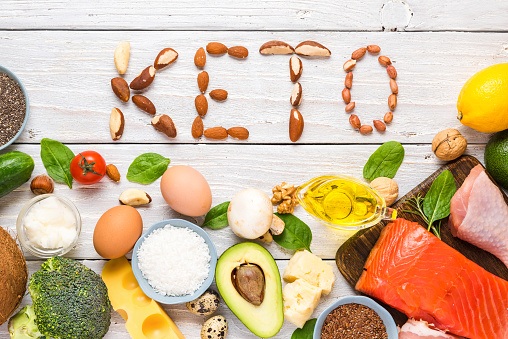
Ketogenic is a diet encompassing higher amounts of Healthy Fats, moderate amounts of protein & low amounts of Carbohydrate containing foods. visit iTHRIVE to know more!
Ketogenic is a diet encompassing higher amounts of healthy fats, moderate amounts of protein and low amounts of carbohydrate containing foods. It is named so (‘keto’ or ‘ketogenic’ diet) because the specific dietary changes involved in this diet causes the production of ketones in your body.
As the net carbohydrate intake is restricted to a very low quantity, fat becomes the primary source of energy for your body, as a result of which ketones are formed. Ketones are chemical bodies, viz., beta hydroxybutyrate (BHB), acetoacetate and acetone, made by your liver when fat from diet and from your body is burned for energy due to reduction in carbs.
When fats rather than glucose provide most of the fuel for proper functioning, your body enters into a metabolic state called ‘ketosis’.
When ketones reach upto a certain level in your blood, your body is considered to be in ‘nutritional ketosis’. There are different degrees of optimal nutritional ketosis and you can refer to the following values when testing your blood ketone levels.
0.5-3 mmol/l is optimal nutritional ketosis.
Above 3 mmol/l is starvation ketosis (When someone is totally fasting, there is complete absence of any caloric intake for several days, the result is an increase in ketones which puts your body in starvation ketosis).
Above 8 mmol/l is ketoacidosis (Ketoacidosis aka Diabetic ketoacidosis- DKA is a serious complication of type 1 diabetes wherein the ketones rise to dangerously high levels because of the inability of your pancreas to make insulin).
The best way to measure ketones is by using: A Blood ketone meter, Breath ketone analyzer and Urine ketone strips.
Apart from detecting ketosis through testing, your body shows certain signs as well, like-
Dry mouth or metallic taste in mouth
Increased thirst
Frequent urination
Fruity breath
When on a ketogenic diet, your body eventually gets accustomed to breaking down fats as its main source of fuel. Here are some of the benefits that you can get once your body uses ketones for energy:
Improved weight (fat) loss
Improved muscle mass
Elimination of cravings for carbs
Regulation of appetite
Decreased inflammation
Lowered risk of Cancer
Lowered Insulin levels (thereby, improved Insulin sensitivity and decreased Insulin resistance in people with type 2 DM)
Decreased migraine headaches (both severity and frequency)
Improved PCOS
Despite all the benefits mentioned, a big question floating around which is: Is Ketogenic diet safe for everyone?
To begin with, you can witness certain side effects until your body adjusts to the new changes. These are typically symptoms of something called ‘keto flu’. You may face headache, fatigue, irritability, lightheadedness, sleeplessness, constipation, etc.
Moreover, no particular diet is sustainable for a long term, so you need to bring in customisation at some point in time in order to maintain metabolic flexibility. Metabolic flexibility is the ability to respond or adapt to conditional changes in metabolic demand and eat a variety of foods without your system crashing.
Also, the latest research shows that the ability to stick to a diet is key. If a low carbohydrate diet or keto diet is a practice that works for you and you are able to maintain it for as long as it takes to lose excess body fat and you are meeting your nutritional requirements, then science says that this should be encouraged.
However, the changes should be tailor made and specific to the requirements and medical conditions of any person. Customisation should involve your current health status to ensure full benefits as well your cultural and personal preferences for food.
So tribe, make sure your nutritionist takes into consideration your health problems and go ahead planning a well-personalized plan, based on your macro and micronutrient requirements.
In diagnostic terms, addiction is referred to as ‘substance dependence’. Food or eating addiction is a behavioral addiction that is characterized by the compulsive consumption of palatable foods which markedly activate the reward system in humans despite adverse consequences. Scientific studies show that certain foods affect our brains in the same way as alcohol, nicotine,
In diagnostic terms, addiction is referred to as ‘substance dependence’. Food or eating addiction is a behavioral addiction that is characterized by the compulsive consumption of palatable foods which markedly activate the reward system in humans despite adverse consequences.
Scientific studies show that certain foods affect our brains in the same way as alcohol, nicotine, heroin and cocaine.
When these foods are consumed repeatedly, they can cause an addiction similar to what we often see with alcohol and drugs of abuse. At first, such foods are attractive because they release endorphins and ‘feel-good’ neurotransmitters that can temporarily relieve emotional discomfort, anxiety and depression.
This is a process similar to drug addiction: the food triggers the reward center of the brain, causing a sense of pleasure. But with frequent consumption of such foods, we can become physically and emotionally addicted.
Highly processed foods, such as sugar and flour, have the greatest impact on our brains because they dramatically raise blood sugar, and they can override normal body mechanisms that tell us we have eaten enough. Sweeteners, grains and dairy show the greatest potential for addiction.
The more refined or processed a food is, the more habit-forming it can become. As with any addictive substance, increased amounts are needed over time to satisfy cravings and avoid symptoms of withdrawal.
People who show signs of food addiction may also develop a kind of tolerance to food. They eat more and more, only to find that food satisfies them less and less.
Scientists believe that food addiction may play an important role in obesity. But normal-weight people may also struggle with food addiction. Their bodies may simply be genetically programmed to better handle the extra calories they take in. Or they may increase their physical activity to compensate for overeating.
Craving for a particular substance is an essential characteristic of addictive behavior. Increasing evidence suggests that food cravings and excessive food consumption could similarly be due to addictive processes.
A research study found that individuals who presented with signs of addictive eating behavior reported more experiences of a variety of food craving dimensions such as intentions to consume food, anticipation of relief from negative states as a result of eating, lack of control over eating, preoccupation with food, hunger, emotions before or during eating, cue-elicited craving, and guilt.
Food addiction is very complex. Individuals can become addicted for a combination of reasons:
• Genetics
• Family history of substance addiction
• Neurotransmitter imbalance
• Nutritional deficiency
• Toxic food environment
• Food allergies and intolerance
• Metabolic disturbances (diabetes)
• Hormonal imbalance (leptin resistance and thyroid disease)
• Compromised digestion (candida, constipation and IBS)
• Emotional stress and trauma
How to deal with Food addiction?
Food-addiction cravings can be similar to the effects a cocaine or heroin addict experiences. The main difference is that food is legal, socially acceptable and highly marketed.
The first crucial step toward breaking free from physiological food cravings is to stop eating addictive foods. Just as alcoholics must abstain from alcohol to maintain sobriety, those of us with food cravings must stop eating chemically addicting foods like sweeteners, flour and processed food. This is the only effective way to end the craving cycle.
The second and equally important step is to maintain nutritional balance by replacing addictive foods with wholesome, nourishing foods. Eating nutrient-dense food with balanced portions of protein, fats and carbohydrates, diminishes and eventually gets rid of physical food cravings. As we establish a healthy foods plan, healing begins and we rebalance our brain chemistry. Only after we have put cravings behind us can we start to address the emotional issues that also drive food addiction.
If you or someone you know is struggling with food addiction, reach out to us and we’d be happy to help.
Intermittent Fasting is a pattern of eating which is scheduled between periods of fasting & eating. iTHRIVE is offering all the information you need to know about Functional Nutrition!
Intermittent fasting (IF) is a pattern of eating which is scheduled between periods of fasting and eating. First things first, it is not a diet, tribe. IF doesn’t change what you eat, it changes when you eat. There are different ways involved in doing the same, viz., daily intermittent fasting, weekly intermittent fasting and alternate day intermittent fasting.
IF has become the world’s top lifestyle trends in the past few years, and there is a reason for it. As a matter of fact, there are 10. Find out for yourself:
Aids Weight loss
IF promotes a drop in your weight in the form of fat loss. When you don’t give your body a steady stream of glucose, it begins breaking down the glycogen to use as fuel. After the glycogen has been depleted, your body seeks out alternative sources of energy to help power your body. Fuel stores from your body fat opens up to provide energy and this is how you burn fat, thus ensuring a healthy weight loss.
Increases mental capacity
Intermittent fasting increases neuronal stress resistance through multiple mechanisms, including bolstering mitochondrial function and stimulating autophagy (see point 6), neurotrophic-factor production (Neurotrophic factors (NTFs) are a family of biomolecules that support the growth and survival of neurons.), antioxidant defenses, and DNA repair. As a result, it helps enhance cognitive function and protect your brain against changes in memory and learning function. Moreover, it can decrease the risks of stroke, Alzheimer’s disease, and Parkinson’s disease.
Decrease incidences of Insulin Resistance (Diabetes), Heart problems and Cancer
When you eat, much of your food is broken down into glucose, raising blood sugar levels, thus raising insulin levels. It is accepted that glucose toxicity is involved in the worsening of insulin resistance (IR) by affecting the secretion of β-cells. IF allows your body a chance to stabilize the insulin levels, which gives your pancreas a rest from producing insulin.
This pattern of eating also increases the levels of Adiponectin, a fat derived hormone, which has proven beneficial in protecting from heart problems like atherosclerosis as well as IR.
Moreover, intermittent fasting results in calorie restriction which is thought to impair energy metabolism in cancer cells, thus inhibiting their growth and preventing the spread of cancer.
Better gut health
There are two main ways through which intermittent fasting can improve gut health-
Firstly by giving rest to your gut from the taxing work of digesting and absorbing food. Secondly, fasting benefits our good gut bacteria because of circadian rhythm- our internal body clock. Continuously grazing until right before bed adds up to the digestion and processing of food. Such a large eating window often takes us out of sync with our circadian rhythm (body clock) and disrupts our gut microflora.
Counter regulatory hormone production
Benefits of IF do not only result from reduction in calories but also from the beneficial hormonal changes like reduction in insulin levels and increase in the counter regulatory hormones- nor-adrenaline, cortisol and growth hormone. These are known as counter regulatory hormones because they tend to raise our blood glucose levels when the body is not getting it from the food, making it available for energy purposes. Growth hormone is associated with anti-aging properties and research has found that deficiency of the same leads to higher levels of body fat, lower lean body mass (sarcopenia) and decreased bone mass (osteopenia).
Triggers Autophagy
IF stimulates autophagy which in Greek means ‘self-eating’- auto (self) and phagein (eating). It is a process, activated by glucagon (a hormone produced in the absence of insulin), in which our body gets rid of broken down, old cell parts. Basically, there is replacement of old parts of the cell. Autophagy along with increase in growth hormone can really give your bodies a complete renovation and a kick start to healing.
Preserves lean body mass (LBM)
Many of us have concerns about loss of muscle mass during fasting. And the answer is a straight up, NO. Muscle gain/loss is mostly a function of exercise and ensuring adequate protein intake and fat loss is all about your diet. While IF your body switches metabolism to burning more fat. This makes sense, since protein is functional tissue and there is no point to burning useful tissue while fasting when there is plenty of fat around. As long as your energy needs are being met either through carbohydrates or fat, you will not ‘burn’ muscle during fasting instead you preserve it because the body does not store food energy as fat and then burn muscle for energy purposes.
Reduces inflammation and helps reduce chances of rheumatoid arthritis
Inflammation is a normal immune response to any injury or irritant. It can also be a result of increased oxidative stress in the body. Fasting intermittently has shown to reduce the oxidative stress markers and thereby reduce inflammation. Because it reduces inflammation, IF would also be expected to be beneficial in rheumatoid arthritis, and indeed, there is evidence supporting its use in patients with arthritis.
Decreases hunger
Leptin, known as ‘satiety hormone’, is produced by fat cells and higher amounts are mostly found in overweight and obese people. Too much leptin floating around can cause leptin resistance, which makes it harder for it to effectively turn off hunger cues. Intermittent fasting lowers leptin resistance, normalizes your hunger hormone and results in less hunger and potentially even more weight loss.
Increases stress resistance and longevity
Intermittent fasting enable us to tolerate or overcome challenges and then restore homeostasis. Repeated exposure to fasting periods results in lasting antioxidant defenses and an adaptive response. Moreover, autophagy can also show improved function and robust resistance to a broad range of potentially damaging insults, thus increasing longevity.
On another note, Jesus Christ also supported fasting and resting as powerful tools for healing. So who’re you going to trust- Jesus Christ or Col. Sanders?
Do note, your bio individuality should be considered before choosing an intermittent fasting plan because it does not work the same way for everyone. Reaching out to a qualified Nutritionist would definitely be a good idea so that you do it correctly.
You can reach out to iThrive for help, our experts would help you with a well personalized plan considering your current health status and unique requirements.
A Blood Test – is a laboratory examination of a blood sample that is usually extracted from a vein using a syringe and is used to check for a variety of things. Understanding Blood Test is very important check-out iTHRIVE's blog to know more!
A blood test – sometimes referred to as a blood panel – is a laboratory examination of a blood sample that is usually extracted from a vein using a syringe and is used to check for a variety of things. Many blood tests do not have any special requirements while some others require the testee to be in a fasted state (not eating any food for 8-12 hours) before the test.
Approximately 70 percent of your dietary decisions are actually based on the blood report analysis. Different parameters are assessed in order to address the root cause of your symptoms/health problems.
But what is that these tests tell us and why are they so important?
Here are top 10 reasons why analysing your blood is important:
Deciding a dietary regime
The first and foremost importance of examining blood tests is before making any dietary changes. This will help you to decide on foods to be included and also the ones to be kept at bay. Further, it can also help you fix the deranged parameters with either food itself or with the help of supplements. It also helps you maintain a track of how these changes have in turn impacted your body.
Your body is different from everybody else, so your health program should also be fully customized based on your needs. By undergoing regular blood tests, you can get the exact numbers that will help you plan your dietary regime accordingly.
Investigating the root cause of illness
If you are someone who’s suffering from a certain illness, then going for blood tests can be useful in finding out what exactly is causing the problem primarily. Symptom specific blood tests are advised by experts in order to find the possible reasons. For example, high levels of homocysteine are excellent predictors of a risky heart health.
Routine examination of vital organ parameters (liver, kidney, thyroid, etc) can give you a general overview of what is happening inside the body. Altered levels within these organ function tests might indicate an array of prevailing conditions (inflammation, alcoholism, toxins and plant antinutrient damage, infection, drug abuse or metabolic diseases). Further tests may be done to determine more precisely the extent of the damage.
Weight issues
If your weight is stagnant despite your strenuous efforts towards reducing it, there might be a possibility of an underlying problem which can be detected upon blood examination. Excess weight can be a sign of hormonal imbalance, insulin resistance, toxin build up or heavy metals accumulation. You can clear the mystery behind your unchanged weight by taking blood tests.
Infection
Sometimes pathogens can enter your body, evade the immune system and result in hidden infections likely to be manifested cause chronic fatigue syndrome or something as grave as stomach cancer.
Common bugs causing these hidden infections include Epstein Barr Virus (EBV), Cytomegalovirus (CMV), Human Herpes Virus (HHV-6), Parvovirus (Parvo B19), Mycoplasma sp., Borrelia Burgdorferi and chronic mold and mycotoxin exposure. H-pylori is yet another toxic microorganism which is capable of destroying your gastrointestinal health. All of them can be brought to notice by blood inspection.
Nutritional status
Regular blood testing can ensure you check for deficiencies and you don’t miss out on the required amounts of vitamins, minerals and other nutrients in your body. Lack of essential nutrients in your body can not only lead to minor health conditions like a headache or constipation but can also indicate serious situations like neurological disorders, muscle impairment, diseases of the bone and joint, and metabolic disorders.
Hormonal balance
Hormonal imbalance can devastate your mood as well as your health. Also, problems like erectile dysfunction, infertility, low libido can all grow out of poor hormone levels. These can only be diagnosed through blood tests.
Food allergies
Food allergies can make your life miserable, worse if left undiagnosed. Blood tests can measure your immune system's response to particular foods by measuring the allergy-related antibody known as immunoglobulin E (IgE).
Autoimmune diseases
The possibility of autoimmune diseases can also be ruled out by blood examination. One of the most common blood tests for detecting autoimmune disorders is ANA (antinuclear antibodies). Specific tests are available for testing probable antibodies attacking your internal organs. E.g-Thyroid antibody testing is usually recommended if there are continuously fluctuating or unchanged thyroid hormone levels in the body.
General state of health
Regular blood examination plays an important role in maintaining your overall health and fitness, just like diet and exercise. If you are serious about living a long and healthy life, then take your blood tests seriously.
We at iThrive analyze the core systems that allow your body to function properly. This means looking closely at the foundation blocks for good health including hormones, digestive health, immune function and nutrient status. We also check for allergies, chronic infections or toxins, build up of environmental toxins or heavy metals and clogged detoxification.
So partner with us to get to the root of your health problems and to do away with them. Let’s get functional nutrition in action!
10 Reasons Why Conventional Medicine Cannot Solve Chronic Diseases
Do you know what is Conventional Medicine? Conventional Medicine is a system in which doctors and other healthcare professionals treat symptoms and diseases using drugs, radiation, or surgery. Learn more at iTHRIVE's Blog!
What is conventional medicine and why is it not the answer for solving chronic diseases?
Conventional medicine is a system in which doctors and other healthcare professionals (such as nurses, pharmacists, and therapists) treat symptoms and diseases using drugs, radiation, or surgery. One might also hear it called as Allopathic medicine/ Western medicine/ Orthodox medicine/ Mainstream medicine/ Biomedicine or something also as a Standard medical care.
But after all these years this so-called ‘standard care’ has proven unsuitable for the treatment of chronic diseases. But why? You will find out soon.
First of, as CDC defines them, Chronic Diseases are conditions that last 1 year or more and require ongoing medical attention or limit activities of daily living or both. These are consequences of risk behaviours like poor dietary choices, lack of exercise, lack of sleep, stress, excessive alcoholism and smoking, too much use of electronics and more. The major chronic diseases are known to be-
Cardiovascular diseases (CVDs) or heart diseases
Diabetes Mellitus
Obesity
Cancer
Respiratory diseases
Also known as non-communicable diseases (NCDs), these are responsible for more than half of total deaths each year worldwide, and the incidence has grown tremendously over the last fifty years. (Chronic diseases aka NCDs are non-infectious health conditions that cannot be spread from person to person usually resulting from genetic, physiological, lifestyle, and environmental factors).
Indians need to think deeply about chronic diseases given India’s rising distinction of becoming the diabetes capital of the world. At the present stage, chronic diseases account for 53 percent of total deaths each year in India, which is expected to grow up to 67 percent by 2030.
Now, conventional medicine evolved during a time when the leading causes of death were acute, infectious diseases. Today things aren’t quite so simple. People, now-a-days visit a doctor not only for acute problems but also for the chronic ones. This complicates matters because chronic diseases are difficult to manage, expensive to treat, require more than just a doctor and typically last for a lifetime. Here are 10 pitfalls of conventional medicine and why it is not the ideal option when it comes to treating chronic diseases:
Failing to address the root cause of problems
Conventional medicine focuses on treating a particular disease by suppressing the symptoms rather than addressing or finding the root cause of the disease. For e.g., there is rarely any serious investigation into why your blood sugar or blood pressure is high in the first place.
Failing to apply the right way of treatment
New technological inventions have been adopted as a part of conventional medicine treatment and are doing some stunning things with the potential to fight cancer, reattaching limbs, to name a few. These technical approaches, however, might not be the best ones to cure or treat a chronic disease because more than 85% of these are caused by poor lifestyle and dietary behaviours.
Misconception about being a ‘cure all’ model
As we can see during the time when conventional medicine evolved, the treatment was relatively simple. For e.g., back when someone developed Pneumonia or other acute problems, he went to see a doctor, got an antibiotic and either got well or died. This kept on evolving the same way, catching people’s attention as if it were to reverse all the health problems there are, in short, being a cure-all model. However, it fails miserably when it comes to curing lifestyle driven diseases such as diabetes or obesity.
Low quality primary care
Chronic diseases are difficult to manage and require special attention. In a hospital set up, a doctor typically has to deal over hundreds of patients on a daily basis. If a patient has multiple chronic conditions, is taking several medications, and presents with new symptoms, it is nearly impossible to provide quality care during that 5-minute visit.
Unsustainable treatment quality
Statins are widely prescribed to lower “risk” and “risk factors” that are involved in heart disease. But do these liver-toxic drugs hold demonstrable therapeutic potential? Not so much. Same with other medications, most of them only suppress the symptoms simultaneously causing liver and kidney damage
Very less emphasis on diet and lifestyle changes
The risk factors of chronic diseases boil down to people making wrong choices about diet, physical activity, sleep, stress management, etc.—over and over again, throughout a lifetime. As it works, once a disease is identified, medications are prescribed as a treatment strategy. There is hardly any time or attention that is given to discussing diet and lifestyle that might be contributing to the existing problem. Besides, nutritional deficiencies, toxins, heavy metals, antinutrients, food contamination, lack of sleep and other major drivers of poor health and disease are also not addressed in the conventional medicine treatment strategy.
A mechanistic approach
Conventional medicine does not see an individual human as a whole and thus does not consider his/her physical, psychological, social and spiritual make-up.The patient presents his body to the doctor as he would his watch to a watchmaker or his car to a mechanic so the expert can fix, add, remove, replace, tighten, loosen,adjust or recharge whatever piece needs work so that the machine functions as it should.
Too much reliance on scientific methods/knowledge
Conventional medicine firmly believes that, apart from scientific knowledge, no other form of knowledge is valid because only scientific knowledge is true and real. In contrast, traditional medicine is the fruit of hundreds of years of observation by hundreds of practitioners helping thousands of patients in actual life situations.
High dependency and prescription of medications (drugs, pills)
The conventional medical system is designed to keep you on pills, very expensive pills, as if the economy needs you to be sick, to stay on these pills so that Big Pharma executives can get filthy rich.
Lack of transparency
Ever tried finding prices for the various healthcare services provided by the hospitals or their performance reviews? Such information is only available for automobiles, hotels and so on. This lack of transparency is one of the important things for conventional medicine to be questioned for. Doctors are often indemnified from health issues arising due to malpractices in patient care. Besides which iatrogenic deaths ( aka deaths caused by medical errors are the 3rd leading cause of deaths in hospitalized patients). It’s not surprising that even with the Covid-19 plandemic, patients that self-isolated and home quarantined themselves had much better outcomes than the ones that got hospitalized and were put on ventilators and experimental drugs
This is a gap that Functional medicine and Functional nutrition fills in beautifully. We aim at addressing the imbalances in the body by restoring function through food, lifestyle and supplement interventions. We transform dysfunctioning bodily systems into optimal, functional healthy systems which is the only permanent and sustainable solution.
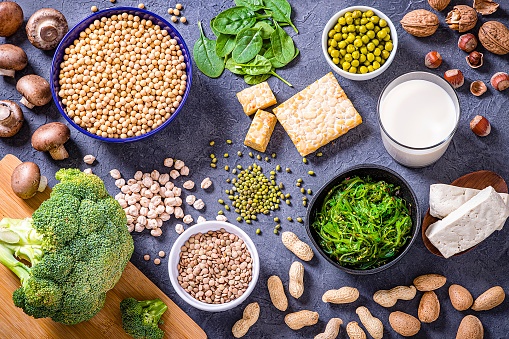
Saponins are Plant Antinutrients which is a diverse group of chemical compounds present abundantly in plant foods. Do visit us to know more!
Saponins are a diverse group of chemical compounds present abundantly in plant foods. The name ‘saponin’ is derived from the Latin word ‘Sapo’ meaning ‘soap’ because saponin molecules form soap-like foams when shaken with water.
Saponins are plant-derived secondary compounds, which are found in more than 100 families of wild and cultivated plants. They are naturally produced as foam-producing compounds by many plants, including groundnut and other oil seeds. They are usually found in legumes such as soybean, peanuts, chickpeas, broad beans, lentils, quinoa, sunflower seeds, spinach leaves, tea leaves, quinoa seeds, sugar beet, oats, yucca, tomato seeds, fenugreek seeds, asparagus, brinjal, yam, and allium family (onion, garlic, leek, etc).
Due to the bitterness, throat-irritating and inhibitory activity of saponins, they are considered to be ‘antinutrients’.
Recent studies have shown that a bitter or astringent taste is related to amounts of saponin isolated from pea and soy flour and plant saponins are a contributing factor to the undesirable organoleptic properties that humans associate with some legumes and legume products.
In the digestive tract, this antinutrient compound stacks together like small piles of coins, which are too large to pass through the intestinal wall. The working of digestive enzymes such as amylase, glucosidase, trypsin, chymotrypsin and lipase is hampered in the presence of saponins, thereby affecting carbohydrate and protein absorption and the overall growth rate of an individual. In addition, they form insoluble saponin–mineral complexes with iron, zinc, and calcium and decrease the nutrient bioavailability.
These insoluble complexes again interact with bile acid and cholesterol and increase the excretion of bile acids. Low concentrations of free bile acids can, however, impair the efficiency of lipid absorption and presumably affect the absorption of fat-soluble vitamins.
It should be, thus, noted that the low levels of saponins in foods may not be injurious to health but could become toxic when consumed at higher concentrations in the diet.
On the contrary, saponins are also attracting considerable interest as a result of their hypocholesterolemic, immunostimulatory, and anticarcinogenic properties.
Ways to reduce the saponin content
Saponin content from the different sources can be reduced firstly by soaking the foods. A lot of saponins are lost when the soaking water is discarded. Loss of saponin increases with the increased duration of soaking. Greater losses occur during soaking in saltwater than in plain
water. Secondly, cooking of saponin-rich foods reduces the amount by 40%. However, loss of saponin is greater during pressure cooking than during ordinary cooking. The greatest amounts of saponin are lost during soaking in salt water followed by pressure cooking.
However, to ensure further reduction, alcohol extraction technique works best. But it is not a reliable household process.
Our suggestions-
As the amounts are reduced and not completely removed, foods containing saponins should not be consumed in large amounts. Also if you are suffering from digestive issues, we would recommend you to watch your diet for the antinutrients.
Coenzyme Q10 is a co-factor for the electron transport chain, and is essential for generating ATP from mitochondria. Learn about CoQ10's role in our body and how to get more of it.
Coenzyme Q10 (CoQ10), also known as, ubiquinone, is a vitamin-like compound which is naturally synthesized by our body. It is a potent antioxidant found in every one of our fifty trillion cells—and it is the only lipid-soluble antioxidant our bodies actually synthesize. Coenzyme Q10 is a key component of the mitochondria - the energy-producing units of the cells in our body. The level of CoQ10 is the highest in organs with high rates of metabolism such as the heart, kidney, and liver.
This bionutrient is widely found in many animal protein sources (pork, lamb, beef, chicken, fish), vegetables (spinach, pea, broccoli, cauliflower) and fruits (orange, strawberry, apple). Heart, chicken leg, herring, and trout contain particularly high amounts of CoQ10. Daily intake between 3 and 5 mg is considered adequate. CoQ10 is fat-soluble, so it is better absorbed when taken with a meal that contains oil or fat.
Because of its energy-rich and antioxidant capacity, it has a significant, broad impact on aging and health. Levels of coQ10 decline with aging. Inflammation is a frequent aging-related problem. CoQ10, by reduction of free radicals reduces the release of pro-inflammatory substances. A recent study provided evidence that CoQ10 supplementation can reduce the inflammatory markers like CRP (C-reactive protein), IL-6 and TNF-α.
Since your heart cells can't function without energy, they can't function without CoQ10. The heart beats 100,000 times each day and this requires a huge amount of energy. The heart, composed of muscle tissue, contains the largest amount of energy-generating mitochondria of any muscle, so it is not surprising that CoQ10 has been shown to be very important for cardiovascular health.
The potential use of coenzyme Q10 supplements alone or in combination with other drug therapies and nutritional supplements may help prevent or treat some of the following conditions:
CoQ10 also has a significant role in boosting the immune system and physical performance, as tissues and cells involved with immune function are highly energy-dependent and therefore require an adequate supply of CoQ10 for optimal function.
Coenzyme Q10 deficiency is not seen usually and if occurs, is a result of genetic malfunction. Besides, drugs like Warfarin and statins interfere with the functioning of CoQ10 and cause a reduction of its level in blood.
As you age, your body's natural production of CoQ10 declines, making CoQ10 supplementation even more important. Plus, supplementing with higher dietary levels of CoQ10 can nutritionally support overall health.
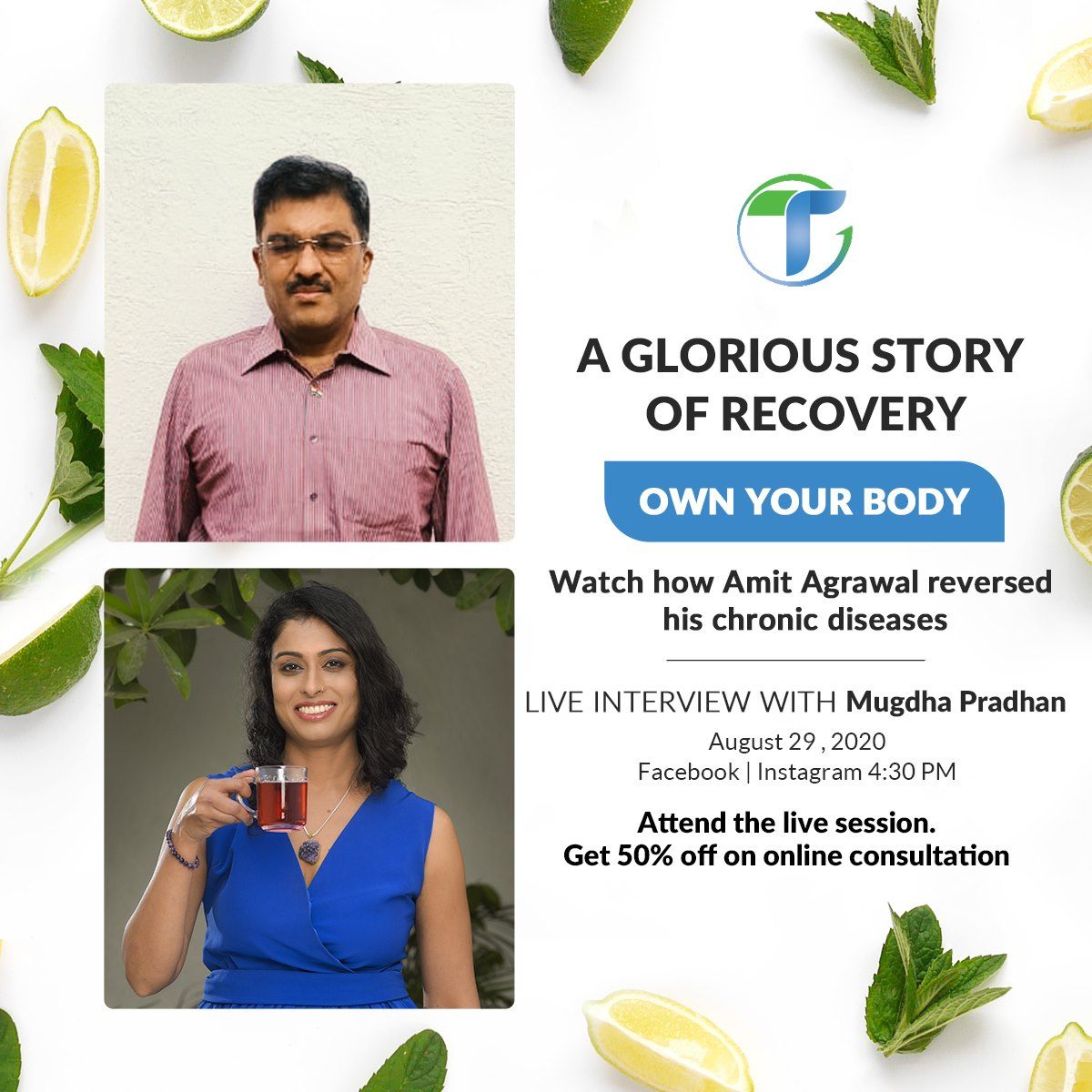
This is a transcript of the Facebook Live session that was held on 29th August 2020. Mugdha: Hello everyone, welcome to this live which is Own Your Body Episode - Nine. My name is Mugdha Pradhan. We are live with Amit and this own your body series is a different one because instead of me
This is a transcript of the Facebook Live session that was held on 29th August 2020.
Mugdha: Hello everyone, welcome to this live which is Own Your Body Episode - Nine.
My name is Mugdha Pradhan. We are live with Amit and this own your body series is a different one because instead of me just speaking. We actually have somebody who's gone through the experience at iThrive and is going to be sharing what happened to him in this entire journey. I am so happy to have you on board Amit.
Amit: Thank you Mugdha, I'm also so happy to be here and sharing my experiences with you all.
Mugdha: So my name is Mugdha Pradhan. For those of you who are watching this for the first time, I am the founder of iThrive. I'm a functional nutritionist. And what we do at iThrive is we reverse chronic illnesses from the root and today Amit is actually going to share the experience of how that is; Amit if you could tell the viewers what is it that you do?
Amit: I'm a businessman, I'm based out of Hyderabad. And I trade commodities and capital markets for my living. So, it's like I'm constantly under stress. Stress has been a part of my life for the last 25 years.
Mugdha: And I think the lockdown made it worse right? If I recollect our conversation.
Amit:Yes, it was very difficult dealing with the lockdown and post lockdown things were pretty bad and we have still not recovered it, but still, that's become a part of the game.
Mugdha: Alright. So Amit, I remember meeting you almost a year and a half ago now, right?
Amit: Yes we met in April 2019 in Shimla first. And I remember that evening very well. As we were having a bonfire sort of evening that night, and it was cold and what they say is, what you seek also seeks you. And at that time, I was probably at the lowest level of my life, dealing with so many ailments. And I was very curious to find out if someone can help me. In the previous edition of Life plugin, I met Pancham Parashar. He started the process with me, and he was helping me out. The results were not as I expected. And we were having a conversation around the bonfire when you heard us speaking. And then we had an interaction and I asked you about what you do. And that is when we started our conversation. Then I started sharing what problems I deal with. I shared with you what ailments I am confronting and what are the things I'm looking at. And you didn't tell me anything then you just smiled and then said you take my contact number and you talk to me once you are back in Hyderabad. And that is how it started from there.
Mugdha: Yeah, so if you don't mind sharing with the audience, everything that was going on because I have this tendency to eavesdrop on any conversation like my radar for chronic illness is always ON. So that’s what happened with you as well. But if you could share with your audience what exactly was going on with you.
Amit: I had multiple problems. I had an ulcer in 2003, because I used to take a lot of painkillers then. I had an ulcer in my abdomen. And because of that, my doctors gave me an antacid to take every morning. So from 2003 to 2018, I was taking an antacid every day morning for 15 years because of which I had certain issues with my abdomen. I had IBS because of that I gained a lot of weight. I was weighing around 95-96 kgs then but I gained up to 112 kgs when we met in Shimla and then I was also having a problem with sleep apnea and acidity. There was not a day in those 16 years where I didn't have an acidity pill. Blood pressure and obviously obesity. So when I contacted the ENT surgeon for my sleep apnea issues. He suggested two remedies, either to lose weight or to go in for surgery. I thought I’m in a catch 22 situation. If I have to lose weight I need to sleep well. But because of the ailments, I'm not able to sleep well. What do I do with that? I was going around with these issues and talking to so many and you were probably deep down in the list for the number of people I must have contacted for this. And I must have spoken to more than 25 people all over the country. Nutritionists, dieticians, were reading so many books, articles following each and every diet, in fact, I took upon keto diet just a year before we met that caused me a lot of problems, rather than losing weight I gained a lot of more problems after that because I had kidney stones after that which I never had any problem. So, I just gave up on that and I thought it might not happen. And there are people who say that genetically you are built like this. So at a point in time I was made to believe in the theory that maybe it is genetic. And so, but after I met you and then we started having discussions over this, and I would definitely also give credit to Pancham Parashar for this because he instilled confidence back in me and he told me it's not genetic. You can do it. And the process started there and then when I met you. It gained momentum, and it just went on and on after that.
Mugdha: Super I didn't know. So Rutuja and I often joke about this. Rutuja takes care of business development; often people come to us like you did right; as they've gone through so many things and then they finally find us. And we say, that's why we call us a holistic nutritionist because they go through a whole list of people, a whole list of doctors, a whole list of other nutritionists before they actually come and meet us.
Amit: From India to any other country. I must have read so many articles so many books just for the sake of so many diets, just to see that I can start losing my weight because every time I tried harder to lose my weight I gained a few ounces of weight, just like that.
Mugdha: Wow, so I knew you were in a lot of trouble when we spoke.. but it's been a year right so I actually forgot what was happening. So I was like Amit had acidity, Amit wanted to lose weight, I completely forgot about this sleep apnea issue.
Amit: There was a point in time, wherein I did not sleep, I did not have a good night's sleep for almost six to seven months continuously, I used to sleep only for two to three hours a night; feel drowsy the next day, then come back and then I started using a CPAP machine at one point in time, but that was not working because it was not as efficient as it should be. It used to cause a lot of disturbance when I used to sleep so that was not working for me.
Mugdha: Wow. Okay, so I mean I know what we did for you but there are a lot of people who are curious about how we resolve all of these things right? So could you please tell them?
Amit: Yeah. The first thing was the kind of evaluations you do on the person that is the tests, it is a long list of tests and initially, I was skeptical and what are they going to do with so many tests, and when I consulted with the physician he was like are they nuts? What are they going to do with so many reports? And I thought I would probably have tried so many things. Let me give this a shot also. The best thing was the parameters on which you evaluate a person's health. In general medical terms, the reference range is quite big. So, the margin of error is quite large there and with us, the reference range is too small. So, the margin of error is small so what we are doing is; we are actually coming into a position where you know our health becomes near perfect. I’m just saying out of context when I showed my reports to my doctor in April 2020, sorry in May 2020 during the lockdowns. He told me Amit, these are one of the finest reports I've ever seen in anyone's life. There cannot be any deviation, and my mom was there with me in the clinic because she was a bit apprehensive about the kind of supplements I was taking. No milk in my diet and no gluten. So she wanted to talk to the doctor as to what I'm doing is right or wrong. And when my physician said that Aunty he is probably doing the best, and I've never seen these kinds of reports in my life so far.
Mugdha: Amazing. That's so good to hear. I mean, often we solve cases that doctors can’t but it's good to hear doctors also validating the outcome. Right?
Amit: Yeah he backed up the same things because he's also been on a dairy-free and gluten-free diet for almost 10 years, so he actually told my mom that this is probably the right thing he is doing.
Mugdha:Great, I think initially it was you and me who worked extensively and Swati came on board and then Swati has been your main coach for nearly a year now.
Amit: For the first six months you were there; I was coordinating with you. Then Swati came in, and this is the reason I got hooked onto the system because I felt it is very professional, and it suits me because I don't have to run and chase people, for any of my queries. I just had to send a message on WhatsApp, on my group and I got the answers immediately. So, it's not a one time process. It's been a continuous journey so there have been so many times when I have queries and I have doubts. When there are supplements that are not available then we need to talk about alternatives. When I'm traveling, it's been continuous. I know if it is one time, then it leaves more doubt than clarity. Because the way it is programmed. And it's that I have a query with Swati if she is not able to; but didn't have any problem with Swati as such or she's not been able to handle it. But even if she doesn't she makes sure that she speaks to you or anyone in the group, and she reverts immediately. That's been one of the finest things about this. And it feels so safe that you know that you're taken care of.
Mugdha: I think Swati is really amazing at that. I think she will just take care of you and be there for you.
Amit: Yeah. I mean, let me tell you she's very strict. I have never feared even my teacher like this. She doesn't budge a nail; she doesn't give leave or God knows how many times I've tried to take leverage out of her but she doesn't.
Mugdha: Hahahahaha.. Yeah I know this happens. I know because I'm there in the group but yeah she's pretty phenomenal, making sure that you reach your health goals.
Amit: I mean, I tried a few times and I was traveling last year. I was traveling abroad and I wanted to have some leverage so that in case if I don't get food to eat, then I can take it. But she said No, take it from here. I thought okay because I cannot supersede her, and I have to abide by what she says.
Mugdha: Great. So what did you really learn out of all those blood tests. Do you remember what the root causes were or what was really going on like sleep apnea and all of that?
Amit: Yes, very clearly because the first thing was about sugar, insulin sensitivity. Not many people only check the blood sugar levels, but the insulin resistance and the insulin sensitivity thing I didn't know prior to that. And when you made me aware that these are the reasons why I'm not losing weight, I started to focus on that for the first time. And normally what used to happen is when anyone gets their test done, doctors only see the blood sugar levels, and they judge whether they are prone to diabetes or not, but this is the first time I learned about insulin resistance and insulin sensitivity. Then about other factors, I mean LDL cholesterol, HDL cholesterol, about iron deficiency, about B12 deficiency, of Vitamin D, and then a whole lot of things. I was deficient in iron also so we covered that. Then, for the first time I learned about the supplements, that kind of detail because you prescribe a lot of supplements, a whole lot of people say that supplements are not good and they should not take up supplements and all your supplements, all your vitamin deficiency or vitamin needs should be through your food. It is not possible I believe, because of the kind of system we live in. We cannot eat that much. So, in a way, I learned about supplements as to how to use them, and when to use them. And the kind of effects they have on our body. And the biggest myth was busted when I was a food lover all my life; coming from a Marwadi family and you understand what kind of affiliation we have with food, all our celebrations, all our sorrows were linked to food. So it was food all the way through. So, one, I was hooked on milk and dairy products. That is a big-time in our families and in our community. Then a whole lot of things so when I got to know the kind of foods I was consuming was not conducive for my health. And when I stopped eating them or when I stopped consuming them. That is when the results started to show. Initially, it felt like deprivation to begin with, I thought I mean, these are all basic things and how can I ever live without all these things, but it actually you know, it's just a matter of time where you start to fall in love with alternate options which are available. It's about the mindset, which I realized, you know, normally when you talk about a diet. When you talk about, you know, doing something, you start to think about being deprived, you know, as if you are giving up on something. It's not that easy. It's just that you're finding better alternatives. When we started mobile phones we used to have mobile phones which we used to talk only on the phone and send messages. But we have smartphones now. So it's not about giving up on those, it's just adapting to better ones.
Mugdha: Absolutely I completely agree, and this I think this perspective is what has really helped you stay on this journey right because for you it was not just about those three months that you partnered with us initially because we did so many things then I'm glad you brought up the supplements point also because a lot of people feel like you know you shouldn't be taking anything extra but if you're not eating animal foods in large quantities and if you're just mostly plant-based and vegetarian then deficiencies do crop up. For eg.. we saw such an improvement in sleep and everything for you after magnesium was added. So really glad that you brought those points up.
Amit: It's all about restoring the balance and enjoying what you're doing, and if the mindset is not there. Even if you go to a doctor and if you start feeling that you're being treated for something and if you've been taken for a ride that you'll probably not recover the way it should be. It's all about enjoying the process.
Mugdha: Right. And I think that that perspective shift that you made in your mind right that this is about the longer greater returns and I'm going to get overtime and I mean a lot of people even when we talk to them initially they're like oh I have to give up dairy and how am I going to live. How did you really feel? I know you didn't feel deprived of there were various alternatives, but could you share some, like milk or something you had for so many years of your life right.
Amit: I had milk for almost 43 years, probably, you know, I felt after initial stages, your taste buds change and then stop craving for those foods like for milk. I used to have two cups of tea every day, morning, in the afternoon, or evening, but in the last 14 months, I must have not drunk more than three or four cups of tea, that also when I'm traveling or when I'm at a place when I cannot say no, so I never felt that I should be drinking tea or having milk products or having dairy. In my family, I mean my parents, my wife, my children, they do have because they still believe that in that method, but it's okay. We have dinner together every day. But I never feel the need for me to have that. The biggest thing is you know the joy of achieving something, It supersedes the pain of giving up on what you have given up. I think the biggest thing is the way I have gained my health, and the confidence it has given back to me. The way my life has changed dramatically post this. I think giving up anything is a very small price which you pay for that.
Mugdha: I know like you have suffered for so long. Right? So anything that comes as a solution; then that's the thing we tell people also right so if you're somebody who wants to keep having coffee or tea; that coffee or tea is not really doing anything for you so it's not like we take something that's a positive right, you're actually something that has no role to play anyway in your good health. So that mindset shift is what really helps a lot of people. So great. Good to hear that. So I think the time we've spent together we never had a chance to talk this much in-depth about how things have already been.
Amit: No we didn't. I've been a disciplined student all the way.
Mugdha: You really are. That’s why people need to hear your story because it's really inspiring right like you came from a place of your health being really in a bad place right so many things going on concurrently it wasn't just sleeping it wasn't just weight, your sleep and weight, and acidity and digestion, there are so many things together right so from there to where you know what is your current status, you could share that?
Amit: I started at 112 kgs. When we started I was 112 kgs in October 2018. By the time we met. I was around 106 kgs in April 2019. Now I'm at 86.5 something that looks almost like a 26 kgs drop. And initially, I didn't have this plan that I had planned to have now. I didn't plan to go to 75, but I do it now. And then I also know that the way I have progressed, I have no doubt in my mind that year from now, I'll have a dream body. And I'm pretty confident about it.
Mugdha:You will! What about your acidity and all of that? How's that?
Amit: That's gone. It's almost around 9 to 10 months, wherein I didn't have any acidity pill. And even when I go to a doctor for any of the treatments, and they give me any antibiotics, I make it a point to tell them that don't give me any antacids because my body's not good enough to resist that if it's very serious necessary you give me the medicine, I'll manage without acidity pills so it has been the case, all the way. There is no acidity now my blood pressure is around 115 or 120 by 80 for almost 14 months. All other parameters you know the best because you have the reports with you or you evaluated it continuously. I've been doing very well on my health,, and the results have been evident in all the other areas of my life.
Mugdha: Your college friends tell you look younger than you used to look then Right?
Amit:I mean the kind of compliments I've got for this are amazing people who have seen me or met me after say 12 or 14 months. They are completely shocked even by my trainers who used to treat me in my past. They were completely taken. I mean what is that happened to you, and people asked me, this cannot happen naturally either you must have gone through bariatric surgery, it cannot happen naturally, and that is the kind of feedback I got. A lot of people do tell me that did you go through a surgery? Why should I go to surgery? There are natural processes, there are people who can help you in this. If you are interested I will introduce you to them.
Mugdha: And thank you so much I think a couple of your sisters came on board. And you really have been spreading the word. And that's what I really like about Thrive, like what we do right that there is this tribe element and bring on more and more people in this network.
Amit: Yes. Exactly
Mugdha: Yeah, yeah, that's pretty amazing what happens in the tribe right but it's great so you're acidity gone. Your BP is absolutely like, what would we consider normal. Right. Your digestion has also improved. Right?
Amit: Yeah. Everything I mean there are no digestive problems, no ailments as of now. I cannot complain of anything. I think in the last 14 months I must have had a headache, one or two times.
Mugdha: Okay. How is your sleep now; I think your sleep is also better?
Amit: Sleep is better but I think this corona thing there was a slight disturbance, mostly because of some other issues and I probably know because a lot of stress and our businesses were not doing well and there were other issues but I was not concerned about it. I knew, once the stress levels are down I'll continue to sleep well and also started doing some meditations and listening to some audios which can de-stress me a lot. So that's been going fine for me.
Mugdha: Great, so good to hear you know sometimes we work with so many people and then we work with blood tests right and then sometimes we forget to check-in, after a point that we know, Amit is doing well. He is doing fine. So, sometimes it really helps to even like, come back and talk to you like this and listen to everything good that's going on with you in life.
Amit: So it's been a terrific thing. The biggest thing about this is that what I have done here, I have replicated these models in other areas of my life.
Mugdha: I was going to ask you that.
Amit: It's been such a study. Normally we want results fast. We are not process-oriented people; we are result-oriented people. So one thing this has taught me is that it's all about processes. I mean, I don't have to worry about results as long as the processes are fine that one thing which I have applied in other areas of my professional life. It was all about result-driven, what is the kind of money you're making every year or month on month basis or a quarterly basis because being a businessman. That is the most important thing we work for right now, after starting to work with Thrive. This is what I've realized it is not about the bigger things. It is what you do on a day to day basis, it is the kind of routines you have that determines how successful you are in your life.
Mugdha: Wow the principles of what we're doing for your food you do to the rest of other aspects of your life is exactly what you are saying?
Amit: I'll tell you about making dietary changes. I don't think that’s a bigger change if you look at your life in the whole context of it. It is a very small change, but that small change has a profound impact on your life. So, coincidentally, I read that book. Atomic Habits by James Clear.
Mugdha: Oh my goodness that's my favorite. And it’s right here. See. I've completely underlined it all over and it's my favorite.
Amit: It's a complete game-changer. What happens. Normally, when anyone goes to a dietitian, I've been through 25 so I know what is the system, they give you a diet which says that you have to lose 500 calories a day or 700 calories a day, that is the kind of calorie deficit you need to have in order to lose weight; how that 700 calorie has to be done and how that 500 calorie has to be done. Okay. By food, you can do 200-300. I want a system where I don't want anything with 300 500 calorie deficits, I want pretty small things in my life, which I can do on a day to day basis, which can give me a 15-20 calorie deficit. Today, I don't take the elevator normally like my flat is on the fifth floor of the building, and my office is on the third floor of the building. So it's evident for me that I walk down the stairs and climb the stairs every day to my office and my home. I know that if I do that, even once every day, it will give me a 20 calorie deficit. That's it. When I'm talking to people on the phone. If I am on a call which will take 20 minutes, I go out on the veranda and start to walk as I keep talking to people when I'm walking. Hmm. So this was one example. Then chewing my food 32 times. I mean, eating very slowly. Drinking water after 45 minutes after I eat food, and not drinking a lot of cold water. It can be warm water. Listening to good music at least 30 minutes every day, so that it can de-stress me a lot. These are the small things that you can incorporate in your life. I am just looking for 15-20 calorie cuts. I don't want anything big. Today, I mean, I park my vehicle at a distant place in my office, it takes me around 10-11 minutes to walk to my car. Earlier it used to be in the basement of the building. Now, deliberately have taken a parking lot for which I have to work for around 8 to 10 minutes. So it's always that I'm not looking for a big workout schedule. I mean post-Corona gyms were closed you don't like to work out. But these small changes can give me 15-20 calorie cuts that have kept me in shape. Before the lockdown started, I was weighing 92.5 kg. On March 23, it is 86.5 now. And in the last five months, there have been no workouts.
Mugdha: Yes. So these small habits and actually how you monitor your health overall that really matters and I think even in terms of filling up our tracker like a lot of the people who come on our program have so much trouble with the tracker daily updation right but you have been one of the most disciplined. Of Course, a few times Swati has to remind; I have seen Swati’s message to complete your tracker. Otherwise 90%, you have been really disciplined. I think that discipline is what really has helped you, overall also. Right?
Amit: That is what I'm saying. My dad used to always tell me you don't fumble at a big rock, you almost fumble at the smallest things because that becomes invisible to you. Okay, so need to be careful about the small invisible things which you have in your life. So, it's I mean it's very it's an age-old saying, which says, ‘Success is defined by your daily routine.’ So, very important to have a routine which fits, which gives me what I want.
Mugdha: It's really good to hear that you could apply the learnings of whatever we've done at with Thrive-In-3 and then the year-long program that you've been with us and then you could, you know, integrate that to the rest of your life and bring this result in so many other places; it's really great. So I have one question for you but that would be the last question because we were scheduled to speak only for half an hour. So there are a lot of people watching this there are people that are watching you and how inspiring you are, if you had to, you know, like, one takeaway you had them to just pick up one thing from this conversation with us with the conversation that we're having right now what would be the one thing that you would want everyone to kind of take away from this 30 minutes of listening.
Amit: The first thing would absolutely be to have faith in the system, people who are with you. Because faith can move mountains and if you don't have faith that probably you will always mentally you will never be committed to the process, and make the smallest possible changes in your life. Don't look for the big changes, don't look for that one magical rant like going to sleep overnight with 100 kg days and wake up with 95 kgs, that's never gonna happen. Celebrate small victories, take one day at a time, and keep the processes intact. Work on the processes results will come invariably.
Mugdha: That's really great. That's amazing. And if anyone has any questions; we could look at them now. Because I mean if you have any questions for Amit about how he really went through this entire thing. What did he eat? What his diet was like 26 kgs of weight loss is pretty phenomenal. So, if anyone has questions you could ask your questions. Oh yes. Okay, so I can see the questions here. All right, so if anybody has any questions please type them I can see them in the chat. Thank you. I can see Swati is laughing a lot at what you said about her being strict and all. So, I don't see too many questions but thank you for coming Amit and thank you for sharing your insights so much, I mean I am really grateful to have people like you in the tribe because you know one is actually the faith you've shown us. And, you know, the belief and like you actually brought in a lot of family members on board but you know having people like you is what really makes us do more of the work we do because when somebody like you go through beautiful transformations then it becomes such a positive feedback loop for us that, you know, there is a reason for us to do more of what we do. So it's really amazing. Swati wants to know, How did your exercise performance improve over time? Because she's been helping you throughout.
Amit: Exercise was good but unfortunately, because of the lockdowns, my exercise schedules have become slightly bad. I'm not able to work out much, and I don't want to start going to the gym very soon still. So pre- lockdown it was amazing. My strength training, even my stamina had gone to I mean I was running almost 5 and a half kilometers, non stop in 25-30 minutes so that was all going very well. I’ll have to start it back again, and take some more time to start working out, probably a month or let's wait for the situation to resolve and as it improves I’ll start working on workouts.
Mugdha: Rutuja is saying this is very inspiring. I’m telling you, your story is really inspiring.
Amit: Thank you so much Mugdha.
Mugdha: It's really worthy of being brought out and shared with so many people and that's why I just wanted to do this with you.
Amit: To your team, you and Swati and everyone that is out my gratitude for this being with me, standing by me and helping me all the way through this process. And I'm so glad that I'm a part of this journey.
Mugdha: Great, good, to speak with you. I think we should do more of these that we bring like really inspiring Thrive members and share their stories. Because, who knows somebody else might be going through something that you have gone through something similar.
Amit: Yes.
Mugdha: They might just think that there's no answer like how people told you that you did the surgery? They think surgery is the answer. It is so easy it takes time, but it is so easy to do with food.
Amit: It’s a long term process because now I have a plan that if I mean, I cannot say how long I'm going to live but in case if I happen to live long enough, and I would continue to live stronger fitter and healthier for all my life.
Mugdha: Absolutely. That's one thing that I tell people right, it's not really about increasing your lifespan, because your lifespan can be increased by a machine like you can do dialysis, you can do ventilator. But it’s about increasing your health span as long as you live; you are healthier that matters the most.
Amit: Yes. It’s the quality of life which matters the most.
Mugdha: Alright, perfect I’ll end the broadcast here. Thank you again. And you have a great Saturday evening. Let’s inspire more people to take care of them.
Amit: Thank you very much. Yes, thank you very much.
Sign up for the iThrive Newsletter practical nutrition, wellness insights, and habits that actually work.
Thank you! Your submission has been received!
Oops! Something went wrong while submitting the form.
No spam. Unsubscribe anytime.
FAQs
What topics does the iThrive blog cover?
The blog covers functional nutrition, chronic conditions, gut health, hormonal health, autoimmune conditions, sleep, mental health, and root cause analysis. Every article is written to help you understand what is actually happening inside your body, not just manage symptoms.
Who writes the articles on this blog?
All articles are written by the content writers in collaboration with iThrive's clinical team of functional nutritionists, guided by the same methodology used in the ALIVE programme. The content is rooted in functional medicine and real clinical experience, not generic health advice.
Is the information on this blog a substitute for medical advice?
No. The blog is an educational resource to help you understand your health more deeply. If you are experiencing symptoms or managing a chronic condition, a personalized Root Cause Analysis with a functional nutritionist is the right next step.
I read an article and want to take action. What should I do next?
Book a Root Cause Analysis. For ₹2,500, a dedicated functional nutritionist will assess 60+ blood markers using optimal ranges and explain exactly what is driving your condition. It is the natural next step after reading about what might be happening in your body.
Can these articles help me if I have already been diagnosed?
Yes. Many of our readers come with existing diagnoses and find the blog helps them understand why their condition developed and what their body actually needs. The articles are designed to give you clarity, not replace the guidance of a practitioner.
Talk to our team
Thank you! Your submission has been received!
Oops! Something went wrong while submitting the form.
Download Now
Thank you! Your submission has been received!
Oops! Something went wrong while submitting the form.



.svg)