

read count

read time

.svg)
Sep 16, 2020
Zinc- an quintessential nutrient
Zinc is a Quintessential Nutrient and is found in over 100 different enzymes in the body. It helps with growth and development, immune function, and brain function
Though it is a micronutrient, zinc is an essential mineral that has enormous health significance. It is required for aiding the activity of almost 300 of the body’s enzymes. Besides, it has tons of other physiological functions in the body which makes it of utmost importance for a healthy, disease-free life.
Zinc and health
Zinc is a major player in our body for optimum health because of its following roles :
1) Assisting the activity of enzymes involved with the metabolism of protein, carbohydrate, fat and alcohol
2) Assisting the activity of enzymes involved in cell division and the synthesis of DNA.
3) Assisting in protein synthesis
4) Assisting in the manufacture of Insulin
5) Proper functioning of the thyroid hormones
6) Tissue growth (connective tissue) and maintenance
7) Wound healing
8) Sense of taste and smell
9) Improving immune system functioning and thereby immunity,
10) Normal functioning and development of the brain help to enhance memory and improve mental
11) Prostaglandin (Pgs) production (Pgs are active lipid compounds involved in controlling inflammation, infection, blood clot formation, etc.)
12) Bone mineralization
13) Transporting Vitamin A in blood
14) Fetal growth, sperm production, normal functioning of the prostate
15) Promoting the formation of collagen to make hair, skin and nails
16) Regulating body fluid pH
Food sources
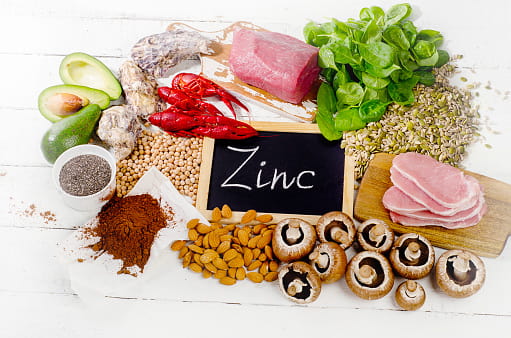
A wide variety of foods contain zinc. Fruits and vegetables, however, are poor providers of zinc. Red meat, lamb, pork, shellfish (oysters, crab, mussel and shrimp) are some of the foods containing excellent amounts of zinc followed by legumes (beans, chickpeas and lentils), seeds (flax seeds, pumpkin seeds, hemp seeds, sesame seeds) and nuts (cashews, peanuts), eggs, whole grains (rice, oats, quinoa).
However, there are antinutritional substances (Phytates, Saponins, Tannins) in plant-based foods which interfere with zinc absorption and decrease its availability. Approximately 20-40% of consumed zinc is absorbed by the body, depending on the bioavailability in the actual food source (bioavailability of zinc from grains and plant foods is lower than that from animal foods).
Zinc deficiency and Causes
Zinc is such a critical element in human health that even a small deficiency is a disaster. Zinc deficiency has been implicated as a factor in:
1) Loss of taste and smell
2) Growth retardation
3) Delayed mental and psychomotor development in young children
4) Impaired immune system function
5) Increased susceptibility to infectious disease in children (diarrhoea, Pneumonia, Malaria,) along with an age-related decline in immunity
6) Type 2 diabetes mellitus
7) Age-related macular degeneration (AMD is a degenerative disease of the macula and a leading cause of blindness in people aged >65 years)
8) Alzheimer’s disease
9) Depression
10) Neonatal Sepsis
11) Birth Defects and low Birth Weight
12) Delayed Sexual Development
13) Diminished Wound Healing
14) Anorexia/ Loss of Appetite
15) Benign Prostatic Hypertrophy
16) Impotence
17) Some Hair, Nail and Joint conditions
18) Arthritic Problems
19) Skin Conditions such as Acne and Dermatitis
20) Defective bone mineralization
21) Weight Loss
22) Hypogonadism in Males
23) Lack of Sexual Development in females
24) Small Breasts in Females
25) Dwarfism
26) Delayed Puberty in Adolescents
These numerous symptoms of acquired zinc deficiency are a result of insufficient zinc in foods eaten or malabsorption problems like gastrointestinal disorders, chronic liver or kidney y resulting from disease, sickle cell anaemia, malignancy and other chronic illnesses. The availability of zinc is also hindered by something called nutrient interactions. Nutrients like iron, copper, calcium and folate can impair zinc absorption.
Much of what is known about severe zinc deficiency was derived from a study of individuals born with acrodermatitis enteropathica, a genetic disorder resulting from the impaired zinc use in the body.
During the current corona pandemic, new therapeutic options against this viral disease are urgently desired. Due to its direct antiviral properties, and its role in preserving natural tissue barriers such as the respiratory epithelium, preventing pathogen entry and for a balanced function of the immune system, zinc administration can be beneficial for most of the population, especially those with low zinc status.
Supplements
Zinc supplementation is a powerful therapeutic tool in managing a long list of illnesses because of inadequacy resulting from the diet. Moreover, the actual availability of zinc from food sources is limited. Providing zinc in the form of supplements becomes all the more important, if you’re someone who is already zinc deficient. Supplements contain several forms of zinc, including zinc gluconate, zinc sulfate, zinc acetate and zinc picolinate. The percentage of elemental zinc varies by form. Zinc is available as pills and lozenges in supplement form.
Oral zinc therapy results in the complete remission of symptoms in people with inherited zinc deficiency, though it must be maintained indefinitely.
Zinc toxicity
Zinc is an essential element and its requirement is widely known. However, increased absorption can cause malabsorption of iron and copper. Zinc is also present in some denture adhesive creams. Chronic, excessive use can lead to zinc toxicity, resulting in copper deficiency and neurologic disease.
We at iThrive can evaluate from your blood tests and determine if you are zinc deficient.
References-


Mycotoxins are a relatively large, diverse group of naturally occurring, fungal (mould) toxins, which have been strongly implicated as chemical agents of toxic disease in humans and animals. Mycotoxins are secondary metabolites synthesized by a variety of fungal species. These toxins have attracted worldwide attention because of their impact on human health, huge economic losses, and domestic and foreign trade.
The term ‘mycotoxin’ was coined in 1962 in the aftermath of an unusual veterinary crisis near London, during which approximately 100,000 turkeys had died. When this mysterious turkey X disease was linked to a peanut (groundnut) meal contaminated with secondary metabolites, it sensitized scientists to the possibility that these fungal metabolites might be deadly.
Although more than 500 mycotoxins have been identified, potentially toxigenic, major mycotoxins influencing our health include,
Food Sources
Mycotoxin can occur in food and agricultural products via many contamination pathways, at any stage of production, processing, transport, and storage. Mycotoxin can enter the human food chain directly by consuming contaminated plants and food products and indirectly through residues in milk, meat, eggs, and their derivatives.
Mycotoxin species Food commodity that is contaminated
- Aflatoxins: Corn,wheat, rice, jowar, ground nuts, almonds, oilseeds, dried fruits, cheese, spices, milk, eggs, meat.
- Ochratoxins: Barley, wheat, dried fruits, wine, coffee, oats, spices, rye, raisins, grape juice.
- Trichothecenes: Cereals, cereal based products.
- Fumonisins Corn, corn based products, jowar, asparagus, rice, milkZearalenoneBarley, oats, wheat rice, sesame, soybeans and cereal based products.
- Patulin: Apples, apple juice, cheries, cereals, apricots, grapes, pears, peaches, olives, bilberries
- Citrinin : Stored grains and grain based products, cheese, spicesErgot alkaloidsWheat, rye, barley, millets, oats, jowar, triticale (a hybrid of wheat)
Impacts on health
Mycotoxicosis, the disease resulting from exposure to a mycotoxin, may be manifested as acute to chronic and ranges from rapid death to tumor formation. Many hidden diseases may occur when mycotoxins interfere with immune processes, rendering the person who has consumed them more susceptible to infectious and other diseases. Numerous diseases have been seen in humans for which evidence implicates mycotoxins as the root cause.
Adults usually have a high tolerance of mycotoxins and, in the reported acute poisonings, it’s children are those who die. Mycotoxins are likely to cause infectious diseases in children which results in reduced food intake and also the repartitioning of nutrients to maintain an
upregulated immune system and away from growth and development.
Mycotoxins are immunotoxic as they can cause a variety of immune-related changes. They are capable of decreasing your resistance to infections by suppressing your immune system functioning.
Exposure to mould may lead to mycotoxin allergy, sensitivity, or a variety of unwanted symptoms due to their direct attack on the immune system. Symptoms of mycotoxin allergy may include:
Runny nose, sneezing, nasal congestion, watery eyes, itching, skin rashes and in a few cases manifestation of asthamatic symptoms can also be noticed.
The metabolites of all the different classes of mycotoxins have been declared to be potent carcinogens by IARC (International Agency for Research on Cancer). Liver, kidney, esophageal, breast and skin are among some of the cancers caused by mycotoxins via DNA damage, oxidative stress and death of functioning cells.
The aflatoxins, known causes of acute aflatoxicosis, are also potential cofactors of hepatic
carcinoma, together with the Hepatitis B virus (HBV). This mycotoxin suppresses the DNA repair mechanisms and prevents detoxification which leads to further development of cancer cells.
The gastrointestinal tract is the primary target organ and is exposed directly to mycotoxins. Mycotoxins disrupt the gut microbiota balance, and thereby dysregulate intestinal functions and impair immune response, which may eventually result in systemic toxicity that leads to chronic mycotoxicosis.
A study reported that rural populations in the Balkans have a high incidence of chronic kidney problems and tumors of the excretory organ system, named to be as Balkan
Endemic Nephropathy (BEN). The reason behind is thought to be conjecturally associated with Ochratoxin A. The toxin, believed to cause nephropathy is also a potent carcinogen, with the potential to cause BEN-associated cancer of the kidneys.
Inhalation of mycotoxins is especially hazardous to those living inside damp, wet, and mouldy
Buildings. Such toxic inhalation can lead to pulmonary irritation and headaches, fatigue, malaise, diarrhea, inflammation and lung injury of the nose, chest pain. The chemical nature of most of the mycotoxins makes them highly soluble compounds that can be absorbed from the site of exposure such as from the gastrointestinal and respiratory tract to the bloodstream where it can be disseminated throughout the body and reach different organs such as the liver and kidneys.
Antinutrients are plant compounds that reduce the body's ability to absorb essential nutrients. Studies show that AFB- a mycotoxin metabolite interferes with vitamins A, D, B12, iron, selenium, and zinc metabolism.
CIRS is commonly known as biotoxin illness. This is a multi-symptom, multi-system illness set in motion by exposure to biotoxins, or neurotoxins produced from a biological source such as moulds. Symptoms include: chronic fatigue, chronic pain, persistent cough, allergies, asthma, rashes, muscle cramps, headaches, disorientation, diarrhoea, vomiting, etc.
Mycotoxins may also lead to:
- Fatigue
- Dry skin
- Hair loss
- Blurred vision
- Leaky gut syndrome
- Chronic pain
- Unexplained weight gain or weight loss
- Hormonal issues
- Numbness
- Gut problems, such as nausea, diarrhea, and abdominal cramps
- Irritable bowel syndrome (IBS)
- Chemical sensitivity
- Blurred vision
- Fibromyalgia
- Behavioral changes
- Emotional changes
How to minimise your exposure to mycotoxins
Above is the list of all the foods which can possibly expose you to this deadly toxin.
It has been accepted that the prevention of different mycotoxins contamination is the primary measure and alternative over the other control methods. Herbal products such as spices, plant extracts, aromatic oils are good prevention alternatives. Natural herbs such as green tea, cinnamon, chamomile, ginger, black pepper, coriander, black seed, licorice, garlic, onion, fenugreek seeds, basil seeds, and roquette seeds can detoxify mycotoxins.
In a study report, it was found that turmeric extract can ensure protection against the adverse effects of these toxins. Medicinal plants, black cumin, clove and thyme extracts have efficacy in suppressing fungal growth. In a recent report leaves extracts from sweet passion fruit, rosemary and oregano efficiently degrade mycotoxins.
Some individuals will need to reduce the mycotoxin load in their diet by around 25-30% to see noticeable results. Meanwhile, others may need to reduce the mycotoxin load by 75-80% to see noticeable health results. It all depends on how good your body is at detoxifying! The better your detoxification systems are, the better your body will deal with any mycotoxins you do ingest. Avoid processed, sugary foods, maintain a well-functioning gut and check for any nutrient deficiency. Another way is to sweat out mould toxins in an infrared sauna. The use of infrared saunas in combination with glutathione was proven effective in helping people return to work after mould illness from a water damaged building.
Probiotics which generally help restore the natural harmony of gut microbiota coupled with its mycotoxins reducing ability could increase its health-promoting value and is a good mycotoxicosis prevention/ treatment strategy.
Our recommendations: The severity of the damage caused by mycotoxins in the body may vary depending on factors such as vitamin deficiency, energy deprivation, alcohol use and infectious disease status. If you suspect you’ve been impacted by mycotoxins, there are a few tests that can actually check your toxic load.
If you need help figuring out the tests or managing and recovering from your symptoms, reach out to us and we’ll be happy to help.
References-

This is a transcript of the Facebook Live session that was held on 1st August. The link to the talk is here.
Hello! My name is Mugdha Pradhan and I’m the founder of Thrive FNC and we make diseases disappear.
So here we go, How does one boost the immune system? Stay till the end because I will be sharing the super-secret recipe right at the end of this session, which is of this tea that has really been instrumental in helping people recover within a day or two from random viral infections that have happened not just now with Covid-19 but even the past three years. It’s a secret recipe that Thrive has invented and I’m going to share that with you. So, stay connected!
Let’s start with What is immunity?
Immunity is a word that's been thrown around a lot, but if somebody had to ask you what is immunity- it’s two things. Either a good immune system offers you protection from pathogens and toxins, or a good immune system offers you resistance- so in case these things come into your body, your immune system is going to keep you protected. It's going to make sure that these pathogens and toxins don't harm you. And a healthier immune system won't even let these come into your body- it will just reject them outright. So, offering protection and resistance from pathogens and toxins is what a good immune system does and that is what it means to have good immunity.
I will talk about why we started talking about the immune system even before this COVID-19 thing happened. A lot of people who came to us for our consultations would often report random symptoms and they wouldn't know that these are the symptoms of actually having a dysfunctional immune system. So our immune system has two components one is your innate immunity; the immunity that you were born with.
And second is the adaptive immunity, so every time we're exposed to a new virus or a new toxin your body learns how to deal with that and then responds appropriately the next time you're exposed to that virus; this is what immunity building is all about. So, let's say there's a new virus in town, you're exposed to it. Your body reacts to it, your body fights with it, your body deals with it kills it and then in the end you have adaptive immunity towards that virus or that bacteria or that toxin. That is what your immune system is supposed to do. So the innate one is what you're born with, and the adaptive one is what happens as you go through life.
And, you know, there are nearly 280 million I can't even remember the final number but there are that many viruses and bacteria in this world. We are 90% microbial DNA, only 10% human DNA. There are entire research studies about it so you know viruses aren't new; they've been on this planet much before humans came in, and we have them in our personal microbiomes. The problem is when the balance of the good ones goes down and when the bad ones come up that's when you start experiencing diseases.
So, there is really no point in drowning yourself in sanitizer because you are meant to have bacteria and viruses and fungi and parasites and all of them do different things in the body.
Now, I spoke of how people came to us in our consultations with random symptoms and, you know, they wouldn't even know that this is the sign of a poor immune system. So most people know that getting fevers and colds, often is a sign of a really weak immune system, but often being tired, like this person in this picture is like alarms going off, but he's totally cool.
So being really tired feeling fatigue, having digestive issues- you're not being able to digest your food properly or having IBS or constipation also could be a sign that the immune system in the gut not functioning well, delayed wound healing- and issues like psoriasis, eczema, acne are also signs of the weakened immune system. This also is an indicator that your immune system is having a lot of trouble dealing with the toxins and the pathogens that are there in the environment. Not feeling well in life is also an indicator of having a weak immune system.
Now, how does one boost the immune system right? What does it take to have a really well functioning immune system? and How does one boost it? How does one make it better than what it is?
It's not complicated, but it requires a certain level of understanding of how the body functions. So, do you know what makes a good immune system?
You need nutrients, detoxification and you need to make sure that you don't have any diabetes or insulin resistance going around in your body, you need to make sure that you're getting enough sunlight; you need to make sure you're moving again (I'll tell you why) and you need to make sure your sleep is good too.
Why do you need the right nutrients?
Because nutrients are the raw material that your body uses to make the components of the immune system if you remember in the earlier slides that I spoke of innate and adaptive immunity, there are a lot of tiny things on the surface. These are different kinds of cells that your body creates as a part of your immune system; now these things need proteins, vitamin D, and also need all the complex vitamins. They need vitamin C. They need vitamin D. All of these things go into making ingredients of a really good immune system so you need the right kind of nutrients.
Second, you need to make sure that you don't have diabetes or insulin resistance going on in your body. Last week I did a FB live about diabetes and the connection to Covid-19 because innumerable research studies are proving that anyone with diabetes, anyone with insulin resistance, and then, of course with the other metabolic health conditions like obesity and hypertension, is a much bigger risk of a poor outcome from Covid-19 and not just Covid-19, any infection would make it bad for your body if you had diabetes as an underlying issue.
So, first, make sure you have the right nutrients. Secondly, make sure you do not have insulin resistance and diabetes- if you already have that we can help you fix it. This is what we do; we reverse diabetes all the time because Indians are the world's leaders in diabetes, we have a genetic predisposition towards diabetes, so please watch my last session. It will really help you understand diabetes and the immune system connection. The third is to detoxify because if you have the toxic overload in your body your immune system gets compromised because the body's continuously trying to excrete these toxins. So, your resources are being utilized just for that in this scenario with if a new pathogen comes in, your body will find it very hard to deal with this. So, make sure your toxin levels are low.
Secondly, if you have a lot of tissue that has toxins in them, often viruses and bacteria go and find that diseased tissue and then start doing the replication work there. So, removing toxins from your body is essential for maintaining a good immune system. Third, then comes sun exposure and you can see how happy this lady is when she's out in the sun, most of us really like being in the sunshine and feeling happy. My yellow dress today is part of that sunshine code but sun exposure does something really important, it helps your body make vitamin D. Vitamin D is extremely integral to have a fully functioning immune system. Again with COVID people who look seemingly healthy; you know the young ones who died or the ones who are not obese and they died they had severe Vitamin D deficiencies and people are like COVID can attack anyone.
It's not really that if you look at the correlation between the vitamin D levels and the outcome of a COVID-19 infection those with lower levels are the ones who had the worst time with COVID-19. So, getting enough vitamin D in your body is really important. Sun exposure does a lot of other good things also which again if I start talking about it will go for a two-hour session but sun exposure is really important to keep your immune system high. I mean, at a high level.
‘Move.’
So I wouldn't say the word exercise as much as I like using the word move because exercise makes you think of exercising for one hour in the gym and being sedentary and that one hour in the gym is not as beneficial as moving throughout the day. Maybe one day I would do a session on movement with my own trainer he goes by the handle movementmechanic.in. Go check it out. He makes really good points about how movement throughout the day is important. But when you move it helps your body get from a metabolic low-efficiency state and it keeps your metabolic efficiency at a higher state and that is very important in ensuring a better place.
And the last point sleep, I cannot emphasize how important sleep is because what sleep does and what happens during sleep is a restorative and regenerative process so there's a lot of repair work that happens during that period. So, if you're not sleeping then your body doesn't get an opportunity to repair itself. So, sleeping at a set time and waking up at a set time every day is the best thing you can do in your system. A lot of people have trouble with good quality sleep. That's again something we help people with because that can happen due to multiple reasons so we have to find your sleep qualities and we can help you with that.
Now how do you know if you have all of these things working well for you or not and that's what I want to talk about it's really important to find your own personal immunity status so we do our work with blood test we always begin when somebody comes to us for like a health issue like Fibromyalgia or PCOD or diabetes.
We always begin our work with a blood test. And even when it comes to understanding somebody's immunity, your blood test is where the answer lies because if you see this one you can see the signs of deficiencies that are visible here right so many deficiencies be B12, B6, vitamin C, and then you can see that the immune system is also compromised, all the components of the WBC the white blood cells are not working well.
You can see that there is a severe level of inflammation, there are a lot of these allergies, there are toxins that are there so getting your blood tests done will let us know if you if you're deficient in any of the nutrients I spoke of earlier, it will let us know if you have diabetes and insulin resistance which has not been detected by conventional medicine yet. It will help us know if there’s toxin overload.
If your vitamin D levels are really low sun exposure is not going to do it quickly. You will need to supplement with good quality vitamin D and again with vitamin D if you over supplement, it can lead to calcification in the kidney. So, you have to be very careful with supplements, it will let us know if you're having adrenal dysfunction because the sleep is not going well. So, my recommendation to everyone, honestly, at this time, is to get your blood test done and find out where you are because you know what, like right now there's a first wave going on it's at the end like lockdowns have been lifted. We are seeing that the number of cases is increasing. So, I'll get to what I'll talk of, when will this coronavirus pandemic be over. But my recommendation is that everyone gets their blood test done now, because, you know, you're going to need time to figure out how to fix it before things could get worse in case.
Okay, so moving on.
What are the foods that you should eat and what are the nutrients you need to get through food?
So, for a good immune system, you need very good quality protein. You need your all your B complex vitamins so your B1, B2, B6 to B12 all of those complex vitamins is something that you need; you need your vitamin C, you need vitamin D, which is a little hard to get from food, it's easier to take vitamin D from exposure to the sun and then supplementing and then you need zinc which is a critical nutrient when it comes to good immune system. Where are these nutrients found in the largest density?
So my take is, doing this for nearly three years working with people. What I've seen is animal foods are the most nutrient dense when it comes to all of these nutrients now. Ideally, in India, of course, beef is not possible but red meat like Mutton. I don't recommend fish too much because seafood is clearly contaminated with a lot of toxins in the ocean. Eggs are also good as well.
If you're a vegetarian for ethical religious reasons and you just can't tolerate the idea of eating meat, then pulses and legumes are where you might take your protein from. You can get zinc from pumpkin seeds, sunflower seeds, and can get zinc a little bit from sesame seeds. Vitamin C though you'll get it from oranges, kiwis and sometimes from broccoli. If you had to ask me the most nutrient-dense food that will give you a lot of these nutrients without having to struggle so much I would recommend liver, either beef liver, mutton liver, because that has a punch of nutrients and the problem with this is it is tough you know this is a very generic recommendation what happens to a lot of people is they're often sensitive to different kinds of food, especially the ones who are vegetarians and cannot think of eating meat.
You might be sensitive to a lot of foods that you're eating and that can build up your toxin load. So, there are foods that are very high in oxalates for example. Now these oxalates can build up in your body and they give you their own diseases which might mimic an immune system not being good but it's because of the oxalate, so with food why I don’t give generic advice, I really think it's important that each person finds out what works for their body best because like I said when we do the blood test and we find out there maybe 10 things that are going wrong, then you need to find out which foods are going to help fix those 10 things without adding on too many additional problems in the body so that's what we do.
We have a ThriveIn3 program which is three months of personalized nutrition coaching. We work with people to kind of find out what works and what doesn’t work for their body.
Okay so you know chickpeas give you a problem if you're a vegetarian then maybe we can do some low oxalate pulses like maybe red gram tur or we can do maybe some rice, which is low in oxalates and still continue to create a personalized menu plan. That's what we do in those three months. So, if you're a non-vegetarian and then you're worried about saturated fat or you're worried about knowing the quality of meat you're eating or forgetting all the other nutrients. We can help you figure that out if you're a vegetarian, and you really don't know where to get your protein from, talk to us and we'll help you create your own personalized plan that's what we do primarily.
Now, this is about what you should be eating, and then we move on to the biggest question that everyone has had; when does this pandemic end? Coronavirus Kab Khatam Hoga?
So the virus really doesn't end, what happens is people become immune to it as a community.
So sitting at home, social distancing doing lockdowns is of no use because, at some point or the other, you are going to be exposed to this virus which is part of our ecosystem it's part of our environment it's there.
So secondly you can be afraid of it and try to isolate yourself but if you intend to be a social creature like most human beings are designed to be, you are going to be exposed to it and it is a good thing because that is how the herd community is built. As the virus starts moving on, more and more people get exposed to it more and more people become immune to it, they recover from it and then overall the community becomes immune to the virus and then the virus doesn't affect us. That is how you build immunity to a virus.
So that's why I say the community is your immunity. Alone you cannot be immune to anything; only when the community achieves immune status, then you really have herd immunity. This is how a pandemic ends, is this really a pandemic. Is this as grown-up as it is, as the media makes it out to be not the topic for discussion, you can go check my Facebook feed and then you will see what my opinion about that is, but even if it was assumed this is a pandemic. This is the only way to end the pandemic with herd immunity.
So, then the question that a lot of people have been asking me, which is the most interesting question but I won't have enough time to talk about it. Is there a cure for coronavirus?
No, there isn’t. The vaccine is not the answer. The only cure for a pandemic is exposure, build herd immunity and make sure your personal immune response is so strong that no virus can collapse. That is your job, your job is not to sit in, put sanitizer all over yourself, your job is not to buy the biggest and the prettiest mask and wear it on your face. That is not it, that is what the government is asking you to do that's what media is asking you to do the only thing that one needs to do is build your immunity, take responsibility for your health, build your immunity so when you're exposed to any virus in the future whether Covid-19 or Shitshow-20.
It doesn't matter what the name of the virus is as long as you build your own personal immunity and then the question is when should you do it. At what point of time should you start building your immunity when I would say the time is now because already they are talking of a second wave and it's quite likely that won't happen because in winter, the flu season is on anyway and maybe by October November, you might have a second wave of the viruses that can come.
Now, at that point of time if your body is not ready to fight the virus, you are going to experience really a difficult time, so the time to build your immunity is today. It is now and now is the time to start. You have three months before the second wave comes. Do it now.
Going on to the vaccine, a lot of people are like vaccines will come, I can take a vaccine and go out kind of a thing which is, I find it ridiculous because if you knew what vaccines did to the human body you'd never think of a vaccine as a cure. And I really do not have time to talk about vaccines right now but about maybe a month ago, we did a live session on vaccines, it was nearly one and a half hours. Some of the best speakers who understood vaccines in depth were on board and five of us did a vaccine live. It's on Thrive FNC’s YouTube channel, please go watch it if you are somebody who's waiting for a vaccine as a cure.
Trust me on this vaccine is not a cure, vaccines do nothing to grow your adaptive or innate immunity. It's just something that the pharmaceutical companies actually create for a lot of chronic health problems because they have fetal genetic material they have dog and cat DNA in there, go watch this talk, and learn what vaccines really are, and then decide what you should be doing or you should be building your immunity with natural systems that I showed just six things, food, sleep, sun exposure, detoxification, movement, and I forgot what the last one was but maybe we'll go back to the slide because for me it's just these six things.
Instead of waiting for one injection to cure, it is important to build your immunity. Okay, if you are someone eagerly waiting for the vaccine to come, Go watch this vaccine talk on Youtube which we did a month ago. It will really give you a lot of insights on what vaccines are.
Oh, I forgot to ask this question. I hope people didn't see the slide so I had told my team that if anybody guesses us the ingredients of this secret concoction that we have. I will offer them a free consultation.
So, I tell you why this is so special. So this is something that we invented because we kind of found out all the herbs from the kitchen that had antiviral antibiotic effects, I wouldn't recommend drinking concoction or tea like this on a daily basis because even the ingredients in this if consumed every day would have a negative effect, but if you're experiencing an infection. Then at a time like this, it really works well.
One and a half weeks ago I experienced the beginning of a really nasty viral infection. My throat was all itchy, scratchy, hurting and swollen. I drank this throughout the day, I just took my zinc. I took an extra dose of vitamin D and I'm telling you in 24 hours I was out of it.
Somebody else I knew was experiencing the same symptoms on day one and they took four days to recover from this, this tea has helped a lot of people cut down their infection time so I want you all if any of you can guess out what are the ingredients in this.
I'm going to give you about one minute to type out the ingredients. The one that is the most accurate gets a consultation for me, that's a promise. So, your one minute starts now.
Okay. The yellow color is a giveaway. Everyone knows that, everybody I think has been drinking a lot of it but there are other ingredients that you might not be able to guess.
And another 10 seconds….
And I think, time's up. So, I'm now going to show what it's made of. And tell you why it is so good, please remember this is only when you feel that you have an active infection, don't overdose on this because turmeric interferes with detoxification pathways.
So, there is turmeric in it, there is black pepper and then there is oregano and then thyme in it. So, all of these are antiviral and antibacterial when taken for a short while you have an active infection. Do not overindulge in it because each of them then can interfere with your detoxification pathways but it's very simple to make.
You just have to boil one cup of water, and add these ingredients, boil it for another 10 minutes and then links to cover it and let it steep for five minutes and then you could add honey after the boiling is completed one teaspoon of raw organic wild Honey which is not pasteurized and then drink it hot and share this with your family and friends I'm telling you this is like a superpower tea it really cuts down infection time it really does I've seen it work not just in my case but almost everyone sees who gets infections, right. So that's the end of what I wanted to say.
And now we'll do the questions.
Q. Where do you get zinc?
A. Okay, so you can check Thrive’s website we do have a supplements link, which is linked to Amazon supplements but you know before you start supplementing with anything it's really important to know what is your internal status because we don't want you to get an overdose of any nutrient right, anything in excess also is bad, even vitamin D. So always get your blood test done, then find out what your internal status is and then learn if you need to supplement.
Q. Any suggestions on how to detox toxins from tissues?
A. Yes, but detox also takes a little planning so first, we have to make sure your body's resources are right and then it actually needs good levels of protein.I did a session on toxins and detoxification two weeks ago. It is available on our YouTube channel, you could go watch that and then after that, if you have any questions, I could answer those. If you do your blood test and come, I could help you figure out what really needs to be done.
Q. Would you say that there's a certain quantity beyond protein intake that can be harmful?
A. Sure, but I find that most people aren't even consuming the bare minimum level of protein that they need. Depending on if you are vegetarian or non-vegetarian.
Q. Is it very important to do blood tests?
A. It is really important because if you overdose, then for example vitamin D; too much of vitamin D will then start utilizing calcium and then magnesium status will start getting depleted; then your omega -3 will start affecting, any nutrient deficiency is bad right so it's always good to get tested before you start supplementing. Do not supplement randomly and you know what I don't even recommend calcium supplements until I know that there is a significant calcium deficiency. If your diet is very high in oxalate and calcium can start binding with oxalate that is creating stones so it's really better to get your blood tests done and then figure out whether you need a supplement and then which kind of supplement because if you do have high oxalate then you need calcium citrate. If you don't, maybe some other calcium will work for you and maybe you don’t need to take calcium at all.
Q. Any other micronutrients needed to boost immunity?
A. I spoke of vitamin C, vitamin D, zinc and all the B complex vitamins, these are really critical for immunity specifically you need a lot of other nutrients in your body you need magnesium, for example, to make sure all the systems are running well. But zinc is the most critical one.
Q. Can you please let me know if our diet provides us enough of these nutrients if we are taking a balanced diet?
A. This would be an individual answer to your question. Better we talk after the session, set up something and then we can talk about what it is that you're eating and, like, figure out if it's really a balanced diet or not.
Q. What Indians follow is a balanced diet or not?
A. No, I wouldn't call that a balanced diet, we eat a lot of polyunsaturated fatty acids, we have a lot of refined oils in our food every cuisine right so it's not just Maharashtrian or it's not just South Indian, not just North Indian. Every cuisine uses a lot of refined oils in their cooking, and that is not a balance at all that should be there that it begins from there. It starts with that. Even if you don't have sugar and jaggery right, most of us are cooking with oil and that ends up putting a lot of polyunsaturated fatty acids in our diet and that puts in too much omega six and that is what really creates this insulin resistance and diabetes that's why Indians are the worst in diabetes; the one reason is our genes, of course. Secondly, the amount of refined oil that we use in our food is very high, most Indian diets have chapati as one of the main courses and there is not a good balance of protein, fat, and carbs in Indian diets, I would disagree with that, that's why. See if we were eating the right food, we would have been a healthy population, and if we were a healthy population COVID would come and go and nothing would have happened to us. But if you're looking at what the media says the status is, I really doubt how bad it is, but people are dying, they're often dying because of other comorbidities. In fact, two years ago I was looking at the data 58 lakh people died because of chronic diseases like diabetes and heart problems and high bp that's I don't know as of today how many COVID deaths are there but I'm sure it's 1% of the 58 lakhs. It's definitely not as high as that. So, more people died of chronic diseases in India and they've died of any infection, and if Indian food was really that balanced, we wouldn't have this chronic disease epidemic that was happening so no our diet is not balanced. It is deficient in nutrients; it's called the wrong ratios of all nutrients macros and micros.
Q. What is your say on immunity pills which people are randomly taking during this pandemic?
A. I really don't know what those are, like, I don't understand how you can get immunity in pills, because then if immunity was available in a pill. Nobody would have poor immune systems like we just take up and be happy your immunity is made by your body. There are some homeopathic medicines that can help with your immune response but if you have diabetes, if you have deficiencies we're not taking it I'm saying if you're not getting enough protein What can one tablet do maybe a placebo effect maybe it will just give you peace of mind and taking the standards of COVID and maybe that kind of creates a sense of immunity around you but that's not really going to create a good immune system you need to do this work. You have to do this on your own and then your immune system will reward you with the kind of response it's supposed to give you, you cannot take a pill and have a good immune response.
Q. Do you think alcohol intake affects immunity?
A. Of course, it does. It actually impacts a liver pretty badly. Your liver plays a major role in your immune system. Also, your liver is a place where a lot of your nutrients are stored, a lot of your nutrients are metabolized, your protein breakdown re-synthesis your fat metabolism, all of that happens in the liver. Plus, your glucose stores in the liver so if you drink alcohol you're basically hurting your liver and then because the liver is hurt, it can do its job then and that impacts our entire immune system so you know the worst thing that the government did was it opened up all liquor stores and closed down gyms. How is that going to help anyone respond better to a virus? I don't understand how you can drink alcohol and become healthier instead of going to a gym and working out, and more or less not a good idea if you are looking at boosting your immune system.
Q. How can we stop hair fall, I’m having multivitamins and a balanced diet?
A. So that balanced diet answer I just gave because what people consider a balanced diet, often is not is really an imbalanced one secondly, with hair fall, it could be a thyroid issue and it could be a deficiency issue so unless you look at your blood test, I really wouldn't know I personally experience a lot of hair fall when I was plant-based for nearly two and a half, three years and I kept trying to not look at it and deny that I was having deficiencies, but those deficiencies were what was triggering my blood, but because I knew that so often I knew that what was happening. So it could be both.
Q. I have type two diabetes. I've been on medication for the last seven years. Do you think this can make me more affected?
A. Yes it can, it really can. Because see this COVID virus goes and attaches to the ACE-2 inhibitors in your cells and when you're diabetic there's a higher expression of that so again we'll get technical Well, You know what, let's have a conversation. After this, either tomorrow or on Monday and I can explain this entire mechanism to you. That's why as a diabetic, you are at a higher risk of COVID-19 what really happens, let's do that.
Q. Does too much water fasting result in losing roughage and does it impact the mucosal membranes?
A. Well, it really depends because if you're doing water fasting like say in a keto-adapted phase of your body it's not going to create too much of an impact but if you're doing water fasting when you are deficient in nutrients. That is not a great idea. So, there is a chance that yes, your mucosal layer might get consumed but I personally find water fasting at least once or twice a week beneficial but I know what I eat on the other five days of the week. And that's how I can sustain water fast. There are people who've done water fasting for 15 days, 22 days. I haven't really researched how they do it but I know for sure that if you're in a keto-adapted state or if you're somebody who's doing like a carnivore diet then water fasting has lesser negative impacts it actually benefits the body more.
Q. Does pollution reduce immunity and what we should do?
A. Yes, pollution reduces immunity because a lot of the toxins are exogenous if you want a toxin talk that we did two weeks ago I speak of sources of toxins and toxins into your body, primarily because of the toxin exposure pollution can reduce your immunity so one of the things that I have done for myself that I recommend to patients at thrive is making sure your indoor pollutants are at a minimum level you can bring in a lot of air-purifying plants and keep them in your house, so the time that you spend at home that time; that you're spending sleeping at least that your breathing is clean, is possible, move out of the polluted area and do regular detox because then detox will help pull out these toxins that build up in your body so detox like I said needs a little bit planning. Again, if you want to talk about it separately, we could set up a call, and also you can watch the live show that I did two weeks ago and come back if you have more doubts.
Q. Are you generally in favor of eating small frequent meals.
A. This is a very good question and I actually used to practice this, even for my patients that eat small frequent meals often and have a steady release of glucose in your bloodstream and have a steady adrenaline response. But what I found now that as you're learning more is that, in fact, it's better for your body to not have a constant stream of insulin and it is better to have controlled insulin because every time your body releases insulin to push the glucose into your cells and use it for energy production. So, if you're doing that, like if you're eating every two hours, your body is releasing insulin continuously and that continuous insulin release can then create the metabolic health complications that I spoke of last week in my diabetes talk. So, what we are finding and what is showing now that it's better to eat lesser meals and stay in a fasted state for longer. Again, the thing is if you're deficient, or if your insulin response like if you are hypoglycemic if you have Type One Diabetes then fasting, actually becomes dangerous because it could go into like a hypoglycemic coma. So, my recommendation is that people don't eat small frequent meals because that's what I've learned now. But, again, to plan that for any one person, I would need to first check their internal health status to figure out if that's a safe thing for them to do and then recommend that to them.
Q. When you talk of oil, which oil would you suggest to use?
A. I actually don't recommend any refined oils. Even ordinary oil is not good oil, any plant-based oils are very high in polyunsaturated fatty acids, whether they're cold pressed, or pressed extracted by unicorns living on Everest, it doesn't matter. They do not have the right ratio of fatty acid, they will trigger insulin resistance and diabetes in a human beings body, and this is universal, not just in India, this is across the globe, refined or unrefined vegetable oils trigger insulin resistance and diabetes, so I don't recommend using any oil at all.
Q. How about pregnant women, their immune system behaves very differently, how could they cope with this pandemic thing?
A. That's a very good question we actually have been discussing pregnancy and immunity internally within the team also so you know the things that are recommended, the nutrients that anybody needs is what a pregnant woman should eat, and generally what happens in pregnancy is if you haven't got underlying health issue that was there before pregnancy that it's a reflex activated during pregnancy because pregnancy is very demanding on a woman's body. For this really, I can’t give a generic answer at all it really requires is looking at your case and then recommending a more personalized diet should be.
All right, so I am going to end the session. Thank you all for being such a lovely audience.
Thank you so much for being here. This video will be saved on the page and you can come back and refer to it and I look forward to helping you solve your chronic health issues.
Bye-Bye.

Ever caught yourself wondering why that chocolate craving hits so hard after a stressful day? Your body might need magnesium. While calcium and vitamin C steal the spotlight, magnesium works behind the scenes like a master orchestrator, conducting over 300 biochemical reactions in your incredible body daily.
Magnesium powers the show from the electricity flowing through your heart to the peaceful surrender into sleep. Yet surprisingly, nearly 75% of us aren't getting enough of this miracle mineral! In this blog, we’ll discover how this element helps in your wellness journey and how simple changes could transform your energy, mood, and resilience.

One of the major nutritional benefits of magnesium is its key role in ATP synthesis. ATP, or adenosine triphosphate, is the energy currency of your cells. Without enough magnesium, your body struggles to produce the energy you need to function every day. Simply put, magnesium fuels your life.
If you've ever experienced muscle cramps, twitches, or even numbness, you could be looking at a magnesium deficiency. Magnesium regulates nerve impulses and muscle contractions. It helps maintain a healthy balance of calcium and potassium across cell membranes, ensuring smooth and efficient muscle movement and nerve communication.
When thinking about strong bones, calcium usually steals the spotlight. But did you know that magnesium is just as critical? About 60% of the magnesium in your body is stored in your bones. Magnesium is essential for converting vitamin D into its active form, which in turn helps calcium absorption. Without magnesium, calcium can't do its job properly.
Another major biological importance of magnesium is its role in the synthesis of DNA, RNA, and proteins. Every cell in your body relies on magnesium to create the molecules necessary for growth, repair, and function. Without enough magnesium, your body can't heal or grow effectively.
Magnesium is important in maintaining healthy blood pressure and regulating blood sugar levels. It relaxes blood vessels, improves circulation, and helps insulin work more efficiently. Studies have shown that people with higher magnesium intake have lower risks of hypertension and Type 2 diabetes1.

Magnesium is crucial for maintaining a healthy heart rhythm and can even help prevent serious cardiovascular conditions. This mineral works with your heart muscle, ensuring it contracts and relaxes efficiently. One of the most vital processes magnesium helps with is the regulation of the heart’s electrical impulses.
The biological importance of magnesium here is clear. There’s a structure in the heart called the AV node, which controls the electrical signals that regulate the heartbeat. Magnesium helps to balance this electrical activity and promotes a steady, regular heartbeat. Without enough magnesium, the risk of heart arrhythmias (irregular heartbeats) increases.
When life gets stressful, magnesium can be your natural ally. Magnesium’s role in mental health is far-reaching. Studies have shown that it plays a significant part in regulating mood and could even help reduce anxiety and depression.2 One of the forms of magnesium, magnesium glycinate, is particularly effective in promoting mental well-being. It’s easily absorbed, making it a great choice if you're dealing with stress or emotional imbalance.
A study on magnesium found that just 125-300 mg of magnesium glycinate helped participants recover from major depression in less than a week!3 If you're constantly feeling stressed or anxious, magnesium could help you feel more at ease. It's a natural way to balance your mood and bring calm to your life. Magnesium’s ability to regulate neurotransmitters like serotonin is key to improving overall mental health.
Magnesium is important for promoting restful sleep and better sleep quality. If you’re dealing with sleep issues, magnesium could be the solution you’re looking for. Magnesium works by regulating neurotransmitters in the brain, especially Gamma-Aminobutyric Acid (GABA), which helps calm the nervous system and prepares your body for a peaceful night’s rest.
By relaxing muscles and reducing stress hormones like cortisol, magnesium promotes a sense of calm that helps you wind down at night. Plus, it helps increase melatonin levels, the hormone that regulates your sleep-wake cycle. With magnesium, you can experience deeper, more restorative sleep.
Magnesium helps break down food and ensures that nutrients are absorbed effectively into the bloodstream. It also supports regular bowel movements.
If you struggle with constipation, magnesium could provide some relief. It works by relaxing the muscles in the stomach and intestines, helping to move waste through your system more easily. Additionally, magnesium draws water into the intestines, softening the stool and making it easier to pass.
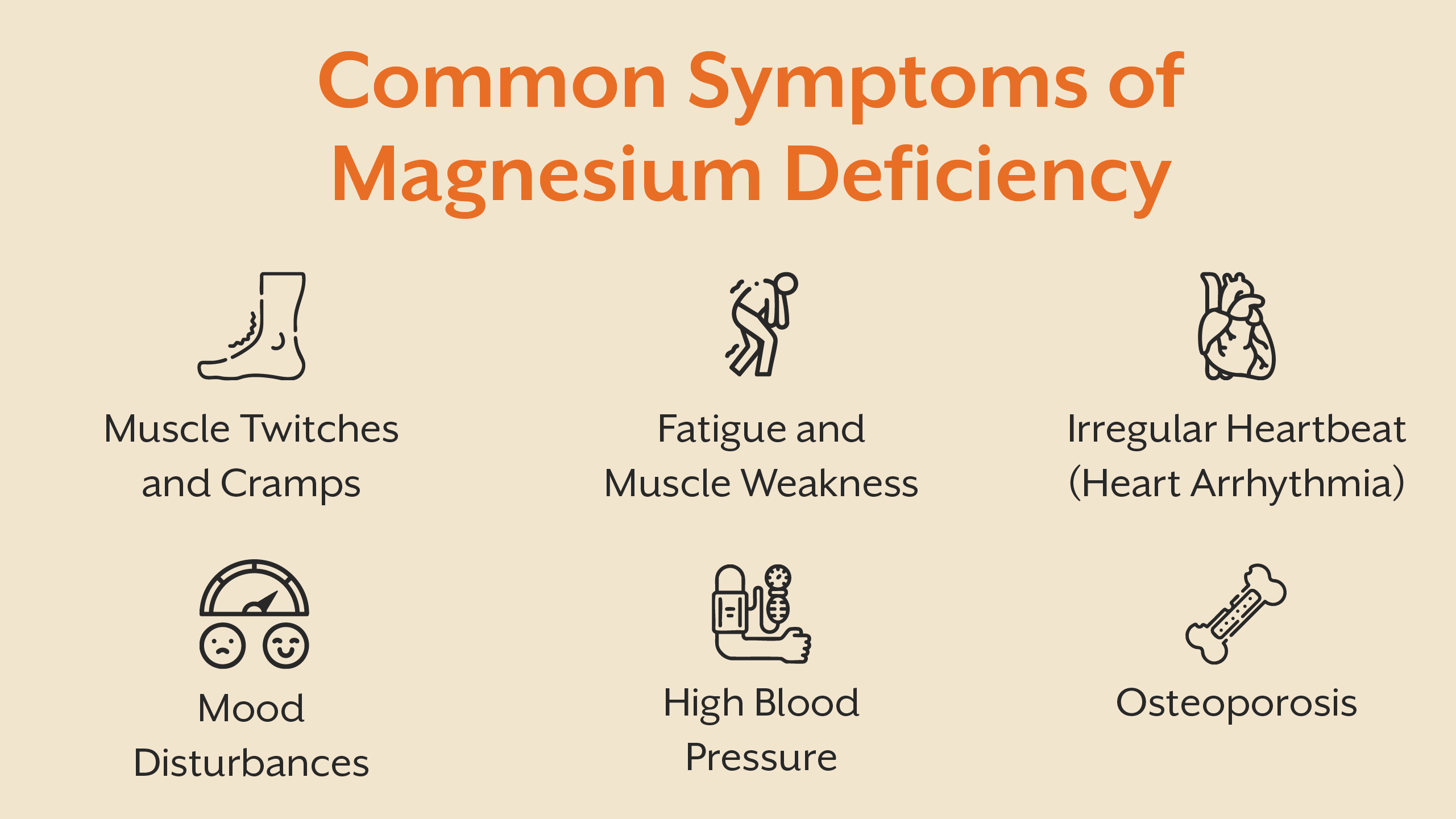
One of the earliest signs of magnesium deficiency is muscle twitching or cramping. Magnesium plays a significant role in muscle function, and a lack of it can lead to involuntary spasms or cramps. You might notice your muscles twitching or cramping unexpectedly, especially in the legs or feet.
Why does this happen? When magnesium is low, calcium enters your muscle cells in excess, which leads to overactive nerves and muscles. This can cause muscle spasms and even painful cramps.
Another common sign of magnesium deficiency is fatigue and muscle weakness. Magnesium is essential for energy production in the body. Without it, your body struggles to produce the ATP (adenosine triphosphate) needed for energy, leading to tiredness and exhaustion. Low magnesium levels can also affect potassium levels in your muscles, which contributes to feelings of weakness.
A severe symptom of magnesium deficiency is an irregular heartbeat, also known as arrhythmia. Magnesium is critical for heart health because it helps regulate the electrical impulses that control your heart's rhythm.
When magnesium levels are too low, you might experience a fluttering sensation or a racing heartbeat. Research has shown that magnesium supplementation can help reduce the frequency of certain arrhythmias, making it an important mineral for those with heart concerns.4
If you're feeling anxious, irritable, or depressed, magnesium could be the missing link in your mental health. Magnesium is essential for the proper functioning of neurotransmitters (the chemicals responsible for sending messages between your brain and body).
High blood pressure is another possible sign of magnesium deficiency. This mineral helps to relax and widen blood vessels, improving circulation and reducing blood pressure. A lack of magnesium can contribute to hypertension (high blood pressure), which is a risk factor for heart disease and stroke.
Magnesium is also crucial for bone health. Without enough magnesium, your bones may become weak. This condition, known as osteoporosis, can increase the risk of fractures and bone-related issues. Magnesium helps to regulate calcium in the body, which is essential for bone mineral density.
As we age, our body's ability to absorb magnesium decreases, and we also tend to eat fewer magnesium-rich foods. Older adults may also have higher requirements for magnesium, making them more susceptible to deficiency.
If you suffer from gastrointestinal conditions like IBS (irritable bowel syndrome), Crohn’s disease, or celiac disease, your body might have difficulty absorbing magnesium from food. This increases the risk of magnesium deficiency.
Magnesium is found in a wide variety of foods, but if your diet is lacking in whole grains, seeds, and leafy greens, you may not be getting enough. A diet high in processed foods and low in magnesium-rich options can leave you vulnerable to magnesium deficiency.
Chronic alcohol consumption can increase magnesium loss in the urine, contributing to deficiency. If you drink heavily, this could be a factor in your low magnesium levels.
Some medications, such as diuretics and proton pump inhibitors (PPIs), can deplete magnesium levels in the body. If you’re on any of these medications, be mindful of the potential for magnesium deficiency and discuss supplementation with your doctor.
You’ve probably heard that “greens are good for you,” but did you know they’re also packed with magnesium? Leafy greens like spinach, kale, and Swiss chard are rich in magnesium and can be an easy addition to your daily meals.
When it comes to magnesium-rich foods, whole grains should not be overlooked. Brown rice, quinoa, and oats are excellent sources that provide a range of health benefits.
Legumes like black beans, chickpeas, and lentils are packed with magnesium and are also high in protein and fibre. These little powerhouses are an easy and affordable way to increase your magnesium intake.
Who doesn’t love fruit? Not only are bananas and avocados delicious, but they’re also magnesium-rich. These fruits provide a quick and tasty way to boost your magnesium intake.
Did you know that dark chocolate (with at least 70% cocoa) is high in magnesium? Plus, fatty fish like salmon offer a combination of magnesium and omega-3 fatty acids, both essential for optimal health.
Unfortunately, many of us don’t get enough magnesium through our diet, which can lead to issues like muscle cramps, poor sleep, and even anxiety. So, why is magnesium important? Simply put, it’s crucial for maintaining optimal health.

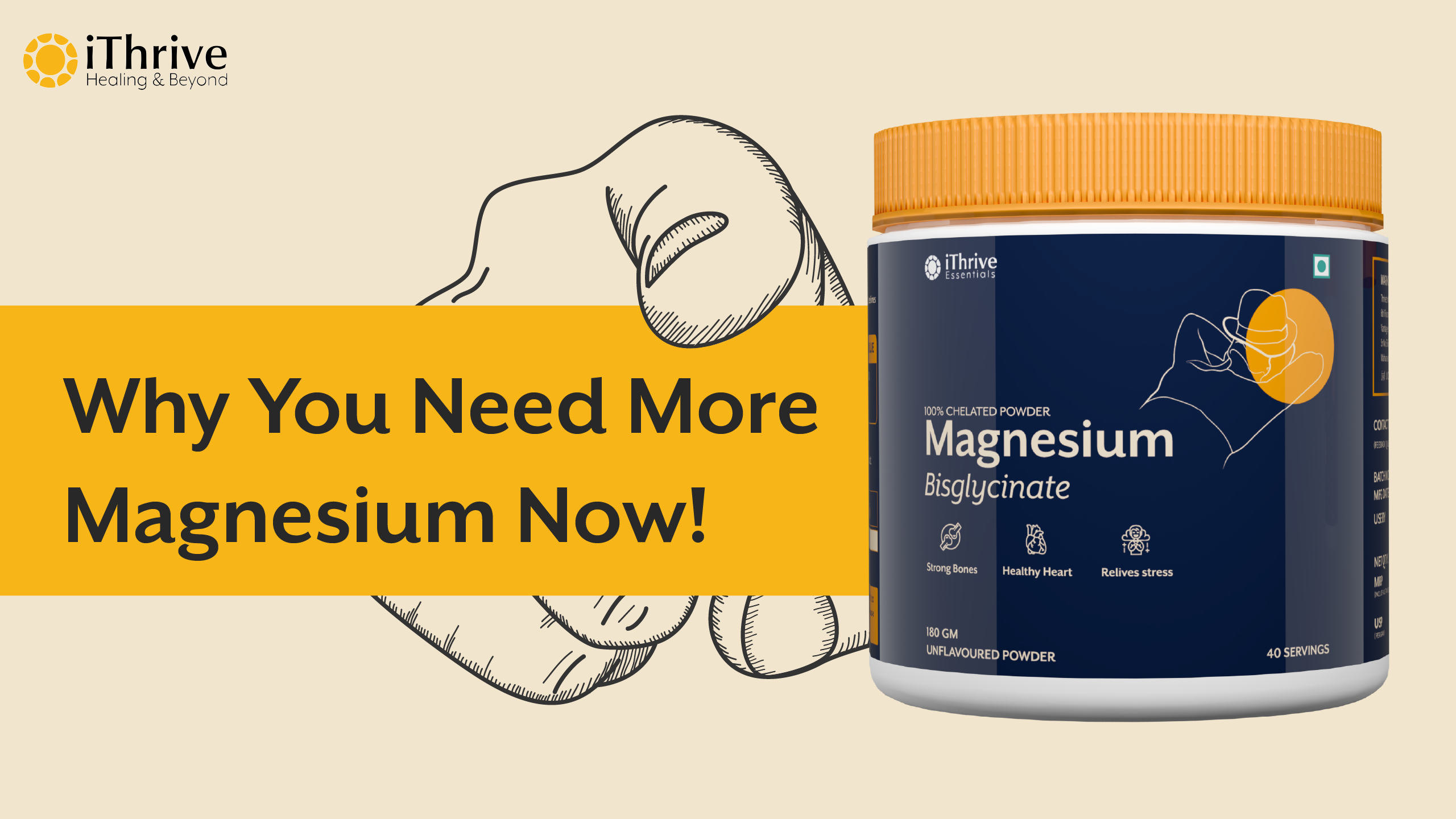
iThrive Essentials Magnesium Bisglycinate is a fantastic choice when it comes to magnesium supplements. Sourced from trusted suppliers, it delivers high-quality ingredients for unmatched purity and potency. Plus, it’s easy to use; the powder form mixes effortlessly into water, smoothies, or any beverage of your choice, making it simple to incorporate into your daily routine. Trusted by health professionals for its effectiveness and safety, magnesium bisglycinate is the natural way to support your health goals.
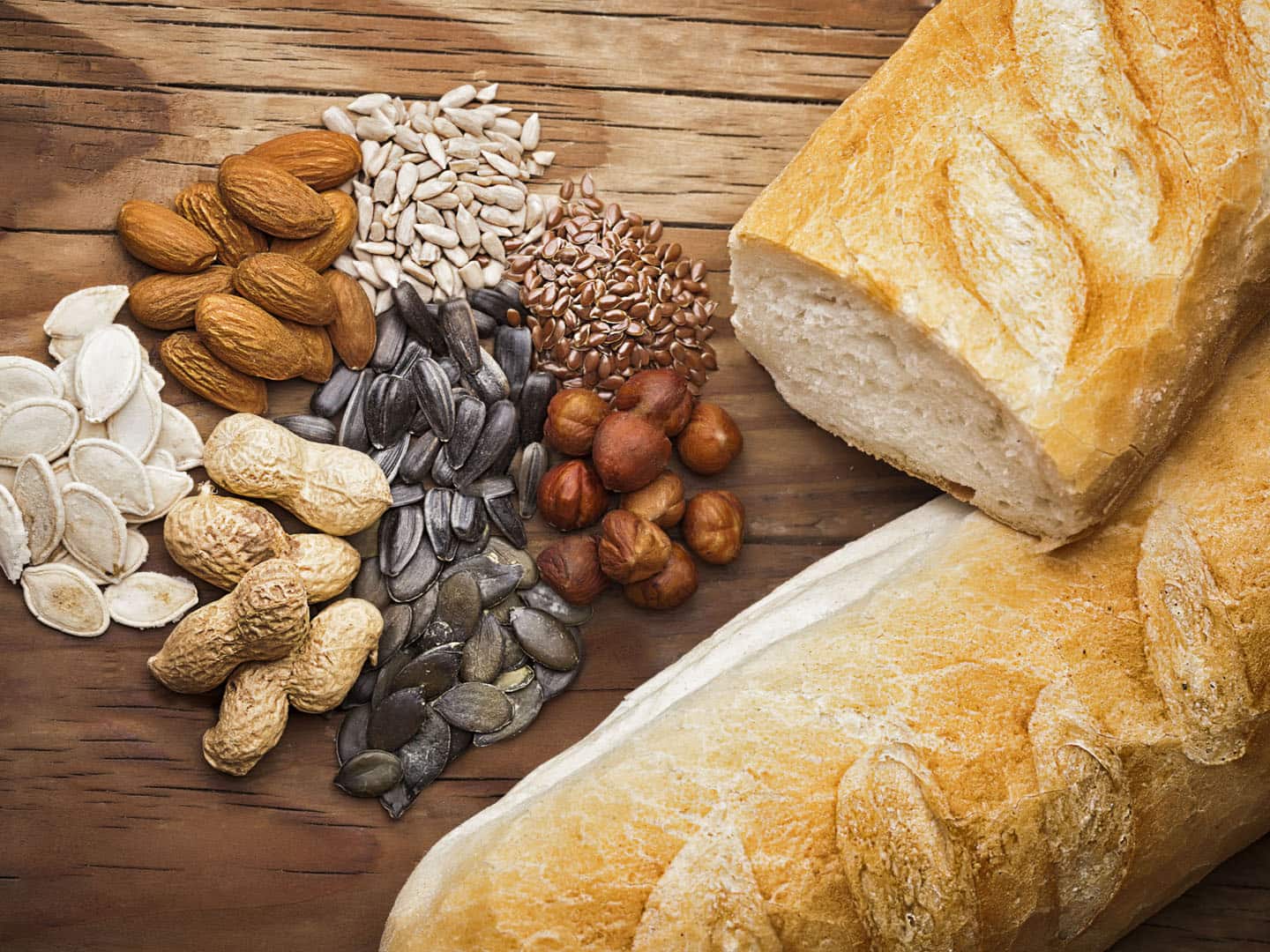
Modern society has easy access to a vast informational database. The pursuit of sustainable, green and healthy lifestyle leads to a series of food choices. Therefore, it is of importance to provide reliable, comprehensive and up-to-date information about food content including both nutritional and antinutritional elements. Nutrients are associated with positive effects on human health. Antinutrients, on the other hand, are far less popular for the contemporary human. They are highly bioactive, capable of deleterious effects in humans, and vastly available in plant-based foods.
Plant-based food products are the main staple food for human beings in many parts of the world. They constitute an important source of carbohydrates, protein, dietary fibre, vitamins and minerals. Several anti-nutritional compounds are contained in plants as part of their defense mechanism. Phytate is one of the majorly found anti-nutrients from plant foods.
Phytic acid (or phytate when in salt form) is the principal storage form of phosphorus in many plant tissues. Phosphorus, in this form, is not utilised by human beings, dogs, pigs, birds or other animals because they lack the intestinal digestive enzyme- Phytase. Phytate is formed during maturation of the plant seed and is, therefore a common constituent of plant derived foods like cereals or legumes.
Sources of Phytates
Main sources of phytic acid are cereals, legumes, oilseeds and nuts. These food groups represent approximately 40-60 % of total calorie intake in developed and developing countries respectively. Cereals like corn germ, wheat bran, wheat germ, rice bran, barley, jowar, rye, amaranth grain, buckwheat and oats and related cereal food products are rich in phytates. Millets and legumes like kidney beans, peas, lentils, chickpeas are next in line to the cereal category for their phytic acid content. A maximum phytic acid content is present in soy concentrates. Considerable amount of phytates are also found in oilseeds like sesame seeds, sunflower kernels, rape seeds and nuts such as peanuts, almonds, cashewnuts.
Health impacts
The effects of phytic acid are attributed to its ability to form complexes with positively charged food components, such as proteins, carbohydrates, minerals and trace elements.
Many investigations have been carried out on the negative aspects of phytate that have offered overwhelming evidence that dietary phytate is an antinutrient component. Phytates have shown negative interactions with both the macro and micronutrients.
Phytate and macronutrient digestibility: Phytates can form complexes with proteins, carbohydrates and fats from foods. These complex formations alter their structure, which may result in decreased digestibility.
Phytate and mineral uptake: Phytate works as a highly negatively charged ion and therefore its presence in the diet has a negative impact on the bioavailability of mineral ions such as Zinc (Zn2+), Iron (Fe2+/3+), Calcium (Ca2+), Magnesium (Mg2+), Manganese (Mn2+) and Copper (Cu2+).
Among them, bioavailability of Zinc was reported to be the most adverse effect in humans. The presence of phytate in the plant-based foods is an important factor in the reduction of Zinc absorption which resulted in dwarfism and hypogonadism.
More than one third of the world’s population suffers from anemia, half of it caused by iron deficiency. Iron deficiency adversely affects cognitive development, resistance to infection, work capacity, productivity and pregnancy. The addition of sodium phytate to foodstuff is known to reduce the absorption of Iron.
Sodium phytate is also responsible for hindering the absorption of Magnesium and the mineral gets excreted in the feces in the presence of phytates. Phytates form insoluble complexes with Calcium, thereby inhibiting its absorption. The availability of Manganese and Copper is reduced due to phytates from food.
Attempts to lower phytic acid content
Major efforts have been made to reduce the amount of phytate in foods by different processes and/or the addition of different substances. Techniques, such as soaking, germination, malting, and fermentation, result in the degradation of phytates from the food.
Soaking: Generally, cereals and legumes should be soaked in water for 15-30 minutes or even longer (overnight); phytate is water-soluble, so a considerable amount of phytate is removed in the water.
Germination and Milling: During germination of cereals and legume, an increase in phytate-degrading activity is observed. Moreover, when malted cereals are ground and soaked, there is complete degradation of phytate.
Fermentation: Plant products, e.g cereals, legumes and vegetables, are extensively used in the preparation of a variety of fermented foods. Fermentation can yield an almost complete degradation of phytate.
Addition of Phytase: Phytase is a substance which breaks down the phytates. Microbial phytase preparations are now commercially available, making their use in food processing technically feasible. Addition of a phytase preparation during food processing is suggested.
Antinutritional factors are widespread food compounds that are especially challenging for those choosing a predominantly plant-based diet. The presence of these antinutrient compounds in foods may induce various reactions and you might be completely unaware of their influence on your health.
Our recommendation at iThrive, avoid unfavourable health outcomes by choosing a diet based on sound science. The best diet is the one you can sustain for life. iThrive’s approach is evident-based and tailored according to your health condition. Connect with iThrive and improve your health.
References-

Tannins are water-soluble, natural polyphenols mainly present in plant-based materials, including food. Polyphenol compounds were originally known as “vegetable tannins” due to their ability to interact with proteins of the skin in the process of tanning that transforms animal skins into leather. Biochemically, tannins are sort of secondary metabolites predominantly available in plant-based foods and beverages. Secondary plant metabolites are used in signalling, regulation of primary metabolic pathways and oversee the overall development of the plant.
Tannins can be classified into two broad groups - Hydrolysable tannins (Gallic acid or Ellagic acid) and Condensed tannins (Catechin and Epicatechin)/ Proanthocyanidins (PA) (procyanidins, prodelphinidins, and profisetinidins).
Food Sources
Hydrolysable tannins are usually present in low amounts while Condensed tannins/PA are more widespread in plant based foods. Foods like coffee, black tea, wine, grapes, chocolates, cocoa, soybean, kidney beans, cow pea, cranberries, strawberries, blueberries, kathaa, supari, apples, apricots, barley, jowar, peaches,
mint, basil, rosemary are rich in the condensed category of tannins. Pomegranate, strawberries, raspberries, amla, clove, barley, rice, oat, rye usually have a high hydrolysable tannins content.(Now you know why tea and coffee is a big no-no immediately after consumption of main meals or snacks).
Health Effects
Tannins are secondary compounds, which are formed in plant leaves, fruits and bark and they accumulate mainly in the bran section of the legumes. Tannins usually affect protein digestibility and lead to reduction of essential amino acid availability. When ingested, tannins form complexes with proteins, which cause inactivation of many digestive enzymes- pepsin, trypsin, chymotrypsin, elastase, thereby causing protein deficiency.
Other deleterious effects of tannins include damages to mucosal lining of gastrointestinal tract, and thus, increased excretion of proteins and essential amino acids. Some experiments show that tannins also decrease the activities of intestinal microflora, consequently less absorption of organic matter and soluble fiber that is
attributed to damage the mucosal lining of the digestive system.
Hydrolysable tannins are readily broken down during the digestion process. The breakdown products constitute a large amount of compounds, which can be toxic.
Tannins are complex, astringent and water soluble phenolic compounds known to reduce the bioavailability of nutrients in the gut. The astringency feeling is perceived by the tongue in the form of extreme dryness and roughness in the mouth.
Moreover, high doses of tannins like catechin used in supplements can cause renal failure, hepatitis, fever, hemolytic anemia, thrombocytopenia, and skin disorders.
The main negative effect of tannins as food are their antinutritional impacts, i.e., absorptions and binding with nutrients such as proteins, carbohydrates and minerals in the digestive system, thus, hindering their nutritional availability.
Major antinutrient activity of tannins that is binding with minerals can cause severe deficiency of essential minerals. In this series iron deficiency is the most prevalent.
Moreover, tannins not only affect iron availability, but also iron metabolism. Ferritin, an iron storage protein, is adversely affected by tannin binding in soybean seed ferritin (SSF). However, despite the antinutritional and toxic impacts, recent studies have explored and confirmed numerous health benefits like antioxidant, anti-cancerous, anti-allergic, anti-inflammatory and anti-microbial activities
of tannins.
Reduction Techniques
Diets in developed countries are mostly based on highly‐digestible proteins of animal and vegetable origin, while those in developing countries are predominantly based on poorly‐digestible proteins from less refined cereals and legumes due to the presence of less‐digestible protein fractions, high levels of insoluble fiber, and high amounts of antinutritional factors, including phenolic compounds like tannins.
Therefore, several technological treatments have been developed to reduce tannin content of these foods and thus increase protein digestibility. The various treatments which are also easy household measures for reduction are:
Soaking in water (overnight) or alkaline solutions (like sodium bicarbonate)
These pre-treatments are especially important for vegetarians, for whom nutrition is mainly characterized by the intake of lower‐quality plant proteins accompanied by the intake of high amounts of secondary plant metabolites (tannins) resulting from a predominantly plant‐food‐based diet.
Our thoughts?
Tannins are a chemically diverse group of compounds that are present, at variable levels, in most plant based foods, so their intake is almost universal. Nevertheless, the foods containing them cannot be completely avoided if you are plant based. If you have health issues though, then cutting down on high tannin foods would be a good idea.
Reach out to us if you need to talk and need help figuring out your personalized nutrition plan.
References-




The blog covers functional nutrition, chronic conditions, gut health, hormonal health, autoimmune conditions, sleep, mental health, and root cause analysis. Every article is written to help you understand what is actually happening inside your body, not just manage symptoms.
All articles are written by the content writers in collaboration with iThrive's clinical team of functional nutritionists, guided by the same methodology used in the ALIVE programme. The content is rooted in functional medicine and real clinical experience, not generic health advice.
No. The blog is an educational resource to help you understand your health more deeply. If you are experiencing symptoms or managing a chronic condition, a personalized Root Cause Analysis with a functional nutritionist is the right next step.
Book a Root Cause Analysis. For ₹2,500, a dedicated functional nutritionist will assess 60+ blood markers using optimal ranges and explain exactly what is driving your condition. It is the natural next step after reading about what might be happening in your body.
Yes. Many of our readers come with existing diagnoses and find the blog helps them understand why their condition developed and what their body actually needs. The articles are designed to give you clarity, not replace the guidance of a practitioner.