


read count

read time

.svg)
Jan 29, 2021
Top 8 Benefits of Sunlight
In the past, the Benefits of Sun exposure were thought to be limited only to vitamin D. Below are the Top 8 Benefits of being in Sunlight, Learn more with iTHRIVE!
In the past, benefits of sun exposure were thought to be limited only to vitamin D. Below are the top 5 benefits of being in sunlight, apart from getting the immunity boosting-bone protecting-anticancer agent vitamin D.
UV radiation from the sun induces the production of nitric oxide (NO) which is responsible for a variety of effects such as vasodilation, meaning widening of blood vessels, with a consequent decrease of blood pressure.
It has been found that UV rays from the sun can cause release of endorphins in the body. These are the ‘feel-good’ hormones which are released whenever there is a rewarding state. So folks, those times when you feel low or depressed you know what to do!
Noteworthy properties of sunlight exposure include its analgesic effects. In a prospective study of patients undergoing spinal surgery, when exposed to 46% higher intensity of natural sunlight during their hospital recovery period, perceived marginally less pain and required use of fewer analgesic medications (6).
Solar exposure helps in improving sleep by the effect of melatonin. It is a hormone produced in the skin through sun exposure and which helps with inducing sleep. UV rays induce the production of melatonin along with regulation of the circadian rhythm. Circadian rhythm is the body’s internal clock which manages the sleep-wake cycle.
It is known that both UVA and UVB have a direct immunity suppressing effect. This mechanism may explain the benefit of sun exposure in the protection from certain autoimmune disorders such as multiple sclerosis or rheumatoid arthritis.
Being in sunlight triggers the release of brain hormones too, one of them is serotonin. Sunshine is thought to increase the levels of serotonin in the brain which is associated with boosting mood and helping you feel calm and focused.
In terms of cognitive benefits, a study published in the journal Behavioral Neuroscience found that subjects who were exposed to six hours of sunlight felt significantly more alert at the beginning of the evening and less sleepy at the end of the evening compared with those who were exposed to artificial light.
A study from the journal Medical Hypotheses concluded that specific wavelengths of UVR, experienced at critical times in development as at conception or early gestation, and with specific intensity or rate of change, modulates the expression of human diseases and affect the length of our lives (7).
Lastly, in what might be one of the most phenomenal discoveries of our time, findings point to man’s ability to derive energy directly from the sun- a constant, daily, guaranteed source of energy.
Now that we’ve discussed the benefits of sunlight exposure, the main question that arises is what about skin cancer? Well, for every person who dies of skin cancer, more than 100 die from cardiovascular diseases. Melanoma, the deadliest of skin cancers, accounts for only 1-3 percent of diagnosed cases; and curiously, Jacobsen reports (8), people who work outdoors have half the melanoma rate of indoor workers. Is skin cancer something to be afraid of? Or is it an unnecessary fear-mongering campaign vilifying sunlight exposure created by the sunscreen industry?
Sunlight reduces the risk of prostate, breast, colorectal, and pancreatic cancers. It improves circadian rhythms. It reduces inflammation and dampens autoimmune responses. It improves virtually every mental condition you can think of. And it’s free.
Skeptical? Just think how our ancestors lived in bygone centuries. They were outside all the time in hot and cold climates, relying on melanin as a natural protector for the skin. Jacobsen writes, "Our dark-skinned African ancestors produced so much melanin that they never had to worry about the sun." Melanin, the central pigment within our skin, and distributed throughout our bodies, is one of the most interesting biomolecules identified thus far.
Melanin’s proposed ability to convert sunlight into metabolic energy—akin to the way chlorophyll harvests sunlight in plants—means that our species should be reclassified from heterotrophic to photoheterotrophic, and, even more significantly, may raise the prospect that melanin offers protection against ionizing radiation while transforming it into metabolically useful energy.
It turns out that getting a bit of sunlight on your bare skin, without a protective layer of sunscreen, offers numerous health benefits.
References:

Bone broth is a clear liquid made out of animal bones and other parts attached to bones (marrow, joints, tendons, ligaments, cartilage, knuckles, trotters, etc) that are simmered in water for extended time periods. It can be recognized differently from stock due to its prolonged cooking time. It is viewed as a part of ‘nose-to-tail’ eating philosophy, wherein every part of the animal is used in food preparation, letting nothing go to waste. Consumption of bone broth has become super trendy as it has extensive healing properties and it can now be considered as a ‘Superfood’.
Here are the major benefits of drinking bone broth on a daily basis which can be mainly attributed to the rich mix of nutrients it contains. Bone broth contains dense amounts of amino acids like Collagen, Glycine, Gelatin, Proline, Glutamine and Arginine which support and improve the following functions of your body.
Along with amino acids, bone broth also contains other nutrients like Calcium, Magnesium, Copper, Iron, Manganese, Phosphorus, Potassium, Sodium, Zinc.
Bone broth (or stock) is fabulous for healing intestinal permeability. It contains collagen, which nourishes the intestinal lining and reduces inflammation.
Bone broth is loaded with important nutrients and is low in calories. It can satisfy your hunger, makes you full and most importantly can help in appetite control.
Ready to try it? Here’s a easy bone broth recipe
Ingredients
Method:
You could add vegetables, herbs, or spices to the broth to enhance the flavor. Common additions include garlic, ginger, onion, celery, carrot, parsley, thyme, clove, cinnamon, coriander seeds, star anise. You could simply add them with the bones along with water. But remember Tribe, the meat which you procure should be organic, that is, you should look for free range animals raised without injected hormones, antibiotics or other chemicals.
References:

Diabetes mellitus (DM) is one of the most common noncommunicable diseases and the seventh leading cause of death globally.
India is estimated to be the World Diabetes Capital by the year 2030. In a developing nation like India, a majority of people experience hospitalization cost burden from out-of-pocket (OOP) expenses. And lack of insurance schemes and policies further escalate the cost of diabetes care.
Diabetes is often called a silent killer as the disease progresses without too many external signs and symptoms. Unfortunately, the typical signs which are indicative of blood sugar problems like extreme daytime sleepiness, difficulty waking up in the morning, excessive sweet cravings (especially after major meals), unexplained hunger, thirst, urination are often passed of as random events that people blame on their lifestyle or lack of willpower while ironically, these are the precise symptoms that can help in early diagnosis of the disease.
If prediabetes is suspected, it becomes necessary to dig deeper and go one step further by analyzing your Insulin levels which are a more accurate indicator of diabetes risk than just fasting blood sugar levels. Majority of the population with the diagnosis of diabetes are busy bringing their high blood glucose levels in control, while totally ignoring the actual problem- Insulin resistance! It is insulin resistance that needs to be absolutely prioritized while treating diabetes.
Growing evidence also suggests that insulin resistance (IR) is an important metabolic driver behind numerous other diseases and health risks with diabetes on the top of the list. Insulin, a hormone that the pancreas makes, allows cells to absorb and use glucose. In people with insulin resistance, the cells are unable to use insulin effectively.
IR is when cells in your muscles, body fat and liver start resisting or ignoring the signal that the hormone insulin is trying to send out—which is to grab glucose out of the bloodstream and put it into our cells. So it is of utmost importance that IR is diagnosed at the primary stage of diabetes treatment in order to save cost.
Studies and data from across the globe is now proving that those with underlying insulin resistance had a higher incidence of fatal outcomes with Covid-19. Insulin resistance and the inflammation it triggers is the real pandemic of our times.
As per WHO estimates, diabetes drains a significant percent of the health budget by cost toward diabetic care. The complications (short and long term) of both type I and II DM occurring during the most productive years pose an economic and social burden for the patient. The cost of diabetes can be categorised into three groups:
The average direct cost of diabetes is estimated to be ₹18,890 per annum (which means if you live with diabetes for 20 years, it’s going to cost you around 4 lakhs) while the spending ranges anywhere between ₹999 to ₹1,09,344 (1).
Medicines, diagnostics, transportation cost and hospitalisation take up the majority of the expenditure.
As high as ₹1000 is spent on hospital visits on a daily basis. And these are just the costs of monitoring your blood sugar levels and keeping them in control.
Diabetes is a disease that comes with associated comorbidities and complications. Fluctuating blood sugar levels over a long period of time can lead to increased inflammation and damaged organs (especially brain, heart, liver and kidneys).
Diabetes results in both short and long term complications, mostly manifested as Cardiovascular diseases, nerve damage (neuropathy), kidney damage (nephropathy), eye damage (retinopathy), foot damage, skin changes, hearing impairment and also PCOD. Each of these add to the costs of living with diabetes especially as some of these health complications require surgical interventions.
Research suggests that cost on diabetic drugs and exogenous insulin (insulin injections) constitutes 50% of the total direct costs. Most of these costs can be totally eliminated by just reversing insulin resistance. This is a condition that is literally triggered by faulty eating patterns and disturbed lifestyle practices.
Diabetes can be completely prevented and also reversed once the root causes are identified. While prevention would lead to substantial long-term cost savings from treating the disease, it may also extend the life expectancy of you and your loved ones.
Reach out to us if you want to learn more about Diabetes.
References:

CBC, complete blood count, is a group of blood tests which estimates the different components contained in your blood. Your blood is composed of different cells, namely, red blood cells (RBC), white blood cells (WBC) and platelets.
Red blood cells are the type of blood cells which work by delivering oxygen to the body’s tissues. They have a typical lifetime of 120 days and the bone marrow is responsible for the continuous replacement- production and removal of the aged RBCs.
Apart from measuring their total number in the blood, the effective functioning of the RBCs can be ensured by assessing:
If RBCs function by transporting oxygen to various tissues, the value of Hemoglobin (Hb) in the blood determines the oxygen carrying capacity of RBCs.
Hematocrit or packed cell volume (PCV) is the measure of percentage of blood that consists of your red blood cells.
These indices provide information about the size of the RBCs and hemoglobin content of the same.
MCV, mean corpuscular volume, indicates the average size of your red blood cells
MCH, mean corpuscular hemoglobin, indicates the average amount of hemoglobin inside your RBCs
MCHC, mean corpuscular hemoglobin concentration, indicates the average concentration of hemoglobin inside your RBCs
White blood cells are those blood cells which are part of the body’s immune system and play a major role in determination of one’s immunity. Produced in the bone marrow, WBCs help your body to keep away toxins and foreign invaders. There are five different types of WBCs and each has a different function. They include neutrophils, lymphocytes, basophils, eosinophils, and monocytes. You can usually find them placed under the heading ‘WBC differential’ in your blood reports.
Platelets are tiny, colourless pieces of your blood which are incharge of the normal blood clotting mechanism. Basically, when there is an injury, platelets form clots at that site and help to stop the bleeding. They are also produced in your bone marrow.
Conditions that impact (increase or decrease) the full blood count are:
Anaemia is a disease in which the total number of red blood cells decreases or the hemoglobin level drops to such a low level that it leads to reduced oxygen flow in the body. Reduction in oxygen levels results in symptoms like difficulty in breathing, getting tired easily, yellowish skin, irregular heartbeats, headache, brittle nails, weakness and so on. Anaemia can cause decreased levels of RBCs, hemoglobin and hematocrit.
Dehydration is a condition in which there is lack of fluid intake and/ or too much fluid leaving the body (e.g. vomiting/ diarrhea). Even mild dehydration can lead to elevated levels of RBCs, hemoglobin and hematocrit.
Certain nutrient deficiencies can bring about a great deal of fluctuations in your blood reports. Lower or higher levels of RBCs, hemoglobin, hematocrit, RBC indices and some of the differential WBCs can generally be due to deficiencies of one or more of the following nutrients- protein, vitamin A, C, E, B6, B12, folic acid, iron, zinc, magnesium, selenium and copper.
Higher values of your white blood count are suggestive that the body is fighting off a bacterial/viral infection while low levels can be indicative of an autoimmune disorder, malnutrition or overuse or side effect of certain medications. Levels of differential WBCs can, however, show you the actual stage of infection, whether acute or chronic.
Presence of allergies or food sensitivities also can be identified via a CBC test. Eosinophils generally tend to be raised if there is a sensitivity to certain foods like gluten, dairy and food additives and preservatives.
Inflammation is a response of body tissues to harmful stimuli, such as pathogens, toxins, damaged cells, or irritants such as excess insulin. Higher the inflammation, poorer is the internal metabolic health. Reduced levels of RBCs, hemoglobin, hematocrit and increased levels of WBCs and differentials are indicative of generalised systemic inflammation.
Apart from the conditions mentioned, higher exposure to toxins and oxidative stress can also lead to deranged levels of the blood cells.
If you are curious about your blood tests and want help in figuring them out, reach out to us and we’ll be happy to help you.
References:
https://my.clevelandclinic.org/health/diagnostics/4053-complete-blood-count
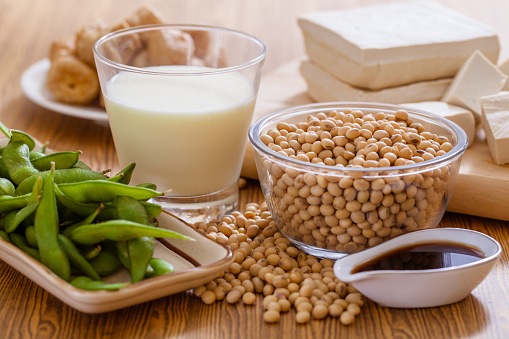
Soya bean has, for long, been heralded as a valuable source of complete nutrition, so much so that not only the bean but the use of its derivatives is also soaring. To date, the popular soy products/derivatives in the market are:
Whole Soya bean, Soya Chunks, Soya milk, Soya sauce, Tofu, Edamame, Miso, Tempeh, Soya nuts, etc. Soy is now being used as a key product in the plant based meat. Textured soy protein acts as a meat extender and hence, is extensively used for the production of meat alternatives.
But are the beneficial health claims for this so-called ‘protein-rich, cholesterol-lowering, heart disease and breast cancer-preventing, superfood’ true? Well, not all.
Although it is packed with nutrients, these are of little use for your body because of the presence of ‘antinutrients’. These are plant compounds that reduce the body's ability to absorb essential nutrients. Soya bean is one such food commodity that contains almost all the antinutrients there are. From oxalates, phytates, lectins, protease inhibitors, saponins, glyphosates to the deadly mold toxins, each of them have been found to be present in soy.
These antinutrient compounds are linked with a number of negative health impacts, viz.,
Apart from the high antinutrient content, soy is also considered to be a potent allergen, meaning it is capable of causing allergies.
Phytoestrogen, a compound naturally present in plant based foods and abundantly in soy, is known to have feminizing effects on men. For instance, in a case report on gynecomastia (enlargement of breast in men) associated with soy consumption by a man, it was noted that after the patient stopped consuming soy products, ‘his breast tenderness had resolved.
Last but definitely the most important concerns of all is the processing involved in the production of soy products. Some of the soy varieties in the market are highly GMOed, further questioning their use.
In our opinion, soy is a ‘genetically-modified, testosterone-lowering, man-boob-producing health risk that should never ever be part of any human’s diet.
Reach out to us if you want to learn more about what food works best for human health!
References-
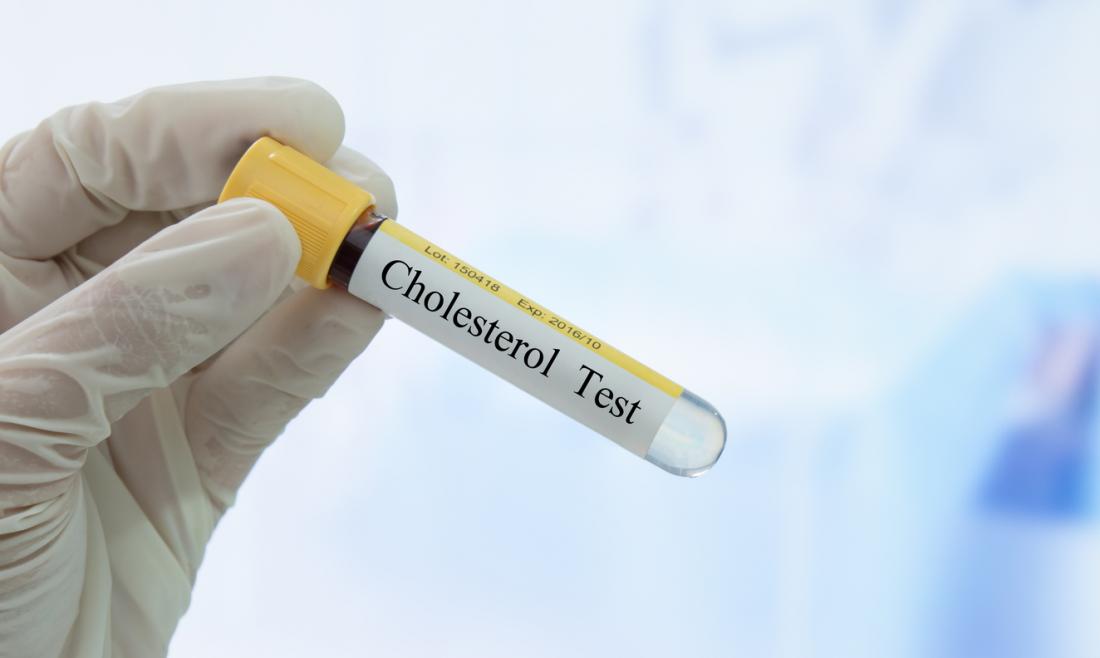
Cholesterol is a fat-like substance present in all cells of the body. It has always been regarded as ‘THE CULPRIT’ behind several health problems. High cholesterol levels have been blamed throughout time since the postulation of the great ‘Lipid Hypothesis’. This hypothesis says that a high intake of saturated fat raises blood cholesterol and secondly that high cholesterol leads to atherosclerosis and cardiovascular disease. Well, the hypothesis itself has miserably failed!
Why?
Cholesterol is the basic raw material made by the liver and brain.. Yes, the brain makes it’s own cholesterol (it’s that vital a nutrient). It is needed for the production and transportation of vitamin D, for the production of many hormones such—estrogen, progesterone, and testosterone and cortisol, for production of bile salts for digesting and absorbing fats and digestive fluids.
It makes up a major part of the membranes, surrounding cells and the structures within them, so lower levels cholesterol can cause poor skin tightness, further making it look dull.
The brain is particularly rich in cholesterol and accounts for about a quarter of all the cholesterol in the body. The covering around every nerve cell in the brain is about one-fifth cholesterol. Communication between brain cells depends on cholesterol. It is not surprising that a connection has been found between naturally occurring cholesterol and mental function. Lower levels are linked to poor cognitive performance.
Additionally, cholesterol plays a big role in helping fight bacteria and infections.
Cholesterol Phobia/Fear is nothing but a big fat lie, a big scam, because from what you’ve read so far, you would have learnt that cholesterol is associated with some major body functions including production of important hormones. Cholesterol-mania has led all the focus and energy around a fairly innocent molecule which has hardly any relationship with heart disease and made it a perpetrator while mainly ignoring the real causes of heart disease.
Heart diseases are a wide range of health problems that arise due to blockage in the blood vessels of the heart. Following are the major drivers of heart diseases:
If lowering cholesterol numbers did prevent heart attacks or strokes, then there should be a significant reduction in the number of patients suffering or worse dying of heart attacks and strokes, simply because cholesterol numbers were successfully lowered, regardless of the particular drug or diet used to accomplish this, but we don’t see this occur neither in real life scenarios nor in clinical trials.
What’s worse is that because cholesterol has repeatedly been held responsible to be the primary cause of heart diseases, conventional medicine focuses on artificially reducing this vital nutrient from your bodies to very low levels with the help of statins.
Statins are a class of drugs often prescribed to lower high cholesterol levels. The benefits of statin drugs have been overstated and in fact, these drugs have been known to cause the following health issues
The only real reason you should be worried about high cholesterol levels is that there’s a possibility that your doctor might put you on statins. Statins are the real risk and not cholesterol. Lastly as Johnny Bowden rightly says in his book ‘The Great Cholesterol Myth’- In simple terms, we’d want to know: What are we risking, and what are we getting? Only when we know the answers to these two questions can we make a smart decision about whether to go on a statin drug (or any drug, for that matter).
Having said that, even though cholesterol is harmless in itself, when it is coupled with your poor health status (if you’re someone who is suffering from oxidative stress and high inflammation,insulin resistance), it can add on to heart problems.
If you or your loved ones are on statins or are worried about heart disease risk, reach out to us and we’ll be happy to talk to you.
References:
https://academic.oup.com/qjmed/article/104/10/867/1591864
https://www.researchgate.net/publication/5236032_The_fallacies_of_the_lipid_hypothesis

Coronavirus disease (COVID-19) is an infectious disease caused by a newly discovered coronavirus. The health complications attributed to the virus include pneumonia, respiratory failure, heart problems, liver problems, gastrointestinal distress, septic shock, and death. These complications are known to be caused by a condition known as ‘cytokine storm’. In this condition, an infection triggers your immune system to fill the bloodstream with inflammatory proteins called cytokines. These cytokines can kill tissue and damage your organs.
Depending on your age and underlying metabolic condition, Covid-19 infected people have shown various rates of recovery. On an average, the recovery is above 95% in most cases except the very old/ elderly patients.
Despite this high recovery rate, the one trend that seems to be emerging though is that most COVID-19 patients do not seem to fully get back their pre-covid vitality.
Some complain of lingering chronic fatigue symptoms, weakness and exhaustion and others struggle with mental health problems. These COVID-19 ‘long haulers’ face fatigue, breathlessness, diarrhoea, nausea, vomiting, brain fog, depression, anxiety and/or chronic pain for three weeks or even longer.
Is this because of the experimental drug regime that’s being used in hospitals, is it because of depletion of nutrients from the body in fighting an infection or is it because of social isolation (which is known to trigger inflammation in human beings), or is it because of the psychological impact of the all pervasive media induced fear or is it because of all of these factors put together?
In the past, research has found an interesting link and compelling connection between poor gut health and chronic fatigue and mental health problems. Interestingly, coronavirus uses the ACE2 receptor to gain entry into the cell, and the greatest number of ACE2 receptors are found in the cells that line your gut. The infection, thus, then spreads and affects the gut microbiome. Altered gut bacteria is found to be one of causes of chronic fatigue syndrome (CFS) and related symptoms. Incidentally, your gut microbiome is also known to influence your mental health, and has been linked to depression and anxiety and a large portion of your immune system also resides in your gut.
Whatever the root causes for the long term health complications that seem to be arising post a Covid-19 infection, here are some recommendations from Thrive that will speed up your recovery.
With a well mapped out holistic plan that focuses on food, supplements, movement along with fixing internal dysfunctions, recovering from Covid-19 doesn’t have to take you too long. Reach out to us if you need to talk to us, we’d be more than happy to help you recover quickly.

The periodic table contains 105 elements, of which 80 are considered metals. Metals are natural components existing in the ecosystem. Among these are ‘heavy’ metals which have either high atomic weights or high density. This category of metals have not only been known for their high weight but most importantly for their adverse effects on the environment as well as our health.
Following is a list of heavy metals which are common in our everyday life:
Titanium, Vanadium, Chromium, Manganese, Iron, Cobalt, Nickel, Copper, Zinc, Arsenic, Molybdenum, Silver, Cadmium, Tin, Platinum. Gold. Mercury, Lead. Heavy metals are in our bodies whether we want them there or not.
However, not all of them pose a threat, for e.g., gold typically is not a toxic metal. Also, zinc, iron and selenium are essential minerals with a key role in improving our health.
Mercury, lead, aluminum, cadmium and arsenic are all examples of the toxic brew that lurks in our bodies. Heavy metals, which have widespread environmental distribution and originate from
natural and anthropogenic sources, are also common environmental pollutants. Most common sources include pesticides, animal manures, fertilisers, leaded paint, mine ore waste (mine tailing), sewage sludge, spillage of petroleum distillates, coal combustion residues, waste dumps, industrial effluents, burning of fossil fuels, vehicle exhausts, usage in kitchen utensils and many others.
Following are the most toxic heavy metals that impact human health
It is one of the most toxic elements and a threat to wildlife as well as to us humans. The reason why mercury is dangerous is that once released into the environment it cannot be removed and it accumulates and magnifies to unsafe levels in aquatic food chains.
Sources- Dental amalgam, vaccines, batteries, skin lightening creams and soaps; herbal medicine, in eye cosmetics, arm and leg bands, disinfectants and pesticides and seafood (especially fish)
Health impacts- vomiting, diarrhoea, rashes, eye irritation, neurological disorders, reproductive changes.
(Refer: https://www.thrivefnc.com/blog/dangers-of-mercury-from-humans-to-environment/ )
Aluminium is the third most abundant element found in the earth's crust. It occurs naturally in the air, water and soil. Recent investigations on environmental toxicology revealed that aluminium may present a major threat for humans, animals and plants in causing many diseases.
Sources- Packaging cans, kitchen utensils and foils, antacids, antiperspirants, cosmetics and foods such as cheese, soft drinks, sponge cakes, coffee and tea and food additives, e.g. anticaking agents, preservative, food colouring and baking agent.
Health impacts- Listlessness, memory loss, liver and kidney dysfunction, osteomalacia, Alzheimer’s, interference with zinc, calcium, iron and copper absorption.
Lead is a slightly bluish, bright silvery metal. Lead can get released from industrial processes as well as from vehicle exhausts and it may get into the soil and water which can be further taken up by plants. This is how lead exposure may also enter our body through food and drinking water.
Sources- Fertilizers, pesticides, insecticides and some food items like fruits and vegetables, grains, seafood, red meat, wine and soft drinks.
Health impacts- Hypertension, chances of miscarriages or stillbirth, abdominal pain, brain injury, kidney damage and poor hemoglobin production. Lead poisoning early in life can cause altered brian development, reduced intelligence, reduced attention span and a decline in educational achievement.
Despite being the 20th most abundant element in the earth’s crust, it ranks highest on the list of hazardous substances toxic to our health. Arsenic is the most common cause of acute heavy metal poisoning.
Sources- Insecticides and foodstuffs such as fish and shellfish, meat and poultry, dairy products, cereals
Health impacts- A potent carcinogen, gastrointestinal irritation, brain damage, fertility issues, miscarriages, decreased production of both red blood cells and white blood cells,etc.
It is the 64th most abundant metal of all. Cadmium is a heavy metal that is produced during the smelting of other metals, such as zinc, lead and copper.
Sources- Fertilizers, pesticides and food items like shellfish, mussels, dried seaweed, shrimps, mushrooms, liver.
Health impacts- severe kidney damage, calcium metabolism alterations, bone fracture, psychological and gastrointestinal disorders, immune system deficiencies, cancer.
Detoxing heavy metals from your body
Heavy metals, when accumulated in the body can cause high blood pressure, risk of heart diseases as well as stagnant, unchanged weight despite putting in efforts to try and lose it. Heavy metals in the body also aid in free radical generation in the body.
Free radicals are harmful byproducts of chemical reactions happening in the body. Also known as reactive oxygen species (ROS), these free radicals are capable of destroying the structure of our cell walls and DNA, putting our body through a stressful situation (usually called ‘oxidative stress’).
Higher the oxidative stress, higher is the chance of degenerative diseases or problems related to it- Alzheimer’s, Parkinson’s, rheumatoid arthritis, cataract, loss of skin elasticity, wrinkles, graying hair, hair loss, changes in hair texture and diabetes.
Hence, clearing up this load of heavy metals from our body becomes all the more important.
One technique is chelation. Chelation detoxification is used to remove toxic metals from the body and restore proper functioning. Chelating agents are substances that can chemically bond with toxic minerals, metals and chemicals within the body. They encircle and carry away the unwanted matter from the body via excretion. It employs an intravenous infusion that may, according to an individual’s needs, include vitamins, magnesium and a saline solution.
However, this needs to be done under expert supervision and advice.
A counteractive antioxidant defense against the heavy metal-caused oxidative damage can also help in clearing up the load. Antioxidants are substances that can prevent or slow damage to cells caused by free radicals. Glutathione, L-cysteine, N-acetyl cysteine, Taurine, Melatonin and Alpha-lipoic acid are amongst the potent antioxidative compounds.
Some of the essential minerals like Iron, Selenium, Zinc, Copper play a major role as antioxidants in our body. (Know about the importance of Selenium and Zinc)
(Refer:https://www.thrivefnc.com/blog/the-underrated-nutrient-selenium/ )
(Refer: https://www.thrivefnc.com/blog/zinc-an-quintessential-nutrient/)
It is also possible to detox with food, binders and nutrient supplements. At iThrive's protocol our 3 month 1-1 coaching program ends with a round of detoxification.
We follow these 3 scientific principles while doing this:
i) A good detoxification must be focused on releasing stored toxins from cells.
ii) All four phases of detoxification must be working optimally to metabolize toxins
iii) Once toxins have been mobilized and metabolized, they must be excreted.
You CANNOT effectively detox by just drinking smoothies and juices, those kinds of detox diets don’t fit into any of the above 3 principles.
Besides which, your bio individuality has to be taken into consideration while creating your personalized detox plan. If you are someone who has been suffering from degenerative ailments or weight gain issues, detoxing from toxins might be a good idea. Heavy metals can take a serious toll on your happy living, set up a consultation with iThrive and see if this is what you need.
References-

Every parent wants to be the best parent for their children. Parenting practices around the world share three major goals: ensuring children’s health and safety, preparing children for life as productive adults and transmitting cultural values. When it comes to insightful parenting, health becomes top priority and so the healthy food / right food. And for this, parents have to be the role model. A high-quality parent-child relationship is very critical for healthy development of kid.(1)
Why is RIGHT food so important?
Our body is the best gift we have. We are what we eat and absorb. Food is information. YOU ARE WHAT YOU EAT. So each and every moment one must make sure to eat, drink, think healthy. If we try / take efforts to be healthy then we can be free from any health problems or disease(because disease is the result of a chronically dysfunctional system). We can live a life with unlimited energy and zest for life. This can be achieved with RIGHT food. Each body is unique so it needs specific nutrition which becomes RIGHT food for that person.
“Kids need to know that any food item they put into their bodies affects them,” says Danelle Fisher, MD, chair of pediatrics at Providence Saint John’s Health Center in Santa Monica, CA. Parents can pass this message across by talking with kids about the food they put in their bodies, why it matters, and how they can learn to make the healthiest choices.(2)
What are the repercussions if RIGHT food is not chosen?
If food choices like processed foods, improper water intake, lots of sweets, fried food etc are opted then the person is heading toward health issues for sure.
One can experience any of the symptoms like lethargy, weakness, hunger pangs, digestion issues, muscular pain, poor concentration.This is all feedback the body gives to tell something is wrong internally. If this is ignored one ends up with lifestyle diseases. Lifestyle diseases starting at a very early age are results of poor lifestyle choices and stress in the present era.
How do parents imbibe healthy eating habits in kids?
Children imitate adults. Parents have to be their role model. If you tell your child to not eat chips but you dig into a pack of chips yourself, how is the child going to avoid chips the next time he/she sees it?
Thus, right from the beginning, cook healthy meals for them, do not entertain junk / outside eating too often. Whenever you eat out opt healthy options. Once the ill effects of junk / processed/ preserved foods are explained to kids they understand. Repeat this practice to imbibe these into their brain.
Here are some more tips to do this.
-Remove or ban / stop the entry of any junk / processed foods from kitchen
-Encourage RAINBOW color in food / plate. Make sure you have colorful foods on your plate.
-Continue this practice for a few days and then it becomes a habit.
Research says, a child refuses to eat a new dish 7 times before accepting its taste…So we need to expose them to newer tastes at least 7-8 times before they accept it.
MOST IMP– discipline, practice, repetition->habit
Parents have to teach kids to love themselves, listen to their body. Everybody is different. So one must look for symptoms and then work on them. Eating healthy is very simple. But understanding what is really healthy for your body is important. Once you know it, you can master eating healthy.
Recently I came across a book called Atomic Habits: An Easy & Proven Way to Build Good Habits & Break Bad Ones by James Clear. - Be the designer of your world & not consumer
This book is a wonderful guide to develop good habits, routine at the atomic level which make them sustainable. I would highly recommend you to read this book. Just to give you an idea here are the major 4 points.
Step 1: Create your identity- future self (Whom you want to be, what kind of person you adore to be)
Step 2: Creating habits tracker- to track your habit which you do on a regular basis after waking up till you sleep…
Step 3: Mark them +1(positive) or -1(negative) based on the - future self- identity you wish to become.
Step 4: Then based on your habits scorecard, identify which habits will you like to pursue / create or break.
Habit Tracker + Desired Identity = Habits Scorecard (which gives us awareness of your behaviors) then make list of habits to create or break
Become the architect of your environment => Create visual cues -> every habit gets initiated by cue.
This will enable you as well as kids / teens to be healthy.
How do we teach a child to make healthy choices?
As mentioned earlier Be a role model for them! You can avoid junk in the first place and tell them why. The child sees you demonstrating this behaviour and copies it. Educating them about healing food and harmful food is quite useful. The earlier you can teach them, the better it is. You can try the following tips.
-Make it a fun game for them! Read nutrition labels together. . Ask them to look for the number of chemicals / preservatives added to foods.
-Tell them to search about these chemicals and make a diagram / drawing / flow chart / ppt and explain it to you. This helps them to read the nutrition label, understand harmful chemicals, ill effects of them on our body.
-Videos, pictures help a lot.
Can we eliminate junk food from a child’s diet completely? If not at home, the child indulges at some place outside. How do you teach the child to control / eat junk in smaller portions?
The answer is YES we can!. Just to give you an example, we had 2 patients at Thrive, one 12 yr old and another 15yrs old. Once they were coached and taught why it was important for them to eat the food that was right for their body, they absolutely avoided junk. Not just that, if they were invited to parties etc, they would eat at home and then go for the party. We’ve seen kids show that kind of self control that most adults would fail at.
Few tips:
-Action implemented in a group works better than done alone. So form groups of parents along with kids. Plan the event/ party menu beforehand with healthy options.
-Let kids participate in getting the grocery, pre preparation like cutting chopping, serving. This helps to make them self dependent, confident and more aware about health.
-Food choices which can be made are fruits / fresh fruit juices / soups/ salad preparations, rice preparations. iThrive’s website is updated with lots of these recipes including cookies and cakes.
-If not, Make sure the kid eats some food at home before leaving. Kids can carry healthy snacks to share at their friends' place.
How can you teach your child to like healthy food? Is this even possible?
YES! it is very much possible!
We eat food with our eyes before it enters our mouth. This applies to kids too.
-So use different shapes, natural food colors (beetroot / carrot/ red pumpkin, colored bell pepper, greens), different plating techniques to make it attractive.
-Add different flavors with herbs, lemon, tamarind, raw mango, honey, frozen fruits.
-Ask the child to participate in cooking.
-Let them enjoy eating healthy then it will become a habit.
Let us be the role model for the behavior you seek to inspire in them. Right food can do a lot of good in the body from impacting cognitive performance, fixing deficiencies to improving immunity, improving stamina, performance in sports and much more. If you seek any guidance regarding how to see a really healthy next generation without any of the chronic dysfunctions that I see in most parents, reach out to us at iThrive! We are right here to help you!




The blog covers functional nutrition, chronic conditions, gut health, hormonal health, autoimmune conditions, sleep, mental health, and root cause analysis. Every article is written to help you understand what is actually happening inside your body, not just manage symptoms.
All articles are written by the content writers in collaboration with iThrive's clinical team of functional nutritionists, guided by the same methodology used in the ALIVE programme. The content is rooted in functional medicine and real clinical experience, not generic health advice.
No. The blog is an educational resource to help you understand your health more deeply. If you are experiencing symptoms or managing a chronic condition, a personalized Root Cause Analysis with a functional nutritionist is the right next step.
Book a Root Cause Analysis. For ₹2,500, a dedicated functional nutritionist will assess 60+ blood markers using optimal ranges and explain exactly what is driving your condition. It is the natural next step after reading about what might be happening in your body.
Yes. Many of our readers come with existing diagnoses and find the blog helps them understand why their condition developed and what their body actually needs. The articles are designed to give you clarity, not replace the guidance of a practitioner.