


read count

read time

Supplements
.svg)
Dec 3, 2021
Why Choose Magnesium Bisglycinate Supplement
Magnesium Bisglycinate is one of the best supplement for keeping our body healthy & fit. Check-out Ithrive's supplement collection to know more!
iThrive - India’s No.1 Holistic Healing & Food Therapy Company, during their course of patient treatments, came across many suffering from magnesium deficiency. While prescribing magnesium supplements, it was discovered that even though there are over 1000 variants of Magnesium dietary supplements available in the market, none offered an unblended form of magnesium. In search of a clean and most effective supplement iThrive went ahead and developed the cleanest and absorbable form of magnesium. Let’s learn more about why iThrive's magnesium supplement is the best supplement available.
Few of the most common questions asked during a course of supplementation is:
Magnesium is one of the most underrated yet important nutrients. It doesn't get enough credit for it’s goodness and value addition to the body. It’s found naturally and abundantly in a healthy body.
This mineral helps the body in numerous processes:
1) Regulates muscle and nerve function.
2) Improves blood sugar levels.
3) Re-constructs blood pressure.
4) Acts as a cofactor in hundreds of enzymatic processes and systems.
5) Helps treat sleep disorders.
6) Regulates biochemical reactions in the body, including protein synthesis.
7) It is also needed for the synthesis of DNA, RNA, and the master antioxidant glutathione.
8) Important for energy production, ATP synthesis, and glycolysis.
60% of magnesium is stored in your bones and contributes to the development and maintenance of healthy bone structure.
Low amount of magnesium, though doesn’t affect your body for short term, in the long term it can cause magnesium deficiency which leads to loss of appetite, nausea, vomiting, fatigue, and weakness as. In chronic cases it can also cause numbness, tingling, muscle cramps, seizures, personality changes, and an abnormal heart rhythm.
One known fact about magnesium is that it is an important mineral to help regulate the amount of Vitamin D present in the body.
It is very important for women to consume 320 mg of magnesium daily and 420 mg for men.
All of us learned in school that eating green vegetables will give you magnesium yet, more than half of the population suffer from lack of magnesium. How can it be that a nutrient that is abundantly found in the environment is a root cause of a lot of health problems? There are few reasons for this, one being that not many intake enough magnesium rich foods regularly. After all, magnesium tastes bitter and many are averse to imbibing it willingly. Also, with overfarming the soil’s magnesium content keeps depleting resulting in depletion of magnesium in the crops produced.
Another reason for magnesium deficiency is Stress!
Low magnesium levels increase your stress hormones and increase in stress levels lead to the dwindling of magnesium in the body. And the only solution to this is to add in external magnesium supplements, that can not only fill in the loss of this important mineral but also have enough in store for you to combat stress, to your daily diet.
Magnesium is the fourth most abundant mineral in the human body. So it’s crazy that up to 75% of the population is deficient in this important mineral.
Your body gets magnesium from the food that's consumed but that does not necessarily mean that your body retains enough magnesium that is actually required just from your diet. This is why supplements have become a necessity.
Of all the magnesium supplements available in the market, choosing the right form of magnesium supplement is crucial. Magnesium bisglycinate supplement provides you with bioavailable bis-glycinate, which is an amino acid chelate that binds magnesium to glycine, aiming to reproduce the form in which magnesium is found naturally in food. Moreover, it is the best choice for maintaining a good memory and improving mental balance.
iThrive Essential's Magnesium BisGlycinate Powder provides a bioavailable bis-glycinate chelate form of magnesium in a flexible powder format that one can mix and drink with water, juice, and smoothie like beverages. iThrive has developed the supplement with an exclusive cleanest formulation available in Indian & Global Market. The powder is everything between tasteless and sweet with no metallic aftertaste unlike other magnesium powders, making it convenient and easy to consume for children & adults. The mixture helps you avoid the filler-based artificial pills, helping you become magnesium-strong again.
Note: To get best results one must use supplements according to the amount specified on the container or follow the prescription.
Buy iThrive's Magnesium Bisglycinate Supplement here !!!

The thyroid is a butterfly-shaped gland located at the base of our neck. This gland produces essential hormones for the smooth functioning of various systems and processes in our body, including metabolism (the process of converting the food we eat into the energy we require) Hence, when the production of these hormones takes a toll, i.e. hormones are either produced less or excessively, we call it Thyroid disease.
Learning the functions of the thyroid gland helps us understand why the thyroid and its well-being is so crucial for human health.
Statistically, women suffer more than men from thyroid diseases. Thyroid hormones are vital for the proper functioning of the female reproductive system, as they aid in modulating the metabolism & development of ovarian, uterine, and placental tissues 2.

Conventional treatment looks at taking care of the diseases via medication, radiation or surgery which are implied in the case of hyperthyroidism to suppress thyroid hormone production. In contrast, thyroid replacement medications are prescribed for hypothyroidism to provide thyroid hormones externally. These strategies of treatment display drawbacks like side effects of medications, and at times permanent loss of the thyroid gland. Hence, it is always better to heal the thyroid gland naturally through functional nutrition-Food is Medicine (Totally sustainable!) 1.
Functional medicine aims at amending the thyroid function by first determining the root cause behind the thyroid disease5.
Food is medicine, and eating the right food can help our bodies heal in the best way possible. Food is metabolised, absorbed and used by our body for various functions. The primary function of the thyroid is to control our metabolism. Metabolism is the process of our body transforming food into energy.
The thyroid secretes hormones called T3 and T4 that control our body’s metabolism. These hormones are the ones that tell our cells how much energy they need to use. Hence, eating foods that help boost metabolism and clear out micronutrient deficiencies can help heal thyroid function. There is no specific food or diet; that can reverse thyroid, yet a good lifestyle and dietary modification can surely do 1.
Yes, hypothyroidism can be cured permanently, but this is only possible when hypothyroidism is a temporary condition resulting from inflammation of the thyroid gland caused by either viral or bacterial infection. Treating Iron Deficiency Anemia (IDA) along with the treatment of hypothyroidism is known to reverse hypothyroidism which is caused by iron deficiency.
If you are the one suffering from Thyroid & want to cure thyroid then Book a Consultation Call with us!!!
Check out our Testimonials on our Youtube Channel

‘Immunity’ is the latest buzz word. From the time this novel virus has made its way into our lives, everyone is concerned about their immune system. People are discussing this healthcare jargon as if it were a newly introduced health agenda. It has always been of prime importance when it comes to leading a disease-free life.
But do they really know the actual meaning of the term ‘Immunity?’. Ok, so let us break this to you.
Immunity is the ability of our body to protect itself and provide resistance from infectious and toxic threats.
How does our body develop this ability? With the help of a functioning immune system, the body produces specific antibodies to fight against the external invaders. Antibodies are proteins which bind to the foreign materials and counteract their actions.
At large,the immune system is composed of special organs, cells and chemicals that fight infection. The main parts of the immune system are: white blood cells (WBCs), antibodies, the complement system, the lymphatic system, the spleen, the thymus, and the bone marrow.
Operation of each and every organ system of our body is dependent on a continuous supply of nutrients (vitamins and minerals), either through food or supplementation.
Here are 5 important vitamins and minerals required for smooth working of the immune system,
Amino acids are building blocks of proteins and all the essential amino acids should be ensured from the foods we eat because the body cannot synthesize them. These essential amino acids work by producing and activating the antibodies and helps in fighting off infections (1). Good quality clean protein in the form of free range animal meat (‘Clean protein’- free range animals raised without injected hormones, antibiotics or other chemicals), unpasteurized, locally procured dairy products (milk, curd) provide all the essential amino acids.
Also known as the ‘sunshine’ vitamin, it is considered as the most important immunonutrient. Vitamin D has been used (unknowingly) to treat infections before the advent of effective antibiotics. So much so that Cod liver oil, a rich source of vitamin D has also been employed as a treatment for tuberculosis as well as for general increased protection from infections (2). Owing to the current situations of being locked down at our places, making it difficult to get our daily quota of vitamin D via sunlight exposure, deficiency of this utterly important immunity-building nutrient ought to occur. So tribe, make sure you take your daily doses of Vitamin D.
Vitamin B-complex is a group of nutrients belonging to the B family. Of this family, Vitamin B1, B2, B3, B6, Folate, B12 are the ones significantly. In general, B-complex vitamins function by energizing the body, regulating biological responses, making new red blood cells, transporting oxygen throughout the body, reducing the risk of anemia, thereby imparting the immune system adequate strength and operating optimally against attackers.
Production and activity of the different immune cells are affected by the availability of magnesium. Magnesium deficiency is associated with impaired function of the different immune responses which affect the immune status of your body (3).
Moreover, one of the most important roles of Mg is assisting the conversion of Vitamin D to its active form, therefore contributing to improved immunity.
Zinc is known to play a central role in the immune system, and zinc-deficient people experience increased susceptibility to a variety of pathogens. Zinc is crucial for normal development and function of cells mediating immune responses such as neutrophils and natural killer cells(4).
These nutrients hold great promise in improving the immune status of our body and preventing infectious viral/bacterial diseases. However, a healthy immune system doesn’t happen by accident. Everyday dietary habits directly affect how protected the body is and it is dependent on a balance of all minerals and vitamins.
References:

What is Post-COVID syndrome (PCS)?
In the past year, we have seen many people are facing long-lasting health effects of COVID-19. There are several health issues that we have seen persist more than four weeks after being infected with the virus that causes COVID-19; collectively known as Post-COVID Syndrome (PCS). Also known as Long COVID these symptoms can appear even weeks after infection.
What Causes Post-COVID Syndrome?
Post-COVID syndrome is largely attributed to direct attack by the virus, low blood oxygen levels, cytokine storm (causing a great deal of inflammation throughout the body), nutrient depletion and blood clots that might clog different organs.
People with long COVID report experiencing different combinations of the following symptoms across different organ systems:
Post-COVID gastrointestinal symptoms: Problems with nutrient absorption, Loss of smell or taste, nausea, abdominal discomfort, loss of appetite, persistent diarrhoea.
Post-COVID respiratory symptoms: Tiredness or fatigue, Difficulty breathing or shortness of breath, Vomiting, Cough, Fever.
Post-COVID Cardiovascular symptoms: Fast-beating or pounding heart (also known as heart palpitations), Chest pain, Chronic fatigue, Abnormal heart rate, Chest pain, High blood pressure.
Post-COVID neurological symptoms: Difficulty thinking or concentrating (sometimes referred to as ‘brain fog’), Headache, Dizziness on standing.
Post-COVID kidney and liver damage.
This syndrome can also include multi-organ conditions that occur after COVID-19, like multisystem inflammatory syndrome (MIS) and autoimmune conditions. MIS is a condition where different body parts can become swollen. Autoimmune conditions happen when your immune system attacks healthy cells in your body by mistake, causing painful swelling in the affected parts of the body.
PCS is not limited to those who had a severe case of COVID. Even patients who have had minor bouts with COVID may continue to experience generalized fatigue, brain fog and other issues.
Thrive’s 6 week PCS Care Solution
Addressing these health issues requires a multidisciplinary approach that has been used by Thrive’s long before COVID. We are bringing that same approach to patients who are facing the complicated aftereffects of COVID, with Thrive’s Post-COVID Recovery Program - PCS Care.
Our expert team is dedicated to guiding you through every step of the Post-COVID Syndrome recovery. With PCS Care, we tailor your care plan to address specific aftereffects of COVID you are experiencing.
Duration: 6 WEEKS
Price: INR 14,999

As doctors keep your problems confidential, they often also keep their problems a secret to the outside world. If they let you know their every thought, you might trust them less. They are not experts for every health problem, especially when it comes to lifestyle diseases. These are chronic, food-driven conditions and can be reversed, if dealt with closely.
Here are top 5 things your doctor does not want you to know about their Nutrition knowledge.
This fact stands true and proves that doctors have a dearth of Nutrition knowledge- Education/ training in nutrition. A doctor, throughout his course of MBBS or the other related courses, undergoes approx 2-hours training on the subject of Nutrition. Quite less as compared to a full-blown Nutrition degree program!
Nutrition and Dietetics programs typically involve either 3‐year Bachelor’s and 2‐year Master’s level training to develop competence and enable accreditation in providing dietary counselling services and medical nutrition therapy to patients. It is therefore understandable that doctors report having a lack of confidence and knowledge or indeed the complex skills required for effective, person‐centered nutrition counselling.
iThrive’s is a team of qualified Functional Nutritionists who’ve excelled in their work by helping people reverse their chronic, debilitating lifestyle conditions and giving them a deep hope of living healthy.
Doctors often order medical (blood) tests and fail to address them optimally. By giving just a superficial look at the deranged tests, they try to fix the problem primarily with medications and at best with their super-speedy-general dietary advice.
Your blood report is the way your body speaks. It reveals the overall internal health and helps you find out a lot of information and processes that might be going wrong inside the body. At iThrive, a thorough blood report analysis forms the very first step of finding the root causes of all the lifestyle- related problems followed by a detailed explanation of the same.
(Click on the link to know what CBC tell you about your health: https://www.thrivefnc.com/blog/things-you-need-to-know-about-cbc/)
It sometimes also happens that your doctor might give you a mis-diagnosis or an extreme diagnosis while the problem is totally due to faulty eating and lifestyle practices. So you should really be aware of whom you put your trust when trying to deal with lifestyle problems.
On an average a doctor does not spend more than 5 minutes with his patients. Dietary and lifestyle plans in just 5 minutes? Does not sound like a disease-healing plan! Although patients trust their doctor and hold their advice in high regard, their doctor might not have the time and skills to effectively communicate optimal diet advice that can enable their patients to make behavioral change.
Your doctor may not really have time for diet counselling because it requires proper intervention and one-on-one connection in order to counsel people with correct dietary choices. This can only be done by expert nutrition coaches who spend time onto and have relevant experience of coaching and counseling people.
Our coaches are expert Functional Nutritionists and follow an one-on-one healing approach to reversing lifestyle problems as opposed to a 5-minute generalised advice by a doctor.
One thing that we have discovered and your doctors definitely do not want you to know is that one-on-one healing approach involves bio-individuality which is the most sustainable way of addressing and treating any health issue.
Doctors are pundits when it comes to suppressing symptoms of a health problem. They think by waving the magic wand of prescribing various drugs, they are doing good if not the best to help the patient. This is, however, deteriorating conditions all the more because lifestyle diseases can easily be treated, or even reversed with a dietary regimen alone.
Long-term intake of certain drugs, for e.g NSAIDs (Non-steroidal anti-inflammatory drugs) cause hormonal imbalances, massive gut health issues which further result in poor immunity.
One of the main objectives of nutrition coaches at iThrive is to bring down and eventually stop the use of medications with its tailor-made protocols.
iThrive is a functional nutrition based healing approach which involves a holistic and comprehensive process of dietary and lifestyle protocols, which makes it possible for us to heal all the modern day diseases efficiently. With our unique, real time response and one-on-one strategies, iThrive holds and stands by the ‘disease-reversal’ claim adeptly.

Thrive uses Functional Nutrition as your healing foundation to ensure that partnering with us gives you the roadmap for a sustainable health and wellness journey for life. It’s one of our core values to offer stellar disease reversal and wellness service to our clients by making their journey completely personalised, and aided by a comprehensive support system.
With the help of these 3 crucial steps, your health journey with Thrive becomes like no other:
Thrive is an expert when it comes to reversing chronic lifestyle diseases because it starts with finding all the possible root causes of that disease. We go beyond treating your symptoms, by getting to the cause of the disease; ensuring that our treatment doesn’t stop till all the root causes are worked upon comprehensively, thus assuring you a symptom-free life.
Every client is assigned a personal health coach, who not only tracks your day to day journey, but also advises you in dealing with real time, lifestyle challenges. Our coaches become your therapists, not just for your health, but for your overall mental and emotional journey. Our focus is on becoming the support system that most people lack. We go beyond your blood work data, to create a strong relationship of trust, knowledge sharing and emotional support. Our coaches guide you, lift you up on difficult days, and ensure that you achieve your health goals.This unique, one-one-one approach of healing keeps you motivated, all day, everyday!
Thrive gives you the whole wellness package with Functional Nutrition, mental wellness guidance, lifestyle change tips, delicious and simple diet guides, community connections with other Thrive clients, and special events like free workout sessions with fitness experts. We empower you with every resource that helps you own your body in the most sustainable way. With its holistic care involving the power of FOOD and mind-body-soul healing, Thrive makes you a warrior, being able to swiftly go through any health crises in life.

iThrive is a whole lot more than Functional Nutrition. It helps you improve not only your physical health, but provides you with an ultimate, life-changing experience which makes you want to love your body, for your body is a temple you should worship. Here are 5 ways iThrive can help you recreate an optimal health like no other.
Treatment of any health condition requires going to the depth of what is actually causing it. Just checking the symptoms can be misleading in some cases, but your blood reports never lie. At iThrive, we dig deep into finding all the possible root causes of all your deranged parameters and fix them in a way that is sustainable. But how?? Read the next sections.
Giving out food advice without considering individual makeup is a big No-No. It’s a well known but often overlooked fact that diseases don’t happen overnight. They creep up and become the silent killers that lifestyle diseases are known to be. These diseases affect every person differently and needless to say this individual-specific approach has been working the best for the overall healing of clients at iThrive.
At iThrive, the Functional Nutritionists are beyond coaches because coaching at iThrive comes with all the necessary hand holding that is needed in order to follow the steps needed to achieve your desired health goal. Your health coaches, at some point, become your therapists during an emotional setback; Your friend when you want to share something new. They will support you with whatever that is drawing you away from your health goal.
The 3-month health journey with iThrive is a ‘No- prior appointment’ event. To put it in short, When in doubt, call iThrive. Real time response is the USP of iThrive. We believe that working towards your health should be an effortless experience and we are all in with you in this. Let’s say, a party is coming up where you are awaited eagerly and this becomes an unavoidable situation. In such cases, you can immediately contact your health coach and he/she will guide you to choose the best suited foods available without letting you compromise on your social life. Sounds cool, right!
This is the most significant part of signing up with iThrive for regaining your health. Everyone is made to be disease-free and it is each and every person’s sole right to lead a disease free life. It is impossible to bring changes in the physical symptoms if your mind and soul are not brought together. A holistic approach to bring about an overall healing. Meditating and reading books that would assist in calming your mind and soul forms an integral part of the comprehensive care provided at iThrive.
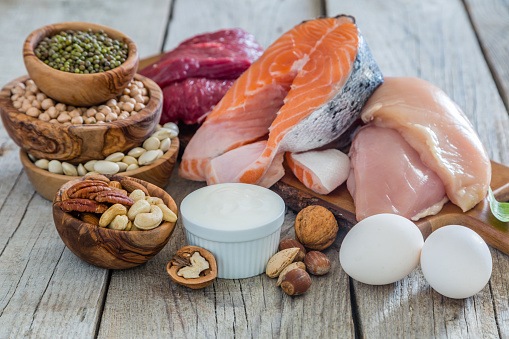
Consumption of animal protein is a hot eating trend, and many people have reported significant benefits after adopting this pattern of eating.
This may lead to some of you to wonder- Is it healthy to eat only meat in the long term? There are allegations that animal protein intake is associated with incidences of Gout, Kidney dysfunctions and also something as worse as heart diseases. Is this all true? Well, not really.
So let’s start with this absolutely fallacy that correlates increase in animal protein consumption with Gout. (A painful, inflammatory disorder in which too much uric acid in the body crystallises and forms deposits in the joints). Uric acid is basically a breakdown product of a protein- Purine, which is present in red meat and other animal-based proteins. So, according to the conventional, lazy school of thought, the best advice would be to avoid animal protein completely. There is, however, a problem with this logic (of a low purine diet) because over 90% of elevated uric acid is due to impaired clearance, and not overproduction of uric acid (1).
While it is the kidney’s function to clear out this waste material (uric acid), reduced clearance is generally a result of yet another problem which is Insulin Resistance. Insulin resistance is when cells in your muscles, body fat and liver start resisting or ignoring the signal that the hormone insulin is trying to send out—which is to grab glucose out of the bloodstream and put it into our cells. This further leads to ever-increasing levels of Insulin in your blood as the brain recognizes this ignorance as lack of insulin. These elevated levels of insulin impair the kidney’s ability to do its job. Hence, evidence suggests that most cases of gout are a result of this metabolic dysregulation (hyperinsulinemia) and metabolic syndrome as well (2).
Relooking at the standard dietary recommendations for gout – A Low Purine Diet – it might be wise to question this approach because low purine foods are mostly carbohydrate-based: cereals, bread, pasta, flour, sugar, and fruit. These cause insulin spikes far greater than what animal protein does. And just as low cholesterol diets have a trivial effect on serum cholesterol, low purine diets have a negligible impact on uric acid levels.
Also, we’d like to draw your attention to the fact that Gout is unknown in Eskimos despite their purine-rich diet (3). Definitely worth thinking about right?
What about the extra load on the kidneys then?
The changes in kidney function as a result of a high protein diet are expected and normal. These adaptive mechanisms are well within the functional duties of the kidneys. But aren’t high levels blood urea nitrogen (BUN) and Creatinine as a consequence of increased animal protein consumption? They sure are.
Nevertheless, people with higher muscular content, when coupled with a high protein diet, have their Creatinine levels on a little higher side too. As creatinine is a waste product produced by muscles from the breakdown of a compound called creatine.
Also high levels of BUN do not necessarily indicate kidney dysfunction. BUN levels usually increase on a high protein diet as it is a surrogate of how much protein you are eating.
If you are really concerned about a high protein diet and kidney health, instead of just looking at creatinine alone which can be “falsely elevated”, get a Cystatin-C GFR test done.
Cystatin C is a protein produced in the body. The levels are kept just right in normal conditions. It can be a problem when the levels of cystatin C go too high, as it is indicative of your kidneys not functioning not functioning properly.
In fact, research on patients with chronic kidney disease shows that reducing relative fat intake and increasing the protein intake may be beneficial for kidney functioning rather than deriving calories from a high fat, low protein diet (4).
Also, all of of you with normal functioning kidneys, a high protein diet would prevent you from end stage renal disease (ESRD) (4).
Another disease which people fear the most when it comes to animal protein consumption is the occurrence of a heart disease (Heart disease or diseases are a group of ailments related to compromised functioning of the heart), also known as cardiovascular diseases (CVDs).
A variety of conditions occurring as a result can be- Atherosclerosis, high blood pressure, heart attack and something as worse as heart failure.
Now there's good evidence and explanation that when atherosclerosis does occur, it is almost always in the setting of insulin resistance and metabolic dysfunction. Insulin resistance reduces the ability of our body to clear circulating lipids, viz., triglycerides and free fatty acids. Hypertriglyceridemia has the strongest correlation with CVDs among the five components of the metabolic syndrome (5).
Long story short, animal protein does not trigger heart issues, neither does it trigger kidney dysfunction. We hope this article has answered your questions, in case you still have lingering doubts, feel free to reach out to us!
References:

Oats, scientifically known as Avena sativa, is a type of cereal grain present in the Poaceae grass family of plants. The grain refers specifically to the edible seeds of oat grass. Although it might be hated by some for its gooey texture upon cooking, oats are often prized for their nutritional value, health benefits and the various ways of preparation. Oats are edible seeds of the plant, of which the hulls or husks are removed and hence called as the oat groats/ kernel. The different varieties of oats start out as oat kernels and vary in the extent of processing techniques and somewhat in their nutrient profiling too. Oats can be modified and consumed in the following ways:
Oatmeal- Oatmeal is a type of coarse flour made of hulled oat groats and consequently a meal made using the same.
Overnight oats- This is a quick, easy no-cook solution of eating oats. All you have to do is Add sufficient amounts of water for oats to soak overnight without fully absorbing all of the liquid and draining the remaining liquid and rinsing the oats before eating.
Oat flour- These are oats that have been ground to a flour-like consistency.
There are different types of oats which you can see on the supermarket shelves, viz.,
Steel cut oats are somewhat similar to the unprocessed oat groats. Whole oat kernels are turned into pieces using large steel blades. These oats have a coarser, chewier texture and nuttier flavor than rolled or quick oats and also take longer to prepare (15-30 minutes).
Scottish oats are those that have been stone-ground into a meal, creating a porridge-like texture when cooked. Stoneground flour is whole grain flour produced by the traditional process of grinding grain between two millstones.
Rolled oats are formed when whole oat groats are steamed, rolled and flattened into flakes, and then dried to remove moisture. These techniques make rolled oats shelf-stable. They have a milder flavor and softer texture and take 2–5 minutes to prepare.
Quick oats or instant oats are those that are even more processed than the latter two. These are partially cooked by steaming and then rolled even thinner than rolled oats. They cook very quickly and have a mild flavor and a soft, mushy texture.
Nutritionally, oats are packed with Beta-glucan, a soluble fiber component which is generally the major contributor for its weight loss claims. Whole grain oats contain a considerable amount of valuable nutrients such as proteins, carbohydrates and micronutrients such as vitamin E, folate, zinc, iron, selenium, copper, manganese, carotenoids, betaine and choline.
Whilst it has a good nutrient profile and can be considered as ‘fit for health’, it has a high glycemic index. It simply means that your blood sugar levels spike up immediately after its consumption.
Moreover, the most important factor to be considered is the antinutrient content. Oats contain phytic acid which interferes with nutrient absorption and causes gastric disturbances (bloating, gas). However, the amount of this antinutrient can be lowered by soaking oats and discarding the water before eating.
The best way to reduce phytic acid in oats is by opting for overnight oats or soaking the oats with a dash of acid- apple cider vinegar or lemon juice to the soaking liquid and you will have a delicious batch of no-cook oatmeal that is ready to eat.
Oats are also found to produce a series of phytochemicals (compounds produced by plants for their protection) which are Saponins(1). Saponins are naturally produced as foam-producing compounds by many plants. Due to the bitterness, throat-irritating and inhibitory activity of saponins, they are considered to be ‘antinutrients’. However, greatest amounts of saponins are lost during soaking in salt water followed by pressure cooking. (Read more about Saponins: https://www.thrivefnc.com/blog/plant-antinutrients-saponins/)
Flavone-C-glycosides are yet another plant defense mechanism which is present in abundant quantities in the oat plants (2). These defense mechanisms basically work to deter larger animals for which some plants have sharp spines or thorns, while others have leaves that sting or are bitter to taste.
Owing to their supposed nutritional value, oat-based food products like breads, biscuits, cookies, probiotic drinks, breakfast cereals, flakes and infant food are gaining increasing consideration. These preparations also contain additives, binders, preservatives, and other chemicals which almost destroy the various benefits associated with consuming oats.
If oats have topped your favourites’ list or you are someone who wants to give them a try then eat them in their plain and natural form, do look for gluten free oats and always soak them overnight and discard the water so that you aren’t consuming any antinutrients.
References-




The blog covers functional nutrition, chronic conditions, gut health, hormonal health, autoimmune conditions, sleep, mental health, and root cause analysis. Every article is written to help you understand what is actually happening inside your body, not just manage symptoms.
All articles are written by the content writers in collaboration with iThrive's clinical team of functional nutritionists, guided by the same methodology used in the ALIVE programme. The content is rooted in functional medicine and real clinical experience, not generic health advice.
No. The blog is an educational resource to help you understand your health more deeply. If you are experiencing symptoms or managing a chronic condition, a personalized Root Cause Analysis with a functional nutritionist is the right next step.
Book a Root Cause Analysis. For ₹2,500, a dedicated functional nutritionist will assess 60+ blood markers using optimal ranges and explain exactly what is driving your condition. It is the natural next step after reading about what might be happening in your body.
Yes. Many of our readers come with existing diagnoses and find the blog helps them understand why their condition developed and what their body actually needs. The articles are designed to give you clarity, not replace the guidance of a practitioner.